Cracking a skill-specific interview, like one for Display Concept Development, requires understanding the nuances of the role. In this blog, we present the questions you’re most likely to encounter, along with insights into how to answer them effectively. Let’s ensure you’re ready to make a strong impression.
Questions Asked in Display Concept Development Interview
Q 1. Describe your experience in developing display concepts for different retail environments.
My experience spans a wide range of retail environments, from high-end boutiques to large-scale department stores and pop-up shops. I’ve developed display concepts for diverse product categories, including fashion apparel, cosmetics, electronics, and home goods. For example, I designed an interactive display for a tech company showcasing their latest smartphone, using augmented reality to engage customers. For a clothing retailer, I created a modular display system that could easily adapt to seasonal changes and different product lines. Each project demanded a different approach, requiring me to deeply understand the target audience, brand identity, and the specific challenges and opportunities presented by the retail space itself.
In another project for a high-end jewelry store, the focus was on creating an elegant and luxurious atmosphere. We used minimalist designs, high-quality materials like polished wood and glass, and subtle lighting to highlight the precious items on display. This contrasts sharply with a project I did for a youth-oriented clothing brand, where the design leaned towards vibrant colors, playful graphics, and dynamic, easily reconfigurable fixtures.
Q 2. Explain your process for translating client briefs into effective display concepts.
My process for translating client briefs into effective display concepts is a multi-stage approach focusing on deep understanding and creative problem-solving. It begins with a thorough review of the client brief, identifying their key objectives, target audience, brand personality, and budget limitations. This includes analyzing competitor displays and market trends to gain a competitive edge.
- Research & Analysis: I conduct thorough market research, studying competitor strategies and analyzing target audience demographics and preferences.
- Concept Development: I brainstorm multiple display concepts, sketching rough ideas and creating mood boards to visualize different approaches.
- Refinement & Iteration: Based on client feedback, I refine the chosen concept, producing detailed 2D and 3D renderings.
- Prototyping & Testing: Where possible, I create physical prototypes to test the practicality and visual appeal of the design.
- Finalization & Documentation: Once approved, I provide comprehensive technical drawings and specifications for fabrication and installation.
For instance, a client might want to increase sales of a specific product. My response would involve designing a display that prominently features that item, possibly with accompanying promotional materials and strategic placement within the store. This requires understanding the retail psychology and optimizing for customer flow and visibility.
Q 3. How do you incorporate branding guidelines into your display designs?
Incorporating branding guidelines is paramount to creating a cohesive and recognizable brand experience. I meticulously review the brand’s style guide, paying close attention to their logo usage, color palettes, typography, and overall brand voice. This is more than just ensuring the logo is present; it’s about seamlessly integrating the brand’s visual identity into every aspect of the display design.
For example, if a brand uses a specific shade of blue in its logo and marketing materials, that color will be strategically used in the display’s design, perhaps as the background color or in accent pieces. Similarly, the typography used in the display’s signage will align with the brand’s established font choices. I ensure that the overall aesthetic and message of the display are consistent with the brand’s established visual language, creating a unified and professional impression.
I often work closely with the brand’s marketing team to ensure alignment and to obtain any necessary assets, such as high-resolution images or specific brand fonts.
Q 4. Describe your experience with different display materials and their limitations.
My experience encompasses a wide variety of display materials, each with its own strengths and limitations. These include wood, acrylic, metal, cardboard, fabric, and digital screens. Wood offers durability and a natural aesthetic, but can be expensive and heavy. Acrylic is lightweight and versatile, but can scratch easily. Metal offers strength and modern appeal, but can be costly and difficult to work with. Cardboard is economical and readily available, but less durable. Fabric offers flexibility and texture but may require specialized handling and cleaning. Digital screens provide dynamic content options but require ongoing maintenance and electricity.
Choosing the right material depends heavily on the project’s budget, the desired aesthetic, the product being displayed, and the environment where the display will be situated. For example, I wouldn’t use cardboard for an outdoor display susceptible to weather damage, and I’d avoid fragile materials in a high-traffic area. A careful consideration of these factors is essential for a successful and long-lasting display.
Q 5. How do you ensure the accessibility and inclusivity of your display concepts?
Accessibility and inclusivity are critical considerations in my design process. I strive to create displays that are usable and engaging for everyone, regardless of their abilities or disabilities. This includes considering:
- Visual Accessibility: Using sufficient contrast between text and background colors, avoiding cluttered layouts, and providing alternative text for images.
- Auditory Accessibility: For displays incorporating audio elements, ensuring clear and concise audio descriptions and using appropriate volume levels.
- Physical Accessibility: Designing displays with appropriate height and reach for users in wheelchairs or with limited mobility, and ensuring enough space for navigation.
- Cognitive Accessibility: Using simple and clear language in signage, breaking down complex information into smaller, manageable chunks.
For example, I might incorporate braille or tactile elements for visually impaired customers, or design displays with adjustable heights to accommodate users with various physical needs. This inclusive approach ensures that the retail experience is welcoming and enjoyable for all visitors.
Q 6. What software and tools are you proficient in for display concept development?
I’m proficient in a range of software and tools crucial for display concept development. My core competencies include:
- Adobe Creative Suite (Photoshop, Illustrator, InDesign): For creating visuals, illustrations, and layouts.
- Autodesk Sketchbook: For quick sketching and concept development.
- Autodesk 3ds Max or Cinema 4D: For creating detailed 3D models and renderings.
- Vectorworks or AutoCAD: For creating technical drawings and specifications.
- KeyShot: For high-quality product renderings.
Proficiency in these tools allows me to translate initial ideas into detailed visual representations and technical documentation ready for fabrication and installation. I’m also comfortable using project management software like Asana or Trello for collaborative work and efficient task management.
Q 7. How do you manage projects with tight deadlines and budget constraints?
Managing projects with tight deadlines and budget constraints requires careful planning, efficient resource allocation, and effective communication. My approach involves:
- Detailed Project Planning: Creating a comprehensive project timeline with clearly defined milestones and deliverables. This involves breaking down complex tasks into smaller, manageable steps.
- Prioritization & Resource Allocation: Identifying critical tasks and allocating resources accordingly, focusing on the most impactful aspects of the design within budget constraints.
- Open Communication & Collaboration: Maintaining open communication with clients and team members throughout the project, providing regular updates and proactively addressing any potential challenges.
- Agile Methodology: Employing an iterative approach, allowing for flexibility and adjustments based on feedback and evolving needs. This helps to adapt to unforeseen circumstances and stay on track.
- Value Engineering: Exploring cost-effective alternatives while maintaining design integrity, which might involve substituting materials or simplifying certain aspects of the design without sacrificing the overall impact.
For example, if faced with budget limitations, I might explore less expensive materials without compromising the overall design aesthetic. I might also suggest prioritizing certain features over others, focusing on the most impactful elements that directly address the client’s objectives.
Q 8. Describe a time you had to adapt a display concept due to unforeseen circumstances.
Adapting display concepts is a crucial skill in our field. Once, we were developing a large-scale window display for a high-end clothing brand featuring a complex, multi-level structure. The concept relied heavily on a specific type of lightweight, translucent fabric. However, due to unforeseen supply chain issues, this fabric became unavailable just weeks before the launch.
Instead of scrapping the entire concept, we quickly brainstormed alternatives. We analyzed the original design, identifying the key elements: the airy, ethereal feel, the subtle lighting effects, and the overall sense of luxury. We then explored substitute materials, ultimately selecting a high-quality silk with similar draping capabilities. We also adjusted the lighting design slightly to complement the new fabric’s texture and opacity. This required some quick revisions to the construction plans and close collaboration with the fabrication team, but ultimately, we delivered a stunning display that retained the original vision while navigating the unexpected challenge. The final result, although different in its material specifics, remained successful in achieving the brand’s aesthetic aims.
Q 9. How do you evaluate the success of a display concept after its implementation?
Evaluating the success of a display concept goes beyond simply observing whether it ‘looks nice.’ We use a multi-faceted approach, combining quantitative and qualitative data.
- Sales Data: A key metric is tracking the sales uplift in the product categories featured in the display. A significant increase indicates a direct positive impact.
- Customer Feedback: We gather customer feedback through surveys, in-store observations, and social media monitoring. This provides insights into customer reactions and perceptions.
- Foot Traffic Analysis: Tracking foot traffic in the display area reveals if the display effectively draws customers. Technology like heatmaps can provide detailed insights.
- Brand Alignment: We assess how well the display reinforces the brand’s identity, values, and messaging. This ensures consistency and builds brand equity.
- Photography & Social Media Engagement: The number of photos taken by customers and shared on social media platforms serves as an indicator of the display’s visual appeal and its potential as a conversation starter.
By analyzing these different data points, we gain a holistic view of the display’s effectiveness, enabling us to refine future concepts and measure our ROI.
Q 10. Explain your understanding of visual merchandising principles.
Visual merchandising principles are the foundation of effective display design. It’s about strategically presenting products to maximize their appeal and drive sales. Key principles include:
- Storytelling: Creating a narrative through the arrangement of products and props to engage customers emotionally.
- Color Psychology: Using colors to evoke specific emotions and attract attention. For example, warm colors like red and orange can stimulate excitement, while cool colors like blue and green create a calming atmosphere.
- Lighting: Strategic lighting highlights key products and creates the desired ambiance. Think about the use of spotlights, backlighting, and ambient lighting.
- Space Planning: Optimizing the use of space to guide customer flow and maximize product visibility. This includes proper zoning and the strategic placement of key items.
- Focal Points: Creating visual focal points using elements like mannequins, large props, or prominent product displays to draw customers’ eyes.
- Consistency and Branding: Ensuring that the display aligns with the brand’s overall image and messaging. A cohesive look and feel across all displays enhances brand recognition and recall.
For example, a clothing store might use a mannequin dressed in the season’s key outfit as a focal point, surrounded by complementary accessories strategically placed to encourage impulse purchases. The lighting would highlight the textures and colors of the clothing while maintaining the overall mood and brand aesthetic.
Q 11. How do you stay updated with current trends in display design?
Staying current is paramount in this rapidly evolving field. I employ a multi-pronged approach:
- Industry Publications and Websites: I regularly read trade magazines, blogs, and online resources dedicated to visual merchandising, retail design, and graphic design. This keeps me informed about emerging trends and new technologies.
- Trade Shows and Conferences: Attending industry events provides opportunities to network with peers, see the latest products and innovations firsthand, and gain insights into best practices.
- Social Media: Platforms like Instagram, Pinterest, and Behance are invaluable resources for visual inspiration, showcasing innovative display concepts from around the world.
- Competitor Analysis: I regularly analyze displays used by competitors to identify successful strategies and pinpoint areas for improvement in our own work.
- Continuing Education: I actively seek out workshops, webinars, and online courses to expand my knowledge and skill set in areas such as 3D modeling, lighting design, and interactive display technologies.
This ongoing learning process is crucial for staying ahead of the curve and consistently delivering cutting-edge display solutions.
Q 12. Describe your experience with creating interactive or digital displays.
I have extensive experience with interactive and digital displays, leveraging technology to enhance the customer experience and increase engagement. For example, I worked on a project for a technology retailer where we integrated interactive touchscreens into their product displays. These screens allowed customers to access detailed product information, view 360-degree product views, and compare different models.
In another project, we designed a digital storefront window that incorporated animated graphics and video content, which changed dynamically throughout the day to match the time of day and target different demographics. This project involved close collaboration with software developers, video producers, and content creators. The success of both projects was measured by tracking customer engagement metrics such as touchscreen interaction time, dwell time in front of the display, and social media shares related to the interactive elements. This data allowed us to refine the displays and maximize their impact.
Q 13. How do you collaborate with other team members during the display development process?
Collaboration is essential in display development. My approach involves clear communication and a collaborative workflow.
- Early Involvement: I actively participate from the initial concept phase, ensuring that all stakeholders have a clear understanding of the goals and objectives.
- Regular Meetings: We hold regular meetings with all team members (designers, architects, engineers, merchandisers, and marketers) to discuss progress, address challenges, and ensure alignment.
- Open Communication: I utilize project management tools to ensure transparency and efficient communication, sharing progress updates, design revisions, and feedback openly.
- Constructive Feedback: I encourage open and constructive feedback from all team members, fostering a collaborative environment where everyone’s ideas are valued.
- Defined Roles and Responsibilities: Clear roles and responsibilities ensure accountability and avoid duplication of efforts.
By fostering a collaborative spirit, we create displays that are not only visually appealing but also meet the client’s needs and reflect the collective expertise of the team.
Q 14. What are some common challenges in display concept development, and how do you overcome them?
Display concept development presents several challenges.
- Budget Constraints: Balancing creative vision with budgetary limitations often requires innovative and resourceful solutions. This involves prioritizing key elements, exploring cost-effective materials, and optimizing the design for efficient production.
- Time Constraints: Tight deadlines require efficient planning, streamlined workflows, and a proactive approach to problem-solving. We use project management tools and agile methodologies to manage time effectively.
- Space Limitations: Working within limited space requires careful planning and creative use of space to maximize product visibility and create an impactful display. This might involve utilizing vertical space, incorporating multi-level displays, or clever use of mirrors.
- Client Feedback: Managing client feedback and expectations requires clear communication, compromise, and a willingness to iterate and refine the design based on feedback.
- Technical Challenges: Implementing complex designs or integrating technology can present technical challenges that require creative problem-solving and collaboration with technical experts.
Overcoming these challenges requires a combination of experience, creativity, problem-solving skills, effective communication, and adaptability. We use a proactive approach, anticipating potential issues, developing contingency plans, and actively seeking solutions to ensure project success.
Q 15. How do you balance aesthetics with functionality in display design?
Balancing aesthetics and functionality in display design is crucial for creating effective and engaging experiences. It’s not about choosing one over the other, but rather finding a harmonious blend. Think of it like baking a cake: you need the right ingredients (functionality – clear messaging, user-friendliness, accessibility) and the perfect presentation (aesthetics – visually appealing design, color palette, typography) to achieve the desired result.
- User-centered Design: I begin by deeply understanding the target audience and their needs. What information needs to be conveyed? How will users interact with the display? This informs the functional aspects of the design.
- Visual Hierarchy: I use visual hierarchy to guide the user’s eye through the information. Important elements are given prominence through size, color, and placement, ensuring functionality doesn’t compromise aesthetics.
- Style Guides and Branding: Adherence to brand guidelines is paramount. The aesthetic choices must complement the brand’s identity while remaining functional and user-friendly. For example, a minimalist design might be ideal for a tech brand emphasizing clean lines and functionality, while a more vibrant design might suit a children’s toy company.
- Prototyping and Iteration: I create prototypes, testing different design iterations to evaluate the balance between aesthetics and functionality. User feedback plays a significant role in this iterative process, ensuring the final design is both beautiful and effective.
Career Expert Tips:
- Ace those interviews! Prepare effectively by reviewing the Top 50 Most Common Interview Questions on ResumeGemini.
- Navigate your job search with confidence! Explore a wide range of Career Tips on ResumeGemini. Learn about common challenges and recommendations to overcome them.
- Craft the perfect resume! Master the Art of Resume Writing with ResumeGemini’s guide. Showcase your unique qualifications and achievements effectively.
- Don’t miss out on holiday savings! Build your dream resume with ResumeGemini’s ATS optimized templates.
Q 16. How do you incorporate sustainability into your display design decisions?
Sustainability is a core principle in my design process. I strive to minimize environmental impact throughout the display’s lifecycle, from material selection to disposal. This involves considering the entire supply chain and lifecycle of the materials and processes involved.
- Material Selection: I prioritize the use of recycled and recyclable materials. This could include using reclaimed wood for display frames, recycled plastics for signage, or opting for sustainably sourced paper for printed materials. I also consider the embodied carbon in materials and choose low-impact options.
- Energy Efficiency: For digital displays, I specify energy-efficient LED lighting and low-power components. This reduces energy consumption and lowers the carbon footprint during the display’s operational phase.
- Durability and Longevity: Designing durable and long-lasting displays reduces the need for frequent replacements, minimizing waste. Robust construction and high-quality materials contribute to a longer lifespan.
- Manufacturing Practices: I collaborate with manufacturers who adhere to ethical and sustainable practices. This includes assessing their commitment to fair labor standards and environmentally responsible production methods.
- End-of-Life Considerations: I design displays with disassembly and recyclability in mind. Clear labeling and modular design facilitate easy component separation for efficient recycling at the end of the display’s life.
Q 17. Explain your experience in creating displays for specific product categories.
My experience spans various product categories, allowing me to tailor my display design approach to each unique context. I’ve worked extensively on displays for retail environments, museums, and trade shows.
- Retail: For retail, the focus is on attracting attention and driving sales. Displays must be visually striking, highlight key product features, and be easy to navigate. I’ve designed displays for clothing, electronics, and cosmetics, each requiring a different approach to showcase the products effectively.
- Museums: Museum displays require a more nuanced approach, balancing aesthetics with the need to provide accurate information and create an engaging learning experience. I’ve designed interactive displays and exhibit cases that showcase artifacts and historical information in an accessible and captivating way.
- Trade Shows: Trade show displays need to stand out from the competition and clearly communicate a company’s message. I incorporate interactive elements and striking visuals to create memorable displays that draw visitors and generate leads. One project involved creating a large-scale interactive display that utilized augmented reality technology to showcase new product lines at a tech conference.
Q 18. Describe your process for creating detailed design specifications and technical drawings.
Creating detailed design specifications and technical drawings is crucial for ensuring the successful production of a display. My process is systematic and iterative:
- Concept Development: Based on client brief and research, I develop initial concepts, including mood boards and sketches.
- Detailed Design: This stage involves creating precise 2D and 3D drawings using CAD software (e.g., AutoCAD, SketchUp, or SolidWorks). These drawings specify dimensions, materials, finishes, and assembly details.
- Material Specifications: I meticulously document the materials to be used, including their properties, sourcing information, and sustainability certifications. This ensures consistency and facilitates procurement.
- Technical Specifications: For digital displays, I define technical specifications such as screen resolution, brightness, and connectivity. I also outline any necessary software or hardware integrations.
- Production Drawings: I prepare production-ready drawings, ensuring clarity and accuracy for the manufacturing team. This may involve creating detailed assembly instructions and exploded views.
- Revision Control: I maintain version control throughout the process, tracking all changes and revisions to design specifications.
Q 19. How do you present and communicate display concepts to clients or stakeholders?
Presenting display concepts effectively requires a multifaceted approach that considers the audience and their needs. I use a range of methods to ensure clear communication.
- Visual Presentations: I create visually compelling presentations using tools like PowerPoint or Keynote, incorporating high-quality renderings, mockups, and animations to showcase the design.
- Storytelling: I frame the presentation as a narrative, explaining the design rationale, highlighting key features, and emphasizing the user experience. I use real-world examples and case studies to illustrate the design’s effectiveness.
- Interactive Prototypes: Wherever possible, I present interactive prototypes to allow clients to experience the design firsthand. This enables more effective feedback and helps refine the design based on real-time user interaction.
- Collaboration and Discussion: I foster a collaborative environment, encouraging questions and discussion to ensure that the client fully understands the design and its implications.
- Documentation: I provide comprehensive documentation, including detailed design specifications, technical drawings, and cost estimates, to support the presentation and facilitate decision-making.
Q 20. How do you handle feedback and revisions during the design process?
Handling feedback and revisions is an integral part of the design process. I approach it as an opportunity for improvement and refinement.
- Active Listening: I actively listen to client feedback, asking clarifying questions to ensure I fully understand their concerns and suggestions.
- Documentation and Tracking: I meticulously document all feedback received, tracking changes and revisions using version control systems.
- Iterative Design: I embrace an iterative design process, incorporating feedback into subsequent design iterations. I present revised designs to the client, explaining the changes made and their rationale.
- Compromise and Negotiation: Sometimes, conflicting design preferences may arise. I facilitate constructive dialogue between stakeholders to reach a mutually agreeable solution. This involves balancing aesthetic considerations with functional requirements and budgetary constraints.
- Transparency and Communication: Throughout the revision process, I maintain open and transparent communication, keeping the client informed of the progress and any potential challenges.
Q 21. What is your approach to creating a mood board or concept sketches?
Creating a mood board and concept sketches is the foundation of my design process. It’s a visual brainstorming session that helps establish the overall direction and aesthetic of the display.
- Research and Inspiration: I begin by researching the client’s brand, target audience, and competitors. I gather visual inspiration from various sources, including magazines, websites, and online design platforms like Pinterest and Dribbble.
- Mood Board Creation: I create a mood board, a curated collection of images, colors, textures, and typography that capture the desired atmosphere and style for the display. This visual representation helps to define the project’s aesthetic direction.
- Concept Sketching: I then translate the mood board into initial concept sketches, exploring different layout options and design ideas. These sketches are not meant to be precise but rather to explore various possibilities and refine the design concept.
- Iteration and Refinement: I often iterate on multiple sketches, experimenting with different arrangements, color schemes, and typographic treatments. This iterative process allows for exploration and refinement of the design concept.
- Client Feedback: I present my mood board and initial sketches to the client for feedback, allowing them to participate in the creative process from an early stage.
Q 22. Describe your understanding of color theory and its application in display design.
Color theory is the foundational principle behind effective display design. It’s the understanding of how colors interact, their psychological impact, and how they can be used to create specific moods and attract attention. It encompasses three main aspects: hue (the pure color), saturation (the intensity or purity of the color), and value (the lightness or darkness of the color).
In display design, we use color theory to guide several crucial decisions. For example, understanding the color wheel helps create harmonious color palettes – using analogous colors (next to each other on the wheel) for a calming effect or complementary colors (opposite each other) for a more vibrant contrast. Think about a retail display for a luxury brand: muted, analogous colors like deep blues and greens might evoke feelings of sophistication and calmness, while a display for a children’s toy store might utilize bright, complementary colors like yellow and purple to create energy and excitement.
We also consider the psychological impact of color. Red can stimulate appetite, making it effective for food displays, while blue often conveys trust and stability, making it suitable for financial institutions. Understanding these nuances is crucial to ensuring the display effectively communicates the intended message.
Q 23. How do you ensure your display designs are consistent with brand identity?
Maintaining brand consistency in display design is paramount. It ensures a cohesive brand experience across all touchpoints. This starts with a thorough understanding of the brand’s existing style guide, which outlines the brand’s logo, color palette, typography, imagery style, and overall messaging. For example, if a brand uses a specific shade of blue and a particular font, those elements must be consistently integrated into the display design.
I achieve brand consistency through several methods. First, I always start with a detailed briefing session with the client to understand their brand’s values and target audience. Second, I meticulously incorporate the brand’s visual identity elements (logo, colors, fonts) into the display, ensuring accurate reproduction and placement. Third, I develop mood boards and present initial concepts for client approval before proceeding to the final design. Finally, I provide detailed specifications for the fabrication and installation of the display, to guarantee everything is implemented as designed.
For instance, I recently designed a display for a tech company with a sleek, modern brand identity. The display featured their signature grey and metallic colors, clean typography, and high-quality product photography, mirroring their online and offline branding.
Q 24. Explain your understanding of space planning and its role in display design.
Space planning is the strategic allocation of space within a physical environment to optimize functionality, aesthetics, and user experience. In display design, effective space planning is crucial to create a visually appealing and engaging presentation. It involves considering the available space, the product(s) being displayed, the target audience, and the overall message being conveyed.
My approach to space planning involves several key steps: Firstly, I conduct a thorough site survey to assess the dimensions and layout of the available space, including identifying potential obstacles or limitations. Then, I develop floor plans and 3D mockups to visualize different display arrangements, exploring options to maximize visual impact and product visibility. I consider factors such as traffic flow, sightlines, and the integration of other elements like lighting and signage. The goal is to create a balanced and inviting space that guides the viewer through a logical and engaging journey. For example, a retail display might use a zig-zag layout to encourage exploration, while an exhibition display might employ a more linear progression to highlight a chronological narrative.
Furthermore, I always consider the accessibility of the display, ensuring it meets ADA guidelines and is inclusive for all visitors. This includes appropriate height and spacing for ease of viewing and navigation.
Q 25. How do you choose appropriate lighting for a display concept?
Choosing appropriate lighting is crucial for enhancing the visual impact and message of a display. It sets the mood, highlights key features, and enhances the overall aesthetic appeal. The lighting should be carefully selected based on several factors, including the type of products being showcased, the surrounding environment, and the desired atmosphere.
I usually consider several lighting types: Ambient lighting sets the overall mood and illuminates the space generally; accent lighting highlights specific products or features; and task lighting provides focused illumination for detailed examination. The color temperature of the light (measured in Kelvin) also plays a significant role. Cooler temperatures (5000K+) create a crisp, modern feel, while warmer temperatures (2700K-) are more inviting and cozy. The intensity of the light (measured in lumens) is important to avoid harsh glare or insufficient illumination.
For instance, a jewelry display might utilize warm, spotlighting to enhance the sparkle of precious stones, whereas a technology display might opt for cool, even lighting to showcase the sleekness of the products. I always conduct thorough light tests to fine-tune the lighting scheme and achieve the desired visual effect. The goal is to create lighting that is both aesthetically pleasing and functionally supportive of the overall display objectives.
Q 26. Describe your experience working with different printing techniques for display graphics.
My experience encompasses a range of printing techniques for display graphics, each with its own advantages and disadvantages. The choice of technique depends on factors like budget, desired quality, size, and durability requirements.
I’ve worked extensively with large-format inkjet printing for high-quality, vibrant graphics on various substrates like vinyl, fabric, and paper. This is a versatile method suitable for a wide array of applications. For applications demanding exceptional durability and longevity, UV-cured inkjet printing is preferred, as the inks are highly resistant to scratching and fading. Screen printing is a cost-effective option for simpler designs, particularly for large quantities. It offers excellent color saturation but is less versatile for intricate designs or photographic reproduction. For displays requiring a more tactile finish, vinyl printing and die-cutting allow for creating complex shapes and designs.
Recently, I managed a project that required high-resolution images printed on a curved surface. In this instance, we opted for a specialized flex-faced printing method that allowed for seamless wrapping of the graphics around a custom-designed structure. The selection of printing method is not a trivial decision and requires a keen understanding of materials and processes to achieve the best outcome.
Q 27. How do you prioritize tasks and manage time effectively during a project?
Effective time management and task prioritization are critical to successful project delivery. I use a combination of techniques to keep projects on track and meet deadlines. I begin by breaking down large projects into smaller, manageable tasks, using tools like project management software (e.g., Asana, Trello). I then prioritize these tasks based on their urgency and importance, typically employing a matrix that categorizes tasks by urgency and impact.
I use methods like the Eisenhower Matrix (urgent/important) to prioritize tasks effectively. This helps me focus on the most critical aspects first, while scheduling less critical tasks strategically. Furthermore, I regularly review my schedule and adjust priorities as needed. This agile approach allows for adaptation to unexpected challenges or changes in project scope. I also allocate specific time blocks for different tasks, minimizing interruptions and maximizing focus. Regular communication with clients and team members ensures everyone is informed of progress and any potential roadblocks.
For example, in a recent project with multiple deadlines, I created a detailed Gantt chart to visualize the timeline and dependencies between tasks. This helped me to proactively identify and address potential delays and ensured all milestones were met.
Q 28. How do you handle conflict or disagreements among team members during a project?
Conflict resolution is an essential skill in collaborative projects. When disagreements arise, I approach them constructively, aiming to find solutions that satisfy all parties involved. My approach is based on active listening, open communication, and a focus on finding common ground.
First, I encourage open dialogue among team members. I create a safe space where everyone feels comfortable expressing their opinions and concerns without fear of judgment. I actively listen to all viewpoints, seeking to understand the underlying reasons for the disagreement. I facilitate a collaborative discussion, guiding the team toward a mutually acceptable solution. If necessary, I may suggest compromises or alternative approaches that address the concerns of all parties. The goal is to not only resolve the immediate conflict but also to strengthen teamwork and improve communication for future collaborations.
In a past project, a disagreement arose concerning the design style of a display. I facilitated a workshop where team members presented their ideas and rationale. Through open discussion, we identified a hybrid approach that incorporated elements from both designs, resulting in a more creative and comprehensive solution that satisfied the entire team.
Key Topics to Learn for Display Concept Development Interview
- Understanding Target Audience & Campaign Objectives: Defining the ideal customer profile and aligning creative concepts with specific marketing goals. Practical application includes analyzing campaign briefs and developing creative concepts that resonate with the identified target audience.
- Creative Ideation & Concept Generation: Brainstorming, sketching, and developing innovative display ad concepts. This includes exploring various ad formats, sizes, and interactive elements. Consider exploring different brainstorming techniques and their application to display advertising.
- Visual Design Principles & Best Practices: Applying principles of visual hierarchy, color theory, and typography to create engaging and effective display ads. Practical application includes understanding the role of whitespace, imagery selection, and call-to-action placement.
- Ad Technology & Platforms: Familiarity with ad serving platforms, ad networks, and common ad formats (e.g., banners, rich media, video). This includes understanding the technical aspects of ad implementation and troubleshooting.
- A/B Testing & Optimization: Understanding the importance of data-driven decision-making in display advertising. Practical application includes designing A/B tests to compare different creative concepts and optimize for key metrics like click-through rates and conversions.
- Branding & Consistency: Maintaining brand consistency across all display advertising campaigns. Practical application includes understanding brand guidelines and adapting creative concepts to align with established brand identity.
- Accessibility and Inclusivity in Design: Designing display ads that are accessible to users with disabilities. This includes understanding and adhering to accessibility guidelines.
Next Steps
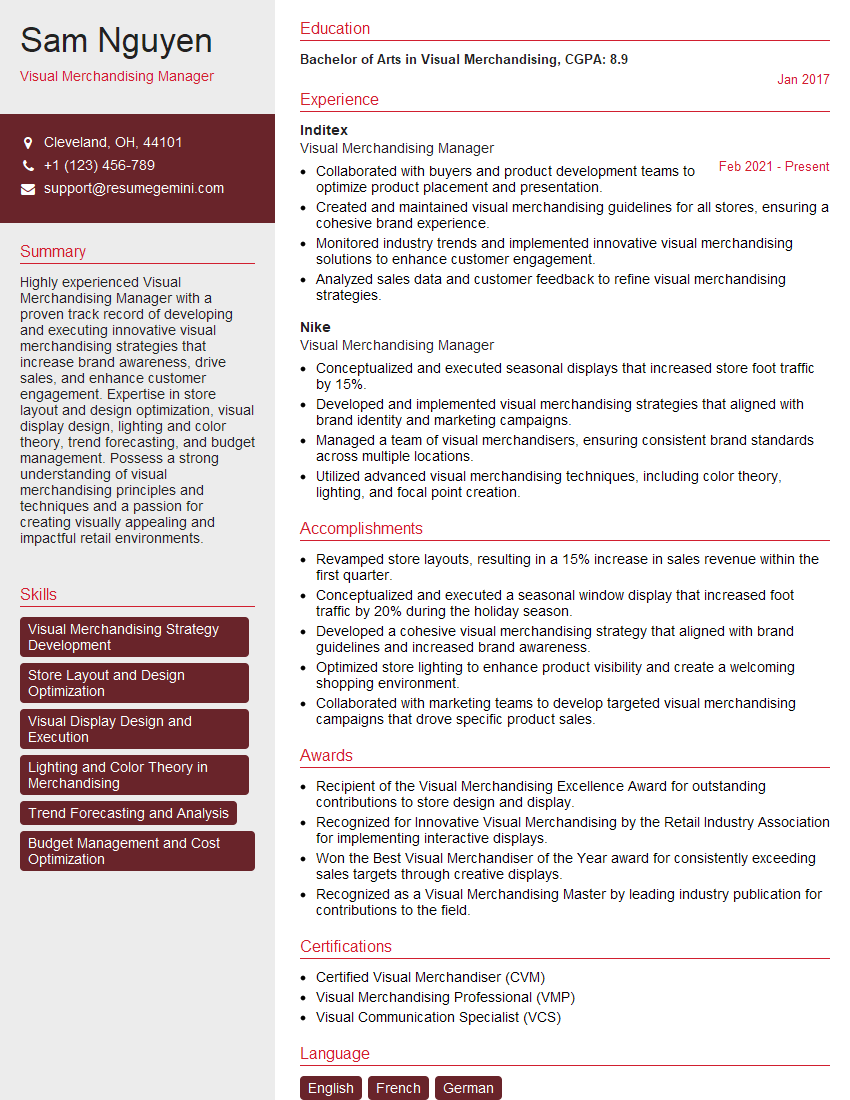
Mastering Display Concept Development significantly enhances your career prospects in the dynamic world of digital marketing. A strong understanding of these concepts positions you for higher-level roles and greater impact within your organization. To maximize your chances of landing your dream job, it’s crucial to present your skills and experience effectively. Creating an ATS-friendly resume is paramount in getting your application noticed. We highly recommend leveraging ResumeGemini to build a professional and impactful resume that highlights your abilities. ResumeGemini provides examples of resumes specifically tailored to Display Concept Development, ensuring your qualifications shine through.
Explore more articles
Users Rating of Our Blogs
Share Your Experience
We value your feedback! Please rate our content and share your thoughts (optional).
What Readers Say About Our Blog
good