Interviews are more than just a Q&A session—they’re a chance to prove your worth. This blog dives into essential Doctrine and Policy Knowledge interview questions and expert tips to help you align your answers with what hiring managers are looking for. Start preparing to shine!
Questions Asked in Doctrine and Policy Knowledge Interview
Q 1. Explain the difference between doctrine and policy.
Doctrine and policy, while often used interchangeably, have distinct meanings. Doctrine represents a fundamental principle, belief, or set of teachings that guide actions and decisions within an organization or field. Think of it as the underlying philosophy. It’s often established over time and is relatively stable. Policy, on the other hand, is a specific course of action or a set of rules designed to achieve a particular goal. Policies are derived from doctrines and are more concrete, actionable guidelines.
For example, a military doctrine might emphasize decisive action and swift victory. A policy derived from that doctrine could be a detailed protocol for preemptive strikes, outlining specific conditions and authorization procedures. Similarly, a company’s doctrine might center on customer satisfaction. A related policy might specify the process for handling customer complaints, including response times and escalation protocols.
Q 2. Describe a time you had to interpret and apply complex policy.
During my time at a regulatory agency, I had to interpret and apply a complex policy regarding data privacy and its interaction with national security concerns. The policy itself was lengthy and nuanced, with multiple sections addressing various exceptions and exemptions. The case involved a request for sensitive data access. Initially, the request seemed to fall under an exemption for national security. However, closer examination of the policy revealed that this exemption applied only under certain strictly defined circumstances, which weren’t fully met in this specific case.
My analysis involved carefully reviewing each relevant section of the policy, cross-referencing definitions, and applying legal precedent. I created a detailed memo outlining the relevant policy sections, my interpretation, and the rationale for my conclusion. Ultimately, I recommended a course of action that balanced the need for data access with the obligations of data privacy, ultimately leading to a revised, more targeted request that satisfied both needs.
Q 3. How do you stay updated on changes in relevant doctrines and policies?
Staying current on doctrine and policy changes requires a multi-pronged approach. I subscribe to relevant professional journals and newsletters, attend industry conferences and webinars, and actively monitor official government websites and regulatory bodies. I also maintain a network of colleagues and experts in the field, engaging in regular discussions and exchanging information. This allows me to identify emerging trends and anticipate potential changes before they become official.
Furthermore, I utilize advanced search techniques to monitor policy updates, employing keywords and alerts for relevant agencies. Staying informed isn’t just about passively receiving information; it’s also about actively seeking it out through multiple channels.
Q 4. Explain the impact of a specific policy change you’ve observed.
I observed a significant impact when our national environmental agency changed its policy on industrial emissions. Previously, the policy focused primarily on achieving overall reduction targets. The revised policy incorporated a more granular approach, implementing stricter limits based on specific pollutants and geographical location.
The immediate impact was a significant increase in compliance costs for many industries. However, the long-term effects were positive, showing a marked reduction in air pollution in heavily populated areas. While some industries initially faced challenges, the shift towards a more localized approach also fostered innovation in pollution control technologies. This illustrates that while policy changes can be disruptive, the long-term effects can be beneficial if properly implemented and monitored.
Q 5. How would you analyze the effectiveness of a given policy?
Analyzing policy effectiveness requires a structured approach. I would use a multi-faceted strategy that includes:
- Defining clear objectives: What were the intended goals of the policy?
- Data collection and analysis: Gathering quantitative and qualitative data to assess whether the policy achieved its objectives. This might involve reviewing statistics, conducting surveys, or conducting interviews with stakeholders.
- Impact assessment: Analyzing the policy’s effects on different stakeholders (beneficiaries, affected groups, and unintended consequences).
- Cost-benefit analysis: Weighing the policy’s costs against its benefits. This requires careful consideration of both direct and indirect costs and benefits.
- Comparative analysis: Comparing the results of the policy with similar policies implemented elsewhere or with previous policies.
Ultimately, the conclusion will be a comprehensive report outlining the policy’s successes, failures, and areas for improvement, recommending adjustments for optimal effectiveness.
Q 6. Describe your experience in policy research and analysis.
My experience in policy research and analysis spans several years and various sectors. I’ve been involved in projects ranging from conducting literature reviews and analyzing large datasets to writing policy briefs and making recommendations to decision-makers. I’m proficient in qualitative and quantitative research methods and experienced in using statistical software to analyze data and draw meaningful conclusions.
In one project, I led a team that analyzed the impact of a new healthcare policy on access to care for low-income populations. This involved working closely with stakeholders, collecting primary and secondary data, and developing a comprehensive report that was used to inform subsequent policy revisions. I am adept at translating complex data and findings into clear, concise reports and presentations that are easily understood by both technical and non-technical audiences.
Q 7. How do you identify and mitigate potential risks associated with a policy implementation?
Identifying and mitigating risks associated with policy implementation is crucial for successful outcomes. My approach involves a systematic risk assessment process that includes:
- Risk identification: Brainstorming potential challenges and problems that might arise during implementation, considering factors like resource constraints, stakeholder resistance, and unforeseen circumstances.
- Risk analysis: Evaluating the likelihood and potential impact of each identified risk. This often involves using tools like risk matrices to prioritize risks based on their severity.
- Risk mitigation strategies: Developing strategies to reduce or eliminate the identified risks. This may include adjusting the policy itself, developing contingency plans, enhancing communication and stakeholder engagement, and allocating additional resources.
- Monitoring and evaluation: Regularly tracking the implementation process, identifying emerging risks, and making necessary adjustments to the mitigation strategies. This iterative process ensures that potential problems are addressed promptly and effectively.
For example, when implementing a new environmental regulation, I would consider risks such as inadequate enforcement mechanisms, resistance from businesses, and the potential for unintended economic consequences. My mitigation strategies might involve engaging with businesses early in the process, providing clear guidelines and training, and creating a robust monitoring system to ensure compliance and address emerging problems.
Q 8. Explain your understanding of [Specific Policy/Doctrine – tailor to the job].
Let’s assume the specific policy/doctrine is the “Zero Trust Security Framework.” My understanding of Zero Trust is that it’s a security model built on the principle of ‘never trust, always verify.’ Unlike traditional perimeter-based security, which assumes that anything inside the network is trustworthy, Zero Trust treats every user, device, and application as potentially hostile, regardless of location.
This means that access to resources is granted based on continuous verification of identity, context, and device posture. Key components include:
- Microsegmentation: Breaking the network into smaller, isolated segments to limit the impact of a breach.
- Multi-Factor Authentication (MFA): Requiring multiple authentication methods to verify identity.
- Least Privilege Access: Granting users only the necessary permissions to perform their tasks.
- Continuous Monitoring and Analytics: Continuously monitoring user activity and network traffic for suspicious behavior.
- Data Loss Prevention (DLP): Implementing measures to prevent sensitive data from leaving the organization’s control.
The practical application of Zero Trust involves implementing robust identity and access management (IAM) systems, deploying microsegmentation technologies, and integrating advanced threat detection and response capabilities. For example, in a healthcare organization, Zero Trust would ensure that only authorized personnel with proper credentials can access patient records, even from within the internal network, protecting sensitive patient data from unauthorized access.
Q 9. How do you communicate complex policy information to diverse audiences?
Communicating complex policy information to diverse audiences requires a tailored approach. I utilize a multi-faceted strategy, starting with understanding the audience’s background knowledge and communication preferences.
- Simplify Language: Avoid jargon and technical terms unless absolutely necessary, and always provide clear definitions when used. I use plain language and analogies to make concepts easier to understand.
- Visual Aids: Incorporate visuals like charts, diagrams, and infographics to present data clearly and engagingly. A picture is truly worth a thousand words, particularly with complex topics.
- Multiple Formats: Offer information in different formats, including written documents, presentations, videos, and interactive training modules, to cater to various learning styles.
- Interactive Sessions: Facilitate workshops, Q&A sessions, and discussions to encourage active participation and clarify doubts. This allows for immediate feedback and ensures understanding.
- Targeted Communication: Segment audiences based on their roles and responsibilities, delivering tailored messages that address their specific needs and concerns.
For example, when explaining a new data privacy policy, I would use simpler language for non-technical staff compared to the detailed explanations provided to IT professionals. Visual aids like flowcharts would illustrate the data flow process, while interactive sessions would allow for addressing specific questions and anxieties.
Q 10. Describe your experience in policy development and formulation.
My experience in policy development and formulation spans several projects, including contributing to the development of a new cybersecurity policy for a financial institution. This involved:
- Needs Assessment: Identifying the organization’s vulnerabilities and risks related to cybersecurity threats.
- Stakeholder Engagement: Collaborating with IT professionals, legal counsel, and senior management to gather input and consensus.
- Policy Drafting: Writing clear, concise, and legally compliant policy documents.
- Policy Review and Refinement: Iteratively reviewing and refining the policy based on feedback and emerging threats.
- Implementation Planning: Developing a comprehensive plan for implementing the policy, including training, communication, and monitoring mechanisms.
Another project involved creating a data privacy policy for a healthcare organization, aligning with HIPAA regulations and other relevant privacy laws. I have experience using various methodologies including agile development to ensure that the policy remains relevant and responsive to changes in the environment.
Q 11. How do you prioritize conflicting policy goals?
Prioritizing conflicting policy goals requires a structured approach. I typically utilize a framework that incorporates:
- Stakeholder Analysis: Identifying all stakeholders affected by the conflicting goals and their relative influence.
- Impact Assessment: Analyzing the potential positive and negative impacts of each goal on different stakeholders.
- Cost-Benefit Analysis: Evaluating the costs and benefits associated with achieving each goal.
- Risk Assessment: Identifying potential risks and challenges associated with prioritizing one goal over another.
- Negotiation and Compromise: Facilitating discussions and negotiations among stakeholders to find common ground and compromise.
For instance, if a policy aims to maximize efficiency while also ensuring employee well-being, I would weigh the potential for burnout against productivity gains. This might involve implementing flexible work arrangements or enhanced employee assistance programs to mitigate potential negative impacts.
Q 12. How do you ensure policy compliance within an organization?
Ensuring policy compliance requires a multi-pronged approach:
- Clear Communication: Effectively communicating the policy to all relevant stakeholders, using various methods as described earlier.
- Training and Education: Providing comprehensive training to employees to ensure they understand their responsibilities and obligations.
- Monitoring and Auditing: Regularly monitoring compliance through audits and inspections to detect deviations and address issues promptly.
- Enforcement Mechanisms: Establishing clear consequences for non-compliance, ranging from warnings to disciplinary actions.
- Continuous Improvement: Regularly reviewing and updating the policy to adapt to changing circumstances and address identified gaps.
For example, using a compliance management system with automated alerts for potential violations would facilitate proactive monitoring, while providing regular refresher training would ensure that employees stay informed of policy changes and best practices.
Q 13. How do you evaluate the ethical implications of a policy?
Evaluating the ethical implications of a policy requires a structured ethical framework. This usually involves:
- Identifying Ethical Considerations: Determining potential ethical dilemmas or conflicts of interest that the policy might raise. This often involves considering issues of fairness, justice, privacy, and transparency.
- Stakeholder Analysis (again): Identifying all impacted parties and assessing the potential ethical impact on each group.
- Impact Assessment (again): Assessing the policy’s likely impact on various stakeholders, focusing particularly on vulnerable or marginalized groups.
- Ethical Principles Application: Applying relevant ethical principles (e.g., utilitarianism, deontology, virtue ethics) to analyze the consequences and assess the moral rightness or wrongness of the policy.
- Mitigation Strategies: Developing strategies to mitigate potential ethical risks or negative impacts of the policy.
For example, a policy that uses AI for hiring could raise ethical concerns about bias. A thorough ethical review would assess the algorithm’s fairness, ensuring it does not discriminate against certain groups, and might involve implementing measures to mitigate bias and ensure transparency in the selection process.
Q 14. Describe a policy you disagree with and your reasoning.
I disagree with policies that mandate overly broad data collection without clear justification or adequate safeguards. While data collection can be beneficial for various purposes (improving services, enhancing security), collecting excessive personal information without a compelling reason raises significant ethical concerns around privacy and potential misuse.
My reasoning is based on the principles of data minimization and purpose limitation. Data should only be collected when necessary for specified, explicit, and legitimate purposes. Moreover, adequate security measures must be in place to protect collected data from unauthorized access, use, disclosure, alteration, or destruction. Policies that lack these crucial safeguards risk violating individuals’ privacy rights and increasing the likelihood of data breaches and other harmful consequences. A more responsible approach would be to conduct a thorough privacy impact assessment before implementing any data collection initiative and to implement appropriate data security measures. Transparency with data subjects is also essential.
Q 15. How do you handle ambiguous situations involving conflicting policies?
Resolving ambiguous situations with conflicting policies requires a systematic approach prioritizing clarity and fairness. The first step is meticulous analysis of each policy, identifying the specific clauses causing the conflict. This often involves careful consideration of the policy’s intent, context, and any potential overlaps or hierarchical structures (e.g., a more specific policy overriding a more general one).
Next, I employ a process of prioritization based on factors such as legal precedence, stakeholder impact, and overall organizational goals. For example, if a company’s environmental policy conflicts with a more recent, stricter government regulation, the latter will obviously take precedence. If the conflict is less clear-cut, I would consult with legal counsel and relevant stakeholders to reach a consensus on the most appropriate course of action. Finally, it’s crucial to document the decision-making process, rationale, and any compromises made to ensure transparency and prevent future ambiguity.
For instance, imagine a conflict between a company’s policy on employee data privacy and a new policy regarding data sharing for improved customer service. To resolve this, we might prioritize data privacy by implementing robust anonymization techniques, ensuring compliance with both policies.
Career Expert Tips:
- Ace those interviews! Prepare effectively by reviewing the Top 50 Most Common Interview Questions on ResumeGemini.
- Navigate your job search with confidence! Explore a wide range of Career Tips on ResumeGemini. Learn about common challenges and recommendations to overcome them.
- Craft the perfect resume! Master the Art of Resume Writing with ResumeGemini’s guide. Showcase your unique qualifications and achievements effectively.
- Don’t miss out on holiday savings! Build your dream resume with ResumeGemini’s ATS optimized templates.
Q 16. How do you measure the success or failure of a policy?
Measuring policy success or failure requires a multifaceted approach incorporating quantitative and qualitative data. Quantitative metrics might include changes in key performance indicators (KPIs) directly related to the policy’s objectives. For instance, a policy aimed at reducing workplace accidents would be measured by tracking the number of accidents before and after implementation.
However, relying solely on numbers isn’t sufficient. Qualitative data, such as stakeholder feedback through surveys or interviews, is crucial for understanding the policy’s impact on morale, efficiency, and overall organizational culture. A successful policy not only achieves its stated goals but also does so without creating unforeseen negative consequences. Therefore, I utilize both objective data and subjective feedback to provide a holistic assessment. Continuous monitoring and evaluation are also key, allowing for adjustments or improvements along the way.
For example, if a new environmental policy leads to a measurable decrease in waste but also negatively impacts employee productivity, further refinements to the policy would be needed to optimize the balance between environmental impact and operational efficiency.
Q 17. What are some common challenges in implementing policy changes?
Implementing policy changes often encounters significant hurdles. Resistance to change from employees or stakeholders is a major challenge, requiring effective communication and change management strategies. Lack of resources, whether financial, technological, or human, can hinder implementation, necessitating careful planning and resource allocation.
Another common challenge is unclear policy articulation or lack of understanding by those responsible for execution. This necessitates thorough training and ongoing support. Furthermore, unforeseen circumstances or unexpected side effects can emerge, making adaptation and flexibility essential. Finally, inconsistencies between policy and existing practices can create confusion and hinder the policy’s effectiveness. Addressing these challenges requires proactive planning, effective communication, and a willingness to adapt and adjust the policy as needed.
For example, implementing a new data security policy might face resistance from employees who are accustomed to less secure practices. Addressing this would require training, support, and possibly, incentivization to encourage compliance.
Q 18. How do you engage stakeholders in the policy development process?
Engaging stakeholders in policy development is paramount to ensure buy-in, effectiveness, and long-term sustainability. My approach prioritizes open communication and collaborative participation throughout the entire process. This involves identifying key stakeholders – employees, customers, community members, regulatory bodies, etc. – and employing various methods to gather their input.
Techniques include surveys, focus groups, interviews, town hall meetings, and online forums. Actively soliciting feedback at each stage ensures that concerns are addressed promptly and the final policy reflects the diverse perspectives of those it will affect. Transparency and clear communication are vital throughout the process to build trust and encourage collaboration. For instance, using a participatory approach can lead to a more robust and acceptable policy.
For example, when developing a new company-wide diversity and inclusion policy, I would involve employees from different departments, backgrounds, and levels to ensure the policy is both inclusive and effective.
Q 19. Describe your experience working with regulatory bodies.
My experience working with regulatory bodies has been extensive, involving navigating complex regulations, ensuring compliance, and proactively engaging in dialogue to understand and address potential concerns. I’ve developed strong relationships with representatives from various regulatory agencies, fostering open communication and collaboration. This includes proactively seeking clarification on ambiguous regulations, participating in industry consultations, and adhering to all legal and ethical requirements. A key aspect of this is meticulous documentation and record-keeping to demonstrate compliance and provide evidence for audits. I have experience with both proactive engagement (anticipating regulatory changes) and reactive engagement (responding to existing regulatory requirements).
For instance, in the financial sector, I’ve collaborated with agencies to ensure complete compliance with anti-money laundering (AML) regulations. This entailed understanding the regulations, implementing the necessary controls, conducting regular audits, and maintaining detailed records for regulatory scrutiny.
Q 20. How do you adapt your policy approach to different contexts?
Adapting a policy approach to different contexts demands careful consideration of the specific circumstances, culture, and environment. This involves understanding the unique needs, priorities, and challenges of the specific context, ensuring that the policy is both relevant and effective. Factors such as local laws, cultural norms, organizational structures, and available resources must all be taken into account.
My approach involves conducting thorough contextual analysis, gathering relevant data, and tailoring the policy’s implementation strategy accordingly. This might include adjusting communication strategies, modifying implementation timelines, or incorporating specific provisions to address unique challenges. For instance, a company’s workplace safety policy might need significant adjustments when implemented in a manufacturing facility compared to an office setting. Flexibility and adaptability are essential to ensure that the policy achieves its intended objectives within the specific context.
For instance, a policy on remote work might need different implementation strategies in a rural area with limited internet access compared to an urban area with robust infrastructure.
Q 21. Explain your approach to resolving policy disputes.
Resolving policy disputes involves a structured approach centered on clear communication, evidence-based analysis, and a commitment to finding mutually acceptable solutions. This starts by clearly identifying the nature of the dispute, the parties involved, and the specific points of contention. Next, I would gather all relevant information, including policy documents, relevant data, and perspectives from all parties involved.
A crucial step is to facilitate open communication between the disputing parties, fostering a dialogue where each party can articulate their perspective and concerns. Depending on the complexity and nature of the dispute, I might employ mediation or negotiation techniques to guide the parties toward a resolution. The aim is not to win or lose but to find a solution that respects the interests of all parties and upholds the organization’s overall objectives. Documentation throughout the process is critical for transparency and accountability.
For example, in a dispute between two departments regarding the allocation of resources under a new budget policy, I would facilitate discussions, analyze budgetary constraints, and potentially suggest compromise solutions based on evidence and fairness. If the disagreement persists, I may involve higher management to help resolve the impasse.
Q 22. How do you manage competing priorities when dealing with multiple policies?
Managing competing priorities in policy is like conducting an orchestra. Each policy is an instrument, each with its own melody and volume. The challenge lies in harmonizing them to create a cohesive and effective whole. I use a structured approach involving several steps:
Prioritization Matrix: I start by creating a matrix to rank policies based on factors like urgency, impact, and feasibility. This helps visualize the relative importance of each policy.
Stakeholder Analysis: I identify key stakeholders impacted by each policy and assess their influence and interests. This informs resource allocation and communication strategies.
Resource Allocation: Based on the prioritization and stakeholder analysis, I allocate resources (time, budget, personnel) strategically to maximize overall impact.
Trade-off Analysis: In cases where direct conflict is unavoidable, I conduct a thorough trade-off analysis, weighing the pros and cons of each option. This involves quantifying the potential benefits and drawbacks where possible.
Adaptive Management: I implement a flexible, iterative approach, recognizing that priorities can shift. Regular monitoring and evaluation enable me to adapt the strategy as needed.
For example, in a public health setting, I might prioritize a policy addressing an immediate epidemic over a long-term preventative measure, but still allocate resources to the latter to ensure its future effectiveness.
Q 23. Describe your experience working with policy frameworks.
My experience with policy frameworks spans various sectors, including public health and environmental regulation. I’ve worked extensively with frameworks like the Sustainable Development Goals (SDGs) and the WHO’s health systems strengthening framework. These experiences have taught me the importance of:
Understanding the Context: Each framework has its own goals, objectives, and underlying assumptions. It’s critical to grasp these before applying the framework.
Data-Driven Implementation: Frameworks provide a structure, but data is essential for monitoring progress, identifying challenges, and adapting the approach.
Collaboration and Communication: Effective implementation requires collaboration among stakeholders. Clear communication is essential to ensure buy-in and alignment.
Evaluation and Adaptation: Regular evaluation helps identify areas for improvement and enables adaptation to evolving circumstances. Rigorous evaluation also builds credibility and fosters continuous improvement.
In one project, we used the SDGs framework to guide the development of a national health policy. This involved aligning our objectives with specific SDG targets, using relevant indicators to monitor progress, and engaging various stakeholders to ensure the policy’s effectiveness.
Q 24. How do you ensure the long-term sustainability of policies?
Ensuring policy sustainability requires a multifaceted approach, going beyond the initial implementation phase. Key elements include:
Strong Institutional Support: Policies need champions within organizations to ensure continued implementation and funding even amidst changes in leadership or priorities.
Monitoring and Evaluation: Regular monitoring and evaluation provide crucial feedback, enabling timely adjustments to maintain relevance and effectiveness.
Adaptive Capacity: Policies must be flexible enough to adapt to changing social, economic, and environmental contexts. This often involves establishing mechanisms for ongoing review and revision.
Community Engagement: Building ownership and buy-in among communities affected by the policy is essential for long-term success. Continuous communication and feedback loops are vital.
Financial Sustainability: Securing reliable and sustainable funding mechanisms is paramount, whether through government budgets, private partnerships, or innovative financing strategies.
For instance, a successful environmental protection policy might establish a dedicated fund, supported by both public and private contributions, alongside a system of regular audits and public reporting.
Q 25. How do you stay informed about emerging policy trends?
Staying abreast of emerging policy trends requires a proactive and multi-pronged strategy:
Networking: I actively participate in professional networks, conferences, and workshops to connect with experts and learn about the latest developments.
Literature Reviews: I regularly review relevant academic journals, policy briefs, and reports to gain insights into emerging research and policy discussions.
Policy Monitoring Tools: I utilize online resources and databases that track policy developments in my areas of interest.
Government Websites and Publications: I regularly monitor government websites and publications for announcements of new policies and initiatives.
Social Media and Online Communities: While requiring critical evaluation, platforms like Twitter and LinkedIn can provide early signals of emerging policy trends and discussions.
For example, I regularly review publications from organizations like the World Bank and the OECD to stay updated on global development policy trends.
Q 26. Describe a time you had to influence policy decisions.
In a previous role, I was involved in developing a policy to address antibiotic resistance. Initial drafts focused primarily on regulating the pharmaceutical industry. However, through data analysis and stakeholder engagement, I highlighted the significant role of public awareness and responsible antibiotic use by healthcare professionals and the general public. I presented evidence demonstrating that restricting pharmaceutical access alone wouldn’t be sufficient. This influenced the final policy to include extensive public education campaigns and guidelines for healthcare providers, substantially broadening its potential effectiveness and ensuring its long-term sustainability.
Q 27. How do you use data to inform policy recommendations?
Data is crucial for shaping evidence-based policies. My approach involves:
Identifying Relevant Data: I first identify the specific data needed to address the policy question. This might include quantitative data (e.g., statistics on disease prevalence, economic impact) and qualitative data (e.g., community perspectives, expert opinions).
Data Collection and Analysis: I employ appropriate methods to collect and analyze data, ensuring accuracy, validity, and reliability. This may involve statistical modeling, qualitative coding, or a mixed-methods approach.
Visualizing and Communicating Findings: I present data findings clearly and concisely, often using visualizations like charts and graphs to make them accessible to a wider audience. I tailor my communication style to the specific audience.
Scenario Planning: Data can support scenario planning to explore potential outcomes under different policy options. This assists in making well-informed decisions.
For example, when advising on a public health initiative, I might use epidemiological data to model the potential impact of different intervention strategies, providing evidence to support policy recommendations.
Q 28. How do you anticipate potential unintended consequences of a policy?
Anticipating unintended consequences is a critical aspect of policy development. My approach involves:
Stakeholder Consultation: Extensive consultation with various stakeholders helps identify potential risks and concerns that might not be immediately apparent.
Scenario Planning: By exploring different scenarios, including “what-if” scenarios, we can anticipate potential negative consequences and develop mitigation strategies.
Impact Assessment: Formal impact assessments, including cost-benefit analyses, can help quantify potential positive and negative effects.
Pilot Testing: Implementing the policy on a smaller scale before widespread rollout can help identify and address unforeseen issues early on.
Monitoring and Evaluation: Regular monitoring and evaluation are crucial to detect and respond to unexpected outcomes.
For instance, when designing a new environmental regulation, we might model the potential impact on businesses and employment to anticipate any negative consequences and develop supportive measures, such as retraining programs or financial assistance.
Key Topics to Learn for Doctrine and Policy Knowledge Interview
- Core Doctrinal Principles: Understand the foundational tenets and their practical implications in policy formulation and implementation. Consider the historical context and evolution of these principles.
- Policy Analysis Frameworks: Master various frameworks for analyzing policy problems, including cost-benefit analysis, risk assessment, and stakeholder analysis. Practice applying these frameworks to hypothetical scenarios.
- Policy Implementation Strategies: Explore different approaches to policy implementation, such as top-down vs. bottom-up strategies, and the challenges associated with each. Consider the role of different actors (government agencies, NGOs, private sector) in policy implementation.
- Policy Evaluation Methods: Learn how to evaluate the effectiveness and impact of policies. This includes understanding qualitative and quantitative research methods, and the challenges of measuring policy outcomes.
- Ethical Considerations in Policymaking: Explore the ethical dimensions of policy choices and the importance of fairness, equity, and transparency in the policy process. Consider potential conflicts of interest and how to mitigate them.
- Legal Frameworks and Regulations: Understand the legal basis for policies and the regulatory processes involved in their development and enforcement. This may include constitutional law, administrative law, and relevant statutes.
- Communication and Advocacy: Develop skills in communicating complex policy issues clearly and effectively to diverse audiences. Practice articulating your policy positions and advocating for them persuasively.
Next Steps
Mastering Doctrine and Policy Knowledge is crucial for career advancement in many fields, opening doors to leadership roles and influential positions. A strong understanding of these concepts demonstrates your analytical abilities, strategic thinking, and commitment to effective governance. To maximize your job prospects, it’s essential to create a resume that highlights these skills effectively. Building an ATS-friendly resume is key for getting your application noticed. ResumeGemini is a trusted resource to help you craft a professional and impactful resume tailored to your experience and the specific requirements of the job. Examples of resumes tailored to Doctrine and Policy Knowledge expertise are available through ResumeGemini, allowing you to see best practices in action and create a winning application.
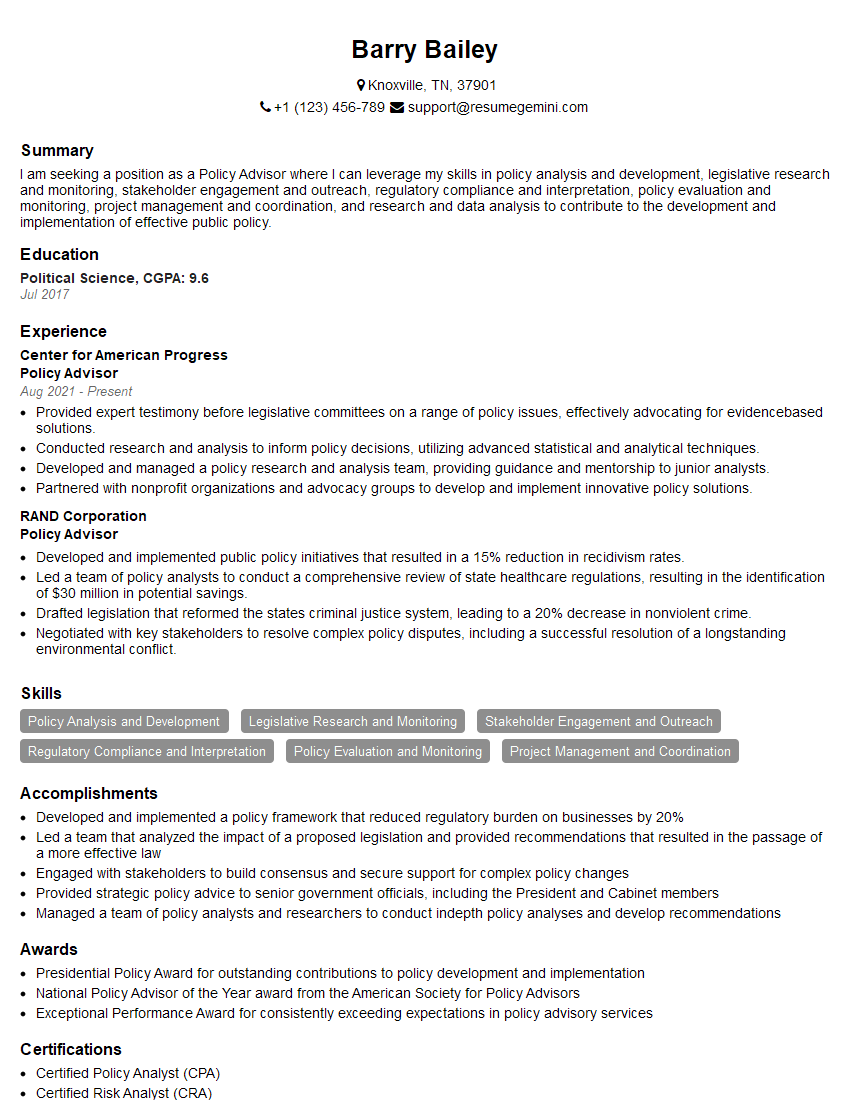
Policy Advisor Resume Sample
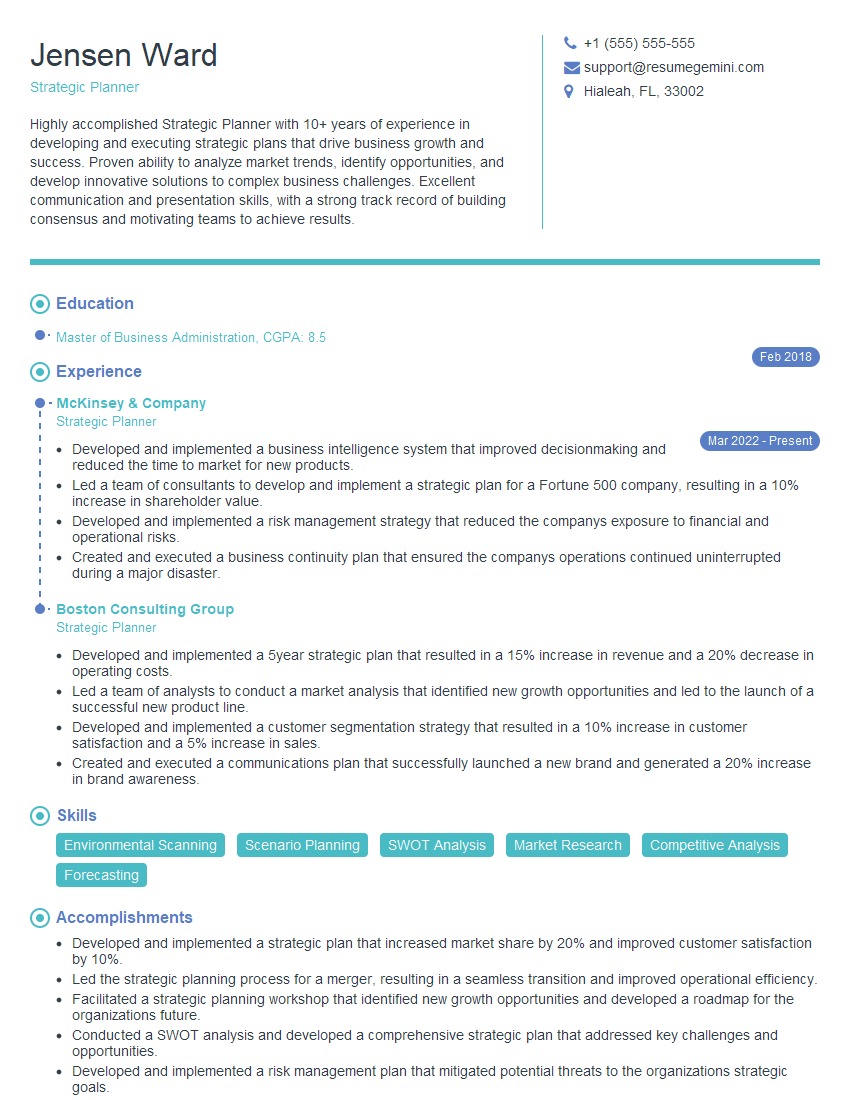
Strategic Planner Resume Sample
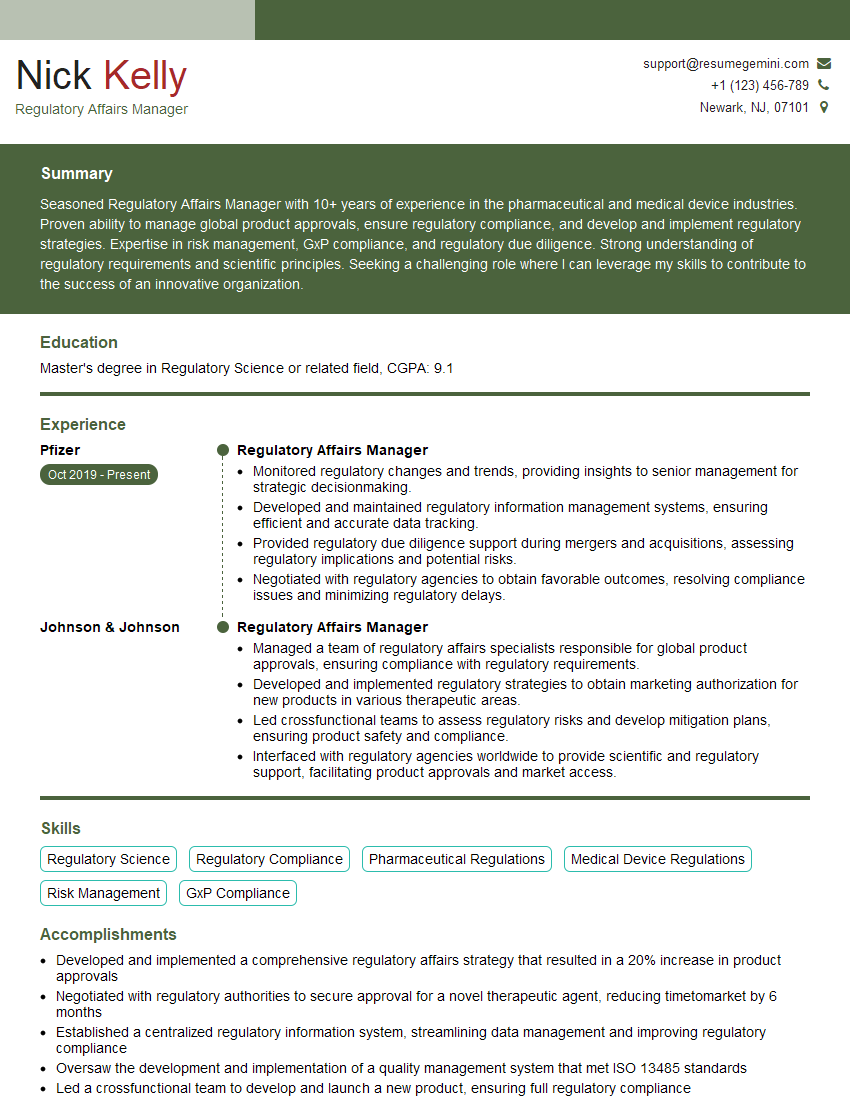
Regulatory Affairs Manager Resume Sample
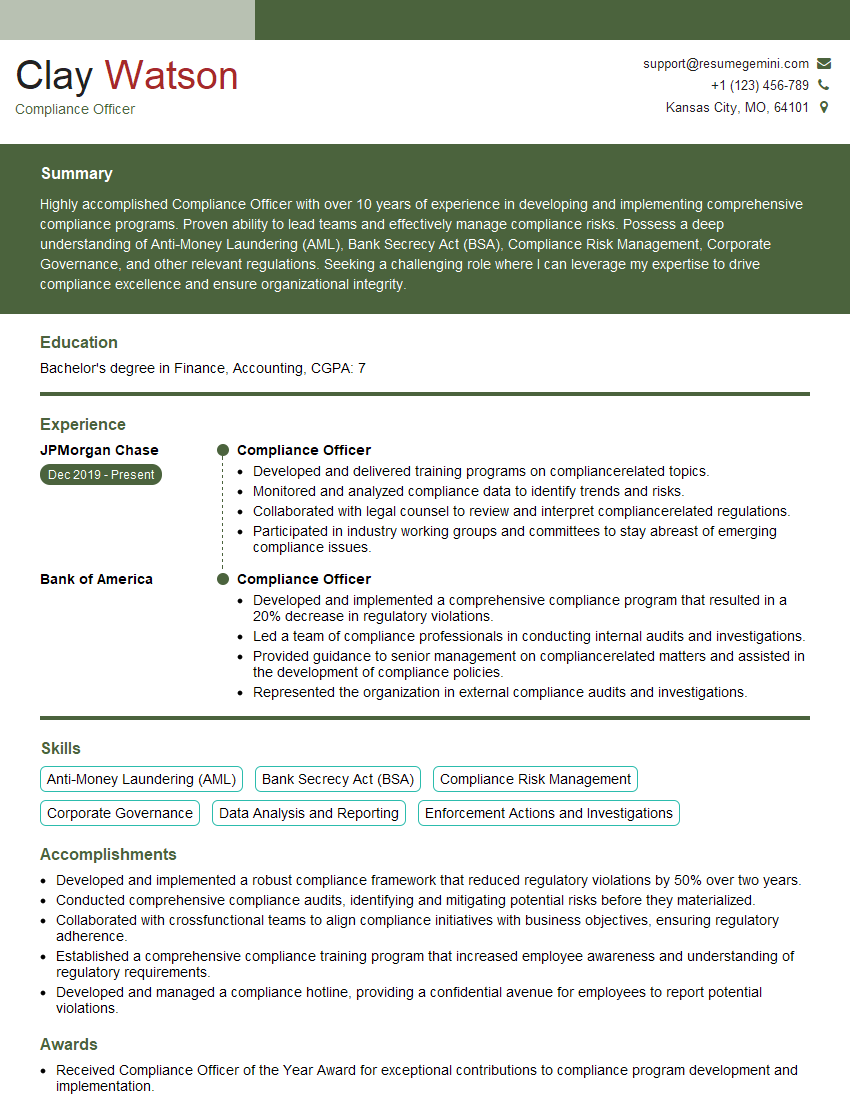
Compliance Officer Resume Sample
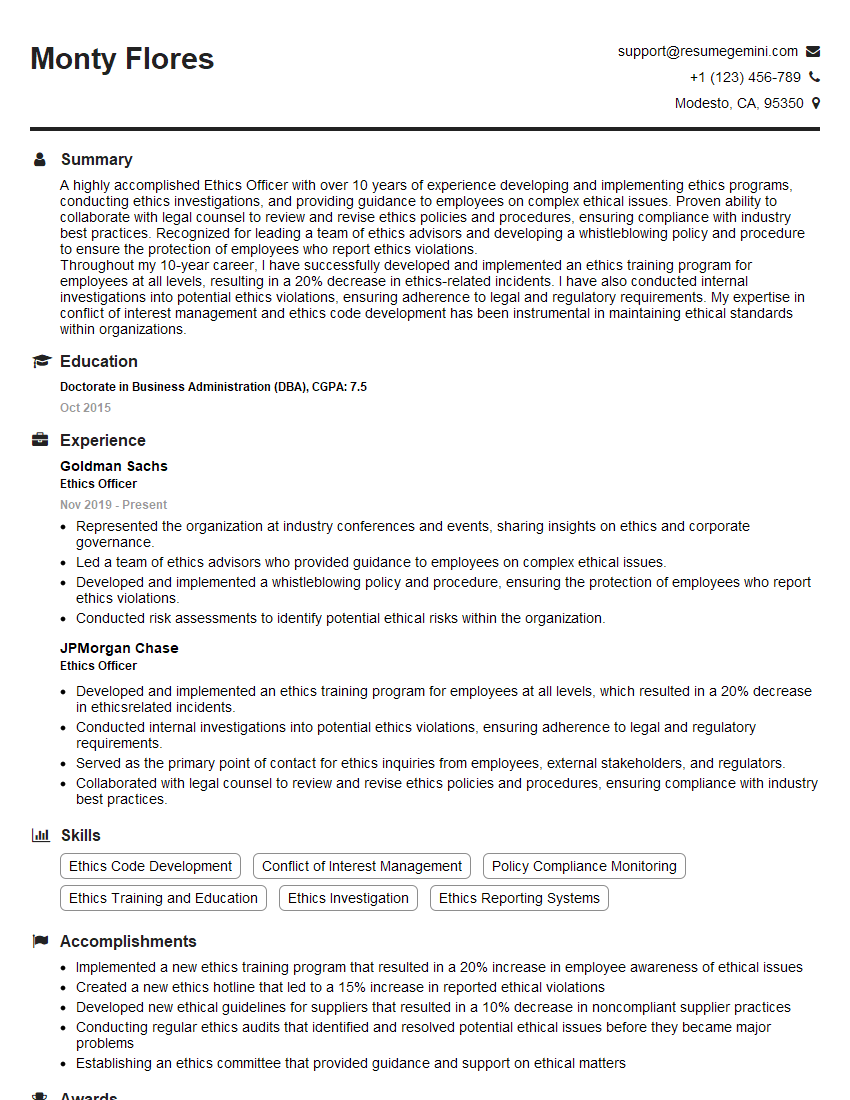
Ethics Officer Resume Sample
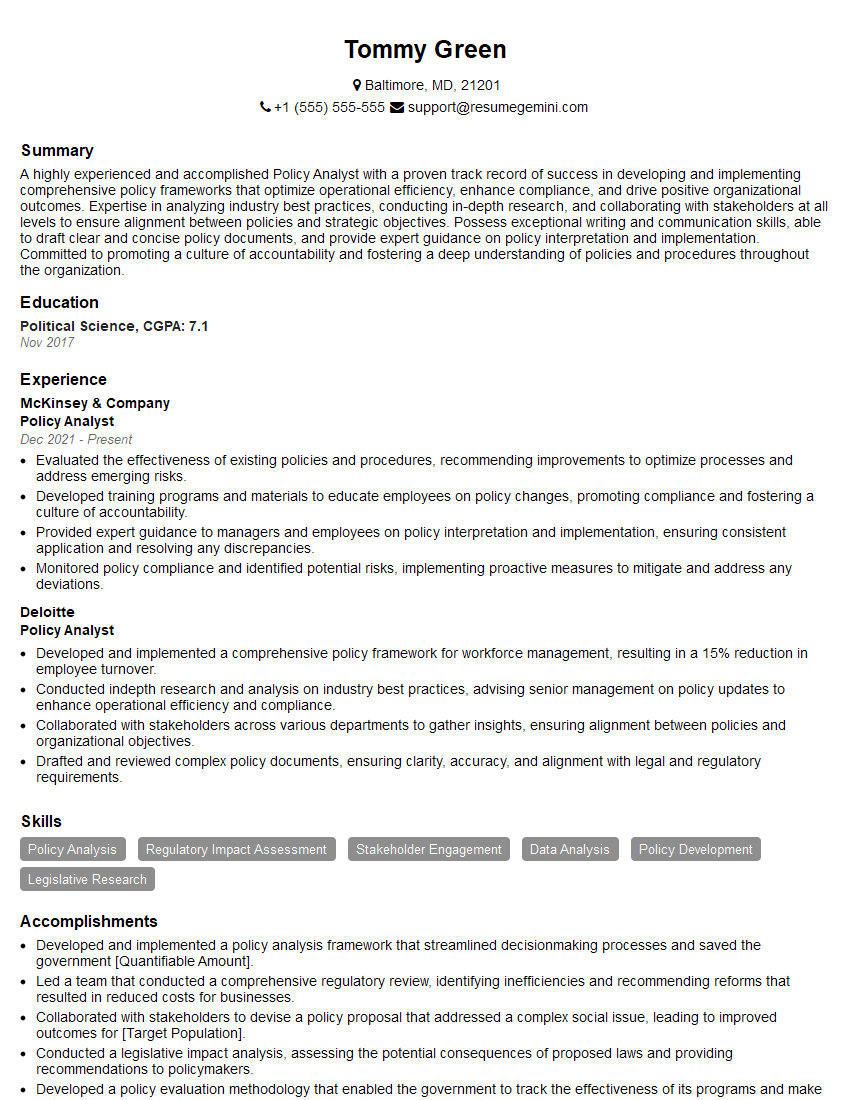
Policy Analyst Resume Sample
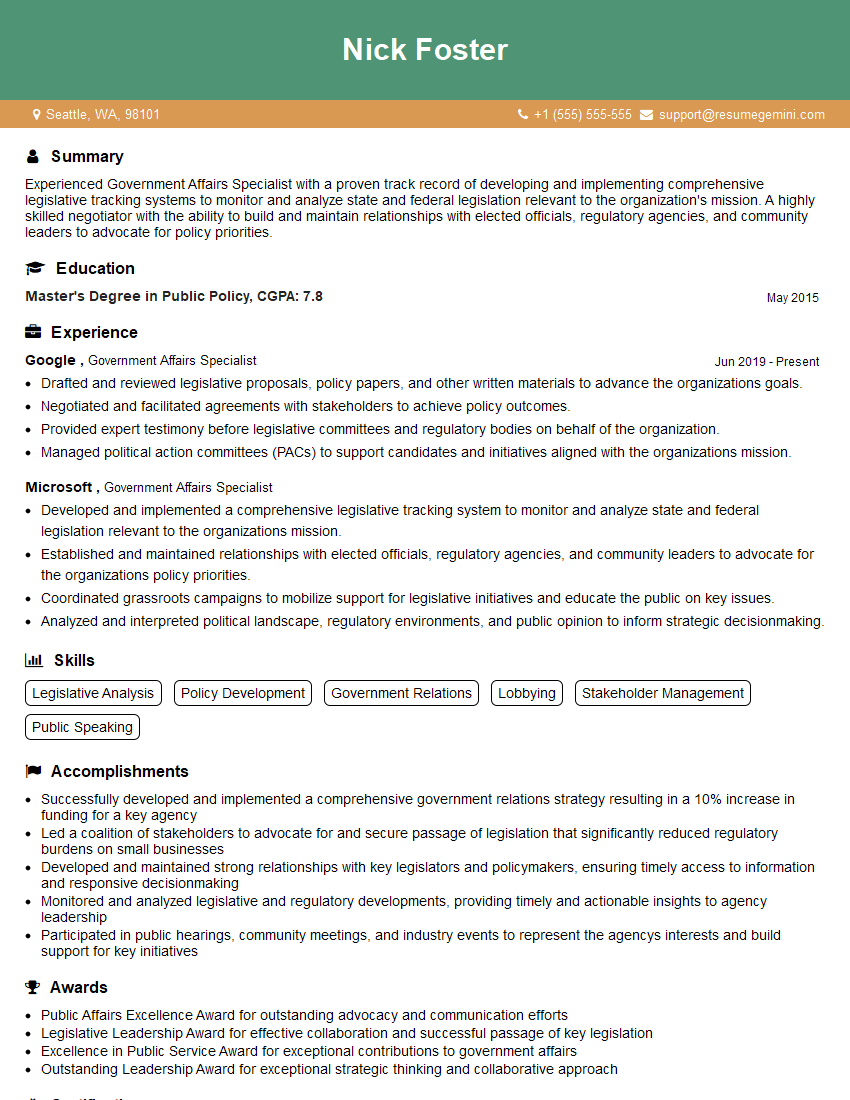
Government Affairs Specialist Resume Sample
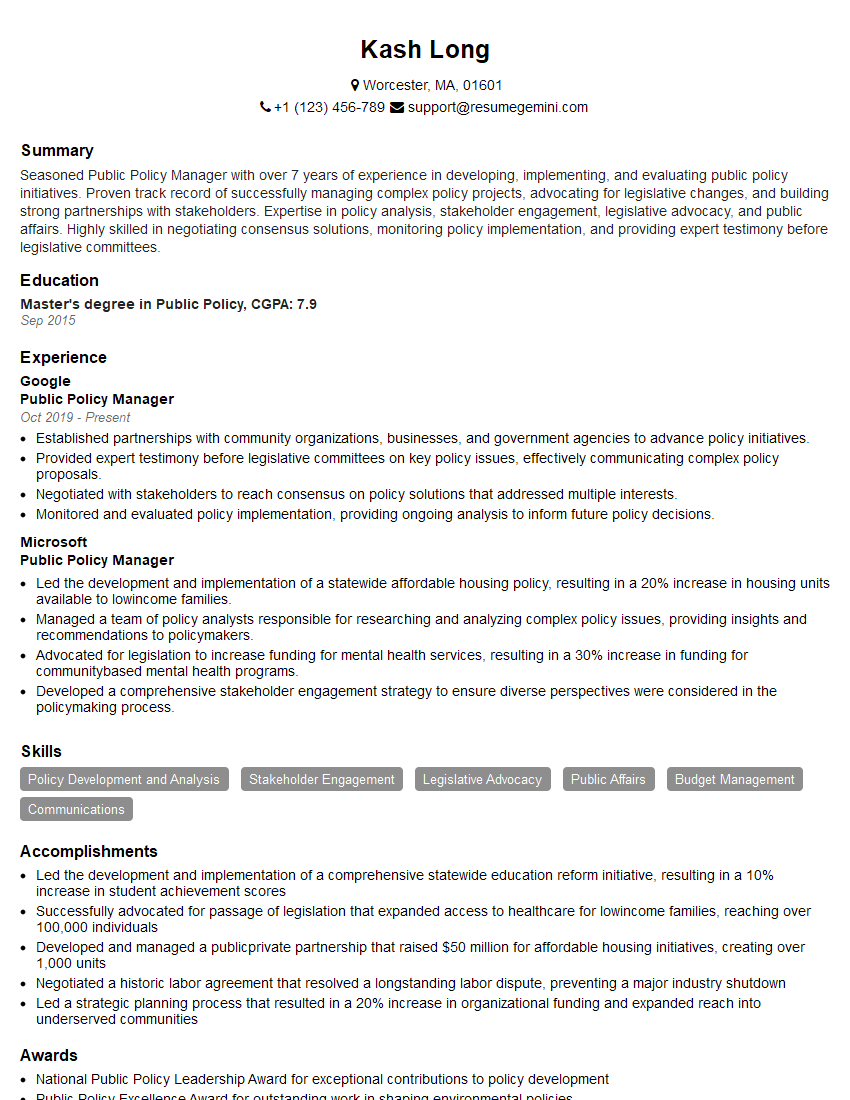
Public Policy Manager Resume Sample
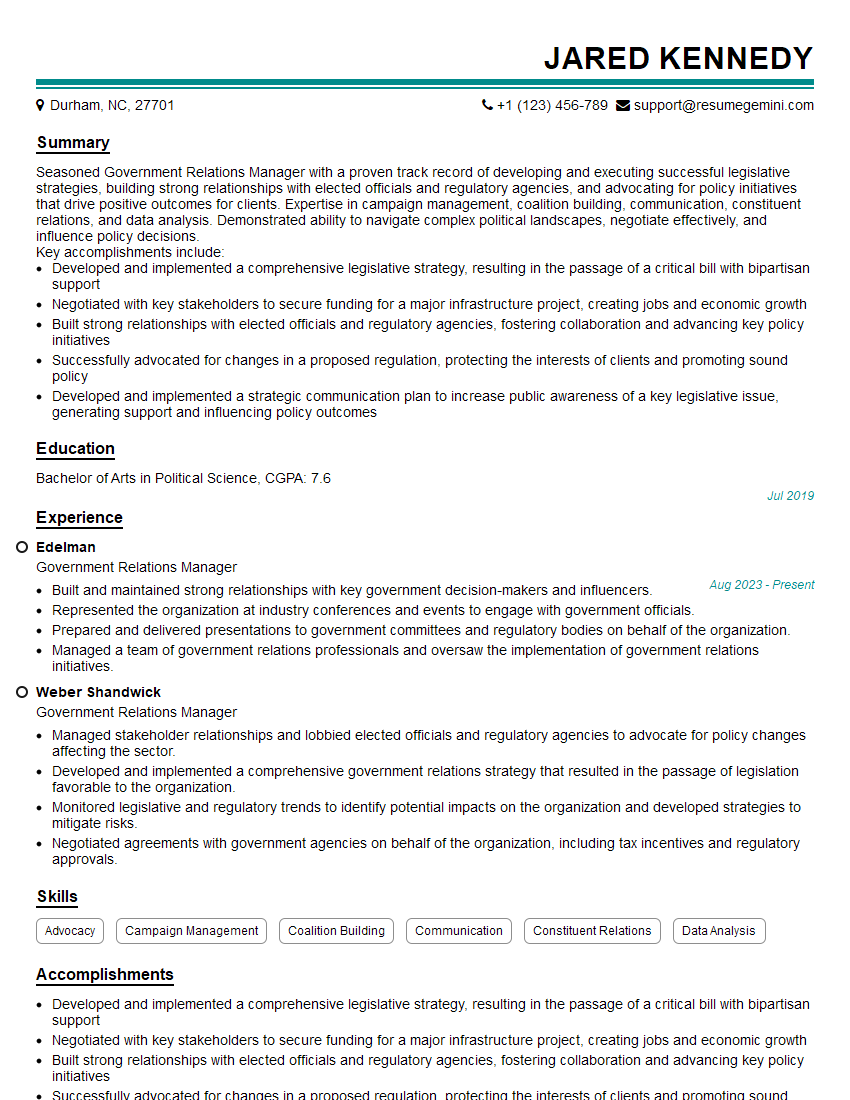
Government Relations Manager Resume Sample
Explore more articles
Users Rating of Our Blogs
Share Your Experience
We value your feedback! Please rate our content and share your thoughts (optional).
What Readers Say About Our Blog
Very informative content, great job.
good