Cracking a skill-specific interview, like one for Dosage Calculations, requires understanding the nuances of the role. In this blog, we present the questions you’re most likely to encounter, along with insights into how to answer them effectively. Let’s ensure you’re ready to make a strong impression.
Questions Asked in Dosage Calculations Interview
Q 1. Calculate the dosage for a patient requiring 500mg of medication, if the available concentration is 250mg/5ml.
To calculate the dosage, we’ll use a simple proportion. We know the desired dose (500mg) and the available concentration (250mg/5ml). We need to find the volume (in ml) that contains 500mg of the medication.
We can set up a proportion:
250mg / 5ml = 500mg / x ml
Cross-multiplying, we get:
250mg * x ml = 500mg * 5ml
Solving for x:
x ml = (500mg * 5ml) / 250mg
x ml = 10ml
Therefore, the patient should receive 10ml of the medication.
Q 2. Explain the concept of dimensional analysis in dosage calculations.
Dimensional analysis is a powerful method for solving dosage calculations by ensuring units cancel out, leaving you with the desired unit. It’s like a mathematical puzzle where units are the pieces, and we manipulate them to arrive at the solution. Think of it as a system of checks and balances ensuring your answer is correct.
For example, imagine converting 1500 mg to grams. We know that 1g = 1000mg. Using dimensional analysis:
1500 mg * (1 g / 1000 mg) = 1.5 g
Notice how the ‘mg’ units cancel each other out, leaving us with the desired unit ‘g’. This method significantly reduces errors compared to other methods.
Q 3. What are the common units used in expressing drug dosages?
Dosage units vary widely depending on the medication and its form. Common units include:
- Weight: milligrams (mg), grams (g), kilograms (kg)
- Volume: milliliters (ml), liters (L)
- Units: International Units (IU), milliequivalents (mEq), (e.g., for insulin, heparin)
- Number of tablets or capsules: This is simply a count of dosage units.
It’s crucial to always pay attention to the specific units provided in a prescription or medication label.
Q 4. How do you convert between different units of measurement (e.g., mg to g, ml to L)?
Converting between units involves using conversion factors. These are essentially ratios equal to 1, which allow us to change units without altering the value.
- mg to g: There are 1000 mg in 1 g. To convert mg to g, divide by 1000. Example:
500 mg * (1 g / 1000 mg) = 0.5 g - g to mg: To convert g to mg, multiply by 1000. Example:
0.5 g * (1000 mg / 1 g) = 500 mg - ml to L: There are 1000 ml in 1 L. To convert ml to L, divide by 1000. Example:
250 ml * (1 L / 1000 ml) = 0.25 L - L to ml: To convert L to ml, multiply by 1000. Example:
0.25 L * (1000 ml / 1 L) = 250 ml
Always ensure the units cancel out correctly, just as in dimensional analysis.
Q 5. What is the significance of using the correct dosage form (e.g., tablet, capsule, liquid)?
Using the correct dosage form is paramount for patient safety and efficacy. Different forms have different absorption rates and bioavailability (how much of the drug reaches the bloodstream). A tablet might disintegrate differently than a capsule, affecting the drug’s release and ultimately, its impact on the body.
For example, a liquid formulation might be preferred for patients who have difficulty swallowing pills. On the other hand, extended-release tablets ensure a slow, steady release of the drug, unlike immediate-release tablets. Incorrect dosage form selection can lead to incorrect dosing and potential adverse events.
Q 6. Describe the steps involved in calculating IV infusion rates.
Calculating IV infusion rates requires careful attention to detail and precise calculations. The formula often used is:
Infusion Rate (ml/hr) = (Total Volume (ml) / Infusion Time (hr))
Steps:
- Obtain necessary information: Total volume of the IV solution, the prescribed infusion time (in hours).
- Plug values into the formula: Ensure all units are consistent (e.g., ml and hours).
- Calculate the rate: Perform the calculation to obtain the infusion rate in ml/hour. This might need further conversion to ml/minute, drops/minute (depending on the infusion device).
- Verify your calculations: Double-check for errors before starting the infusion.
Example: A patient needs 1000 ml of saline to be infused over 8 hours. The infusion rate would be: 1000 ml / 8 hr = 125 ml/hr
Always consult hospital protocols and guidelines when calculating IV infusion rates. Errors can be life-threatening.
Q 7. How do you calculate pediatric dosages using body weight or body surface area?
Pediatric dosage calculations require special care as children’s physiology differs significantly from adults. Dosages are often based on either body weight (mg/kg) or body surface area (BSA) (mg/m²).
Body Weight Method:
Dose (mg) = (Weight (kg) * Dose (mg/kg))
Body Surface Area Method:
Dose (mg) = (BSA (m²) * Dose (mg/m²))
BSA requires specialized nomograms or calculators for accurate determination. Always refer to pediatric medication guides or consult with a pediatrician or pharmacist before administering pediatric medications.
Example (Body Weight): A child weighing 20kg requires a drug at a dose of 5mg/kg. The required dose would be: 20 kg * 5 mg/kg = 100 mg
Remember that these are just formulas; clinical judgment and thorough understanding of the medication are essential in pediatric dosing. Never administer a pediatric medication without proper training and supervision.
Q 8. What are the common errors encountered in dosage calculations and how can they be avoided?
Dosage calculation errors are unfortunately common and can have serious consequences. They often stem from simple mistakes, but the impact can be severe. Some frequent errors include:
- Decimal point errors: Misplacing a decimal point can lead to a dose that is 10 or even 100 times too high or too low.
- Incorrect unit conversions: Failing to correctly convert between units (e.g., milligrams to grams, milliliters to liters) is a major source of error.
- Calculation errors: Basic arithmetic errors can significantly alter the final dosage.
- Transcription errors: Writing down the wrong number from the order or calculation.
- Poor handwriting: Illegible writing can easily lead to misinterpretations.
To avoid these errors, a multi-pronged approach is necessary:
- Double-checking calculations: Always perform the calculation twice, using different methods if possible.
- Using calculation aids: Employ dosage calculation tools, apps, or even a colleague for verification.
- Consistent units: Stick to one unit system (e.g., metric) throughout the entire calculation to reduce confusion.
- Clear and legible handwriting: Ensure your calculations are neat and clearly written.
- Medication reconciliation: Always compare the medication order against the patient’s medication history to identify any potential discrepancies.
- Independent verification: Have another qualified healthcare professional independently verify the dosage calculation before administration.
Imagine calculating a dose of insulin – a decimal point error could be life-threatening. Rigorous verification is crucial to patient safety.
Q 9. Explain the importance of verifying medication orders before administering them.
Verifying medication orders before administration is paramount for patient safety. It’s the final checkpoint to prevent medication errors from reaching the patient. This involves a thorough review of several key aspects:
- The patient’s identity: Ensure the medication is for the correct patient using two patient identifiers (e.g., name and date of birth).
- The medication name and dosage: Verify the medication name, dose, route, frequency, and time of administration against the physician’s order.
- Any allergies or contraindications: Check the patient’s medical record for any known allergies or contraindications to the prescribed medication.
- The patient’s condition: Consider the patient’s current clinical status and whether the medication is appropriate given their condition.
Failing to verify can lead to severe adverse events, from mild side effects to life-threatening complications. For example, administering the wrong dose of an anticoagulant could result in life-threatening bleeding.
Q 10. How do you handle discrepancies or inconsistencies in medication orders?
Discrepancies or inconsistencies in medication orders require immediate attention and should never be ignored. The first step is to carefully review the order for clarity. If the order is unclear or incomplete, contacting the prescribing physician or other relevant healthcare provider is crucial. This process involves:
- Clarifying the order: Ask clarifying questions about any ambiguous aspects of the order.
- Documenting the discrepancy: Thoroughly document the discrepancy, the attempts made to clarify it, and the resolution reached.
- Following established protocol: Adhere to the facility’s established protocol for handling medication order discrepancies. This usually includes escalation procedures if the problem cannot be resolved.
- Refusal to administer: If the discrepancy cannot be resolved and raises serious safety concerns, refuse to administer the medication until the issue is addressed.
Think about the situation where a medication order is written with an unclear dosage. Ignoring it and attempting to guess could result in administering a dangerous dose. Seeking clarification is critical for patient safety.
Q 11. How would you calculate the dosage for a patient with renal impairment?
Dosage calculation for patients with renal impairment requires careful consideration because their kidneys may not effectively eliminate medications from the body. This can lead to medication accumulation and toxicity. The approach typically involves:
- Assessing renal function: Determine the patient’s renal function using parameters such as creatinine clearance (CrCl) or estimated glomerular filtration rate (eGFR).
- Consulting drug reference sources: Reference reliable drug information resources (pharmacopeias, package inserts, clinical guidelines) to identify if a dosage adjustment is necessary and how to calculate it based on the patient’s renal function.
- Applying dosage adjustment formulas: Some medications have specific formulas or nomograms for dosage adjustment based on CrCl or eGFR. These formulas calculate a reduced dose to prevent accumulation.
- Monitoring for toxicity: Closely monitor the patient for signs and symptoms of medication toxicity after dosage adjustment.
For example, many antibiotics require dosage reduction in renal impairment. Failure to do so could cause irreversible kidney damage.
Q 12. How would you calculate the dosage for a patient with hepatic impairment?
Patients with hepatic impairment have reduced liver function, which affects the metabolism of many medications. This can result in medication accumulation or reduced therapeutic effect. Dosage adjustment for patients with hepatic impairment often involves:
- Assessing liver function: Assess liver function through tests such as bilirubin, alanine aminotransferase (ALT), and aspartate aminotransferase (AST) levels.
- Consulting drug resources: Refer to drug information resources for guidance on dosage adjustments for specific medications in patients with hepatic impairment. These may recommend dose reduction or prolonged dosing intervals.
- Close monitoring: Closely monitor patients for therapeutic efficacy and potential side effects. Regular blood tests may be needed to monitor drug levels.
- Alternative medications: Consider alternative medications that are less dependent on hepatic metabolism.
Many medications, particularly those extensively metabolized by the liver, require careful dosage adjustment in patients with hepatic impairment to avoid toxicity or therapeutic failure. For example, many statins may need dose reduction to prevent muscle damage (rhabdomyolysis).
Q 13. What is the role of the pharmacist in verifying and dispensing medications?
Pharmacists play a crucial role in medication safety, including verifying and dispensing medications. Their responsibilities encompass:
- Reviewing prescriptions: Pharmacists carefully review prescriptions for accuracy, completeness, and potential drug interactions or contraindications.
- Checking for allergies and interactions: They identify potential drug allergies, adverse reactions, and interactions between medications.
- Dispensing the correct medication: They accurately dispense the prescribed medication with proper labeling and patient counseling.
- Providing patient education: They educate patients about their medications, including proper usage, potential side effects, and interactions with other medications or foods.
- Detecting errors: Pharmacists act as a final check for errors in the medication process, catching mistakes made earlier in the process.
Their expertise helps ensure the patient receives the correct medication in the correct dose, minimizing the risk of errors.
Q 14. Describe the importance of proper documentation in medication administration.
Proper documentation in medication administration is essential for patient safety and legal compliance. It provides a complete and accurate record of all medications administered, ensuring accountability and facilitating continuity of care. Key elements of proper documentation include:
- Patient identification: Clearly identify the patient receiving the medication.
- Medication details: Record the name, dose, route, time, and date of administration.
- Administering personnel: Clearly indicate who administered the medication.
- Patient response: Document the patient’s response to the medication, including any side effects or adverse reactions.
- Any deviations from the plan: Document any deviations from the prescribed medication regimen, such as missed doses or changes in the dosage.
Imagine a situation where there’s a medication error. Without proper documentation, determining the cause and preventing similar incidents becomes nearly impossible. Thorough documentation is crucial for patient safety, legal protection, and efficient healthcare.
Q 15. What is the significance of checking medication labels three times?
The three-checks rule is a cornerstone of safe medication administration. It’s not just about reducing errors; it’s about building a culture of meticulousness and patient safety. We check the medication label three times:
- First check: Before removing the medication from the storage area (e.g., medication cart, drawer). We verify the medication name, dosage, route, and expiration date against the patient’s medication administration record (MAR).
- Second check: After removing the medication but before preparing it. This is another opportunity to confirm all the details against the MAR, especially the dosage and form.
- Third check: At the patient’s bedside, just before administering the medication. This final verification ensures that we have the right medication for the right patient at the right time, and that we’re about to administer it using the correct route.
Imagine preparing insulin – a slight error can have devastating consequences. The three-checks process helps prevent such catastrophic events.
Career Expert Tips:
- Ace those interviews! Prepare effectively by reviewing the Top 50 Most Common Interview Questions on ResumeGemini.
- Navigate your job search with confidence! Explore a wide range of Career Tips on ResumeGemini. Learn about common challenges and recommendations to overcome them.
- Craft the perfect resume! Master the Art of Resume Writing with ResumeGemini’s guide. Showcase your unique qualifications and achievements effectively.
- Don’t miss out on holiday savings! Build your dream resume with ResumeGemini’s ATS optimized templates.
Q 16. Explain the process of administering medications via different routes (oral, IV, IM, subcutaneous).
Administering medications via different routes requires specific techniques and precautions. Here’s a summary:
- Oral (PO): This is the most common route. The medication is swallowed and absorbed in the gastrointestinal tract. We need to ensure the patient can swallow safely and isn’t at risk of aspiration. We also need to consider factors like food interactions.
- Intravenous (IV): This route delivers the medication directly into the bloodstream, ensuring rapid absorption. Strict aseptic techniques are crucial to prevent infection. The IV site needs careful monitoring for signs of infiltration or phlebitis. We must also carefully calculate and regulate the drip rate.
- Intramuscular (IM): The medication is injected into a muscle, allowing for moderate absorption rate. Proper injection technique is essential to avoid pain and potential tissue damage. We select the appropriate muscle based on medication volume and patient factors.
- Subcutaneous (SC): The medication is injected into the fatty tissue beneath the skin. Absorption is slower than with IM injections. We choose sites with adequate subcutaneous fat and rotate sites to avoid tissue damage. Common sites include the abdomen, thighs, and outer arms.
Each route has its own advantages and disadvantages in terms of absorption rate, onset of action, and potential side effects. The choice of route depends on the medication, the patient’s condition, and the desired therapeutic effect.
Q 17. What are the potential consequences of medication errors?
Medication errors can have serious and even fatal consequences. The severity depends on the type and magnitude of the error, as well as the patient’s underlying health conditions. Potential consequences include:
- Adverse drug reactions (ADRs): These can range from mild discomfort to life-threatening complications, including organ damage or death.
- Treatment failure: Incorrect dosage or route may result in the medication being ineffective, delaying recovery or worsening the patient’s condition.
- Hospital readmission: Errors may necessitate additional medical intervention, leading to prolonged hospital stays and increased healthcare costs.
- Legal repercussions: Medication errors can lead to lawsuits and professional disciplinary actions against healthcare providers.
- Patient harm: The most devastating consequence is patient harm, which can include permanent disability or death. This leads to significant emotional distress for the patient and their family.
Preventing medication errors requires a multi-faceted approach including proper training, clear communication, standardized procedures, and vigilant adherence to safety protocols.
Q 18. How do you calculate the drip rate of an IV infusion?
Calculating the drip rate for an IV infusion involves determining the amount of fluid to be infused per minute. The formula is:
Drip rate (gtts/min) = (Volume (mL) x Drop factor (gtts/mL)) / Time (min)Example: We need to infuse 1000 mL of normal saline over 8 hours using tubing with a drop factor of 15 gtts/mL.
First, convert hours to minutes: 8 hours x 60 minutes/hour = 480 minutes
Then, apply the formula:
Drip rate = (1000 mL x 15 gtts/mL) / 480 min = 31.25 gtts/minWe would round this to 31 gtts/min to ensure accurate administration. It’s crucial to use the correct drop factor for the specific IV tubing.
Q 19. What is the difference between a microdrip and a macrodrip IV tubing?
Microdrip and macrodrip IV tubing differ primarily in their drop factor – the number of drops per milliliter (gtts/mL).
- Microdrip tubing: Has a drop factor of 60 gtts/mL. It’s typically used for precise infusions, such as administering medications in small volumes or to patients who require careful fluid management.
- Macrodrip tubing: Has a variable drop factor, usually between 10 and 20 gtts/mL. It’s suitable for larger-volume infusions where precise drop-by-drop control is less critical.
The choice of tubing depends on the infusion rate and the desired level of precision. Using the wrong type of tubing can lead to incorrect infusion rates and potential patient harm.
Q 20. How do you calculate the loading dose of a medication?
A loading dose is a larger initial dose of a medication given to rapidly achieve therapeutic drug concentrations. The calculation varies depending on the drug’s properties and the desired plasma concentration. Often, a loading dose is calculated based on the volume of distribution (Vd) and the desired plasma concentration (Cp).
Loading dose = Vd x CpExample: A drug with a Vd of 10 L and a desired Cp of 10 mcg/mL would require a 100 mg loading dose (10 L x 10 mcg/mL = 100 mg).
Important Note: Loading dose calculations require a thorough understanding of pharmacokinetics and should be performed by a qualified healthcare professional.
Q 21. How do you calculate the maintenance dose of a medication?
The maintenance dose is the regular dose of a medication required to maintain therapeutic drug concentrations after the loading dose (if applicable). It is determined considering the drug’s clearance (CL) and the desired steady-state plasma concentration (Css).
Maintenance dose = CL x Css x dosing intervalExample: If a drug has a clearance of 2 L/hr, the desired Css is 5 mcg/mL, and the medication is given every 6 hours, then the maintenance dose would be 60 mg (2 L/hr x 5 mcg/mL x 6 hours = 60 mg).
This calculation needs careful consideration of the drug’s elimination half-life and potential interactions with other medications. Only qualified professionals should perform these calculations.
Q 22. Explain the concept of half-life in relation to medication dosage.
Half-life, in the context of medication, refers to the time it takes for the concentration of a drug in the body to reduce by half. It’s a crucial concept because it dictates how frequently a medication needs to be administered to maintain therapeutic levels. Imagine you’re filling a leaky bucket (your body) with water (medication). The half-life is how long it takes for half the water in the bucket to leak out. A short half-life means the medication leaves your system quickly, requiring more frequent doses. A long half-life means it stays in your system longer, allowing for less frequent dosing.
For example, a medication with a half-life of 4 hours will be reduced to 50% of its initial concentration after 4 hours, 25% after 8 hours, and so on. Understanding half-life allows healthcare professionals to tailor dosing regimens to maintain consistent drug levels in the patient’s system and optimize therapeutic effects while minimizing adverse events.
Q 23. How does the bioavailability of a medication affect dosage calculations?
Bioavailability refers to the fraction of an administered drug that reaches the systemic circulation in an unchanged form. It’s essentially the percentage of the medication that actually gets absorbed and used by the body. This significantly impacts dosage calculations because if a drug has low bioavailability (say, 20%), you need to administer a much larger dose to achieve the same therapeutic effect compared to a drug with high bioavailability (say, 80%).
Let’s illustrate: If a medication requires 100mg to achieve the desired effect and has 100% bioavailability, then 100mg is prescribed. However, if the same medication has only 50% bioavailability, you would need to prescribe a higher dose (200mg) to ensure that the target 100mg reaches systemic circulation. Therefore, bioavailability is a crucial factor that must be considered in dosage calculation to achieve the desired therapeutic outcome safely and effectively.
Q 24. How do you handle situations where a medication order is unclear or incomplete?
When faced with an unclear or incomplete medication order, my first step is always to verify the order with the prescribing physician. I would never administer a medication without having all the necessary information, including the drug name, dosage, route, frequency, and duration of administration.
If I cannot reach the prescribing physician immediately, I will follow my institution’s protocol for handling unclear medication orders. This often involves documenting the discrepancy and contacting the pharmacist for guidance. Patient safety is paramount, so I prioritize clarification before administering any medication. I would rather delay administration to ensure accuracy than risk harm due to a misunderstanding.
Q 25. What resources do you use to verify medication dosages and calculations?
I utilize several reliable resources to verify medication dosages and calculations. These include:
- Pharmacopeias: These provide official drug information, including dosage recommendations and preparations.
- Physician’s Desk Reference (PDR): This comprehensive resource details drug information provided by manufacturers.
- Hospital Formulary: This contains information on the medications stocked by the hospital, along with specific dosage guidelines and protocols.
- Reputable online databases: Such as Micromedex and Lexicomp, offer comprehensive drug information that is frequently updated.
- Independent medication calculation tools: These tools provide a double-check for complex dosage calculations. It’s critical to verify the input of the calculator to avoid errors.
Using multiple resources ensures that I obtain the most accurate and up-to-date information, reducing the risk of errors.
Q 26. Describe your experience with calculating dosages for various medications.
Throughout my career, I’ve calculated dosages for a wide range of medications, including oral, intravenous, intramuscular, and subcutaneous administrations. This includes calculating dosages for pediatrics, geriatrics, and patients with various renal or hepatic impairments. For example, I’ve calculated dosages for antibiotics like Vancomycin (requiring careful monitoring of serum levels), insulin (requiring precise calculation based on blood glucose levels), and chemotherapy medications (requiring careful calculation and close monitoring for toxicity). I’m proficient in using various calculation methods, including ratio and proportion, dimensional analysis, and the formula method. I always double-check my calculations to ensure accuracy, and I always prioritize patient-specific factors when determining dosages.
Q 27. How do you prioritize patient safety when administering medications?
Prioritizing patient safety when administering medications is my top priority. This involves a multi-faceted approach:
- Six Rights of Medication Administration: I meticulously follow the six rights – right patient, right medication, right dose, right route, right time, and right documentation – to minimize the risk of errors.
- Double-checking: I always double-check all calculations and medication orders with a colleague or using an independent calculation tool. A second set of eyes can catch mistakes that I might miss.
- Patient education: I take the time to educate patients about their medications, including dosage, side effects, and potential interactions.
- Monitoring: I closely monitor patients for any adverse effects after medication administration and report any concerns promptly.
- Documentation: Accurate and thorough documentation of medication administration is crucial for tracking effectiveness and identifying potential issues.
Ultimately, a commitment to continuous learning and attention to detail is essential to ensuring patient safety in medication administration.
Key Topics to Learn for Dosage Calculations Interview
- Basic Conversions: Mastering conversions between different units of measurement (e.g., grams to milligrams, liters to milliliters) is fundamental. Practice converting between metric and household units as well.
- Ratio and Proportion Method: Understand and apply the ratio and proportion method to solve a wide range of dosage calculation problems. Practice identifying the known and unknown variables.
- Dimensional Analysis: Learn to utilize dimensional analysis (factor-label method) to ensure unit cancellations and accurate results. This is crucial for complex calculations and minimizing errors.
- Calculating Dosages Based on Weight: Master calculating dosages based on patient weight (e.g., mg/kg). Understand the importance of accurate weight measurement and its impact on dosage.
- Infusion Rates: Practice calculating infusion rates (e.g., mL/hr, gtts/min) for intravenous medications. Familiarize yourself with different infusion devices and their calculations.
- Oral, Parenteral, and Topical Dosage Forms: Understand the differences in calculations and considerations for different routes of administration. This includes calculating dosages for tablets, capsules, liquids, injections, and topical applications.
- Safe Dosage Ranges and Therapeutic Drug Monitoring: Learn to identify safe dosage ranges and understand the importance of monitoring drug levels for therapeutic efficacy and to avoid toxicity.
- Error Prevention and Double-Checking: Develop strategies to minimize calculation errors, including methods of double-checking your work and recognizing common mistakes.
Next Steps
Mastering dosage calculations is crucial for success in many healthcare roles, demonstrating your competence and commitment to patient safety. A strong understanding of these concepts significantly enhances your employability and opens doors to exciting career opportunities. To further strengthen your job application, create an ATS-friendly resume that highlights your skills and experience effectively. ResumeGemini is a trusted resource to help you build a professional and impactful resume. Examples of resumes tailored to showcasing expertise in Dosage Calculations are available through ResumeGemini to help you get started.

Pharmacy Manager Resume Sample

Medical Laboratory Technician Resume Sample

Nurse Practitioner Resume Sample
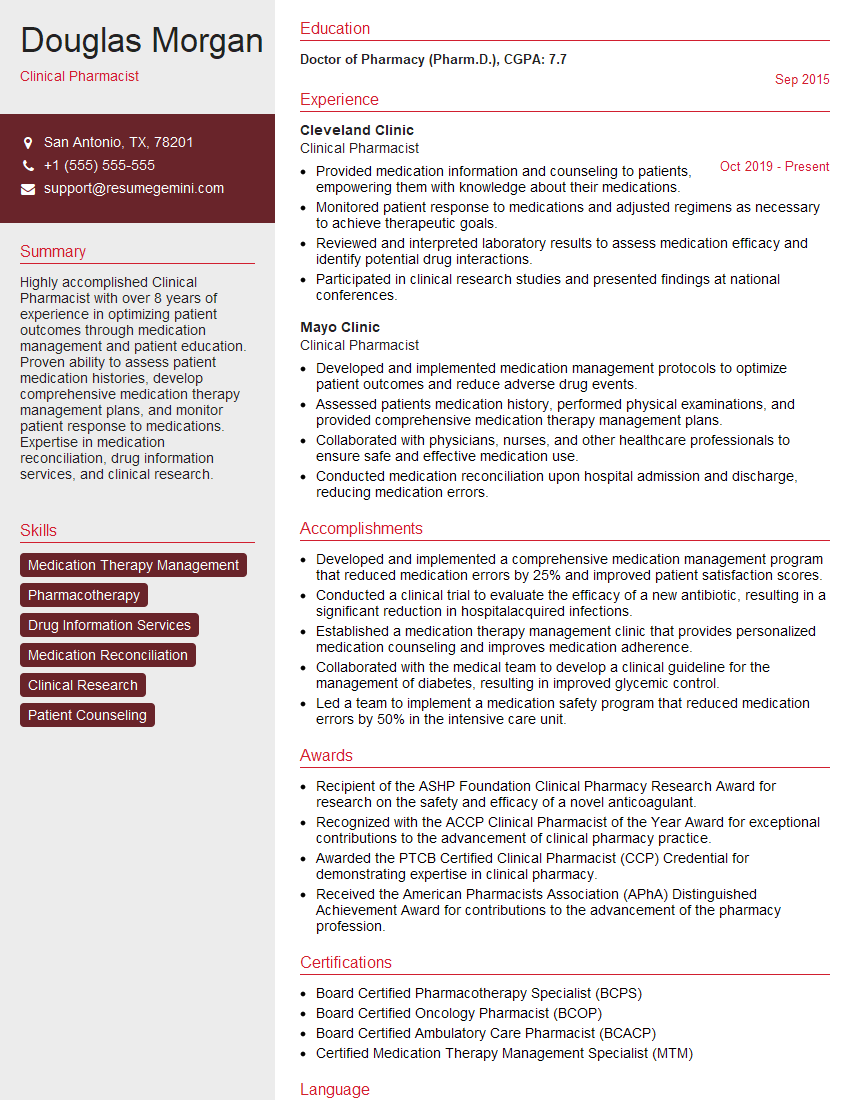
Clinical Pharmacist Resume Sample
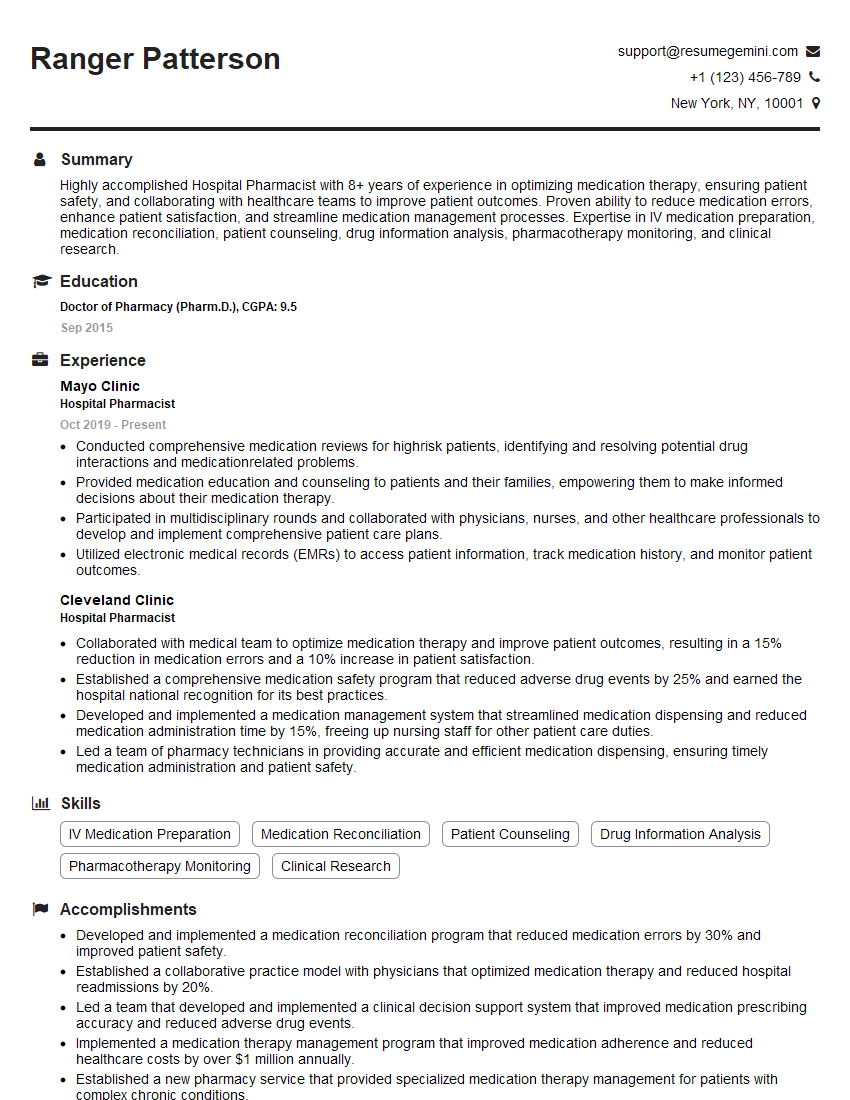
Hospital Pharmacist Resume Sample
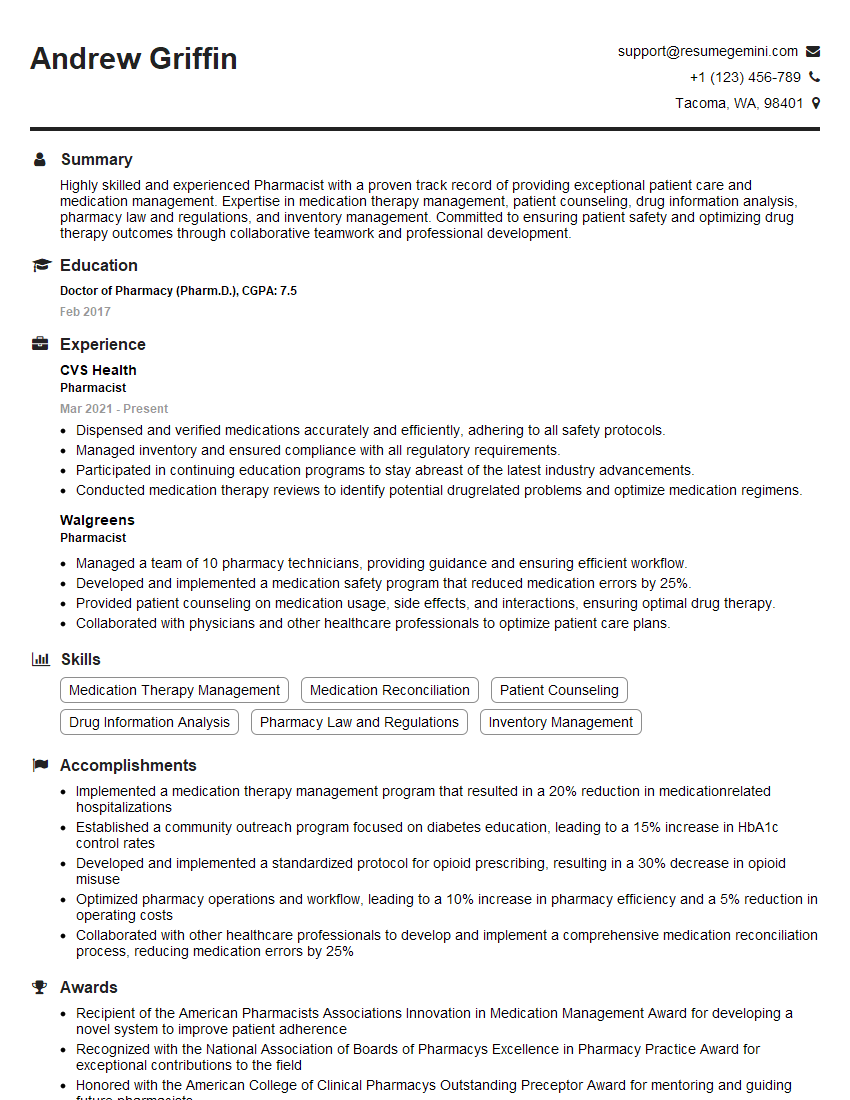
Pharmacist Resume Sample
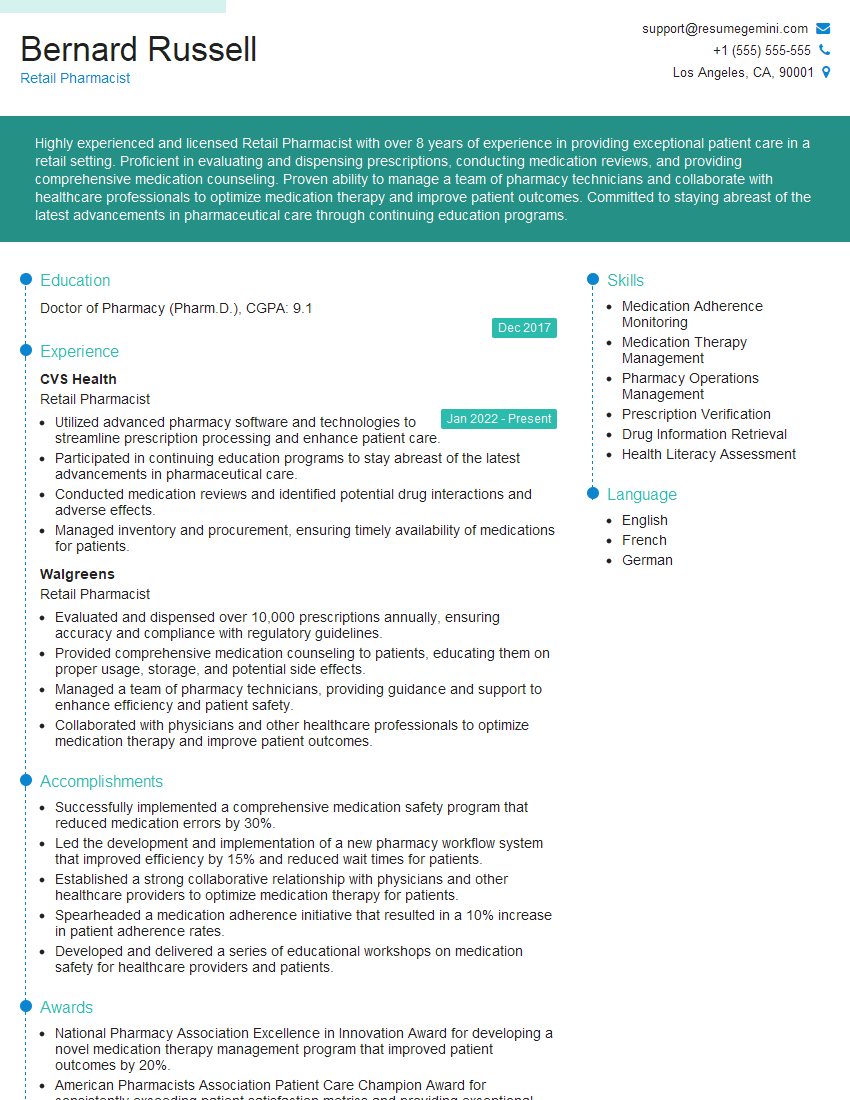
Retail Pharmacist Resume Sample

Physician Assistant Resume Sample
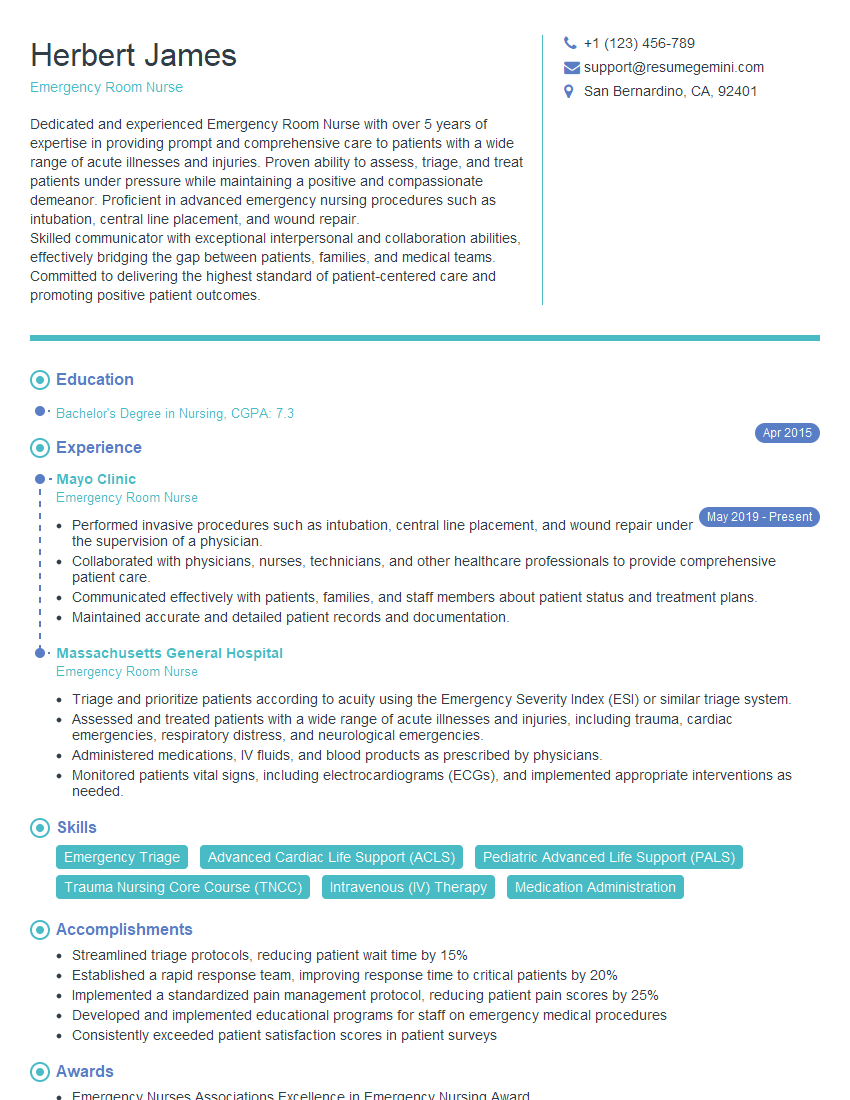
Emergency Room Nurse Resume Sample

Oncology Nurse Resume Sample
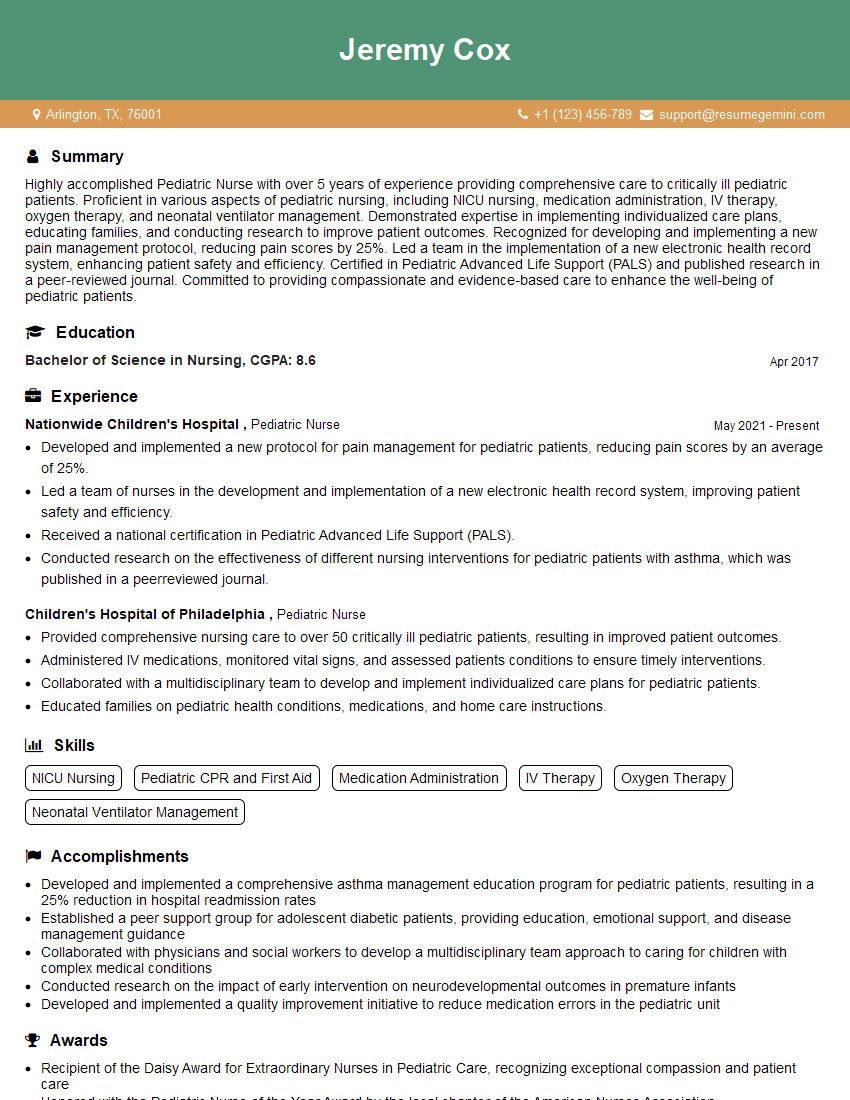
Pediatric Nurse Resume Sample

Surgical Nurse Resume Sample

Critical Care Nurse Resume Sample

Veterinary Technician Resume Sample
Explore more articles
Users Rating of Our Blogs
Share Your Experience
We value your feedback! Please rate our content and share your thoughts (optional).
What Readers Say About Our Blog
Very informative content, great job.
good