Unlock your full potential by mastering the most common Drinking Water Treatment and Distribution interview questions. This blog offers a deep dive into the critical topics, ensuring you’re not only prepared to answer but to excel. With these insights, you’ll approach your interview with clarity and confidence.
Questions Asked in Drinking Water Treatment and Distribution Interview
Q 1. Explain the process of coagulation and flocculation in water treatment.
Coagulation and flocculation are crucial initial steps in water treatment, aimed at removing suspended solids and other impurities. Think of it like cleaning a muddy pond – we need to clump the mud together before we can easily remove it.
Coagulation involves adding a chemical coagulant, such as alum or ferric chloride, to the water. These chemicals neutralize the electrical charges on the suspended particles, causing them to lose their repulsive forces and start to come together. It’s like adding a glue that helps the particles stick.
Flocculation follows coagulation. Gentle mixing is applied to the water to encourage the small coagulated particles to clump together into larger, heavier flocs. These flocs are then much easier to remove in subsequent treatment steps. Imagine stirring the glued-together mud particles gently so they form larger clumps that sink more readily.
For example, in a typical water treatment plant, the coagulant is added to the raw water in a rapid-mix basin, followed by slow mixing in a flocculation basin before the water proceeds to sedimentation.
Q 2. Describe the different types of filtration used in water treatment plants.
Water treatment plants employ various filtration methods to remove remaining suspended solids and other impurities after coagulation and flocculation. The most common types include:
- Sedimentation: A simple gravity-based process where larger particles settle out of the water. Think of letting the muddy water sit and the mud settling to the bottom.
- Slow Sand Filtration: This traditional method uses a bed of sand to remove impurities. The biofilm that develops on the sand grains plays a vital role in removing bacteria and other microorganisms.
- Rapid Sand Filtration: A more modern approach using coarser sand and gravel beds, typically with backwashing to remove accumulated solids. It’s faster than slow sand filtration, handling larger volumes of water.
- Membrane Filtration: This advanced technology uses membranes with tiny pores to remove even the smallest particles and microorganisms. Types include microfiltration, ultrafiltration, and reverse osmosis, each with different pore sizes and applications.
- Diatomaceous Earth Filtration (DE): This uses a filter aid made of diatomaceous earth, a naturally occurring siliceous sedimentary rock, to create a highly efficient filter cake, capable of removing very fine particles.
The choice of filtration method depends on factors like water quality, desired treatment level, and cost considerations. Many plants use a combination of methods for optimal results.
Q 3. What are the key parameters monitored for water quality in a distribution system?
Monitoring water quality in the distribution system is crucial to ensure safe and palatable drinking water reaches consumers. Key parameters include:
- Chlorine Residual: Ensures sufficient disinfection throughout the system. Too little chlorine allows microbial regrowth; too much can lead to taste and odor issues.
- Turbidity: Measures water clarity, indicating the presence of suspended solids. High turbidity can suggest problems with filtration or leaks.
- pH: Indicates water acidity or alkalinity, affecting corrosion control in pipes and taste.
- Temperature: Affects water quality and microbial growth.
- Pressure: Monitored to detect leaks and ensure adequate water supply.
- Bacterial Counts (e.g., coliforms): Detects the presence of fecal contamination indicating a potential health risk.
Regular monitoring, using automated systems and frequent sampling, is vital for proactive management and immediate response to potential issues.
Q 4. How do you address chlorine residual issues in a water distribution network?
Chlorine residual issues in a distribution network, whether too high or too low, necessitate prompt action. Low residual is a serious concern due to potential microbial regrowth. High residual can impact taste and odor.
Addressing Low Residual: This might involve increasing the chlorine dose at the treatment plant, optimizing the distribution system’s hydraulics to minimize chlorine decay, or investigating potential leaks.
Addressing High Residual: This may require adjusting the chlorine dose, adding a dechlorination step (e.g., using sodium thiosulfate) at specific points in the network or investigating unintended sources of chlorine.
In both scenarios, thorough investigation is essential to pinpoint the root cause. This may involve water quality testing at various points in the network, pressure testing to detect leaks, and modeling the hydraulics of the system. Corrective actions must comply with regulatory standards.
Q 5. Explain the importance of disinfection in drinking water treatment.
Disinfection is a critical step in drinking water treatment, eliminating harmful pathogens such as bacteria, viruses, and protozoa that can cause waterborne diseases. It’s the final barrier protecting public health.
Without effective disinfection, even if other treatment steps remove impurities, there’s still a risk of waterborne illnesses. This is particularly critical in areas with poor sanitation or when there’s potential for contamination from sources like agricultural runoff or sewage.
The objective is to achieve a sufficient disinfectant residual throughout the distribution system to maintain protection until the water reaches the consumer’s tap.
Q 6. Describe the different types of disinfection methods and their advantages/disadvantages.
Several disinfection methods are available, each with its strengths and weaknesses:
- Chlorine: Widely used, cost-effective, and provides a long-lasting residual. However, it can create disinfection byproducts (DBPs) that are of health concern at elevated levels, and it may impart a taste or odor to the water.
- Chloramine: A combination of chlorine and ammonia, offering a longer-lasting residual than chlorine alone and reducing DBP formation. However, it’s less effective against some pathogens and can react with some pipe materials.
- Ozone: A powerful disinfectant that doesn’t leave behind a persistent residual, requiring careful control. It’s highly effective against a broad range of pathogens but is more expensive to implement.
- UV Disinfection: Uses ultraviolet light to inactivate pathogens. It’s effective, doesn’t produce DBPs, and requires less space than chemical disinfection systems. However, it requires careful maintenance and doesn’t provide a residual disinfection effect.
The selection of disinfection method depends on factors like water quality, cost, regulatory requirements, and the desired level of protection.
Q 7. What is the significance of turbidity in water quality assessment?
Turbidity is a measure of water clarity, indicating the amount of suspended solids present. High turbidity means the water is cloudy, while low turbidity indicates clear water.
In water quality assessment, turbidity is significant for several reasons:
- Indicator of Treatment Effectiveness: High turbidity after treatment indicates a problem with coagulation, flocculation, or filtration processes. It suggests incomplete removal of suspended solids.
- Potential Health Risk: High turbidity can harbor pathogens and other contaminants, increasing the risk of waterborne diseases. Turbid water makes disinfection less effective.
- Aesthetic Concerns: Turbid water is visually unappealing and can affect taste and odor. Consumers expect clear, aesthetically pleasing drinking water.
Therefore, turbidity monitoring is a crucial parameter throughout the water treatment process, ensuring effective treatment and safe drinking water for consumers.
Q 8. How do you identify and address water main breaks?
Identifying and addressing water main breaks requires a multi-pronged approach combining proactive monitoring and rapid response. We start with a robust leak detection program. This can involve acoustic sensors that listen for unusual noises in the pipes, pressure monitoring systems that detect sudden drops indicating a break, and even advanced data analytics that compare historical water usage with current flow rates to identify anomalies. Once a break is suspected, field crews are dispatched to visually inspect the affected area, looking for signs like pavement cracks, bubbling ground, or significant water flow.
Once a break is confirmed, the immediate priority is to isolate the affected section to minimize water loss and service disruptions. This involves shutting down valves strategically located along the pipeline. The repair itself depends on the severity and location of the break. Smaller breaks might be fixed with clamps or patches, while larger breaks require excavation, replacement of the damaged pipe section, and thorough testing before restoring service. Throughout the process, effective communication with the affected community is crucial to keep them informed and minimize inconvenience.
For example, in my previous role, we implemented a predictive modeling system that analyzed pressure fluctuations and identified a potential main break before it caused a major disruption. This allowed for proactive repairs, minimizing service interruptions and preventing extensive property damage.
Q 9. Explain the concept of water hammer and its mitigation strategies.
Water hammer is a dangerous surge of pressure that occurs in pipelines when the flow of water is rapidly stopped or started. Imagine turning off a garden hose quickly—that jarring sound is a small-scale version of water hammer. In water distribution systems, this can be caused by sudden valve closures, pump startups or shutdowns, or even the rapid opening and closing of fire hydrants. The sudden halt creates a pressure wave that travels back and forth through the pipes, potentially causing significant damage including pipe bursts, valve failures, and even structural damage to buildings.
Mitigation strategies focus on reducing the speed at which water flow changes. This involves employing devices like:
- Air chambers or surge tanks: These act as cushions, absorbing the pressure wave.
- Surge suppressors: These are specialized valves designed to slowly close and reduce the impact of sudden flow changes.
- Slow-closing valves: These valves have a built-in mechanism that prevents sudden shutdowns.
- Proper pump operation and control: Employing variable frequency drives (VFDs) allows for smoother and more controlled pump start-ups and shutdowns.
Furthermore, careful system design is critical, including proper pipe sizing and avoiding sharp bends or constrictions that can exacerbate pressure waves. Regular maintenance and inspection of valves and pressure relief devices are also essential for preventing water hammer incidents.
Q 10. Describe your experience with SCADA systems in water distribution.
SCADA (Supervisory Control and Data Acquisition) systems are indispensable in modern water distribution management. They provide real-time monitoring and control of the entire system, from water treatment plants to storage tanks and the distribution network itself. My experience involves working with several SCADA platforms, configuring them to monitor pressure, flow, water level, tank status, and pump performance.
SCADA systems allow us to remotely control critical equipment like pumps and valves, optimizing water distribution to meet demand effectively. The data collected provides valuable insights into system performance, helps identify potential problems early, and supports proactive maintenance. For example, we used SCADA to identify a malfunctioning pump that was causing excessive energy consumption and potential system failure. By addressing this early, we avoided significant costs and service interruptions. Furthermore, SCADA systems are also essential for efficient leak detection and response, as they automatically alert operators to abnormal pressure or flow changes.
I’m proficient in data analysis using SCADA outputs, enabling predictive modeling and optimization of water distribution strategies. My expertise also includes developing custom SCADA dashboards for clear visualization of key performance indicators (KPIs) and alarm management.
Q 11. How do you manage and maintain water storage tanks?
Water storage tanks are crucial for ensuring consistent water pressure and supply, especially during peak demand periods. Managing and maintaining them involves a comprehensive approach encompassing regular inspections, cleaning, and structural integrity assessments. Inspections include checking for corrosion, leaks, structural damage, and the condition of the coating.
Cleaning is crucial to remove sediment buildup and prevent contamination. This often involves draining the tank, thorough cleaning of the interior surfaces, and disinfection to ensure that water quality isn’t compromised. Regular structural assessments are vital, especially in older tanks. This might involve non-destructive testing to identify potential weaknesses. Maintaining appropriate water levels is essential to prevent excessive stress on the tank structure. Safety procedures must also be implemented during inspections and maintenance, including appropriate personal protective equipment and confined space entry protocols. Effective record-keeping, documenting all inspections, maintenance activities, and repairs, is also a vital part of maintaining these crucial assets.
In one instance, we identified minor corrosion in a storage tank during a routine inspection. By addressing this early through localized repairs, we prevented a more costly and disruptive major repair later. This example underscores the importance of proactive maintenance.
Q 12. Explain the process of backwashing filters in a water treatment plant.
Backwashing is a crucial process for cleaning filters in water treatment plants. Filters remove suspended solids, algae, and other contaminants from water. Over time, these contaminants accumulate, reducing the filter’s effectiveness. Backwashing reverses the flow of water through the filter, pushing accumulated material out of the filter media and into a waste stream.
The process typically involves several steps:
- Valve manipulation: Specialized valves are used to redirect the water flow.
- Backwash flow initiation: Clean water is forced through the filter in the opposite direction.
- Air scour (sometimes): Compressed air is injected to further loosen the trapped particles.
- Wastewater discharge: The dirty water containing the removed contaminants is discharged from the filter.
- Rinse: After the backwash, clean water is run through the filter to remove any remaining particles.
- Return to service: The filter is put back into service once it’s clean and performing optimally.
The frequency of backwashing depends on the nature of the source water and the type of filter used. It’s typically monitored using pressure differences across the filter. A significant pressure increase indicates a need for backwashing. Effective backwashing is crucial for maintaining water quality and extending the life of the filters.
Q 13. What are the common waterborne pathogens and how are they controlled?
Common waterborne pathogens include bacteria (like E. coli and Salmonella), viruses (like norovirus and rotavirus), and protozoa (like Giardia and Cryptosporidium). These pathogens can cause a range of illnesses, from mild diarrhea to severe and potentially fatal infections.
Controlling these pathogens involves multiple barriers in the water treatment process:
- Source water protection: Protecting the source water from contamination is the first line of defense.
- Coagulation and flocculation: These processes remove many suspended particles, including some pathogens.
- Sedimentation: Gravity helps to remove additional particles.
- Filtration: Filters remove remaining particles and many microorganisms.
- Disinfection: Chlorination, UV disinfection, or ozonation kill remaining pathogens.
Monitoring water quality throughout the treatment process and in the distribution system is essential for ensuring the safety of the drinking water supply. Regular testing for pathogens ensures that treatment is effective. Furthermore, maintaining adequate disinfectant residuals in the distribution system helps prevent regrowth of pathogens.
Q 14. Describe your understanding of the Safe Drinking Water Act (SDWA).
The Safe Drinking Water Act (SDWA) is a comprehensive US federal law that protects public health by regulating the nation’s public drinking water supply. It sets maximum contaminant levels (MCLs) for various substances that could potentially contaminate drinking water, including both inorganic and organic chemicals, as well as microbiological contaminants.
The SDWA mandates that public water systems comply with these standards, requiring them to regularly test their water and report the results to the relevant authorities. The EPA sets the MCLs based on scientific evidence of health risks. The act also includes provisions for enforcing compliance, including penalties for systems that fail to meet the standards. The SDWA also addresses aspects such as source water protection and public notification in cases of contamination. In essence, the SDWA establishes a framework that ensures that drinking water meets minimum quality standards, protecting consumers from exposure to harmful contaminants.
Q 15. How do you interpret water quality test results?
Interpreting water quality test results involves a systematic approach, combining understanding of the parameters tested, their significance, and regulatory standards. We analyze results to ensure the water meets safety and aesthetic requirements. It’s not just about numbers; it’s about interpreting the story those numbers tell.
For example, elevated levels of E. coli indicate fecal contamination, requiring immediate action like source tracing and potentially system disinfection. High turbidity suggests problems with filtration or insufficient coagulation, potentially impacting aesthetic quality and acting as a carrier for pathogens. Similarly, high levels of chlorine residuals may indicate over-chlorination which could lead to taste and odor problems, while low levels might signal insufficient disinfection.
The process typically involves:
- Comparing results to regulatory limits: We check if the measured parameters (e.g., turbidity, pH, chlorine, various metals, bacteria counts) fall within the acceptable ranges defined by agencies like the EPA.
- Trend analysis: Examining results over time helps identify patterns and predict potential issues. A gradual increase in a particular contaminant might indicate a developing problem that requires preventative measures.
- Statistical analysis: Statistical methods are used to ensure the accuracy and reliability of test results. This includes evaluating the precision and accuracy of the methods and accounting for potential measurement errors.
- Root cause analysis: Identifying the source of deviations from standard allows us to implement corrective actions and prevent future occurrences.
Ultimately, interpreting water quality data is about ensuring public health and delivering safe, aesthetically pleasing drinking water. We must be diligent and analytical, using all the information at our disposal to make informed decisions.
Career Expert Tips:
- Ace those interviews! Prepare effectively by reviewing the Top 50 Most Common Interview Questions on ResumeGemini.
- Navigate your job search with confidence! Explore a wide range of Career Tips on ResumeGemini. Learn about common challenges and recommendations to overcome them.
- Craft the perfect resume! Master the Art of Resume Writing with ResumeGemini’s guide. Showcase your unique qualifications and achievements effectively.
- Don’t miss out on holiday savings! Build your dream resume with ResumeGemini’s ATS optimized templates.
Q 16. Explain the different types of pumps used in water treatment and distribution.
Water treatment and distribution systems utilize a variety of pumps, each designed for specific purposes and pressures. The choice of pump depends on factors such as flow rate, head pressure (height the water needs to be pumped), and the type of fluid being handled.
- Centrifugal Pumps: These are the workhorses of water distribution, commonly used in booster stations and treatment plants. They are efficient for high-volume, low-pressure applications. Variations include single-stage and multi-stage pumps for different head pressures.
- Positive Displacement Pumps: These pumps move a fixed volume of water with each stroke, making them ideal for high-pressure applications, even at low flow rates. Examples include piston, diaphragm, and rotary pumps. They are often used in chemical feed systems where precise dosing is crucial.
- Submersible Pumps: As their name suggests, these pumps are placed underwater, typically used for well pumping or raw water intake from reservoirs. They are less prone to cavitation issues compared to pumps placed above water.
- Vertical Turbine Pumps: These pumps are used in deep wells where high lift is required. They are designed for efficient operation under demanding conditions.
Selecting the appropriate pump type and size is critical for optimizing energy efficiency and ensuring reliable water delivery. For instance, choosing a pump that is too small can lead to insufficient water pressure, while a pump that is too large can be wasteful and expensive to operate.
Q 17. What are the principles of hydraulics relevant to water distribution systems?
Hydraulics in water distribution systems governs how water flows through pipes and how pressure is maintained. It’s essentially the science of moving water. Understanding these principles is essential for designing, operating, and maintaining efficient and reliable systems.
Key principles include:
- Bernoulli’s Principle: This principle states that an increase in the speed of a fluid (water) occurs simultaneously with a decrease in static pressure or a decrease in the fluid’s potential energy. In simpler terms, as water flows faster through a narrower pipe, its pressure drops.
- Head Loss: Energy is lost during water transport due to friction within the pipes (friction loss), bends (minor loss), and other system components. Understanding head loss is crucial for accurate pressure calculations and pump sizing. The Hazen-Williams equation is commonly used to calculate head loss in pipes.
- Water Hammer: This phenomenon occurs when a sudden stoppage or a significant change in flow velocity causes a pressure surge within the pipes. It can cause damage to pipes and other system components. Air release valves and surge tanks help mitigate this.
- Pipe Network Analysis: This involves complex calculations to determine flow rates and pressures throughout a distribution system using computer models and software. It’s essential for optimizing system operation and ensuring adequate pressure at all points.
These hydraulic principles are fundamental to ensuring adequate water pressure throughout the distribution system, optimizing pumping schedules, and preventing problems like water hammer.
Q 18. Describe your experience with water modeling software.
I have extensive experience with various water modeling software packages, including EPANET, WaterGEMS, and InfoWorks ICM. These are used to simulate the hydraulic behavior of water distribution networks, optimizing designs, analyzing system performance, and conducting various ‘what-if’ scenarios.
My experience includes:
- Network modeling: Creating detailed models of existing and proposed water distribution networks, incorporating pipe characteristics, pump curves, and demand patterns.
- Hydraulic analysis: Simulating flow patterns, pressure profiles, and water quality parameters under various operating conditions. This helps identify areas with low pressure, high velocity, or potential for water quality issues.
- Optimization: Using the software to optimize pump schedules, pipe sizing, and tank locations to improve system efficiency and reliability.
- Emergency response planning: Simulating the impacts of pipe breaks, pump failures, and other emergency scenarios to develop effective response plans.
- Leak detection and management: Identifying potential leak locations and quantifying water loss through detailed hydraulic modeling.
For example, using EPANET, I once modeled a large municipal water system to identify areas vulnerable to pressure drops during peak demand periods. This analysis enabled us to prioritize upgrades to the system, thereby improving service reliability.
Q 19. How do you manage and prevent corrosion in water distribution pipes?
Corrosion management in water distribution pipes is critical for ensuring water quality and extending the lifespan of the infrastructure. It involves a multi-pronged approach addressing both internal and external corrosion.
Strategies include:
- Water Quality Control: Adjusting the water’s pH and alkalinity can minimize corrosion. Maintaining appropriate levels of chlorine residual helps prevent the growth of corrosive bacteria. Corrosion inhibitors can be added to the water to form a protective layer on the pipe surfaces.
- Pipe Material Selection: Choosing corrosion-resistant materials like ductile iron with protective coatings, or high-density polyethylene (HDPE) pipes for new installations helps prevent corrosion before it starts.
- Cathodic Protection: For metallic pipes, this electrochemical method prevents corrosion by applying a protective electrical current, reducing the likelihood of corrosion.
- Regular Inspections and Monitoring: Internal inspections using CCTV cameras and external assessments can identify corroded sections requiring repair or replacement. Continuous monitoring of water quality parameters provides early warnings of potential corrosion problems.
- Proper Flushing and Cleaning: Regular flushing of the water distribution system removes sediment and other deposits that can accelerate corrosion and increase the risk of lead leaching (if the pipe is lead-based).
For example, in a project I worked on, we implemented a cathodic protection system on an aging steel pipeline, significantly extending its useful life and preventing major disruptions to water service.
Q 20. Explain the importance of regular maintenance in water treatment and distribution.
Regular maintenance is absolutely essential for ensuring the safe, reliable, and efficient operation of water treatment and distribution systems. Think of it as preventative medicine for your water infrastructure. Neglecting maintenance can lead to costly repairs, service disruptions, and even public health risks.
Key aspects of regular maintenance include:
- Preventive Maintenance: This includes scheduled inspections, cleaning, lubrication, and minor repairs of pumps, valves, filters, and other equipment. It aims to prevent failures before they occur.
- Corrective Maintenance: This involves addressing problems or failures as they arise. It’s often more costly and disruptive than preventative maintenance.
- Pipe inspections: Regularly assessing the condition of pipes to identify corrosion, leaks, and blockages before they cause major issues.
- Tank maintenance: Cleaning and inspecting water storage tanks is important to maintain water quality and prevent structural damage.
- Equipment calibration: Regular calibration of analytical equipment ensures the accuracy of water quality measurements.
- Staff training: Investing in the training of personnel is essential for efficient and safe operation and maintenance of the water system.
A proactive maintenance program minimizes unplanned outages, prolongs the lifespan of infrastructure, and reduces overall operational costs in the long run. It’s an investment in public health and safety.
Q 21. How do you handle emergency situations related to water quality or distribution disruptions?
Handling emergency situations in water treatment and distribution requires a well-defined emergency response plan, clear communication channels, and a team of trained professionals. Rapid response and decisive action are crucial to minimizing the impact on public health and service.
Our response typically follows these steps:
- Assessment: Quickly determine the nature and extent of the emergency, whether it’s a water main break, contamination event, or equipment failure.
- Notification: Alert relevant authorities, stakeholders, and the public as needed. This often includes public health agencies, emergency services, and local media.
- Containment: Take immediate steps to contain the problem. This might involve isolating a section of the pipeline, shutting down a treatment plant unit, or implementing boil-water advisories.
- Repair/Restoration: Begin repairs as quickly and safely as possible. This often requires specialized equipment and skilled personnel.
- Recovery: Once the emergency is resolved, we focus on restoring normal service, flushing the system, and conducting thorough water quality testing to ensure it’s safe for consumption. This is often followed by post-incident analysis to identify lessons learned and prevent future occurrences.
- Communication: Maintaining clear and frequent communication with the public throughout the emergency is essential to keep them informed and allay concerns.
For example, during a major water main break, we swiftly implemented a system bypass, issued boil-water advisories to affected areas, and communicated updates regularly to the public through multiple channels until service was restored.
Q 22. Describe your experience with water meter reading and data analysis.
My experience with water meter reading and data analysis spans over eight years, encompassing both manual and automated systems. Initially, I worked with handheld devices, recording meter readings and manually inputting them into spreadsheets. This involved rigorous quality checks to identify and correct errors, crucial for accurate billing and leak detection.
Later, I transitioned to Automated Meter Reading (AMR) systems, utilizing data loggers and SCADA (Supervisory Control and Data Acquisition) systems. This provided a wealth of data, allowing for more sophisticated analysis. For instance, I’ve used statistical software like R and Python to identify trends in water consumption, pinpoint anomalies suggesting leaks, and predict future water demand based on historical data and seasonal variations. One project involved analyzing data from over 10,000 meters to identify areas with consistently high water usage, leading to a targeted leak detection campaign that saved the utility significant water and reduced operating costs. This process also provided valuable data to improve future water distribution modeling.
Q 23. What are the key performance indicators (KPIs) for a water treatment plant?
Key Performance Indicators (KPIs) for a water treatment plant are crucial for evaluating its efficiency, effectiveness, and compliance. They can be broadly categorized into water quality, operational efficiency, and regulatory compliance aspects.
- Water Quality KPIs: These focus on the treated water’s potability and compliance with regulations. Examples include turbidity (cloudiness), residual disinfectant levels (chlorine, chloramine), pH, total coliform bacteria counts, and the presence of other contaminants (heavy metals, pesticides).
- Operational Efficiency KPIs: These measure the plant’s effectiveness in treating water while minimizing costs and resource use. Examples include energy consumption per unit of treated water, chemical usage rates, production capacity, and overall plant uptime.
- Regulatory Compliance KPIs: These ensure the plant adheres to all local, state, and federal regulations. Examples include the frequency and results of water quality testing, adherence to safety protocols, and the proper maintenance of treatment equipment.
Tracking these KPIs allows for continuous improvement and proactive problem-solving. For example, a sudden increase in turbidity might signal a problem with the raw water source, necessitating immediate investigation and adjustment of treatment processes. Regular monitoring of chemical usage allows for optimization, reducing costs and environmental impact.
Q 24. Explain your understanding of water loss control strategies.
Water loss control strategies aim to minimize non-revenue water (NRW), which is water entering the distribution system that isn’t billed to customers. This includes water lost through leaks, theft, and inaccurate metering.
Effective strategies involve a multi-pronged approach:
- Leak Detection and Repair: Employing acoustic leak detection technology, pressure monitoring, and regular inspections to locate and repair leaks. This often includes prioritizing repairs based on the size and location of the leak, considering factors like water pressure and potential impact on customer service.
- Improved Metering and Billing Accuracy: Installing advanced metering infrastructure (AMI) to accurately measure water consumption. This includes regular meter testing and calibration to maintain accuracy. Implementing effective billing systems reduces billing errors and ensures prompt payment.
- Pressure Management: Optimizing pressure zones within the distribution system to minimize pressure surges and reduce leaks. This often involves using pressure-reducing valves and other pressure management technologies.
- Public Awareness Campaigns: Educating customers about water conservation and detecting leaks on their property. This might include providing tips on fixing leaky faucets and toilets.
A successful water loss control program requires a combination of technological advancements and community engagement. For example, in one project, combining leak detection with a public awareness campaign resulted in a 15% reduction in NRW within a year.
Q 25. How do you ensure compliance with water quality regulations?
Ensuring compliance with water quality regulations is paramount. It requires a robust program encompassing:
- Routine Monitoring: Regular testing of water samples at various points throughout the treatment and distribution system. This includes both physical and chemical parameters as well as microbiological analysis.
- Data Management: Maintaining meticulous records of all testing results, treatment processes, and any corrective actions taken. Digital systems that allow for electronic record-keeping, real-time data monitoring, and alerts are increasingly common and highly advantageous.
- Compliance Reporting: Preparing and submitting accurate and timely reports to regulatory agencies according to their requirements.
- Emergency Response Planning: Having clear procedures in place to address unexpected events, such as contamination incidents. This requires regular drills and employee training.
- Preventive Maintenance: Regular maintenance and inspection of treatment equipment and infrastructure, this ensures operational effectiveness and prevents potential failures that could compromise water quality.
Non-compliance can result in significant penalties and reputational damage. A proactive approach, prioritizing consistent testing, accurate record-keeping and thorough emergency planning is essential.
Q 26. Describe your experience with different types of water treatment chemicals.
My experience involves a wide range of water treatment chemicals, each with specific applications and safety considerations:
- Coagulants: Such as alum and ferric chloride, used in the coagulation process to remove suspended particles from the water. I’ve worked with different types of coagulants and have experience optimizing their dosage to achieve optimal removal efficiency and minimize sludge production.
- Disinfectants: Including chlorine, chloramine, and UV light, used to kill harmful microorganisms. I understand the different characteristics of these disinfectants, their respective strengths and weaknesses, and appropriate safety protocols required for handling them.
- Flocculants: Such as polyacrylamide, used to aid in the settling of coagulated particles. I have experience selecting appropriate flocculants based on the characteristics of the raw water and the performance of the sedimentation process.
- pH adjusters: Like lime and acid, used to adjust the water’s pH to optimal levels for treatment processes and to ensure the treated water meets regulatory standards.
Safe handling and storage of these chemicals are vital. I am proficient in managing chemical inventories, ensuring proper labeling, and adhering to all safety regulations. Incorrect chemical handling can lead to significant environmental and health risks.
Q 27. How do you address customer complaints related to water quality or service?
Addressing customer complaints is crucial for maintaining public trust and ensuring customer satisfaction. My approach involves a systematic process:
- Prompt Acknowledgement: Responding to complaints quickly and acknowledging the customer’s concerns. This shows that the complaint is valued and ensures the customer feels heard.
- Thorough Investigation: Investigating the complaint thoroughly to determine the cause of the problem. This may involve reviewing water quality data, inspecting the distribution system, or visiting the customer’s property.
- Effective Communication: Keeping the customer informed about the investigation’s progress and the actions being taken to resolve the issue. Clear and timely communication is critical.
- Resolution and Follow-up: Implementing corrective actions to resolve the problem and following up with the customer to ensure their satisfaction. Depending on the nature of the complaint, this may include flushing the lines, repairing a leak, or offering compensation.
A detailed record of all complaints and their resolutions is maintained for tracking purposes and to identify recurring issues that might point to larger systemic problems.
Q 28. Describe your experience with the development and implementation of a water management plan.
I’ve been involved in developing and implementing several water management plans, each tailored to the specific needs of the community served. The process typically includes:
- Needs Assessment: Evaluating the current state of the water system, including water quality, infrastructure conditions, and water demand. Understanding future population growth and projected demand is crucial to inform future capacity needs.
- Goal Setting: Defining clear, measurable, achievable, relevant, and time-bound (SMART) goals for the water management plan. This might include reducing water loss, improving water quality, upgrading infrastructure, or enhancing customer service.
- Strategy Development: Developing strategies to achieve the defined goals. This might involve implementing new technologies, improving operational procedures, or engaging the community in water conservation efforts.
- Implementation and Monitoring: Putting the plan into action and continuously monitoring its effectiveness. Regular review and adjustments are vital to ensure the plan remains relevant and achieves its objectives.
- Stakeholder Engagement: Involving all relevant stakeholders in the planning process, including customers, regulatory agencies, and other interested parties. This is crucial for building consensus and ensuring that the plan addresses the community’s needs.
One project involved developing a comprehensive water management plan for a rapidly growing city. The plan included expanding the water treatment plant’s capacity, upgrading the distribution system, and implementing a public awareness campaign to promote water conservation. The plan resulted in improved water quality, reduced water loss, and increased system reliability.
Key Topics to Learn for Drinking Water Treatment and Distribution Interview
- Water Quality Parameters: Understanding key indicators like pH, turbidity, chlorine residual, and various contaminant levels (bacteria, viruses, chemicals). Consider the implications of deviations from acceptable ranges.
- Treatment Processes: Familiarize yourself with coagulation, flocculation, sedimentation, filtration (various types), disinfection (chlorination, UV, ozonation), and their practical applications in different treatment plants. Be prepared to discuss the advantages and disadvantages of each method.
- Distribution System Management: Learn about water storage (reservoirs, tanks), pumping systems, pipe networks, pressure management, and leak detection/repair. Understand the challenges of maintaining water quality and pressure throughout the distribution network.
- Water Chemistry Fundamentals: A solid grasp of basic chemistry principles is essential. This includes understanding chemical reactions relevant to water treatment, disinfection byproducts, and corrosion control.
- Regulations and Compliance: Be aware of relevant federal, state, and local regulations governing drinking water quality and distribution. Understand the role of regulatory agencies and compliance monitoring.
- Instrumentation and Control: Familiarity with the instrumentation used to monitor and control water treatment and distribution processes (SCADA systems, sensors, etc.) is beneficial.
- Problem-Solving and Troubleshooting: Prepare to discuss how you would approach common problems in water treatment and distribution, such as unexpected turbidity spikes, pressure fluctuations, or equipment malfunctions.
- Sustainability and Water Conservation: Understanding current best practices in water conservation and sustainable water management is increasingly important.
Next Steps
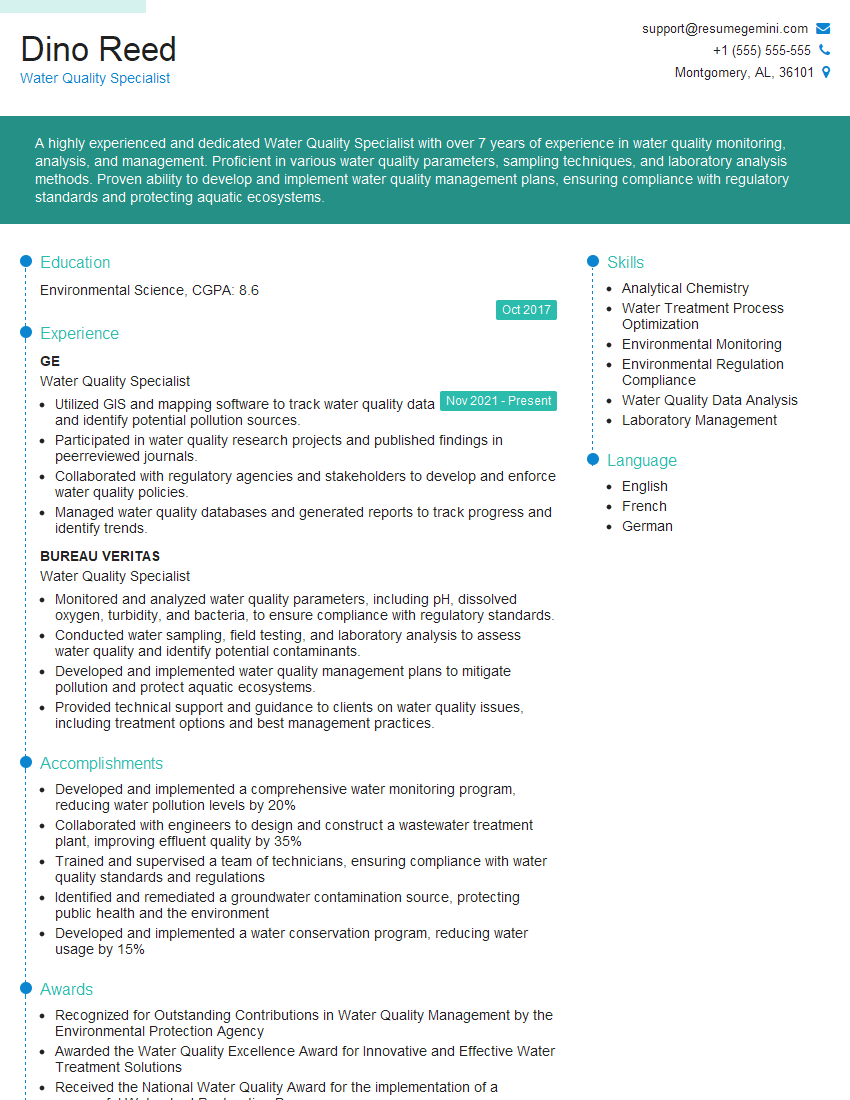
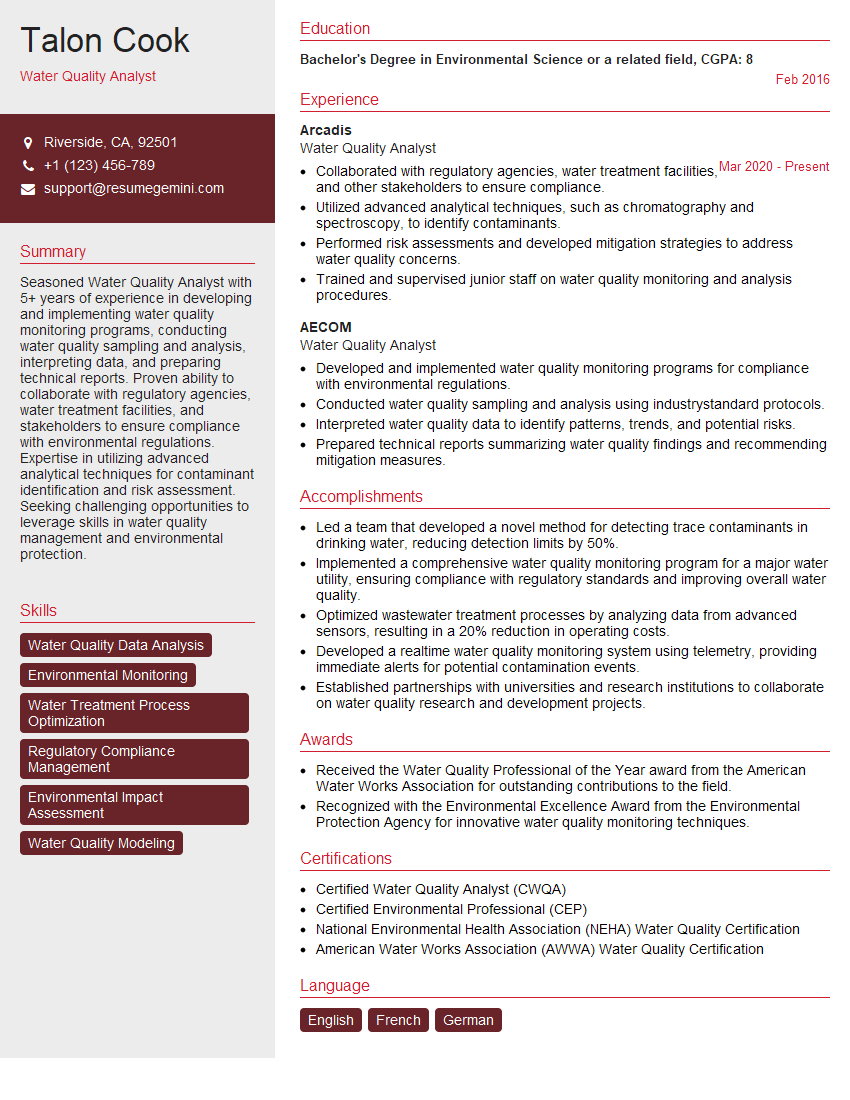
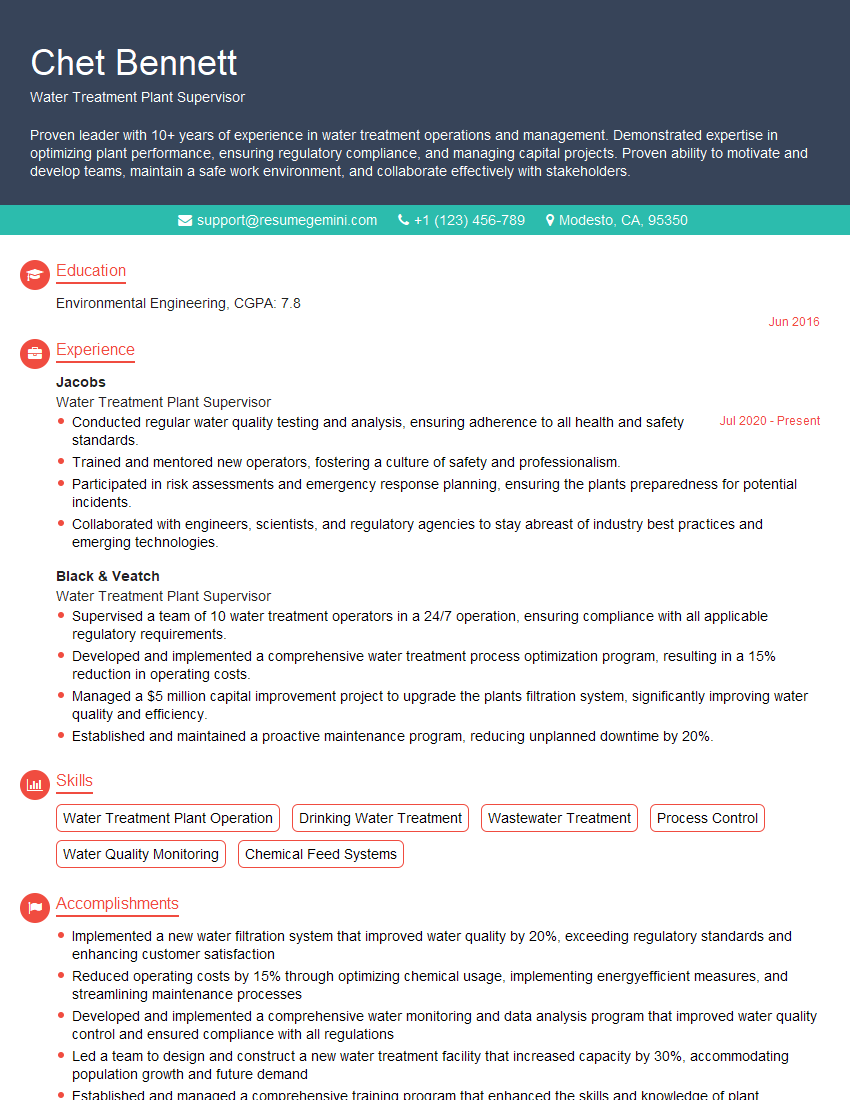
Mastering the principles of Drinking Water Treatment and Distribution opens doors to a rewarding career with significant impact on public health and environmental sustainability. A strong foundation in this field is highly valued by employers. To maximize your job prospects, creating a well-crafted, ATS-friendly resume is crucial. ResumeGemini is a trusted resource that can help you build a professional and impactful resume that highlights your skills and experience effectively. Examples of resumes tailored specifically to the Drinking Water Treatment and Distribution industry are available to guide you. Invest the time in crafting a compelling resume – it’s your first impression and a critical step in landing your dream job.
Explore more articles
Users Rating of Our Blogs
Share Your Experience
We value your feedback! Please rate our content and share your thoughts (optional).
What Readers Say About Our Blog
Very informative content, great job.
good