Interviews are more than just a Q&A session—they’re a chance to prove your worth. This blog dives into essential Driving in various weather conditions interview questions and expert tips to help you align your answers with what hiring managers are looking for. Start preparing to shine!
Questions Asked in Driving in various weather conditions Interview
Q 1. Describe your experience driving in heavy rain.
Driving in heavy rain significantly reduces visibility and traction. The key is to anticipate and adjust your driving accordingly. I always reduce my speed considerably, increasing following distance to at least 10-12 seconds (or more in heavier conditions) to allow ample braking distance. I use my wipers and defoggers on high, ensuring optimal visibility. I also avoid driving through deep puddles, as this can lead to hydroplaning. Finally, I avoid sudden braking or acceleration, maintaining smooth, controlled movements. Remember, the goal is to stay safe and in control, even if it means driving more slowly than usual.
For example, I once encountered torrential rain while driving on a highway. Instead of panicking, I reduced my speed and increased my following distance. This allowed me to react safely when a car in front of me suddenly braked unexpectedly; I had enough distance and time to react smoothly and avoid a collision.
Q 2. How do you maintain vehicle control on slippery roads?
Maintaining vehicle control on slippery roads requires a gentle touch and anticipation. Smooth, gradual steering, braking, and acceleration are crucial. Avoid sudden movements which could easily cause skidding. It’s vital to steer in the direction you want the vehicle to go, not in the direction it’s skidding. If you start to skid, ease off the gas and gently steer into the skid, allowing the vehicle to regain traction. I also avoid cruise control in these conditions.
For instance, navigating a curve on a slick, icy road is best done by slowing down significantly before even reaching the curve, gently easing into the turn, and avoiding any sudden braking or acceleration while in the turn. This allows the tires to maintain contact with the road and reduces the likelihood of losing control. This is also a good time to remember the benefits of having tires with adequate tread depth.
Q 3. What techniques do you use to increase visibility in fog?
Fog significantly impairs visibility, making cautious driving paramount. I always reduce speed substantially, increasing following distance. I use my low-beam headlights; high beams reflect off the fog, actually reducing visibility. I also ensure my windshield wipers and defogger are operating optimally. If visibility drops below what I deem safe, I pull over to a safe location and wait for conditions to improve. Paying close attention to road markings and signage is also crucial. I might even use my hazard lights to alert other drivers to my presence.
In one instance, I encountered thick fog on a winding mountain road. By reducing my speed to a crawl and using my low-beam headlights, I safely navigated the challenging conditions. Stopping in a safe location and waiting for the fog to lift allowed me to avoid a potentially dangerous situation.
Q 4. Explain your procedure for driving safely on snow or ice.
Driving on snow or ice requires significant adjustments to driving habits. I always reduce speed considerably, keeping a much longer following distance, and accelerating and braking very gently to avoid skidding. I avoid sudden steering maneuvers. Starting on a hill with snow or ice requires extra caution; I often use a lower gear to help maintain control. If my vehicle is not equipped with all-wheel or four-wheel drive, I consider changing my driving plans, and if not possible, proceed with extreme caution. Winter tires are essential for improved traction in snowy or icy conditions.
For example, on an uphill approach during a snowstorm, I would use a low gear to maintain control, increasing my following distance and gently accelerating.
Q 5. How do you adjust your driving speed for different weather conditions?
Adjusting driving speed based on weather conditions is paramount for safety. In heavy rain, snow, fog, or strong winds, I significantly reduce my speed to a level that is comfortable and safe for current conditions. My following distance also increases proportionally to allow more reaction time. On dry roads with good visibility, I maintain a speed that is safe and legal but always maintain awareness of surrounding traffic.
I once drove through a sudden hailstorm. Immediately, I reduced my speed and increased my following distance to ensure I could react to any unexpected developments.
Q 6. What safety measures do you take when driving in strong winds?
Strong winds can significantly impact vehicle stability, especially in taller vehicles or when crossing bridges. I maintain a firm grip on the steering wheel and drive cautiously, being extra aware of crosswinds that could push the vehicle. I avoid driving alongside larger vehicles, as they can generate their own strong wind gusts. If winds become extremely strong, I may choose to postpone my trip until conditions improve. I would also avoid driving on high profile bridges or elevated roads.
During a particularly windy day, I experienced some serious crosswinds while driving a van on a highway. By maintaining a firm grip on the steering wheel and keeping a safe distance from large trucks, I was able to handle the gusts successfully.
Q 7. How do you handle hydroplaning?
Hydroplaning occurs when tires lose contact with the road surface due to a layer of water. If I detect hydroplaning (a loss of steering control, the car feels like it’s floating), I immediately ease off the accelerator, avoid braking hard, and steer gently in the direction I want to go. Gradually, once the tires regain contact, I will gently accelerate. Prevention is key; I ensure tires are properly inflated and have adequate tread depth to help reduce the chance of hydroplaning.
In one instance, I experienced hydroplaning on a rain-slick highway. By easing off the accelerator and steering gently, I was able to regain control of the vehicle without incident.
Q 8. Describe your experience with black ice.
Black ice is a thin, transparent layer of ice that forms on roads, often invisible to the naked eye. It’s incredibly dangerous because it offers virtually no traction, leading to sudden and unpredictable skids. My experience with black ice has taught me the importance of extreme caution in freezing temperatures, even if the road appears dry. I’ve witnessed firsthand how quickly a vehicle can lose control on black ice, emphasizing the need for proactive driving strategies in potentially icy conditions.
For example, I once encountered black ice on a seemingly clear highway. Despite driving cautiously, my vehicle suddenly lost traction, and I had to use all my skills to regain control. That experience reinforced my commitment to anticipating potential black ice, particularly during early mornings, late evenings, or after periods of freezing rain.
Q 9. What actions do you take if your vehicle starts to skid?
If my vehicle starts to skid, my response is immediate and focused on regaining control without panic. The key is to steer in the direction of the skid, smoothly and gently. This means turning the steering wheel towards where the rear of the car is sliding. Simultaneously, I avoid braking hard, which can worsen the skid. Instead, I ease off the accelerator and gently apply the brakes, if necessary, to gradually reduce speed.
Imagine you’re driving a sled. If the sled starts to slide to the right, you’d steer it to the right to regain control. The same principle applies to a skidding vehicle. It’s a counter-intuitive reaction for many, but crucial for safe recovery.
If I have anti-lock brakes (ABS), I can apply firm, steady pressure to the brake pedal. The ABS system will prevent the wheels from locking up, maintaining some steering control during braking. After regaining control, I assess the situation, carefully check for traffic, and proceed with extreme caution, ensuring the immediate area is safe for continuation.
Q 10. How do you react to sudden changes in weather conditions while driving?
Sudden weather changes demand immediate adjustments to driving. My response begins with heightened awareness and increased vigilance. If it starts to rain heavily, I immediately reduce my speed, increase my following distance, and use my headlights. I also avoid sudden maneuvers, like lane changes, which can be especially risky on wet roads. A similar approach applies to snow or fog.
For instance, if I encounter a sudden downpour while driving on a highway, I will smoothly reduce my speed and carefully increase my following distance to provide extra braking distance. I will also carefully engage my windshield wipers and ensure my visibility is adequate.
If visibility is severely limited by fog or heavy snow, I may even consider pulling over to a safe location and waiting for the conditions to improve. Safety is the paramount concern during such weather fluctuations.
Q 11. Explain your understanding of tire pressure and its impact on different weather conditions.
Tire pressure plays a significant role in vehicle handling and safety, especially in various weather conditions. Properly inflated tires provide optimal contact with the road surface, enhancing traction and stability. Under-inflated tires reduce the contact patch, making braking longer and increasing the risk of skidding, particularly on slick surfaces like snow or ice. Over-inflation, while seemingly improving handling on dry roads, can make the ride harsh and lead to reduced traction on wet or snowy roads.
In winter, maintaining slightly higher than recommended tire pressure can provide a marginal benefit in deeper snow but must be done carefully to avoid over-inflation. In rainy or snowy conditions, it’s crucial to have adequately inflated tires to maintain maximum contact with the road and prevent hydroplaning (loss of traction due to a film of water between the tires and the road). Regular tire pressure checks are vital, especially before long journeys or during seasonal changes.
Q 12. What are the signs of potential hazards during winter driving?
Winter driving presents unique hazards that require careful observation and anticipation. Signs of potential hazards include:
- Black ice: Look for patches of dark, glossy pavement which indicates the presence of thin ice.
- Snow and ice build-up: Bridges and overpasses freeze first, so drive carefully over them. Observe the accumulation of snow or ice on roadsides.
- Reduced visibility: Fog, falling snow, or blowing snow can severely impact visibility. Be prepared to slow down or stop completely if conditions deteriorate.
- Limited traction: If you experience any loss of traction, even slightly, immediately reduce your speed and avoid sudden movements.
- Increased braking distances: Always allow extra space when following other vehicles in winter conditions.
Being aware of these signs allows for proactive responses, like reducing speed or changing routes to avoid dangerous areas.
Q 13. How do you ensure your vehicle is adequately prepared for winter driving?
Preparing a vehicle for winter driving is crucial for safety and peace of mind. My preparation involves several key steps:
- Winter tires: Installing winter tires significantly enhances traction on snow and ice compared to all-season tires.
- Fluid checks: Ensuring sufficient antifreeze in the radiator and appropriate washer fluid for freezing temperatures is essential.
- Battery check: Cold weather can drain batteries more quickly, so ensuring a fully charged battery is critical.
- Emergency kit: I always carry an emergency kit with items like blankets, jumper cables, a flashlight, a first-aid kit, and non-perishable food and water.
- Vehicle inspection: A thorough inspection of lights, wipers, and brakes before winter driving is vital.
By following this checklist, I enhance the safety and reliability of my vehicle for winter driving conditions.
Q 14. What is your approach to maintaining safe following distances in adverse weather?
Maintaining safe following distances in adverse weather is non-negotiable for safe driving. In ideal conditions, the three-second rule is recommended (choose a landmark and count three seconds after the vehicle in front passes it before you reach the landmark). However, in adverse weather, this distance must be significantly increased. A five to eight-second following distance or more is advisable in heavy rain, snow, or fog. This provides ample time to react to unexpected events such as sudden braking by the vehicle ahead or encountering a patch of ice.
For instance, if I’m driving in heavy snow, I will maintain a following distance of at least eight seconds, allowing ample room to slow down or stop safely if the vehicle in front slows down unexpectedly. This significantly reduces the risk of a rear-end collision, the most common type of accident in bad weather. The increased following distance allows for a greater margin of error and reduces the overall risk of an accident.
Q 15. How do you use your vehicle’s features (e.g., ABS, traction control) to enhance safety?
Vehicle safety features like ABS (Anti-lock Braking System) and traction control are crucial for maintaining control in adverse weather. ABS prevents wheel lockup during braking, allowing you to steer around obstacles even while braking hard on slippery surfaces like ice or wet roads. Think of it like this: without ABS, your wheels might lock, sending your car into a skid. With ABS, the system rapidly pumps the brakes, preventing this lockup and maintaining steering control.
Traction control works by monitoring wheel spin and reducing engine power or applying brakes to individual wheels to regain traction. Imagine accelerating on a snowy incline – without traction control, your wheels might spin uselessly. Traction control prevents this by managing power delivery, giving you a smoother, safer start.
I always ensure these systems are functioning correctly and understand their limitations. While they significantly enhance safety, they are not a replacement for safe driving practices like maintaining a safe following distance and adjusting speed for conditions.
Career Expert Tips:
- Ace those interviews! Prepare effectively by reviewing the Top 50 Most Common Interview Questions on ResumeGemini.
- Navigate your job search with confidence! Explore a wide range of Career Tips on ResumeGemini. Learn about common challenges and recommendations to overcome them.
- Craft the perfect resume! Master the Art of Resume Writing with ResumeGemini’s guide. Showcase your unique qualifications and achievements effectively.
- Don’t miss out on holiday savings! Build your dream resume with ResumeGemini’s ATS optimized templates.
Q 16. Describe your experience driving in mountainous regions during inclement weather.
Driving in mountainous regions during inclement weather presents unique challenges. Reduced visibility due to snow, fog, or rain, combined with steep grades and winding roads, requires heightened awareness and cautious driving. My experience includes navigating icy mountain passes where chains were mandatory. I’ve also encountered sudden whiteouts, making it crucial to slow down significantly and increase following distances.
I always prioritize safe driving techniques: reducing speed well in advance of curves, using lower gears for better engine braking on descents, and anticipating potential hazards. Clear communication with dispatch is also key, letting them know my location and any challenges I’m facing. Knowing the route beforehand and checking weather forecasts is essential to avoid unexpected situations.
Q 17. How do you communicate with dispatch or other drivers during inclement weather?
Effective communication is vital in inclement weather. I use a combination of methods to stay in contact with dispatch and other drivers. This includes using two-way radios to provide regular updates on my location, road conditions, and any potential hazards. I also use mobile phones for more detailed communication, especially when describing difficult-to-articulate conditions.
When communicating, I use clear and concise language, avoiding jargon. I always provide specific details such as my location using landmarks or mile markers, the type and severity of weather, and any necessary precautions other drivers should take. If I anticipate delays, I always inform dispatch in advance.
In situations with limited or no communication, I rely on pre-planned routes and checkpoints to ensure a safe journey and timely arrival.
Q 18. What are the legal requirements regarding driving in bad weather in your area?
Legal requirements for driving in bad weather vary by jurisdiction, but generally include mandatory use of headlights when visibility is reduced, adherence to posted speed limits (which are often reduced during inclement weather), and the prohibition of driving unless equipped for the conditions (like requiring snow chains in snowy mountain areas).
Failure to comply can result in fines and potential license suspension. It’s crucial to stay updated on local regulations and advisories. I regularly consult the relevant transportation authorities’ websites and announcements for any special requirements or road closures before and during any journey.
Q 19. How do you assess the severity of weather conditions before starting a journey?
Assessing weather severity involves a multi-faceted approach. I start by checking weather forecasts from reputable sources, looking at both current conditions and predictions for my route. I then consult real-time traffic information from transportation departments, which may highlight road closures or delays.
Before embarking on the journey, I visually inspect the immediate surroundings and look for signs of worsening conditions, such as increasing wind speeds, heavier precipitation, or reduced visibility. I will also check road conditions using online resources or by contacting local authorities if the severity of weather seems uncertain.
If conditions look even remotely unsafe, I delay or postpone the journey until weather improves. Safety always comes first.
Q 20. What are your strategies for managing fatigue when driving in challenging weather?
Combating fatigue while driving in challenging weather is crucial for safety. I plan my trips to avoid driving during my usual sleep times, and I take regular breaks every two hours or so. These breaks involve getting out of the vehicle, stretching, and having a refreshing drink or snack.
I also avoid consuming heavy meals or caffeinated drinks before and during the journey, opting for light snacks. If I feel particularly drowsy, I find a safe place to rest for at least 30 minutes or consider calling for backup if possible. Never drive when tired. Fatigue impairs judgment and reaction time, making it extremely dangerous, especially in hazardous weather.
Q 21. Explain your understanding of load security in relation to adverse weather conditions.
Load security is paramount in adverse weather. Improperly secured loads can shift during transit, causing instability and potential accidents. In inclement weather, the risk is amplified by strong winds, heavy rain, or snow accumulation which can impact the vehicle’s handling.
My strategies include using appropriate tie-down methods and ensuring the load is evenly distributed to maintain the vehicle’s center of gravity. I use adequate straps, chains, or other securing mechanisms, making sure they are taut and properly anchored. I also inspect the load regularly throughout the journey to ensure nothing has shifted or become loose.
In heavy winds or snow, I may need to reduce my speed further to account for the added stress on the load and vehicle. If there is any doubt about the security of a load, I would stop the vehicle and re-secure it before continuing.
Q 22. How do you handle driving challenges due to reduced visibility (e.g., heavy snow, dust storms)?
Driving in conditions with reduced visibility, like heavy snow or dust storms, demands a significant shift in driving strategy. It’s all about maximizing safety and minimizing risk.
- Slow Down Significantly: This is paramount. Reduced visibility means you need much more time to react to hazards. Think of it like this: if you can only see 50 feet ahead instead of 500, you need to drive at a speed that allows you to stop comfortably within those 50 feet.
- Increase Following Distance: Maintaining a much larger following distance than usual gives you crucial extra time to brake or maneuver if the vehicle ahead suddenly slows or stops.
- Use Your Lights: Headlights, fog lights (if equipped), and hazard lights (in particularly severe conditions) are crucial for increasing your visibility to other drivers.
- Utilize All Senses: Don’t rely solely on sight. Listen carefully for changes in traffic sounds, and feel for any vibrations in the vehicle that might indicate a problem.
- Avoid Sudden Movements: Any abrupt braking or steering can lead to loss of control, especially on slick surfaces. Smooth, controlled inputs are key.
- Pull Over if Necessary: If visibility becomes extremely limited, and you feel unsafe continuing, pull over to a safe location away from traffic until conditions improve.
For example, during a heavy snowstorm, I once had to reduce my speed to 10 mph on a highway, increasing my following distance to at least 10 car lengths, while using my headlights and fog lights. Safety was the top priority, and I prioritized getting to my destination safely, rather than quickly.
Q 23. Describe a situation where you had to make a quick decision to avoid an accident in bad weather.
During a sudden downpour that created extremely slick conditions on a mountain road, I encountered a sharp turn. A large truck ahead of me began to skid, sliding dangerously close to my lane. My immediate reaction was to smoothly brake, reducing speed without locking up my wheels (ABS is essential here!), and steer gently into the opposite lane to create more distance. This avoided a direct collision. Luckily, I was able to regain control and the truck recovered its grip. This experience highlighted the importance of anticipating potential hazards and reacting smoothly yet decisively in challenging conditions.
Q 24. What are the common causes of accidents during inclement weather?
Accidents during inclement weather are often caused by a combination of factors. The most common include:
- Speeding: Driving too fast for conditions is a leading cause. Reduced traction and visibility require significantly lower speeds.
- Following Too Closely (Tailgating): This leaves little reaction time to avoid collisions, especially when braking distances are significantly increased.
- Loss of Traction: Wet, icy, or snowy roads dramatically reduce tire grip, leading to skids and loss of control.
- Poor Visibility: Rain, snow, fog, or dust reduce visibility, making it difficult to react to hazards.
- Hydroplaning: On wet roads, tires can lose contact with the surface, leading to loss of control.
- Driver Error: Inexperience, impaired driving, and failure to adjust driving techniques to weather conditions all contribute significantly to accidents.
Q 25. How do you prioritize safety while still meeting deadlines in adverse weather conditions?
Prioritizing safety while meeting deadlines in adverse weather conditions requires careful planning and realistic expectations.
- Check Weather Forecasts: Before starting any trip, thoroughly review the forecast, and adjust plans accordingly. Consider delaying the trip if conditions are dangerously severe.
- Allow Extra Travel Time: Factor in significant extra travel time to account for slower speeds and potential delays.
- Communicate Proactively: Inform relevant parties (clients, supervisors, etc.) of potential delays due to weather conditions.
- Prioritize Safety First: If at any point safety is compromised, stop and reassess. Reaching the destination late is far better than arriving in an accident.
- Know Your Limits: Be honest with yourself about your driving skills and the vehicle’s capabilities in challenging conditions. If you feel unsafe, postpone the trip.
Q 26. How familiar are you with using navigation systems in challenging weather?
I’m highly proficient in using navigation systems in challenging weather. While GPS is helpful, I understand its limitations in these situations. I frequently supplement GPS data with real-time traffic reports and weather updates from various sources (weather apps, radio reports). For example, if the GPS suggests a route through a mountain pass with known icing, I’d actively seek an alternate, lower-elevation route. It’s about using the technology as a tool, not blindly following its suggestions.
Q 27. Describe your experience with winter chains or other traction devices.
I have extensive experience with winter tire chains and other traction devices. I know how to properly install and remove chains, following manufacturer’s instructions carefully. I understand the differences between various types of chains, and when each is appropriate (e.g., cable chains for heavier snow, conventional chains for lighter snow). I also understand their limitations and recognize that even with chains, extreme caution and reduced speed are essential. I’m familiar with alternative traction aids such as tire studs (where legally permitted) and know how to use sand or kitty litter for improved traction in exceptionally icy conditions.
Q 28. Explain your knowledge of weather reports and how you utilize them for trip planning.
I utilize weather reports extensively for trip planning. My approach involves a multi-layered strategy:
- Long-Range Forecasts: I check long-range forecasts (several days out) to get a general idea of potential weather patterns and plan accordingly.
- Short-Range Forecasts: Closer to the departure time, I consult short-range forecasts (hourly updates if possible) for precise information on precipitation, wind speed, temperature, and visibility.
- Specialized Forecasts: For mountain driving or other challenging terrain, I seek out specialized forecasts that provide detailed information for specific regions.
- Real-Time Updates: During the journey, I use real-time weather apps and radio reports to monitor changing conditions and adjust my route or speed as needed.
For example, before a long road trip, I’ll check the weather for my entire route, not just my starting and ending points. This allows me to identify any potential problem areas in advance and prepare myself.
Key Topics to Learn for Driving in various weather conditions Interview
- Vehicle Dynamics in Adverse Conditions: Understanding how braking distance, steering response, and traction change in rain, snow, ice, and fog. This includes theoretical knowledge of friction and momentum.
- Practical Application: Safe Driving Techniques: Mastering techniques like increased following distance, reduced speed, smooth acceleration and braking, and proper use of headlights and wipers in various weather situations. Consider scenarios like hydroplaning, skid recovery, and black ice.
- Advanced Driving Concepts: Explore concepts like weight transfer, tire pressure adjustments for different conditions, and the limitations of various vehicle types (e.g., 2WD vs. 4WD) in challenging weather.
- Risk Assessment and Mitigation: Developing strategies for identifying potential hazards early, understanding weather forecasts, and adapting driving behavior proactively. This includes assessing personal capabilities and limitations in challenging conditions.
- Emergency Procedures: Knowing how to handle situations such as sudden loss of traction, encountering other vehicles in hazardous conditions, and executing safe emergency stops.
- Legal and Regulatory Aspects: Familiarity with relevant traffic laws and regulations concerning driving in adverse weather, including speed limits and equipment requirements.
Next Steps
Mastering safe driving techniques in various weather conditions is crucial for career advancement in many transportation-related fields, showcasing your commitment to safety and operational efficiency. To significantly boost your job prospects, focus on crafting an ATS-friendly resume that highlights your relevant skills and experience. ResumeGemini is a valuable resource to help you build a professional and impactful resume tailored to your specific career goals. We provide examples of resumes specifically designed for candidates with experience in driving in various weather conditions to guide you through the process. Take the next step and create a resume that stands out!
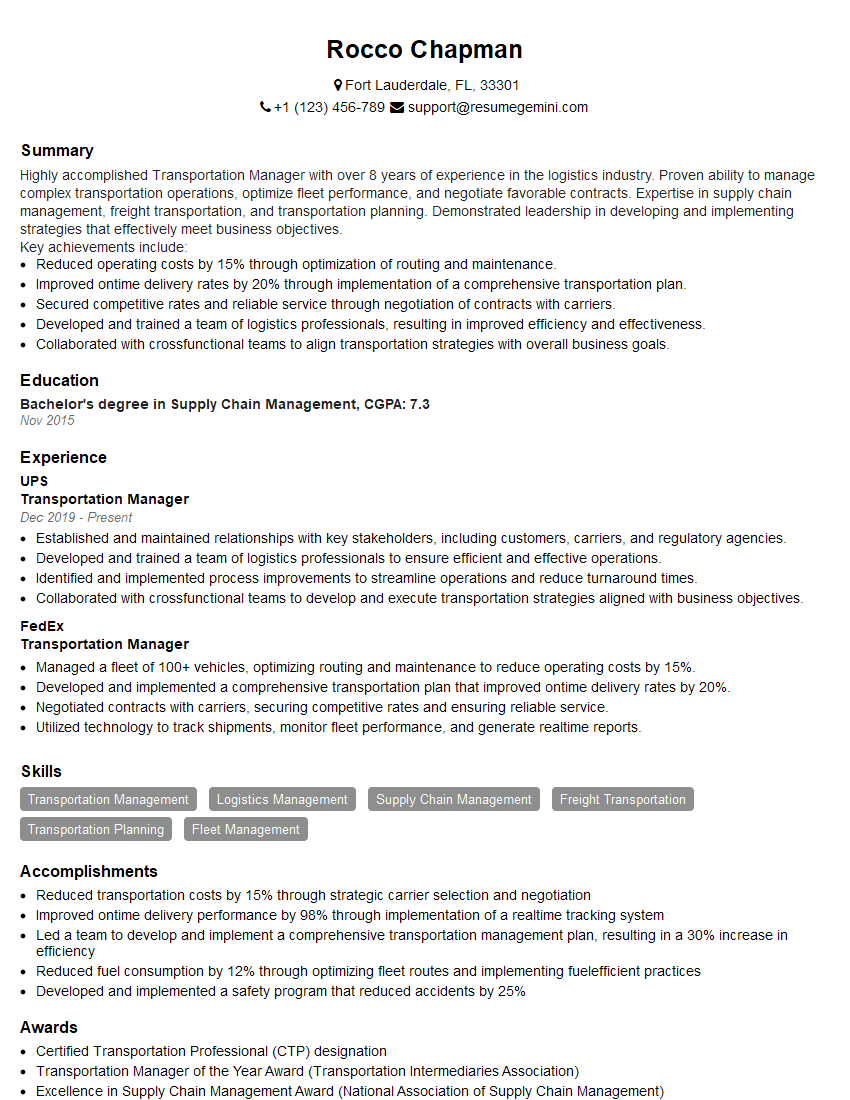
Transportation Manager Resume Sample
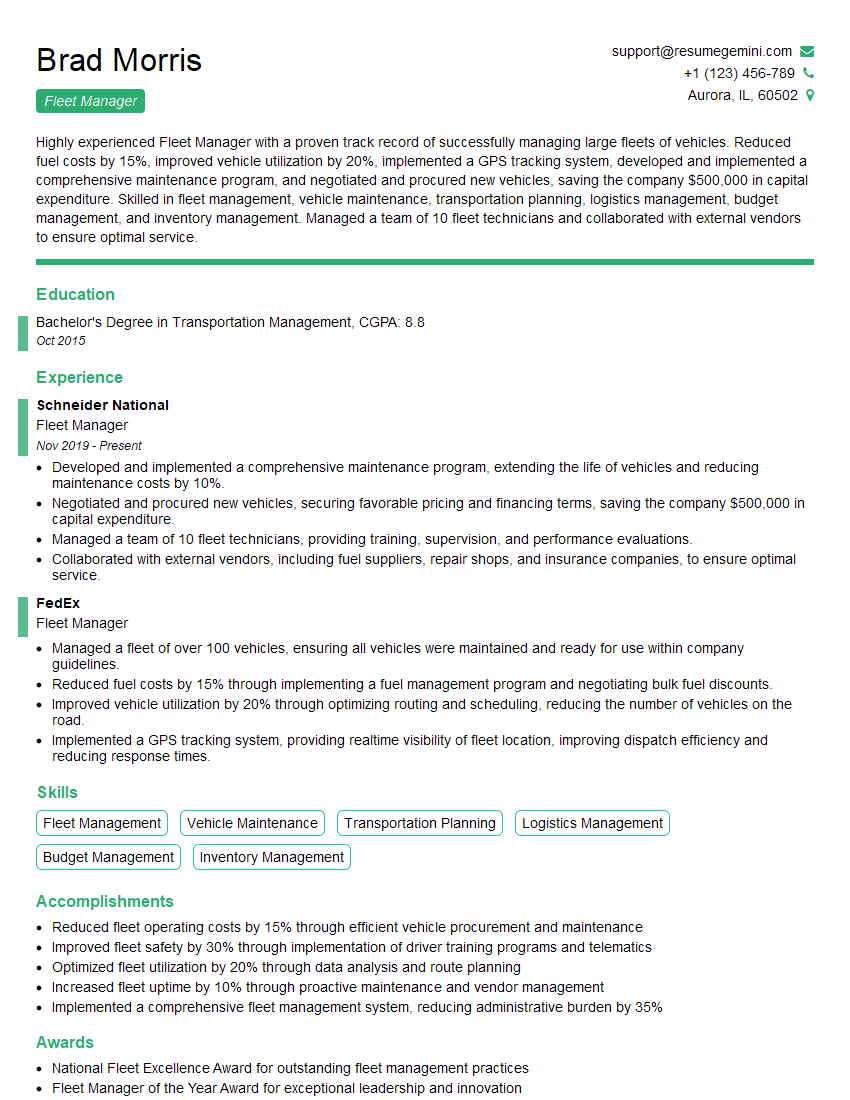
Fleet Manager Resume Sample
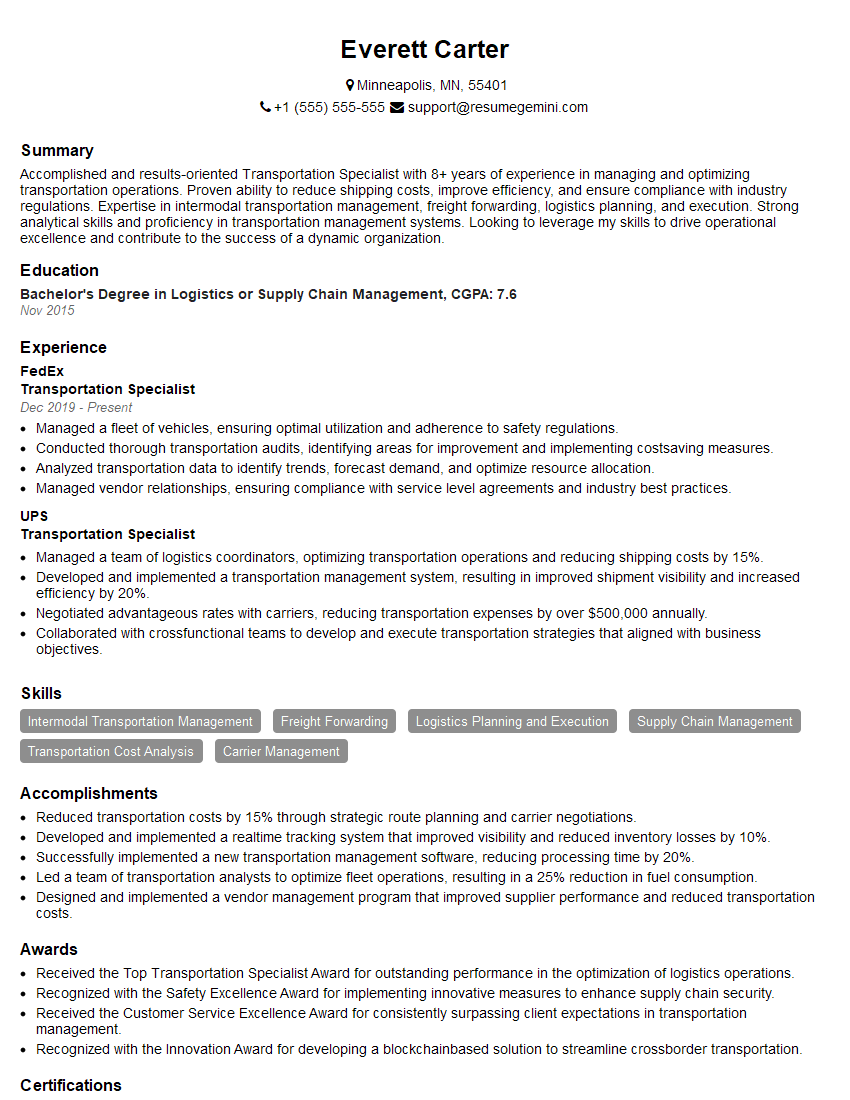
Transportation Specialist Resume Sample
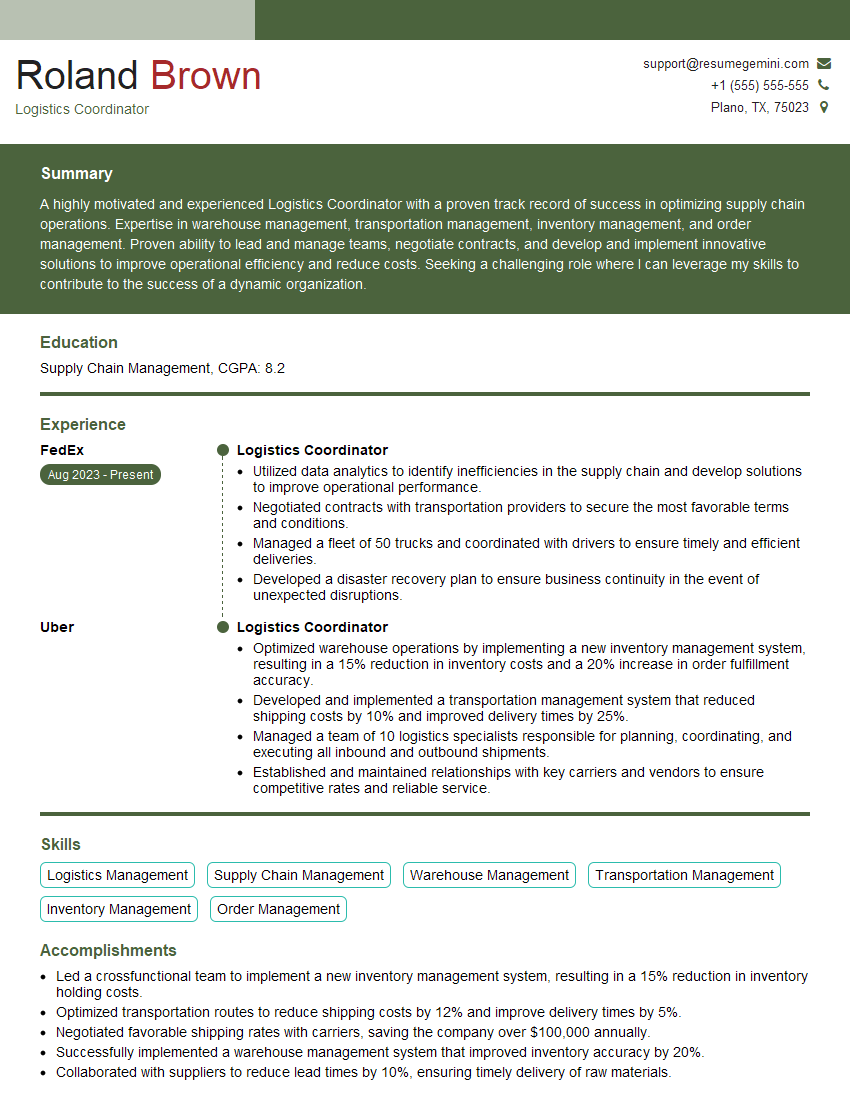
Logistics Coordinator Resume Sample
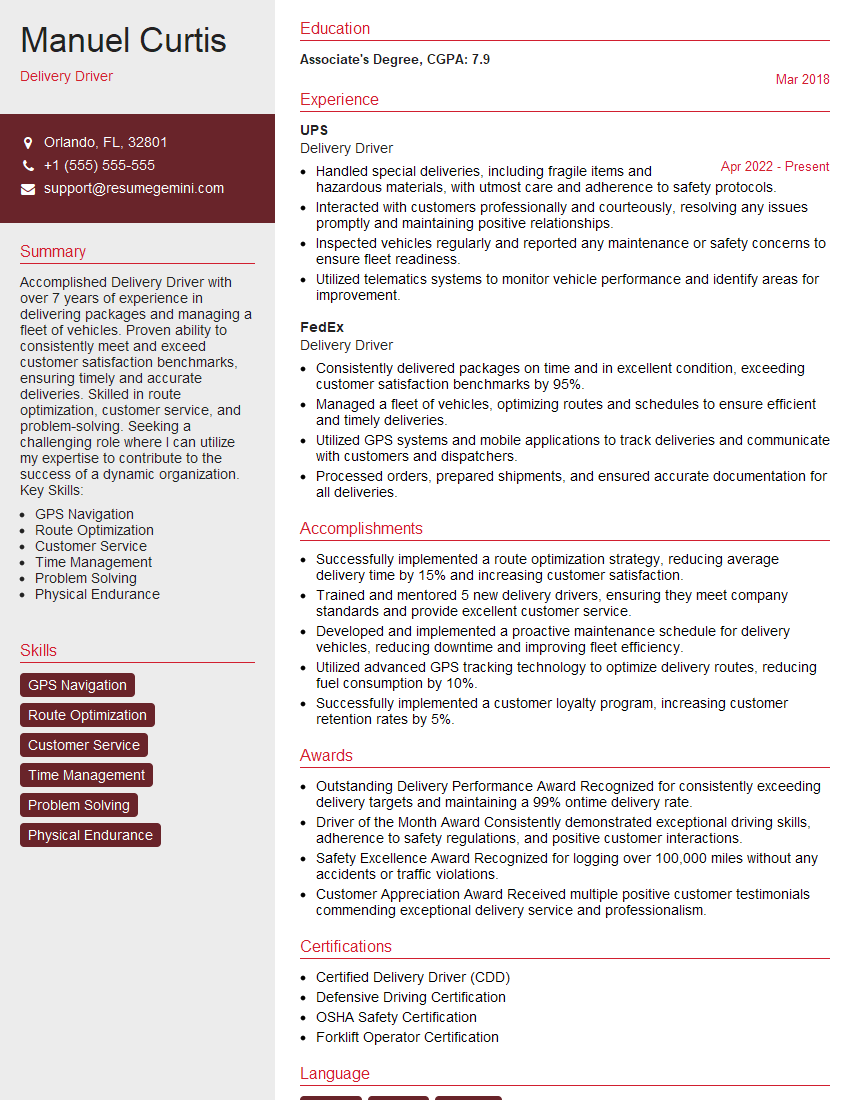
Delivery Driver Resume Sample
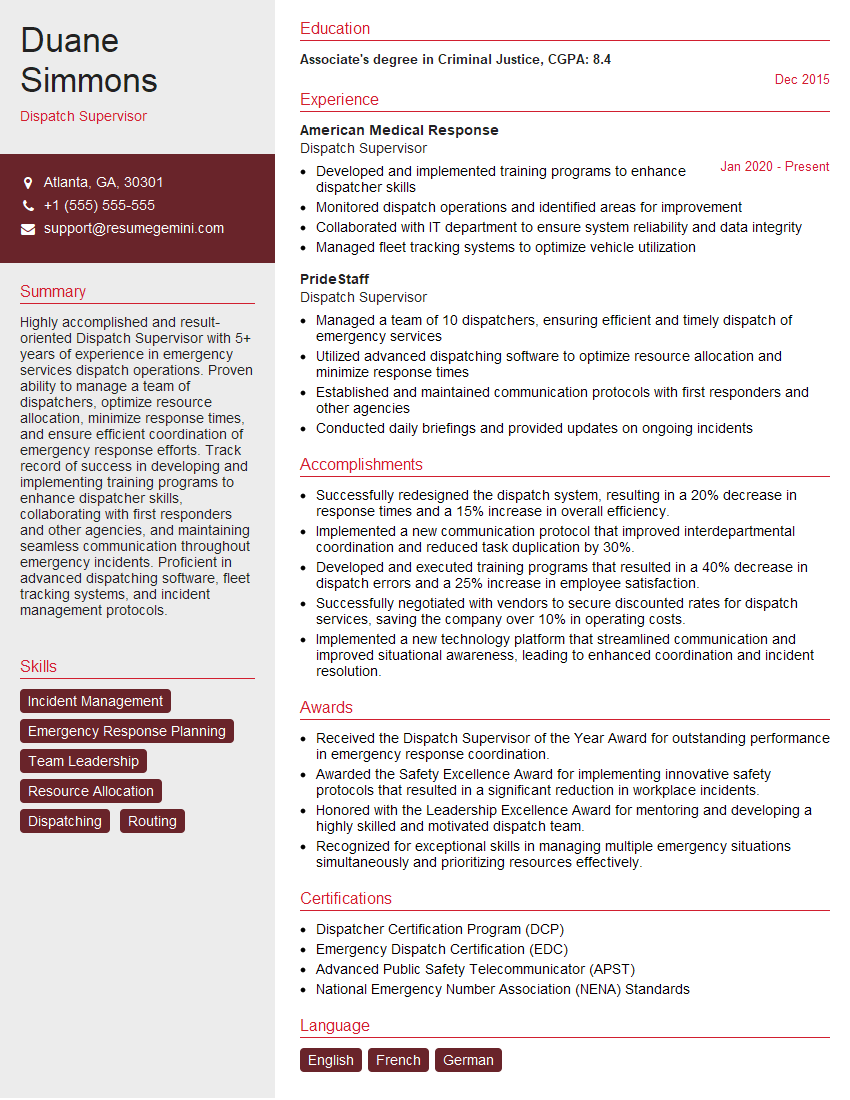
Dispatch Supervisor Resume Sample
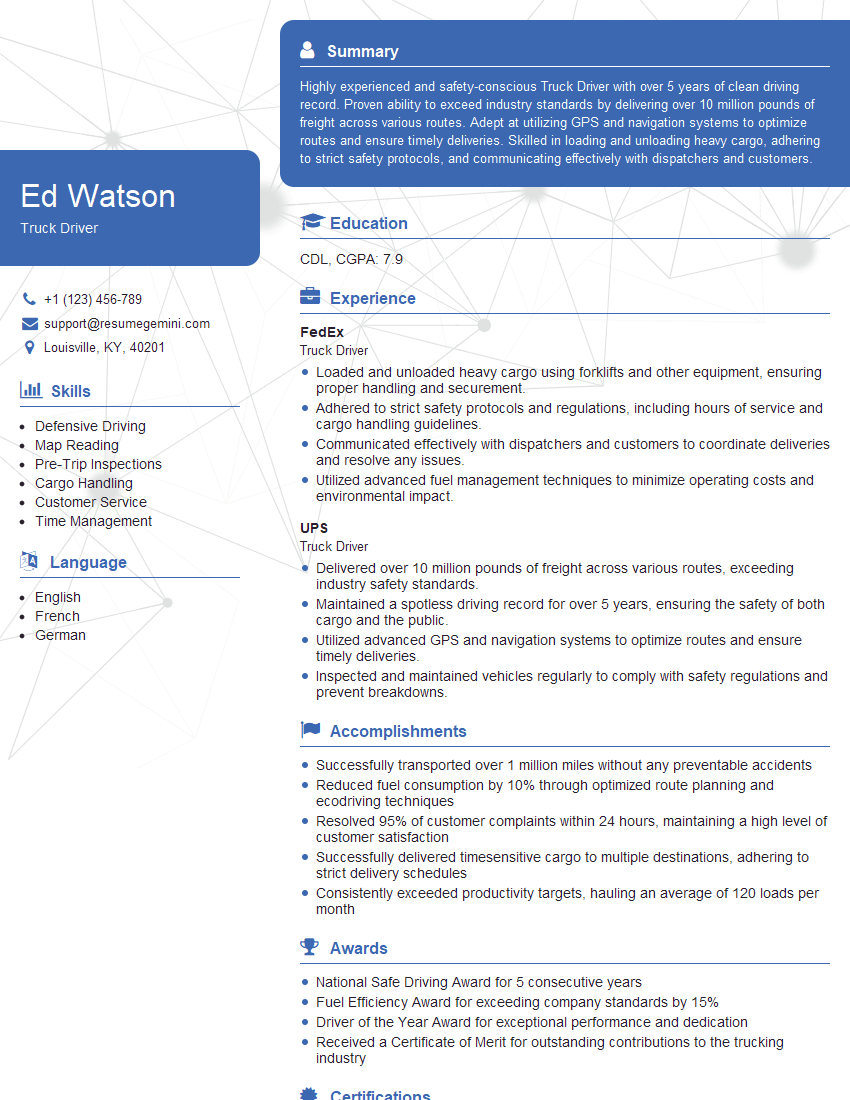
Truck Driver Resume Sample
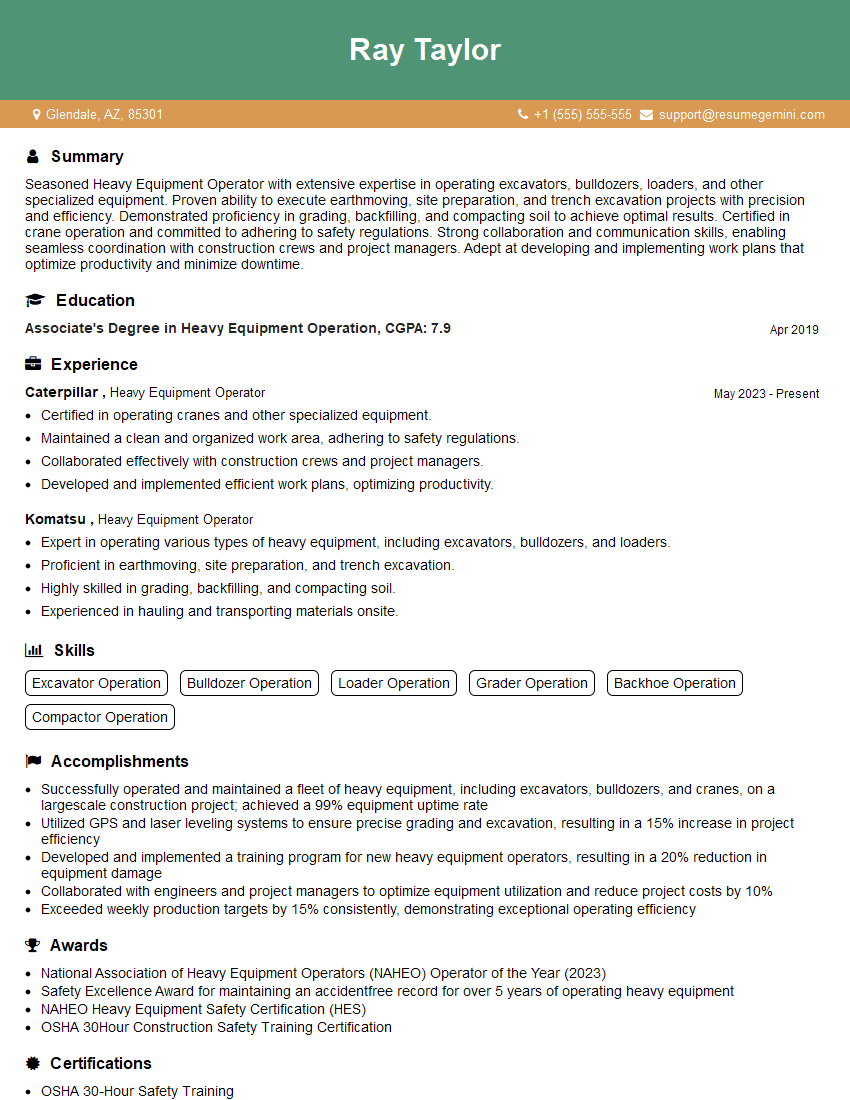
Heavy Equipment Operator Resume Sample
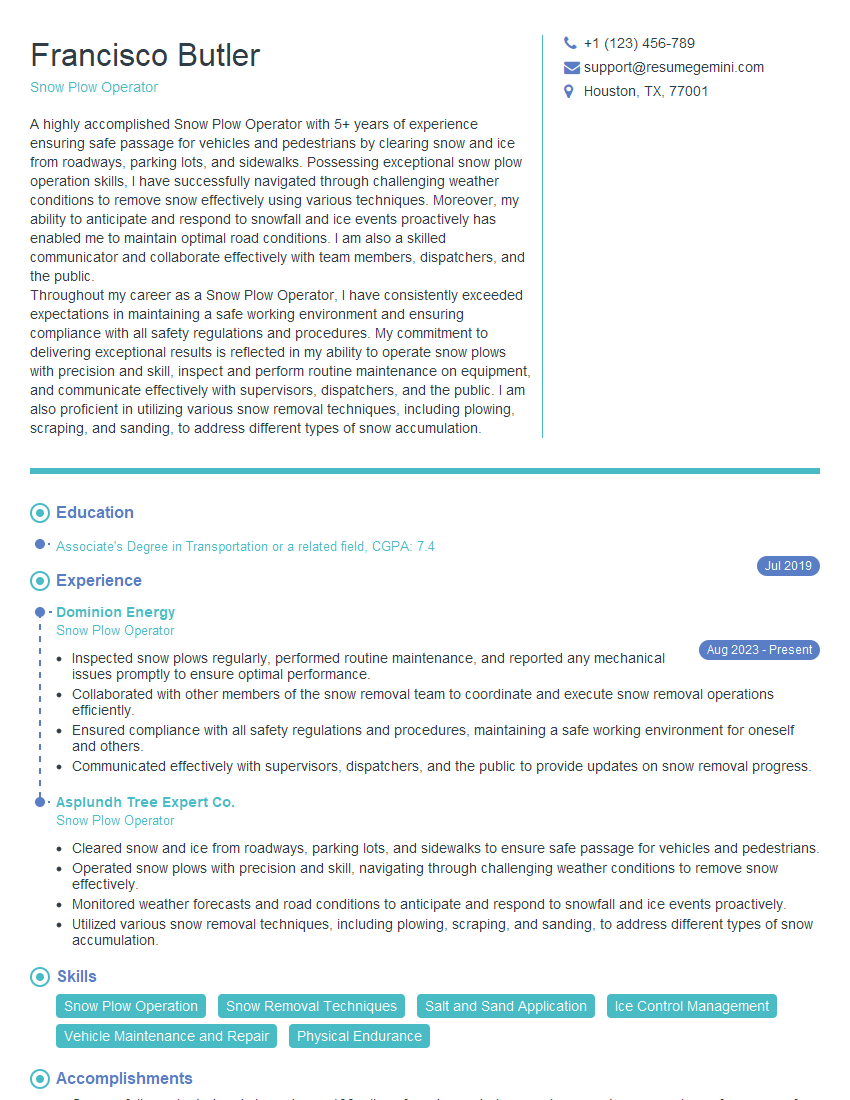
Snow Plow Operator Resume Sample
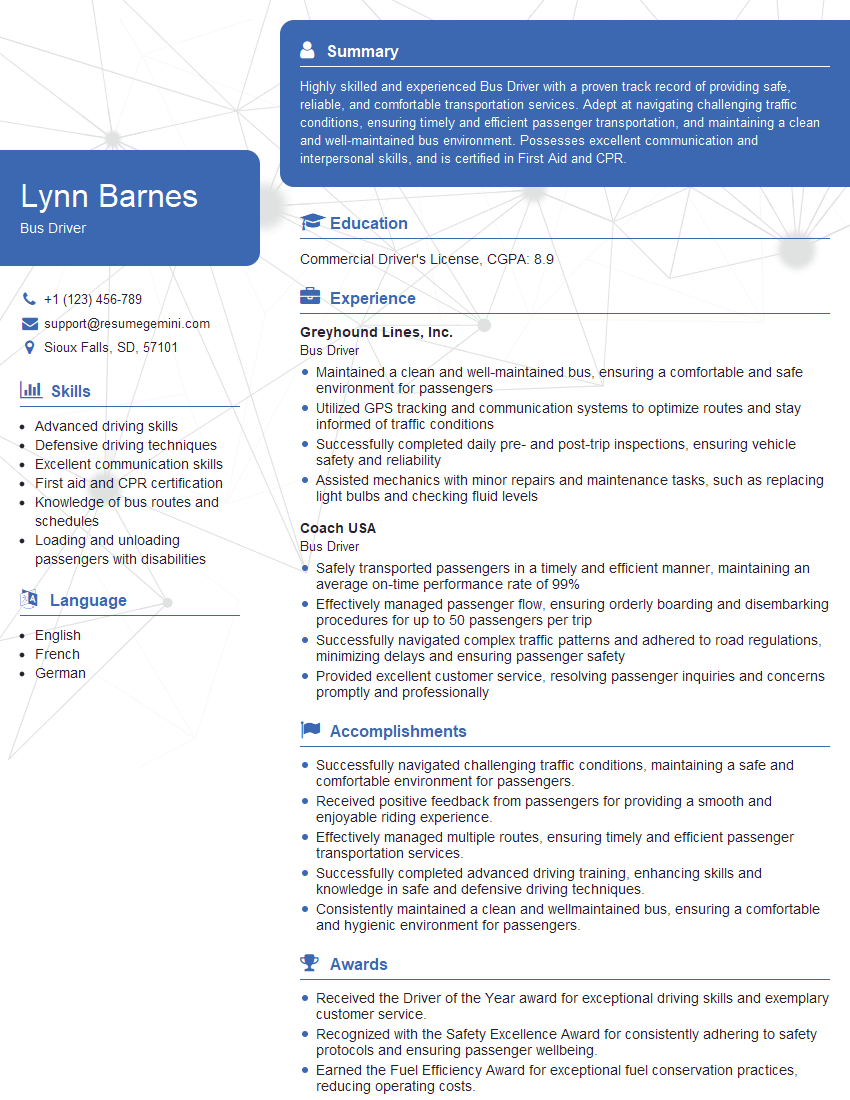
Bus Driver Resume Sample
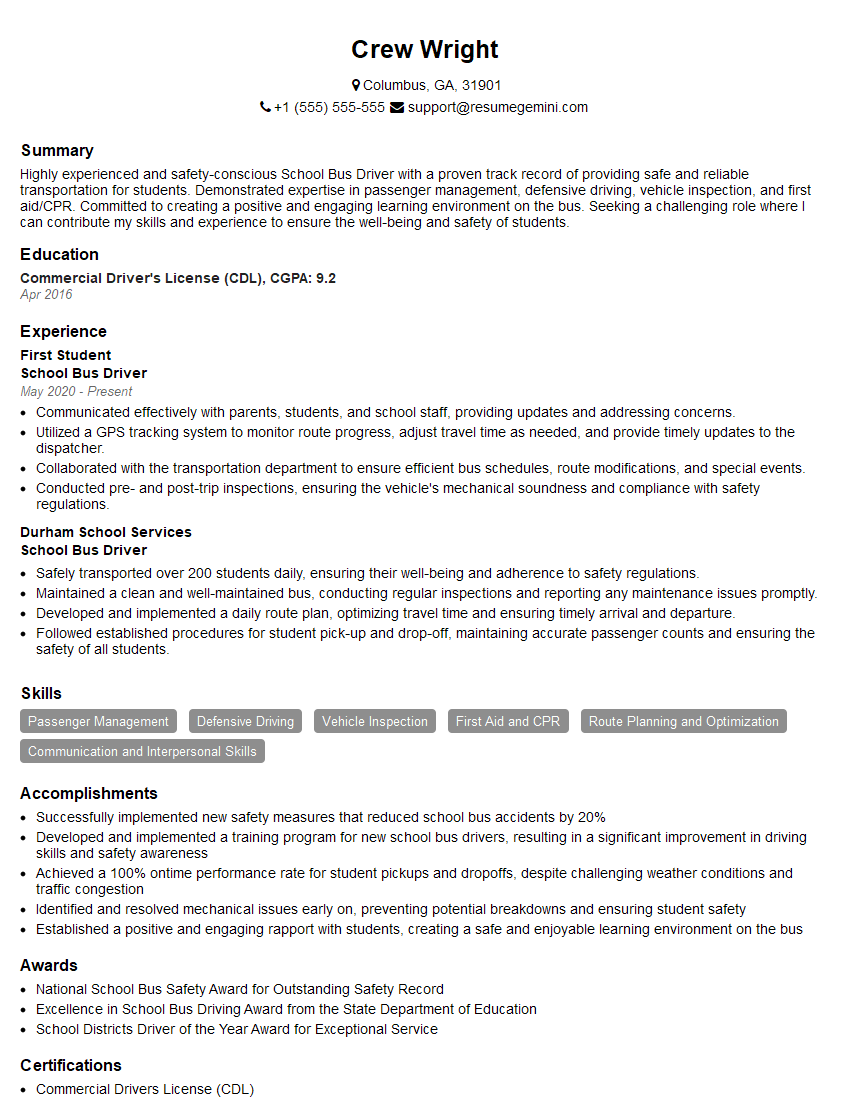
School Bus Driver Resume Sample
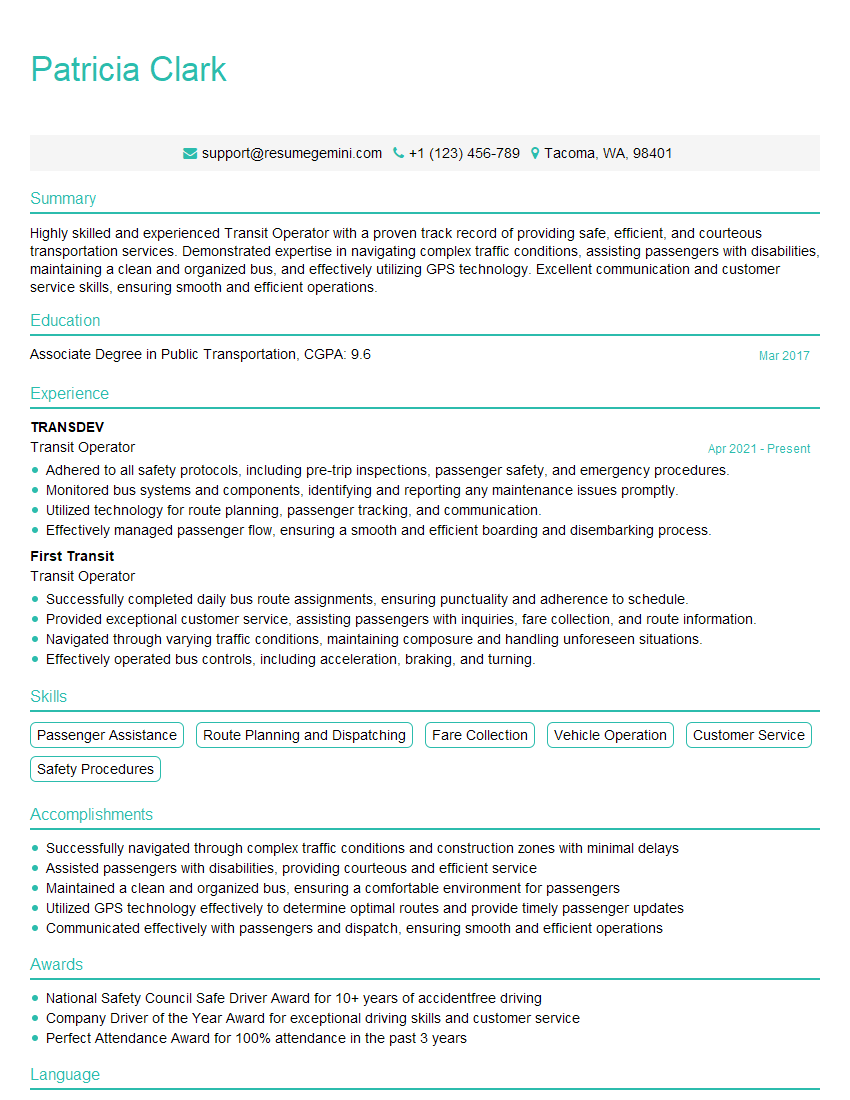
Transit Operator Resume Sample
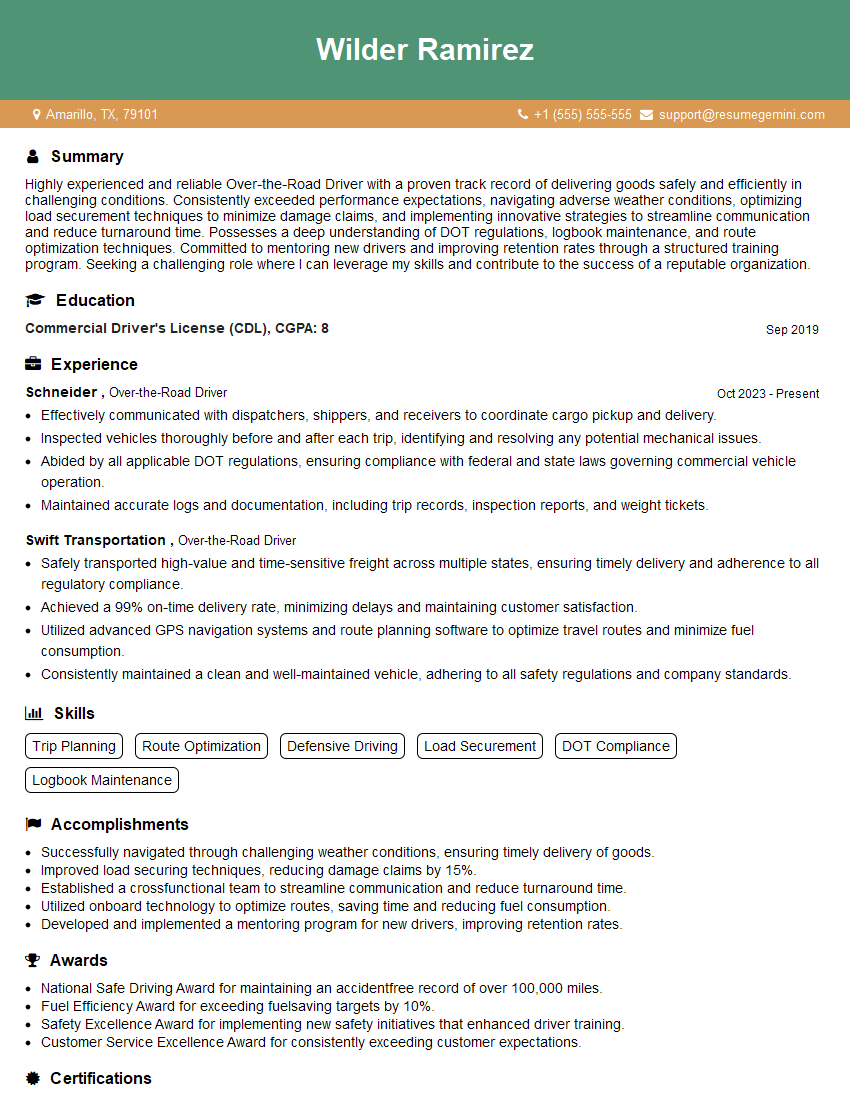
Over-the-Road Driver Resume Sample

Chauffeur Resume Sample
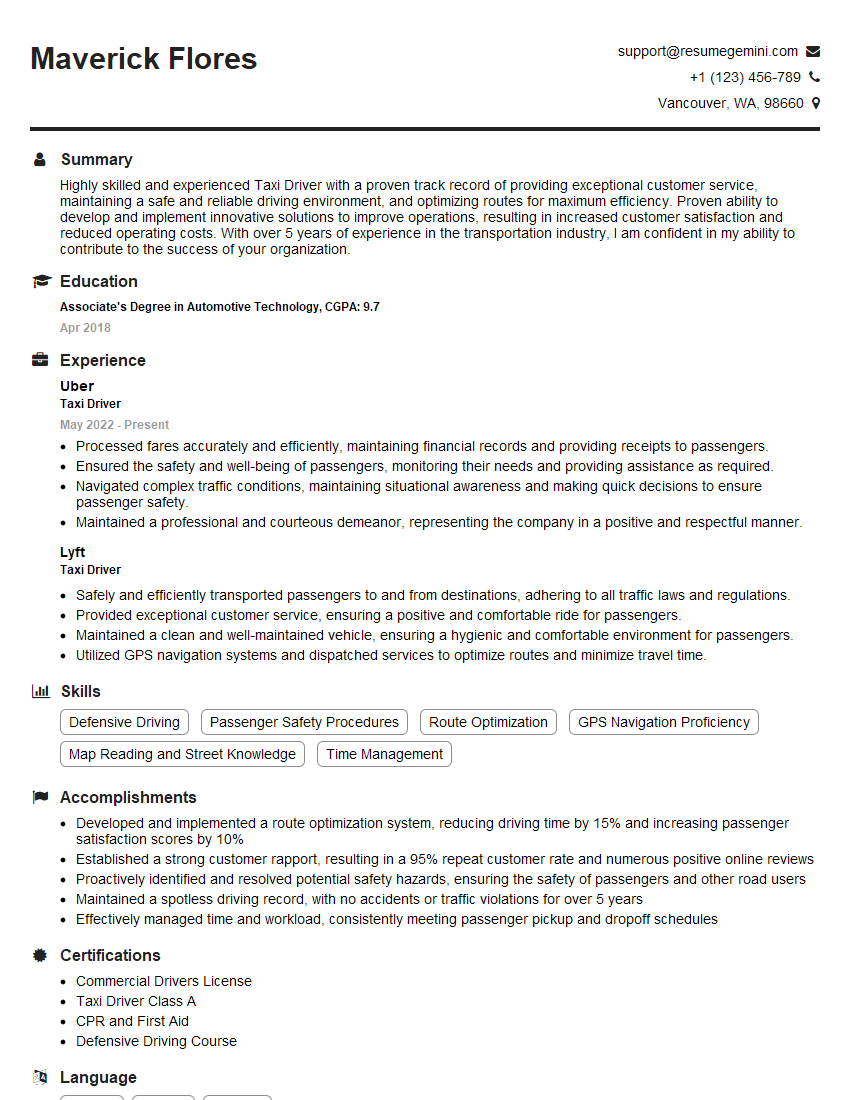
Taxi Driver Resume Sample
Explore more articles
Users Rating of Our Blogs
Share Your Experience
We value your feedback! Please rate our content and share your thoughts (optional).
What Readers Say About Our Blog
Very informative content, great job.
good