Unlock your full potential by mastering the most common Dynamic Balancing interview questions. This blog offers a deep dive into the critical topics, ensuring you’re not only prepared to answer but to excel. With these insights, you’ll approach your interview with clarity and confidence.
Questions Asked in Dynamic Balancing Interview
Q 1. Explain the principle of dynamic balancing.
Dynamic balancing is the process of correcting rotational unbalance in a rotating object, like a car wheel, a turbine rotor, or a washing machine drum. Unbalance occurs when the center of mass of the rotating object doesn’t coincide with its axis of rotation. This leads to vibrations, noise, and premature wear and tear. The principle is to add or remove small amounts of mass at specific locations on the object to shift the center of mass to the axis of rotation, minimizing the vibrations.
Imagine spinning a slightly lopsided wheel – it wobbles! Dynamic balancing is about making that wheel spin smoothly by carefully adjusting the weight distribution.
Q 2. What are the different methods of dynamic balancing?
There are primarily two methods for dynamic balancing:
- Single-plane balancing: This method is suitable for relatively short, stiff rotors where the imbalance can be considered to be concentrated at a single plane. Think of a small fan blade – the imbalance is likely in one plane.
- Two-plane balancing: This method is used for longer rotors where the imbalance is distributed across two planes. Long shafts, like those in large motors or turbines, typically require two-plane balancing.
The choice between single-plane and two-plane balancing depends on the rotor’s geometry and speed of operation.
Q 3. Describe the difference between static and dynamic imbalance.
Static imbalance occurs when the center of gravity of a rotating object lies outside its axis of rotation, but in the same plane. Imagine a slightly off-center weight on a bicycle wheel. It’ll wobble, but the wobble will always be in the same direction. Static imbalance can be corrected by adding or removing mass in a single plane.
Dynamic imbalance, however, is more complex. It occurs when the center of gravity of the rotating object is not only offset from the axis of rotation but also has a significant component perpendicular to the rotational axis. This results in a wobble that changes direction as the object spins. It necessitates balancing in two planes, not just one.
In essence, static imbalance is a special case of dynamic imbalance. All dynamically unbalanced objects are unbalanced statically, but not all statically unbalanced objects are dynamically unbalanced.
Q 4. How do you identify the location and magnitude of imbalance?
Identifying the location and magnitude of imbalance involves using a balancing machine (detailed in subsequent answers). However, the basic principle is based on measuring the vibrations generated by the rotating object. These vibrations are analyzed to determine:
- Magnitude of imbalance: This represents the amount of mass correction needed. It’s typically expressed in gram-millimeters (g·mm) or ounce-inches (oz·in).
- Angular location of imbalance: This indicates the precise position on the rotor where the correction mass should be added or removed. It’s measured in degrees.
Balancing machines employ sophisticated sensors and software to accurately determine these parameters. The resulting data guides the technician in making the necessary corrections.
Q 5. Explain the use of a balancing machine.
A balancing machine is a precision instrument used to accurately measure the imbalance in rotating components. It holds the rotor, spins it at a controlled speed, and measures the resulting vibrations. The machine’s sophisticated sensors and software analyze these vibrations to determine the magnitude and location of the imbalance. This information is then used to correct the imbalance by adding or removing mass at the identified locations.
Think of it as a highly precise scale for rotational systems. It’s crucial for ensuring smooth operation and longevity of rotating machinery in diverse industries.
Q 6. What are the different types of balancing machines?
Balancing machines come in various types, categorized by their operational principles and capabilities:
- Soft-bearing balancing machines: These machines use soft bearings to support the rotor, allowing for free rotation and accurate vibration measurement. They are suitable for a wide range of applications.
- Hard-bearing balancing machines: These utilize rigid bearings, providing high precision and repeatability. They are often used for high-speed rotors requiring very precise balancing.
- Single-plane balancing machines: Designed for balancing rotors with imbalance concentrated primarily in one plane.
- Two-plane balancing machines: Used for rotors with imbalance distributed across two planes.
- Horizontal balancing machines: The rotor is mounted horizontally.
- Vertical balancing machines: The rotor is mounted vertically.
The choice of machine depends on the size, shape, and speed of the rotor being balanced, along with the required accuracy.
Q 7. How do you select the appropriate balancing machine for a given application?
Selecting the right balancing machine involves considering several factors:
- Rotor size and weight: The machine must be capable of handling the rotor’s dimensions and mass.
- Rotor speed: The machine’s speed range must accommodate the operational speed of the rotor.
- Type of imbalance: Single-plane or two-plane balancing machine based on the rotor’s geometry.
- Required accuracy: The machine’s precision should meet the application’s tolerance levels.
- Budget and available space: Cost and physical constraints need to be considered.
Consulting with balancing machine manufacturers or experts is recommended to ensure the selection of a suitable machine for a given application. Improper selection can lead to inaccurate balancing, resulting in continued vibration and potential damage.
Q 8. Describe the process of balancing a rotor using a balancing machine.
Balancing a rotor on a balancing machine is a precise process aimed at minimizing vibrations caused by mass imbalance. The machine spins the rotor at a controlled speed, measuring the vibrations generated. These vibrations are analyzed to determine the magnitude and location of the imbalance. The process typically involves these steps:
- Mounting the Rotor: The rotor is carefully mounted onto the balancing machine’s spindles, ensuring secure and accurate placement.
- Running the Measurement: The machine spins the rotor, and sensors measure the amplitude and phase of the vibrations in multiple planes. This data is crucial for identifying the imbalance.
- Data Analysis: The balancing machine’s software analyzes the vibration data and calculates the necessary correction weight(s), including their magnitude and angular position.
- Weight Addition: Based on the machine’s calculations, correction weights are added to the rotor at the specified locations. This often involves carefully attaching small weights (often lead or steel) to the rotor’s surface.
- Re-measurement and Iteration: The rotor is re-measured to verify the effectiveness of the correction. This iterative process continues until the residual imbalance is within acceptable tolerances. For very high precision applications, multiple balancing runs may be required.
Think of it like balancing a bicycle wheel – if the weight isn’t distributed evenly, it’ll wobble. The balancing machine helps us precisely determine how to distribute the ‘weight’ to eliminate the wobble in a rotating component.
Q 9. What are the common sources of imbalance in rotating machinery?
Imbalance in rotating machinery stems from several sources, often a combination of factors. Common causes include:
- Manufacturing Defects: Inconsistent material density, machining errors, and variations in casting can result in uneven mass distribution.
- Wear and Tear: Over time, components wear down unevenly, altering the mass distribution and leading to imbalance. This is especially true for parts subject to high stress or friction.
- Corrosion: Corrosion can build up unevenly on surfaces, creating an imbalance. This is a significant concern in harsh environments.
- Improper Assembly: Incorrectly assembled components can also contribute to imbalance. This is particularly relevant for multi-part rotors.
- Loose Components: Loose bolts, nuts or other fasteners can cause noticeable vibration problems. Regular inspection and tightening are vital.
- Deposits: Accumulation of dirt, grease, or other deposits on rotor blades (like in a turbine) can shift the center of gravity.
For example, a slightly heavier section of a turbine blade, a worn bearing, or a corroded area on a shaft can all contribute to imbalance and subsequent vibration.
Q 10. How do you interpret balancing machine readings?
Balancing machine readings typically display the magnitude and phase angle of the imbalance in one or more correction planes. The magnitude represents the amount of imbalance (usually in grams or gram-millimeters), and the phase angle indicates the location of the imbalance relative to a reference point on the rotor.
For single-plane balancing, a single reading is sufficient. However, for dynamic balancing (involving two or more planes), the machine provides readings for each plane, typically displayed as vectors showing both magnitude and phase. These vectors can be used to determine the required correction weights in each plane.
The machine’s software often provides a clear graphical representation of the imbalance, often as a vector diagram making interpretation straightforward, even for complex scenarios. Advanced machines provide detailed reports outlining the imbalance parameters and the recommended corrective actions.
Q 11. Explain the concept of correction planes in dynamic balancing.
In dynamic balancing, correction planes are the locations on the rotor where correction weights are added to counteract imbalance. A single plane of correction is often sufficient for smaller, stiffer rotors where the imbalance is mainly static (i.e., an unbalance that’s offset in one direction). For longer, flexible rotors, however, dynamic balancing is necessary. This involves at least two correction planes that are strategically selected to address both static and dynamic components of the unbalance, creating a smoother operation.
Imagine a long, thin rod with a slightly heavier area in the middle. Simply adding a weight to one side won’t compensate for the dynamic bending forces created by this imbalance. In this case, two balancing planes would allow for correcting the ‘wobble’ effectively.
Q 12. How do you determine the amount of correction weight needed?
The amount of correction weight needed is calculated by the balancing machine’s software based on the measured imbalance. The calculation involves resolving the imbalance vectors in each correction plane, and the software provides the magnitude and location (angle) required to compensate for the existing imbalance. The software considers the machine’s calibration data and the rotor’s characteristics to precisely compute the appropriate weights.
The unit of measurement for this calculation is typically grams or gram-millimeters (for example, a 10-gram weight at 30 degrees) providing the technician the information required to select and accurately place the weight.
Q 13. How do you choose the location for correction weights?
Choosing the location for correction weights is crucial for effective balancing. The balancing machine determines the optimal angular position for each weight based on the phase angle of the imbalance. Correction planes are often strategically chosen for ease of access and weight attachment. For instance, correction planes may be selected on the rotor’s end faces or along a shaft that has dedicated balance weight pockets built into it.
The best locations consider both the ease of weight application and structural integrity. Adding weights in a plane with higher structural stiffness will generally lead to a more reliable balancing result. For instance, placing correction weights at the end caps might be more favorable than placing them mid-span, as the material is usually more rigid.
Q 14. What are the limitations of dynamic balancing?
While dynamic balancing is a highly effective technique, it does have limitations:
- Rotor Flexibility: For extremely flexible rotors, the accuracy of dynamic balancing can be affected due to the complex vibration modes that are induced. This may require more sophisticated modelling techniques.
- Accuracy of Measurements: The precision of the balancing machine and the accuracy of the measurements are crucial. Errors in measurement can lead to incomplete correction of the imbalance.
- Weight Attachment: Attaching correction weights securely and precisely is essential. Poorly attached weights can come loose, affecting the balance and causing safety hazards.
- Non-linear Effects: Extreme imbalance, non-linear behaviors, or the presence of other defects beyond mere mass unbalance can limit the effectiveness of balancing and may require further analysis.
- Cost & Equipment: Sophisticated balancing equipment can be costly, requiring skilled personnel to operate and interpret the results.
It’s essential to consider these limitations during the design phase and choose an appropriate balancing procedure for the particular application. Regular maintenance and inspection of rotating machinery remain crucial even after a thorough dynamic balancing process.
Q 15. Describe the relationship between imbalance and vibration.
Imbalance and vibration are intrinsically linked. Think of a spinning washing machine – if the weight distribution isn’t perfectly even, it’ll wobble and vibrate. That wobble is a direct consequence of the imbalance. In engineering terms, imbalance is the uneven distribution of mass around an axis of rotation. This uneven distribution creates centrifugal forces that vary periodically as the rotor spins. These fluctuating forces are what cause vibrations. The magnitude of the vibration is directly proportional to the magnitude of the imbalance; a larger imbalance leads to stronger vibrations.
Imagine a car wheel with a weight on one side only. As the wheel spins, that extra weight causes it to shake violently. This is analogous to an unbalanced rotor in a machine. The severity of the vibration depends on factors like the speed of rotation, the magnitude of the imbalance, and the stiffness of the supporting structure. Reducing the imbalance directly reduces the resulting vibration.
Career Expert Tips:
- Ace those interviews! Prepare effectively by reviewing the Top 50 Most Common Interview Questions on ResumeGemini.
- Navigate your job search with confidence! Explore a wide range of Career Tips on ResumeGemini. Learn about common challenges and recommendations to overcome them.
- Craft the perfect resume! Master the Art of Resume Writing with ResumeGemini’s guide. Showcase your unique qualifications and achievements effectively.
- Don’t miss out on holiday savings! Build your dream resume with ResumeGemini’s ATS optimized templates.
Q 16. How does dynamic balancing improve machine efficiency?
Dynamic balancing significantly improves machine efficiency in several ways. Firstly, reduced vibration translates directly to less energy wasted overcoming the forces caused by the imbalance. This leads to lower energy consumption and operational costs. Secondly, reduced vibration extends the lifespan of machine components. Constant vibrations lead to wear and tear on bearings, shafts, and other parts, requiring more frequent and costly maintenance or even premature replacement. By minimizing vibration, dynamic balancing helps prevent this premature degradation and extends the overall service life of the machine.
For example, a large industrial fan with significant imbalance would consume more power and experience increased wear on its bearings. Dynamic balancing would reduce the power consumption and extend the life of the bearings, saving both energy and maintenance costs. It’s a cost-effective and sustainable practice.
Q 17. What are the safety precautions to be taken during dynamic balancing?
Safety is paramount during dynamic balancing. Here are key precautions:
- Lockout/Tagout Procedures: Always follow strict lockout/tagout procedures to prevent accidental machine start-up during balancing.
- Personal Protective Equipment (PPE): Wear appropriate PPE, including safety glasses, hearing protection, and gloves. Rotating machinery can fling debris or generate loud noise.
- Machine Guards: Ensure all machine guards are in place and securely fastened to prevent accidental contact with moving parts.
- Proper Training: Only trained and authorized personnel should perform dynamic balancing operations.
- Safe Lifting Practices: If components need to be removed and reinstalled, use proper lifting techniques and equipment to avoid injury.
- Emergency Shutdown Procedures: Be familiar with and readily accessible to the machine’s emergency stop mechanism.
Ignoring these precautions can lead to serious injuries or even fatalities. A systematic and cautious approach to balancing is essential.
Q 18. How do you ensure the accuracy of balancing results?
Ensuring the accuracy of balancing results relies on several factors:
- Calibration of Balancing Equipment: Regular calibration of the balancing machine is critical. This ensures accurate measurement of vibration and imbalance. Calibration should follow the manufacturer’s recommendations.
- Proper Machine Setup: The rotor must be correctly mounted on the balancing machine. Any misalignment or improper support can lead to inaccurate readings.
- Environmental Factors: External vibrations and temperature fluctuations can affect the accuracy of measurements. Minimize these disturbances as much as possible.
- Data Acquisition and Analysis: Use appropriate software and techniques for data acquisition and analysis. This includes proper signal processing to remove noise and ensure accurate imbalance calculations.
- Repeatability Checks: Perform multiple balancing runs to confirm repeatability. Inconsistent results indicate potential issues with the setup or measurement process.
By adhering to these procedures, confidence in the accuracy of the balancing results can be greatly improved.
Q 19. What are the common problems encountered during dynamic balancing?
Common problems encountered during dynamic balancing include:
- Incorrect Machine Setup: Misalignment of the rotor or improper support can lead to erroneous measurements.
- External Vibrations: External sources of vibration can interfere with the measurements and give false readings.
- Software or Hardware Issues: Faulty sensors, software glitches, or calibration problems can affect accuracy.
- Loose Components: Loose bolts or other components on the rotor can change the imbalance during the balancing process.
- Resonances: Operating near a resonant frequency can amplify vibrations, making it difficult to accurately determine the imbalance.
Identifying and addressing these issues is crucial for successful balancing.
Q 20. How do you troubleshoot common problems during balancing?
Troubleshooting balancing problems often involves a systematic approach. Here’s a strategy:
- Check Machine Setup: Ensure proper alignment, support, and mounting of the rotor. Re-check all connections.
- Isolate External Vibrations: Try to minimize or eliminate external sources of vibration. This might involve isolating the machine or using vibration damping materials.
- Verify Sensor Function: Inspect sensors for damage or malfunction. Replace faulty sensors and recalibrate as needed.
- Inspect Rotor Components: Check for loose parts, cracks, or other damage that could affect balance.
- Analyze Balancing Data: Examine the data for unusual patterns or inconsistencies. This can help identify the source of the problem.
- Consult Documentation: Refer to the manufacturer’s documentation for troubleshooting guidance and specifications.
Often, a careful review of the setup and data leads to the identification and resolution of the problem. If the issue persists, seeking expert assistance is advisable.
Q 21. Explain the concept of residual imbalance.
Residual imbalance refers to the imbalance that remains after a balancing operation. It’s impossible to achieve perfect balance in the real world due to limitations in measurement accuracy, the manufacturing tolerances of components, and the inherent complexities of rotating systems. Residual imbalance is usually expressed as a value, often in gram-millimeters (g-mm) or ounce-inches (oz-in), representing the remaining imbalance after the balancing process.
While we aim for minimal residual imbalance, a small amount is often acceptable. The acceptable level depends on the specific application and the machine’s operating requirements. High-speed machines, for instance, have tighter tolerances for residual imbalance than lower-speed machines. A high residual imbalance can still cause increased vibration and noise, potentially leading to premature wear, so minimizing it is always a goal.
Q 22. How do you minimize residual imbalance?
Minimizing residual imbalance after dynamic balancing is crucial for smooth operation and longevity of rotating equipment. It’s rarely possible to achieve perfect zero imbalance, but we aim for levels that are acceptable based on the machinery’s operating speed and tolerance. This is achieved through iterative balancing processes and careful attention to detail.
- Precise Measurement: Using high-precision vibration measurement instruments, we accurately determine the magnitude and phase of the residual imbalance. A slight miscalculation here can lead to significantly larger residual imbalance.
- Iterative Correction: We add or remove balancing weights in calculated locations. After each correction, we re-measure the vibration to assess the effectiveness. This iterative process continues until the residual imbalance falls within the acceptable limits. This could be 5 iterations or more, dependent on the complexity of the imbalance.
- Careful Weight Placement: Correct placement of balancing weights is paramount. The location is as important as the mass itself. Improper placement can exacerbate the imbalance or even introduce new imbalances.
- Proper Balancing Plane Selection: For larger rotors, multiple balancing planes may be necessary for effective correction. The choice of balancing planes is crucial for minimizing residual imbalance in complex rotors.
- Environmental Factors: Temperature changes and other external factors can affect the balance. It’s important to consider these during the balancing process and allow for some margin for error.
For example, I once worked on a large industrial fan where initial balancing attempts left a noticeable vibration. Through careful iterative correction and attention to weight placement in multiple balancing planes, we were able to reduce the vibration amplitude by over 90%, resulting in smoother operation and extended equipment lifespan.
Q 23. What is the role of vibration analysis in dynamic balancing?
Vibration analysis is the cornerstone of dynamic balancing. It provides the essential data needed to quantify and correct imbalances. Without vibration analysis, dynamic balancing would be impossible.
- Identifying Imbalance: Vibration sensors (accelerometers, proximity probes) measure the vibrations produced by the rotating equipment. The amplitude and frequency of these vibrations directly indicate the presence and severity of imbalance. High amplitudes at rotational frequencies indicate imbalance directly related to the rotational speed.
- Determining Imbalance Location and Magnitude: Advanced vibration analysis techniques, such as spectral analysis and phase measurement, allow us to pinpoint the location and magnitude of the imbalance along the rotor. This data is crucial for calculating the required corrective weights and their placement.
- Monitoring Balancing Effectiveness: After corrective weights are added, vibration analysis is used to monitor the effectiveness of the balancing process. This iterative approach ensures that the imbalance is reduced to acceptable levels.
Think of it like this: Vibration analysis is the ‘eyes’ and ‘ears’ of the balancing process, providing the critical information needed to guide our corrective actions. Without it, we’d be working in the dark.
Q 24. Describe your experience with different types of balancing software.
My experience spans several popular balancing software packages, each with its strengths and weaknesses. I’m proficient in using both single- and multi-plane balancing software.
- Software A (Example): This software excels in its intuitive user interface and robust reporting features. I have extensively used it for balancing high-speed centrifugal pumps and turbines. Its detailed analysis capabilities were invaluable in identifying and correcting complex imbalances in these machines.
- Software B (Example): This package is particularly well-suited for multi-plane balancing, a capability crucial for larger, more complex rotating equipment like industrial fans and large motors. I’ve used it for analyzing and solving challenging imbalance problems that required considering multiple balancing planes.
- Software C (Example): This software is geared towards field balancing, particularly useful in situations where accessing the machine for detailed measurements is limited. Its simplified data entry and analysis features make it efficient for on-site balancing.
My experience encompasses both the theoretical underpinnings and practical application of these software packages. I can leverage the specific strengths of each to tackle a wide range of balancing challenges efficiently and accurately.
Q 25. What are the industry standards and best practices for dynamic balancing?
Industry standards and best practices for dynamic balancing focus on safety, accuracy, and efficiency. These practices vary depending on the specific application and industry regulations, but some key aspects are common:
- ISO 1940-1: This international standard defines the balance quality grades for rotating machinery. It provides a framework for specifying the acceptable levels of residual imbalance based on the rotor speed and application. This standard directly impacts the acceptable levels of vibration we aim for.
- API standards (relevant to oil and gas): Specific standards exist for balancing equipment in the oil and gas industry, often stricter than ISO standards due to safety and operational criticality of the equipment.
- Calibration and Maintenance of Equipment: Regular calibration and maintenance of balancing equipment (vibration sensors, balancing machines) are critical for accuracy and reliable results.
- Proper Documentation: Meticulous record-keeping is essential, including vibration data, correction details, and final balance reports. This is important for traceability and future maintenance.
- Safety Procedures: Following strict safety procedures during the balancing process is paramount, particularly when dealing with high-speed rotating equipment.
These standards and practices are not merely guidelines; they are critical for ensuring the safe and reliable operation of rotating machinery. Neglecting them can lead to costly downtime, equipment damage, or even serious accidents.
Q 26. How do you document and report balancing results?
Comprehensive documentation and reporting are essential for transparency and traceability. My reports typically include:
- Machine Identification: Unique identifier for the equipment being balanced.
- Date and Time of Balancing: Accurate timestamps for the entire process.
- Initial Vibration Data: Detailed measurements of vibration amplitude, frequency, and phase before any corrections.
- Correction Details: Precise location and mass of added or removed weights in each balancing plane.
- Final Vibration Data: Vibration measurements after corrections, demonstrating the effectiveness of the balancing procedure.
- Balance Quality Grade (according to ISO 1940-1): Clear indication of the achieved balance quality grade.
- Recommendations: Suggestions for future maintenance or monitoring.
- Signatures and Approvals: Documentation signed off by the personnel involved.
The reports are typically generated using the balancing software and can be customized to meet the specific requirements of the client or the project. Clear and well-documented reports are essential for establishing accountability and verifying the effectiveness of the balancing procedure.
Q 27. Describe your experience with different types of rotating equipment.
My experience encompasses a broad range of rotating equipment, spanning diverse industries. This includes:
- Centrifugal Pumps: Balancing these is crucial for minimizing vibration and ensuring efficient fluid flow. I have experience with both single-stage and multi-stage pumps.
- Turbines (Gas, Steam): High-speed turbines require extremely precise balancing for safe operation. I’ve worked on both large industrial turbines and smaller, specialized ones.
- Industrial Fans: These often operate at high speeds and large diameters, requiring expertise in multi-plane balancing techniques.
- Electric Motors: Balancing electric motors ensures smooth operation and minimizes bearing wear. I have experience balancing motors of various sizes and types.
- Compressors: Similar to turbines, compressors require precise balancing for efficient and reliable operation.
This broad experience allows me to adapt my techniques and apply the most appropriate balancing methods for each type of equipment. I understand the unique challenges and requirements of each type of rotating equipment and can effectively address them.
Q 28. How do you handle challenging balancing situations?
Challenging balancing situations require a systematic approach combining expertise, problem-solving skills, and often, creative thinking. These situations can include:
- High Residual Imbalance: This might indicate a problem beyond simple imbalance, such as shaft misalignment, bearing damage, or structural resonance. A thorough investigation is required to identify and address the root cause. I always check for these issues before resorting to heavy balancing weights.
- Difficult Access: Balancing equipment in confined spaces or hard-to-reach locations requires specialized tools and techniques. I adapt to the situation using portable balancing equipment and adjusting procedures accordingly.
- Complex Rotors: Large rotors with multiple components and complex geometries require advanced multi-plane balancing techniques and sophisticated software.
- Unpredictable Vibration Patterns: Sometimes, vibration patterns don’t follow standard imbalance behavior. This requires careful analysis, potentially involving modal analysis or other advanced vibration techniques, to identify the source of the problem.
My approach involves a combination of systematic troubleshooting, utilizing appropriate software and equipment, and leveraging my extensive experience to determine the optimal solution. I always strive to go beyond simply correcting the immediate imbalance and address any underlying mechanical problems contributing to the issue.
Key Topics to Learn for Dynamic Balancing Interview
- Fundamentals of Rotordynamics: Understanding basic concepts like critical speeds, natural frequencies, and mode shapes is crucial. Consider exploring different rotor models and their limitations.
- Balancing Methods: Familiarize yourself with various balancing techniques, including single-plane, two-plane, and multi-plane balancing. Understand the theoretical underpinnings and practical considerations of each method.
- Instrumentation and Measurement: Learn about the different types of sensors used for vibration measurement (e.g., accelerometers, proximity probes) and data acquisition techniques. Understand signal processing basics for vibration analysis.
- Balancing Machine Operation: Gain practical knowledge of operating different types of balancing machines, understanding their capabilities and limitations. This includes understanding software interfaces and interpreting results.
- Troubleshooting and Problem Solving: Develop your ability to diagnose balancing problems, identify potential sources of imbalance, and implement corrective actions. Consider scenarios involving multiple imbalance sources or complex rotor systems.
- Influence Coefficients and their Application: A deep understanding of influence coefficients and their use in calculating correction weights is vital for advanced balancing techniques.
- Modal Analysis and its relevance to Balancing: Explore how modal analysis contributes to a deeper understanding of rotor dynamics and its role in effective balancing strategies.
Next Steps
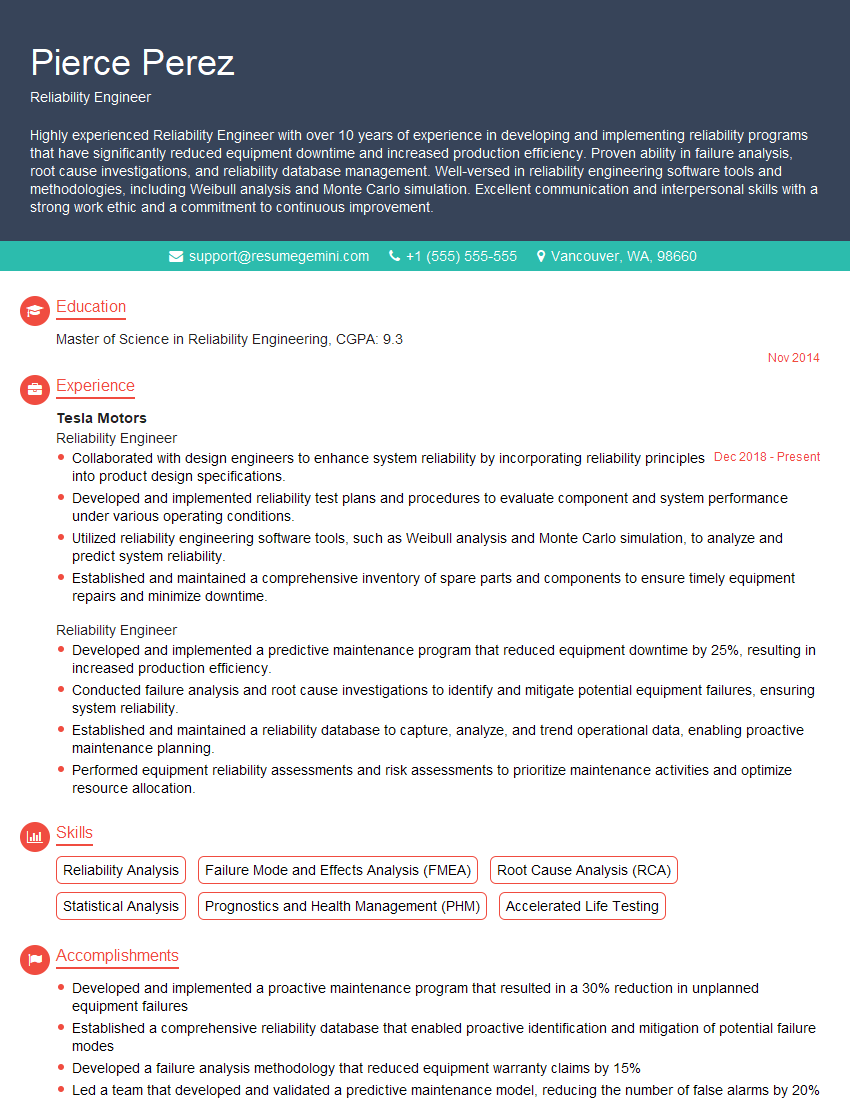
Mastering dynamic balancing opens doors to exciting career opportunities in various industries, from aerospace and power generation to manufacturing and automotive. A strong foundation in this field significantly enhances your marketability and allows you to contribute meaningfully to complex engineering challenges. To maximize your job prospects, creating a compelling and ATS-friendly resume is essential. ResumeGemini is a trusted resource that can help you build a professional resume tailored to highlight your skills and experience. Examples of resumes specifically tailored for Dynamic Balancing roles are available to guide you through this process. Invest the time in crafting a strong resume – it’s your first impression on potential employers.
Explore more articles
Users Rating of Our Blogs
Share Your Experience
We value your feedback! Please rate our content and share your thoughts (optional).
What Readers Say About Our Blog
Very informative content, great job.
good