Unlock your full potential by mastering the most common Effective Crisis Management and Decision-Making interview questions. This blog offers a deep dive into the critical topics, ensuring you’re not only prepared to answer but to excel. With these insights, you’ll approach your interview with clarity and confidence.
Questions Asked in Effective Crisis Management and Decision-Making Interview
Q 1. Describe your experience in developing and implementing crisis management plans.
Developing and implementing crisis management plans is a multifaceted process requiring a thorough understanding of potential threats, organizational vulnerabilities, and stakeholder needs. It starts with a comprehensive risk assessment, identifying potential crises – from natural disasters to cyberattacks to reputational damage. Following this assessment, I develop a detailed plan outlining roles, responsibilities, communication protocols, and escalation procedures. This plan isn’t static; it’s a living document, regularly reviewed and updated based on changing circumstances and lessons learned from exercises or actual events.
For example, in my previous role at a multinational corporation, I led the development of a crisis management plan that addressed potential supply chain disruptions. This involved mapping our global supply network, identifying key vulnerability points, and developing contingency plans, including alternative sourcing options and logistics strategies. We then conducted several tabletop exercises to test the plan’s effectiveness, refining it based on the outcomes. The resulting plan significantly improved our response time and minimized disruption during a subsequent factory closure due to a regional natural disaster.
Q 2. How do you prioritize tasks during a crisis situation?
Prioritizing tasks during a crisis requires a clear understanding of the situation and a structured approach. I typically use a prioritization matrix, considering factors such as urgency, impact, and feasibility. This matrix helps me categorize tasks into high, medium, and low priority. High-priority tasks address immediate threats and protect lives and critical assets. Medium-priority tasks mitigate potential damage and restore essential services. Low-priority tasks can be delayed until the situation stabilizes.
Think of it like firefighting: you wouldn’t spend time fixing minor leaks while the house is on fire. You prioritize extinguishing the flames (high priority) before addressing the smaller problems. A helpful framework is the Eisenhower Matrix (urgent/important), providing a structured approach to decision-making under pressure.
Q 3. Explain your process for assessing risks and vulnerabilities within an organization.
Assessing risks and vulnerabilities involves a systematic process that combines qualitative and quantitative methods. I begin by identifying potential threats, both internal and external, through brainstorming sessions, threat modeling, and analysis of historical data. This includes considering factors like natural disasters, cyberattacks, operational failures, reputational risks, and regulatory changes. Next, I evaluate the likelihood and impact of each threat, using techniques like fault tree analysis or risk matrices. Finally, I develop mitigation strategies, prioritizing those that address the highest-risk scenarios.
For example, in a previous project, we utilized a combination of SWOT analysis (Strengths, Weaknesses, Opportunities, Threats) and scenario planning to anticipate potential disruptions. By simulating various scenarios, we could identify vulnerabilities and develop tailored responses. This proactive approach allowed us to strengthen security protocols, diversify supply chains, and establish contingency plans, significantly reducing our overall vulnerability.
Q 4. What communication strategies do you employ during a crisis?
Effective crisis communication is critical. My strategy relies on a multi-channel approach, ensuring consistent messaging across all platforms. This includes establishing a dedicated communication team to handle media inquiries, internal updates, and external stakeholder communications. We use pre-approved messaging to maintain consistency and avoid misinformation. Transparency and honesty are paramount; we promptly address concerns and provide updates on the situation’s progress.
I also emphasize proactive communication. Regular updates, even if there is no significant change, help maintain trust and prevent rumors from spreading. We use a variety of channels, such as press releases, social media, internal newsletters, and direct communication with key stakeholders, to reach a broad audience. Furthermore, we monitor social media and other channels for evolving public perception and adjust our communication strategy accordingly.
Q 5. How do you manage stakeholder expectations during a crisis?
Managing stakeholder expectations during a crisis is challenging but crucial. Open and honest communication is key. I ensure stakeholders receive regular updates on the situation, the steps being taken, and the expected timeline for resolution. Transparency builds trust and minimizes speculation. I also actively listen to stakeholders’ concerns and address them promptly, even if I don’t have all the answers. It’s important to acknowledge their anxieties and demonstrate empathy.
For example, during a product recall, we used regular town hall meetings to keep employees informed and address their concerns. We also created a dedicated website with FAQs to keep customers updated. By proactively managing communication and addressing concerns, we successfully navigated the crisis and minimized negative impacts on our reputation.
Q 6. Describe a time you had to make a difficult decision under pressure. What was the outcome?
During a major IT outage affecting our customer service systems, I had to make a quick decision about deploying a temporary, less secure system to restore basic functionality while our primary systems were being repaired. The pressure was immense, as customers were unable to access vital services. The decision to use the temporary system involved a calculated risk; it was less secure than our primary system, increasing the risk of a data breach. However, I weighed the risks and determined that the potential loss of customer trust due to continued outage far outweighed the risk of a breach with the temporary system. We implemented additional security measures to mitigate the risk, and regularly updated our customers on the status. The temporary system was successful in restoring basic functionality and prevented the loss of customer confidence. Post-incident analysis revealed a need to strengthen our disaster recovery plans, and those improvements were incorporated into our ongoing updates.
Q 7. How do you delegate tasks effectively during a crisis?
Effective delegation during a crisis is crucial for efficient resource allocation. I assign tasks based on individuals’ skills, experience, and availability. Clear communication is essential; I provide specific instructions, expected outcomes, and deadlines. I also establish clear reporting structures to ensure accountability and facilitate seamless coordination. I trust my team to execute their tasks and provide support when needed. Regular check-ins and feedback loops help monitor progress and adjust strategies as needed. Delegation empowers team members and ensures a collaborative response to the crisis.
During a crisis, micromanagement is counterproductive. Empowering your team to act decisively within defined parameters enhances responsiveness and helps keep the process efficient.
Q 8. What metrics do you use to measure the effectiveness of your crisis management efforts?
Measuring the effectiveness of crisis management isn’t about a single metric, but rather a balanced scorecard. We assess performance across several key areas.
- Time to Containment: How quickly were we able to stabilize the situation and prevent further escalation? This is often measured in hours or days, depending on the crisis’s nature. For example, in a data breach, it’s the time until the breach is contained and remediation started.
- Financial Impact: What were the direct and indirect financial consequences of the crisis? This includes lost revenue, legal costs, remediation expenses, and reputational damage. We use financial modeling to estimate these costs.
- Reputational Damage: How did the crisis affect our brand perception and stakeholder relationships? We track changes in social media sentiment, media coverage, and customer feedback surveys. A decline in customer satisfaction scores would be a major indicator here.
- Employee Safety and Well-being: Were our employees safe and supported throughout the crisis? We monitor employee stress levels, absenteeism rates, and the utilization of our employee assistance programs.
- Compliance Adherence: Did our response align with all relevant legal and regulatory requirements? This involves thorough review and documentation of all actions taken.
By tracking these metrics, we gain a holistic understanding of our crisis management performance and identify areas for improvement. We don’t just focus on what went wrong; we also celebrate successes and identify best practices that contributed to a positive outcome.
Q 9. How do you ensure your team maintains morale and productivity during a crisis?
Maintaining team morale and productivity during a crisis is paramount. It’s about fostering a sense of shared purpose and resilience. We achieve this through several key strategies:
- Open and Transparent Communication: We keep the team fully informed about the situation, our response plan, and any new developments. This minimizes anxiety and rumors.
- Clear Roles and Responsibilities: Everyone understands their role and how their work contributes to the overall effort. This avoids confusion and empowers individuals.
- Recognition and Appreciation: We actively acknowledge and appreciate the team’s hard work and dedication. Simple gestures like regular check-ins, verbal praise, and small tokens of appreciation can go a long way.
- Access to Support Resources: We provide access to mental health resources, stress management programs, and employee assistance programs (EAPs). This ensures the team’s well-being is prioritized.
- Flexible Work Arrangements: Where appropriate, we offer flexible work options to accommodate individual needs and circumstances.
- Debriefing Sessions: After the crisis, we conduct debriefing sessions to process experiences, learn from mistakes, and foster a sense of closure.
For example, during a product recall crisis, we ensured daily team meetings, where we openly discussed challenges and progress, boosting the team’s collaborative spirit and dedication.
Q 10. What is your approach to post-crisis analysis and improvement?
Post-crisis analysis is not just about blame; it’s about continuous improvement. Our approach involves a structured process:
- Fact-Finding: We meticulously document what happened, including timelines, communication logs, and decision records.
- Root Cause Analysis: We use methods like the “5 Whys” technique to identify the underlying causes of the crisis, going beyond superficial explanations.
- Effectiveness Review: We evaluate the effectiveness of our crisis response plan, communication protocols, and decision-making processes. Did our plan work as intended? What could be improved?
- Lessons Learned: We identify key lessons learned, both successes and failures, and document them for future reference.
- Plan Revision: Based on our analysis, we revise our crisis management plan to incorporate best practices and address any identified weaknesses. This might involve updating communication protocols, improving escalation procedures, or adding new training modules.
- Documentation and Communication: We share the findings of our analysis with relevant stakeholders to enhance overall preparedness.
For instance, after a significant supply chain disruption, our post-crisis analysis led to the diversification of our suppliers, resulting in greater resilience to future disruptions.
Q 11. How familiar are you with different crisis management frameworks (e.g., NIST, ISO)?
I’m familiar with various crisis management frameworks, including NIST (National Institute of Standards and Technology) and ISO (International Organization for Standardization) standards. NIST frameworks, particularly the Cybersecurity Framework, provide a risk-based approach to managing cybersecurity incidents, including those that may escalate into full-blown crises. ISO 22301, on the other hand, offers a comprehensive standard for business continuity management, which is crucial for crisis preparedness and recovery.
My understanding extends beyond simply knowing the frameworks; I can apply their principles to design, implement, and evaluate effective crisis management plans. I understand the strengths and limitations of each framework and tailor my approach to the specific context of the organization and the type of crisis.
For example, I’ve used the NIST Cybersecurity Framework to develop incident response plans for several organizations, incorporating its identify, protect, detect, respond, and recover functions into our overall crisis management strategy. Similarly, I’ve leveraged ISO 22301 principles to build resilient business continuity plans that ensure operational continuity during various disruptions.
Q 12. Describe your experience with crisis communication technologies and platforms.
My experience with crisis communication technologies and platforms is extensive. I’m proficient in using a range of tools, from basic communication platforms like email and SMS to more sophisticated solutions.
- Collaboration Platforms: Tools like Slack, Microsoft Teams, or similar platforms are essential for facilitating real-time communication and information sharing amongst the crisis management team.
- Social Media Monitoring Tools: Platforms that track social media sentiment and public conversations are crucial for understanding the public perception of the crisis and managing reputation.
- Crisis Communication Software: Specialized crisis communication platforms allow for efficient dissemination of information to stakeholders through various channels, often with pre-approved messaging and communication templates. These platforms help ensure consistency and speed in communication during a high-pressure situation.
- Mass Notification Systems: These systems enable the rapid delivery of critical information to large numbers of people via SMS, email, or voice messages.
I understand the importance of selecting appropriate tools based on the organization’s size, needs, and the nature of the crisis. I ensure all communication is consistent, accurate and timely. For instance, during a recent public health crisis, we used a dedicated crisis communication platform to coordinate messaging across multiple channels and ensure consistent information delivery to various stakeholders.
Q 13. How do you handle conflicting information during a crisis?
Handling conflicting information during a crisis requires a structured and methodical approach. It’s about establishing a reliable source of truth and managing information flow effectively.
- Establish a Central Information Hub: Create a single source of truth where verified information is stored and accessible to the crisis management team. This might be a dedicated document repository or a shared online platform.
- Verify Information Sources: Critically assess the credibility and reliability of all information sources. Prioritize official statements from credible authorities over rumors or unsubstantiated claims.
- Establish a Fact-Checking Process: Implement a process for verifying information before releasing it publicly. This ensures accuracy and minimizes the spread of misinformation.
- Transparent Communication: Communicate openly and honestly with stakeholders, acknowledging uncertainties where they exist. Transparency builds trust and reduces speculation.
- Escalation Procedures: Establish clear escalation procedures for dealing with conflicting information that cannot be resolved quickly. This might involve consulting subject matter experts or seeking external advice.
For example, during a product safety incident, we established a dedicated team to verify information from various sources, including customer reports, supplier data, and internal testing results. This ensured that we communicated accurate and verified information to the public, which was essential in mitigating reputational damage.
Q 14. How do you identify and mitigate potential biases in your decision-making during a crisis?
Mitigating biases in crisis decision-making is critical. Human biases can cloud judgment and lead to poor decisions. We use various techniques to address this:
- Awareness of Cognitive Biases: The team is trained to recognize common cognitive biases, such as confirmation bias (seeking out information that confirms pre-existing beliefs), anchoring bias (over-relying on initial information), and availability heuristic (overestimating the likelihood of events that are easily recalled).
- Diverse Perspectives: We actively seek diverse perspectives from team members with different backgrounds, experiences, and expertise. This helps challenge assumptions and promotes more comprehensive decision-making.
- Structured Decision-Making Processes: We utilize structured decision-making frameworks, such as the decision matrix or cost-benefit analysis, to reduce the influence of biases and make decisions based on objective criteria.
- Devil’s Advocate: We assign someone the role of “devil’s advocate” to challenge the prevailing viewpoint and identify potential flaws in the proposed course of action.
- Data-Driven Decision-Making: We rely on data and evidence-based reasoning whenever possible, minimizing reliance on intuition or gut feeling. This helps ensure that decisions are objective and rational.
- Regular Review and Feedback: After each decision, we reflect on the process to identify any biases that may have influenced the outcome.
For instance, during a major industrial accident, we utilized a structured decision-making framework to assess various mitigation strategies based on their effectiveness, feasibility, and potential risks, ensuring a more objective approach to the critical decisions that needed to be made.
Q 15. Describe your experience with business continuity planning.
Business Continuity Planning (BCP) is the process of creating a system of prevention and recovery from potential threats to a company. It ensures that critical business functions can continue during and after a disruptive event. My experience encompasses developing and implementing comprehensive BCPs for various organizations across diverse sectors. This involves conducting thorough risk assessments, identifying critical business functions, developing recovery strategies (including alternative sites, data backups, and communication protocols), and establishing clear roles and responsibilities within a crisis management team.
For example, in my previous role at a financial institution, I led the development of a BCP that mitigated risks associated with cyberattacks, natural disasters, and pandemics. This included establishing a robust data backup and recovery system, implementing a secure remote work capability, and creating detailed communication plans for stakeholders. Regular testing and updates ensured the BCP remained effective and relevant to the evolving threat landscape.
- Risk Assessment: Identifying potential threats and vulnerabilities.
- Impact Analysis: Determining the potential impact of each threat.
- Recovery Strategy Development: Creating plans to restore critical business functions.
- Testing and Maintenance: Regularly testing and updating the BCP to ensure effectiveness.
Career Expert Tips:
- Ace those interviews! Prepare effectively by reviewing the Top 50 Most Common Interview Questions on ResumeGemini.
- Navigate your job search with confidence! Explore a wide range of Career Tips on ResumeGemini. Learn about common challenges and recommendations to overcome them.
- Craft the perfect resume! Master the Art of Resume Writing with ResumeGemini’s guide. Showcase your unique qualifications and achievements effectively.
- Don’t miss out on holiday savings! Build your dream resume with ResumeGemini’s ATS optimized templates.
Q 16. How do you ensure compliance with relevant regulations and standards during crisis management?
Compliance is paramount during crisis management. This involves adhering to all relevant legal, regulatory, and industry standards. For instance, in the healthcare industry, HIPAA compliance needs to be maintained during a data breach. In finance, regulations like SOX must be followed. To ensure compliance, we establish clear protocols and communication channels. We incorporate compliance requirements into our BCPs and crisis communication plans. We also conduct regular compliance audits and training to ensure staff understands and follows the relevant regulations. Transparency is key – any deviations from compliance must be immediately reported and rectified.
Imagine a data breach scenario. Our response would need to adhere to GDPR (General Data Protection Regulation), notifying affected individuals within the stipulated timeframe and cooperating with relevant authorities. Failure to do so could result in hefty fines and irreparable damage to reputation.
Q 17. What is your experience with crisis simulation exercises and training?
Crisis simulation exercises and training are crucial for effective crisis management. My experience includes designing and facilitating numerous simulations, ranging from tabletop exercises to full-scale simulations involving multiple teams and stakeholders. These exercises allow us to test the effectiveness of our BCPs, communication protocols, and team coordination. We use a variety of scenarios, including realistic and hypothetical situations, to challenge our response mechanisms and identify areas for improvement.
For instance, a recent simulation focused on a significant supply chain disruption. Participants had to work collaboratively to identify alternative suppliers, manage inventory, and communicate with customers effectively. Post-simulation debriefs provide valuable insights and allow for continuous improvement of our strategies and processes. These exercises enhance team cohesion, build confidence, and ensure readiness for actual crises.
Q 18. How do you identify and address ethical dilemmas during a crisis?
Ethical dilemmas are inevitable during a crisis. Prioritizing transparency, fairness, and accountability are essential. We have a structured framework that involves identifying the ethical issue, considering stakeholder perspectives, exploring potential solutions, and consulting with legal and ethics experts when needed. Documentation of decisions and justifications is vital for transparency and accountability.
For example, if we face a product recall due to a safety concern, we’d need to balance the immediate financial implications with the ethical responsibility to protect consumers. This might involve making tough decisions about resource allocation and communication strategies, always prioritizing safety and consumer well-being.
Q 19. How do you work with external stakeholders (e.g., law enforcement, media) during a crisis?
Effective collaboration with external stakeholders is critical. We establish pre-crisis relationships with key external parties, including law enforcement, media, government agencies, and community leaders. This includes developing communication protocols and agreements to ensure clear and consistent messaging during a crisis. We designate a spokesperson to manage media interactions and maintain a consistent narrative. Transparency and honesty are crucial in building trust with all stakeholders.
During a major incident, coordinating with law enforcement for security and investigation is vital, while transparent communication with the media helps manage public perception and reduce misinformation. Building trust with community leaders ensures that we address the needs of those affected, thus minimizing further disruption and ensuring smooth recovery.
Q 20. How do you manage resources effectively during a crisis?
Resource management during a crisis requires a strategic and efficient approach. We establish a clear resource allocation plan, prioritizing critical needs based on impact and urgency. This includes human resources, financial resources, technology, and physical assets. Real-time tracking and monitoring are essential to ensure resources are used effectively and efficiently. We regularly review resource allocation to make adjustments as needed based on the evolving situation.
Imagine a natural disaster severely affecting operations. Prioritizing rescue efforts, securing essential supplies like water and medical equipment, and ensuring employee safety would be paramount. We’d need to use financial resources strategically to cover immediate needs and long-term recovery efforts.
Q 21. Describe your experience with crisis recovery and rebuilding efforts.
Crisis recovery and rebuilding efforts are just as crucial as crisis response. This phase involves assessing the damage, restoring critical functions, and implementing improvements to prevent future incidents. We conduct a thorough post-incident review to identify lessons learned, refine our BCPs, and improve our response strategies. Rebuilding includes restoring operations, repairing infrastructure, and supporting affected employees and customers. Communication is key throughout this process, keeping stakeholders informed of progress and providing support.
For instance, after a cyberattack, recovery may involve restoring data, strengthening cybersecurity measures, and retraining employees. Regular communication with customers, informing them of the incident’s impact and remediation steps, is crucial to rebuild trust.
Q 22. How do you balance short-term and long-term considerations during a crisis?
Balancing short-term and long-term considerations during a crisis is crucial for effective crisis management. It’s like navigating a ship through a storm – you need to address the immediate danger (short-term) while keeping your eye on the destination (long-term). Ignoring either aspect can lead to disaster.
My approach involves a structured framework: First, I prioritize immediate actions necessary to mitigate the immediate impact of the crisis. This often includes stabilizing the situation, ensuring safety, and providing essential communication. Simultaneously, I assemble a team to begin assessing the long-term ramifications. This might involve analyzing reputational damage, financial implications, and the need for strategic adjustments to prevent future occurrences. We use decision matrices that weigh the urgency and impact of different actions, allowing us to prioritize effectively. For instance, during a product recall, immediate action involves halting distribution and notifying consumers. Long-term, we’d focus on improving quality control procedures and rebuilding customer trust.
- Short-term focus: Immediate actions to mitigate immediate damage (e.g., damage control, safety measures, essential communication).
- Long-term focus: Analyzing long-term consequences (reputation, finance, strategy adjustment), developing preventative measures.
- Decision Matrix: Weighing urgency and impact to prioritize actions.
Q 23. How do you leverage data and analytics to inform crisis management decisions?
Data and analytics are indispensable for evidence-based decision-making during a crisis. They provide the objective insights needed to understand the crisis’s scope, impact, and potential solutions. Think of it as a medical doctor using diagnostic tests to understand the patient’s condition before prescribing treatment.
My approach involves leveraging several data sources: social media monitoring to gauge public sentiment, sales data to assess the financial impact, internal incident reports for understanding the root cause, and external news sources for contextual understanding. We use data visualization tools to present this information clearly, enabling the team to grasp the situation swiftly. Predictive analytics, where applicable, can help forecast the crisis’s trajectory and potential outcomes, informing proactive strategies. For example, during a cybersecurity breach, analyzing log files and network traffic helps to pinpoint the source of the attack and limit its spread. Analyzing social media helps us understand the level of public concern and shape our communication strategy.
Q 24. Describe your approach to leading and motivating a team under pressure.
Leading and motivating a team under pressure requires a blend of strong leadership, empathy, and clear communication. It’s about fostering a sense of shared purpose and resilience.
My approach begins with setting clear expectations, roles, and responsibilities. This ensures everyone understands their contribution and avoids confusion. I prioritize open and honest communication, providing regular updates and acknowledging the team’s efforts. I actively listen to concerns and provide support, creating a safe space for expressing anxieties. I encourage collaboration and problem-solving through brainstorming sessions and empowering team members to take ownership. Recognizing and celebrating small wins helps maintain morale. During a major supply chain disruption, for example, I would clearly define the goals (restore supply, minimize impact on customers), delegate responsibilities (procurement, logistics, communication), maintain open dialogue, and celebrate the team’s progress in finding alternative suppliers.
Q 25. How do you adapt your approach based on the specific type of crisis?
Adaptability is paramount in crisis management because every crisis is unique. A one-size-fits-all approach rarely works. My approach involves a flexible framework that allows for adjustments based on the specific crisis type and its context.
I begin by classifying the crisis (e.g., natural disaster, product recall, reputational damage). Each type has unique characteristics requiring different responses. For instance, a natural disaster might require immediate evacuation and emergency response, while a product recall demands swift action to minimize harm and safeguard public safety. The stakeholders involved also impact the strategy; a public health crisis requires collaboration with public health officials, while an internal crisis might necessitate focusing on internal communication and employee support. I use a tailored crisis communication plan for each type of crisis, ensuring consistent messaging and stakeholder engagement.
Q 26. How do you maintain your own composure and well-being during a crisis?
Maintaining composure and well-being during a crisis is essential for effective leadership. Burnout can significantly impair judgment and decision-making.
My strategies include prioritizing self-care practices like getting enough sleep, eating healthy meals, and regular exercise. I also leverage mindfulness techniques to manage stress and anxiety. Building a strong support network, both professional and personal, is critical for emotional resilience. Regular debriefing sessions with the team allow for processing emotions and sharing experiences. During intense periods, I prioritize short breaks to rest and recharge my mind. These aren’t luxuries; they are vital for maintaining performance and preventing burnout.
Q 27. What are your strategies for preventing future crises?
Preventing future crises requires a proactive, risk-based approach that goes beyond simply reacting to events. It’s about building resilience into the organization’s systems and processes.
My strategies involve conducting regular risk assessments to identify potential vulnerabilities. This includes analyzing past incidents, reviewing operational processes, and considering external threats. We develop contingency plans for high-risk scenarios, which detail pre-emptive actions and communication strategies. Investing in robust systems (e.g., cybersecurity, quality control) is crucial for minimizing vulnerabilities. Regular training and education for employees build preparedness and awareness. Finally, establishing a culture of open communication and reporting allows for early detection of potential problems. For example, by investing in better cybersecurity infrastructure and employee training, we can reduce the risk of future cyberattacks. Regular risk assessments of our supply chains can help us avoid future disruptions.
Key Topics to Learn for Effective Crisis Management and Decision-Making Interview
- Crisis Assessment and Prioritization: Understanding the severity, urgency, and potential impact of a crisis situation. Learn to differentiate between minor incidents and true crises requiring immediate action.
- Communication Strategies: Mastering clear, concise, and timely communication with stakeholders during a crisis. Practice crafting messages for diverse audiences (internal teams, external clients, media).
- Decision-Making Frameworks: Familiarize yourself with various decision-making models (e.g., rational decision-making, bounded rationality) and their practical application under pressure.
- Risk Assessment and Mitigation: Proactive identification of potential crises and development of preventative measures. Discuss scenarios and how to minimize future risks.
- Team Leadership and Collaboration: Highlight your ability to lead and motivate teams during stressful situations, emphasizing effective delegation and collaboration.
- Problem-Solving Techniques: Showcase your proficiency in structured problem-solving methodologies (e.g., root cause analysis) to address the underlying causes of crises.
- Post-Crisis Analysis and Improvement: Demonstrate your understanding of conducting thorough post-crisis reviews to identify lessons learned and implement improvements for future crisis response.
- Ethical Considerations: Discuss the ethical implications of decisions made during a crisis and your approach to maintaining integrity and transparency.
Next Steps
Mastering effective crisis management and decision-making is crucial for career advancement in almost any field. It demonstrates leadership, problem-solving skills, and the ability to remain calm and effective under pressure – highly sought-after qualities by employers. To significantly boost your job prospects, focus on building an ATS-friendly resume that highlights these skills. ResumeGemini is a trusted resource to help you create a professional and impactful resume that showcases your capabilities effectively. Examples of resumes tailored to highlight experience in Effective Crisis Management and Decision-Making are available to help you get started.
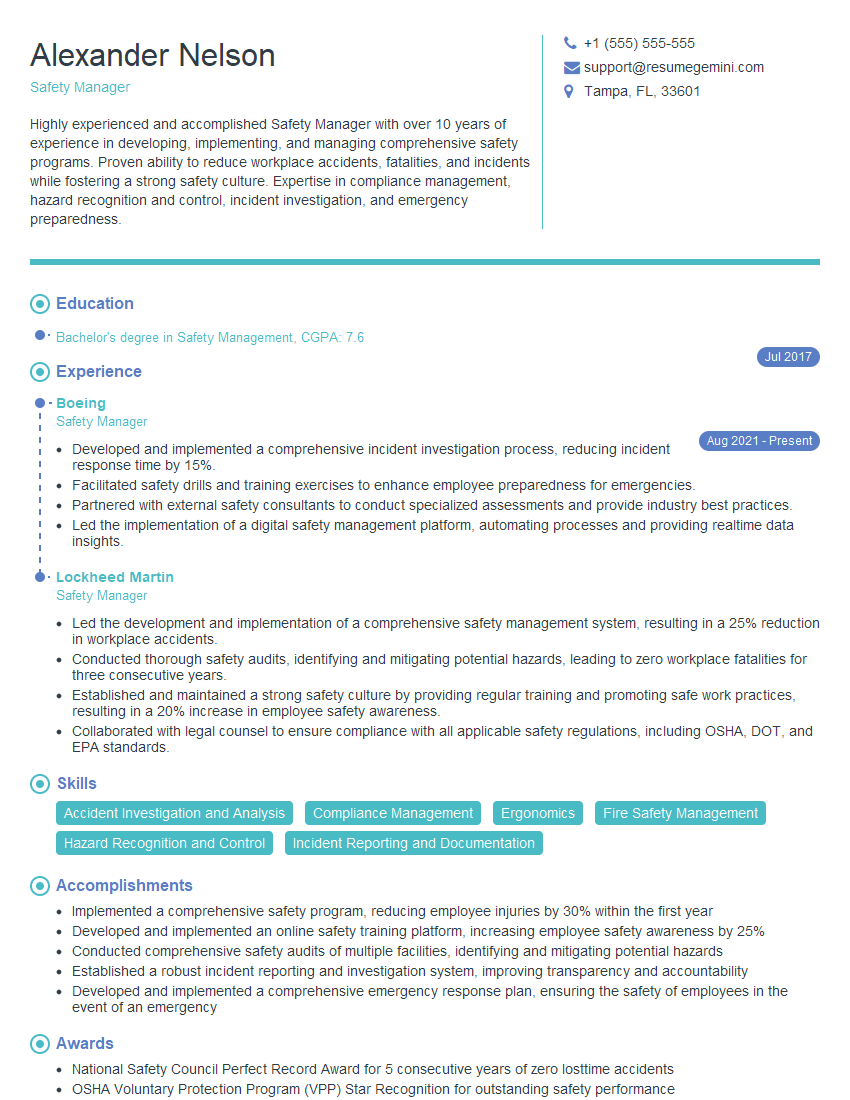
Safety Manager Resume Sample
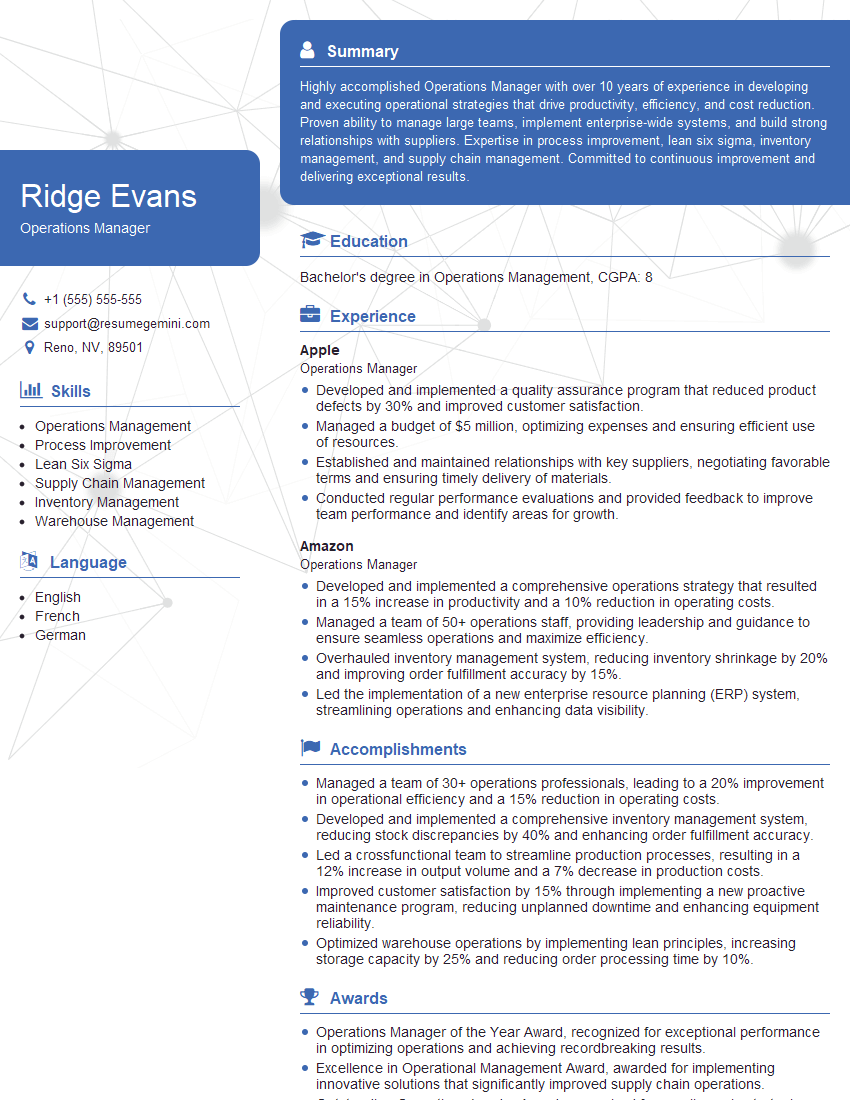
Operations Manager Resume Sample

Chief of Staff Resume Sample
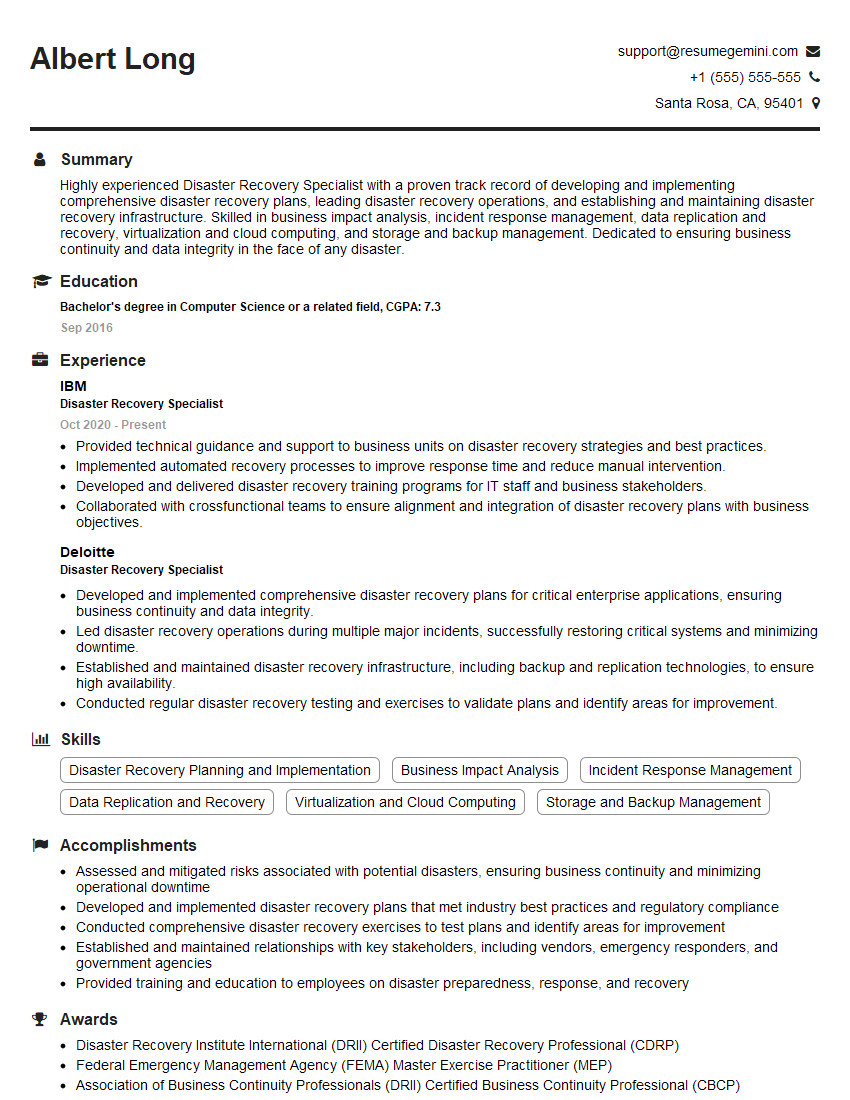
Disaster Recovery Specialist Resume Sample
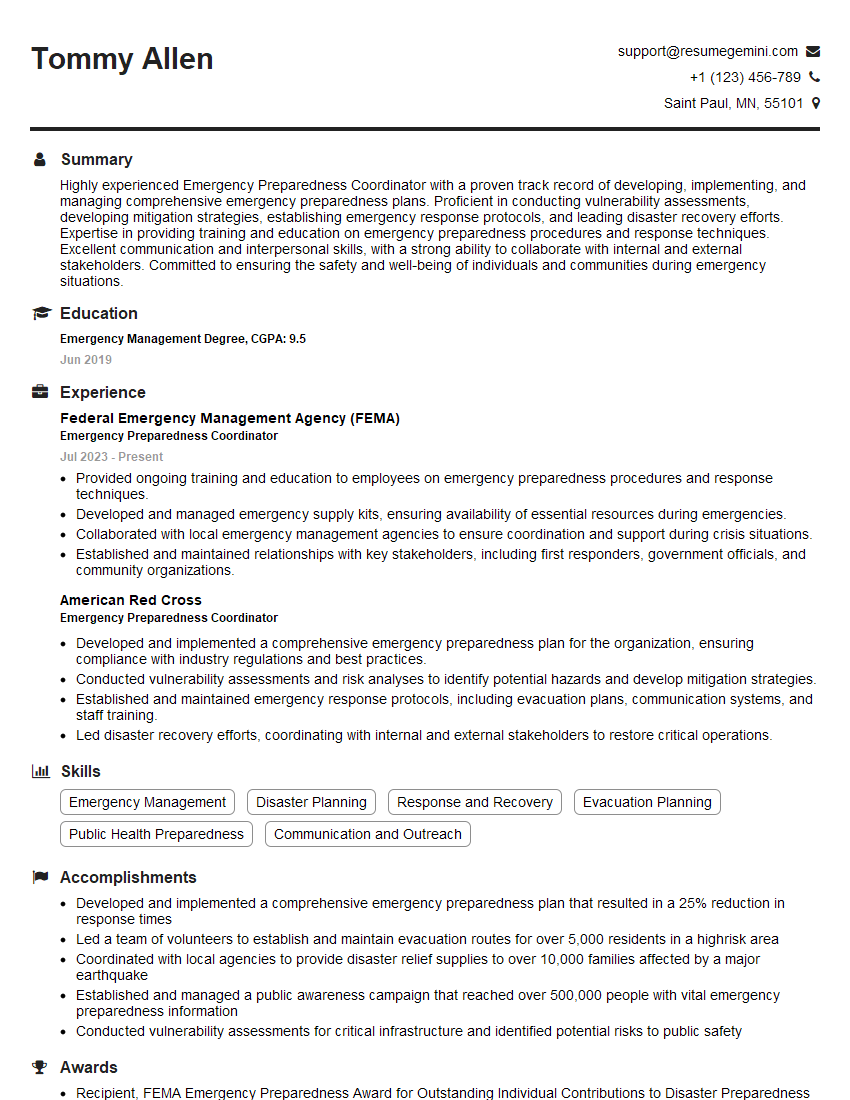
Emergency Preparedness Coordinator Resume Sample
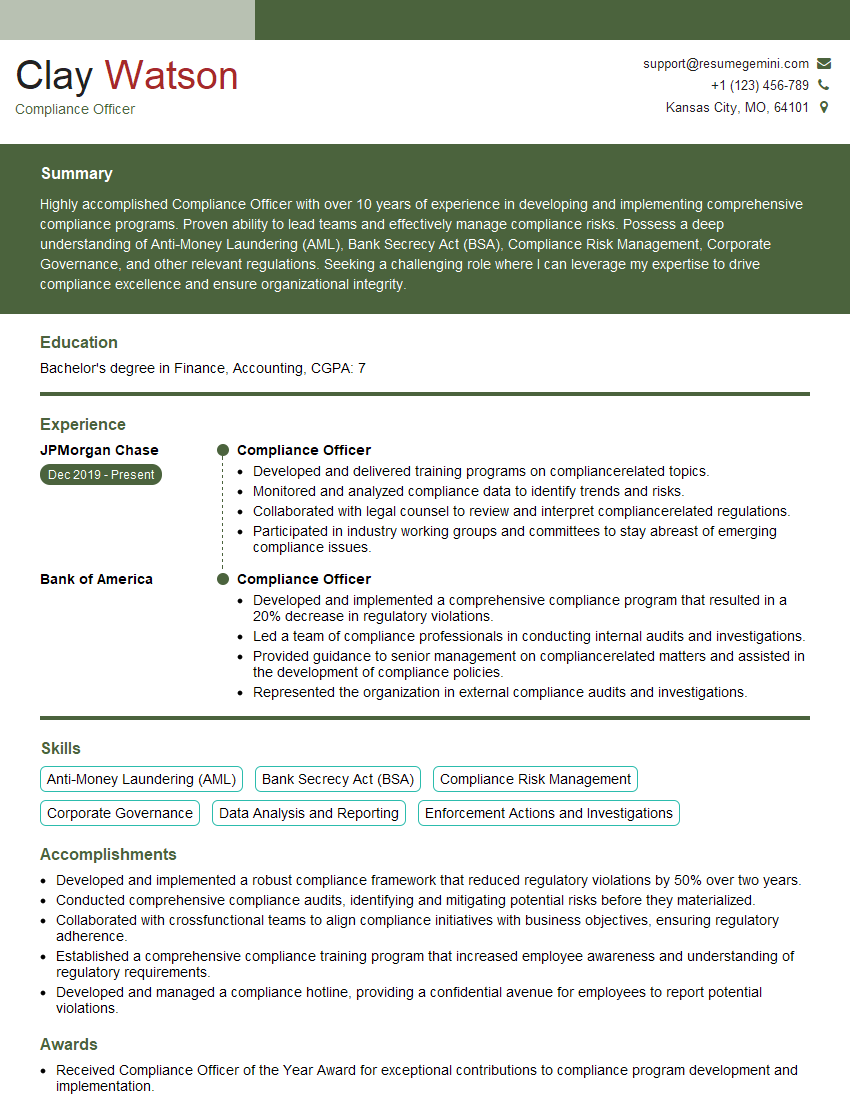
Compliance Officer Resume Sample
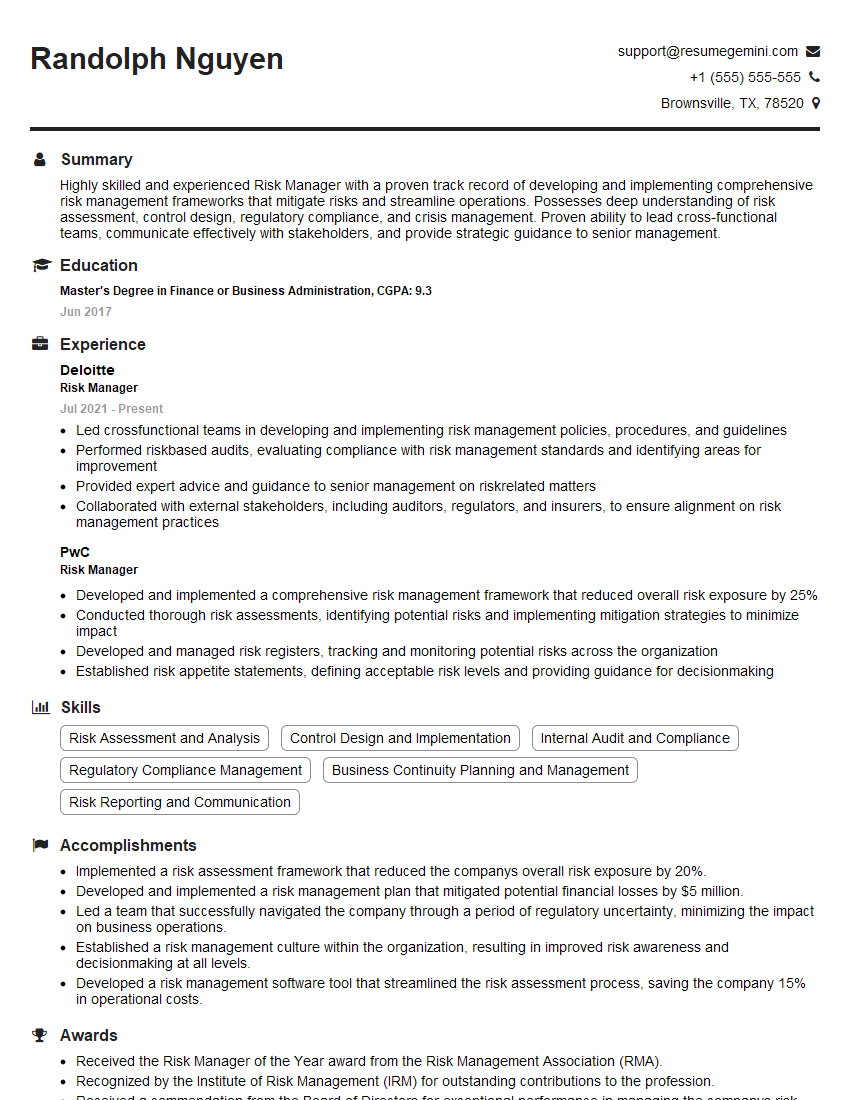
Risk Manager Resume Sample
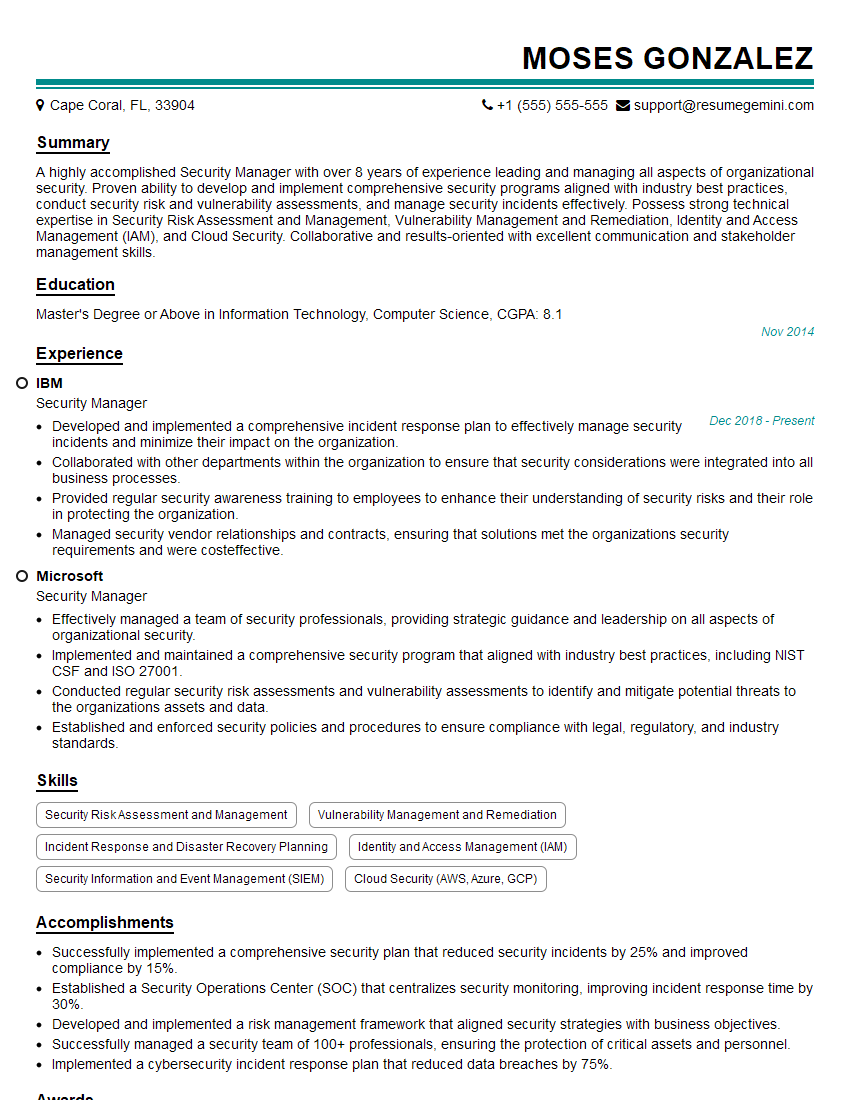
Security Manager Resume Sample
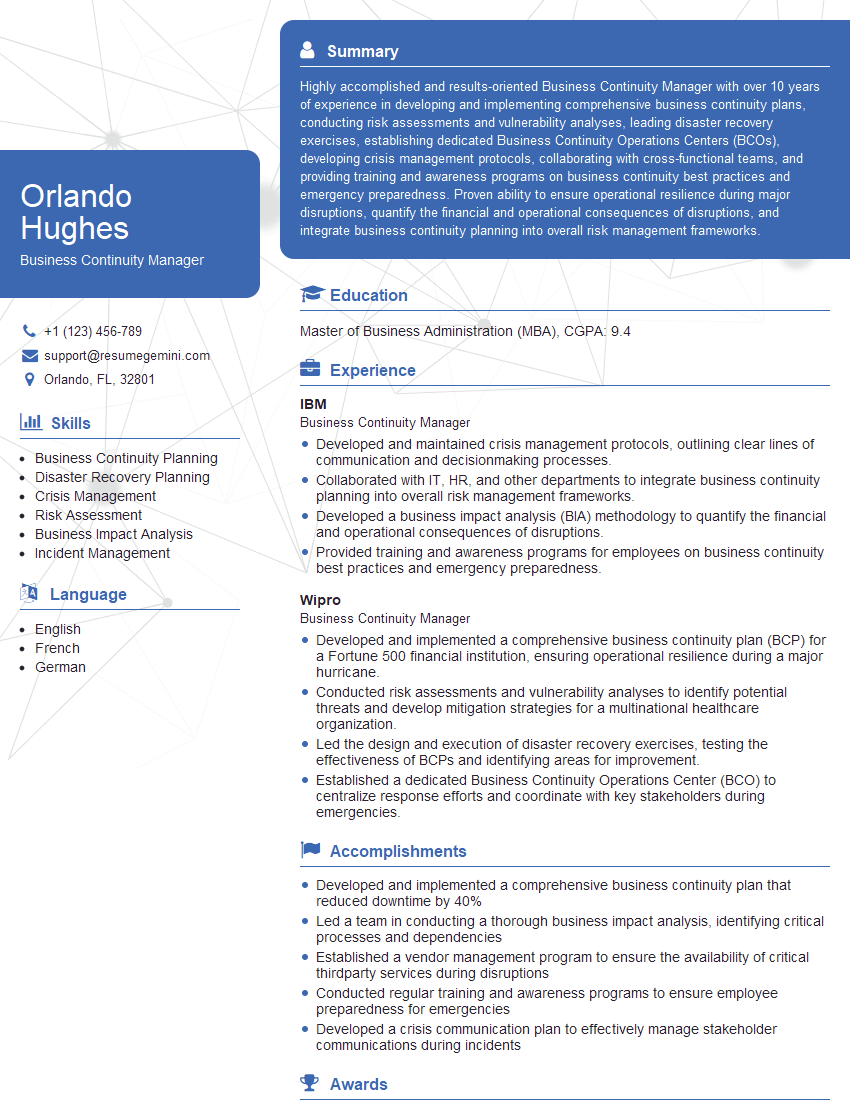
Business Continuity Manager Resume Sample
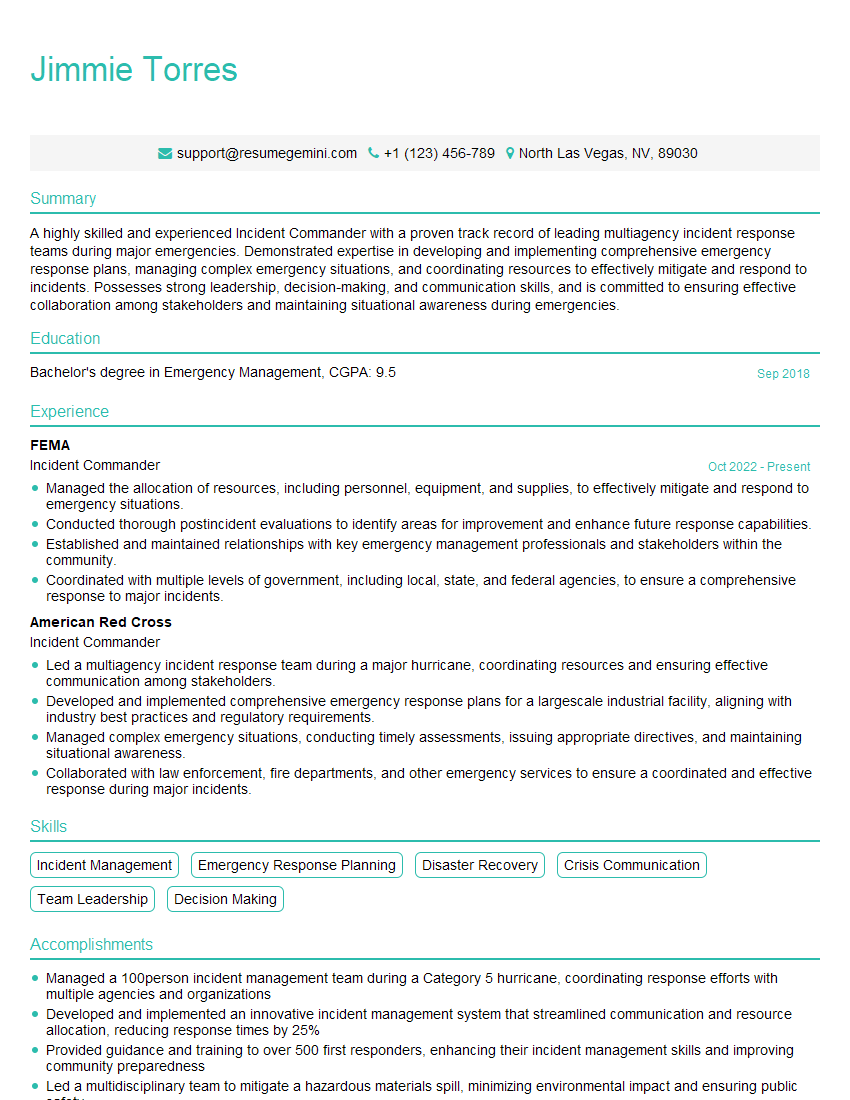
Incident Commander Resume Sample
Explore more articles
Users Rating of Our Blogs
Share Your Experience
We value your feedback! Please rate our content and share your thoughts (optional).
What Readers Say About Our Blog
Very informative content, great job.
good