The thought of an interview can be nerve-wracking, but the right preparation can make all the difference. Explore this comprehensive guide to Effective Team Leadership and Management interview questions and gain the confidence you need to showcase your abilities and secure the role.
Questions Asked in Effective Team Leadership and Management Interview
Q 1. Describe your approach to delegating tasks within a team.
My approach to delegation is strategic and focuses on empowering team members. It’s not just about assigning tasks; it’s about aligning tasks with individual strengths and development goals. I begin by clearly defining the task, its objectives, and expected outcomes. This includes setting clear deadlines and providing the necessary resources. Then, I select the best-suited team member, considering their skills, experience, and workload. Crucially, I don’t just ‘dump’ the task; I ensure they understand the ‘why’ behind it – its connection to broader team and organizational goals. I also provide ongoing support and feedback, offering guidance without micromanaging. Think of it like coaching a sports team – you provide the strategy, but the players execute it, learning and growing in the process.
- Clearly Defined Expectations: I use the SMART criteria (Specific, Measurable, Achievable, Relevant, Time-bound) when defining tasks.
- Skill-Based Matching: I match tasks to individuals based on their strengths and areas for development. This allows for both efficient task completion and skill enhancement.
- Regular Check-ins: I establish regular communication channels to offer support and address any roadblocks.
For example, in a previous project involving a website redesign, I didn’t simply assign coding tasks. I identified the team members most proficient in front-end and back-end development and delegated accordingly. Regular check-ins ensured that everyone was on track and that any issues were addressed promptly.
Q 2. How do you motivate team members to achieve ambitious goals?
Motivating a team to achieve ambitious goals requires a multifaceted approach that goes beyond simply setting targets. It’s about fostering a culture of engagement and shared purpose. I believe in leading by example, demonstrating commitment and hard work. I also prioritize open communication, ensuring everyone feels heard and valued. Recognizing and rewarding achievements, both big and small, is crucial. This might involve public acknowledgment, bonuses, or simply expressing sincere appreciation. Furthermore, I empower team members by giving them autonomy and ownership over their work, allowing them to contribute their unique perspectives and ideas. Finally, I focus on creating a supportive and collaborative environment where teamwork is celebrated and individual contributions are valued.
- Clear Vision & Purpose: Clearly articulate the ‘why’ behind the ambitious goals, connecting individual tasks to the bigger picture.
- Recognition & Rewards: Acknowledge and celebrate both individual and team accomplishments.
- Empowerment & Autonomy: Allow team members to take ownership and contribute their ideas.
- Open Communication: Create a safe space for feedback and constructive criticism.
In one instance, my team was tasked with launching a new product line within a tight deadline. By fostering a collaborative environment and celebrating milestones along the way, we not only met the deadline but also exceeded expectations.
Q 3. Explain your experience in conflict resolution within a team environment.
Conflict is inevitable in any team environment, but how it’s handled determines its impact. My approach to conflict resolution is proactive and focuses on addressing issues early and directly. I encourage open communication and active listening, ensuring all parties feel heard and understood. I strive to facilitate a discussion that identifies the root cause of the conflict, rather than simply focusing on symptoms. I use a collaborative approach, guiding the team members towards a mutually acceptable solution. If necessary, I might mediate, but the goal is always for the team to find its own resolution. It’s about empowering them to solve problems together.
- Active Listening: Ensure all parties feel heard and understood.
- Identify Root Causes: Focus on the underlying issues, not just the surface-level disagreements.
- Collaborative Solutions: Work together to find mutually acceptable solutions.
- Mediation (if necessary): Facilitate the discussion and guide the team toward resolution.
I once had a disagreement between two team members about project priorities. By facilitating a discussion where they could explain their perspectives and collaboratively re-prioritize tasks, we resolved the conflict and improved project efficiency.
Q 4. How do you measure team performance and identify areas for improvement?
Measuring team performance involves a combination of quantitative and qualitative metrics. Quantitative metrics might include project completion rates, on-time delivery, budget adherence, and key performance indicators (KPIs) specific to the team’s goals. However, these alone are insufficient. Qualitative metrics are equally important and assess team dynamics, collaboration, communication effectiveness, and overall morale. I use a variety of methods, such as regular team meetings, individual check-ins, and 360-degree feedback surveys. Identifying areas for improvement involves analyzing these metrics, identifying trends, and conducting root cause analysis. This might reveal shortcomings in communication, resource allocation, or even team processes that need refining. The key is to use data-driven insights to inform improvements, making changes iteratively and assessing their impact.
- Quantitative Metrics: Project completion rates, on-time delivery, budget adherence, KPIs.
- Qualitative Metrics: Team dynamics, collaboration, communication effectiveness, morale.
- Data Analysis: Identify trends and patterns to pinpoint areas for improvement.
- Iterative Improvement: Implement changes, assess their impact, and adjust accordingly.
For example, if team morale is low, I might investigate the reasons through surveys or individual conversations, then implement strategies such as team-building activities or addressing workload imbalances.
Q 5. Describe a time you had to make a difficult decision impacting your team.
In a previous role, I had to make the difficult decision to restructure a team following a period of underperformance. While initially painful, it was necessary to address underlying issues and improve overall team efficiency. The decision involved careful consideration of individual strengths, team dynamics, and the overall project needs. I followed a transparent process, communicating the reasons behind the restructuring openly and honestly with the team. I also ensured that everyone felt supported during the transition, providing opportunities for retraining and career development where appropriate. This wasn’t a simple layoff; it was a strategic realignment to position the team for future success. Although some individuals were initially upset, the ultimate result was a more productive and cohesive team, demonstrating that difficult decisions, when handled with empathy and transparency, can lead to positive outcomes. The key was clear communication and demonstrating that the changes were made in the best interests of the team and the company.
Q 6. How do you foster a positive and collaborative team culture?
Fostering a positive and collaborative team culture is an ongoing process requiring consistent effort and attention. It starts with establishing clear team goals and values, ensuring everyone understands their role and how it contributes to the larger picture. I prioritize open and honest communication, creating a safe space where team members feel comfortable sharing their ideas and concerns without fear of judgment. Regular team-building activities, both formal and informal, help to build camaraderie and trust. Recognizing and rewarding contributions, both individual and collective, reinforces positive behavior and strengthens team cohesion. Finally, I lead by example, demonstrating the values and behaviors I expect from my team. It’s not just about setting rules; it’s about creating an environment where people enjoy working together and feel valued.
- Clear Goals & Values: Define the team’s purpose and shared expectations.
- Open Communication: Create a safe space for feedback and idea sharing.
- Team-Building Activities: Build camaraderie and trust through regular interactions.
- Recognition & Rewards: Acknowledge and appreciate individual and team contributions.
- Lead by Example: Demonstrate the behaviors and values you expect from the team.
Q 7. What strategies do you use to build trust and rapport within a team?
Building trust and rapport is foundational to effective teamwork. It begins with demonstrating integrity and reliability – consistently following through on commitments and being transparent in communications. Active listening is crucial; ensuring that team members feel heard and understood builds confidence and strengthens relationships. I actively seek to understand individual perspectives, recognizing that diverse viewpoints contribute to better outcomes. I also prioritize fairness and equity in my interactions, ensuring that everyone feels valued and respected. Finally, creating opportunities for informal interactions, such as team lunches or social events, can significantly enhance relationships and foster a sense of camaraderie beyond the workplace. Building trust is a marathon, not a sprint. It requires ongoing commitment and consistent effort.
- Integrity & Reliability: Consistently follow through on commitments and be transparent.
- Active Listening: Demonstrate genuine interest in what team members have to say.
- Empathy & Understanding: Seek to understand individual perspectives and needs.
- Fairness & Equity: Treat everyone with respect and value their contributions.
- Social Interaction: Create opportunities for informal team bonding.
Q 8. How do you handle a situation where a team member is underperforming?
Addressing underperformance requires a sensitive yet firm approach. It’s crucial to understand the root cause before taking action. I begin by having a private conversation with the team member, focusing on specific instances of underperformance, using concrete examples rather than vague criticisms. This conversation aims to understand if there are obstacles preventing them from meeting expectations – personal issues, lack of training, unclear objectives, or inadequate resources.
Next, I collaboratively create a performance improvement plan (PIP). This plan outlines specific, measurable, achievable, relevant, and time-bound (SMART) goals. We agree on the steps needed to improve, including additional training, mentoring, or adjusted responsibilities. Regular check-ins are scheduled to monitor progress and provide ongoing support. If, despite these efforts, performance doesn’t improve, more serious measures, including disciplinary action, may be necessary, always following company policy.
For example, if a developer consistently misses deadlines, I’d first discuss the reasons. Perhaps they underestimated the complexity of the task, lack familiarity with a specific technology, or are overloaded with work. The PIP might include additional training on the technology, assigning smaller, more manageable tasks, or re-allocating some responsibilities. Consistent monitoring and support are essential throughout this process.
Q 9. Describe your experience with mentoring or coaching team members.
Mentoring and coaching are integral parts of my leadership style. I’ve mentored junior team members in several projects, guiding them through complex technical challenges and helping them develop their professional skills. My approach is tailored to the individual’s needs and learning style. I focus on active listening, providing constructive feedback, and fostering a safe environment for experimentation and learning from mistakes.
For instance, I once mentored a new team member struggling with adapting to agile methodologies. Through one-on-one sessions, we worked through examples of sprint planning and daily stand-ups, and I provided personalized feedback on their contributions. We also discussed time management strategies and collaborative techniques. This process not only improved their technical skills but also boosted their confidence and fostered a stronger team bond. I encourage a culture where knowledge sharing and mentorship are valued and promoted.
Q 10. How do you manage competing priorities and deadlines within a team?
Managing competing priorities and deadlines requires a systematic approach. I start by clearly defining and prioritizing tasks using methods like MoSCoW (Must have, Should have, Could have, Won’t have) or a simple prioritization matrix based on urgency and importance. This ensures that the team focuses on the most critical tasks first.
Transparent communication is key. I regularly update the team on project status, priorities, and any potential roadblocks. We utilize project management tools, such as Jira or Trello, to track progress, deadlines, and dependencies. This allows for better visibility and accountability. Furthermore, I encourage open dialogue within the team to identify potential conflicts and proactively address them. When necessary, I work with stakeholders to adjust deadlines or re-allocate resources to accommodate urgent needs. It’s about finding a balance between meeting deadlines and ensuring team well-being and preventing burnout.
Q 11. Explain your process for providing constructive feedback to team members.
Constructive feedback is a crucial aspect of effective team leadership. I follow a structured approach: I start by focusing on specific behaviors or outcomes rather than making general statements. My feedback is always balanced, acknowledging both strengths and areas for improvement. I use the ‘Situation-Behavior-Impact’ model, describing the situation, the observed behavior, and its impact on the project or team. I also encourage two-way communication, allowing the team member to share their perspective and ask questions.
For example, instead of saying ‘Your work is sloppy,’ I might say, ‘In the last report, I noticed several inconsistencies in the data formatting (Situation). This caused confusion for the client who then needed clarification (Impact). Can we discuss strategies for ensuring better data accuracy in the future?’ (Behavior). The goal is to provide actionable advice, focusing on improvement and learning. I always frame the feedback within a supportive and encouraging context, aiming to empower the team member to grow and develop.
Q 12. How do you ensure effective communication within your team?
Effective communication is the cornerstone of a high-performing team. I foster open and honest communication by creating a safe environment where team members feel comfortable sharing their ideas, concerns, and feedback. Regular team meetings, both formal and informal, are crucial. I encourage active listening and ensure that everyone has the opportunity to participate. In addition to face-to-face interactions, I utilize various communication tools, such as project management software, email, and instant messaging, to ensure timely and efficient communication.
Clarity is paramount. I make sure my messages are clear, concise, and easily understood. I use visual aids, such as charts and diagrams, whenever necessary. Finally, I promote a culture of feedback, encouraging team members to provide regular updates and seek clarification when needed. This ensures that everyone is on the same page and that potential communication breakdowns are addressed promptly.
Q 13. Describe your experience using project management methodologies.
I have extensive experience using various project management methodologies, including Agile (Scrum, Kanban), Waterfall, and hybrid approaches. My choice of methodology depends on the project’s specific requirements, team size, and complexity.
For example, in projects involving rapid prototyping and iterative development, Agile methodologies are more suitable. I’ve successfully implemented Scrum in several projects, utilizing daily stand-ups, sprint reviews, and retrospectives to ensure efficient task management and continuous improvement. In projects requiring detailed planning and sequential execution, a Waterfall approach might be more appropriate. In many cases, I find a hybrid approach, combining aspects of both Agile and Waterfall, to be the most effective. Regardless of the methodology used, I emphasize clear documentation, consistent tracking, and regular communication to ensure project success.
Q 14. How do you adapt your leadership style to different team dynamics?
Adaptability is crucial in leadership. My leadership style is not fixed; it’s situational and adjusts based on the team’s dynamics, project requirements, and individual team members’ strengths and weaknesses. I use a combination of leadership styles, drawing upon transformational, transactional, and servant leadership principles, depending on what is needed.
For instance, with a highly skilled and self-motivated team, a more laissez-faire approach might be appropriate, providing support and guidance while empowering them to take ownership. With a less experienced team, a more directive style might be necessary, providing clear instructions and guidance. With a team struggling with conflict, a servant leadership approach focusing on building trust and fostering collaboration may be most effective. I actively seek feedback from my team members to understand their preferences and ensure my leadership style supports their needs and enhances their performance.
Q 15. What are your strategies for managing remote or virtual teams?
Managing remote teams requires a different approach than managing co-located teams. It’s crucial to focus on building strong communication channels, fostering trust and collaboration, and ensuring clear expectations.
- Regular Communication: I schedule frequent virtual meetings – some brief, others more in-depth – using platforms like Zoom or Microsoft Teams. These meetings aren’t just for updates; they’re for team bonding and open discussions. I also encourage asynchronous communication through tools like Slack or Microsoft Teams, allowing for flexibility and reducing the pressure of constant real-time interaction.
- Clear Goals and Expectations: Crystal-clear project goals, individual responsibilities, and deadlines are paramount. I use project management tools like Asana or Trello to ensure everyone is on the same page and can track progress easily.
- Building Trust and Rapport: With remote teams, building personal connections is vital. I make a point of engaging in virtual social interactions – a quick virtual coffee chat, a team-building activity, or even sharing personal updates to create a sense of community.
- Technology and Tools: Selecting the right technology is essential. This includes video conferencing tools, project management software, instant messaging platforms, and secure file-sharing systems. Training and ensuring team members are comfortable with these tools is crucial for seamless collaboration.
- Performance Management: Regular check-ins, both one-on-one and group, are critical to monitoring progress, addressing challenges proactively, and providing feedback and recognition. I use a combination of performance metrics and qualitative assessments to understand individual and team contributions.
For example, during a recent project, I implemented daily stand-up meetings via video conference to keep the team connected and address any roadblocks immediately. This proved highly effective in maintaining momentum and project success despite the geographically dispersed team members.
Career Expert Tips:
- Ace those interviews! Prepare effectively by reviewing the Top 50 Most Common Interview Questions on ResumeGemini.
- Navigate your job search with confidence! Explore a wide range of Career Tips on ResumeGemini. Learn about common challenges and recommendations to overcome them.
- Craft the perfect resume! Master the Art of Resume Writing with ResumeGemini’s guide. Showcase your unique qualifications and achievements effectively.
- Don’t miss out on holiday savings! Build your dream resume with ResumeGemini’s ATS optimized templates.
Q 16. How do you identify and develop the strengths of individual team members?
Identifying and developing individual strengths starts with understanding each team member’s unique skills, talents, and interests. This involves a combination of observation, feedback, and open communication.
- 360-degree Feedback: I utilize 360-degree feedback mechanisms to get a comprehensive view of each team member’s performance from various perspectives – peers, supervisors, and even clients. This provides valuable insights into both strengths and areas for improvement.
- Individual Assessments: Personality assessments, skills assessments, or even simple conversations can reveal hidden strengths or areas of potential growth. I adapt the assessment method depending on the specific need and context.
- Mentorship and Coaching: I pair team members with mentors who can help them develop specific skills or navigate career challenges. I also provide one-on-one coaching to address individual needs and development goals.
- Delegation and Empowerment: I delegate tasks based on individual strengths, fostering a sense of ownership and responsibility. This approach encourages growth and allows team members to shine.
- Providing Opportunities: I proactively look for opportunities to challenge team members and push them outside their comfort zones. This might involve assigning them to projects that leverage their strengths or involve them in activities that develop new skills.
For instance, I noticed one team member had exceptional analytical skills, but lacked confidence in presenting their findings. I paired them with a senior team member for mentorship, and provided opportunities to present at smaller meetings before tackling larger presentations. This fostered their confidence and improved the team’s overall capabilities.
Q 17. Describe a time you had to manage a team through a significant organizational change.
During a company-wide restructuring, our team faced significant challenges. The primary concern was maintaining team morale and productivity amidst uncertainty and role changes.
- Transparency and Communication: I prioritized open and honest communication with my team. I kept them informed about the changes, addressed their concerns directly, and actively sought their input where appropriate.
- Redefining Roles and Responsibilities: We collaboratively redefined roles and responsibilities to align with the new organizational structure. This involved open discussions, assessing team members’ skills and interests, and ensuring a smooth transition.
- Training and Development: We invested in training programs to equip team members with the skills necessary to succeed in their new roles. This helped ease anxieties and boosted confidence in navigating the new landscape.
- Focus on Teamwork and Collaboration: I emphasized teamwork and collaboration to maintain a cohesive and supportive environment during the transition. This helped minimize disruption and maintain productivity.
- Celebrating Successes: We actively celebrated milestones and achievements, both large and small, to reinforce a positive outlook and build team morale. This helped maintain motivation throughout the challenging transition.
The result was a smoother than expected transition. By focusing on communication, collaboration, and support, we not only managed to maintain productivity, but we also emerged stronger and more resilient as a team.
Q 18. How do you create a clear vision and communicate it effectively to your team?
Creating a clear vision and effectively communicating it is essential for team cohesion and success. It’s more than just stating a goal; it’s about inspiring the team to work towards a shared objective.
- Collaborative Vision Creation: I believe in involving the team in the vision creation process. This fosters buy-in and ownership. We brainstorm, discuss, and refine the vision together, ensuring it resonates with everyone.
- Clear, Concise, and Compelling Communication: Once the vision is defined, I communicate it clearly, concisely, and compellingly using various methods: presentations, emails, team meetings, and informal conversations. I use storytelling and relatable examples to connect the vision to the team’s daily work.
- Regular Reinforcement: I don’t just communicate the vision once; I consistently reinforce it through regular updates, progress reports, and celebrations of achievements. This keeps the vision top-of-mind and motivates the team.
- Visual Representation: I often use visual aids, such as roadmaps or charts, to represent the vision and its milestones, making it easier to understand and track progress.
- Open Communication Channels: I encourage open communication and feedback to ensure everyone understands the vision and feels comfortable voicing their concerns or suggestions.
For example, I once used a simple, visual roadmap to depict the steps involved in launching a new product. This made the overall vision much clearer and helped the team stay focused on the individual tasks contributing to the bigger picture.
Q 19. How do you handle disagreements or conflicts between team members?
Disagreements and conflicts are inevitable in any team. The key is to manage them constructively and turn them into opportunities for growth and improved collaboration.
- Active Listening and Empathy: I encourage all parties to express their views without interruption, ensuring everyone feels heard and understood. I actively listen to understand the underlying concerns and perspectives.
- Neutral Facilitation: I act as a neutral facilitator, guiding the conversation towards a solution, rather than taking sides. I focus on identifying the root cause of the conflict.
- Focus on Solutions, Not Blame: The goal is to find a solution, not to assign blame. I steer the conversation away from personal attacks and towards identifying practical solutions.
- Collaborative Problem Solving: I encourage the team members to collaboratively brainstorm solutions, fostering a sense of shared ownership and responsibility.
- Documentation and Follow-Up: I document the agreed-upon solutions and follow up to ensure they are implemented and that the conflict is not repeated.
In one instance, two team members had a significant disagreement regarding project methodology. By facilitating a structured discussion, identifying their underlying concerns, and working collaboratively, we developed a hybrid approach that satisfied both parties and resulted in a more efficient and effective workflow.
Q 20. What metrics do you use to assess the success of your team’s projects?
Assessing the success of a team’s project requires a multi-faceted approach, combining quantitative and qualitative metrics.
- Project Deliverables: Did the team successfully deliver on all project requirements? This includes meeting deadlines, staying within budget, and achieving the desired quality standards.
- Key Performance Indicators (KPIs): Specific KPIs, tailored to the project, measure progress and performance. Examples include customer satisfaction ratings, market share gains, or conversion rates.
- Efficiency and Productivity: Did the team work efficiently and productively? This can be measured by tracking velocity, cycle time, or defect rates.
- Team Dynamics and Collaboration: Qualitative assessment of team dynamics, communication effectiveness, and collaboration levels is crucial, even if less easily quantifiable. Regular feedback sessions and team reviews help in this aspect.
- Return on Investment (ROI): For many projects, evaluating the financial return on investment is vital. This includes comparing the costs of the project against the achieved benefits.
For instance, while launching a new marketing campaign, we tracked website traffic, conversion rates, and customer acquisition costs. We also conducted post-campaign surveys to gather customer feedback. Combining these quantitative and qualitative metrics gave us a holistic view of the project’s success.
Q 21. How do you ensure that your team adheres to company policies and procedures?
Ensuring team adherence to company policies and procedures requires a proactive and multi-pronged approach.
- Clear Communication and Training: I ensure that all team members receive clear and thorough training on company policies and procedures. This includes providing easy access to relevant documentation and answering any questions.
- Leading by Example: I lead by example by consistently adhering to company policies and procedures myself. This demonstrates the importance of compliance and sets a positive tone for the team.
- Regular Reviews and Audits: Regular reviews and audits of the team’s work help to identify any non-compliance issues early and prevent potential problems. This includes review of processes and documentation.
- Open Communication and Feedback: I create a culture of open communication where team members feel comfortable raising concerns or asking questions about company policies and procedures. Constructive feedback is both provided and actively solicited.
- Consequences for Non-Compliance: Clear and consistent consequences are established for non-compliance, ensuring that the importance of adhering to policies and procedures is emphasized. However, disciplinary action should be the last resort, ideally preceded by education and support.
For example, we implemented a system of regular internal audits to ensure compliance with data privacy regulations. This proactive approach helped us identify and address potential issues before they escalated into more serious problems.
Q 22. Describe your experience with performance management systems.
Performance management is a continuous process of setting expectations, providing feedback, monitoring progress, and rewarding achievements. My experience encompasses a variety of systems, from traditional annual reviews to more agile, continuous feedback models. I’ve successfully implemented and managed systems utilizing both quantitative and qualitative data points. For example, in my previous role, I transitioned the team from an outdated annual review system to a quarterly performance check-in system combined with regular one-on-ones. This allowed for more frequent feedback, quicker identification of performance gaps, and a more supportive and development-focused approach. The results were a significant increase in employee engagement and overall team performance, as measured by key performance indicators (KPIs) like project completion rates and client satisfaction scores. We also incorporated 360-degree feedback to gain a more holistic view of individual contributions.
I believe in focusing on both individual goals aligned with overall team objectives and providing constructive feedback that focuses on both strengths and areas for improvement. This process involves clear communication of expectations, regular check-ins to monitor progress, and support to help team members overcome challenges. I believe in transparency and fairness in the performance review process.
Q 23. How do you promote innovation and creativity within your team?
Promoting innovation and creativity requires fostering a safe and supportive environment where team members feel comfortable taking risks and sharing ideas. I achieve this through several key strategies. Firstly, I actively encourage brainstorming sessions using techniques like ‘brainwriting’ to prevent dominant personalities from stifling quieter voices. Secondly, I dedicate time for experimentation and exploration—allowing for ‘fail-fast’ projects where learning from mistakes is valued more highly than avoiding them altogether. This is critical for fostering a culture of learning and growth. Thirdly, I actively solicit feedback from the team on processes and projects, valuing suggestions and different perspectives. Finally, I celebrate successes, both big and small, to reinforce positive behaviors and encourage risk-taking. For instance, in a past project involving software development, I set aside dedicated ‘hackathon’ time allowing the team to explore innovative solutions to a particular challenge. The outcome was an unexpected and highly effective solution that significantly improved the software’s functionality.
Q 24. How do you build and maintain relationships with stakeholders outside of your team?
Building and maintaining strong relationships with external stakeholders is crucial for effective team leadership. My approach involves proactive communication, clear and consistent messaging, and demonstrating a genuine interest in their needs and perspectives. I regularly schedule meetings with key stakeholders to discuss progress, address concerns, and proactively share updates. I also strive to understand their priorities and how my team’s work impacts their overall objectives. This ensures alignment and avoids misunderstandings. In addition, I leverage technology to facilitate seamless communication, using tools such as project management software and regular email updates. For example, in a previous project involving a cross-functional collaboration, I established a bi-weekly stakeholder meeting to address any concerns and maintain alignment. Open and honest communication prevented potential roadblocks and fostered a collaborative environment.
Q 25. What are your strategies for managing workload and preventing team burnout?
Workload management and preventing burnout are critical aspects of effective team leadership. I utilize several strategies, including clear task prioritization, effective delegation, and promoting work-life balance. Firstly, I ensure tasks are clearly defined and assigned based on team member skills and capacity. Secondly, I actively monitor workload and identify potential bottlenecks or overburdened team members. Regular check-ins and open communication help identify early warning signs of burnout. Thirdly, I promote the use of project management tools to track progress and ensure accountability. Finally, I encourage breaks, flexible working arrangements where possible, and emphasize the importance of taking time off. In one instance, I noticed a team member consistently working late and displaying signs of stress. After a one-on-one conversation, we adjusted their workload, delegated some tasks, and implemented a more flexible working schedule. This intervention improved their wellbeing and productivity.
Q 26. Describe your experience with talent acquisition and onboarding processes.
My experience with talent acquisition and onboarding is extensive. I’ve been involved in every stage, from defining job requirements to conducting interviews to developing comprehensive onboarding programs. I believe in a thorough and structured approach. Firstly, I work with HR to develop clear job descriptions that accurately reflect the role’s responsibilities and requirements. Secondly, I actively participate in the interview process, focusing on assessing candidates’ skills, experience, and cultural fit. Thirdly, I develop a detailed onboarding program that provides new team members with the necessary information, training, and support to succeed in their roles. This includes setting clear expectations, providing mentorship opportunities, and integrating them into the team. For example, I once implemented a buddy system for onboarding, pairing new hires with experienced team members to provide ongoing support and guidance during their first few months. This resulted in quicker integration and higher retention rates.
Q 27. How do you foster a culture of continuous learning and development within your team?
Fostering a culture of continuous learning is paramount for a high-performing team. I encourage this through several initiatives. Firstly, I actively support professional development opportunities, such as attending conferences, workshops, and online courses. Secondly, I encourage knowledge sharing within the team through regular training sessions, mentoring programs, and internal knowledge bases. Thirdly, I provide opportunities for team members to take on new challenges and expand their skillsets. Finally, I create a psychologically safe environment where team members feel comfortable asking questions and seeking help without fear of judgment. For example, I’ve allocated a portion of each team meeting to discuss interesting articles or new techniques related to our field, stimulating discussion and knowledge transfer.
Q 28. What is your preferred style of leadership and how does it apply to different situations?
My leadership style is adaptable and context-dependent, drawing on elements of both transformational and servant leadership. In situations requiring innovation and strategic direction, I adopt a more transformational approach, inspiring and motivating the team to achieve ambitious goals. This involves setting a clear vision, providing strong guidance, and empowering team members to take ownership of their work. However, in situations requiring support and collaboration, I shift to a more servant leadership style, focusing on empowering and supporting team members to achieve their full potential. This involves actively listening to their needs, removing obstacles, and fostering a culture of trust and collaboration. For example, during a challenging project with tight deadlines, I took a more directive, transformational approach to guide the team and ensure timely completion. However, during a period of organizational change, I adopted a more servant leadership approach, focusing on supporting team members and addressing their concerns.
Key Topics to Learn for Effective Team Leadership and Management Interview
- Understanding Team Dynamics: Explore different team structures, communication styles, and conflict resolution strategies. Consider the impact of personality types on team performance and how to foster a collaborative environment.
- Motivation and Engagement: Learn about various motivational theories and their practical application. Discuss how to set clear goals, provide constructive feedback, and recognize individual and team achievements to boost morale and productivity.
- Delegation and Empowerment: Master the art of delegating tasks effectively, ensuring clear expectations and providing the necessary support. Understand how to empower team members to take ownership and foster a sense of responsibility.
- Decision-Making and Problem-Solving: Explore different decision-making models and problem-solving approaches suitable for team environments. Practice analyzing situations, identifying root causes, and implementing effective solutions collaboratively.
- Performance Management: Learn how to set performance expectations, conduct regular performance reviews, and provide constructive feedback to improve individual and team performance. Understand the importance of performance improvement plans and addressing underperformance.
- Change Management: Understand how to lead teams through periods of change, effectively communicate changes, and address concerns and resistance. Develop strategies for managing transitions and ensuring smooth implementations.
- Ethical Leadership: Explore the principles of ethical leadership and their importance in building trust and fostering a positive team environment. Discuss the implications of ethical decision-making in team management.
Next Steps
Mastering Effective Team Leadership and Management is crucial for career advancement. It demonstrates your ability to drive results, foster collaboration, and lead high-performing teams – highly valued skills in today’s competitive job market. To significantly increase your chances of landing your dream role, invest time in crafting an ATS-friendly resume that showcases these skills. ResumeGemini can be a trusted resource to help you build a powerful and professional resume that highlights your accomplishments and abilities. Examples of resumes tailored to Effective Team Leadership and Management are available to guide you.
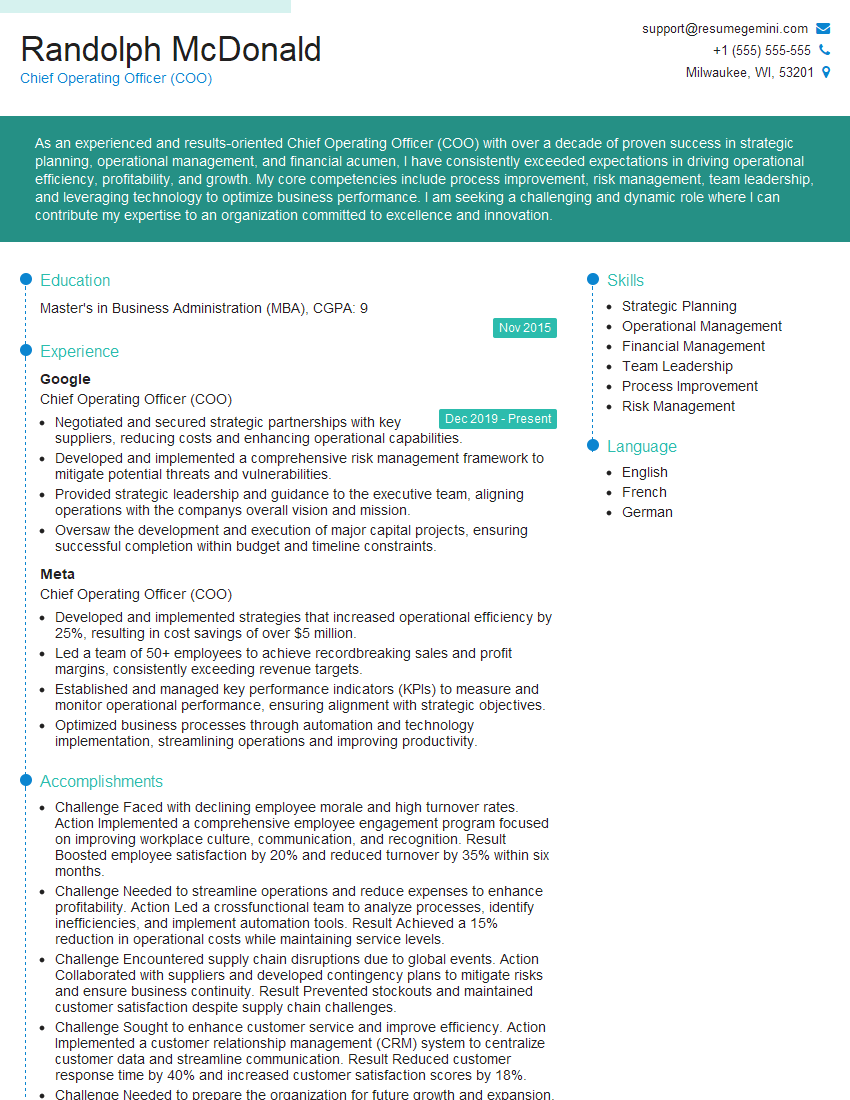
Chief Operating Officer (COO) Resume Sample
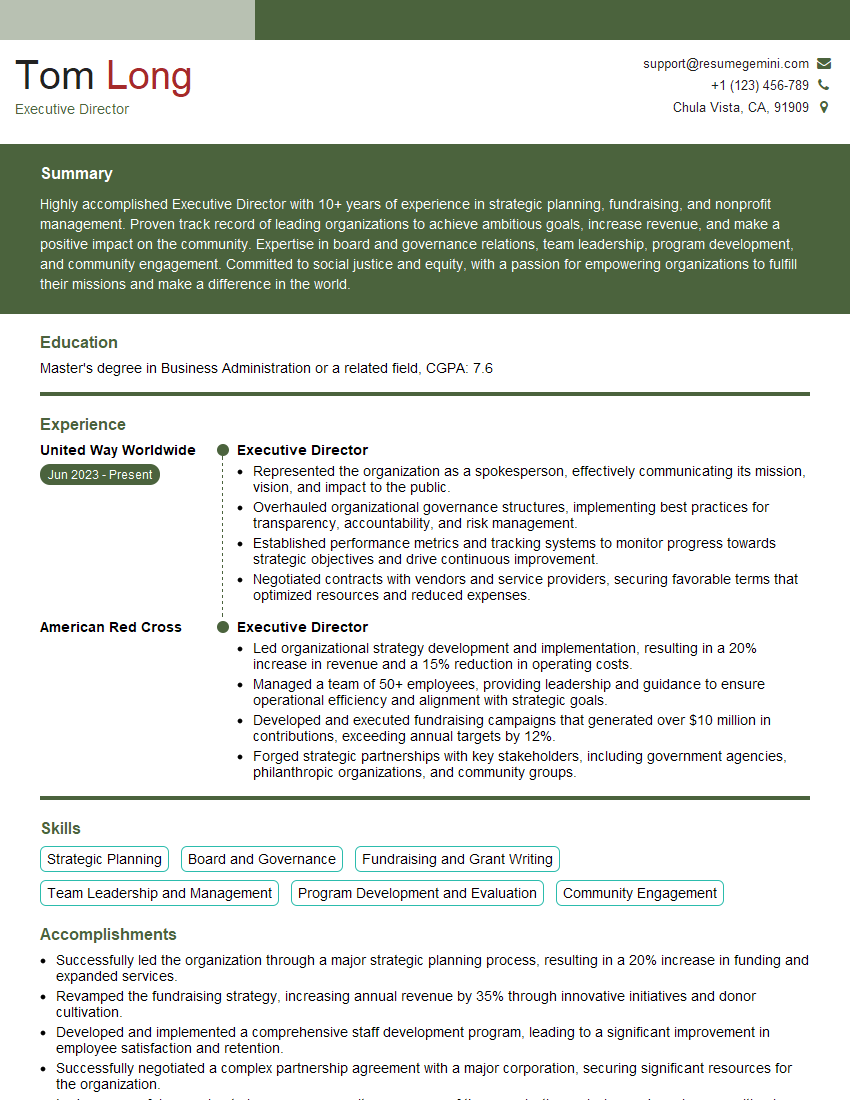
Executive Director Resume Sample
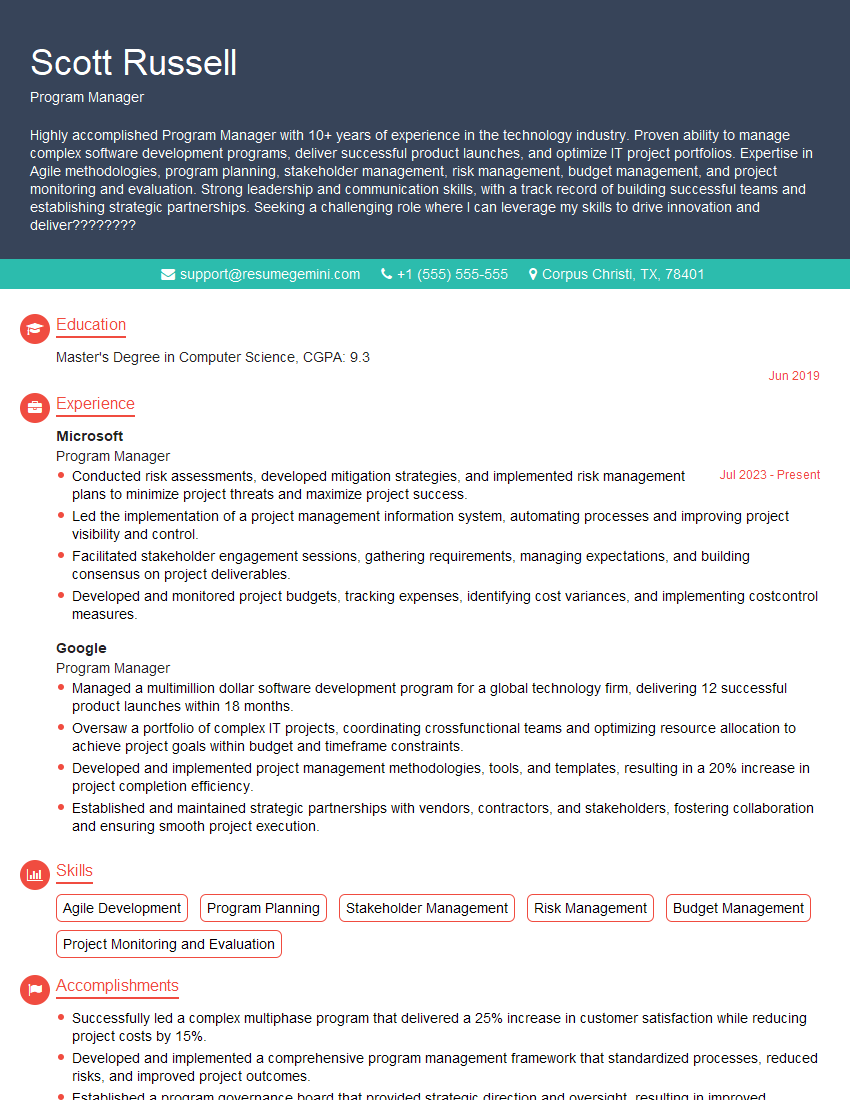
Program Manager Resume Sample
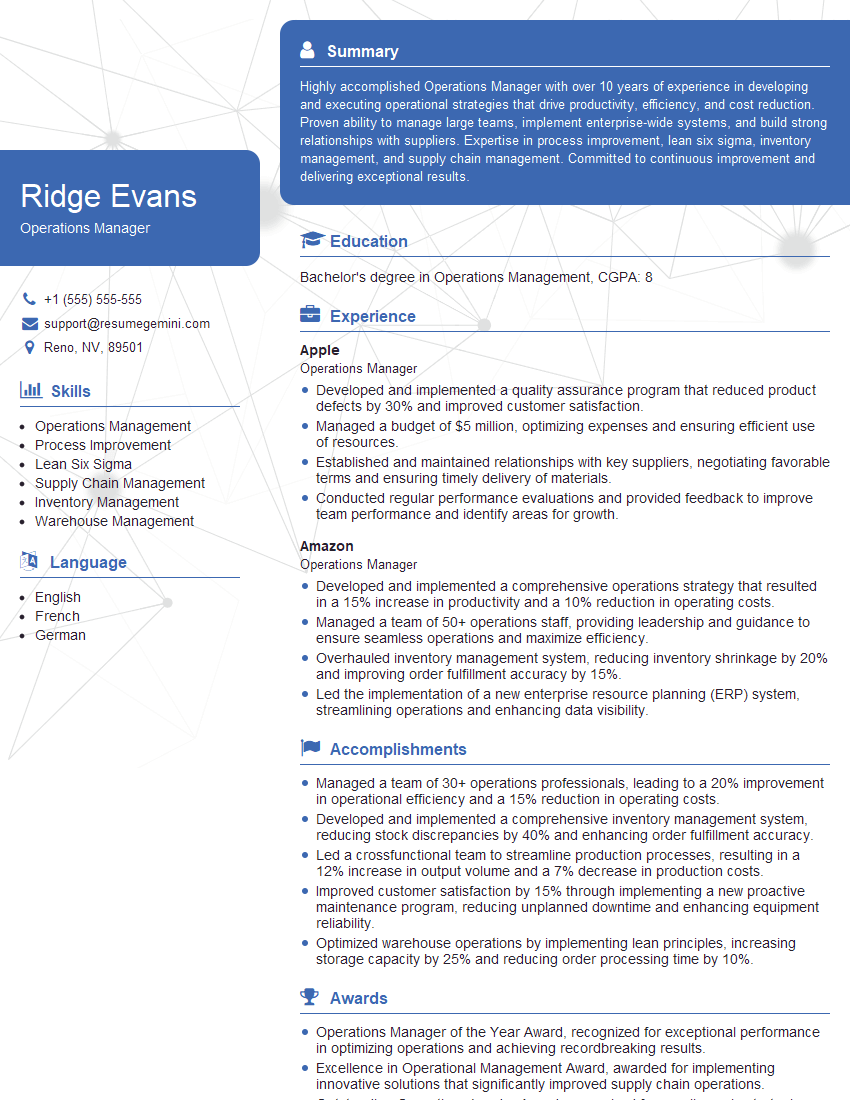
Operations Manager Resume Sample
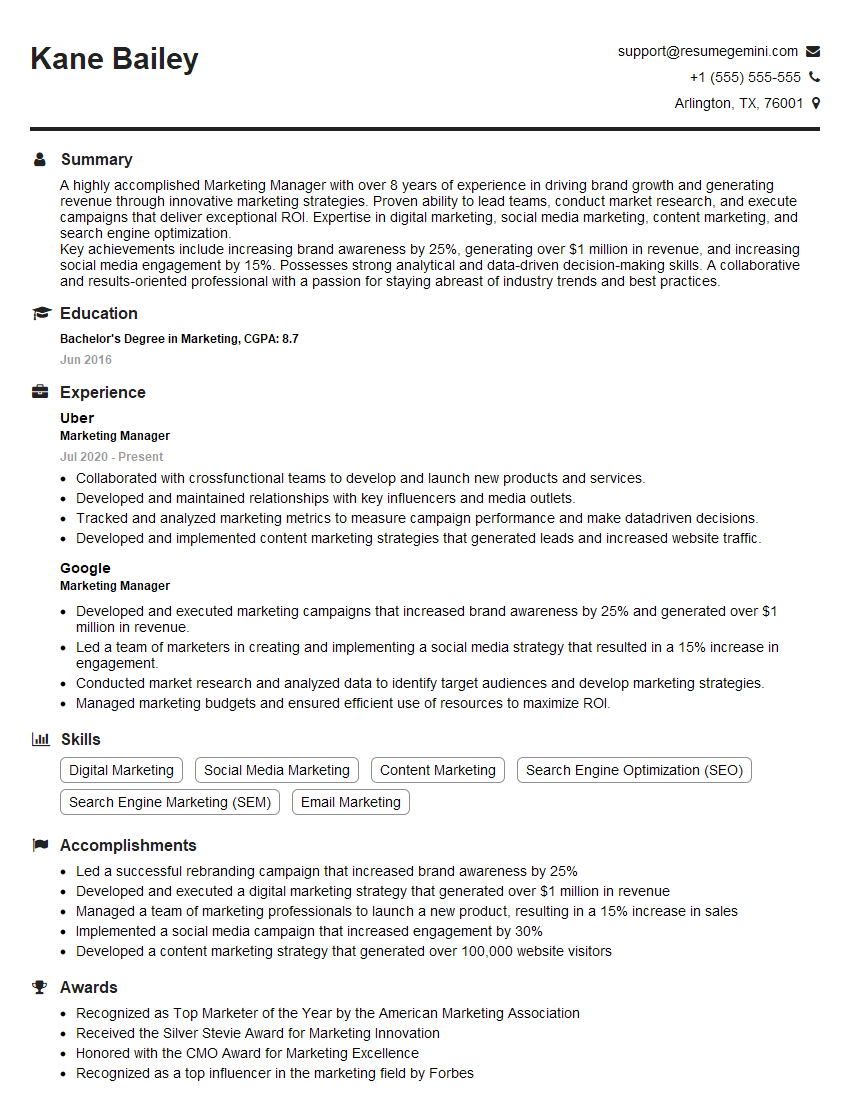
Marketing Manager Resume Sample
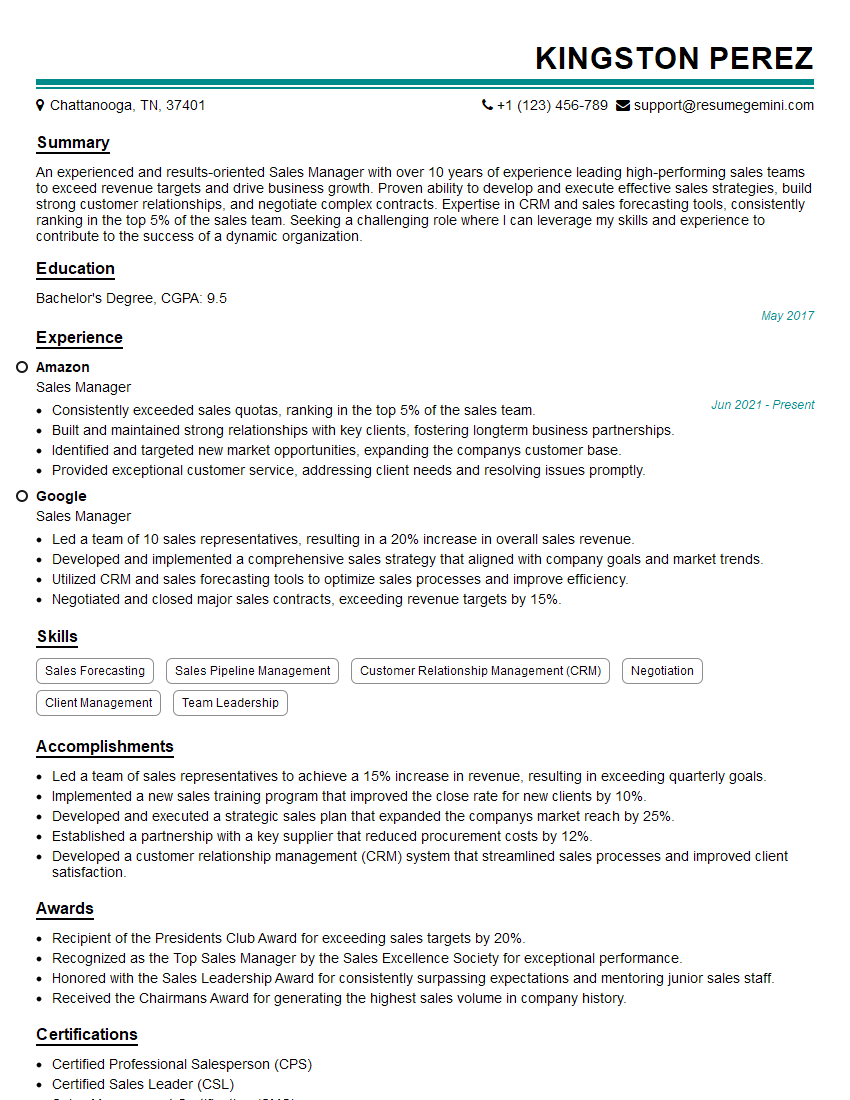
Sales Manager Resume Sample
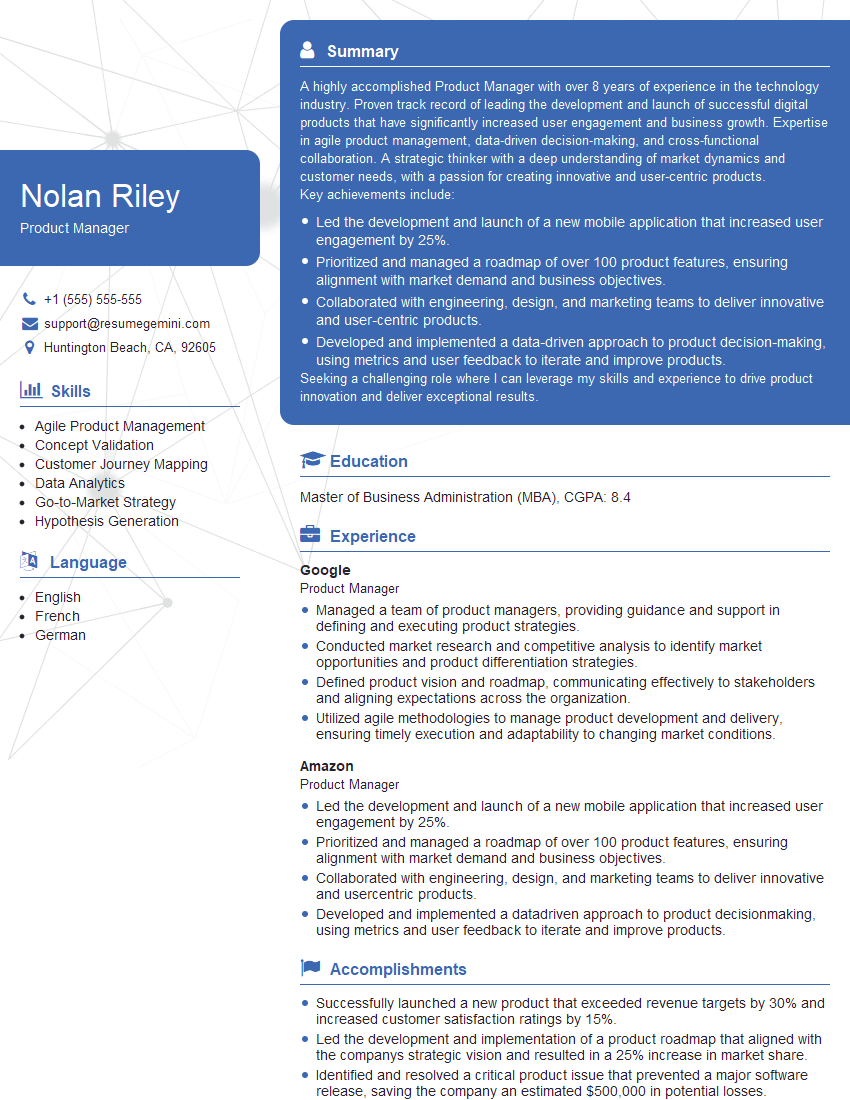
Product Manager Resume Sample
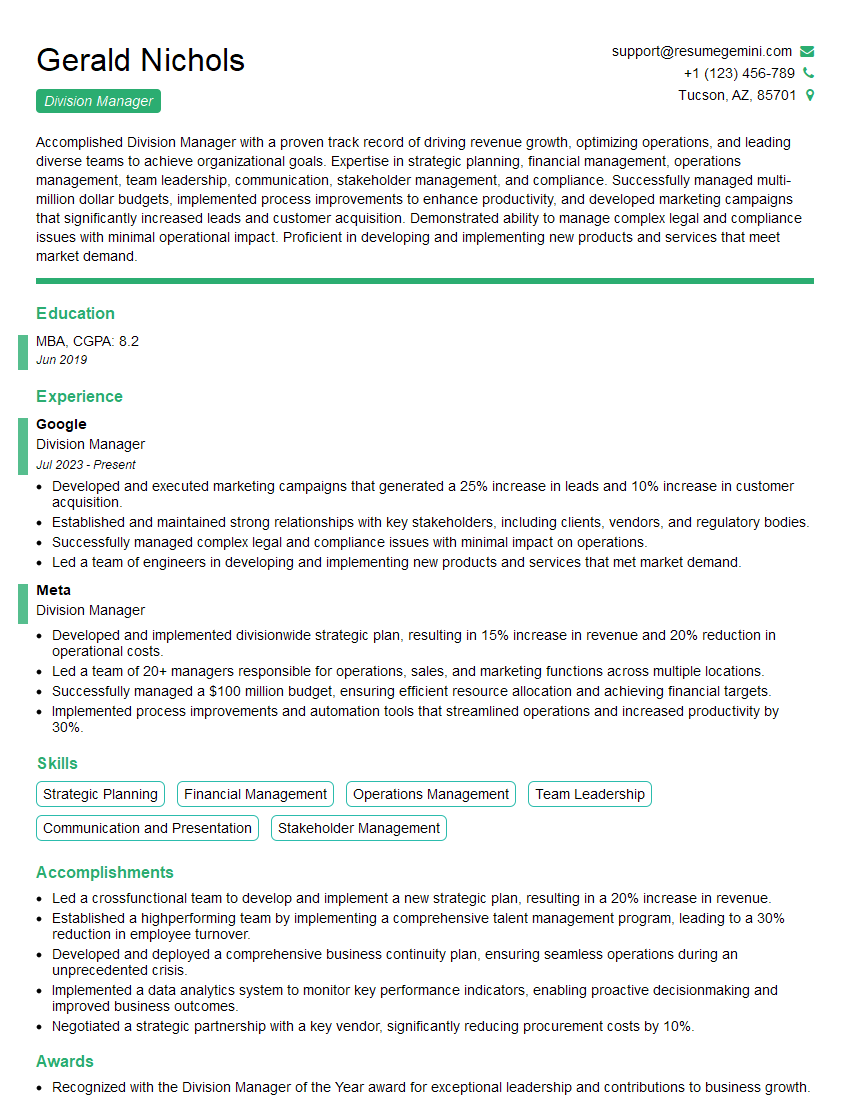
Division Manager Resume Sample
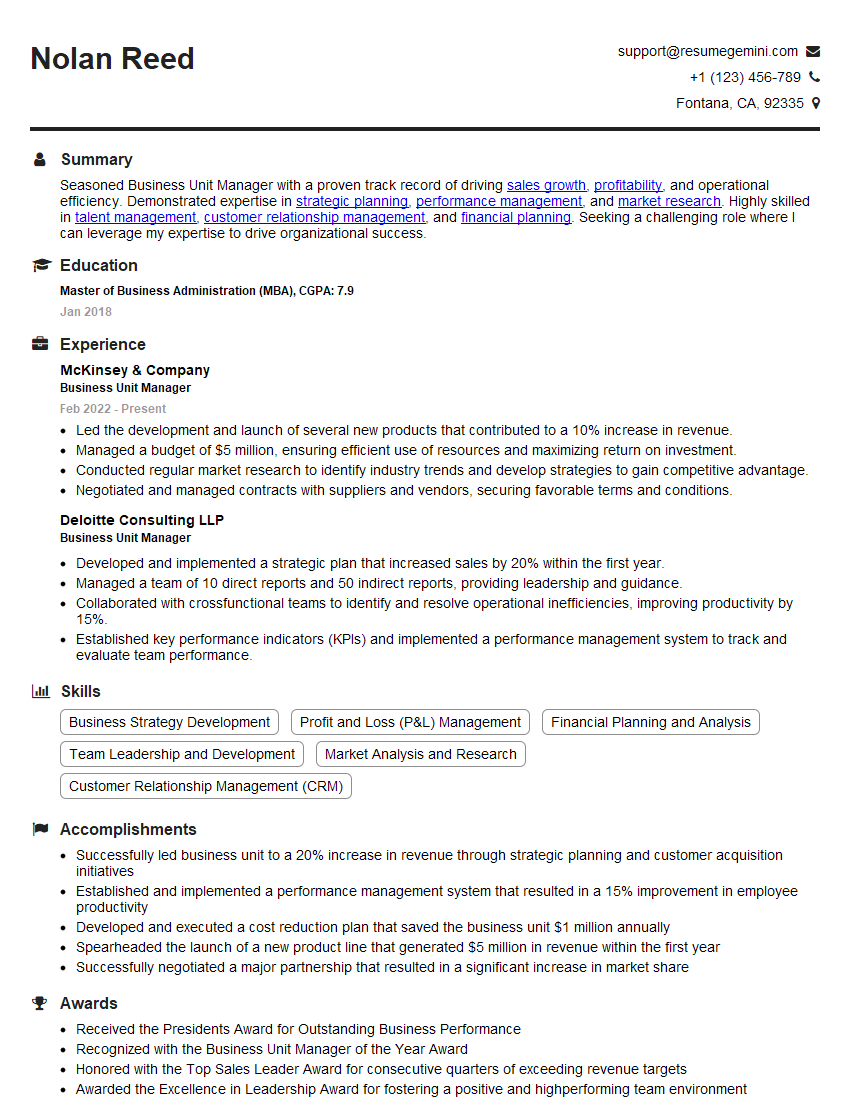
Business Unit Manager Resume Sample
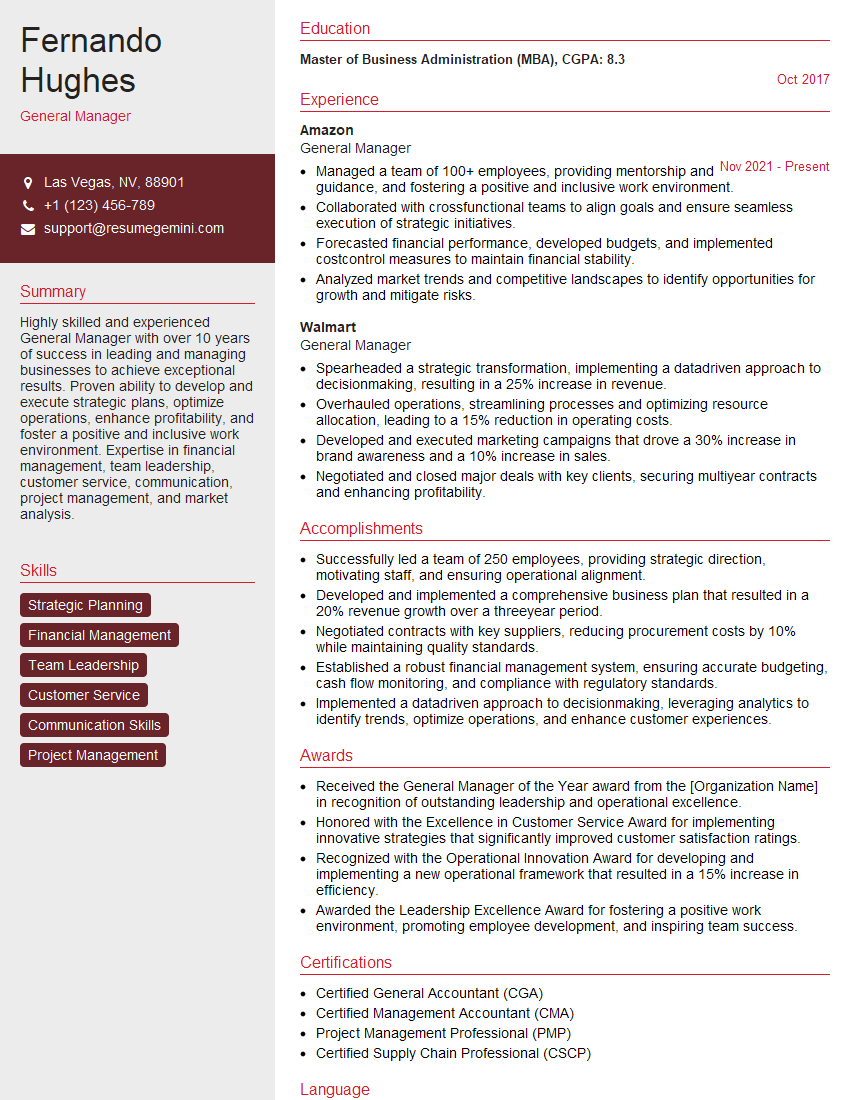
General Manager Resume Sample
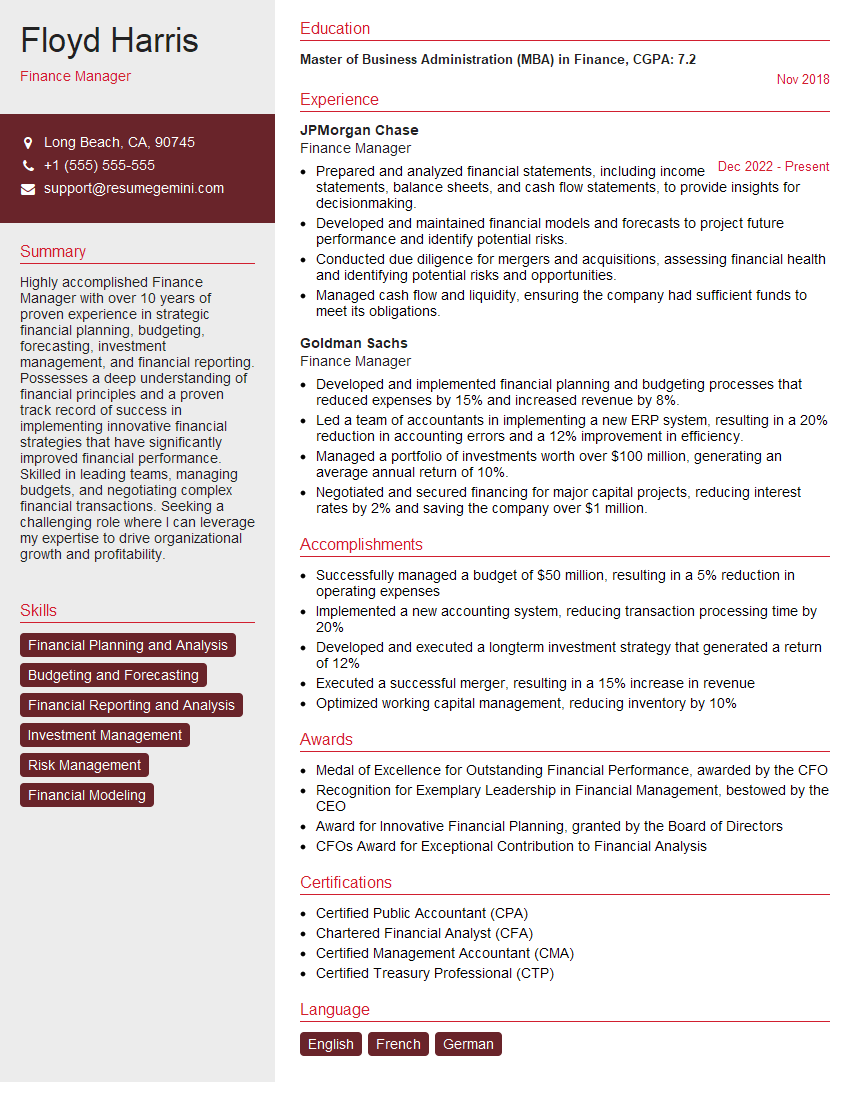
Finance Manager Resume Sample
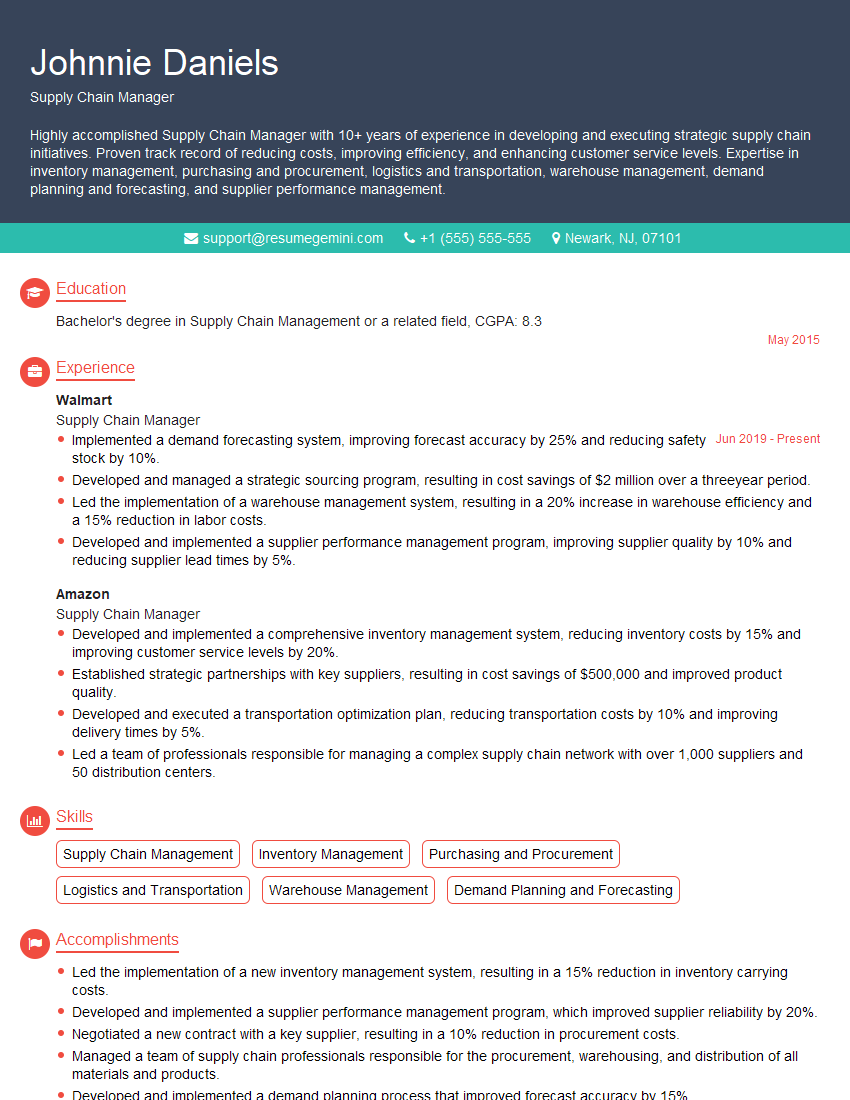
Supply Chain Manager Resume Sample
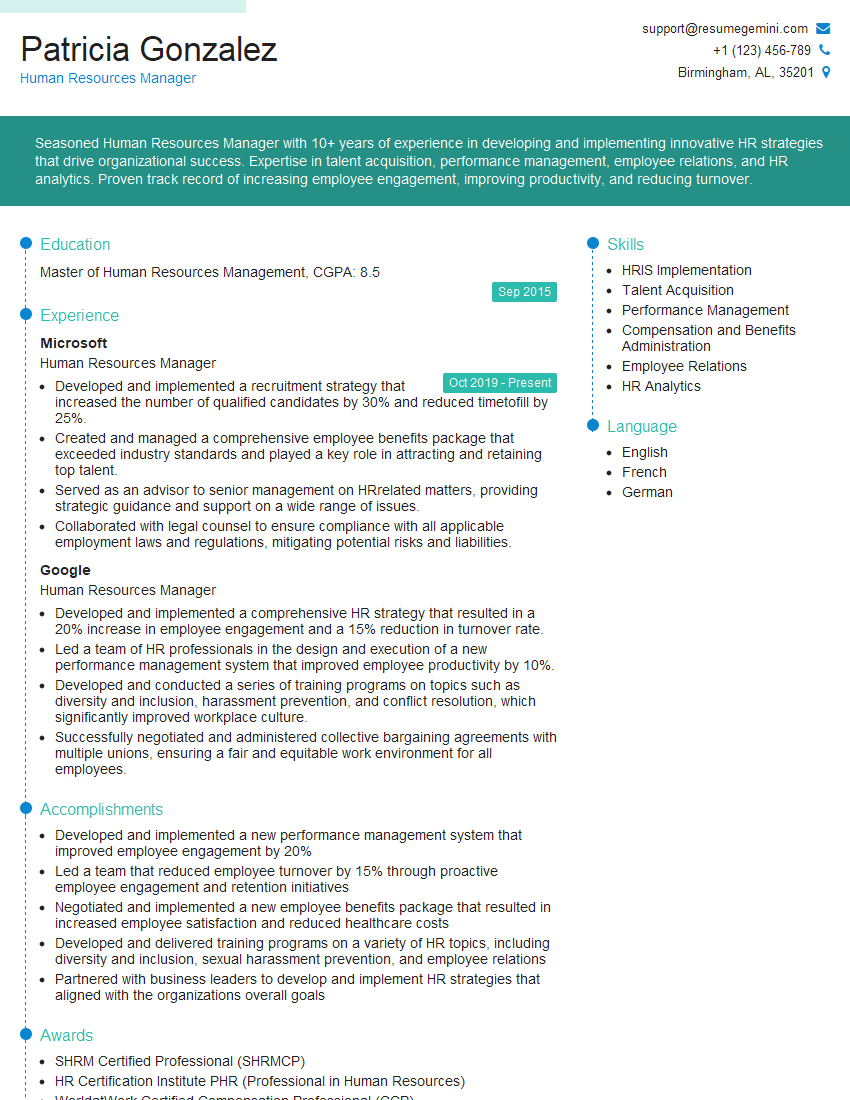
Human Resources Manager Resume Sample
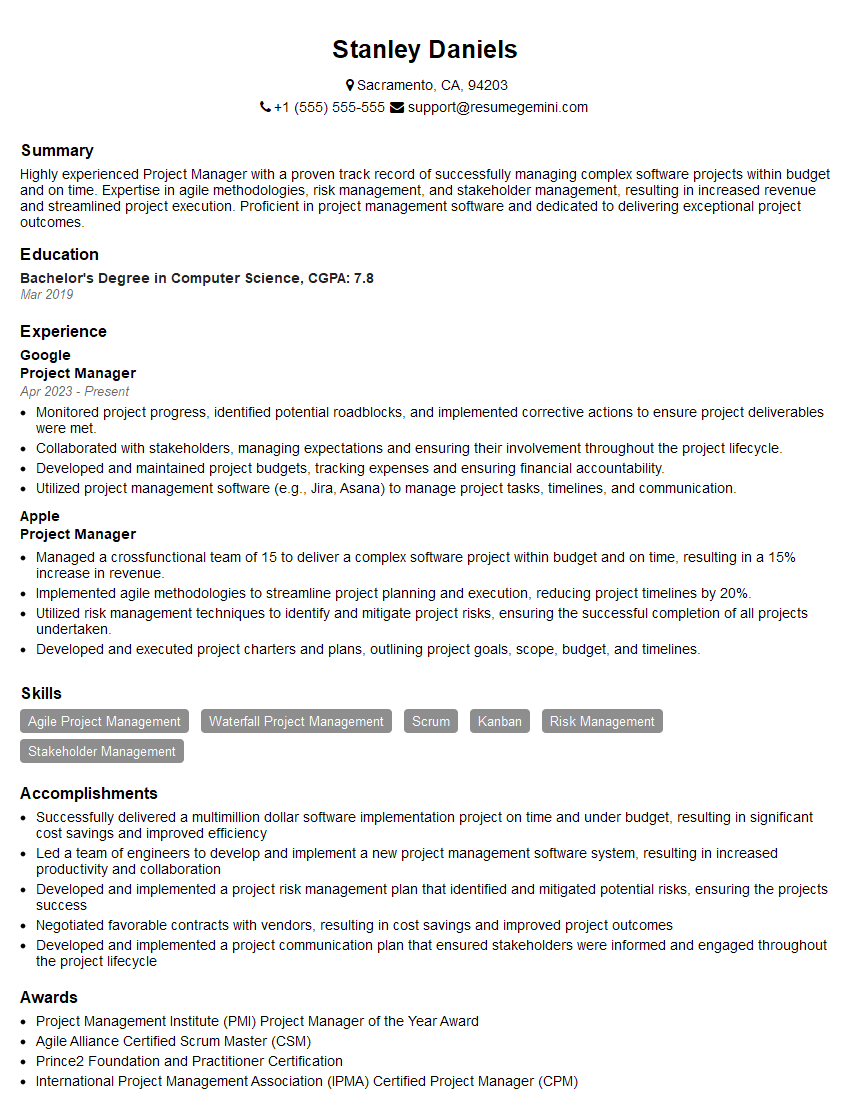
Project Manager Resume Sample
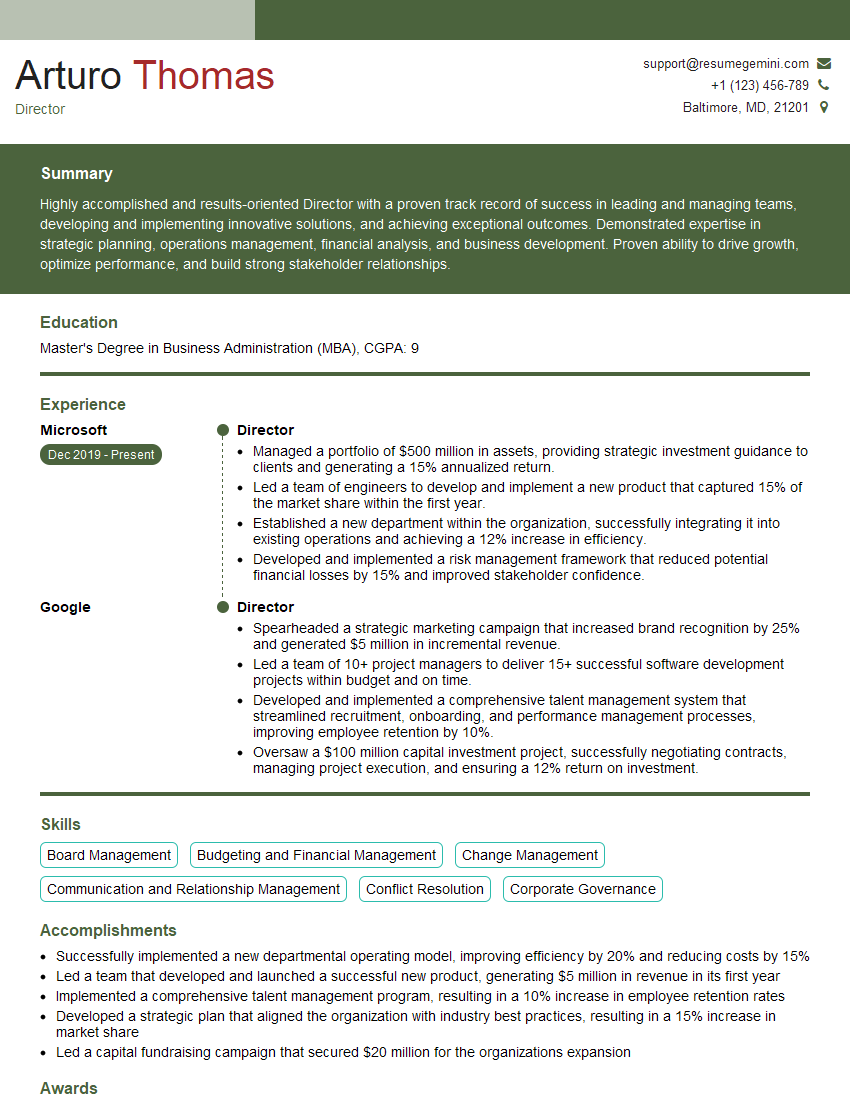
Director Resume Sample
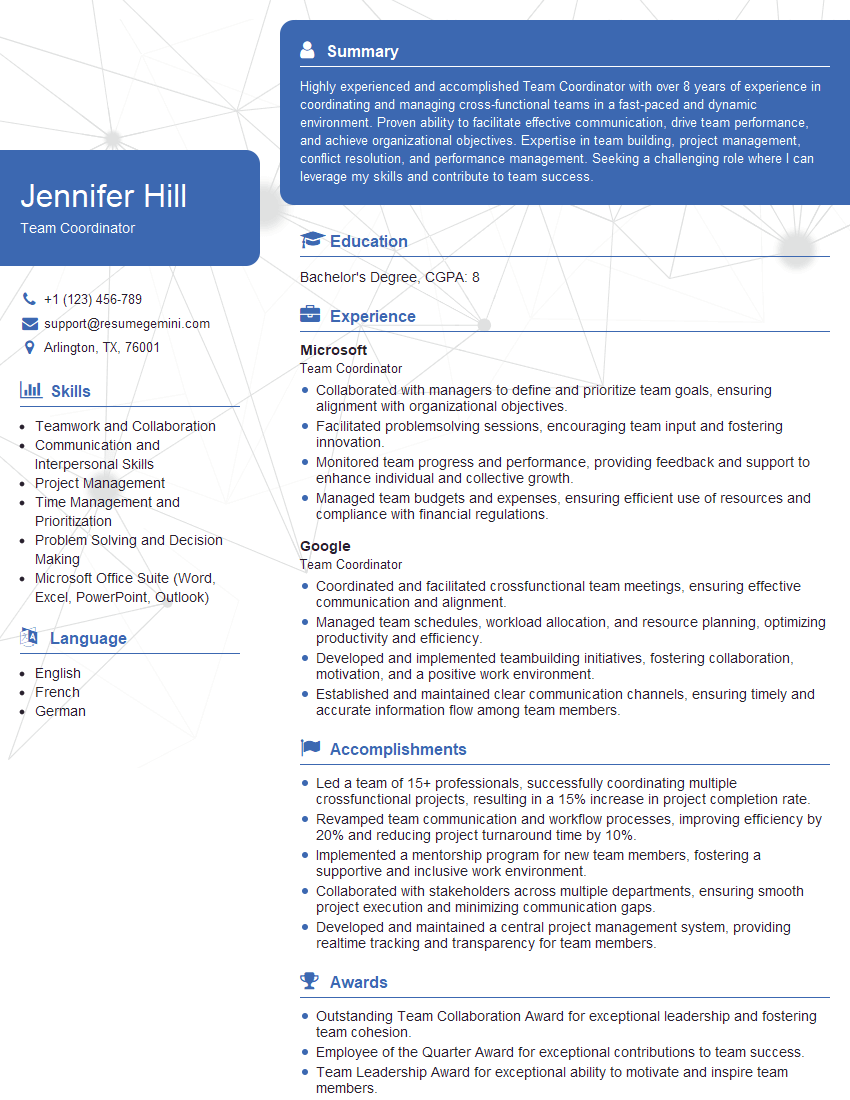
Team Coordinator Resume Sample
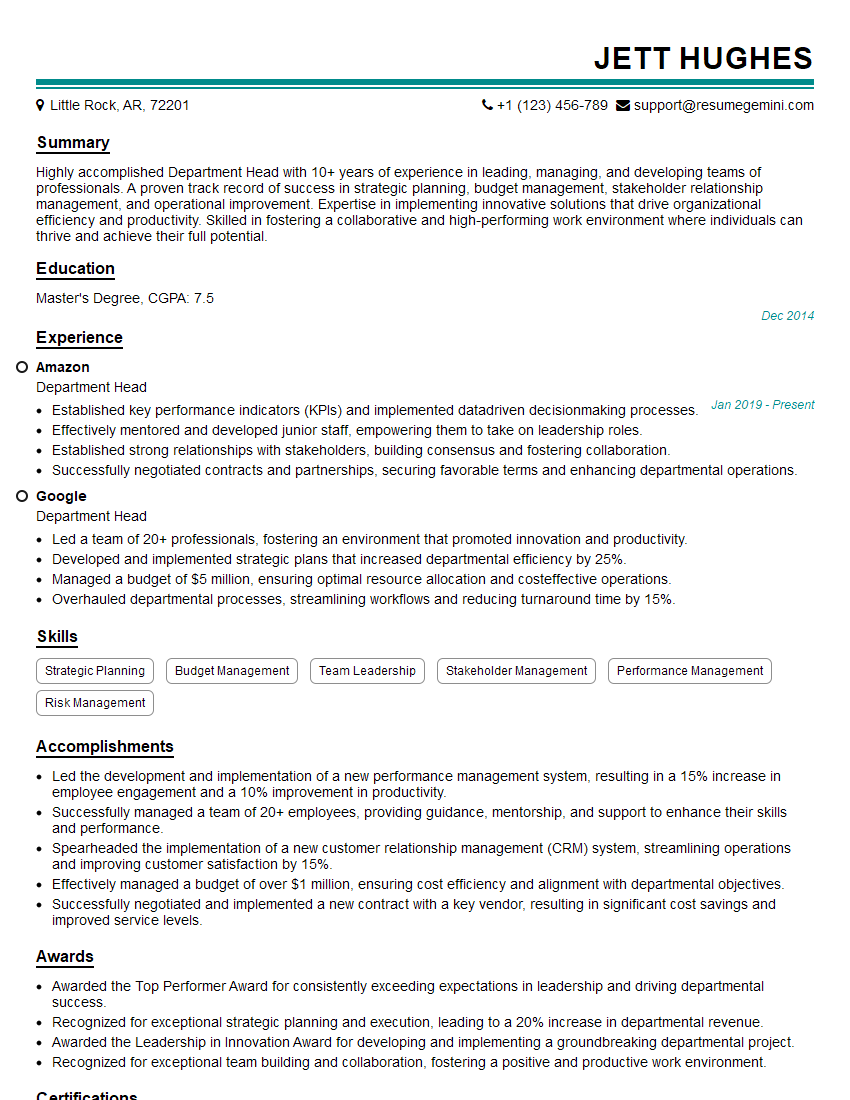
Department Head Resume Sample
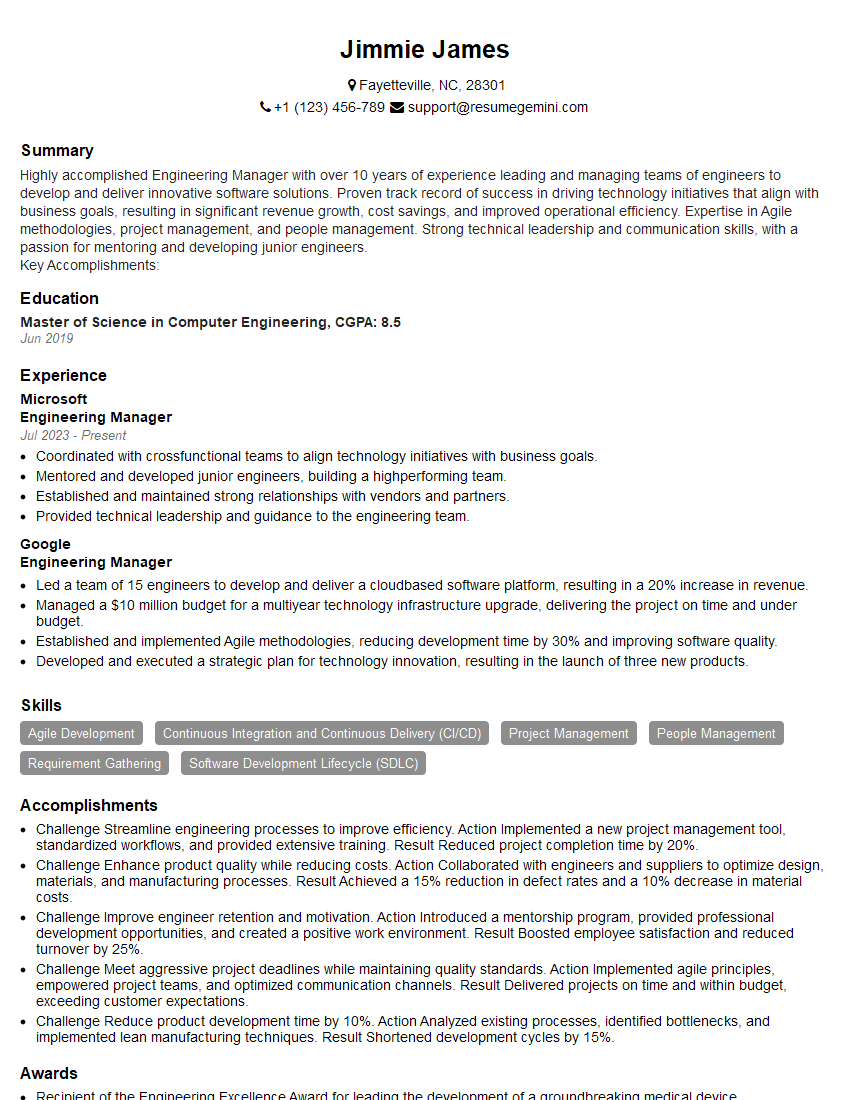
Engineering Manager Resume Sample
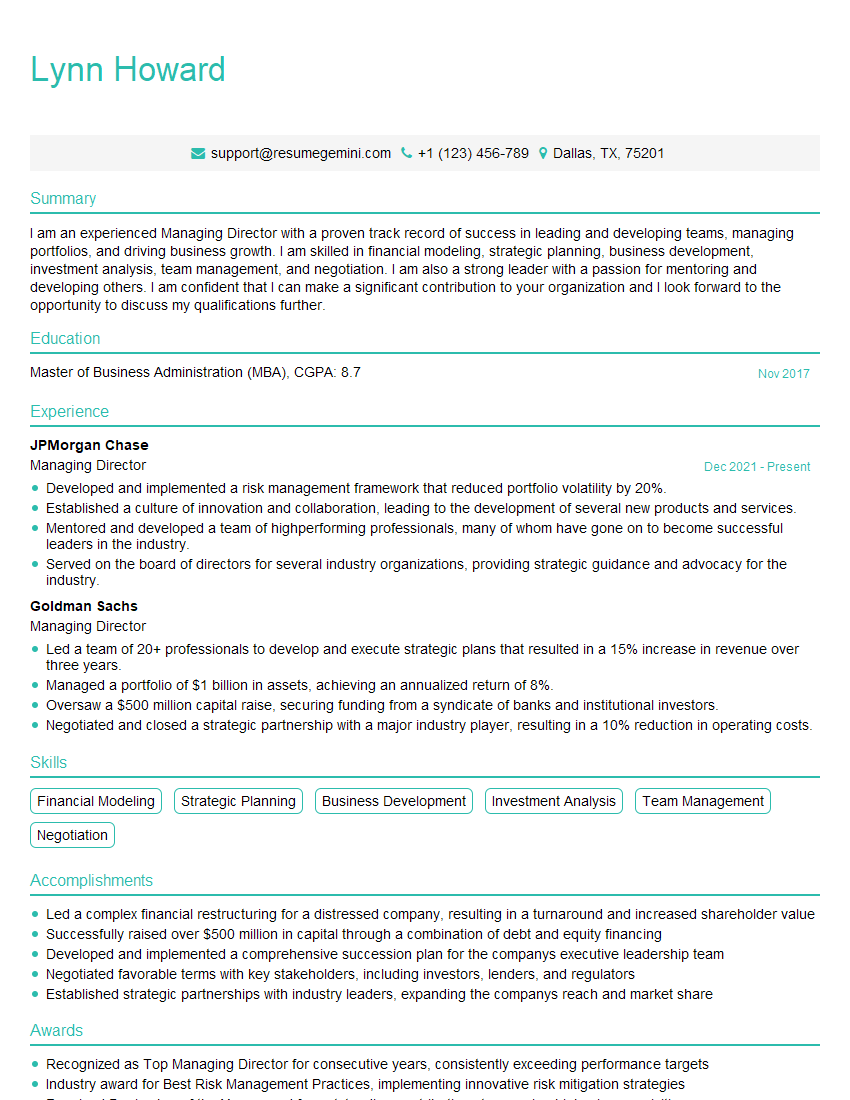
Managing Director Resume Sample
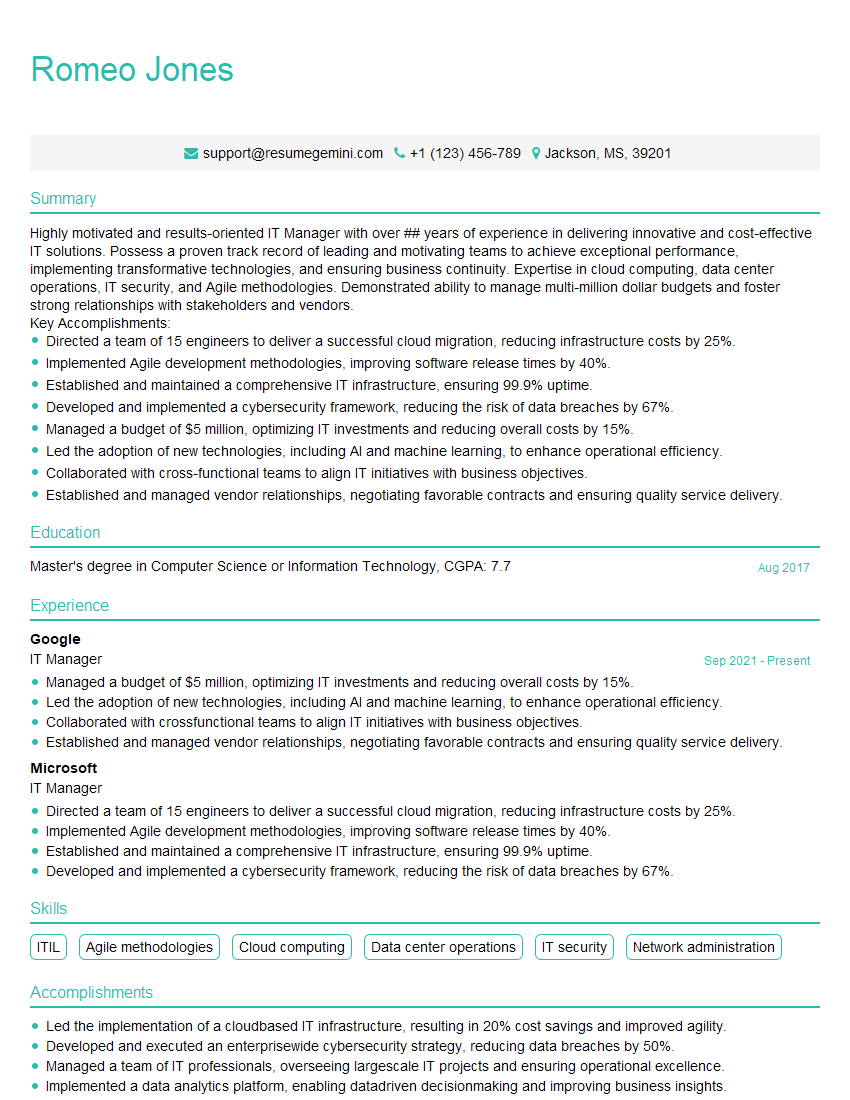
IT Manager Resume Sample
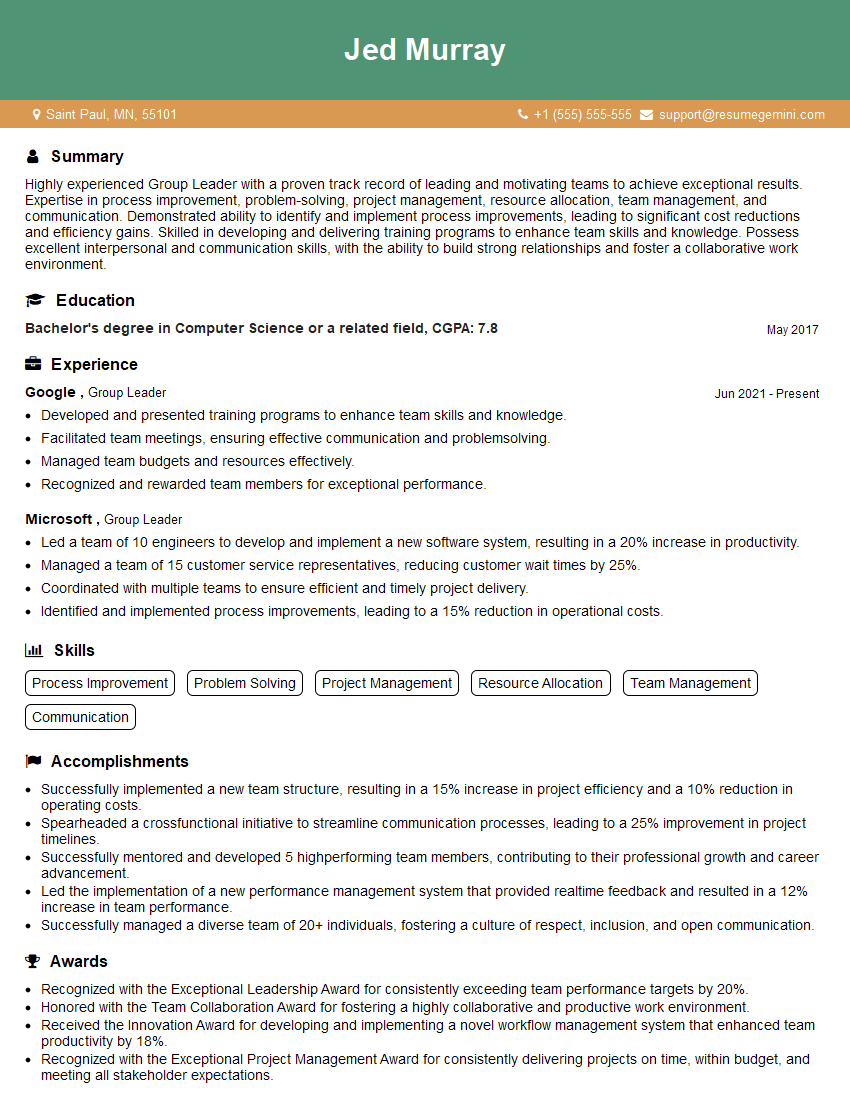
Group Leader Resume Sample
- Chief Operating Officer (COO)
- Executive Director
- Program Manager
- Operations Manager
- Marketing Manager
- Sales Manager
- Product Manager
- Division Manager
- Business Unit Manager
- General Manager
- Finance Manager
- Supply Chain Manager
- Human Resources Manager
- Project Manager
- Director
- Team Coordinator
- Department Head
- Engineering Manager
- Managing Director
- IT Manager
- Group Leader
Explore more articles
Users Rating of Our Blogs
Share Your Experience
We value your feedback! Please rate our content and share your thoughts (optional).
What Readers Say About Our Blog
Very informative content, great job.
good