Interviews are more than just a Q&A session—they’re a chance to prove your worth. This blog dives into essential Egg Tray HACCP Standards interview questions and expert tips to help you align your answers with what hiring managers are looking for. Start preparing to shine!
Questions Asked in Egg Tray HACCP Standards Interview
Q 1. Describe the seven principles of HACCP.
The seven principles of HACCP (Hazard Analysis and Critical Control Point) provide a systematic approach to food safety. Think of them as building blocks for a robust food safety system, each crucial for preventing hazards.
- Principle 1: Conduct a Hazard Analysis: Identify potential biological, chemical, and physical hazards that could occur at each step of the egg tray production process. For example, wood splinters in the pulp, or microbial contamination from unclean water.
- Principle 2: Determine Critical Control Points (CCPs): These are the steps where control can be applied and is essential to prevent or eliminate a hazard or reduce it to an acceptable level. For egg trays, this might be the drying process to reduce microbial growth.
- Principle 3: Establish Critical Limits: Set specific measurable limits for each CCP. For example, a maximum moisture content for dried trays to prevent mold growth, or a specific temperature range for effective pasteurization.
- Principle 4: Establish Monitoring Procedures: Regularly check each CCP to ensure it’s under control. This could involve measuring moisture content with a moisture meter, or regularly monitoring temperature with thermometers.
- Principle 5: Establish Corrective Actions: Define what to do if monitoring reveals that a CCP is out of control. This may include discarding a batch of trays, adjusting machine settings, or deep cleaning equipment.
- Principle 6: Establish Verification Procedures: Confirm the HACCP plan is working effectively. This could include regular audits, environmental monitoring, or product testing.
- Principle 7: Establish Record-Keeping and Documentation Procedures: Keep detailed records of all HACCP activities, including monitoring data, corrective actions, and verification results. This ensures traceability and provides evidence of compliance.
Q 2. Explain the critical control points (CCPs) in egg tray production.
Critical Control Points (CCPs) in egg tray production are points in the process where hazards can be prevented, eliminated, or reduced to acceptable levels. These vary depending on the specific manufacturing process, but some common CCPs include:
- Pulp Preparation: Ensuring the raw material (typically recycled paper) is free from contaminants like heavy metals, pesticides, or microbial contamination. Poorly sourced pulp is a major hazard.
- Molding Process: Controlling the temperature and pressure during the molding process to ensure the trays are formed correctly and to prevent the growth of undesirable microorganisms.
- Drying Process: Achieving sufficient drying to reduce moisture content and prevent microbial growth and mold. Insufficient drying is a common CCP failure.
- Post-Drying Handling: Preventing recontamination after the drying process through proper handling and storage. Contamination after drying negates much of the prior control.
- Storage and Transportation: Maintaining proper storage conditions to prevent pest infestation, and ensuring safe transportation to avoid damage and contamination.
Identifying CCPs requires a thorough hazard analysis.
Q 3. How do you identify and assess potential hazards in egg tray manufacturing?
Identifying and assessing potential hazards in egg tray manufacturing involves a systematic approach. We begin with a thorough understanding of the entire production process, from raw material sourcing to finished product delivery.
Hazard Identification Techniques:
- Hazard Analysis and Critical Control Point (HACCP): This is the primary methodology. It involves systematically identifying hazards at each stage of the production process.
- Failure Mode and Effects Analysis (FMEA): This technique systematically evaluates potential failures and their effects. It can uncover hidden risks that HACCP might miss.
- Good Manufacturing Practices (GMP): GMPs establish a baseline for hygiene and sanitation, helping to identify potential contamination points. GMP is crucial for preventing hazards before they occur.
- Previous Experience and Data: Analyzing past incidents and data from similar facilities can highlight recurring hazards.
- Supplier Information: Obtaining information about raw materials and their potential hazards from suppliers is vital.
Hazard Assessment: Once hazards are identified, we assess their likelihood and severity. This involves considering factors such as the frequency of occurrence and the potential impact on consumer health and safety.
Q 4. What are the key microbiological hazards associated with egg tray production?
Key microbiological hazards associated with egg tray production include:
- Bacteria: Salmonella, E. coli, and other pathogens can contaminate raw materials or enter the process during manufacturing if proper sanitation and hygiene are not maintained. These can survive in moist environments.
- Molds: Molds can grow on the egg trays, especially if the drying process is inadequate or if the trays are stored in humid conditions. Mold is a visual hazard but also produces mycotoxins.
- Yeasts: Similar to molds, yeasts can also thrive in moist environments and contribute to spoilage and potential health risks.
These microbial hazards pose risks to the quality and safety of the eggs stored in the trays, which is why stringent hygiene and sanitation measures are crucial throughout the egg tray production process.
Q 5. Describe your experience with HACCP plan development and implementation.
I have extensive experience in developing and implementing HACCP plans for various food contact material manufacturing facilities, including egg tray production. My approach involves a collaborative effort involving all stakeholders, from production staff to management.
My approach includes:
- Thorough Hazard Analysis: Conducting a comprehensive hazard analysis using various techniques mentioned earlier.
- CCP Identification and Control Measures: Clearly defining CCPs and establishing effective control measures for each one, with specific measurable parameters.
- Monitoring and Record-Keeping Systems: Developing robust systems to monitor CCPs and maintain meticulous records of all HACCP activities.
- Training and Education: Providing thorough training to all staff involved in the production process on the principles of HACCP and their responsibilities.
- Internal Audits and Management Reviews: Conducting regular internal audits to verify the effectiveness of the HACCP plan and implementing corrective actions as needed.
In one particular project, we significantly reduced microbial contamination in the final product by implementing a new cleaning and sanitation protocol at a key CCP, resulting in a notable decrease in customer complaints and improved product quality.
Q 6. How do you validate the effectiveness of your HACCP plan?
Validating the effectiveness of a HACCP plan is an ongoing process. It’s not a one-time event, but a continuous monitoring and improvement cycle.
Methods for Validation:
- Regular Monitoring of CCPs: Consistent monitoring ensures that control measures are functioning as intended. Deviations trigger investigations and corrective actions.
- Environmental Monitoring: Regular sampling and testing of the production environment for microorganisms helps identify potential contamination sources.
- Product Testing: Periodic testing of finished egg trays to verify the absence of harmful contaminants and ensure that the product meets safety standards.
- Internal Audits: Regular internal audits by trained personnel to check compliance with the HACCP plan and identify areas for improvement.
- Management Reviews: Periodic management reviews to assess the overall effectiveness of the HACCP plan and its alignment with business objectives.
Effective validation demonstrates that the HACCP plan is indeed preventing or reducing hazards to acceptable levels, ensuring the safety and quality of the egg trays.
Q 7. What are the legal requirements for HACCP compliance in your region?
Legal requirements for HACCP compliance vary by region. However, many jurisdictions mandate HACCP or similar food safety management systems for food contact materials, including egg trays. It’s crucial to consult local and national food safety regulations specific to your region. These regulations often mandate:
- Registration or licensing: Depending on the size and scope of your operation, you might need to register your facility or obtain a license to produce egg trays.
- HACCP plan development: Most jurisdictions require the development and implementation of a HACCP plan, which must be documented and available for inspection by regulatory authorities.
- Record-keeping: Maintaining comprehensive records of all HACCP activities, including monitoring data, corrective actions, and verification procedures.
- Audits and inspections: Regular inspections by regulatory agencies to ensure compliance with HACCP and other relevant regulations.
- Recall procedures: Establishing effective procedures for recalling products if a safety hazard is detected.
Failure to comply can lead to penalties, including fines, product seizure, and even closure of the facility. Staying updated on the latest regulations is vital for maintaining compliance.
Q 8. How do you monitor CCPs during egg tray production?
Monitoring Critical Control Points (CCPs) in egg tray production is crucial for ensuring food safety. CCPs are steps in the process where control is essential to prevent or eliminate a food safety hazard. In egg tray manufacturing, key CCPs often include the hygiene of the production environment, the materials used (especially if recycled pulp is involved), and the final product’s cleanliness.
We monitor these CCPs through a multi-pronged approach. For example, we regularly inspect the production area for cleanliness, using checklists to ensure all surfaces are sanitized according to schedule. We visually inspect the raw materials, rejecting any batches showing signs of contamination. Temperature monitoring is critical if any adhesives or drying processes are involved, ensuring they operate within safe parameters. We also conduct regular microbial testing of the finished egg trays to verify absence of pathogens. Detailed records are kept of all inspections and tests, and any deviations are immediately addressed.
Think of it like this: Imagine baking a cake. The oven temperature is a CCP; if it’s too low, the cake won’t cook properly, and if it’s too high, it will burn. Similarly, in egg tray production, every step must be monitored to ensure the final product is safe and meets quality standards.
Q 9. Explain your experience with corrective actions in a HACCP context.
Corrective actions within a HACCP framework are vital for addressing deviations from established procedures. My experience involves immediately investigating the root cause of any deviation, no matter how minor. This isn’t just about fixing a problem but understanding why it happened to prevent recurrence.
For instance, if a batch of egg trays failed a microbial test, we’d first isolate that batch, preventing it from entering the market. Then, a thorough investigation would follow: Was there a sanitation lapse? Was there a problem with the raw materials? Were equipment settings incorrect? The investigation might involve reviewing production records, interviewing staff, and even conducting environmental swabs to identify potential sources of contamination. Once the root cause is identified, corrective actions would be implemented, documented, and verified to ensure effectiveness. This might include retraining staff, modifying sanitation protocols, replacing faulty equipment, or changing suppliers. The corrective action plan is then reviewed during future audits to assess its long-term effectiveness.
Q 10. How do you handle deviations from the HACCP plan?
Handling deviations from the HACCP plan involves a structured approach emphasizing prompt action and thorough documentation. The first step is to immediately isolate any affected product to prevent further risk. Then, a thorough investigation is launched to identify the root cause of the deviation, much like the process described for corrective actions. This might involve reviewing procedures, checking equipment logs, and interviewing personnel.
Once the root cause is understood, a corrective action plan is developed and implemented. This might involve retraining employees, improving sanitation procedures, adjusting equipment settings, or sourcing new materials. All actions taken, along with their effectiveness, are meticulously documented. This documentation is crucial for traceability and for demonstrating compliance during audits.
For example, if a significant temperature fluctuation occurred during the drying process, we’d investigate why the equipment malfunctioned, document the deviation, implement repairs, re-run quality checks on the affected batch, and ensure similar deviations won’t happen in the future by implementing preventative measures (e.g., better maintenance schedules).
Q 11. What are the key record-keeping requirements for HACCP compliance?
HACCP compliance necessitates meticulous record-keeping. Key records include:
- HACCP Plan: A documented plan outlining the hazards, CCPs, monitoring procedures, and corrective actions.
- Master Production Schedule: A schedule documenting planned production runs.
- CCP Monitoring Records: Daily records of all CCP monitoring activities, including temperature readings, sanitation checklists, and microbial test results.
- Corrective Action Records: Records detailing all deviations from the plan, root cause analyses, and corrective actions taken.
- Supplier Records: Records verifying the safety and quality of all raw materials used.
- Employee Training Records: Documentation showing all staff have received appropriate HACCP training.
- Calibration Records: Records documenting the regular calibration of all measuring equipment.
- Pest Control Records: Records of pest control activities.
These records serve as evidence of compliance, allowing for thorough traceability and demonstrating a commitment to food safety. Think of it as a comprehensive audit trail, essential for both internal reviews and external inspections.
Q 12. Describe your experience with internal audits of HACCP systems.
My experience with internal audits of HACCP systems involves a structured approach aimed at identifying areas for improvement and ensuring ongoing compliance. We typically use a checklist-based system to review all aspects of the HACCP plan, including monitoring records, corrective actions, and employee training. The audits are not about finding fault but about identifying weaknesses and enhancing our food safety management system.
During the audit, I would examine documentation, conduct interviews with production staff, and observe the production process firsthand. We review the effectiveness of monitoring procedures, evaluate the adequacy of corrective actions, and assess the overall efficacy of our HACCP system. Any discrepancies or non-conformances are documented, and a corrective action plan is developed and implemented. The audit findings are then presented to management, outlining the areas for improvement and the steps being taken to address them. These audits are crucial for maintaining our commitment to producing safe and high-quality egg trays.
Q 13. How do you ensure the traceability of egg trays?
Traceability of egg trays is crucial for ensuring food safety and facilitating rapid response in case of a contamination incident. We achieve this through a robust lot-numbering system. Each batch of egg trays is assigned a unique lot number that’s tracked throughout the entire production process. This lot number is recorded on all relevant documents, including production records, raw material receipts, and quality control test results. This allows us to easily trace the origin of any batch of egg trays and identify the specific raw materials and production steps involved.
Further, we maintain detailed records of our suppliers and their products. This information is linked to the lot numbers of the egg trays produced, which allows for complete traceability—from the raw material source to the finished product. This traceability system is vital not only for food safety but also for managing customer complaints and responding effectively to potential product recalls.
Q 14. What are your strategies for preventing cross-contamination in egg tray production?
Preventing cross-contamination in egg tray production is paramount. Our strategies are multifaceted and include:
- Strict Sanitation Protocols: Regular and thorough cleaning and sanitization of all equipment and surfaces, adhering to a pre-defined schedule. This involves using appropriate cleaning agents and ensuring proper drying to prevent microbial growth.
- Designated Areas: Maintaining separate areas for raw materials, work-in-progress, and finished goods. This prevents mixing of potentially contaminated materials with clean products.
- Protective Clothing: Requiring all personnel to wear clean protective clothing, such as hairnets, gloves, and aprons, to minimize the risk of contamination from personal sources.
- Pest Control: Implementing a comprehensive pest control program to eliminate the risk of rodent or insect contamination.
- Material Handling: Implementing careful material handling procedures to prevent the introduction of foreign materials or contamination during the production process.
These strategies, coupled with regular training and monitoring, help ensure the production of clean, safe egg trays.
Q 15. Describe your experience with GMPs (Good Manufacturing Practices).
Good Manufacturing Practices (GMPs) are a set of guidelines that ensure the production of safe and high-quality products. My experience with GMPs in the context of egg tray production spans over 10 years, encompassing all aspects from raw material handling to finished product storage. This includes implementing and maintaining procedures for hygiene, sanitation, equipment maintenance, personnel training, and documentation. For example, I’ve been directly involved in developing and implementing a GMP program that reduced bacterial contamination rates by 25% within the first year.
Specifically, I’ve worked on establishing and enforcing protocols for:
- Raw Material Handling: Ensuring the pulp used is sourced from reputable suppliers and stored correctly to prevent contamination.
- Equipment Maintenance: Establishing a preventative maintenance schedule to minimize equipment malfunction and ensure consistent product quality.
- Personnel Hygiene: Implementing strict handwashing protocols and the use of protective clothing to minimize the risk of contamination.
- Facility Cleanliness: Maintaining a consistently clean and pest-free production environment, adhering to strict cleaning schedules and using approved sanitizing agents.
Career Expert Tips:
- Ace those interviews! Prepare effectively by reviewing the Top 50 Most Common Interview Questions on ResumeGemini.
- Navigate your job search with confidence! Explore a wide range of Career Tips on ResumeGemini. Learn about common challenges and recommendations to overcome them.
- Craft the perfect resume! Master the Art of Resume Writing with ResumeGemini’s guide. Showcase your unique qualifications and achievements effectively.
- Don’t miss out on holiday savings! Build your dream resume with ResumeGemini’s ATS optimized templates.
Q 16. How do you ensure the proper sanitation of egg tray production equipment?
Proper sanitation of egg tray production equipment is crucial for preventing bacterial contamination and ensuring food safety. Our process involves a multi-step approach, including:
- Pre-cleaning: Removing all visible debris and residues from the equipment using water and brushes. This step is especially crucial after production runs.
- Cleaning: Applying a food-grade detergent solution at the appropriate concentration and contact time, using high-pressure sprayers and cleaning-in-place (CIP) systems where applicable. We meticulously clean every surface, including hard-to-reach areas.
- Rinsing: Thoroughly rinsing the equipment with clean, potable water to remove all traces of detergent. This step is often done multiple times to ensure complete removal.
- Sanitization: Applying a food-grade sanitizer at the correct concentration and contact time to kill any remaining microorganisms. We use a sanitizer specifically approved for use in food processing environments.
- Drying: Ensuring the equipment is completely dry before resuming production. This is crucial to prevent the growth of microorganisms.
Regular monitoring and validation of our sanitation processes are conducted through microbiological testing, ensuring the effectiveness of our sanitation program.
Q 17. What are the common allergens associated with egg tray production?
While egg trays themselves don’t typically contain allergens, cross-contamination is a major concern. The most common allergens associated with egg tray *production* are those present in the raw materials used. These could include:
- Wood pulp allergens: Some individuals are allergic to specific types of wood pulps used in the manufacturing process. These could manifest as skin irritation or respiratory problems if not properly managed. We source pulps from controlled sources and use appropriate PPE.
- Chemical residues: Traces of chemicals used in the pulp processing or the manufacturing of the egg trays may cause allergic reactions in sensitive individuals. Our procedures rigorously monitor chemical usage and residue levels.
We mitigate the risk of allergic reactions by implementing strict hygiene protocols throughout the production process, ensuring the proper handling and storage of materials, and providing adequate training to our employees on allergen awareness.
Q 18. Describe your experience with pest control in a food production environment.
Pest control in a food production environment is paramount to maintain food safety and prevent contamination. My experience involves implementing and managing a comprehensive Integrated Pest Management (IPM) program. This isn’t simply about exterminating pests; it’s a proactive approach that minimizes their presence. We focus on:
- Preventative Measures: Maintaining a clean and sanitary facility, sealing cracks and crevices, and storing materials correctly to prevent pest entry. This is crucial for long-term pest control.
- Monitoring: Regularly checking for signs of pest infestation, including traps and visual inspections. We maintain detailed records of our findings, which we use to track any potential issues and tailor our interventions accordingly.
- Control Methods: Employing only approved pest control methods, such as trapping and baiting. We never use pesticides directly on equipment that comes into contact with the egg trays. All pest control activities are performed by licensed professionals.
- Documentation: Maintaining detailed records of all pest control activities, including the type of pest found, the method of control, and the date and time of the activity.
I’ve been successful in reducing pest activity by 90% within 2 years using the IPM strategies mentioned above.
Q 19. How do you manage supplier relationships to ensure food safety?
Managing supplier relationships is critical for ensuring food safety. We select suppliers based on their commitment to food safety and quality. This involves:
- Supplier Audits: Conducting regular audits of our suppliers’ facilities to verify their adherence to GMPs and other relevant food safety standards.
- Documentation Review: Reviewing our suppliers’ documentation, including their HACCP plans, quality control procedures, and food safety certifications.
- Communication: Maintaining open communication channels with our suppliers to promptly address any food safety concerns.
- Traceability: Establishing robust traceability systems to trace raw materials back to their origin, enabling prompt response in case of any food safety incidents.
For example, we recently discovered a potential contamination issue with a pulp supplier. Our robust supplier relationship and documentation review process allowed us to identify and rectify the problem swiftly, preventing any contamination of our egg trays.
Q 20. What are your strategies for employee training on HACCP principles?
Employee training on HACCP principles is a continuous process, not a one-time event. Our strategy includes:
- Initial Training: Providing comprehensive initial training to all employees on HACCP principles, GMPs, and food safety regulations. This includes both theoretical knowledge and practical application.
- Ongoing Training: Conducting regular refresher training sessions to reinforce key concepts and address any changes in regulations or procedures. We make use of interactive training modules, practical demonstrations, and quizzes to ensure understanding.
- Hazard Identification and Analysis: Training employees to identify potential food safety hazards in their work areas, participate in hazard analysis, and develop effective control measures. This involves hands-on exercises and case studies.
- Documentation: Maintaining detailed records of all employee training activities, including attendance records and evaluation results.
We have implemented an internal training program resulting in a significant reduction in food safety incidents across the production facility. Our program uses scenarios and case studies to make learning relatable and meaningful.
Q 21. How do you investigate and respond to customer complaints related to food safety?
Investigating and responding to customer complaints related to food safety is critical for maintaining customer trust and ensuring product quality. Our process involves:
- Complaint Recording: All complaints are carefully recorded, documenting the nature of the complaint, the date, the customer’s contact information, and any other relevant details.
- Investigation: We conduct a thorough investigation to determine the root cause of the complaint, which often involves reviewing production records, conducting interviews with relevant personnel, and performing any necessary laboratory testing.
- Corrective Actions: Implementing corrective and preventative actions (CAPAs) to address the root cause of the complaint and prevent similar incidents from occurring in the future.
- Customer Communication: Keeping the customer informed of the investigation’s progress and our proposed corrective actions. We aim to resolve complaints swiftly and professionally.
- Documentation: Maintaining detailed records of the entire complaint handling process, including the investigation findings, corrective actions, and customer communication.
We view customer complaints as valuable feedback, enabling us to continuously improve our food safety program. For instance, a recent complaint led us to refine our cleaning procedures, which subsequently reduced contamination rates.
Q 22. Describe your experience with external audits and certifications related to HACCP.
Throughout my career, I’ve been actively involved in numerous external audits and certifications related to HACCP (Hazard Analysis and Critical Control Points) in the egg tray industry. This includes both leading internal audits to ensure our compliance and actively participating in audits conducted by third-party certification bodies like BRCGS (British Retail Consortium Global Standard) or FSSC 22000 (Food Safety System Certification 22000). I’ve overseen the implementation of corrective actions identified during audits, ensuring that any non-conformances are addressed promptly and effectively. For instance, during one audit, we identified a slight temperature fluctuation in our pulping area. Through root cause analysis, we discovered a faulty thermostat. Immediate replacement and subsequent monitoring prevented further issues and demonstrated our commitment to continuous improvement. My experience extends to successfully navigating different audit schemes, demonstrating a deep understanding of their respective requirements and interpretations.
Q 23. What are your methods for verifying the effectiveness of cleaning and sanitization procedures?
Verifying the effectiveness of cleaning and sanitization procedures is critical for preventing cross-contamination in egg tray production. My approach is multi-faceted and includes:
- Visual Inspection: A thorough visual check of all surfaces after cleaning and sanitization is the first step. This ensures the absence of visible residue, dirt, or mold.
- ATP Bioluminescence Testing: We utilize ATP (adenosine triphosphate) testing, a rapid method that measures the presence of organic matter. A high ATP reading indicates insufficient cleaning. This provides quantifiable data for verification.
- Microbial Swabbing and Analysis: Regular microbial swabbing of critical contact surfaces is performed, followed by laboratory analysis. This identifies the presence and level of any pathogenic or spoilage microorganisms, confirming the efficacy of sanitization.
- Documentation and Record Keeping: Meticulous record-keeping is essential, documenting all cleaning and sanitation activities, including the cleaning agents used, contact times, and test results. This allows us to track trends, identify potential issues, and demonstrate compliance.
For example, we had an instance where ATP testing showed elevated levels in one area. Through investigation, we found a clogged drain leading to inadequate cleaning. Addressing this improved our sanitation efficacy dramatically, highlighting the importance of thorough cleaning and regular monitoring.
Q 24. How do you ensure the integrity of packaging materials used in egg tray production?
Maintaining the integrity of packaging materials is crucial for preventing contamination and extending the shelf life of the egg trays. Our approach encompasses:
- Supplier Approval: We only use packaging materials (e.g., inks, coatings) from reputable suppliers who can provide certifications confirming the safety and food-grade status of their products.
- Incoming Inspection: Every delivery of packaging material is inspected for damage, defects, or signs of contamination. This includes visual checks and potentially laboratory testing for certain chemicals.
- Storage Conditions: Packaging materials are stored in appropriate conditions to prevent deterioration or contamination. This includes protection from moisture, sunlight, and pests.
- Traceability: A complete traceability system ensures that every batch of egg trays can be linked back to the specific packaging materials used, allowing for prompt recall if necessary.
For example, if a batch of ink is found to contain an unauthorized chemical, our traceability system allows us to immediately identify and remove all affected egg trays, preventing any potential risks to consumers.
Q 25. Explain your understanding of allergen control programs.
Allergen control is a critical aspect of food safety, especially concerning egg trays which might come into contact with eggs themselves or other food products. Our allergen control program focuses on:
- Allergen Identification: Identifying all potential allergens present in our facility and the surrounding areas. This includes common allergens such as nuts, dairy, soy, and gluten.
- Preventive Measures:Implementing strict measures to prevent cross-contamination. This includes dedicated equipment, designated work areas, and thorough cleaning procedures between production runs of different products or materials.
- Labeling: Clear and accurate allergen labeling on any packaging materials or products to inform consumers about potential allergens.
- Training: Providing comprehensive training to all employees about allergen awareness and control procedures.
- Supplier Management: Ensuring that our suppliers follow strict allergen control procedures.
We use a clear visual system, for instance, color-coded equipment and workspaces, to avoid any accidental cross-contamination from different product lines.
Q 26. Describe your experience with root cause analysis in relation to food safety incidents.
Root cause analysis (RCA) is a critical tool for investigating food safety incidents. My approach involves a systematic investigation using methods such as the 5 Whys, fishbone diagrams, and fault tree analysis. The goal is not just to identify the immediate cause but to uncover the underlying reasons that allowed the incident to occur. For instance, in a case of bacterial contamination, we used the 5 Whys to trace it back to inadequate handwashing procedures, ultimately revealing a lack of proper training and insufficient handwashing stations. This led to comprehensive retraining and the addition of extra handwashing stations, preventing future recurrence.
Q 27. How do you stay updated on changes in food safety regulations?
Staying updated on evolving food safety regulations is essential. My methods include:
- Subscription to Regulatory Updates: I subscribe to newsletters and alerts from relevant regulatory bodies such as the FDA (Food and Drug Administration) and local food safety agencies.
- Industry Publications and Conferences: Regularly reviewing industry publications, attending conferences and workshops, and networking with other professionals help me stay informed about best practices and regulatory changes.
- Professional Development: I actively participate in continuous professional development courses and training programs focused on food safety and HACCP.
For example, following a change in the FDA’s guidelines on sanitation procedures, I promptly updated our internal procedures and ensured all employees were retrained to meet the new requirements.
Q 28. Explain your approach to continuous improvement in a HACCP system.
Continuous improvement is paramount in a HACCP system. My approach uses a Plan-Do-Check-Act (PDCA) cycle. This involves regularly reviewing our HACCP plan, identifying areas for improvement, implementing changes, monitoring their effectiveness, and documenting results. We utilize key performance indicators (KPIs) such as ATP test results, microbial counts, and audit scores to track progress and identify trends. Regular management reviews and team meetings provide opportunities to discuss findings and brainstorm innovative solutions. For example, we recently implemented a new automated cleaning system that significantly reduced cleaning times and improved consistency, demonstrating our commitment to continuous improvement.
Key Topics to Learn for Egg Tray HACCP Standards Interview
- Hazard Analysis: Understanding potential biological, chemical, and physical hazards throughout the egg tray production process, from raw materials to finished product.
- Critical Control Points (CCPs): Identifying and prioritizing CCPs where control is essential to prevent or eliminate hazards. This includes practical application in identifying points within the egg tray manufacturing process.
- Critical Limits: Defining measurable parameters (e.g., temperature, time, moisture) for each CCP to ensure safety and quality. Practical application includes understanding how to set and monitor these limits effectively.
- Monitoring Procedures: Establishing regular monitoring systems to ensure CCPs are under control. This includes understanding frequency, methods, and documentation requirements.
- Corrective Actions: Developing plans for addressing deviations from critical limits and preventing recurrence. This involves practical problem-solving scenarios and understanding root cause analysis.
- Verification Procedures: Implementing procedures to verify the effectiveness of the HACCP plan, including regular audits and reviews. This includes understanding various verification techniques.
- Record Keeping and Documentation: Maintaining complete and accurate records of all HACCP activities, including monitoring data, corrective actions, and verification results. Understanding the importance of accurate and accessible documentation.
- Good Manufacturing Practices (GMPs): Understanding and applying GMP principles in the context of egg tray production to support the HACCP plan. This includes hygiene, sanitation, and facility maintenance.
- Allergen Control: Understanding and managing potential allergen cross-contamination risks within the egg tray production environment.
- Traceability: Implementing systems to track egg trays throughout the production process and beyond, ensuring efficient recall processes if necessary.
Next Steps
Mastering Egg Tray HACCP Standards demonstrates a crucial commitment to food safety and quality, significantly enhancing your career prospects in the food industry. A strong understanding of these standards is highly sought after by employers. To maximize your chances, create an ATS-friendly resume that highlights your knowledge and experience. Use ResumeGemini, a trusted resource for building professional resumes, to craft a compelling document that showcases your skills effectively. Examples of resumes tailored to Egg Tray HACCP Standards are available to help you build your perfect application.
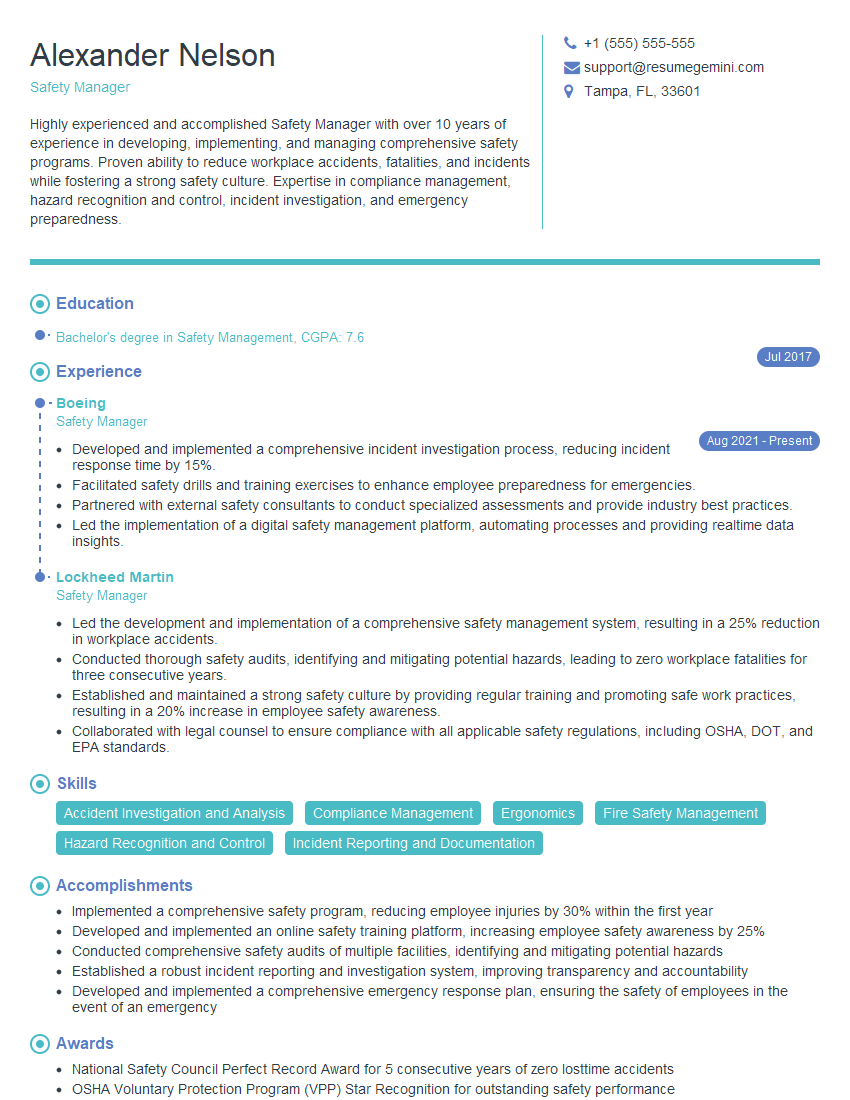
Safety Manager Resume Sample

Operations Manager Resume Sample
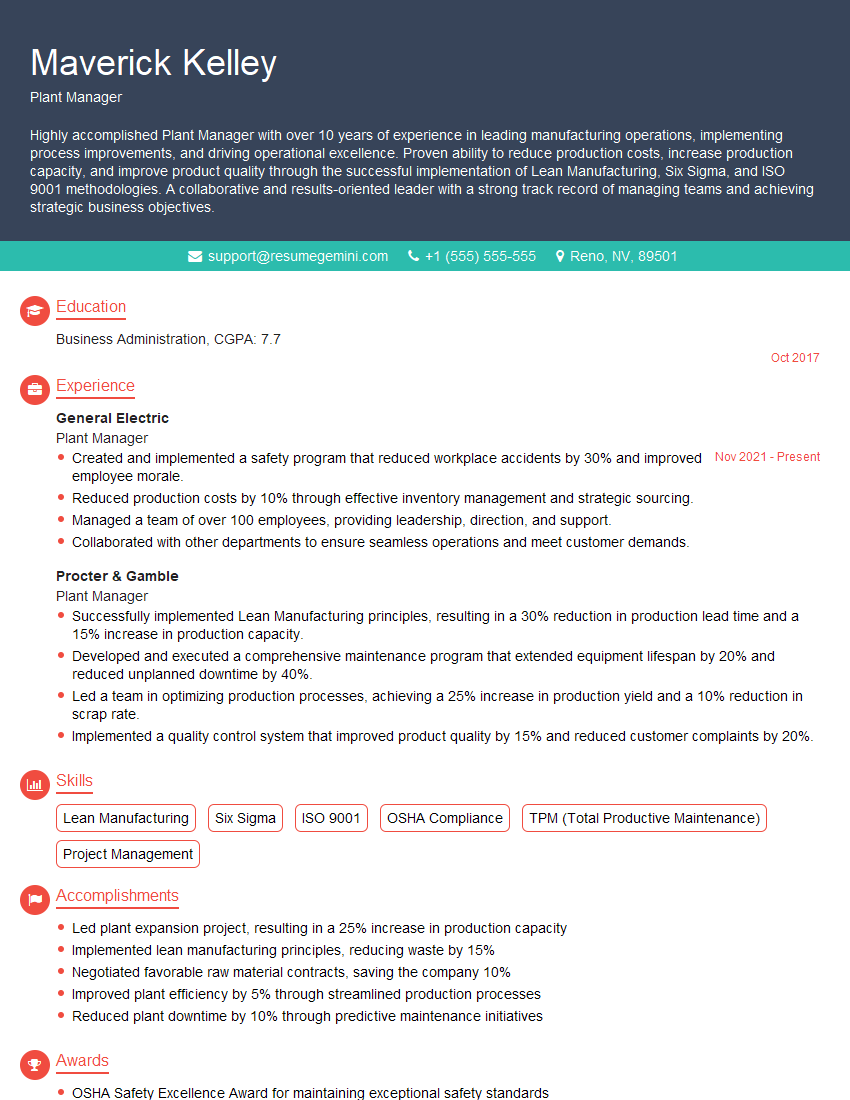
Plant Manager Resume Sample
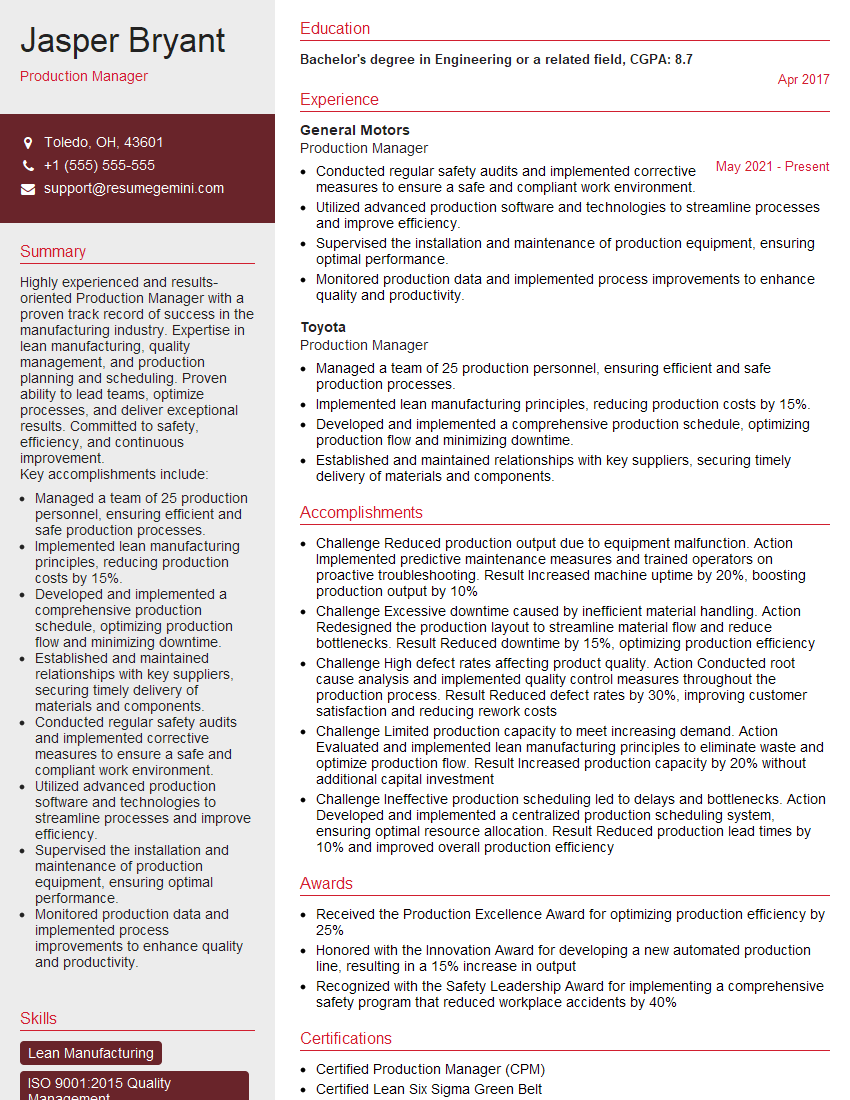
Production Manager Resume Sample
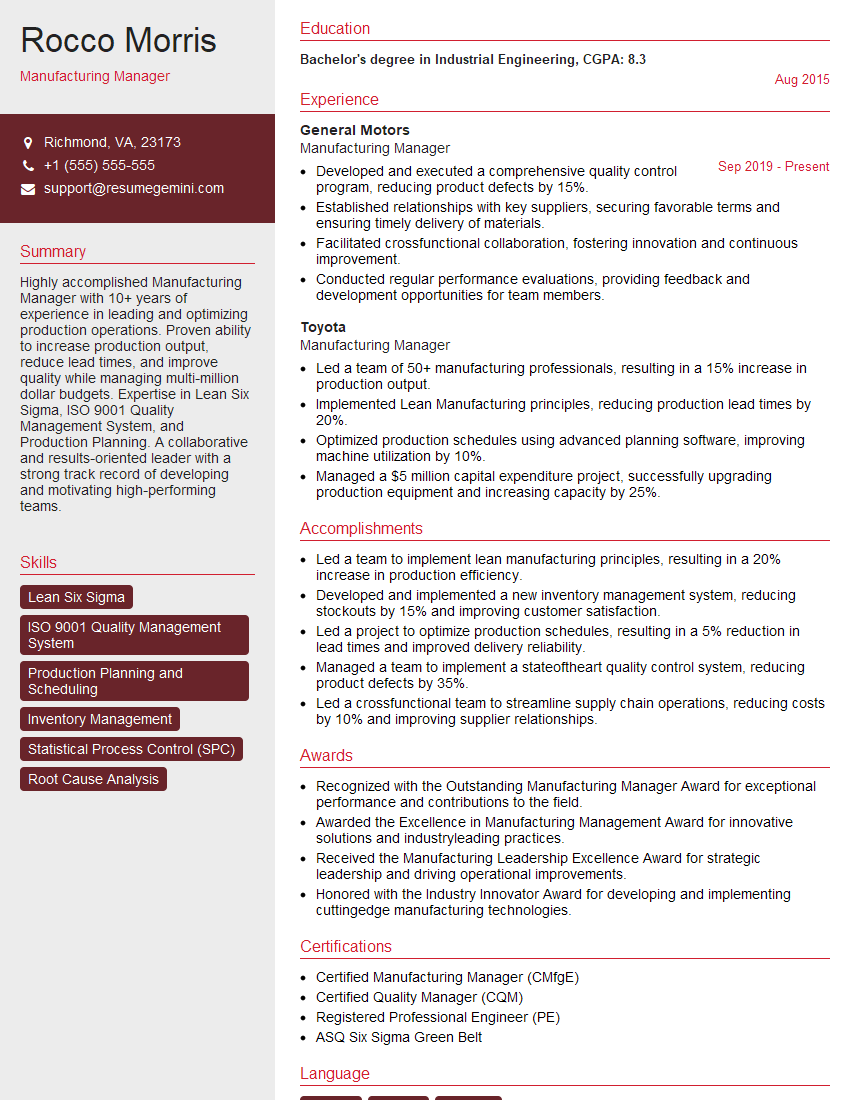
Manufacturing Manager Resume Sample

Quality Assurance Manager Resume Sample
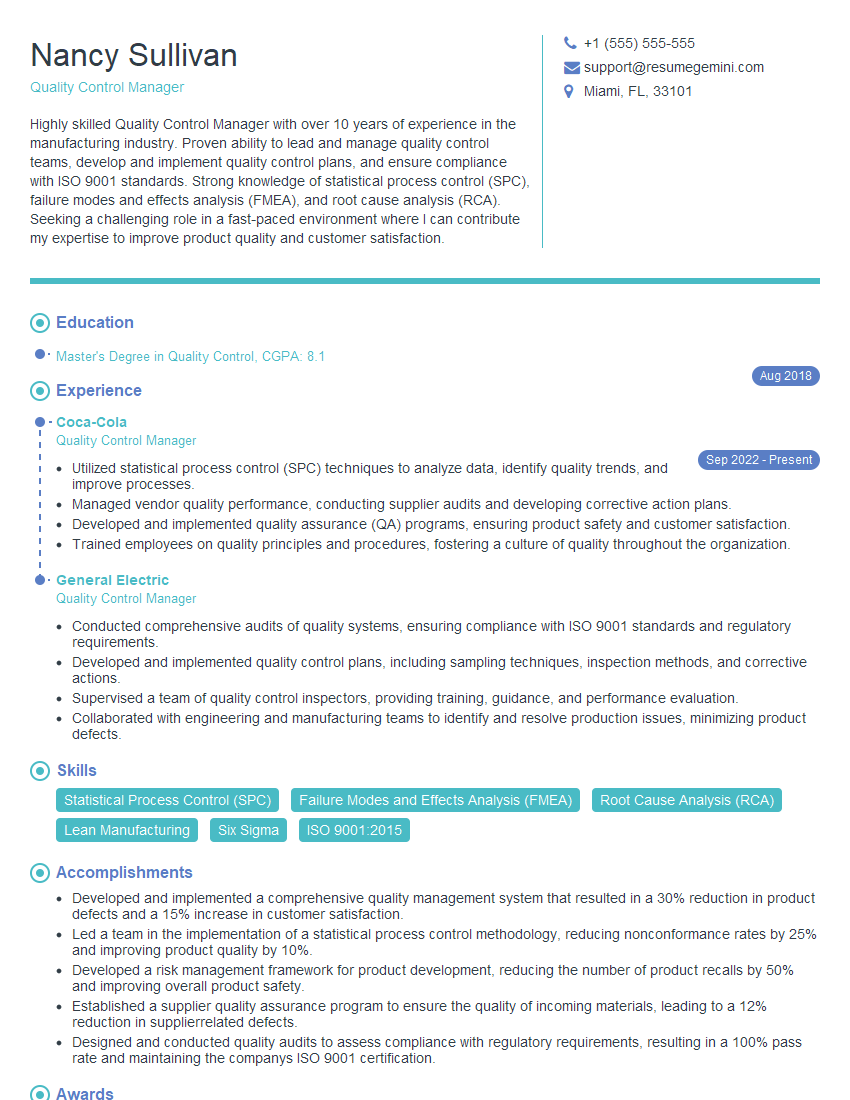
Quality Control Manager Resume Sample
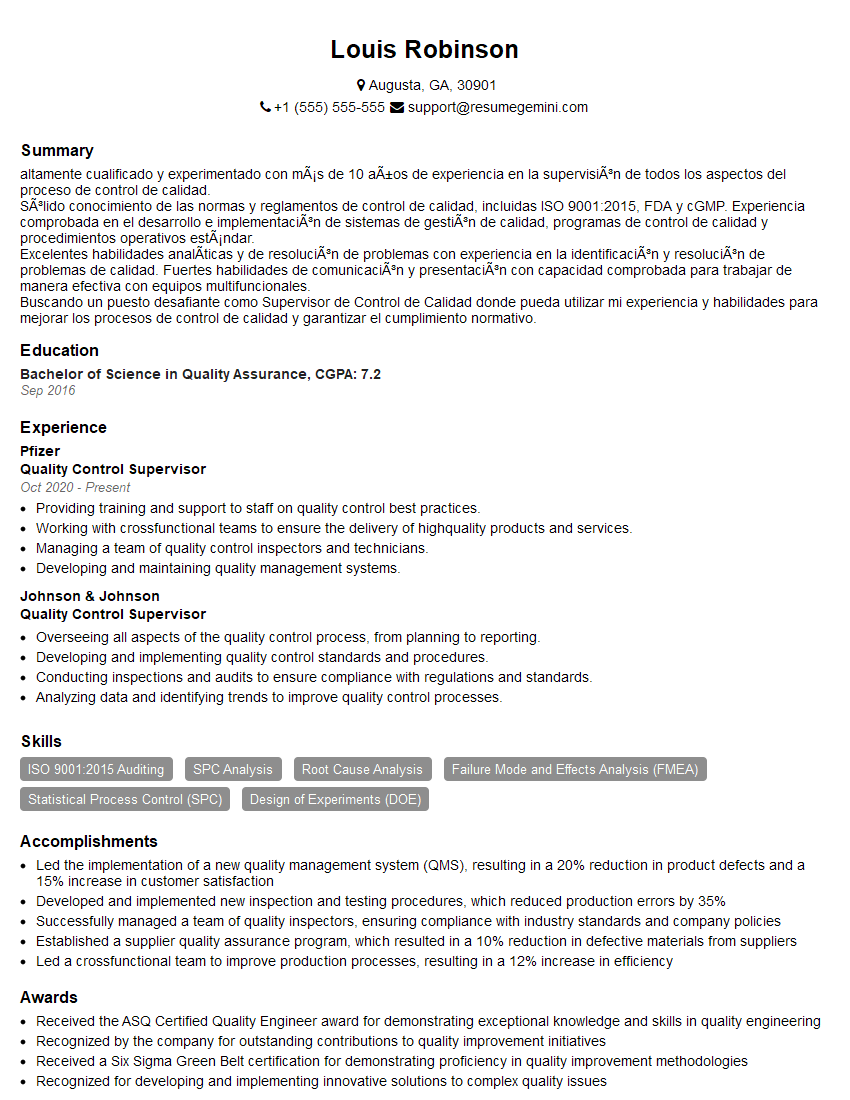
Quality Control Supervisor Resume Sample

Production Supervisor Resume Sample
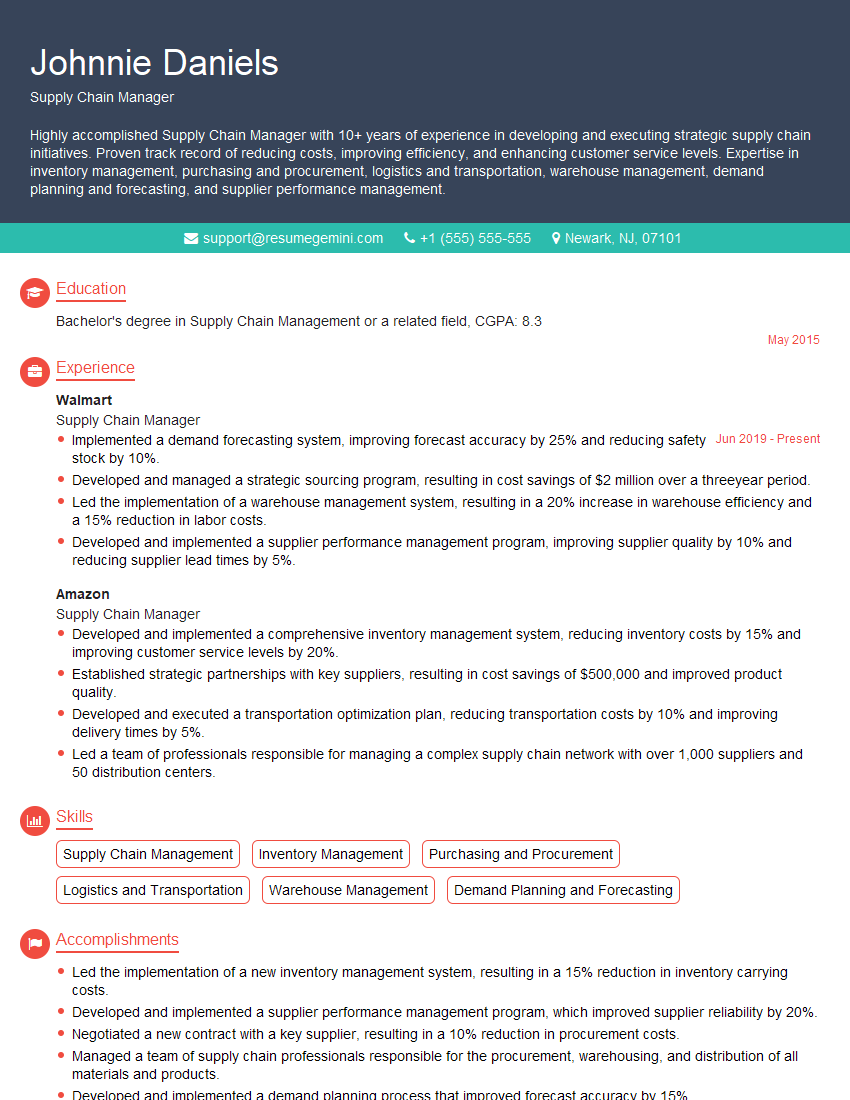
Supply Chain Manager Resume Sample
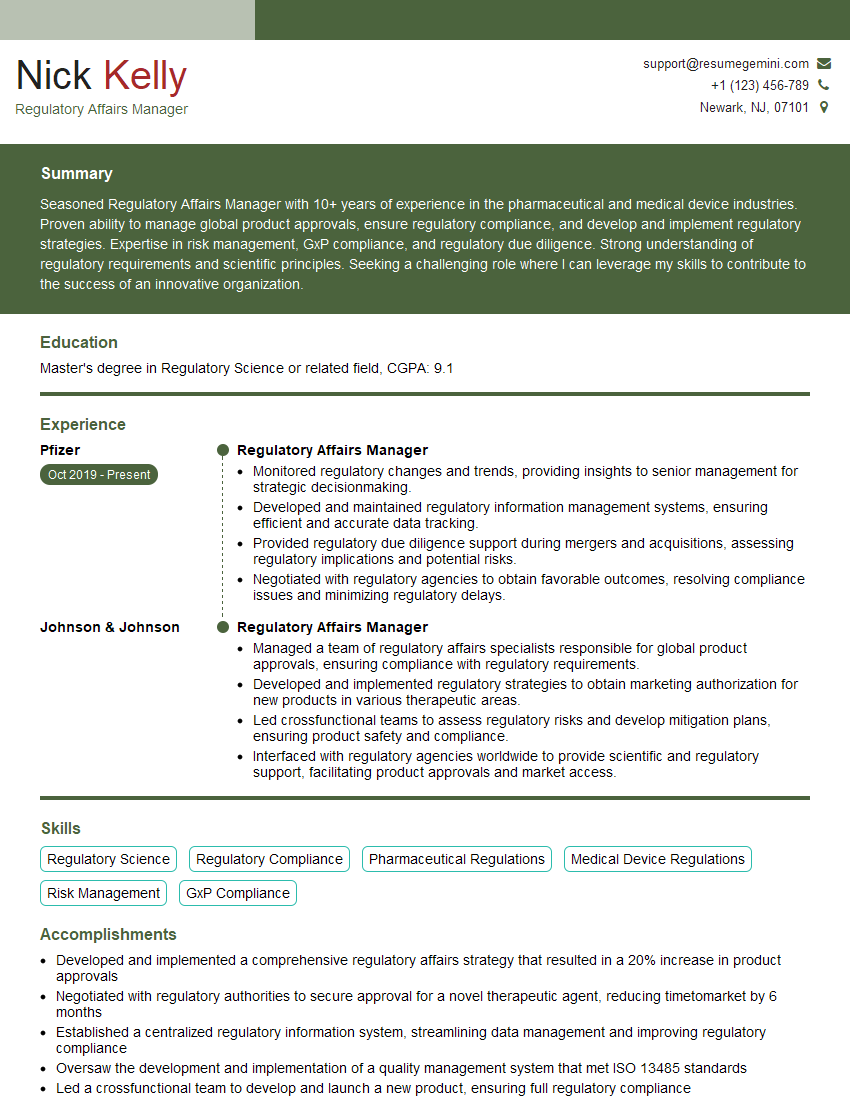
Regulatory Affairs Manager Resume Sample
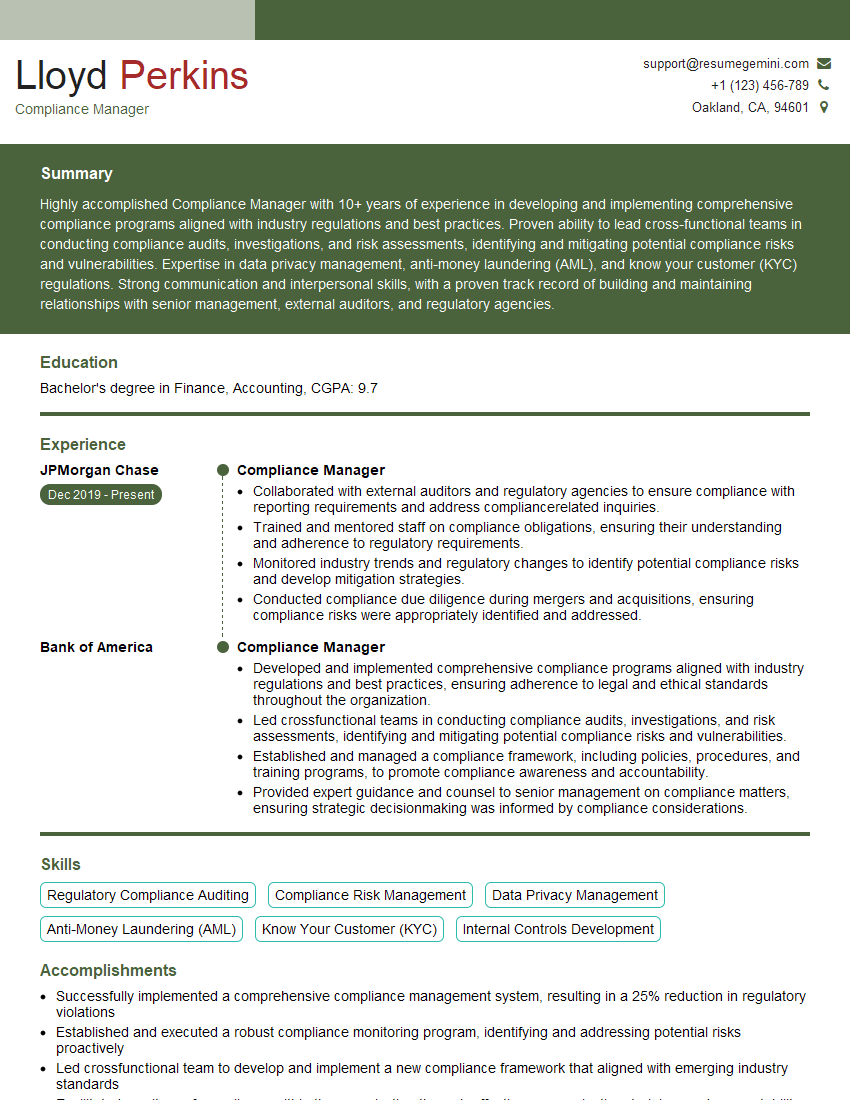
Compliance Manager Resume Sample
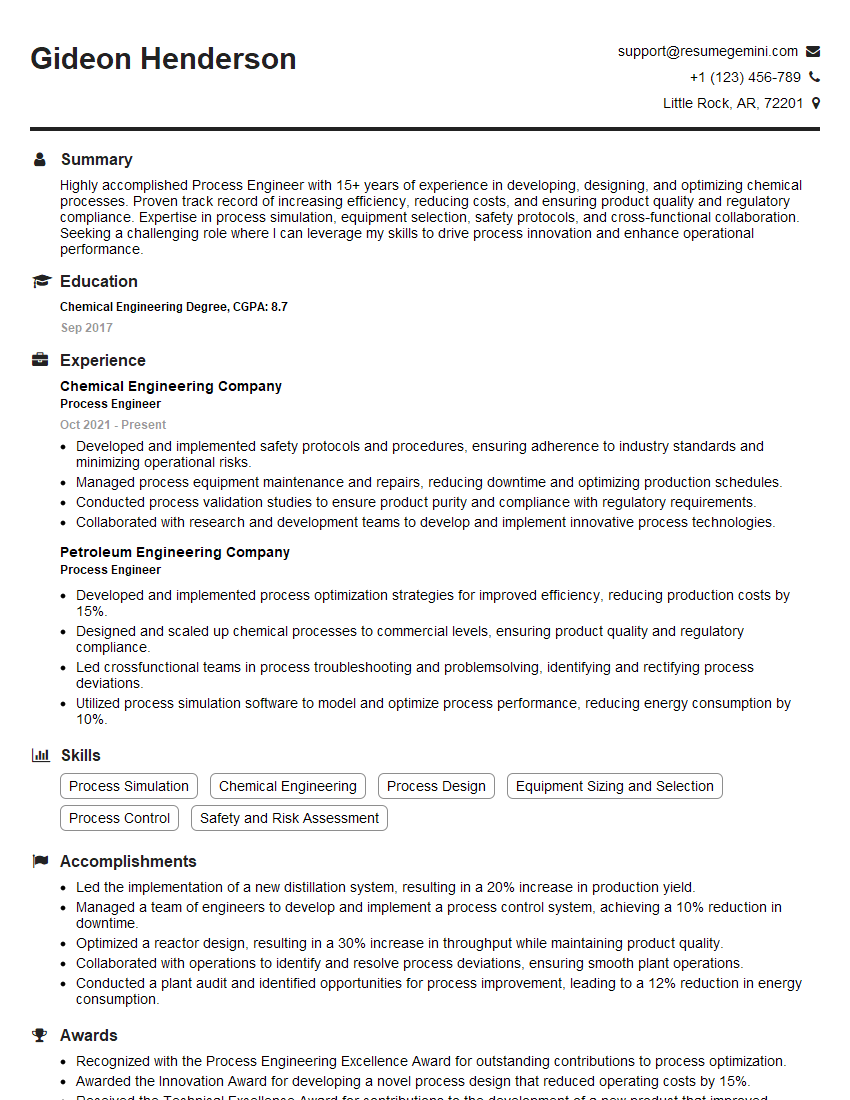
Process Engineer Resume Sample
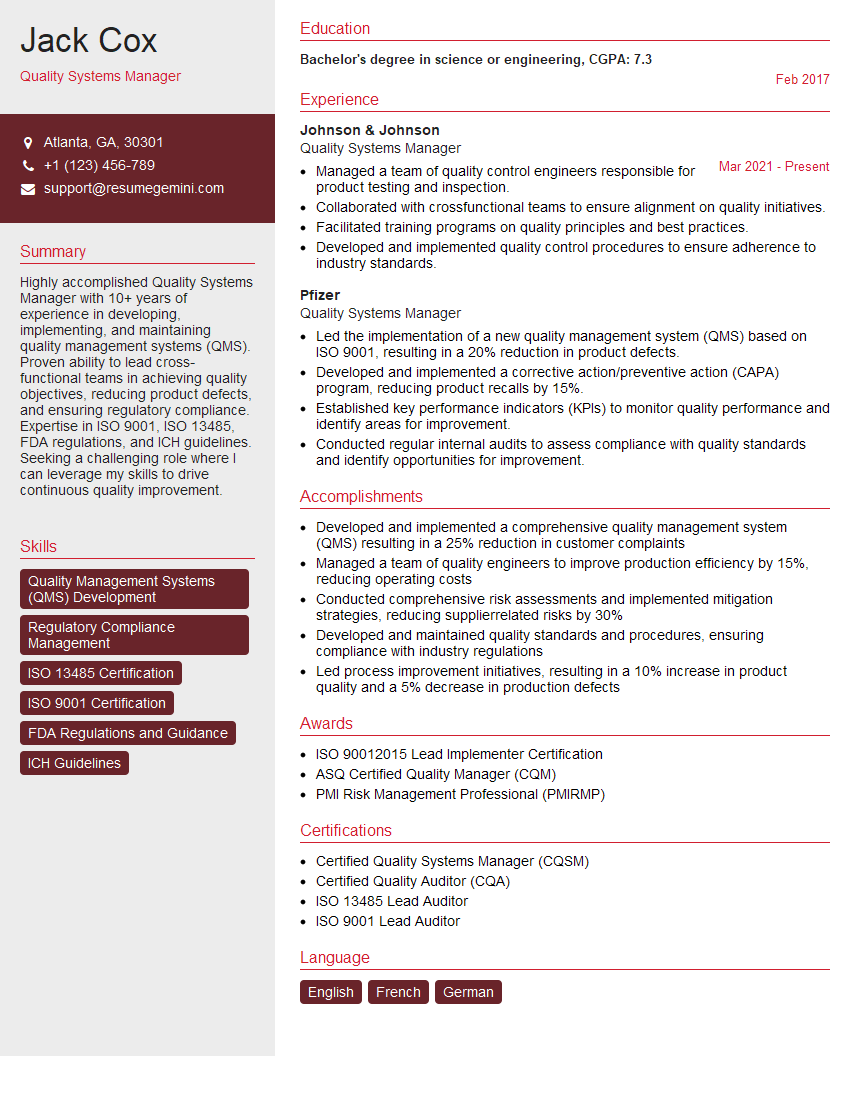
Quality Systems Manager Resume Sample

Packaging Supervisor Resume Sample
- Safety Manager
- Operations Manager
- Plant Manager
- Production Manager
- Manufacturing Manager
- Quality Assurance Manager
- Quality Control Manager
- Quality Control Supervisor
- Production Supervisor
- Supply Chain Manager
- Regulatory Affairs Manager
- Compliance Manager
- Process Engineer
- Quality Systems Manager
- Packaging Supervisor
Explore more articles
Users Rating of Our Blogs
Share Your Experience
We value your feedback! Please rate our content and share your thoughts (optional).
What Readers Say About Our Blog
Very informative content, great job.
good