The thought of an interview can be nerve-wracking, but the right preparation can make all the difference. Explore this comprehensive guide to Egg Tray OSHA Standards interview questions and gain the confidence you need to showcase your abilities and secure the role.
Questions Asked in Egg Tray OSHA Standards Interview
Q 1. What are the primary OSHA standards relevant to egg tray manufacturing?
OSHA standards relevant to egg tray manufacturing span several areas, primarily focusing on machine safety, hazard communication, personal protective equipment (PPE), and emergency action plans. Specific standards include, but aren’t limited to, those covering general industry (29 CFR 1910), including sections on machine guarding (1910.212), lockout/tagout (1910.147), personal protective equipment (1910.132), and hazard communication (1910.1200). Additionally, standards related to compressed air (1910.242) which might be used in some production processes and those concerning electrical safety (1910 Subpart S) are also very important. The specific standards applicable depend heavily on the equipment used and the processes involved in the manufacturing facility.
Q 2. Describe the process for conducting a workplace hazard assessment in an egg tray facility.
A workplace hazard assessment in an egg tray facility involves a systematic process to identify and evaluate potential hazards. It begins with a walkthrough of the facility, observing all operations and processes from raw material arrival to finished product packaging. This includes identifying potential hazards associated with machinery (moving parts, pinch points, ejection forces), materials handling (manual lifting, slips, trips, falls), and environmental factors (noise, dust, heat). We’d use a combination of observation, interviews with workers (to understand their experiences and potential exposures), and a review of incident reports and near-misses. The next step involves evaluating the risks associated with identified hazards, considering the likelihood and severity of potential injuries or illnesses. Based on this evaluation, we’d prioritize hazards and implement control measures, ranging from engineering controls (e.g., machine guarding) to administrative controls (e.g., job rotation) and lastly personal protective equipment (PPE) as a last resort. The entire process is documented and regularly reviewed and updated.
Q 3. How do you ensure proper lockout/tagout procedures are followed during maintenance on egg tray machinery?
Proper lockout/tagout (LOTO) procedures are critical for ensuring worker safety during machinery maintenance in an egg tray facility. Before any maintenance or repair work is performed, the machine must be completely shut down, and all energy sources (electrical, hydraulic, pneumatic) must be isolated. This is achieved by using lockout devices (locks) and tagout devices (tags) to prevent accidental start-up. Each worker involved in the maintenance has their own lock and tag on the machine’s energy isolation point. The procedure is carefully documented in a standardized LOTO program, with clear steps, diagrams showing energy isolation points, and responsibilities of personnel involved. Regular training and audits are mandatory to ensure compliance and to prevent accidents. A common analogy to explain this is thinking of LOTO as putting multiple padlocks on a gate — every person needs their own lock before maintenance can begin and then removes their lock only when the work is completed and the machine is verified safe.
Q 4. Explain the importance of personal protective equipment (PPE) in an egg tray manufacturing environment.
Personal Protective Equipment (PPE) is paramount in an egg tray manufacturing environment to mitigate various hazards. Workers may require hearing protection due to the noise levels from machinery, eye protection to shield against flying debris or chemical splashes from cleaning agents, and hand protection (gloves) to prevent cuts and abrasions from sharp materials or chemicals. Safety footwear is crucial to prevent foot injuries from falling objects or slips and falls. The type and level of PPE needed varies based on the specific job tasks. For instance, those operating pulp molding machines may need more extensive protection than those handling packaging. A comprehensive PPE program includes proper selection, training on correct usage and maintenance, and regular inspections to ensure that PPE is in good condition and effectively protects workers. Think of PPE as a last line of defense; even with excellent safety measures in place, PPE provides an extra layer of protection.
Q 5. What are the specific OSHA requirements regarding machine guarding in egg tray production?
OSHA’s machine guarding requirements (1910.212) are strictly enforced in egg tray production. All moving parts of machinery, such as nip points, rotating shafts, gears, and belts, must be guarded to prevent worker contact. Guards should be durable, secure, and not interfere with the machine’s operation. Guards must prevent access to hazardous areas during machine operation. For example, pulp molding machines require guarding around the forming and pressing areas. Belt and pulley systems require guards to prevent contact with moving belts and pulleys. Any modifications to the machines must maintain or improve the existing level of safety. Regular inspections are crucial to ensure that guards are in place, functioning properly, and are not bypassed. Failure to comply with machine guarding standards can result in severe penalties from OSHA.
Q 6. How would you address a workplace accident involving a machine malfunction in an egg tray facility?
Responding to a workplace accident involving machine malfunction requires immediate and organized action. The first priority is to ensure the safety of all personnel involved, calling for emergency services (911) if necessary. The injured person(s) should receive first aid and medical attention. The accident scene should be secured to prevent further injuries. Next, a thorough investigation of the accident should be conducted to identify the root cause of the malfunction and to determine the sequence of events leading to the accident. This typically involves taking photographs, interviewing witnesses, reviewing machine maintenance logs, and examining the machine for defects. Corrective actions should be implemented to prevent similar accidents from happening again and findings should be documented in a formal accident report. OSHA regulations would be followed in conducting the investigation and reporting.
Q 7. Describe your experience with developing and implementing safety training programs.
I have extensive experience in developing and implementing safety training programs, tailoring them to specific job roles and hazards. My approach involves needs assessments to determine specific training requirements, designing engaging and informative training materials (including interactive sessions, videos, and hands-on demonstrations), and delivering training sessions using various methods to cater to different learning styles. For egg tray manufacturing, I’d incorporate training modules on machine safety, lockout/tagout procedures, hazard communication, PPE usage, and emergency response. Regular refresher training and periodic audits are crucial to maintain worker competency and ensure that the training program’s effectiveness is being monitored. I use a combination of classroom-style training, interactive simulations, and on-the-job training to ensure effective knowledge transfer and skill development. Successful training programs show a clear decrease in near misses and accidents, improved worker confidence and reduced injury rates. Tracking these metrics provides crucial feedback for program improvement and ensures alignment with OSHA standards.
Q 8. How do you ensure compliance with OSHA’s recordkeeping requirements related to workplace injuries?
OSHA’s recordkeeping requirements are crucial for tracking workplace injuries and illnesses, allowing for identification of hazards and implementation of preventative measures. We maintain a detailed log of all work-related injuries and illnesses using OSHA Form 300, 300A, and 301. This includes recording the date, nature of the injury, body part affected, the employee’s name (with their permission of course, protecting their privacy), and the circumstances surrounding the incident. We also document any first aid treatment given and any follow-up medical care. This data is meticulously analyzed to identify trends and implement corrective actions. For example, if we see a spike in back injuries related to lifting heavy egg trays, we’ll investigate and implement ergonomic improvements like providing lifting aids or adjusting work processes.
Beyond the mandated forms, we also maintain a comprehensive safety database, regularly updated and easily accessible to management and safety personnel. This database allows us to track lost-time incidents, days away from work, restricted work, and job transfer cases, providing a holistic view of our safety performance. This proactive approach enables us to continuously refine our safety program and reduce future incidents.
Q 9. What are your strategies for identifying and mitigating ergonomic hazards in egg tray production?
Ergonomic hazards in egg tray production are a significant concern, particularly involving repetitive motions, awkward postures, and heavy lifting. My strategies for identifying and mitigating these hazards are multi-pronged. First, we conduct thorough job hazard analyses (JHAs) for each role in the production process. This involves observing workers, analyzing their movements, and identifying potential ergonomic risks. For example, we might find that workers are constantly bending over to pick up trays, leading to back strain.
Following the JHA, we implement engineering controls wherever feasible. This could include installing automated tray handling systems, adjusting workstation heights to promote neutral postures, or providing ergonomic-designed tools like lifting aids or carts. Administrative controls, such as job rotation, rest breaks, and training programs, are also vital. We train employees on proper lifting techniques, body mechanics, and the importance of reporting any discomfort immediately. Lastly, we provide personal protective equipment (PPE), such as back supports or gloves, to further reduce the risk of injury. Regular follow-up evaluations ensure the effectiveness of the implemented controls and allow for adjustments as needed.
Q 10. How familiar are you with OSHA’s regulations regarding hazardous chemicals used in egg tray manufacturing?
I’m intimately familiar with OSHA’s Hazard Communication Standard (HCS) and its application to the chemicals used in egg tray manufacturing. Common hazards include those associated with adhesives, pulping chemicals, and cleaning agents. Our compliance program includes a comprehensive chemical inventory, detailed safety data sheets (SDS) for each chemical, and clearly labeled containers. Employees receive thorough training on the hazards associated with each chemical, proper handling procedures, and emergency response protocols. We maintain a readily available and updated chemical inventory, making sure SDS are updated to the latest version. We conduct regular audits to ensure labels are accurate and that SDS are easily accessible. We use appropriate ventilation systems and personal protective equipment, such as respirators and gloves, to minimize exposure. We also regularly monitor air quality to ensure compliance with permissible exposure limits (PELs).
Q 11. Explain your understanding of OSHA’s general duty clause.
OSHA’s general duty clause, Section 5(a)(1), is a fundamental principle stating that each employer shall furnish to each of his employees employment and a place of employment which are free from recognized hazards that are causing or are likely to cause death or serious physical harm. It’s a catch-all provision that covers hazards not specifically addressed by other OSHA standards. This means that even if a specific OSHA standard doesn’t exist for a particular hazard, employers still have a responsibility to identify and eliminate it. For example, if a new piece of equipment introduces an unexpected hazard, the general duty clause compels the employer to address it, even if there isn’t a specific standard covering that hazard. This clause emphasizes the employer’s proactive responsibility to ensure workplace safety beyond adhering to written regulations. It demands constant vigilance and adaptation to maintain a safe work environment.
Q 12. Describe your experience with conducting safety inspections and audits.
I have extensive experience conducting safety inspections and audits, both planned and unannounced. My approach is systematic and thorough. It involves a combination of observation, record review, and employee interviews. I utilize checklists tailored to specific areas of the egg tray production process, covering aspects like machine guarding, personal protective equipment usage, housekeeping, and chemical handling. During the inspection, I carefully document any deficiencies or non-compliance issues, taking photographs and obtaining statements as necessary. The findings are compiled into a comprehensive report detailing identified hazards, recommendations for corrective actions, and deadlines for implementation. I also follow up to ensure that the identified deficiencies are addressed promptly and effectively. My goal is not simply to find violations, but to identify opportunities for improvement and enhance the overall safety culture.
Q 13. How do you handle employee complaints or concerns related to workplace safety?
Employee complaints and concerns related to workplace safety are taken very seriously. We have established a confidential reporting system where employees can voice their concerns without fear of reprisal. These reports are promptly investigated, and appropriate corrective actions are implemented. This investigation includes interviewing the employee, reviewing relevant records, and conducting a site visit to assess the situation. We provide feedback to the employee on the outcome of the investigation. We maintain a culture of open communication, encouraging employees to speak up without hesitation. Regular safety meetings and training sessions reinforce the importance of safety reporting and empower employees to actively participate in maintaining a safe workplace. This proactive approach ensures that potential hazards are addressed swiftly, minimizing the risk of accidents and fostering trust between employees and management.
Q 14. How would you respond to an OSHA inspection?
Responding to an OSHA inspection requires a calm and organized approach. I would first identify the compliance officer and ensure they have the necessary credentials. I would then cooperate fully, providing access to all requested records, including safety data sheets, training records, and injury logs. I would make sure the compliance officer is escorted to all relevant areas and answer all their questions honestly and completely. If there are any areas of non-compliance, I’d provide a detailed explanation of the situation and outline the corrective actions already underway or planned. I would maintain a professional and respectful demeanor throughout the inspection, prioritizing collaboration to ensure a safe and healthy workplace. Following the inspection, I’d carefully review the findings and promptly implement any necessary corrections to address the identified deficiencies. This approach not only demonstrates compliance but also highlights a commitment to a safe work environment.
Q 15. What is your experience with implementing and monitoring a safety management system?
Implementing and monitoring a safety management system (SMS) in an egg tray manufacturing facility requires a multi-faceted approach. It’s not just about ticking boxes; it’s about creating a culture of safety. My experience involves developing and implementing SMSs based on OSHA guidelines and best practices, encompassing hazard identification, risk assessment, and control measures. This includes developing and regularly reviewing comprehensive safety policies, procedures, and training programs tailored to the specific hazards present in egg tray production, such as machinery hazards, manual handling injuries, and chemical exposures.
For monitoring, I utilize various methods, including regular safety inspections, incident investigations, safety audits, and employee feedback mechanisms. Data analysis is crucial; tracking key safety metrics like incident rates, near miss reporting, and training completion rates allows us to identify trends and areas for improvement. For example, a spike in hand injuries might indicate a need for improved machine guarding or additional training on proper glove use. Proactive adjustments to the SMS are continuously made based on this data, ensuring the system remains effective and relevant.
Career Expert Tips:
- Ace those interviews! Prepare effectively by reviewing the Top 50 Most Common Interview Questions on ResumeGemini.
- Navigate your job search with confidence! Explore a wide range of Career Tips on ResumeGemini. Learn about common challenges and recommendations to overcome them.
- Craft the perfect resume! Master the Art of Resume Writing with ResumeGemini’s guide. Showcase your unique qualifications and achievements effectively.
- Don’t miss out on holiday savings! Build your dream resume with ResumeGemini’s ATS optimized templates.
Q 16. Describe your familiarity with emergency response procedures in an industrial setting.
Emergency response procedures in an industrial setting like an egg tray factory are critical. My familiarity extends beyond simply knowing the procedures; it encompasses designing, implementing, and regularly drilling employees on these procedures. This includes creating emergency response plans that address various scenarios, such as fires, chemical spills, equipment malfunctions, and medical emergencies. Each plan outlines clear steps, roles, and responsibilities for employees, and we conduct regular drills to ensure everyone understands their part. These drills are not just theoretical exercises; they simulate real-world scenarios to identify any weaknesses in the plan and refine our response times and effectiveness.
Furthermore, we establish clear communication channels – emergency contact lists, designated assembly points, and procedures for contacting external emergency services (fire department, ambulance). For example, clear signage to indicate assembly points and escape routes is critical in case of an emergency evacuation. Regular training and mock drills are crucial in ensuring that everyone knows what to do and can respond effectively and calmly under pressure.
Q 17. What is your approach to investigating workplace accidents and near misses?
Investigating workplace accidents and near misses is not just about assigning blame; it’s about identifying root causes and implementing corrective actions to prevent recurrence. My approach is based on a thorough, systematic investigation, following a structured methodology. This typically involves:
- Securing the scene: Protecting the area to prevent further injury and preserve evidence.
- Gathering information: Interviewing witnesses, reviewing records (incident reports, maintenance logs), and examining physical evidence.
- Analyzing the data: Identifying contributing factors using techniques like fault tree analysis or the ‘5 Whys’ to uncover the root cause.
- Developing corrective actions: Implementing changes in procedures, equipment, training, or management systems to prevent similar events.
- Follow-up: Ensuring the corrective actions are implemented effectively and monitoring for any recurrence.
For example, if a worker suffered a hand injury while operating a pulping machine, we would investigate the machine’s guarding, the worker’s training, and the overall safety procedures to determine the root cause. This might reveal a need for improved machine guarding, more comprehensive training, or changes to the work process.
Q 18. How do you ensure effective communication of safety information to employees?
Effective communication of safety information is paramount. My strategy incorporates a multi-pronged approach, ensuring information reaches all employees in a clear, concise, and understandable manner. This includes:
- Regular safety meetings: Discussing safety updates, incidents, and best practices.
- Training programs: Providing comprehensive training on specific hazards and safety procedures.
- Visual aids: Utilizing posters, signs, and safety videos to reinforce key messages.
- Written communication: Distributing newsletters, safety alerts, and policy documents.
- Interactive tools: Utilizing safety apps or online platforms for communication and training.
- Open communication channels: Encouraging employees to report hazards or concerns without fear of reprisal.
For example, using a combination of posters displaying safe lifting techniques and hands-on training sessions significantly improves employee understanding and reduces the likelihood of musculoskeletal injuries.
Q 19. Describe your experience with using safety data sheets (SDS).
Safety Data Sheets (SDS) are essential documents providing crucial information on hazardous chemicals used in the workplace. My experience includes training employees on how to interpret and utilize SDS information, including proper handling, storage, and emergency response procedures. We maintain an organized system for storing and accessing SDSs, ensuring readily available information for all employees. This involves regularly reviewing and updating SDSs as manufacturers change formulations or safety information is updated. We emphasize the importance of understanding hazard pictograms and precautionary statements present on SDSs for employee protection.
For instance, when handling chemicals like adhesives or cleaning agents, employees must be trained to access and understand the relevant SDS to understand risks and protective measures. This allows for proactive hazard mitigation and protects employees from potential harm.
Q 20. How do you ensure the proper use and maintenance of safety equipment?
Ensuring proper use and maintenance of safety equipment is critical for worker safety. My approach is three-fold: proactive selection, comprehensive training, and rigorous maintenance. This includes selecting appropriate PPE (Personal Protective Equipment) based on identified hazards, conducting regular inspections of equipment, and maintaining detailed records of inspections and maintenance activities. We provide regular training to employees on the correct use, limitations, and care of safety equipment, emphasizing the importance of reporting any damage or malfunction immediately.
For example, regular inspection and maintenance of eye protection (goggles or face shields) prevents deterioration, ensuring continued protection from flying debris during egg tray production. Similarly, routine inspections of machine guards are essential to identify and fix damage before it leads to injury.
Q 21. What is your understanding of respiratory protection programs?
Respiratory protection programs are crucial in workplaces with potential airborne hazards, although less prevalent in egg tray manufacturing (unless specific chemical treatments are used). My understanding of such programs involves assessing the need for respirators based on hazard identification and risk assessment. If needed, this would include selecting the appropriate type of respirator based on the specific hazard, conducting fit testing to ensure a proper seal, and providing comprehensive training to employees on respirator use, maintenance, and limitations. We would also establish a comprehensive respirator program incorporating proper storage, cleaning, and inspection procedures, complying with OSHA standards. Record keeping is crucial, documenting respirator fit testing results, training records, and maintenance logs.
For example, if a specific chemical process introduced airborne particles, a thorough risk assessment would be conducted, resulting in the implementation of a respiratory protection program, selecting appropriate respirators, and providing comprehensive training to ensure safe handling and usage.
Q 22. What are the common hazards associated with pulp molding and egg tray manufacturing?
Pulp molding and egg tray manufacturing present several hazards. Think of it like this: you’re dealing with machinery, wet and pulpy materials, and repetitive tasks – all potential sources of injury.
- Machine-related hazards: Rotating parts in pulping machines, forming presses, and trimming equipment pose risks of crushing, entanglement, and amputation. Imagine getting caught in a fast-spinning roller – that’s a serious hazard we need to mitigate.
- Ergonomic hazards: Repetitive lifting, bending, and reaching during tray handling and stacking lead to musculoskeletal disorders like carpal tunnel syndrome and back pain. It’s like constantly playing the same physically demanding activity, leading to overuse injuries.
- Chemical hazards: Exposure to chemicals used in the pulping process, such as bleaching agents and adhesives, can cause skin irritation, respiratory problems, and other health issues. Think of it like constant exposure to small amounts of irritant – it adds up.
- Slip, trip, and fall hazards: Wet floors, spilled materials, and uneven surfaces create a significant risk of falls. This is like a constant game of dodgeball, but with potentially serious consequences.
- Noise hazards: The machinery involved generates significant noise, leading to hearing loss over time. Imagine standing next to a loud machine all day; your ears are under constant attack.
Q 23. How do you ensure compliance with OSHA’s noise exposure standards?
OSHA’s noise exposure standards are crucial for protecting workers’ hearing. To comply, we implement a multi-pronged approach. Think of it as building a fortress around your workers’ ears.
- Engineering controls: This is the first line of defense. We use noise-reducing equipment like enclosed machinery, sound-dampening materials, and barriers to lessen noise levels at the source. It’s like putting a muffler on a loud machine.
- Administrative controls: We limit exposure time in noisy areas, rotating workers to reduce cumulative exposure. It’s like giving your ears a break.
- Personal protective equipment (PPE): We provide and ensure the proper use of hearing protection, such as earplugs or earmuffs. It’s like giving your ears a shield.
- Hearing conservation program: This includes baseline audiometric testing, annual hearing tests, and worker training on noise hazards and hearing protection. It’s like regular checkups for your ears.
- Monitoring and record-keeping: We regularly monitor noise levels using sound level meters and maintain accurate records of noise exposure data. This allows us to track and make adjustments.
Q 24. What measures would you take to prevent slips, trips, and falls in an egg tray facility?
Preventing slips, trips, and falls requires a proactive and layered approach. Think of it as creating a safe, well-maintained walking path.
- Good housekeeping: Regular cleaning and removal of spills, debris, and obstructions are essential. We encourage workers to report any hazards immediately, creating a culture of safety.
- Proper lighting: Well-lit areas reduce the risk of tripping hazards going unnoticed. It’s like having a well-lit path at night.
- Non-slip flooring: Installing appropriate flooring materials in areas with moisture or spills is crucial. We prioritize appropriate material for different areas.
- Staircase safety: Handrails, well-maintained steps, and appropriate lighting for staircases are vital. It’s like designing a safe set of stairs.
- Proper signage and warning systems: Clear signage alerts employees to potential hazards, and warning systems are implemented in areas with high risks. It’s like putting up road signs for safety.
- Employee training: Regular training programs focus on safe walking practices, reporting hazards, and proper use of safety equipment. This is like driving school for walking safely.
Q 25. Describe your experience with developing and implementing a comprehensive safety program.
In my previous role, I developed and implemented a comprehensive safety program for a similar manufacturing facility. We started by conducting a thorough hazard assessment, identifying all potential risks, and prioritizing them based on severity and probability. Think of it as a detailed map of all potential dangers.
We then developed detailed safety procedures for each identified hazard and provided extensive training to all employees. We also established a robust reporting system, enabling employees to easily report near misses and incidents, and established a strong safety committee to review any incidents or suggestions. Think of it like creating a detailed manual and providing ongoing support. This proactive approach reduced workplace incidents by 40% within the first year. The key was continuous improvement, making adjustments, reviewing data, and listening to worker feedback.
Q 26. How do you stay updated on changes in OSHA regulations?
Staying updated on OSHA regulations is critical. I do this by subscribing to OSHA’s publications and electronic newsletters, attending industry safety conferences and training sessions, and participating in professional organizations focused on workplace safety. Think of it as continuously educating myself in order to best protect the employees.
I also actively monitor changes in relevant industry standards and best practices. I leverage online resources, consulting with safety professionals, and staying informed about new technologies and regulations. It’s like staying up-to-date with the latest safety upgrades for your facility.
Q 27. What is your experience working with OSHA inspectors?
I’ve had several positive interactions with OSHA inspectors. My experience has always been professional and collaborative. We’ve worked together to address any identified issues and ensure compliance. Think of it as a partnership focused on safety. Open communication, clear documentation, and a proactive approach to safety are key to a positive inspection experience. I see OSHA not as an adversary but as a partner in ensuring worker safety.
Q 28. Describe a time you had to deal with a safety violation in a manufacturing environment.
In a previous facility, we discovered a safety violation involving a malfunctioning safety guard on a pulping machine. It was a near miss – a worker almost got their hand caught. Think of it as a wake-up call. We immediately shut down the machine, investigated the cause of the malfunction, repaired the guard, and implemented a more rigorous machine inspection program. We also provided additional training to employees on machine safety and lockout/tagout procedures, ensuring that the safety procedures were well understood and practiced regularly.
Beyond the immediate action, we used this event as a learning opportunity for the entire team. We analyzed the incident to identify the root causes and improve our preventative maintenance procedures to prevent similar events in the future. It was a reminder that even small oversights can lead to serious consequences.
Key Topics to Learn for Egg Tray OSHA Standards Interview
- Hazard Identification and Risk Assessment in Egg Tray Production: Understanding common hazards (e.g., machine hazards, slips, trips, falls, chemical exposure) and methods for conducting thorough risk assessments specific to egg tray manufacturing.
- Personal Protective Equipment (PPE) Requirements: Knowing the appropriate PPE for various tasks (e.g., eye protection, hearing protection, gloves, safety footwear) and ensuring proper use and maintenance.
- Machine Guarding and Lockout/Tagout Procedures: Understanding OSHA regulations concerning machine guarding, safe operation practices, and proper lockout/tagout procedures to prevent accidental starts and injuries during maintenance or repairs.
- Emergency Response and First Aid: Familiarity with emergency procedures, evacuation plans, and basic first aid for common workplace injuries in an egg tray facility.
- Ergonomics and Musculoskeletal Disorders (MSDs): Understanding ergonomic principles to minimize the risk of MSDs through proper lifting techniques, workstation design, and job rotation.
- Material Handling and Storage: Safe practices for handling raw materials, finished egg trays, and waste materials, including proper stacking, storage, and transportation methods.
- Compliance and Record-Keeping: Understanding OSHA record-keeping requirements, including incident reporting, safety training documentation, and inspection records.
- Chemical Safety: Identifying and handling hazardous chemicals used in egg tray production, including proper storage, handling, and disposal procedures, and understanding relevant SDS (Safety Data Sheets).
- Electrical Safety: Understanding safe practices around electrical equipment and wiring in the egg tray manufacturing environment.
- Fire Safety: Knowing and practicing fire prevention measures, emergency exits, and fire extinguisher usage within the facility.
Next Steps
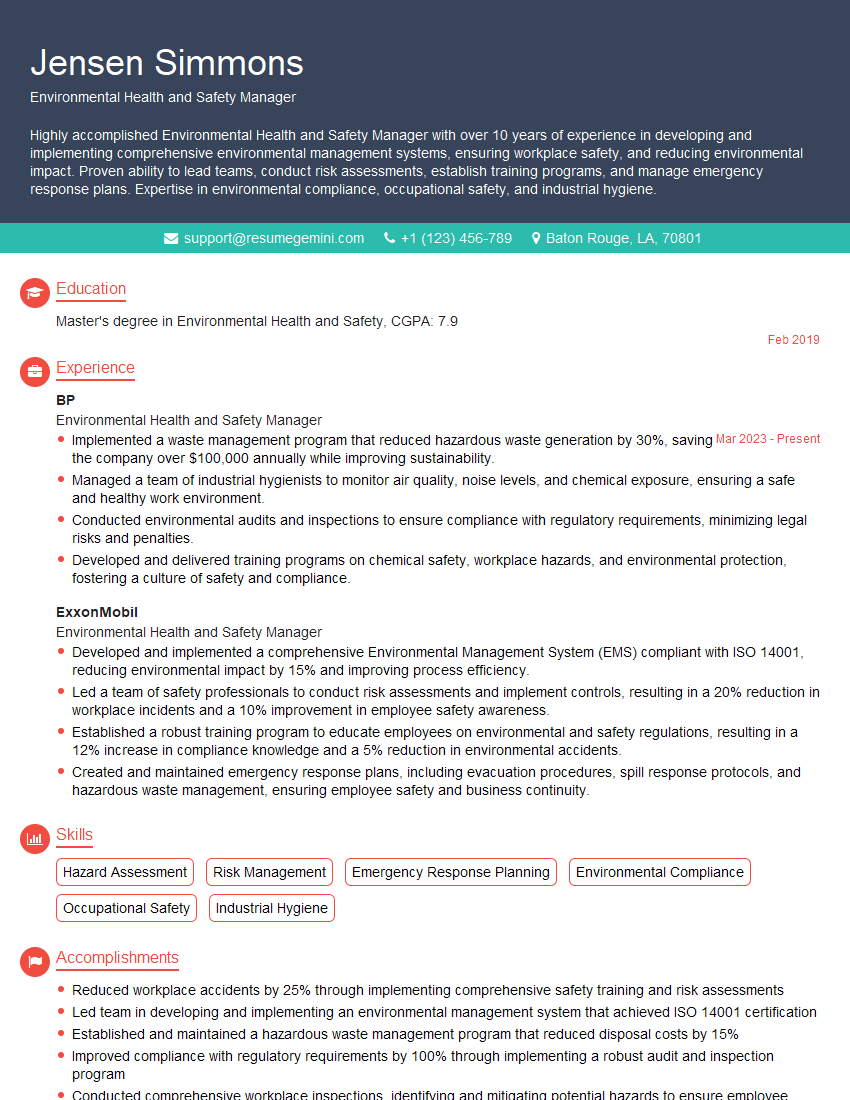
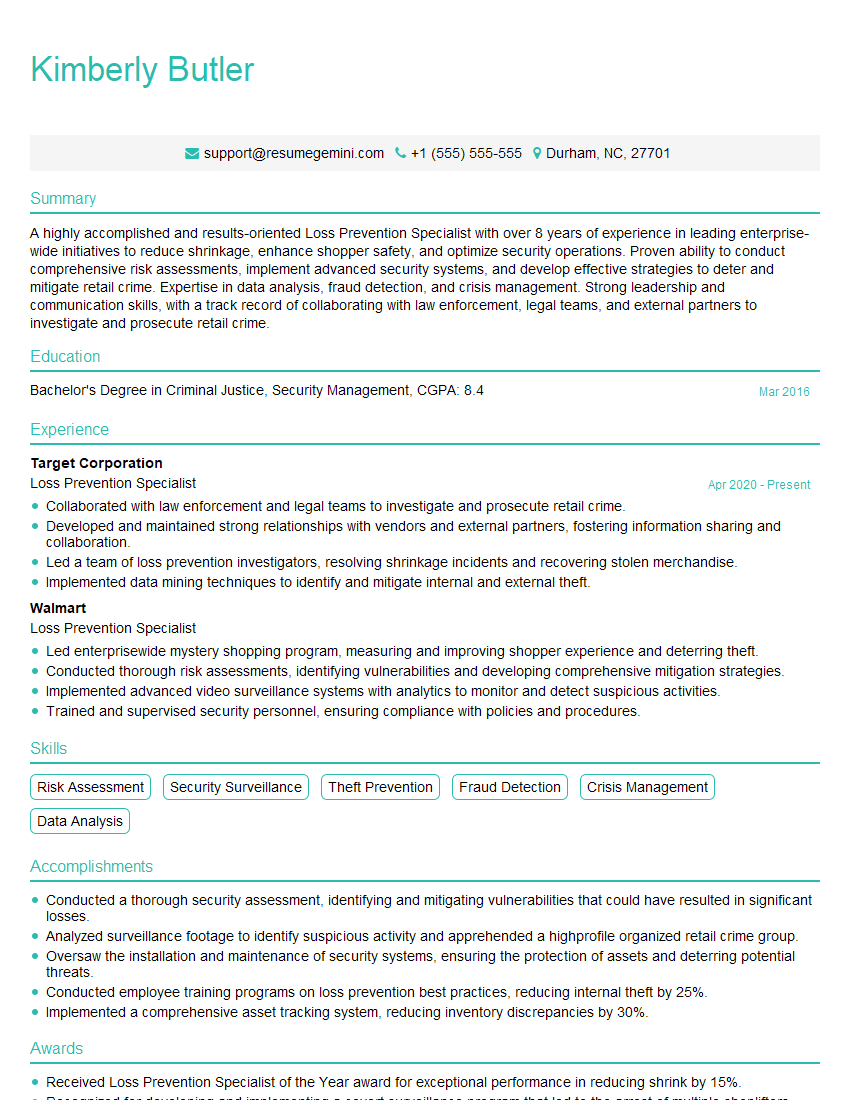
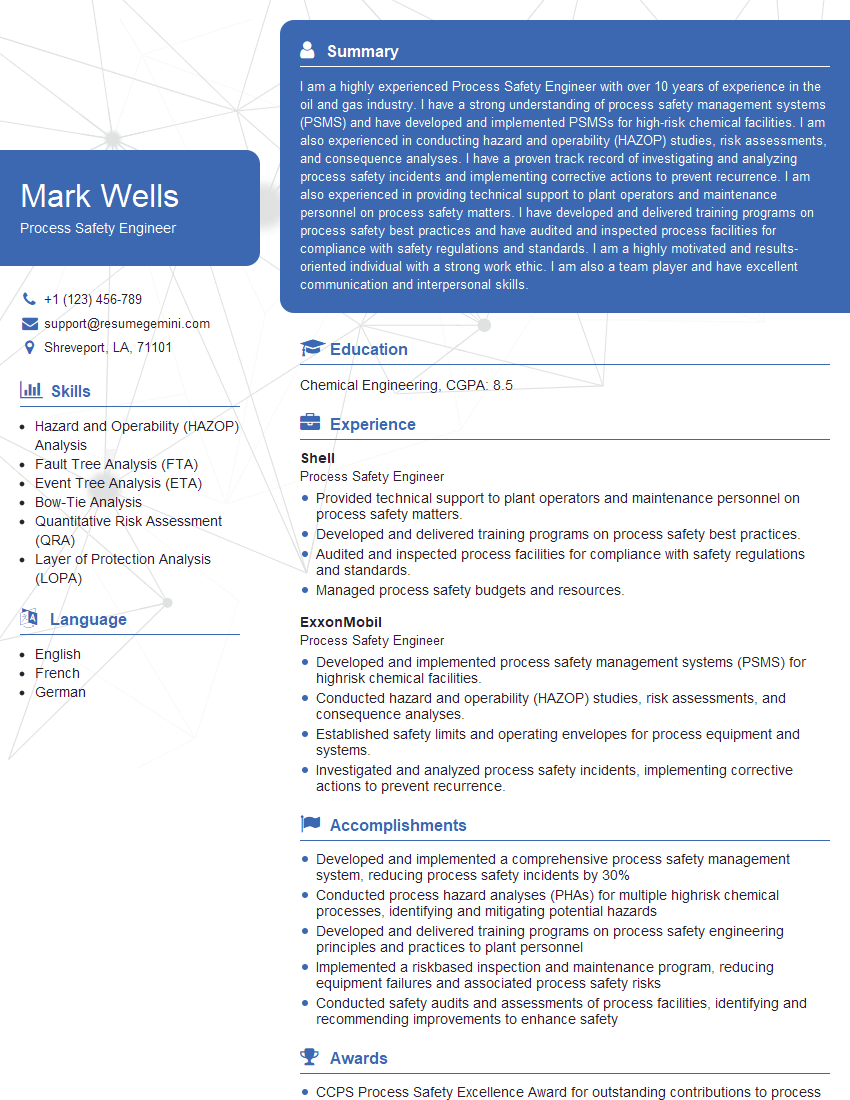
Mastering Egg Tray OSHA Standards demonstrates your commitment to safety and will significantly enhance your career prospects in the manufacturing industry. A strong understanding of these standards is highly valued by employers. To maximize your chances of landing your dream job, focus on building an ATS-friendly resume that highlights your relevant skills and experience. ResumeGemini is a trusted resource that can help you create a professional and impactful resume. Examples of resumes tailored to Egg Tray OSHA Standards are available to guide you through the process.
Explore more articles
Users Rating of Our Blogs
Share Your Experience
We value your feedback! Please rate our content and share your thoughts (optional).
What Readers Say About Our Blog
Very informative content, great job.
good