Interviews are more than just a Q&A session—they’re a chance to prove your worth. This blog dives into essential Elderly Care interview questions and expert tips to help you align your answers with what hiring managers are looking for. Start preparing to shine!
Questions Asked in Elderly Care Interview
Q 1. Describe your experience with different types of dementia.
My experience encompasses a wide range of dementia types, including Alzheimer’s disease, vascular dementia, Lewy body dementia, and frontotemporal dementia. Each presents unique challenges. Alzheimer’s, the most common, is characterized by progressive memory loss, confusion, and personality changes. Vascular dementia, stemming from reduced blood flow to the brain, often shows a more stepwise decline in cognitive function. Lewy body dementia involves fluctuations in cognitive abilities and visual hallucinations. Frontotemporal dementia primarily affects personality, behavior, and language. Understanding these distinct presentations allows for tailored care planning, focusing on the individual’s specific needs and symptom management. For instance, a patient with Lewy body dementia might benefit from a calming, predictable environment, while someone with frontotemporal dementia may need behavioral therapies to manage aggression or disinhibition.
I’ve worked with patients in various stages of these dementias, from early-stage mild cognitive impairment to severe late-stage dependency. This experience has honed my skills in assessing cognitive decline, adapting communication strategies, and providing compassionate support for both the patient and their caregivers. It’s crucial to remember that each individual’s journey is unique, and a personalized approach is always necessary.
Q 2. How do you handle aggressive behavior in elderly patients?
Aggressive behavior in elderly patients often stems from underlying medical conditions, pain, cognitive impairment, or unmet needs. My approach is multifaceted and begins with a thorough assessment to identify the root cause. This might involve a review of medications, a physical examination to rule out pain or infection, and a cognitive evaluation to assess for delirium or dementia. Once the underlying cause is understood, I develop a personalized intervention plan.
This might include strategies like:
- Environmental modifications: Reducing stimulation, creating a calming atmosphere, removing potential triggers.
- Behavioral interventions: Using distraction techniques, offering choices, employing positive reinforcement.
- Medication management: Consulting with a physician to consider medication adjustments, if appropriate. This might include anti-anxiety or antipsychotic medications, used cautiously and only when necessary.
- Communication strategies: Using simple, clear instructions, maintaining a calm and respectful demeanor, avoiding confrontation.
For example, if a patient is exhibiting agitation due to hunger, promptly providing a snack or meal often resolves the issue. If pain is the culprit, addressing it through medication or other comfort measures is paramount. It’s crucial to document all incidents, interventions, and outcomes to continuously refine the care plan and ensure patient safety and well-being.
Q 3. Explain your understanding of the stages of aging.
The stages of aging are complex and not universally defined, but they typically encompass several key phases characterized by physical, cognitive, and social changes. While chronological age is a factor, biological and functional age can vary significantly among individuals.
I generally consider these broad stages:
- Young-Old (65-74): This stage is marked by relatively good health and independence, though some individuals may experience age-related declines in physical abilities and cognitive function.
- Middle-Old (75-84): Increased health problems and functional limitations become more common. Chronic conditions such as arthritis, heart disease, and diabetes are more prevalent. Cognitive decline may become more noticeable for some individuals.
- Old-Old (85+): This stage often involves significant physical frailty, increased dependence on others for daily activities, and a higher risk of chronic illness and cognitive impairment. Many individuals in this age group may experience multiple co-morbidities.
It’s important to remember that these are broad generalizations, and individual experiences can vary widely. A holistic understanding of the individual’s overall health, functional abilities, and social context is essential to deliver effective and person-centered care.
Q 4. What are some common health issues faced by the elderly?
Elderly individuals face a range of common health issues, often interconnected and influenced by aging processes. These can be broadly categorized as:
- Chronic Diseases: Heart disease, stroke, cancer, diabetes, arthritis, and osteoporosis are significantly more prevalent in older adults, often requiring ongoing management and medication.
- Cognitive Impairment: Dementia, Alzheimer’s disease, and other forms of cognitive decline pose significant challenges, impacting memory, thinking, and daily functioning.
- Sensory Impairments: Hearing loss, vision problems, and reduced taste and smell affect quality of life and can increase the risk of falls and other accidents.
- Mental Health Conditions: Depression, anxiety, and loneliness are increasingly common and can significantly impact overall well-being. Early identification and intervention are crucial.
- Falls and Injuries: Falls are a major concern, leading to fractures, head injuries, and reduced mobility. Risk factors include muscle weakness, medication side effects, and environmental hazards.
Proactive health screenings, lifestyle modifications (e.g., regular exercise, healthy diet), and comprehensive healthcare plans are crucial for managing these conditions and promoting healthy aging.
Q 5. How do you assess the nutritional needs of an elderly person?
Assessing the nutritional needs of an elderly person requires a holistic approach, considering various factors beyond just caloric intake. I begin with a comprehensive review of their medical history, including any chronic diseases, medication use, and dietary restrictions. A thorough physical examination, including checking for signs of malnutrition, such as weight loss or muscle wasting, is crucial.
Next, I assess their dietary intake using methods like:
- 24-hour dietary recall: Asking about everything they ate and drank in the past 24 hours.
- Food frequency questionnaire: Evaluating their consumption of various food groups over a longer period.
- Direct observation: Observing mealtimes to assess their appetite, eating habits, and portion sizes.
I also consider factors such as:
- Dental health: Difficulty chewing can impact food choices.
- Swallowing problems (dysphagia): This requires careful attention to food texture and consistency.
- Cognitive impairment: Dementia or other cognitive issues can affect the ability to feed oneself or make appropriate food choices.
- Social and economic factors: Access to food, financial constraints, and social isolation can all influence nutrition.
Based on this assessment, I collaborate with a registered dietitian or nutritionist to create a personalized nutritional plan that addresses their specific needs and preferences, promoting optimal health and well-being.
Q 6. Describe your experience with medication administration for the elderly.
My experience in medication administration for the elderly emphasizes safety, accuracy, and a deep understanding of potential interactions and side effects. I always meticulously check the patient’s medication list against the physician’s orders, verifying dosage, frequency, and route of administration. I also carefully monitor for any adverse reactions or interactions.
Crucial aspects of my approach include:
- Pill organizers: Using labeled pill organizers to help patients manage their medications independently, where feasible.
- Medication reconciliation: Regularly reviewing the medication list to ensure accuracy and identify any potential discrepancies.
- Patient education: Educating patients and their caregivers about the purpose, dosage, side effects, and potential interactions of each medication. This empowers them to actively participate in their care.
- Documentation: Meticulously documenting all medication administration, including time, dose, route, and any observations related to the patient’s response.
- Collaboration: Working closely with physicians and pharmacists to ensure optimal medication management and address any concerns proactively.
For example, I’ve worked with patients on multiple medications, requiring careful scheduling to avoid interactions and maximize efficacy. I’ve also helped families understand complex medication regimens, ensuring they can provide safe and effective medication administration at home.
Q 7. How do you promote independence and dignity in elderly care?
Promoting independence and dignity in elderly care is fundamental to my philosophy. It’s about empowering individuals to maintain control over their lives and making choices that align with their values and preferences, to the greatest extent possible. This starts with active listening and understanding their individual needs and goals.
My strategies include:
- Person-centered care planning: Collaborating with the individual and their family to develop a care plan that reflects their unique needs, preferences, and goals. This plan should outline how we can support them in maintaining their independence.
- Assistive devices and adaptive strategies: Providing appropriate assistive devices (e.g., walkers, canes, hearing aids) and teaching adaptive techniques to help them maintain independence in their daily activities.
- Respectful communication: Always addressing individuals with respect and dignity, acknowledging their life experiences and expertise. Using person-first language is crucial (e.g., ‘person with dementia’ instead of ‘dementia patient’).
- Encouraging social interaction: Facilitating opportunities for social interaction and engagement through activities, group outings, or visits from family and friends.
- Promoting choice and autonomy: Offering choices in daily routines, meals, activities, and clothing whenever possible. This fosters a sense of control and self-worth.
For example, I worked with a patient who was determined to continue preparing her own meals despite some physical limitations. By providing adaptive kitchen utensils and creating a safe cooking environment, we were able to support her goal of maintaining this important aspect of her independence and preserving her dignity.
Q 8. What are some strategies for preventing falls in elderly patients?
Fall prevention in the elderly is paramount due to the increased risk of fractures and other injuries. A multi-faceted approach is crucial, focusing on both environmental modifications and individual assessments.
Environmental Modifications: This includes removing tripping hazards like loose rugs and cords, ensuring adequate lighting, installing grab bars in bathrooms and near toilets, and using assistive devices like walkers or canes as needed. For example, I once worked with a patient who was frequently falling due to poor lighting in their hallway. Simply installing brighter nightlights dramatically reduced their fall risk.
Individual Assessments: Regular assessments of balance, gait, and strength are vital. We use tools like the Timed Up & Go test to objectively measure mobility. Based on these assessments, we develop personalized exercise programs focusing on balance and strengthening exercises, tailored to the individual’s abilities. For instance, a patient with weak leg muscles might benefit from chair exercises, while one with good strength could participate in Tai Chi classes.
Medication Review: Certain medications can increase the risk of falls due to side effects like dizziness or drowsiness. Regular review of medication regimens with the patient’s physician is crucial to identify and minimize these risks. I recall a case where a patient’s frequent falls were attributed to a newly prescribed medication; adjusting the dosage significantly improved their stability.
Footwear: Ensuring appropriate footwear with good support and non-slip soles is important. Properly fitted shoes are essential for maintaining balance and preventing falls.
Q 9. How do you communicate effectively with elderly patients with cognitive impairments?
Communicating with elderly patients experiencing cognitive impairment requires patience, understanding, and adapting communication strategies. The key is to simplify messages, use clear and concise language, and be mindful of their cognitive abilities.
Speak Slowly and Clearly: Avoid jargon and use simple words. Give the patient time to process information.
Use Nonverbal Communication: Facial expressions, gestures, and touch can be effective ways to convey meaning, especially when verbal communication is challenging. A gentle touch on the arm can often be reassuring.
Maintain Eye Contact: This shows respect and helps establish a connection.
Use Visual Aids: Pictures, objects, or written cues can help patients understand information better.
Break Down Tasks: Complex instructions should be broken down into smaller, manageable steps. For example, instead of saying “Get ready for bed,” I might say, “Let’s first go to the bathroom, then put on your pajamas.”
Use Positive Reinforcement: Encourage and praise the patient for their efforts, regardless of the outcome. Positive reinforcement promotes engagement and cooperation.
Be Patient and Understanding: Frustration or impatience is counterproductive. Remember to approach each interaction with empathy and understanding.
Q 10. Describe your experience with wound care in the elderly.
Wound care in the elderly presents unique challenges due to factors such as decreased skin elasticity, impaired circulation, and comorbidities like diabetes. My experience encompasses a range of wound types, from pressure ulcers to surgical wounds and diabetic foot ulcers.
Assessment: Thorough assessment is crucial, including location, size, depth, presence of infection, and the patient’s overall health status. We use standardized tools like the Braden scale to assess pressure ulcer risk.
Cleaning and Debridement: Gentle cleansing with appropriate solutions is essential to remove debris and promote healing. Debridement (removal of dead tissue) may be necessary to facilitate wound healing, often done by a specialist depending on the wound type and severity. In my experience, using sterile saline is generally preferred for wound cleansing in the elderly.
Dressing Selection: Choosing the right dressing is vital for optimal wound healing. The type of dressing will vary depending on the wound type and stage of healing. We consider factors such as moisture balance, exudate management, and the need for antimicrobial properties.
Pain Management: Wound care can be painful. Addressing pain before, during, and after treatment is paramount using appropriate analgesics and pain management strategies.
Nutritional Support: Adequate nutrition is essential for wound healing. We assess the patient’s nutritional status and ensure they receive sufficient protein and vitamins. I often work with dietitians to create personalized nutrition plans for patients with wounds.
Q 11. How do you manage pain in elderly patients?
Pain management in the elderly requires a holistic approach that considers the patient’s specific needs, medical history, and cognitive abilities. It’s crucial to remember that pain perception and tolerance can vary significantly with age.
Comprehensive Assessment: A thorough assessment of the type, location, intensity, and duration of pain is fundamental. We use validated pain scales tailored to the patient’s cognitive abilities, such as the FACES pain scale for those with communication difficulties.
Non-Pharmacological Interventions: These include techniques like heat or cold therapy, massage, and relaxation exercises. For instance, gentle range-of-motion exercises can help reduce pain associated with arthritis.
Pharmacological Interventions: Analgesics, including over-the-counter medications like acetaminophen and stronger prescription medications such as opioids, are often used. However, we carefully consider potential side effects and drug interactions, especially in patients taking multiple medications. A stepwise approach to analgesics is often used, starting with milder options and escalating only when necessary.
Multidisciplinary Approach: Effective pain management often involves collaboration with other healthcare professionals, such as pain specialists, physical therapists, and occupational therapists.
Q 12. How do you ensure the safety and security of elderly patients?
Ensuring the safety and security of elderly patients is a top priority. This involves a combination of environmental safeguards and personalized care plans.
Fall Prevention Measures: As discussed earlier, comprehensive fall prevention strategies are essential.
Medication Management: Proper storage and administration of medications are crucial. We use medication organizers and work closely with patients and families to ensure medications are taken as prescribed.
Environmental Safety: The environment should be free from hazards, with adequate lighting, grab bars, and assistive devices as needed. Regular safety checks are vital.
Personal Alarms: Providing personal emergency response systems (PERS) allows patients to quickly summon help in case of a fall or other emergency.
Wander Management: For patients with cognitive impairment who may wander, strategies such as visual cues, door alarms, and GPS tracking devices can be employed.
Staff Training: Adequate training for staff on safety protocols and emergency procedures is essential.
Q 13. Explain your understanding of the importance of infection control in elderly care.
Infection control is crucial in elderly care because the elderly are particularly vulnerable to infections due to weakened immune systems and other health conditions. Even minor infections can have serious consequences.
Hand Hygiene: This is the single most important infection control measure. All staff and visitors should practice meticulous hand hygiene using soap and water or alcohol-based hand rubs.
Standard Precautions: Following standard precautions, including the use of gloves, gowns, and masks when appropriate, is crucial to prevent the spread of infections.
Environmental Cleaning: Regular and thorough cleaning and disinfection of surfaces and equipment is necessary to reduce the microbial load.
Isolation Precautions: When necessary, isolation precautions should be implemented to prevent the spread of infectious diseases.
Vaccination: Keeping patients up-to-date on vaccinations, such as the influenza and pneumococcal vaccines, is important in preventing infections. I regularly review patient vaccination records and recommend necessary vaccines to their physicians.
Surveillance: Monitoring for outbreaks and promptly investigating any suspected cases of infection is crucial.
Q 14. How do you document patient care accurately and completely?
Accurate and complete documentation of patient care is vital for continuity of care, legal protection, and quality improvement. It forms the basis of communication amongst healthcare professionals.
Timely Documentation: Entries should be made immediately after providing care, ensuring accuracy and completeness. I always strive to document care as it happens.
Clear and Concise Language: Use precise and unambiguous language, avoiding abbreviations or jargon unless they are universally understood. I make sure to use clear, concise language so anyone can understand the notes.
Objective Observations: Document objective observations rather than subjective opinions. For example, instead of “The patient seemed agitated,” I would write, “The patient exhibited increased restlessness and elevated heart rate.”
Use of Standardized Forms: Using pre-approved standardized forms helps ensure consistent documentation and reduces omissions.
Charting Errors: If a charting error is made, it should be corrected according to the facility’s policy, usually by adding a correction note and initialing it.
Confidentiality: Maintain strict confidentiality and adhere to all relevant privacy regulations.
Q 15. How do you work effectively as part of a healthcare team?
Effective teamwork in healthcare is crucial, especially in elderly care where holistic patient-centered care requires a multidisciplinary approach. I believe in open communication, active listening, and respectful collaboration. I’ve consistently demonstrated this by actively participating in care planning meetings, sharing my observations and expertise with nurses, physicians, physiotherapists, and social workers. For example, in a recent case involving a patient with dementia and mobility issues, I collaborated with the physiotherapist to develop a tailored exercise program, with the nurse monitoring medication effects on mobility, and the doctor managing any underlying health complications. This collaborative approach ensured a cohesive and effective care plan.
- Open Communication: Regularly updating team members on patient progress, concerns, and changes in condition.
- Active Listening: Valuing the perspectives and expertise of all team members.
- Shared Decision-Making: Participating in care planning meetings and contributing to informed decisions.
- Respectful Collaboration: Recognizing the contributions of each team member and fostering a supportive environment.
Career Expert Tips:
- Ace those interviews! Prepare effectively by reviewing the Top 50 Most Common Interview Questions on ResumeGemini.
- Navigate your job search with confidence! Explore a wide range of Career Tips on ResumeGemini. Learn about common challenges and recommendations to overcome them.
- Craft the perfect resume! Master the Art of Resume Writing with ResumeGemini’s guide. Showcase your unique qualifications and achievements effectively.
- Don’t miss out on holiday savings! Build your dream resume with ResumeGemini’s ATS optimized templates.
Q 16. Describe your experience with using assistive devices with elderly patients.
My experience with assistive devices encompasses a wide range of technologies aimed at enhancing the independence and quality of life for elderly patients. I’m proficient in using and instructing patients on the use of devices such as walkers, wheelchairs, canes, hearing aids, and visual aids. I understand the importance of selecting the appropriate device based on the individual’s needs and abilities, and I always prioritize patient comfort and safety. For instance, I worked with a patient who was struggling with balance and mobility. After a thorough assessment, I recommended a rolling walker with a seat, which provided her with stability and the option to rest when needed. This significantly improved her independence and reduced her risk of falls. Further, I’ve assisted patients in learning to use adaptive eating utensils, medication organizers, and communication devices tailored to their specific cognitive and physical limitations.
Q 17. How do you handle ethical dilemmas in elderly care?
Ethical dilemmas are unavoidable in elderly care. They often involve balancing patient autonomy with safety, respecting individual wishes while upholding professional standards. My approach centers on careful consideration of the patient’s wishes, relevant legal frameworks, and ethical guidelines. I prioritize open communication with the patient, family, and healthcare team to explore options and reach a consensus. For example, I encountered a situation where a patient with advanced dementia refused medication, even though it was crucial for their well-being. After discussing the situation with the family and consulting ethical guidelines, we explored alternative strategies to administer the medication while respecting the patient’s dignity and autonomy. We eventually found a method that worked without compromising patient safety or well-being. This involved creating a trusting environment and offering consistent support, rather than resorting to force or coercion.
Q 18. What are some strategies for promoting social interaction among elderly patients?
Promoting social interaction among elderly patients is essential for their mental and emotional well-being. Strategies I employ include organizing group activities tailored to different interests and abilities, such as book clubs, art therapy sessions, or reminiscence groups. I encourage participation in social events within the facility and facilitate visits from family and friends. I also use technology to connect patients with loved ones, especially for those with limited mobility. For example, I helped to set up a weekly virtual bingo game that allowed patients to connect with their grandchildren. The use of interactive technology fostered the sense of community and encouraged engagement. Furthermore, I encourage patients to participate in community outings and engage in meaningful hobbies, thereby building a vibrant and supportive social environment.
Q 19. How do you adapt your communication style to different elderly patients?
Adapting communication style is crucial when working with diverse elderly populations. I acknowledge that communication styles change with age and health conditions. I use clear, concise language, avoiding jargon, and ensuring sufficient time for the patient to respond. I adjust my volume and pace to match their hearing and cognitive abilities. For patients with hearing impairments, I face them directly, speak clearly, and use visual aids where appropriate. For patients with cognitive decline, I use simple sentences, repetition, and visual cues to enhance comprehension. Building rapport with each patient is fundamental, and I strive to create a safe, non-judgmental space for open and honest communication. I always consider the patient’s cultural background, adapting my communication style to reflect their preferences and sensitivities.
Q 20. Describe your experience with end-of-life care.
End-of-life care is a deeply personal and sensitive aspect of elderly care. My experience involves providing comfort and support to patients and their families during this difficult time. I focus on pain management, symptom control, and emotional support. I collaborate closely with the medical team, ensuring that the patient’s wishes are respected and their physical and emotional needs are met. I also provide guidance and support to families, helping them navigate the emotional and practical aspects of end-of-life care. It’s important to be present, listen empathetically, and provide a safe space for grieving and reminiscing. I believe in providing holistic care during this final phase of life, creating a peaceful and dignified environment for the patients. I also ensure that there is open communication between the patient, family and the healthcare team to ensure that everyone is informed and involved in the end-of-life care decisions.
Q 21. How do you manage challenging family dynamics in elderly care?
Managing challenging family dynamics is a common occurrence in elderly care. My approach emphasizes open and honest communication, active listening, and a collaborative approach to decision-making. I strive to understand each family member’s perspectives, needs, and concerns. I encourage open dialogue within the family and mediate discussions, ensuring that everyone feels heard and respected. When conflicts arise, I utilize conflict-resolution techniques, seeking to find common ground and solutions that are in the best interest of the patient. For example, in a situation involving conflicting views among family members regarding treatment options, I facilitated a family meeting where I presented all options, discussed the risks and benefits of each, and guided them toward a consensus decision. Maintaining neutrality and impartiality is crucial, always remembering that the patient’s well-being remains paramount. I also document interactions meticulously to ensure transparency and accountability.
Q 22. How do you stay up-to-date with best practices in elderly care?
Staying current in elderly care requires a multifaceted approach. I actively participate in continuing education programs offered by organizations like the National Association of Directors of Nursing Administration in Long Term Care (NADONA) and the American Geriatrics Society (AGS). These programs cover the latest advancements in geriatric medicine, care techniques, and regulatory updates.
Beyond formal education, I maintain memberships in professional organizations to access journals, webinars, and conferences focused on geriatric care. For example, I regularly read the Journal of the American Geriatrics Society and attend online webinars focusing on emerging technologies in elderly care. I also actively network with colleagues, attending local and national conferences to share best practices and learn from others’ experiences.
Finally, I believe in continuous self-directed learning. I regularly review research articles on topics such as dementia care, fall prevention, and medication management. This combination of formal training, professional networking, and self-study ensures I’m consistently updating my knowledge and skills.
Q 23. What are some common safety hazards in elderly care settings?
Safety hazards in elderly care settings are numerous and often interconnected. Common hazards include falls, which are a leading cause of injury and death in older adults. These can stem from poor lighting, cluttered walkways, inappropriate footwear, and underlying medical conditions.
Medication errors are another significant concern. This includes issues with incorrect dosages, drug interactions, and medication mismanagement by the patient themselves. Infection control is also crucial; elderly patients are more susceptible to infections, so maintaining a clean and hygienic environment is paramount.
Environmental hazards such as inadequate heating or cooling, fire hazards (due to malfunctioning appliances or smoking), and lack of proper safety equipment (like grab bars in bathrooms) can also significantly increase risks. Finally, patient-specific hazards like wandering behaviors in individuals with dementia require specific safety protocols.
Addressing these hazards requires a proactive approach, involving regular safety assessments, staff training on fall prevention and medication administration, environmental modifications, and the implementation of comprehensive emergency response plans.
Q 24. How do you prioritize tasks in a busy elderly care setting?
Prioritizing tasks in a busy elderly care setting requires a systematic approach. I utilize a combination of methods to ensure that the most critical needs are addressed first. I begin by assessing the urgency and importance of each task. This often employs a triage system similar to that used in emergency medicine.
Tasks are categorized as urgent and critical (e.g., responding to a patient fall, administering emergency medication), urgent but non-critical (e.g., assisting with toileting, addressing immediate pain), and non-urgent (e.g., charting, planning activities).
I use tools like a daily schedule and prioritization matrices (e.g., Eisenhower Matrix) to visually organize tasks. This helps me visualize workload and allocate time effectively. Delegation is also a critical skill. I assess team members’ capabilities and delegate tasks appropriately, ensuring everyone’s workload is manageable.
Regular communication with the care team is essential. This ensures everyone is aware of priorities and potential changes in patient needs. Finally, flexibility is key; unexpected situations inevitably arise, and I adapt my schedule to accommodate urgent needs.
Q 25. Describe your experience with using electronic health records (EHRs).
My experience with electronic health records (EHRs) is extensive. I’m proficient in using various EHR systems, including Epic and Cerner. I understand the importance of accurate data entry and the implications of errors in patient care. I can efficiently document patient assessments, medication administration, treatment plans, and progress notes using these systems.
I’m also familiar with the functionalities of EHR systems, such as generating reports, accessing lab results, and communicating with other healthcare professionals. Furthermore, I understand the importance of data security and HIPAA compliance when using EHRs.
In a previous role, I played a key role in the implementation of a new EHR system, training colleagues on its use and helping to troubleshoot issues. This experience highlighted the importance of clear communication, thorough training, and ongoing technical support in ensuring successful EHR adoption within a care facility.
Q 26. How do you respond to emergency situations involving elderly patients?
Responding to emergencies involving elderly patients demands quick thinking and decisive action. My response follows a structured approach. First, I assess the situation to determine the nature and severity of the emergency (e.g., fall, cardiac arrest, choking). This assessment involves evaluating the patient’s vital signs (e.g., pulse, respiration, blood pressure).
Then, I immediately initiate appropriate life-saving measures as needed (e.g., CPR, administering oxygen). Simultaneously, I call for emergency medical services (EMS) if necessary, providing them with clear and concise information about the patient’s condition and location.
Following the immediate response, I thoroughly document the event, including the time, actions taken, and the patient’s response. This information is vital for tracking outcomes and improving future emergency responses. Finally, I debrief with the team to discuss what went well and identify areas for improvement.
For example, in a previous situation, I responded to a patient experiencing a sudden drop in blood pressure. I quickly assessed the situation, alerted the team, and initiated appropriate interventions, including contacting the physician and monitoring vital signs until EMS arrived. The patient was stabilized, and the quick response undoubtedly contributed to a positive outcome.
Q 27. What are your salary expectations for this position?
My salary expectations are commensurate with my experience and qualifications in elderly care. Considering my expertise in geriatric care, my proficiency in EHR systems, and my proven track record of successfully managing a challenging workload, I am seeking a salary range of [Insert Salary Range] annually. I’m confident that my contributions to your organization would far exceed the value of this compensation.
However, I am also open to discussing the compensation package further, including benefits and potential for professional growth opportunities, to find a mutually agreeable arrangement.
Key Topics to Learn for Elderly Care Interview
- Understanding the Aging Process: Learn about the physical, cognitive, and emotional changes associated with aging, including common age-related illnesses and conditions.
- Practical Application: Be prepared to discuss how you would adapt your approach to care based on an individual’s specific needs and limitations. Consider examples involving mobility, communication, or dietary restrictions.
- Resident Well-being and Safety: Explore strategies for maintaining a safe and supportive environment, including fall prevention, medication management, and emergency response procedures.
- Communication and Empathy: Discuss effective communication techniques for interacting with residents, families, and colleagues. Highlight your ability to build rapport and provide compassionate care.
- Ethical Considerations in Elderly Care: Familiarize yourself with ethical dilemmas that may arise in elderly care, such as respecting resident autonomy, maintaining confidentiality, and navigating end-of-life care.
- Health Monitoring and Documentation: Understand the importance of accurate record-keeping, recognizing changes in a resident’s condition, and communicating effectively with healthcare professionals.
- Personal Care Assistance: Be prepared to discuss practical skills such as assisting with personal hygiene, dressing, and mobility, emphasizing safety and dignity.
- Teamwork and Collaboration: Demonstrate understanding of the importance of collaborating with other healthcare professionals, such as nurses, doctors, and therapists, to provide holistic care.
- Regulatory Compliance: Familiarize yourself with relevant regulations and standards of practice in elderly care in your region.
- Problem-Solving and Conflict Resolution: Prepare examples of how you’ve successfully navigated challenging situations and resolved conflicts in a professional and compassionate manner.
Next Steps
Mastering the complexities of elderly care positions you for a rewarding and impactful career, offering opportunities for advancement and specialization. A strong resume is crucial for showcasing your skills and experience to potential employers. Creating an ATS-friendly resume significantly increases your chances of getting noticed by recruiters. We highly recommend using ResumeGemini to build a professional and impactful resume that highlights your unique qualifications. ResumeGemini offers examples of resumes tailored specifically to the Elderly Care field, helping you craft a document that stands out from the competition.
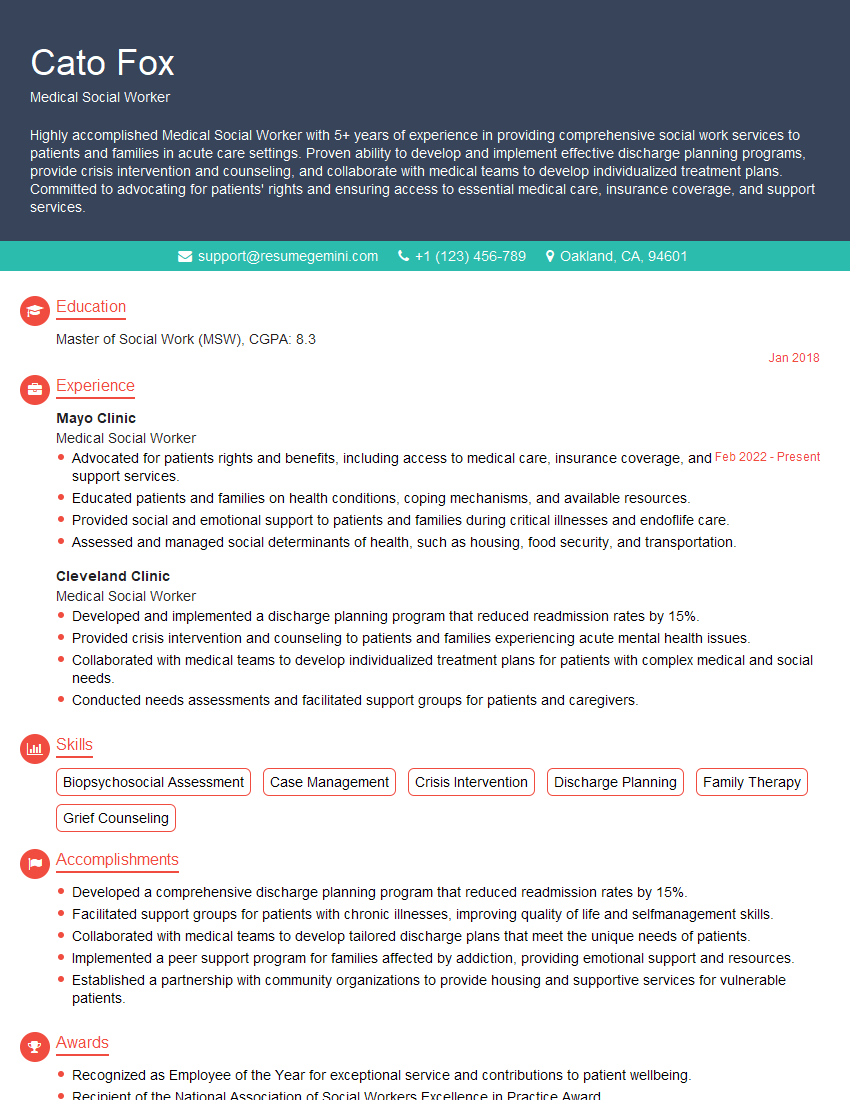
Medical Social Worker Resume Sample
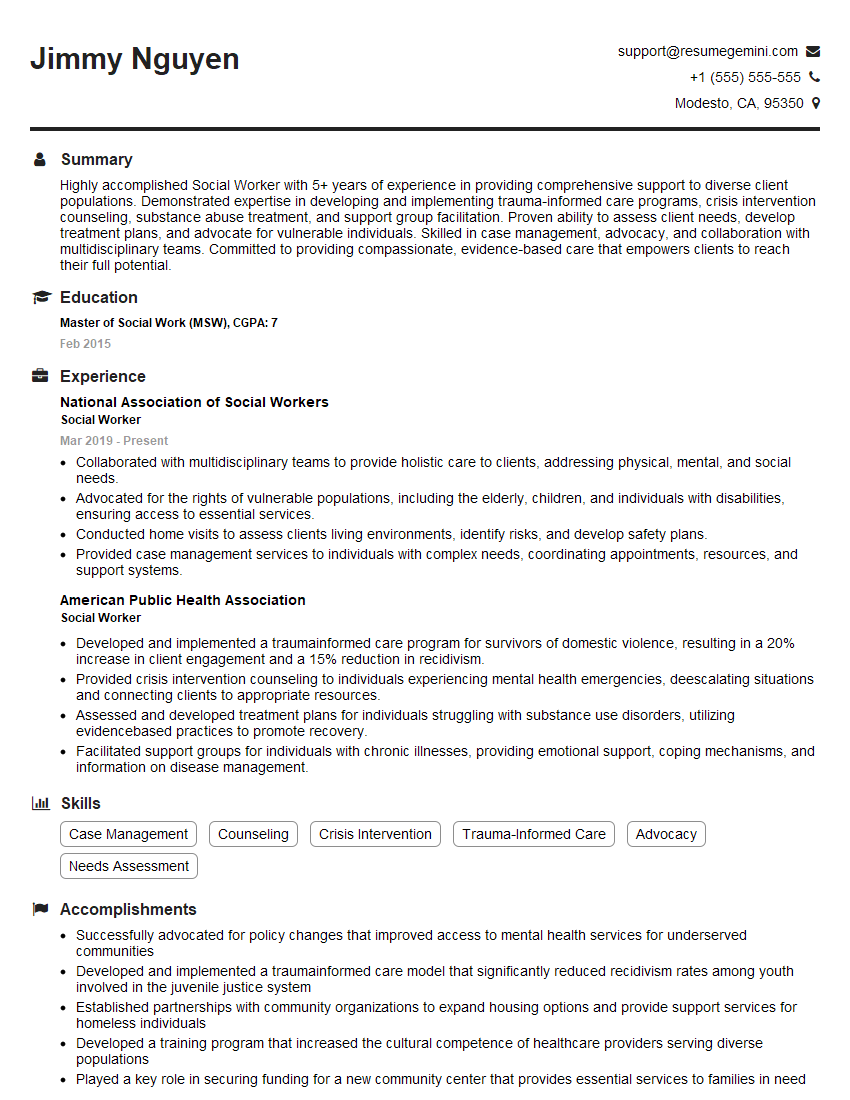
Social Worker Resume Sample
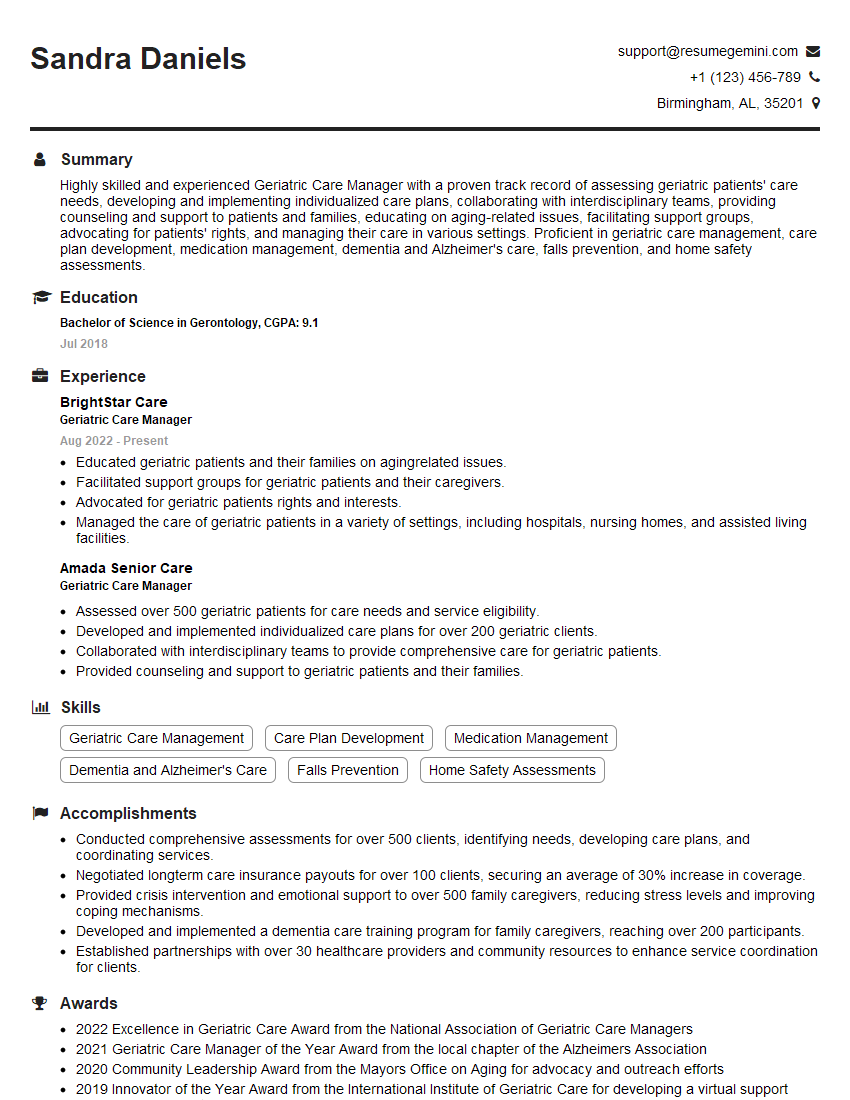
Geriatric Care Manager Resume Sample
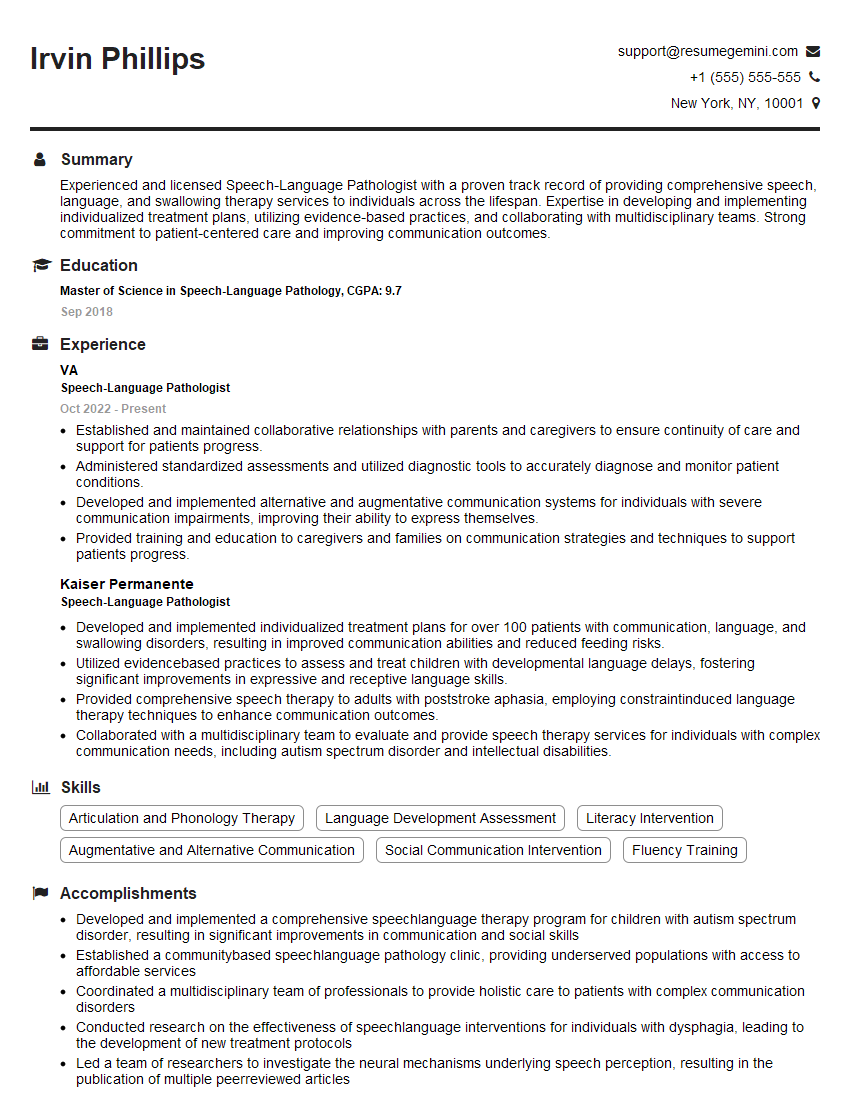
Speech-Language Pathologist Resume Sample
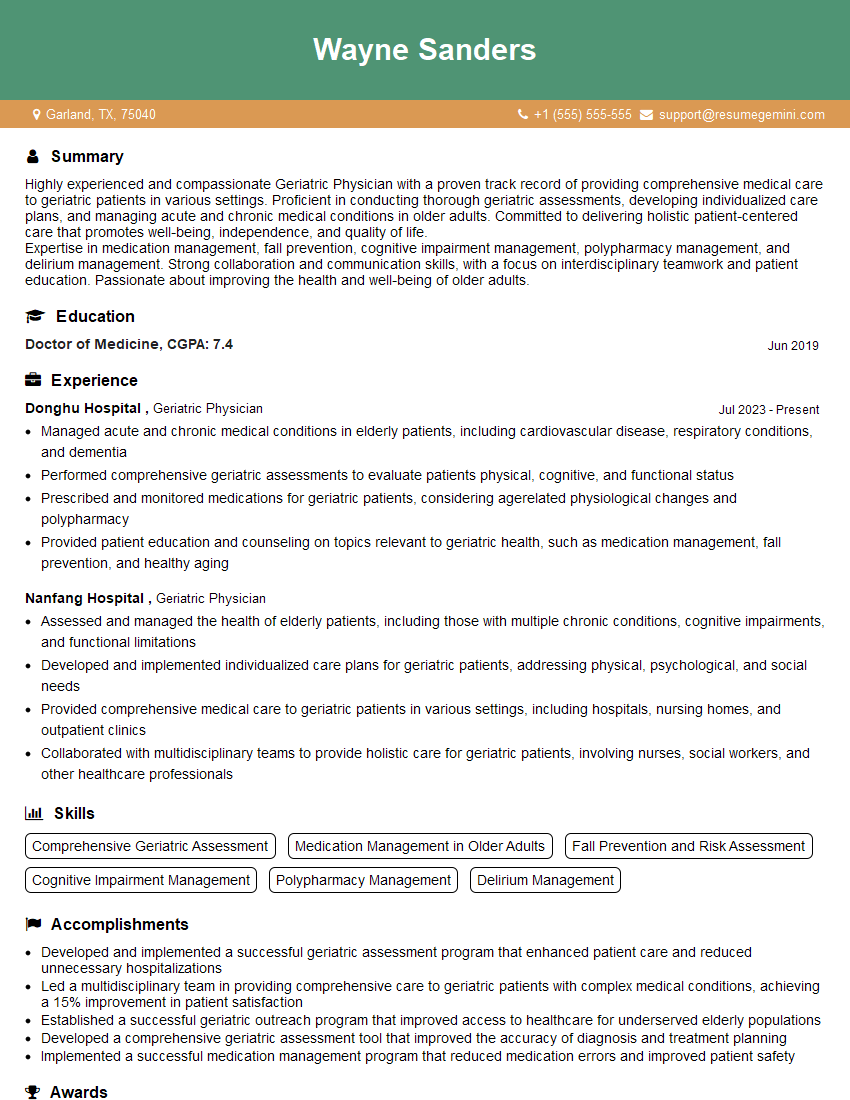
Geriatric Physician Resume Sample
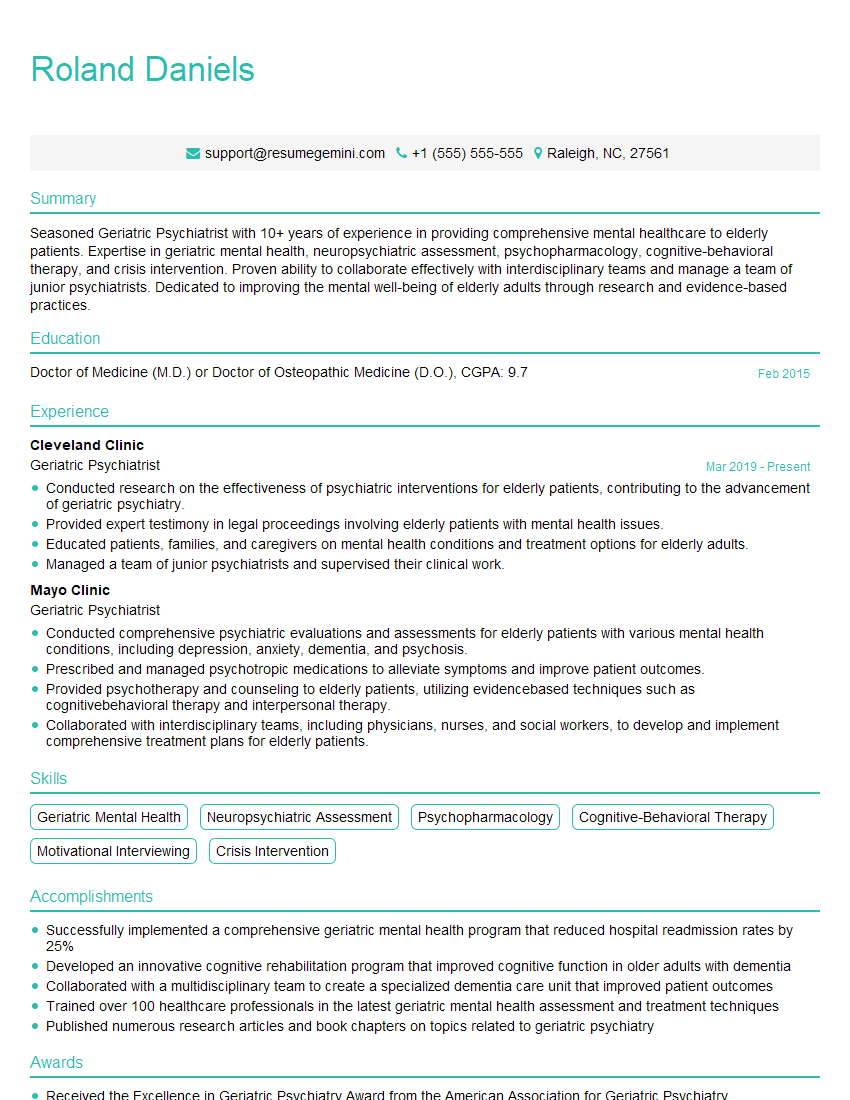
Geriatric Psychiatrist Resume Sample

Activities Director Resume Sample
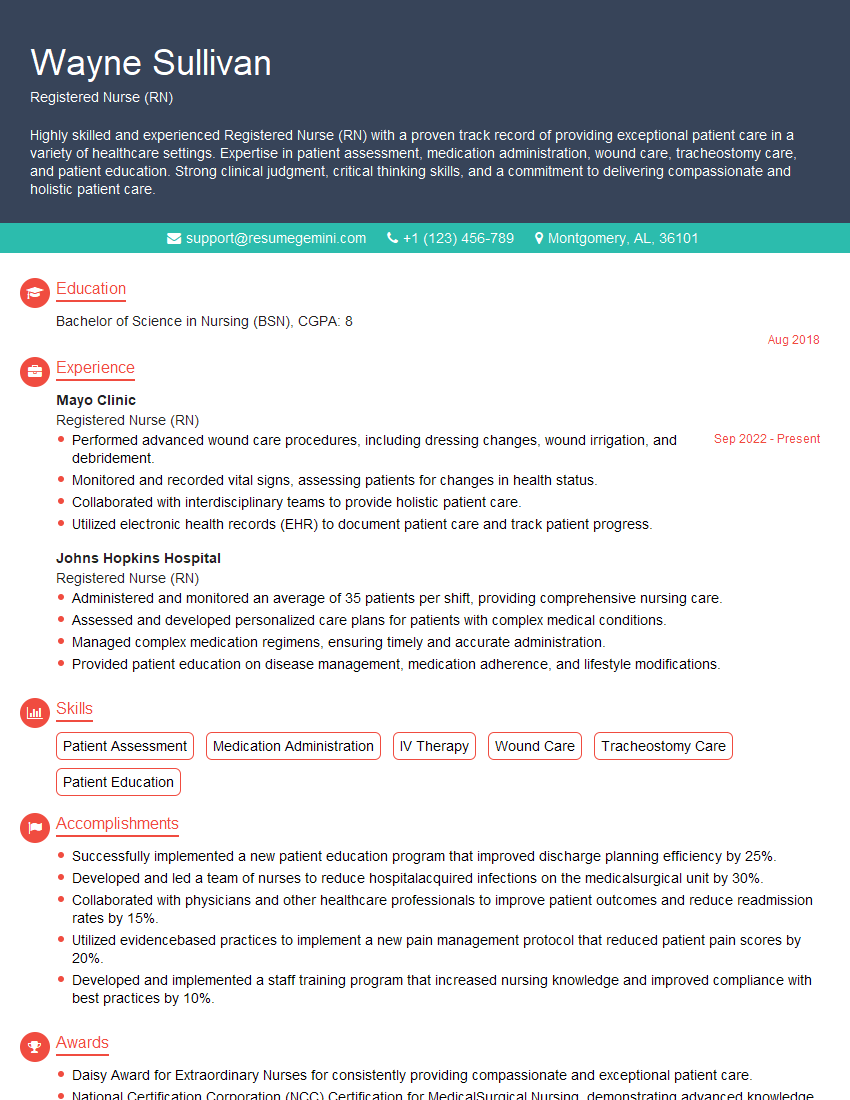
Registered Nurse (RN) Resume Sample
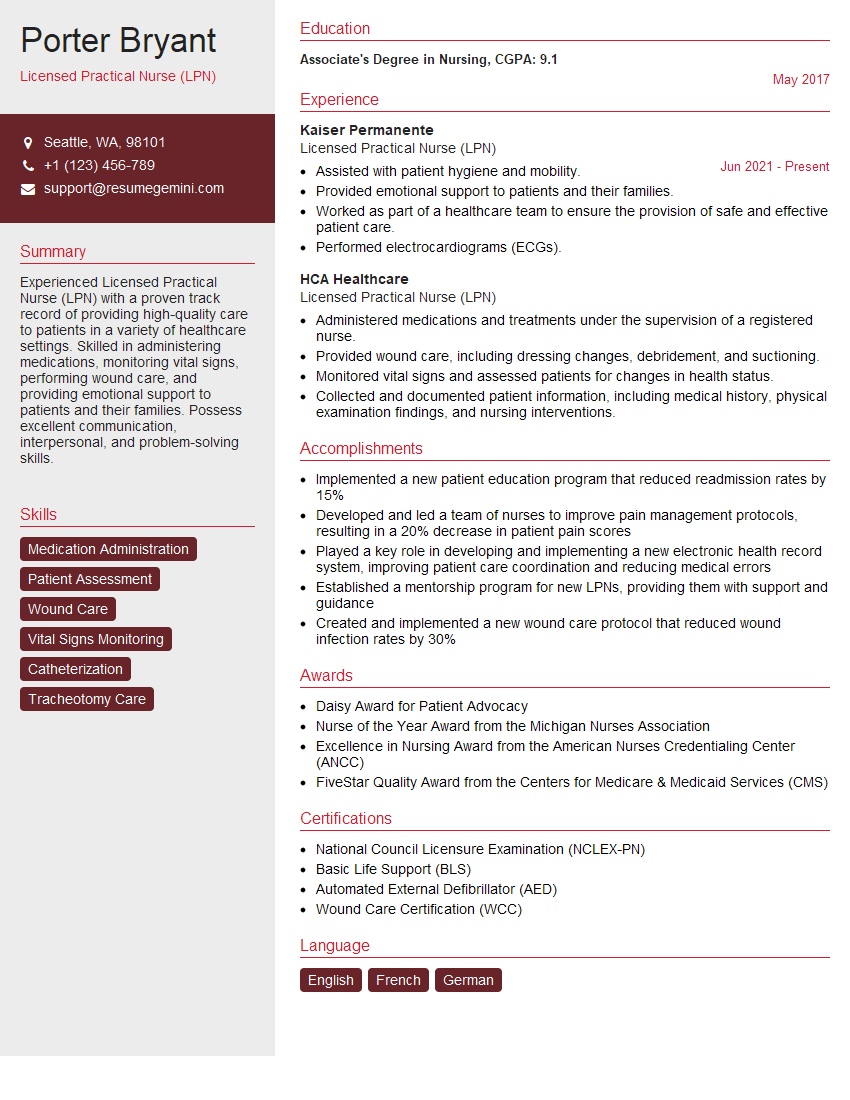
Licensed Practical Nurse (LPN) Resume Sample
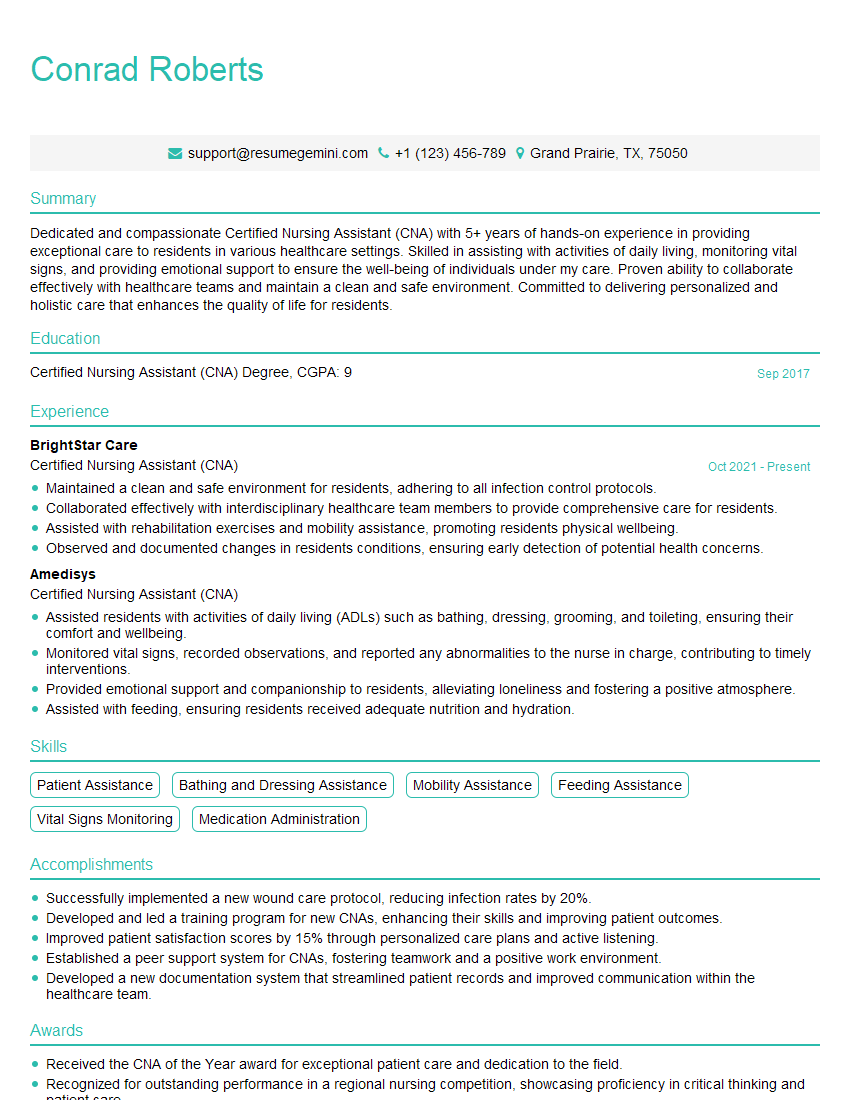
Certified Nursing Assistant (CNA) Resume Sample
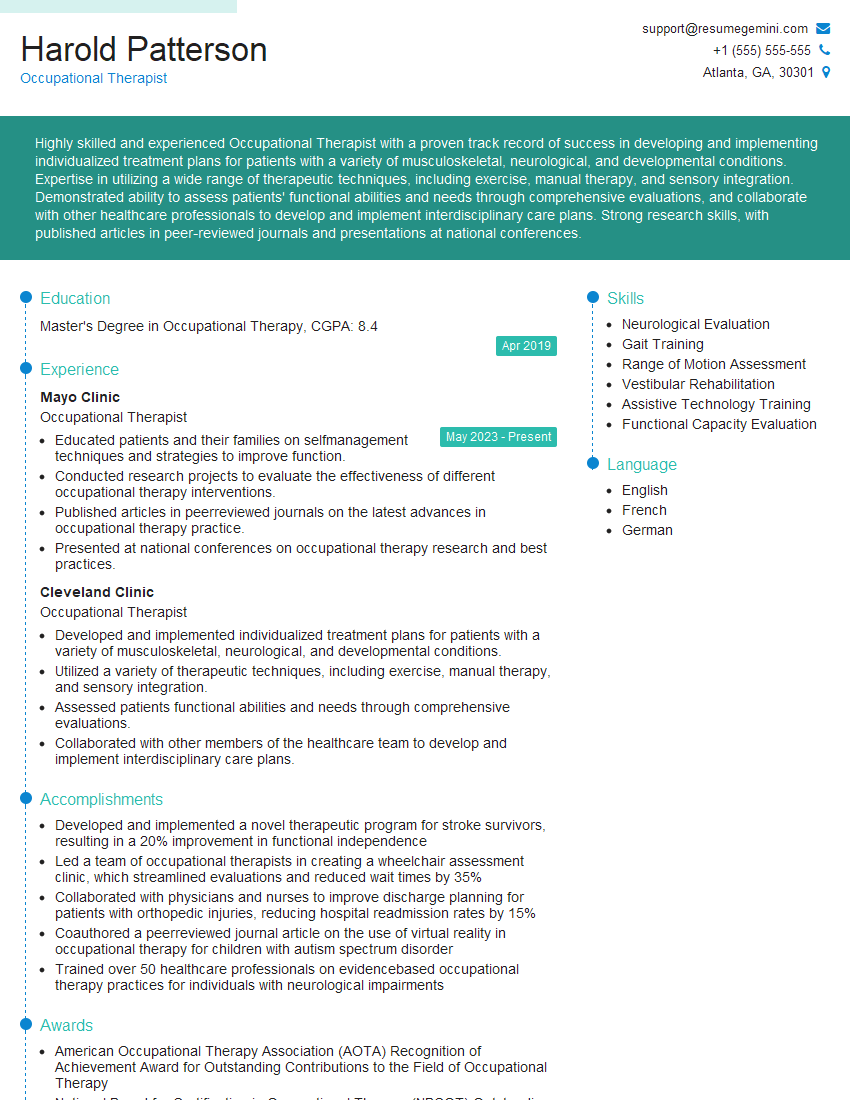
Occupational Therapist Resume Sample
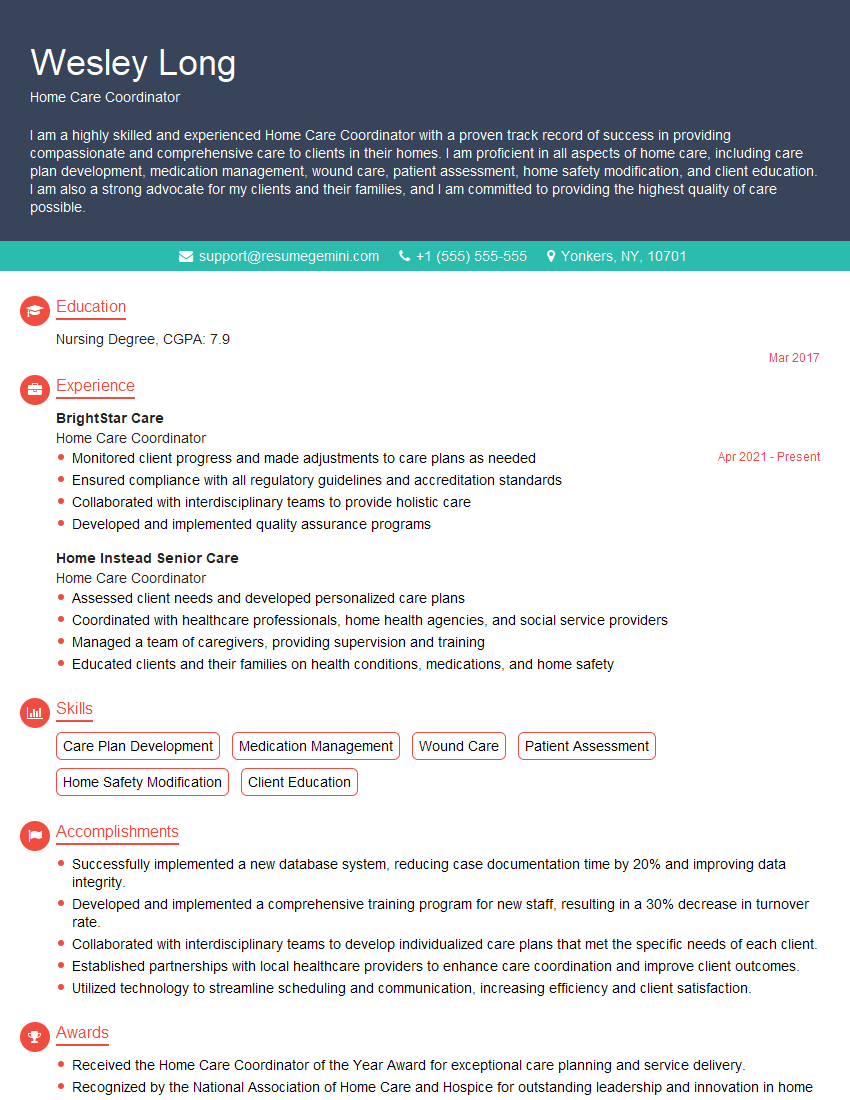
Home Care Coordinator Resume Sample
Explore more articles
Users Rating of Our Blogs
Share Your Experience
We value your feedback! Please rate our content and share your thoughts (optional).
What Readers Say About Our Blog
Very informative content, great job.
good