Feeling uncertain about what to expect in your upcoming interview? We’ve got you covered! This blog highlights the most important Electrical Equipment Troubleshooting interview questions and provides actionable advice to help you stand out as the ideal candidate. Let’s pave the way for your success.
Questions Asked in Electrical Equipment Troubleshooting Interview
Q 1. Explain the process of troubleshooting a faulty three-phase motor.
Troubleshooting a faulty three-phase motor involves a systematic approach to isolate the problem. It’s like detective work, systematically eliminating possibilities. We start by ensuring safety – always disconnect power before any physical inspection. Then, the process typically follows these steps:
- Visual Inspection: Check for obvious issues like loose connections, damaged wiring, or mechanical problems (e.g., bearings, belts). Look for burn marks, unusual noises, or vibrations.
- Voltage Measurement: Using a multimeter, verify the presence and correct voltage at the motor terminals. An absence of voltage points to a problem in the power supply. Incorrect voltage could indicate a wiring fault or a problem with the power source itself. For example, if you expect 480V and only measure 240V, you know to investigate the incoming power.
- Current Measurement: With the motor running, measure the current in each phase. Significant imbalances between phases (e.g., one phase drawing much more current than the others) strongly suggest a motor winding fault. This is analogous to a car engine misfiring – one cylinder isn’t working properly.
- Resistance Measurement: With the motor disconnected from the power supply, measure the resistance between each pair of motor windings. High resistance or open circuits indicate a winding fault, while a low resistance between windings suggests a short circuit. These readings help pinpoint the location of the internal motor problem.
- Insulation Resistance Test (Megger Test): This specialized test measures the insulation resistance between the windings and the motor frame. Low insulation resistance can indicate insulation breakdown, a serious safety hazard.
- Mechanical Inspection: Check the bearings, shaft alignment, and load. A mechanical issue can cause excessive current draw and overheating, mimicking electrical problems.
Based on the results of these tests, you can diagnose the problem – be it a wiring fault, a motor winding problem, a bearing failure, or something else – and proceed with the appropriate repair or replacement.
Q 2. Describe your experience with using multimeters and other diagnostic tools.
Multimeters are my everyday tools, and I’m proficient with various models, including clamp meters for contactless current measurement. I regularly use them to measure voltage, current, resistance, and continuity. Beyond multimeters, I have extensive experience with other diagnostic tools, including:
- Motor Analysers: These sophisticated instruments provide detailed motor performance data, including vibration analysis and thermal imaging, enabling early detection of potential problems.
- Insulation Testers (Meggers): As mentioned, essential for checking the integrity of motor windings and other electrical components.
- Clamp Meters: Crucial for measuring current without disconnecting wires, especially useful in live circuits.
- Thermal Cameras: Detect hotspots indicative of overheating components, often pinpointing the location of a fault before it causes a major failure. For example, a thermal image can show an overloaded connection long before it fails.
- Logic Analyzers and Oscilloscopes: Used for advanced troubleshooting of electronic circuits within PLCs and motor control systems.
My experience extends to using these tools in diverse industrial settings, including manufacturing plants, power generation facilities, and data centers. I am comfortable interpreting the data from these tools to diagnose and solve a wide range of electrical problems.
Q 3. How do you diagnose and repair a short circuit in a wiring harness?
Diagnosing a short circuit in a wiring harness is a meticulous process. Again, safety is paramount – always de-energize the circuit before working on it. Here’s my approach:
- Visual Inspection: Carefully examine the entire harness for any physical damage, such as chafing, cuts, or burns. Look for signs of overheating.
- Continuity Test: Using a multimeter, check for continuity between each wire and ground. A short circuit will show a low resistance reading, indicating unintended current flow to ground.
- Wiring Diagram: Consult the wiring diagram to trace the circuit path and pinpoint the possible location of the short. Understanding the electrical pathways is critical here.
- Systematic Isolation: To isolate the short, disconnect sections of the harness one by one, checking for continuity after each disconnection. Once the continuity disappears, you’ve isolated the faulty section.
- Inspecting the Faulty Section: Thoroughly inspect the isolated section for any signs of damage, insulation breakdown, or compromised connectors. Even a small nick in the insulation can cause a short.
- Repair or Replacement: Once the short circuit is identified, repair the damage (e.g., replace damaged wiring, repair connectors) or replace the affected section of the harness.
For example, I once had to troubleshoot a short circuit in a large industrial machine’s control system. By systematically isolating sections of the harness with a continuity tester, I found the fault in a connector where wires had been improperly crimped, causing a short to ground. Replacing the connector solved the problem.
Q 4. What are common causes of overheating in electrical equipment?
Overheating in electrical equipment is a common problem with serious consequences. It’s usually a symptom of an underlying issue, not a problem in itself. Common causes include:
- Overloading: Exceeding the equipment’s rated capacity causes excessive current flow, leading to heat buildup. Think of it like trying to pour too much water into a small cup – it overflows.
- Loose Connections: High resistance at loose connections generates heat due to increased power dissipation. This is like a kink in a hose, restricting water flow and causing pressure buildup.
- Short Circuits: Direct contact between conductors allows excessive current flow, generating significant heat. It’s analogous to creating a direct path for the water to bypass the cup entirely.
- Faulty Components: Defective components, such as motors, capacitors, or transformers, can overheat due to internal faults. Like a broken pump in a water system.
- Poor Ventilation: Inadequate airflow prevents heat dissipation, leading to overheating. This is like not having enough ventilation in a room – it gets stuffy.
- Environmental Factors: High ambient temperatures can exacerbate overheating problems.
Addressing overheating requires identifying and fixing the root cause, not just trying to cool down the equipment. A simple fan might help temporarily, but it won’t fix the underlying problem, and could even mask a more serious issue.
Q 5. Explain your approach to troubleshooting a PLC (Programmable Logic Controller).
Troubleshooting a PLC involves a structured approach combining hardware and software diagnostics. It’s a bit like debugging a computer program, but with physical components.
- Safety First: Always disconnect power before any physical inspection or maintenance.
- Review PLC Program: Examine the ladder logic program for errors, inconsistencies, or incorrect logic. A simple programming error can lead to unexpected behavior.
- Input/Output Check: Verify the inputs and outputs of the PLC. Use a multimeter to check voltage levels at the input and output terminals, making sure they match the PLC program’s expectations.
- Check Communication: Ensure proper communication between the PLC and other devices in the system, such as HMIs (Human-Machine Interfaces) and sensors. A broken communication cable can be the source of many problems.
- Power Supply Check: Verify the PLC’s power supply is functioning correctly. An unstable power supply can cause erratic behavior.
- Hardware Inspection: If the problem persists, visually inspect the PLC’s hardware for any damage, loose connections, or burned components.
- Diagnostic Tools: Use the PLC’s built-in diagnostic tools to identify faults. Most PLCs have a powerful diagnostic mode that indicates error codes.
- Simulation: If possible, simulate the problematic portion of the program to isolate the cause of the malfunction.
For example, I once diagnosed a PLC that wasn’t properly controlling a conveyor belt. By carefully reviewing the ladder logic and checking the input signals from sensors, I discovered a misplaced rung in the program that was causing the belt to stop prematurely. A simple reprogramming fixed the issue.
Q 6. How do you identify and resolve grounding issues in electrical systems?
Grounding issues can cause a range of problems, from equipment malfunction to safety hazards. Identifying and resolving them requires careful testing and analysis.
- Check Grounding Connections: Inspect all grounding connections for tightness, corrosion, or damage. Loose or corroded connections can create high resistance ground paths, resulting in voltage fluctuations and equipment malfunctions.
- Measure Ground Resistance: Use a ground resistance tester (megohmmeter) to measure the resistance between the grounding electrode and the earth. High resistance indicates a poor ground. This is vital for safety – ensuring proper earth connection.
- Check Ground Continuity: Verify continuity between the equipment grounding conductor and the main grounding electrode. A break in this path can create a hazardous situation.
- Inspect Grounding Rods: Ensure that grounding rods are properly installed and driven deep enough into the ground to achieve low resistance. Poor soil conditions can increase ground resistance.
- Voltage Measurements: Check for any voltage present on the equipment’s ground. Any voltage indicates a grounding fault.
- Examine Wiring: Inspect the grounding wires for damage, breaks, or loose connections. A simple broken wire can cause severe problems.
Remember, proper grounding is critical for safety and equipment performance. Neglecting it can lead to equipment damage, electrical shocks, and fire hazards.
Q 7. Describe your experience with interpreting electrical schematics and blueprints.
Interpreting electrical schematics and blueprints is fundamental to my work. They are my roadmaps. I am fluent in reading and understanding various types of electrical drawings, including:
- One-line diagrams: These show the overall power system layout, simplifying complex networks.
- Wiring diagrams: Detail the connections between individual components, crucial for troubleshooting.
- Schematic diagrams: Show the functional relationships between components, useful for understanding the system’s logic.
- Panel layouts: Show the physical arrangement of components within electrical panels, essential for on-site work.
My experience encompasses working with both simple and highly complex diagrams, often involving multiple systems interacting. I can quickly extract relevant information, identify components, trace circuits, and understand the flow of electricity, enabling efficient troubleshooting and maintenance. I can confidently use these diagrams in conjunction with other diagnostic tools to solve complex electrical issues.
Q 8. What safety precautions do you follow when troubleshooting high-voltage equipment?
Troubleshooting high-voltage equipment demands the utmost respect for safety. It’s not a game; lives depend on meticulous adherence to safety protocols. My approach begins with a thorough risk assessment, identifying potential hazards like energized conductors, arc flash, and electrical shock. I always work under a formal lockout/tagout (LOTO) procedure, ensuring the power is completely isolated and verified as de-energized using a voltage tester before any work commences. I never trust a single test; I perform multiple checks to eliminate any chance of error. Personal protective equipment (PPE) is non-negotiable; this includes insulated gloves, arc flash suits, safety glasses, and appropriate footwear. I also ensure adequate lighting and a clear workspace to minimize the risk of accidents. Furthermore, I always work with a buddy or a qualified observer, enabling a second set of eyes to enhance safety and offer assistance if needed. In situations where total de-energization isn’t possible, live-line work techniques and specialized equipment are implemented under strict supervision, following established safety standards and procedures.
Q 9. How do you troubleshoot a faulty circuit breaker?
Troubleshooting a faulty circuit breaker involves a systematic approach. First, I visually inspect the breaker for any obvious signs of damage, such as charring, loose connections, or physical damage to the mechanism. Then, I check the breaker’s trip indicators to determine the type of fault – overload, short circuit, or ground fault. Using a multimeter, I test the breaker’s coil and contacts for continuity, ensuring the internal connections are intact. I also verify the auxiliary contacts’ functionality, which are crucial for signaling and control circuits. If the problem is a simple trip, I’ll reset the breaker after ensuring the fault has been corrected. However, if the fault persists or if there’s physical damage, I’ll replace the breaker with a like-for-like unit to avoid compatibility issues. Always remember, testing must be done with the circuit fully de-energized and following proper LOTO procedures. If the fault persists after replacement, the problem lies elsewhere in the circuit, which requires further investigation.
Q 10. How do you diagnose and repair problems with electrical relays?
Diagnosing relay problems requires a blend of theoretical understanding and hands-on expertise. I start by understanding the relay’s function within the system – is it an overload relay, a protective relay, or a control relay? Once I know its purpose, I can focus my testing. I typically use a multimeter to check for continuity in the relay coils and contacts. I verify the correct operation of the relay’s pick-up and drop-out voltages and currents using a calibrated power supply. Relay testing often involves using specialized tools like relay testers to simulate fault conditions and observe the relay’s response. I also inspect the relay for any signs of overheating, damage, or loose connections. For more sophisticated relays, I may utilize a relay test set that provides detailed information about the relay’s internal status and performance characteristics. Any faulty relay needs to be replaced by a correctly specified and matched part to maintain circuit integrity and protection functionality.
Q 11. Explain your experience with motor control circuits.
I have extensive experience with motor control circuits, encompassing various types of motors (AC induction, DC, servo) and control methods (star-delta starters, soft starters, variable frequency drives – VFDs). My experience includes troubleshooting issues ranging from simple wiring faults to complex control logic problems. I’m proficient in interpreting ladder logic diagrams and understanding the function of various components like contactors, overload relays, and limit switches. I’ve worked on large industrial motor control systems and smaller, more specialized applications. For instance, I once diagnosed a production line shutdown caused by a faulty proximity sensor in a conveyor belt motor control circuit, resulting in significant cost savings by preventing extended downtime. My experience extends to commissioning new motor control systems, ensuring correct installation and operational verification prior to energization. I’m also experienced in programming and troubleshooting PLCs (Programmable Logic Controllers) used extensively in advanced motor control applications. Understanding the interplay between mechanical and electrical aspects of motor operation is crucial, leading to accurate diagnosis and repair.
Q 12. What are some common causes of electrical arc flash incidents?
Electrical arc flash incidents are a serious concern. Common causes stem from equipment failure, improper maintenance, and human error. Faulty or deteriorated insulation on conductors or components is a leading cause, leading to flashover under stress. Loose connections create high resistance, generating heat and potentially leading to arcing. Improperly sized conductors or protective devices can contribute to excessive current flow and arcing. Unintentional contact with energized conductors, equipment modification or repair without appropriate safety measures, and neglecting regular inspection and maintenance are all crucial human factors contributing to arc flash incidents. In essence, a breakdown in safety protocols or inadequate maintenance of electrical equipment creates environments prone to arc flash hazards. It is imperative to perform regular inspections, test equipment regularly, and properly maintain electrical equipment to mitigate the risk of arc flash occurrences.
Q 13. How do you ensure the safety of yourself and others during troubleshooting?
Ensuring safety during troubleshooting is paramount and forms the bedrock of my working principles. I rigorously follow LOTO procedures to isolate the power before any work. Wearing appropriate PPE is non-negotiable – insulated gloves, arc flash suit (if required), safety glasses, and safety footwear. I always maintain awareness of my surroundings and avoid working alone. A buddy system, or having a qualified observer, provides an additional layer of safety and ensures prompt assistance in case of an emergency. I thoroughly understand the relevant safety standards and regulations pertinent to the specific equipment and environment. Before initiating any troubleshooting activity, I perform a thorough risk assessment, identifying potential hazards and planning accordingly. Clear communication with colleagues and other personnel is also essential to avoid accidents. Regular training and updating on latest safety practices is an ongoing commitment, ensuring I remain adept at mitigating risk and ensuring a safe work environment.
Q 14. Describe your experience with working on AC and DC circuits.
My experience encompasses both AC and DC circuits. AC circuits, characterized by alternating current, present unique challenges related to inductive and capacitive effects. My experience includes troubleshooting problems in single-phase and three-phase systems, including issues with motors, transformers, and power distribution systems. I’m familiar with the various types of AC motors and their control methods. DC circuits, with their constant current flow, have different characteristics. I’ve worked on DC power supplies, motor drives, and control systems. Troubleshooting in DC systems often involves examining issues related to voltage regulation, current limiting, and potential problems with commutators and brushes in DC motors. Understanding the differences in circuit behavior and applying appropriate testing techniques is critical for successful troubleshooting in both AC and DC environments. For instance, I successfully resolved a recurring fault in a DC motor control system by identifying a faulty rectifier diode, highlighting the importance of understanding specific characteristics of each circuit type.
Q 15. How do you troubleshoot problems with variable frequency drives (VFDs)?
Troubleshooting Variable Frequency Drives (VFDs) requires a systematic approach. Think of a VFD as the heart of many motor control systems; a problem here affects the entire operation. My process starts with safety – always ensure the power is disconnected before working on any electrical equipment. Then, I follow these steps:
- Gather Information: What are the symptoms? Is the motor not running, running erratically, overheating? What is the load on the motor? Understanding the problem’s context is crucial.
- Check the Obvious: Look for blown fuses, tripped breakers, loose connections, or damaged wiring. Often, the simplest issues are overlooked.
- Inspect the VFD itself: Look for error codes displayed on the VFD’s screen. These codes often provide valuable clues to the problem’s source. Consult the manufacturer’s manual to decipher these codes.
- Test Input Power: Verify the incoming power voltage and frequency are within the VFD’s specifications. Use a multimeter to measure these parameters.
- Test Output Voltage and Current: Using a multimeter, check the voltage and current at the VFD’s output terminals. Compare these readings to the motor’s nameplate data to identify discrepancies.
- Check Motor Parameters: Ensure the VFD is properly configured for the motor’s specifications (horsepower, voltage, etc.). An improperly configured VFD can cause issues.
- Analyze the Control Signals: If the VFD is controlled by a PLC or other system, check the control signals to ensure they are correct. A faulty signal can prevent the VFD from operating correctly.
- Advanced Diagnostics: For more complex issues, dedicated VFD diagnostic tools may be necessary. These tools allow for in-depth analysis of the drive’s internal workings.
For example, I once encountered a VFD that was tripping repeatedly. Through a systematic approach, I traced the issue to a faulty output capacitor, after verifying all the points above.
Career Expert Tips:
- Ace those interviews! Prepare effectively by reviewing the Top 50 Most Common Interview Questions on ResumeGemini.
- Navigate your job search with confidence! Explore a wide range of Career Tips on ResumeGemini. Learn about common challenges and recommendations to overcome them.
- Craft the perfect resume! Master the Art of Resume Writing with ResumeGemini’s guide. Showcase your unique qualifications and achievements effectively.
- Don’t miss out on holiday savings! Build your dream resume with ResumeGemini’s ATS optimized templates.
Q 16. Explain the process of testing and replacing a faulty capacitor.
Testing and replacing a faulty capacitor involves careful handling due to the potential for stored energy. Always discharge a capacitor before handling it to avoid electric shock. Here’s the process:
- Safety First: Disconnect the power supply to the circuit containing the capacitor.
- Discharge the Capacitor: Use a capacitor discharge tool or a high-resistance resistor to discharge the capacitor completely. Never assume a capacitor is fully discharged.
- Test the Capacitor: Use a capacitor tester or a multimeter (in capacitance mode) to measure the capacitor’s capacitance. Compare this reading to the capacitor’s rated value. A significantly lower capacitance indicates a faulty component.
- Visual Inspection: Look for any signs of physical damage, such as bulging, leaking electrolyte, or discoloration. These visual cues can indicate a failed capacitor.
- Replacement: Once a faulty capacitor is identified, carefully remove it and install a new capacitor with the same capacitance, voltage rating, and tolerance. Pay attention to the capacitor’s polarity (if applicable).
- Verify the Replacement: After installation, retest the circuit to confirm the capacitor is functioning correctly. Restore power carefully and monitor the system to ensure there are no further issues.
For instance, I once found a capacitor in a motor control circuit that showed signs of bulging. Replacing this capacitor resolved a persistent motor starting problem.
Q 17. How do you troubleshoot a problem with a transformer?
Troubleshooting transformers involves checking for various issues, from simple wiring problems to internal faults. My approach is methodical and safety-conscious:
- Safety Precautions: Always de-energize the transformer before performing any tests or repairs. Transformers can hold a dangerous charge even after being disconnected from the power source.
- Visual Inspection: Inspect the transformer for any signs of physical damage, such as burns, cracks, loose connections, or overheating. Look for signs of oil leaks if it’s an oil-filled transformer.
- Check Primary and Secondary Voltages: Use a multimeter to measure the voltage at the primary and secondary windings. Compare these readings to the transformer’s nameplate ratings. Significant deviations indicate a potential problem.
- Measure Winding Resistance: Use a multimeter to measure the resistance of each winding. High resistance might indicate a short circuit or an open circuit within the winding.
- Check for Short Circuits: A short circuit between windings can result in excessive current and overheating. A thorough insulation resistance test using a megohmmeter is crucial here.
- Load Test (if applicable): If possible and safe, conduct a load test to verify the transformer’s ability to handle its rated load. Monitor temperature rise during the test.
- Oil Analysis (for oil-filled transformers): Oil analysis can help detect the presence of contaminants or degradation, which might indicate internal problems.
In one case, I found a transformer with a shorted winding that was causing excessive current draw. The failed winding was identified through resistance tests, and the transformer was replaced.
Q 18. What are your experiences with different types of sensors and transducers?
My experience encompasses a wide range of sensors and transducers, each with its strengths and weaknesses. I’ve worked extensively with:
- Temperature Sensors: Thermocouples (for high-temperature applications), RTDs (Resistance Temperature Detectors), and thermistors (for precise temperature measurement) are frequently used. Understanding their calibration and signal conditioning is essential.
- Pressure Sensors: I have experience using various pressure transducers, including strain gauge-based sensors and piezoelectric sensors, used for measuring pressure in hydraulic and pneumatic systems. I understand the importance of selecting the correct pressure range for the application.
- Flow Sensors: I’ve worked with ultrasonic, vortex, and magnetic flow meters for different applications. The choice of sensor depends on factors like fluid type, flow rate, and pipe size.
- Level Sensors: Capacitive, ultrasonic, and float-type level sensors are all part of my experience. Choosing the right sensor for an application relies on the specific properties of the fluid and the tank design.
- Proximity Sensors: Inductive, capacitive, and photoelectric proximity sensors have been integral to several automation projects. Understanding their sensing range and target material compatibility is crucial.
For instance, in one project, selecting the right temperature sensor was critical for accurately controlling a high-temperature process. I chose thermocouples for their range and durability. In another project, the choice of level sensor was dictated by the corrosive nature of the fluid requiring a chemical-resistant sensor.
Q 19. Explain your experience with troubleshooting control systems using SCADA.
My SCADA (Supervisory Control and Data Acquisition) troubleshooting experience involves a multi-faceted approach. I’ve worked with various SCADA systems, both proprietary and open-source, often using Allen-Bradley and Siemens platforms. My process is:
- Understand the System Architecture: Before troubleshooting, I gain a solid understanding of the entire SCADA system architecture, from the field devices to the HMI (Human-Machine Interface). This includes networking components like PLCs, RTUs, and communication protocols.
- Analyze Alarm and Event Logs: SCADA systems typically log alarms and events. Analyzing these logs reveals valuable information about the nature and timing of the problem.
- Check Communication Paths: Verify the integrity of communication paths between the field devices, PLCs, and the SCADA server. Network connectivity issues often cause problems.
- Review HMI and Configuration: Check the HMI for any unusual behavior or configuration errors. Incorrect settings can lead to malfunctions.
- Utilize SCADA Diagnostics Tools: Most SCADA systems have built-in diagnostic tools that can help identify and isolate problems. These tools can provide detailed information about the system’s status and performance.
- Test Field Devices: If a communication or data problem points to a specific field device (sensor, actuator, etc.), test the device directly to verify its functionality.
- Work with Historical Data: SCADA often collects historical data. This allows for analyzing trends and patterns that might reveal underlying issues.
For example, I resolved a production line stoppage by analyzing SCADA logs, which showed intermittent communication failures with a specific temperature sensor. The issue was eventually traced to a faulty network cable.
Q 20. How do you document your troubleshooting process and findings?
Thorough documentation is essential for effective troubleshooting and future maintenance. My documentation process includes:
- Initial Problem Description: A clear description of the problem, including symptoms, timing, and affected equipment.
- Troubleshooting Steps: A detailed record of all steps taken, including tests performed, measurements taken, and any components checked or replaced.
- Observations and Findings: Detailed observations during the troubleshooting process, including any unusual behaviors or patterns.
- Root Cause Analysis: A clear identification of the root cause of the problem. This is crucial for preventing similar issues in the future.
- Corrective Actions: A precise description of any corrective actions taken, such as repairs or replacements.
- Verification: Documentation of the verification steps to ensure the problem is resolved.
- Photographs and Diagrams: Visual aids, such as schematics, wiring diagrams, or photographs, can enhance the clarity of the documentation.
I typically use a combination of written reports and digital tools for documenting my work. This ensures that the information is readily accessible and easy to share with others.
Q 21. Describe your experience with preventative maintenance on electrical equipment.
Preventative maintenance is crucial for maximizing the lifespan and reliability of electrical equipment. My experience includes implementing and executing a range of preventative maintenance tasks:
- Visual Inspections: Regular visual inspections to detect loose connections, corrosion, overheating, or any signs of damage.
- Cleaning: Cleaning electrical equipment to remove dust, dirt, and other debris that can interfere with proper operation and lead to overheating.
- Tightening Connections: Periodically tightening electrical connections to ensure good contact and prevent arcing or overheating.
- Lubrication: Lubricating moving parts, such as bearings in motors or switches.
- Testing: Performing regular tests of insulation resistance, winding resistance, and other parameters as per manufacturer recommendations. This may involve using specialized test equipment.
- Infrared Thermography: Using infrared cameras to detect hotspots that may indicate impending failures. This method allows for early detection of potential problems.
- Predictive Maintenance Techniques: Implementing predictive maintenance strategies, such as vibration analysis, to identify potential problems before they lead to failures.
For instance, I once developed and implemented a preventative maintenance program for a large industrial facility. This program included regular inspections, cleaning, and testing of all major electrical equipment, which significantly reduced downtime and equipment failures.
Q 22. How do you prioritize troubleshooting tasks in a high-pressure environment?
Prioritizing troubleshooting tasks in a high-pressure environment is crucial for minimizing downtime and ensuring safety. My approach relies on a structured methodology. First, I assess the situation to identify the criticality of the problem. Is it a complete shutdown impacting production, a safety hazard, or a minor inconvenience? This determines the urgency. Then, I use a risk assessment matrix considering factors like the potential damage, safety risks, and financial impact of prolonged downtime. For example, a malfunctioning motor on a critical production line takes precedence over a flickering light in a non-operational area.
Next, I employ a systematic approach like the 5 Whys to pinpoint the root cause, rather than just addressing symptoms. This helps prevent recurrence. Finally, I communicate clearly with the team, keeping everyone informed of the progress and any necessary actions. This collaborative approach ensures efficient problem resolution and prevents misunderstandings. In a recent incident, a sudden power outage affected a crucial server room. By prioritizing based on risk assessment, we restored power to the critical systems within minutes, preventing significant data loss and minimizing business disruption.
Q 23. Explain your understanding of NEC (National Electrical Code) standards.
The National Electrical Code (NEC) is a comprehensive set of standards for the safe installation and maintenance of electrical systems in the United States. My understanding encompasses its various articles, covering topics like wiring methods, grounding, overcurrent protection, and equipment installation requirements. I’m familiar with the specific codes relating to industrial settings, hazardous locations, and different voltage levels. For instance, Article 430 details the requirements for motor control circuits, encompassing everything from overload protection to disconnect means. I regularly consult the NEC during design reviews, inspections, and troubleshooting to ensure compliance and safety. Non-compliance can lead to significant safety hazards, equipment damage, and legal repercussions.
Q 24. What is your experience with troubleshooting power quality issues?
I have extensive experience troubleshooting power quality issues, which often manifest as voltage sags, surges, harmonics, or transients. My approach involves a methodical process starting with data acquisition. This often includes using power quality meters to record voltage waveforms, current harmonics, and power factor over time. Analysis of this data helps identify the type and magnitude of the power quality disturbance. For example, excessive harmonic distortion often indicates problems with nonlinear loads like variable frequency drives (VFDs) or switch-mode power supplies.
After identifying the problem, I investigate the possible causes. This might involve checking the power distribution system for loose connections, faulty transformers, or inadequate grounding. In one instance, we identified significant harmonic distortion impacting production equipment. By installing harmonic filters and optimizing the VFD settings, we drastically improved power quality and eliminated equipment malfunctions.
Q 25. How familiar are you with different types of industrial motors (e.g., induction, synchronous)?
I’m very familiar with various industrial motor types, including induction motors (both squirrel-cage and wound-rotor), synchronous motors, and DC motors. I understand their operating principles, control methods, and common failure modes. Induction motors, for instance, are the most common type, and their troubleshooting often focuses on issues like bearing wear, winding faults, and stator overheating. Synchronous motors, used where precise speed control is required, are more complex and require specialized diagnostic techniques.
My experience includes diagnosing faults by analyzing motor current signatures, vibration analysis, and thermal imaging. For example, a high motor current might indicate a mechanical problem or a developing winding fault. I understand the differences in starting methods and protection schemes for each type of motor and how to select appropriate controls based on the application.
Q 26. Explain your experience with using thermal imaging cameras for troubleshooting.
Thermal imaging cameras are indispensable tools in my troubleshooting arsenal. They allow for the non-invasive detection of temperature anomalies in electrical equipment, often revealing problems before they lead to catastrophic failure. I use them to identify overheating components such as loose connections, overloaded conductors, failing bearings in motors, and hotspots in power distribution equipment.
For example, a thermal image can quickly pinpoint a loose connection generating significant heat, a problem that might be difficult to detect with conventional methods. In one case, thermal imaging revealed an overheated motor bearing weeks before a complete bearing failure, allowing for proactive maintenance and preventing costly downtime. The interpretation of thermal images requires experience and an understanding of normal operating temperatures for various equipment types.
Q 27. How do you handle situations where you cannot immediately identify the root cause of an electrical fault?
When I encounter a situation where I can’t immediately pinpoint the root cause, I utilize a systematic and structured approach. I start by documenting all observable symptoms and collecting data, including readings from various instruments like multimeters and oscilloscopes. Then, I leverage available resources, such as manufacturer documentation, online forums, and consultation with colleagues.
I might employ advanced diagnostic techniques such as motor current signature analysis or relay testing. If necessary, I escalate the issue to more senior personnel or external specialists. Thorough documentation throughout the process is key, enabling a clear understanding of the problem and facilitating future troubleshooting efforts. In one complex situation, we systematically eliminated various possibilities before finally discovering a subtle wiring fault deep within a control panel, a fault that was not initially apparent.
Q 28. Describe your experience with commissioning new electrical equipment.
Commissioning new electrical equipment is a crucial process that ensures its proper and safe operation. My experience encompasses various stages, including reviewing the design documents, inspecting the installation, performing functional testing, and preparing operating and maintenance procedures. This typically involves verifying wiring diagrams, testing safety interlocks, performing insulation resistance tests, and documenting the results.
I also participate in the training of operations and maintenance personnel, ensuring they have the knowledge and skills to operate and maintain the equipment safely. A recent project involved commissioning a new high-voltage substation. Through meticulous testing and documentation, we ensured compliance with all relevant standards and the smooth transition to operation, minimizing risks and maximizing efficiency.
Key Topics to Learn for Electrical Equipment Troubleshooting Interview
- Fundamentals of Electricity: Understanding Ohm’s Law, Kirchhoff’s Laws, and basic circuit analysis is crucial for diagnosing electrical faults.
- AC/DC Circuits: Differentiate between AC and DC circuits, their characteristics, and troubleshooting techniques specific to each type. Practical application: Analyzing waveforms using an oscilloscope.
- Electrical Safety Procedures: Demonstrate knowledge of lockout/tagout procedures, proper use of personal protective equipment (PPE), and safe working practices.
- Motors and Drives: Troubleshooting various types of motors (AC induction, DC, stepper) and their associated drives, including identifying common faults and repair strategies.
- Power Distribution Systems: Understanding transformers, circuit breakers, fuses, and other protective devices within a power distribution system. Practical application: Diagnosing power outages and identifying faulty components.
- Troubleshooting Techniques: Mastering systematic approaches like the 5 Whys, fault tree analysis, and using diagnostic tools effectively (multimeters, thermal cameras).
- Control Systems and PLC’s: Familiarity with Programmable Logic Controllers (PLCs), their programming, and troubleshooting techniques for control system malfunctions.
- Reading and Interpreting Schematics: Proficiency in understanding electrical schematics, wiring diagrams, and interpreting them to trace circuits and identify potential problems.
- Common Equipment Faults: Understanding the causes and symptoms of typical failures in various electrical equipment (e.g., motors, transformers, relays, sensors).
- Preventive Maintenance: Discuss the importance of preventive maintenance schedules and their role in minimizing equipment downtime and extending lifespan.
Next Steps
Mastering Electrical Equipment Troubleshooting is vital for career advancement in the field, opening doors to more challenging and rewarding roles with increased earning potential. To maximize your job prospects, it’s crucial to present your skills effectively. An ATS-friendly resume is key to getting your application noticed by recruiters and hiring managers. ResumeGemini is a trusted resource to help you create a professional and impactful resume that highlights your expertise. Examples of resumes tailored to Electrical Equipment Troubleshooting are available to help guide you. Take the next step toward your dream job – build your best resume with ResumeGemini today!
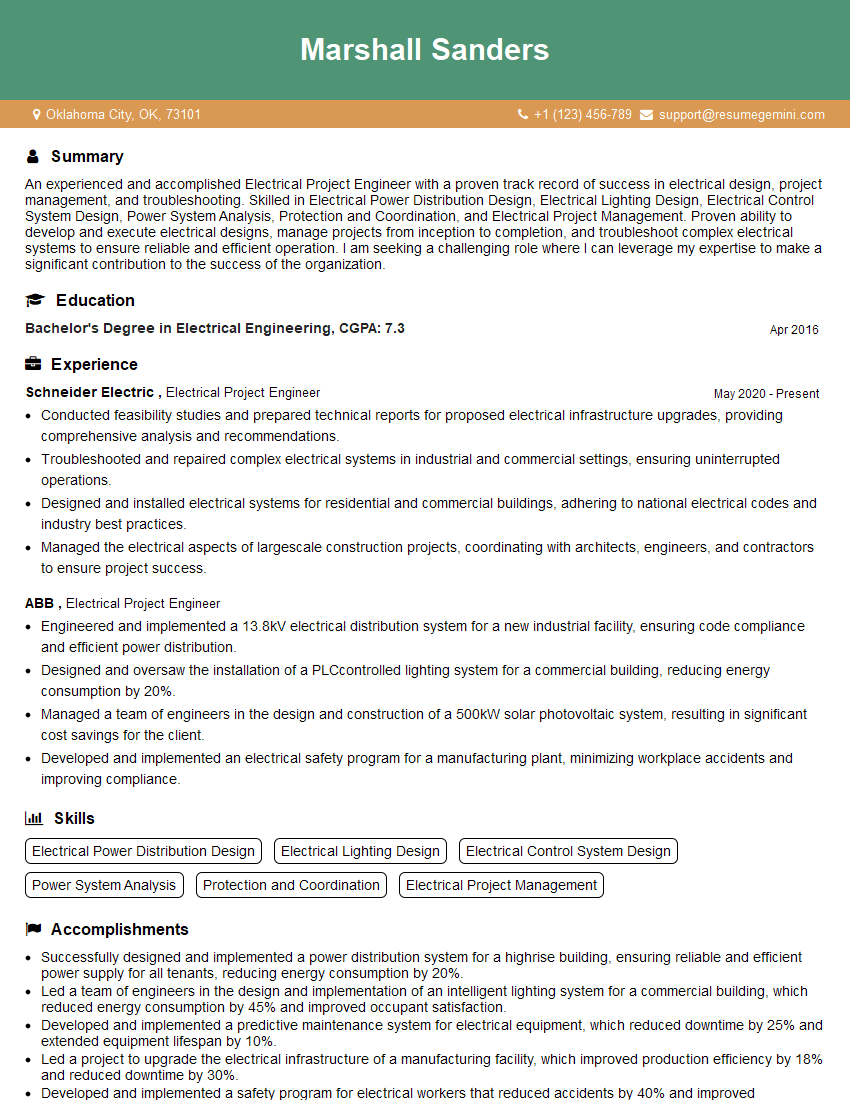
Electrical Project Engineer Resume Sample

Electronics Technician Resume Sample
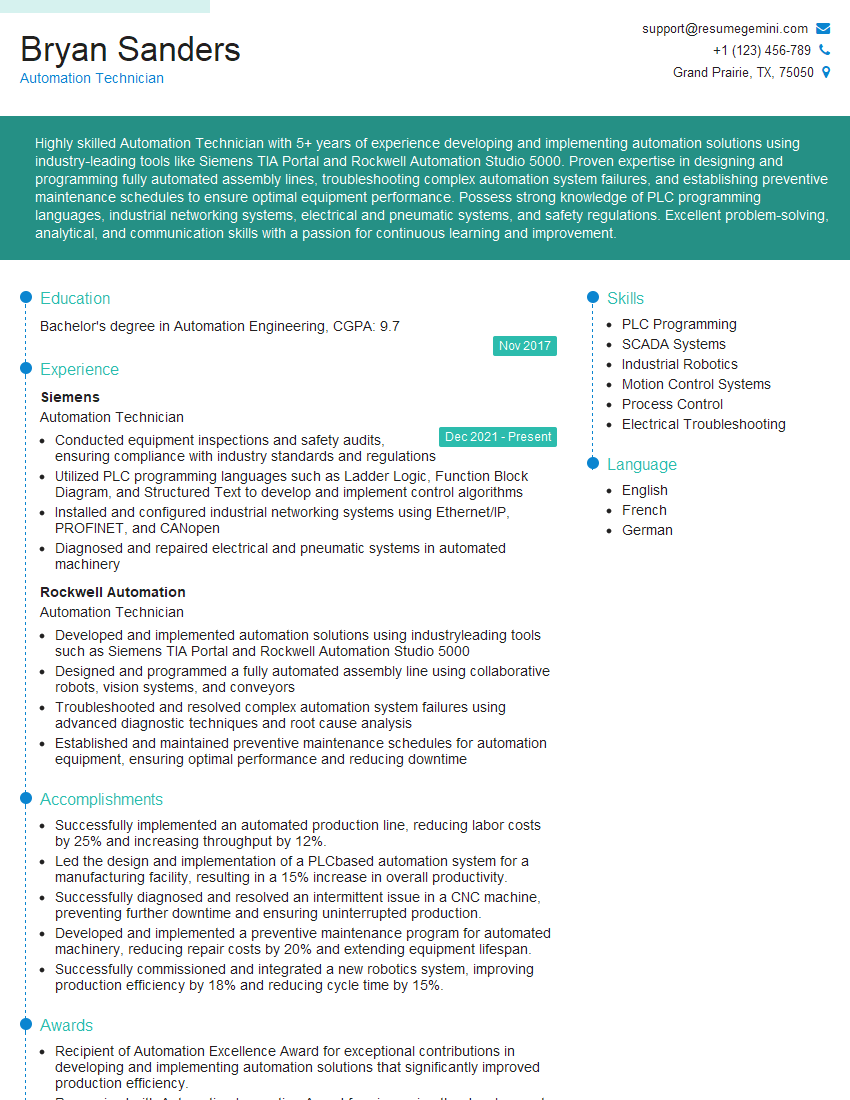
Automation Technician Resume Sample

Electrical Equipment Technician Resume Sample
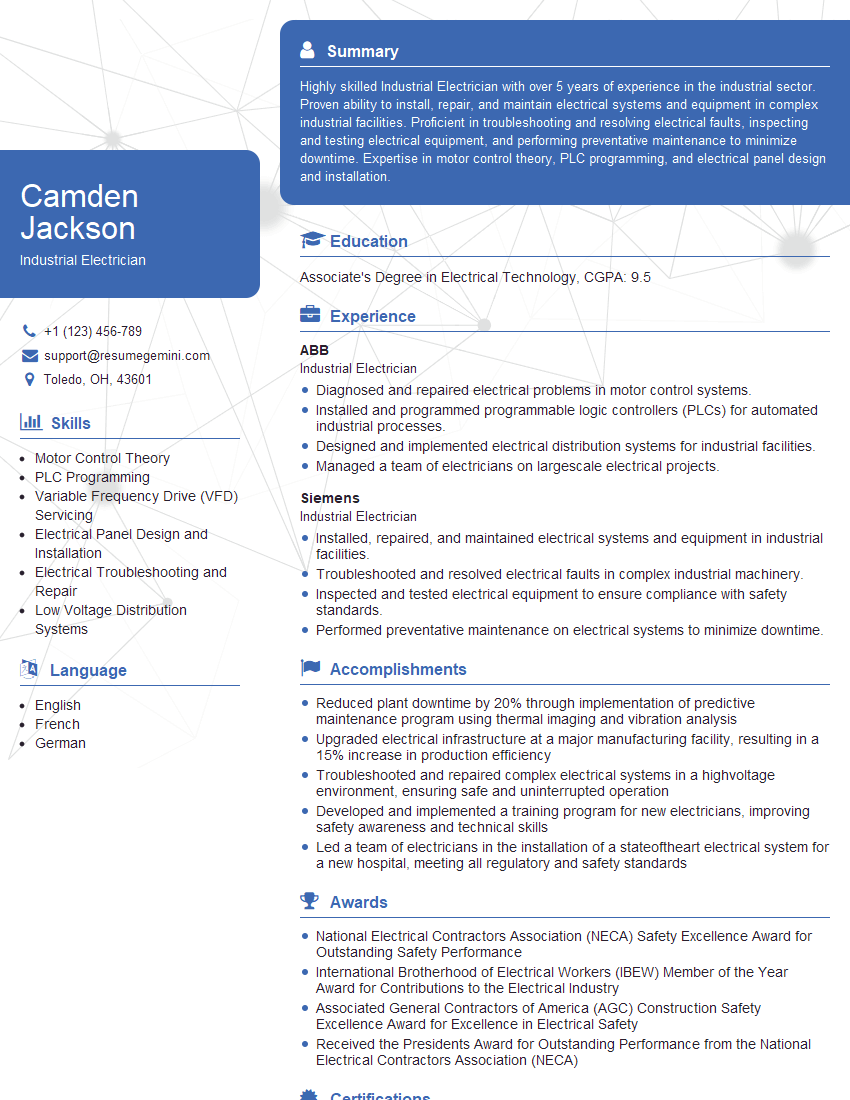
Industrial Electrician Resume Sample

Maintenance Electrician Resume Sample
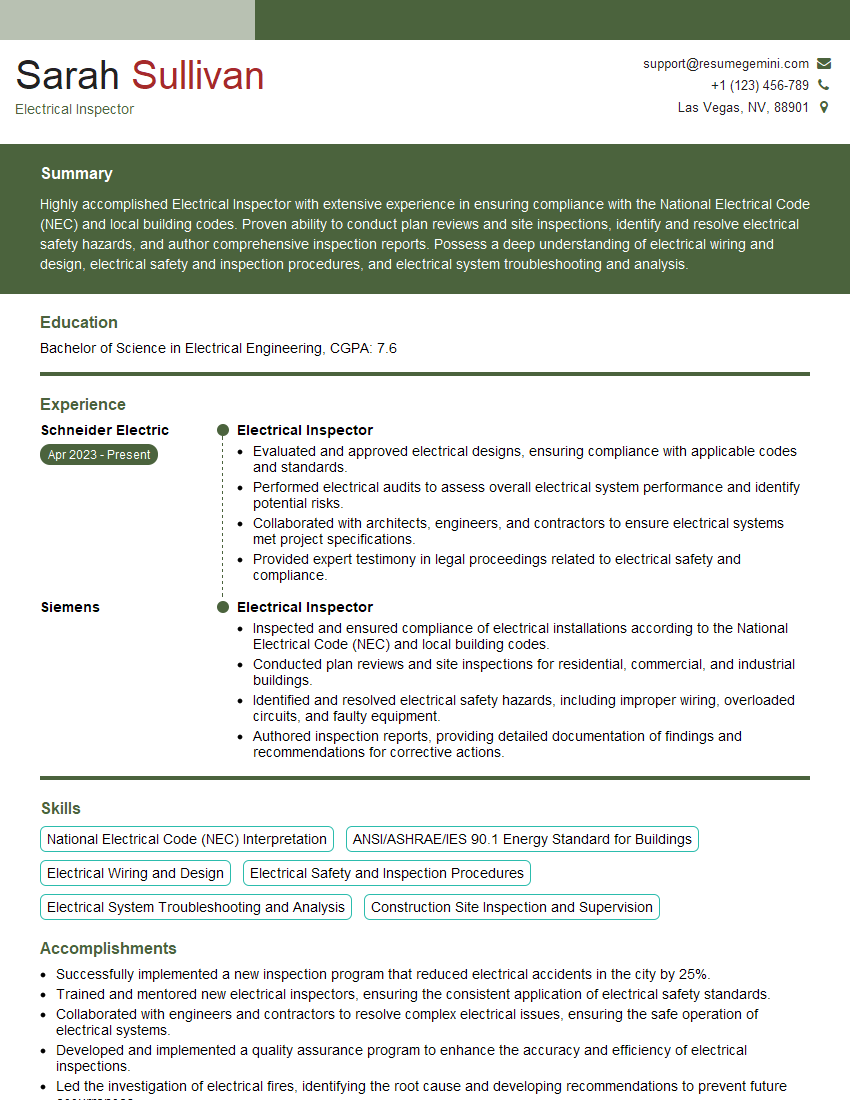
Electrical Inspector Resume Sample
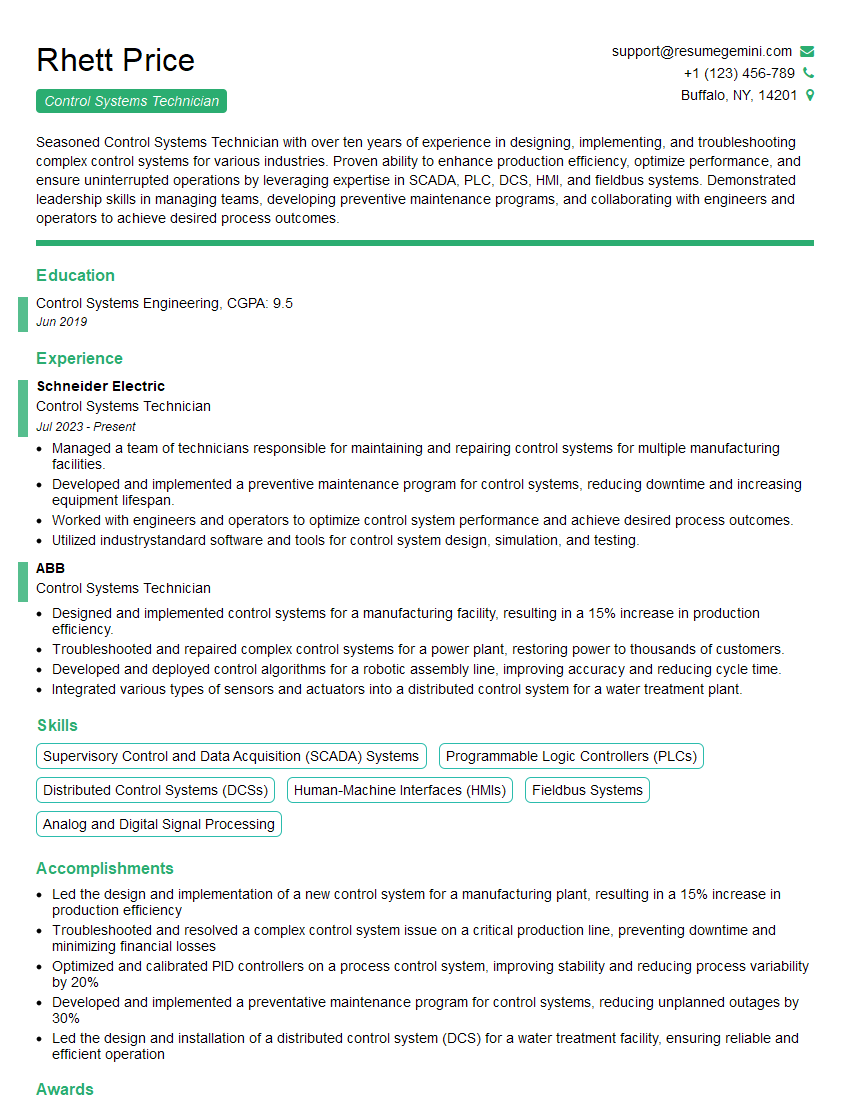
Control Systems Technician Resume Sample
Explore more articles
Users Rating of Our Blogs
Share Your Experience
We value your feedback! Please rate our content and share your thoughts (optional).
What Readers Say About Our Blog
Very informative content, great job.
good