Interviews are opportunities to demonstrate your expertise, and this guide is here to help you shine. Explore the essential Electrical System Design and Development interview questions that employers frequently ask, paired with strategies for crafting responses that set you apart from the competition.
Questions Asked in Electrical System Design and Development Interview
Q 1. Explain the difference between AC and DC power systems.
The core difference between AC (Alternating Current) and DC (Direct Current) power systems lies in the direction of electron flow. In a DC system, electrons flow consistently in one direction, like a river flowing downstream. This results in a constant voltage. Think of your phone battery; it provides a steady DC voltage. In an AC system, the direction of electron flow periodically reverses, oscillating back and forth like a pendulum. This creates a voltage that changes polarity over time, typically in a sinusoidal waveform. Your home’s electrical outlet is a prime example of an AC power source.
This fundamental difference has significant implications for applications. DC is ideal for powering electronic devices that require a stable voltage, while AC is more efficient for long-distance power transmission due to the ease of stepping up and down voltage using transformers. Transformers rely on the changing magnetic fields associated with AC to work effectively.
- AC Advantages: Efficient long-distance transmission, ease of voltage transformation.
- DC Advantages: Easier to generate and use in electronic devices, no voltage fluctuations.
Q 2. Describe your experience with PCB design and layout.
I have extensive experience in PCB (Printed Circuit Board) design and layout, using tools like Altium Designer and Eagle. My workflow typically begins with schematic capture, where I define the circuit’s functionality. This involves selecting components based on specifications, considering thermal management, and ensuring proper signal routing. I pay close attention to component placement to optimize signal integrity and minimize electromagnetic interference. For example, in a high-speed design, I would carefully route sensitive analog signals away from noisy digital lines.
Once the schematic is complete, I proceed to PCB layout, meticulously placing components and routing traces while adhering to design rules and manufacturing constraints. This includes considering factors like trace width, spacing, and layer stacking to ensure signal integrity and minimize impedance mismatch. I regularly perform design rule checks (DRC) and electrical rule checks (ERC) to catch errors before manufacturing. In one project involving a high-frequency power amplifier, careful attention to trace routing and the use of ground planes were critical to achieving stable operation and high efficiency.
Q 3. How do you ensure electromagnetic compatibility (EMC) in your designs?
Ensuring Electromagnetic Compatibility (EMC) is paramount in electrical system design. It’s about designing systems that neither emit excessive electromagnetic interference (EMI) that disrupts other devices, nor are susceptible to EMI from other sources. My approach is multifaceted and begins early in the design process.
- Careful Component Selection: Choosing components with low EMI emissions is crucial. This often involves selecting components with appropriate shielding and filtering capabilities.
- Layout Techniques: Proper PCB layout is critical for minimizing EMI. Techniques like using ground planes, shielding sensitive circuits, and carefully routing traces can significantly reduce emissions.
- Shielding and Filtering: Adding shielding enclosures around sensitive components or circuits is often necessary. Input and output filtering helps attenuate unwanted signals.
- Simulation and Testing: I use simulation tools to predict EMI levels before building prototypes. Rigorous testing, including conducted and radiated emission tests, is performed to validate the design’s compliance with regulatory standards like FCC and CE.
For instance, in a project involving a motor driver circuit, we used a combination of careful layout, shielding, and filtering to ensure compliance with stringent automotive EMC standards.
Q 4. What are your preferred simulation tools for electrical system design?
My preferred simulation tools depend on the specific needs of the project. For circuit simulation, I frequently use LTSpice and Multisim for detailed analysis of circuit behavior and performance characteristics. These tools allow me to simulate transient responses, frequency responses, and other critical parameters. For more complex systems involving multiple components and interactions, I utilize MATLAB/Simulink for system-level modeling and simulation. This allows me to model the overall behavior of the electrical system, including interactions with mechanical components or control algorithms. For electromagnetic field simulations, I’ve used ANSYS HFSS and CST Studio Suite to analyze antenna performance and EMC.
The choice of simulation tool is crucial; it allows for verification of the design’s performance and identification of potential issues before hardware prototyping, saving significant time and resources.
Q 5. Explain your understanding of different types of power converters.
Power converters are essential components in many electrical systems, transforming electrical energy from one form to another. Different types exist, each suited for particular applications.
- Linear Regulators: These are simple and efficient at low power levels. They work by dissipating excess voltage as heat, making them less efficient at higher power levels.
- Switching Regulators: These achieve higher efficiency by switching the power on and off rapidly. They are further categorized into buck (step-down), boost (step-up), and buck-boost (step-up/down) converters, each designed to alter the input voltage to the desired output voltage. These are commonly used in DC-DC conversion.
- Inverters: These convert DC to AC, often used to power AC motors from DC sources like batteries. Different types exist like sine-wave and square-wave inverters.
- Rectifiers: These convert AC to DC. Common types include half-wave and full-wave rectifiers, often used in power supplies.
The choice of power converter depends critically on the application’s power requirements, efficiency needs, and voltage conversion requirements. For example, a high-power application might necessitate the use of a highly efficient switching regulator, while a low-power application might utilize a simpler linear regulator.
Q 6. Describe your experience with different types of motors and their control.
I have experience with various motor types and their control systems. The choice of motor depends heavily on the application’s specific requirements, such as torque, speed, efficiency, and cost.
- DC Motors: These are relatively simple to control, often using Pulse Width Modulation (PWM) techniques to regulate speed and direction.
- AC Induction Motors: These are widely used in industrial applications due to their robustness and reliability. Control techniques like Vector Control and V/F control are employed to manage speed and torque.
- Stepper Motors: These provide precise angular movements, commonly used in robotics and precision positioning systems. They can be controlled using micro-stepping techniques for smoother operation.
- Servomotors: These provide precise control over position, velocity, and acceleration, often used in applications requiring high accuracy and responsiveness. They utilize closed-loop feedback control systems for precise operation.
I’ve worked on projects involving control algorithms for each of these motor types. For example, I designed and implemented a closed-loop position control system for a servomotor in a robotics application, incorporating feedback sensors and a PID controller to achieve precise positioning.
Q 7. How do you troubleshoot electrical system failures?
Troubleshooting electrical system failures requires a systematic and methodical approach. It begins with a thorough understanding of the system’s functionality and a careful examination of the symptoms. My approach usually follows these steps:
- Identify the Symptoms: Carefully document all observed anomalies—unusual noises, overheating components, malfunctioning outputs, or error messages.
- Isolate the Faulty Component(s): Use multimeters, oscilloscopes, and other diagnostic tools to isolate the source of the problem. This often involves checking voltage levels, current flows, and signal integrity at various points in the system.
- Analyze the Data: Analyze data obtained through measurements and observations to pinpoint the root cause of the failure.
- Implement a Solution: Once the fault is identified, implement the appropriate corrective action, whether it’s replacing a faulty component, repairing a damaged connection, or modifying the design.
- Verify the Solution: After implementing a solution, test the system thoroughly to ensure the problem has been resolved and that no new issues have arisen.
In a recent project, a motor control system failed to start. By systematically checking voltage levels at different points, I found a blown fuse, ultimately tracing the root cause to a short circuit in the motor windings. Replacing the fuse and the motor resolved the issue.
Q 8. Explain your experience with different types of sensors and their applications.
My experience with sensors spans a wide range, encompassing various types and applications. Think of sensors as the ‘eyes and ears’ of an electrical system, providing crucial data about the environment or the system’s internal state. I’ve worked extensively with:
- Temperature Sensors (Thermistors, Thermocouples, RTDs): Used in everything from automotive engine control units to industrial process monitoring, ensuring optimal operating temperatures and preventing overheating. For instance, in a data center, precise temperature monitoring prevents server failure.
- Pressure Sensors: Essential for applications requiring precise pressure readings, such as hydraulic systems, medical devices (blood pressure monitoring), and industrial automation. I once worked on a project integrating pressure sensors to optimize the flow rate in a manufacturing process, leading to significant cost savings.
- Optical Sensors (Photodiodes, Photoresistors): These are crucial for light detection and measurement, employed in applications like proximity sensing, barcode scanners, and light-level control in displays. I’ve used them in projects involving automated guided vehicles (AGVs) and robotic systems.
- Accelerometers and Gyroscopes: Fundamental to inertial measurement units (IMUs), used in motion tracking, stabilization systems, and navigation. For example, I implemented these in a drone project to ensure stable flight control.
- Position Sensors (Potentiometers, Encoders): Used for precise position feedback in robotics, motors, and other mechanical systems. A recent project involved using encoders to precisely control the positioning of a robotic arm in a pick-and-place application.
Choosing the right sensor always involves considering factors like accuracy, resolution, range, environmental conditions, power consumption, and cost. My experience allows me to make informed decisions in this crucial design phase.
Q 9. Describe your experience with microcontroller programming.
Microcontroller programming is a core skill in my expertise. I’m proficient in various languages, primarily C and C++, which are ideal for their efficiency and direct hardware access. My experience extends to a wide range of microcontrollers, including those based on ARM Cortex-M, AVR, and PIC architectures.
I’m not only comfortable with basic programming tasks like digital I/O, timer/counters, and PWM control but also adept at more advanced techniques such as real-time operating systems (RTOS), interrupt handling, and communication protocols. For instance, I recently developed firmware for a microcontroller-based system managing multiple sensors, data acquisition, and communication with a cloud server via a secure communication protocol.
// Example C code snippet for blinking an LED #include #include int main(void) { DDRB |= (1 << PB5); // Set PB5 as output (LED) while (1) { PORTB |= (1 << PB5); // Turn LED ON _delay_ms(1000); // Wait for 1 second PORTB &= ~(1 << PB5); // Turn LED OFF _delay_ms(1000); // Wait for 1 second } return 0; } In my work, I emphasize code readability, maintainability, and efficiency. Robust error handling and testing procedures are paramount to ensure reliable system performance.
Q 10. Explain your understanding of digital signal processing (DSP).
Digital Signal Processing (DSP) involves manipulating digital signals to extract information or improve signal quality. Imagine it like cleaning up a noisy audio recording to make it clearer. This is vital in numerous electrical systems.
My understanding of DSP encompasses various techniques, including:
- Filtering: Removing unwanted noise or interference from signals. This could be anything from removing powerline hum in audio recordings to filtering out sensor noise.
- Fourier Transforms: Breaking down complex signals into their constituent frequencies to analyze their components. This is crucial for spectral analysis and signal decomposition.
- Signal Compression: Reducing the amount of data required to represent a signal while preserving important information. This has applications in data transmission and storage.
- Adaptive Filtering: Adjusting filter characteristics in real-time to adapt to changing signal conditions. This is particularly useful in applications with dynamic noise levels.
I've applied DSP techniques in several projects, including designing a noise cancellation algorithm for an audio recording device and developing an algorithm for vibration analysis in a mechanical system using accelerometer data. My approach is always to choose the most appropriate algorithm for the specific application and optimize it for efficiency and performance.
Q 11. How do you handle thermal management in electronic systems?
Thermal management is critical in electronic systems to ensure reliable and safe operation. Excess heat can lead to component failure, reduced lifespan, and even safety hazards. My approach to thermal management is multifaceted and depends on the specific application and constraints.
Strategies I employ include:
- Heatsinks: Passive cooling solutions that increase the surface area for heat dissipation. The choice of heatsink material and design is crucial for optimal performance.
- Fans: Active cooling using fans to increase airflow and enhance heat removal. The selection of fan type, size, and airflow characteristics is important.
- Thermal Interface Materials (TIMs): Materials used to improve heat transfer between components and heatsinks. Selecting the correct TIM is essential for efficient heat dissipation.
- Thermal Simulations: Using software tools to model heat flow and predict temperatures within the system. This helps in optimizing the design and predicting potential hotspots.
- Enclosure Design: Designing enclosures that promote effective heat dissipation through appropriate materials, ventilation, and airflow paths.
For example, in a high-power industrial control system, I used a combination of heatsinks, fans, and thermal simulations to ensure the operating temperature remained within safe limits, preventing premature failure.
Q 12. Describe your experience with safety standards in electrical design (e.g., UL, IEC).
Safety standards like UL (Underwriters Laboratories) and IEC (International Electrotechnical Commission) are paramount in electrical design. These standards set safety requirements to prevent hazards such as electric shock, fire, and equipment malfunction.
My experience includes designing systems that meet various UL and IEC standards, focusing on aspects like:
- Electrical Insulation: Ensuring appropriate insulation levels to prevent electric shock.
- Grounding and Bonding: Implementing proper grounding and bonding techniques to prevent electrical hazards.
- Overcurrent Protection: Incorporating fuses, circuit breakers, and other protective devices to prevent overcurrent conditions.
- EMC/EMI Compliance: Designing systems that meet electromagnetic compatibility and emission standards to prevent interference with other devices and systems.
- Safety Testing and Certification: Participating in safety testing and certification processes to ensure compliance with relevant standards.
Adherence to these standards is not just a matter of compliance; it's a crucial aspect of ensuring product reliability, preventing accidents, and protecting users. I've always prioritized safety in my designs, integrating safety considerations from the conceptual phase through to final testing and certification.
Q 13. Explain your experience with different types of communication protocols (e.g., CAN, SPI, I2C).
Communication protocols are essential for enabling data exchange between different components within an electrical system and with external systems. My experience encompasses various protocols, including:
- CAN (Controller Area Network): A robust and reliable protocol commonly used in automotive, industrial automation, and other applications where real-time communication is critical. I've used CAN in several projects involving distributed control systems.
- SPI (Serial Peripheral Interface): A simple and versatile protocol often used for communication with peripheral devices such as sensors, memory chips, and display drivers. I've leveraged SPI's speed and simplicity in numerous projects involving data acquisition.
- I2C (Inter-Integrated Circuit): A two-wire protocol widely used for communication between integrated circuits. Its simplicity and low power consumption make it suitable for various applications including sensor networks and embedded systems. I often use it for interfacing with low-power sensors.
- UART (Universal Asynchronous Receiver/Transmitter): A simple serial communication protocol commonly used for debugging and interfacing with various devices. It's a cornerstone for basic serial communication.
The selection of the appropriate communication protocol depends on several factors, including data rate, distance, power consumption, cost, and complexity. My design decisions consider these factors to ensure the optimal communication solution for each project.
Q 14. How do you manage project timelines and budgets for electrical system development?
Managing project timelines and budgets effectively is crucial for successful electrical system development. My approach involves a combination of planning, tracking, and communication.
My process includes:
- Detailed Project Planning: Creating a well-defined project plan that breaks down tasks into manageable components, assigns responsibilities, and establishes clear deadlines. This often involves using tools like Gantt charts.
- Budget Allocation: Developing a comprehensive budget that accounts for all costs, including components, labor, testing, and certification. Regular budget tracking is crucial to identify and address any potential overruns.
- Risk Management: Identifying potential risks and developing mitigation strategies. This includes anticipating potential delays or cost overruns and proactively addressing them.
- Regular Progress Monitoring: Regularly monitoring progress against the project plan and budget. This often involves using project management software and holding regular team meetings.
- Communication: Maintaining clear and consistent communication with the project team, stakeholders, and clients to ensure everyone is informed about the project's status.
A recent project involved developing a custom power supply for a medical device. By meticulously planning, tracking costs, and proactively addressing challenges, we completed the project on time and within budget, delivering a high-quality product that met all regulatory requirements.
Q 15. Describe your experience with system integration and testing.
System integration and testing are crucial for ensuring a smoothly functioning electrical system. My experience encompasses the entire process, from verifying individual components' performance to integrating them into a complete system and rigorously testing the overall functionality. This involves meticulous planning, careful execution, and thorough documentation.
For example, in a recent project involving the design of an industrial control system, I was responsible for integrating various subsystems – PLCs, motor drives, sensors, and HMIs. Before integration, I conducted unit tests on each component to confirm its individual specifications. Following integration, I performed system-level testing, including functional testing (verifying correct operation under normal conditions), performance testing (measuring speed, efficiency, and responsiveness), and stress testing (simulating extreme conditions to identify potential failure points). I used a combination of automated testing tools and manual procedures to ensure comprehensive coverage. Any discovered issues were meticulously documented, analyzed, and resolved before system deployment.
Another significant aspect of my work is the development of detailed test plans and procedures. These plans clearly outline the test objectives, methods, and expected results, ensuring consistent and repeatable testing across different teams and phases of development. This methodology dramatically reduces the risk of unexpected failures in the field and ensures a reliable and robust system.
Career Expert Tips:
- Ace those interviews! Prepare effectively by reviewing the Top 50 Most Common Interview Questions on ResumeGemini.
- Navigate your job search with confidence! Explore a wide range of Career Tips on ResumeGemini. Learn about common challenges and recommendations to overcome them.
- Craft the perfect resume! Master the Art of Resume Writing with ResumeGemini's guide. Showcase your unique qualifications and achievements effectively.
- Don't miss out on holiday savings! Build your dream resume with ResumeGemini's ATS optimized templates.
Q 16. Explain your understanding of different types of power supplies.
Power supplies are the lifeblood of any electrical system, converting the input voltage to the required voltage and current for the various components. They come in various types, each with its own advantages and disadvantages.
- Linear Power Supplies: These are simple and relatively inexpensive. They use a linear regulator to efficiently reduce the voltage. However, they can be inefficient and generate significant heat, particularly at higher currents.
- Switching Power Supplies (SMPS): These are much more efficient than linear supplies, using switching transistors to rapidly convert the input voltage. This efficiency translates into less heat and smaller size. However, they can generate electromagnetic interference (EMI) which requires careful consideration of shielding and filtering.
- Uninterruptible Power Supplies (UPS): These provide backup power during power outages, usually using batteries to maintain a continuous supply. They're critical for applications requiring uninterrupted operation, such as servers or medical equipment. UPS systems can range from small units for individual computers to large industrial systems.
- DC-to-DC Converters: These convert a DC voltage to another DC voltage, often used to create various voltage rails within a system. They can be either linear or switching.
The choice of power supply depends heavily on the application's requirements. For instance, a low-power embedded system might use a simple linear regulator, while a high-power server would necessitate a sophisticated SMPS with robust EMI filtering. In choosing the right supply, factors such as efficiency, size, cost, and EMI are carefully considered.
Q 17. How do you ensure the reliability of your electrical designs?
Reliability is paramount in electrical design. Ensuring this involves a multi-faceted approach that begins at the design stage and continues through testing and deployment.
- Robust Design Practices: I employ design techniques that incorporate redundancy where critical, utilize high-quality components with known reliability characteristics, and employ derating techniques (operating components below their maximum ratings) to increase lifespan and tolerance to variations in operating conditions.
- Thorough Component Selection: The selection of components is not taken lightly. I carefully evaluate datasheets, look for reputable manufacturers and consider factors such as temperature ratings, expected lifespan, and environmental robustness.
- Comprehensive Testing: This includes unit testing, integration testing, environmental testing (vibration, temperature, humidity), and reliability testing (e.g., accelerated life testing). Data logging during these tests is crucial for identifying potential weakness points.
- Fault Tolerance and Protection: Implementing appropriate circuit protection measures (fuses, circuit breakers, etc.) and designing for fault tolerance are crucial steps in mitigating risks. This prevents cascading failures and protects both the equipment and personnel.
- Documentation and Traceability: Keeping detailed records of design choices, component selections, testing procedures, and any modifications ensures future maintainability, troubleshooting, and analysis.
Thinking about reliability upfront saves time and resources in the long run. A well-designed system minimizes the risk of unexpected failures and reduces maintenance costs, resulting in a more cost-effective and dependable product.
Q 18. Describe your experience with different types of circuit protection devices.
Circuit protection devices are essential for preventing damage to equipment and ensuring safety. My experience encompasses a wide range of these devices:
- Fuses: These are simple and inexpensive devices that melt and break the circuit when excessive current flows. They come in various types, such as slow-blow fuses for inrush currents and fast-blow fuses for short circuits.
- Circuit Breakers: These are resettable devices that automatically interrupt the circuit when overload or short-circuit conditions are detected. They offer better protection than fuses as they can be reset without replacement. Types include thermal circuit breakers and magnetic circuit breakers.
- Overcurrent Relays: These are electromechanical or solid-state devices used in larger systems to detect overcurrents and trip circuit breakers or disconnect switches.
- Surge Protection Devices (SPDs): These protect equipment from voltage surges caused by lightning strikes or power grid disturbances. They typically use varistors or gas discharge tubes to shunt excess voltage to ground.
- Transient Voltage Suppressors (TVS): These are semiconductor devices used to protect sensitive electronics from fast voltage transients.
Selecting the appropriate circuit protection device depends on factors such as the current rating, voltage rating, and the type of fault expected. For example, a motor control circuit might require both a fuse for short-circuit protection and an overcurrent relay to protect against motor overloads. A data center server rack might use a combination of SPDs and TVS diodes for protection against surges and transients.
Q 19. Explain your understanding of fault analysis techniques.
Fault analysis is the process of identifying the root cause of electrical system failures. Effective fault analysis prevents future occurrences and improves system reliability. My experience includes using several techniques:
- Visual Inspection: This involves carefully examining the system for obvious signs of damage, such as burnt components or loose connections.
- Measurement Techniques: Using multimeters, oscilloscopes, and other instruments to measure voltages, currents, and other parameters to identify deviations from normal operating conditions.
- Simulation: Using circuit simulation software (like LTSpice or PSpice) to model the system and analyze its behavior under different fault conditions. This can help pinpoint the most likely failure points.
- Root Cause Analysis (RCA): This structured approach helps identify the underlying causes of failures, going beyond just identifying the immediate symptoms. Techniques like the “5 Whys” method are often used.
- Failure Mode and Effects Analysis (FMEA): This proactive method identifies potential failure modes and their effects, allowing for preventive measures to be put in place before failure occurs.
For example, if a system experiences an intermittent short circuit, fault analysis might involve using an oscilloscope to observe the waveforms and pinpoint the timing of the short, followed by a visual inspection to locate the faulty component or connection. Simulation might be used to verify the identified fault and to assess the impact on other parts of the system.
Q 20. How do you document your electrical designs?
Proper documentation is crucial for the maintainability and traceability of electrical designs. My documentation practices follow industry best practices and include:
- Schematic Diagrams: Clear and well-organized schematic diagrams showing the interconnection of all components. These diagrams include component designations, values, and other relevant information.
- PCB Layouts: Detailed PCB layouts showing the physical placement of components on the printed circuit board. These layouts include information on routing, component placement, and layer assignments.
- Bill of Materials (BOM): A comprehensive list of all components used in the design, including part numbers, manufacturers, and quantities.
- Test Procedures and Results: Detailed descriptions of all testing procedures, including test setups, measurements, and results. This helps with future troubleshooting and analysis.
- Design Reviews and Change Orders: Documentation of design reviews, including notes from meetings and any subsequent changes or modifications. This ensures that everyone is on the same page and changes are properly tracked.
- Technical Manuals and User Guides: Clear and concise documentation providing instructions for system operation and maintenance.
Using a version control system like Git for all design documents ensures easy tracking of changes and allows for collaboration among team members. Consistent and thorough documentation is vital for the long-term success and maintainability of any electrical design.
Q 21. Describe your experience with schematic capture and PCB layout software.
Proficiency in schematic capture and PCB layout software is essential for efficient and effective electrical design. My experience includes extensive use of industry-standard tools such as Altium Designer, Eagle, and KiCad.
Schematic capture software allows for the creation of clear and concise circuit diagrams, while PCB layout software facilitates the physical design of the circuit board. I am adept at utilizing the features of these tools, including:
- Component Libraries: Managing and creating component libraries for efficient design reuse.
- Schematic Capture: Designing and documenting complex circuit schematics, including hierarchical design for large projects.
- PCB Layout: Creating efficient and manufacturable PCB layouts, considering factors like signal integrity, thermal management, and EMI/EMC compliance.
- Routing Techniques: Employing various routing techniques (e.g., auto-routing, manual routing) to optimize signal integrity and minimize crosstalk.
- Design Rule Checking (DRC): Utilizing DRC to identify and correct design errors before manufacturing.
- Gerber File Generation: Generating Gerber files for manufacturing purposes.
For example, in a high-speed digital design, I would use these tools to meticulously route sensitive signals to minimize crosstalk and ensure signal integrity, meeting stringent requirements for data transmission speed and accuracy. Careful consideration of layer stacking, trace width, and impedance control are vital aspects in this process. I’m comfortable using all these tools to create professional, manufacturable designs meeting the highest standards.
Q 22. Explain your understanding of different types of filters.
Filters are crucial components in electrical systems, used to selectively allow or block certain frequencies of signals. Think of them as sieves for electrical signals. They come in various types, each serving a specific purpose.
- Passive Filters: These use only passive components like resistors, capacitors, and inductors. They are simple, cost-effective, and reliable but offer limited control over their characteristics. Examples include:
- Low-pass filters: Allow low-frequency signals to pass while attenuating high-frequency signals. Imagine a bass filter in your stereo system; it emphasizes the lower frequencies.
- High-pass filters: Allow high-frequency signals to pass while attenuating low-frequency signals. A treble filter on your stereo does the opposite.
- Band-pass filters: Allow signals within a specific frequency range to pass while attenuating signals outside that range. This is like selecting a specific radio station.
- Band-stop filters (Notch filters): Attenuate signals within a specific frequency range while allowing signals outside that range to pass. Useful for removing unwanted noise at a specific frequency.
- Active Filters: These use active components like operational amplifiers (op-amps) in addition to passive components. They offer greater flexibility in design and can achieve higher performance characteristics such as sharper cutoff frequencies and higher gain. An example is a precision audio amplifier with sophisticated equalization capabilities.
The choice of filter type depends on the specific application requirements, such as the desired frequency response, the level of signal attenuation needed, and the cost constraints.
Q 23. How do you ensure the manufacturability of your electrical designs?
Ensuring manufacturability is paramount; a brilliant design is useless if it can't be produced efficiently and cost-effectively. My approach involves several key steps:
- Design for Manufacturing (DFM): This involves considering manufacturing processes early in the design phase. I select components with readily available supply chains, ensure tolerances are realistic for the chosen manufacturing methods (e.g., SMT assembly vs. through-hole), and utilize standard form factors whenever possible.
- Component Selection: I meticulously choose components based on their availability, cost, reliability, and compatibility with the chosen manufacturing process. Using readily available components avoids delays and reduces cost.
- Tolerance Analysis: I perform simulations to understand how variations in component values affect the overall system performance. This minimizes the risk of the product not functioning due to manufacturing tolerances.
- Collaboration with Manufacturers: I actively involve manufacturers in the design process. This ensures that the design is feasible from their perspective and allows for early feedback on potential challenges.
- Testing and Verification: Thorough testing at each stage, from prototype to production, is crucial for identifying potential manufacturing defects and verifying the design's robustness.
For instance, in a recent project designing a power supply, I opted for surface-mount components to reduce the size and cost, while also using components from reputable suppliers with proven track records of quality and delivery. Close collaboration with the manufacturer helped us optimize the PCB layout for efficient assembly, avoiding design flaws that could have impacted manufacturability.
Q 24. Describe your experience with different types of wiring and cabling.
My experience encompasses a wide range of wiring and cabling, each with its own strengths and weaknesses:
- Solid Core Wire: Excellent for high-current applications and where vibration is a concern, but less flexible.
- Stranded Wire: More flexible and easier to work with, suitable for applications where movement is expected, but might have higher resistance.
- Shielded Cable: Reduces electromagnetic interference (EMI) and radio frequency interference (RFI), crucial for sensitive electronics like medical devices or communication systems.
- Coaxial Cable: Used for high-frequency signals, minimizing signal loss and maintaining impedance matching.
- Fiber Optic Cable: Transmits data using light pulses, offering high bandwidth and resistance to EMI and RFI, ideal for long-distance communication and high-speed data transmission.
In one project involving a robotic arm, I used shielded twisted-pair cable to minimize interference in the control signals. The choice was determined by the need for flexibility, EMI protection, and the high data rate required. In another, a high-power DC system for a motor drive required heavy-gauge solid copper wire for reliability and current carrying capacity.
Q 25. Explain your understanding of grounding and bonding techniques.
Grounding and bonding are critical for safety and performance in electrical systems. Grounding connects a point in the system to the earth, providing a low-impedance path for fault currents, while bonding connects multiple metallic parts to create a equipotential plane. Imagine grounding as a safety net, and bonding as ensuring no dangerous voltage differences exist.
- Grounding Techniques: These include earth grounding (connecting to a ground rod), building grounding (connecting to a building's grounding system), and equipment grounding (connecting equipment enclosures to ground).
- Bonding Techniques: Involve connecting metallic enclosures, conduit, and other parts of the system to create an equipotential plane. This prevents voltage differences that could lead to shocks or equipment damage.
- Importance of Grounding and Bonding: Protects against electrical shocks, prevents equipment damage from surges and voltage transients, minimizes EMI/RFI, and improves signal integrity.
In designing a high-voltage power system, a robust grounding and bonding system is essential for safety. It involves proper grounding of the entire system and ensuring that all metallic parts are bonded together to prevent potential hazards and minimize the risk of electrical arcs or other dangerous events. I used specialized grounding rods and heavy-gauge bonding conductors to achieve the necessary low impedance pathways.
Q 26. How do you manage risk in electrical system design?
Risk management is a continuous process throughout the design lifecycle. I use a structured approach employing failure mode and effects analysis (FMEA), hazard analysis, and safety integrity levels (SIL) where applicable:
- Hazard Identification: Identify potential hazards such as electrical shocks, fires, and equipment damage.
- Risk Assessment: Evaluate the likelihood and severity of each hazard.
- Risk Mitigation: Implement safety measures such as protective devices (e.g., fuses, circuit breakers, overcurrent protection), appropriate insulation, and safety interlocks.
- Verification and Validation: Verify the effectiveness of mitigation strategies through testing, simulations, and inspections.
- Documentation: Meticulous documentation of all risks, assessments, and mitigation strategies ensures transparency and traceability.
In a recent project designing a medical device, we performed a thorough FMEA, identifying potential failure modes and implementing mitigation strategies, including redundant safety systems. The device was rigorously tested to ensure safety and compliance with relevant standards.
Q 27. Describe your experience with different types of embedded software development.
My experience in embedded software development spans various microcontrollers and real-time operating systems (RTOS). I have proficiency in C/C++ and have worked on projects involving:
- Real-Time Control Systems: Developing firmware for motor controllers, sensor data acquisition systems, and other applications requiring precise timing and deterministic behavior.
// Example C code snippet: if (timer_interrupt_flag == 1){ motor_control_function(); timer_interrupt_flag = 0; } - Communication Protocols: Implementing communication stacks for protocols like CAN, I2C, SPI, and Ethernet for interfacing with various peripherals and networks.
- Device Drivers: Developing low-level drivers for various peripherals such as ADCs, DACs, and sensors.
- RTOS programming: Using RTOS features like task scheduling, inter-process communication, and memory management for complex embedded systems.
One project involved developing the firmware for a smart home energy management system using an ARM Cortex-M4 microcontroller and FreeRTOS. This included implementing algorithms for energy optimization, data logging, and wireless communication using Zigbee.
Q 28. Explain your understanding of signal integrity.
Signal integrity refers to the quality of an electrical signal as it travels through a circuit. It's about ensuring the signal arrives at its destination accurately and without degradation. Think of it as maintaining the clarity of a message as it travels across a long distance.
- Signal Degradation: Factors like reflections, crosstalk, attenuation, and noise can compromise signal integrity, resulting in data loss or malfunction.
- Mitigation Techniques: These include proper impedance matching, shielding, grounding, careful PCB layout, and using high-speed components.
- Simulation Tools: Tools like SPICE and IBIS-AMI are crucial for analyzing and optimizing signal integrity.
In a high-speed digital design, signal integrity is critical. For example, a high-speed data bus in a computer requires careful control of impedance to minimize reflections, and crosstalk between signals needs to be controlled through appropriate PCB layout techniques and shielding. Using simulation tools allowed me to predict and mitigate potential signal integrity issues before physical prototyping.
Key Topics to Learn for Electrical System Design and Development Interview
- Power Systems Analysis: Understanding power flow, fault analysis, and protection schemes. Practical application includes designing efficient and reliable power distribution networks for buildings or industrial facilities.
- Circuit Design and Analysis: Proficiency in analyzing and designing various circuits, including analog and digital circuits. Practical application encompasses developing control systems for industrial processes or designing efficient power converters.
- Embedded Systems: Knowledge of microcontroller programming, sensor integration, and real-time operating systems. Practical application includes developing control systems for robotics, automotive, or consumer electronics.
- Control Systems Engineering: Understanding feedback control, PID controllers, and system stability analysis. Practical application includes designing automated control systems for industrial machinery or HVAC systems.
- Electrical Machines: Knowledge of various types of motors (AC/DC), generators, and their control mechanisms. Practical application includes selecting appropriate motors for specific applications and designing motor drive systems.
- Simulation and Modeling: Experience with simulation software (e.g., MATLAB/Simulink, LTSpice) for circuit and system analysis. Practical application includes verifying designs before physical implementation and optimizing system performance.
- Design for Manufacturing (DFM): Understanding the practical aspects of manufacturing electrical systems, including component selection, cost optimization, and manufacturability considerations.
- Safety and Standards Compliance: Knowledge of relevant safety standards and regulations (e.g., IEC, UL) is crucial for designing safe and reliable systems.
Next Steps
Mastering Electrical System Design and Development opens doors to exciting and rewarding career opportunities in various industries. A strong foundation in these areas is highly sought after, leading to increased job prospects and higher earning potential. To maximize your chances of landing your dream job, crafting an ATS-friendly resume is paramount. This ensures your application gets noticed by recruiters and hiring managers. We highly recommend using ResumeGemini, a trusted resource for building professional and effective resumes. ResumeGemini offers valuable tools and examples of resumes tailored to Electrical System Design and Development to help you present your skills and experience in the best possible light. Take the next step towards your career success today!
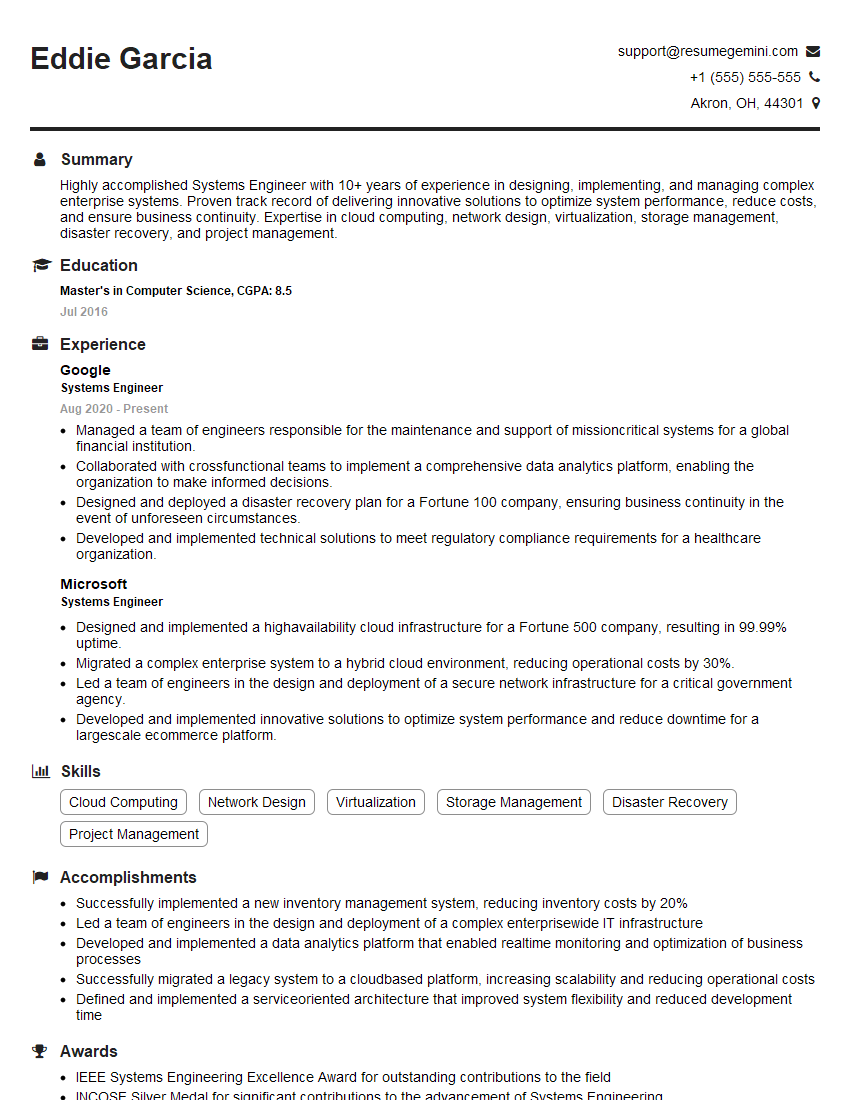
Systems Engineer Resume Sample
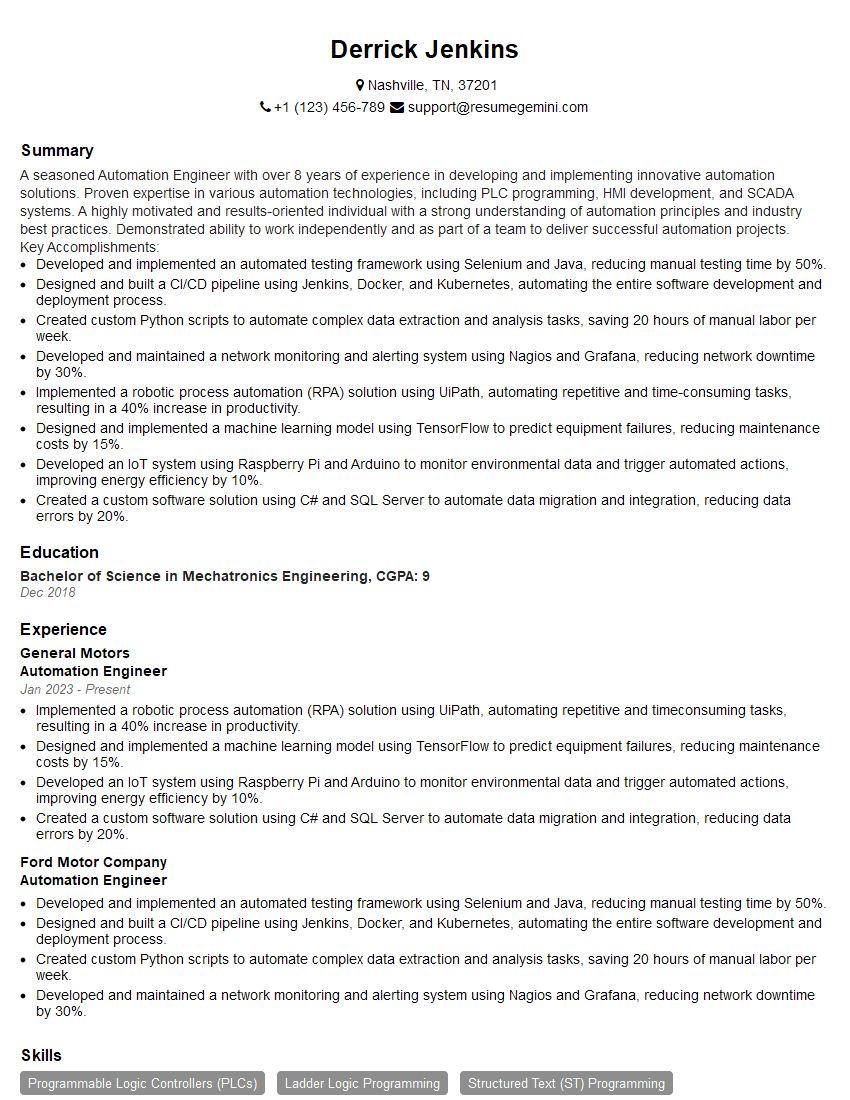
Automation Engineer Resume Sample
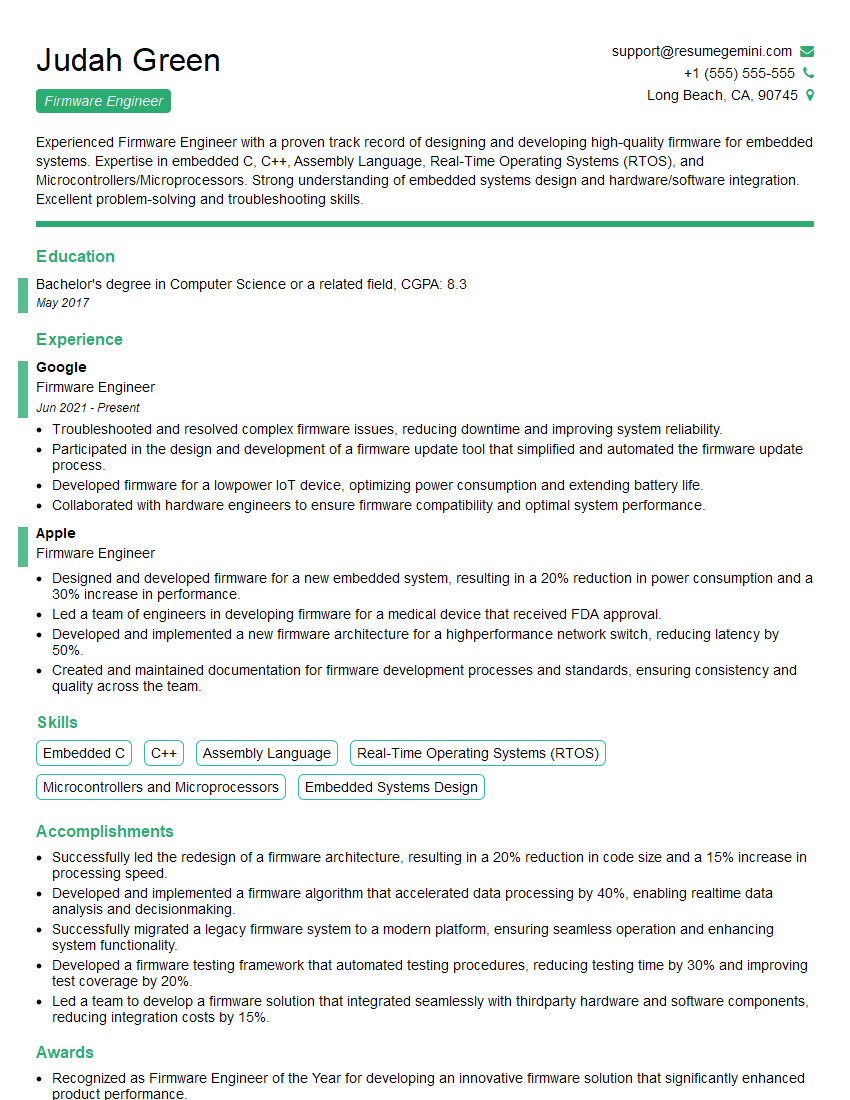
Firmware Engineer Resume Sample
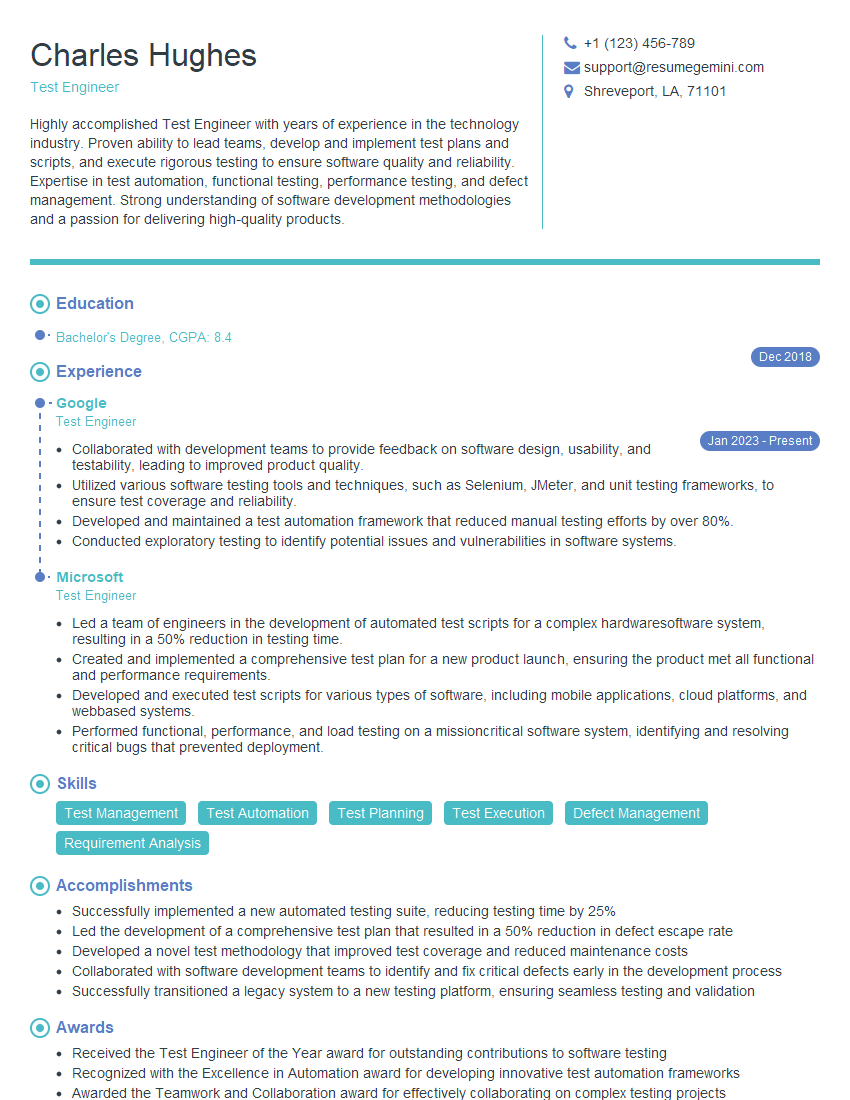
Test Engineer Resume Sample
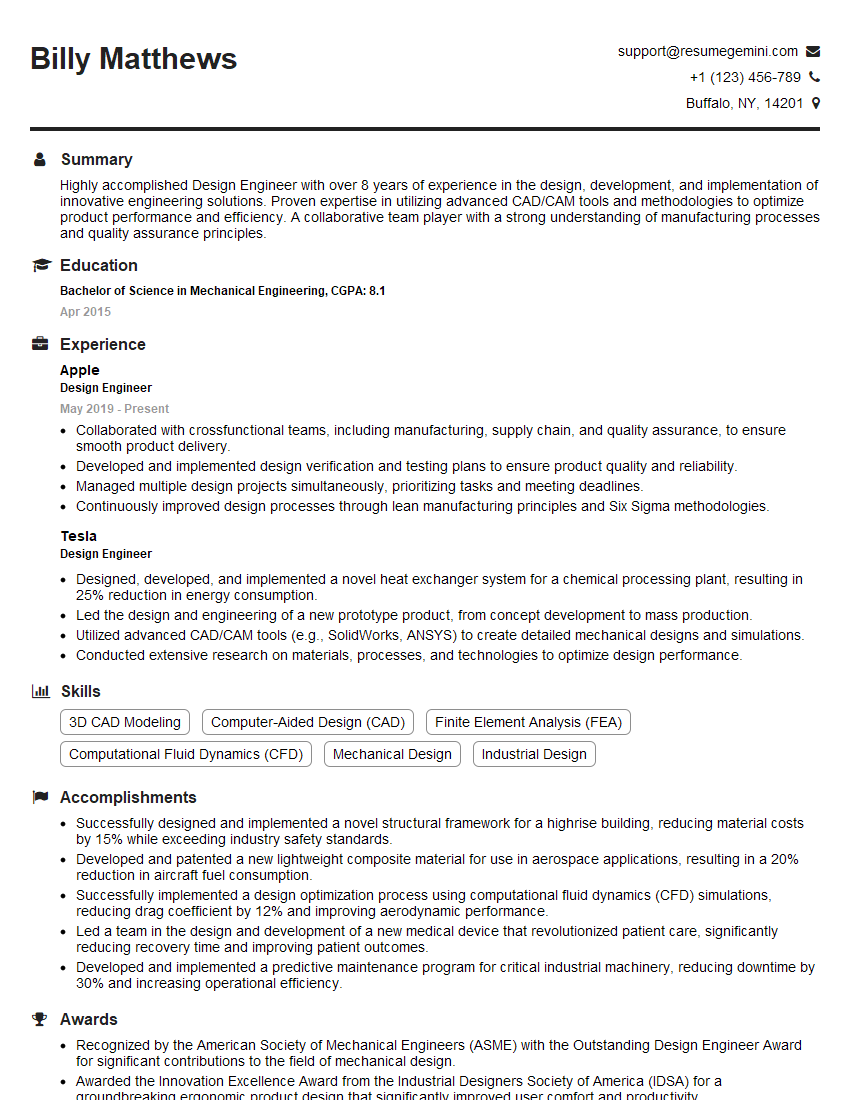
Design Engineer Resume Sample
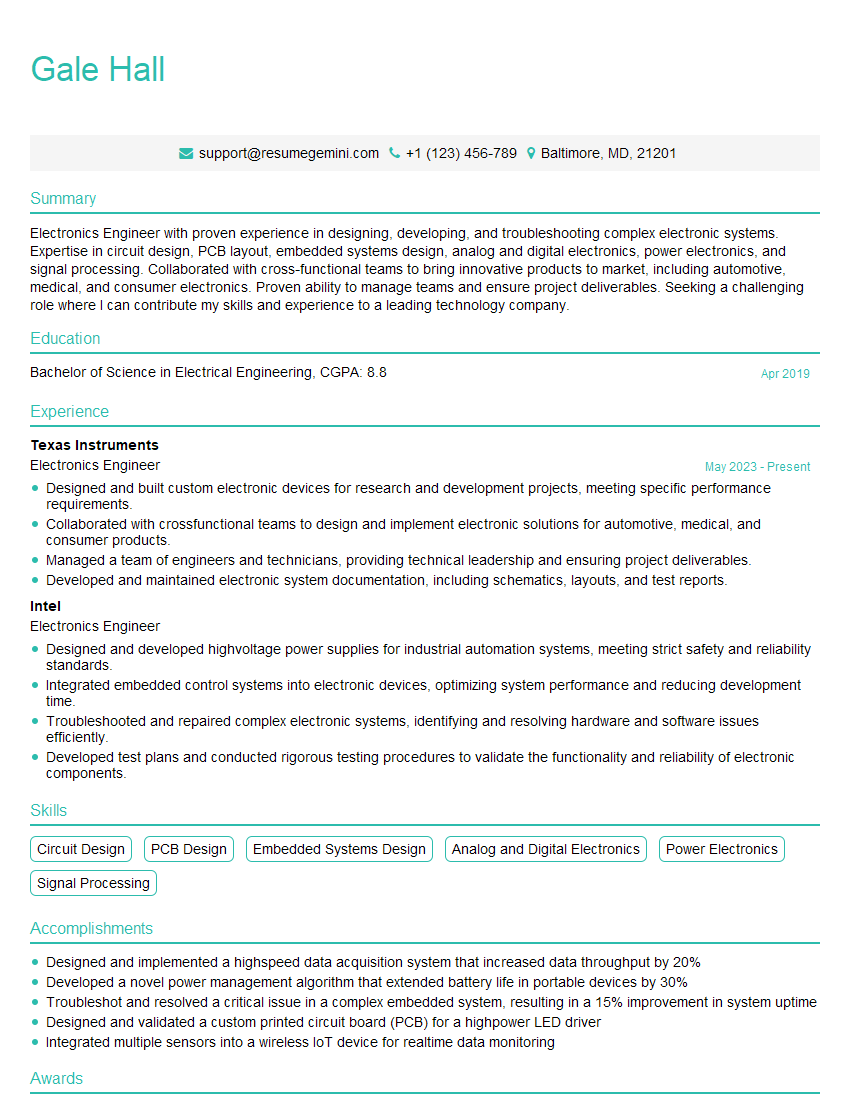
Electronics Engineer Resume Sample

Hardware Engineer Resume Sample
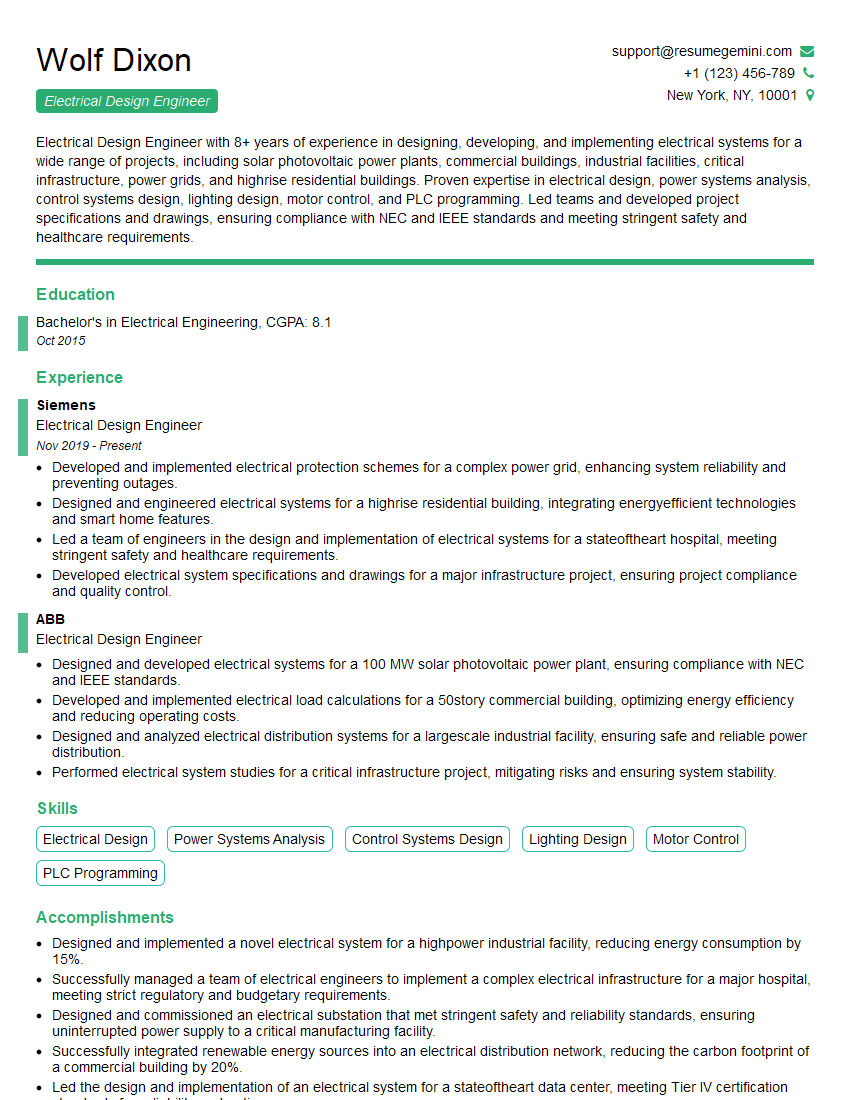
Electrical Design Engineer Resume Sample
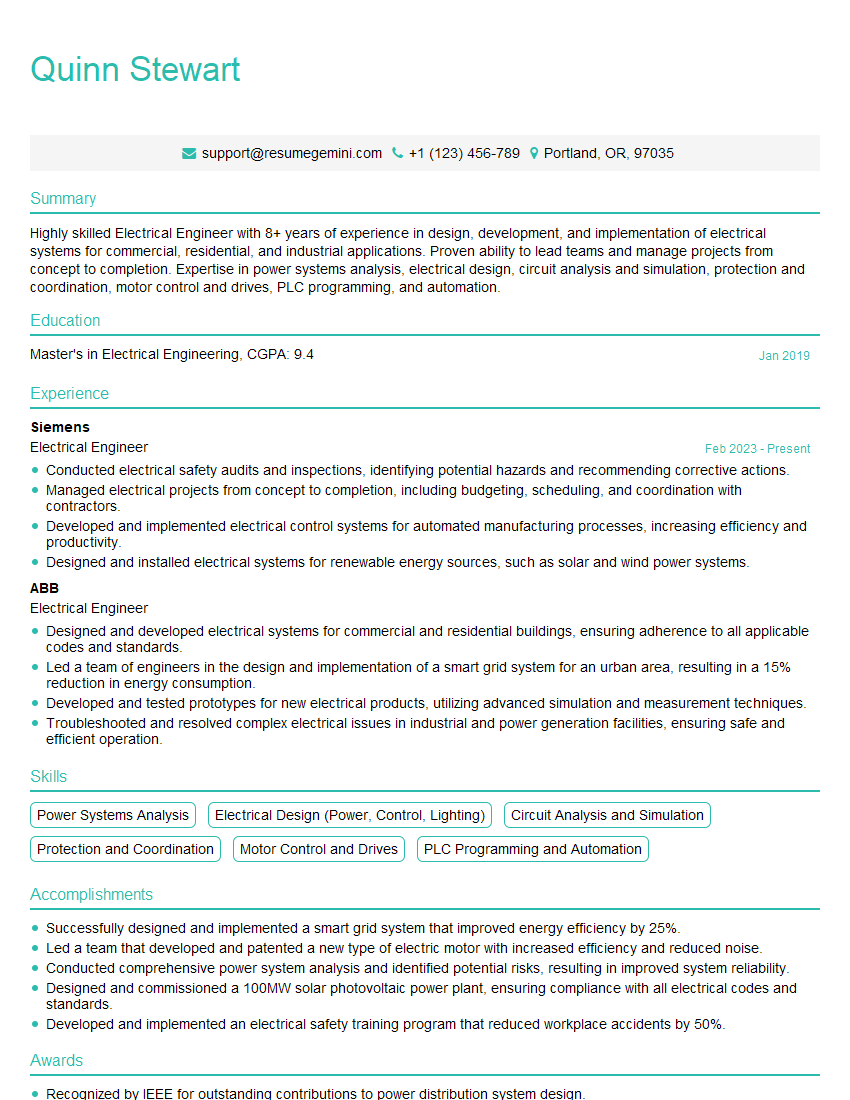
Electrical Engineer Resume Sample
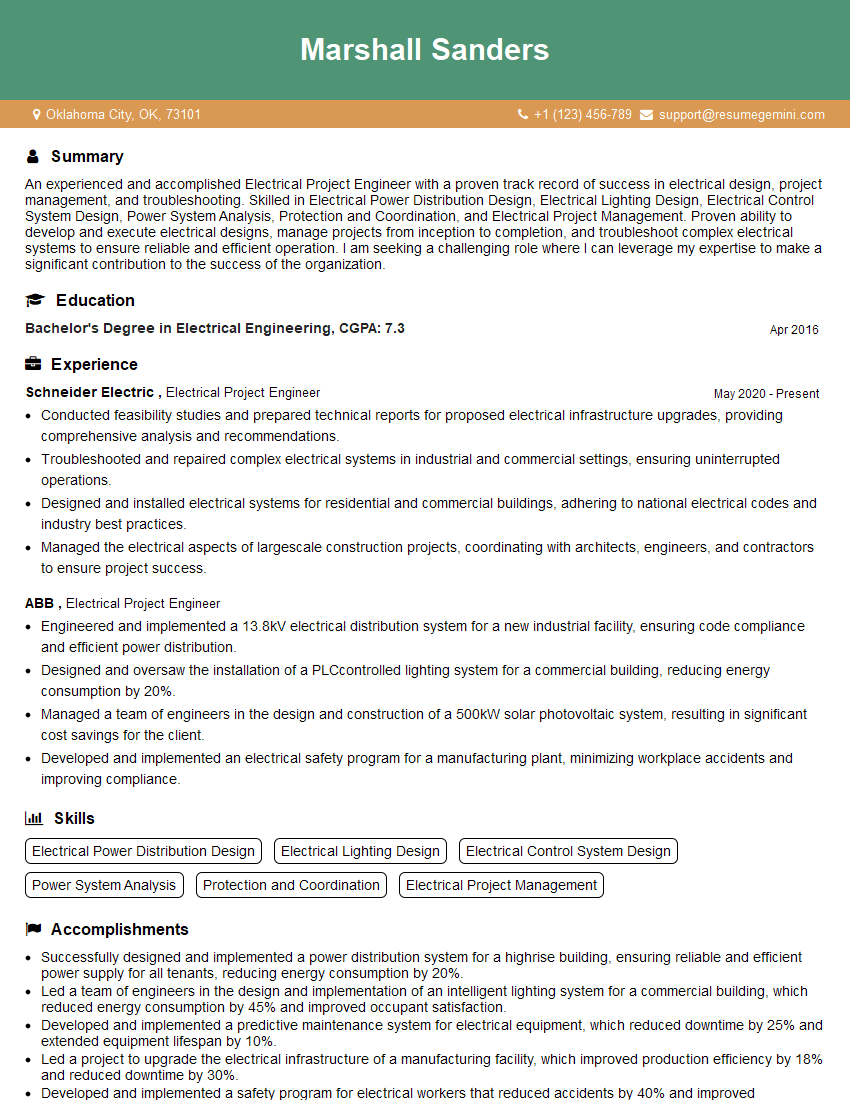
Electrical Project Engineer Resume Sample
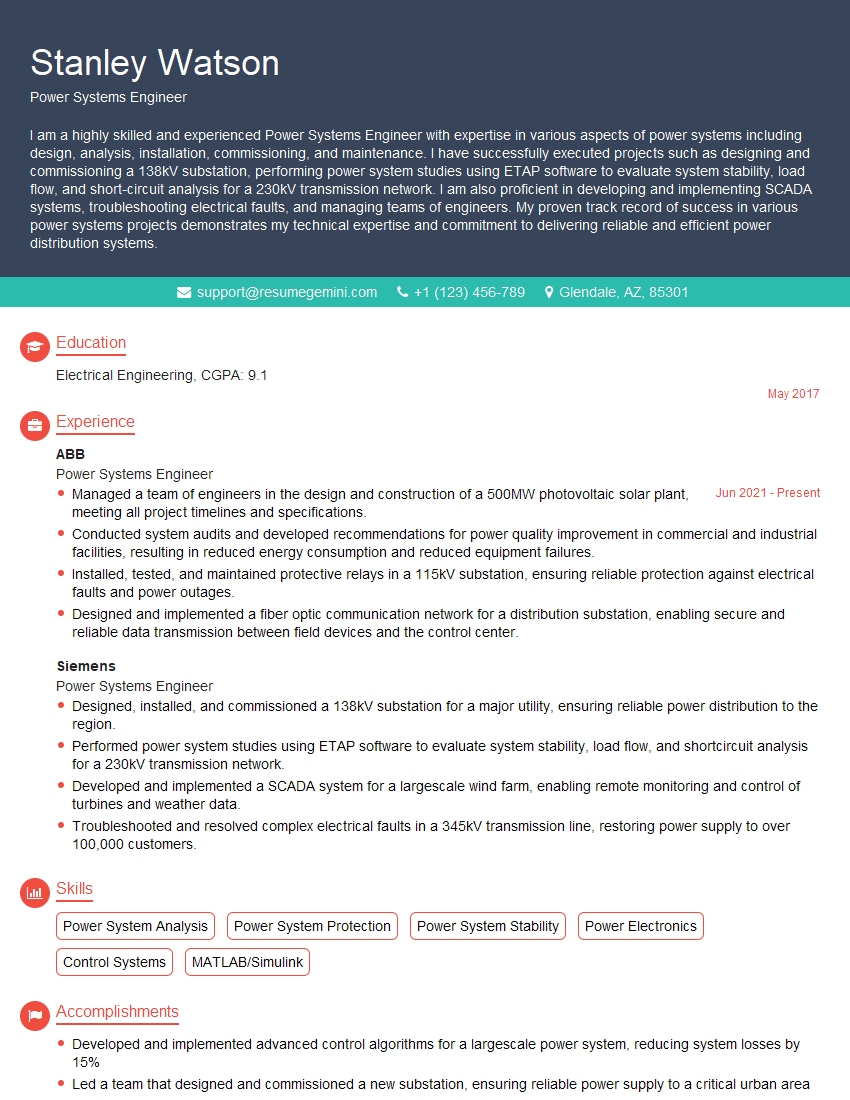
Power Systems Engineer Resume Sample
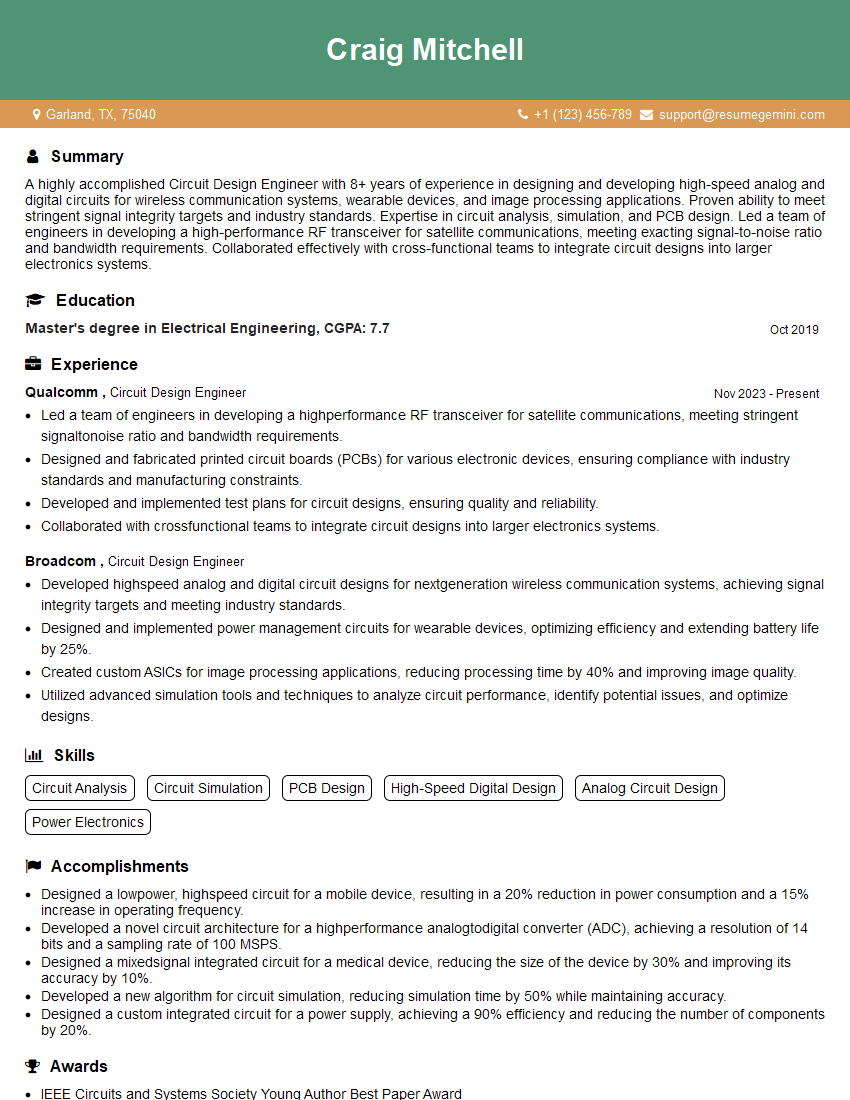
Circuit Design Engineer Resume Sample
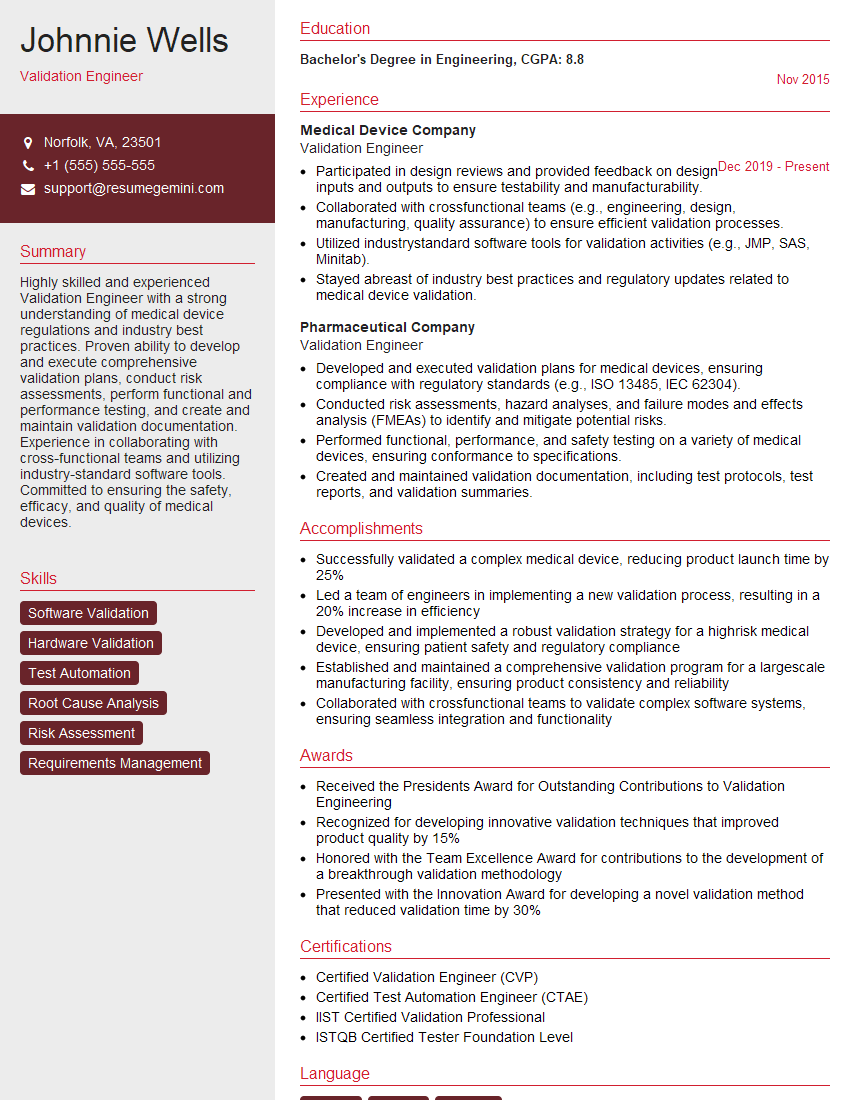
Validation Engineer Resume Sample
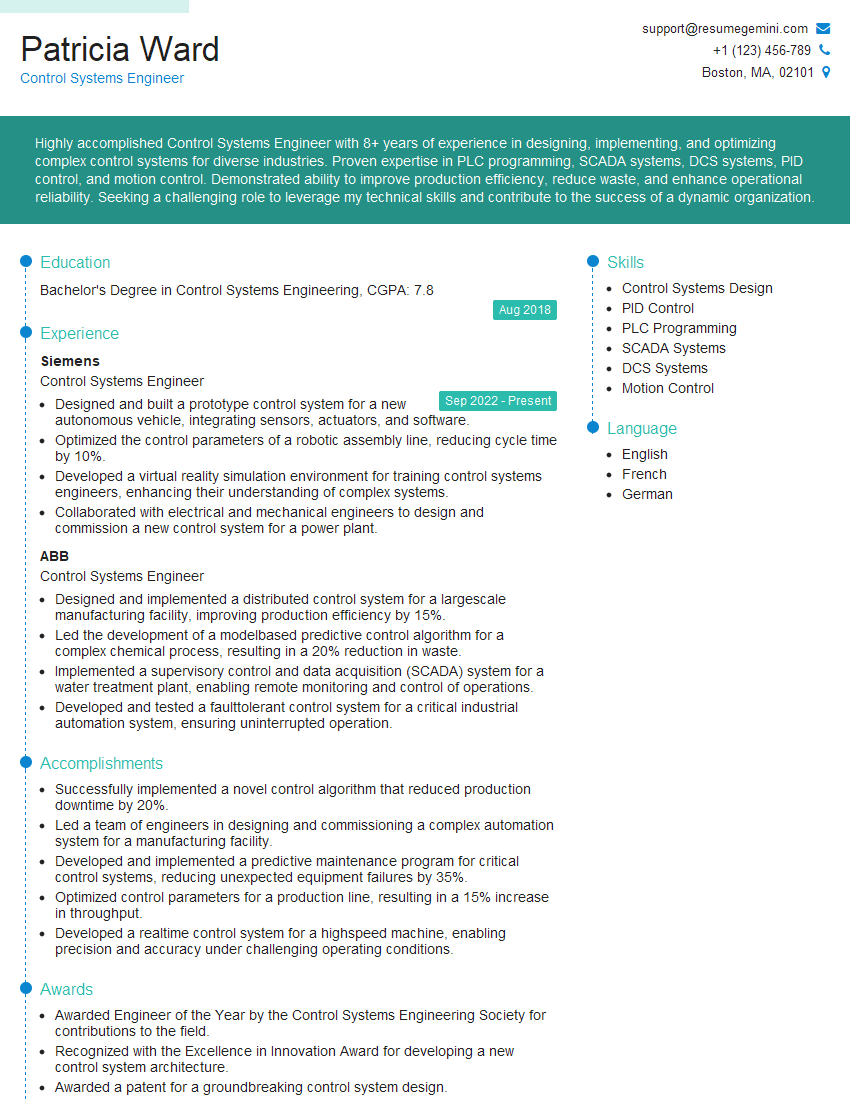
Control Systems Engineer Resume Sample
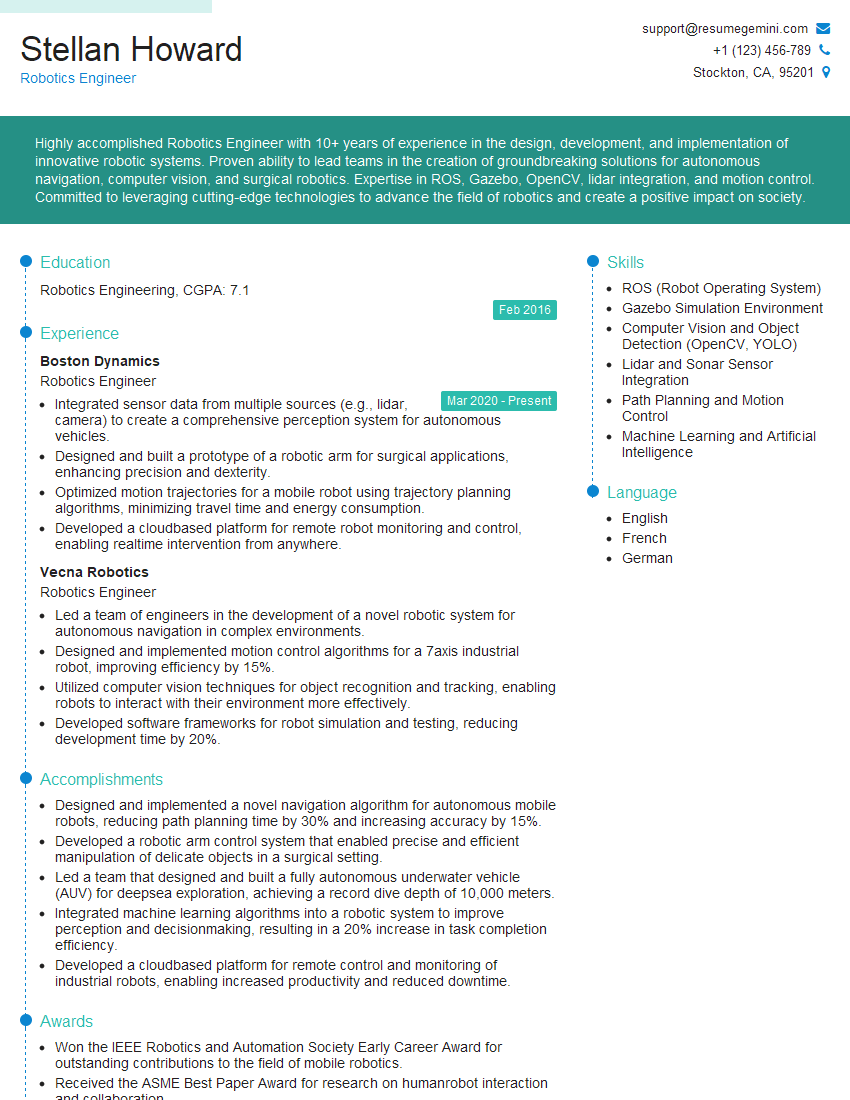
Robotics Engineer Resume Sample
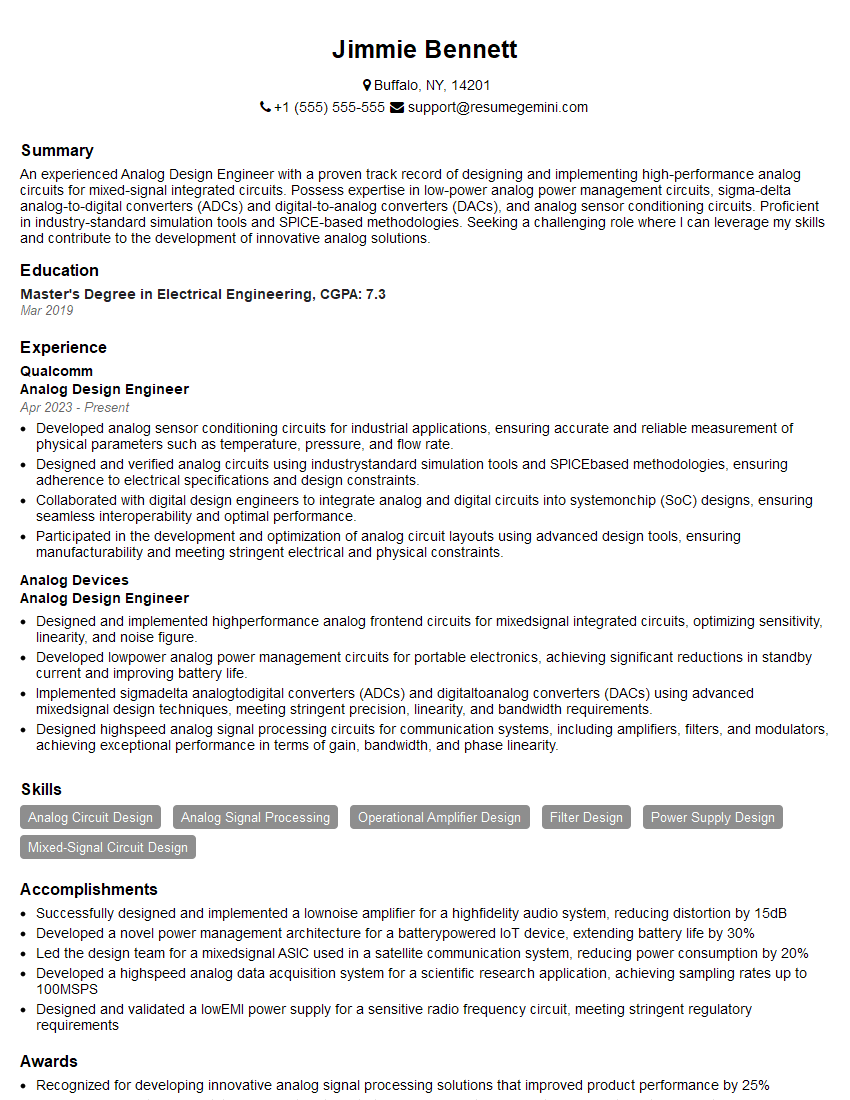
Analog Design Engineer Resume Sample
- Systems Engineer
- Automation Engineer
- Firmware Engineer
- Test Engineer
- Design Engineer
- Electronics Engineer
- Hardware Engineer
- Electrical Design Engineer
- Electrical Engineer
- Electrical Project Engineer
- Power Systems Engineer
- Circuit Design Engineer
- Validation Engineer
- Control Systems Engineer
- Robotics Engineer
- Analog Design Engineer
Explore more articles
Users Rating of Our Blogs
Share Your Experience
We value your feedback! Please rate our content and share your thoughts (optional).
What Readers Say About Our Blog
Very informative content, great job.
good