Are you ready to stand out in your next interview? Understanding and preparing for Electrical Troubleshooting Techniques interview questions is a game-changer. In this blog, we’ve compiled key questions and expert advice to help you showcase your skills with confidence and precision. Let’s get started on your journey to acing the interview.
Questions Asked in Electrical Troubleshooting Techniques Interview
Q 1. Explain the process of using a multimeter to troubleshoot a circuit.
A multimeter is an indispensable tool for electrical troubleshooting. It allows you to measure voltage, current, and resistance, providing crucial insights into circuit behavior. The process begins with safety: always de-energize the circuit before making any measurements, unless specifically designed for live measurements (and you have the appropriate training).
Step 1: Visual Inspection: Before even touching the multimeter, thoroughly inspect the circuit for any obvious problems – loose wires, burned components, or physical damage. This often saves considerable time.
Step 2: Selecting the Right Setting: Choose the appropriate multimeter function (volts, amps, or ohms) and range based on your expected readings. For example, when measuring the voltage of a 12V battery, you would select the DC voltage setting with a range exceeding 12V (like 20V). Incorrect range selection can damage the meter.
Step 3: Making Measurements: Carefully connect the multimeter probes to the appropriate points in the circuit. Remember, proper probe placement is crucial for accurate results. For voltage measurements, connect the probes across the component; for current measurements, you’ll need to break the circuit and place the multimeter in series; for resistance measurements, ensure the circuit is de-energized and connect the probes across the component.
Step 4: Interpreting the Results: Compare your measurements to the expected values. Deviations indicate problems. For instance, a 0V reading where you expect 12V points towards an open circuit, while an unexpectedly high current reading might indicate a short circuit.
Example: Let’s say you’re troubleshooting a simple DC circuit with a battery and a light bulb. If the light doesn’t turn on, you would use your multimeter to check the voltage across the battery (should be close to its rated voltage), then across the bulb (should be close to 0V if the bulb is good and the circuit is complete). A 0V reading across the bulb while the battery shows voltage indicates a problem with the bulb or its connections.
Q 2. Describe your experience with troubleshooting three-phase power systems.
My experience with three-phase power systems troubleshooting involves extensive work in industrial settings. Troubleshooting in this context demands a thorough understanding of power distribution, motor control, and safety protocols. I’ve worked on systems ranging from small industrial facilities to larger manufacturing plants.
A common issue is unbalanced loads, which can cause overheating in motors and transformers. We use specialized measuring equipment like clamp meters and power analyzers to measure current in each phase and identify the imbalance. This often involves investigating individual loads to pinpoint the source of the imbalance.
Another frequent problem is motor failure. We use techniques like motor winding resistance tests and insulation resistance tests to diagnose the fault. If the motor is connected to a Variable Frequency Drive (VFD), we check the drive parameters, and the motor’s connection to the drive. We also investigate for faulty cabling or damaged connections.
I’ve also handled situations involving unexpected power outages. These require systematically checking the entire system, from the main breaker to individual components, using phase sequence analyzers, and checking protective devices for tripping.
Safety is paramount. Lockout/Tagout procedures are strictly adhered to before any work is undertaken on a three-phase system. High voltage can be extremely dangerous and must be handled with the utmost care and appropriate Personal Protective Equipment (PPE).
Q 3. How do you identify and troubleshoot short circuits?
Short circuits, or shorts, occur when there’s an unintended low-resistance path between two points in a circuit, resulting in excessive current flow. Identifying and troubleshooting them requires a systematic approach.
1. Observe: Look for any visual clues like burnt or discolored wires, melted insulation, or sparking. These often pinpoint the location of the short.
2. Measure: Use a multimeter to check for unexpectedly high currents in parts of the circuit. A short will dramatically increase the current draw.
3. Isolate: Carefully isolate sections of the circuit to pinpoint the faulty area. You can use a continuity test on the multimeter (ohms function) to check for unintended paths between conductors. A low resistance reading indicates a short circuit.
4. Inspect Components: Carefully inspect individual components, particularly capacitors and wires, for physical damage that might cause a short.
5. Repair: Once the short circuit is located, repair the faulty component or wiring. This may involve replacing a damaged wire, capacitor, or other component.
Example: Imagine a household circuit where a short occurs due to frayed wiring behind a wall outlet. You’d initially notice a blown fuse or tripped circuit breaker. Then, by systematically checking the wires leading to the outlet with your multimeter, you could pinpoint the point of the short based on the continuity test results and subsequent visual inspection.
Q 4. How do you troubleshoot a faulty relay?
Relays are electromechanical switches that control circuits remotely. Troubleshooting a faulty relay involves a series of checks.
1. Visual Inspection: Start with a visual inspection for any obvious damage – burnt contacts, loose connections, or physical damage to the relay housing.
2. Check Coil Voltage: Measure the voltage across the relay coil. It should match the relay’s specifications. If it doesn’t, there might be a problem in the control circuit supplying power to the coil.
3. Check for Continuity: Use a multimeter to test continuity between the relay contacts in the activated and deactivated states. When activated, the contacts should show continuity; when deactivated, they should not.
4. Test the Switching Circuit: Make sure the circuit activating the relay is working correctly by measuring the signal that activates the relay.
5. Check for Load Issues: If the relay controls a load (like a motor), ensure the load isn’t causing problems. An excessive load current could be damaging the relay contacts.
Example: A faulty relay in an industrial motor control system might result in the motor failing to start. By checking the coil voltage, and contact continuity, we would determine if the issue is with the relay itself, the wiring leading to it, or perhaps the motor.
Q 5. What are common causes of overcurrent and how do you troubleshoot them?
Overcurrent, or excessive current flow, is a common problem that can damage equipment and cause fires. Several factors contribute to overcurrent:
- Short Circuits: As discussed earlier, these create a low-resistance path, leading to a surge in current.
- Overloads: Connecting too many devices or equipment to a circuit exceeds its capacity, drawing excessive current.
- Faulty Components: A malfunctioning device (like a shorted motor) can draw excessive current.
- Incorrect Wiring: Improper wiring practices, such as using undersized wires, can result in overcurrent.
Troubleshooting overcurrent starts with isolating the problem area.
1. Check Circuit Breakers/Fuses: A tripped breaker or blown fuse indicates an overcurrent condition.
2. Measure Current: Use a clamp meter to measure the current draw in different parts of the circuit to pinpoint the area of excessive current.
3. Inspect Components: Look for any signs of overheating or damage to components, indicating excessive current flow through those components.
4. Check Load: Make sure the load isn’t exceeding the circuit’s rated capacity.
5. Investigate Wiring: Examine wiring for any signs of damage or improper sizing.
Example: A kitchen circuit keeps tripping the breaker. By using a clamp meter, you determine that the current draw is significantly higher than the circuit’s rating. Further investigation reveals that too many appliances are running simultaneously, exceeding the circuit’s capacity, leading to the overload.
Q 6. Explain your experience with troubleshooting programmable logic controllers (PLCs).
My experience with PLC troubleshooting involves working with various PLC brands and applications across diverse industrial settings. Troubleshooting PLCs typically involves a combination of hardware and software diagnostics.
Hardware Troubleshooting: This includes checking power supplies, input/output modules, and communication interfaces for proper operation. This often involves inspecting the physical connections, verifying voltage levels, and ensuring proper grounding. Specialized PLC programming software and diagnostic tools are typically used to identify any hardware faults.
Software Troubleshooting: This involves using the PLC’s programming software to examine the program’s logic, looking for errors, and identifying areas where the program isn’t behaving as intended. This might involve debugging the ladder logic, checking timers and counters, and verifying the functioning of different control loops.
Communication Troubleshooting: PLCs rely on communication networks (Ethernet/IP, Profibus, etc.) to interact with other devices. Troubleshooting communication issues involves using network diagnostic tools, checking cables, and verifying network settings.
Example: In a manufacturing plant, a PLC controlled conveyor system stopped working. Through systematic troubleshooting, we first verified the PLC’s power supply, then tested the I/O modules. Ultimately, a software bug in the PLC program that caused a logic error was the root cause, halting the conveyor system. The issue was identified and corrected through careful examination of the PLC program’s ladder logic.
Q 7. How do you diagnose and resolve grounding issues?
Grounding issues are a significant safety and performance concern in electrical systems. They occur when the system lacks a proper connection to the earth, leading to voltage imbalances and safety hazards.
Diagnosing Grounding Issues:
- Measure Ground Resistance: Use a ground resistance tester to measure the resistance between the grounding electrode and the earth. High resistance indicates a poor ground connection.
- Check Ground Continuity: Use a multimeter to check for continuity between the grounding electrode and various points in the system. Lack of continuity indicates a broken ground path.
- Inspect Grounding Wires: Examine grounding wires for damage, corrosion, or loose connections.
- Observe Voltage Levels: Measure voltage levels at various points in the system, looking for unusually high voltage levels or voltage imbalances.
Resolving Grounding Issues:
- Repair Damaged Wires: Replace or repair damaged or corroded grounding wires.
- Improve Ground Connections: Tighten loose connections or replace corroded connectors to ensure good electrical contact.
- Install Additional Grounding Rods: In cases of high ground resistance, install additional grounding rods to improve the connection to the earth.
- Use Grounding Clamps: Ensure proper use of grounding clamps on equipment.
Example: In a facility, we discovered high voltage levels on the equipment casings. By measuring ground resistance, we found a high resistance, indicating a faulty ground connection. By replacing a corroded grounding rod and tightening loose connections, we restored proper grounding, resolving the voltage imbalance and safety hazard.
Q 8. Describe your experience using schematics and wiring diagrams for troubleshooting.
Schematics and wiring diagrams are the electrical engineer’s roadmap. They’re essential for understanding the system’s architecture – how components interconnect and how power flows. My experience involves using these diagrams to trace signals, identify potential failure points, and predict the impact of component failures. For instance, if a motor isn’t running, I’d first consult the schematic to trace the power path from the main breaker to the motor’s control circuit. I then systematically check each component along that path (fuses, contactors, overload relays, etc.) using the diagram as a guide. I’ve also used them extensively for larger projects involving complex PLC (Programmable Logic Controller) systems, enabling me to diagnose faults in automation sequences by meticulously following the signal flow on the ladder diagrams and I/O mappings.
For example, in a recent project involving a faulty conveyor system, the schematic allowed me to quickly identify a damaged proximity sensor, rather than blindly replacing components. This saved significant time and resources.
Q 9. How do you troubleshoot problems related to low voltage systems?
Troubleshooting low-voltage systems requires a meticulous approach, focusing on voltage drops, continuity, and proper grounding. I start by visually inspecting all connections for loose wires, corrosion, or damage. Then I use a multimeter to accurately measure voltages at various points in the circuit, comparing them to the expected values as specified in the system’s documentation or schematics. If there’s a significant voltage drop across a particular component or connection, it usually indicates a problem. A lack of continuity could point to a break in the wiring or a faulty component. Poor grounding can lead to erratic behavior and safety hazards, so I always check ground connections thoroughly.
For example, when troubleshooting a low-voltage lighting system with flickering lights, I would check the voltage at the light fixture, at the switch, and at the power supply. This systematic approach helps pinpoint the source of the problem, whether it be a loose connection, a faulty switch, or a problem with the power supply.
Q 10. Explain your approach to troubleshooting intermittent faults.
Intermittent faults are notoriously tricky because they don’t occur consistently. My approach is based on careful observation, documentation, and systematic testing. I begin by documenting exactly when the fault happens, what conditions precede it, and what the system does during the fault. This could involve observing the system under various load conditions or at different times of day. I also rely heavily on diagnostic tools like oscilloscopes, data loggers, and specialized software to capture the system’s behavior during these fleeting events.
Once I’ve identified patterns, I’ll focus on the suspect components or connections, applying stress (temperature changes, vibrations, etc.) to try to reproduce the fault. Sometimes, simply exercising the system repeatedly can help pinpoint the culprit. Often, these intermittent issues are caused by loose connections, cold solder joints, or failing components nearing the end of their lifespan, therefore, these should be inspected closely.
Q 11. What safety precautions do you take when troubleshooting electrical systems?
Safety is paramount. Before starting any electrical troubleshooting, I always ensure the power is completely disconnected and locked out/tagged out to prevent accidental energization. I use appropriate personal protective equipment (PPE), including insulated gloves, safety glasses, and arc flash protective clothing where necessary. I also check the integrity of the PPE before each use. When working with high voltages, I’ll use insulated tools and work with a colleague for additional safety.
I always treat every electrical system as potentially live until I have personally verified that the power is off and the system is safe to work on. This cautious approach minimizes the risk of electrical shock, burns, or other injuries.
Q 12. Describe your experience with troubleshooting motor control circuits.
I have extensive experience troubleshooting motor control circuits, encompassing various types of motors (AC, DC, servo) and control methods (relays, contactors, PLCs, VFDs). My approach involves understanding the motor control logic, usually described through ladder diagrams or function block diagrams in the case of PLCs or VFDs. I systematically check the power supply to the motor, the control signals (start, stop, direction, speed), and the motor itself. I use multimeters to measure voltages, currents, and resistances; oscilloscopes to examine the signal waveforms; and specialized testing equipment to check the motor’s insulation and windings. This often involves diagnosing problems with sensors, feedback systems, safety interlocks, or the control algorithms themselves.
For example, a recent issue involved a motor that would intermittently stall. By using an oscilloscope, I was able to identify noise on the feedback signal from the encoder, which, after replacing the encoder, resolved the issue. This highlighted the importance of detailed signal analysis in motor control diagnostics.
Q 13. How do you troubleshoot problems related to power factor correction?
Power factor correction aims to improve the efficiency of AC power systems by reducing the reactive power component. Troubleshooting problems in this area often involves measuring the power factor (PF), current, and voltage using power meters and analyzers. A low power factor usually indicates an excessive reactive load, typically from inductive components like motors and transformers. I would inspect capacitor banks, the most common method for power factor correction. Troubleshooting involves checking the capacitors for failures (short circuits or open circuits), checking the capacitor bank’s connection and fuses, and verifying the correct sizing and installation.
For instance, if the power factor is low despite the presence of capacitor banks, this could indicate a problem with the capacitor bank’s control system, a mismatch between the capacitor bank’s rating and the load, or more serious issues such as harmonics in the power system requiring more advanced analysis.
Q 14. Explain your experience with testing and replacing electrical components.
Testing and replacing electrical components are integral parts of my troubleshooting process. I use various instruments, including multimeters, oscilloscopes, and specialized component testers, to verify the functionality of components before and after replacement. I meticulously document the faulty component’s characteristics (resistance, capacitance, voltage, current) to inform the selection of a replacement component with identical specifications and ratings. I always prioritize using components from reputable manufacturers to ensure reliability and safety.
For example, when replacing a faulty capacitor, I’d first measure its capacitance and ESR (Equivalent Series Resistance) to confirm that it’s indeed faulty. Then, I’d choose a replacement capacitor with matching specifications, ensuring that the voltage rating is not exceeded. After installing the new capacitor, I retest the circuit to verify the problem has been solved.
Q 15. How do you document your troubleshooting process?
Thorough documentation is crucial for efficient troubleshooting and future reference. My approach involves a multi-step process. First, I clearly state the problem encountered, including any error messages or unusual observations. Next, I detail the steps I take to investigate the issue, including measurements taken (with units!), tools used, and the results obtained at each stage. Visual aids are paramount; I use photographs and diagrams to document the system’s physical layout and any relevant components. Finally, I record the solution implemented, its effectiveness, and any preventative measures taken to avoid future recurrences. I typically use a combination of digital documentation (spreadsheets, databases, or dedicated troubleshooting software) and physical documentation (labelled diagrams and test reports) to ensure accessibility and maintainability. For example, if I’m troubleshooting a faulty circuit in a control panel, I would document the voltage readings at various points, the resistance values of components, and any continuity tests performed, all supported by clear photos of the panel’s wiring configuration.
Career Expert Tips:
- Ace those interviews! Prepare effectively by reviewing the Top 50 Most Common Interview Questions on ResumeGemini.
- Navigate your job search with confidence! Explore a wide range of Career Tips on ResumeGemini. Learn about common challenges and recommendations to overcome them.
- Craft the perfect resume! Master the Art of Resume Writing with ResumeGemini’s guide. Showcase your unique qualifications and achievements effectively.
- Don’t miss out on holiday savings! Build your dream resume with ResumeGemini’s ATS optimized templates.
Q 16. How do you prioritize troubleshooting tasks in a high-pressure environment?
Prioritization in high-pressure situations requires a systematic approach. I utilize a risk-based prioritization model. I first identify the criticality of each task, assessing its impact on safety, production, or overall system functionality. For example, a safety hazard (like a short circuit potentially causing a fire) takes precedence over a minor performance issue. Next, I estimate the time and resources required to resolve each task. I then combine these factors to create a ranked list, focusing first on high-impact, quick-fix problems. This approach minimizes downtime and prevents cascading failures. Effective communication with the team is crucial; I ensure everyone understands the priority and the rationale behind the chosen sequence. Regular updates and transparent communication help manage expectations and maintain focus during stressful times.
Q 17. Describe your experience with using diagnostic software for electrical troubleshooting.
I have extensive experience using various diagnostic software packages, including FlukeView Forms, Power Monitoring Software, and dedicated PLC programming software. These tools significantly enhance the troubleshooting process. For instance, FlukeView Forms allows me to record and analyze data from multiple Fluke instruments, providing detailed waveforms and trending data for circuit analysis. Power monitoring software helps identify energy waste and pinpoint areas of high current draw, potentially revealing faulty components. Similarly, PLC programming software allows me to monitor the status of various inputs and outputs, identify logic errors, and even simulate scenarios to diagnose problems without directly interacting with the physical system. My experience with these tools extends beyond simple data acquisition; I can effectively interpret the results, isolate problematic areas, and validate solutions. For example, recently, using power monitoring software on a large industrial motor, I identified a harmonic distortion problem and pinpointed the cause to a failing capacitor bank in the power distribution system.
Q 18. How do you identify and address electrical hazards?
Identifying and addressing electrical hazards requires a proactive and methodical approach. Before commencing any work, I always perform a thorough risk assessment, including identifying potential hazards like exposed wiring, high voltages, and the presence of flammable materials. I adhere strictly to safety regulations, utilizing appropriate personal protective equipment (PPE) such as insulated gloves, safety glasses, and arc flash suits as required. Lockout/Tagout procedures are strictly followed to prevent accidental energization during troubleshooting. Regular safety checks of equipment and working areas are part of my routine. Furthermore, I’m trained in emergency procedures and equipped to handle electrical shocks or fires. Early identification and mitigation of hazards is paramount; I never compromise safety for speed.
Q 19. What are the common causes of equipment failure and how do you prevent them?
Equipment failure stems from various causes, often involving a combination of factors. Common causes include component wear and tear (e.g., capacitor failure due to age), environmental factors (e.g., overheating or corrosion), improper installation or maintenance, and overload conditions. Preventing these failures requires a multi-pronged approach. Regular preventative maintenance is crucial, including visual inspections, cleaning, and functional testing. Overload protection devices, such as circuit breakers and fuses, prevent excessive current from damaging equipment. Ensuring proper ventilation and operating conditions helps prevent overheating. Careful installation, following manufacturer guidelines, and using quality components minimize the risk of early failures. Implementing a comprehensive maintenance schedule with detailed records contributes to a longer equipment lifespan and reduced downtime. For instance, regularly checking motor bearings and lubricating them helps prevent premature motor failure, saving significant costs and avoiding potential production disruptions.
Q 20. How do you use logic and deduction to solve electrical problems?
Logic and deduction are fundamental to effective electrical troubleshooting. I approach problems systematically, starting with a clear understanding of the symptoms and expected behavior. I then develop a hypothesis about the potential causes based on my experience and knowledge of the system. This hypothesis is then tested through a series of carefully planned measurements and observations. Each test provides more information, either confirming or refuting the hypothesis. If the hypothesis is incorrect, I revise it based on the new data and repeat the testing process. This iterative process, using deductive reasoning, continues until the root cause is identified. An example would be troubleshooting a non-functioning motor. I might initially suspect a power supply problem, test the voltage at the motor terminals, and find it’s within range. Then I might move to test motor windings for continuity and shorts, until I eventually trace the fault back to a faulty internal component of the motor.
Q 21. How familiar are you with different types of sensors and transducers?
I’m familiar with a wide range of sensors and transducers, including resistive temperature detectors (RTDs), thermocouples, strain gauges, potentiometers, LVDTs (Linear Variable Differential Transformers), photoelectric sensors, proximity sensors, and ultrasonic sensors. My knowledge encompasses their operating principles, signal conditioning requirements, and common applications. For example, I understand that RTDs provide a change in resistance proportional to temperature, while thermocouples generate a voltage based on the temperature difference between two dissimilar metals. This knowledge allows me to effectively integrate sensors into troubleshooting and automation systems, accurately interpreting their outputs and diagnosing issues related to their malfunction or inaccurate readings. In a recent project, troubleshooting a malfunctioning temperature control system, my understanding of thermocouple behavior and signal conditioning helped pinpoint a faulty connection in the thermocouple circuit, leading to a quick resolution.
Q 22. Explain your approach to troubleshooting complex industrial control systems.
Troubleshooting complex industrial control systems requires a systematic and methodical approach. I begin by thoroughly understanding the system’s architecture, including its hardware components (PLCs, sensors, actuators, etc.), software (programming logic, communication protocols), and overall operational flow. My approach follows these key steps:
- Gather Information: This involves interviewing operators to understand the nature of the malfunction, reviewing historical logs and alarms, and checking for any recent system modifications or maintenance activities. For example, if a conveyor belt has stopped unexpectedly, I would first determine when it stopped, if there were any accompanying alarms, and if any recent changes were made to the control program or the belt itself.
- Isolate the Problem: Using the information gathered, I systematically narrow down the potential causes. This may involve inspecting wiring, checking sensor readings, verifying communication links between devices, and testing components for proper functionality. For instance, if a sensor reading is inconsistent, I would check its wiring for shorts or breaks, confirm proper sensor calibration, and consider environmental factors impacting its accuracy.
- Verify and Repair: Once the root cause is identified, I implement the necessary repair. This might involve replacing faulty components, correcting programming errors, or adjusting system parameters. Thorough testing is crucial to validate the repair and prevent recurrence. For example, if a faulty relay is found to be the cause of the conveyor belt’s failure, I would replace the relay, and after testing the belt function, document the repair and update maintenance logs.
- Preventative Measures: Finally, I would analyze the root cause to prevent future occurrences. This might involve implementing improved preventative maintenance procedures, refining system designs, or recommending operator training improvements.
This structured approach, combined with my experience in various industrial control systems, allows me to effectively diagnose and resolve complex issues swiftly and efficiently.
Q 23. What are your troubleshooting skills with AC and DC circuits?
My experience encompasses extensive troubleshooting of both AC and DC circuits. For AC circuits, I’m proficient in using multimeters to measure voltage, current, and resistance, as well as identifying phase imbalances and power factor issues. I can diagnose problems in three-phase motors, transformers, and power factor correction capacitors. For instance, I’ve successfully resolved issues with a three-phase motor that was overheating by identifying a phase imbalance caused by a faulty capacitor.
With DC circuits, I focus on troubleshooting issues related to voltage drops, current leakage, and component failures in power supplies, battery systems, and other DC-powered equipment. Using my knowledge of Kirchhoff’s laws, I can trace voltage drops and pinpoint sources of resistance or short circuits. For example, I’ve located a short circuit in a DC motor control circuit by systematically measuring voltage drops along the circuit path until the faulty section was identified.
In both AC and DC troubleshooting, I utilize a combination of theoretical knowledge and practical skills, always prioritizing safety measures such as proper lockout/tagout procedures before working on energized equipment.
Q 24. Describe your experience with troubleshooting high-voltage equipment.
Troubleshooting high-voltage equipment demands utmost caution and adherence to strict safety protocols. My experience includes working with equipment ranging from medium-voltage switchgear to high-voltage transmission lines. I understand the inherent dangers involved and always follow established safety procedures, including the use of appropriate personal protective equipment (PPE), lockout/tagout procedures, and thorough pre-job risk assessments.
My approach emphasizes using specialized high-voltage test equipment like insulation testers, partial discharge detectors, and high-voltage probes. I’m familiar with various testing methods, such as dielectric strength testing and insulation resistance measurement, to assess the condition of insulators, transformers, and other components. For example, I have used a partial discharge detector to identify a minor insulation defect in a high-voltage bushing before it could lead to a catastrophic failure.
Safety is paramount in this field. I would never attempt high-voltage work without the necessary training, equipment, and a clear understanding of the risks involved.
Q 25. How do you troubleshoot issues related to voltage regulators?
Troubleshooting voltage regulators involves systematically checking various aspects of their operation. The first step is to determine whether the problem lies within the regulator itself or in the surrounding circuitry. I would begin by:
- Checking Input Voltage: I’d measure the input voltage to ensure it’s within the regulator’s specified range. A low input voltage could be a cause of the malfunction.
- Measuring Output Voltage: I would compare the regulator’s output voltage with the expected value. A significant deviation could indicate a problem with the regulator or its feedback mechanism.
- Inspecting Circuitry: I’d visually inspect the associated circuitry for any signs of damage, such as burned components or loose connections. A visual inspection is always the first step before applying power.
- Testing Components: If the problem is not immediately apparent, I would use a multimeter to test individual components, including transistors, resistors, and capacitors, to isolate the faulty component. This often requires knowledge of the specific regulator type and its internal circuitry.
- Load Testing: I’d perform a load test to check the regulator’s stability under varying loads. A regulator might work fine under light load, but fail under heavy load, indicating a deficiency in its current handling capability.
The specific troubleshooting steps will vary depending on the type of voltage regulator (linear, switching, etc.) and the observed symptoms. I have experience troubleshooting various voltage regulator topologies, including those in automotive applications, power supplies, and industrial control systems.
Q 26. How do you utilize oscilloscopes and other test equipment for troubleshooting?
Oscilloscopes and other test equipment are indispensable tools for electrical troubleshooting. The oscilloscope allows me to visualize electrical signals in real-time, revealing characteristics like voltage levels, waveforms, frequency, and timing relationships that multimeters cannot. Think of it like a high-speed camera for electricity!
For example, using an oscilloscope I can:
- Identify waveform distortions: Distorted waveforms often indicate problems in power supplies, amplifiers, or other signal processing circuits. I can use this information to diagnose a faulty component or a problem in the circuit’s design.
- Measure signal timing: Precise timing measurements are crucial in digital circuits. The oscilloscope allows me to identify timing errors or glitches which may cause system malfunctions.
- Analyze signal integrity: I can check for noise, ringing, or other signal degradation indicative of cabling problems or component failures.
Beyond oscilloscopes, I regularly utilize multimeters (for basic measurements), clamp meters (for current measurement without breaking the circuit), logic analyzers (for analyzing digital signals), and network analyzers (for analyzing communication networks). My selection of test equipment is always dictated by the specifics of the problem and the system being investigated. I adapt my use of test equipment to the specific situation and always prioritize safety.
Q 27. Describe your experience in troubleshooting power distribution systems.
My experience in troubleshooting power distribution systems involves a comprehensive understanding of electrical power generation, transmission, and distribution principles. I approach troubleshooting systematically by considering several key aspects:
- Identifying the Scope of the Problem: Determining whether the problem is localized or widespread helps in focusing the investigation. Is it affecting a single circuit, a building, or a larger area? This defines my initial investigation area.
- Locating the Fault: I use various testing methods, including voltage and current measurements, insulation resistance tests, and thermal imaging to pinpoint the location of the fault. For example, a significant temperature increase in a cable junction box could indicate a high-resistance connection causing overheating.
- Analyzing Protective Devices: Examining the operation of circuit breakers, fuses, and other protective devices provides valuable clues about the nature and location of the fault. For instance, a tripped circuit breaker suggests an overload or short circuit in the protected circuit.
- Checking Grounding: Proper grounding is critical for safety. I would inspect grounding systems for integrity and continuity. A faulty ground can lead to dangerous voltage levels and equipment damage.
- Coordination with Utilities: If the issue involves the main power supply, coordination with the utility company is crucial. Safe and proper procedures must be followed during any intervention with the main grid.
I’m experienced in troubleshooting a range of issues in power distribution systems, including those related to overloads, short circuits, ground faults, and equipment failures. Safety protocols are always the highest priority.
Q 28. How do you troubleshoot communication issues in industrial control networks?
Troubleshooting communication issues in industrial control networks requires a layered approach, addressing both the physical and logical layers of the network. I use a combination of diagnostic tools and methodologies.
My approach typically includes:
- Physical Layer Checks: This includes verifying cable connections, checking for physical damage to cables, and ensuring proper termination. Signal strength and noise levels are important aspects at this layer.
- Network Topology Review: Understanding the network topology (bus, star, ring, etc.) helps to isolate potential problems. Identifying the segment where the communication failure occurs is a crucial step.
- Protocol Analysis: Using network analyzers, I examine communication protocols (e.g., Modbus, Profibus, Ethernet/IP) to detect errors, dropped packets, and other anomalies. Analyzing packet flow can pinpoint the communication breakdown point.
- Device-Level Diagnostics: I utilize the diagnostic capabilities of individual devices (PLCs, sensors, actuators) to check for communication errors. This often involves accessing device logs and reviewing error messages.
- Network Configuration Verification: I review the network configuration, including IP addresses, subnet masks, and routing tables to ensure they are correct and consistent across the network.
By systematically working through these steps and using specialized network diagnostic tools, I efficiently resolve communication issues, ensuring the smooth functioning of the industrial control network. For example, I once resolved a network outage by identifying a faulty network switch through careful analysis of switch logs and packet capture data.
Key Topics to Learn for Electrical Troubleshooting Techniques Interview
- Fundamental Electrical Theory: Understanding Ohm’s Law, Kirchhoff’s Laws, and basic circuit analysis is crucial for diagnosing electrical faults.
- Safety Procedures: Demonstrate knowledge of lockout/tagout procedures, proper use of personal protective equipment (PPE), and safe handling of electrical equipment.
- Schematic Reading and Interpretation: Ability to understand and interpret electrical schematics, wiring diagrams, and blueprints is essential for effective troubleshooting.
- Diagnostic Tools and Techniques: Familiarity with multimeters, oscilloscopes, and other diagnostic tools, along with proficiency in techniques like voltage and current measurements, continuity testing, and signal tracing.
- Troubleshooting Methodologies: Mastering systematic troubleshooting approaches, including the use of logical deduction, elimination processes, and the application of troubleshooting flowcharts.
- Common Electrical Faults and Their Causes: Knowledge of typical faults such as shorts, opens, grounds, and component failures, and their root causes.
- Practical Application in Various Systems: Demonstrate understanding of troubleshooting in different electrical systems, including industrial control systems, power distribution systems, and building automation systems. Be prepared to discuss specific examples.
- Preventive Maintenance and Predictive Analysis: Highlight knowledge of preventative maintenance practices and the application of predictive analysis techniques to identify potential problems before they occur.
Next Steps
Mastering electrical troubleshooting techniques is vital for career advancement in the dynamic field of electrical engineering and related industries. Proficiency in this area opens doors to higher-paying positions and increased responsibility. To maximize your job prospects, creating an ATS-friendly resume is crucial. A well-structured resume that highlights your skills and experience will significantly improve your chances of landing an interview. We highly recommend using ResumeGemini to build a professional and effective resume tailored to the specific requirements of electrical troubleshooting roles. ResumeGemini provides examples of resumes optimized for electrical troubleshooting techniques positions to help guide you in creating your own compelling application.

Electronics Technician Resume Sample

Automation Technician Resume Sample
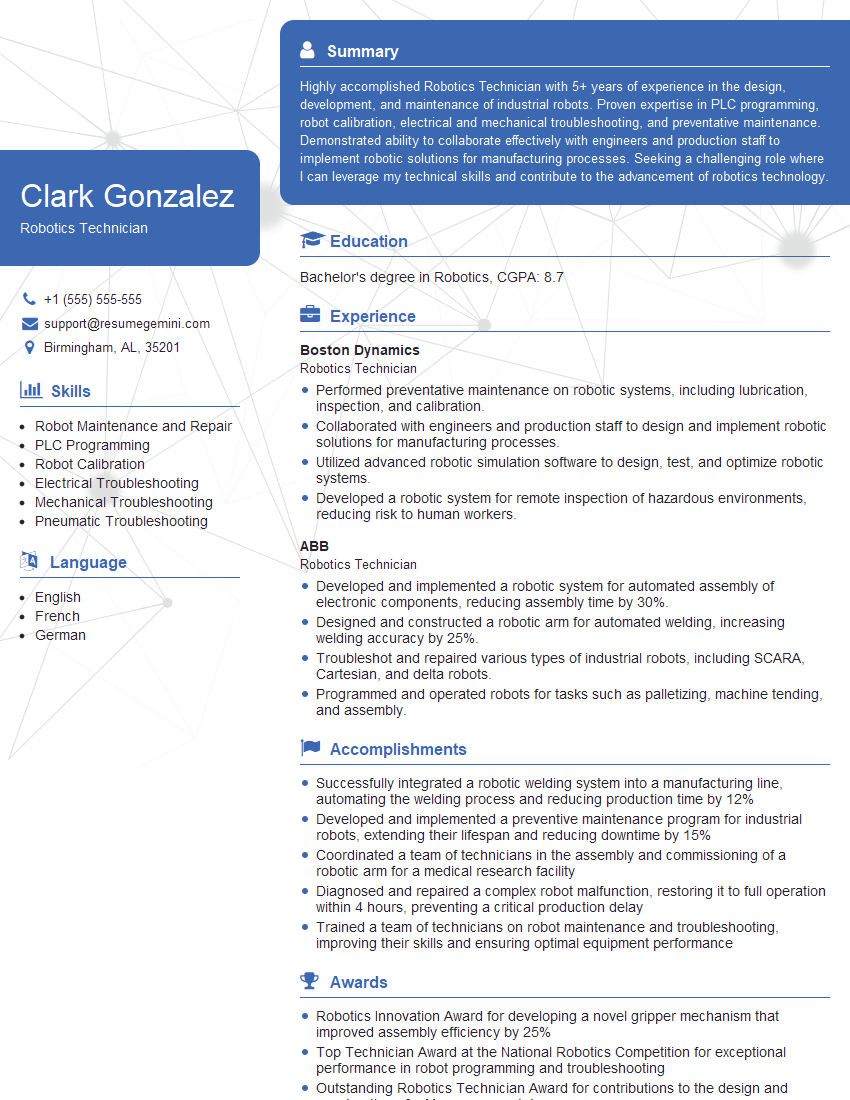
Robotics Technician Resume Sample
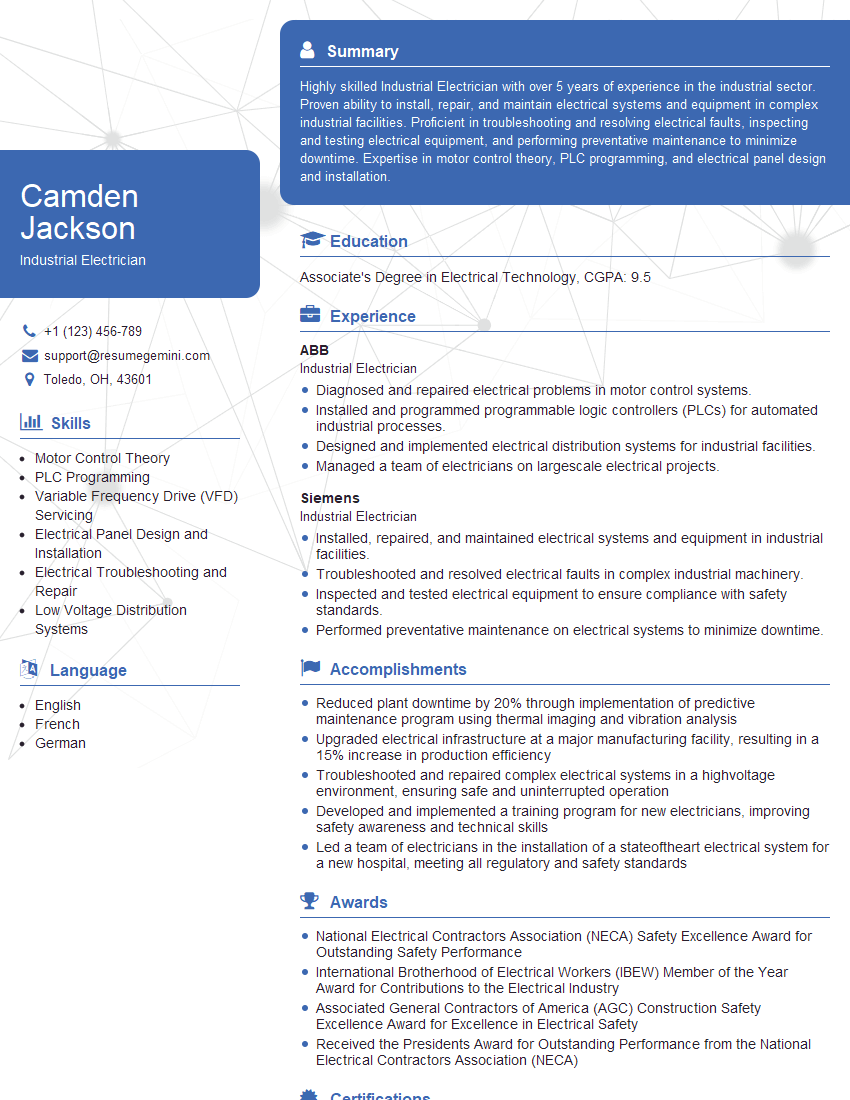
Industrial Electrician Resume Sample

Maintenance Electrician Resume Sample
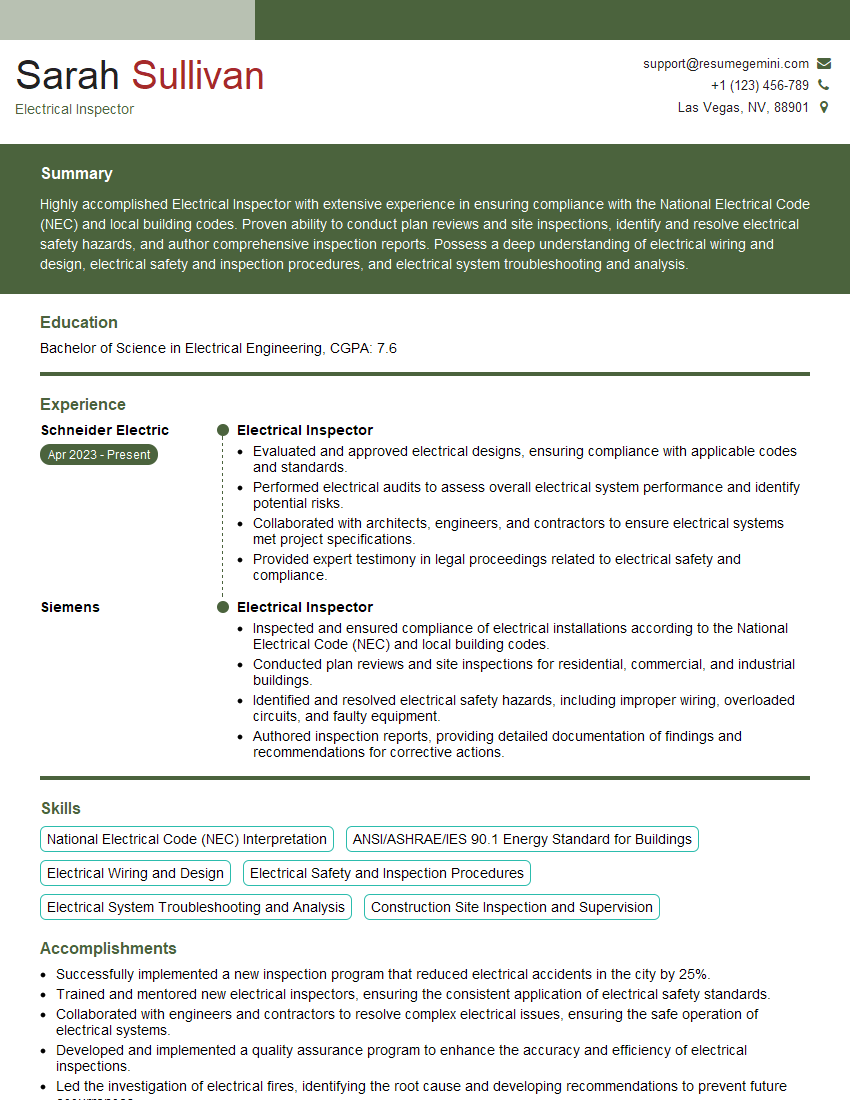
Electrical Inspector Resume Sample
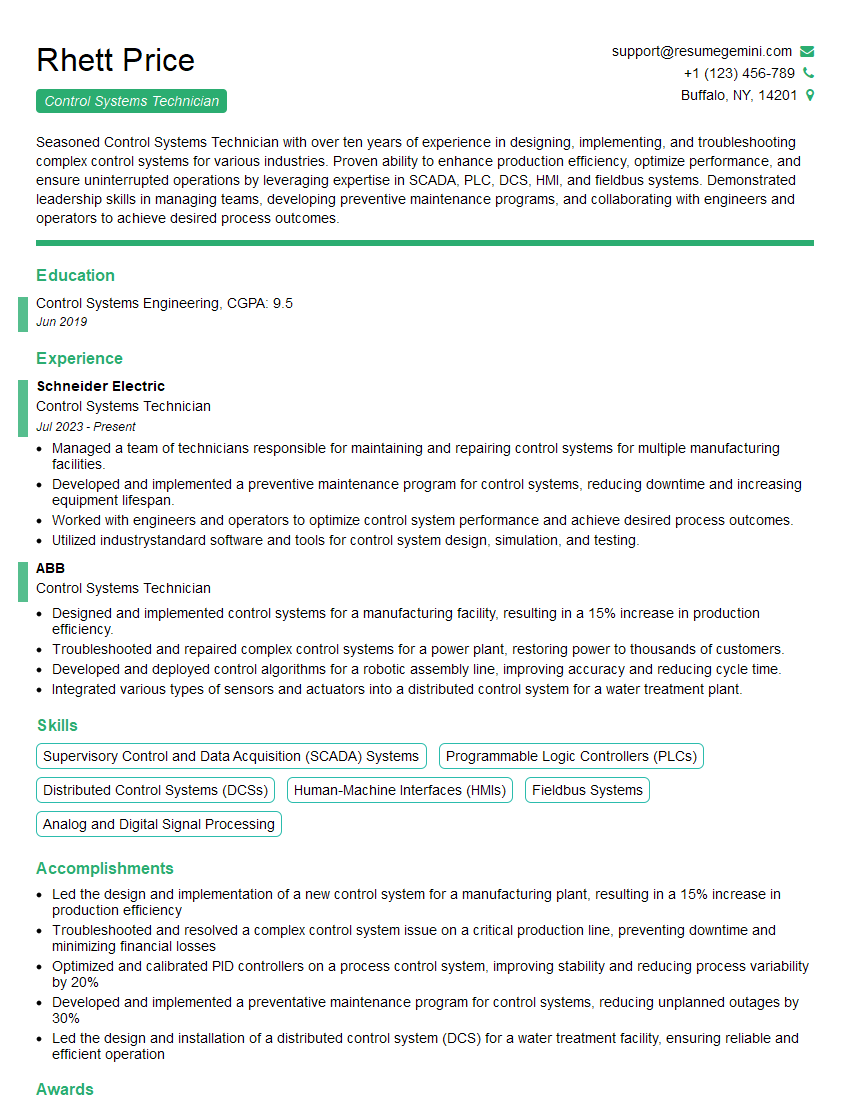
Control Systems Technician Resume Sample

Electrical Maintenance Technician Resume Sample
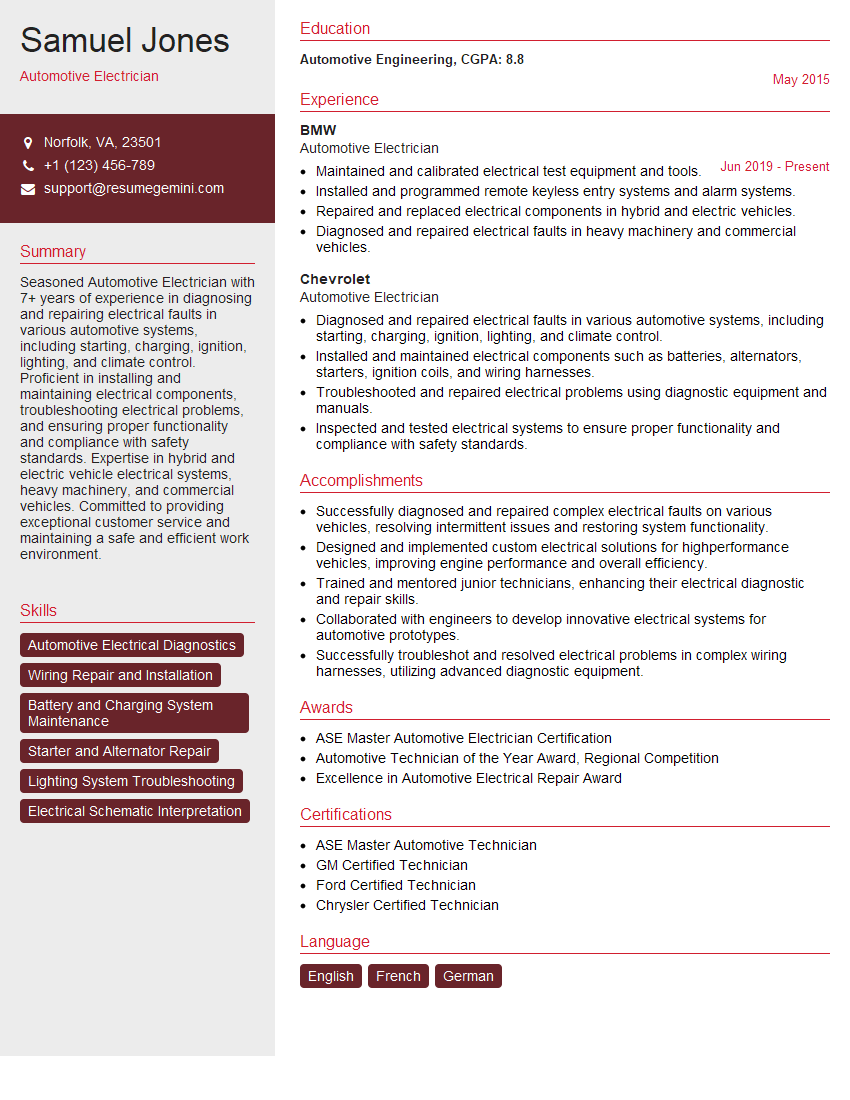
Automotive Electrician Resume Sample
Explore more articles
Users Rating of Our Blogs
Share Your Experience
We value your feedback! Please rate our content and share your thoughts (optional).
What Readers Say About Our Blog
Very informative content, great job.
good