Interviews are opportunities to demonstrate your expertise, and this guide is here to help you shine. Explore the essential Emergency Management Skills interview questions that employers frequently ask, paired with strategies for crafting responses that set you apart from the competition.
Questions Asked in Emergency Management Skills Interview
Q 1. Describe your experience in developing and implementing emergency response plans.
Developing and implementing emergency response plans is a crucial aspect of emergency management. It involves a systematic approach, moving from comprehensive risk assessment to detailed procedural outlines. My experience spans various contexts, from developing plans for large-scale events like hurricanes to smaller, localized incidents such as chemical spills. This process typically includes:
- Risk Assessment: Identifying potential hazards and vulnerabilities, considering their likelihood and potential impact.
- Plan Development: Creating detailed, actionable plans that outline roles, responsibilities, communication strategies, and resource allocation procedures. This often involves incorporating best practices and relevant legislation.
- Training and Exercises: Conducting regular drills and simulations to ensure personnel are familiar with the plan and can effectively execute their assigned roles. This iterative process allows for continuous improvement.
- Plan Review and Updates: Regularly reviewing and updating the plan based on lessons learned from past incidents, changes in regulations, and evolving threats. This ensures the plan remains relevant and effective.
For example, during my time at [Previous Organization Name], I spearheaded the development of a comprehensive emergency response plan for a large-scale music festival. This involved collaborating with local authorities, emergency services, and the event organizers to identify potential hazards (crowd surges, medical emergencies, inclement weather), and designing a plan that incorporated crowd control measures, robust communication systems, and efficient resource allocation. The plan was tested through multiple tabletop exercises and full-scale simulations, resulting in a well-coordinated and effective response system.
Q 2. Explain your understanding of the Incident Command System (ICS).
The Incident Command System (ICS) is a standardized, on-scene, all-hazards incident management system. Think of it as a framework for organizing and coordinating resources during an emergency. Its modular design allows it to scale from small incidents to large-scale disasters. ICS is built on five key functional areas:
- Command: Overall management and responsibility for the incident.
- Operations: Directing all tactical operations, including resource deployment and task assignments.
- Planning: Developing and maintaining the incident action plan, gathering and analyzing information.
- Logistics: Providing resources, equipment, and support to the incident.
- Finance/Administration: Tracking expenses, managing personnel records, and ensuring legal compliance.
ICS relies heavily on clear communication and defined roles and responsibilities. Each functional area has a designated leader, and the system operates under a unified command structure. This prevents confusion and promotes effective resource allocation. The common terminology and organizational structure of ICS make it easy for different agencies and organizations to seamlessly integrate their efforts during a joint response.
For instance, I’ve utilized ICS extensively during wildfire response operations. The clear chain of command and standardized communication protocols ensured that firefighters, paramedics, and law enforcement personnel worked together effectively to combat the fire, evacuate residents, and manage the incident’s overall impact.
Q 3. How would you assess and prioritize risks in an emergency situation?
Assessing and prioritizing risks in an emergency involves a structured approach that combines qualitative and quantitative analysis. It’s like solving a complex puzzle, where you need to identify all the pieces and then determine their relative importance. My process generally involves these steps:
- Hazard Identification: Identifying all potential hazards (e.g., natural disasters, technological failures, human threats).
- Vulnerability Assessment: Determining the susceptibility of assets and populations to these hazards.
- Risk Analysis: Combining hazard likelihood and vulnerability to estimate the potential impact of each hazard. This often involves using risk matrices to visually represent the level of risk.
- Prioritization: Ranking hazards based on their potential impact and likelihood. This prioritization guides resource allocation and response strategies, focusing efforts where they are most needed.
- Mitigation Planning: Developing strategies to reduce or eliminate identified risks.
During a flood response, for example, I would prioritize rescuing people trapped in immediate danger, followed by securing essential infrastructure (power grids, water treatment plants) and providing shelter to displaced individuals. This prioritization is crucial for allocating limited resources effectively and ensuring the most significant impacts are addressed first.
Q 4. What are your strategies for effective communication during a crisis?
Effective communication during a crisis is paramount. It’s the lifeblood of successful emergency management. My strategies focus on clarity, consistency, and multi-channel dissemination. This involves:
- Establishing Communication Channels: Utilizing various methods, including radio systems, dedicated phone lines, text messaging, social media, and public address systems, to ensure information reaches all stakeholders efficiently.
- Developing Clear Messaging: Communicating information concisely and accurately, avoiding jargon and technical terms where possible. Repeating key messages helps reinforce critical information.
- Targeting Communication: Tailoring messages to specific audiences (e.g., residents, first responders, media) to meet their individual needs and understanding.
- Maintaining Situational Awareness: Continuously monitoring and updating information to ensure accuracy and reflect the evolving situation.
- Feedback Mechanisms: Establishing channels for receiving feedback from the field, allowing for adjustments and course correction based on the evolving situation.
In a hurricane evacuation scenario, for example, clear and timely communication about evacuation routes, shelter locations, and potential hazards is critical to ensuring public safety and a smooth evacuation process. Using multiple communication channels increases the likelihood that this vital information reaches everyone who needs it.
Q 5. Describe your experience with resource allocation during an emergency.
Resource allocation during an emergency is a challenging but critical task requiring strategic thinking and a deep understanding of the situation. It involves efficiently distributing limited resources (personnel, equipment, supplies, funding) to maximize their effectiveness. My experience involves:
- Needs Assessment: Accurately assessing the needs of affected populations and response teams.
- Prioritization: Prioritizing resource allocation based on urgency, impact, and available resources.
- Resource Tracking: Maintaining a real-time inventory of available resources and their deployment status.
- Coordination: Working with various agencies and organizations to ensure efficient resource sharing and avoid duplication.
- Logistics Management: Managing the procurement, transportation, and distribution of resources.
For example, during a major earthquake, I was responsible for allocating emergency medical supplies to various hospitals and temporary medical facilities. This involved assessing their needs, prioritizing based on the severity of injuries, coordinating with logistics teams to ensure timely delivery, and tracking the use of supplies to manage resources effectively throughout the operation.
Q 6. How do you ensure the continuity of operations during a disaster?
Ensuring continuity of operations (COOP) during a disaster requires proactive planning and a resilient organizational structure. It’s about maintaining essential functions even when facing significant disruptions. My approach includes:
- Business Impact Analysis: Identifying critical business functions and their dependencies to understand vulnerabilities.
- Developing COOP Plans: Creating detailed plans outlining procedures for maintaining essential operations during disruptions, including alternative work locations, communication systems, and data backup strategies.
- Redundancy and Backup Systems: Implementing redundant systems and backup plans to ensure continued operation even if primary systems fail.
- Training and Exercises: Regularly training personnel on COOP procedures and conducting drills to test the effectiveness of plans.
- Communication and Coordination: Establishing clear communication channels and coordinating with stakeholders to ensure a coordinated response.
In the case of a cyberattack targeting a critical infrastructure provider, a robust COOP plan would enable the organization to maintain essential services by switching to backup systems, activating alternative communication channels, and deploying disaster recovery teams to restore critical functions.
Q 7. Explain your experience with post-incident analysis and improvement.
Post-incident analysis (PIA) is critical for learning from past experiences and improving future responses. It’s about identifying what went well, what could have been better, and how to improve future preparedness and response. My approach involves:
- Data Collection: Gathering information from various sources, including incident reports, interviews, and data logs.
- Incident Debriefing: Conducting thorough debriefings with involved personnel to gather firsthand accounts and perspectives.
- Root Cause Analysis: Identifying the underlying causes of successes and failures during the incident.
- Lesson Identification: Determining specific lessons learned and areas for improvement.
- Plan Updates: Implementing changes to emergency response plans based on the lessons learned.
After a large-scale flooding event, for example, I conducted a PIA that identified communication gaps, resource allocation issues, and areas for improvement in the evacuation procedures. These findings led to revisions in the emergency response plan, including improved communication protocols, a more streamlined resource allocation system, and revised evacuation routes. This iterative process of learning and improvement is vital for continual enhancement of emergency management capabilities.
Q 8. How would you handle conflicting priorities in an emergency?
Conflicting priorities are the bread and butter of emergency management. Imagine a wildfire: you have to evacuate residents, protect infrastructure, and fight the fire itself – all simultaneously. My approach involves a structured prioritization system, based on a clear understanding of the impact and likelihood of each task failing. I use a decision matrix that weighs the consequences of inaction against the resources available. For example, if a hospital is threatened by a flood, evacuating patients takes precedence over minor road closures, even though both need addressing. This involves a transparent communication process, ensuring all teams understand the priorities and their roles in achieving them. This might involve using a simple color-coded system – red for immediate action, yellow for high priority, and green for lower priority – to keep everyone aligned and focused.
I also firmly believe in utilizing a dynamic approach. The situation changes constantly, so regular reassessments are crucial. What’s the highest priority at 10 am might be different at 2 pm. We need to stay adaptable and be willing to shift resources as the situation unfolds.
Q 9. Describe your experience with community engagement in emergency preparedness.
Community engagement is paramount. Preparedness isn’t just a government responsibility; it’s a shared one. In my previous role, I spearheaded a program focusing on neighborhood-level preparedness. We organized workshops on disaster awareness, first aid training, and community-based emergency response plans. We also established a neighborhood watch system that incorporated emergency communication protocols. We used various engagement methods, including social media, local community centers, and direct outreach to vulnerable populations like the elderly and people with disabilities. The success was measured in increased volunteer participation in disaster drills and a marked improvement in community resilience during a recent flood event. The volunteers trained were instrumental in assisting first responders and providing immediate support to affected families.
Q 10. What are your strategies for managing stress and fatigue during prolonged emergencies?
Prolonged emergencies are incredibly taxing. Managing stress and fatigue demands a proactive, multi-pronged approach. First, it’s crucial to emphasize self-care. This includes adequate sleep, proper nutrition, and regular breaks. Secondly, fostering a strong team environment is key. We need to encourage open communication about stress levels and offer peer support. I’ve found that rotating shifts and implementing a robust system for time off ensures that individuals are not overwhelmed. We also incorporate mental health resources, such as access to counselors and stress management training. It’s also crucial to acknowledge that burnout is a real risk and to take steps to prevent it. Setting clear expectations, providing clear communication, and ensuring adequate resources are essential elements in preventing burnout.
Q 11. How do you ensure the safety of personnel during an emergency response?
Personnel safety is the absolute top priority. It forms the foundation of all other emergency response efforts. This starts with comprehensive training – ensuring everyone knows safety procedures, hazard recognition, and communication protocols. We utilize personal protective equipment (PPE) appropriate to the hazard, including safety vests, helmets, and respirators. We emphasize risk assessments for each incident, identifying potential hazards and establishing control measures. Regular safety briefings and debriefings allow us to identify potential risks and mitigate them proactively. I’ve also implemented GPS tracking systems for personnel, allowing for precise location monitoring and rapid response in case of emergencies. Furthermore, a robust communication system is vital to ensure personnel can promptly report any hazards or issues.
Q 12. What is your experience with developing and conducting emergency exercises?
I have extensive experience designing and leading various emergency exercises, from tabletop exercises to full-scale simulations. The process involves defining clear objectives, selecting realistic scenarios based on risk assessments, and developing detailed exercise plans. I focus on designing exercises that test specific aspects of our response plan – like communication, coordination, and resource allocation. Post-exercise evaluations are critical. These involve collecting data through observations, feedback forms, and after-action reports. The aim is to identify strengths, weaknesses, and areas for improvement. This iterative process enhances our response capabilities over time. For instance, a recent full-scale exercise revealed a critical communication breakdown between different agencies. By addressing this, we’ve strengthened interagency collaboration significantly.
Q 13. How do you incorporate lessons learned from past incidents into future planning?
Lessons learned are invaluable. After each incident, a thorough after-action review (AAR) is conducted. This process involves gathering data from various sources, including incident reports, interviews with personnel, and community feedback. The AAR identifies what went well, what went wrong, and what can be improved. We use a structured approach to categorize findings, prioritizing systemic issues over individual performance. Changes to plans, protocols, and training programs are then implemented based on the AAR findings. For example, following a hurricane, we realized our evacuation plan lacked sufficient provisions for people with disabilities. This led to significant revisions, ensuring future preparedness is more inclusive and effective.
Q 14. Explain your understanding of different types of hazards and their impact.
Understanding hazards is fundamental. We categorize them based on their origin – natural (e.g., earthquakes, floods, wildfires), technological (e.g., industrial accidents, hazardous material spills), and human-caused (e.g., terrorism, civil unrest). Each hazard has a unique impact, affecting infrastructure, the environment, and most importantly, people. For instance, an earthquake causes structural damage, ground instability, and potential for secondary hazards like fires. A pandemic, on the other hand, impacts public health, disrupts supply chains, and can lead to social and economic instability. Understanding these impacts helps us develop tailored mitigation and response strategies. This includes assessing vulnerability, identifying critical infrastructure, and developing effective communication plans. The consequences of each hazard differ greatly, requiring specialized response techniques and resource allocation. This expertise allows for proactive planning and tailored responses.
Q 15. Describe your experience with developing and maintaining emergency communication systems.
Developing and maintaining robust emergency communication systems is crucial for effective response. It involves a multi-faceted approach encompassing planning, implementation, testing, and continuous improvement. My experience includes designing and implementing communication plans utilizing various channels, from traditional methods like radio and sirens to modern technologies such as mass notification systems and social media.
For example, in my previous role, we migrated from a solely landline-based system to a hybrid system incorporating cell phone alerts, email notifications, and a dedicated web portal. This allowed us to reach a broader audience, especially those displaced or without access to traditional media. We also developed detailed communication protocols, outlining roles, responsibilities, and escalation procedures. Regular testing, including simulated emergencies, ensured system reliability and staff preparedness.
Maintaining the system includes regular updates to contact information, system software, and disaster preparedness training for personnel. This proactive approach guarantees the system’s effectiveness when it matters most.
Career Expert Tips:
- Ace those interviews! Prepare effectively by reviewing the Top 50 Most Common Interview Questions on ResumeGemini.
- Navigate your job search with confidence! Explore a wide range of Career Tips on ResumeGemini. Learn about common challenges and recommendations to overcome them.
- Craft the perfect resume! Master the Art of Resume Writing with ResumeGemini’s guide. Showcase your unique qualifications and achievements effectively.
- Don’t miss out on holiday savings! Build your dream resume with ResumeGemini’s ATS optimized templates.
Q 16. How do you track and manage resources during an emergency?
Resource tracking and management during an emergency is paramount. This requires a combination of pre-planning, real-time data collection, and efficient allocation strategies. I utilize resource management software to maintain a comprehensive inventory of personnel, equipment, and supplies. This software allows for real-time tracking of resource deployment, status updates, and remaining capacity.
Before an event, we pre-position critical resources in strategic locations, considering potential impact zones and logistical challenges. During an event, we employ a tiered system: first addressing immediate needs, then focusing on longer-term recovery efforts. We rely on regular situation reports, GPS tracking (where applicable), and continuous communication to ensure that resources are allocated effectively and efficiently. A critical component is the ability to rapidly adjust resource allocation based on evolving needs, a skill honed through numerous exercises and real-world events.
For instance, during a recent severe storm, we used our tracking system to quickly redirect emergency medical services to a flooded area where access was compromised, saving valuable time and potentially lives.
Q 17. What is your experience with working with volunteers during an emergency?
Working with volunteers is integral to successful emergency management. Effective volunteer management involves careful planning, robust training, and clear communication. My experience includes recruiting, training, deploying, and supervising large teams of volunteers during various emergency scenarios.
We develop comprehensive volunteer training programs covering essential skills such as first aid, safety procedures, and communication protocols. Clear roles and responsibilities are defined, alongside established channels for reporting and supervision. Effective communication is key – regular briefings, updates, and debriefings maintain morale and ensure a cohesive response. Volunteer appreciation is also crucial, fostering a sense of community and encouraging future involvement. We consistently emphasize safety and provide adequate support to volunteers to ensure their well-being throughout the operation.
In one instance, we mobilized over 200 volunteers for a large-scale evacuation. Through pre-planning and detailed training, the volunteers were able to efficiently assist evacuees, manage shelters, and provide essential support, ensuring a smooth and successful operation.
Q 18. How do you measure the effectiveness of your emergency management program?
Measuring the effectiveness of an emergency management program requires a multi-faceted approach, going beyond simply reacting to events. We employ various methods, including pre-event preparedness assessments, post-event evaluations, and ongoing performance monitoring.
Pre-event assessments examine plan effectiveness, resource readiness, and staff training. Post-event evaluations involve analyzing response time, resource utilization, and the effectiveness of communication channels. We conduct detailed after-action reviews, gathering feedback from stakeholders and identifying areas for improvement. Key performance indicators (KPIs) such as response times, resource allocation efficiency, and public satisfaction surveys, are tracked and analyzed regularly.
Continuous improvement is paramount; lessons learned from exercises and real-world events are incorporated into future training, planning, and resource allocation strategies. This iterative approach ensures the program’s continuous evolution and optimization.
Q 19. Explain your understanding of National Incident Management System (NIMS).
The National Incident Management System (NIMS) is a standardized approach to incident management, providing a framework for coordinating emergency response. It emphasizes interoperability, scalability, and flexibility. My understanding of NIMS encompasses its core components, including the Incident Command System (ICS), Multiagency Coordination Systems (MACS), and Public Information.
ICS provides a structured organizational structure for managing incidents, promoting clear roles and responsibilities. MACS facilitates collaboration among multiple agencies and organizations. Public Information ensures consistent and accurate communication with the public. I’ve utilized NIMS principles in numerous exercises and real-world events, leading and participating in multi-agency responses, coordinating resource allocation, and maintaining consistent communication across agencies.
NIMS’s flexibility allows it to be adapted to various incident types and scales, making it an invaluable tool in managing complex emergencies effectively.
Q 20. Describe your experience with stakeholder engagement in emergency management.
Stakeholder engagement is fundamental to effective emergency management. It involves building relationships with various groups before, during, and after an emergency. My approach focuses on proactive communication, collaboration, and transparency.
Pre-event engagement includes community meetings, workshops, and online forums to understand community needs and concerns, fostering trust and building relationships. During an event, I maintain open communication with affected communities, providing updates and answering questions. Post-event, I conduct follow-up meetings to gather feedback, assess the effectiveness of the response, and address unmet needs.
For example, we regularly engage with community leaders, healthcare providers, and businesses to plan and execute preparedness initiatives. This collaborative approach builds resilience and enhances the overall effectiveness of our emergency response capability.
Q 21. How do you utilize technology to enhance emergency response capabilities?
Technology significantly enhances emergency response capabilities. My experience involves using various technologies to improve situational awareness, communication, resource management, and data analysis.
We utilize Geographic Information Systems (GIS) for mapping and visualizing incidents, assessing risks, and optimizing resource allocation. Real-time data feeds from various sources provide a comprehensive picture of the situation, enabling informed decision-making. Mobile devices equipped with specialized apps facilitate communication, data collection, and resource tracking in the field. Social media monitoring tools allow us to identify emerging needs and concerns from the public. Data analytics tools help us analyze past incidents to identify trends and improve future preparedness efforts.
For instance, the use of drones during search and rescue operations allows for rapid assessment of damage and identification of survivors, significantly improving response time and effectiveness.
Q 22. Explain your experience with developing recovery plans after an emergency.
Developing effective recovery plans is crucial for a community’s resilience after an emergency. It’s not just about rebuilding what was lost; it’s about building back better and stronger. My approach involves a multi-phased process, starting with a thorough needs assessment. This includes damage assessments of infrastructure, identifying affected populations, and understanding the economic and social impacts.
Next, I work collaboratively with stakeholders – government agencies, community leaders, non-profits, and affected residents – to prioritize recovery needs. We use this information to develop a detailed plan outlining short-term (e.g., providing temporary housing, restoring essential services) and long-term (e.g., infrastructure upgrades, economic revitalization) goals. The plan includes specific timelines, responsible parties, and resource allocation strategies.
For example, after a major hurricane, I led the development of a recovery plan that prioritized restoring power to critical facilities like hospitals and shelters within 72 hours, followed by a phased approach to restoring power to residential areas. This involved coordinating with utility companies, securing funding, and managing logistics. The plan also included provisions for debris removal, temporary housing solutions, and access to essential supplies.
Finally, monitoring and evaluation are key. We establish metrics to track progress, identify challenges, and make adjustments as needed. A successful recovery plan is adaptable and responsive to changing circumstances.
Q 23. How do you ensure compliance with relevant regulations and standards?
Compliance with regulations and standards is paramount in emergency management. It ensures accountability, protects vulnerable populations, and maximizes the effectiveness of our efforts. My approach involves staying updated on relevant legislation, such as the Stafford Act (in the US) or equivalent national and international regulations, as well as industry best practices like those established by FEMA or other relevant organizations.
We build compliance into every phase of our work, from planning and training to response and recovery. This includes documenting all actions, conducting regular audits to ensure adherence to protocols, and implementing robust record-keeping systems. Regular training for team members keeps everyone aware of the legal and ethical requirements of our work.
For example, during a pandemic response, we meticulously tracked the distribution of resources, ensuring compliance with guidelines on equitable resource allocation and data privacy regulations. This involved working closely with legal counsel and relevant authorities to ensure transparency and accountability throughout the entire process.
Q 24. Describe your experience with budgeting and financial management in emergency management.
Budgeting and financial management are critical for effective emergency management. Resources are often limited, especially during large-scale emergencies, so careful planning and efficient use of funds are essential. My experience includes developing detailed budgets that align with recovery goals, securing funding from various sources (government grants, private donations, insurance), and managing expenditures transparently and responsibly.
I utilize budgeting software and financial management tools to track income and expenses, generate reports, and forecast future needs. This allows for proactive adjustments and ensures we remain fiscally responsible. I also develop robust financial reporting mechanisms to keep stakeholders informed about the status of our funds.
During a wildfire response, I was responsible for managing a multi-million dollar budget allocated for relief efforts. This involved securing grants, negotiating contracts with vendors, and meticulously tracking all expenses. This transparent approach ensured accountability and maximized the use of available funds.
Q 25. How do you maintain situational awareness during a rapidly evolving crisis?
Maintaining situational awareness during a rapidly evolving crisis requires a multi-faceted approach. It’s like conducting an orchestra – each section (information gathering, analysis, communication) needs to play in harmony. We utilize a variety of tools and strategies to achieve this:
- Real-time data streams: This includes monitoring social media, news reports, and emergency communication channels for evolving information.
- Collaboration and Communication: Regular communication and coordination with various teams and agencies, both inside and outside the organization, is essential.
- Data analysis and visualization: Using dashboards and mapping tools to visualize the situation in real-time assists in quick identification of trends and needs.
- Incident command system: This structured approach helps manage communication, resources, and decision-making.
For example, during a flood, I used real-time data from weather forecasts, social media reports, and our field teams to track the flood’s progression and adjust our response accordingly. This proactive approach allowed us to effectively allocate resources and protect people and property.
Q 26. Explain your understanding of different recovery phases.
Recovery from an emergency is not a single event but a multifaceted process typically divided into several phases:
- Immediate Response: This focuses on immediate life-saving measures, stabilizing the situation, providing essential services like search and rescue, medical aid, and shelter.
- Recovery Initiation: This involves damage assessment, securing funding, and developing recovery plans.
- Restoration of Essential Services: This concentrates on restoring critical infrastructure like power, water, transportation, and communication.
- Long-term Recovery: This is a protracted phase focusing on rebuilding infrastructure, revitalizing the economy, supporting mental health and community recovery, and reducing vulnerabilities for future events.
Understanding these phases helps in allocating resources strategically and setting realistic expectations. For instance, immediately after an earthquake, the focus is on search and rescue, but as the situation stabilizes, the emphasis shifts towards providing shelter and restoring essential services.
Q 27. How do you adapt your emergency response strategies to different types of emergencies?
Emergency response strategies must be adaptable to the specific nature of the emergency. A wildfire demands different approaches than a pandemic or a major storm. My approach emphasizes flexibility and preparedness for a range of scenarios.
We maintain a comprehensive library of emergency response plans tailored to different hazards that we might encounter. These plans detail specific actions, resource requirements, and communication protocols for each scenario. Regular training exercises and drills help our team familiarize themselves with these plans and improve their responsiveness.
For instance, a pandemic response requires a focus on public health measures like contact tracing and quarantine, while a major storm requires emphasizing evacuation planning and search and rescue. We use a modular approach where elements of plans are adaptable and scalable depending on the scale and nature of the emergency.
Q 28. Describe your experience in leading and motivating a team during a crisis.
Leading and motivating a team during a crisis requires strong leadership skills, clear communication, and empathy. The environment can be stressful and chaotic, requiring a leader who can remain calm, decisive, and supportive.
My leadership style during crises is collaborative and empowering. I foster open communication channels, ensuring everyone is informed and has a clear understanding of their roles and responsibilities. I encourage teamwork, recognizing that collective effort is essential during emergencies. I provide regular feedback, celebrate successes, and offer support to team members, fostering a sense of camaraderie.
During a major winter storm, I ensured clear communication about shifting priorities among our team members, allowing them to adjust their tasks as needed. We also took breaks to debrief and de-stress, promoting mental well-being. This collaborative approach fostered strong teamwork and ensured efficient and effective responses.
Key Topics to Learn for Emergency Management Skills Interview
- Risk Assessment & Mitigation: Understanding hazard identification, vulnerability analysis, and developing mitigation strategies. Practical application: Developing a mitigation plan for a specific natural disaster scenario in your region.
- Emergency Planning & Response: Creating and implementing comprehensive emergency plans, including resource allocation, communication strategies, and coordination with various stakeholders. Practical application: Describing your experience in developing or participating in an emergency response exercise.
- Incident Command System (ICS): Understanding the principles and applications of ICS for effective incident management and resource coordination. Practical application: Explain your familiarity with ICS roles and responsibilities.
- Communication & Public Information: Developing and delivering clear, concise, and accurate information to the public during emergencies. Practical application: Describe a situation where you had to communicate critical information under pressure.
- Recovery & Resilience: Understanding the process of recovery after an emergency, including damage assessment, resource allocation, and community engagement. Practical application: Explain your understanding of building community resilience to future emergencies.
- Logistics & Resource Management: Efficiently managing resources, including personnel, equipment, and supplies, during emergencies. Practical application: Describe your experience in managing resources during a challenging situation.
- Legal & Ethical Considerations: Understanding the legal and ethical frameworks governing emergency management and response. Practical application: Explain how ethical considerations influence decision-making during emergencies.
Next Steps
Mastering Emergency Management Skills is crucial for career advancement in a field that demands adaptability, leadership, and a commitment to public safety. A strong resume is your first step towards showcasing these skills to potential employers. Creating an ATS-friendly resume is essential to ensure your application is effectively reviewed by Applicant Tracking Systems. To enhance your resume and increase your job prospects, we strongly recommend using ResumeGemini. ResumeGemini provides the tools and resources you need to build a professional and impactful resume, and we offer examples of resumes tailored to Emergency Management Skills to help you get started.
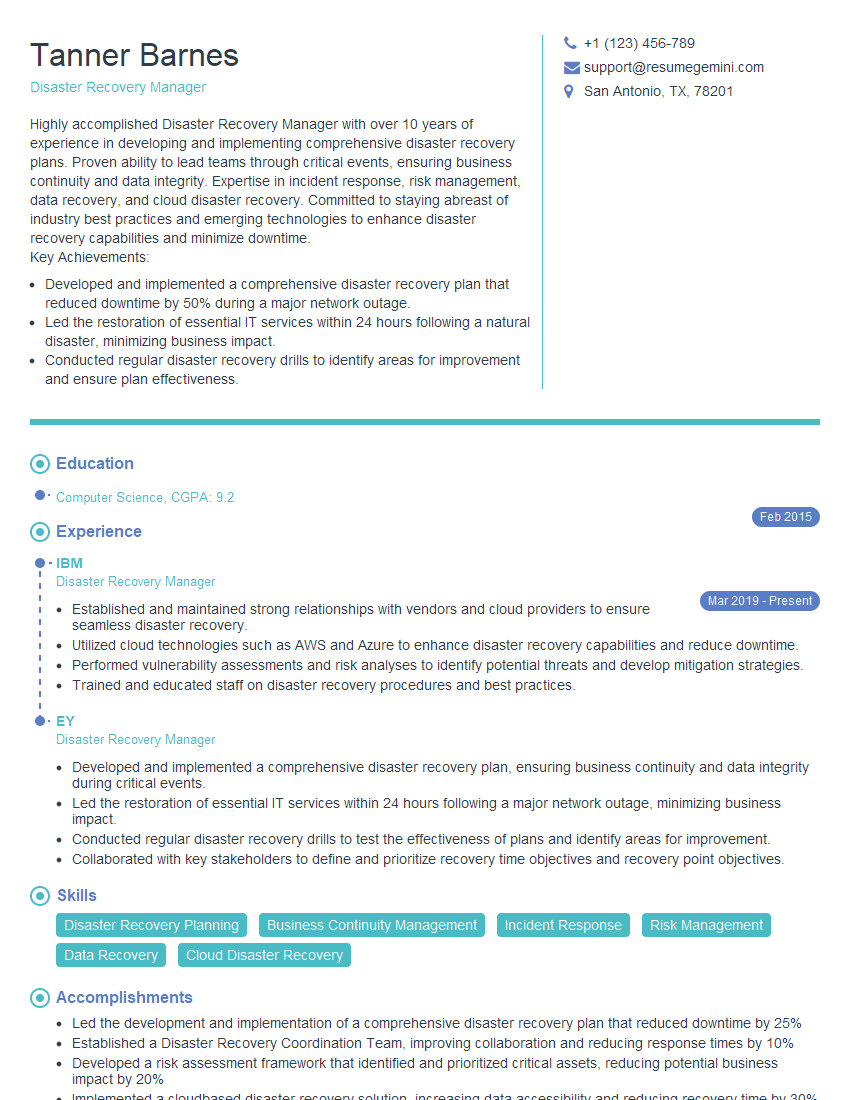
Disaster Recovery Manager Resume Sample
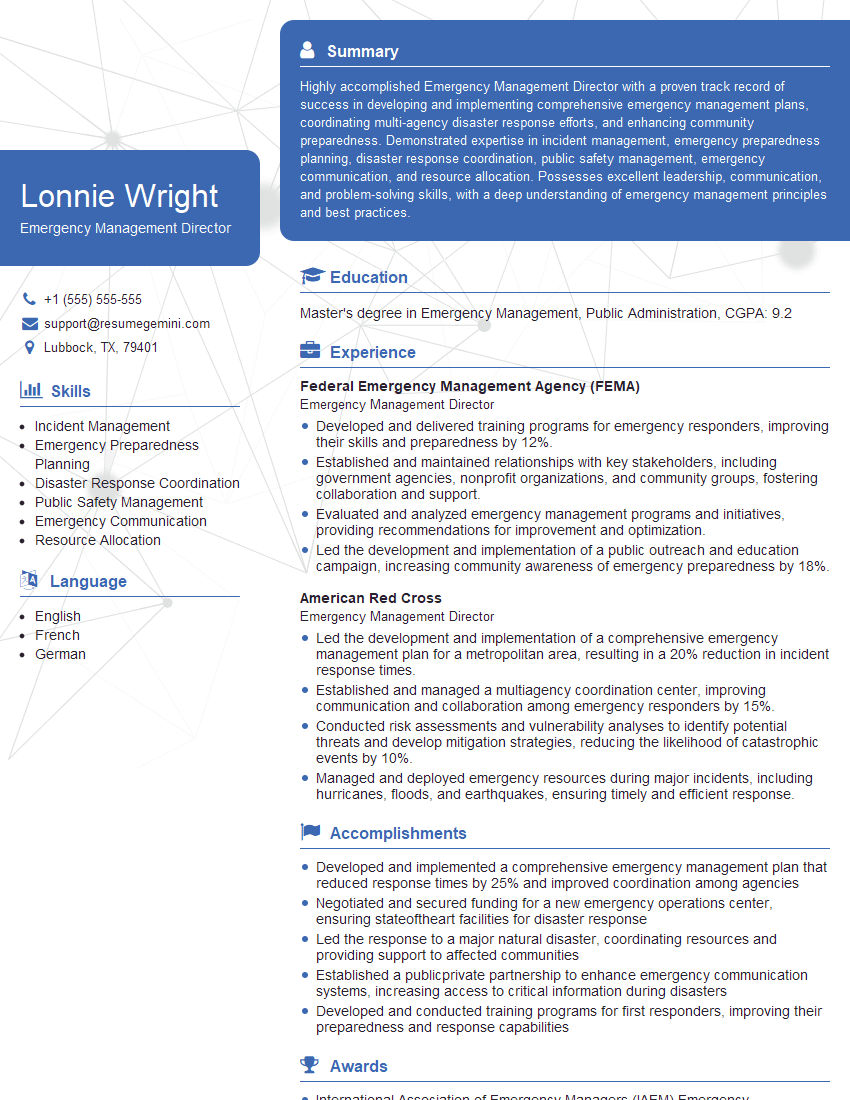
Emergency Management Director Resume Sample
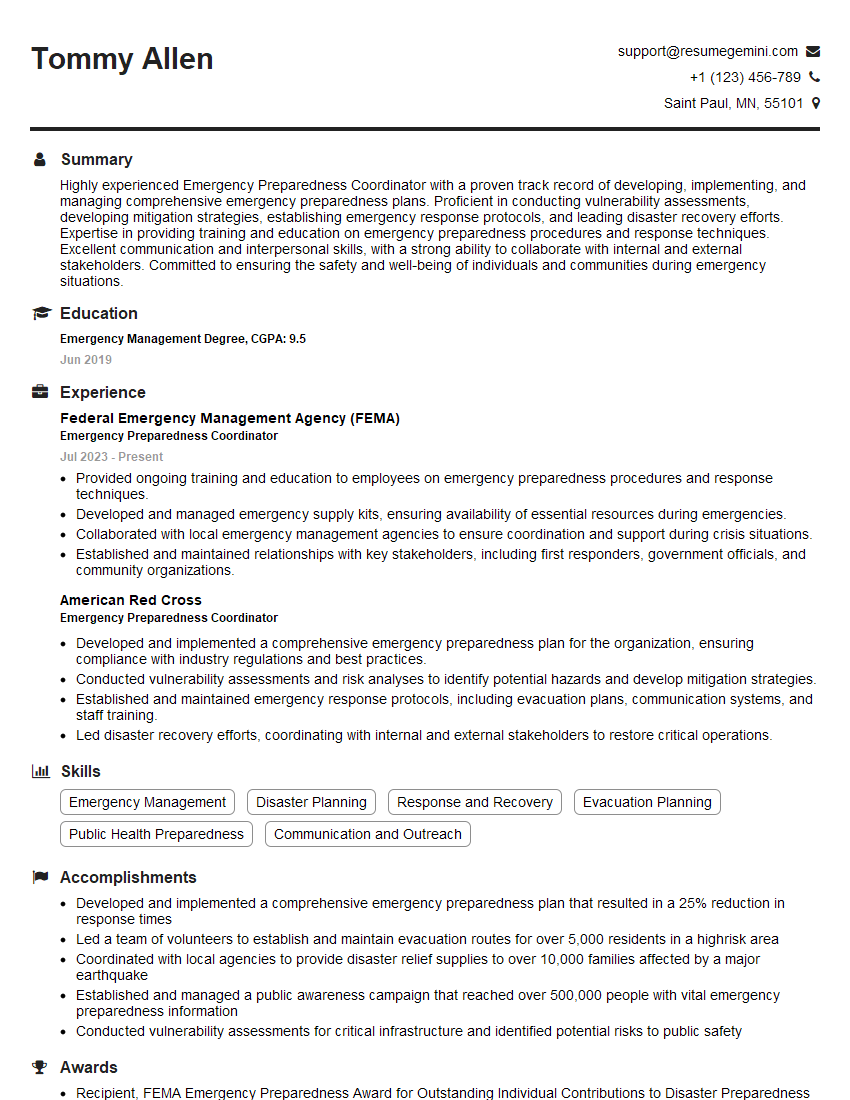
Emergency Preparedness Coordinator Resume Sample
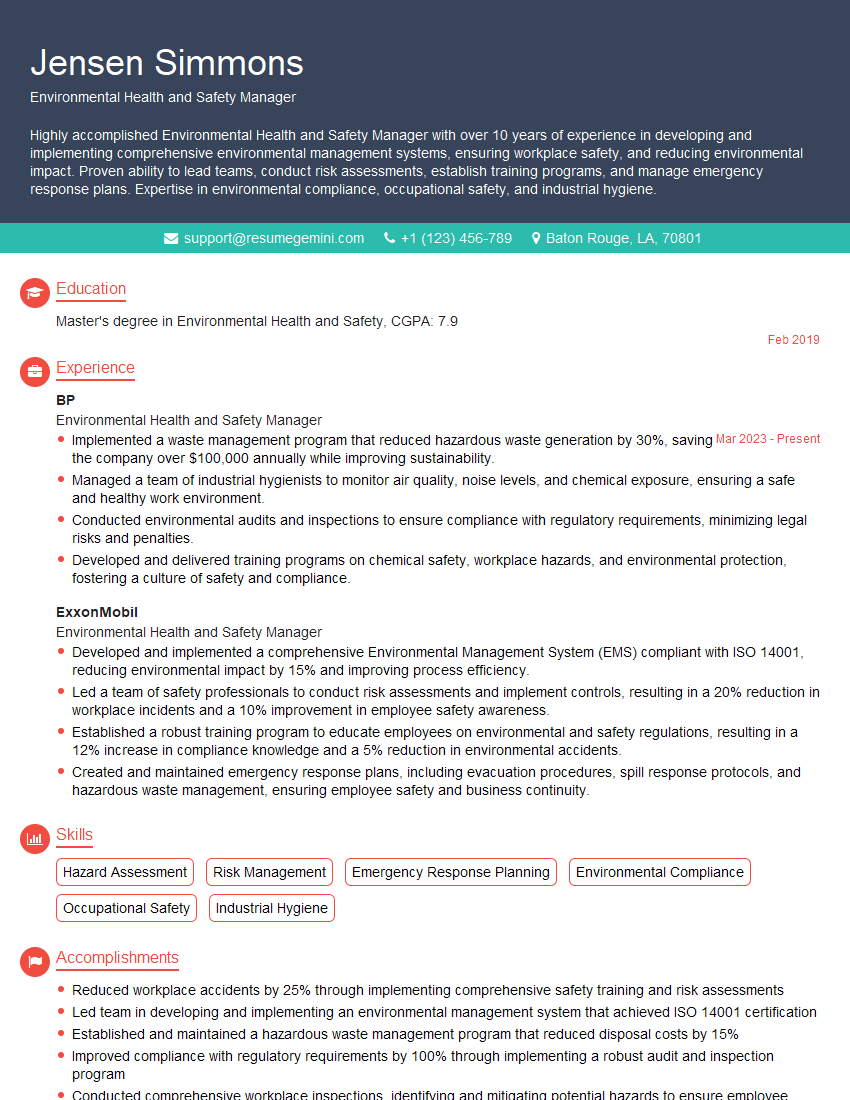
Environmental Health and Safety Manager Resume Sample
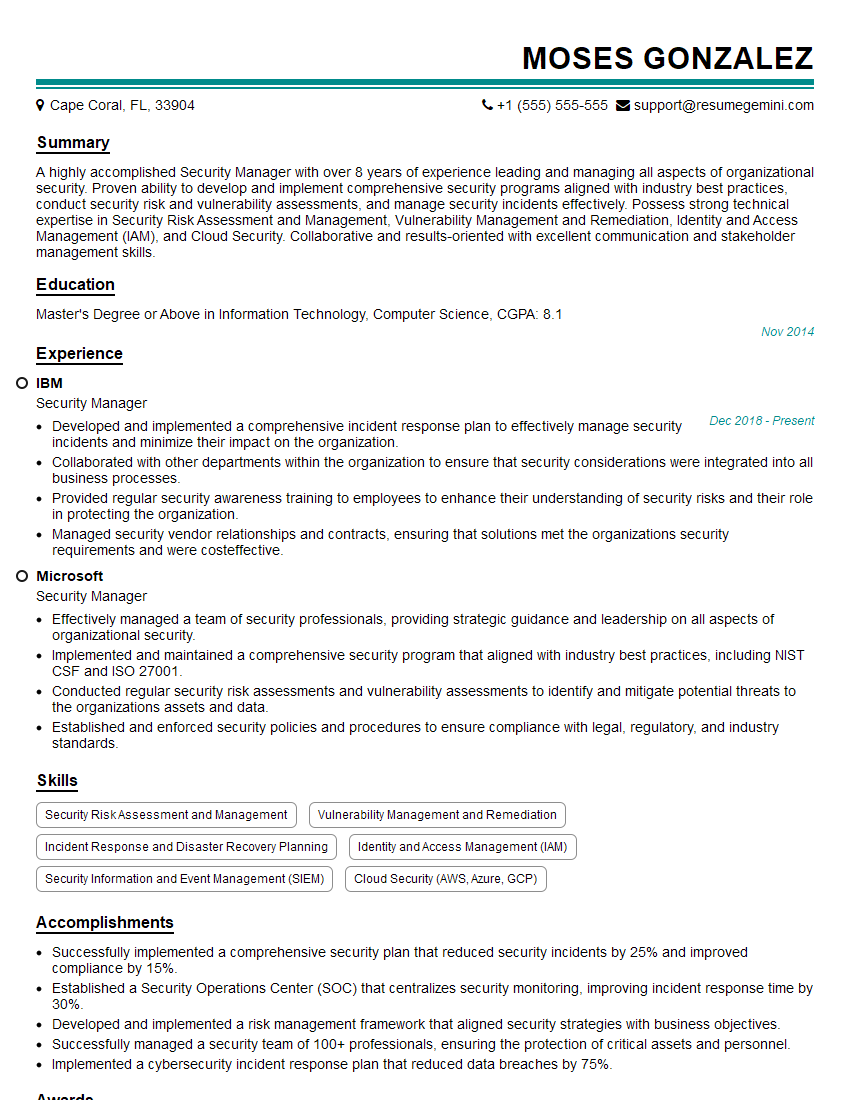
Security Manager Resume Sample
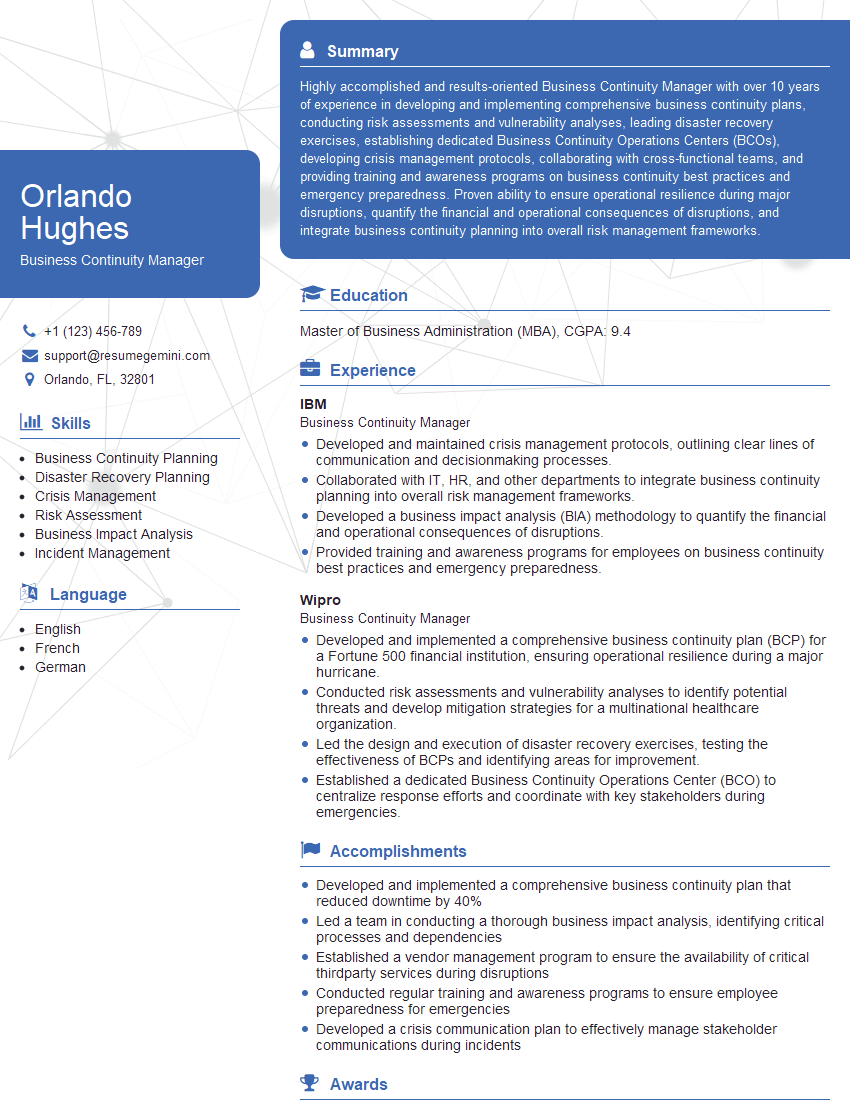
Business Continuity Manager Resume Sample

Risk Management Specialist Resume Sample
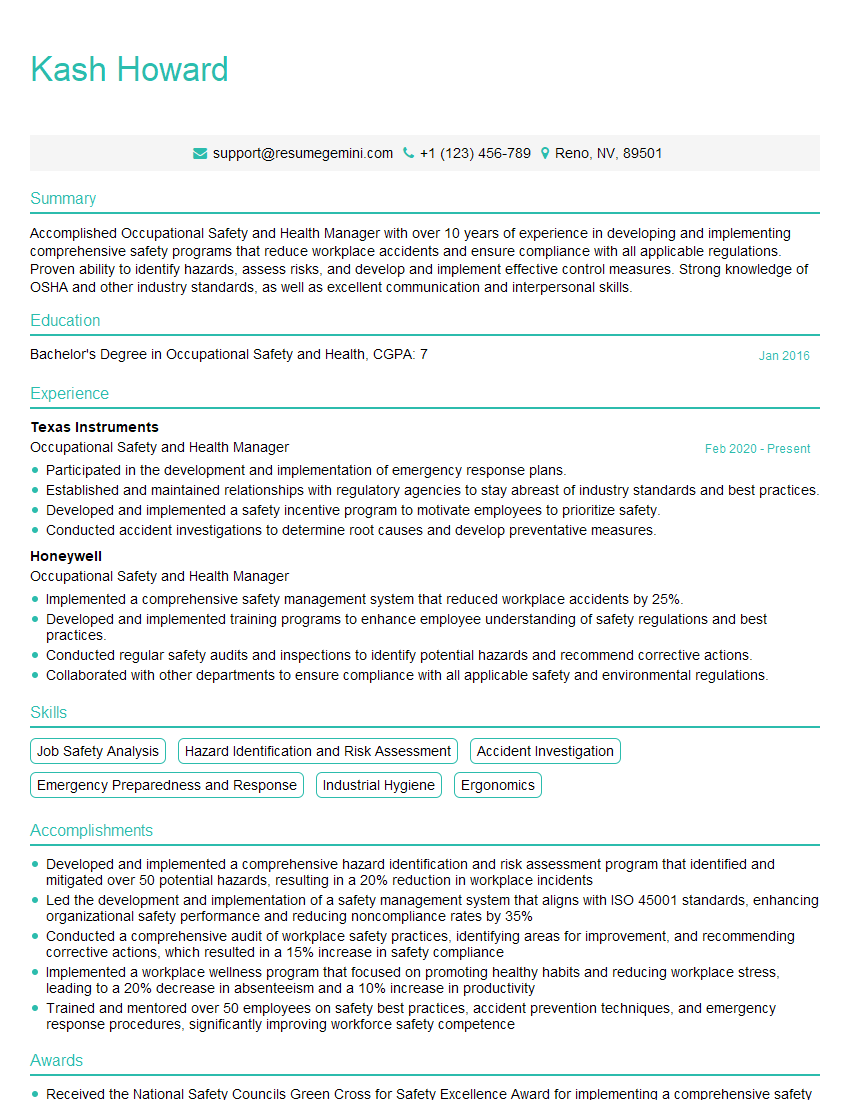
Occupational Safety and Health Manager Resume Sample
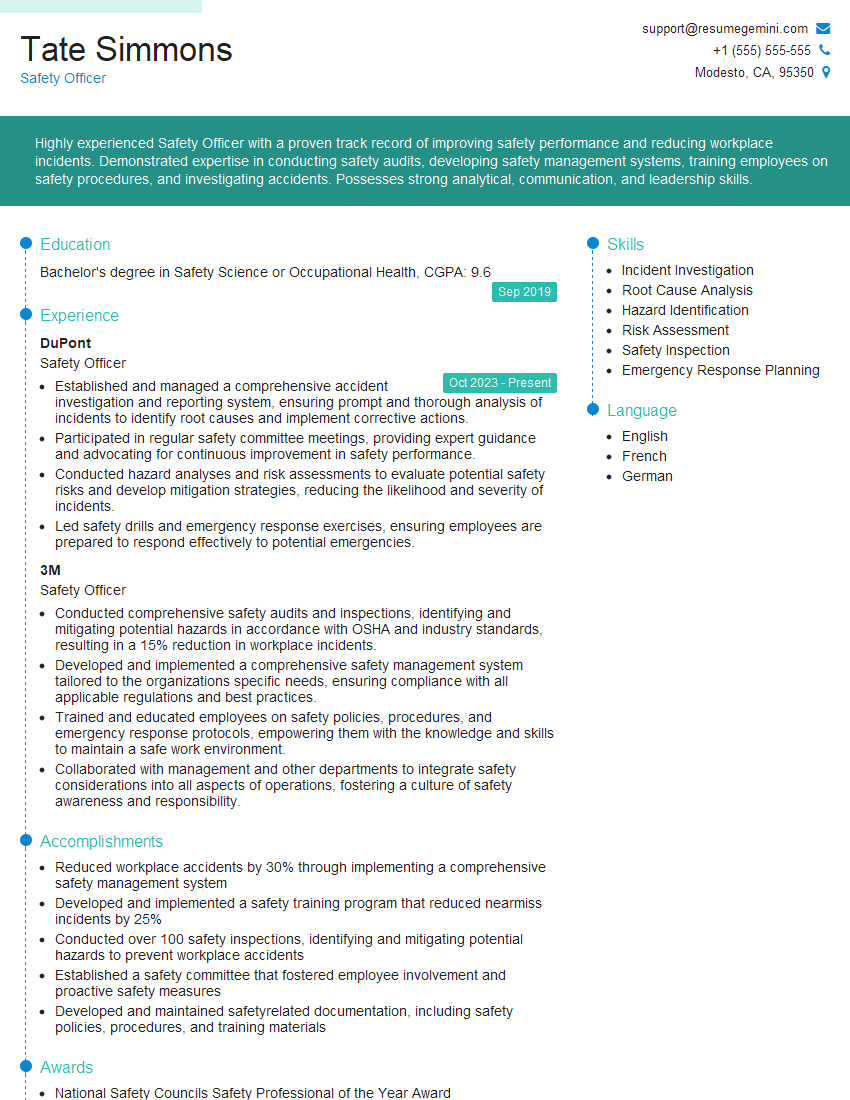
Safety Officer Resume Sample
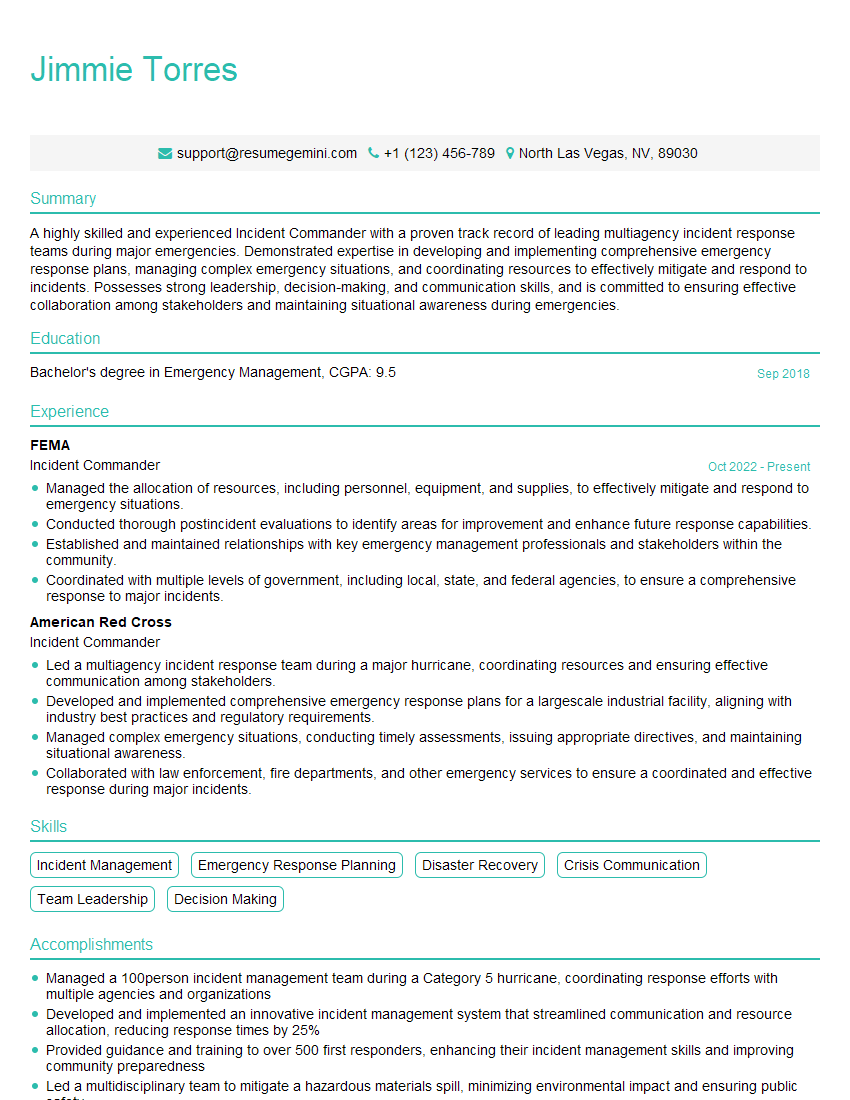
Incident Commander Resume Sample
Explore more articles
Users Rating of Our Blogs
Share Your Experience
We value your feedback! Please rate our content and share your thoughts (optional).
What Readers Say About Our Blog
Very informative content, great job.
good