The right preparation can turn an interview into an opportunity to showcase your expertise. This guide to Employee Engagement and Development interview questions is your ultimate resource, providing key insights and tips to help you ace your responses and stand out as a top candidate.
Questions Asked in Employee Engagement and Development Interview
Q 1. Explain your understanding of the employee engagement lifecycle.
The employee engagement lifecycle is a cyclical process encompassing the stages an employee goes through, from initial onboarding to eventual departure. It’s not a linear progression but rather a continuous feedback loop requiring ongoing attention and nurturing.
- Attraction: This phase focuses on attracting top talent through compelling employer branding and a positive candidate experience. It starts even before the application process.
- Onboarding: A crucial stage where new hires are integrated into the company culture, given the tools and resources they need, and set up for success. This sets the foundation for engagement.
- Engagement: This is the core of the lifecycle. It involves creating a work environment where employees feel valued, recognized, challenged, and connected to the company’s mission. It is a continuous process, not a one-time event.
- Development: Continuous learning and growth opportunities are vital for keeping employees engaged and motivated. This includes mentoring, training, and career progression planning.
- Retention: Strategies to keep top performers engaged and prevent attrition. This includes competitive compensation, benefits, and opportunities for advancement.
- Offboarding: Even as employees leave, the process should be positive, gathering feedback for improvement and ensuring a positive lasting impression of the company.
Understanding this lifecycle allows organizations to proactively address potential engagement challenges at each stage and cultivate a thriving workforce.
Q 2. Describe your experience designing and implementing employee engagement initiatives.
In my previous role at [Previous Company Name], I led the design and implementation of several employee engagement initiatives. One notable example was the launch of a ‘Mentorship Program’ to foster knowledge sharing and career development. We paired senior employees with junior colleagues based on skills and career aspirations. This resulted in a 20% increase in employee satisfaction scores among mentees within six months. Another initiative was the creation of an internal ‘Ideas Hub’, an online platform where employees could submit suggestions for improving processes or products. This fostered a sense of ownership and empowerment, leading to several cost-saving and efficiency improvements.
My approach to designing these initiatives involved:
- Needs Assessment: Conducting surveys, focus groups, and interviews to understand employee needs, pain points, and aspirations.
- Goal Setting: Defining clear, measurable, achievable, relevant, and time-bound (SMART) goals for each initiative.
- Implementation: Creating a detailed implementation plan, outlining responsibilities, timelines, and communication strategies.
- Evaluation: Regularly monitoring and evaluating the effectiveness of the initiatives using appropriate metrics (discussed in subsequent answers).
Q 3. How do you measure the effectiveness of employee engagement programs?
Measuring the effectiveness of employee engagement programs requires a multi-faceted approach, combining quantitative and qualitative data. We can’t rely solely on one metric.
- Quantitative Data: This involves using metrics like employee satisfaction scores (from surveys), turnover rates, productivity levels, customer satisfaction scores (if applicable), and absenteeism rates.
- Qualitative Data: Gathering qualitative data through focus groups, interviews, and employee feedback sessions is crucial to understand the ‘why’ behind the numbers. It provides valuable insights into employee experiences and perspectives.
- Benchmarking: Comparing our results with industry benchmarks helps to assess whether our programs are achieving desired results relative to comparable companies.
- Statistical Analysis: Using statistical techniques to analyze the data and identify correlations between the engagement initiatives and the desired outcomes.
By combining these methods, we can gain a comprehensive understanding of the impact of our engagement programs and make data-driven improvements.
Q 4. What are some key metrics used to track employee engagement?
Several key metrics help track employee engagement. These aren’t mutually exclusive; a comprehensive approach requires a combination.
- Employee Net Promoter Score (eNPS): Measures employee willingness to recommend the company as a place to work.
- Employee Satisfaction Score (ES): Overall satisfaction with various aspects of the job and workplace.
- Turnover Rate: The percentage of employees who leave the company within a specific period. A high turnover rate can be an indicator of low engagement.
- Absenteeism Rate: The rate of employee absences from work. High absenteeism can suggest disengagement or burnout.
- Productivity Levels: Measured by output, efficiency, or sales figures, depending on the role.
- Employee Engagement Surveys: Regular pulse surveys allow for continuous monitoring of employee sentiment and address concerns proactively.
It’s important to regularly monitor these metrics and use the insights to make informed decisions about engagement strategies.
Q 5. What strategies would you use to improve employee morale and productivity?
Improving employee morale and productivity requires a holistic approach that addresses both individual and organizational factors.
- Recognition and Rewards: Implementing a robust recognition program to appreciate employee contributions, both big and small. This could be formal awards, informal praise, or public acknowledgment.
- Work-Life Balance: Promoting a healthy work-life balance through flexible work arrangements, generous time-off policies, and discouraging overwork.
- Opportunities for Growth: Providing opportunities for skill development, career advancement, and challenging assignments to keep employees engaged and motivated.
- Open and Transparent Communication: Establishing open channels of communication to keep employees informed about company performance and future plans. This fosters trust and reduces uncertainty.
- Team Building Activities: Organizing team-building activities to enhance collaboration and improve team cohesion.
- Positive Work Environment: Fostering a respectful, inclusive, and supportive work environment where employees feel valued and respected. This includes addressing issues of harassment or discrimination promptly and effectively.
A combination of these strategies, tailored to the specific needs of the organization and its employees, can significantly boost morale and productivity.
Q 6. How do you address employee burnout and improve well-being?
Addressing employee burnout and improving well-being requires a proactive and multi-pronged strategy.
- Identify Burnout Risk Factors: Monitor workload, stress levels, and work-life balance through regular check-ins and employee surveys. Look for signs of disengagement, cynicism, and reduced professional efficacy.
- Promote Work-Life Balance: Encourage employees to take breaks, use their vacation time, and disconnect after work hours. Offer flexible work arrangements where possible.
- Stress Management Resources: Provide access to resources such as employee assistance programs (EAPs), mindfulness training, or stress-reduction workshops.
- Encourage Open Communication: Create a safe space for employees to talk about their struggles without fear of judgment. Managers need training in how to identify and support employees experiencing burnout.
- Promote Healthy Habits: Encourage healthy lifestyle choices through wellness initiatives, such as on-site fitness facilities or health and wellness programs.
- Adjust Workload: If workload is a contributor, explore ways to redistribute tasks or provide additional support to prevent future burnout.
Addressing burnout is crucial not only for the well-being of employees but also for the overall success of the organization. A proactive approach is far more effective and cost-efficient than dealing with the consequences of widespread burnout.
Q 7. Explain your approach to identifying and developing high-potential employees.
Identifying and developing high-potential employees (HiPos) requires a structured and systematic approach. It’s not just about identifying high performers, but also those with the potential to take on greater responsibility in the future.
- Performance Reviews and Assessments: Regular performance reviews provide valuable insights into employee performance and identify individuals consistently exceeding expectations. Use 360-degree feedback for a more holistic view.
- Talent Inventories: Creating a talent inventory of employees with high potential, including information on their skills, experience, and career aspirations. This helps to track progress and plan development opportunities.
- Assessment Centers: Utilizing assessment centers to evaluate employees’ leadership potential, problem-solving skills, and teamwork abilities. These are often used for senior roles or promotion decisions.
- Mentorship Programs: Pairing HiPos with experienced leaders who can provide guidance, support, and mentorship to accelerate their development.
- Leadership Development Programs: Offering tailored leadership development programs to build the skills and competencies necessary for future leadership roles. This could include training in areas like communication, strategic thinking, and decision-making.
- High-Impact Assignments: Assigning HiPos to challenging projects or roles that allow them to demonstrate their capabilities and expand their skillset.
By proactively identifying and nurturing HiPos, organizations can ensure a strong pipeline of future leaders and maintain a competitive advantage.
Q 8. Describe your experience with performance management systems.
My experience with performance management systems spans various methodologies, from traditional annual reviews to more agile, continuous feedback approaches. I’ve worked with systems like 360-degree feedback, where employees receive input from peers, supervisors, and subordinates, providing a holistic view of their performance. I’ve also implemented OKR (Objectives and Key Results) frameworks, which focus on setting clear goals and measuring progress regularly. In one role, I helped transition a company from a solely annual review system to a quarterly check-in process with continuous feedback integrated using a dedicated performance management software. This shift significantly improved employee engagement by providing more frequent opportunities for recognition, coaching, and development. My experience includes designing, implementing, and evaluating these systems, ensuring alignment with organizational goals and legal compliance.
I’m particularly adept at tailoring performance management systems to different organizational cultures and contexts. For example, in a fast-paced startup environment, I’d emphasize agility and frequent feedback loops, while in a more established organization, a more structured approach with clearly defined metrics might be more appropriate.
Q 9. How do you foster a culture of continuous learning and development within a team?
Fostering a culture of continuous learning and development requires a multifaceted approach. It begins with establishing a clear vision and communicating its importance at all levels of the organization. Think of it like building a strong foundation for a house – without it, nothing else will stand. This involves leadership buy-in and active participation from senior management in modeling the desired behaviors.
- Learning Opportunities: Providing access to relevant training courses, workshops, conferences, and mentorship programs is crucial. This could include online learning platforms, internal knowledge sharing sessions, or external training opportunities.
- Knowledge Sharing: Encouraging employees to share their knowledge and expertise through presentations, mentoring, or peer-to-peer learning sessions creates a collaborative and enriching environment. Brown bag sessions or internal wikis are excellent tools for this.
- Feedback and Recognition: Providing regular feedback and recognizing employees’ efforts in learning and development creates positive reinforcement. This could be through formal performance reviews or informal praise and recognition.
- Time Allocation: Explicitly allocating time for learning and development activities, such as dedicated learning time or participation in professional development programs, demonstrates the organization’s commitment.
- Experimentation and Innovation: Encouraging employees to experiment with new ideas and technologies and learn from their experiences fosters a growth mindset.
For example, in a previous role, I implemented a ‘lunch and learn’ program where employees shared their expertise with colleagues once a month, fostering a collaborative learning environment and building a stronger sense of community.
Q 10. How do you adapt training methods to different learning styles?
Adapting training methods to different learning styles is essential for maximizing engagement and knowledge retention. Learning styles vary significantly, with some individuals being visual learners, others auditory, and still others kinesthetic (hands-on). Ignoring this diversity can lead to ineffective training and frustrated employees.
- Visual Learners: Use diagrams, charts, presentations, videos, and other visual aids. Think of colorful infographics, mind maps, or short explainer videos.
- Auditory Learners: Incorporate discussions, lectures, audio recordings, and podcasts. Think of group brainstorming sessions, interactive Q&A, or audio-based tutorials.
- Kinesthetic Learners: Provide hands-on activities, simulations, role-playing exercises, and practical applications. Think of workshops with practical exercises, on-the-job training, or simulations.
A blended learning approach, incorporating a variety of methods, is often most effective. For instance, a training program on a new software might involve online modules (visual), instructor-led group discussions (auditory), and hands-on practice sessions (kinesthetic).
Needs assessments should include identifying the predominant learning styles within the target group to optimize the training design. Pre-training questionnaires can help gather information on individual preferences.
Q 11. What are some best practices for delivering effective training programs?
Effective training programs are built on a foundation of clear objectives, engaging content, and thorough evaluation. Here are some key best practices:
- Needs Assessment: Start with a thorough needs assessment to identify skill gaps and learning objectives. This ensures the training directly addresses the organization’s needs.
- Clear Objectives: Define specific, measurable, achievable, relevant, and time-bound (SMART) learning objectives. This provides a clear roadmap for both the trainer and the trainees.
- Engaging Content: Use interactive and engaging materials, such as case studies, simulations, and group activities, to keep trainees interested and involved.
- Experienced Trainers: Utilize experienced and knowledgeable trainers who can effectively communicate the material and answer trainees’ questions.
- Appropriate Methods: Employ a variety of training methods to cater to different learning styles and keep trainees engaged.
- Evaluation and Feedback: Use pre- and post-training assessments, along with ongoing feedback, to measure the effectiveness of the training and identify areas for improvement. This could include quizzes, tests, performance evaluations, or feedback surveys.
- Reinforcement and Follow-up: Provide opportunities for reinforcement and follow-up to ensure knowledge retention and application on the job. This could involve refresher courses, mentorship programs, or access to online resources.
For instance, I once developed a training program for customer service representatives that included role-playing scenarios, online modules, and on-the-job coaching. This multi-faceted approach resulted in a significant improvement in customer satisfaction scores.
Q 12. Describe your experience with needs assessment for training programs.
A needs assessment for training programs is a crucial first step, ensuring the training is relevant, effective, and addresses actual skill gaps. This involves a systematic process to identify what training is needed, who needs it, and what form it should take.
My approach involves several key steps:
- Performance Gap Analysis: Identifying the discrepancies between current performance and desired performance levels. This could involve reviewing performance data, conducting interviews, and analyzing customer feedback.
- Skill Gap Analysis: Pinpointing the specific skills or knowledge employees lack to meet performance expectations. This can be done through surveys, skills assessments, and observation of employee work.
- Learning Style Assessment: Determining the preferred learning styles of the target audience to tailor the training materials and delivery methods accordingly. Online assessments or questionnaires can be used for this purpose.
- Organizational Analysis: Evaluating the organizational context, such as the company culture, resources available, and organizational goals, to ensure alignment with the training program.
- Stakeholder Consultation: Involving key stakeholders, such as managers, employees, and subject matter experts, to gather input and ensure the training meets their needs.
For example, in one project, a needs assessment revealed that customer service representatives lacked skills in conflict resolution. This led to the development of targeted training modules focusing specifically on conflict resolution techniques.
Q 13. How do you evaluate the ROI of employee training programs?
Evaluating the ROI (Return on Investment) of employee training programs is critical to demonstrating their value to the organization. It’s not just about measuring immediate improvements; we need to assess the long-term impact. A multifaceted approach is key.
- Pre- and Post-Training Assessments: Comparing employee performance before and after the training using standardized metrics. This helps measure improvements in knowledge, skills, and performance.
- Performance Data: Analyzing key performance indicators (KPIs) to determine if the training resulted in improved productivity, efficiency, sales, customer satisfaction, or other relevant metrics.
- Employee Surveys: Gathering feedback from employees to assess their satisfaction with the training and its impact on their job performance. This provides qualitative data to supplement quantitative results.
- Cost-Benefit Analysis: Calculating the total cost of the training program and comparing it to the financial benefits it generated. This includes the cost of training materials, instructor fees, employee time, and any other related expenses. The benefits should be measured in terms of improved productivity, reduced errors, increased sales, and other tangible outcomes.
For instance, a training program aimed at improving sales effectiveness might be evaluated by tracking sales figures, customer conversion rates, and employee feedback post-training. A cost-benefit analysis would compare the investment in training to the increase in sales revenue generated.
Q 14. How do you utilize technology to enhance employee engagement and learning?
Technology plays a vital role in enhancing employee engagement and learning. It offers flexibility, scalability, and a wealth of resources. I’ve leveraged several technologies effectively:
- Learning Management Systems (LMS): Platforms like Moodle or Cornerstone provide centralized access to training materials, track progress, and facilitate communication. They allow for personalized learning paths and support blended learning approaches.
- Microlearning Platforms: Short, focused learning modules delivered through apps or websites cater to busy schedules and diverse learning styles. These can be used for quick refreshers or to introduce new concepts.
- Virtual Reality (VR) and Augmented Reality (AR): These immersive technologies provide engaging and interactive learning experiences, especially for complex or hands-on tasks. For example, VR can be used for safety training simulations.
- Collaboration Tools: Platforms like Slack, Microsoft Teams, or Google Workspace facilitate communication and collaboration among employees and trainers, fostering a sense of community and promoting peer-to-peer learning.
- Gamification: Incorporating game mechanics like points, badges, leaderboards, and challenges can increase engagement and motivation. This makes learning more fun and rewarding.
In a previous role, I implemented a microlearning program using an app, providing employees with bite-sized lessons on relevant topics. This significantly increased engagement and knowledge retention compared to traditional methods. The use of a gamified leaderboard also spurred friendly competition and increased overall participation.
Q 15. What are some common challenges in employee engagement, and how have you overcome them?
Common challenges in employee engagement often stem from a disconnect between employee needs and organizational practices. These can include a lack of recognition and appreciation, limited opportunities for growth and development, poor communication, insufficient work-life balance, and a lack of trust in leadership.
In my previous role at Acme Corp, employee engagement scores were consistently low. We identified a significant gap in feedback mechanisms. To overcome this, we implemented a 360-degree feedback system, coupled with regular one-on-one meetings between managers and their teams. We also introduced an employee recognition program that celebrated both individual and team accomplishments, fostering a more appreciative work environment. The results were impressive – engagement scores increased by 25% within six months, demonstrating a direct correlation between addressing these challenges and improved morale.
- Lack of Recognition: Implementing a formal recognition program and incorporating peer-to-peer recognition.
- Limited Growth Opportunities: Developing clear career paths, offering mentorship programs, and providing access to training and development resources.
- Poor Communication: Establishing regular communication channels, conducting town hall meetings, and using employee surveys to gather feedback.
Career Expert Tips:
- Ace those interviews! Prepare effectively by reviewing the Top 50 Most Common Interview Questions on ResumeGemini.
- Navigate your job search with confidence! Explore a wide range of Career Tips on ResumeGemini. Learn about common challenges and recommendations to overcome them.
- Craft the perfect resume! Master the Art of Resume Writing with ResumeGemini’s guide. Showcase your unique qualifications and achievements effectively.
- Don’t miss out on holiday savings! Build your dream resume with ResumeGemini’s ATS optimized templates.
Q 16. Describe your experience with change management initiatives.
My experience with change management is extensive, focusing on a structured approach that prioritizes employee buy-in and minimizes disruption. I utilize a model that includes communication, training, and support. For example, during a recent organizational restructuring at Beta Industries, we implemented a phased approach. First, we communicated the rationale and benefits of the changes transparently and honestly. Second, we provided comprehensive training on new roles and responsibilities. Finally, we offered ongoing support through mentorship and readily available resources, effectively addressing employee concerns and fostering a smoother transition. The result was a remarkably successful restructuring with minimal employee attrition and increased efficiency.
- Communication: Transparent and timely communication of the change initiative’s purpose, process, and timeline.
- Training: Equipping employees with the necessary skills and knowledge to adapt to the changes.
- Support: Providing ongoing support and resources to employees during the transition period.
Q 17. How do you create a positive and inclusive workplace culture?
Creating a positive and inclusive workplace culture requires a multifaceted approach that prioritizes respect, fairness, and belonging. This starts with establishing clear expectations of behavior and cultivating an environment where diversity is celebrated. We need to ensure that our policies and practices are equitable and free from bias. At Gamma Solutions, we launched an employee resource group (ERG) program to create communities of support and enhance networking opportunities. We also implemented unconscious bias training for all managers to promote fair and objective decision-making. Regular employee surveys and feedback sessions helped us continually improve our inclusivity initiatives.
- Diversity and Inclusion Training: Educating employees on unconscious bias and promoting a culture of respect and understanding.
- Employee Resource Groups (ERGs): Fostering communities of support for employees from diverse backgrounds.
- Inclusive Leadership: Training managers on inclusive leadership practices and promoting equitable opportunities.
Q 18. How do you facilitate effective communication between employees and management?
Effective communication is the cornerstone of a successful organization. I focus on creating multiple channels for communication – both top-down and bottom-up. This includes regular team meetings, company-wide newsletters, open-door policies, suggestion boxes, and anonymous feedback mechanisms. For example, at Delta Corp, we introduced a monthly ‘Ask Me Anything’ session with the CEO, creating a direct line of communication and fostering transparency. This significantly improved employee trust and morale. Regular pulse surveys provided valuable insights into employee sentiments and needs, allowing us to address concerns proactively.
- Regular Meetings: Conducting regular team and company-wide meetings to share information and address concerns.
- Open Communication Channels: Providing multiple avenues for feedback and communication, including suggestion boxes, surveys, and open-door policies.
- Transparency: Sharing information openly and honestly with employees.
Q 19. What is your experience with succession planning?
Succession planning is crucial for organizational sustainability. My approach involves identifying high-potential employees, providing them with opportunities for development and mentorship, and creating clear career paths. I use a combination of performance reviews, 360-degree feedback, and skills assessments to identify individuals with leadership potential. At Epsilon Group, we implemented a formal mentorship program pairing high-potential employees with senior leaders, fostering their professional growth. We also created a talent inventory to track key skills and identify potential successors for critical roles, ensuring a smooth transition in the event of departures.
- Identify High-Potential Employees: Utilizing performance reviews, 360-degree feedback, and skills assessments to identify employees with leadership potential.
- Development and Mentorship: Providing opportunities for development, including training, mentorship, and challenging assignments.
- Career Pathing: Creating clear career paths and succession plans for critical roles.
Q 20. How do you handle employee conflict resolution?
Employee conflict resolution requires a fair, impartial, and timely approach. I typically start by facilitating a discussion between the involved parties, encouraging open communication and active listening. My goal is to help them understand each other’s perspectives and identify common ground. Mediation is often a key part of my strategy. If the conflict persists, I involve HR to ensure a fair and consistent application of company policies. In my experience, early intervention is crucial to prevent escalation and maintain a positive work environment. A structured approach, focusing on understanding the root cause of the conflict, ensures lasting resolution.
- Facilitation and Mediation: Facilitating a discussion between involved parties to encourage open communication and problem-solving.
- HR Involvement: Involving HR to ensure a fair and consistent application of company policies.
- Documentation: Maintaining clear documentation of the conflict resolution process.
Q 21. What are some effective strategies for building employee loyalty?
Building employee loyalty is a long-term investment that pays significant dividends. It involves creating a workplace where employees feel valued, appreciated, and empowered. Key strategies include offering competitive compensation and benefits, providing opportunities for professional development and advancement, fostering a positive and supportive work environment, and recognizing and rewarding employee contributions. At Zeta Inc., we implemented a comprehensive employee wellness program, demonstrating our commitment to employee well-being. We also introduced a flexible work arrangement policy, improving work-life balance and increasing employee satisfaction. These efforts resulted in a significant reduction in turnover and an increase in employee retention.
- Competitive Compensation and Benefits: Offering competitive salaries, benefits, and perks.
- Professional Development Opportunities: Providing opportunities for growth, learning, and advancement.
- Positive Work Environment: Fostering a culture of respect, collaboration, and support.
- Recognition and Rewards: Recognizing and rewarding employee contributions.
Q 22. Describe your experience with developing learning curriculums.
Developing effective learning curriculums requires a deep understanding of the target audience’s needs, learning styles, and the overall business objectives. My approach involves a systematic process, starting with a thorough needs analysis. This involves identifying skill gaps, performance issues, and future business requirements. I then design learning objectives that are specific, measurable, achievable, relevant, and time-bound (SMART). The curriculum itself is structured to incorporate various learning modalities, including interactive exercises, case studies, simulations, and blended learning approaches (combining online and in-person training). For example, when developing a curriculum on project management, I would incorporate interactive simulations where participants manage virtual projects, reinforcing theoretical knowledge with practical application. Finally, I ensure the curriculum is regularly evaluated and updated based on feedback and performance data to ensure its continued relevance and effectiveness.
I also consider the learning styles of the participants. Some may be visual learners who benefit from diagrams and presentations, while others might prefer hands-on activities or group discussions. A well-rounded curriculum caters to diverse learning styles. For example, I’ve developed a leadership development program that includes video lectures, interactive workshops, and mentoring sessions to ensure all learning styles are engaged.
Q 23. How do you ensure that training is relevant to business needs?
Relevance to business needs is paramount. I achieve this through a collaborative approach, working closely with business leaders and subject matter experts to identify key performance indicators (KPIs) and strategic goals. The training objectives are then directly aligned with these KPIs. For instance, if the company’s strategic goal is to improve customer satisfaction, I would design training programs focusing on customer service skills, communication techniques, and problem-solving abilities. This ensures that the training directly contributes to achieving business objectives. I also utilize data analytics to track the impact of training on employee performance and business outcomes. By measuring improvements in KPIs after training, I can demonstrate the value and relevance of the training initiatives. I might use pre- and post-training assessments or track changes in key metrics such as sales figures or customer satisfaction scores to gauge the effectiveness.
Q 24. How familiar are you with various learning management systems (LMS)?
I’m proficient in several Learning Management Systems (LMS), including Moodle, Canvas, and Cornerstone OnDemand. My experience extends beyond simply using these platforms; I understand their administrative functions, content management features, and reporting capabilities. I can design and upload training materials, track learner progress, generate reports on training effectiveness, and manage user accounts. For example, I’ve used Cornerstone OnDemand to create and deploy company-wide compliance training, leveraging its robust reporting features to monitor completion rates and identify any gaps in understanding. I am also familiar with integrating LMS platforms with other HR systems to streamline data management and reporting.
Q 25. What is your understanding of adult learning principles?
My understanding of adult learning principles is foundational to my approach. I know that adults are self-directed learners, bringing prior experiences and knowledge to the table. They are motivated by relevance and practical application, needing to understand the ‘why’ behind the learning. Therefore, I structure my training programs using Andragogy principles. This includes fostering a collaborative learning environment, encouraging active participation, emphasizing problem-solving and real-world application, and respecting learners’ prior experiences. For example, instead of lecturing, I often facilitate discussions or case studies where participants share their own experiences and perspectives. This makes the learning more engaging and meaningful for them.
Q 26. How do you measure the effectiveness of leadership development programs?
Measuring the effectiveness of leadership development programs involves a multi-faceted approach. It’s not enough to simply track completion rates. We need to assess the impact on leadership behaviors, team performance, and business outcomes. This can be achieved through a combination of methods:
- Pre- and post-training assessments: To measure changes in leadership knowledge and skills.
- 360-degree feedback: To gather feedback from peers, subordinates, and superiors on leadership behaviors.
- Performance evaluations: To track improvements in individual and team performance.
- Business impact metrics: To assess the program’s contribution to key business outcomes, such as employee engagement, retention, and profitability.
Q 27. Describe your experience with onboarding new employees.
My onboarding experience includes designing and implementing comprehensive programs that integrate new hires into the company culture and provide them with the necessary tools and knowledge to succeed. This involves a structured approach with a clear timeline and defined expectations. The process typically includes pre-boarding communication, a first-day orientation, introductions to team members, and ongoing training and support. I focus on providing a positive and welcoming experience that helps new hires feel valued and connected. For example, I’ve developed an onboarding program that includes a buddy system, where experienced employees mentor new hires, ensuring a smoother transition and fostering a sense of belonging. Regular check-ins with new hires are also crucial for identifying any challenges and providing timely support. Successful onboarding directly impacts employee retention and productivity.
Q 28. What is your experience with designing and delivering employee feedback programs?
I have extensive experience designing and delivering employee feedback programs, focusing on creating a culture of continuous improvement and development. This includes developing feedback mechanisms that are regular, constructive, and actionable. Methods can include 360-degree feedback surveys, performance reviews, peer feedback sessions, and informal check-ins. The programs I design are structured to ensure anonymity and confidentiality, creating a safe space for providing and receiving honest feedback. I also focus on providing coaching and support to help employees understand and act upon the feedback they receive. A key aspect is ensuring that feedback is delivered in a timely and constructive manner, focusing on behavior rather than personality traits. For instance, I have implemented a system using a dedicated platform that facilitates anonymous 360-degree feedback, followed by coaching sessions to help individuals create action plans based on the feedback received. The ultimate goal is improved performance and employee growth.
Key Topics to Learn for Employee Engagement and Development Interview
- Understanding Employee Engagement: Explore the different theories and models of employee engagement (e.g., Gallup’s Q12, Maslow’s Hierarchy of Needs). Consider the impact of factors like organizational culture, leadership, and work-life balance.
- Developing Effective Engagement Strategies: Learn how to design and implement practical strategies to boost employee engagement. This includes understanding employee needs, conducting engagement surveys, and analyzing results to drive actionable improvements.
- Employee Development Programs: Master the principles of effective employee training and development. Explore various learning methodologies, performance management systems, and career pathing strategies. Understand the importance of aligning development plans with organizational goals.
- Performance Management & Feedback: Focus on providing constructive feedback, conducting performance appraisals, and creating development plans to improve employee performance. Consider different performance management approaches and their effectiveness.
- Measuring the Impact of Initiatives: Learn how to measure the effectiveness of employee engagement and development programs using key performance indicators (KPIs). This includes understanding data analysis techniques and reporting methods.
- Change Management & Organizational Development: Explore how to manage organizational change effectively and its impact on employee engagement. Understand the role of employee development in navigating transitions and fostering adaptability.
- Building a Positive Work Environment: Discuss the elements of a positive and inclusive work environment and their connection to higher levels of employee engagement and retention.
- Legal and Ethical Considerations: Understand relevant employment laws and ethical considerations related to employee engagement and development practices.
Next Steps
Mastering Employee Engagement and Development is crucial for career advancement in today’s dynamic workplace. Proficiency in this area demonstrates valuable skills in leadership, strategy, and people management. To maximize your job prospects, it’s essential to present your skills effectively. Creating an ATS-friendly resume is paramount. ResumeGemini is a trusted resource that can help you build a professional and impactful resume tailored to highlight your expertise. Examples of resumes tailored to Employee Engagement and Development roles are available to help guide your resume creation. Investing time in crafting a strong resume significantly increases your chances of landing your dream job.
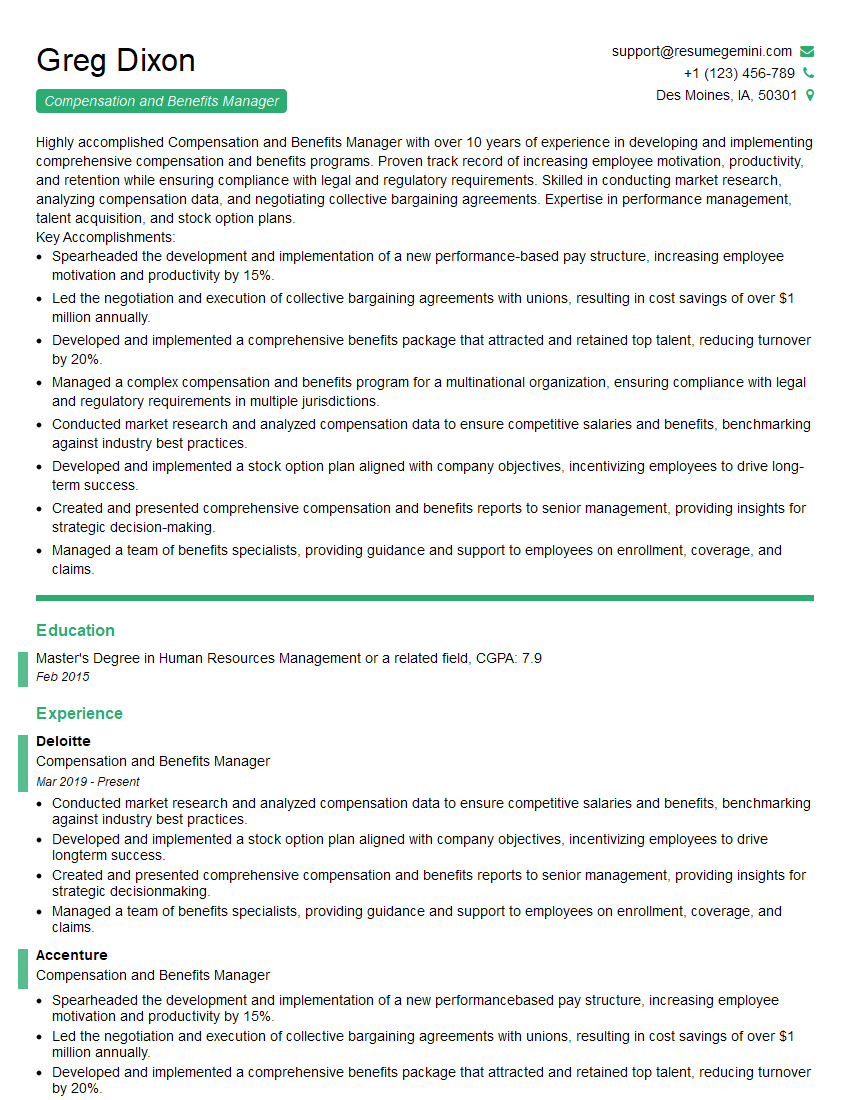
Compensation and Benefits Manager Resume Sample
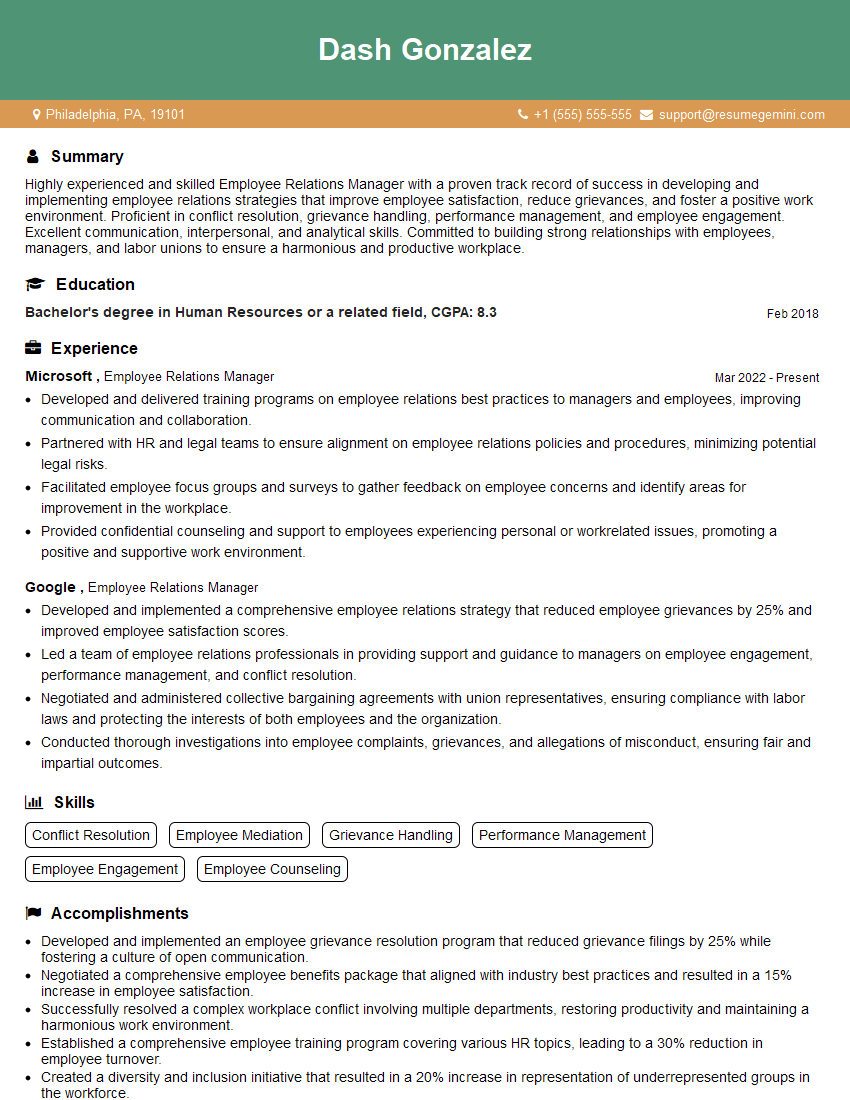
Employee Relations Manager Resume Sample
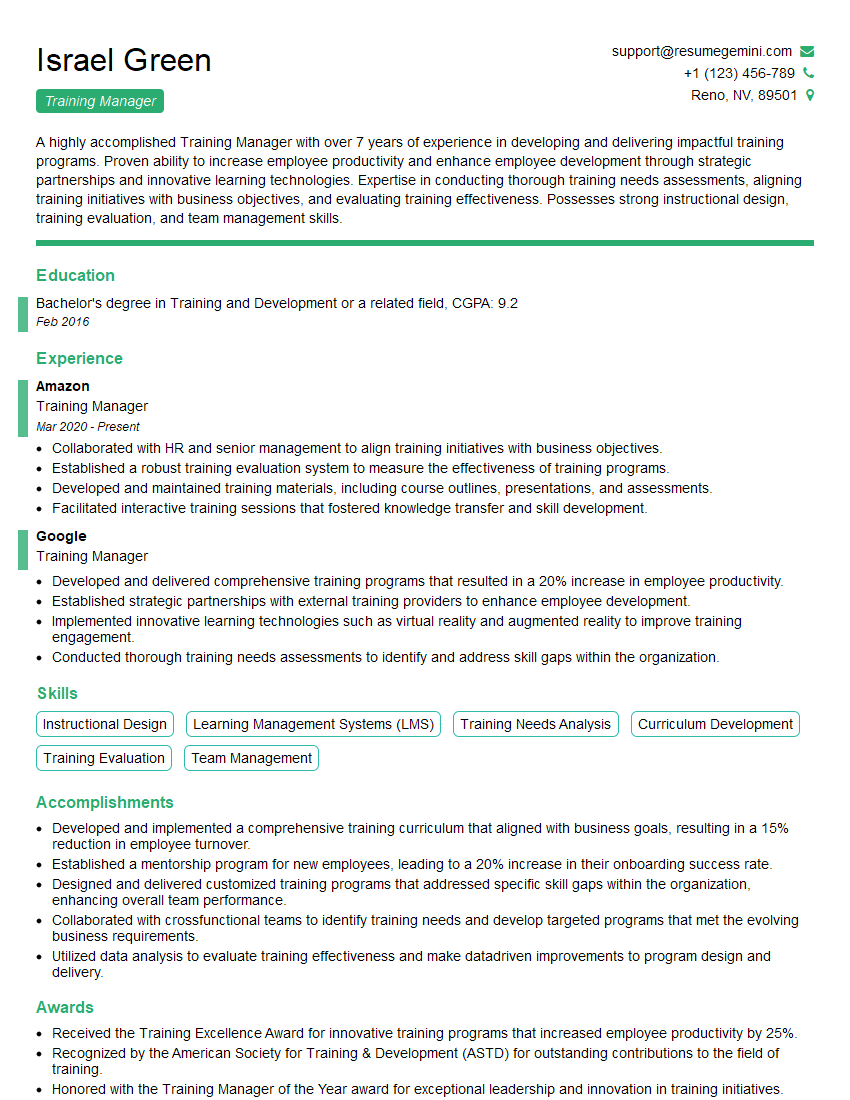
Training Manager Resume Sample
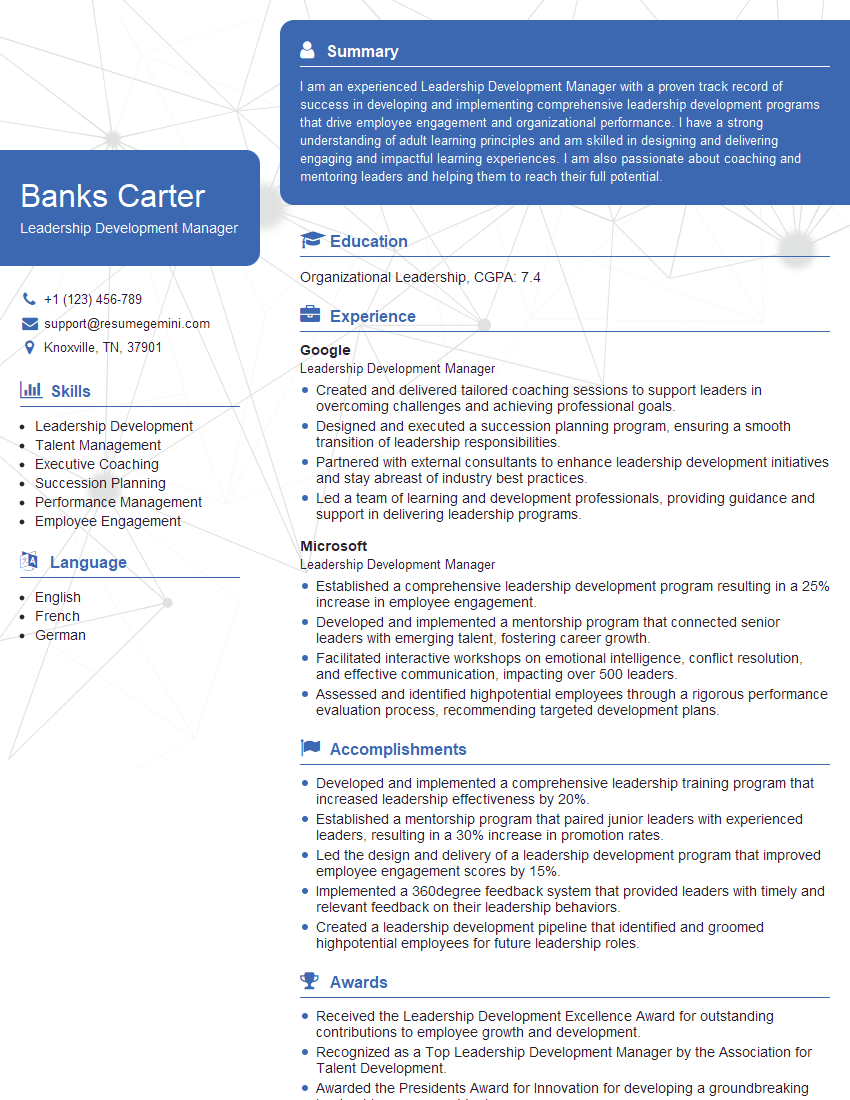
Leadership Development Manager Resume Sample
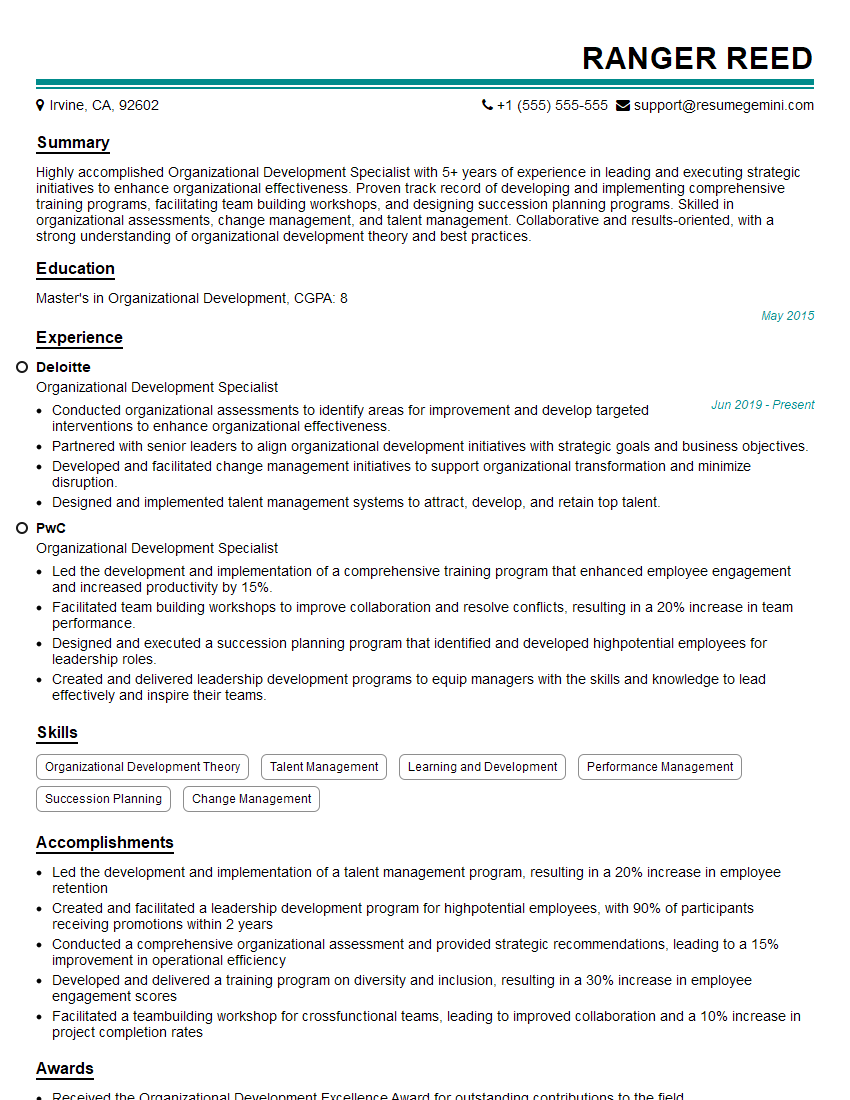
Organizational Development Specialist Resume Sample
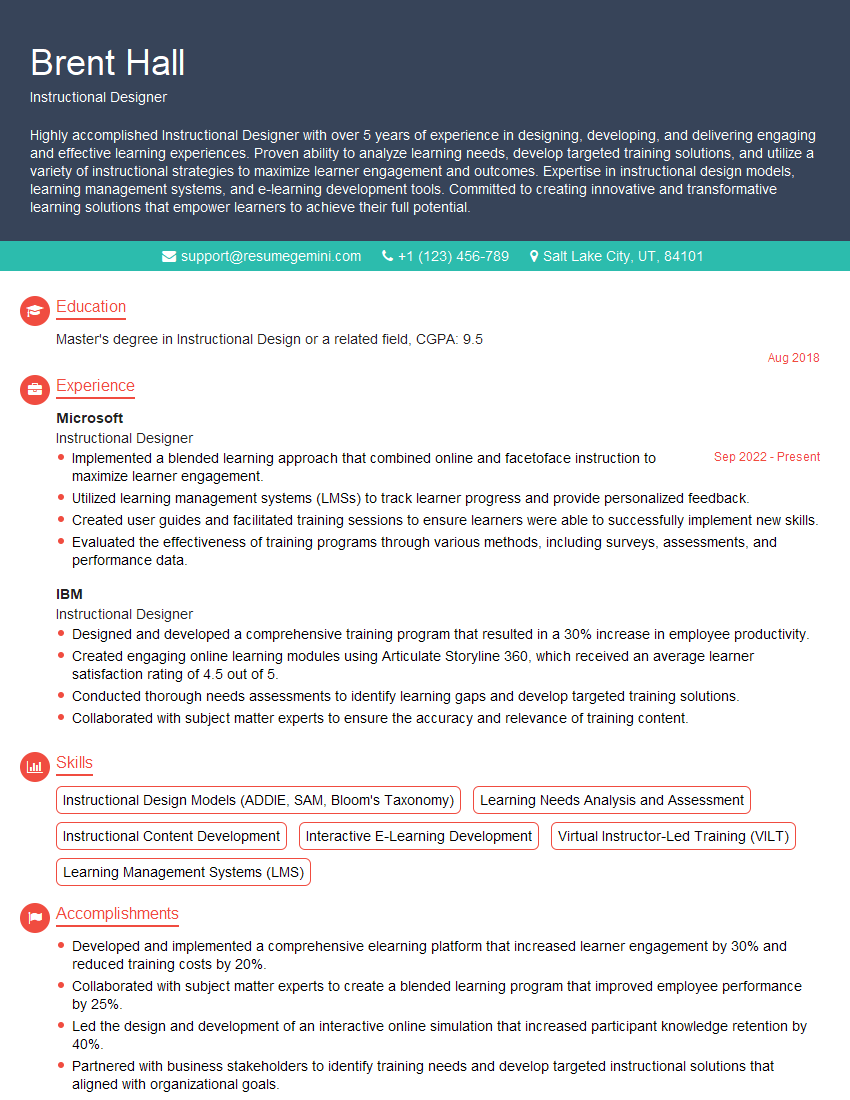
Instructional Designer Resume Sample
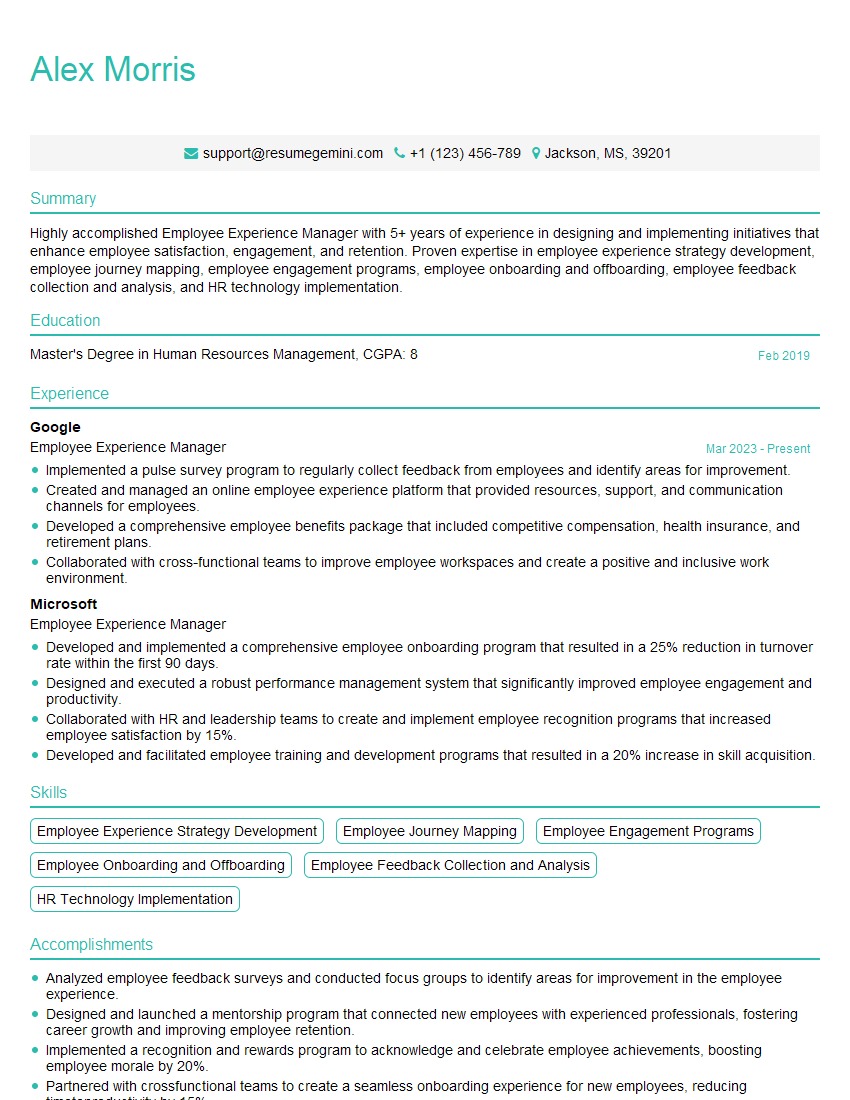
Employee Experience Manager Resume Sample
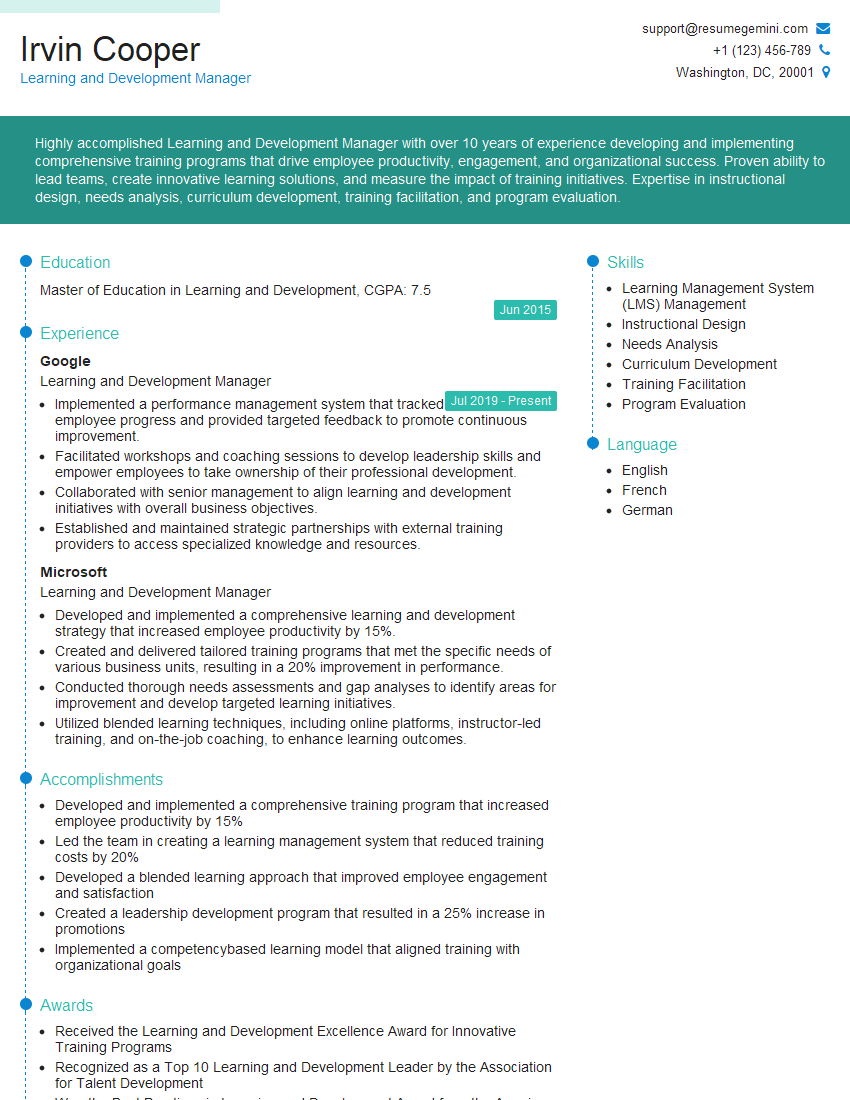
Learning and Development Manager Resume Sample
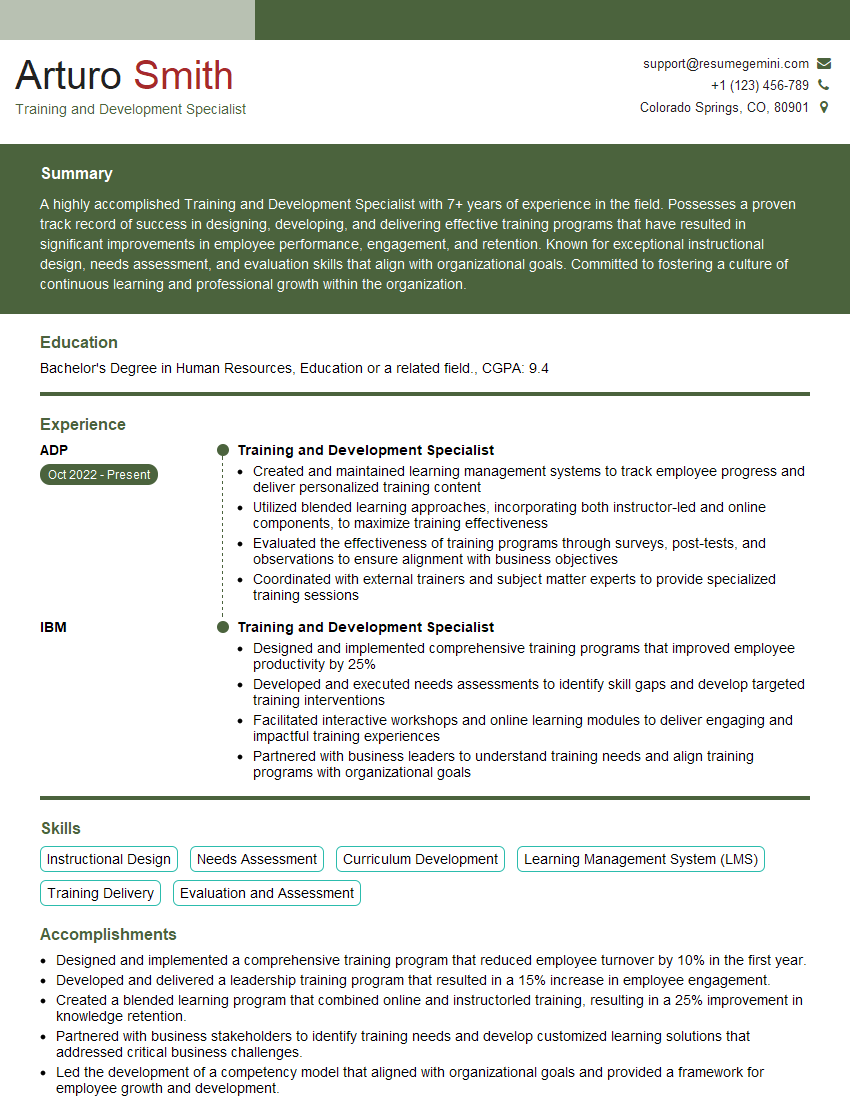
Training and Development Specialist Resume Sample
Explore more articles
Users Rating of Our Blogs
Share Your Experience
We value your feedback! Please rate our content and share your thoughts (optional).
What Readers Say About Our Blog
Very informative content, great job.
good