The right preparation can turn an interview into an opportunity to showcase your expertise. This guide to Endurance and Agility interview questions is your ultimate resource, providing key insights and tips to help you ace your responses and stand out as a top candidate.
Questions Asked in Endurance and Agility Interview
Q 1. Describe your experience with Agile methodologies (Scrum, Kanban, etc.).
My experience with Agile methodologies spans over eight years, encompassing Scrum, Kanban, and variations thereof. I’ve been involved in projects ranging from small, tightly-knit teams to large, distributed organizations. My expertise lies in effectively applying the principles of Agile to diverse contexts and adapting methodologies to specific project needs.
In Scrum, I’ve successfully facilitated sprint planning, daily stand-ups, sprint reviews, and retrospectives, consistently delivering high-quality increments of working software. I’ve utilized Kanban in situations requiring more flexibility and continuous flow, optimizing workflows to reduce bottlenecks and improve efficiency. I’m proficient in using various Agile tools like Jira and Trello for task management, progress tracking, and communication.
For example, in a recent project involving the development of a new e-commerce platform, we adopted a Scrum framework. I was instrumental in defining clear user stories, breaking down complex tasks into manageable sprints, and ensuring effective collaboration across development, design, and testing teams. Through consistent sprint reviews and retrospectives, we iteratively improved our processes and the quality of the final product.
Q 2. Explain the concept of sprint backlog and its importance in Agile projects.
The sprint backlog is a prioritized list of tasks that a development team commits to completing during a single sprint (typically 2-4 weeks). It’s the heart of Scrum, outlining the specific work needed to achieve the sprint goal. Each item in the backlog is a user story or task, broken down into granular steps to allow for efficient tracking and execution.
Its importance stems from several factors: it provides transparency into the team’s work, helps manage workload, facilitates estimation and planning, and enables continuous monitoring of progress towards the sprint goal. Without a well-defined sprint backlog, teams risk losing focus, mismanaging effort, and potentially failing to meet deadlines.
Imagine building a house – the sprint backlog is like the detailed to-do list for a specific phase, such as framing the walls. Each item represents a part of the process (e.g., build the north wall, install the window frames), ensuring everyone knows what needs to be done and can track progress effectively.
Q 3. How do you handle conflicting priorities in an Agile environment?
Conflicting priorities are inevitable in Agile projects. My approach involves a combination of open communication, collaborative prioritization, and data-driven decision-making. We utilize techniques like MoSCoW analysis (Must have, Should have, Could have, Won’t have) to clearly categorize requirements based on their importance and urgency.
This collaborative approach usually involves stakeholders, product owners, and the development team, working together to determine the optimal course of action. We also leverage visual tools like Kanban boards to illustrate the impact of shifting priorities and their potential consequences on timelines and resources. Data like velocity and burn-down charts help to inform these decisions and mitigate potential risks.
For instance, in a past project, we had competing requests to prioritize new features versus fixing bugs. By using MoSCoW, we established that certain bugs were ‘must-haves’ for stability, whereas some new features were ‘should-haves’ for the next release. This collaborative process ensured everyone understood and agreed upon the prioritization.
Q 4. What are your strategies for managing scope creep in Agile projects?
Scope creep, the uncontrolled expansion of project scope, is a major threat to Agile projects. My strategies focus on proactive prevention and consistent management.
- Clearly Defined User Stories: Ensuring user stories are detailed, well-defined, and accepted by stakeholders before development begins minimizes ambiguity and reduces the likelihood of unexpected additions.
- Regular Sprint Reviews and Retrospectives: These meetings provide opportunities to assess progress, identify potential scope creep, and discuss adjustments collaboratively. Stakeholders can offer input, but changes are carefully evaluated against time and resources.
- Change Management Process: A formal process for evaluating and prioritizing any change requests ensures that all changes are documented, assessed for impact, and approved by relevant stakeholders before being integrated into the sprint backlog.
- Timeboxing: Allocating specific time slots for specific tasks prevents feature creep from consuming disproportionate amounts of time.
By consistently applying these strategies, I’ve successfully prevented scope creep from derailing projects and ensured projects remain focused on delivering value within constraints.
Q 5. Describe a situation where you had to adapt quickly to a changing project requirement.
During the development of a mobile application, a critical regulatory change mandated a significant alteration to the data security protocols just two weeks before the planned release. This required a rapid shift in strategy.
We immediately held a team meeting to assess the impact of the changes. We prioritized the crucial modifications, leveraging the flexibility of Agile to re-prioritize the sprint backlog. We worked extended hours, focusing on delivering a compliant version while minimizing disruption to other features. Through clear communication and collaboration, we successfully launched a compliant application within the revised deadline. The experience highlighted the importance of adaptability, clear communication, and a collaborative team in handling unexpected circumstances.
Q 6. How do you measure the success of an Agile project?
Measuring the success of an Agile project involves considering several key metrics beyond just completing the project on time and within budget. We assess success based on:
- Value Delivered: Does the final product meet the needs of users and stakeholders? Feedback from users and stakeholders is critical in assessing this.
- Customer Satisfaction: How satisfied are users with the final product? Surveys and feedback mechanisms help measure user satisfaction.
- Team Velocity and Efficiency: Tracking the team’s velocity (amount of work completed per sprint) shows improvement over time. Efficiency is measured by reducing waste and bottlenecks.
- Continuous Improvement: Regular retrospectives identify areas for improvement in the process and team collaboration. This is a vital metric for long-term success.
A successful Agile project delivers value incrementally, adapts to change effectively, and fosters continuous improvement within the team and its processes.
Q 7. What are the key differences between Waterfall and Agile methodologies?
Waterfall and Agile are fundamentally different approaches to software development. Waterfall follows a sequential, linear process with distinct phases (requirements, design, implementation, testing, deployment), each completed before moving to the next. Agile, in contrast, is iterative and incremental, embracing change and focusing on delivering value in short cycles (sprints).
| Feature | Waterfall | Agile |
|---|---|---|
| Approach | Sequential, linear | Iterative, incremental |
| Change Management | Difficult and costly | Embraces change |
| Customer Involvement | Limited | High |
| Risk Management | Late detection | Early and continuous |
| Feedback | Late in the cycle | Continuous |
In essence, Waterfall is rigid and less adaptable, while Agile is flexible and responsive. Choosing the right methodology depends on the project’s complexity, requirements stability, and the team’s experience. Waterfall might be suitable for well-defined projects with minimal anticipated changes, whereas Agile excels in projects with evolving requirements and a need for frequent adaptation.
Q 8. How do you facilitate effective communication within an Agile team?
Effective communication is the bedrock of any successful Agile team. It’s not just about daily stand-ups; it’s about fostering a culture of transparency, openness, and active listening. I facilitate this through several key strategies:
Regular and structured communication channels: Daily stand-ups, sprint reviews, and retrospectives are crucial. I ensure these meetings are concise, focused, and action-oriented, avoiding unnecessary tangents. We also utilize a collaborative communication tool like Slack or Microsoft Teams for quick questions and updates outside of formal meetings.
Clearly defined roles and responsibilities: Everyone needs to understand their contribution to the overall project. A well-defined RACI matrix (Responsible, Accountable, Consulted, Informed) helps clarify who is doing what and ensures accountability.
Visual management: Using tools like Kanban boards (physical or digital) makes the workflow transparent to everyone. This allows the team to see progress, identify bottlenecks, and address issues proactively.
Active listening and conflict resolution skills: I encourage active listening during meetings and actively mediate any disagreements, focusing on finding solutions rather than assigning blame.
Open and honest feedback: Creating a psychologically safe environment where team members feel comfortable sharing their opinions, concerns, and ideas is vital. Regular feedback sessions, both formal and informal, are essential.
For instance, in a past project involving a complex e-commerce website redesign, miscommunication almost led to a major setback. By implementing a daily stand-up with a clearly defined agenda and using a Kanban board to visualize tasks, we quickly identified and resolved the communication breakdown, preventing delays and maintaining project momentum.
Q 9. Explain your experience with Agile estimation techniques (e.g., story points).
Agile estimation, particularly using story points, is a crucial aspect of sprint planning. Story points aren’t about estimating time; they’re about estimating complexity and effort. My experience involves using various techniques, including:
Planning Poker: This is a collaborative estimation technique where team members anonymously choose cards representing their estimations (e.g., Fibonacci sequence: 1, 2, 3, 5, 8, 13). We discuss any discrepancies, aiming for consensus. This fosters shared understanding and reduces bias.
T-Shirt Sizing: A simpler approach where tasks are assigned sizes (XS, S, M, L, XL) based on relative complexity. This is ideal for quickly estimating smaller tasks or when high precision isn’t needed.
Story Point Calibration: Regularly calibrating story point estimations across team members is critical. We use a reference story (a story with a known complexity) to establish a common baseline for estimating new stories. We refine this calibration over time based on actual development velocity.
I’ve found that consistent use and refinement of these techniques lead to more accurate sprint planning and improved predictability. In one project, consistent use of Planning Poker helped us deliver features on time and within budget despite the introduction of unexpected complexities.
Q 10. How do you handle disagreements or conflicts within an Agile team?
Disagreements and conflicts are inevitable in any team. In Agile, we embrace them as opportunities for learning and improvement. My approach involves:
Creating a safe space for disagreement: Emphasizing respectful communication and active listening is paramount. I encourage team members to express their perspectives without fear of judgment.
Focusing on the problem, not the person: I facilitate discussions that center on the issue at hand, not on personal attacks or blame. I use techniques like reframing to help redirect conversations towards productive solutions.
Mediation and facilitation: If a disagreement escalates, I act as a neutral mediator, guiding the discussion towards a compromise. I help the team explore different perspectives and find common ground.
Decision-making frameworks: Using frameworks like the ‘Decision-Making Matrix’ helps the team analyze the pros and cons of different options and reach a well-informed decision.
Documentation and agreement: Once a resolution is reached, it’s documented to avoid future misunderstandings. This ensures that everyone is on the same page and committed to the agreed-upon solution.
For example, in a previous project, two developers had conflicting opinions about the best technical approach. By guiding a structured discussion, focusing on the technical merits of each approach, and using a weighted decision matrix to evaluate various factors, we arrived at a mutually acceptable solution that leveraged the strengths of both perspectives.
Q 11. What is your experience with Agile tools (e.g., Jira, Trello)?
I have extensive experience with various Agile tools, including Jira and Trello. My proficiency includes:
Jira: I’m adept at configuring Jira workflows to match our Agile methodology (Scrum or Kanban). I use it for issue tracking, sprint management, reporting, and customizing dashboards to provide real-time insights into project progress. I’ve utilized Jira’s features to track bugs, manage tasks, and generate reports on team velocity and sprint burn-down charts.
Trello: I’ve used Trello for simpler projects or for teams who prefer a more visual and less structured approach. Its Kanban-style boards are excellent for visualizing workflows and tracking progress. I’ve utilized Trello’s features for task assignment, progress tracking, and collaborative discussions.
My experience extends beyond simply using these tools; I understand how to optimize their use to enhance team collaboration and project efficiency. For example, in one project, customizing Jira’s workflows allowed us to automate certain tasks, reducing manual effort and improving our team’s responsiveness.
Q 12. How do you ensure the quality of deliverables in an Agile project?
Ensuring quality in Agile is an ongoing process, not something tacked on at the end. My approach is proactive and integrated into the entire development lifecycle:
Test-driven development (TDD): Writing unit tests before writing code ensures that functionality is verified from the start. This significantly reduces bugs and improves code quality.
Continuous integration and continuous delivery (CI/CD): Automating the build, test, and deployment process helps to quickly identify and address issues, minimizing the risk of deploying faulty code.
Code reviews: Regular code reviews ensure that code meets quality standards and adheres to best practices. This also allows for knowledge sharing and improves overall team skill levels.
Definition of Done (DoD): A clearly defined DoD ensures that all criteria for a complete and high-quality deliverable are met before a task is marked as finished. This prevents shortcuts and ensures consistent quality.
User acceptance testing (UAT): Involving end-users in the testing process ensures that the product meets their needs and expectations.
For example, in a recent project, implementing a robust CI/CD pipeline enabled us to detect and fix integration issues early in the development process, preventing costly delays and ensuring a smoother rollout.
Q 13. How do you manage risks and dependencies in Agile projects?
Risk and dependency management are crucial in Agile projects. My approach is to proactively identify, assess, and mitigate risks and to manage dependencies transparently.
Risk identification and assessment: We regularly hold risk assessment workshops to identify potential problems and assess their likelihood and impact. This typically involves brainstorming sessions and the use of risk matrices.
Mitigation strategies: For each identified risk, we develop mitigation strategies to minimize its impact. These strategies might involve contingency planning, allocating buffer time, or seeking expert assistance.
Dependency mapping: We create a visual representation of project dependencies to understand how different tasks and teams rely on each other. This helps us to proactively identify and address potential bottlenecks.
Communication and collaboration: Open communication among team members and stakeholders is crucial for managing dependencies. We use tools like burn-down charts and Kanban boards to track progress and identify potential delays.
Regular monitoring and review: Risks and dependencies are continuously monitored and reassessed throughout the project. Adjustments are made as needed to maintain project progress.
For instance, in a project with several external API dependencies, we proactively communicated with the API providers, established clear SLAs, and built in buffer time to account for potential delays. This mitigated the risk of project slippage due to these dependencies.
Q 14. Describe your experience with Agile retrospectives.
Agile retrospectives are crucial for continuous improvement. They’re not about assigning blame but about collaboratively identifying what worked well, what didn’t, and how to improve future sprints. My experience involves facilitating effective retrospectives using various techniques:
Structured format: I use a structured format to ensure that all key aspects are covered. This usually involves setting the stage, gathering data, generating insights, creating action items, and closing the retrospective.
Variety of techniques: I use a variety of techniques to engage participants and gather diverse perspectives. This might include brainstorming, dot voting, timeline analysis, or using specific retrospective templates.
Focus on actionable insights: The goal is not just to identify problems but to generate actionable solutions. We work together to create specific, measurable, achievable, relevant, and time-bound (SMART) action items.
Positive and collaborative environment: I create a safe and collaborative space where team members feel comfortable sharing their honest feedback without fear of judgment. The focus is on learning and improvement, not on criticism.
Following up on action items: I ensure that action items are tracked and followed up on in subsequent sprints to ensure that improvements are implemented.
In one project, a retrospective revealed that our daily stand-ups were too long and unproductive. By implementing a time-boxed stand-up and focusing on specific questions, we significantly improved the efficiency of our daily meetings, freeing up valuable time for development.
Q 15. How do you contribute to continuous improvement in an Agile team?
Continuous improvement in an Agile team is a cornerstone of its success. It’s not a one-time event, but an ongoing process focused on refining processes, enhancing team collaboration, and improving product quality. My contributions center around actively participating in retrospectives, identifying areas for improvement, and proposing and implementing solutions.
- Active Participation in Retrospectives: I believe in open and honest communication during retrospectives. I actively contribute by sharing my observations, both positive and negative, focusing on specific instances and their impact. For example, if a particular meeting format proved inefficient, I’d suggest alternatives like shorter stand-ups or themed meetings.
- Data-Driven Improvement: I advocate for using data to inform our improvement efforts. This could involve tracking sprint velocity, bug counts, or customer feedback. Analyzing this data helps identify trends and pinpoint areas needing the most attention.
- Proposing and Implementing Solutions: Simply identifying problems isn’t enough; I strive to offer actionable solutions. These could be process adjustments, tool changes, or even training initiatives. For instance, if we consistently missed sprint goals, I might suggest introducing a task breakdown technique or improving our estimation process.
- Experimentation and Iteration: Not every solution works perfectly on the first try. I believe in testing changes incrementally, monitoring their impact, and adapting accordingly. We might try a new Kanban board layout for a sprint, assess its effectiveness, and modify it based on feedback and observed results.
Career Expert Tips:
- Ace those interviews! Prepare effectively by reviewing the Top 50 Most Common Interview Questions on ResumeGemini.
- Navigate your job search with confidence! Explore a wide range of Career Tips on ResumeGemini. Learn about common challenges and recommendations to overcome them.
- Craft the perfect resume! Master the Art of Resume Writing with ResumeGemini’s guide. Showcase your unique qualifications and achievements effectively.
- Don’t miss out on holiday savings! Build your dream resume with ResumeGemini’s ATS optimized templates.
Q 16. What is your understanding of the Agile Manifesto?
The Agile Manifesto is a foundational document that outlines the values and principles behind Agile software development. It prioritizes individuals and interactions over processes and tools, working software over comprehensive documentation, customer collaboration over contract negotiation, and responding to change over following a plan. In essence, it emphasizes adaptability, collaboration, and delivering value quickly and iteratively.
Think of it this way: traditional waterfall methods are like building a house based on an incredibly detailed blueprint, only to find out after it’s finished that the customer wanted a different layout. Agile, on the other hand, is like building the house in stages, constantly checking in with the customer to ensure it meets their evolving needs. This allows for adjustments throughout the process, minimizing wasted effort and ensuring a more satisfactory outcome.
Q 17. Explain your experience with different Agile frameworks (e.g., Scrum, Kanban, XP).
I’ve had extensive experience working with several Agile frameworks. My experience includes:
- Scrum: I’ve been a part of numerous Scrum teams, participating in sprints, daily stand-ups, sprint reviews, and retrospectives. I’m comfortable with the roles (Product Owner, Scrum Master, Development Team) and artifacts (Product Backlog, Sprint Backlog, Sprint Burndown Chart). I’ve found Scrum particularly effective for projects with well-defined requirements and a need for frequent delivery.
- Kanban: I’ve used Kanban in scenarios where requirements were less certain or frequently changing. The visual workflow and focus on limiting work in progress (WIP) helped us manage tasks efficiently and identify bottlenecks quickly. I appreciate its flexibility and adaptability to changing priorities.
- Extreme Programming (XP): While less frequently used in its entirety, I’ve adopted several XP practices such as Test-Driven Development (TDD) and pair programming. TDD, in particular, significantly improves code quality and reduces the number of bugs downstream. Pair programming, though initially seeming less efficient, often leads to better problem-solving and knowledge sharing within the team.
I adapt my approach based on the project’s specifics and team dynamics. There’s no one-size-fits-all framework, and a hybrid approach incorporating aspects from multiple frameworks is often the most effective.
Q 18. How do you prioritize tasks in a fast-paced Agile environment?
Prioritization in a fast-paced Agile environment is crucial. I use a combination of techniques to ensure we focus on the most valuable tasks first. These include:
- MoSCoW Method: This involves categorizing requirements as Must have, Should have, Could have, and Won’t have. This helps focus on the essential features first.
- Value vs. Effort Matrix: I plot tasks on a matrix showing their relative value and effort. This allows us to prioritize high-value, low-effort tasks.
- Story Points and Velocity: Using story points to estimate task complexity and tracking team velocity helps us make realistic commitments for each sprint. This enhances sprint planning and predictability.
- Collaboration with Product Owner: Frequent communication with the Product Owner is essential to understand evolving priorities and adjust the backlog accordingly. This ensures we are always building what’s most important to the customer.
The key is constant re-evaluation and flexibility. Priorities can shift, and the process should allow for adaptation as needed.
Q 19. How do you handle pressure and tight deadlines in an Agile project?
Handling pressure and tight deadlines in Agile projects is a common challenge. My approach involves proactive planning, effective communication, and a focus on collaboration.
- Proactive Planning: This includes realistic sprint planning, identifying potential risks early, and having contingency plans in place. We buffer time for unexpected issues, which avoids last-minute panic.
- Effective Communication: Open and transparent communication with the team and stakeholders is crucial. This includes addressing challenges openly, seeking help when needed, and proactively updating stakeholders on progress and potential roadblocks.
- Collaboration and Delegation: I believe in empowering team members and delegating responsibilities based on individual strengths. This prevents bottlenecks and ensures a more efficient workload distribution.
- Focus on Value: Under pressure, it’s easy to lose sight of the overall goal. Focusing on delivering the highest value features first, even if it means deferring some less critical tasks, helps maintain momentum and deliver a successful product.
Ultimately, a calm and controlled approach is more effective than frantic last-minute efforts. Preventing problems before they arise is key.
Q 20. Describe a time you had to work under significant pressure.
In a previous project, we faced a critical deadline with a major client presentation looming. A significant bug was discovered in a core feature just days before the presentation. The pressure was immense. We immediately held a focused team meeting. Instead of panicking, we prioritized fixing the bug using a collaborative debugging approach. We utilized pair programming and TDD to swiftly identify and resolve the issue, ensuring that the core functionality remained stable and reliable. We also delegated smaller tasks to team members who were not directly involved in the bug fix to free up capacity for the main problem-solving effort. We made the presentation successfully, showcasing our commitment despite the late discovery of the bug and highlighting the agility of our response, which was ultimately well-received by the client.
Q 21. How do you balance short-term goals with long-term strategic objectives in an Agile setting?
Balancing short-term goals with long-term strategic objectives in an Agile setting is a delicate act. It requires a clear vision, effective communication, and a structured approach.
- Vision and Roadmap: Having a clear product vision and a well-defined roadmap is essential. This provides context for all sprint goals and ensures short-term work aligns with the overall strategy.
- Prioritization Based on Strategy: Using frameworks like MoSCoW or value vs. effort helps prioritize tasks that contribute most effectively to both short-term deliverables and long-term objectives. This prevents getting bogged down in short-term tasks that don’t ultimately advance the bigger picture.
- Regular Review and Adaptation: Regularly reviewing progress against the roadmap helps identify any deviations and allows for course correction. This is a key strength of the Agile methodology – its inherent flexibility allows adjustments to be made smoothly.
- Communication and Transparency: Openly communicating the strategic goals and the rationale behind prioritization decisions keeps the team focused and aligned. It ensures that everyone understands the bigger picture and how their daily work contributes to the long-term success of the product.
By carefully managing priorities and fostering transparency, we can ensure that the immediate needs of the project are met without losing sight of the overarching strategic objectives.
Q 22. Describe your experience with building and maintaining strong working relationships within an Agile team.
Building strong working relationships in an Agile team is paramount to success. It’s not just about completing tasks; it’s about fostering collaboration, trust, and mutual respect. My approach centers on open communication, active listening, and creating a psychologically safe space where team members feel comfortable sharing ideas and concerns without fear of judgment.
I actively participate in team-building activities, both formal and informal. For example, in one project, we started each sprint review with a quick ‘check-in’ round where everyone shared a personal update, creating a sense of connection beyond the project work. I also make it a point to regularly solicit feedback, both on my performance and the team’s processes. This ensures everyone feels heard and valued, leading to stronger collaboration.
Furthermore, I believe in leading by example. I always strive to be respectful, supportive, and reliable. I proactively offer help to team members who are struggling, and I acknowledge and celebrate successes, both individual and collective. This creates a positive and supportive team environment conducive to high performance.
Q 23. How do you adapt your approach to different team dynamics and personalities?
Adapting to different team dynamics requires a high degree of flexibility and empathy. I begin by carefully observing team interactions and communication styles. Some teams are highly collaborative and prefer open discussions, while others are more reserved and prefer individual contributions. I adjust my communication style accordingly. For instance, in a more reserved team, I might opt for more written communication or individual check-ins rather than large group discussions.
Understanding individual personalities is crucial. I recognize that some team members are introverts while others are extroverts. Some might prefer detailed instructions while others thrive in more open-ended environments. I tailor my approach to meet individual needs. For example, I might provide detailed instructions for one team member while offering broader guidance to another. This personalized approach fosters inclusivity and ensures that everyone feels supported and empowered to contribute their best work.
Conflict resolution is an integral part of adapting to different personalities. I use conflict as an opportunity to improve collaboration rather than suppressing it. I encourage open dialogue and facilitate constructive conversations to identify root causes and find mutually agreeable solutions.
Q 24. What are some common challenges in implementing Agile methodologies, and how have you addressed them?
Implementing Agile methodologies isn’t without challenges. One common hurdle is resistance to change. Some team members may be accustomed to traditional waterfall approaches and may resist the iterative nature of Agile. I address this through clear communication and education. I explain the benefits of Agile, highlighting its flexibility and responsiveness to change. I also involve the team in the transition process, seeking their input and addressing their concerns.
Another challenge is scope creep. The iterative nature of Agile can sometimes lead to the addition of new features or functionalities during the development process. I mitigate this by defining clear acceptance criteria and prioritizing features based on value and feasibility. Regular sprint reviews and retrospectives help identify and address scope creep early.
Lack of clear roles and responsibilities can also impede Agile implementation. I address this by creating a clear RACI matrix (Responsible, Accountable, Consulted, Informed) outlining who is responsible for each task. This clarifies roles and ensures everyone knows their responsibilities, preventing confusion and duplication of effort.
Q 25. How do you measure team velocity and what insights do you derive from it?
Team velocity is a measure of the amount of work a team completes during a sprint. We track it by counting the number of story points completed in each sprint. Story points are a relative measure of effort, complexity, and uncertainty associated with a user story. They are not a direct measure of time.
The insights derived from velocity are invaluable for project planning and forecasting. A consistent velocity indicates a stable team performance, allowing for more accurate estimations of future sprints. Fluctuations in velocity, on the other hand, indicate potential issues such as impediments, unclear requirements, or changes in team composition. By analyzing velocity trends, we can identify areas for improvement and adjust our plans accordingly. For example, a consistent decrease in velocity might signal a need for improved processes, or additional training.
It’s important to note that velocity should be used as a trend indicator, not a rigid target. External factors, such as unexpected bugs or urgent requests, can impact velocity, and it’s crucial to account for these fluctuations.
Q 26. How do you identify and mitigate potential roadblocks in an Agile project?
Identifying and mitigating roadblocks is a proactive, ongoing process in Agile. We use a variety of techniques, including daily stand-up meetings, sprint retrospectives, and risk assessments. Daily stand-ups allow team members to quickly identify and report any impediments. Sprint retrospectives provide a dedicated space for reflecting on the past sprint, identifying what worked well, and what could be improved. This includes addressing roadblocks that were encountered.
Risk assessments are conducted early in the project lifecycle to identify potential challenges and plan mitigation strategies. This might involve identifying potential dependencies, technical challenges, or resource constraints. We document these risks, assign owners, and define contingency plans. For instance, if a key dependency is at risk, we might explore alternative solutions or accelerate the work to minimize the impact.
Proactive communication is crucial. If a roadblock is identified, I ensure that it’s communicated to the relevant stakeholders immediately. This allows for collaborative problem-solving and minimizes disruption to the project timeline.
Q 27. Describe your experience with creating and managing an Agile project plan.
Creating and managing an Agile project plan differs significantly from traditional project management approaches. Instead of a detailed, upfront plan, we use a high-level roadmap and then break down the work into smaller, manageable sprints. The roadmap outlines the overall project goals and major milestones. Each sprint then focuses on delivering a specific increment of value.
The project plan is dynamic and iterative. It’s continuously updated based on feedback and learnings from each sprint. We use tools like Jira or Trello to track progress, manage tasks, and visualize the project timeline. These tools help us stay organized and ensure everyone is on the same page. Regular sprint planning meetings ensure everyone understands the sprint goals and tasks. The plan is not set in stone; it’s a living document that adapts to changes and new information.
I also ensure the plan is visible and accessible to all stakeholders. Transparency is key in Agile; everyone needs to understand the project progress and any potential challenges.
Q 28. How do you ensure stakeholder alignment and engagement in an Agile project?
Ensuring stakeholder alignment and engagement is crucial for Agile project success. My approach involves frequent and transparent communication. This includes regular updates on progress, challenges, and risks. I leverage various communication channels, such as email, project management tools, and regular meetings to keep stakeholders informed. The frequency of communication depends on the stakeholder’s role and their need for information.
I also actively involve stakeholders in the project. This might involve demos at the end of each sprint, feedback sessions, and workshops to gather requirements. By actively involving stakeholders, I ensure that they understand the project direction and feel a sense of ownership. This fosters buy-in and reduces the likelihood of disagreements or misunderstandings later in the project.
Regular feedback loops are critical. I solicit feedback from stakeholders throughout the project lifecycle to ensure that the project is meeting their needs and expectations. This feedback is used to adapt the project plan and ensure that we remain on track to deliver value.
Key Topics to Learn for Endurance and Agility Interview
- Understanding Endurance: Explore the multifaceted nature of endurance in the workplace – encompassing physical stamina, mental resilience, and the ability to manage prolonged workload pressures. Consider how you’ve demonstrated these qualities in past roles.
- Practical Application of Endurance: Think about projects or situations where you’ve sustained effort over a considerable period, overcoming challenges and maintaining productivity under pressure. Be ready to articulate your strategies for managing fatigue and maintaining focus.
- Agility: Define agility in the context of your chosen field. This encompasses adaptability, problem-solving, and the ability to quickly respond to changing priorities and circumstances. Consider both your technical and interpersonal agility.
- Practical Application of Agility: Prepare examples demonstrating your ability to learn new skills quickly, adapt to unforeseen challenges, and adjust your approach based on feedback or changing circumstances. Focus on quantifiable results.
- Strategic Thinking & Prioritization: Discuss your approach to managing competing priorities and making effective decisions under time constraints. How do you balance short-term and long-term goals?
- Resilience and Learning from Failure: Describe situations where you faced setbacks or failures. Highlight your ability to learn from mistakes, adapt your approach, and persevere towards your goals. Emphasize a growth mindset.
- Collaboration and Teamwork: Endurance and agility often require effective collaboration. Prepare examples showcasing your ability to work effectively within a team, supporting colleagues and contributing to shared success.
Next Steps
Mastering endurance and agility is crucial for career advancement, allowing you to thrive in demanding roles and navigate dynamic work environments. A strong, ATS-friendly resume is essential for highlighting these skills to potential employers. To maximize your job prospects, invest time in crafting a compelling resume that effectively showcases your accomplishments and capabilities. ResumeGemini is a trusted resource that can help you build a professional, impactful resume. We offer examples of resumes tailored to highlight endurance and agility skills – review these to gain inspiration and structure for your own.
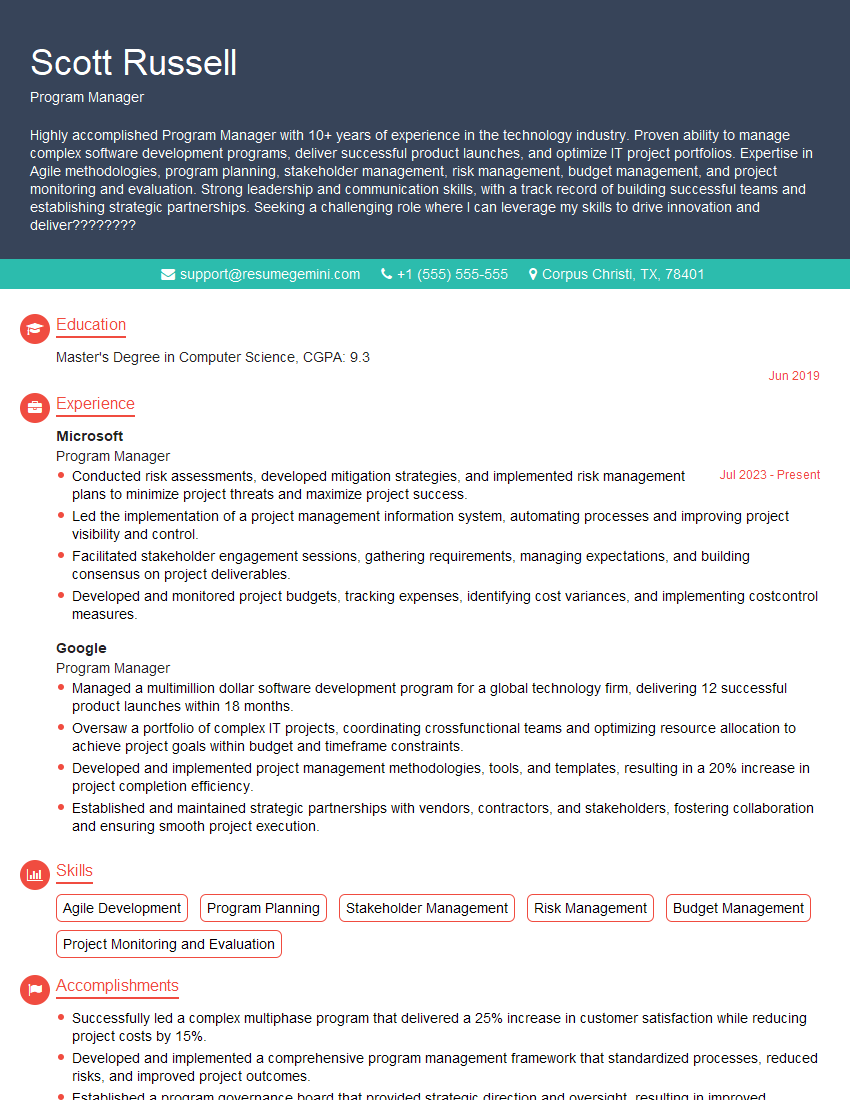
Program Manager Resume Sample

Operations Manager Resume Sample
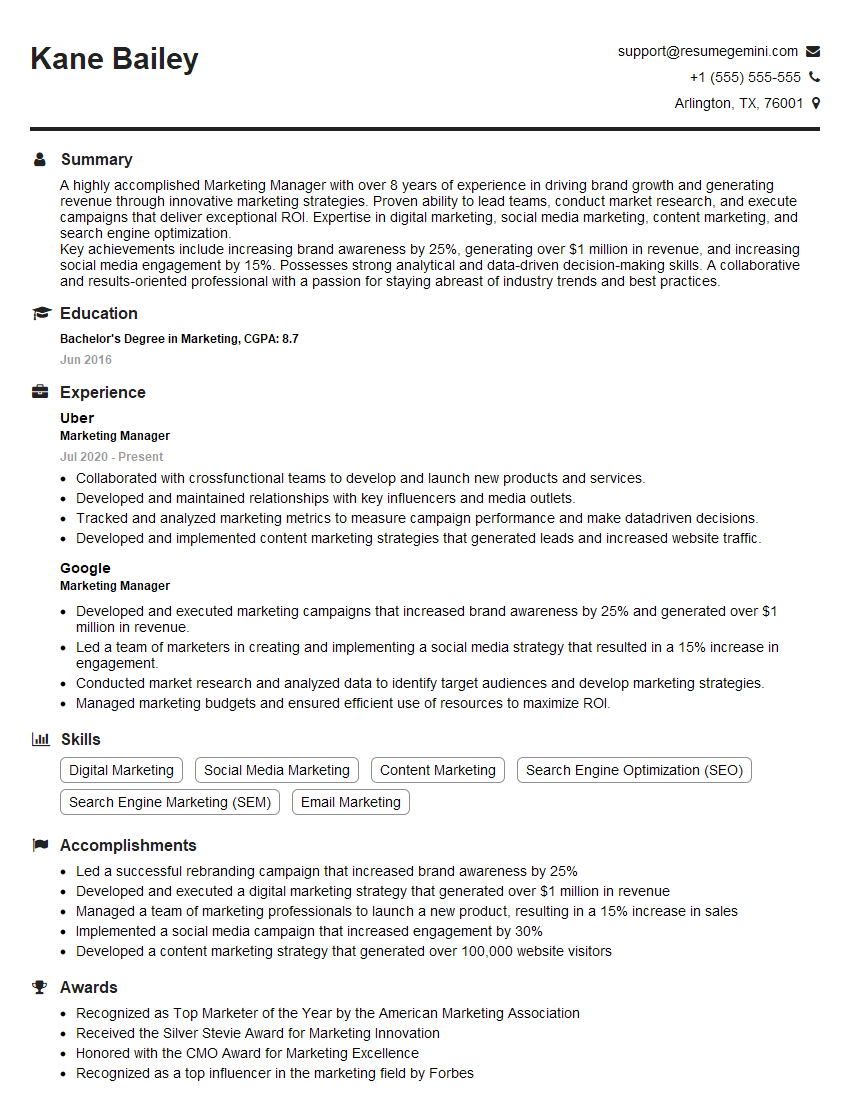
Marketing Manager Resume Sample
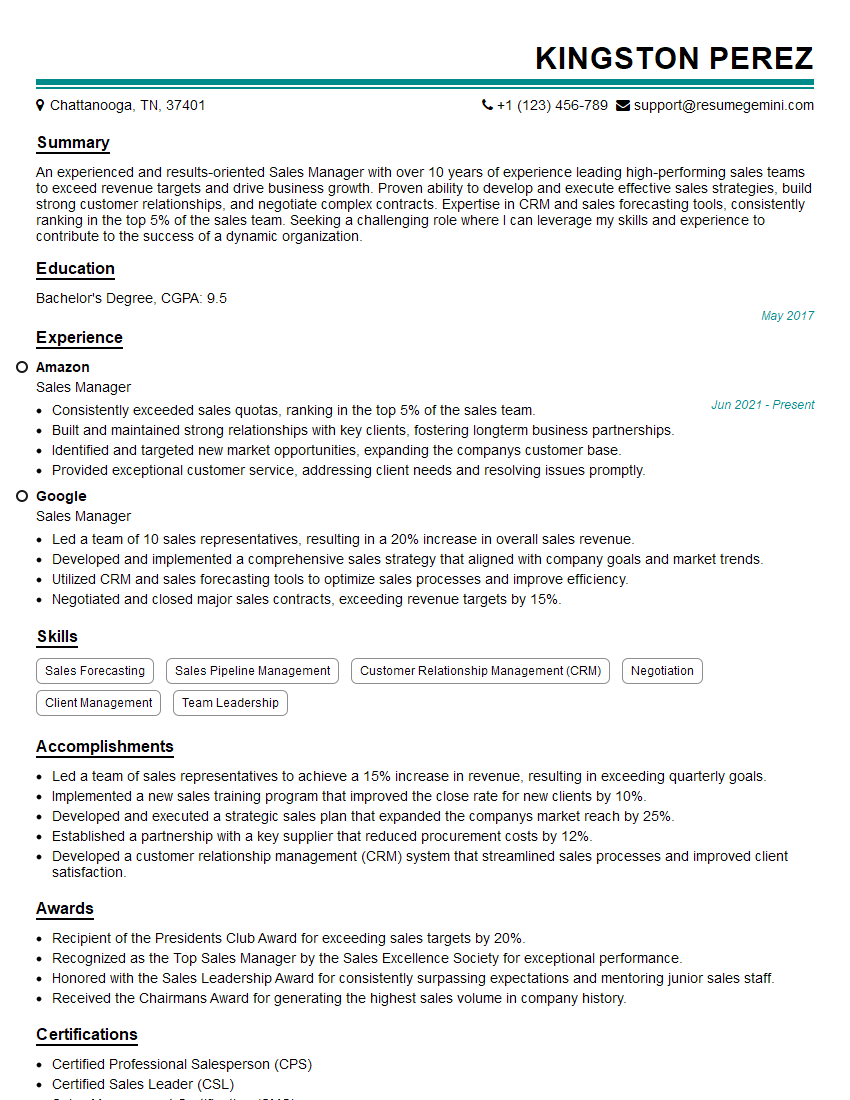
Sales Manager Resume Sample
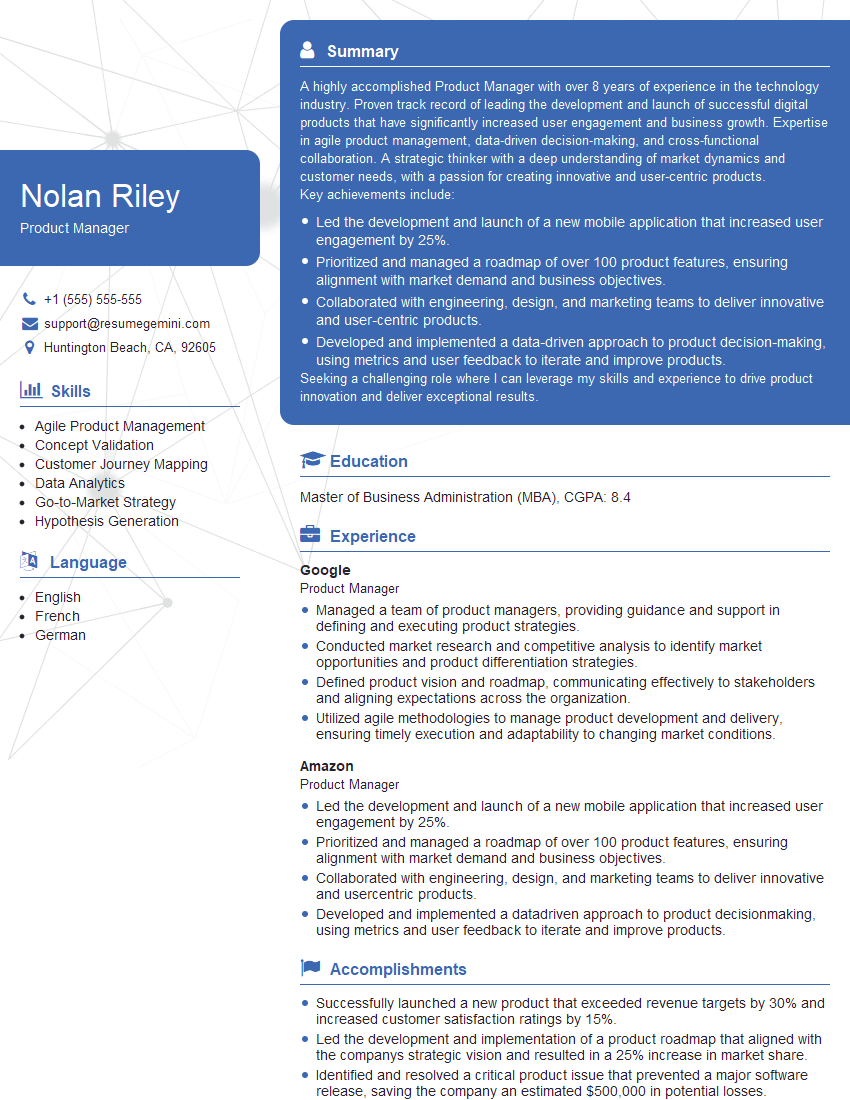
Product Manager Resume Sample
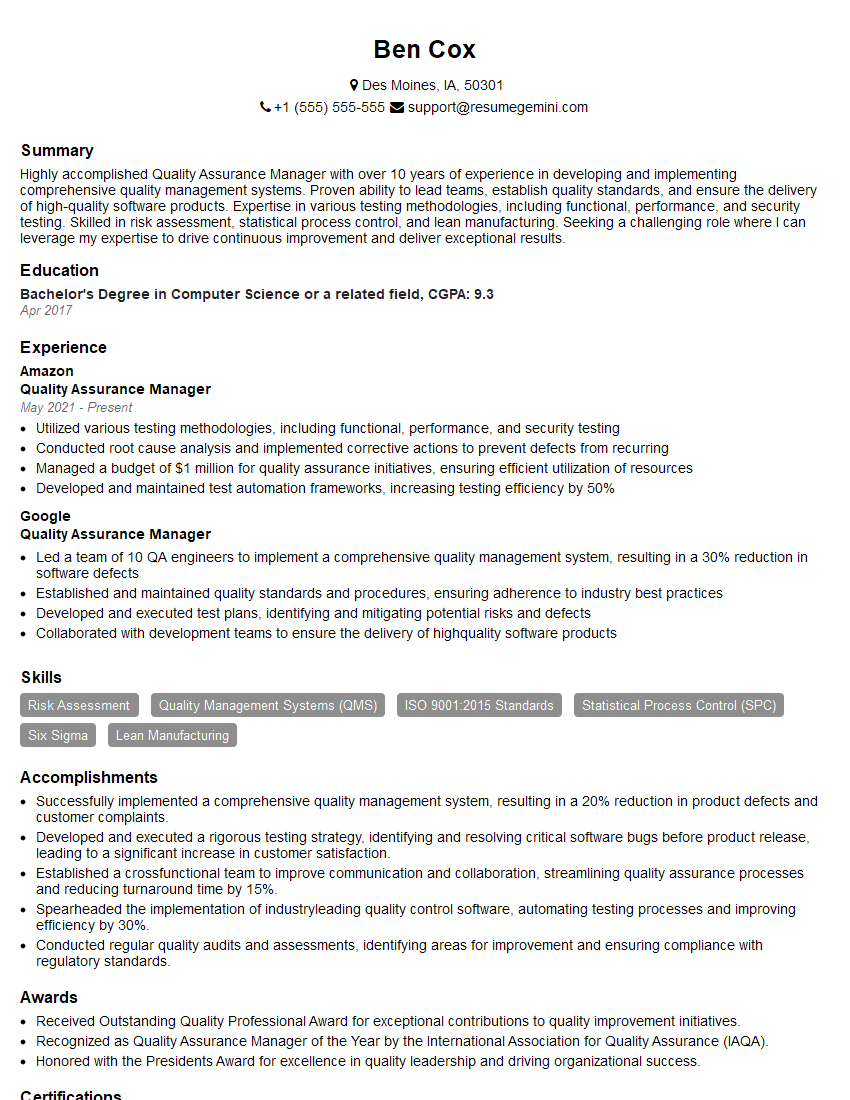
Quality Assurance Manager Resume Sample
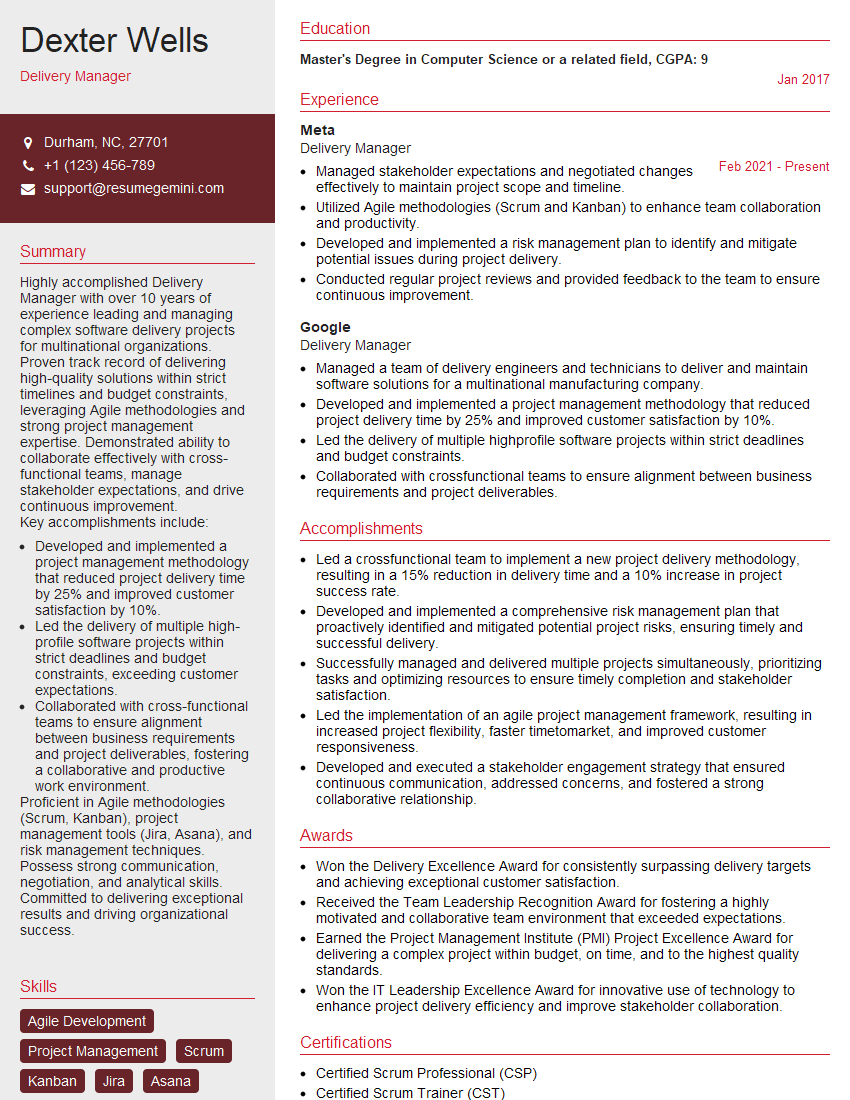
Delivery Manager Resume Sample
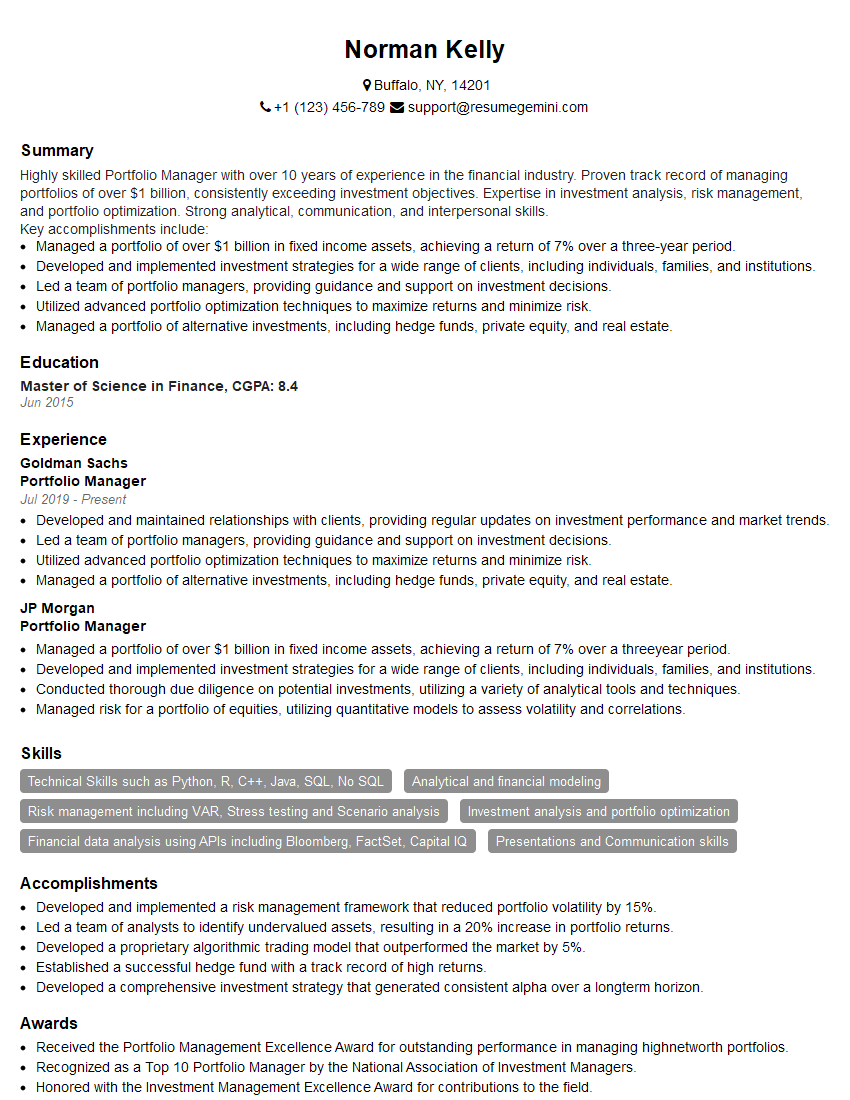
Portfolio Manager Resume Sample
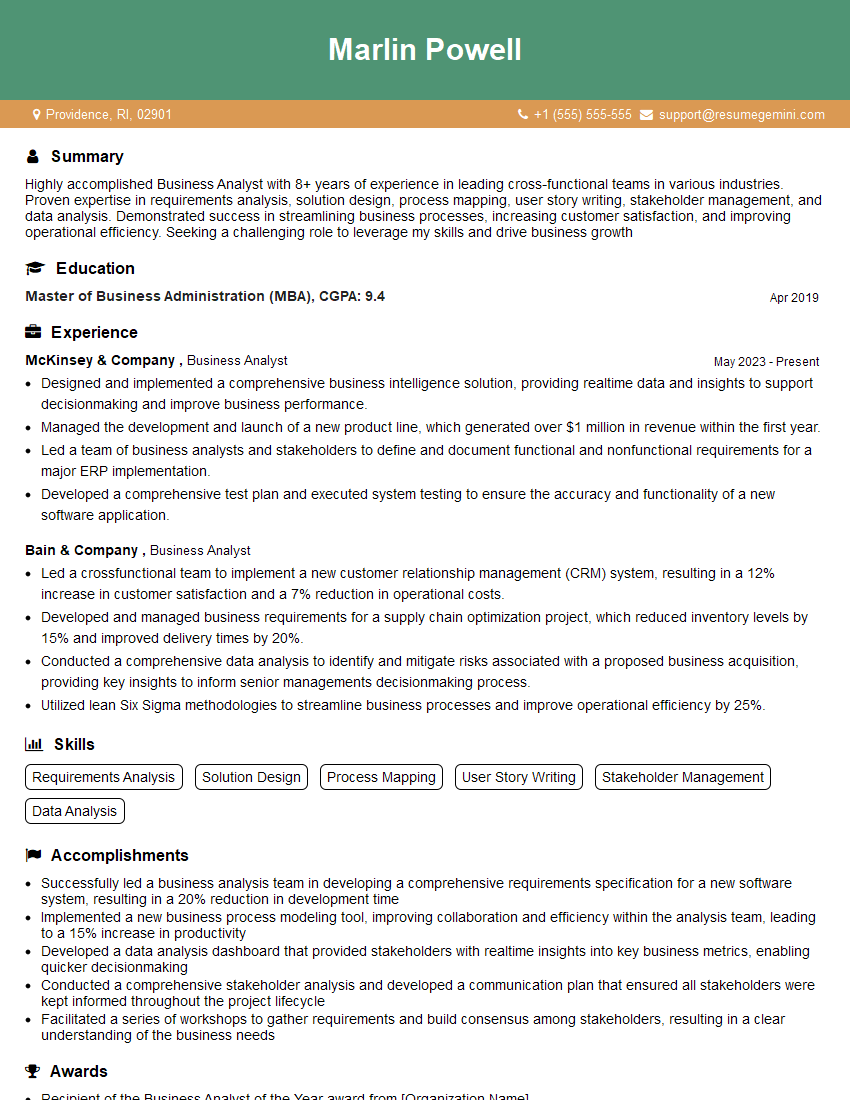
Business Analyst Resume Sample
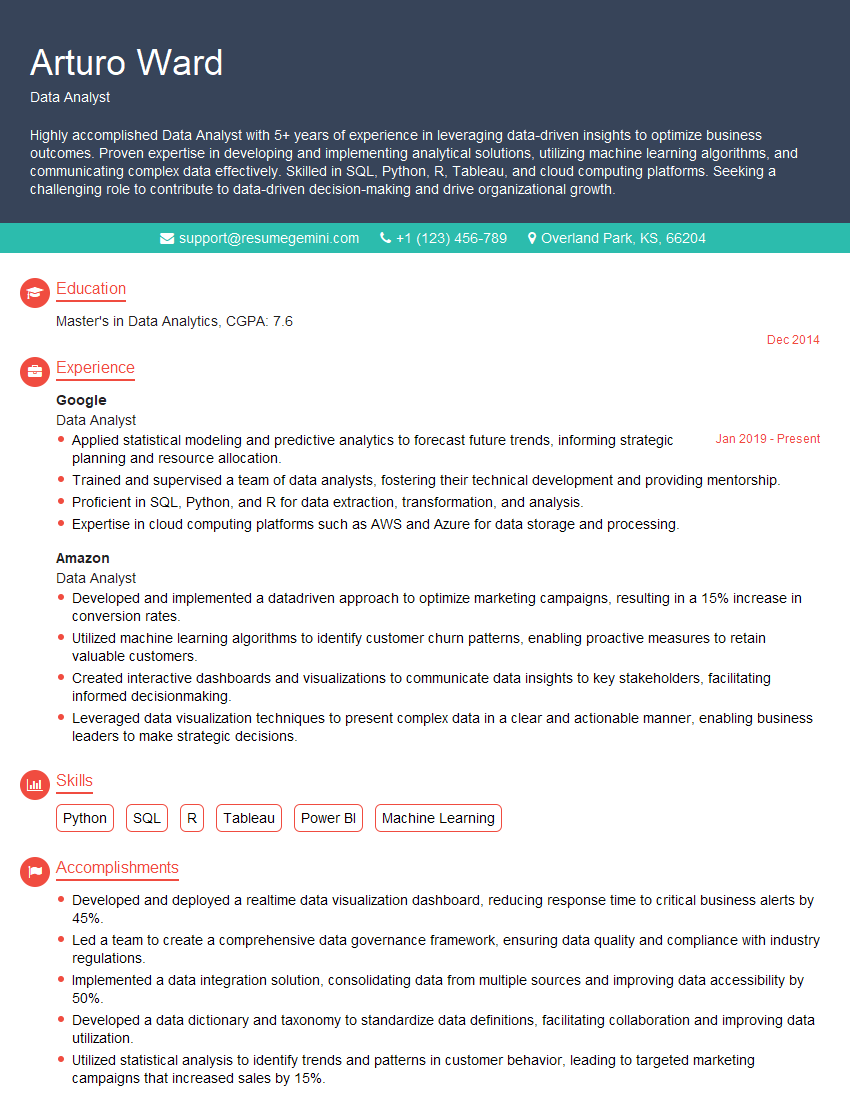
Data Analyst Resume Sample
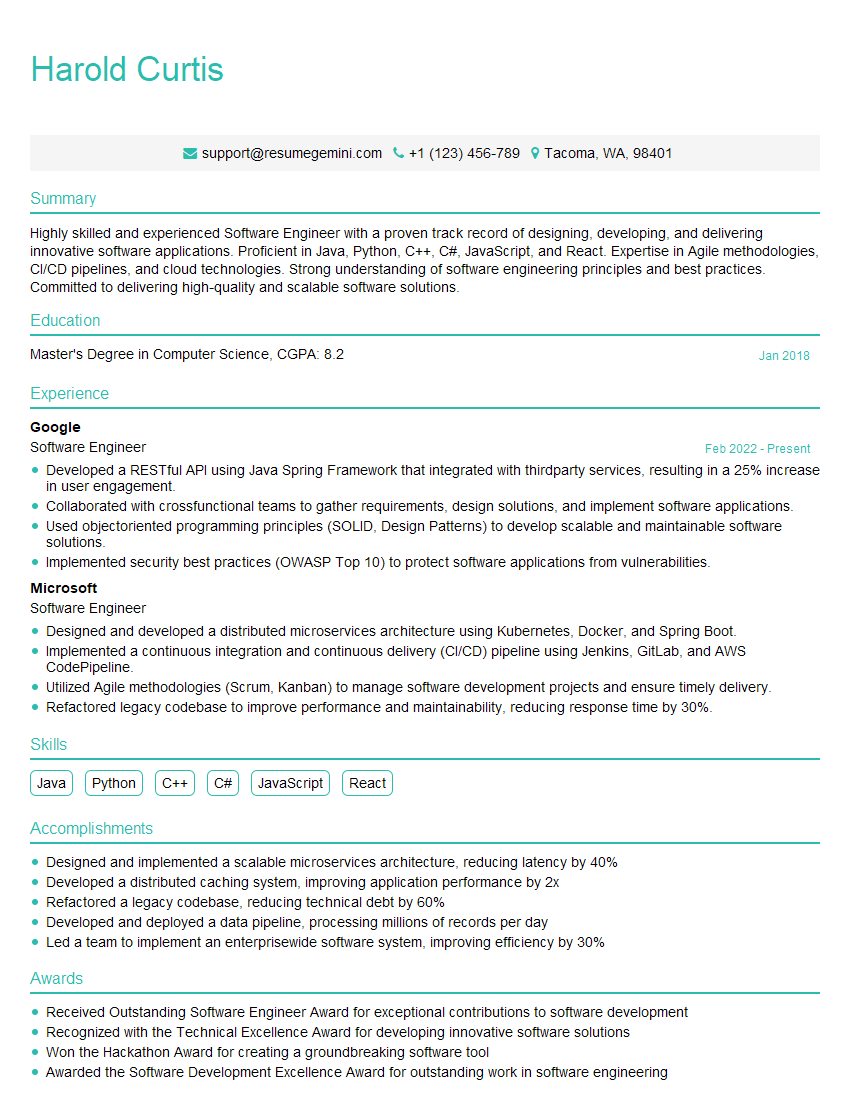
Software Engineer Resume Sample
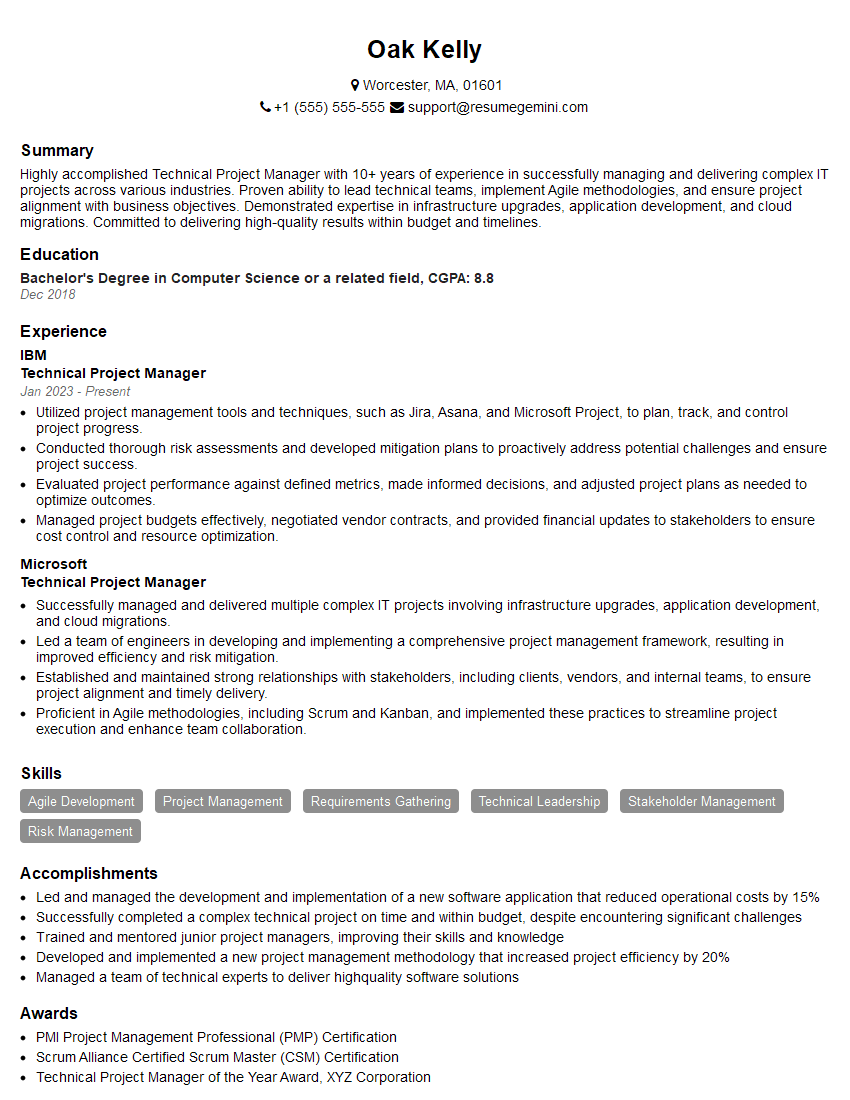
Technical Project Manager Resume Sample
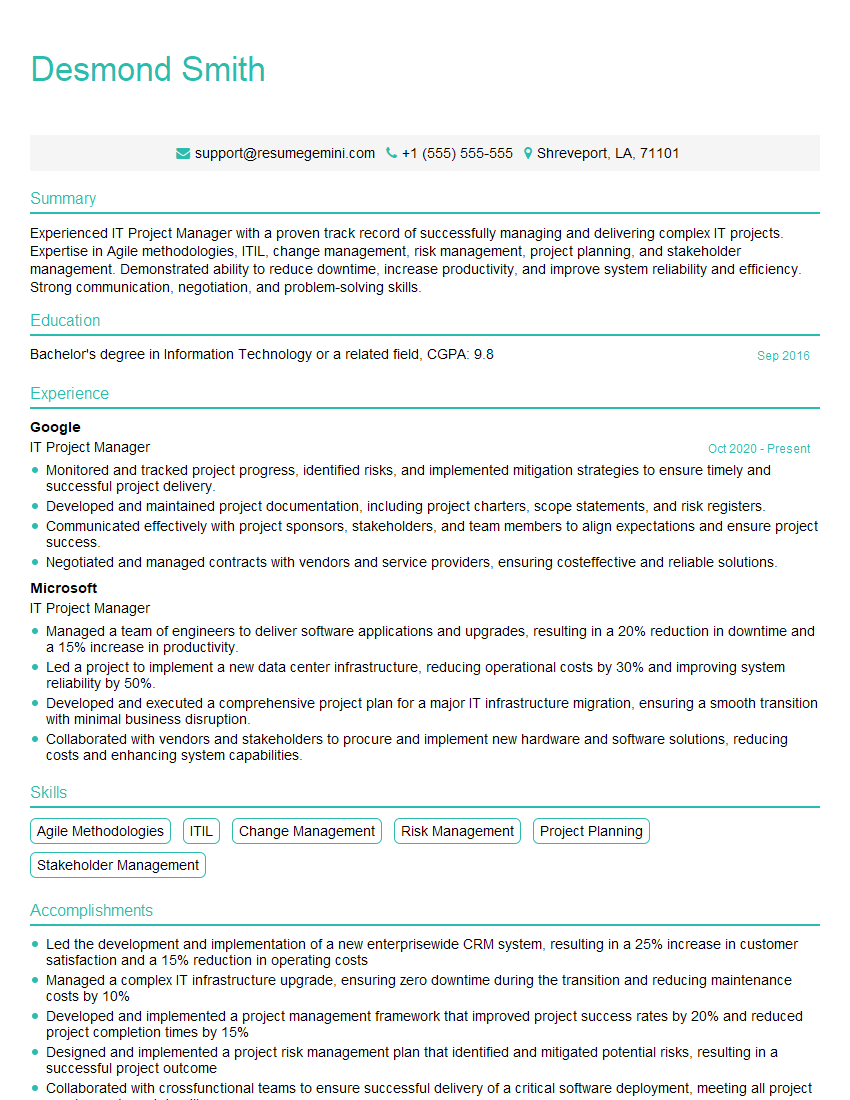
IT Project Manager Resume Sample
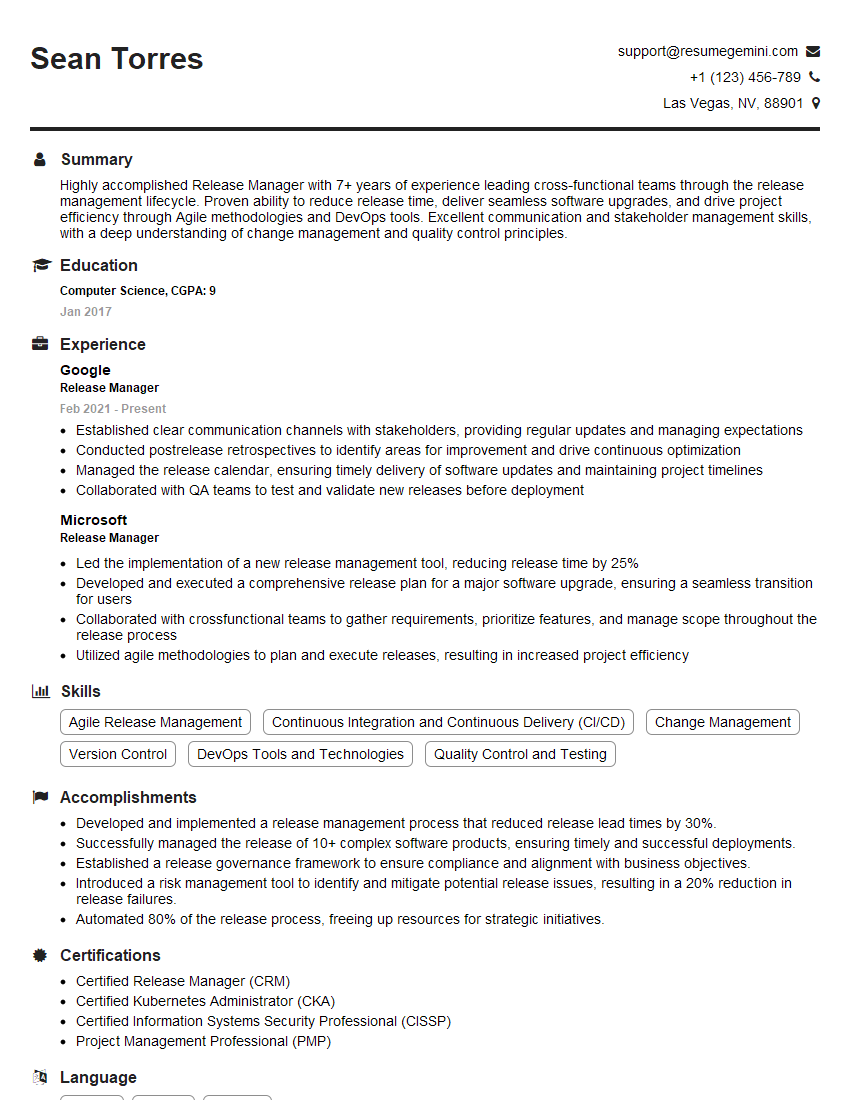
Release Manager Resume Sample
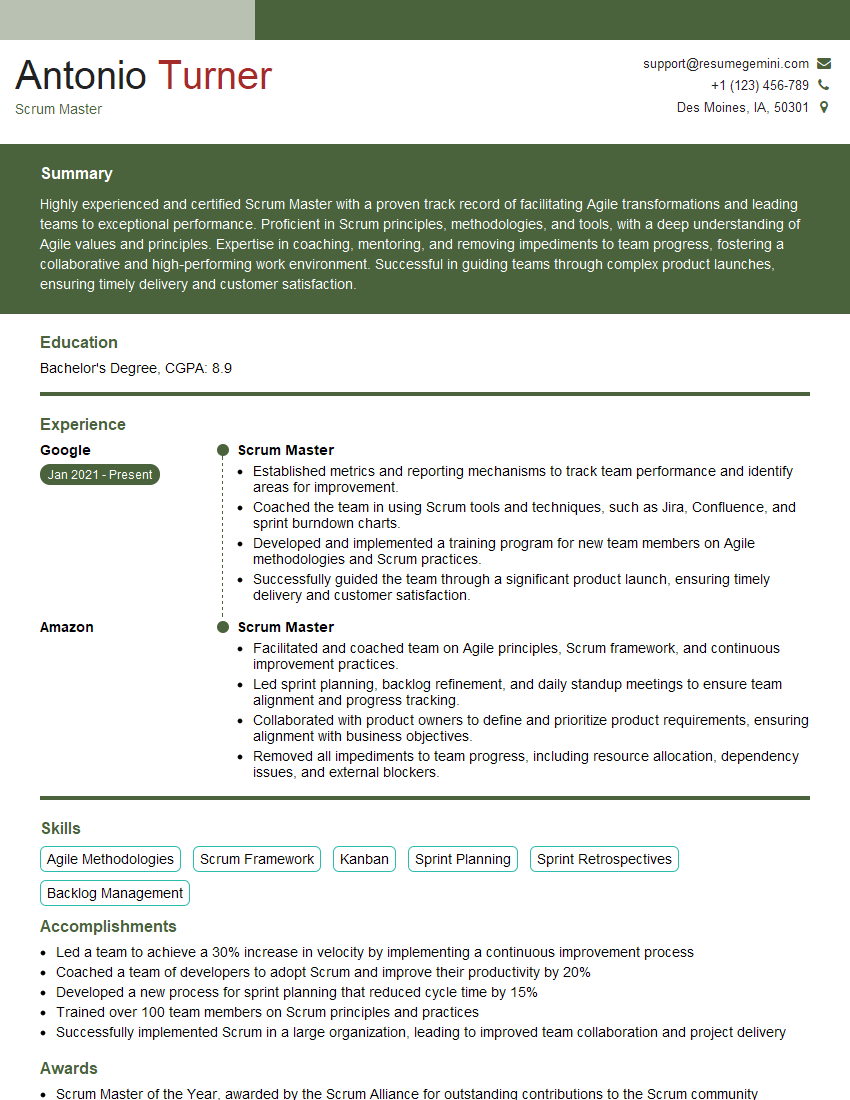
Scrum Master Resume Sample
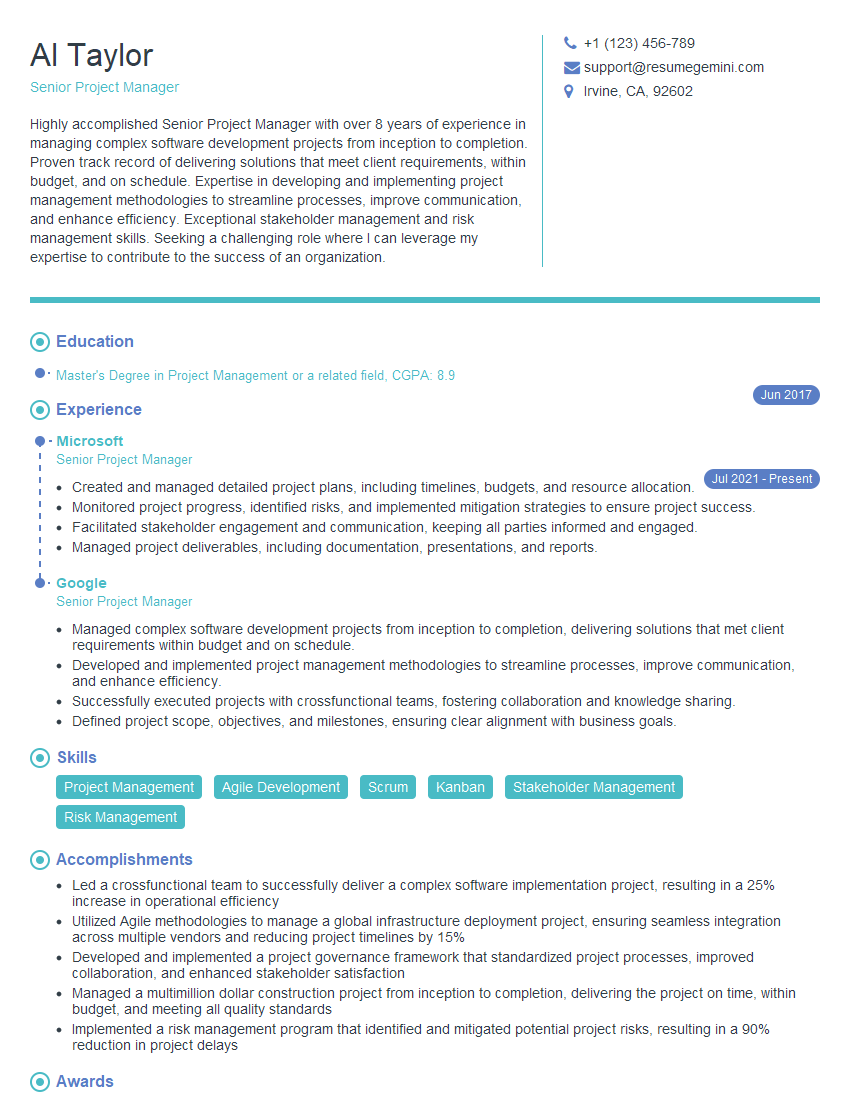
Senior Project Manager Resume Sample
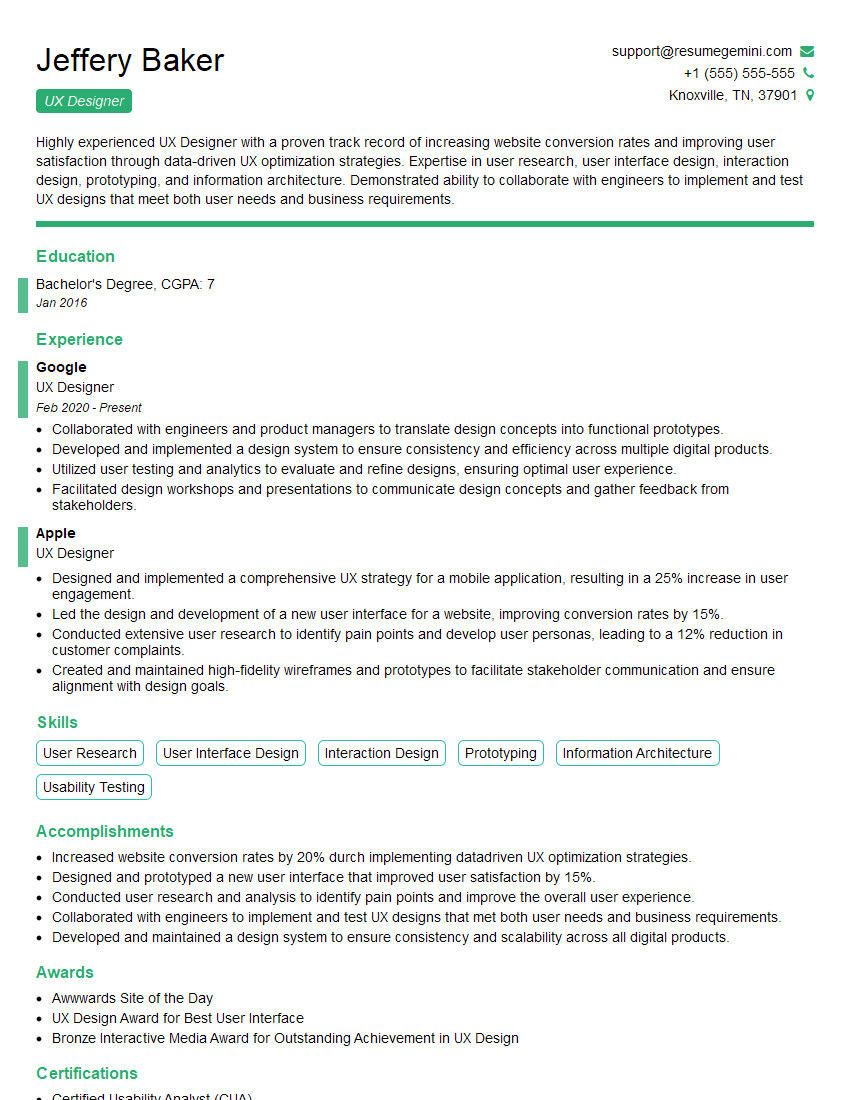
UX Designer Resume Sample
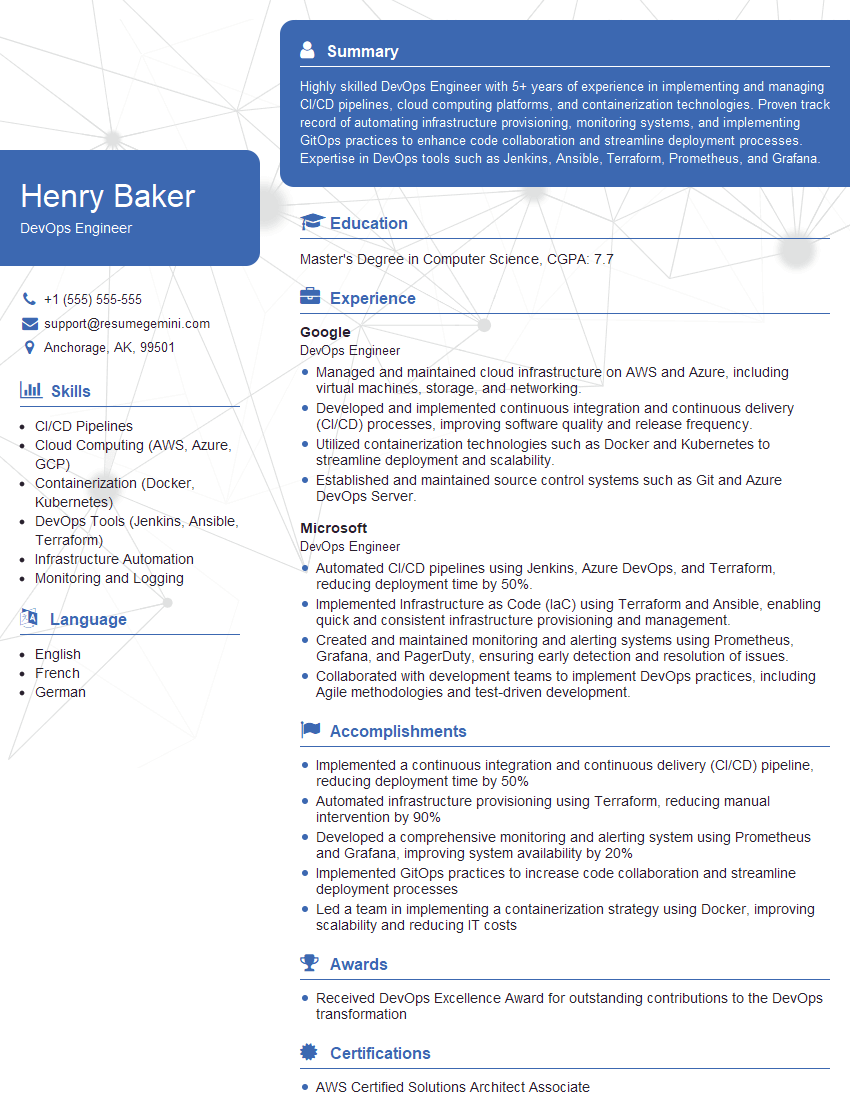
DevOps Engineer Resume Sample
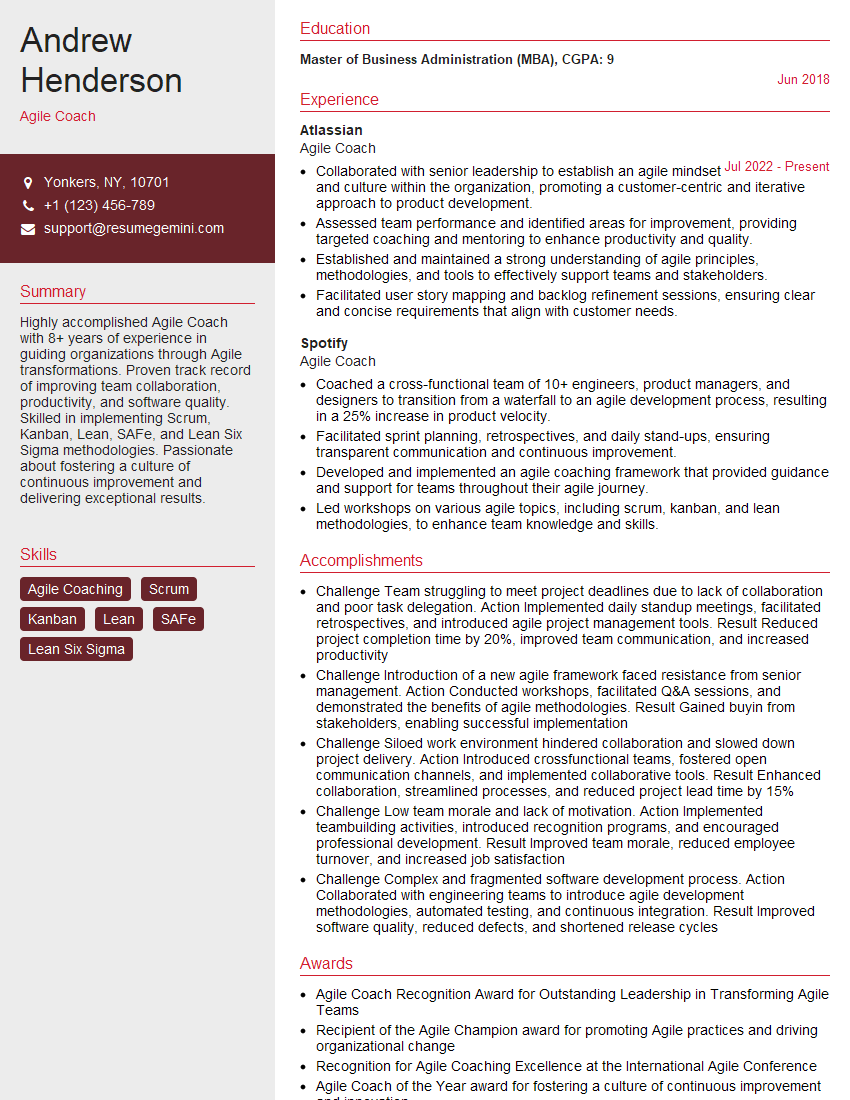
Agile Coach Resume Sample
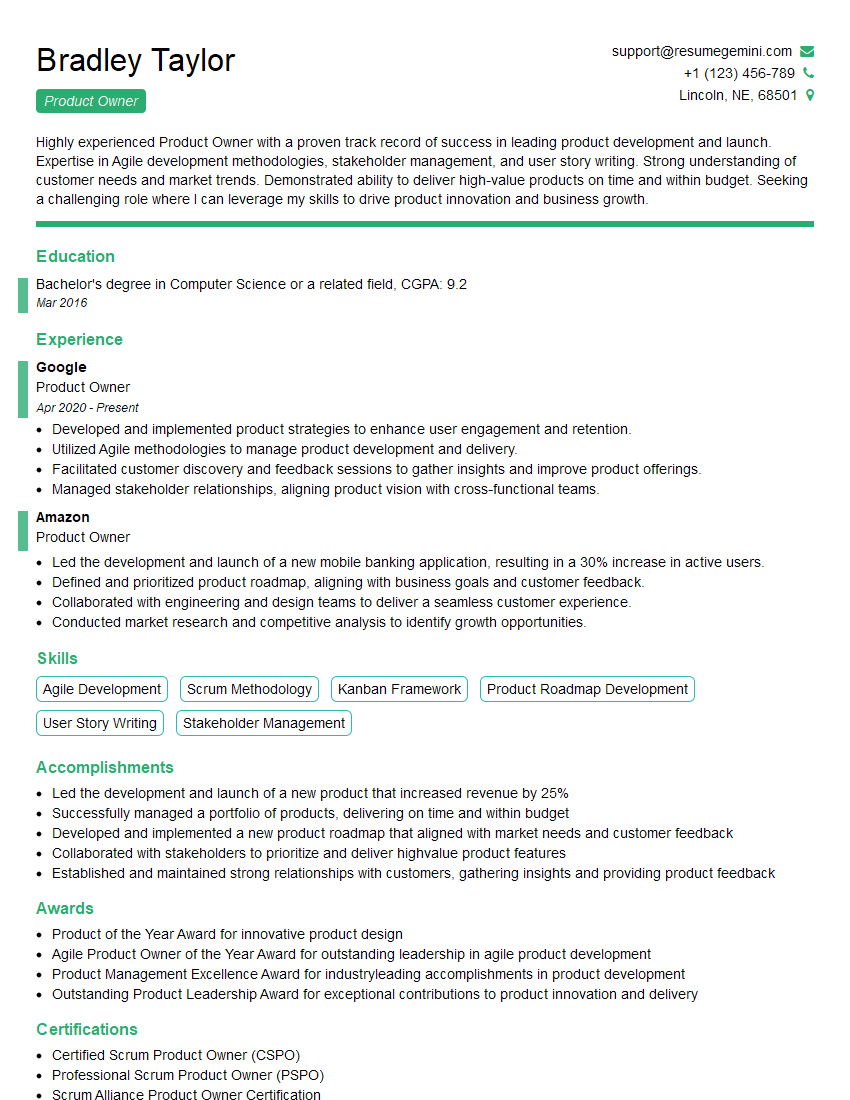
Product Owner Resume Sample
- Program Manager
- Operations Manager
- Marketing Manager
- Sales Manager
- Product Manager
- Quality Assurance Manager
- Delivery Manager
- Portfolio Manager
- Business Analyst
- Data Analyst
- Software Engineer
- Technical Project Manager
- IT Project Manager
- Release Manager
- Scrum Master
- Senior Project Manager
- UX Designer
- DevOps Engineer
- Agile Coach
- Product Owner
Explore more articles
Users Rating of Our Blogs
Share Your Experience
We value your feedback! Please rate our content and share your thoughts (optional).
What Readers Say About Our Blog
Very informative content, great job.
good