Feeling uncertain about what to expect in your upcoming interview? We’ve got you covered! This blog highlights the most important Endurance and Athleticism interview questions and provides actionable advice to help you stand out as the ideal candidate. Let’s pave the way for your success.
Questions Asked in Endurance and Athleticism Interview
Q 1. Explain the difference between aerobic and anaerobic exercise.
Aerobic and anaerobic exercise differ fundamentally in how they utilize oxygen. Aerobic exercise, meaning “with oxygen,” involves sustained activity where the body’s energy systems primarily rely on oxygen to break down carbohydrates and fats for fuel. Think of long-distance running or cycling. Your heart rate and breathing increase to deliver sufficient oxygen to working muscles. Anaerobic exercise, meaning “without oxygen,” involves short bursts of intense activity where the body’s energy systems primarily utilize stored energy sources (like creatine phosphate and glucose) because oxygen delivery can’t keep up with the demand. Examples include sprinting, weightlifting, and high-intensity interval training (HIIT).
The key distinction lies in the intensity and duration of the activity. Aerobic exercises are low to moderate intensity and can be sustained for a longer period, while anaerobic exercises are high intensity and short-duration. This difference affects which energy pathways are predominantly used and the resulting physiological adaptations.
Q 2. Describe the training principles of overload, progression, and specificity.
The training principles of overload, progression, and specificity are cornerstones of effective athletic development. Overload simply means that to improve, you must consistently challenge your body beyond its current capabilities. This could involve increasing the intensity, duration, or frequency of your training. For example, a runner might increase their weekly mileage or incorporate hill training. Progression builds upon overload by gradually increasing the training stimulus over time. It’s about avoiding plateaus by systematically increasing the intensity or volume of training to continue challenging the body. This might involve increasing weekly mileage by a small percentage each week or adding more challenging hills to the training route. Finally, specificity emphasizes that training should be tailored to the specific demands of the sport or activity. A marathon runner will benefit from long, slow distance runs, while a sprinter will focus on high-intensity interval training.
These principles are interconnected. You need overload to stimulate adaptation, progression to ensure continued improvement, and specificity to ensure the adaptations are relevant to the desired outcome. Ignoring any one principle can hinder progress.
Q 3. What are the key physiological adaptations to endurance training?
Endurance training induces significant physiological adaptations that enhance the body’s capacity to sustain prolonged exercise. Key adaptations include:
- Increased Mitochondrial Density: Mitochondria are the powerhouses of the cells, and endurance training significantly increases their number and function, improving the efficiency of aerobic energy production.
- Enhanced Capillary Density: More capillaries (tiny blood vessels) deliver more oxygen and nutrients to working muscles, improving oxygen delivery and waste removal.
- Increased Blood Volume and Cardiac Output: The heart becomes more efficient at pumping blood, increasing the volume of blood pumped per beat (stroke volume) and the heart rate (heart rate), leading to a higher cardiac output.
- Improved VO2 Max: VO2 max, the maximum rate of oxygen consumption, reflects the body’s ability to utilize oxygen during exercise. Endurance training increases VO2 max, allowing for higher intensity exercise for longer durations.
- Increased Muscle Myoglobin: Myoglobin is an oxygen-carrying protein in muscle cells. Higher myoglobin levels improve oxygen storage and delivery within the muscle.
- Increased Fat Oxidation: Endurance training enhances the body’s ability to use fats as a fuel source during exercise, sparing glycogen stores.
These adaptations work synergistically to improve endurance performance, reducing fatigue and allowing athletes to exercise at higher intensities for longer periods.
Q 4. How do you assess an athlete’s lactate threshold?
Lactate threshold (LT), also known as anaerobic threshold, represents the exercise intensity at which blood lactate concentration begins to increase exponentially. It’s a crucial indicator of endurance performance because it signifies the highest intensity an athlete can sustain for a prolonged period before significant lactate accumulation leads to fatigue. Assessing LT typically involves a graded exercise test, which gradually increases exercise intensity over time. Several methods exist:
- Incremental Test: Exercise intensity is increased incrementally, usually on a treadmill or cycle ergometer, while blood lactate concentration is measured at various stages. The LT is identified as the point where lactate concentration starts rising sharply.
- Conconi Test: This test involves a continuous increase in exercise intensity while monitoring heart rate. The LT is estimated by identifying a point where the relationship between heart rate and speed changes significantly.
- Lactate Profile Test: Involves exercising at various intensities and measuring blood lactate concentration after each stage. A graph of lactate vs. intensity is then created, with the LT identified based on the inflection point in the curve.
Accurate LT assessment requires proper equipment and technical expertise. It’s often performed in a laboratory setting by trained professionals.
Q 5. Explain the importance of periodization in training programs.
Periodization is a systematic approach to training that involves dividing a training year (or other training cycle) into distinct phases with specific goals and training intensities. This structured approach is crucial for optimizing performance and preventing overtraining. A typical periodization model might include:
- Macrocycle: The entire training year, often encompassing multiple training cycles.
- Mesocycle: A smaller training cycle, usually lasting several weeks or months, focused on specific goals like building strength or improving endurance.
- Microcycle: A short-term training cycle, typically a week, focusing on daily training sessions.
Within each phase, the training volume, intensity, and type of training vary depending on the overall goals. For example, a mesocycle focused on strength development might involve high-intensity weight training, while a mesocycle focused on endurance would involve longer, lower-intensity training sessions. By systematically varying training stimuli, periodization allows for optimal adaptation and reduces the risk of overtraining and injuries.
Think of it like building a house; you don’t build the roof before the foundation. Periodization ensures a methodical and progressive approach to build athletic capacity.
Q 6. What are the common causes of overuse injuries in endurance athletes?
Overuse injuries are common in endurance athletes due to the repetitive nature of their training. Several factors contribute to this:
- High Training Volume and Intensity: Gradually increasing training volume and intensity is crucial, but exceeding an athlete’s capacity can lead to stress fractures, tendonitis, and other overuse injuries.
- Improper Training Techniques: Incorrect running form, improper cycling posture, or using inappropriate equipment can increase the strain on specific body parts, leading to injuries.
- Insufficient Rest and Recovery: Adequate rest and recovery are essential to allow the body to repair and rebuild. Inadequate recovery increases the risk of overuse injuries.
- Inadequate Footwear and Equipment: Poorly fitting shoes, worn-out equipment, or improper gear can negatively impact an athlete’s biomechanics, leading to injuries.
- Underlying Medical Conditions: Certain medical conditions, such as osteoporosis or prior injuries, may predispose athletes to overuse injuries.
- Imbalances in Muscle Strength and Flexibility: Muscle imbalances can increase stress on particular joints and muscles, increasing the risk of injuries.
Addressing these factors through appropriate training programs, injury prevention strategies, and careful attention to detail is crucial for reducing the risk of overuse injuries in endurance athletes.
Q 7. Describe different methods for measuring an athlete’s VO2 max.
VO2 max, the maximum rate of oxygen consumption, is a critical measure of aerobic fitness. Several methods exist to measure it, ranging from simple field tests to sophisticated laboratory techniques:
- Graded Exercise Test (GXT) on a Treadmill or Cycle Ergometer: This is the gold standard, performed in a laboratory setting. Exercise intensity increases gradually while oxygen uptake, carbon dioxide production, and heart rate are continuously monitored. VO2 max is determined at the point where oxygen uptake plateaus despite further increases in workload.
- Submaximal Exercise Tests: These tests estimate VO2 max based on submaximal exercise performance using prediction equations. They are less accurate than maximal tests but are easier to administer and require less equipment.
- Field Tests: These tests, such as the 1.5-mile run or the Cooper test, estimate VO2 max based on performance time. They are convenient and accessible but are less accurate than laboratory-based methods.
- Portable Metabolic Carts: These devices measure oxygen consumption and carbon dioxide production during exercise and can be used in field settings, providing a more accurate estimate of VO2 max than field tests alone.
The choice of method depends on the resources available, the accuracy required, and the athlete’s individual characteristics. While laboratory-based methods offer the highest accuracy, field tests can be useful for monitoring training progress and assessing fitness levels in a wider range of settings.
Q 8. How do you design a training plan for a marathon runner?
Designing a marathon training plan requires a systematic approach that considers the runner’s current fitness level, experience, and race goals. It’s not a one-size-fits-all approach; it’s highly individualized.
The plan typically spans 16-20 weeks and incorporates several key phases:
- Base Building (Weeks 1-6): Focuses on building aerobic base and endurance through easy runs, gradually increasing mileage. This is crucial for injury prevention and establishing a solid foundation.
- Strength Building (Weeks 7-12): Introduces tempo runs (sustained effort at a comfortably hard pace), interval training (high-intensity bursts with recovery periods), and hill workouts to improve running efficiency and lactate threshold.
- Race-Specific Training (Weeks 13-18): Incorporates long runs (gradually increasing in distance), race-pace runs, and shorter, faster workouts to simulate race conditions and improve speed and endurance.
- Tapering (Weeks 19-20): Gradually reduces mileage and intensity to allow the body to recover and store energy for race day. This phase is crucial to avoid injury and ensure peak performance.
Example: A beginner might start with 3 runs per week, gradually increasing distance over several weeks. An experienced runner might incorporate more intense workouts, like tempo runs or interval training, several times per week.
Throughout the training plan, rest and recovery are crucial. Adequate sleep, nutrition, and active recovery (e.g., cross-training) are incorporated to prevent injury and optimize performance.
Q 9. What are the nutritional considerations for endurance athletes?
Endurance athletes have unique nutritional needs to fuel their training and recovery. Their diet should prioritize carbohydrates for energy, protein for muscle repair and growth, and healthy fats for hormone production and overall health.
- Carbohydrates: The primary energy source for endurance activities. Athletes should consume a higher percentage of carbohydrates (55-65% of total calories) from complex sources like whole grains, fruits, and vegetables, rather than simple sugars.
- Protein: Essential for muscle repair and growth, particularly after intense training sessions. Aim for 1.2-1.6 grams of protein per kilogram of body weight daily.
- Fats: Provide energy and support hormone production. Choose healthy fats from sources like avocados, nuts, and olive oil. Limit saturated and trans fats.
- Hydration: Crucial for optimal performance and preventing dehydration. Athletes should drink plenty of water throughout the day, especially before, during, and after training.
- Micronutrients: Vitamins and minerals are crucial for overall health and performance. A balanced diet, or supplements if needed, ensures adequate intake.
Example: A marathon runner might consume a large bowl of oatmeal with berries and nuts for breakfast, a sandwich with whole-wheat bread and lean protein for lunch, and a pasta dish with vegetables for dinner. They’d also prioritize proper hydration throughout the day.
Proper timing of nutrient intake is critical. Consuming carbohydrates before and during long endurance events can significantly improve performance.
Q 10. Explain the role of hydration in athletic performance.
Hydration plays a vital role in athletic performance. Dehydration, even mild, can significantly impact energy levels, endurance, and overall performance. Water is essential for:
- Thermoregulation: Sweating is the body’s primary cooling mechanism. Dehydration impairs sweating efficiency, leading to overheating and reduced performance.
- Nutrient Transport: Water transports nutrients to muscles and removes waste products. Dehydration hinders this process, impacting energy production and recovery.
- Blood Volume: Adequate hydration maintains blood volume, which is crucial for oxygen delivery to muscles. Dehydration reduces blood volume, decreasing oxygen delivery and impacting endurance.
- Muscle Function: Dehydration can lead to muscle cramps and fatigue.
Example: Imagine running a marathon dehydrated – your muscles will tire quickly, your body will overheat, and your overall performance will suffer drastically. Adequate hydration prevents these issues.
Athletes should monitor their hydration status through urine color and body weight, adjusting fluid intake based on individual needs and training intensity. Electrolyte replacement may be necessary during prolonged or intense exercise.
Q 11. How do you monitor an athlete’s training load and recovery?
Monitoring training load and recovery is crucial for preventing overtraining and optimizing performance. This involves tracking several key metrics:
- Training Volume: Total distance, duration, and intensity of training sessions.
- Training Intensity: Measured through heart rate, perceived exertion (RPE), or power output (if applicable).
- Rest and Recovery: Sleep duration and quality, time spent recovering between workouts, and incorporation of active recovery (e.g., light exercise).
- Performance Metrics: Race times, training paces, and other performance indicators.
- Physiological Markers: Resting heart rate, body weight, and other physiological measures can indicate fatigue or overtraining.
Tools and Strategies: Training logs, wearable technology (heart rate monitors, GPS watches), and sleep trackers can help quantify training load and recovery. Athletes and coaches can use these data points to adjust training plans to prevent overtraining and optimize performance. Regular check-ins, monitoring sleep patterns, and noting subjective feelings (like fatigue) also plays a major role.
Example: An athlete tracking their training load might notice a consistent increase in their resting heart rate, a decrease in training performance, and poor sleep quality – indicating potential overtraining.
Q 12. What are the signs and symptoms of overtraining?
Overtraining is a state of excessive training that leads to decreased performance and increased risk of injury. It’s a cumulative effect of insufficient recovery. Signs and symptoms vary among individuals, but common indicators include:
- Decreased Performance: Noticeable decline in race times, training paces, or overall performance.
- Persistent Fatigue: Feeling tired even after adequate sleep and rest.
- Increased Resting Heart Rate: Elevated heart rate even when at rest.
- Muscle Soreness and Pain: Prolonged muscle soreness that doesn’t improve with rest.
- Sleep Disturbances: Difficulty falling asleep, frequent waking, or poor sleep quality.
- Loss of Motivation: Decreased enthusiasm for training and competition.
- Irritability and Mood Swings: Increased feelings of anxiety, frustration, or depression.
- Increased Susceptibility to Illness: More frequent colds, flu, or other illnesses.
Important Note: If you experience these symptoms, it’s crucial to reduce training volume and intensity, prioritize rest and recovery, and consult with a healthcare professional or sports medicine specialist.
Q 13. Describe different types of strength training for endurance athletes.
Strength training is crucial for endurance athletes, improving power, preventing injuries, and enhancing overall performance. Different types of strength training are beneficial:
- Isometric Training: Holding a static position against resistance (e.g., plank). This improves strength and stability.
- Isotonic Training: Lifting weights through a full range of motion (e.g., squats, deadlifts). This builds muscle strength and power.
- Plyometric Training (covered in next question): Explosive movements that develop power and speed.
- Eccentric Training: Emphasizing the lengthening phase of a muscle contraction (e.g., slowly lowering a weight). This builds strength and may reduce injury risk.
- Circuit Training: Combining different exercises with minimal rest. This improves cardiovascular fitness and strength.
Example: A marathon runner might include squats, lunges, and core exercises in their strength training routine to improve leg strength, stability, and running efficiency. It’s key that the strength training program aligns with the demands of the sport.
Q 14. How do you incorporate plyometrics into an endurance training program?
Plyometrics are explosive exercises that involve rapid stretching and contracting of muscles. They are beneficial for endurance athletes because they enhance power, speed, and agility, which can improve running efficiency and prevent injuries.
Incorporating Plyometrics: Plyometrics should be incorporated strategically, not excessively. They should be part of a broader strength training program, not the sole focus. Start with lower-impact exercises and gradually increase intensity and volume.
- Frequency: 1-2 sessions per week, with ample rest in between.
- Progression: Start with simpler exercises (e.g., box jumps onto a low box) and gradually progress to more challenging exercises (e.g., depth jumps).
- Warm-up: Always warm up thoroughly before plyometric exercises to prevent injuries.
- Cool-down: Cool down with stretching after plyometric sessions.
- Landing Technique: Proper landing technique is crucial for injury prevention. Land softly, absorbing the impact through your legs and knees.
Example: A marathon runner might incorporate box jumps, jump squats, and bounds into their training program to improve leg power and speed. However, they might only do this 1-2 times per week, carefully monitoring their fatigue and recovery.
It is important to note that plyometrics require good technique and adequate conditioning. Incorrect form can increase risk of injury.
Q 15. What are the benefits of flexibility training for endurance athletes?
Flexibility training, often overlooked, is crucial for endurance athletes. It improves range of motion, reduces muscle stiffness, and enhances overall athletic performance. Think of it like this: a rubber band that’s stiff and inflexible will snap more easily than a flexible one. Similarly, inflexible muscles are more prone to injury and limit your potential.
- Improved Muscle Efficiency: Increased flexibility allows muscles to work through their full range of motion, leading to more efficient movements and greater power output. For runners, this translates to a smoother stride and better energy conservation.
- Injury Prevention: Tight muscles restrict movement and put extra stress on joints, increasing the risk of strains, sprains, and other injuries. Regular flexibility work helps mitigate this risk.
- Enhanced Recovery: Flexibility training improves blood flow, promoting faster muscle recovery after intense workouts. This is especially important for athletes training for endurance events requiring multiple sessions.
- Improved Posture and Balance: Better flexibility leads to improved posture and balance, which contributes to better running form and reduces the risk of falls.
In practice, I incorporate flexibility training – including dynamic stretching before workouts and static stretching afterward – into every athlete’s program, tailoring it to their specific needs and discipline. For a marathon runner, we might focus on hip flexors, hamstrings, and calves, while a cyclist might need more emphasis on hip and back flexibility.
Career Expert Tips:
- Ace those interviews! Prepare effectively by reviewing the Top 50 Most Common Interview Questions on ResumeGemini.
- Navigate your job search with confidence! Explore a wide range of Career Tips on ResumeGemini. Learn about common challenges and recommendations to overcome them.
- Craft the perfect resume! Master the Art of Resume Writing with ResumeGemini’s guide. Showcase your unique qualifications and achievements effectively.
- Don’t miss out on holiday savings! Build your dream resume with ResumeGemini’s ATS optimized templates.
Q 16. Explain the importance of sleep and recovery in athletic performance.
Sleep and recovery are foundational to athletic performance; they aren’t optional extras. Think of training as depositing money in a bank account, and sleep and recovery as the interest that accrues. Without sufficient recovery, you’ll end up with an overdrawn account and diminished performance.
- Muscle Repair and Growth: During sleep, the body repairs muscle tissue damaged during training, facilitating muscle growth and strength gains. Lack of sleep hinders this process.
- Hormone Regulation: Sleep influences the release of hormones crucial for muscle growth (testosterone, growth hormone) and stress management (cortisol). Insufficient sleep disrupts this balance, negatively impacting athletic performance.
- Cognitive Function: Sleep deprivation impacts cognitive functions like reaction time, decision-making, and focus – all essential for optimal athletic performance. An athlete who’s sleep-deprived isn’t able to execute strategies effectively.
- Immune System Support: Adequate sleep strengthens the immune system, making athletes less susceptible to illness and reducing downtime.
I emphasize sleep hygiene to all my athletes. This includes maintaining a consistent sleep schedule, creating a relaxing bedtime routine, optimizing their sleep environment (dark, quiet, cool), and limiting screen time before bed. I also educate them on the importance of active recovery, like light walks or yoga, to facilitate muscle recovery and reduce stress.
Q 17. How do you manage an athlete’s anxiety before a competition?
Managing pre-competition anxiety is crucial. I use a multi-pronged approach that combines psychological strategies with practical preparation.
- Mental Rehearsal: We practice visualizing a successful competition, focusing on positive self-talk and maintaining a calm, confident mindset. This helps build mental resilience.
- Relaxation Techniques: Deep breathing exercises, progressive muscle relaxation, and mindfulness meditation are powerful tools to reduce physiological anxiety symptoms such as racing heart and shallow breathing. I teach these techniques to all my athletes, ensuring they can use them independently.
- Routine and Preparation: A well-defined pre-competition routine can provide a sense of control and reduce uncertainty. This might include specific warm-up exercises, nutrition strategies, and equipment checks.
- Positive Self-Talk: Replacing negative thoughts with positive affirmations helps athletes maintain confidence and focus. This is practiced both in training and in the lead-up to the competition.
- Exposure Therapy (Gradual Desensitization): For athletes with extreme anxiety, gradually exposing them to competition-like situations in a controlled setting can help them manage their fear response.
The key is individualized strategies. What works for one athlete might not work for another, and tailoring the approach is key to success.
Q 18. What are the ethical considerations in coaching athletes?
Ethical considerations in coaching are paramount. It’s about fostering a safe, supportive, and respectful environment that prioritizes the athlete’s well-being above all else.
- Athlete Welfare: Prioritizing the physical and mental health of the athlete should always be the top priority. This includes avoiding overly demanding training regimens that could lead to burnout or injury.
- Fair Play and Sportsmanship: Encouraging ethical conduct on and off the field of play. This includes respecting opponents, referees, and officials and adhering to the rules of the sport.
- Transparency and Honesty: Maintaining open and honest communication with athletes about training plans, expectations, and potential risks. This builds trust and mutual respect.
- Confidentiality: Respecting the privacy of the athlete and safeguarding any personal information shared. This creates a safe space for open dialogue.
- Avoiding Harassment and Abuse: Creating a zero-tolerance policy for any form of harassment, abuse, or discrimination. This is essential for fostering a positive training environment.
- Appropriate use of technology: Respecting athletes’ privacy when utilizing technology like GPS trackers and heart rate monitors. Data should only be used to enhance performance and should be handled ethically.
Ethical coaching is not just about following rules, but about building strong relationships based on trust, respect, and mutual understanding.
Q 19. Describe your experience with different training technologies (e.g., GPS trackers, heart rate monitors).
I’ve extensively used various training technologies to optimize athlete performance. These tools provide valuable data to inform training strategies and monitor progress.
- GPS Trackers: These devices provide detailed information on distance, pace, speed, and elevation changes, allowing for precise analysis of training sessions. This data is invaluable for optimizing training intensity and recovery.
- Heart Rate Monitors: Heart rate monitors offer insights into cardiovascular training zones, enabling athletes to train at the appropriate intensity for their goals. They also help assess training stress and recovery.
- Wearable Devices (Smartwatches): Many smartwatches combine GPS and heart rate monitoring with additional features like sleep tracking, step counting, and stress level analysis, contributing to a holistic view of the athlete’s physical and mental state.
- Power Meters (Cycling): For cyclists, power meters provide precise measurements of power output, enabling athletes to fine-tune their training intensity and monitor improvements in power efficiency.
I integrate this data with traditional coaching methods. For instance, analyzing GPS data helps identify areas where an athlete’s running form might be inefficient, leading to adjustments in their technique. Combining heart rate data with perceived exertion helps determine the appropriate workload, avoiding overtraining and promoting optimal recovery.
Q 20. How do you adapt training plans for athletes with injuries?
Adapting training plans for injured athletes requires a careful and collaborative approach. The priority is always to facilitate healing while maintaining as much fitness as possible.
- Collaboration with Medical Professionals: I always work closely with physicians and physical therapists to get a clear understanding of the injury, its severity, and the recommended treatment plan. The athlete’s well-being is paramount, and rehabilitation must be guided by medical expertise.
- Modified Training Programs: Training plans must be adjusted to accommodate the limitations imposed by the injury. This might involve reducing training volume, intensity, or frequency; modifying exercises to avoid stressed areas; or incorporating cross-training activities to maintain fitness without aggravating the injury.
- Gradual Progression: The return-to-training process should be gradual and progressive. It’s crucial to avoid pushing the athlete too hard too soon, as this could lead to a recurrence of the injury. This phase is critical for safe recovery.
- Focus on Specific Muscle Groups: Compensation patterns often develop as the body tries to work around an injury, so I might use strength training to address any muscular imbalances. This will improve the overall biomechanics.
- Active Recovery: I would implement active recovery methods to ensure blood flow in the affected area, such as light cardio or range of motion exercises.
A successful approach needs open communication between the athlete, medical professionals, and the coach. A patient and thoughtful approach is essential to ensure a safe and effective return to competition.
Q 21. What are the common biomechanical issues affecting running technique?
Biomechanical issues are common among runners and significantly impact performance and injury risk. Analyzing running form and correcting flaws is critical.
- Overstriding: Landing too far in front of the body puts extra stress on the knees, hips, and ankles. This leads to a braking force with each stride, reducing efficiency and increasing injury risk. We address this with drills to shorten stride length and improve foot strike.
- Foot Strike: Landing on the heel (rearfoot strike) puts more impact on the body than midfoot or forefoot strike. Excessive heel strike is highly correlated with injuries. Educating runners on appropriate foot strike is key.
- Pelvic Instability: Limited hip mobility can lead to altered gait patterns and increased stress on the knees and lower back. We focus on improving hip mobility through specific stretching and strengthening exercises.
- Arm Swing: Incorrect arm swing can disrupt the body’s rhythm and cause imbalances. We guide runners to maintain a relaxed and efficient arm swing, improving cadence and overall effectiveness.
- Cadence: A lower cadence (steps per minute) can lead to increased impact and stress on the joints. Increasing cadence often improves efficiency and reduces injury risk. Cadence is adjusted as needed, considering each runner’s biomechanics.
Identifying and correcting these biomechanical issues often involves using video analysis, gait analysis, and other assessment tools. The goal is to improve running economy, reduce injury risk, and enhance performance.
Q 22. Explain different types of stretching and their benefits.
Stretching is crucial for athletic performance and injury prevention. There are several types, each offering unique benefits:
- Static Stretching: Holding a stretch for a period of time (typically 15-30 seconds). This improves flexibility by lengthening muscles and increasing range of motion. Think of holding a hamstring stretch where you reach for your toes. This is excellent for improving flexibility after a workout.
- Dynamic Stretching: Involves controlled movements through a range of motion, like arm circles or leg swings. This prepares the muscles for activity by increasing blood flow and improving neuromuscular coordination. It’s best used as a warm-up before exercise.
- Ballistic Stretching: Uses bouncing or jerking movements to stretch the muscles. While it can improve flexibility, the risk of injury is higher due to the uncontrolled nature of the movements. Therefore, it’s generally less recommended, particularly for beginners.
- Proprioceptive Neuromuscular Facilitation (PNF): This advanced technique involves contracting a muscle before stretching it, leading to greater flexibility gains. It often requires a partner to assist with the contraction phase. This is best performed under the supervision of a qualified professional.
The benefits of stretching include increased flexibility, improved range of motion, reduced risk of injury, enhanced athletic performance, and improved posture. The choice of stretching type depends on the context – pre-workout dynamic stretches prepare the body, post-workout static stretches promote recovery, and PNF is ideal for targeted flexibility improvements under guidance.
Q 23. Describe your experience with developing individualized training programs.
I have extensive experience developing individualized training programs for athletes of all levels, from recreational participants to elite competitors. My approach begins with a thorough needs analysis, considering the athlete’s goals, current fitness level, training history, nutritional habits, and any existing injuries or limitations. I then design a program that incorporates the principles of periodization, progressively overloading the athlete, and incorporating rest and recovery appropriately.
For example, I recently worked with a marathon runner who was struggling with knee pain. After a detailed assessment, we identified weaknesses in their hip flexors and glutes. The program incorporated specific strength training exercises to address these weaknesses, alongside modifications to their running form and gradual increases in mileage to avoid over-stressing the knee. This resulted in a significant improvement in both their performance and injury-free training.
I utilize various training modalities including strength training, endurance training, plyometrics, speed work, and flexibility exercises, tailoring the intensity and volume to the athlete’s individual needs and goals. Regular monitoring of progress and feedback sessions are integral parts of my process, enabling necessary adjustments to optimize the program’s effectiveness.
Q 24. How do you communicate effectively with athletes and their families?
Effective communication is paramount. I prioritize clear, open, and honest communication with athletes and their families. I use language that is easily understood, avoiding technical jargon whenever possible. I actively listen to their concerns, addressing any questions or doubts they may have. Regular check-ins, both in person and through digital platforms, ensure continuous engagement and timely updates.
With families, I emphasize collaborative teamwork, viewing them as valuable partners in the athlete’s success. I make sure to explain the training rationale and its implications in simple terms, empowering them to support the athlete’s journey. I’ve found that establishing trust and mutual respect is key to building positive and productive relationships.
For example, when working with a young athlete and their parents, I always explain the reasoning behind every training decision, such as the purpose of rest days, and how it contributes to overall progress. I encourage questions and feedback and view this two-way communication as integral for optimal results.
Q 25. What are your strategies for motivating athletes to achieve their goals?
Motivation is a multifaceted aspect. I employ various strategies, focusing on both intrinsic and extrinsic motivation. I help athletes set SMART goals (Specific, Measurable, Achievable, Relevant, Time-bound) and break them down into smaller, manageable steps. This fosters a sense of accomplishment and keeps them engaged. Positive reinforcement, celebrating milestones, and providing regular feedback are integral aspects of my approach.
Intrinsic motivation is fostered by emphasizing the inherent joy and satisfaction of achieving personal best and fostering a love for the sport. I also help athletes identify their personal values and link them to their athletic goals; for instance, an athlete valuing discipline might find motivation through the daily structure of their training plan.
I find that regularly adjusting challenges and avoiding plateaus keeps athletes engaged. This includes introducing new training stimuli, varying training environments, and setting new goals once previous ones are achieved. This constant evolution of the program sustains enthusiasm and long-term commitment.
Q 26. How do you handle conflicts or disagreements with athletes?
Conflicts are inevitable, and I view them as opportunities for growth and learning. My approach is to create a safe space for open dialogue and active listening. I encourage athletes to express their concerns without judgment, seeking to understand their perspective first. I then work collaboratively to find mutually acceptable solutions that respect the athlete’s autonomy while aligning with their training goals.
For instance, if an athlete disagrees with a particular training element, I listen carefully to their concerns, explore the root cause, and then discuss potential alternatives. This process strengthens the athlete-coach relationship and fosters respect.
Should the conflict involve broader issues, such as interpersonal conflicts within the team, I would facilitate a constructive discussion involving all parties concerned, emphasizing empathy, understanding, and finding solutions that work for everyone. I always strive to maintain fairness and transparency in my approach.
Q 27. Describe your experience with different coaching styles.
My coaching style is adaptable, drawing upon various approaches depending on the athlete’s personality and needs. I utilize elements of several styles, including:
- Autocratic Coaching: In situations requiring immediate decisions or with athletes who prefer clear directives, I take a more directive role.
- Democratic Coaching: This involves shared decision-making, fostering collaboration and athlete autonomy. This is often best with more experienced athletes who can contribute meaningfully to their program design.
- Laissez-faire Coaching: While I rarely take this approach entirely, elements of it are used in developing self-reliance and independence in training.
Ultimately, my aim is to find the right balance that empowers the athlete, builds trust, and yields optimal results. For example, I might use a more autocratic approach during high-pressure competitions but shift to a democratic approach during the less intense parts of the training cycle, allowing for greater athlete input.
Q 28. How do you stay current with the latest research in sports science?
Staying current with the latest research in sports science is crucial. I regularly read peer-reviewed journals such as Medicine & Science in Sports & Exercise and International Journal of Sports Physiology and Performance. I attend conferences and workshops presented by leading experts in the field. I also actively participate in professional development programs to enhance my knowledge and skills.
I utilize online resources, such as reputable sports science websites and databases, to access the most up-to-date research findings. I also maintain professional networks, engaging in discussions and collaborations with other coaches and researchers to share knowledge and stay abreast of new developments.
By actively seeking out new information and integrating evidence-based practices into my coaching strategies, I ensure my athletes receive the most effective and safe training possible.
Key Topics to Learn for Endurance and Athleticism Interview
- Physiological Adaptations to Training: Understanding the body’s response to endurance and strength training, including cardiovascular changes, muscle fiber adaptations, and hormonal responses.
- Training Principles and Program Design: Applying principles like progressive overload, periodization, and specificity to create effective training plans for various athletic goals. Consider practical examples from your own experience designing or following a training regime.
- Nutrition and Recovery: The crucial role of nutrition in fueling performance, promoting muscle growth and recovery, and optimizing energy balance. Discuss strategies for hydration and sleep optimization.
- Injury Prevention and Management: Identifying risk factors for common injuries, implementing preventative strategies (e.g., proper warm-up, cool-down, and form), and understanding basic injury management techniques.
- Biomechanics and Movement Analysis: Understanding fundamental movement patterns and how to analyze technique for efficiency and injury prevention. Consider discussing specific examples from your experience with different sports or activities.
- Mental Aspects of Performance: The importance of mindset, motivation, stress management, and visualization in achieving peak performance in endurance and athletic pursuits. Explore strategies for managing pressure and maintaining focus.
- Performance Measurement and Analysis: Utilizing various methods to track progress, assess strengths and weaknesses, and make data-driven adjustments to training plans. This could include heart rate monitoring, power output analysis, or other relevant metrics.
- Testing and Assessment: Understanding different types of fitness assessments (e.g., VO2 max testing, strength testing) and their practical applications in evaluating athletic capabilities and guiding training.
Next Steps
Mastering the concepts of endurance and athleticism is vital for career advancement in many fields, from coaching and athletic training to sports science and performance analysis. A well-crafted resume is your key to unlocking these opportunities. Creating an ATS-friendly resume is crucial to ensure your application gets noticed by recruiters. ResumeGemini is a trusted resource that can help you build a professional and impactful resume, maximizing your chances of landing your dream job. Examples of resumes tailored to Endurance and Athleticism are available to guide you.

Fitness Manager Resume Sample

Fitness Director Resume Sample

Wellness Director Resume Sample

Sports Psychologist Resume Sample
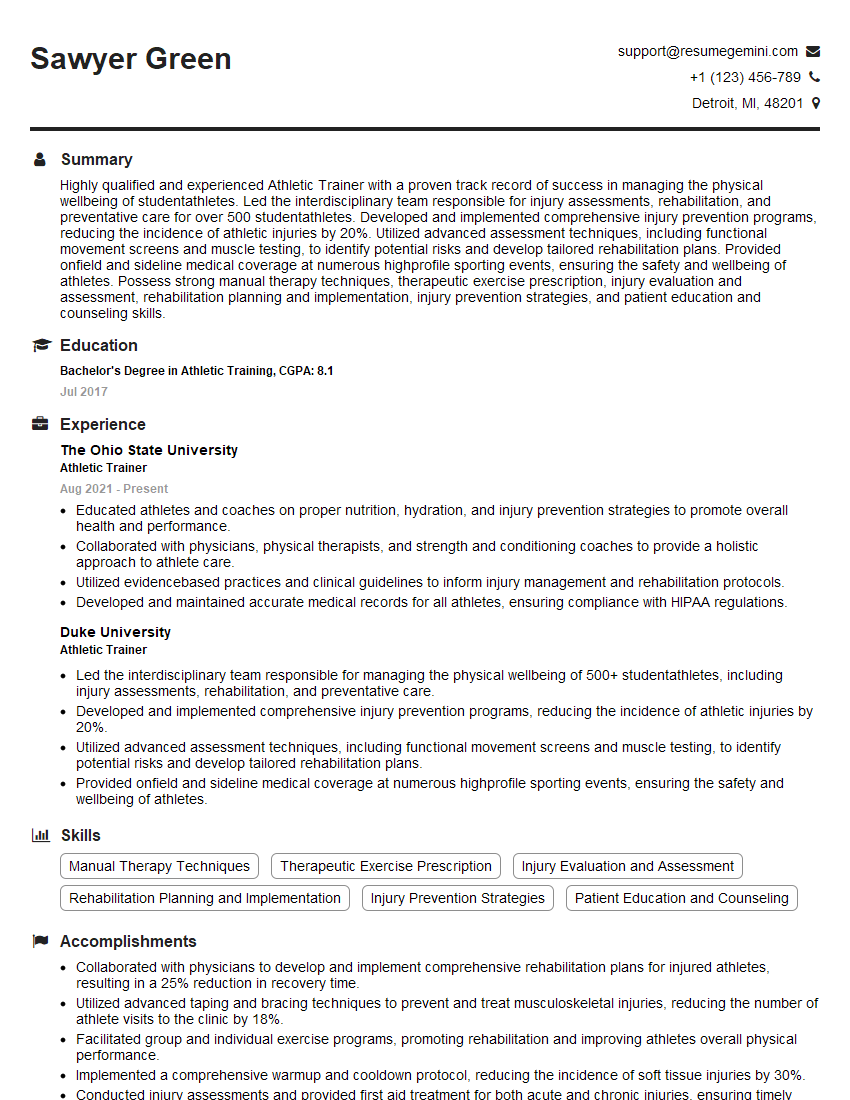
Athletic Trainer Resume Sample
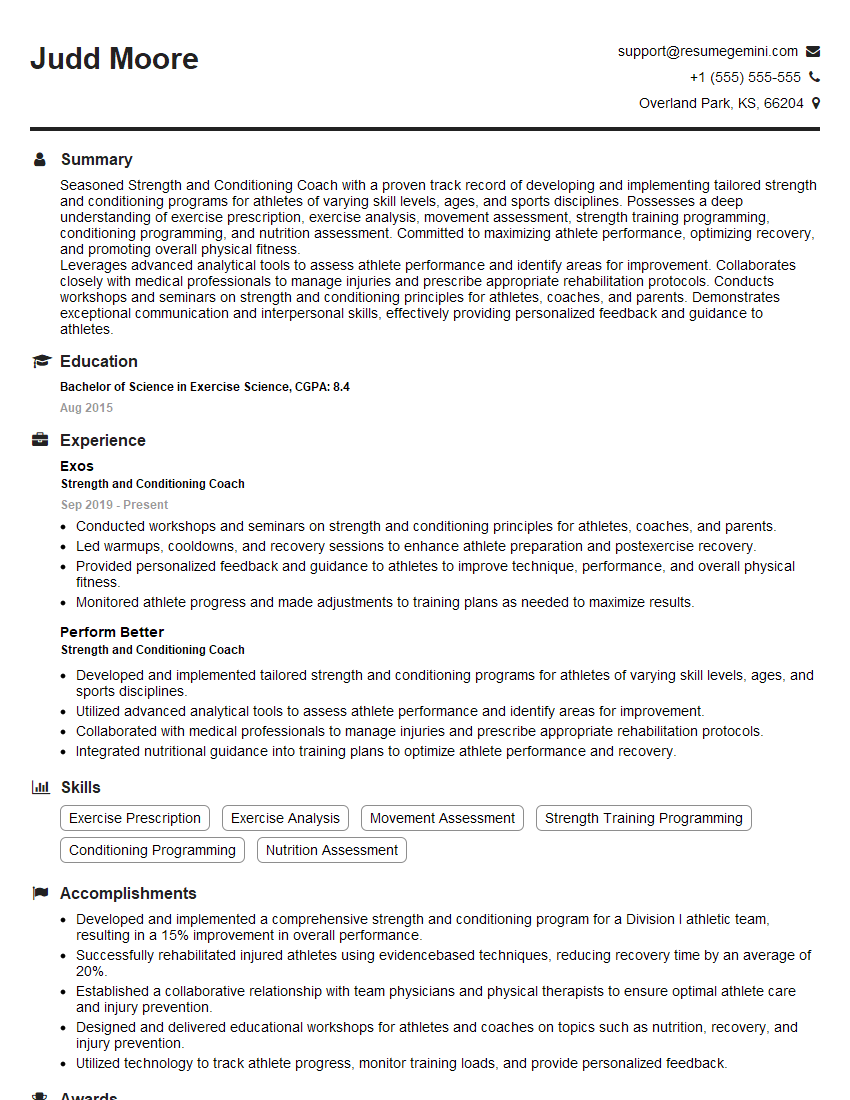
Strength and Conditioning Coach Resume Sample
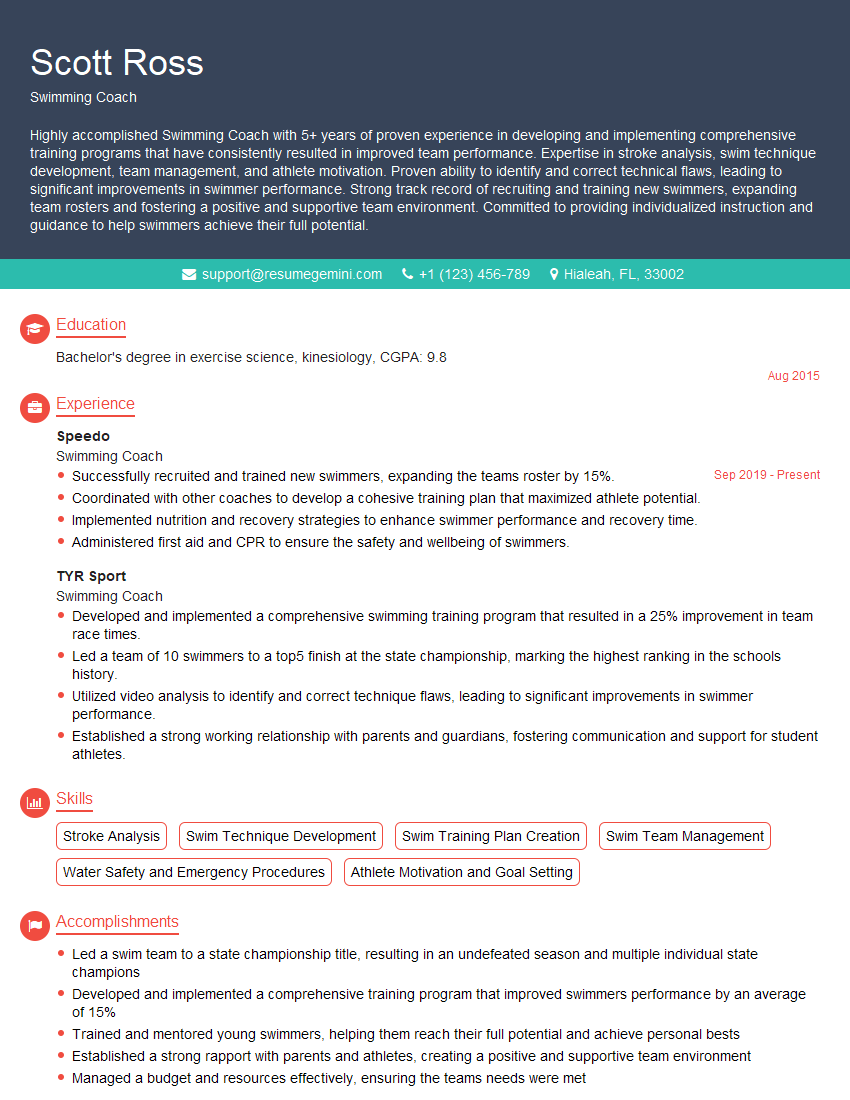
Swimming Coach Resume Sample

Exercise Physiologist Resume Sample

Kinesiologist Resume Sample
Explore more articles
Users Rating of Our Blogs
Share Your Experience
We value your feedback! Please rate our content and share your thoughts (optional).
What Readers Say About Our Blog
Very informative content, great job.
good