Cracking a skill-specific interview, like one for Energy Efficiency and Demand Response, requires understanding the nuances of the role. In this blog, we present the questions you’re most likely to encounter, along with insights into how to answer them effectively. Let’s ensure you’re ready to make a strong impression.
Questions Asked in Energy Efficiency and Demand Response Interview
Q 1. Explain the difference between energy efficiency and demand response.
Energy efficiency and demand response are both crucial strategies for reducing energy consumption, but they approach the problem from different angles. Energy efficiency focuses on reducing the amount of energy used to perform a given task. Think of it as shrinking your energy appetite. You’re doing more with less energy. Demand response, on the other hand, focuses on managing the timing of energy consumption. It’s about shifting your energy usage away from peak demand periods to lessen the strain on the power grid – like adjusting your mealtimes to avoid a crowded restaurant.
For example, installing energy-efficient windows (efficiency) reduces the amount of heating/cooling needed, while participating in a program that incentivizes you to reduce air conditioning use during peak hours (demand response) changes when you use that energy.
Q 2. Describe various energy efficiency measures for buildings.
Numerous energy efficiency measures can significantly improve a building’s energy performance. These measures can be broadly categorized into:
- Building Envelope Improvements: This involves enhancing the building’s shell to minimize heat loss or gain. Examples include installing high-performance windows and doors, improving insulation in walls, roofs, and floors, and air sealing to eliminate drafts.
- HVAC System Upgrades: Upgrading or replacing inefficient heating, ventilation, and air conditioning (HVAC) systems with high-efficiency models can dramatically reduce energy consumption. This includes using variable-speed drives, smart thermostats, and regular maintenance.
- Lighting Upgrades: Replacing traditional incandescent and fluorescent lights with energy-efficient LED lighting can significantly reduce energy use and operational costs. Using occupancy sensors and daylight harvesting strategies further enhances savings.
- Water Heating Efficiency: Improving water heating efficiency involves using high-efficiency water heaters, tankless water heaters, and better insulation for hot water pipes. Low-flow showerheads and faucets also contribute to savings.
- Building Management Systems (BMS): Implementing a BMS allows for centralized control and monitoring of various building systems, enabling optimized energy use based on occupancy and weather conditions.
Imagine a retrofitted office building: New windows reduce heat loss in winter, efficient LED lighting lowers electricity demand, and a smart thermostat adjusts temperatures based on occupancy. This integrated approach yields significant energy savings.
Q 3. What are the key benefits of implementing demand response programs?
Demand response programs offer a multitude of benefits, both for consumers and the grid. Key advantages include:
- Reduced Energy Costs: Consumers can receive financial incentives for reducing their energy consumption during peak demand periods, directly lowering their electricity bills.
- Improved Grid Reliability: By reducing peak demand, demand response helps to stabilize the grid, preventing brownouts and blackouts, and reducing the need for expensive peaker plants.
- Environmental Benefits: Reduced energy consumption leads to lower greenhouse gas emissions and a smaller carbon footprint.
- Deferred Infrastructure Investments: Demand response can defer the need for costly upgrades to the electricity grid, saving utilities and ratepayers money.
- Increased Grid Flexibility: Demand response allows utilities to better manage fluctuating renewable energy sources like solar and wind power.
For example, a large industrial facility might participate in a demand response program, receiving payments for curtailing energy use during periods of high electricity prices. This benefits both the facility (through revenue) and the grid (through reduced strain).
Q 4. How do you calculate the simple payback period for an energy efficiency project?
The simple payback period (SPP) is a crucial metric for evaluating the financial viability of an energy efficiency project. It indicates how long it takes for the cumulative cost savings from the project to equal the initial investment cost. The formula is:
SPP = Initial Investment Cost / Annual Cost Savings
For example, if an energy-efficient HVAC system costs $10,000 to install and saves $2,000 annually in energy costs, the SPP is:
SPP = $10,000 / $2,000 = 5 years
This means the project will pay for itself in 5 years. It’s essential to consider factors like inflation, discount rates and the system’s lifespan for a more comprehensive analysis.
Q 5. Explain the concept of peak demand and its impact on energy costs.
Peak demand refers to the highest rate of electricity usage within a specific time period, typically measured in kilowatts (kW). It usually occurs during hot summer afternoons or cold winter evenings when many people simultaneously use energy-intensive appliances and heating/cooling systems. This surge in demand puts a significant strain on the power grid.
Peak demand significantly impacts energy costs because utilities often charge higher rates during these peak periods to incentivize consumers to reduce their usage and to recover the costs of maintaining sufficient generation capacity to meet the highest demand. The cost structure may include a combination of energy charges (based on kWh consumed) and demand charges (based on peak kW usage).
Imagine a city experiencing a heatwave. Everyone turns on their air conditioners at the same time, causing a spike in peak demand. Utilities must either generate more power (often using expensive, less-efficient peaker plants) or risk outages. These increased costs are passed on to consumers through higher electricity bills.
Q 6. What are some common demand response strategies used by utilities?
Utilities employ various demand response strategies to manage peak demand and improve grid reliability. Common approaches include:
- Time-of-Use (TOU) Pricing: This involves charging different rates for electricity at different times of the day, incentivizing consumers to shift their energy consumption to off-peak hours.
- Critical Peak Pricing (CPP): Utilities send alerts to participants informing them of impending high-demand periods and offer incentives for reducing consumption during those specific times.
- Demand Response Aggregation: Utilities aggregate responses from numerous customers and use their combined load reduction to manage overall grid demand.
- Direct Load Control (DLC): Utilities can remotely control certain loads, such as water heaters or air conditioners, to temporarily reduce energy consumption during peak hours.
- Incentive Programs: Utilities offer financial incentives, such as rebates or bill credits, to encourage customers to participate in demand response programs.
A utility might use a combination of these strategies, such as implementing TOU pricing along with CPP alerts to provide both long-term and short-term demand management.
Q 7. Describe different types of energy audits and their methodologies.
Energy audits are systematic assessments of a building’s energy consumption and identify areas for improvement. Different types of audits exist, varying in scope and depth:
- Walk-Through Audits (Level 1): These are relatively quick and inexpensive visual inspections that identify readily apparent energy-saving opportunities. They often involve a visual survey of building systems, equipment, and insulation levels. This level provides a high-level overview and preliminary recommendations.
- Energy Use Intensity (EUI) Analysis (Level 2): This audit type analyzes historical energy consumption data and compares the building’s performance to similar buildings or benchmarks. It helps pinpoint areas of excessive energy consumption compared to peers.
- Detailed Energy Audits (Level 3): These are thorough assessments that involve detailed measurements of energy use, and use sophisticated modeling tools to simulate different scenarios. They provide precise recommendations for improvements and cost-benefit analyses. This involves extensive instrumentation and data logging.
The methodology for each audit level is distinct, but generally includes data collection (energy bills, building plans, equipment specifications), on-site inspections, calculations, analysis, and report generation. A Level 3 audit might employ blower door tests to measure building airtightness, while a Level 1 audit might rely primarily on visual observation. The appropriate audit type is selected depending on the budget and the building’s complexity.
Q 8. How do you identify and prioritize energy saving opportunities in a building?
Identifying and prioritizing energy-saving opportunities in a building involves a systematic approach combining data analysis, on-site inspections, and engineering judgment. Think of it like a doctor diagnosing a patient – you need a thorough examination before prescribing treatment.
- Energy Audits: We start with a comprehensive energy audit. This involves collecting data on energy consumption patterns, analyzing utility bills, and conducting on-site inspections to identify areas of high energy use. For instance, we might use infrared thermography to spot heat loss in walls or windows.
- Data Analysis: We then analyze the data to identify the most significant energy consumers. This might reveal that the HVAC system accounts for 60% of the building’s energy use, or that lighting consumes a disproportionate amount. We use sophisticated software to visualize this data and pinpoint problem areas.
- Prioritization: Opportunities are prioritized based on their potential energy savings, cost-effectiveness (return on investment), and ease of implementation. A quick win might be switching to LED lighting, while a more complex project could be upgrading the HVAC system.
- Lifecycle Cost Analysis: Finally, we perform a lifecycle cost analysis to evaluate the long-term financial implications of each potential improvement. This helps us choose the most financially sound options.
For example, in a recent project, an audit revealed that inefficient lighting was the primary energy drain. Implementing LED lighting delivered significant energy savings within a short timeframe and with a rapid payback period.
Q 9. Explain the role of building automation systems in energy efficiency.
Building automation systems (BAS) are the nervous system of a building, enabling efficient control and monitoring of energy-consuming equipment. Imagine them as a sophisticated control panel for your building’s entire energy infrastructure.
- Centralized Control: BAS centralizes control of HVAC systems, lighting, and other equipment, allowing for optimized operation based on occupancy, weather conditions, and time of day. For example, a BAS can automatically adjust the HVAC settings based on the number of people in a room, saving energy when the space is unoccupied.
- Real-time Monitoring and Data Acquisition: They provide real-time data on energy consumption, allowing for immediate detection of anomalies or inefficiencies. Imagine seeing a dashboard showing you exactly how much energy each floor is using, and identifying a sudden spike that indicates a potential problem.
- Demand Response Integration: BAS are crucial for integrating demand response programs. They allow buildings to automatically reduce energy consumption during peak demand periods in response to signals from the utility company, potentially reducing energy costs and grid stress.
- Predictive Maintenance: By analyzing data from various building systems, BAS can predict potential equipment failures, enabling proactive maintenance and preventing costly breakdowns. This avoids unexpected energy losses from equipment malfunction.
In practice, a well-integrated BAS can significantly reduce a building’s energy footprint by automating energy-saving strategies and providing valuable insights into energy consumption patterns.
Q 10. What are the challenges in implementing demand response programs?
Implementing demand response (DR) programs presents several challenges. It’s like coordinating a large orchestra – everyone needs to be on the same page and respond effectively.
- Load Variability and Prediction: Accurately predicting energy consumption is essential for effective DR participation, but load variability can make this challenging. Weather patterns, occupancy levels, and equipment malfunctions all affect a building’s energy usage.
- Technology Integration and Costs: Implementing DR requires integrating various technologies, including smart meters, BAS, and communication networks. The upfront investment can be significant for some buildings.
- Customer Participation and Engagement: Encouraging customers to actively participate in DR programs requires clear communication, incentives, and effective engagement strategies. Some building owners may be reluctant to participate unless they see clear benefits.
- Reliability and Security Concerns: DR programs rely on reliable communication networks and secure data exchange. Cybersecurity threats and communication failures can compromise the effectiveness of the program.
- Market Design and Regulatory Barriers: The design of the electricity market and regulatory frameworks can also present challenges. Clear pricing signals and incentives are essential for encouraging participation.
For example, a lack of reliable communication infrastructure can prevent buildings from receiving and responding to demand reduction signals from the grid, resulting in missed opportunities for cost savings and grid stability.
Q 11. How do you measure and verify the effectiveness of energy efficiency measures?
Measuring and verifying the effectiveness of energy efficiency measures is crucial to ensure that investments are yielding the expected results. Think of it as checking the effectiveness of a medical treatment – we need to track progress and ensure it’s working.
- Baseline Data Collection: Before implementing any measure, we collect baseline data on energy consumption to establish a benchmark for comparison.
- Post-Implementation Monitoring: After implementing energy-saving measures, we continue monitoring energy consumption to track changes and assess the impact of the interventions.
- Statistical Analysis: We use statistical methods to analyze the data and determine if the observed energy savings are statistically significant. This rules out chance fluctuations.
- Metering and Sub-metering: Installing smart meters and sub-meters allows for precise measurement of energy consumption at various levels within the building, helping identify areas where energy savings are greatest and where improvements are needed.
- Third-Party Verification: Independent verification by a qualified energy auditor can provide an objective assessment of the effectiveness of the measures.
For instance, in one project we reduced a building’s energy consumption by 20%, as verified by a thorough post-implementation analysis and third-party audit, demonstrating the success of our interventions.
Q 12. What are the key performance indicators (KPIs) for energy efficiency and demand response programs?
Key performance indicators (KPIs) for energy efficiency and demand response programs are essential for tracking progress and demonstrating value. These are like the vital signs of a patient – they tell us how well things are going.
- Energy Savings (kWh): The total amount of energy saved, often expressed in kilowatt-hours (kWh).
- Energy Consumption Intensity (kWh/m²): Energy consumption per unit of area, providing a standardized measure across buildings of different sizes.
- Return on Investment (ROI): The ratio of net savings to the total investment cost, expressed as a percentage.
- Simple Payback Period: The time it takes for the cumulative energy savings to equal the initial investment cost.
- Demand Reduction (kW): The reduction in peak demand, typically measured in kilowatts (kW).
- Participation Rate: The percentage of eligible buildings or customers participating in a demand response program.
- Peak Demand Reduction Percentage: The percentage reduction in peak demand achieved through a demand response program.
By regularly tracking these KPIs, we can assess the success of our initiatives, identify areas for improvement, and demonstrate the value of energy efficiency and demand response programs.
Q 13. Explain the concept of energy modeling and simulation.
Energy modeling and simulation uses computer software to create a virtual representation of a building or system to predict its energy performance under various conditions. Think of it as a digital twin of your building that allows you to test different scenarios without making physical changes.
- Input Data: The process starts with gathering detailed information about the building’s design, construction, and operation, including climate data, building geometry, HVAC systems, and equipment specifications.
- Software Simulation: This data is then used as input for specialized software to simulate the building’s energy performance under various operational scenarios. For example, we can simulate the impact of different HVAC control strategies or window types.
- Output Analysis: The software generates reports that predict energy consumption, peak demand, and other relevant performance indicators. This information can be used to optimize the design and operation of the building.
- Scenario Analysis: Energy modeling allows for the exploration of various design options and operational strategies, enabling informed decision-making before construction or implementation.
For example, in designing a new office building, we can use energy modeling to compare the energy performance of different building envelopes, HVAC systems, and lighting strategies. This helps us choose the most energy-efficient options, leading to significant cost savings over the building’s lifetime.
Q 14. What software or tools are you familiar with for energy analysis?
I’m proficient in several software and tools for energy analysis, each with its own strengths and weaknesses, allowing me to choose the best tool for each specific project.
- EnergyPlus: A widely used, open-source software for detailed building energy simulations, ideal for complex projects.
- eQUEST: Another widely-used building energy simulation software, known for its user-friendly interface.
- TRNSYS: A powerful and flexible simulation software capable of modeling various types of energy systems, not just buildings.
- DesignBuilder: A user-friendly interface built around EnergyPlus, simplifying the input process for less technical users.
- IESVE: A comprehensive software suite covering various aspects of building performance simulation, including energy modeling, daylighting, and thermal comfort.
The choice of software often depends on the complexity of the project, the available data, and the client’s specific needs. For example, for a simple energy audit of a small building, a simpler software might suffice, while a complex new building design might require a more detailed tool like EnergyPlus.
Q 15. Describe your experience with different energy efficiency technologies.
My experience spans a wide range of energy efficiency technologies, encompassing both building and industrial applications. In buildings, I’ve worked extensively with high-performance building envelopes, including advanced insulation systems, high-efficiency windows, and airtight construction techniques. These reduce heat loss and gain, significantly lowering heating and cooling demands. I’ve also implemented various HVAC system upgrades, such as installing variable refrigerant flow (VRF) systems and heat pumps, which offer superior efficiency compared to traditional systems. On the industrial side, I’ve been involved in projects optimizing process energy use through measures such as waste heat recovery, improved motor efficiency (using high-efficiency motors and variable frequency drives), and advanced control systems for industrial processes. For example, one project involved implementing a waste heat recovery system in a food processing plant, capturing heat from the process and using it to preheat water, resulting in a substantial reduction in natural gas consumption.
- Building Envelope Improvements: Retrofitting older buildings with better insulation and windows drastically reduces energy waste.
- HVAC System Upgrades: Implementing heat pumps and VRF systems enhances efficiency and reduces reliance on fossil fuels.
- Industrial Process Optimization: Techniques like waste heat recovery and efficient motor systems minimize energy consumption in industrial settings.
Career Expert Tips:
- Ace those interviews! Prepare effectively by reviewing the Top 50 Most Common Interview Questions on ResumeGemini.
- Navigate your job search with confidence! Explore a wide range of Career Tips on ResumeGemini. Learn about common challenges and recommendations to overcome them.
- Craft the perfect resume! Master the Art of Resume Writing with ResumeGemini’s guide. Showcase your unique qualifications and achievements effectively.
- Don’t miss out on holiday savings! Build your dream resume with ResumeGemini’s ATS optimized templates.
Q 16. How do you communicate technical information about energy efficiency to non-technical audiences?
Communicating complex technical information about energy efficiency to non-technical audiences requires a clear and concise approach that avoids jargon. I typically use analogies and real-world examples to illustrate concepts. For instance, instead of discussing thermal bridging, I might explain how heat escapes from a building like water leaking from a poorly sealed pipe. Visual aids, such as charts and graphs, are also extremely helpful in simplifying data and making it more accessible. I also tailor my communication style to the audience – a presentation to a board of directors will differ significantly from a workshop with building occupants. Active listening and engaging in a two-way conversation are crucial to ensure the audience understands and can ask clarifying questions. Finally, focusing on the tangible benefits – cost savings, environmental impact, and improved comfort – helps to connect with the audience on an emotional level.
Q 17. What are the economic drivers for energy efficiency and demand response?
The economic drivers for energy efficiency and demand response are multifaceted. From a cost perspective, reduced energy consumption translates directly to lower energy bills, a significant motivator for businesses and homeowners. Furthermore, energy efficiency improvements can increase the value of a property. Demand response programs offer economic incentives for reducing energy consumption during peak demand periods, often through financial payments or bill credits. Government regulations and policies, such as carbon taxes or building codes, also play a role by influencing the cost of energy and mandating certain efficiency standards. Finally, the potential for reduced operational costs and increased competitiveness further reinforces the economic advantages of investing in energy efficiency and demand response initiatives. For example, a business that participates in a demand response program can earn revenue by reducing their energy consumption during peak times, while simultaneously mitigating their carbon footprint.
Q 18. Explain the role of smart grids in improving energy efficiency and demand response.
Smart grids play a vital role in enhancing energy efficiency and demand response. Their advanced communication and control capabilities enable real-time monitoring of energy consumption patterns and the efficient distribution of electricity. Smart meters provide granular data on energy usage, allowing consumers and utilities to identify areas for improvement. Two-way communication facilitates demand response programs, enabling utilities to signal consumers to reduce their energy use during peak periods or incentivize them to shift their consumption to off-peak hours. Smart grid technologies, such as advanced sensors and automated controls, also optimize the operation of power generation and distribution infrastructure, minimizing energy losses and maximizing efficiency. Integration of renewable energy sources, such as solar and wind, is greatly facilitated by smart grids, allowing for better grid stability and reduced reliance on fossil fuels. For example, a smart grid can automatically shift loads to times of lower renewable energy generation or automatically adjust power flow to compensate for fluctuating solar or wind power output.
Q 19. Describe the regulatory landscape for energy efficiency and demand response.
The regulatory landscape for energy efficiency and demand response varies significantly across different jurisdictions. Many countries and regions have implemented building codes and standards that mandate minimum energy efficiency levels for new and existing buildings. Incentive programs, such as rebates and tax credits, are frequently used to encourage energy efficiency improvements. Utilities are often regulated to promote energy efficiency through their rate structures and demand response programs. Furthermore, environmental regulations, such as carbon emission caps, are driving the adoption of energy efficiency and demand response measures. The complexity of this landscape often requires navigating multiple regulatory bodies and complying with various standards and requirements. For instance, a building project might need to meet energy efficiency standards set by a local government, while also participating in a utility-sponsored demand response program.
Q 20. What are some emerging trends in energy efficiency and demand response?
Several emerging trends are shaping the future of energy efficiency and demand response. The increasing adoption of artificial intelligence (AI) and machine learning (ML) is enabling more precise optimization of energy consumption. Blockchain technology is being explored for transparent and secure management of energy transactions and demand response programs. The integration of energy storage technologies, such as batteries, is expanding the capabilities of demand response and grid stability. Moreover, the growing prevalence of electric vehicles (EVs) presents both a challenge and an opportunity: challenges related to increased grid demand and opportunities through vehicle-to-grid (V2G) technologies. Finally, the focus on building decarbonization is driving innovations in low-carbon heating and cooling systems, enhancing building efficiency further. The development of smart building technologies that integrate multiple building systems will optimize energy consumption and demand response participation.
Q 21. How do you handle conflicting priorities in energy efficiency projects?
Handling conflicting priorities in energy efficiency projects requires a systematic approach. I typically start by clearly defining project goals and objectives, identifying key stakeholders, and understanding their individual priorities. This often involves a collaborative process of stakeholder engagement, where we openly discuss potential conflicts and explore trade-offs. A cost-benefit analysis, incorporating both financial and non-financial factors, can help to prioritize different options. For instance, a project might aim to minimize energy consumption while also maintaining occupant comfort. We might find that implementing a certain energy-efficient technology would compromise comfort. In such scenarios, a trade-off analysis, possibly involving occupant surveys or simulations, helps inform the decision-making process and ensures that the final solution meets the overall project goals in a balanced manner.
Q 22. Explain the concept of lifecycle cost analysis for energy efficiency projects.
Lifecycle Cost Analysis (LCCA) for energy efficiency projects is a crucial tool for evaluating the long-term financial viability of an investment. Unlike a simple payback period calculation, LCCA considers all costs associated with a project throughout its entire lifespan, from initial investment to eventual decommissioning. This includes not only the upfront capital costs but also operational and maintenance expenses, energy savings, and potential replacement costs.
For example, installing high-efficiency windows might have a higher initial cost than standard windows. However, the LCCA would factor in the lower energy bills over the windows’ lifetime, potentially offsetting the higher upfront cost. It also considers factors like the windows’ lifespan and the cost of eventual replacement. This comprehensive approach allows for a more informed decision by comparing the total cost of ownership across different options.
A typical LCCA involves the following steps: 1. Defining the project scope; 2. Estimating the lifetime of the project; 3. Estimating all costs and benefits (initial investment, maintenance, energy savings, repairs, replacements); 4. Discounting future costs and benefits to present value (accounting for the time value of money); 5. Calculating the net present value (NPV); and 6. Analyzing the results. Software tools and spreadsheets can significantly aid in performing these calculations.
Q 23. How do you determine the appropriate level of investment for an energy efficiency project?
Determining the appropriate investment level for an energy efficiency project hinges on a thorough cost-benefit analysis, primarily utilizing LCCA (as explained previously). We also consider other crucial factors, including:
- Available Budget: The project’s cost must align with available funding, considering potential grants, loans, and internal resources.
- Return on Investment (ROI): A higher ROI, indicating a quicker payback period and greater long-term savings, generally justifies a larger investment. We analyze the simple payback period alongside the NPV to determine the financial feasibility.
- Energy Savings Potential: Projects with greater potential for energy reduction are often prioritized, even if the initial investment is higher.
- Risk Assessment: Potential technical risks, market uncertainties, and regulatory changes are considered and incorporated into the financial model. For instance, a project dependent on volatile energy prices carries more risk.
- Environmental Impact: While not always directly quantifiable in monetary terms, the environmental benefits, such as reduced carbon emissions, often influence decision-making, particularly with corporate sustainability goals in mind.
We typically use a combination of financial models and qualitative assessments to determine the optimum investment level, striking a balance between cost and benefits.
Q 24. Describe your experience with developing and implementing energy efficiency plans.
I have extensive experience in developing and implementing energy efficiency plans across diverse sectors, including commercial buildings and industrial facilities. My approach involves a systematic process:
- Energy Audits: Conducting thorough energy audits to identify energy-intensive areas and pinpoint opportunities for improvement. This often involves using advanced metering infrastructure (AMI) to gather real-time energy consumption data.
- Benchmarking: Comparing the facility’s energy performance to similar buildings to establish a baseline and identify areas for improvement.
- Technology Selection: Evaluating various energy-efficient technologies based on their cost-effectiveness, energy savings potential, and lifecycle considerations. This includes considering technologies like high-efficiency HVAC systems, LED lighting, building automation systems (BAS), and demand-side management (DSM) strategies.
- Implementation Plan: Creating a detailed implementation plan that outlines project timelines, budgets, responsibilities, and key performance indicators (KPIs). This phase requires effective communication and collaboration with stakeholders.
- Monitoring and Verification: Regularly monitoring energy consumption after implementation to verify the effectiveness of the implemented measures and identify any unexpected issues. We use sophisticated data analytics tools to measure energy savings, identifying areas needing improvement or attention.
For example, I led a project that reduced a manufacturing facility’s energy consumption by 15% through the implementation of a comprehensive energy management system, optimized HVAC scheduling, and process improvements. The project resulted in significant cost savings and a demonstrable reduction in the company’s carbon footprint.
Q 25. How do you ensure the ongoing maintenance and operation of energy efficiency systems?
Ensuring the ongoing maintenance and operation of energy efficiency systems is critical for realizing long-term cost savings and maximizing their lifespan. This requires a multi-faceted approach:
- Preventive Maintenance Schedules: Implementing regular preventive maintenance schedules for all energy-efficient systems. This involves inspections, cleaning, and minor repairs to prevent major failures and extend the lifespan of equipment.
- Training and Education: Training facility staff on proper operation and maintenance procedures. This ensures consistent and efficient system operation and minimizes the likelihood of errors.
- Performance Monitoring: Continuously monitoring the performance of energy efficiency systems through data logging and analysis. This allows for early detection of potential problems and proactive maintenance.
- Service Contracts: Establishing service contracts with qualified technicians for regular maintenance and repairs. This provides timely support and ensures that issues are addressed quickly and efficiently.
- Spare Parts Inventory: Maintaining an inventory of essential spare parts to minimize downtime during repairs.
We often establish Key Performance Indicators (KPIs) to track the effectiveness of maintenance and flag potential issues early. This proactive approach ensures optimal system performance and minimizes the risk of unexpected energy consumption increases.
Q 26. What are the environmental benefits of energy efficiency and demand response?
Energy efficiency and demand response offer significant environmental benefits by reducing our reliance on fossil fuels and lowering greenhouse gas emissions. Energy efficiency directly reduces energy consumption, meaning fewer resources are needed to generate electricity, thereby decreasing pollution and emissions from power plants.
Demand response, on the other hand, manages electricity consumption by shifting demand to off-peak hours or reducing energy use during peak periods. This reduces strain on the power grid, minimizing the need for peaking power plants—often older, less efficient, and more polluting facilities. The reduced demand can also lead to a decrease in the overall reliance on fossil fuels in electricity generation.
Examples include reduced air and water pollution from power plants, decreased carbon dioxide emissions mitigating climate change, and conservation of natural resources used in energy production. The combined impact of energy efficiency and demand response contributes significantly to a cleaner, more sustainable energy future.
Q 27. How do you stay up-to-date on the latest advancements in energy efficiency and demand response?
Staying current in the rapidly evolving fields of energy efficiency and demand response requires a multifaceted approach:
- Professional Organizations: Active participation in professional organizations like ASHRAE (American Society of Heating, Refrigerating and Air-Conditioning Engineers) and IEEE (Institute of Electrical and Electronics Engineers) provides access to conferences, publications, and networking opportunities.
- Industry Publications and Journals: Regularly reviewing industry publications and journals, such as Energy Efficiency and Demand Side Management, keeps me updated on the latest research, technologies, and best practices.
- Conferences and Workshops: Attending industry conferences and workshops allows me to learn from leading experts, network with peers, and stay abreast of emerging trends.
- Online Resources and Databases: Utilizing online resources and databases such as the Department of Energy’s website and industry-specific websites provide access to valuable information and data.
- Continuing Education: Pursuing relevant continuing education courses and certifications to enhance my knowledge and skills.
This continuous learning ensures I remain at the forefront of advancements in these fields, enabling me to provide the most effective and up-to-date solutions for my clients.
Q 28. Describe a situation where you had to overcome a technical challenge related to energy efficiency or demand response.
During a project involving the implementation of a building automation system (BAS) in a large commercial building, we encountered a significant technical challenge related to integrating the BAS with the existing HVAC system. The legacy system lacked proper communication protocols, making data acquisition and control difficult. Initial attempts at direct integration resulted in system instability and inaccurate data readings.
To overcome this, we adopted a phased approach: First, we conducted a comprehensive assessment of the existing HVAC system’s communication infrastructure, identifying its limitations and potential compatibility issues. Second, we deployed data loggers to collect comprehensive data on the HVAC system’s performance, allowing us to better understand its behavior and identify optimal control strategies. Third, we implemented intermediary hardware and software to bridge the communication gap between the BAS and the legacy system. This involved the use of protocol converters and custom software routines to translate data between the two systems. Finally, rigorous testing and fine-tuning were conducted to ensure stable and accurate data flow and system control. The successful completion of this project demonstrated the importance of thorough planning, adaptability, and problem-solving skills in navigating complex technical challenges in energy efficiency projects.
Key Topics to Learn for Energy Efficiency and Demand Response Interviews
- Energy Efficiency Fundamentals: Understanding key concepts like energy audits, building envelope improvements, HVAC system optimization, and lighting upgrades. Consider the practical application of these concepts in different building types (residential, commercial, industrial).
- Demand Response Strategies: Explore various demand response programs (e.g., load shifting, peak clipping, valley filling) and their implementation using smart grids and advanced metering infrastructure (AMI). Understand the economic and environmental benefits of each strategy.
- Data Analysis and Modeling: Develop skills in analyzing energy consumption data to identify areas for improvement and evaluating the effectiveness of energy efficiency and demand response measures. Learn to use relevant software and tools for energy modeling.
- Renewable Energy Integration: Understand how renewable energy sources (solar, wind) integrate with energy efficiency and demand response programs to create a more sustainable and resilient energy system. Explore the challenges and opportunities associated with this integration.
- Regulatory Landscape: Familiarize yourself with relevant regulations, incentives, and policies related to energy efficiency and demand response at local, regional, and national levels. This includes understanding compliance requirements and reporting protocols.
- Cost-Benefit Analysis: Master the techniques for conducting thorough cost-benefit analyses of energy efficiency and demand response projects. This includes understanding life-cycle costing and return on investment (ROI) calculations.
- Smart Grid Technologies: Gain a working knowledge of smart grid technologies, including advanced metering infrastructure (AMI), communication networks, and distributed energy resources (DERs), and how they facilitate energy efficiency and demand response.
- Problem-Solving and Case Studies: Practice applying your knowledge to real-world scenarios. Research case studies of successful energy efficiency and demand response implementations to understand the challenges and solutions involved.
Next Steps
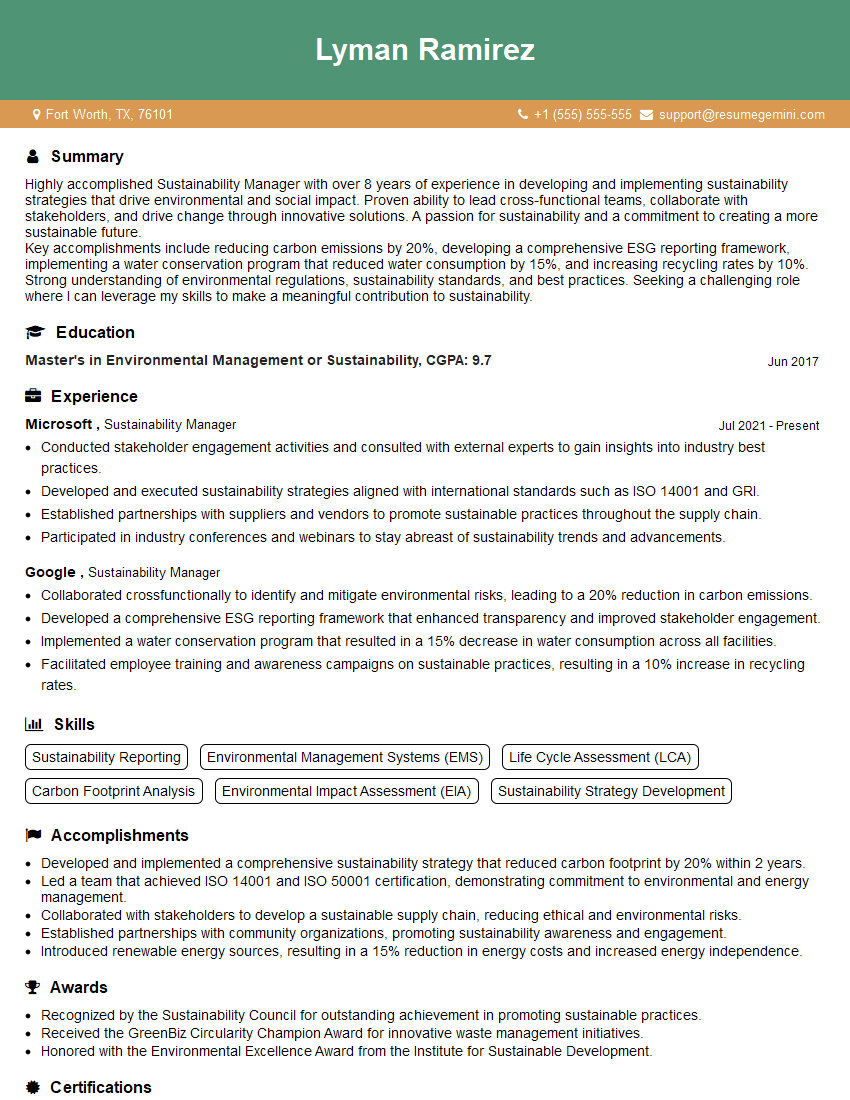
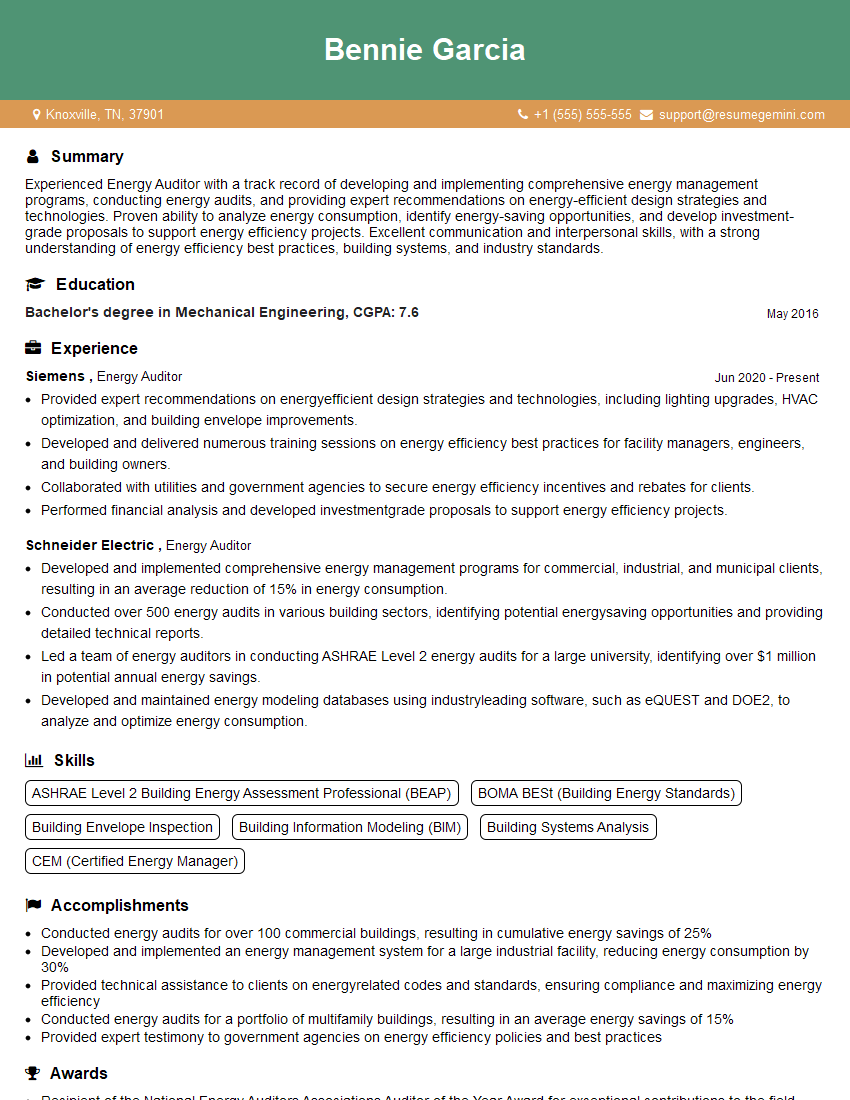
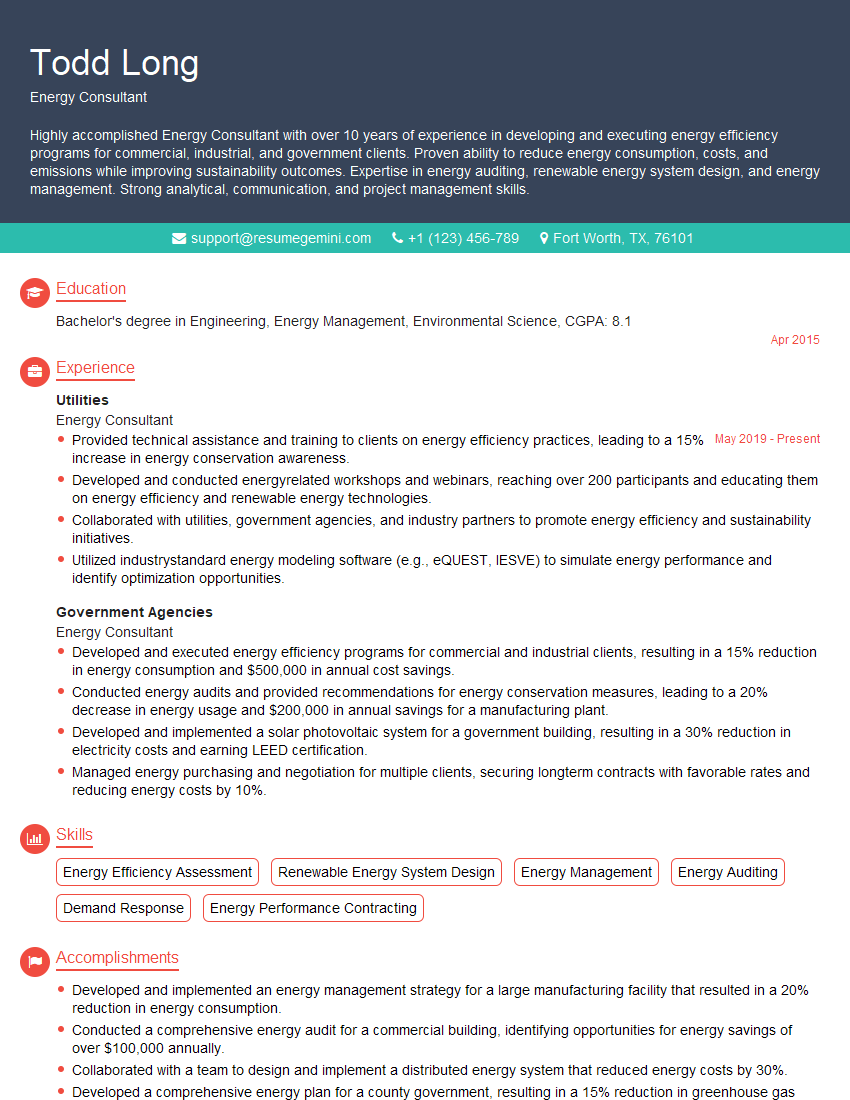
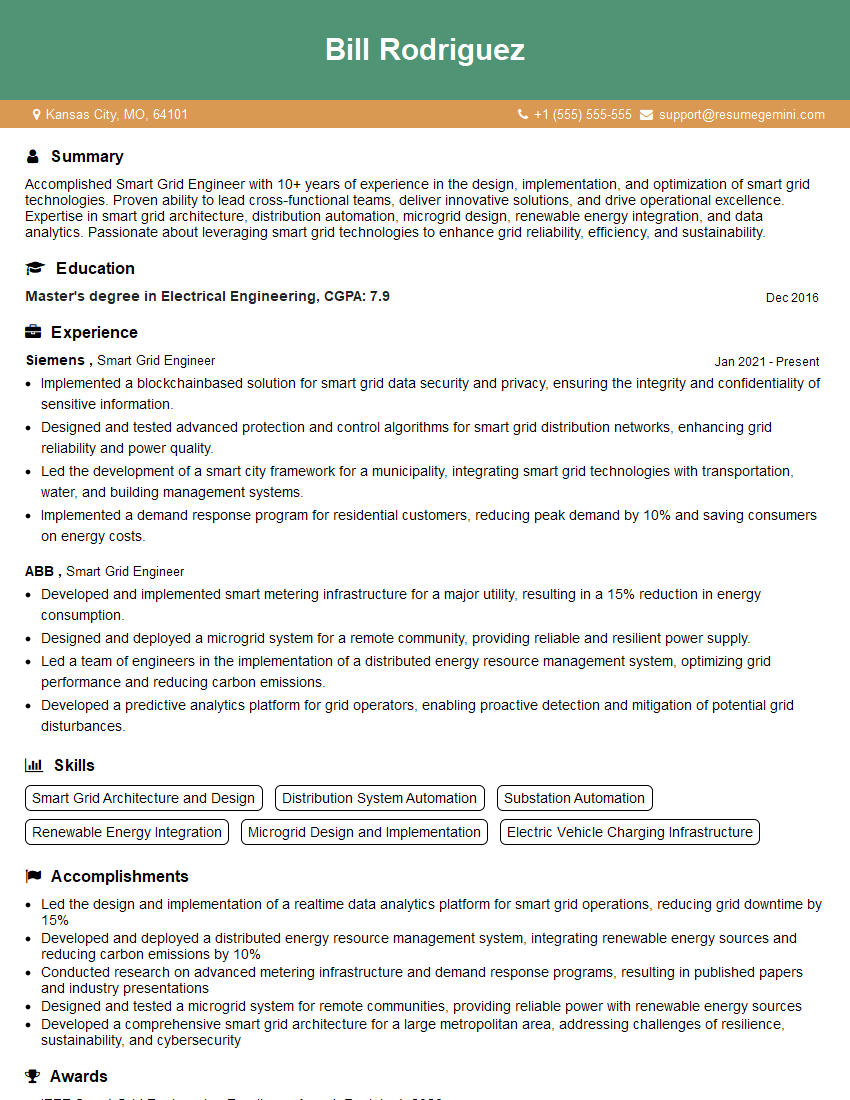
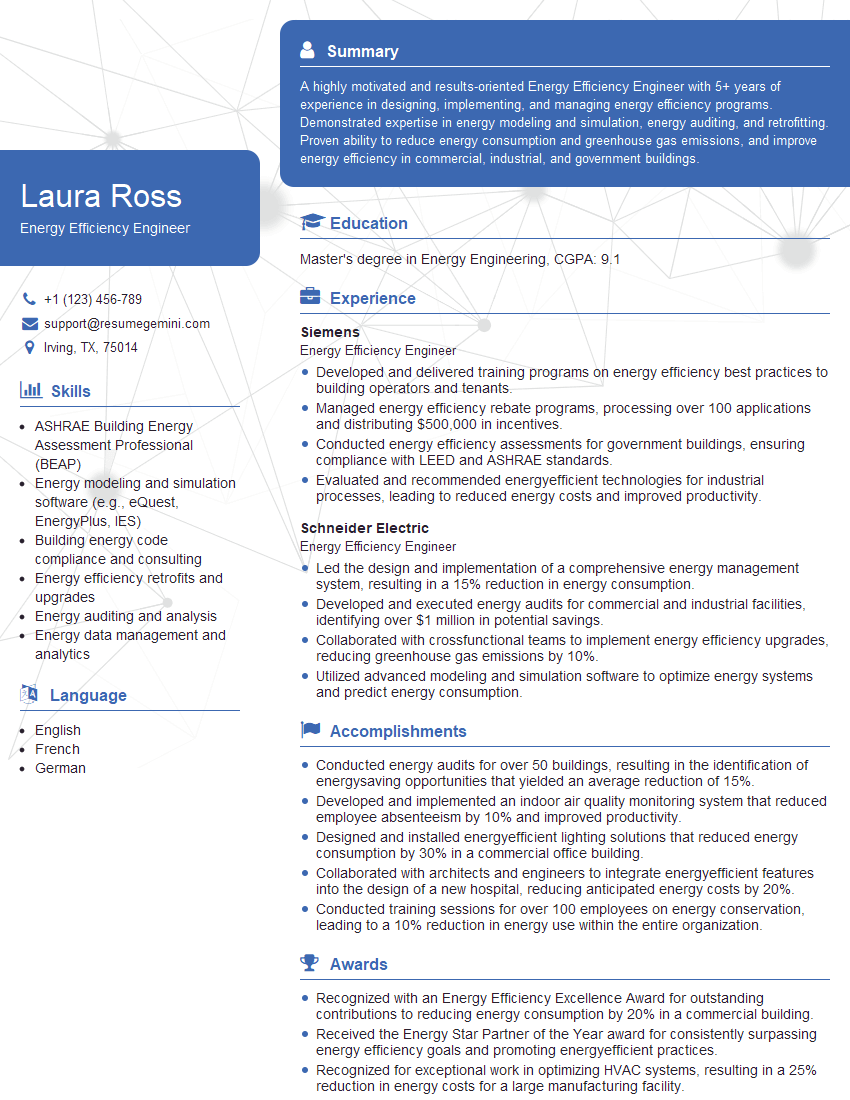
Mastering Energy Efficiency and Demand Response opens doors to exciting and impactful careers in a rapidly growing field. To maximize your job prospects, crafting a compelling and ATS-friendly resume is crucial. ResumeGemini is a trusted resource that can help you build a professional resume that highlights your skills and experience effectively. ResumeGemini provides examples of resumes tailored to the Energy Efficiency and Demand Response field, ensuring your application stands out. Invest time in building a strong resume – it’s your first impression!

Explore more articles
Users Rating of Our Blogs
Share Your Experience
We value your feedback! Please rate our content and share your thoughts (optional).
What Readers Say About Our Blog
Very informative content, great job.
good