Every successful interview starts with knowing what to expect. In this blog, we’ll take you through the top Engine Room Supervision interview questions, breaking them down with expert tips to help you deliver impactful answers. Step into your next interview fully prepared and ready to succeed.
Questions Asked in Engine Room Supervision Interview
Q 1. Describe your experience with main engine maintenance procedures.
Main engine maintenance is crucial for safe and efficient operation. It involves a systematic approach encompassing preventative maintenance, planned maintenance, and corrective maintenance. Preventative maintenance focuses on regular inspections and servicing to prevent failures, such as checking oil levels, lubricating moving parts, and inspecting for leaks. Planned maintenance involves scheduled overhauls where major components are inspected, repaired, or replaced. Corrective maintenance addresses immediate issues, often troubleshooting malfunctions.
My experience involves working on various types of main engines, including medium-speed diesel engines and slow-speed diesel engines. For example, during a recent voyage, we performed a planned maintenance on a MAN B&W engine, including cylinder head inspections, fuel injector testing, and turbocharger servicing. We meticulously followed the manufacturer’s guidelines and used specialized tools to ensure accuracy. We documented every step and kept detailed records. Another example includes troubleshooting a sudden drop in main engine RPM, which involved systematic fault finding, eventually identifying a faulty fuel pump. This highlighted the importance of a thorough understanding of the engine’s operational parameters and the ability to use diagnostic tools effectively.
Q 2. Explain the process of troubleshooting a failed auxiliary boiler.
Troubleshooting a failed auxiliary boiler involves a methodical approach prioritizing safety. The first step is to secure the boiler – shutting down fuel supply, isolating steam lines, and ensuring the area is safe for personnel. Next, we’d systematically check vital parameters: water levels, pressure gauges, fuel supply pressure, and flame detection. If a flame isn’t detected, it’s possible that there’s an issue with the ignition system or fuel delivery. If the pressure is too low, a leak may be present, requiring detailed inspection. A high-pressure situation requires immediate attention, and safety protocols should be followed precisely.
We’d then move to more advanced diagnostics: checking burner operation, fuel pumps, control systems, and the safety mechanisms of the boiler. A systematic approach is crucial; we may check logs, talk to the previous shift, and use diagnostic tools to assess the extent of the malfunction. Once the problem is identified, a repair is carried out, with safety always the top priority. For instance, a recent boiler failure was traced to a faulty fuel injector, which was subsequently replaced after a thorough inspection of the surrounding system for any other anomalies. Once the repair is finished, we’d follow a rigorous testing process and procedure before restarting the boiler.
Q 3. How do you manage a team during an engine room emergency?
Managing a team during an engine room emergency demands clear communication, decisive action, and calm leadership. My approach focuses on three key aspects: safety, efficient problem-solving, and clear communication. First, safety is paramount; I would prioritize the safety of my team and the ship by initiating immediate emergency procedures. This includes securing the affected area, ensuring everyone follows emergency protocols, and contacting the bridge to inform them of the situation.
Second, efficient problem-solving requires a structured approach; we’d immediately assign roles and responsibilities based on individual skills and experience. Clear and concise instructions are crucial to avoid confusion and ensure coordinated effort. Using a systematic troubleshooting process would help us locate the issue. For example, if there was a sudden loss of power, tasks would be distributed to assess the power systems, generators, and switchboards. Third, effective communication includes relaying updates to the bridge, crew, and potentially shore-based support. This includes maintaining a transparent and accurate account of the incident, its status, and the planned course of action. During a fire drill, for example, I ensured everyone was accounted for and followed the drill procedures precisely.
Q 4. What are the key safety protocols in an engine room?
Engine room safety protocols are crucial. They revolve around preventing accidents, minimizing hazards, and responding effectively to incidents. Key protocols include:
- Personal Protective Equipment (PPE): Mandatory use of PPE including safety helmets, safety shoes, gloves, and eye protection.
- Lockout/Tagout Procedures: Strict adherence to lockout/tagout procedures when performing maintenance on equipment to prevent accidental start-up.
- Hot Work Permits: Strict adherence to Hot Work Permits for any activity involving sparks or flames to prevent fire hazards.
- Emergency Procedures: Regular drills and training on emergency procedures, including fire fighting, abandoning ship, and medical emergencies.
- Confined Space Entry: Specific procedures for entry into confined spaces, including atmospheric testing and standby personnel.
- Fire Safety: Regular inspection and maintenance of fire detection and suppression systems. Clear understanding of fire locations, means of escape, and use of firefighting equipment.
- Hazardous Material Handling: Correct handling, storage, and disposal of hazardous materials such as oils, chemicals, and refrigerants.
Regular safety meetings and toolbox talks are essential for reinforcement of these procedures.
Q 5. Explain your understanding of fuel efficiency and optimization strategies.
Fuel efficiency is paramount for cost savings and environmental responsibility. Optimization strategies focus on several key areas. Proper maintenance of the engine is crucial; clean fuel injectors and well-maintained turbochargers contribute to efficient combustion. Optimized engine speed and load management are key; operating the engine within its optimal range minimizes fuel consumption. Careful monitoring of fuel consumption rates against engine parameters allows for early detection of inefficiencies. Regular hull cleaning is essential as biofouling significantly affects the vessel’s hydrodynamic efficiency. Lastly, proper propeller design and maintenance are important for reducing drag and maximizing propulsion efficiency.
For example, we implemented a fuel-efficient sailing schedule based on weather data and optimized engine load profiles to minimize fuel burn during a recent voyage. The result was a significant reduction in fuel consumption without impacting the schedule significantly. This is a prime example of optimizing fuel usage in a practical scenario.
Q 6. Describe your experience with different types of marine engines.
My experience encompasses a range of marine engines, including medium-speed and slow-speed diesel engines, as well as gas turbines (though less frequently). I have worked extensively with MAN B&W, Wärtsilä, and Caterpillar engines. Medium-speed diesels are commonly used in smaller vessels and offer a good balance of power and fuel efficiency. Slow-speed diesels are generally found on larger vessels like container ships and bulk carriers; they are known for their high power output and efficiency but are more complex to maintain. Gas turbines are used on high-speed vessels where power-to-weight ratio is critical but generally have higher fuel consumption than diesels.
Each engine type has its own unique characteristics, maintenance requirements, and operational procedures. This experience allows me to adapt quickly to different systems and troubleshoot issues effectively. The knowledge of various engines and their components enables me to promptly diagnose operational problems and address critical situations effectively.
Q 7. How do you monitor and maintain engine room machinery vibration levels?
Monitoring and maintaining engine room machinery vibration levels is critical for preventing damage and ensuring safe operation. Excessive vibration can indicate misalignment, imbalance, or bearing wear. We regularly monitor vibration levels using vibration sensors and analyzers placed strategically on critical machinery. The data collected is analyzed to identify potential issues. Acceptable vibration limits are defined by the manufacturer and any readings exceeding these limits trigger investigation.
The process involves identifying the source of the vibration, which may require detailed analysis of the frequency and amplitude. Corrective actions can range from simple adjustments such as realigning equipment or balancing rotating parts, to more extensive repairs such as replacing worn bearings or components. Regular maintenance schedules, preventative measures, and prompt attention to any abnormal readings minimize the risk of damage caused by excessive vibration and ensure operational efficiency and safety. For instance, we recently detected increased vibration in a generator. After analysis, we identified a slightly loose bearing, which was promptly fixed preventing more serious issues.
Q 8. What are the common causes of main engine overheating and how do you address them?
Main engine overheating is a serious issue that can lead to significant damage if not addressed promptly. It’s usually caused by a breakdown in the delicate balance between heat generation and heat dissipation within the engine. Common causes include insufficient cooling water flow, a fouled heat exchanger (where the engine coolant transfers heat to seawater), scaling in the cooling system, low lubricating oil levels or pressure leading to increased friction and heat generation, and problems with the engine’s lubricating oil system itself. For example, a clogged oil cooler can restrict oil flow and cause overheating.
Addressing overheating requires a systematic approach. First, you must identify the cause. This often involves checking the cooling water flow rate and temperature, inspecting the heat exchangers for fouling or scaling (often requiring chemical cleaning), checking lubricating oil levels and pressure, and examining the engine’s temperature gauges and alarms. If the problem is insufficient cooling water flow, the circulation pump may need attention, or there might be a blockage in the system. Low lubricating oil pressure may indicate a pump failure or worn bearings. Once the root cause is identified, the appropriate corrective action can be taken, which might involve anything from simple cleaning to more extensive repairs and, in severe cases, temporary engine shutdown. It’s crucial to follow the engine manufacturer’s guidelines and procedures for troubleshooting and repair.
Q 9. How do you manage waste oil and other hazardous materials in the engine room?
Managing waste oil and hazardous materials in the engine room is critical for environmental protection and crew safety. All such materials must be handled according to MARPOL regulations and the ship’s safety management system (SMS). Waste oil, for example, cannot be simply discharged overboard; it must be collected in designated tanks and properly documented. Other hazardous materials such as paints, solvents, and chemicals also require careful handling, storage, and disposal. We have designated storage areas for these materials, clearly labeled and secured to prevent leakage or spills. We use absorbent pads to contain any spills immediately and ensure proper cleanup. Our procedures include regular inspections to identify any leaks, ensuring all containers are properly sealed, and maintaining detailed records of waste generation and disposal. This includes the quantities of waste, the date, and the eventual disposal method, usually through a designated waste management company at the next port of call. The process is rigorously tracked, as it’s a key area for audits.
Q 10. Describe your experience with engine room instrumentation and control systems.
My experience with engine room instrumentation and control systems is extensive. I am proficient in operating and troubleshooting various systems, including those for monitoring engine parameters (temperature, pressure, speed, vibration), fuel management, and alarm systems. I’m familiar with both analog and digital gauges, as well as computerized monitoring systems. For example, I’ve worked with engine management systems that provide real-time data on engine performance and allow for remote control and monitoring. I understand the importance of interpreting data from various sensors, recognizing trends, and anticipating potential problems. I can quickly identify discrepancies and take appropriate corrective actions. This also includes understanding the significance of different alarms and the appropriate response procedure for each. A recent example involved troubleshooting a malfunctioning temperature sensor in the main engine’s cooling system. Through systematic checking of wiring, sensor calibration, and system diagnostics, I quickly located and resolved the issue, avoiding potential overheating.
Q 11. Explain your knowledge of different types of lubricating oils and their applications.
Different types of lubricating oils are used in various parts of the engine room based on their properties and the specific requirements of the machinery. We commonly use diesel engine oils, which are formulated to withstand high temperatures and pressures found in internal combustion engines. These oils have different viscosity grades (e.g., SAE 30, SAE 40), selected based on ambient temperature and engine operating conditions. For example, a higher viscosity grade is typically chosen for higher temperatures. Gear oils are another crucial type, designed for heavy-duty gearboxes and transmissions, possessing specific additive packages to prevent wear and tear. Hydraulic oils are used in hydraulic systems and need to have excellent anti-wear properties and resistance to oxidation. The selection of the correct lubricating oil is critical to ensure engine efficiency, longevity, and preventing premature wear. Incorrect oil can lead to increased friction, overheating, and component failure. Regular oil analysis is performed to monitor its condition and detect any potential problems.
Q 12. How do you conduct a pre-voyage engine room inspection?
A pre-voyage engine room inspection is a crucial step to ensure the safe and efficient operation of the vessel. It’s a systematic check of all major engine room systems and equipment before departure. My procedure begins with a visual inspection of all major components, checking for any obvious leaks, damage, or loose connections. This includes checking oil and fuel levels, inspecting pipes and hoses for wear, and verifying the functionality of safety devices. I then check the integrity of the cooling system, lubricating oil system, and fuel system. I verify that all gauges, alarms, and safety systems are functioning correctly. Next, I test all major components and systems under controlled conditions. This could involve running the main engine at low speed, checking the performance of pumps and generators, and verifying the operation of the bilge pumping system. Finally, I check all relevant logs and documentation to ensure that maintenance and servicing have been carried out according to the schedule and that any defects noted from previous inspections have been rectified. This comprehensive check ensures that the engine room is in optimal condition for the voyage.
Q 13. What is your experience with engine room automation and control systems?
I possess significant experience with engine room automation and control systems, which have become increasingly sophisticated. I am familiar with various types of automation systems, from simple automated controls for individual components to integrated systems that manage multiple aspects of engine room operations. This includes experience with programmable logic controllers (PLCs) and distributed control systems (DCS). I’m comfortable monitoring and troubleshooting these systems, interpreting data from various sensors, and responding to alarms. For instance, I’ve worked with systems that automate starting and stopping procedures, optimizing fuel consumption, and providing remote diagnostics capabilities. However, even with sophisticated automation, I understand the importance of human oversight. While automation improves efficiency and safety, it’s crucial to understand the underlying systems and to be prepared to take over manual control if required. A practical example would be the automated start-up sequence for the main engine. While the system manages much of the process, I maintain constant vigilance and ensure correct parameter values and the absence of any alarms. I am confident in both operating and troubleshooting automated and manual procedures.
Q 14. How do you handle engine room performance monitoring and reporting?
Engine room performance monitoring and reporting is a vital aspect of ensuring efficient and reliable operation. Data is collected from various sensors and systems throughout the engine room. We regularly monitor fuel consumption, lubricating oil analysis results, engine parameters (temperature, pressure, speed), and the performance of auxiliary equipment. This data is logged and analyzed to identify trends and potential problems. I’m proficient in using various software applications to manage this data, create reports, and identify areas for improvement. For example, we track fuel consumption per hour or per nautical mile and compare it against past performance and manufacturer’s specifications to identify any inefficiencies. This data is used to identify opportunities to improve fuel efficiency and reduce operating costs. Regular reports are prepared for the Chief Engineer, highlighting key performance indicators and any areas requiring attention. These reports are crucial for planning maintenance and repairs and ensuring the continued smooth operation of the engine room.
Q 15. Explain your experience with predictive maintenance techniques in the engine room.
Predictive maintenance moves beyond reactive repairs; it anticipates potential failures by analyzing data. We utilize various techniques, including vibration analysis, oil analysis, and thermal imaging. For example, analyzing vibration data from a main engine bearing can reveal subtle changes indicating wear before it leads to a catastrophic breakdown. Oil analysis helps detect contaminants or degradation, prompting timely oil changes and preventing engine damage. Thermal imaging identifies hot spots in electrical systems or machinery, highlighting potential overheating issues.
In my previous role, we implemented a condition-based monitoring system for our auxiliary engines. This system used sensors to collect data on parameters like engine temperature, pressure, and vibration. By setting thresholds for these parameters, the system automatically alerted us to potential problems, allowing for proactive maintenance and preventing unexpected downtime. This resulted in a significant reduction in unscheduled maintenance and improved operational efficiency.
Career Expert Tips:
- Ace those interviews! Prepare effectively by reviewing the Top 50 Most Common Interview Questions on ResumeGemini.
- Navigate your job search with confidence! Explore a wide range of Career Tips on ResumeGemini. Learn about common challenges and recommendations to overcome them.
- Craft the perfect resume! Master the Art of Resume Writing with ResumeGemini’s guide. Showcase your unique qualifications and achievements effectively.
- Don’t miss out on holiday savings! Build your dream resume with ResumeGemini’s ATS optimized templates.
Q 16. Describe your understanding of exhaust gas cleaning systems.
Exhaust gas cleaning systems, also known as scrubbers, are crucial for reducing sulfur oxide (SOx) emissions from marine engines. They work by removing SOx from the exhaust gases before they are released into the atmosphere. There are two main types: open-loop scrubbers, which discharge the washwater overboard, and closed-loop scrubbers, which recycle the washwater. The choice depends on factors like the sulfur content of the fuel and the environmental regulations in the area of operation.
Understanding the system involves knowledge of its operational parameters – water flow rate, chemical dosing, and scrubber pressure. Regular monitoring of these parameters is vital to ensure optimal performance and compliance with environmental regulations. Troubleshooting requires a systematic approach, starting with checking basic parameters, then progressing to more in-depth inspections if necessary. For example, a reduced scrubbing efficiency could indicate issues with water flow, chemical dosage, or pump malfunction.
Q 17. How do you ensure compliance with MARPOL regulations in the engine room?
MARPOL (International Convention for the Prevention of Pollution from Ships) sets strict standards for preventing pollution from ships. Compliance in the engine room involves several key areas. Firstly, we maintain accurate records of all oil and waste disposal, ensuring all procedures adhere to the regulations. This includes maintaining an Oil Record Book (ORB) and Garbage Record Book. Secondly, we regularly inspect and maintain equipment related to pollution prevention such as oil separators, bilge water treatment systems, and sewage treatment plants. Finally, we ensure proper training of all engine room personnel on MARPOL regulations and emergency procedures.
For instance, I once addressed a potential MARPOL violation by meticulously documenting a small oil spill that happened during a routine oil change. By following the proper procedure for containment, cleanup, and reporting, we averted a potential penalty. Regular training sessions and drills help reinforce this compliance mindset within the crew.
Q 18. What is your approach to resolving conflicts among engine room crew?
Conflict resolution amongst the engine room crew requires a fair and consistent approach. I believe in fostering open communication and a respectful work environment. My first step is to listen carefully to all parties involved, ensuring everyone feels heard. Then, I help identify the root cause of the conflict, focusing on the issue rather than personalities. This often involves mediating between the parties, clarifying expectations and roles, and guiding them to a mutually agreeable solution. Documentation of the issue and resolution is key.
For example, a conflict between two engineers regarding work assignments was resolved by clearly defining each person’s responsibilities and creating a shared schedule. This demonstrated transparent allocation of tasks and eliminated ambiguity, ultimately preventing future conflicts. A structured approach, emphasizing fairness and collaboration, is crucial in maintaining a harmonious engine room environment.
Q 19. Explain your understanding of ballast water management systems.
Ballast water management systems (BWMS) are designed to prevent the spread of invasive aquatic species through the ballast water of ships. These systems treat ballast water to kill or remove harmful organisms before they are released into a new environment. The types of BWMS vary, but common methods include filtration, UV disinfection, and chemical treatment.
My understanding includes the operational aspects of BWMS, such as regular maintenance, monitoring of treatment efficiency, and record-keeping. This also includes familiarity with different types of BWMS and their respective requirements for maintenance and operation. Compliance with regulations governing BWMS is paramount, involving regular inspections and reporting of treatment performance.
Q 20. How do you maintain optimal engine room air quality?
Maintaining optimal engine room air quality is crucial for the health and safety of the crew. This involves several measures, including adequate ventilation to remove exhaust gases, fumes, and other contaminants. Regular air quality monitoring is necessary to identify potential problems. Furthermore, proper maintenance of ventilation systems is essential. Regular cleaning of filters and ducts is crucial in maintaining efficiency. Finally, proper storage and handling of hazardous materials help prevent contamination of the air.
For instance, we installed additional exhaust fans in a specific area of the engine room where higher concentrations of fumes were detected, thus improving air quality significantly. A proactive and multi-faceted approach to air quality management is vital for creating a safe working environment.
Q 21. Describe your experience with troubleshooting electrical faults in the engine room.
Troubleshooting electrical faults requires a systematic approach, combining theoretical knowledge with practical experience. I start by assessing the symptoms, such as loss of power, overcurrent, or short circuits. Safety is paramount, so I always ensure the power is isolated before any inspection or repair work. Next, I use various diagnostic tools, such as multimeters and insulation testers, to pinpoint the fault. This often involves tracing wiring diagrams and checking connections. A thorough understanding of electrical principles, such as voltage, current, and resistance, is essential.
In one instance, a sudden power loss affected a critical piece of equipment. By carefully checking circuit breakers, fuses, and wiring, I identified a faulty cable causing a short circuit. Replacing the cable quickly restored power, preventing significant downtime. A methodical and safety-conscious approach, combined with strong diagnostic skills, is crucial for effective troubleshooting in the engine room.
Q 22. How do you handle engine room emergencies, such as fire or flooding?
Engine room emergencies require immediate, decisive action. My approach follows a structured protocol prioritizing safety and damage control. For a fire, I’d immediately initiate the fire alarm, contain the fire using the appropriate fire-fighting equipment (e.g., CO2, foam, water), and evacuate personnel. Simultaneously, I’d contact the bridge to inform them of the situation and request assistance. Detailed records of the incident, including actions taken, damage assessment, and repairs would be meticulously documented post-incident. In case of flooding, I’d immediately identify the source of the leak and initiate damage control. This may involve activating bilge pumps, using temporary patching materials, and if necessary, shifting ballast to counter list. I would also prioritize closing any watertight doors in the affected area. Again, thorough documentation is crucial. Remember, the key is rapid response, proper equipment use, and clear communication.
For example, during my time aboard the ‘Ocean Voyager’, a small fire broke out in the generator room. By swiftly deploying the CO2 system and calling for assistance, we contained the fire within minutes, preventing significant damage. Post-incident investigation identified a faulty wire as the cause, which was promptly replaced.
Q 23. What are your experience and knowledge of various types of pumps used in the Engine Room?
My experience encompasses a wide range of pumps, crucial for various engine room operations. These include:
- Bilge pumps: Essential for removing water from the bilges, preventing flooding. Different types exist, including electric, diesel-driven, and ejector pumps, each with its own capacity and application. I’m proficient in their maintenance, troubleshooting, and operation, understanding factors like head pressure and flow rate.
- Fire pumps: Dedicated to supplying water to the fire-fighting system. These are high-capacity pumps, typically diesel-driven, ensuring a reliable water supply during emergencies. Regular testing and maintenance are paramount.
- Circulating pumps: Used in various systems, such as engine cooling, lubricating oil systems, and fuel transfer. I am familiar with their different types and applications, understanding the importance of flow rate and pressure for optimal system performance.
- Ballast pumps: Used to transfer ballast water for trim control. Understanding their operation is essential for maintaining vessel stability.
- Sewage pumps: Responsible for transferring sewage to the treatment plant. I’m familiar with their maintenance and operation, ensuring proper waste disposal.
Understanding the capabilities and limitations of each pump type is critical for effective engine room management. For instance, knowing the head pressure capacity of a bilge pump is essential to ensuring its effectiveness in different flooding scenarios. Similarly, regular maintenance of all pumps is non-negotiable to prevent failures.
Q 24. Explain the process of carrying out a Planned Maintenance System (PMS).
A Planned Maintenance System (PMS) is a proactive approach to equipment maintenance, aiming to prevent breakdowns and ensure operational efficiency. It involves scheduling regular inspections, servicing, and repairs based on manufacturer recommendations and operational experience. The process typically includes:
- Identifying equipment: A comprehensive list of all machinery and equipment is created, along with their specifications.
- Establishing maintenance intervals: Based on manufacturer’s recommendations, operational hours, and historical data, appropriate maintenance intervals are determined. This could be based on time (e.g., every 3 months) or operational hours (e.g., every 500 hours).
- Developing maintenance tasks: Specific maintenance tasks are defined for each piece of equipment. These may include visual inspections, lubrication, cleaning, part replacement, and functional tests.
- Scheduling and execution: A schedule is created outlining the planned maintenance activities. Qualified personnel carry out the tasks as scheduled, adhering to safety procedures.
- Record keeping: Meticulous records are kept of all maintenance activities, including date, time, personnel involved, tasks performed, and any findings or repairs.
- Review and improvement: The PMS is regularly reviewed to assess its effectiveness. Changes may be made to intervals, tasks, or procedures based on analysis of maintenance data, equipment failures, and best practices.
A well-implemented PMS minimizes downtime, extends the lifespan of equipment, and improves overall operational safety and efficiency. For example, a poorly maintained engine could lead to catastrophic failure at sea, putting the vessel and crew at risk.
Q 25. How do you ensure the proper operation of the sewage treatment plant?
Ensuring proper sewage treatment plant operation requires regular monitoring and maintenance. This includes:
- Regular inspections: Checking for leaks, blockages, and proper functioning of all components (e.g., pumps, blowers, and clarifiers).
- Monitoring effluent quality: Regularly testing the treated effluent to ensure it meets regulatory standards. This involves checking parameters like pH, suspended solids, and bacterial levels.
- Chemical monitoring and adjustment: Maintaining the correct levels of chemicals (e.g., coagulants and disinfectants) is essential for effective treatment. Regular monitoring and adjustments are needed.
- Preventative maintenance: Following a preventative maintenance schedule is key to avoid breakdowns. This includes regular cleaning, lubrication, and part replacement as needed.
- Operator training: Properly trained personnel are crucial for efficient and safe operation.
For instance, a clogged pump in the sewage treatment plant can lead to a backup of waste, causing a serious environmental and health hazard. Regular inspections and preventative maintenance greatly reduce this risk.
Q 26. Describe your knowledge of refrigeration systems in an engine room.
Engine room refrigeration systems are crucial for maintaining food and preserving operational components. I’m familiar with various types, including:
- Refrigeration cycles: Understanding the different refrigeration cycles (e.g., vapor-compression cycle) is fundamental to diagnosing and resolving issues. I’m proficient in identifying refrigerant types and their properties.
- Components: I have hands-on experience with compressors, condensers, evaporators, and expansion valves. I know how to inspect, maintain, and troubleshoot these components.
- Safety considerations: Refrigerants are often hazardous, and I am well-versed in safety procedures, including handling and leak detection. I understand the importance of proper ventilation and personal protective equipment.
- Monitoring and control: I’m familiar with the instrumentation and control systems used to monitor temperature, pressure, and other critical parameters.
For example, during a voyage on the ‘Pacific Star’, a refrigerant leak in the chilled water system caused a significant temperature rise in the engine room. My prompt identification of the leak and subsequent repair prevented costly damage to sensitive equipment and ensured the continued safety of the crew.
Q 27. Explain your understanding of the International Safety Management (ISM) Code.
The International Safety Management (ISM) Code is a crucial international standard for safe management and operation of ships and for pollution prevention. It establishes a safety management system (SMS) aimed at preventing accidents and pollution. My understanding encompasses:
- Safety and environmental protection policy: The company must establish a clear safety and environmental protection policy, demonstrating a commitment to safety and environmental responsibility.
- Accountability and responsibility: The SMS assigns clear lines of accountability and responsibility for safety and environmental protection to all personnel.
- Resources and authority: The company must provide the necessary resources and authority to implement the SMS effectively.
- Risk assessment: Regular risk assessments identify potential hazards and establish preventative measures.
- Emergency preparedness: The SMS outlines procedures for handling various emergencies, including drills and training.
- Internal audits: Regular internal audits assess the effectiveness of the SMS and identify areas for improvement.
- Management review: The SMS is reviewed regularly by senior management to ensure its continued effectiveness.
Compliance with the ISM Code is critical for ensuring safe operation and reducing the risk of accidents and environmental incidents. My experience ensures I understand its implications for all aspects of ship operation, from preventative maintenance to emergency response.
Q 28. What is your experience with engine room cleaning and maintenance protocols?
Engine room cleaning and maintenance protocols are essential for maintaining a safe and efficient working environment. My approach involves:
- Regular cleaning: Daily cleaning of all machinery and equipment, including removal of oil spills, grease, and debris. I use appropriate cleaning agents and tools and follow safety procedures.
- Waste disposal: Following proper procedures for waste disposal, including oil and hazardous materials. Compliance with MARPOL regulations is critical.
- Paintwork maintenance: Regular touch-up and repainting of surfaces as needed to prevent corrosion.
- Organization and tidiness: Maintaining a well-organized and tidy engine room to prevent accidents and improve efficiency. This involves proper storage of tools and materials.
- Corrosion control: Employing appropriate corrosion prevention techniques, such as regular inspections, cleaning, and painting.
A clean and well-maintained engine room reduces the risk of accidents, improves efficiency, and extends the lifespan of equipment. I’ve always emphasized the importance of this to my team, stressing that a clean workspace is a safe workspace.
Key Topics to Learn for Engine Room Supervision Interview
- Main Engine Systems: Understanding the operation, maintenance, and troubleshooting of various main engine types (e.g., diesel, steam). This includes knowledge of fuel systems, lubrication systems, and cooling systems.
- Auxiliary Systems: Proficiency in the operation and maintenance of auxiliary systems such as generators, pumps, compressors, and HVAC systems. Practical experience with diagnosing and resolving malfunctions is crucial.
- Safety Procedures and Regulations: Demonstrate a thorough understanding of maritime safety regulations, emergency procedures, and pollution prevention measures relevant to engine room operations. This includes knowledge of relevant certifications and compliance standards.
- Team Management and Leadership: Highlight your experience in supervising and motivating a team, delegating tasks effectively, and fostering a safe and productive work environment. Be prepared to discuss conflict resolution and performance management.
- Maintenance and Repair: Showcase your knowledge of preventative maintenance schedules, predictive maintenance techniques, and troubleshooting complex engine room problems. Practical experience with repairs and overhauls will be highly valuable.
- Instrumentation and Control Systems: Familiarity with various engine room instrumentation, control systems, and monitoring technologies. Understanding data interpretation and its use in decision-making is essential.
- Fuel Efficiency and Optimization: Discuss your understanding of strategies for improving fuel efficiency and reducing operational costs. Experience with performance monitoring and optimization techniques will be advantageous.
- Environmental Regulations and Compliance: Demonstrate a strong understanding of environmental regulations related to engine room operations, including ballast water management and waste disposal.
Next Steps
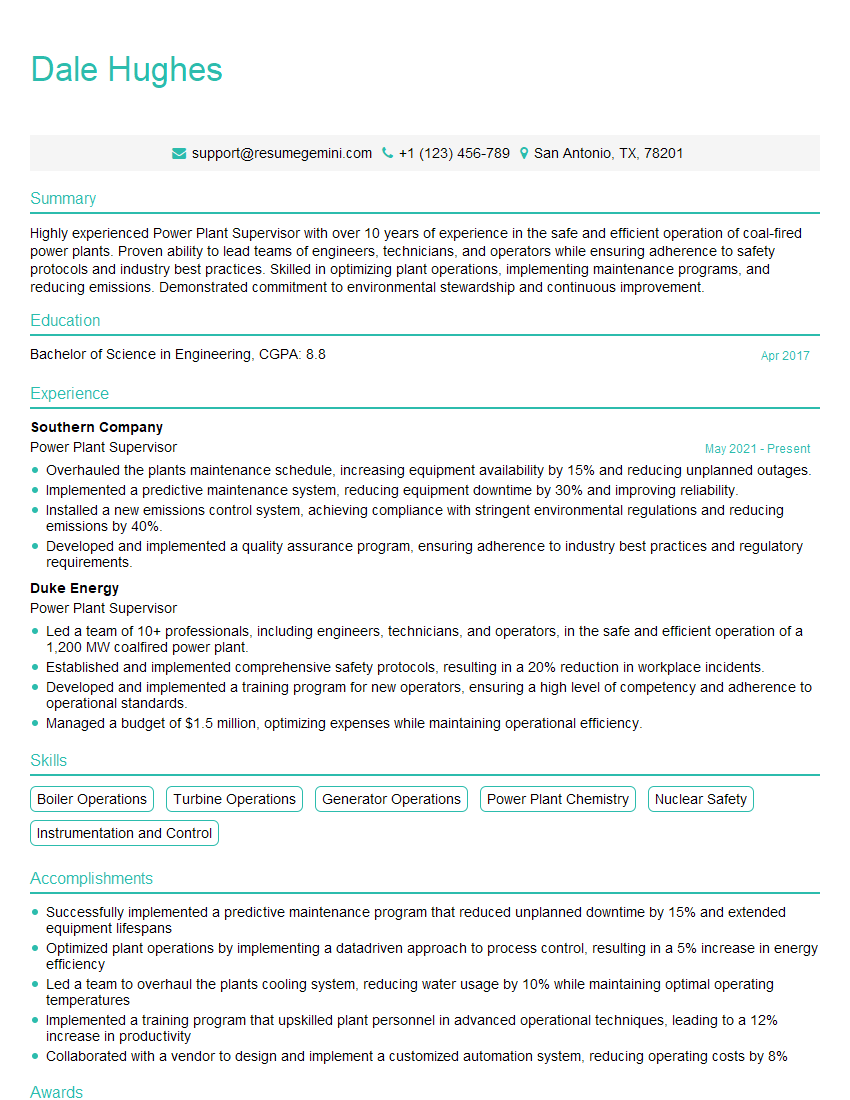
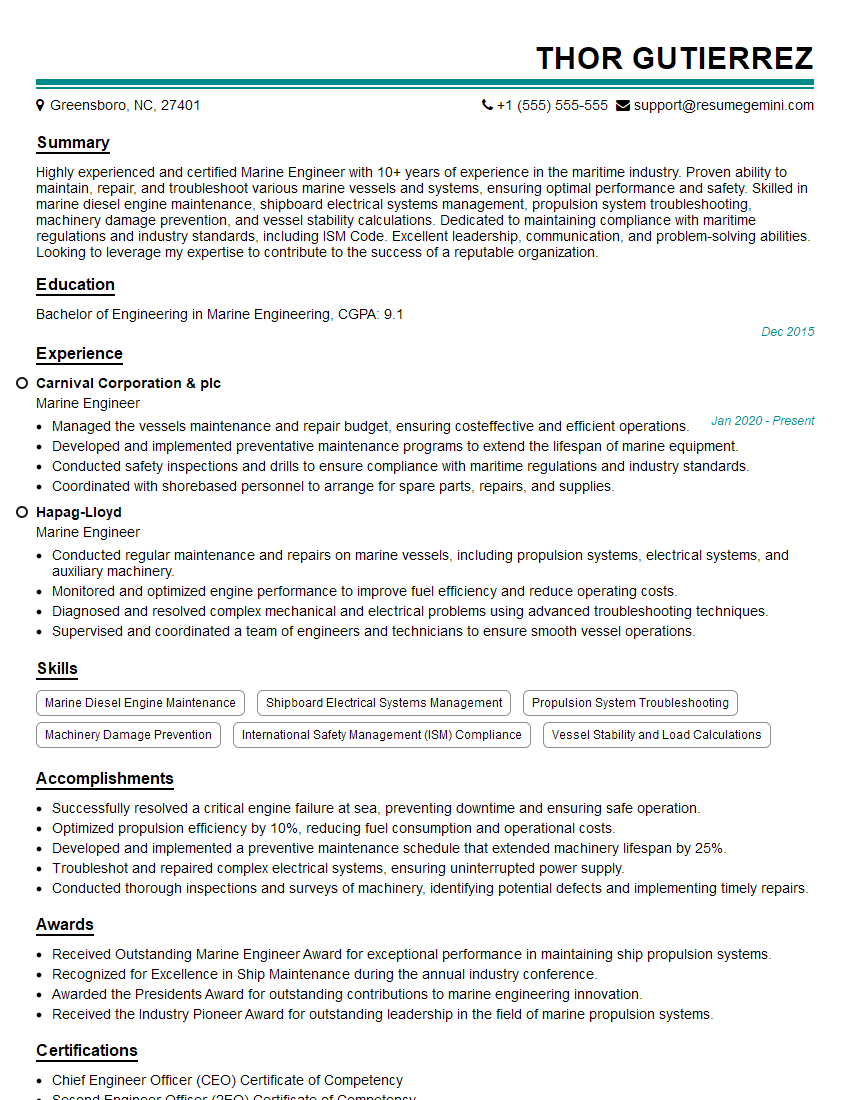
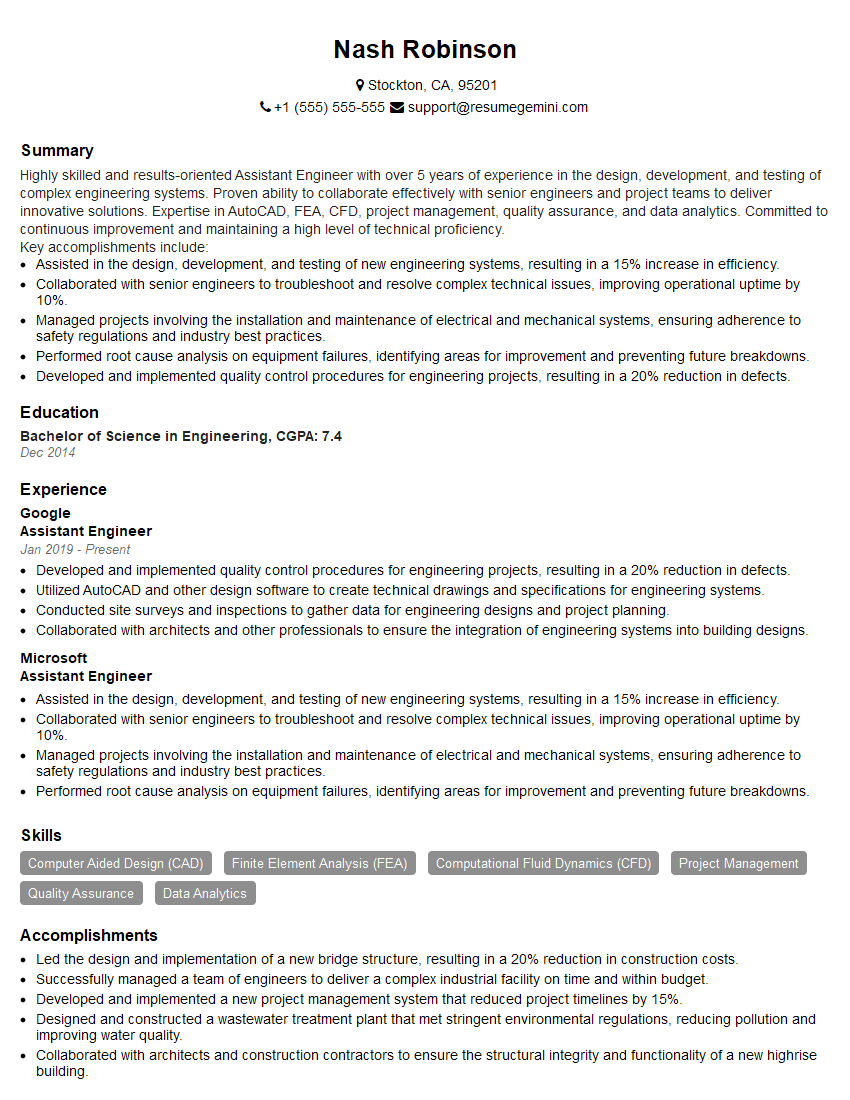
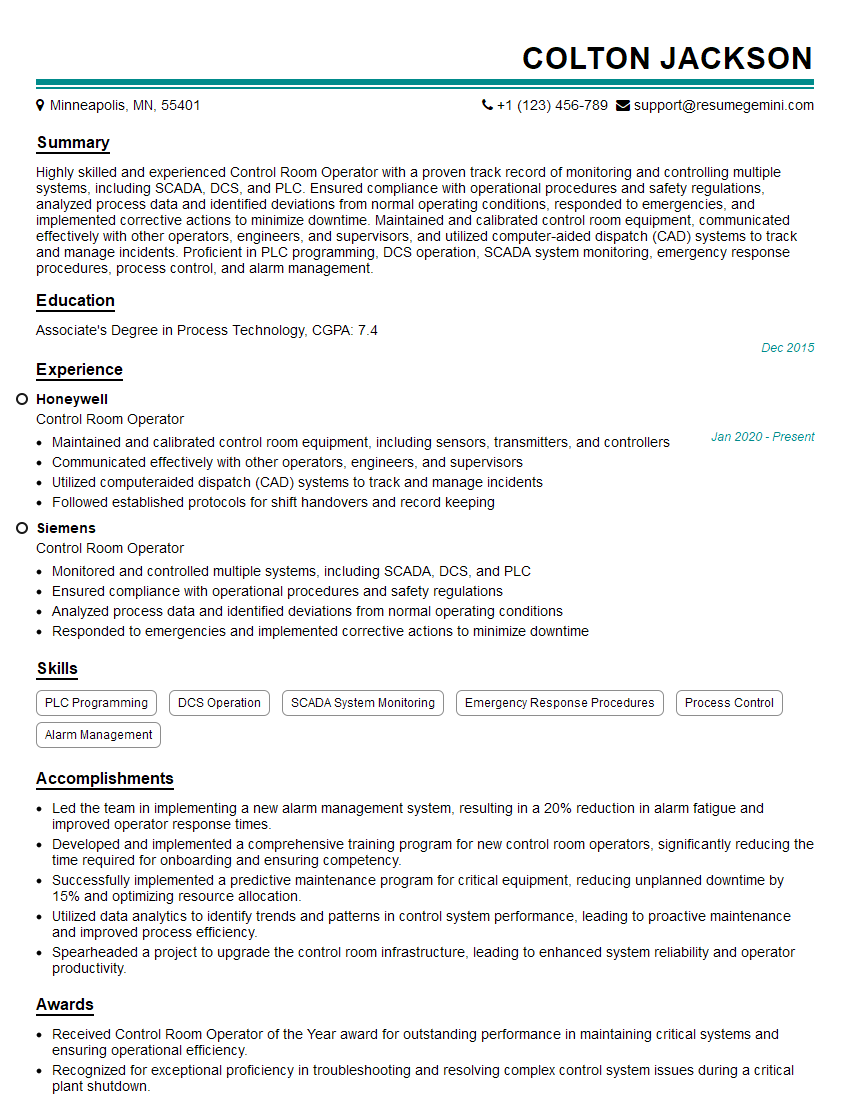
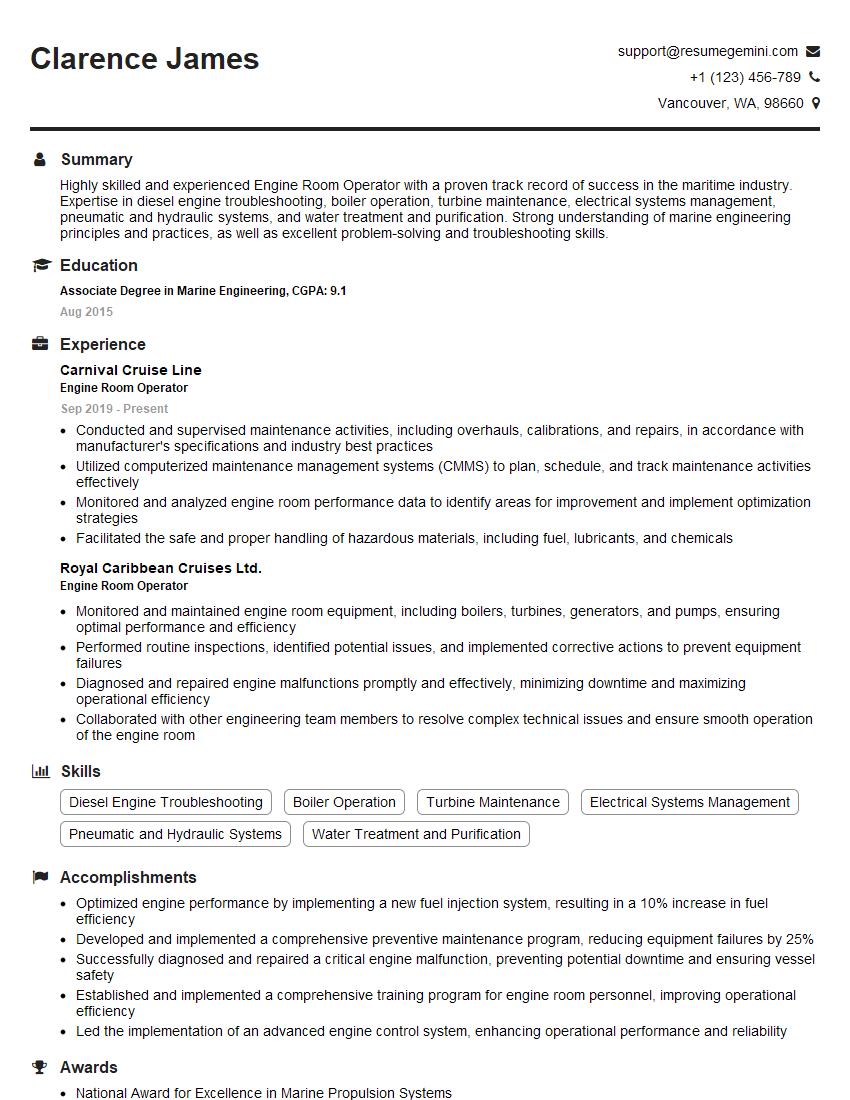
Mastering Engine Room Supervision is key to advancing your maritime career, opening doors to greater responsibility and higher earning potential. A well-crafted resume is your first step towards achieving this. To maximize your job prospects, it’s vital to create an ATS-friendly resume that highlights your skills and experience effectively. ResumeGemini is a trusted resource to help you build a professional and impactful resume that stands out. Examples of resumes tailored to Engine Room Supervision are available to guide you.
Explore more articles
Users Rating of Our Blogs
Share Your Experience
We value your feedback! Please rate our content and share your thoughts (optional).
What Readers Say About Our Blog
Very informative content, great job.
good