Unlock your full potential by mastering the most common Enology Practices interview questions. This blog offers a deep dive into the critical topics, ensuring you’re not only prepared to answer but to excel. With these insights, you’ll approach your interview with clarity and confidence.
Questions Asked in Enology Practices Interview
Q 1. Describe the malolactic fermentation process and its impact on wine.
Malolactic fermentation (MLF) is a secondary fermentation process in winemaking where lactic acid bacteria (LAB) convert malic acid, a harsh, green apple-like acid, into lactic acid, a softer, more buttery acid. Think of it as a natural way to soften the wine’s acidity.
The Process: After alcoholic fermentation (when yeast converts sugar to alcohol), LAB are introduced to the wine. They thrive in a specific range of temperature and pH. The conversion of malic acid to lactic acid releases carbon dioxide as a byproduct, often observed as a gentle bubbling. This process takes weeks or even months to complete.
Impact on Wine: MLF significantly impacts the wine’s flavor profile. It reduces acidity, leading to a smoother, rounder mouthfeel. It also contributes to the development of buttery, creamy notes, and can enhance complexity and aging potential. For example, in Chardonnay, MLF contributes significantly to its characteristic buttery character. However, MLF isn’t always desirable; in some wines, like crisp Sauvignon Blancs, it could mask the desired fresh acidity.
Q 2. Explain the different methods for controlling yeast during fermentation.
Controlling yeast during fermentation is crucial for achieving the desired wine style and quality. Several methods are employed:
- Yeast Selection: Choosing the right yeast strain is paramount. Different strains produce different flavor profiles and fermentation characteristics. For example, some strains are known for producing fruity esters, while others emphasize higher alcohol production.
- Nutrient Management: Yeast requires nutrients like nitrogen and vitamins to thrive. Adding commercial yeast nutrients can ensure a healthy and vigorous fermentation, preventing stuck or sluggish fermentations (fermentations that halt prematurely).
- Temperature Control: Temperature plays a vital role. Lower temperatures slow down fermentation, allowing for more delicate flavor development, while higher temperatures speed it up but can lead to off-flavors. Precise temperature control is often achieved using refrigeration or heating systems.
- Oxygen Management: Yeast needs oxygen for the initial stages of fermentation, but excessive oxygen can lead to oxidation. Winemakers manage oxygen levels carefully through techniques like adding inert gases or using specific fermentation vessels.
- Yeast Inoculation Rate: The amount of yeast added impacts the rate and efficiency of fermentation. Higher inoculation rates generally lead to faster fermentations.
Controlling these factors ensures a balanced, complete, and flavorful fermentation, resulting in a high-quality wine.
Q 3. What are the key factors influencing wine aging potential?
A wine’s aging potential depends on several intertwined factors:
- Acidity: Higher acidity provides better structure and longevity. Acids act as natural preservatives, slowing down oxidation and microbial spoilage.
- Tannins: Tannins, found in grape skins and seeds, provide structure and contribute to aging potential. They act as antioxidants and interact with other wine components during aging.
- Phenolics: These compounds contribute to color, aroma, and taste, and their complexity and concentration influence aging ability.
- Alcohol Content: Higher alcohol levels can contribute to longevity but also may impact the balance of the wine.
- Grape Variety: Some grape varieties are naturally more age-worthy than others due to their inherent phenolic composition and acidity. Cabernet Sauvignon and Nebbiolo are known for their aging potential.
- Viticultural Practices: Proper vineyard management, such as balanced canopy management, crop thinning, and careful harvesting, can greatly enhance grape quality and, therefore, the wine’s aging potential.
- Winemaking Techniques: Techniques like oak aging and gentle handling during fermentation and clarification can contribute to a wine’s longevity.
For instance, a wine with high acidity, ripe tannins, and a well-balanced phenolic profile from a suitable grape variety, carefully vinified, will have a much higher aging potential compared to a wine lacking in these elements.
Q 4. How do you assess the quality of grapes during harvest?
Assessing grape quality at harvest is critical for producing high-quality wine. It involves sensory evaluation and physical measurements.
- Visual Assessment: Inspecting grapes for signs of ripeness, such as color and berry size. Healthy grapes will have a consistent color with no signs of rot or damage.
- Sensory Evaluation: Tasting the grapes to assess sugar levels (Brix), acidity, and flavor characteristics. This provides an indication of ripeness and potential wine style.
- Physical Measurements: Using refractometers to measure Brix (sugar content), pH meters to measure acidity, and other instruments to determine other physical characteristics.
- Berry analysis: Sampling and lab analysis to determine the phenolic composition (tannins, anthocyanins, etc) and volatile compounds.
A combination of these assessments informs the winemaker’s decisions regarding harvest timing, sorting grapes, and winemaking techniques. For example, grapes harvested too early may lack flavor and sugar, while those harvested too late might be overripe and prone to spoilage.
Q 5. Discuss the various methods for wine clarification and filtration.
Wine clarification and filtration are used to remove unwanted particles and improve wine clarity, stability, and shelf life.
- Clarification Methods:
- Sedimentation: Allowing the wine to settle naturally, allowing heavier particles to sink to the bottom.
- Fining: Adding fining agents like egg whites, bentonite (clay), or isinglass (fish bladder protein) to bind to and remove unwanted particles. This method is very effective in removing haze, proteins, and tannins.
- Centrifugation: Using a centrifuge to separate solid particles from the liquid wine.
- Filtration Methods:
- Membrane Filtration: Using membranes with different pore sizes to remove various sized particles; Microfiltration (MF), Ultrafiltration (UF), Nanofiltration (NF).
- Earth Filtration: Passing the wine through a filter filled with diatomaceous earth to remove fine particles.
The choice of method depends on the winemaker’s goals and the desired level of clarity. Excessive filtration might remove desirable components, while insufficient filtration may result in instability or haze.
Q 6. What are the common spoilage microorganisms found in wine, and how are they controlled?
Several microorganisms can cause spoilage in wine. Effective control is essential for quality and longevity.
- Acetic Acid Bacteria (AAB): Convert ethanol to acetic acid (vinegar). Controlled by maintaining low oxygen levels and good sanitation.
- Lactic Acid Bacteria (LAB): While beneficial in MLF, uncontrolled LAB can lead to off-flavors. Proper management of MLF, sanitation, and sulfur dioxide (SO2) control are key.
- Brettanomyces (Brett): A yeast that produces undesirable flavors like barnyard, horse sweat, and smoky notes. Hygiene, careful vineyard management, and SO2 are used to prevent its growth.
- Wild Yeasts: Can lead to inconsistent fermentations and off-flavors. The use of selected yeast strains minimizes their impact.
Control Methods:
- Sanitation: Maintaining a clean winery environment is crucial to prevent microbial contamination.
- Sulfur Dioxide (SO2): A common preservative that inhibits microbial growth.
- Low Oxygen Levels: Many spoilage organisms require oxygen to thrive.
- Proper Fermentation Management: Careful control of fermentation parameters (temperature, nutrients, etc.) minimizes risks.
Q 7. Describe the process of oak aging and its effect on wine character.
Oak aging is a crucial winemaking technique where wine is matured in oak barrels. The process significantly impacts the wine’s character.
The Process: Wine is transferred to oak barrels, typically made from French or American oak. The barrels can be new or used. The wine interacts with the wood over a period of months or years. The interaction varies according to the oak type, barrel age (new or used), and toast level.
Effect on Wine Character:
- Flavor and Aroma: Oak imparts vanilla, spice, toasty, smoky, and coconut notes. The intensity of these flavors depends on the oak’s origin, toast level, and barrel age.
- Tannins: Oak adds tannins, which influence the wine’s structure, mouthfeel, and aging potential. New oak contributes more tannins than used oak.
- Color: Oak can influence wine color, especially in red wines, adding depth and intensity.
- Oxygenation: Oak barrels are permeable to oxygen, allowing for a controlled oxidation process, which can improve the wine’s complexity and stability.
For example, a Cabernet Sauvignon aged in new French oak barrels will develop more refined vanilla and spice notes compared to a wine aged in used American oak barrels. Oak aging can greatly enhance complexity, balance, and longevity, but is not always necessary or suitable depending on the wine style and desired attributes.
Q 8. How do you manage volatile acidity in wine?
Volatile acidity (VA) in wine, primarily acetic acid, is a crucial quality parameter. High VA levels lead to a vinegary or unpleasant taste. Managing it requires a multi-pronged approach starting even before harvest.
- Healthy Grapes: Minimizing grape damage during harvest prevents microbial growth that produces acetic acid. Careful handling and prompt processing are key.
- Sanitation: Meticulous sanitation of all equipment prevents the introduction of acetic acid bacteria (AAB). This includes tanks, pipes, and even tools.
- Controlled Fermentation: Maintaining optimal fermentation temperatures inhibits AAB growth. Lower temperatures are generally preferred. Proper yeast nutrition is vital for healthy fermentation and minimizes the chance of stuck fermentation, which can lead to increased VA.
- Malolactic Fermentation Management: While malolactic fermentation (MLF) softens acidity, it can also increase VA if not carefully controlled. Select appropriate MLF bacteria strains and monitor temperature and oxygen levels.
- Acid Adjustment: In some cases, techniques like bentonite fining or using activated carbon can reduce VA levels. However, this is a last resort, as it can also strip desirable compounds from the wine.
- Blending: Blending wines with lower VA levels can dilute the concentration in a higher VA wine.
For instance, during a harvest with high humidity, I’d prioritize rapid processing and cold soak to minimize the risk of spoilage. If VA levels are slightly elevated, I’d consider a judicious blending strategy before resorting to more aggressive VA reduction methods. Prevention is always better than cure in this matter.
Q 9. Explain the different types of wine closures and their impact on wine quality.
Wine closures significantly impact wine quality, influencing oxidation, reduction, and aroma development. The three main types are corks, screw caps, and synthetic corks.
- Natural Corks: These offer a traditional feel and allow for micro-oxygenation, which is beneficial for some wines. However, they can be inconsistent, leading to TCA (trichloroanisole) taint, a musty off-flavor. Careful selection and storage of corks is essential.
- Screw Caps: These provide an airtight seal, virtually eliminating oxygen exposure and TCA risk. This makes them particularly suitable for preserving the freshness and fruit character of white wines and lighter-bodied reds. However, some perceive them as less elegant or traditional.
- Synthetic Corks: These aim to combine the benefits of both natural corks and screw caps. They provide a consistent seal, minimizing TCA, and often allow for some controlled oxygen exchange. The quality varies greatly, and some can impart off-flavors.
My experience shows that the best closure depends on the wine style. For example, a delicate Sauvignon Blanc would benefit from a screw cap’s protection against oxidation, whereas a complex Cabernet Sauvignon might benefit from the subtle micro-oxygenation a good quality natural cork allows for, allowing for more nuanced aging. The closure decision is a crucial one affecting wine quality and longevity.
Q 10. What are the legal requirements for wine labeling in your region?
(Note: This answer will vary depending on the region. I will provide a hypothetical example based on a European Union-style regulation): Wine labeling regulations in [Hypothetical Region] are quite stringent and ensure consumer information and protection. They cover numerous aspects:
- Name and Address of Producer: Clearly stated, ensuring traceability.
- Alcohol Content: Precise percentage by volume (ABV) must be indicated.
- Volume: The exact quantity of wine in the bottle.
- Geographical Indication (GI): If applicable, the specific region where the grapes are grown must be listed. This might involve an Appellation d’Origine Contrôlée (AOC) designation or equivalent.
- Allergen Information: Any potential allergens like sulfites (commonly present in wine) must be stated.
- Sulfite Levels: In some regions, specific thresholds for sulfite content require labeling.
- Product Description: Information about the wine’s style (e.g., dry, semi-sweet), grape variety (varietal), and sometimes vintage year.
Non-compliance can lead to penalties and legal repercussions. Ensuring accurate labeling is critical for both legal and ethical reasons.
Q 11. How do you use sensory evaluation techniques to assess wine quality?
Sensory evaluation is crucial for assessing wine quality. It involves using the five senses – sight, smell, taste, touch, and even hearing (for effervescence) – systematically. Professional tasters use standardized protocols.
- Visual Examination: Assessing color, clarity, and viscosity provides preliminary clues. A hazy wine might suggest instability, while a pale color might indicate low concentration.
- Olfactory Evaluation (Aroma): This involves identifying the primary, secondary, and tertiary aromas, which reflect the grape variety, fermentation, and aging process respectively. We might use aroma wheels to help categorize different scents.
- Gustatory Evaluation (Taste): This involves assessing sweetness, acidity, tannins, alcohol, and body (mouthfeel). The balance between these elements is critical to overall quality.
- Tactile Evaluation (Mouthfeel): Assessing viscosity (mouthcoating), astringency, and effervescence.
I use a structured tasting note format including scoring systems to maintain objectivity. For example, I might use a 20-point scoring system to objectively assess different aspects of a wine before providing a holistic quality assessment. Training and experience are vital to refine the skills required for reliable and consistent sensory evaluation.
Q 12. What are the key differences between red and white wine production?
Red and white wine production differ mainly in how they handle the grape skins and, consequently, the resulting color, tannins, and flavor profiles.
- Skin Contact: Red wine production involves extended maceration (skin contact) during fermentation, extracting color, tannins, and flavor compounds from the grape skins. White wines have no skin contact during fermentation.
- Color and Tannins: This skin contact provides red wines their characteristic color and tannins which gives red wines a structure and aging potential. White wines lack tannins, typically resulting in lighter-bodied wines.
- Fermentation: Both red and white wines undergo alcoholic fermentation, but the temperature and methods can differ slightly based on the desired style. Red wine fermentation often takes place at higher temperatures than white wine fermentation.
- Aging: Red wines often age in oak barrels, enhancing their complexity and structure. White wines may also be oak-aged but this is less common.
Consider Pinot Noir, a red wine with lighter tannins compared to Cabernet Sauvignon. The difference in tannin structure is largely attributed to shorter maceration times and potentially lighter pressing practices in Pinot Noir production.
Q 13. Describe your experience with different winemaking equipment.
My experience encompasses a wide range of winemaking equipment, from traditional to modern technologies.
- Crushing and Destemming Equipment: I’ve worked with both gentle and more aggressive destemmers, selecting the appropriate method based on grape variety and desired style. I’ve found that gentle crushing and destemming are vital for preserving grape quality, especially for aromatic whites.
- Fermentation Tanks: Experience with stainless steel, concrete, and oak tanks helps adjust fermentation parameters based on the requirements of the wine style. Stainless steel offers temperature control, concrete provides texture, and oak adds complexity.
- Presses: Different press types allow for adjustments in pressing force and wine clarity. Pneumatic presses are particularly useful for delicate varieties, preventing excessive extraction.
- Bottling Lines: I’m proficient in operation and maintenance of modern bottling lines and their associated equipment, ensuring that the final product is sealed and presented with high quality and consistency.
- Analytical Equipment: Regular use of spectrophotometers, pH meters, and other analytical tools for quality control and monitoring throughout the process.
For example, in a recent project involving a delicate Riesling, I opted for gentle pressing with a pneumatic press and fermentation in stainless steel tanks to preserve the wine’s vibrant fruit character.
Q 14. How do you troubleshoot common winemaking problems such as stuck fermentation?
Stuck fermentation is a common problem where fermentation ceases prematurely. Troubleshooting involves a systematic approach.
- Yeast Viability: Check the yeast’s health. A low initial yeast pitch, nutrient deficiency, or the presence of inhibitors (e.g., high levels of SO2) can lead to stuck fermentation. Microscopical analysis is useful.
- Nutrient Levels: Adding yeast nutrients such as diammonium phosphate (DAP) or yeast hulls can provide essential elements for yeast metabolism.
- Temperature Control: Ensure optimal fermentation temperature for the specific yeast strain being used. Too high or low temperatures can inhibit yeast activity.
- pH Adjustment: Adjusting the pH within the optimal range for yeast activity may help.
- Alcohol Content: High alcohol levels can inhibit yeast.
- Oxygen Levels: In some cases, limited oxygen can hinder fermentation. Gentle aeration might be beneficial.
- Contamination: Bacterial contamination can interfere with fermentation. Lab analysis is helpful to identify.
In a recent case, a stuck fermentation was resolved by identifying a nutrient deficiency and adding DAP. This restored the yeast’s activity, and the fermentation proceeded smoothly. Identifying the root cause is key.
Q 15. Discuss the importance of vineyard management practices in wine quality.
Vineyard management is the cornerstone of quality winemaking. It’s like preparing the perfect canvas before painting a masterpiece. Every decision, from choosing the right grape varietal to carefully tending the vines, directly impacts the grapes’ final characteristics and thus, the wine’s quality.
Site Selection: Choosing the appropriate soil type, slope, and aspect (sun exposure) is crucial. For example, a steep, south-facing slope in a cool climate will receive more sunlight, leading to better ripening for grapes like Pinot Noir.
Pruning and Training: Careful pruning regulates vine growth, maximizing sunlight penetration and fruit production. Training systems, such as cordon or spur pruning, guide the vine’s structure for optimal yield and quality.
Canopy Management: This involves techniques to optimize leaf exposure for sunlight and airflow, preventing disease and ensuring even ripening. Leaf removal, shoot thinning, and hedging are common practices.
Soil Management: Healthy soil is essential. Techniques like cover cropping, composting, and avoiding excessive tillage improve soil fertility, water retention, and overall vine health.
Pest and Disease Management: Integrated Pest Management (IPM) strategies minimize the use of chemicals while effectively controlling pests and diseases. This keeps the vineyard healthy and reduces environmental impact.
Ignoring these practices can lead to uneven ripening, lower yields, increased disease susceptibility, and ultimately, inferior wine quality. A poorly managed vineyard will produce inferior grapes, resulting in a flat, unbalanced wine lacking complexity and character.
Career Expert Tips:
- Ace those interviews! Prepare effectively by reviewing the Top 50 Most Common Interview Questions on ResumeGemini.
- Navigate your job search with confidence! Explore a wide range of Career Tips on ResumeGemini. Learn about common challenges and recommendations to overcome them.
- Craft the perfect resume! Master the Art of Resume Writing with ResumeGemini’s guide. Showcase your unique qualifications and achievements effectively.
- Don’t miss out on holiday savings! Build your dream resume with ResumeGemini’s ATS optimized templates.
Q 16. Explain the principles of sustainable winemaking.
Sustainable winemaking goes beyond simply producing wine; it’s about minimizing the environmental footprint and ensuring the long-term viability of the winery and the surrounding ecosystem. It’s a holistic approach incorporating environmental, social, and economic considerations.
Reduced Water Usage: Implementing drip irrigation and water-efficient practices conserves this precious resource.
Minimizing Chemical Inputs: Employing IPM strategies, organic farming techniques, and biodynamic practices reduces or eliminates the use of synthetic pesticides and herbicides.
Energy Efficiency: Using renewable energy sources like solar power and optimizing energy consumption in the winery significantly reduces the carbon footprint.
Waste Management: Implementing strategies for recycling and composting reduces waste and promotes responsible disposal of byproducts.
Soil Health: Maintaining healthy soil through organic practices enhances biodiversity and reduces the need for external inputs.
Social Responsibility: Fair labor practices, community engagement, and ethical sourcing of materials are key aspects of social sustainability.
For example, a sustainable winery might use solar panels to power its operations, implement rainwater harvesting systems, and source grapes from local, organic vineyards. This approach ensures that future generations can continue to enjoy the benefits of wine production without compromising the environment.
Q 17. What are the key chemical and physical parameters you monitor during wine production?
Monitoring chemical and physical parameters throughout wine production is crucial for ensuring quality and consistency. It’s like conducting a health check-up on the wine at every stage of its development.
pH: Measures acidity, influencing taste and microbial stability. Ideal pH ranges vary depending on the wine style.
Titratable Acidity (TA): Indicates the total acidity, impacting the wine’s freshness and preservation.
Volatile Acidity (VA): High levels can indicate spoilage, imparting unpleasant vinegar-like aromas.
Sugars (Brix): Measures the sugar content in the grapes before fermentation, crucial for determining potential alcohol level.
Alcohol Content: Measured throughout fermentation and after aging, crucial for defining the wine’s style.
Malic Acid: A tart acid present in some grapes; its conversion to lactic acid (malolactic fermentation) contributes to softer flavors.
SO2 (Sulfur Dioxide): A preservative added to prevent oxidation and microbial spoilage.
Temperature: Precise temperature control is essential during fermentation and aging to optimize flavor development and prevent unwanted reactions.
Clarity and Color: Visual parameters assessed to gauge wine health and quality.
Regular monitoring of these parameters, through laboratory analysis and sensory evaluation, allows for timely adjustments to maintain optimal conditions and produce consistent, high-quality wine. Without this monitoring, winemakers risk producing flawed or unstable wines.
Q 18. How do you select appropriate yeasts for wine fermentation?
Yeast selection is a critical decision in winemaking, impacting the wine’s aroma profile, flavor, and overall character. It’s akin to choosing the right ingredients for a recipe; the wrong choice can ruin the final product.
The choice depends on several factors:
Grape Varietal: Different yeasts are better suited to specific grape varieties. For example, Saccharomyces cerevisiae strains are commonly used for many varietals, but specific strains may enhance certain characteristics in particular wines.
Desired Wine Style: The desired wine style (e.g., dry, fruity, oaked) influences yeast selection. Some yeasts produce more fruity esters, while others enhance complexity or contribute to certain aromas.
Climate and Growing Conditions: The climate and growing conditions can influence the grape’s composition, thus influencing yeast performance.
Fermentation Temperature: Yeast strains have optimal temperature ranges; selecting a strain that performs well at the targeted fermentation temperature is vital.
Winemakers often use commercial yeast strains with known characteristics. However, some winemakers utilize indigenous yeasts (naturally present on the grapes), adding a unique terroir expression. This process requires careful management to avoid unwanted fermentation outcomes.
Ultimately, the choice of yeast is a balance between the winemaker’s goals for the final product and the characteristics of the grapes and environment.
Q 19. Explain the concept of terroir and its influence on wine.
Terroir is a complex interplay of environmental factors that influence the characteristics of a wine. Think of it as the wine’s ‘fingerprint,’ a unique expression of its origin. It encompasses climate, soil composition, topography, and even the local ecosystem.
Climate: Temperature, rainfall, sunlight, and wind affect the grape’s ripening process, influencing sugar accumulation, acidity, and aroma compound development.
Soil: Soil type (clay, sandy, limestone, etc.) affects drainage, nutrient availability, and root development, impacting the grape’s composition.
Topography: Slope, aspect, and altitude influence sun exposure, temperature variation, and drainage, all impacting the grapes’ growth and ripening.
Human Factors: Although less directly a part of terroir, winemaking practices and vine management also contribute. The level of human intervention plays a part in the ultimate character of the wine.
For example, wines from Burgundy, France, are renowned for their terroir-driven characteristics. The specific soil composition, microclimate, and grape varietals of each vineyard contribute to the unique expression of wines from that specific location. Two wines made from the same grape, even grown close together, might taste distinct due to subtle differences in their terroir.
Q 20. Describe your experience with different wine varietals.
My experience encompasses a wide range of varietals, from classic European grapes to New World varieties. I’ve worked extensively with:
Bordeaux Varietals: Cabernet Sauvignon, Merlot, Cabernet Franc – I’ve explored the nuances of these grapes in various terroirs, understanding how climate and soil influence their structure and tannin profile.
Burgundy Varietals: Pinot Noir and Chardonnay – These delicate grapes demand meticulous viticulture and winemaking techniques. I’ve focused on expressing their elegance and terroir character.
Rhône Varietals: Syrah/Shiraz, Grenache, Mourvèdre – These varietals offer intense fruit flavors and aromatic complexity. I’ve worked with different blends to balance their characteristics.
Italian Varietals: Sangiovese, Nebbiolo – These varietals highlight the diversity and unique expression of Italian winemaking traditions.
New World Varietals: I also have experience with varietals such as Sauvignon Blanc, Riesling, Zinfandel, and many others, exploring their adaptability to different climates and winemaking styles.
Each varietal presents unique challenges and rewards, from managing their specific viticultural needs to fine-tuning fermentation and aging techniques to best express their inherent qualities. Understanding these nuances is fundamental to crafting exceptional wines.
Q 21. How do you manage wine inventory and ensure quality control throughout the production process?
Managing wine inventory and ensuring quality control throughout production requires a systematic and meticulous approach. It’s like orchestrating a complex ballet, where every step must be precise.
Inventory Tracking: A robust inventory management system, often computerized, tracks the quantity, vintage, and location of each wine lot from grape reception through bottling. This allows for accurate forecasting, efficient planning, and avoids stockouts or spoilage.
Temperature and Humidity Control: Maintaining optimal temperature and humidity in storage is essential for preventing oxidation, spoilage, and preserving wine quality. Regular monitoring of storage conditions is critical.
Regular Sampling and Analysis: Periodically, samples are taken for laboratory analysis (chemical and microbiological tests) to monitor wine stability and detect any potential issues.
Sensory Evaluation: Blind tastings and sensory evaluations by experienced professionals provide qualitative assessment of the wine’s aroma, flavor, and overall quality. This is crucial in detecting subtle off-flavors or deviations from the desired style.
Bottling and Packaging: The bottling process itself is a critical quality control point. Strict hygiene protocols and proper handling ensure no contamination occurs.
Documentation: Detailed records of all production steps, analysis results, and any corrective actions are crucial for traceability and continuous improvement.
Without effective inventory management and rigorous quality control, the risk of spoilage, inconsistent quality, and financial losses increases significantly. A well-structured system safeguards the winery’s reputation and financial success.
Q 22. What are the challenges associated with wine production in your climate/region?
Wine production in regions with cool, wet climates, like many parts of Northern Europe, presents unique challenges. The most significant is the risk of fungal diseases like powdery mildew and downy mildew, which thrive in damp conditions and can severely impact yield and grape quality. These require diligent monitoring and preventative treatments, including careful vineyard management like canopy manipulation to improve airflow and timely application of approved fungicides.
Another challenge is the shorter growing season. This can limit the ripening potential of the grapes, resulting in wines with lower sugar levels, higher acidity, and less developed aromas. Careful grape selection, choosing varieties suited to the climate, and precise harvest timing are crucial to mitigate this. Finally, inconsistent weather patterns—unexpected frosts or hailstorms—can significantly impact the yield and quality of the harvest, requiring flexibility and adaptability from the winemaker.
Q 23. Describe your experience with different wine blending techniques.
Wine blending is an art and a science. My experience encompasses various techniques, from simple blending of two varietals to complex assemblages involving multiple vintages and sources. I’ve worked with both empirical and analytical approaches. The empirical approach relies on sensory evaluation, tasting blends repeatedly to achieve the desired profile. This often involves keeping detailed tasting notes and adjusting the blend ratios incrementally.
The analytical approach, while less romantic, utilizes chemical analysis to understand the components of each wine—acidity, tannins, pH, sugar levels, etc.—before blending. This helps to predict the final outcome with greater precision and allows for more controlled adjustments. For example, I once blended a high-tannin Cabernet Sauvignon with a lower-tannin Merlot to soften the overall structure, while a splash of Petit Verdot added complexity and aromatic depth. The precise proportions were determined initially through a sensory trial and subsequently refined using laboratory analysis.
Q 24. How do you evaluate the readiness of wine for bottling?
Evaluating wine readiness for bottling is a critical step. It involves a multi-faceted approach combining sensory evaluation and laboratory analysis. The sensory evaluation, or tasting, assesses the wine’s maturity, balance, and overall character. Is the fruit flavor fully developed? Are the tannins integrated? Does it possess the desired complexity and length on the palate?
Laboratory analysis provides objective data to complement the sensory assessment. This includes testing for residual sugar, volatile acidity (VA), malic acid, and pH levels. These parameters indicate the wine’s stability and aging potential. For example, high VA can indicate spoilage, while excessive malic acid might suggest the wine needs more time to complete malolactic fermentation. The bottling decision is made when the sensory and analytical results are in harmony, suggesting the wine has reached its optimal state of maturity and stability. A wine that’s bottled too early might evolve negatively in the bottle; one bottled too late risks losing its freshness.
Q 25. Explain the importance of sanitation in winemaking.
Sanitation is paramount in winemaking. Contamination from unwanted microorganisms—bacteria and wild yeasts—can lead to spoilage, off-flavors, and even the complete loss of a batch. We implement rigorous sanitation protocols at every stage of the process, from the vineyard to the bottling line.
This includes using approved sanitizers like sulfur dioxide (SO2) or peracetic acid to sterilize equipment and tanks. Vineyard sanitation involves removing diseased leaves and maintaining a clean environment around the grapes to avoid pre-harvest contamination. Stringent hygiene practices during harvesting, fermentation, and aging, including thorough cleaning and sanitizing of all equipment after each use, are crucial. Consistent adherence to these protocols helps ensure the quality and safety of the wine, protecting the investment and reputation of the winery.
Q 26. How do you handle unexpected issues that arise during wine production?
Unexpected issues are inevitable in winemaking. A critical aspect is the ability to rapidly assess the situation and take decisive action. I have encountered instances of stuck fermentations—where yeast activity unexpectedly ceases—and bacterial spoilage. My approach involves a systematic problem-solving strategy.
- Identify the problem: Thorough analysis (sensory and laboratory) is vital to diagnose the specific issue.
- Research solutions: Consult with other winemakers, experts, and research literature to determine potential remedies.
- Implement a solution: This might involve nutrient additions for stuck fermentations, targeted treatments for bacterial infections, or even, in extreme cases, the careful disposal of affected batches.
- Document the issue and the resolution: Maintaining detailed records allows for better preparedness in the future.
For example, I once experienced a stuck fermentation. By analyzing the must (unfermented grape juice), we discovered a nutrient deficiency. Adding yeast nutrient quickly restarted the fermentation process, saving the batch. Thorough record-keeping allowed me to adjust the nutrient regimen for future vintages to prevent recurrence.
Q 27. Describe your experience with wine analysis techniques.
My experience with wine analysis techniques is extensive, spanning both traditional and modern methods. Traditional methods include sensory analysis (tasting and smelling the wine), which remains a cornerstone of quality assessment. Modern techniques include sophisticated laboratory analyses to determine chemical properties of the wine—pH, titratable acidity, volatile acidity (VA), residual sugar, total sulfur dioxide (SO2), and the concentration of various phenolic compounds.
I also utilize techniques like spectrophotometry for color analysis and chromatography to profile the aromatic compounds present in the wine, providing insights into the grape variety and the wine’s aging potential. Furthermore, advanced techniques such as mass spectrometry can identify subtle components and potential defects. This comprehensive approach, combining traditional expertise with the latest technology, allows for a precise understanding of the wine’s chemical composition and its impact on the sensory characteristics.
Q 28. What is your approach to continuous improvement in winemaking?
Continuous improvement in winemaking is a journey, not a destination. My approach integrates several strategies. Firstly, I maintain meticulous record-keeping, tracking all aspects of the winemaking process from vineyard practices to bottling. This data provides valuable insight into the impact of various factors on wine quality. Secondly, I actively seek opportunities for learning and professional development. This involves attending conferences, workshops, and engaging with other winemakers to share knowledge and best practices.
Thirdly, I embrace experimentation, conducting small-scale trials to test new techniques or grape varieties. This allows me to refine existing processes and explore innovations without impacting the main production. Data analysis from these trials helps inform decision-making, driving continuous refinement of our approach. Finally, I encourage open communication and feedback from my team, fostering a collaborative environment focused on innovation and the pursuit of excellence.
Key Topics to Learn for Enology Practices Interview
- Grape Growing & Viticulture: Understanding vineyard management practices, including soil analysis, pruning techniques, and canopy management, and their impact on grape quality and yield.
- Harvesting & Sorting: Practical knowledge of optimal harvest timing, techniques for grape sorting and selection, and the impact on wine quality and style.
- Crushing & Destemming: Understanding different crushing and destemming methods, their effects on juice extraction, and the choices made based on grape variety and wine style.
- Fermentation: Mastering the principles of alcoholic and malolactic fermentation, including yeast selection, temperature control, and monitoring fermentation parameters (pH, sugar, etc.).
- Winemaking Techniques: Familiarizing yourself with various winemaking techniques, such as oak aging, fining, filtration, and blending, and their effects on the final product.
- Wine Analysis & Quality Control: Understanding essential wine analysis techniques, including sensory evaluation, chemical analysis, and microbial monitoring, to ensure wine quality and stability.
- Wine Microbiology: Knowledge of beneficial and harmful microorganisms in winemaking, and strategies for managing them.
- Wine Chemistry: Understanding the chemical processes involved in winemaking, including oxidation, reduction, and the role of various compounds in wine flavor and aroma.
- Sensory Evaluation & Wine Tasting: Developing your skills in describing and evaluating wine characteristics, and understanding how to communicate your findings effectively.
- Problem-Solving in Enology: Being able to identify and troubleshoot potential problems during winemaking, such as stuck fermentations or spoilage issues, and implement appropriate solutions.
Next Steps
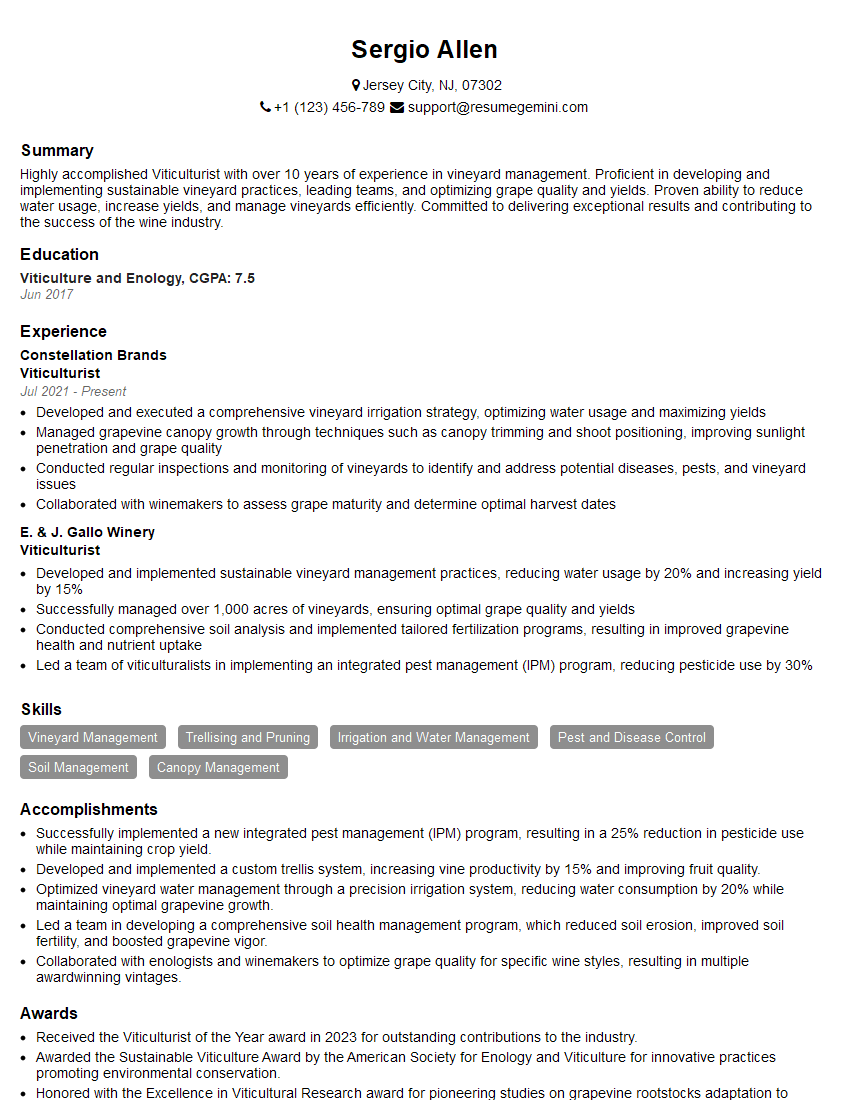
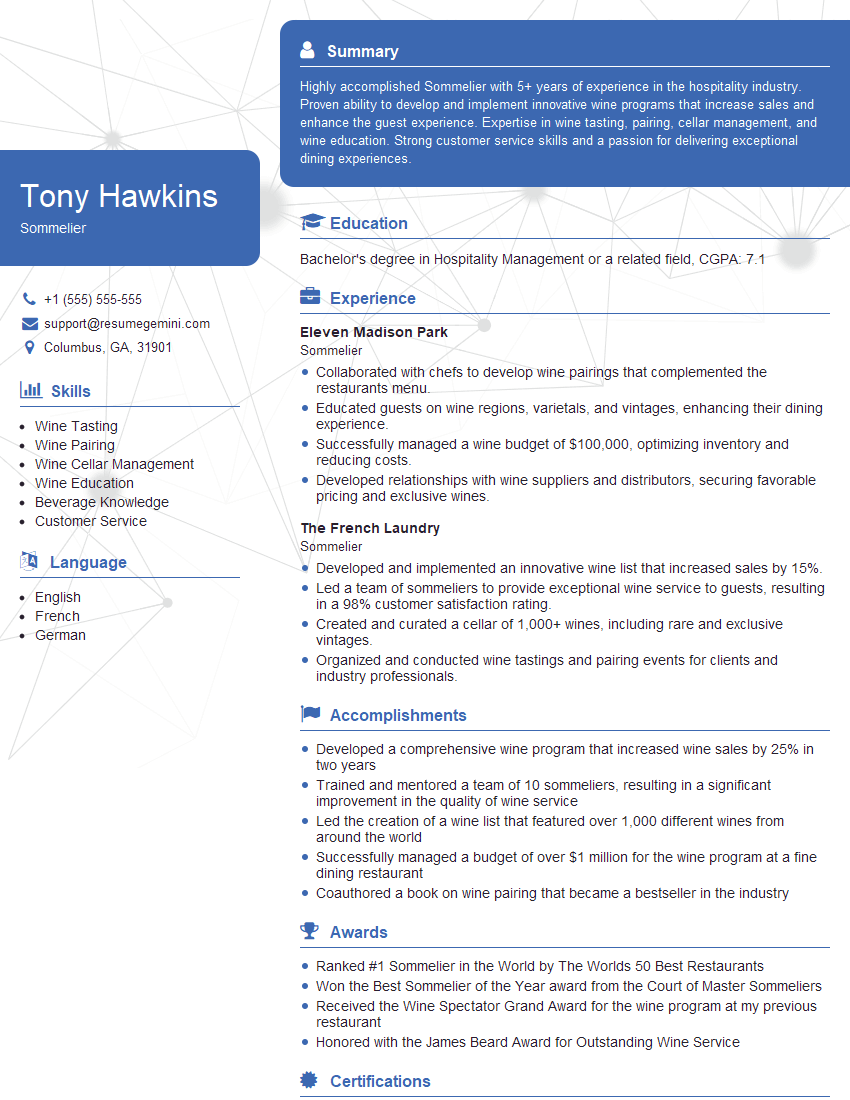
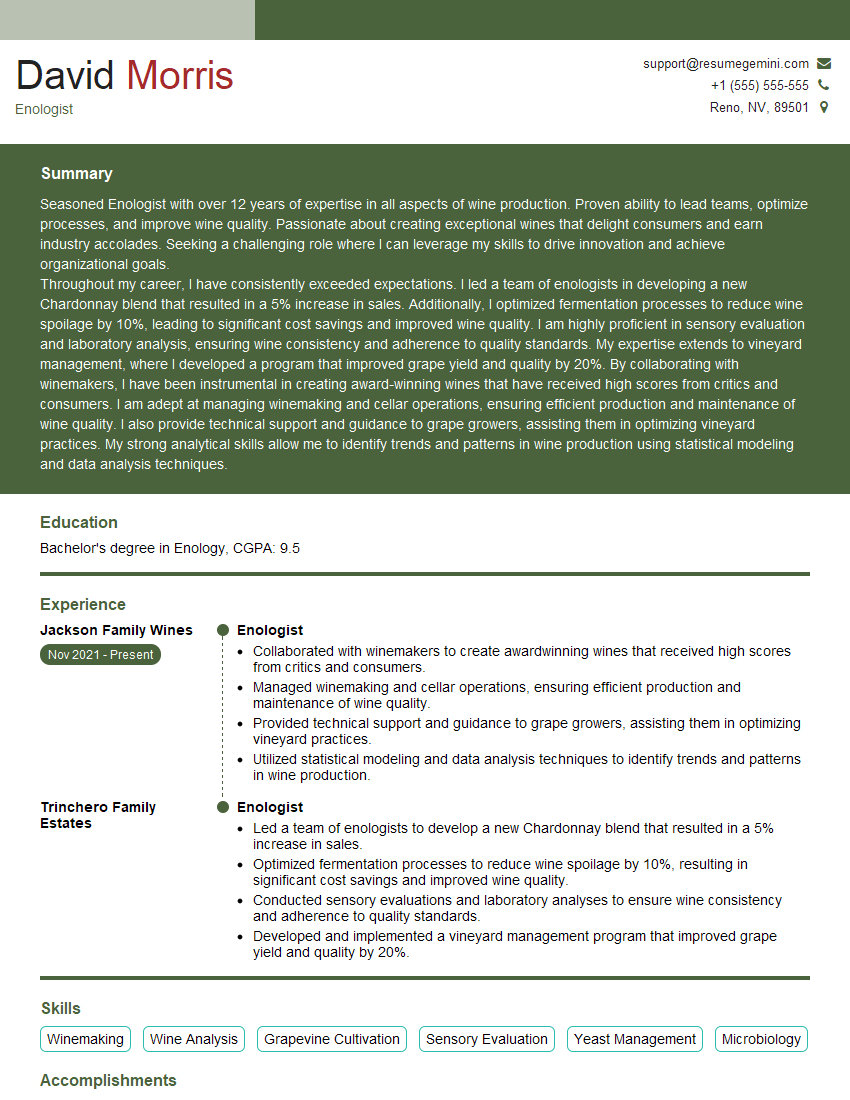
Mastering Enology Practices is crucial for a successful and rewarding career in the wine industry. A strong understanding of these concepts demonstrates your expertise and passion, opening doors to exciting opportunities. To maximize your job prospects, it’s essential to create an ATS-friendly resume that highlights your skills and experience effectively. We recommend using ResumeGemini, a trusted resource that can help you build a professional and impactful resume. ResumeGemini provides examples of resumes tailored specifically to Enology Practices to guide you through the process. Invest the time to craft a compelling resume; it’s your first impression on potential employers.
Explore more articles
Users Rating of Our Blogs
Share Your Experience
We value your feedback! Please rate our content and share your thoughts (optional).
What Readers Say About Our Blog
Very informative content, great job.
good