Cracking a skill-specific interview, like one for Ensuring compliance with quality standards, requires understanding the nuances of the role. In this blog, we present the questions you’re most likely to encounter, along with insights into how to answer them effectively. Let’s ensure you’re ready to make a strong impression.
Questions Asked in Ensuring compliance with quality standards Interview
Q 1. Describe your experience implementing a quality management system.
Implementing a Quality Management System (QMS) involves a structured approach to ensure consistent product or service quality. It’s like building a house – you need a solid foundation, detailed blueprints, and regular inspections to guarantee a sturdy, reliable structure. My experience includes leading the implementation of ISO 9001 in a manufacturing company. This involved several key phases:
- Gap Analysis: We first assessed the existing processes against ISO 9001 requirements to identify areas needing improvement. This involved document reviews, interviews with staff, and process mapping.
- Documentation: We then developed and implemented a comprehensive suite of quality documents, including the Quality Manual, Standard Operating Procedures (SOPs), work instructions, and forms. These documents provided clear guidelines for every process.
- Training: Extensive training was provided to all employees on the new QMS, ensuring everyone understood their roles and responsibilities in maintaining quality. This included practical sessions and interactive workshops.
- Internal Audits: Regular internal audits were conducted to verify compliance with the QMS and identify any non-conformances. This provided valuable feedback for continuous improvement.
- Management Review: Management reviews were held periodically to assess the effectiveness of the QMS, review performance data, and identify opportunities for improvement. This ensures that the QMS is a dynamic and evolving system.
The result was a significant reduction in defects, improved customer satisfaction, and increased efficiency. For example, we saw a 20% decrease in customer complaints within the first year of implementation.
Q 2. Explain your understanding of ISO 9001 standards.
ISO 9001 is an internationally recognized standard that outlines the requirements for a Quality Management System (QMS). Think of it as a globally accepted blueprint for building a robust and reliable system for ensuring consistent product quality. It’s not a set of specific processes but rather a framework that organizations adapt to their specific context. Key principles of ISO 9001 include:
- Customer Focus: Understanding and meeting customer requirements is paramount.
- Leadership: Top management commitment is crucial for driving quality initiatives.
- Engagement of People: Empowering employees to contribute to quality improvement.
- Process Approach: Managing processes effectively to achieve desired outcomes.
- Improvement: Continuously striving to improve the QMS.
- Evidence-based Decision Making: Using data to make informed decisions.
- Relationship Management: Managing relationships with suppliers and other stakeholders.
Compliance with ISO 9001 demonstrates a commitment to quality and can provide a competitive advantage. It also offers a structured approach to identifying and mitigating risks, leading to improved efficiency and reduced costs.
Q 3. How would you handle a situation where a product fails to meet quality standards?
When a product fails to meet quality standards, it’s crucial to act swiftly and systematically. My approach would involve these steps:
- Immediate Containment: First, we’d isolate the non-conforming product to prevent further distribution or use. Think of it like quarantining a sick person to prevent an epidemic.
- Investigation: A thorough investigation would be launched to determine the root cause of the failure using techniques like the 5 Whys or fishbone diagrams.
- Corrective Action: Appropriate corrective actions would be implemented to address the immediate problem and prevent recurrence. This might involve modifying the production process, retraining staff, or improving material sourcing.
- Preventive Action: Measures would be put in place to prevent similar failures in the future. This could include implementing new quality checks or investing in upgraded equipment.
- Customer Communication: Open and honest communication with the affected customer is essential. This involves acknowledging the problem, explaining the corrective actions taken, and offering appropriate compensation or remedy.
- Documentation: All actions taken, including investigations, corrective actions, and preventive actions, would be meticulously documented and reviewed.
For instance, if a batch of widgets had inconsistent dimensions, we’d investigate whether it was due to machine malfunction, operator error, or flawed raw materials. The solution might range from machine calibration to improved operator training or a change in material suppliers.
Q 4. What are your preferred methods for conducting quality audits?
My preferred method for conducting quality audits involves a combination of approaches to ensure comprehensive coverage and objectivity.
- Planning: A detailed audit plan is essential, specifying the scope, objectives, timelines, and resources required. This ensures a focused and efficient audit.
- Document Review: Thorough review of relevant documents, including procedures, work instructions, and quality records, provides a baseline understanding of the system.
- Observations: Direct observation of processes and workflows allows for real-time assessment of compliance and identification of potential issues.
- Interviews: Interviews with personnel provide valuable insights into their understanding of processes and their experiences in applying quality procedures.
- Sampling: Statistical sampling techniques can be used to assess the quality of a large number of items without having to inspect every single one.
- Data Analysis: Analyzing quality data, such as defect rates and customer complaints, helps to identify trends and potential areas of improvement.
- Reporting: A detailed report summarizing the audit findings, including observations, non-conformances, and recommendations, is crucial for driving corrective actions.
I also use a combination of internal and external auditors to ensure unbiased evaluations and diverse perspectives.
Q 5. Explain your experience with root cause analysis techniques.
Root cause analysis (RCA) is a systematic process for identifying the underlying causes of problems. It’s not just about fixing the symptoms; it’s about digging deeper to address the root issue and prevent recurrence. I’ve extensively used various RCA techniques, including:
- 5 Whys: This simple yet effective technique involves repeatedly asking “Why?” to progressively delve deeper into the cause of a problem. For example, if a machine breaks down, we ask: Why did it break down? (Overheating). Why did it overheat? (Faulty cooling system). Why was the cooling system faulty? (Lack of maintenance). Why was there a lack of maintenance? (Insufficient training). Why was there insufficient training? (Lack of budget).
- Fishbone Diagram (Ishikawa Diagram): This visual tool helps to brainstorm and categorize potential causes of a problem. It uses a central arrow representing the problem, with branches representing various contributing factors such as people, materials, machines, methods, environment, and measurement.
- Fault Tree Analysis (FTA): This technique uses a logic tree to systematically identify all the possible causes that could contribute to an undesired event.
By using these methods, I’ve helped organizations identify and address the root causes of quality issues, leading to significant improvements in product quality and process efficiency.
Q 6. How do you measure the effectiveness of quality control measures?
Measuring the effectiveness of quality control measures is crucial for continuous improvement. It’s like monitoring your fitness progress – you need metrics to see if your efforts are paying off. Key metrics I use include:
- Defect Rate: The number of defects per unit produced or service delivered. A lower defect rate indicates improved quality control.
- Customer Complaints: The number of customer complaints received. A decrease in complaints suggests improvements in customer satisfaction and quality.
Yield Rate: The percentage of good units produced relative to the total number of units produced. A high yield rate indicates efficient processes and minimal waste.
- Process Capability: Statistical measures to assess whether a process is capable of consistently producing products within specified limits. This helps identify areas where processes need improvement.
- Customer Satisfaction Scores: Surveys and feedback mechanisms are used to collect data about customer satisfaction with products and services.
Regularly monitoring and analyzing these metrics helps to identify areas for improvement and demonstrate the effectiveness of quality control initiatives. It also provides valuable data for management reviews.
Q 7. Describe your experience with corrective and preventive actions (CAPA).
Corrective and Preventive Actions (CAPA) is a systematic approach to addressing quality problems. It’s like a doctor diagnosing an illness and then prescribing a treatment and preventative measures. My experience with CAPA includes:
- Investigation: Thoroughly investigating the root cause of a non-conformance or near miss using appropriate techniques as discussed above.
- Corrective Action: Implementing immediate actions to correct the non-conformance and restore the quality of the product or process. This could include reworking defective products, adjusting parameters in a production process, or providing additional training.
- Preventive Action: Identifying and implementing actions to prevent similar non-conformances from occurring in the future. This could include implementing new procedures, improving equipment, or modifying training programs.
- Verification: Verifying that the implemented corrective and preventive actions have been effective in resolving the root cause and preventing recurrence. This usually involves monitoring relevant metrics over a defined period.
- Documentation: Meticulously documenting all aspects of the CAPA process, including investigation, corrective and preventive actions, and verification results, is crucial for traceability and continuous improvement.
For example, if a faulty component caused a product failure, the CAPA process would involve identifying the supplier responsible, implementing stricter incoming inspection procedures, and working with the supplier to improve their manufacturing processes.
Q 8. How do you ensure compliance with regulatory requirements?
Ensuring regulatory compliance is paramount. It’s a proactive, multi-step process that begins with thorough identification of all applicable regulations. This involves understanding industry-specific standards (like ISO 9001 for quality management systems, FDA regulations for pharmaceuticals, or HIPAA for healthcare data) as well as local, national, and international laws.
Next, I create a compliance matrix, mapping regulations to our company’s processes and identifying potential gaps. This isn’t just a document; it’s a living, breathing part of our system, regularly updated. We then develop and implement documented procedures to ensure compliance. These procedures are clearly communicated to all relevant personnel through training programs and readily accessible documentation. Regular audits, both internal and external, are crucial for validating the effectiveness of our compliance program. Any discrepancies are addressed immediately through corrective and preventative actions (CAPA). This CAPA process involves a detailed investigation, root cause analysis, corrective action implementation, and preventive measures to stop recurrence. For example, in a previous role at a medical device company, we discovered a documentation error during an audit. Our CAPA process ensured a complete review of our documentation process, leading to improved training and a new, more robust system to prevent similar future mistakes.
Q 9. What are your experience with different quality tools (e.g., Pareto charts, control charts)?
I’m proficient in a variety of quality tools, and I select the appropriate tool based on the specific problem. Pareto charts, for example, are excellent for identifying the ‘vital few’ factors contributing to a majority of problems. Imagine a manufacturing process with several defect types. A Pareto chart would visually show us which defect type occurs most frequently, allowing us to focus our improvement efforts where they have the biggest impact. Control charts, on the other hand, are used to monitor process stability over time. They help us determine if a process is operating within its expected limits or if there is a trend indicating an issue. For instance, we might use a control chart to monitor the weight of a product during production. If the weight consistently falls outside the acceptable range, the control chart signals a problem requiring investigation. Other tools I utilize frequently include fishbone diagrams (Ishikawa diagrams) for root cause analysis and scatter diagrams to identify correlations between variables.
Q 10. How do you prioritize competing quality issues?
Prioritizing competing quality issues requires a structured approach. I typically use a risk-based prioritization matrix. This involves assessing each issue based on its severity (impact on customers, safety, compliance) and its probability of occurrence. Issues with high severity and high probability are addressed first. For example, a safety-critical defect in a medical device would take precedence over a minor cosmetic issue. Sometimes a multi-criteria decision analysis (MCDA) method is necessary if several quality problems have similar severity and probability. MCDA allows for a more nuanced approach, factoring in various weighted criteria. In practice, transparency and communication are key. The team needs to understand the rationale behind the prioritization, fostering collaboration and commitment.
Q 11. Explain your experience with statistical process control (SPC).
Statistical Process Control (SPC) is fundamental to maintaining consistent product quality. My experience includes designing and implementing control charts for various manufacturing processes and service operations. I understand how to interpret control chart data, identify special cause variation (indicating a problem) versus common cause variation (inherent to the process), and take appropriate actions based on the findings. In one project, we used X-bar and R charts to monitor the diameter of a manufactured part. By consistently monitoring these charts, we could promptly detect deviations from the target diameter, prevent scrap, and maintain product quality. SPC is not just about reactive problem-solving; it’s about proactive process improvement. By identifying sources of variation and implementing corrective actions, SPC contributes to reducing defects and improving overall process capability.
Q 12. Describe your experience with internal audits.
Internal audits are a crucial element of a robust quality management system. My experience encompasses planning and conducting internal audits, assessing compliance with relevant standards and regulations, identifying areas for improvement, and verifying the effectiveness of corrective actions. I’ve led audits across various departments and processes, documenting findings and reporting them to management. A critical aspect of effective auditing is objectivity and impartiality. It’s about identifying weaknesses without blaming individuals. The goal is to improve the overall system. For example, during an audit of our documentation control process, we identified inconsistencies in version control. This led to improvements in our document management system and training on proper procedures.
Q 13. How do you manage quality issues within a team environment?
Managing quality issues within a team requires strong leadership, open communication, and collaborative problem-solving. I facilitate team meetings where we openly discuss quality issues, brainstorm solutions, and assign responsibilities. I encourage a culture of continuous improvement, where everyone feels empowered to identify and report problems without fear of reprisal. Utilizing tools like 5 Whys or fishbone diagrams during these meetings allows for systematic root cause analysis. A key aspect is to focus on solutions, not blame. For example, if a team consistently misses deadlines, instead of focusing on individual performance, I would facilitate a discussion on resource allocation, process bottlenecks, and potential training needs.
Q 14. How do you stay up-to-date on current quality standards and regulations?
Staying current with quality standards and regulations is an ongoing process. I regularly review updates from relevant organizations such as ISO, FDA, and other industry bodies. I subscribe to industry publications, attend conferences and workshops, and participate in professional development courses. Networking with other quality professionals is also invaluable. This helps me stay informed about best practices, emerging trends, and changes in regulations. For example, I recently completed a course on the latest revisions to ISO 9001, ensuring my knowledge is aligned with the current standard. This continuous learning ensures I can effectively guide my team and our organization in maintaining the highest quality standards.
Q 15. Describe your experience with supplier quality management.
Supplier Quality Management (SQM) is crucial for ensuring that the materials and services we receive from external suppliers meet our quality standards. My experience in SQM involves a multi-faceted approach, encompassing supplier selection, performance monitoring, and continuous improvement initiatives.
- Supplier Selection: I’ve been involved in developing and implementing rigorous supplier selection processes, including pre-qualification audits, which assess suppliers’ capabilities against our quality requirements. This involves reviewing their quality management systems, manufacturing processes, and past performance records. We also use weighted scoring systems to objectively compare potential suppliers.
- Performance Monitoring: Once a supplier is selected, ongoing monitoring is key. This involves regular reviews of incoming materials’ quality, tracking key performance indicators (KPIs) such as defect rates, lead times, and on-time delivery. We utilize control charts and other statistical process control tools to identify trends and potential issues proactively.
- Continuous Improvement: We actively collaborate with suppliers to identify and address quality issues. This often involves root cause analysis (RCA) techniques like the 5 Whys method or Fishbone diagrams to pinpoint the underlying causes of defects. We work closely with suppliers to implement corrective and preventative actions (CAPAs) to prevent recurrence.
For example, in a previous role, I implemented a new supplier performance rating system that resulted in a 15% reduction in non-conforming materials within six months. This involved not only stricter monitoring but also collaborative workshops with suppliers to improve their processes.
Career Expert Tips:
- Ace those interviews! Prepare effectively by reviewing the Top 50 Most Common Interview Questions on ResumeGemini.
- Navigate your job search with confidence! Explore a wide range of Career Tips on ResumeGemini. Learn about common challenges and recommendations to overcome them.
- Craft the perfect resume! Master the Art of Resume Writing with ResumeGemini’s guide. Showcase your unique qualifications and achievements effectively.
- Don’t miss out on holiday savings! Build your dream resume with ResumeGemini’s ATS optimized templates.
Q 16. How would you develop a quality plan for a new project?
Developing a quality plan for a new project is like creating a roadmap to success. It ensures everyone is on the same page regarding quality goals and how to achieve them. My approach involves the following steps:
- Define Project Scope and Objectives: Clearly articulate the project’s goals, deliverables, and quality requirements. This includes specifying acceptable tolerances, performance standards, and compliance regulations.
- Identify Quality Metrics: Determine the key performance indicators (KPIs) that will be used to measure project success. Examples include defect rates, customer satisfaction scores, on-time delivery, and cost efficiency.
- Develop Quality Control Procedures: Establish clear procedures for inspections, testing, and verification throughout the project lifecycle. This may involve defining sampling plans, inspection checklists, and testing protocols.
- Assign Responsibilities: Clearly define who is responsible for each aspect of the quality plan. This ensures accountability and avoids confusion.
- Resource Allocation: Allocate the necessary resources (personnel, equipment, budget) to effectively implement the quality plan.
- Risk Assessment and Management: Identify potential quality risks and develop mitigation strategies. This could involve contingency plans for addressing potential delays or defects.
- Regular Monitoring and Review: Establish a system for regularly monitoring progress, identifying deviations from the plan, and taking corrective actions as needed.
Imagine building a house – you wouldn’t start without blueprints. A quality plan serves as those blueprints for a project, ensuring it’s built to the highest standards.
Q 17. What are your experience with risk assessment and management related to quality?
Risk assessment and management are integral to quality. I have extensive experience in identifying, analyzing, and mitigating potential risks that could impact product quality. This often involves using a combination of qualitative and quantitative methods.
- Risk Identification: We use brainstorming sessions, Failure Mode and Effects Analysis (FMEA), and check-lists to identify potential risks. These can range from material defects to process failures or even external factors like supplier disruptions.
- Risk Analysis: We assess the likelihood and severity of each identified risk. This allows us to prioritize which risks need the most attention. We often use risk matrices to visualize the potential impact of each risk.
- Risk Mitigation: Once risks are analyzed, we develop mitigation strategies. This could involve process improvements, additional testing, contingency planning, or even the use of insurance.
- Risk Monitoring and Review: We continuously monitor identified risks throughout the project lifecycle and update the risk assessment as needed.
For example, in a past project, we identified a potential risk related to a new supplier’s ability to consistently meet our specifications. We mitigated this by implementing a rigorous qualification process, conducting pilot runs, and establishing clear performance metrics. This proactive approach prevented significant quality issues later on.
Q 18. Describe your experience in using quality management software.
I have extensive experience utilizing various quality management software solutions, including enterprise resource planning (ERP) systems with integrated quality modules, dedicated quality management systems (QMS) software, and statistical process control (SPC) software. My proficiency extends beyond simply using the software; I understand how to configure and customize these systems to meet specific organizational needs.
- Data Management: These systems are instrumental in managing large volumes of quality data, tracking KPIs, and generating reports. I’m proficient in extracting data for analysis and creating visualizations to monitor performance.
- Non-Conformance Management: I’ve used software to manage the entire lifecycle of non-conforming materials or processes – from initial reporting to investigation, corrective actions, and verification of effectiveness.
- Auditing and Compliance: QMS software streamlines audit processes, facilitating the management of audit findings and corrective actions, ensuring regulatory compliance.
- Integration: I’ve worked with systems that integrate with other enterprise systems, providing a holistic view of quality across the organization.
For instance, in my previous role, I implemented a new QMS software that automated many manual processes, saving the team significant time and improving the accuracy of our quality data.
Q 19. Explain your understanding of different types of quality costs (e.g., prevention, appraisal, internal failure, external failure).
Understanding quality costs is crucial for making informed decisions. These costs are broadly categorized into four types:
- Prevention Costs: These are proactive costs aimed at preventing defects from occurring in the first place. Examples include training employees, implementing quality management systems, conducting design reviews, and investing in advanced equipment.
- Appraisal Costs: These are costs associated with evaluating and assessing the quality of products or services. Examples include inspections, testing, audits, and calibrations.
- Internal Failure Costs: These are costs incurred when defects are identified before the product reaches the customer. Examples include scrap, rework, downtime, and internal failure investigations.
- External Failure Costs: These are costs associated with defects discovered after the product reaches the customer. Examples include warranty claims, product recalls, customer complaints, and loss of reputation.
The goal is to minimize total quality costs by strategically investing in prevention and appraisal costs, which ultimately reduce internal and external failure costs. It’s a balance – spending more on prevention upfront usually leads to significant savings in the long run by preventing costly failures down the line.
Q 20. How do you balance quality with cost and time constraints?
Balancing quality, cost, and time is a constant challenge. It requires a thoughtful approach that involves prioritizing and making trade-offs. My approach involves:
- Defining Clear Priorities: It’s crucial to establish the relative importance of quality, cost, and time for a given project. Sometimes, higher quality might justify a slightly increased cost or longer timeline. Other times, speed to market might be paramount.
- Value Engineering: This involves critically examining the design and processes to identify opportunities to improve quality or reduce costs without compromising essential features or functionality.
- Risk-Based Approach: Prioritize efforts on areas with the highest risk to quality. This ensures resources are allocated efficiently.
- Collaboration and Communication: Open communication with stakeholders is essential to ensure everyone understands the trade-offs and agrees on priorities. This often involves negotiating acceptable compromises.
- Agile Methodologies: Agile methodologies, with their iterative approach and emphasis on flexibility, are well-suited for managing projects with competing constraints.
Think of it like baking a cake – you can use the best ingredients (high quality), but if you don’t manage your time and budget effectively, the cake might never get baked (time and cost constraints). It’s all about finding the right balance.
Q 21. Describe a time when you had to make a difficult decision regarding product quality.
In a previous project, we discovered a critical defect in a near-final product just weeks before the launch date. The defect, while not immediately life-threatening, could have resulted in significant operational issues for our customers. We faced a difficult decision: delay the launch (impact sales and market share), release the product with the known defect (risk customer dissatisfaction and reputational damage), or implement a costly expedited fix.
After carefully evaluating the risks and costs associated with each option, we decided to implement the expedited fix. This involved mobilizing a cross-functional team, working extended hours, and incurring significant additional costs. It was a challenging decision that required strong leadership and effective communication with all stakeholders. However, the decision to prioritize quality, even at a substantial short-term cost, ultimately protected our reputation and strengthened our relationships with our customers. The long-term benefit of avoiding a product recall far outweighed the short-term financial impact.
Q 22. What is your experience with continuous improvement methodologies?
Continuous improvement methodologies are crucial for maintaining and enhancing quality. My experience encompasses a range of approaches, primarily focusing on Lean principles and Six Sigma. Lean emphasizes eliminating waste and maximizing efficiency throughout the entire process, from design to delivery. I’ve successfully implemented Lean tools like Value Stream Mapping to identify bottlenecks and streamline workflows, resulting in significant reductions in lead times and defect rates. For example, in a previous role, we used Value Stream Mapping to optimize our software testing process, reducing testing time by 30% and improving defect detection by 15%. Six Sigma, on the other hand, utilizes data-driven analysis to identify and eliminate the root causes of defects. I’m proficient in DMAIC (Define, Measure, Analyze, Improve, Control), the core methodology of Six Sigma, and have used it to reduce variation and improve process consistency across multiple projects. Furthermore, I have experience with Agile methodologies, where continuous improvement is baked into the iterative development process. Regularly using sprint retrospectives to identify areas for improvement is critical to this approach.
My experience isn’t limited to just theory; I’ve actively led and participated in Kaizen events, which are short-term, focused improvement projects involving cross-functional teams. These events foster a culture of continuous improvement and empower employees to identify and solve problems directly impacting their work. The collaborative nature of these events is essential for long-term sustainability.
Q 23. How do you communicate quality issues and findings effectively?
Effective communication of quality issues is paramount. My approach involves a multi-faceted strategy that ensures clarity, timeliness, and appropriate action. I start by clearly defining the issue, using objective data and quantifiable metrics whenever possible. Vague descriptions are avoided; instead, I focus on providing specific examples, including screenshots, data logs, or test results to support my findings. For instance, instead of saying ‘the software is buggy,’ I would detail specific error messages, steps to reproduce the bug, and the impact on users.
The audience is key. My communication style adapts to the recipient. Technical reports are concise and detailed, whereas presentations to management highlight the impact and proposed solutions. I utilize various communication channels, including email, formal reports, presentations, and even informal meetings, depending on the urgency and audience. Following up is crucial, ensuring that corrective actions are implemented and that the issue is resolved effectively. I’m also a firm believer in transparency and actively involve stakeholders in the process, fostering a culture of open communication and shared accountability.
Q 24. How do you document quality procedures and results?
Documentation of quality procedures and results is crucial for traceability, compliance, and continuous improvement. I employ a structured approach to documentation, utilizing a combination of formal and informal methods. Standard Operating Procedures (SOPs) are meticulously documented for all critical processes. These SOPs are regularly reviewed and updated to reflect changes in processes or technology. I also maintain a comprehensive database of quality metrics, test results, and audit findings. This database provides a centralized repository of information, making it easy to track progress and identify trends.
For example, I utilize a combination of document management systems and spreadsheets to track quality metrics. The document management system stores SOPs, audit reports, and other formal documentation, ensuring version control and easy access. Spreadsheets are utilized for tracking key performance indicators (KPIs), allowing for easy data analysis and visualization. Furthermore, I make sure all documentation adheres to relevant industry standards and regulatory requirements, ensuring compliance. Clear and consistent naming conventions, version control, and proper storage locations are implemented to maintain the integrity and accessibility of all documentation.
Q 25. What is your understanding of quality metrics and key performance indicators (KPIs)?
Quality metrics and KPIs are the lifeblood of quality management. They provide objective measures of process performance and help to identify areas for improvement. My understanding encompasses a wide range of metrics, tailored to the specific context. These can include defect rates, yield, cycle time, customer satisfaction scores, and cost of quality.
For example, in a manufacturing environment, I might focus on defect rates per million units, while in a software development context, I might focus on bug density or the number of critical bugs detected during testing. The key is to select relevant metrics that align with organizational goals and provide actionable insights. I’m also adept at using statistical process control (SPC) charts to monitor process stability and identify deviations from expected performance. Using control charts and other visual tools enables quick identification of trends and assists in timely intervention, preventing larger problems from emerging.
Q 26. How do you measure customer satisfaction related to quality?
Measuring customer satisfaction related to quality requires a multi-pronged approach. Direct feedback is essential; this can be gathered through surveys, feedback forms, focus groups, and customer interviews. These methods provide qualitative data that illuminates customer perceptions and highlights areas needing improvement.
For example, post-project questionnaires, satisfaction surveys, and regular feedback sessions provide direct insight into customer perception of quality. In addition to direct feedback, I also monitor indirect indicators like customer retention rates, return rates, and complaint frequencies. These metrics provide a quantitative measure of customer satisfaction and can point to areas where quality improvements are needed. Analyzing customer feedback data alongside these quantitative metrics gives a holistic view of customer satisfaction and the overall impact of quality on the customer experience.
Q 27. Describe your experience with data analysis for quality improvement.
Data analysis is fundamental to quality improvement. I possess extensive experience in using data to identify trends, root causes of defects, and opportunities for improvement. My skillset encompasses a variety of techniques, including descriptive statistics, regression analysis, and hypothesis testing. I’m proficient in using statistical software packages such as Minitab and R to analyze data and visualize findings.
For instance, I’ve used regression analysis to identify correlations between various process parameters and defect rates, allowing for targeted improvements. I also regularly use control charts to monitor process stability and detect deviations from targets. Furthermore, I’m skilled at interpreting data visualizations such as histograms, scatter plots, and Pareto charts to effectively communicate findings and propose solutions to stakeholders. The ability to translate complex data into actionable insights is critical for driving continuous improvement.
Key Topics to Learn for Ensuring Compliance with Quality Standards Interview
- Understanding Quality Management Systems (QMS): Learn the theoretical frameworks of ISO 9001, Six Sigma, or other relevant QMS standards. Understand their core principles and how they are implemented in practice.
- Quality Control Methods: Explore practical applications of statistical process control (SPC), root cause analysis (RCA), and other quality control techniques. Be prepared to discuss how you’ve used these methods to identify and resolve quality issues.
- Compliance Auditing and Reporting: Familiarize yourself with the process of conducting internal audits, identifying non-conformances, and preparing comprehensive reports. Understand how to track corrective and preventative actions (CAPA).
- Risk Management and Mitigation in Quality: Learn how to identify and assess potential quality risks, develop mitigation strategies, and implement effective control measures. Be ready to discuss examples from your experience.
- Continuous Improvement Methodologies: Understand Lean principles, Kaizen, and other approaches to continuous improvement within a quality management system. Discuss how you’ve contributed to process optimization and efficiency gains.
- Documentation and Record Keeping: Master the importance of accurate and complete documentation in maintaining compliance. Be prepared to discuss best practices for maintaining audit trails and ensuring data integrity.
- Regulatory Compliance (Industry Specific): Depending on your target industry (e.g., pharmaceuticals, manufacturing, healthcare), research specific regulations and standards (e.g., FDA regulations, GMP) and how they impact quality processes.
Next Steps
Mastering ensuring compliance with quality standards is crucial for career advancement in many industries. Demonstrating your expertise in this area significantly enhances your job prospects and opens doors to leadership roles. To maximize your chances, create a compelling and ATS-friendly resume that showcases your skills and experience effectively. ResumeGemini is a trusted resource that can help you build a professional resume that highlights your accomplishments and makes you stand out from the competition. Examples of resumes tailored to showcasing expertise in ensuring compliance with quality standards are available within ResumeGemini to help guide your efforts.
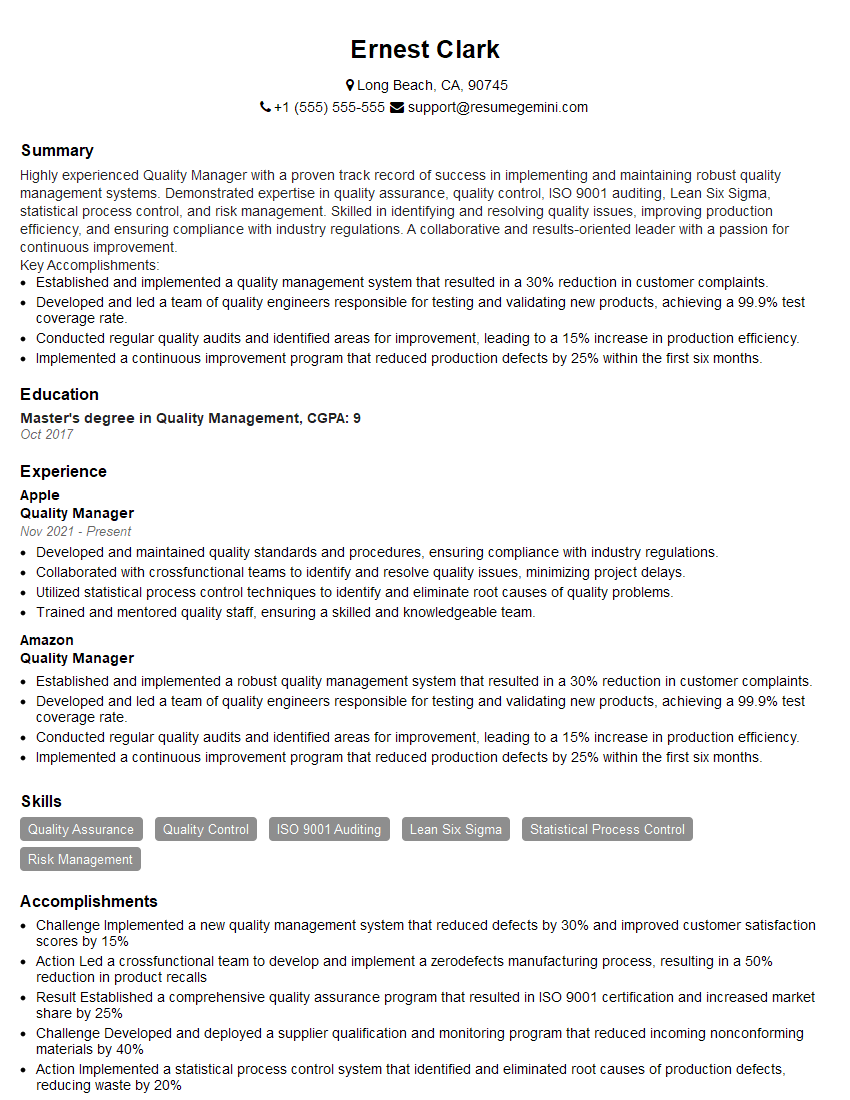
Quality Manager Resume Sample

Quality Assurance Coordinator Resume Sample
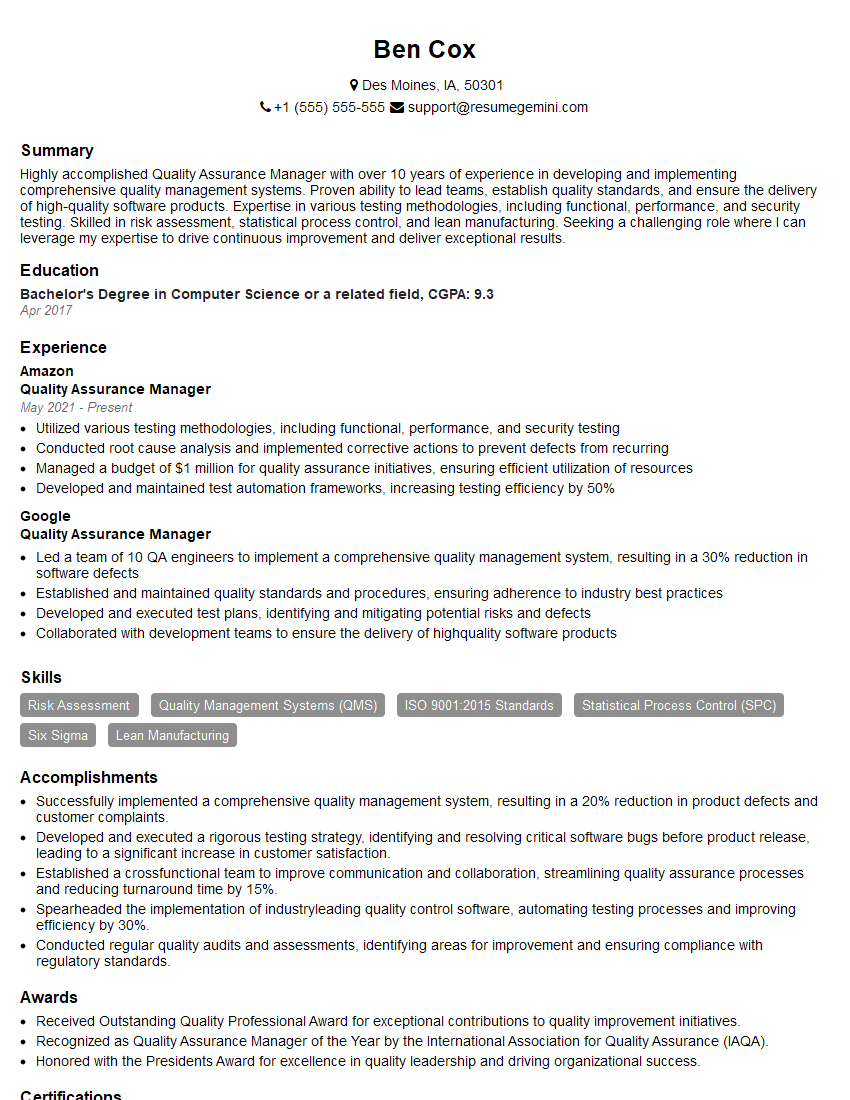
Quality Assurance Manager Resume Sample
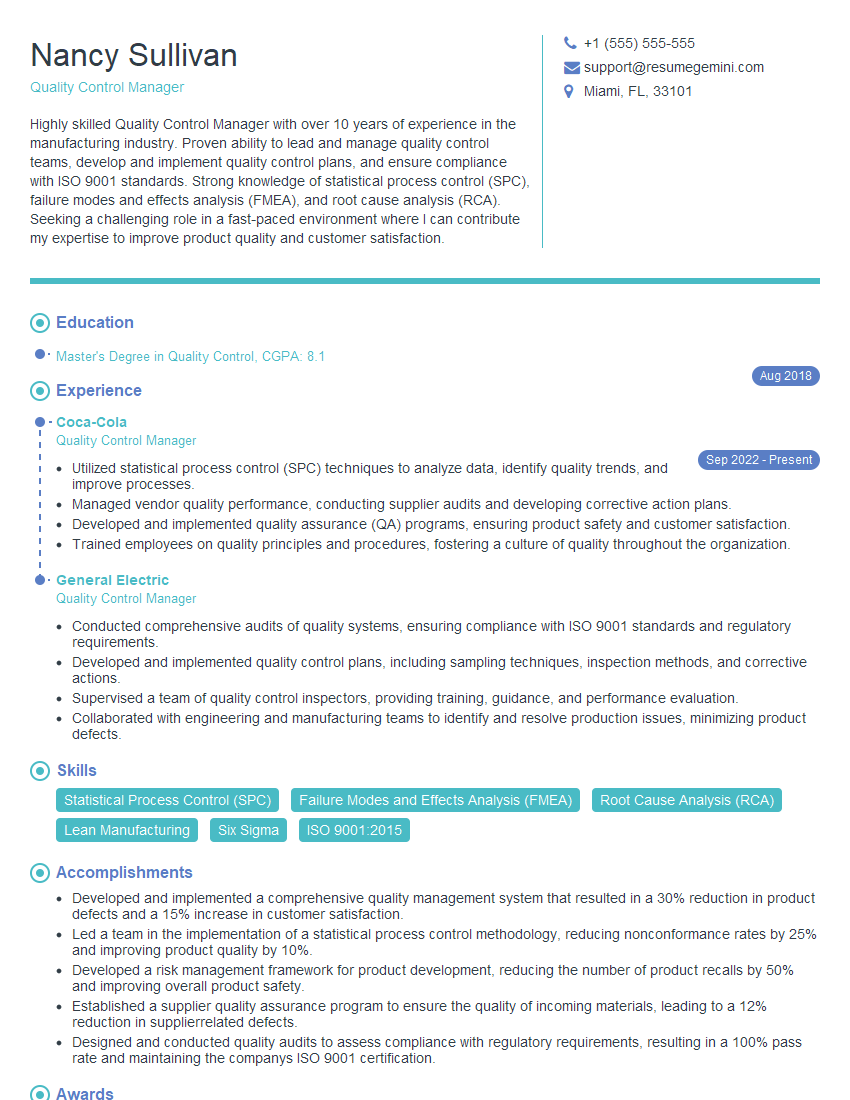
Quality Control Manager Resume Sample
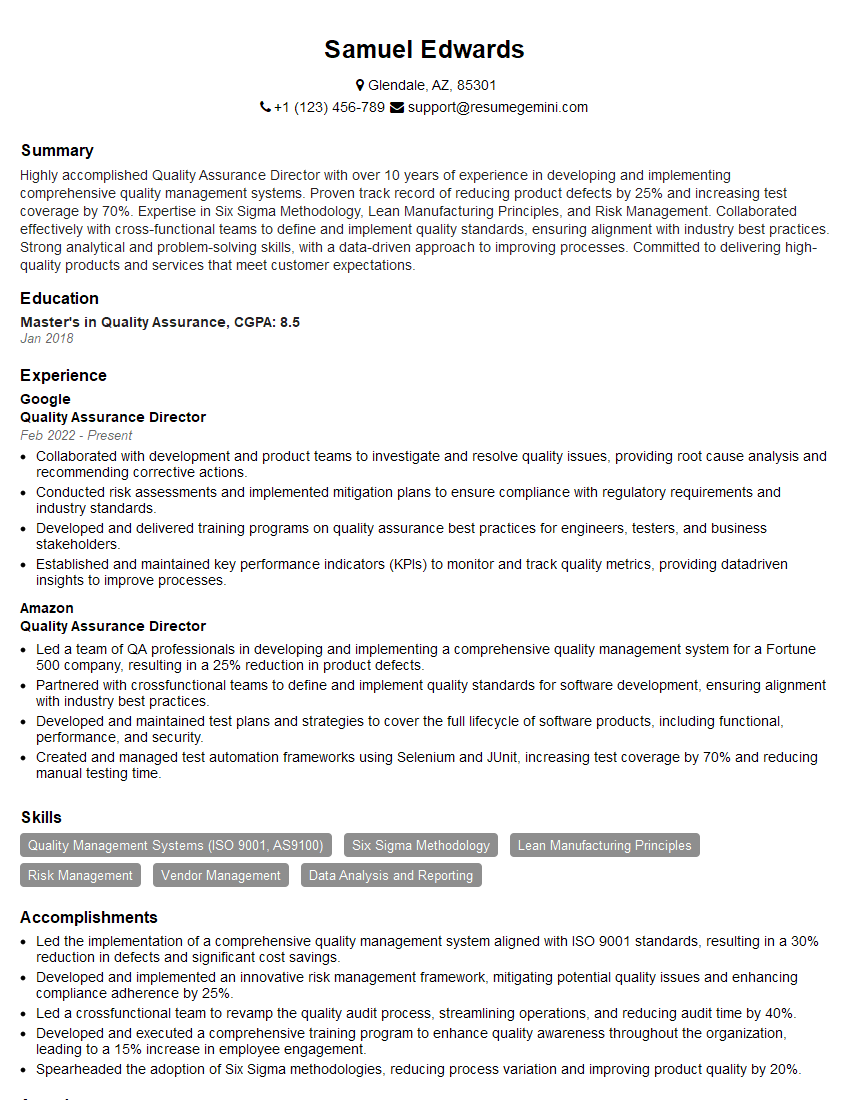
Quality Assurance Director Resume Sample
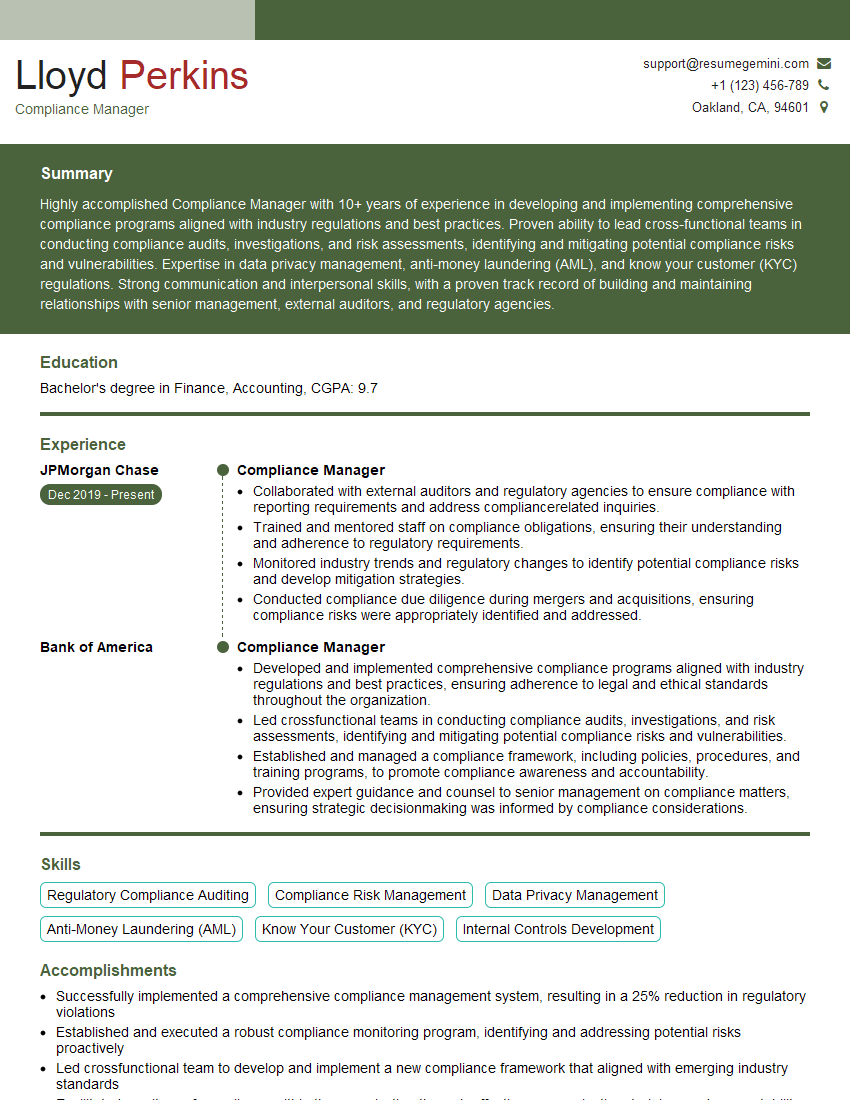
Compliance Manager Resume Sample

Compliance Officer Resume Sample
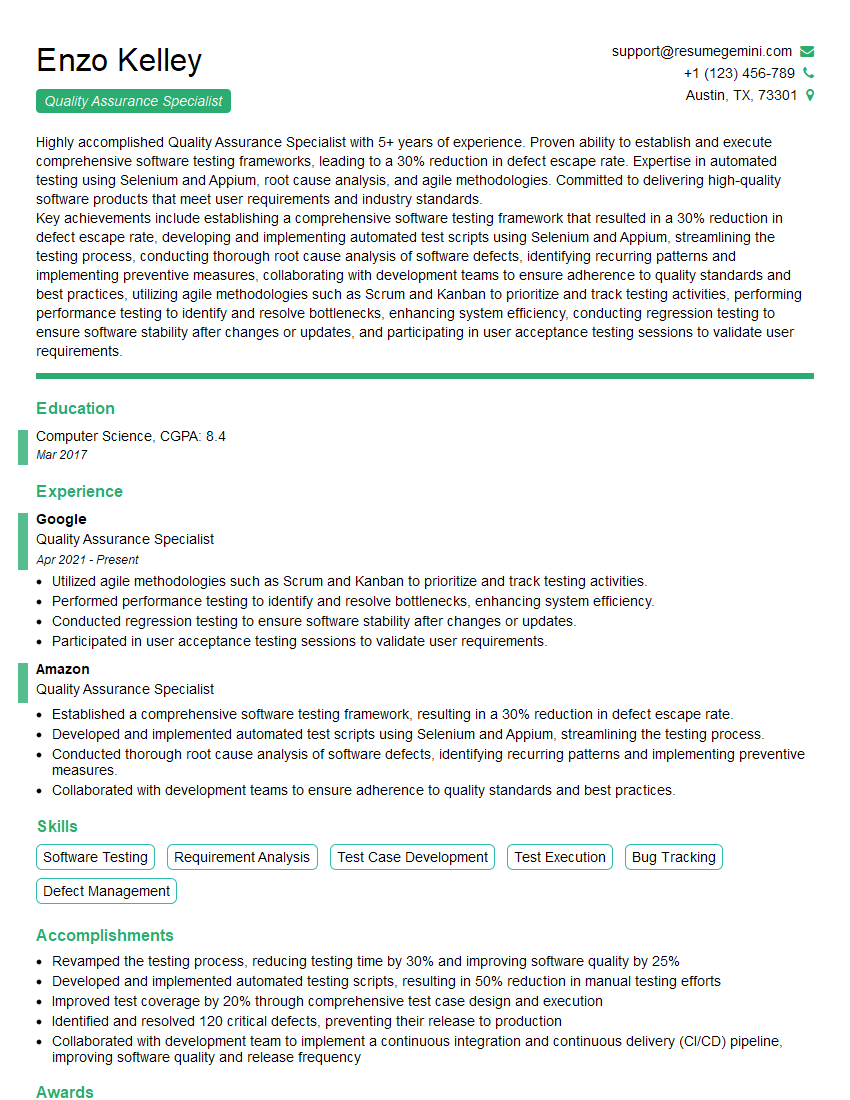
Quality Assurance Specialist Resume Sample
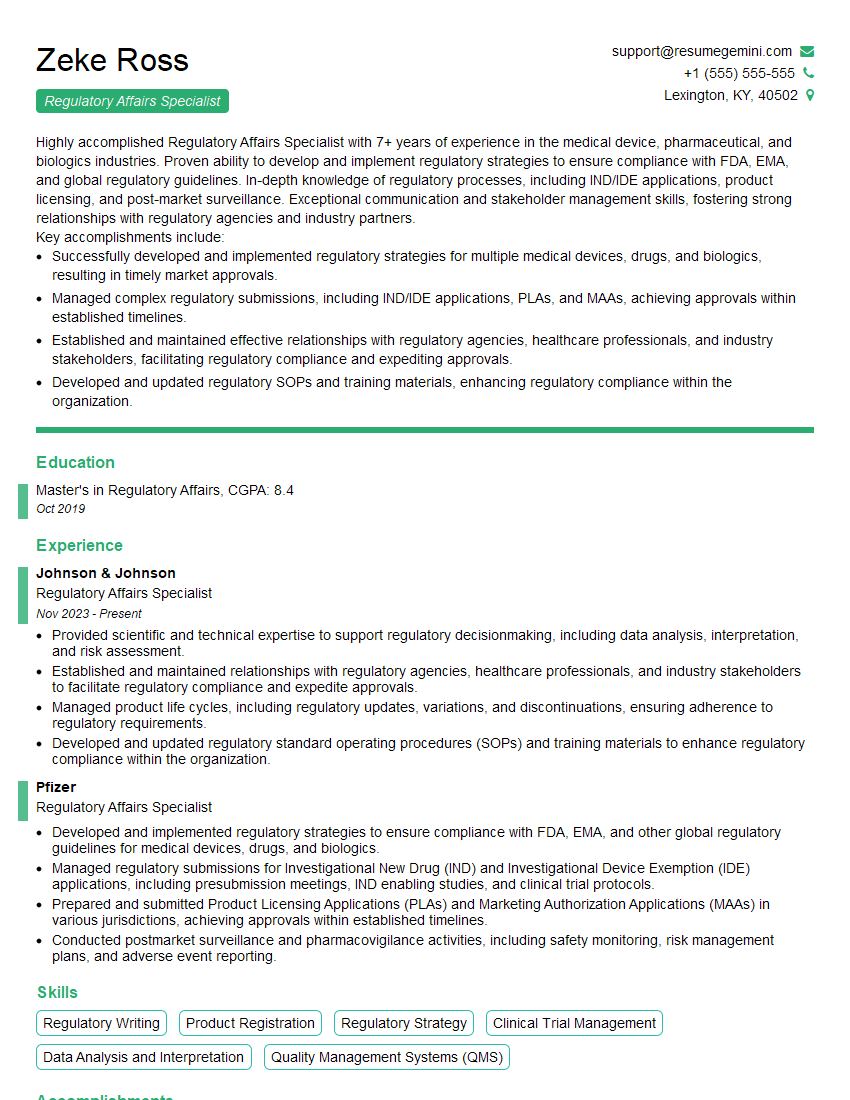
Regulatory Affairs Specialist Resume Sample
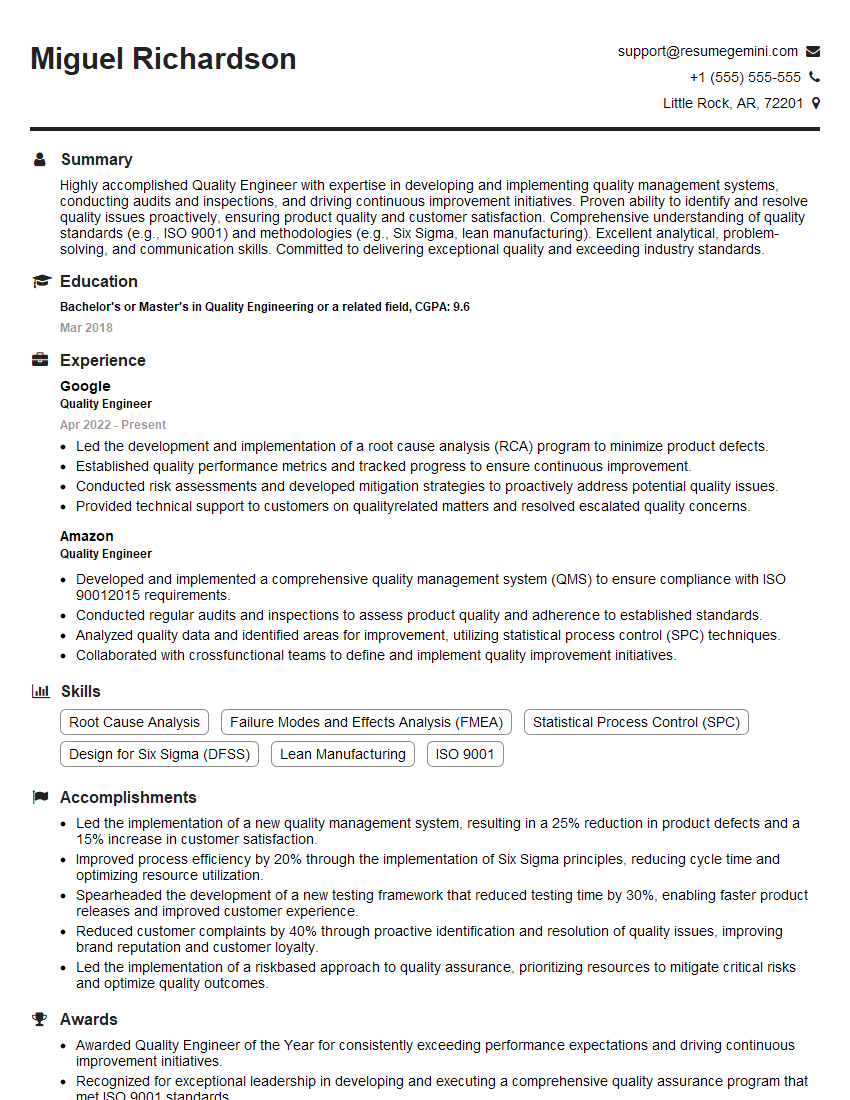
Quality Engineer Resume Sample
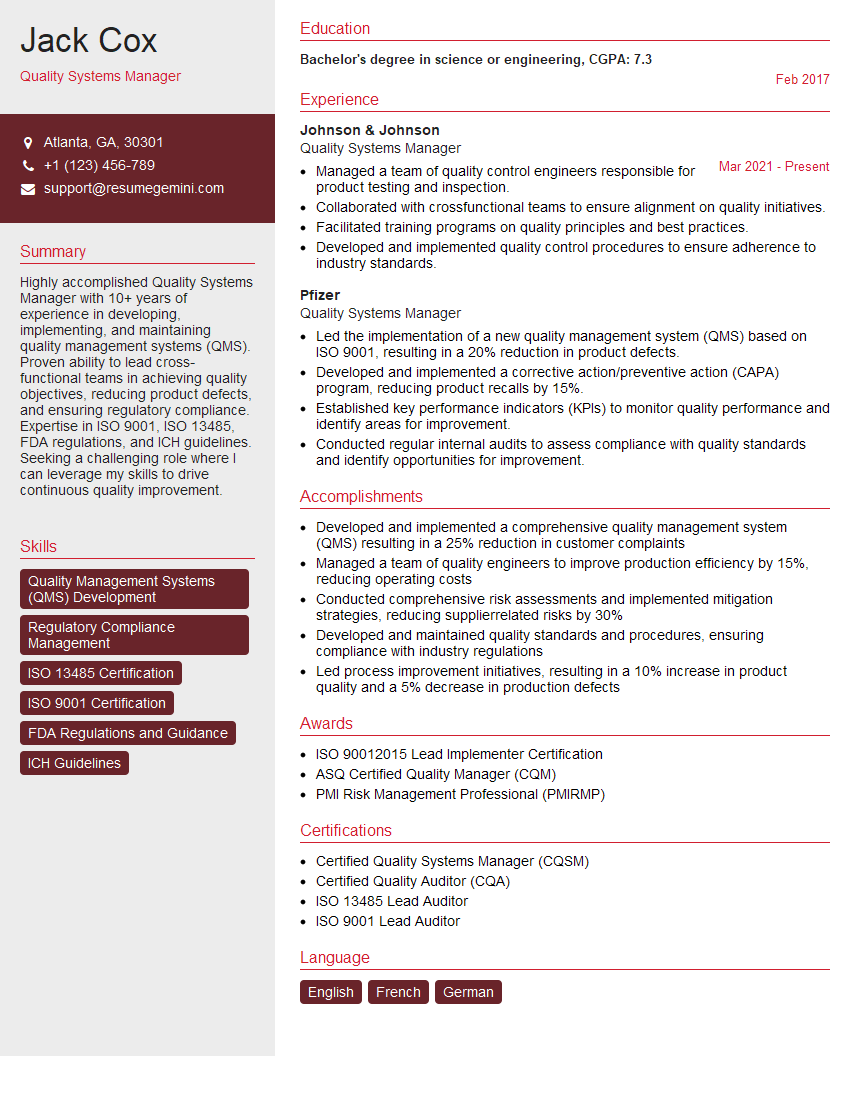
Quality Systems Manager Resume Sample
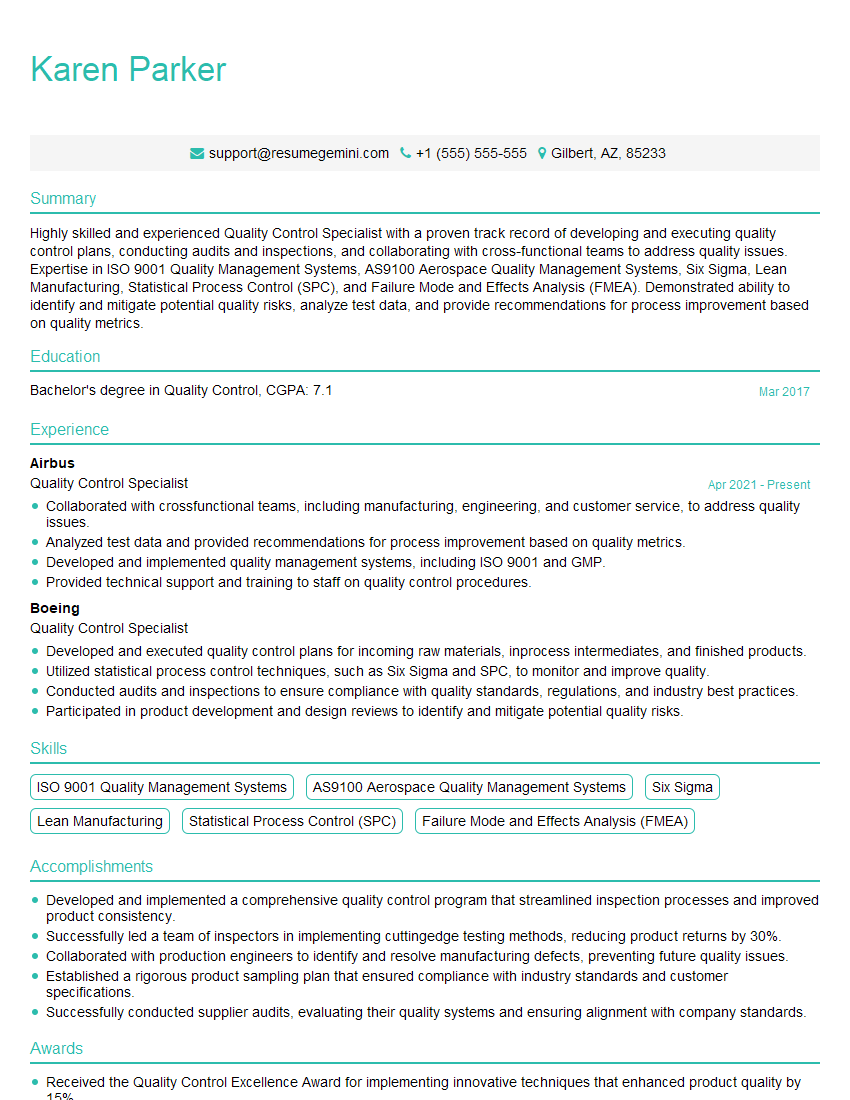
Quality Control Specialist Resume Sample
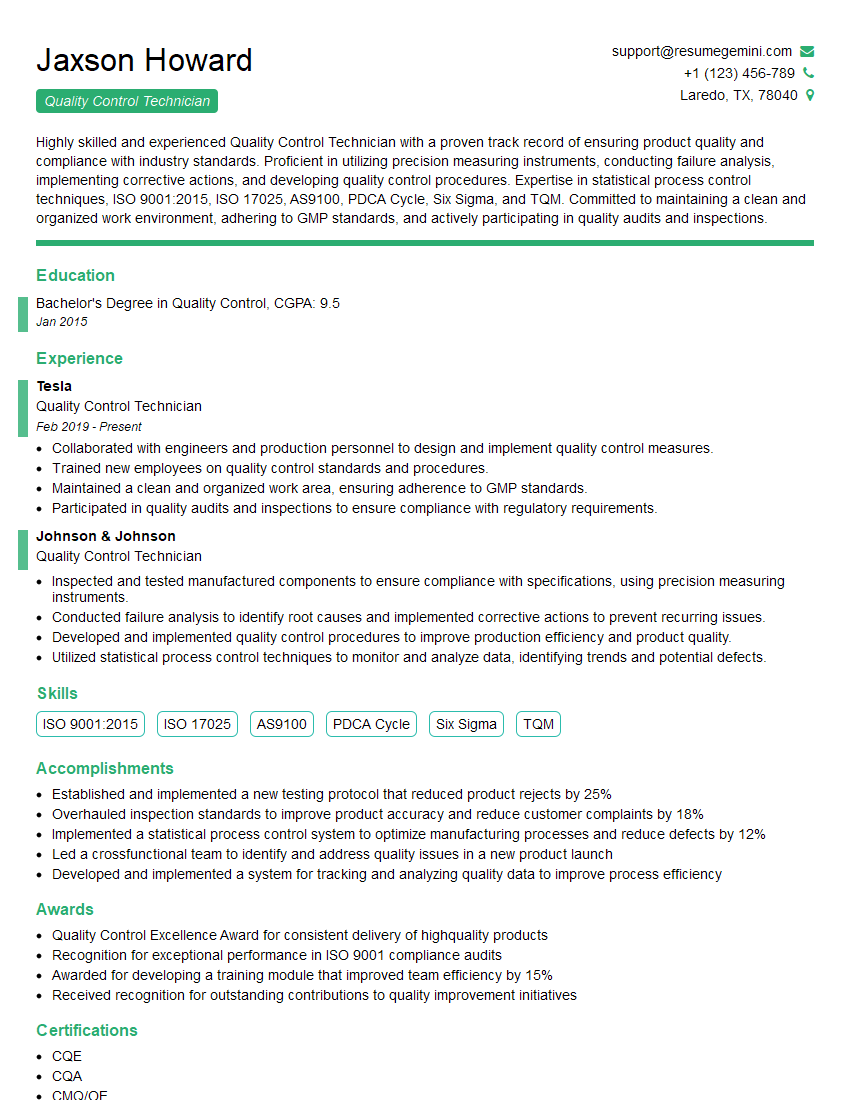
Quality Control Technician Resume Sample
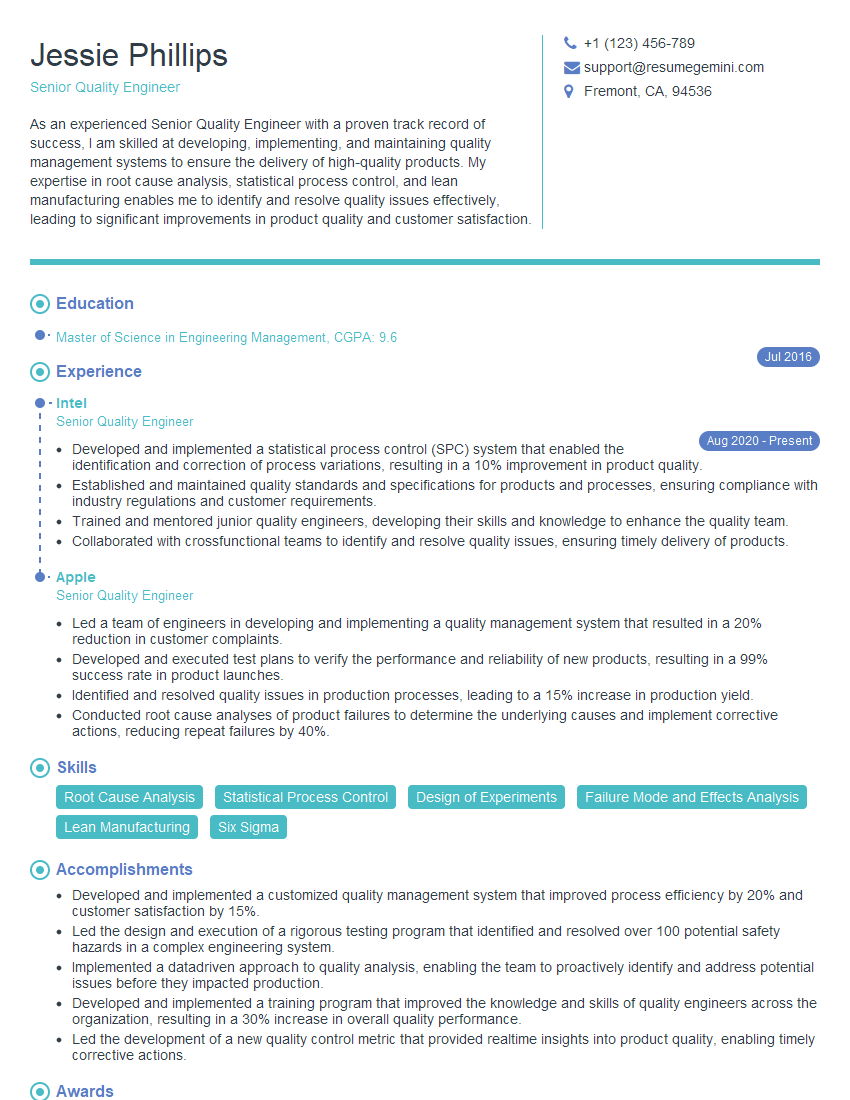
Senior Quality Engineer Resume Sample
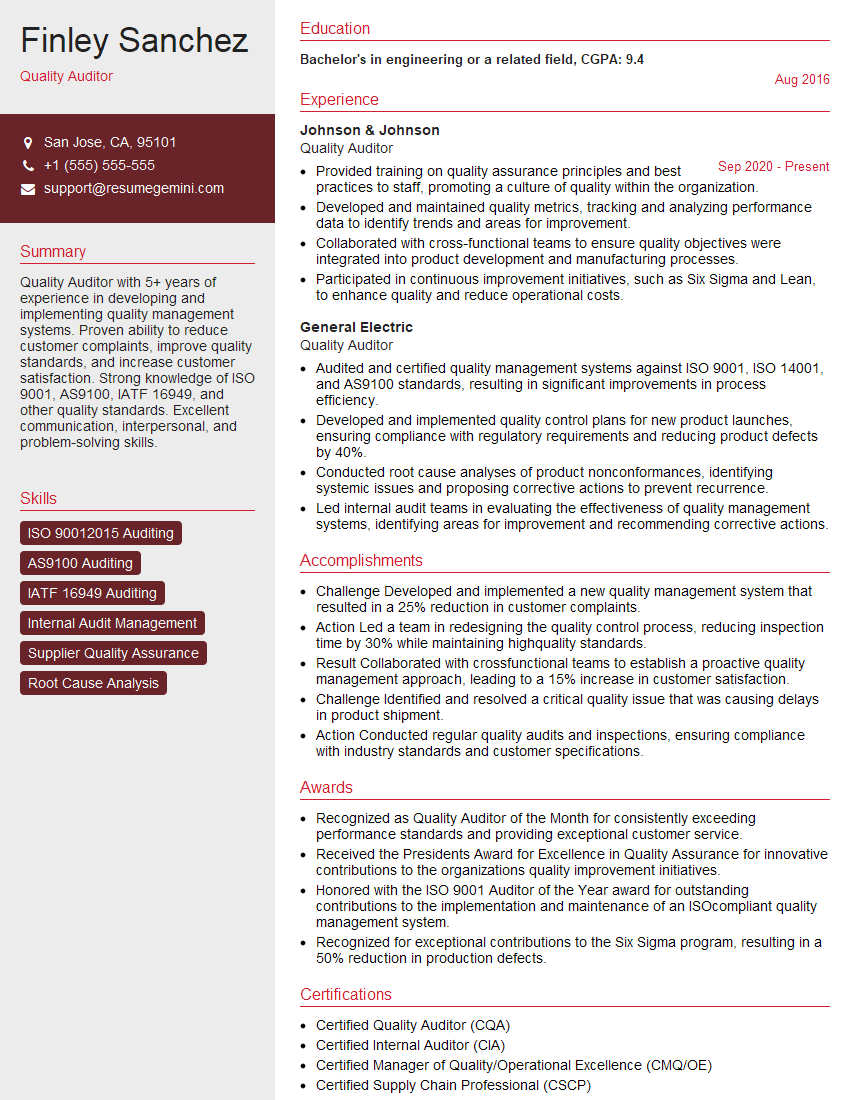
Quality Auditor Resume Sample
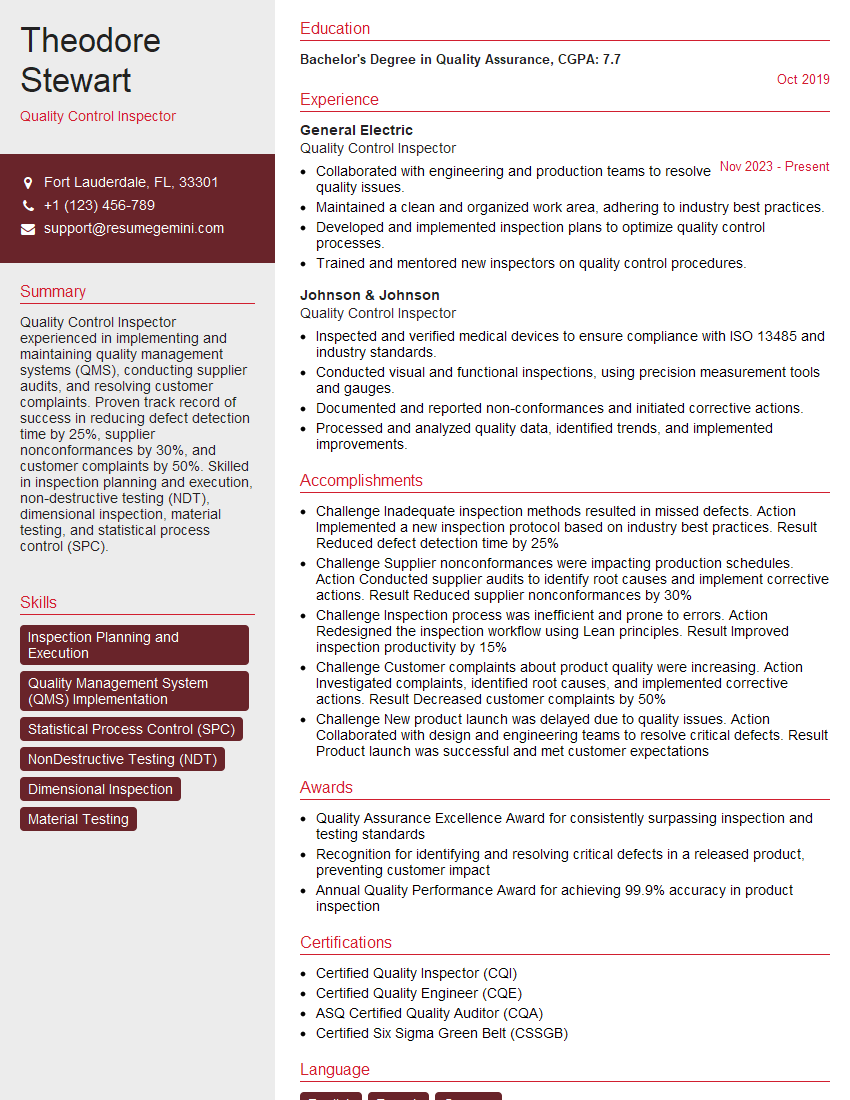
Quality Control Inspector Resume Sample
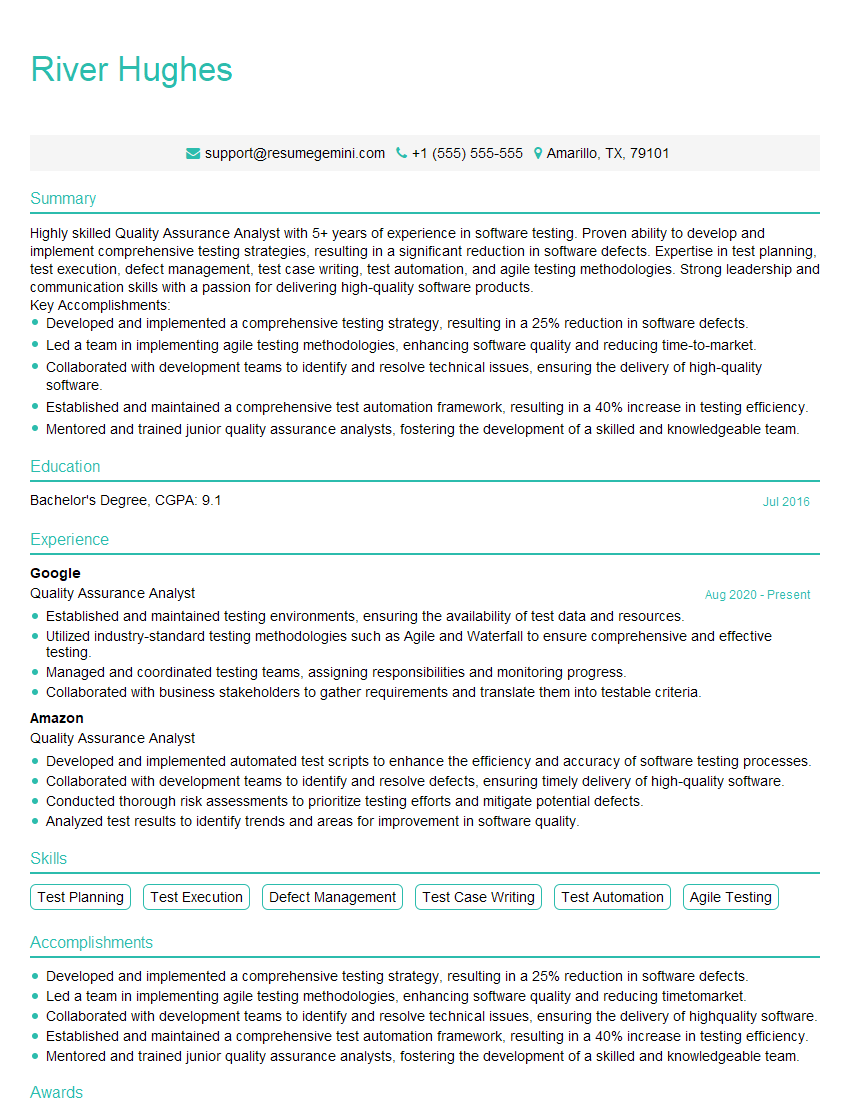
Quality Assurance Analyst Resume Sample
- Quality Manager
- Quality Assurance Coordinator
- Quality Assurance Manager
- Quality Control Manager
- Quality Assurance Director
- Compliance Manager
- Compliance Officer
- Quality Assurance Specialist
- Regulatory Affairs Specialist
- Quality Engineer
- Quality Systems Manager
- Quality Control Specialist
- Quality Control Technician
- Senior Quality Engineer
- Quality Auditor
- Quality Control Inspector
- Quality Assurance Analyst
Explore more articles
Users Rating of Our Blogs
Share Your Experience
We value your feedback! Please rate our content and share your thoughts (optional).
What Readers Say About Our Blog
Attention music lovers!
Wow, All the best Sax Summer music !!!
Spotify: https://open.spotify.com/artist/6ShcdIT7rPVVaFEpgZQbUk
Apple Music: https://music.apple.com/fr/artist/jimmy-sax-black/1530501936
YouTube: https://music.youtube.com/browse/VLOLAK5uy_noClmC7abM6YpZsnySxRqt3LoalPf88No
Other Platforms and Free Downloads : https://fanlink.tv/jimmysaxblack
on google : https://www.google.com/search?q=22+AND+22+AND+22
on ChatGPT : https://chat.openai.com?q=who20jlJimmy20Black20Sax20Producer
Get back into the groove with Jimmy sax Black
Best regards,
Jimmy sax Black
www.jimmysaxblack.com
Hi I am a troller at The aquatic interview center and I suddenly went so fast in Roblox and it was gone when I reset.
Hi,
Business owners spend hours every week worrying about their website—or avoiding it because it feels overwhelming.
We’d like to take that off your plate:
$69/month. Everything handled.
Our team will:
Design a custom website—or completely overhaul your current one
Take care of hosting as an option
Handle edits and improvements—up to 60 minutes of work included every month
No setup fees, no annual commitments. Just a site that makes a strong first impression.
Find out if it’s right for you:
https://websolutionsgenius.com/awardwinningwebsites
Hello,
we currently offer a complimentary backlink and URL indexing test for search engine optimization professionals.
You can get complimentary indexing credits to test how link discovery works in practice.
No credit card is required and there is no recurring fee.
You can find details here:
https://wikipedia-backlinks.com/indexing/
Regards
NICE RESPONSE TO Q & A
hi
The aim of this message is regarding an unclaimed deposit of a deceased nationale that bears the same name as you. You are not relate to him as there are millions of people answering the names across around the world. But i will use my position to influence the release of the deposit to you for our mutual benefit.
Respond for full details and how to claim the deposit. This is 100% risk free. Send hello to my email id: lukachachibaialuka@gmail.com
Luka Chachibaialuka
Hey interviewgemini.com, just wanted to follow up on my last email.
We just launched Call the Monster, an parenting app that lets you summon friendly ‘monsters’ kids actually listen to.
We’re also running a giveaway for everyone who downloads the app. Since it’s brand new, there aren’t many users yet, which means you’ve got a much better chance of winning some great prizes.
You can check it out here: https://bit.ly/callamonsterapp
Or follow us on Instagram: https://www.instagram.com/callamonsterapp
Thanks,
Ryan
CEO – Call the Monster App
Hey interviewgemini.com, I saw your website and love your approach.
I just want this to look like spam email, but want to share something important to you. We just launched Call the Monster, a parenting app that lets you summon friendly ‘monsters’ kids actually listen to.
Parents are loving it for calming chaos before bedtime. Thought you might want to try it: https://bit.ly/callamonsterapp or just follow our fun monster lore on Instagram: https://www.instagram.com/callamonsterapp
Thanks,
Ryan
CEO – Call A Monster APP
To the interviewgemini.com Owner.
Dear interviewgemini.com Webmaster!
Hi interviewgemini.com Webmaster!
Dear interviewgemini.com Webmaster!
excellent
Hello,
We found issues with your domain’s email setup that may be sending your messages to spam or blocking them completely. InboxShield Mini shows you how to fix it in minutes — no tech skills required.
Scan your domain now for details: https://inboxshield-mini.com/
— Adam @ InboxShield Mini
support@inboxshield-mini.com
Reply STOP to unsubscribe
Hi, are you owner of interviewgemini.com? What if I told you I could help you find extra time in your schedule, reconnect with leads you didn’t even realize you missed, and bring in more “I want to work with you” conversations, without increasing your ad spend or hiring a full-time employee?
All with a flexible, budget-friendly service that could easily pay for itself. Sounds good?
Would it be nice to jump on a quick 10-minute call so I can show you exactly how we make this work?
Best,
Hapei
Marketing Director
Hey, I know you’re the owner of interviewgemini.com. I’ll be quick.
Fundraising for your business is tough and time-consuming. We make it easier by guaranteeing two private investor meetings each month, for six months. No demos, no pitch events – just direct introductions to active investors matched to your startup.
If youR17;re raising, this could help you build real momentum. Want me to send more info?
Hi, I represent an SEO company that specialises in getting you AI citations and higher rankings on Google. I’d like to offer you a 100% free SEO audit for your website. Would you be interested?
Hi, I represent an SEO company that specialises in getting you AI citations and higher rankings on Google. I’d like to offer you a 100% free SEO audit for your website. Would you be interested?