Every successful interview starts with knowing what to expect. In this blog, we’ll take you through the top Environmental Degradation Analysis interview questions, breaking them down with expert tips to help you deliver impactful answers. Step into your next interview fully prepared and ready to succeed.
Questions Asked in Environmental Degradation Analysis Interview
Q 1. Define environmental degradation and its key indicators.
Environmental degradation refers to the deterioration of the environment through depletion of resources like air, water and soil; the destruction of ecosystems; habitat destruction; the extinction of wildlife; and pollution. It’s essentially the decline in the quality of our natural world, impacting both ecological integrity and human well-being.
Key indicators vary depending on the specific environment and the type of degradation, but some common ones include:
- Air Quality: Levels of pollutants like particulate matter, ozone, and sulfur dioxide.
- Water Quality: Dissolved oxygen levels, nutrient concentrations (e.g., nitrates and phosphates), presence of heavy metals and pathogens.
- Soil Health: Erosion rates, organic matter content, nutrient levels, and salinity.
- Biodiversity Loss: Changes in species richness and abundance, habitat fragmentation, and extinction rates.
- Climate Change Indicators: Rising temperatures, changes in precipitation patterns, sea-level rise.
- Deforestation and Land Degradation: Loss of forest cover, desertification, and soil erosion.
For example, a decrease in dissolved oxygen in a river indicates water pollution, potentially harming aquatic life and impacting human health. Similarly, high levels of particulate matter in the air contribute to respiratory illnesses.
Q 2. Explain the difference between point and non-point source pollution.
The key difference between point and non-point source pollution lies in the origin and identifiability of the pollution.
Point source pollution originates from a single, identifiable source. Think of it like a faucet leaking; you can pinpoint the exact location of the problem. Examples include:
- Discharge pipes from factories releasing industrial waste into rivers.
- Smoke stacks from power plants emitting pollutants into the atmosphere.
- Leaking underground storage tanks releasing fuel or chemicals into the soil.
Non-point source pollution, on the other hand, is diffuse and comes from multiple, unidentifiable sources spread over a large area. It’s like a gentle rain washing pollutants from a large field into a river; you can’t pinpoint one specific source. Examples include:
- Runoff from agricultural fields carrying fertilizers and pesticides into waterways.
- Urban stormwater runoff carrying oil, debris, and other pollutants into rivers and oceans.
- Atmospheric deposition of pollutants from widespread sources like vehicle emissions.
Identifying and managing point source pollution is generally easier because the source is known. Addressing non-point source pollution requires a more holistic approach, often involving community-wide efforts and land-use management practices.
Q 3. Describe various methods for assessing environmental impact.
Several methods exist for assessing environmental impact, each with its strengths and weaknesses. The choice depends on the specific context, resources available, and desired level of detail.
- Environmental Impact Assessment (EIA): A comprehensive process used to predict and evaluate the potential environmental consequences of proposed projects. It typically involves baseline studies, impact prediction, mitigation planning, and monitoring.
- Life Cycle Assessment (LCA): Examines the environmental impacts of a product or process throughout its entire life cycle, from raw material extraction to disposal. It quantifies impacts across different categories like greenhouse gas emissions and resource depletion.
- Ecological Risk Assessment (ERA): Focuses on the probability and magnitude of adverse ecological effects resulting from exposure to stressors such as pollution. It often utilizes models and statistical analysis.
- Rapid Assessment Methods: These are streamlined assessments that provide quick, preliminary evaluations of environmental impacts. They are useful for screening purposes and prioritization.
- Remote Sensing and GIS Analysis: Utilize satellite imagery and geographical information systems to monitor environmental changes over time, such as deforestation, land cover change, and pollution spread.
For example, an EIA might be required for a proposed highway construction project, while an LCA might be used to evaluate the environmental footprint of a new type of plastic bag. Rapid assessment methods could be used to quickly screen multiple potential sites for a new wind farm.
Q 4. What are the key components of an Environmental Impact Assessment (EIA)?
A comprehensive EIA typically includes these key components:
- Screening: Determining whether an EIA is required based on the project’s potential environmental impacts.
- Scoping: Identifying the key environmental issues and determining the scope of the assessment.
- Baseline Studies: Characterizing the existing environmental conditions in the project area.
- Impact Prediction: Assessing the potential environmental impacts of the project, both positive and negative.
- Mitigation Measures: Developing strategies to avoid, minimize, or offset the negative impacts.
- Impact Assessment Report: Documenting the findings of the EIA, including the predicted impacts, mitigation measures, and conclusions.
- Public Consultation: Engaging stakeholders and the public in the EIA process.
- Monitoring and Evaluation: Tracking the actual impacts of the project during and after its implementation.
A well-conducted EIA helps decision-makers evaluate the trade-offs between project benefits and environmental costs, ultimately leading to more sustainable development outcomes. For example, an EIA for a dam project would consider impacts on water quality, fish populations, and downstream communities.
Q 5. Explain the role of GIS in environmental degradation analysis.
Geographic Information Systems (GIS) play a crucial role in environmental degradation analysis by providing tools to visualize, analyze, and model spatial data related to environmental issues. GIS allows for the integration of various data layers (e.g., soil type, land use, pollution levels, climate data) to create comprehensive maps and models.
Specific applications include:
- Mapping and Monitoring: Creating maps of deforestation, pollution hotspots, or areas vulnerable to natural disasters.
- Spatial Analysis: Identifying correlations between environmental variables and assessing the spatial extent of degradation.
- Modeling: Simulating the spread of pollution, predicting the impact of climate change, or assessing the effectiveness of mitigation measures.
- Data Integration: Combining different data sources (e.g., satellite imagery, ground-based measurements, census data) to obtain a holistic view of environmental conditions.
For example, GIS can be used to map the extent of soil erosion in a region, analyze the relationship between erosion and land use practices, and model the effectiveness of different erosion control techniques.
Q 6. How do you analyze spatial data related to environmental degradation?
Analyzing spatial data related to environmental degradation involves a multi-step process often leveraging GIS capabilities:
- Data Acquisition: Gathering relevant data from various sources like satellite imagery, field surveys, sensor networks, and government databases. This could include remotely sensed data, soil samples, water quality measurements, and demographic information.
- Data Preprocessing: Cleaning, transforming, and preparing the data for analysis. This might involve georeferencing data, correcting for errors, and converting data into appropriate formats.
- Spatial Analysis: Performing various spatial analyses to identify patterns and relationships. Techniques include overlay analysis (combining different data layers), proximity analysis (measuring distances between features), and spatial autocorrelation (assessing the spatial dependence of variables).
- Statistical Analysis: Using statistical methods to quantify the relationships between variables and make inferences about the causes and consequences of environmental degradation. Regression analysis, correlation analysis, and cluster analysis are frequently employed.
- Visualization and Interpretation: Creating maps and graphs to visualize the results of the analysis and communicate findings effectively. This often involves creating thematic maps, spatial trend surfaces, and statistical summaries.
For example, one might analyze spatial patterns of deforestation by overlaying deforestation maps with data on population density, road networks, and protected areas to understand the drivers of deforestation. Statistical analysis could then be used to quantify the relationship between these factors and deforestation rates.
Q 7. Discuss different remediation techniques for soil contamination.
Remediation techniques for soil contamination depend heavily on the type and extent of contamination, the properties of the soil, and the surrounding environment. There’s no one-size-fits-all solution.
Common methods include:
- Excavation and Disposal: Digging up the contaminated soil and disposing of it in a hazardous waste landfill. This is effective for highly concentrated contamination but can be expensive and disruptive.
- Bioremediation: Using microorganisms (bacteria, fungi) to break down or transform contaminants. This is a cost-effective and environmentally friendly option for certain types of contaminants, but it can be slow and requires specific environmental conditions.
- Phytoremediation: Using plants to absorb, extract, or stabilize contaminants. It’s a sustainable approach, but it’s suitable only for specific contaminants and soil types. This might include using plants to extract heavy metals from the soil.
- In-situ Chemical Oxidation (ISCO): Injecting chemicals into the contaminated soil to break down or neutralize contaminants. This is suitable for treating a wide range of contaminants but requires careful control to avoid adverse effects on the environment.
- Soil Washing: Separating contaminants from soil particles by washing the soil with water or a chemical solution. This is suitable for removing contaminants that are not strongly bound to soil particles.
- Stabilization/Solidification: Treating the soil to immobilize the contaminants, preventing their leaching or migration. This reduces the risk of exposure but doesn’t destroy the contaminants.
The choice of remediation technique involves a careful risk assessment, considering factors like cost, effectiveness, and potential environmental impacts. Often, a combination of methods is employed to achieve the best results. For instance, bioremediation might be used for a less severe contamination, while excavation and disposal may be chosen for a site with high levels of hazardous materials.
Q 8. How do you assess the effectiveness of environmental remediation projects?
Assessing the effectiveness of environmental remediation projects requires a multifaceted approach. We can’t simply declare a project successful because it was completed on time and within budget. We must rigorously evaluate its impact on the environment. This involves a combination of pre- and post-remediation data analysis, focusing on the specific contaminants targeted.
For example, if a project aimed to reduce soil lead concentration near a former smelter, we would compare pre- and post-remediation lead levels at multiple locations. Statistical analysis, such as t-tests or ANOVA, would determine if the differences are statistically significant. We would also monitor for potential unintended consequences, such as the mobilization of other contaminants during the remediation process.
Beyond contaminant levels, we consider ecological indicators like plant diversity or soil microbial communities. A successful remediation project should not only reduce pollution but also facilitate the recovery of the ecosystem. This might involve measuring things like species richness, biomass, or the presence of indicator species. Finally, long-term monitoring is crucial, as some remediation effects might only become apparent over time.
- Data Comparison: Analyzing pre- and post-remediation data using statistical methods.
- Ecological Assessment: Evaluating changes in biodiversity, soil health, and other ecological indicators.
- Long-Term Monitoring: Tracking environmental parameters for several years to assess lasting effects.
Q 9. Explain the concept of Life Cycle Assessment (LCA).
Life Cycle Assessment (LCA) is a comprehensive technique used to evaluate the environmental impacts associated with all stages of a product or process, from raw material extraction to disposal or recycling. Think of it as a cradle-to-grave analysis. It helps us understand the full environmental footprint of our actions, not just isolated aspects.
An LCA typically involves four phases:
- Goal and Scope Definition: Clearly defining the purpose of the LCA and the system boundaries.
- Inventory Analysis: Quantifying the inputs and outputs of energy, materials, and emissions throughout the product’s life cycle.
- Impact Assessment: Evaluating the environmental consequences of the identified inputs and outputs, considering categories like climate change, resource depletion, and eutrophication.
- Interpretation: Analyzing the results to identify environmental hotspots and potential areas for improvement.
For example, an LCA of a plastic bottle would consider the energy used to produce the plastic, the greenhouse gas emissions from manufacturing and transportation, and the environmental impact of its disposal (landfill or recycling). This holistic approach enables informed decision-making, promoting the development of more sustainable products and processes.
Q 10. Describe the role of environmental regulations in mitigating degradation.
Environmental regulations play a vital role in mitigating degradation by setting standards, promoting responsible behavior, and providing enforcement mechanisms. They establish acceptable limits for pollution, resource use, and other environmentally damaging activities. Think of them as the rules of the game, designed to protect the environment.
Regulations can take many forms, including emission standards for factories, water quality limits for industries, and permitting requirements for construction projects. They provide a framework for holding polluters accountable and incentivizing sustainable practices. Effective enforcement is crucial to ensuring compliance and deterring illegal activities.
For example, regulations limiting the release of mercury into water bodies have significantly reduced mercury contamination in many regions. Regulations promoting renewable energy have spurred innovation and deployment of cleaner energy sources, contributing to a reduction in greenhouse gas emissions. However, the effectiveness of regulations depends on several factors, including the strength of enforcement, the availability of technologies for compliance, and the level of public awareness and participation.
Q 11. What are the key environmental regulations relevant to your area of expertise?
The specific regulations relevant to my area of expertise vary depending on the geographic location and the type of environmental degradation being addressed. However, some common and broadly applicable regulations include:
- Clean Water Act (CWA): Regulates the discharge of pollutants into U.S. waters.
- Clean Air Act (CAA): Controls air pollution from stationary and mobile sources in the U.S.
- Resource Conservation and Recovery Act (RCRA): Governs the management of hazardous and non-hazardous waste in the U.S.
- Comprehensive Environmental Response, Compensation, and Liability Act (CERCLA) or Superfund: Addresses the cleanup of hazardous waste sites in the U.S.
Internationally, we often see similar regulations, albeit with varying levels of stringency. For instance, many countries have regulations related to water quality standards, air emissions, and waste management. The specific regulations may differ, but the fundamental goal of environmental protection remains constant.
Q 12. How do you interpret environmental monitoring data?
Interpreting environmental monitoring data is a crucial aspect of my work. It involves more than just looking at numbers; it requires a thorough understanding of the data collection methods, the context of the site, and the relevant environmental regulations.
My interpretation process usually involves:
- Data Quality Check: Assessing the reliability and validity of the data, checking for outliers, and ensuring data completeness.
- Statistical Analysis: Applying appropriate statistical methods, such as trend analysis, correlation analysis, and hypothesis testing, to identify significant patterns and relationships.
- Spatial Analysis: Visualizing the data using maps and GIS tools to understand the spatial distribution of contaminants or other environmental parameters.
- Comparison with Standards: Comparing the measured values with established environmental quality standards and regulatory limits.
- Contextual Interpretation: Considering the site-specific factors, such as land use, geology, and hydrology, that may influence the data.
For example, finding elevated levels of a particular contaminant in groundwater might lead me to investigate potential sources, such as a nearby industrial facility or a historical landfill. This would involve considering historical land use, reviewing site documentation, and potentially collecting additional data to confirm my hypothesis.
Q 13. Describe your experience with statistical analysis in environmental studies.
Statistical analysis is fundamental to environmental studies. I have extensive experience using various statistical techniques, including descriptive statistics (mean, median, standard deviation), regression analysis (to determine relationships between variables), ANOVA (to compare means across multiple groups), and time series analysis (to identify trends and patterns in environmental data over time).
I frequently use software like R and SPSS to perform these analyses. For example, in a study assessing the impact of agricultural runoff on water quality, I might use regression analysis to determine the relationship between fertilizer application rates and nutrient levels in a nearby stream. I might also use ANOVA to compare water quality parameters in streams located in different agricultural land use intensities. Furthermore, I’m proficient in using GIS software to perform spatial statistical analysis to identify clusters of pollution or hotspots of environmental degradation.
A strong understanding of statistical principles is crucial for drawing valid conclusions from environmental data and making informed recommendations based on the evidence available.
Q 14. What are the common challenges faced in environmental degradation analysis?
Environmental degradation analysis faces several challenges. One major challenge is the complexity of environmental systems. Numerous factors interact in intricate ways, making it difficult to isolate the causes and effects of degradation.
- Data Availability and Quality: Accessing reliable and comprehensive data can be challenging due to limited monitoring networks, inconsistent data collection methods, and the high cost of environmental monitoring.
- Scale and Scope: Addressing environmental problems often requires considering large spatial and temporal scales, posing challenges for data analysis and modeling.
- Uncertainty and Variability: Environmental systems are inherently variable and uncertain, making it difficult to make precise predictions about future environmental conditions.
- Attribution of Impacts: Determining the specific causes of environmental degradation can be difficult, especially when multiple stressors are present.
- Translating Science into Policy: Effectively communicating the findings of environmental degradation analysis to policymakers and the public to influence environmental policy and management decisions can be challenging.
Overcoming these challenges requires collaboration among scientists, policymakers, and stakeholders, the use of advanced modeling techniques, and a commitment to long-term monitoring and data collection.
Q 15. How do you communicate complex environmental data to non-technical audiences?
Communicating complex environmental data to non-technical audiences requires translating scientific jargon into plain language and using visuals to illustrate key findings. I employ several strategies: First, I start with a clear, concise summary of the main findings, using analogies or relatable examples whenever possible. For instance, explaining carbon emissions in terms of the number of cars on the road, rather than using tons of CO2, is more effective. Second, I use strong visuals, such as maps, charts, and infographics, to represent data effectively. A well-designed graph can instantly convey trends that a table of numbers cannot. Third, I actively involve the audience by using interactive elements like Q&A sessions and encouraging discussion. Finally, I tailor the message to the audience’s specific interests and prior knowledge. A presentation to a group of policymakers will differ significantly from one intended for the general public.
For example, when explaining the concept of biodiversity loss, instead of talking about species richness and evenness indices, I might use an image of a thriving forest compared to a deforested area, illustrating the tangible impact on the ecosystem. This allows for a more impactful and easily understandable narrative.
Career Expert Tips:
- Ace those interviews! Prepare effectively by reviewing the Top 50 Most Common Interview Questions on ResumeGemini.
- Navigate your job search with confidence! Explore a wide range of Career Tips on ResumeGemini. Learn about common challenges and recommendations to overcome them.
- Craft the perfect resume! Master the Art of Resume Writing with ResumeGemini’s guide. Showcase your unique qualifications and achievements effectively.
- Don’t miss out on holiday savings! Build your dream resume with ResumeGemini’s ATS optimized templates.
Q 16. Explain the concept of environmental sustainability.
Environmental sustainability is the responsible interaction with the environment to avoid depletion or degradation of natural resources and allow for long-term ecological balance. It involves meeting the needs of the present without compromising the ability of future generations to meet their own needs. This encompasses three key pillars: environmental protection, social equity, and economic viability. Environmental protection focuses on preserving biodiversity, mitigating pollution, and conserving natural resources. Social equity addresses issues of fairness and justice in resource distribution and access to a healthy environment. Economic viability ensures that sustainable practices are economically feasible and contribute to long-term prosperity.
A practical example is the development of sustainable agriculture. This involves practices like crop rotation, reduced pesticide use, and water conservation, which protect the environment while ensuring food security. It also involves fair compensation for farmers, promoting social equity, and creating economically viable businesses.
Q 17. Discuss the impact of climate change on environmental degradation.
Climate change significantly exacerbates environmental degradation through a multitude of interconnected mechanisms. Rising temperatures lead to more frequent and intense heatwaves, droughts, and wildfires, damaging ecosystems and biodiversity. Melting glaciers and ice caps contribute to sea-level rise, threatening coastal communities and habitats. Changes in precipitation patterns disrupt agricultural yields and water resources. Ocean acidification, caused by increased absorption of CO2, harms marine life and coral reefs. These effects are not isolated; they create a cascade of negative consequences. For instance, deforestation, driven by climate change impacts and agricultural expansion, reduces carbon sequestration capacity, accelerating warming and creating feedback loops.
The Amazon rainforest, a crucial carbon sink, is increasingly vulnerable to droughts and wildfires, contributing to further climate change. This illustrates the complex interplay between climate change and environmental degradation. Addressing climate change is thus crucial to mitigating the wider environmental damage it causes.
Q 18. How do you assess the economic impacts of environmental degradation?
Assessing the economic impacts of environmental degradation involves quantifying the costs associated with damage to natural resources, ecosystem services, and human health. This requires a multi-faceted approach. We can use cost-benefit analysis to compare the economic costs of environmental damage (e.g., loss of agricultural productivity due to soil erosion) against the costs of mitigation and remediation efforts. Furthermore, we can analyze the impact on various sectors, such as tourism, fisheries, and agriculture, by assessing changes in productivity and market values. Valuation techniques like contingent valuation (measuring willingness to pay for environmental improvements) and hedonic pricing (analyzing how environmental factors influence property values) can be used to quantify the economic value of environmental goods and services that don’t have a market price. Finally, it is crucial to consider the long-term implications of inaction, as delayed remediation can lead to escalating costs in the future.
For example, the economic impact of air pollution can be assessed by calculating healthcare costs due to respiratory illnesses, lost productivity from sick days, and the environmental cleanup costs. This comprehensive approach helps decision-makers understand the true economic cost of environmental degradation and prioritize effective policies.
Q 19. Describe your experience with environmental modeling software.
My experience with environmental modeling software is extensive. I am proficient in using several packages, including ArcGIS, which I utilize for geographic information system (GIS) analysis, spatial data management, and creating maps illustrating environmental changes. I also have experience with R, a powerful statistical computing environment, for analyzing environmental data, building statistical models (e.g., for predicting pollution levels), and creating custom visualizations. Additionally, I am familiar with specialized software for hydrological modeling (e.g., MIKE SHE) and air quality modeling (e.g., AERMOD). My expertise extends to data cleaning, model calibration, validation, and interpretation of model outputs. I routinely use these tools to simulate environmental processes, predict future scenarios, and assess the effectiveness of different management strategies.
For instance, in a recent project, I used ArcGIS to map deforestation patterns and then integrated this data into an R model to predict future biodiversity loss. This combined approach allowed for a detailed and spatially explicit assessment of the situation.
Q 20. What are your preferred methods for data visualization in environmental analysis?
My preferred methods for data visualization in environmental analysis are driven by clarity and effectiveness. I prioritize clear and concise communication of complex datasets. For spatial data, I often use maps created in ArcGIS, utilizing appropriate symbology and cartographic principles to present information effectively. For temporal trends, I use time-series plots, often supplemented by moving averages to smooth out fluctuations and highlight major trends. Bar charts, pie charts, and box plots are used to compare categorical data or distributions. Interactive dashboards, increasingly common, are invaluable for exploring large and complex datasets. In all cases, I strive to minimize clutter and use a consistent visual style to ensure the data is easily understood by the target audience. I also often include clear labels, legends, and annotations to ensure context and understanding.
For instance, when presenting air quality data, I might use a choropleth map to show spatial variations in pollution levels, a time-series plot to show trends over time, and a bar chart to compare pollution levels across different seasons.
Q 21. How do you prioritize competing environmental concerns in a project?
Prioritizing competing environmental concerns in a project requires a structured and transparent approach. I usually start by defining clear objectives and identifying all relevant environmental issues. Then, a multi-criteria decision analysis (MCDA) framework is employed. This involves identifying relevant criteria for prioritization (e.g., ecological significance, societal impact, feasibility of mitigation), assigning weights to each criterion based on their relative importance, and scoring each environmental concern based on how well it meets each criterion. This process often involves stakeholder engagement to ensure diverse perspectives are considered. Finally, the scores and weights are combined to generate a prioritized list of concerns. This approach provides a transparent and justifiable basis for decision-making, ensuring that limited resources are allocated effectively.
For example, in a project involving land use planning, we might prioritize biodiversity conservation over agricultural expansion by assigning higher weights to criteria related to ecological value and species protection in our MCDA. This would lead to decisions that better protect the environment while still addressing economic development needs.
Q 22. Describe your experience with risk assessment related to environmental hazards.
Risk assessment for environmental hazards involves identifying potential threats, analyzing their likelihood and severity, and determining appropriate management strategies. My experience encompasses a wide range of methodologies, from qualitative approaches like hazard checklists and fault tree analysis to quantitative techniques like probabilistic risk assessment using software such as @Risk. For instance, in a recent project assessing the risk of pesticide runoff from agricultural lands into a nearby river, we used GIS mapping to identify vulnerable areas, combined this with rainfall data and soil properties to model runoff potential, and then quantified the potential impacts on aquatic life using ecological risk models. The output informed the development of a mitigation strategy focusing on best management practices for farmers.
Another example involved a brownfield redevelopment project where we assessed risks associated with soil and groundwater contamination. We used a tiered approach starting with a preliminary site assessment, followed by more detailed investigation if contamination was detected. This involved sampling and laboratory analysis to determine the extent and nature of contamination and then using risk-based corrective action (RBCA) to determine the appropriate remediation strategy.
Q 23. Explain the concept of ecosystem services and their valuation.
Ecosystem services are the myriad of benefits that humans derive from the natural environment. These range from provisioning services like food and water, to regulating services like climate regulation and pollination, to supporting services like nutrient cycling and soil formation, and finally cultural services such as recreation and spiritual enrichment. Valuing these services is crucial for decision-making because it allows us to quantify the economic and social benefits of preserving ecosystems, highlighting their importance relative to other land uses.
Valuation methods can be broadly classified as direct and indirect. Direct methods involve market-based approaches like estimating the market value of timber or fisheries. Indirect methods include contingent valuation (surveys to estimate willingness to pay), travel cost method (analyzing how much people spend to access natural areas), and hedonic pricing (analyzing how environmental factors influence property values). For example, in a coastal protection project, we used a combination of market-based valuation for tourism revenue and contingent valuation to estimate the value of reduced flood risk to residents, demonstrating the substantial economic justification for mangrove restoration.
Q 24. How do you incorporate stakeholder engagement in environmental projects?
Stakeholder engagement is paramount for successful environmental projects. It ensures that the project addresses the needs and concerns of all affected parties, leading to increased buy-in and project success. My approach involves a multi-stage process.
- Identification: Identifying all stakeholders (e.g., local communities, government agencies, industry representatives, NGOs).
- Communication: Establishing clear communication channels (e.g., public meetings, workshops, online platforms) to disseminate information and solicit feedback.
- Collaboration: Facilitating collaborative processes, such as participatory workshops and collaborative decision-making platforms, to build consensus and address conflicts.
- Transparency: Ensuring transparency in decision-making and project implementation.
- Feedback incorporation: Actively incorporating stakeholder feedback into project design and implementation.
For instance, in a project involving the development of a community-based conservation plan, we held a series of public forums and workshops to engage local residents, farmers, and government officials. This participatory process ensured that the plan addressed the specific needs and priorities of all stakeholders, resulting in a plan that was both effective and sustainable.
Q 25. Describe your experience with environmental auditing.
Environmental auditing involves systematically assessing an organization’s environmental performance against a set of standards or regulations. My experience includes conducting audits under various frameworks, such as ISO 14001 (environmental management systems) and various regulatory compliance audits. An audit typically involves a review of environmental policies, procedures, and records, site inspections, interviews with personnel, and analysis of environmental data.
For example, I’ve conducted audits of manufacturing facilities to assess their compliance with air and water discharge permits, waste management regulations, and other environmental legislation. These audits involve identifying areas of non-compliance, evaluating the effectiveness of environmental management systems, and making recommendations for improvement. A key aspect is to not only identify problems but also to help the organization understand the root causes and implement corrective actions.
Q 26. What is your understanding of environmental justice issues?
Environmental justice refers to the fair treatment and meaningful involvement of all people regardless of race, color, national origin, or income with respect to the development, implementation, and enforcement of environmental laws, regulations, and policies. This means that no population group should bear a disproportionate share of negative environmental consequences, such as pollution or environmental hazards. Disparities in exposure to environmental risks are often linked to socioeconomic factors and historical injustices.
For instance, the siting of polluting industries in low-income communities of color is a clear example of environmental injustice. Addressing these issues requires careful analysis of environmental burdens and benefits across different communities, and implementation of policies that ensure equitable access to environmental resources and protection from environmental harm. This often involves public participation, community-based monitoring, and policy reforms to prevent the concentration of environmental risks in vulnerable populations.
Q 27. How do you stay updated on current trends in environmental degradation analysis?
Staying updated in this rapidly evolving field requires a multifaceted approach. I regularly review peer-reviewed scientific journals like Environmental Science & Technology and Science, attend conferences and workshops organized by professional organizations such as the Society for Environmental Toxicology and Chemistry (SETAC), and actively participate in online communities and forums dedicated to environmental science and sustainability.
Additionally, I utilize online resources like environmental databases and government reports to access the latest data and policy developments. I also maintain a network of colleagues and collaborators who share insights and information on cutting-edge research and practical applications. Continuous learning is crucial, and I regularly engage in professional development activities such as online courses and training programs to keep abreast of emerging techniques and technologies in environmental degradation analysis.
Q 28. Describe a challenging environmental problem you solved and your approach.
One particularly challenging project involved assessing the impact of a proposed highway expansion on a sensitive wetland ecosystem. The initial environmental impact assessment underestimated the extent of the ecological damage, overlooking crucial aspects like the hydrological connectivity of the wetland and the presence of endangered species.
My approach involved a multidisciplinary team using advanced modeling techniques to simulate the impacts of the highway expansion on water flow, water quality, and habitat suitability for various species. We employed high-resolution GIS data, hydrological models, and species distribution models to provide a more comprehensive picture of the potential impacts. The results revealed significantly more severe consequences than originally anticipated. This led to a revision of the highway plan, incorporating mitigation measures such as wetland creation and habitat restoration to minimize environmental damage and ensure the long-term viability of the wetland ecosystem. This demonstrated the critical need for comprehensive and rigorous impact assessments, and the importance of utilizing advanced modeling tools in evaluating complex environmental systems.
Key Topics to Learn for Environmental Degradation Analysis Interview
- Pollution Assessment and Modeling: Understanding various pollution types (air, water, soil), their sources, and the application of different models (e.g., dispersion models, fate and transport models) to predict their impact.
- Impact Assessment Methodologies: Familiarity with Life Cycle Assessment (LCA), Environmental Impact Assessment (EIA), and other methodologies used to quantify the environmental consequences of projects and activities. Practical application includes case studies demonstrating the use of these methodologies in real-world scenarios.
- Data Analysis and Interpretation: Proficiency in statistical analysis techniques for interpreting environmental datasets, including regression analysis, spatial analysis, and time series analysis. This involves understanding data limitations and uncertainties.
- Remote Sensing and GIS Applications: Understanding how remote sensing data (satellite imagery, aerial photography) and Geographic Information Systems (GIS) are used to monitor and analyze environmental degradation, such as deforestation or land use change.
- Climate Change Impacts and Mitigation: Analyzing the effects of climate change on various ecosystems and understanding strategies for mitigation and adaptation. This includes carbon footprint analysis and greenhouse gas accounting.
- Environmental Remediation and Restoration: Knowledge of techniques used to clean up polluted sites and restore degraded ecosystems, including phytoremediation and bioremediation.
- Sustainability and Policy: Understanding environmental regulations, policies, and sustainability principles, and their role in mitigating environmental degradation. This includes understanding the interplay between environmental science and policy decisions.
- Problem-Solving and Critical Thinking: Demonstrating the ability to analyze complex environmental problems, identify potential solutions, and evaluate their effectiveness considering environmental, social, and economic factors. This includes effectively communicating complex technical information to a variety of audiences.
Next Steps
Mastering Environmental Degradation Analysis is crucial for a successful and impactful career in environmental science and related fields. It opens doors to diverse roles requiring strong analytical and problem-solving skills. To maximize your job prospects, creating an ATS-friendly resume is essential. This ensures your qualifications are effectively highlighted to recruiters and Applicant Tracking Systems. ResumeGemini is a trusted resource to help you build a professional and impactful resume tailored to the specific requirements of your target roles. Examples of resumes tailored to Environmental Degradation Analysis are available to help guide your creation process.
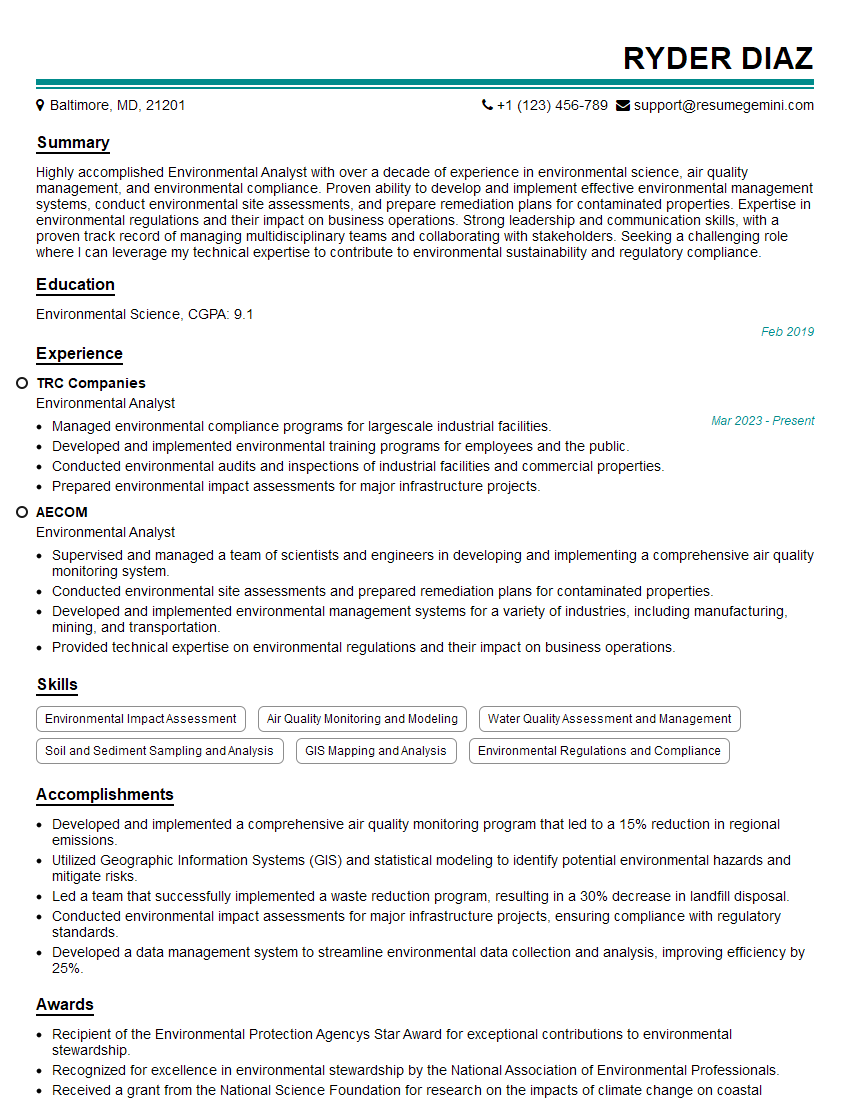
Environmental Analyst Resume Sample
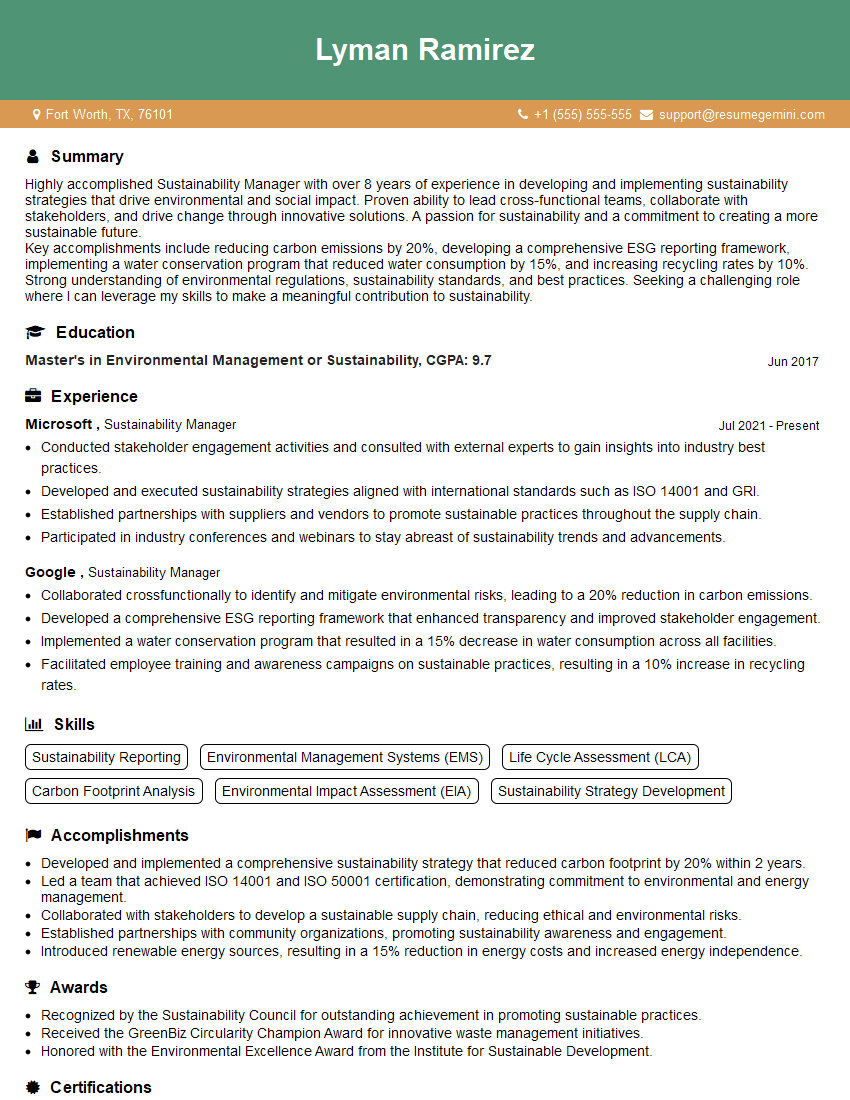
Sustainability Manager Resume Sample
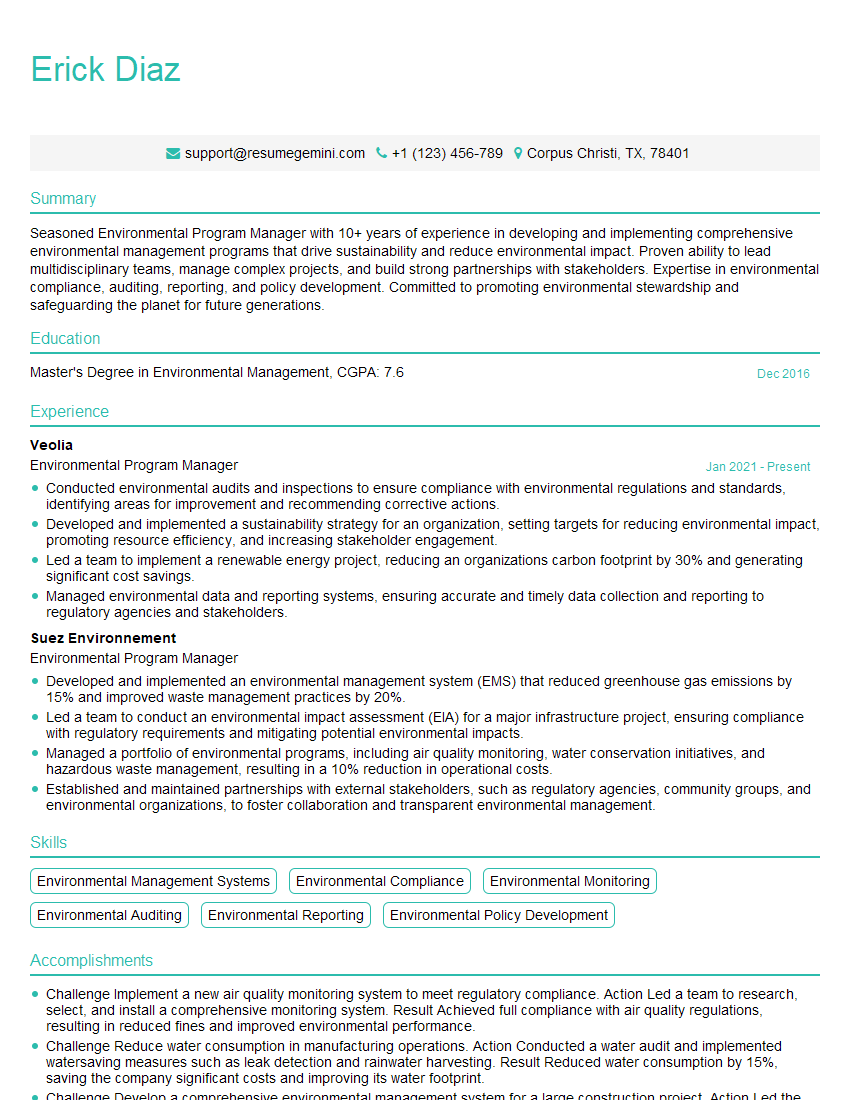
Environmental Program Manager Resume Sample
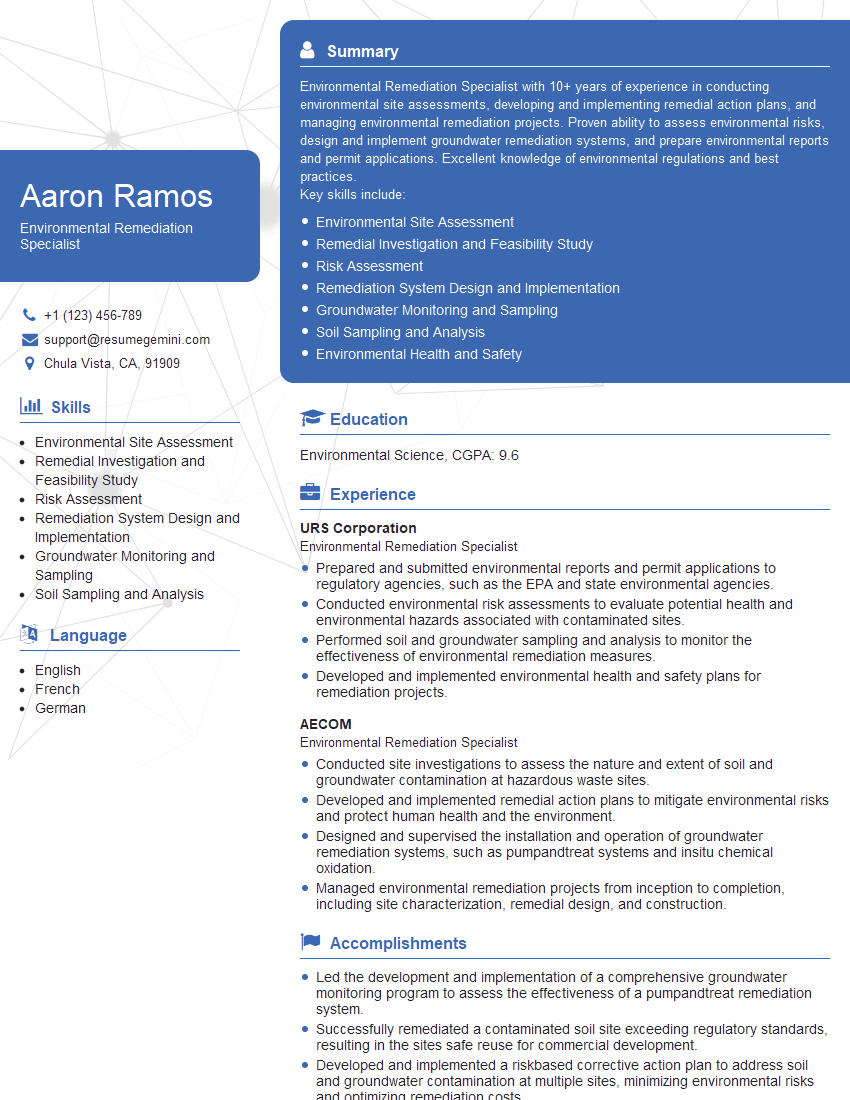
Environmental Remediation Specialist Resume Sample
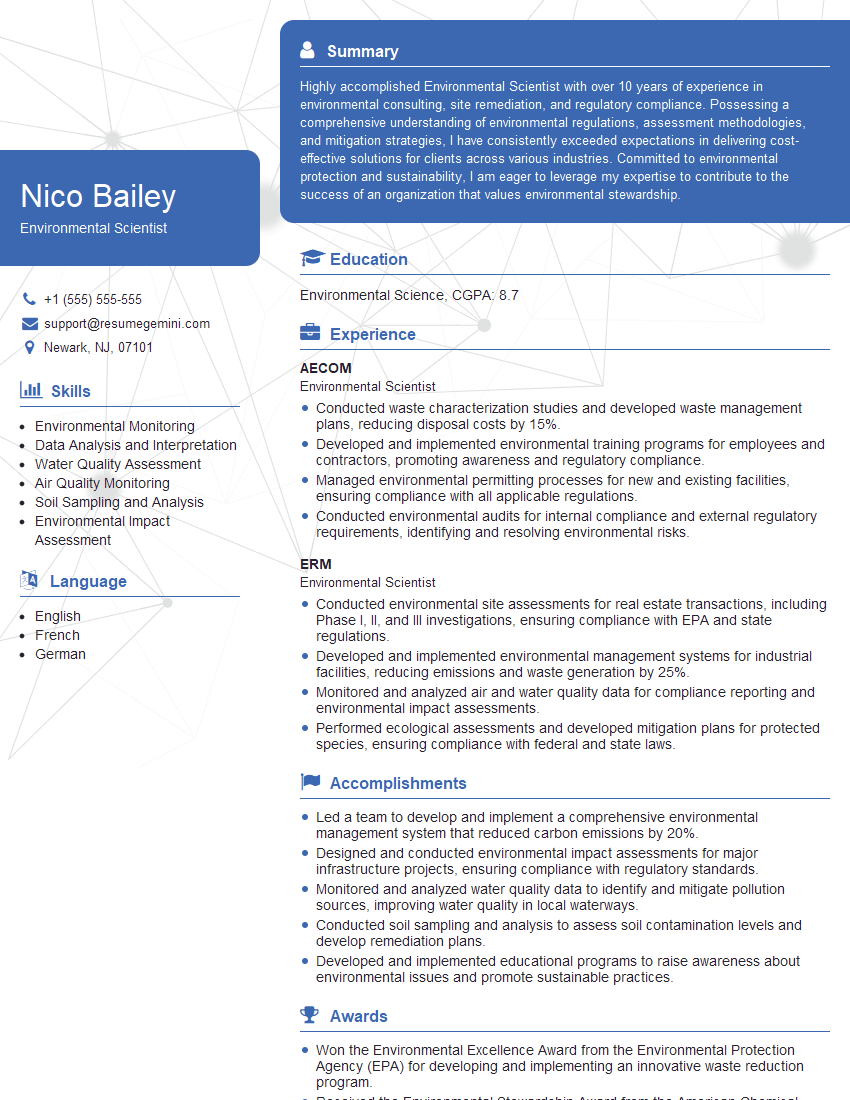
Environmental Scientist Resume Sample
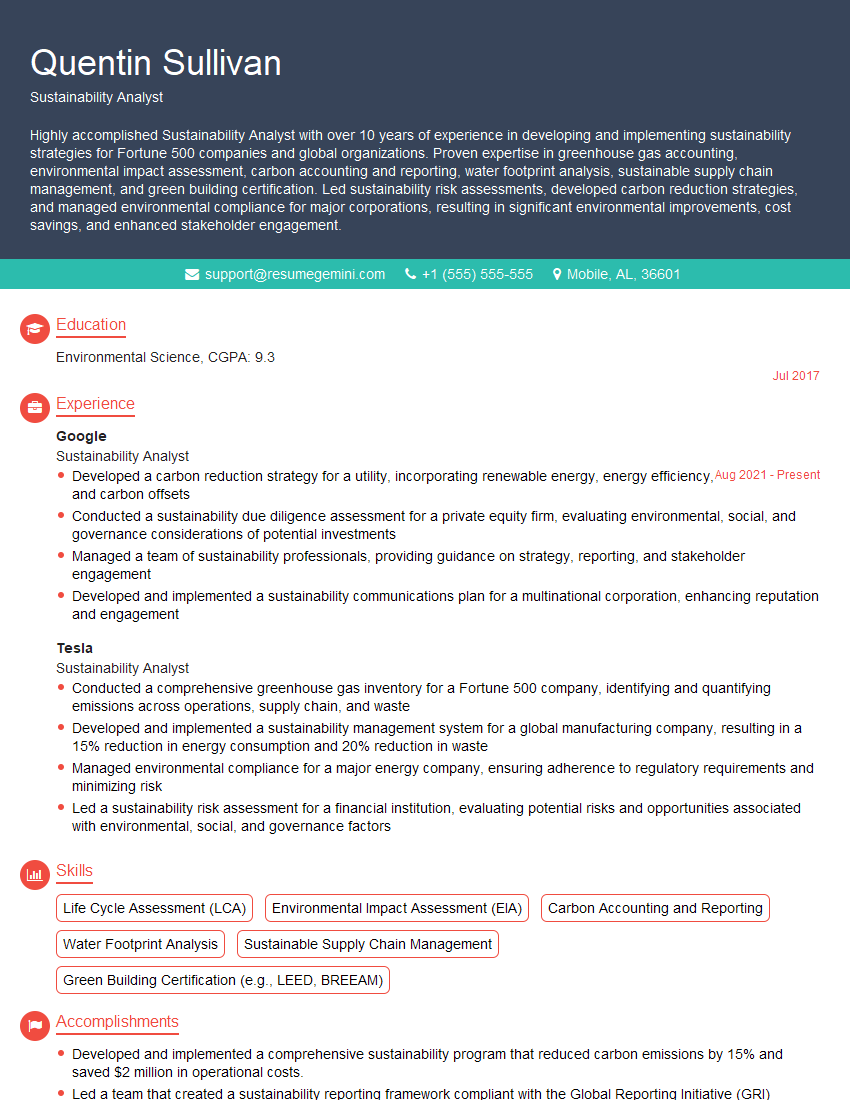
Sustainability Analyst Resume Sample

Sustainability Consultant Resume Sample
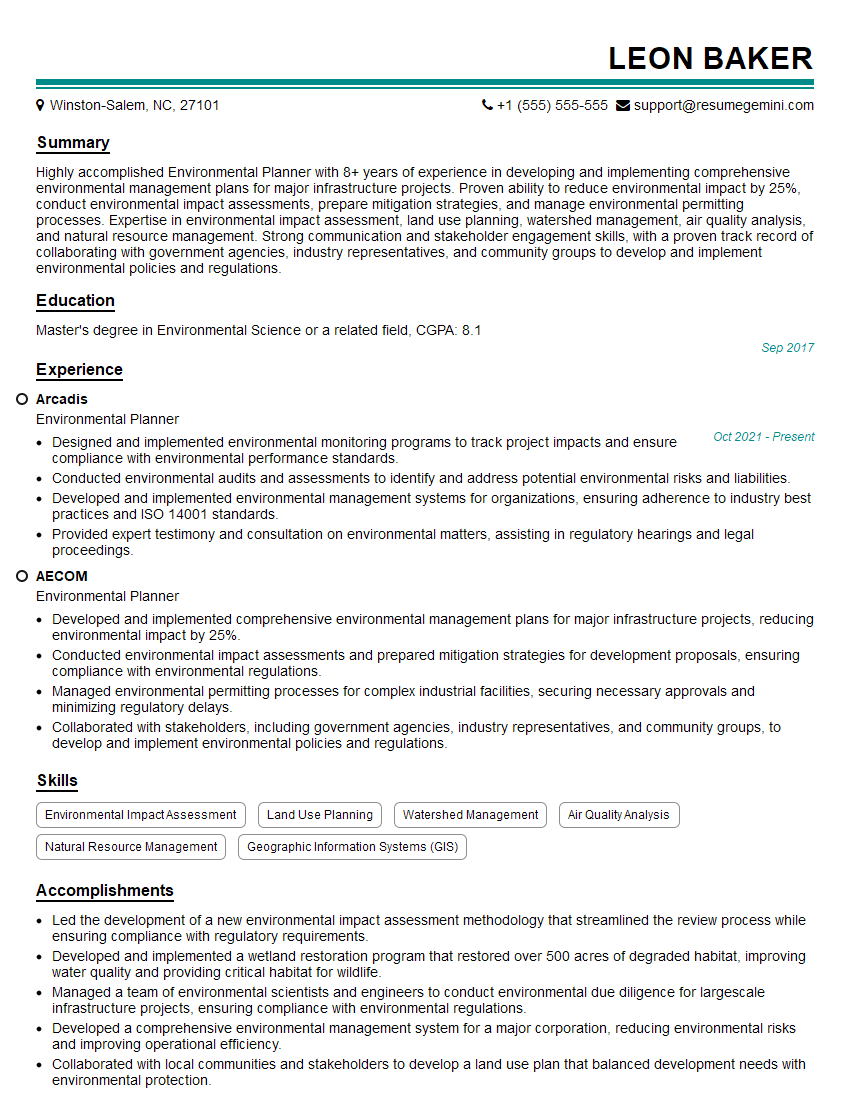
Environmental Planner Resume Sample
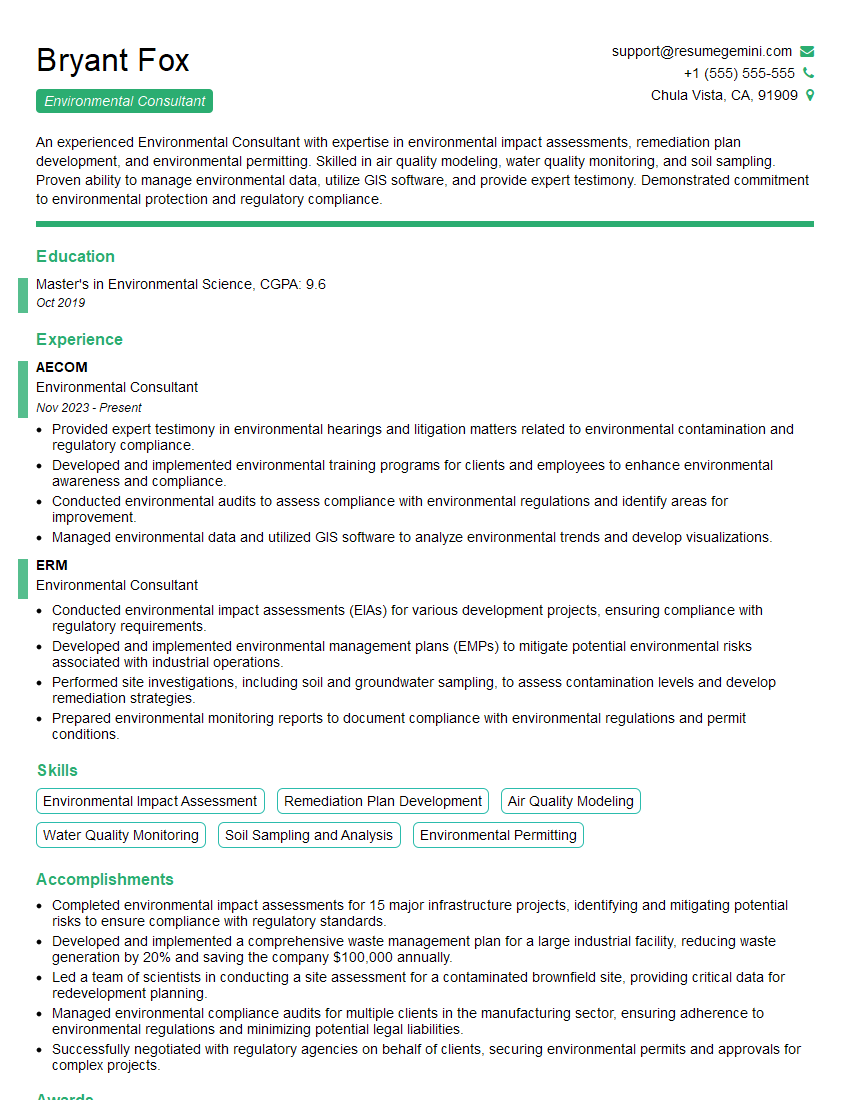
Environmental Consultant Resume Sample
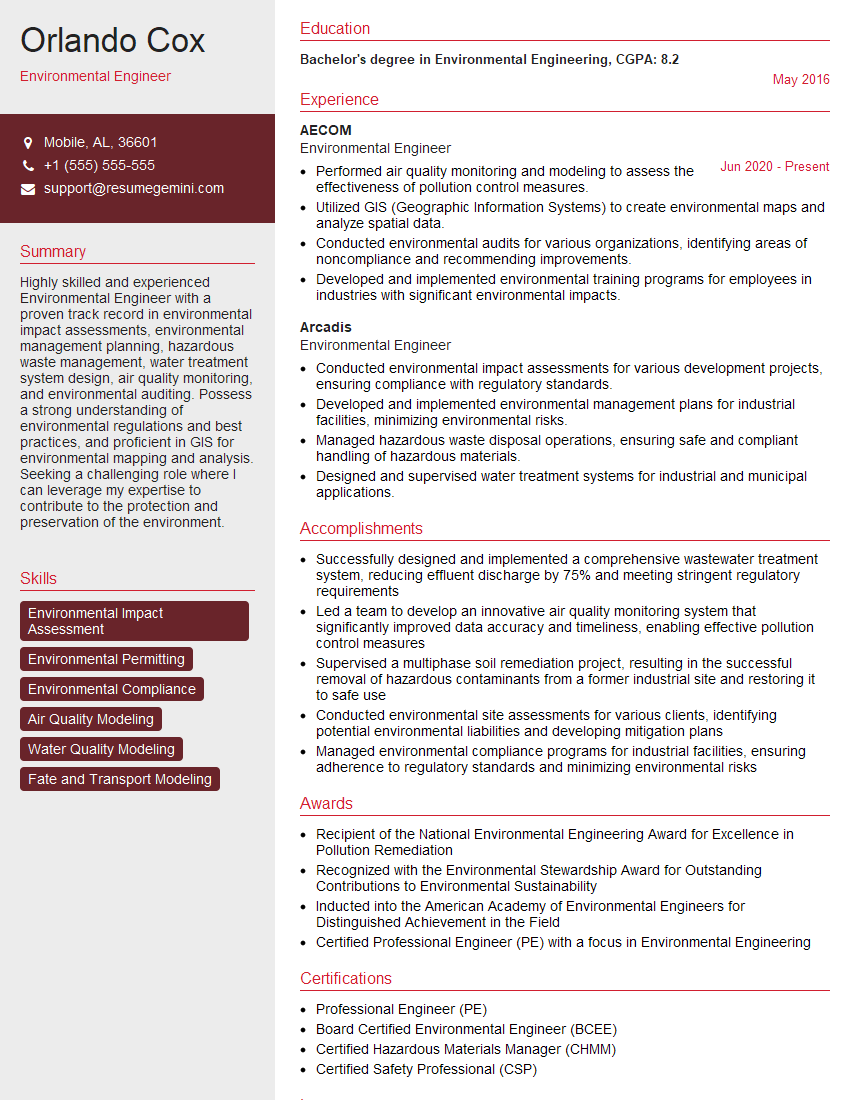
Environmental Engineer Resume Sample
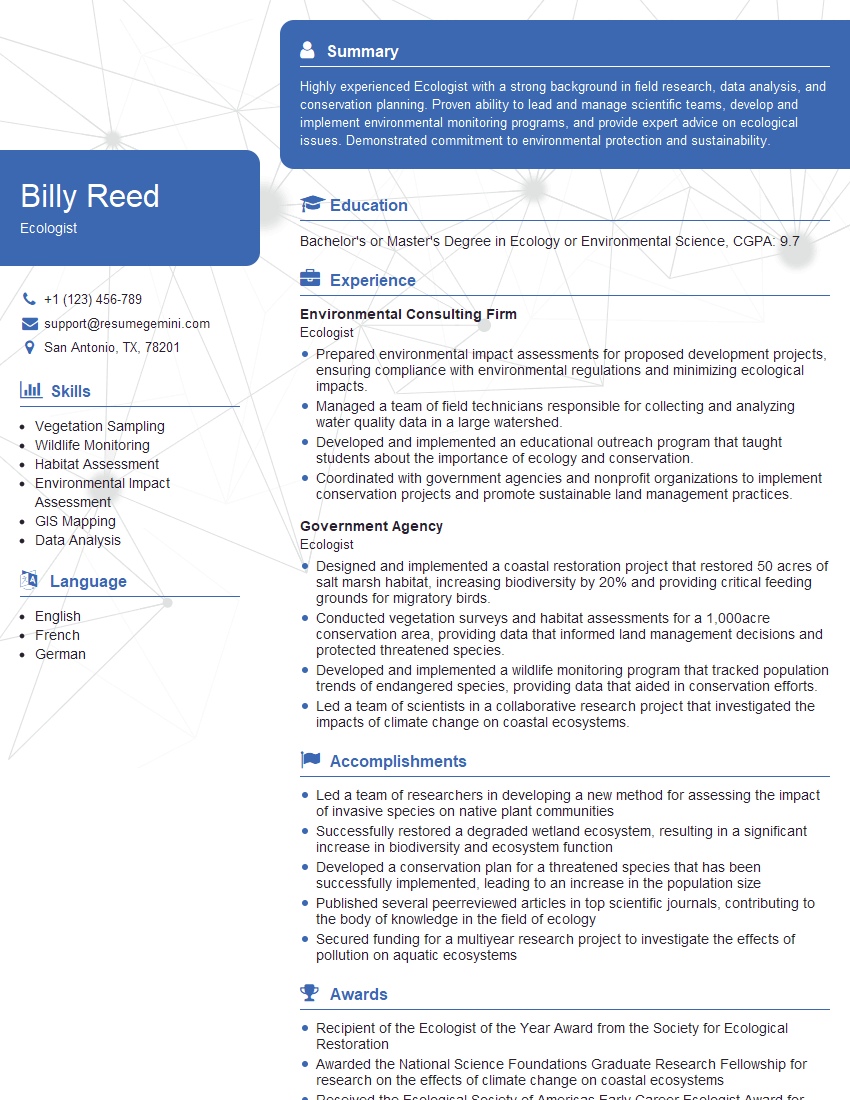
Ecologist Resume Sample
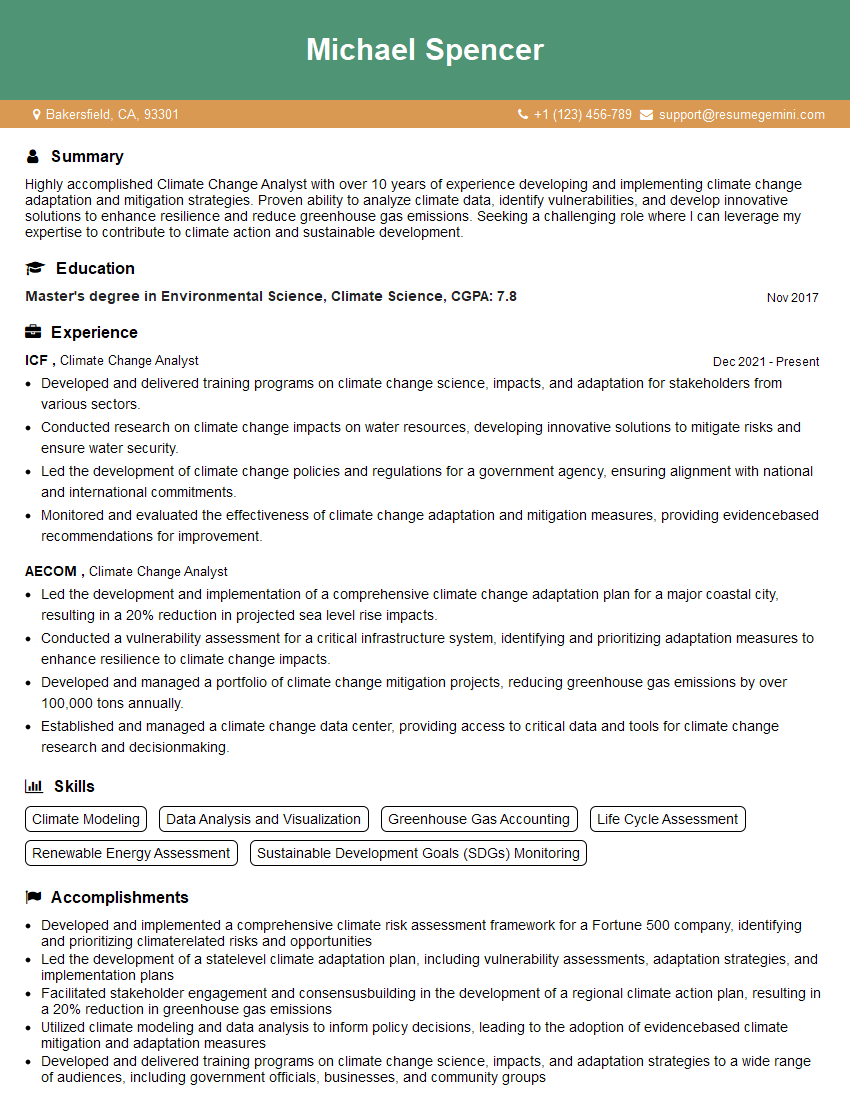
Climate Change Analyst Resume Sample
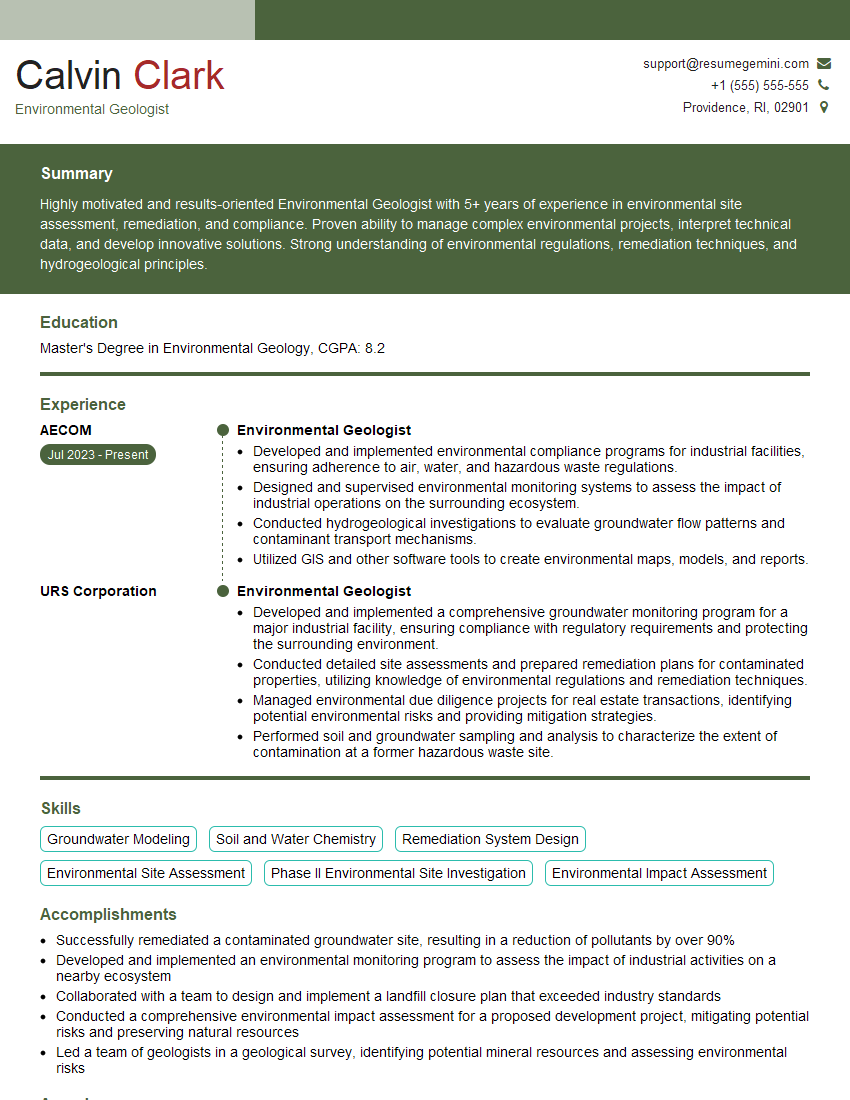
Environmental Geologist Resume Sample
- Environmental Analyst
- Sustainability Manager
- Environmental Program Manager
- Environmental Remediation Specialist
- Environmental Scientist
- Sustainability Analyst
- Sustainability Consultant
- Environmental Planner
- Environmental Consultant
- Environmental Engineer
- Ecologist
- Climate Change Analyst
- Environmental Geologist
Explore more articles
Users Rating of Our Blogs
Share Your Experience
We value your feedback! Please rate our content and share your thoughts (optional).
What Readers Say About Our Blog
Very informative content, great job.
good