Interviews are more than just a Q&A session—they’re a chance to prove your worth. This blog dives into essential Environmental Due Diligence and Site Assessment interview questions and expert tips to help you align your answers with what hiring managers are looking for. Start preparing to shine!
Questions Asked in Environmental Due Diligence and Site Assessment Interview
Q 1. Explain the difference between a Phase I, Phase II, and Phase III Environmental Site Assessment.
Environmental Site Assessments (ESAs) are conducted to determine the presence or potential presence of environmental contamination on a property. They are typically conducted in phases, each building upon the previous one. Think of it like a medical checkup: a Phase I is a preliminary exam, a Phase II is more in-depth testing, and a Phase III involves remediation.
Phase I ESA: This is a non-invasive, historical review of the property. It involves researching the site’s history, reviewing records for evidence of past environmental contamination (e.g., spills, waste disposal), and conducting site reconnaissance. It’s like reading the patient’s medical history before any physical examination.
Phase II ESA: If a Phase I ESA identifies potential environmental concerns, a Phase II ESA is conducted. This involves collecting and analyzing environmental samples (soil, groundwater, etc.) to determine the extent of contamination. It’s analogous to running blood tests after a concerning preliminary exam.
Phase III ESA: If contamination is confirmed in a Phase II ESA, a Phase III ESA focuses on remediation – the cleanup of the contaminated site. This could involve excavation, treatment, or other methods to remove or contain the contaminants. This phase is like the treatment and recovery phase for a patient.
Q 2. What are the key components of a Phase I Environmental Site Assessment (ESA)?
A Phase I ESA’s key components are designed to provide a comprehensive historical review of a property. Imagine you’re a detective investigating a property’s environmental past; these are your key tools:
Historical Records Review: This involves searching for records related to the property’s previous uses, including deeds, title reports, aerial photographs, government databases (like EPA databases), and interviews with previous owners or occupants. This helps identify potential sources of contamination.
Site Reconnaissance: A visual inspection of the property is performed to identify any visible signs of contamination, such as leaking underground storage tanks (USTs), discolored soil, or unusual vegetation. Think of this as a visual ‘walk-through’ of the property’s present condition.
Interviews: Talking to current and past occupants, neighbors, and other stakeholders can uncover valuable information not found in written records. It’s the equivalent of talking to witnesses in our detective analogy.
Regulatory Compliance Review: Checking for any existing environmental permits, enforcement actions, or reported releases associated with the property is crucial to avoid overlooking crucial information.
Report Preparation: The findings from all these steps are compiled into a formal report that summarizes the findings, any identified environmental concerns, and recommendations for further assessment (if necessary).
Q 3. Describe the process of conducting a Phase II ESA, including sampling methods and data analysis.
Conducting a Phase II ESA involves a more hands-on approach, focusing on verifying the potential environmental concerns identified in the Phase I. It’s like a more thorough medical exam after a concerning preliminary assessment. The process includes:
Sampling Plan Development: This plan details the locations, depths, and types of samples to be collected based on the potential sources of contamination identified in the Phase I ESA. The plan should be tailored to the specific site conditions and concerns.
Sample Collection: Samples of soil, groundwater, and potentially other media (e.g., surface water, sediment, air) are collected using appropriate techniques to avoid cross-contamination. Sample handling is critical for accurate analysis.
Laboratory Analysis: Collected samples are sent to a certified laboratory for analysis. The specific analytes tested for depend on the potential contaminants identified in the Phase I ESA. This could include volatile organic compounds (VOCs), semi-volatile organic compounds (SVOCs), pesticides, heavy metals, etc.
Data Interpretation and Reporting: The laboratory results are reviewed, interpreted, and reported. Data is evaluated to determine the extent of contamination, if any, and whether it poses a risk to human health or the environment. The report will often include maps and tables showing the location and concentrations of contaminants.
Sampling Methods: Common methods include soil borings, groundwater monitoring wells, and surface water grab samples. The choice of method depends on the suspected contaminant type and its likely location within the subsurface.
Q 4. What are the limitations of a Phase I ESA?
A Phase I ESA, while thorough, has limitations. Think of it as having a comprehensive medical history but not having a physical examination. It relies on historical data and visual observations, which may be incomplete or inaccurate. Some limitations include:
Limited Detection Capabilities: A Phase I cannot detect subsurface contamination; it only identifies potential sources and environmental concerns.
Reliance on Historical Information: The accuracy of the ESA depends heavily on the availability and reliability of historical data, which may be incomplete or missing.
Data Gaps: Incomplete or missing records may lead to overlooked sources of contamination.
Site Access Restrictions: Limited access to certain areas of the property might restrict the thoroughness of the site reconnaissance.
Inherent Uncertainty: It’s an assessment, not a guarantee, therefore, it represents our best understanding of a site’s environmental condition based on available information.
Q 5. How do you interpret ASTM E1527-13 Standard Guide for Environmental Site Assessments?
ASTM E1527-13 is a widely used standard for conducting Phase I ESAs. It provides a framework for performing All Appropriate Inquiries (AAI) as required under the Comprehensive Environmental Response, Compensation, and Liability Act (CERCLA) and other environmental regulations. Interpreting this standard means understanding its specific requirements for:
Historical Records Review: It specifies the types of records that need to be reviewed, the databases to be searched, and the timeframe to consider.
Site Reconnaissance: It outlines the level of visual inspection required and the aspects of the site that need to be examined.
Interviews: It explains how interviews should be conducted and documented.
Limitations: It explicitly addresses the limitations of a Phase I ESA, emphasizing its inability to definitively detect subsurface contamination.
Report Preparation: It details the information that must be included in the Phase I ESA report.
Following this standard helps ensure a legally defensible and robust Phase I ESA. Non-compliance can have significant legal and financial ramifications.
Q 6. What are the common environmental contaminants encountered during site assessments?
The types of contaminants encountered during site assessments are diverse and depend on the site’s history. Some common ones include:
Petroleum Hydrocarbons (PHCs): These are common from leaking underground storage tanks (USTs), spills, and other sources. They can include gasoline, diesel fuel, and other petroleum products.
Volatile Organic Compounds (VOCs): These are organic chemicals that readily evaporate at room temperature. Common sources include dry cleaners, industrial solvents, and leaking USTs. Examples include trichloroethylene (TCE) and tetrachloroethylene (PCE).
Semi-Volatile Organic Compounds (SVOCs): These are organic chemicals that evaporate more slowly than VOCs. Sources include pesticides, herbicides, and industrial chemicals.
Heavy Metals: These include lead, mercury, arsenic, chromium, and others. They can come from various sources, including industrial activities, mining, and waste disposal. They pose serious health risks even at low concentrations.
Pesticides and Herbicides: These are widely used in agriculture and other settings. Older pesticides, in particular, can be persistent and toxic.
Polychlorinated Biphenyls (PCBs): These are persistent organic pollutants (POPs) that were widely used in electrical equipment and other applications. They are highly toxic and persistent in the environment.
The specific contaminants found will depend on the site’s past use and the surrounding area.
Q 7. Explain the concept of All Appropriate Inquiries (AAI).
All Appropriate Inquiries (AAI) is a process required under CERCLA to demonstrate that a party has exercised due diligence in determining whether a property is contaminated before purchasing or developing it. It’s designed to protect innocent landowners from liability for pre-existing contamination. Think of it as a legal shield protecting you from the consequences of unknown environmental issues.
To satisfy AAI, a Phase I ESA conducted in accordance with ASTM E1527-13 is typically sufficient. Completing AAI doesn’t eliminate liability but significantly minimizes it by showing that reasonable steps were taken to investigate potential contamination. Failure to perform AAI could expose the responsible party to significant financial liabilities for the cleanup of contamination.
Q 8. How do you identify and assess potential environmental liabilities on a property?
Identifying and assessing potential environmental liabilities on a property is a crucial step in environmental due diligence. It involves a systematic process to uncover any past, present, or potential future environmental contamination that could impact the property’s value or lead to legal and financial repercussions. This process typically begins with a thorough review of historical records, including site surveys, environmental reports, and regulatory filings. We look for evidence of past industrial activities, waste disposal practices, or spills that might have contaminated the soil, groundwater, or air. For example, a former dry cleaner might present a high risk due to the potential presence of chlorinated solvents.
Next, we conduct a site reconnaissance, visually inspecting the property for signs of contamination such as staining, unusual vegetation, or the presence of drums or other waste materials. Then, depending on the findings of the historical review and site reconnaissance, we might conduct further investigations, which could include soil and groundwater sampling and laboratory analysis. These samples are analyzed to identify the presence and concentration of various contaminants. The results of these investigations are then used to characterize the extent and nature of any contamination, allowing us to estimate the potential environmental liabilities.
For instance, we might find elevated levels of heavy metals in the soil, requiring further investigation to determine the extent of the plume and the potential for groundwater contamination. This whole process requires a deep understanding of environmental regulations and risk assessment principles.
Q 9. Describe different remediation technologies for contaminated soil and groundwater.
Remediation technologies for contaminated soil and groundwater vary greatly depending on the type and extent of contamination, the hydrogeological setting, and regulatory requirements. Think of it like treating different illnesses – you wouldn’t use the same medicine for a cold as you would for pneumonia. Similarly, different contaminants necessitate different approaches.
- Excavation and Disposal: This is a common method for highly contaminated soil. The contaminated soil is dug up and transported to a licensed hazardous waste facility for treatment or disposal. It’s effective but expensive and disruptive.
- Bioremediation: This utilizes naturally occurring microorganisms to break down contaminants. It’s environmentally friendly but can be slower than other methods and may not be suitable for all contaminants.
- Pump and Treat: For groundwater contamination, this involves pumping the groundwater to the surface, treating it to remove contaminants, and then returning the treated water back to the aquifer. It’s effective for some contaminants but can be costly and time-consuming.
- In-situ Chemical Oxidation (ISCO): This involves injecting oxidizing agents into the contaminated soil or groundwater to chemically break down contaminants. It’s less disruptive than excavation but requires careful control and monitoring.
- Soil Vapor Extraction (SVE): This is used to remove volatile organic compounds (VOCs) from the soil by pulling contaminated air through the soil and treating it above ground. It’s particularly effective for VOCs which are easily evaporated.
The selection of the optimal technology always involves a careful cost-benefit analysis, considering factors such as effectiveness, cost, time, and environmental impact.
Q 10. What are the regulatory requirements for reporting environmental contamination?
Regulatory requirements for reporting environmental contamination vary significantly by location and the type of contaminant involved. In the U.S., for instance, the Environmental Protection Agency (EPA) and state environmental agencies play a critical role. Reporting requirements are often triggered by the discovery of contamination exceeding certain regulatory thresholds. These thresholds are based on risk assessment and protective levels established for human health and the environment.
Failure to report contamination can lead to significant penalties, including fines and legal action. The reporting process usually involves notifying the appropriate regulatory agencies within a specified timeframe and providing detailed information on the nature and extent of the contamination, the potential risks, and the proposed remediation plan. For instance, if a significant release of hazardous substances occurs, immediate notification might be required under the Comprehensive Environmental Response, Compensation, and Liability Act (CERCLA), better known as Superfund. The specific requirements for reporting are dependent on the nature and location of the contamination.
Q 11. What is the role of risk assessment in environmental due diligence?
Risk assessment is the cornerstone of environmental due diligence. It’s a systematic process that evaluates the probability and potential consequences of environmental hazards. In simple terms, it answers the question: ‘What’s the likelihood of something bad happening, and how bad would it be?’ This involves identifying potential hazards, characterizing their properties, assessing the potential pathways of exposure, and estimating the potential risks to human health and the environment.
In the context of environmental due diligence, the risk assessment guides decision-making regarding further investigation, remediation, and liability allocation. For example, if a risk assessment indicates a high probability of significant contamination with serious health consequences, this will justify a more extensive and thorough investigation. Conversely, if the risk assessment indicates a low probability of minimal consequences, the need for further action might be reduced. The results are often presented as a risk matrix, highlighting which potential concerns require immediate attention.
Q 12. How do you prioritize environmental concerns based on risk?
Prioritizing environmental concerns based on risk involves a systematic approach that combines qualitative and quantitative assessments. We typically use a risk matrix which considers the likelihood and severity of potential environmental impacts. This often involves a scoring system where each parameter is assigned a value (e.g., low, medium, high), resulting in a risk level (e.g., low, medium, high).
For instance, a high likelihood of a contaminant leaking into a nearby drinking water source would be given a higher priority than a low likelihood of soil contamination in an area with minimal human exposure. The risk matrix then provides a visual representation, ranking the concerns in order of priority. This allows us to focus resources effectively on addressing the most significant threats first while ensuring that less serious concerns are not ignored. Factors such as regulatory requirements and potential liabilities also contribute to the prioritization process.
Q 13. Explain the process of developing an environmental remediation plan.
Developing an environmental remediation plan is a multi-stage process that requires careful planning and coordination. It begins with a thorough understanding of the nature and extent of contamination, which is established through the site investigation and risk assessment. The plan must then outline the chosen remediation technology, detailing the procedures to be implemented, the timeline, and the expected outcomes.
Next, it should incorporate strategies for monitoring the effectiveness of the remediation efforts and for ensuring compliance with all applicable regulatory requirements. A detailed budget and schedule should be included, along with a plan for handling unforeseen challenges or complications. Furthermore, the plan must consider the potential impacts of the remediation process on surrounding areas and the environment. Once completed, this plan is often submitted to regulatory authorities for review and approval before implementation can begin. This ensures the plan complies with all relevant regulations and protects human health and the environment.
Q 14. What are the key factors to consider when selecting a remediation technology?
Selecting the appropriate remediation technology is a critical decision with significant implications for cost, effectiveness, and environmental impact. Several factors must be considered. These include:
- Type and Extent of Contamination: Different technologies are effective for different contaminants. For example, bioremediation might be suitable for biodegradable contaminants but ineffective for persistent organic pollutants.
- Site Conditions: The geology, hydrology, and climate of the site significantly influence technology selection. For example, SVE works best in porous soils with good air permeability.
- Regulatory Requirements: Regulatory agencies often have specific requirements or preferences for certain remediation technologies.
- Cost and Time: Some technologies are significantly more expensive or time-consuming than others.
- Effectiveness: The technology should be capable of achieving the desired level of cleanup to meet regulatory requirements and minimize risk.
- Environmental Impact: The environmental impact of the technology, including potential impacts on surrounding ecosystems, should be considered.
The optimal technology selection involves a comprehensive evaluation of all these factors. Often, a combination of technologies will provide the most effective and cost-efficient solution.
Q 15. How do you manage and interpret environmental data from a site assessment?
Managing and interpreting environmental data from a site assessment involves a systematic approach. It begins with data acquisition, encompassing various sources like soil and groundwater samples, historical records, and aerial photography. The next crucial step is data validation, checking for inconsistencies and outliers. This often involves comparing results across different analytical methods and verifying data against known site history.
Interpretation then focuses on identifying trends and patterns. For instance, elevated levels of certain contaminants might indicate a plume of contamination, requiring further investigation. Statistical analysis plays a vital role in determining the significance of findings. We use software like ArcGIS and specialized statistical packages to analyze spatial patterns and assess the risk to human health and the environment. Finally, we integrate the data with our understanding of the site’s history and regulatory requirements to form a comprehensive assessment.
For example, in assessing a former gas station, we might find elevated levels of benzene in the soil. By mapping the concentration data using GIS, we can visualize the extent of the contamination and recommend appropriate remediation strategies, potentially involving soil excavation or in-situ treatment.
Career Expert Tips:
- Ace those interviews! Prepare effectively by reviewing the Top 50 Most Common Interview Questions on ResumeGemini.
- Navigate your job search with confidence! Explore a wide range of Career Tips on ResumeGemini. Learn about common challenges and recommendations to overcome them.
- Craft the perfect resume! Master the Art of Resume Writing with ResumeGemini’s guide. Showcase your unique qualifications and achievements effectively.
- Don’t miss out on holiday savings! Build your dream resume with ResumeGemini’s ATS optimized templates.
Q 16. What are the common legal and regulatory frameworks governing environmental due diligence?
Environmental due diligence is heavily influenced by a complex interplay of legal and regulatory frameworks that vary significantly by location. At the federal level (in the US, for example), the Comprehensive Environmental Response, Compensation, and Liability Act (CERCLA), also known as Superfund, governs the cleanup of hazardous waste sites. The Resource Conservation and Recovery Act (RCRA) regulates the generation, transportation, treatment, storage, and disposal of hazardous waste.
At the state level, individual states often have their own environmental regulations that can be even more stringent than federal rules. For example, California has a very robust environmental protection program. Internationally, standards and regulations will vary greatly. Understanding these regulations is crucial in conducting a thorough due diligence process. Failure to comply can result in substantial fines, remediation costs, and legal liabilities.
My approach involves a detailed review of relevant legislation and permits for each specific project, ensuring all aspects of the site are assessed with the applicable legal context in mind.
Q 17. How do you communicate complex environmental information to non-technical audiences?
Communicating complex environmental information to non-technical audiences requires clear, concise, and relatable language. Jargon should be avoided or clearly defined. I often use analogies and visualizations to simplify technical concepts. For example, instead of saying “the soil has elevated levels of TPH,” I might say “the soil is contaminated with petroleum products, similar to what you would find in a gasoline spill.”
Visual aids such as maps, charts, and infographics are essential tools. I prioritize using plain language summaries that convey the key findings and recommendations without overwhelming the audience with technical details. I also make sure to anticipate questions and address potential concerns proactively. Effective communication is about ensuring everyone understands the risks and the implications, leading to informed decision-making.
Q 18. Describe your experience with environmental databases and GIS software.
I have extensive experience using various environmental databases and GIS software. My proficiency includes utilizing EPA databases such as the Envirofacts database to access historical environmental data on a site. I am also skilled in using GIS software like ArcGIS to map environmental data, creating visualizations to help understand spatial relationships between contamination sources and receptors.
I routinely use databases to collect information on historical land use, past environmental incidents, and regulatory compliance history. This integrated approach, combining database research with GIS mapping, ensures a comprehensive and insightful site assessment.
Q 19. How do you ensure the accuracy and completeness of your environmental reports?
Ensuring the accuracy and completeness of environmental reports is paramount. My process starts with meticulous data collection, employing robust quality assurance/quality control (QA/QC) procedures at every stage. This includes careful calibration of equipment, chain-of-custody documentation for samples, and rigorous data validation checks. All data is reviewed by a second, independent party to minimize errors.
The reports undergo a thorough internal review process before finalization. We use a standardized template to ensure consistency and completeness, referencing all sources and methodologies clearly. We also incorporate uncertainty analysis to acknowledge potential limitations in the data and interpretations. My commitment to transparency is reflected in the clear presentation of findings, conclusions, and limitations, promoting trust and confidence in the report’s validity.
Q 20. What is your experience with environmental permitting?
My experience with environmental permitting encompasses a wide range of projects, from smaller construction sites to large-scale industrial facilities. I have been involved in preparing and submitting permit applications to various regulatory agencies. This includes gathering the necessary data, completing the required forms, and responding to agency requests for additional information.
I understand the nuances of different permit types, such as stormwater permits, air permits, and wastewater discharge permits. I have successfully navigated the often complex permitting process, ensuring compliance with all applicable regulations. My approach focuses on proactive engagement with regulatory agencies, fostering collaborative relationships to streamline the permitting process and minimize potential delays.
Q 21. Explain your experience with managing environmental budgets and timelines.
Managing environmental budgets and timelines requires careful planning and execution. I start by developing a detailed budget that accounts for all anticipated costs, including sampling, laboratory analysis, report preparation, and potential remediation measures. The budget is presented to the client for review and approval before commencing the project. I regularly monitor expenses to ensure they remain within the allocated budget.
Similarly, I create a project schedule with clear milestones and deadlines. This schedule accounts for potential delays, incorporating buffer time to accommodate unforeseen circumstances. I use project management software to track progress and identify potential problems early on. Proactive communication with clients ensures transparency and facilitates timely resolution of any issues that may arise, ultimately ensuring project completion within budget and on schedule.
Q 22. How do you handle unexpected findings during a site assessment?
Unexpected findings during a site assessment are, unfortunately, commonplace. My approach is systematic and prioritizes safety and data integrity. First, I immediately halt further intrusive investigations if the unexpected finding poses a safety risk (e.g., the discovery of a previously unknown hazardous substance requiring immediate remediation). Safety is paramount.
Next, I thoroughly document the finding with photos, GPS coordinates, and detailed descriptions. This detailed documentation is crucial for later analysis and reporting. I then reassess the scope of work to incorporate the new information, potentially adjusting the sampling plan or adding new investigative tasks as needed. This might involve consulting with specialists or regulatory agencies depending on the nature of the discovery. For example, finding asbestos would trigger a completely different protocol than finding elevated levels of lead in soil.
Finally, I communicate the findings transparently to the client, outlining the potential implications and recommended next steps. Open communication and collaboration are vital in managing unexpected events effectively. A recent project involved discovering undocumented underground storage tanks. This required a quick pivot, halting the project temporarily to assess the tanks’ contents and potential risk before resuming. The entire process was documented thoroughly and communicated to the client in a timely manner.
Q 23. Describe your experience with working with regulatory agencies (e.g., EPA, state DEQs).
I have extensive experience interacting with various regulatory agencies, including the EPA and several state DEQs (Department of Environmental Quality). This experience has encompassed everything from submitting initial site assessment reports to negotiating remediation plans and obtaining closure certifications. I understand the nuances of each agency’s regulations and permitting processes, which is key to efficient project completion.
For instance, I’ve worked with the EPA on several Superfund sites, navigating the complexities of the CERCLA process, including completing Phase I and Phase II Environmental Site Assessments, and coordinating with responsible parties. My success stems from building strong, collaborative relationships with agency personnel, ensuring clear and concise communication, and demonstrating a thorough understanding of their requirements. A strong understanding of applicable regulations and an organized approach are critical. I’ve found that proactive engagement with the agencies, providing regular updates, and demonstrating compliance significantly streamlines the process.
Q 24. How do you stay updated on changes in environmental regulations?
Staying current on environmental regulations is paramount in this field. I utilize a multi-pronged approach to ensure I remain informed. This includes regularly reviewing updates from federal agencies like the EPA and state DEQs via their websites and newsletters, and actively participating in professional organizations such as the Association of Environmental Professionals (AEP).
I also attend industry conferences and webinars, where experts discuss the latest changes and interpretations of regulations. Subscribing to relevant environmental law journals and utilizing online legal databases further enhances my knowledge base. Staying abreast of the latest changes ensures my assessments are legally sound and compliant, protecting my clients from potential liabilities.
Q 25. Explain your understanding of the CERCLA (Superfund) process.
CERCLA, the Comprehensive Environmental Response, Compensation, and Liability Act (Superfund), is the federal law governing the cleanup of hazardous waste sites. It establishes a process for identifying, investigating, and remediating sites contaminated with hazardous substances. The process involves several key stages.
First, the EPA identifies potentially responsible parties (PRPs) based on past ownership or operation of the site. Then comes the site investigation (often involving Phase I and Phase II ESAs), during which the extent and nature of contamination are determined. Based on the investigation, a remedial investigation/feasibility study (RI/FS) is conducted to evaluate various cleanup options. Finally, a Record of Decision (ROD) is issued, outlining the selected remediation strategy, followed by the implementation of the chosen remedy, and ultimately a site closure. My experience includes participating in all phases of the CERCLA process, from initial site assessments to working alongside PRPs to develop and execute effective cleanup plans and achieve closure.
Q 26. What is your experience with brownfield redevelopment projects?
I have significant experience with brownfield redevelopment projects, which involve the cleanup and reuse of contaminated properties. These projects require a unique approach, blending environmental considerations with economic development goals. My work involves conducting Phase I and Phase II ESAs to assess the extent of contamination, developing remediation plans that meet regulatory requirements while minimizing project costs, and managing the permitting process.
One key challenge in brownfield redevelopment is balancing the need for thorough environmental cleanup with the financial realities of redevelopment. This often involves working closely with developers, engineers, and regulatory agencies to achieve a solution that is both environmentally sound and economically feasible. For example, in one project, we employed innovative remediation technologies to reduce costs and timelines, ultimately making the redevelopment project viable.
Q 27. Describe your experience with environmental sampling and laboratory analysis.
My experience with environmental sampling and laboratory analysis is extensive. I oversee the entire process, from designing the sampling plan based on the project objectives and site conditions, to selecting appropriate sample media (soil, water, air, etc.), collecting samples adhering to strict QA/QC procedures, and managing the laboratory analysis of samples.
I am proficient in various sampling techniques, including soil borings, groundwater monitoring well installation, and air sampling. I have a thorough understanding of laboratory analytical methods, quality control measures (e.g., blanks, duplicates, spikes), and data interpretation. I carefully review laboratory data to ensure accuracy and completeness, identify potential issues, and use this data to interpret the site’s environmental condition and risks. A recent project involved complex groundwater sampling around a former industrial site, requiring careful planning and execution to ensure accurate representation of contamination levels.
Q 28. How do you ensure quality assurance and quality control (QA/QC) during a site assessment?
Quality Assurance/Quality Control (QA/QC) is fundamental to ensuring the reliability and defensibility of site assessment data. My QA/QC protocols begin with meticulous planning, ensuring the sampling plan includes appropriate field duplicates, field blanks, and equipment blanks. These measures are essential in detecting potential contamination introduced during sample collection and analysis.
In the field, I use standardized procedures for sample collection and handling, including chain-of-custody documentation to maintain sample integrity. I also verify the proper calibration and maintenance of field equipment. Post-fieldwork, I meticulously review laboratory data, checking for any outliers or anomalies that may indicate analytical errors. I’m highly familiar with data validation techniques and statistical analysis to interpret the results accurately and draw valid conclusions. The goal is to produce a report that is scientifically sound, legally defensible, and provides reliable information for decision-making. I regularly undergo QA/QC training to ensure my skills remain sharp and current.
Key Topics to Learn for Environmental Due Diligence and Site Assessment Interview
- Phase I Environmental Site Assessments (ESAs): Understanding the scope, limitations, and deliverables of a Phase I ESA, including the All Appropriate Inquiry (AAI) rule and the process of identifying Recognized Environmental Conditions (RECs).
- Phase II ESAs: Interpreting data from sampling and analysis (soil, groundwater, air), developing sampling plans, and understanding data validation and reporting. Practical application includes interpreting laboratory results and making recommendations based on regulatory thresholds.
- Contaminant Fate and Transport: Understanding the movement and behavior of common environmental contaminants in soil and groundwater. This includes factors influencing remediation strategies.
- Remediation Technologies: Familiarization with various remediation technologies (e.g., excavation, pump and treat, bioremediation) and their suitability for different types of contamination.
- Regulatory Compliance: Knowledge of relevant environmental regulations (e.g., CERCLA, RCRA, state-specific regulations) and their implications for due diligence and site assessment.
- Risk Assessment: Understanding the principles of risk assessment, including hazard identification, dose-response assessment, exposure assessment, and risk characterization. Practical application involves evaluating potential human health and ecological risks associated with contamination.
- Brownfield Redevelopment: Understanding the challenges and opportunities associated with redeveloping brownfield sites, including site assessment, remediation, and financing options.
- Data Analysis and Interpretation: Demonstrating proficiency in analyzing environmental data, identifying trends, and drawing conclusions based on statistical analysis and technical understanding.
- Report Writing and Communication: Ability to clearly and concisely communicate complex technical information to both technical and non-technical audiences through well-structured reports.
Next Steps
Mastering Environmental Due Diligence and Site Assessment is crucial for career advancement in the environmental consulting and real estate industries. A strong understanding of these concepts opens doors to exciting opportunities and positions you as a valuable asset to any team. To maximize your job prospects, crafting a compelling and ATS-friendly resume is essential. ResumeGemini can significantly aid in this process by providing tools and resources to create a professional and effective resume that highlights your skills and experience. Examples of resumes tailored to Environmental Due Diligence and Site Assessment are available to help guide your resume development using ResumeGemini.
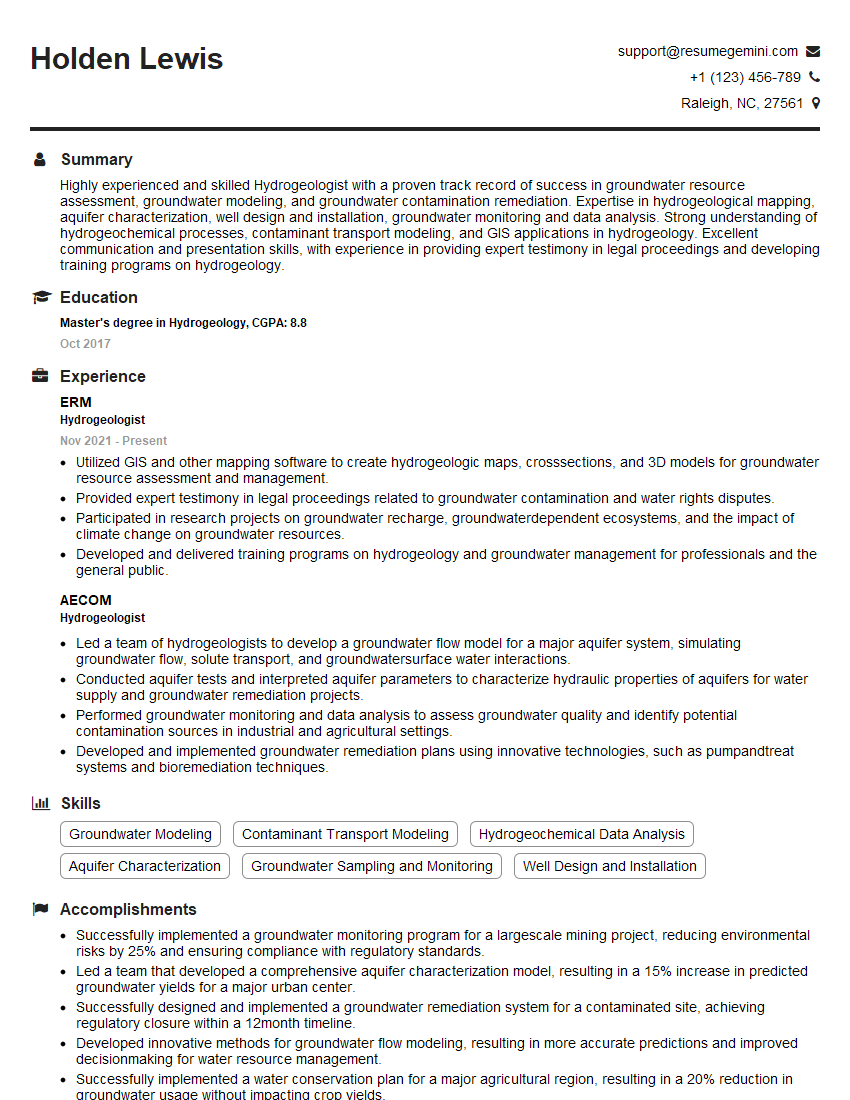
Hydrogeologist Resume Sample
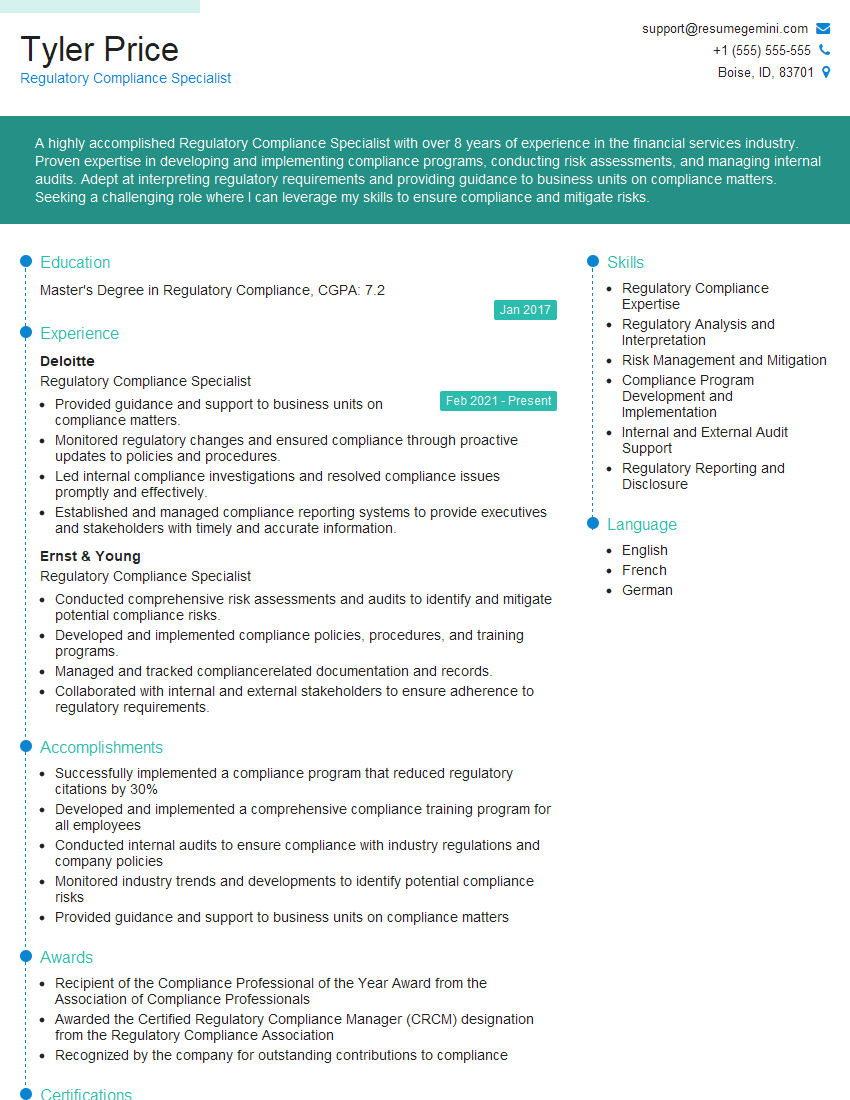
Regulatory Compliance Specialist Resume Sample
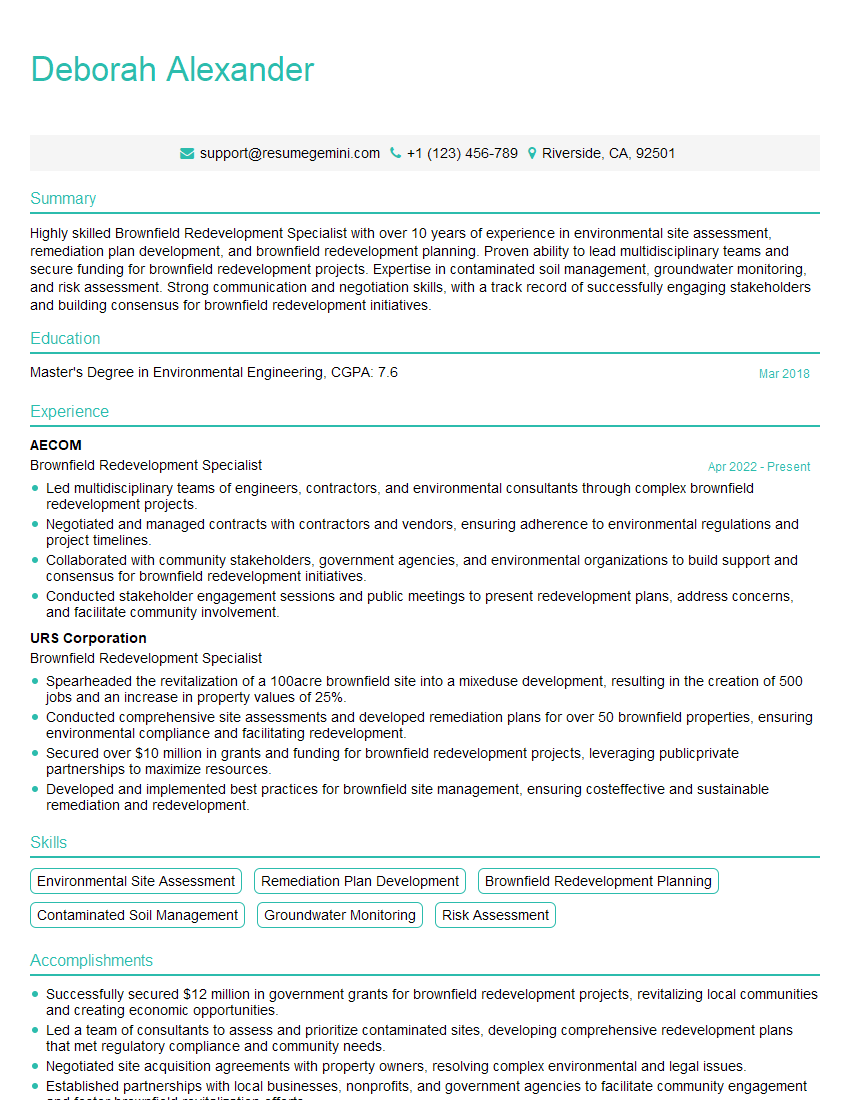
Brownfield Redevelopment Specialist Resume Sample
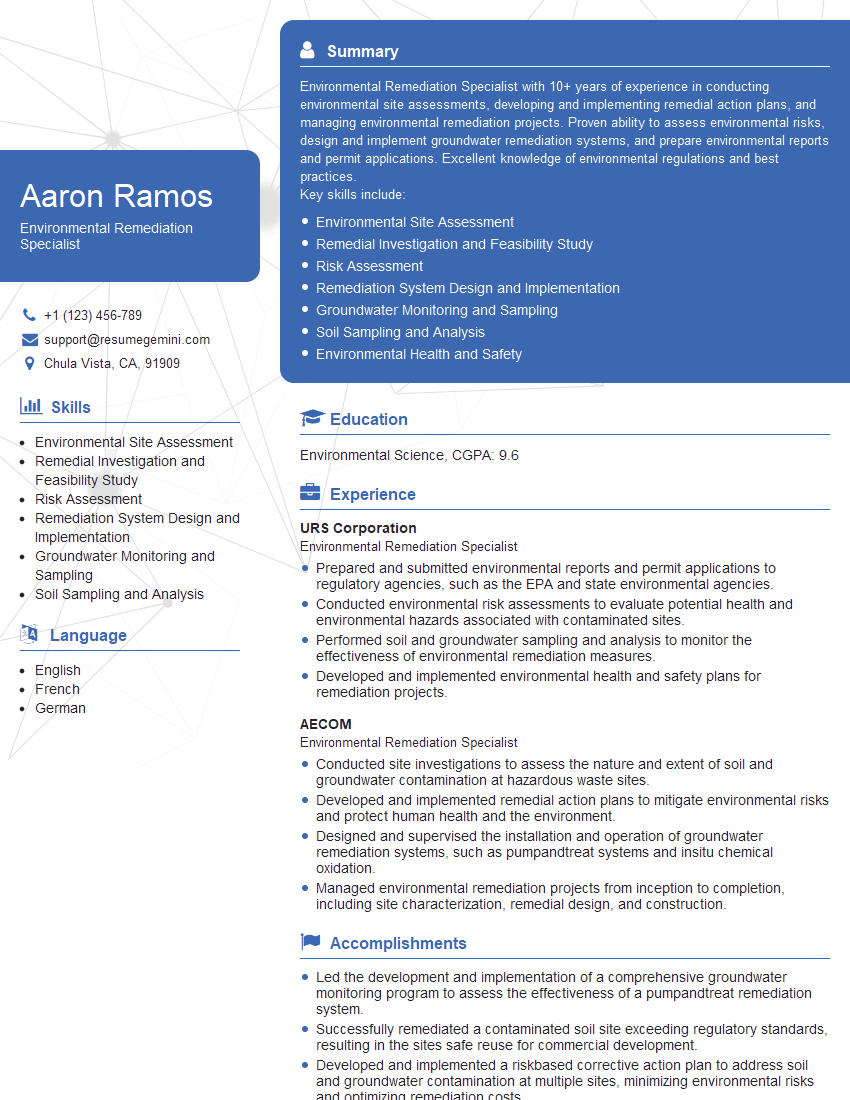
Environmental Remediation Specialist Resume Sample
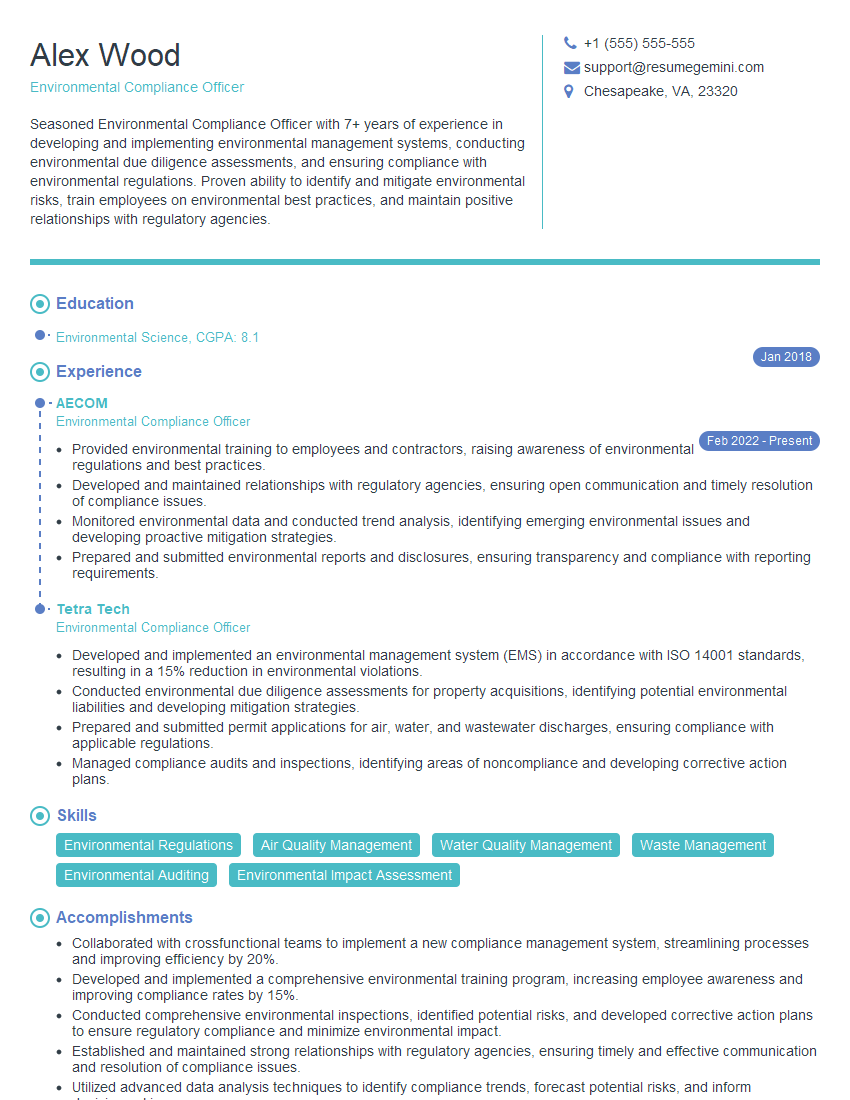
Environmental Compliance Officer Resume Sample
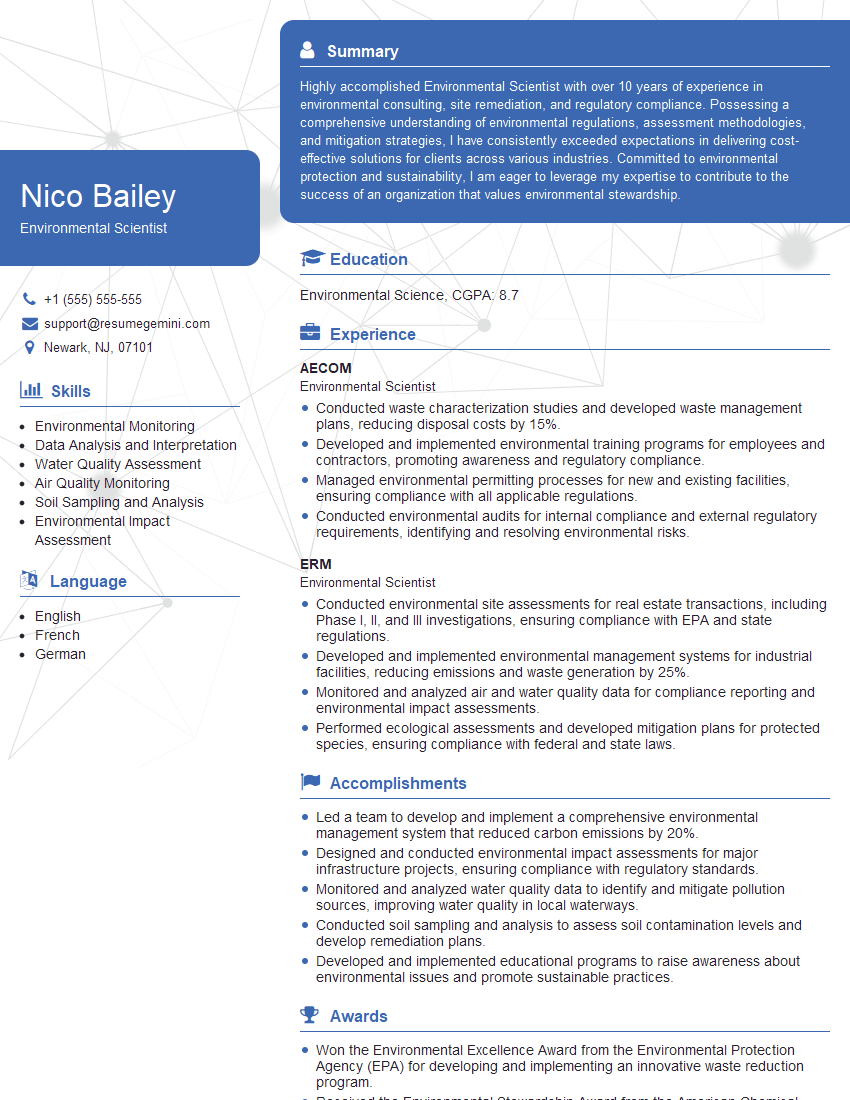
Environmental Scientist Resume Sample

Sustainability Consultant Resume Sample
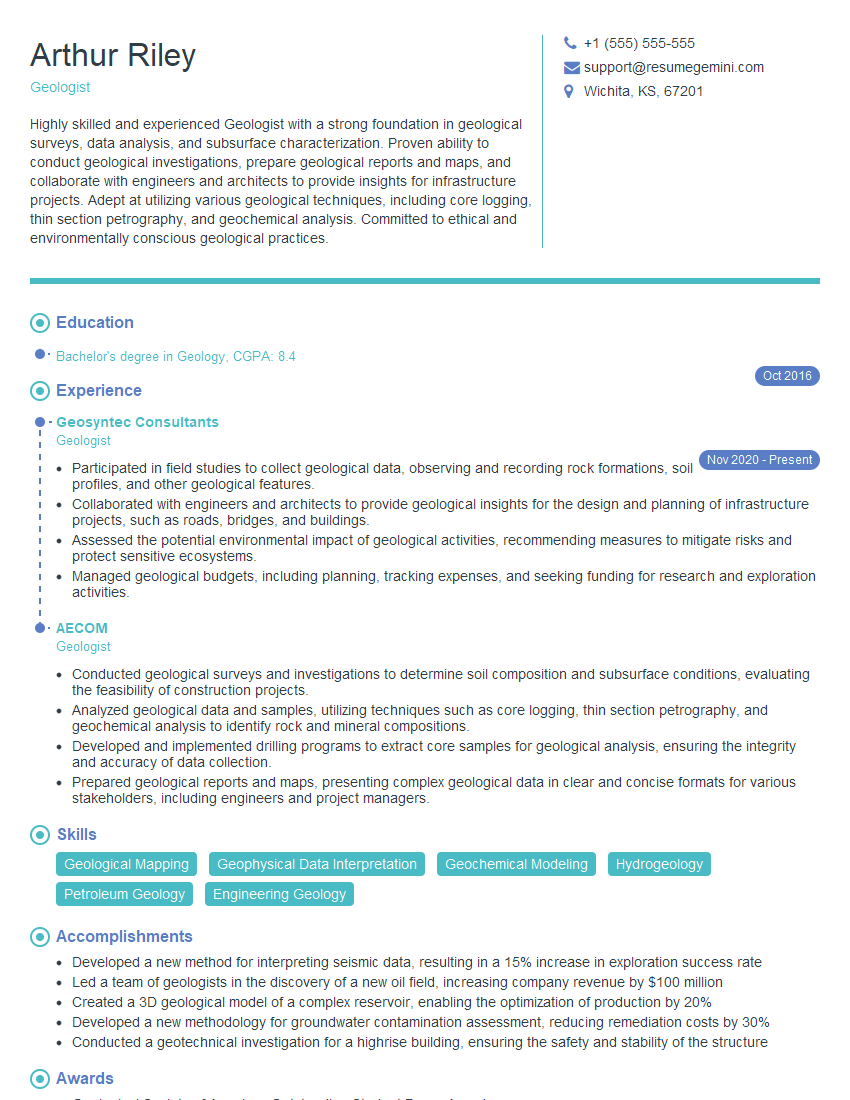
Geologist Resume Sample
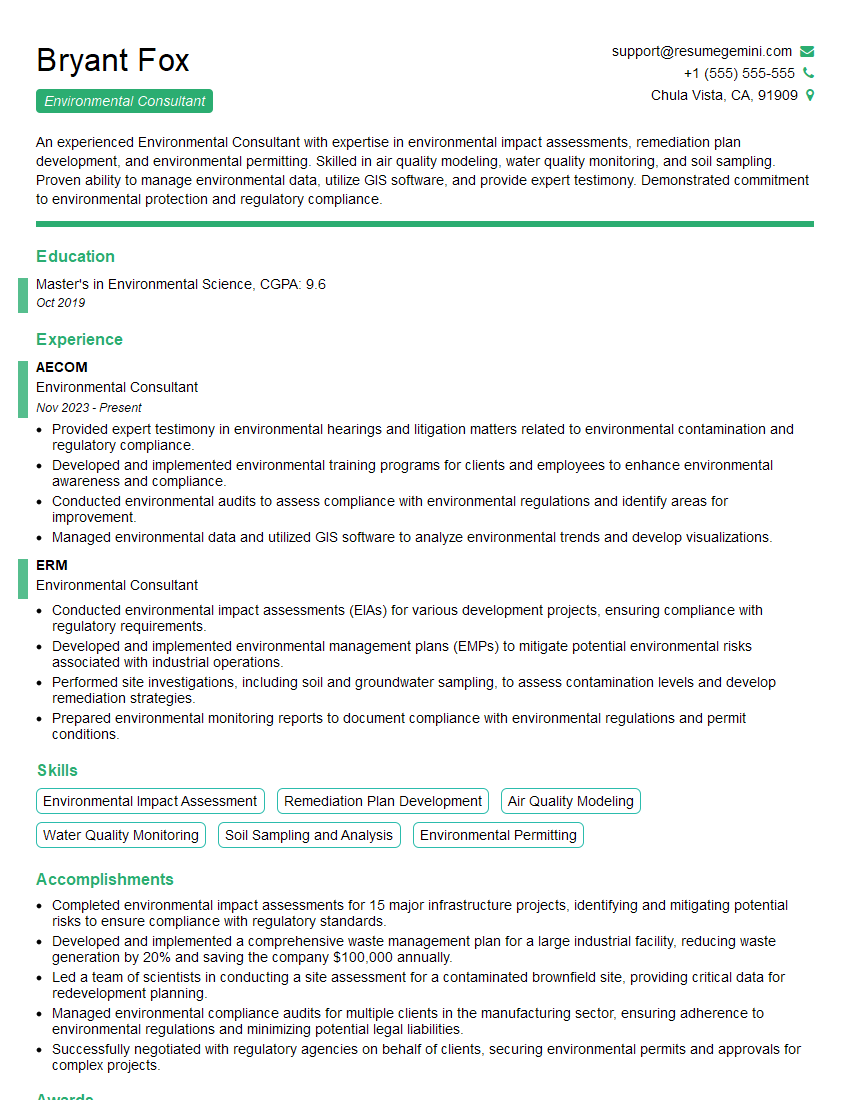
Environmental Consultant Resume Sample
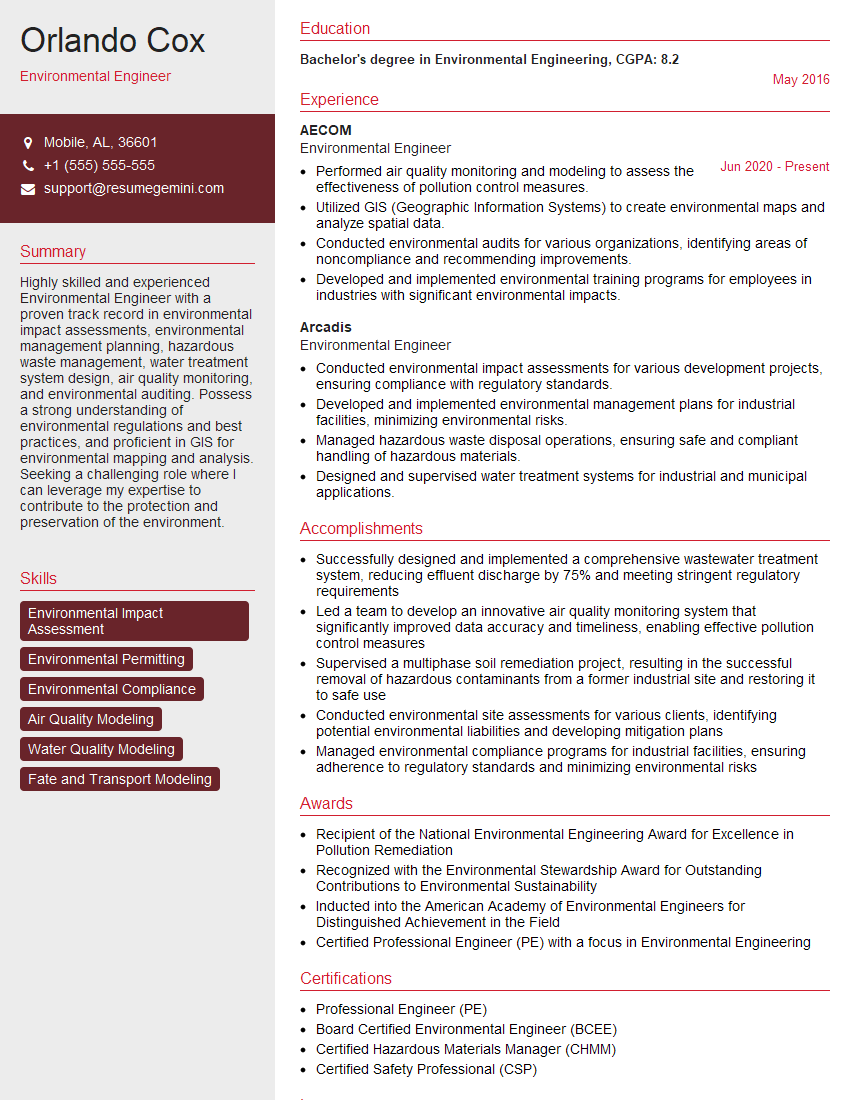
Environmental Engineer Resume Sample
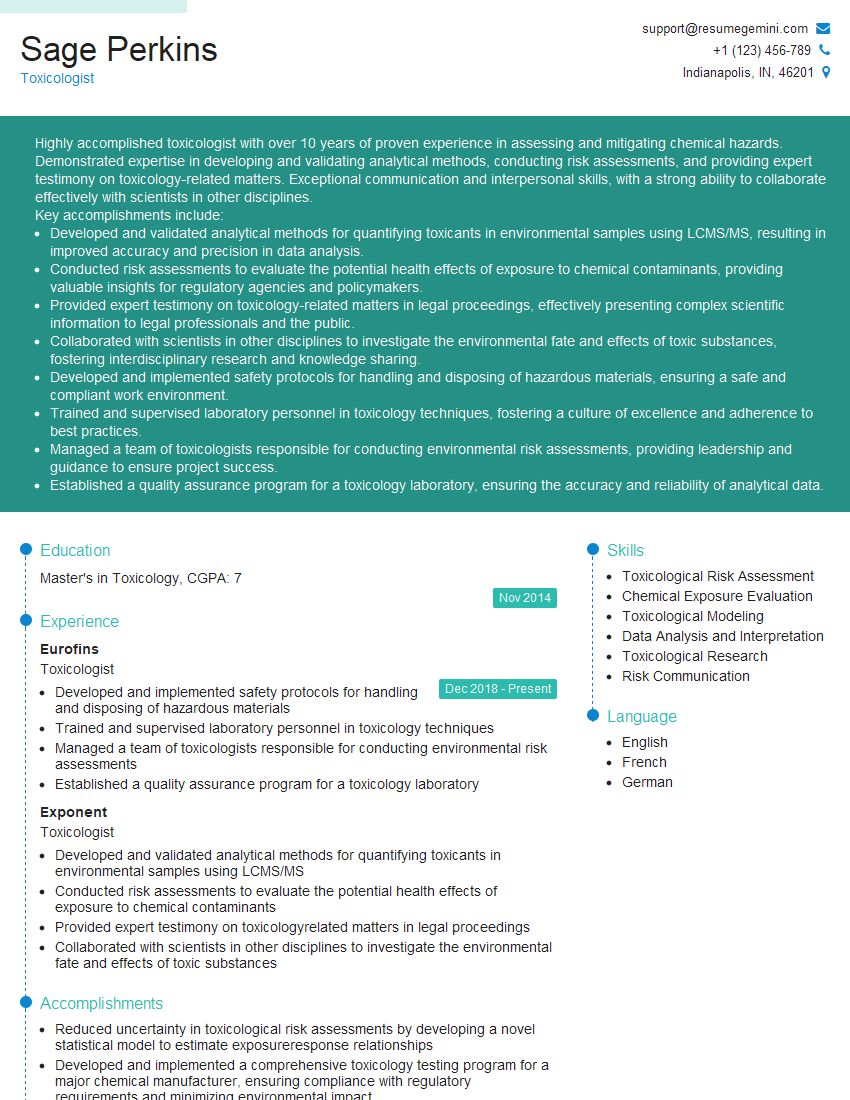
Toxicologist Resume Sample
Explore more articles
Users Rating of Our Blogs
Share Your Experience
We value your feedback! Please rate our content and share your thoughts (optional).
What Readers Say About Our Blog
Very informative content, great job.
good