Unlock your full potential by mastering the most common Environmental Management Systems (EMS) Implementation interview questions. This blog offers a deep dive into the critical topics, ensuring you’re not only prepared to answer but to excel. With these insights, you’ll approach your interview with clarity and confidence.
Questions Asked in Environmental Management Systems (EMS) Implementation Interview
Q 1. Describe your experience implementing an Environmental Management System (EMS).
Implementing an Environmental Management System (EMS) is like building a house; you need a solid foundation, a well-defined structure, and ongoing maintenance. My experience involves leading the implementation of ISO 14001-compliant EMS across various industries, including manufacturing and logistics. For example, in a manufacturing plant, this involved a phased approach. First, we conducted a comprehensive environmental assessment, identifying significant environmental aspects like energy consumption, waste generation, and water usage. Then, we established clear objectives and targets, for instance, reducing energy consumption by 15% within two years. Next, we developed procedures, trained employees, and implemented monitoring systems to track progress. Regular internal audits and management reviews ensured continuous improvement and compliance. The process concluded with certification to ISO 14001, demonstrating our commitment to environmental responsibility.
Another example involved helping a logistics company reduce its carbon footprint. We focused on optimizing delivery routes, utilizing fuel-efficient vehicles, and implementing a robust waste management plan for packaging materials. The key to success in both instances was effective communication and engagement with all stakeholders, from top management to frontline employees.
Q 2. Explain the key elements of ISO 14001.
ISO 14001 is the internationally recognized standard for Environmental Management Systems. Think of it as a roadmap for environmental responsibility. Key elements include:
- Environmental Policy: A formal statement of the organization’s commitment to environmental protection.
- Planning: Identifying environmental aspects (activities that can impact the environment) and impacts (the actual effects), setting objectives and targets, and determining the processes needed to achieve them. For example, setting a target to reduce water consumption by 10%.
- Implementation and Operation: Establishing resources, responsibilities, and procedures to ensure compliance with the EMS. This includes employee training on proper waste disposal.
- Monitoring and Measurement: Tracking key environmental indicators (like energy use or waste generated), conducting audits, and verifying the EMS’s effectiveness. This could involve using meters to track energy usage and regularly weighing waste.
- Continual Improvement: Regularly reviewing the EMS performance, identifying opportunities for improvement, and implementing corrective actions. This might involve analyzing environmental data to uncover areas for optimization.
Q 3. How do you conduct an environmental audit?
Conducting an environmental audit is like a health checkup for the organization’s environmental performance. It involves a systematic, documented, and objective verification process to determine whether environmental activities, events, conditions, and management systems conform to planned arrangements and comply with legal and other requirements. I usually start with planning the audit scope, objectives, and criteria, identifying audit teams, and conducting opening meetings. Then, we gather evidence through interviews, document reviews, site visits, and inspections. For example, checking waste disposal records to ensure compliance. After this, we analyze the evidence, documenting findings and highlighting nonconformities or areas for improvement. Finally, we issue an audit report containing findings, conclusions, and recommendations.
A crucial aspect is ensuring the audit is objective and unbiased, often involving external auditors to provide independent verification. I always maintain a professional and collaborative approach, focusing on constructive feedback and continuous improvement.
Q 4. What are the steps involved in developing an environmental policy?
Developing an environmental policy is akin to setting a vision statement for environmental stewardship. The process involves:
- Defining Scope: Identifying the organization’s environmental aspects and impacts, determining which areas the policy will cover.
- Setting Goals: Establishing clear and measurable environmental goals aligned with the organization’s overall strategy. For example, reducing greenhouse gas emissions by a certain percentage.
- Commitment Statement: Creating a concise and impactful statement reflecting the organization’s commitment to environmental responsibility.
- Communication and Implementation: Disseminating the policy throughout the organization, providing training, and incorporating it into daily operations.
- Review and Update: Regularly reviewing and updating the policy to reflect changes in legislation, technology, and organizational priorities. This ensures the policy remains relevant and effective.
Q 5. How do you identify and assess environmental aspects and impacts?
Identifying and assessing environmental aspects and impacts involves a systematic process of pinpointing activities that could affect the environment and evaluating the significance of these impacts. This often uses tools such as checklists, flowcharts, and brainstorming sessions. For example, in a manufacturing facility, we would identify aspects like energy use, wastewater discharge, and waste generation. Then, we’d assess their impacts, such as greenhouse gas emissions, water pollution, and landfill space use. We utilize matrices to quantify significance based on likelihood and severity, prioritizing those requiring immediate attention. This assessment informs the development of environmental objectives and targets, ensuring we focus on the most critical issues.
Q 6. Explain your understanding of Life Cycle Assessment (LCA).
Life Cycle Assessment (LCA) is a cradle-to-grave analysis of a product’s environmental impacts, from raw material extraction to disposal. Think of it as a comprehensive environmental footprint. It’s crucial for informed decision-making and evaluating the environmental performance of products and services. An LCA typically involves four stages:
- Goal and Scope Definition: Defining the purpose of the assessment and the boundaries of the study.
- Inventory Analysis: Quantifying the energy and material flows associated with each stage of the product’s life cycle.
- Impact Assessment: Evaluating the environmental impacts of these flows, considering factors such as greenhouse gas emissions, water pollution, and resource depletion.
- Interpretation: Analyzing the results and drawing conclusions about the product’s overall environmental performance.
For example, an LCA might reveal that while a product uses recycled materials, its transportation accounts for a significant portion of its carbon footprint, highlighting opportunities for improvement.
Q 7. How do you ensure compliance with environmental regulations?
Ensuring compliance with environmental regulations is paramount. It involves a multi-pronged approach. First, we conduct regular monitoring to ensure all operations adhere to applicable laws and permits. This might involve tracking emissions, waste disposal, and water usage, comparing results to regulatory limits. Second, we establish a robust system for record-keeping and documentation, allowing for easy tracking and auditing. Third, we develop and implement clear procedures to handle non-compliance situations, including corrective actions and preventative measures. Regular training for employees on environmental regulations ensures everyone understands their responsibilities. Finally, proactive engagement with regulatory bodies and staying updated on evolving legislation are crucial for staying ahead of the curve. Proactive measures, like obtaining permits early and regularly reviewing regulations, are much more efficient than reactive responses to non-compliance.
Q 8. What is your experience with environmental monitoring and reporting?
Environmental monitoring and reporting is the backbone of any effective Environmental Management System (EMS). It involves systematically collecting data on environmental parameters, analyzing that data, and then communicating the findings to relevant stakeholders. This ensures compliance with regulations and allows for continuous improvement.
In my previous role at GreenTech Industries, I was responsible for overseeing the monitoring of air emissions, wastewater discharges, and solid waste generation. We used a combination of automated monitoring equipment (like continuous emission monitors for stack gases) and manual sampling methods (like collecting water samples for laboratory analysis). The data was then entered into a dedicated environmental database, analyzed for trends and anomalies, and finally compiled into regular reports for management, regulatory agencies, and our sustainability board. For example, we identified a consistent spike in particulate matter emissions during a specific production shift, leading us to implement a process improvement that reduced emissions by 15%.
My experience extends to utilizing various software platforms for data management and reporting, ensuring data accuracy and integrity. I’m proficient in generating reports compliant with various regulatory frameworks, including ISO 14001 and local environmental regulations.
Q 9. Describe your experience with environmental incident response.
Environmental incident response involves the immediate actions taken to contain, mitigate, and remediate environmental damage resulting from an unplanned event. It’s about swift action to minimize negative impact and ensure regulatory compliance. Think of it as a well-rehearsed emergency response plan, but focused on the environment.
At EcoSolutions, I led the response team for several incidents, including a minor chemical spill and a malfunction in our wastewater treatment system. Our response followed a predetermined protocol: immediate containment, assessment of the damage and potential risks (including to human health and the environment), notification of relevant authorities (as required by regulations), remediation efforts, and a thorough post-incident investigation to identify root causes and prevent future occurrences. The chemical spill, for example, involved immediately deploying absorbent materials, containing the spread, and contacting the appropriate emergency services and regulatory agencies. A detailed investigation revealed a faulty valve, leading to immediate replacement and staff retraining on safety procedures.
Effective incident response necessitates detailed emergency plans, well-trained personnel, and readily accessible emergency equipment. Regular drills and training are crucial in building a robust response capability.
Q 10. How do you manage environmental risks?
Environmental risk management is a proactive process of identifying, assessing, and controlling potential environmental impacts. It’s about anticipating problems before they occur and minimizing potential harm. This is achieved through a systematic approach that includes hazard identification, risk assessment, and risk control.
My approach starts with identifying potential environmental hazards associated with our operations. This could include anything from air and water pollution to waste generation and biodiversity impacts. Next, we assess the likelihood and consequences of each hazard, using various methods such as HAZOP (Hazard and Operability) studies and quantitative risk assessments. This helps prioritize risks based on their potential impact. Finally, we implement controls to mitigate or eliminate the risks. These controls can range from implementing better waste management practices to installing pollution control equipment or changing operational procedures.
For instance, at my previous company, a risk assessment highlighted the potential for soil contamination from leaking storage tanks. To mitigate this, we implemented a comprehensive tank inspection and maintenance program, along with secondary containment measures to prevent leaks and ensure quick response in the event of an incident.
Q 11. How do you engage employees in the EMS?
Engaging employees is crucial for a successful EMS. They are the ones on the ground implementing the system and driving improvement. It’s about creating a culture of environmental responsibility.
My strategy focuses on several key areas. First, I emphasize clear communication—making sure everyone understands the EMS, their role in it, and its importance. This involves regular training sessions, workshops, and easily accessible information. Second, I foster a culture of open communication where employees feel empowered to report environmental concerns and contribute ideas for improvement. This can be facilitated through suggestion boxes, regular meetings, and team-based problem-solving. Third, I recognize and reward employees who demonstrate strong environmental stewardship. This could be through formal awards, public recognition, or incorporating environmental performance into performance reviews.
At one company, I implemented a ‘Green Team’ composed of employees from different departments. This team played a vital role in proposing and implementing improvements to our waste reduction program, resulting in a significant decrease in landfill waste and significant cost savings.
Q 12. Explain your experience with environmental data analysis.
Environmental data analysis is the process of examining environmental monitoring data to identify trends, patterns, and anomalies. It’s about extracting meaningful insights from the raw data to inform decision-making and drive improvement.
My experience involves using statistical software packages (like R or SPSS) and specialized environmental data management systems to analyze large datasets. I’m proficient in using various statistical techniques, such as trend analysis, correlation analysis, and regression modeling, to identify relationships between environmental parameters and operational processes. This analysis allows us to pinpoint the sources of environmental impacts and measure the effectiveness of mitigation measures.
For example, I once used statistical analysis to demonstrate a direct correlation between production volume and wastewater discharge, enabling us to implement process changes that significantly reduced water consumption and improved overall environmental performance.
Q 13. What is your experience with continuous improvement in an EMS context?
Continuous improvement in an EMS context is a cyclical process of identifying opportunities for improvement, implementing changes, and monitoring their effectiveness. It’s about constantly striving to enhance environmental performance.
My approach uses the Plan-Do-Check-Act (PDCA) cycle. We start by planning improvements based on environmental data analysis, audits, stakeholder feedback, and regulatory requirements. Then, we implement the planned changes and carefully monitor their impact on environmental performance. We check the results against our targets and, if needed, adjust our approach. Finally, we act to formalize successful changes and institutionalize them within the EMS. This creates a dynamic system constantly evolving and improving.
For example, using the PDCA cycle, we once identified a significant opportunity to reduce energy consumption. After implementing energy-efficient equipment and adjusting operational procedures (Do), we meticulously monitored energy usage (Check) and found a 10% reduction. We then documented the changes and integrated them into our standard operating procedures (Act).
Q 14. How do you manage stakeholder engagement in relation to environmental performance?
Stakeholder engagement is crucial for successful EMS implementation. It involves actively involving all interested parties—employees, communities, suppliers, customers, regulatory agencies—in environmental decision-making. Building strong relationships and open communication are key.
My approach involves establishing clear communication channels and regular dialogue with stakeholders. This can involve stakeholder surveys, regular meetings, public forums, and providing transparent reports on environmental performance. Active listening to concerns and feedback is crucial. Furthermore, incorporating stakeholder feedback into the EMS ensures that it reflects the needs and concerns of all interested parties. This collaborative approach builds trust and creates a shared commitment to environmental improvement.
For instance, at one project, we held community meetings to discuss our plans for a new facility, addressing community concerns about potential noise and air pollution. We incorporated their feedback into the design and operational plans, resulting in a project that was well-received by the community.
Q 15. Describe your approach to environmental training and awareness.
My approach to environmental training and awareness is multifaceted and tailored to the specific needs of the organization. It begins with a comprehensive needs assessment to identify knowledge gaps and tailor training to address them. I believe in a blended learning approach, combining various methods for maximum impact.
- Interactive Workshops: Hands-on sessions covering regulations, procedures, and best practices, fostering active participation and immediate application.
- E-learning Modules: Self-paced online courses for convenient access to information and consistent reinforcement of key concepts. This is especially useful for large organizations or those with geographically dispersed teams.
- On-the-Job Training: Mentorship and shadowing opportunities for practical application of learned knowledge, guided by experienced personnel.
- Regular Communication: Utilizing newsletters, intranet updates, and team meetings to share environmental performance data, successes, and areas for improvement. This keeps environmental awareness top-of-mind.
- Gamification and Incentives: Introducing friendly competition and rewards for participation and achieving environmental targets. This can significantly boost engagement.
For example, in a previous role, we implemented a gamified waste reduction program that led to a 15% decrease in overall waste generation within six months. The key was making it fun and rewarding for employees.
Career Expert Tips:
- Ace those interviews! Prepare effectively by reviewing the Top 50 Most Common Interview Questions on ResumeGemini.
- Navigate your job search with confidence! Explore a wide range of Career Tips on ResumeGemini. Learn about common challenges and recommendations to overcome them.
- Craft the perfect resume! Master the Art of Resume Writing with ResumeGemini’s guide. Showcase your unique qualifications and achievements effectively.
- Don’t miss out on holiday savings! Build your dream resume with ResumeGemini’s ATS optimized templates.
Q 16. How would you handle a conflict between environmental performance and production targets?
Conflicts between environmental performance and production targets are unfortunately common, but they require careful management. A balanced approach is crucial; it’s not about choosing one over the other but finding synergies. My strategy involves a collaborative, data-driven approach:
- Data Analysis: Thoroughly investigate the root cause of the conflict. This may involve reviewing production processes, identifying waste streams, and analyzing energy consumption patterns.
- Process Optimization: Explore opportunities to improve efficiency. This could involve implementing lean manufacturing principles, investing in cleaner technologies, or adopting circular economy practices. For instance, implementing a closed-loop system can reduce waste and resource consumption while boosting production.
- Stakeholder Engagement: Engage with all relevant parties—production managers, environmental officers, and senior management—to collaboratively identify solutions that meet both environmental and production goals.
- Cost-Benefit Analysis: Evaluate the financial implications of different options, considering both short-term and long-term costs and benefits. Often, improved environmental performance leads to cost savings in the long run.
- Prioritization and Trade-offs: In some cases, making carefully considered trade-offs may be necessary. This requires transparent communication and justification based on objective data and risk assessments.
For instance, in a previous project, a conflict between reducing water usage and maintaining production levels was resolved by implementing a more efficient water recycling system, which both reduced water consumption and improved production output.
Q 17. Explain your understanding of environmental performance indicators (KPIs).
Environmental Performance Indicators (KPIs) are quantifiable metrics used to track an organization’s environmental performance against its targets. They provide a clear picture of progress and identify areas needing improvement. Effective KPIs are:
- Specific and Measurable: Clearly defined and easily quantifiable (e.g., kilograms of waste reduced, liters of water consumed).
- Achievable and Relevant: Aligned with the organization’s overall environmental objectives and realistic to attain.
- Time-Bound: Associated with specific timeframes (e.g., monthly, annually) for effective monitoring and evaluation.
Examples of common KPIs include:
- Energy Consumption: kWh/unit produced
- Water Consumption: Liters/unit produced
- Waste Generation: Kg/unit produced
- Greenhouse Gas Emissions: tons of CO2e
- Compliance Rate: Percentage of environmental regulations met
The selection of appropriate KPIs depends on the organization’s specific context, industry, and environmental goals. A well-defined set of KPIs provides a robust framework for monitoring, evaluating, and improving environmental performance.
Q 18. How do you measure the effectiveness of your EMS?
Measuring the effectiveness of an EMS is crucial for continuous improvement. My approach involves a multi-pronged strategy:
- Internal Audits: Regular internal audits assess compliance with the EMS and identify areas for improvement. These audits follow a systematic process, including checklists, documentation review, and on-site inspections.
- Management Review: Periodic management reviews evaluate the EMS’s overall performance, effectiveness, and suitability. This involves reviewing KPI data, audit findings, and stakeholder feedback.
- Monitoring and Measurement of KPIs: Tracking progress against predefined KPIs provides quantitative evidence of the EMS’s effectiveness in achieving environmental goals.
- Employee Feedback: Collecting feedback from employees on the effectiveness of the EMS and identifying areas where improvements can be made is essential.
- External Audits/Certifications: Seeking external verification through ISO 14001 certification or other relevant audits provides independent validation of the EMS’s effectiveness and credibility.
By combining these methods, we gain a comprehensive understanding of the EMS’s effectiveness and identify areas for optimization and continuous improvement.
Q 19. How do you ensure the accuracy and reliability of environmental data?
Ensuring the accuracy and reliability of environmental data is paramount for effective environmental management. My approach focuses on:
- Calibration and Maintenance of Equipment: Regular calibration and maintenance of monitoring equipment (e.g., flow meters, analyzers) ensure accurate measurements. This includes establishing a schedule for calibration and maintaining detailed records of all calibration activities.
- Data Validation and Verification: Implementing procedures for validating and verifying data collected, including checking for outliers and inconsistencies, helps to maintain data quality.
- Chain of Custody: Establishing a clear chain of custody for samples and data, including proper labeling, handling, and storage procedures, guarantees traceability and reduces errors.
- Data Management System: Utilizing a robust data management system, whether it’s a dedicated software or a well-organized spreadsheet system, improves data organization, accessibility, and reduces errors from manual data entry.
- Training of Personnel: Properly training personnel on data collection, handling, and reporting procedures ensures consistency and accuracy in data collection and analysis.
For example, using a barcoding system for sample identification minimizes transcription errors, while using a data management software can automatically flag any unusual readings, preventing misinterpretations.
Q 20. Explain your experience with environmental management software.
I have extensive experience with various environmental management software applications, including both cloud-based and on-premise solutions. My experience ranges from simple data logging to sophisticated Environmental Information Management Systems (EIMS). I’m proficient in using software to:
- Track and Manage KPIs: Inputting, analyzing, and reporting on environmental performance indicators.
- Manage Permits and Licenses: Tracking permit compliance and renewal deadlines.
- Conduct Audits and Inspections: Documenting audit findings and assigning corrective actions.
- Manage Waste Streams: Tracking waste generation, disposal, and recycling efforts.
- Generate Reports: Creating comprehensive reports for internal and external stakeholders.
Specific software I have experience with includes [List specific software names here – e.g., ENVIROSOFT, Sphera, Intelex]. My experience goes beyond simple data entry; I understand the importance of data integrity, user training, and seamless integration with other organizational systems. Choosing the right software depends on the specific needs of the organization, budget, and existing infrastructure. Therefore, I have experience in evaluating different systems and choosing the optimal one for a particular scenario.
Q 21. Describe your experience with environmental due diligence.
Environmental due diligence is a critical process of identifying and assessing potential environmental liabilities associated with a property or business transaction. My experience involves conducting thorough due diligence assessments, encompassing:
- Site Visits and Inspections: Physically inspecting the property to identify potential environmental concerns, such as contaminated soil or groundwater, illegal waste disposal, or previous industrial activities.
- Regulatory Compliance Review: Assessing compliance with all applicable environmental regulations, permits, and licenses.
- Records Review: Examining historical records, including environmental reports, permits, and site investigation reports.
- Phase I Environmental Site Assessments (ESAs): Conducting or reviewing Phase I ESAs to identify potential environmental contamination.
- Phase II ESAs (if needed): Conducting or overseeing Phase II ESAs, which may involve soil and groundwater sampling and testing to confirm the presence and extent of contamination.
- Risk Assessment: Evaluating the potential environmental risks associated with the property, considering factors such as the nature and extent of contamination, potential exposure pathways, and regulatory liabilities.
My experience includes assisting with transactions ranging from small-scale property purchases to large-scale mergers and acquisitions. A thorough due diligence process helps mitigate environmental risks and avoids costly remediation efforts in the future. Understanding the legal ramifications and potential financial implications of environmental liabilities is crucial to making informed decisions during business transactions.
Q 22. What are some common challenges in EMS implementation?
Implementing an Environmental Management System (EMS) presents numerous challenges, often stemming from a lack of understanding, resources, or commitment. Common hurdles include:
- Lack of Top Management Commitment: Without buy-in from the top, initiatives often lack the necessary resources and authority to succeed. It’s like trying to build a house without a blueprint or proper funding.
- Resistance to Change: Employees accustomed to old ways of working may resist new procedures and responsibilities. This requires careful communication and training.
- Insufficient Resources: Implementing an EMS requires financial investment in training, software, equipment, and potentially personnel. Lack of resources can severely hinder progress.
- Data Collection and Analysis Difficulties: Accurate data is crucial, yet collecting and analyzing environmental data can be time-consuming and complex. It requires a systematic approach and the right tools.
- Lack of Awareness and Training: Employees need to understand the EMS and their roles within it. Poor training leads to non-compliance and inefficiencies.
- Integrating EMS with Existing Management Systems: Successfully integrating the EMS with existing business processes requires careful planning and coordination to avoid conflicts or redundancies.
Successfully navigating these challenges requires proactive planning, strong leadership, effective communication, and a commitment to continuous improvement.
Q 23. How do you overcome resistance to change during EMS implementation?
Overcoming resistance to change during EMS implementation is crucial for success. This involves a multi-pronged approach focusing on communication, participation, and demonstrating value.
- Early and Frequent Communication: Clearly communicate the ‘why’ behind the EMS, highlighting its benefits for the organization and employees (e.g., reduced environmental impact, cost savings, improved reputation).
- Employee Involvement: Involve employees in the design and implementation process. This fosters ownership and reduces resistance. Think of it like a team project – everyone feels valued and contributes to the outcome.
- Training and Education: Provide comprehensive training to ensure employees understand the new procedures and their roles. Interactive sessions and practical examples are more effective than simple lectures.
- Addressing Concerns: Actively listen to and address employees’ concerns. Open dialogue helps to identify and mitigate potential barriers to adoption.
- Demonstrating Value: Show tangible evidence of the EMS’s benefits – cost savings, reduced waste, improved efficiency – to reinforce its value and motivate continued participation.
- Incentives and Recognition: Reward employees for their contributions and commitment to the EMS. This could be through bonuses, public acknowledgment, or other forms of recognition.
Remember, change management is a process, not an event. Continuous monitoring, feedback, and adjustments are essential to successfully overcome resistance.
Q 24. What are the key differences between ISO 14001 and other environmental standards?
ISO 14001 is the most widely recognized international standard for Environmental Management Systems. While other standards exist, focusing on specific sectors or aspects, ISO 14001 provides a robust, universally applicable framework.
- Scope: ISO 14001 establishes a comprehensive framework covering environmental aspects across an entire organization, whereas other standards may be more specific (e.g., focusing solely on carbon emissions or specific industry practices).
- Certification: ISO 14001 is a certifiable standard. Certification by a third-party demonstrates commitment to environmental management and provides credibility with stakeholders.
- Flexibility: ISO 14001 offers flexibility to adapt to different organizational contexts and environmental conditions. Other standards may be more rigid or sector-specific.
- Integration: ISO 14001 can be readily integrated with other management systems, like ISO 9001 (Quality) or ISO 45001 (Occupational Health and Safety), for improved efficiency.
- Continuous Improvement: A core principle of ISO 14001 is the Plan-Do-Check-Act (PDCA) cycle, emphasizing continuous improvement of environmental performance. While present in many standards, this is centrally emphasized in ISO 14001.
In essence, ISO 14001 offers a widely recognized, flexible, and auditable framework, whereas other standards may address more niche areas or specific industry requirements.
Q 25. Describe your experience with environmental permitting and licensing.
My experience with environmental permitting and licensing spans various sectors, including manufacturing and construction. I’ve been involved in:
- Permit Application Preparation: This involves gathering necessary data, conducting environmental impact assessments (EIAs), and preparing detailed applications that meet regulatory requirements. For example, I’ve worked on applications for air emission permits, water discharge permits, and waste disposal permits.
- Regulatory Compliance: Ensuring that operations remain compliant with all permits and licenses through ongoing monitoring, reporting, and record-keeping. This includes addressing any deviations from permitted limits and implementing corrective actions.
- Permit Renewal: Managing the process of renewing permits, ensuring all required information is submitted on time and in compliance with updated regulations.
- Interaction with Regulatory Agencies: Effectively communicating with regulatory agencies, responding to inquiries, and attending site inspections. Building strong relationships with regulators is key to smoother permit processes.
- Permit Optimization: Identifying opportunities to optimize permit conditions, reducing environmental impact and minimizing operational constraints.
I understand the complexities of navigating environmental regulations and possess the skills to ensure compliance across diverse industrial settings. My approach is proactive, emphasizing prevention and compliance to avoid costly penalties and operational disruptions.
Q 26. How do you ensure the integration of environmental considerations into business decision-making?
Integrating environmental considerations into business decision-making requires a strategic and holistic approach. This involves:
- Environmental Impact Assessment (EIA): Conducting EIAs for all significant projects and business decisions. This helps quantify and assess potential environmental impacts upfront.
- Life Cycle Assessment (LCA): Utilizing LCA to evaluate the environmental footprint of products and services across their entire lifespan, from raw material extraction to disposal.
- Environmental Cost Accounting: Integrating environmental costs into the decision-making process to ensure that environmental considerations are given appropriate weight.
- Environmental Key Performance Indicators (KPIs): Tracking environmental KPIs to monitor progress and identify areas for improvement. These can be linked to business targets and incentives.
- Environmental Reporting and Transparency: Communicating environmental performance to stakeholders through regular reporting, ensuring transparency and accountability.
- Training and Awareness: Providing training to managers and decision-makers on environmental issues and their business implications.
By embedding environmental factors into core business processes, strategic planning, and performance evaluation, environmental considerations become integral to decision-making, moving beyond a compliance focus to a strategic advantage.
Q 27. What is your experience with waste management and reduction strategies?
My experience in waste management and reduction strategies involves developing and implementing programs to minimize waste generation, optimize recycling, and ensure responsible disposal.
- Waste Audits and Assessments: Conducting waste audits to identify sources, types, and quantities of waste generated. This data informs the development of targeted reduction strategies.
- Waste Reduction Strategies: Implementing strategies such as source reduction (reducing waste at the origin), reuse, and recycling. Examples include improving production processes to reduce material waste or implementing a robust recycling program.
- Waste Segregation and Treatment: Implementing systems for effective waste segregation and appropriate treatment methods, ensuring compliance with relevant regulations and minimizing environmental impact.
- Waste Disposal Management: Securing responsible waste disposal services, ensuring compliance with environmental permits and regulations. This includes tracking waste disposal records and minimizing transportation distances.
- Employee Training and Awareness: Educating employees on proper waste handling practices, promoting participation in waste reduction initiatives.
Successful waste management requires a holistic approach, addressing waste generation at the source, optimizing recycling, and ensuring safe and responsible disposal. This translates to environmental benefits, cost savings, and a positive image.
Q 28. Describe your experience with sustainable procurement practices.
My experience with sustainable procurement involves integrating environmental considerations into the purchasing process, choosing products and services with a lower environmental impact.
- Supplier Evaluation: Developing criteria to evaluate suppliers based on their environmental performance, including waste management practices, energy efficiency, and use of sustainable materials. This includes requesting environmental certifications (e.g., ISO 14001).
- Product Selection: Prioritizing products with lower environmental impacts, such as those made from recycled materials, energy-efficient products, or products with reduced packaging. This might involve life cycle assessments to make informed choices.
- Green Procurement Policies: Developing and implementing green procurement policies to guide purchasing decisions and ensure consistency across the organization.
- Monitoring and Reporting: Tracking environmental performance related to procurement, such as the quantity of recycled materials purchased or the reduction in packaging waste. This enables continuous improvement and accountability.
- Collaboration with Suppliers: Working collaboratively with suppliers to encourage their adoption of more sustainable practices and drive improvement across the supply chain.
Sustainable procurement isn’t just about making eco-friendly choices; it’s about integrating environmental sustainability into the entire purchasing process, creating a positive ripple effect throughout the supply chain and beyond. This often leads to cost savings and enhanced brand reputation.
Key Topics to Learn for Environmental Management Systems (EMS) Implementation Interview
- Understanding ISO 14001: Grasp the core principles and requirements of this international standard for EMS. Be prepared to discuss its structure and clauses.
- Environmental Aspects and Impacts: Know how to identify, analyze, and evaluate significant environmental aspects and impacts of an organization’s activities.
- Legal and Other Requirements: Demonstrate your understanding of relevant environmental legislation and regulations, and how to ensure compliance.
- EMS Planning and Implementation: Discuss the practical steps involved in developing, implementing, and maintaining an effective EMS, including setting environmental objectives and targets.
- Operational Control: Explain how to manage environmental risks and ensure effective operational control to prevent pollution.
- Emergency Preparedness and Response: Outline strategies for handling environmental emergencies and minimizing their impact.
- Monitoring and Measurement: Describe methods for monitoring and measuring environmental performance, including data collection and analysis.
- Internal Audits and Management Reviews: Explain the importance of internal audits and management reviews in ensuring the effectiveness of the EMS.
- Continual Improvement: Discuss strategies for continually improving the EMS’s performance and effectiveness.
- Life Cycle Assessment (LCA): Understand the principles and application of LCA in evaluating the environmental impacts of products and services.
- Environmental Reporting and Communication: Be prepared to discuss methods for effectively communicating environmental performance to stakeholders.
- Problem-solving approaches: Showcase your ability to analyze environmental challenges, propose solutions, and implement corrective actions.
Next Steps
Mastering Environmental Management Systems (EMS) Implementation is crucial for career advancement in today’s environmentally conscious world. It demonstrates your commitment to sustainability and your ability to contribute to a greener future. To maximize your job prospects, it’s vital to present your skills effectively. Creating an ATS-friendly resume is key to getting your application noticed by recruiters. ResumeGemini is a trusted resource that can help you build a professional and impactful resume tailored to your experience and the specific requirements of EMS Implementation roles. Examples of resumes tailored to Environmental Management Systems (EMS) Implementation are available to guide you through the process.
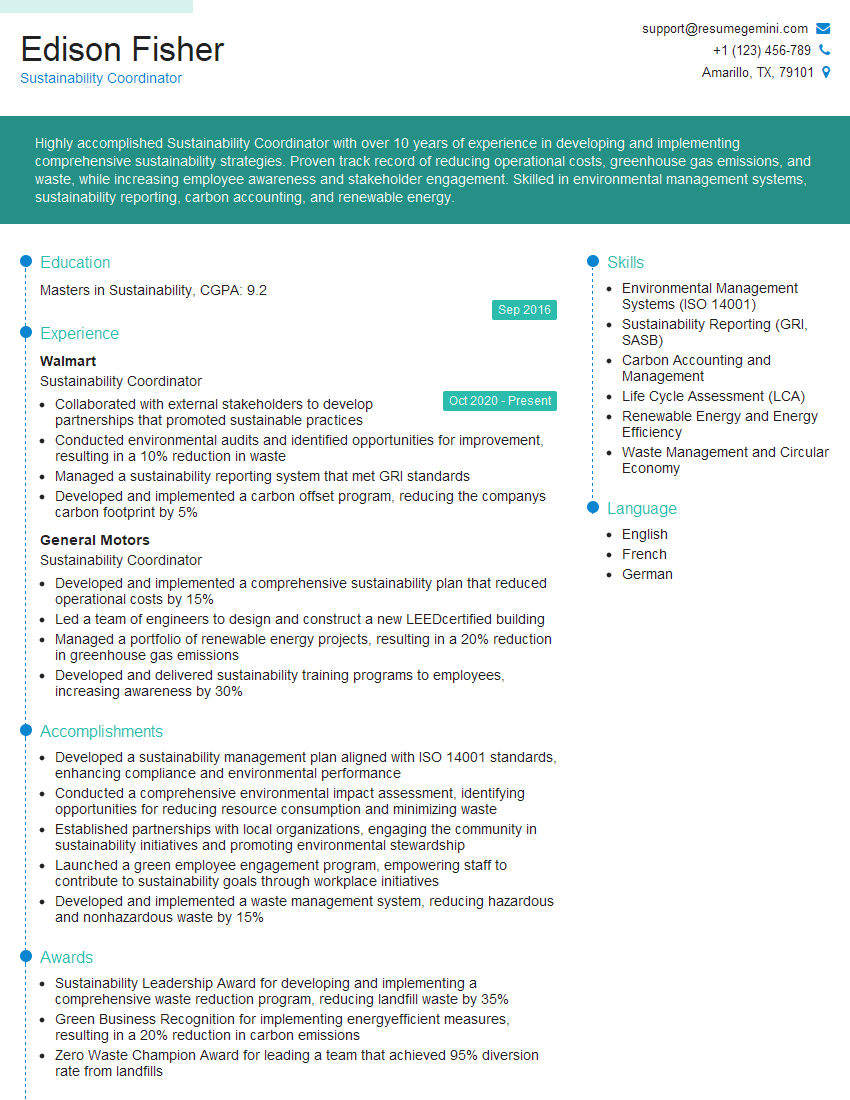
Sustainability Coordinator Resume Sample
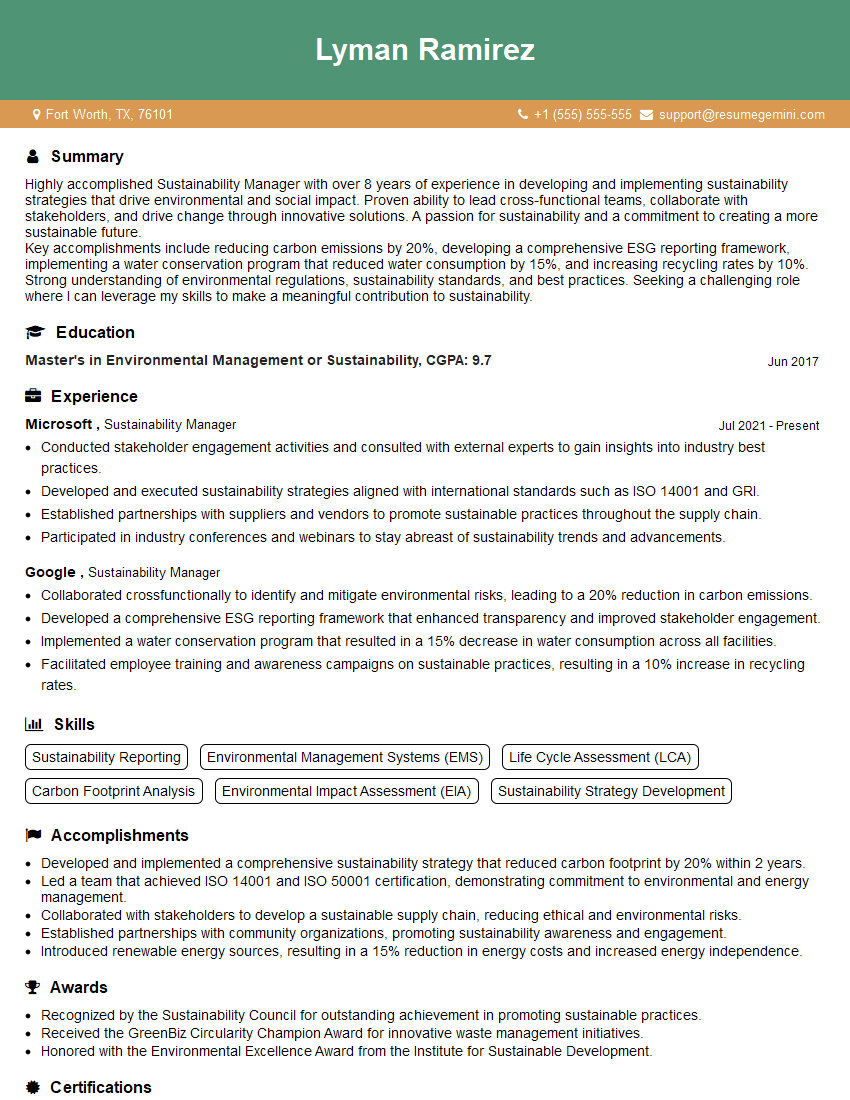
Sustainability Manager Resume Sample
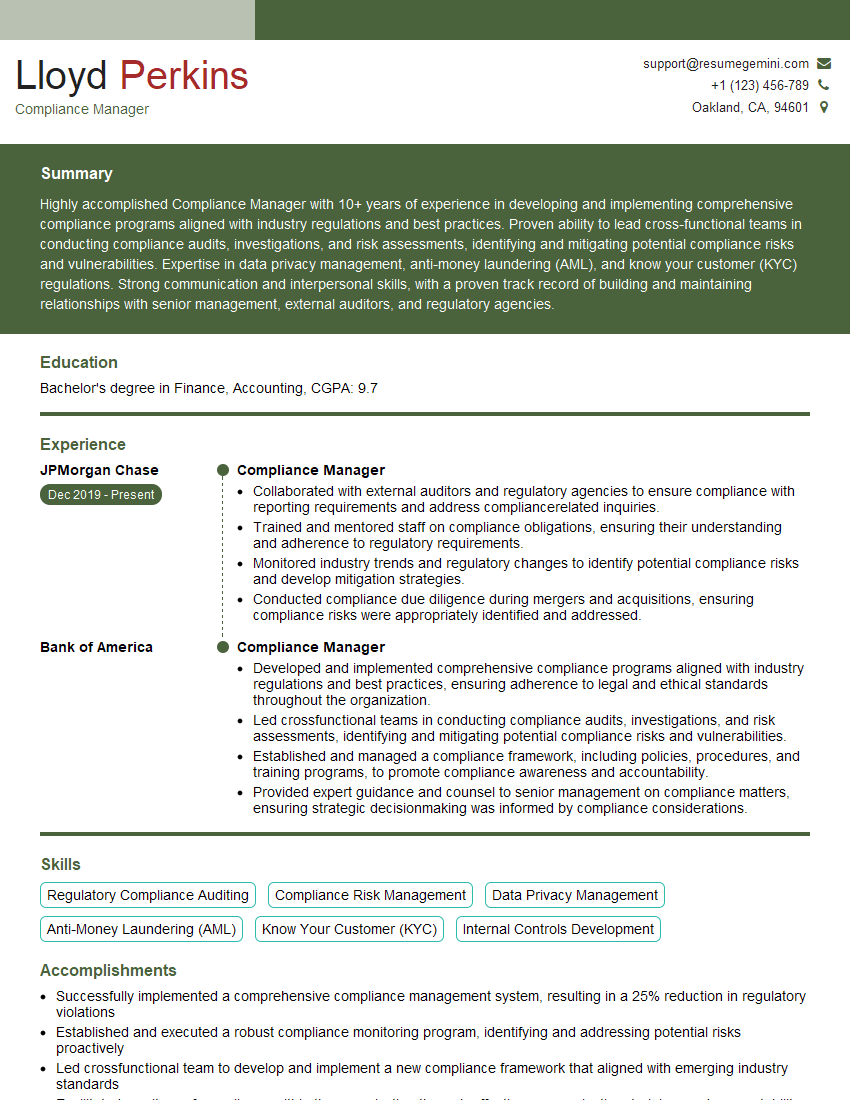
Compliance Manager Resume Sample
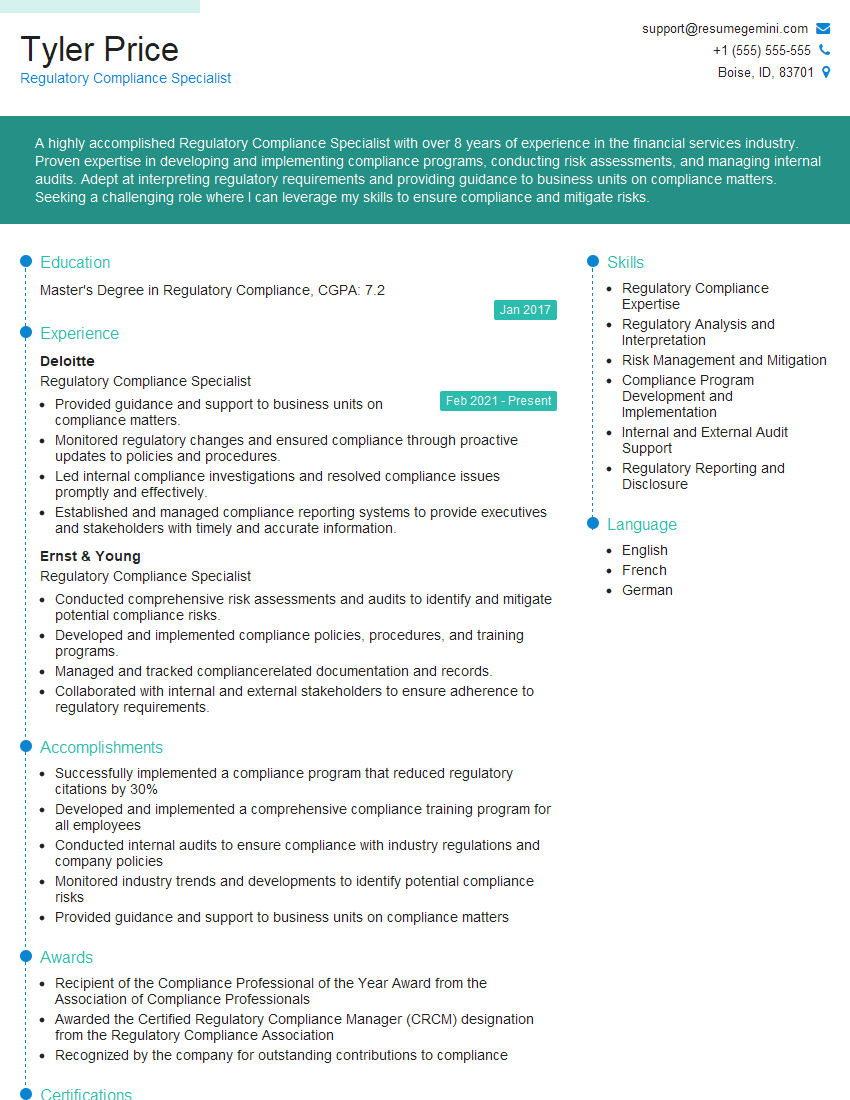
Regulatory Compliance Specialist Resume Sample
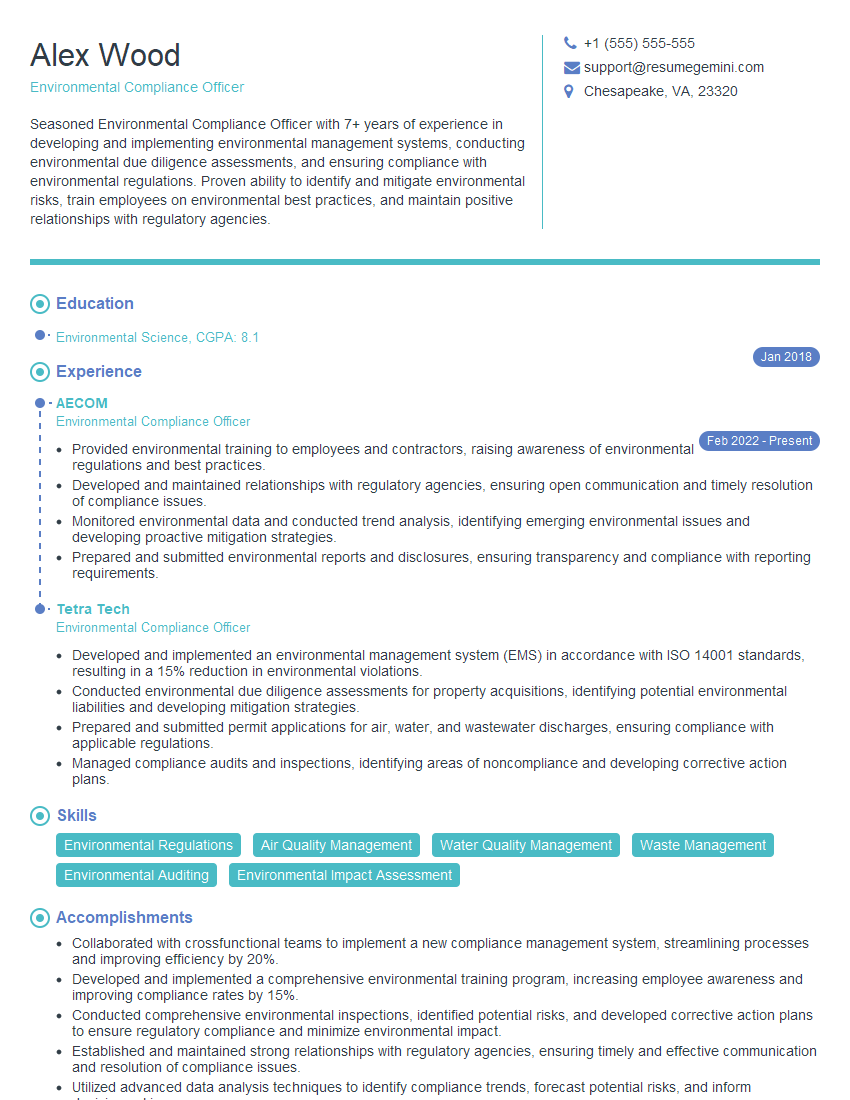
Environmental Compliance Officer Resume Sample
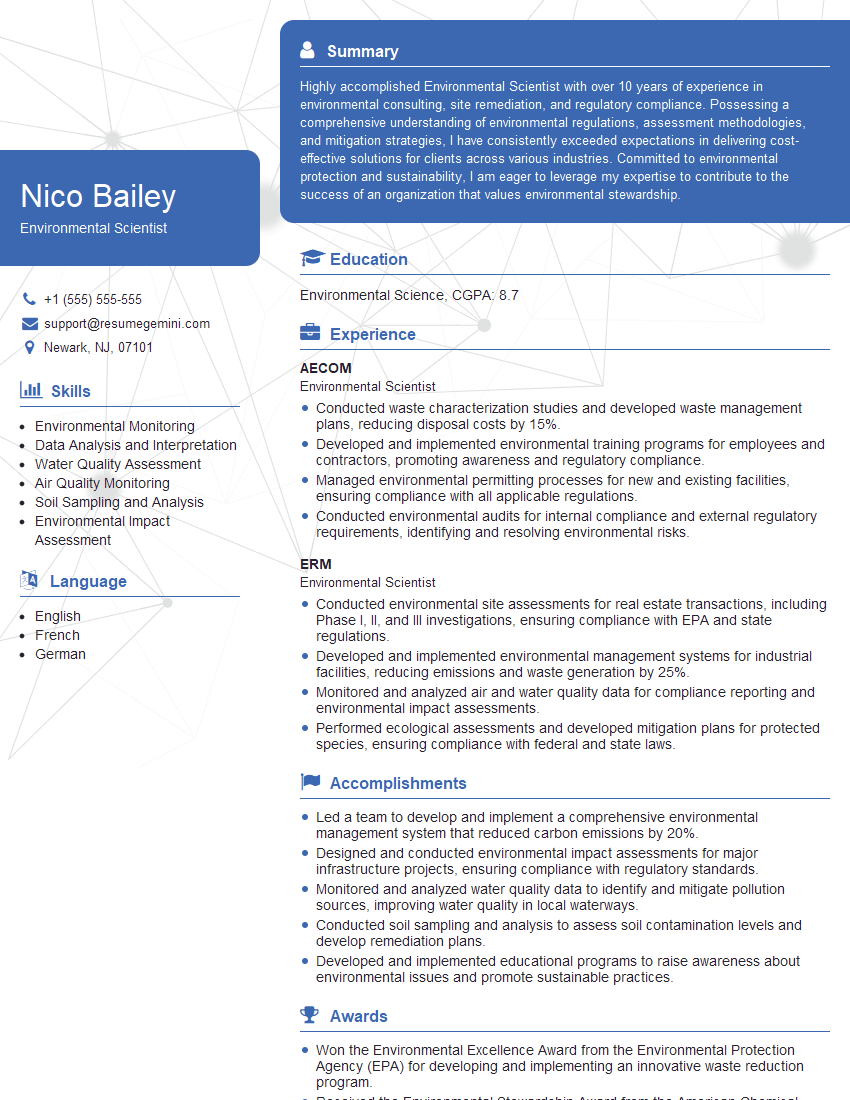
Environmental Scientist Resume Sample
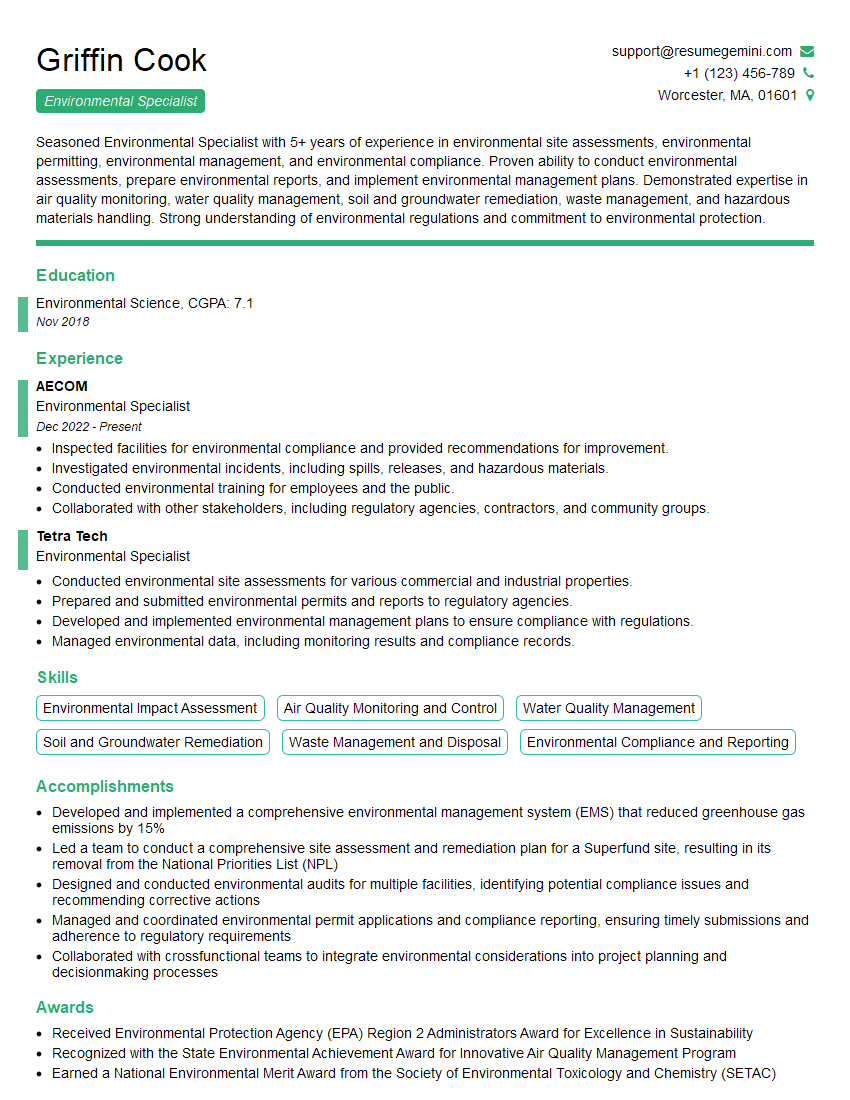
Environmental Specialist Resume Sample
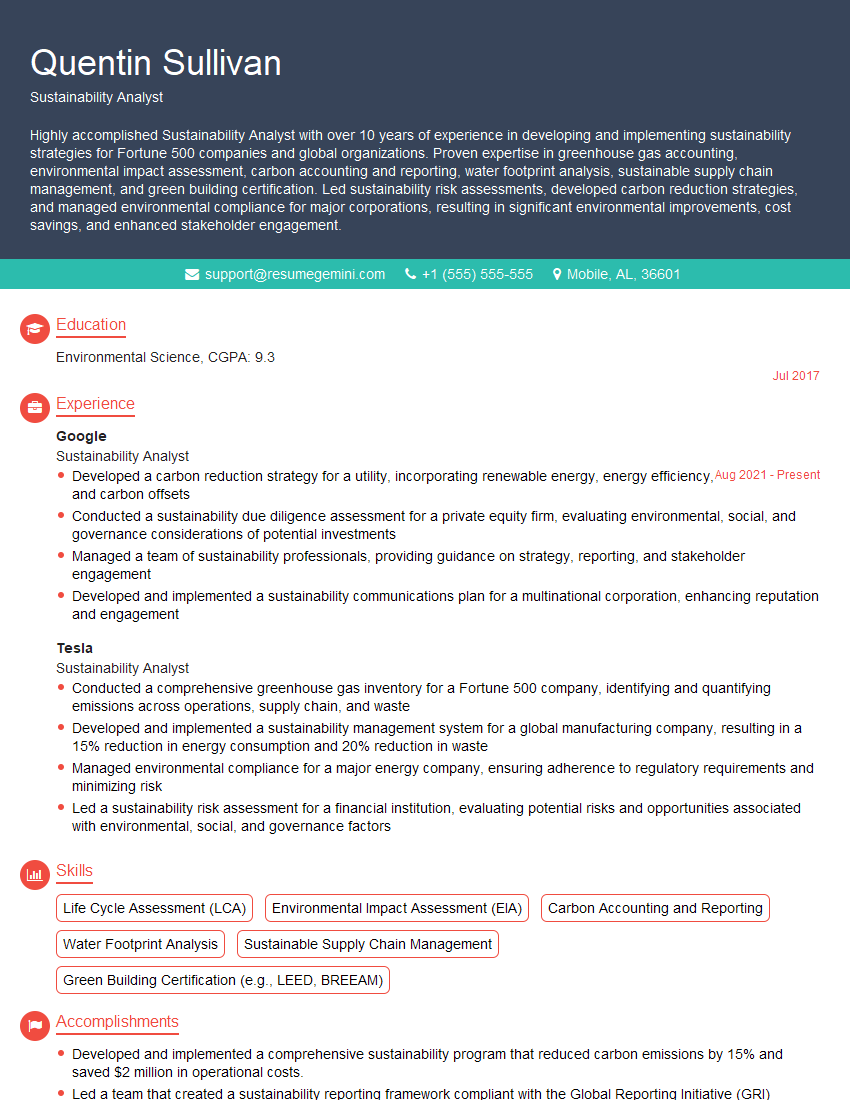
Sustainability Analyst Resume Sample

Sustainability Consultant Resume Sample
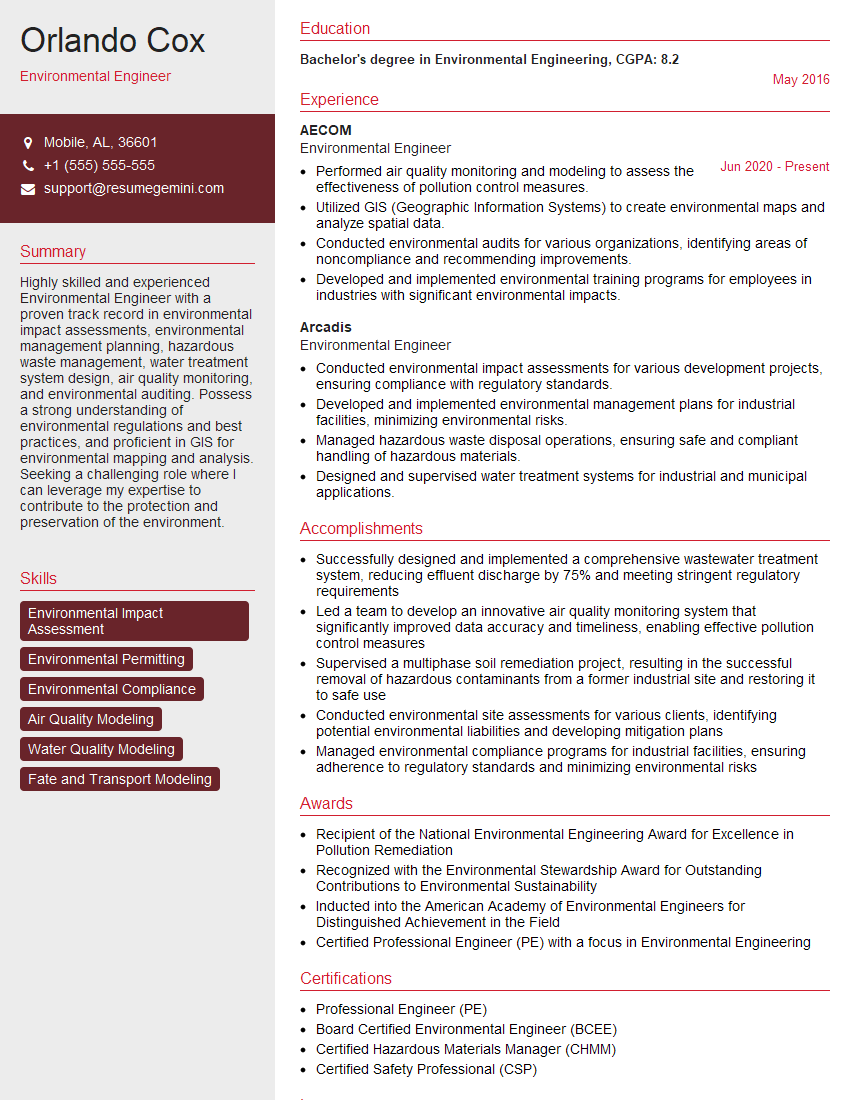
Environmental Engineer Resume Sample
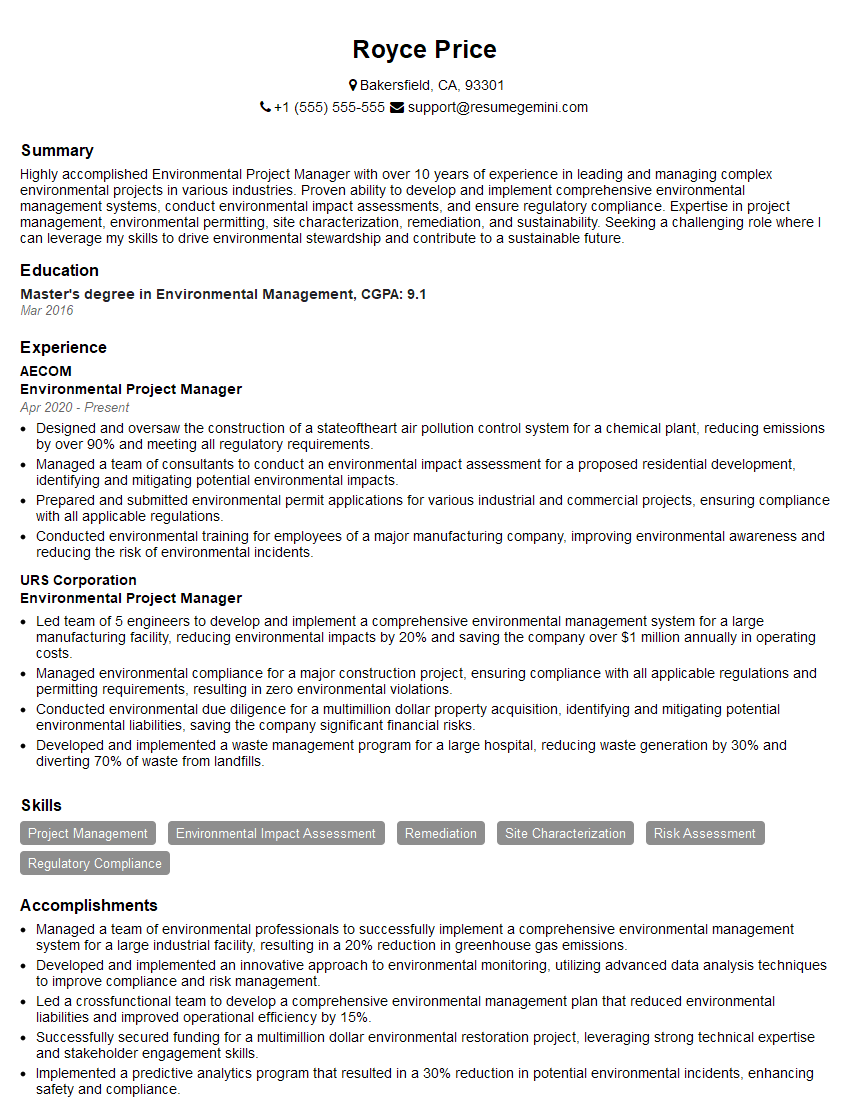
Environmental Project Manager Resume Sample
Explore more articles
Users Rating of Our Blogs
Share Your Experience
We value your feedback! Please rate our content and share your thoughts (optional).
What Readers Say About Our Blog
Very informative content, great job.
good