The thought of an interview can be nerve-wracking, but the right preparation can make all the difference. Explore this comprehensive guide to Environmental Protection and Conservation interview questions and gain the confidence you need to showcase your abilities and secure the role.
Questions Asked in Environmental Protection and Conservation Interview
Q 1. Explain the concept of biodiversity and its importance.
Biodiversity refers to the variety of life on Earth at all its levels, from genes to ecosystems. It encompasses the evolutionary, ecological, and cultural processes that sustain life. Think of it as the intricate web of life, where each thread – every species, every ecosystem – plays a crucial role.
Its importance is multifaceted. Biodiversity provides us with essential ecosystem services, such as clean air and water, pollination of crops, climate regulation, and nutrient cycling. It also underpins food security, human health, and economic development. For example, many medicines are derived from natural sources, highlighting the vital role of biodiversity in pharmaceutical research. The loss of biodiversity weakens this web, making ecosystems less resilient to disturbances like climate change and disease outbreaks. Imagine a forest with only one type of tree: it’s far more vulnerable to pests or disease than a diverse forest.
Q 2. Describe different types of pollution and their environmental impact.
Pollution is the contamination of the environment with harmful substances. Several types exist, each with devastating consequences:
- Air pollution: Caused by emissions from vehicles, industries, and power plants. It leads to respiratory problems, acid rain, and smog, impacting human health and damaging ecosystems.
- Water pollution: Stems from industrial discharge, agricultural runoff (fertilizers and pesticides), and sewage. This contaminates water sources, harming aquatic life and posing risks to human health through contaminated drinking water.
- Soil pollution: Results from improper waste disposal, industrial accidents, and overuse of pesticides. It degrades soil fertility, contaminates groundwater, and can affect food safety.
- Noise pollution: Excessive noise from traffic, construction, and industries can negatively impact human and animal health, causing stress, hearing loss, and disrupted behavior.
- Light pollution: Excessive artificial light disrupts natural ecosystems, affecting nocturnal animals’ behavior and migration patterns.
The cumulative impact of these pollution types leads to habitat loss, species extinction, and significant threats to human well-being. For instance, the Great Pacific Garbage Patch, a vast accumulation of plastic debris in the ocean, illustrates the severe consequences of plastic pollution on marine life.
Q 3. What are the key principles of sustainable development?
Sustainable development aims to meet the needs of the present without compromising the ability of future generations to meet their own needs. Key principles include:
- Environmental protection: Conserving natural resources and minimizing pollution.
- Social equity: Ensuring fairness and justice in resource distribution and access to opportunities.
- Economic viability: Promoting economic growth that is environmentally sound and socially responsible.
- Intergenerational equity: Considering the needs of future generations.
- Precautionary principle: Taking preventative action even with incomplete scientific certainty.
A practical application is seen in eco-tourism initiatives. These projects strive to balance economic benefits for local communities with environmental protection and cultural preservation, ensuring a sustainable model for future generations.
Q 4. Discuss the role of carbon sequestration in climate change mitigation.
Carbon sequestration is the process of capturing and storing atmospheric carbon dioxide (CO2). It’s a crucial strategy for mitigating climate change, as CO2 is a primary greenhouse gas contributing to global warming. Natural processes like photosynthesis in plants and oceans are significant carbon sinks. However, human activities have disrupted these natural processes.
To enhance carbon sequestration, various approaches are explored. Afforestation and reforestation (planting trees) increase carbon uptake by plants. Ocean fertilization, though controversial, aims to stimulate phytoplankton growth, enhancing CO2 absorption. Technological solutions, such as carbon capture and storage (CCS), involve capturing CO2 from industrial sources and storing it underground. The effectiveness of these methods varies, and ongoing research is crucial to optimize their application and address potential environmental impacts.
Q 5. Explain the process of Environmental Impact Assessment (EIA).
An Environmental Impact Assessment (EIA) is a process used to identify, predict, evaluate, and mitigate the environmental impacts of proposed projects. It’s a systematic approach involving several stages:
- Screening: Determining whether an EIA is required based on the project’s nature and potential impacts.
- Scoping: Identifying the key environmental issues and determining the scope of the EIA.
- Impact prediction and assessment: Evaluating the potential positive and negative environmental consequences.
- Mitigation measures: Developing strategies to reduce or eliminate negative impacts.
- Reporting: Preparing an EIA report summarizing the findings and recommendations.
- Review and decision-making: Regulatory authorities review the report and decide whether to approve the project.
- Monitoring and auditing: Tracking the project’s actual environmental impacts and ensuring compliance with mitigation measures.
EIAs are crucial for informed decision-making, ensuring projects are environmentally sustainable and minimize their ecological footprint. Examples include EIAs for large-scale infrastructure projects like dams or pipelines, or for industrial developments.
Q 6. What are the common methods used for water purification?
Water purification methods aim to remove contaminants from water to make it safe for consumption or other uses. Common methods include:
- Sedimentation: Allowing water to settle, allowing heavier particles to sink.
- Filtration: Passing water through filters to remove suspended solids.
- Chlorination: Adding chlorine to kill harmful bacteria and viruses.
- Boiling: Heating water to a high temperature to kill microorganisms.
- UV disinfection: Exposing water to ultraviolet light to kill microorganisms.
- Reverse osmosis: Using pressure to force water through a semipermeable membrane, removing dissolved impurities.
The choice of method depends on the water source’s quality and the desired level of purity. For example, simple boiling might suffice for water with minimal contamination, while more complex methods like reverse osmosis are necessary for heavily polluted water.
Q 7. Describe various waste management strategies and their effectiveness.
Waste management strategies focus on minimizing waste generation, processing waste for reuse or recycling, and disposing of waste safely. Common strategies include:
- Reduce: Minimizing waste generation at the source by consuming less and choosing products with minimal packaging.
- Reuse: Finding alternative uses for items before discarding them.
- Recycle: Processing waste materials to create new products.
- Composting: Breaking down organic waste (food scraps, yard waste) to create nutrient-rich soil amendment.
- Incineration: Burning waste to reduce volume, but this can generate air pollution if not properly managed.
- Landfilling: Burying waste in designated areas. This requires careful management to prevent environmental contamination.
The effectiveness of these strategies depends on factors such as public awareness, technological advancements, and policy support. Integrated waste management systems, incorporating multiple strategies, are crucial for achieving sustainable waste management. For instance, the implementation of a robust recycling program requires proper infrastructure, public education, and effective waste sorting practices.
Q 8. What are the challenges associated with renewable energy sources?
While renewable energy sources are crucial for a sustainable future, they face several challenges. These challenges aren’t insurmountable, but understanding them is vital for effective implementation.
- Intermittency: Solar and wind power are inherently intermittent; their output fluctuates depending on weather conditions. This requires energy storage solutions (like batteries) or robust grid management to ensure a consistent power supply. Imagine relying on a solar panel for your lights – on a cloudy day, you’d be in the dark!
- Geographic Limitations: Some renewable sources are geographically restricted. For example, hydropower requires rivers and suitable dam sites, while geothermal energy is only feasible in areas with volcanic activity. This limits the widespread applicability of these resources.
- High Initial Costs: The initial investment for renewable energy infrastructure (solar farms, wind turbines) can be substantial. Although operating costs are lower in the long run, the upfront expense can be a barrier to adoption, especially for developing countries.
- Environmental Impacts: While generally cleaner than fossil fuels, renewable energy sources aren’t entirely without environmental impact. Large-scale solar farms can affect land use and habitats, while hydropower projects can disrupt river ecosystems. Careful planning and mitigation strategies are essential.
- Material Requirements and Supply Chains: Manufacturing renewable energy technologies requires raw materials, raising concerns about mining impacts and supply chain security. For example, the production of solar panels involves rare earth minerals, whose extraction can be environmentally damaging.
Addressing these challenges requires technological innovation, policy support (subsidies, tax incentives), and careful environmental planning. A holistic approach that balances energy needs with environmental protection is crucial for a successful transition to renewable energy.
Q 9. Explain the concept of ecological footprint and its implications.
The ecological footprint measures humanity’s demand on Earth’s ecosystems. It quantifies the amount of biologically productive land and water area required to provide the resources we consume and absorb the waste we generate. Essentially, it’s a way to understand our impact on the planet.
Imagine your footprint in the sand – that’s a small, tangible representation. Our ecological footprint is much larger, representing the total area required to sustain our lifestyle. This includes land for food production, timber, housing, energy, and absorption of CO2 emissions.
Implications: A large ecological footprint indicates a high environmental impact. If our footprint exceeds Earth’s biocapacity (the planet’s ability to regenerate resources and absorb waste), we’re operating in an ecological overshoot. This leads to resource depletion, habitat loss, climate change, and ultimately, compromises the planet’s ability to support life. Reducing our ecological footprint requires conscious choices in consumption patterns, promoting sustainable practices, and advocating for environmental policies.
Q 10. How can climate change affect biodiversity?
Climate change significantly impacts biodiversity through various mechanisms. The changes are multifaceted and interconnected, leading to a cascade of effects on ecosystems and species.
- Habitat Loss and Fragmentation: Rising sea levels, altered precipitation patterns, and increased frequency of extreme weather events (droughts, floods, wildfires) destroy and fragment habitats, making it harder for species to survive and reproduce. Think of a coral reef bleached by warming waters – its destruction leads to a loss of habitat for countless species.
- Range Shifts and Mismatches: As temperatures change, species may attempt to shift their geographic ranges to track suitable climates. However, this can be hampered by barriers like mountains or human development, leading to range contractions and extinctions. Also, species interactions (like predator-prey relationships) may become mismatched if species shift at different rates.
- Phenological Mismatches: Changes in the timing of seasonal events (migration, flowering, breeding) can disrupt the relationships between species. For instance, if a bird migrates too early or late, it might miss the peak availability of its food source.
- Ocean Acidification: Increased CO2 absorption by oceans leads to acidification, harming marine organisms, particularly those with calcium carbonate shells or skeletons (e.g., corals, shellfish). This has widespread implications for marine ecosystems.
- Increased Disease Prevalence: Warmer temperatures and altered precipitation can favor the spread of diseases and pests, impacting both wildlife and crops.
The consequences of climate change on biodiversity are far-reaching and pose a serious threat to the planet’s ecosystems and the services they provide. Protecting biodiversity requires mitigating climate change through greenhouse gas reduction and implementing conservation strategies to help species adapt to changing conditions.
Q 11. What are the regulations surrounding hazardous waste disposal?
Regulations surrounding hazardous waste disposal are stringent and vary depending on the jurisdiction (national, regional, local). The overarching goal is to protect human health and the environment from the harmful effects of hazardous wastes.
Generally, regulations cover the entire lifecycle of hazardous waste, from generation to final disposal. Key aspects include:
- Identification and Characterization: Hazardous wastes must be properly identified and characterized according to their physical, chemical, and biological properties. This helps determine the appropriate treatment and disposal methods.
- Storage and Transportation: Regulations dictate how hazardous waste is stored, handled, and transported to prevent spills, leaks, and unauthorized disposal. Special containers, labeling, and transportation permits are required.
- Treatment and Disposal: A range of treatment methods (incineration, chemical neutralization, biological treatment) may be used to render hazardous waste less harmful before final disposal. Landfills for hazardous waste are strictly regulated to prevent contamination of soil and groundwater.
- Manifest System: A tracking system, often called a manifest, documents the movement of hazardous waste from its generation to its final disposal. This ensures accountability and traceability throughout the process.
- Liability and Enforcement: Strict liability laws hold generators and handlers of hazardous waste responsible for any environmental damage caused by improper management. Regulatory agencies enforce these regulations through inspections, permits, and penalties.
Examples of specific regulations include the Resource Conservation and Recovery Act (RCRA) in the United States and similar legislation in other countries. These regulations are crucial for minimizing the risks associated with hazardous waste and protecting the environment.
Q 12. Describe the different types of protected areas and their management.
Protected areas are geographically defined spaces designated to achieve specific conservation objectives. They range in levels of protection and management strategies.
- Strict Nature Reserves/Wilderness Areas: These offer the highest level of protection, minimizing human impact and preserving biodiversity in pristine conditions. Research and monitoring are typically allowed, but activities like logging or hunting are prohibited.
- National Parks: These areas balance conservation with recreational opportunities for visitors. While human activities are regulated, tourism and education are often encouraged.
- National Monuments: These protect specific natural or cultural features, often smaller in scale than national parks. Management strategies focus on preserving the designated feature.
- Habitat/Species Management Areas: These areas actively manage habitats to maintain or restore specific ecological processes or species populations. This might involve controlling invasive species, restoring degraded habitats, or regulating hunting.
- Protected Landscapes/Seascapes: These areas combine conservation with sustainable use of natural resources. Local communities may participate in managing the area, balancing economic activities with environmental protection.
- Resource Reserves: These areas protect natural resources for future use. Extraction or harvest may be allowed under strict management plans to ensure sustainable use.
Effective management of protected areas involves community involvement, scientific monitoring, adaptive management strategies (adjusting management actions based on monitoring results), and enforcement of regulations to prevent illegal activities. Each type requires a tailored approach based on its unique features and conservation goals.
Q 13. What are your strategies for effective environmental communication?
Effective environmental communication is crucial for driving behavioral change and fostering support for conservation efforts. My strategies focus on tailoring messages to specific audiences and utilizing diverse communication channels.
- Know Your Audience: Understanding the values, beliefs, and knowledge of the target audience is essential. Messages should resonate with their concerns and be presented in a way that is easily understood and relatable.
- Storytelling and Narrative: Using compelling narratives, personal stories, and vivid imagery helps connect people emotionally with environmental issues, making them more memorable and engaging. For instance, a story about a community impacted by pollution can be far more impactful than a dry statistical report.
- Visual Communication: Infographics, videos, photographs, and other visual tools are effective for conveying complex information concisely and memorably. A well-designed infographic can be far more effective at explaining climate change than dense scientific papers.
- Data Visualization: Presenting data in a clear and accessible way helps make scientific findings relevant and understandable to a wider audience. This builds trust and credibility.
- Multiple Channels: Utilizing a variety of communication platforms – social media, websites, presentations, community events – expands reach and allows tailoring messages to different preferences.
- Collaboration and Partnerships: Working with community organizations, NGOs, and government agencies broadens the impact of communication and builds support for conservation initiatives.
Ultimately, effective communication is about building trust, fostering understanding, and empowering people to become active participants in environmental stewardship.
Q 14. Explain the role of GIS in environmental monitoring.
Geographic Information Systems (GIS) are powerful tools for environmental monitoring. They integrate location-based data with spatial analysis capabilities to provide a comprehensive understanding of environmental processes and changes.
GIS allows us to:
- Map and Visualize Data: GIS software allows for creating maps of various environmental parameters, such as deforestation rates, pollution levels, wildlife habitats, and climate change impacts. This visual representation makes complex data easily understandable.
- Analyze Spatial Patterns: GIS enables the analysis of spatial relationships between different environmental variables. For example, we can analyze the correlation between pollution sources and water quality degradation, or the relationship between habitat fragmentation and species decline.
- Monitor Changes Over Time: By integrating data from multiple time points, GIS can track changes in environmental conditions, such as land-use change, sea-level rise, or the expansion of invasive species.
- Model Environmental Processes: GIS is used to build models that simulate environmental processes, such as water flow, air pollution dispersion, or wildfire spread. This aids in predicting future scenarios and planning mitigation strategies.
- Support Decision Making: GIS supports informed decision making in environmental management and conservation. It provides the data and tools needed for designing protected areas, planning conservation strategies, and assessing environmental risks.
For example, a GIS system can integrate satellite imagery, field data, and climate models to monitor deforestation rates in the Amazon rainforest, allowing for timely intervention and enforcement of regulations.
Q 15. How do you prioritize conflicting environmental concerns?
Prioritizing conflicting environmental concerns requires a structured approach. It’s rarely a simple choice between two equally important issues; instead, it often involves weighing multiple factors and potential impacts. I typically use a multi-criteria decision analysis (MCDA) framework. This involves:
- Identifying all stakeholders: This includes affected communities, businesses, government agencies, and environmental groups.
- Defining clear objectives: What are we trying to achieve? Minimizing pollution? Protecting biodiversity? Ensuring public health? These objectives need to be clearly stated and measurable.
- Establishing criteria: Based on the objectives, we develop criteria to evaluate each concern. This might include factors like environmental impact, economic cost, social equity, and feasibility.
- Weighting criteria: Some criteria will be more important than others. For example, protecting a critically endangered species might outweigh minor economic losses. This weighting process often involves stakeholder consultations and expert judgment.
- Evaluating alternatives: We consider different solutions and evaluate their performance against each criterion. This might involve quantitative data analysis, modeling, or expert opinions.
- Selecting the best option: The option with the highest overall score, considering the weighted criteria, is selected. This often involves sensitivity analysis to understand how the outcome changes with variations in the weighting of criteria.
For example, consider the conflict between building a dam for hydroelectric power (economic benefit, reduced reliance on fossil fuels) and the resulting habitat loss and ecosystem disruption. Using MCDA, we could quantify the economic benefits, the ecological damage, and the social impacts, assigning weights to each factor based on stakeholder input and scientific evidence before making a decision.
Career Expert Tips:
- Ace those interviews! Prepare effectively by reviewing the Top 50 Most Common Interview Questions on ResumeGemini.
- Navigate your job search with confidence! Explore a wide range of Career Tips on ResumeGemini. Learn about common challenges and recommendations to overcome them.
- Craft the perfect resume! Master the Art of Resume Writing with ResumeGemini’s guide. Showcase your unique qualifications and achievements effectively.
- Don’t miss out on holiday savings! Build your dream resume with ResumeGemini’s ATS optimized templates.
Q 16. Describe your experience with environmental data analysis and interpretation.
My experience with environmental data analysis and interpretation spans many years and diverse datasets. I’m proficient in using various statistical software packages (like R and ArcGIS) and techniques. I’ve worked extensively with:
- Spatial data: Analyzing GIS data to map pollution levels, habitat distributions, and deforestation rates. For example, I used GIS to model the spread of invasive species based on environmental factors like temperature and rainfall.
- Temporal data: Analyzing time-series data to identify trends in air and water quality, biodiversity changes, and climate indicators. I’ve analyzed long-term monitoring data to understand the effectiveness of conservation strategies.
- Remote sensing data: Interpreting satellite imagery to monitor land cover change, deforestation, and assess the health of ecosystems. This allowed us to track the impact of a reforestation project over time.
- Statistical modeling: Using statistical models (e.g., regression, ANOVA) to understand the relationships between environmental variables and ecological responses. I’ve used these to predict the future impacts of climate change on sensitive ecosystems.
A key aspect of my work involves not only analyzing the data but also effectively communicating the findings to diverse audiences—from technical experts to policymakers and the public. Data visualization is crucial here, creating clear and impactful charts and maps to convey complex information.
Q 17. What are the ethical considerations in environmental conservation?
Ethical considerations in environmental conservation are paramount and multifaceted. They guide our actions and decisions, ensuring fairness, sustainability, and respect for all life forms. Key ethical considerations include:
- Environmental justice: Ensuring that the benefits and burdens of environmental protection are distributed equitably across all communities. This means addressing the disproportionate impact of pollution and environmental hazards on marginalized groups.
- Intergenerational equity: Considering the needs of future generations. We have a responsibility to leave a healthy planet for our descendants, demanding responsible resource management and sustainability efforts.
- Biodiversity conservation: Recognizing the intrinsic value of all species and ecosystems, regardless of their economic value. This challenges the anthropocentric view and prioritizes the preservation of biodiversity for its own sake.
- Precautionary principle: Taking action to prevent environmental harm even in the absence of complete scientific certainty. This is vital when dealing with potential irreversible environmental damage.
- Transparency and accountability: Openly communicating environmental risks and uncertainties, holding stakeholders accountable for their environmental performance.
For example, a project involving the construction of a renewable energy facility needs to consider the potential impact on local communities and their livelihoods. Ethical considerations might demand mitigation strategies to minimize displacement or loss of income and ensure fair compensation.
Q 18. How do you ensure compliance with environmental regulations?
Ensuring compliance with environmental regulations involves a proactive and multi-pronged approach. It starts with a thorough understanding of the applicable laws and regulations at the local, regional, and national levels. This includes:
- Regular monitoring and auditing: Implementing robust monitoring programs to track environmental performance and identify potential violations early on. This involves regular sampling and analysis of air, water, and soil to ensure compliance with emission standards and waste disposal regulations.
- Developing and implementing environmental management systems (EMS): Adopting frameworks like ISO 14001 to standardize environmental practices and ensure continuous improvement. This helps to streamline processes and identify areas for improvement.
- Training and education: Providing employees with comprehensive training on environmental regulations and best practices. This ensures that all staff are aware of their responsibilities and can contribute to compliance.
- Record-keeping and documentation: Maintaining detailed records of environmental monitoring data, permits, and compliance activities. This is essential for audits and demonstrates a commitment to transparency and accountability.
- Collaboration with regulatory agencies: Maintaining open communication with environmental agencies, actively participating in inspections and audits, and promptly addressing any identified non-compliance issues.
For instance, a manufacturing plant must regularly monitor its wastewater discharge to ensure that it meets the specified limits for pollutants. Failure to comply could result in significant penalties and reputational damage.
Q 19. What are the key differences between mitigation and adaptation strategies for climate change?
Mitigation and adaptation are two distinct but complementary strategies for addressing climate change:
- Mitigation focuses on reducing greenhouse gas emissions to slow down or prevent further climate change. This involves transitioning to renewable energy sources, improving energy efficiency, adopting sustainable land management practices, and promoting carbon sequestration.
- Adaptation focuses on adjusting to the unavoidable impacts of climate change that are already occurring or are expected to occur in the future. This includes developing drought-resistant crops, building seawalls to protect coastal communities, and implementing early warning systems for extreme weather events.
Think of it like this: mitigation is like turning down the heat on a stove to prevent the water from boiling over, while adaptation is like finding ways to deal with the water that’s already boiling over (e.g., using a larger pot, or simply using less water). Both are necessary for effectively addressing the challenges posed by climate change. Mitigation addresses the root cause of the problem, while adaptation deals with the consequences.
Q 20. Describe a successful environmental project you have been involved in.
One successful project I was involved in was a community-based conservation initiative in a rural area facing significant deforestation. Our team worked with local communities to establish a sustainable forestry management plan. This involved:
- Community engagement: We worked closely with local residents to understand their needs and concerns. This ensured that the project was relevant and beneficial to the community.
- Sustainable logging practices: We implemented selective logging techniques and reforestation programs to ensure the long-term health of the forest.
- Alternative livelihoods: We provided training and support for alternative income-generating activities, reducing reliance on unsustainable logging practices.
- Environmental education: We educated local communities about the importance of forest conservation and sustainable resource management. This helped to build community ownership and support for the project.
The project was successful due to its participatory approach. Local communities felt empowered to protect their environment, resulting in significantly reduced deforestation rates and improved biodiversity within the area. We measured success through satellite imagery analysis tracking forest cover change, biodiversity surveys, and community feedback.
Q 21. How do you stay updated with current environmental issues and advancements?
Staying updated on current environmental issues and advancements is crucial for any professional in this field. I use a multi-faceted approach:
- Peer-reviewed journals and scientific publications: Regularly reading publications from leading journals in environmental science and conservation helps me stay abreast of new research findings and scientific advancements.
- Professional organizations and conferences: Actively participating in professional organizations (e.g., The Society for Conservation Biology) and attending conferences keeps me connected with the broader environmental community and allows me to learn about the latest research and policy developments.
- Government reports and policy documents: Following the work of environmental agencies and reading government reports helps me understand policy trends and emerging regulations.
- Online resources and databases: Utilizing online databases like Web of Science and Scopus, as well as reputable news sources focused on environmental issues provides access to a wide range of information.
- Networking with colleagues and experts: Regularly engaging in discussions and collaboration with other professionals in the field enables me to share knowledge, learn from others’ experiences, and stay informed about current challenges and opportunities.
This combination of formal and informal learning ensures that my knowledge base remains current and relevant, allowing me to effectively address emerging environmental challenges.
Q 22. Explain your understanding of the circular economy model.
The circular economy model is a framework that aims to decouple economic growth from resource depletion and waste generation. Instead of the traditional linear ‘take-make-dispose’ model, the circular economy emphasizes keeping resources in use for as long as possible, extracting maximum value from them whilst in use, then recovering and regenerating products and materials at the end of each service life.
This involves three key principles:
- Reduce: Minimizing resource consumption through efficient design, reuse, and sharing.
- Reuse: Extending the lifespan of products through repair, refurbishment, and repurposing.
- Recycle: Recovering valuable materials from waste and reintroducing them into the production process.
Example: A company producing clothing might switch from a model of producing clothing from virgin materials, to use recycled materials. They might also implement a clothing take-back program, refurbishing or recycling used garments. This reduces the need for new resources and minimizes textile waste sent to landfills.
Q 23. How would you address community concerns regarding an environmental project?
Addressing community concerns regarding environmental projects requires proactive communication, transparency, and genuine engagement. It’s crucial to understand their anxieties before proposing solutions.
My approach involves:
- Early and frequent communication: Holding public forums, town hall meetings, and utilizing various communication channels (newsletters, social media) to share information about the project’s goals, processes, and potential impacts (both positive and negative).
- Active listening and empathy: Creating safe spaces for people to voice their concerns without judgment. Understanding the roots of their anxieties – are they worried about property values, noise pollution, or potential health risks?
- Transparency and data sharing: Providing clear, accessible information about the project’s environmental assessments, risk mitigation strategies, and monitoring plans. Supporting claims with concrete data and evidence.
- Collaboration and co-creation: Involving community members in the decision-making process. This can involve forming advisory committees, soliciting input on design and implementation, and creating opportunities for hands-on participation.
- Addressing specific concerns: Developing targeted solutions to address specific worries. For example, if noise is a concern, implementing noise reduction measures and conducting noise impact studies.
Example: During a proposed wind farm project, I successfully addressed concerns about visual impact by collaborating with the community to develop a design that minimized visual obstruction and integrated the wind turbines into the landscape aesthetically.
Q 24. Describe your experience with environmental modeling and simulation.
I have extensive experience utilizing environmental modeling and simulation tools to predict and assess the environmental impacts of various projects and policies. My expertise includes using software such as ArcGIS, MIKE SHE, and various hydrological and air quality models.
In one project, I used ArcGIS and hydrological models to simulate the impact of a proposed dam on downstream water quality and flow regimes. The simulation allowed us to identify potential negative impacts and design mitigation strategies before construction began. The model showed a significant decrease in downstream water flow during dry seasons, which allowed us to plan for water management strategies to minimize the negative effects on local ecosystems and agriculture.
In another project, I used air quality models to assess the impact of a new industrial facility on local air quality, enabling us to recommend emission control measures to meet regulatory standards and minimize public health risks.
Q 25. What are the potential impacts of deforestation on ecosystems?
Deforestation has profound and cascading impacts on ecosystems. The immediate effects include habitat loss and biodiversity reduction, directly threatening countless plant and animal species.
Further impacts include:
- Soil erosion and degradation: Trees play a crucial role in stabilizing soil. Their removal exposes the soil to wind and water, leading to erosion, nutrient loss, and reduced soil fertility.
- Changes in water cycles: Forests regulate water cycles through evapotranspiration (release of water vapor from plants). Deforestation reduces this process, affecting rainfall patterns and increasing the risk of floods and droughts.
- Increased greenhouse gas emissions: Trees absorb carbon dioxide from the atmosphere. Deforestation releases this stored carbon, contributing to climate change. Furthermore, decaying organic matter in cleared forests can release significant amounts of methane, a potent greenhouse gas.
- Disrupted ecosystem services: Forests provide essential ecosystem services, such as pollination, carbon sequestration, clean water provision, and climate regulation. Deforestation compromises these services, harming both natural ecosystems and human well-being.
Example: The Amazon rainforest, often called the ‘lungs of the planet’, plays a critical role in global carbon cycling. Its deforestation not only contributes to climate change but also leads to habitat loss for a vast array of species, disrupting complex ecological interactions.
Q 26. How can you assess the environmental impact of a new infrastructure project?
Assessing the environmental impact of a new infrastructure project requires a systematic approach, often involving an Environmental Impact Assessment (EIA). This involves several steps:
- Scoping: Identifying the potential environmental impacts of the project, based on its location, design, and construction methods.
- Baseline studies: Collecting data on the existing environmental conditions in the project area, including air and water quality, biodiversity, noise levels, and socio-economic factors.
- Impact prediction: Using environmental models and expert judgment to predict the magnitude and significance of potential impacts, both positive and negative.
- Mitigation measures: Developing and evaluating strategies to minimize or avoid negative impacts. This could involve altering the project design, implementing pollution control measures, or restoring habitats.
- Monitoring and evaluation: Tracking environmental conditions during and after the project’s completion to assess the effectiveness of mitigation measures and identify any unexpected impacts.
- Reporting: Preparing a comprehensive report summarizing the findings and recommendations, often for regulatory approval.
Example: During the planning of a new highway, an EIA might predict increased noise pollution in nearby residential areas. Mitigation measures could involve constructing noise barriers, implementing speed limits, or providing sound insulation for affected homes.
Q 27. Explain your understanding of environmental justice issues.
Environmental justice focuses on the fair treatment and meaningful involvement of all people regardless of race, color, national origin, or income, with respect to the development, implementation, and enforcement of environmental laws, regulations, and policies.
It addresses the disproportionate exposure of marginalized communities to environmental hazards, such as pollution, toxic waste, and lack of access to clean air and water. These communities often bear a heavier burden of environmental risks due to historical injustices, socioeconomic disparities, and discriminatory practices.
Example: The siting of industrial facilities near low-income communities of color is a classic example of environmental injustice. These facilities may generate pollution that disproportionately affects the health and well-being of residents.
Addressing environmental justice requires equitable policies that consider the specific needs and vulnerabilities of different communities and promote environmental protection in all areas, regardless of socioeconomic status or race.
Q 28. Describe your experience with environmental risk assessment.
Environmental risk assessment is a systematic process used to evaluate the likelihood and potential consequences of adverse environmental effects resulting from a specific action or event. It involves identifying hazards, characterizing their risks, and evaluating options for managing those risks.
My experience includes conducting risk assessments for a wide range of projects and substances, using both qualitative and quantitative methods. This typically involves:
- Hazard identification: Identifying potential environmental hazards associated with the project or substance. This might involve reviewing existing literature, conducting site surveys, and consulting with experts.
- Exposure assessment: Determining the pathways and extent of exposure of humans and the environment to identified hazards. This may involve modeling contaminant transport, analyzing environmental monitoring data, or conducting field studies.
- Toxicity assessment: Evaluating the potential adverse effects of exposure to the identified hazards on human health and the environment. This may involve reviewing toxicity data, conducting laboratory experiments, or using ecological risk models.
- Risk characterization: Combining the results of the hazard, exposure, and toxicity assessments to characterize the overall risk. This involves quantifying the risk, evaluating its significance, and identifying uncertainties.
- Risk management: Developing and implementing strategies to manage the identified risks. This might involve implementing regulatory controls, developing mitigation measures, or establishing monitoring programs.
Example: In a risk assessment for a chemical spill, I would assess the potential for contamination of soil and groundwater, evaluate the toxicity of the chemical, and develop a remediation plan to minimize the environmental and human health risks.
Key Topics to Learn for Environmental Protection and Conservation Interview
- Environmental Impact Assessments (EIAs): Understanding the process, methodologies, and potential limitations of EIAs in evaluating project impacts on the environment. Practical application includes analyzing EIA reports and identifying potential biases or shortcomings.
- Sustainable Resource Management: Exploring principles of sustainable forestry, fisheries, and water resource management. Practical applications include case studies of successful and unsuccessful sustainable management strategies, and understanding the role of policy and legislation.
- Pollution Control and Remediation: Examining various types of pollution (air, water, soil), their sources, and effective remediation techniques. Practical application includes designing pollution control strategies and evaluating their effectiveness.
- Climate Change Mitigation and Adaptation: Understanding the science behind climate change, its impacts, and strategies for mitigation (reducing greenhouse gas emissions) and adaptation (adjusting to the effects of climate change). Practical application involves analyzing climate change policies and evaluating their feasibility.
- Environmental Legislation and Policy: Familiarity with key environmental laws and regulations (both national and international) and their implications for environmental protection. Practical application includes analyzing the effectiveness of existing environmental policies and proposing improvements.
- Conservation Biology and Biodiversity: Understanding the principles of conservation biology, including habitat restoration, species protection, and the importance of biodiversity for ecosystem services. Practical application involves designing and evaluating conservation strategies.
- Environmental Monitoring and Data Analysis: Understanding various methods of environmental monitoring and data analysis techniques used to assess environmental quality and trends. Practical application includes interpreting environmental data and drawing meaningful conclusions.
- Waste Management and Recycling: Exploring different waste management strategies, including waste reduction, reuse, recycling, and disposal. Practical application includes designing waste management plans and evaluating their effectiveness.
Next Steps
Mastering Environmental Protection and Conservation principles is crucial for a thriving career in this impactful field. A strong understanding of these topics will not only make you a more competitive candidate but also a more effective environmental professional. To significantly enhance your job prospects, creating an ATS-friendly resume is essential. This will ensure your application gets noticed by potential employers. We highly recommend using ResumeGemini to build a professional and impactful resume tailored to the Environmental Protection and Conservation sector. ResumeGemini offers examples of resumes specifically designed for this field, helping you present your qualifications effectively.
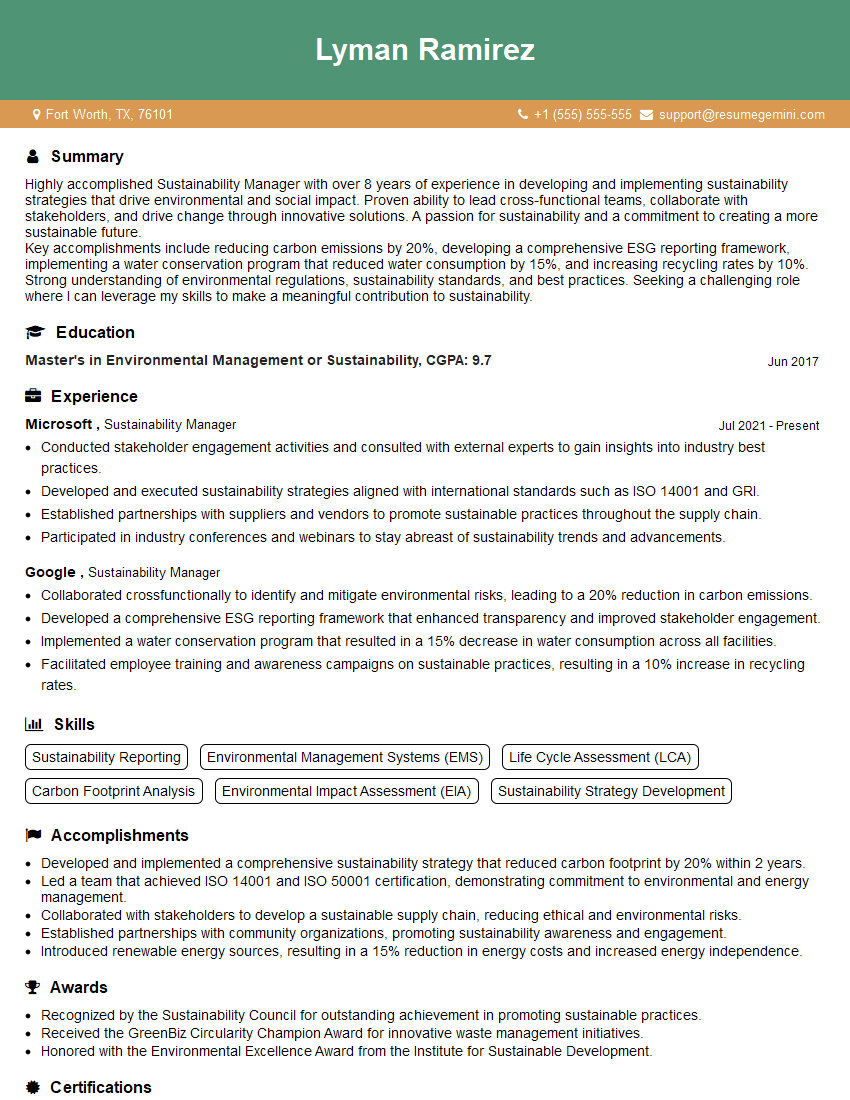
Sustainability Manager Resume Sample
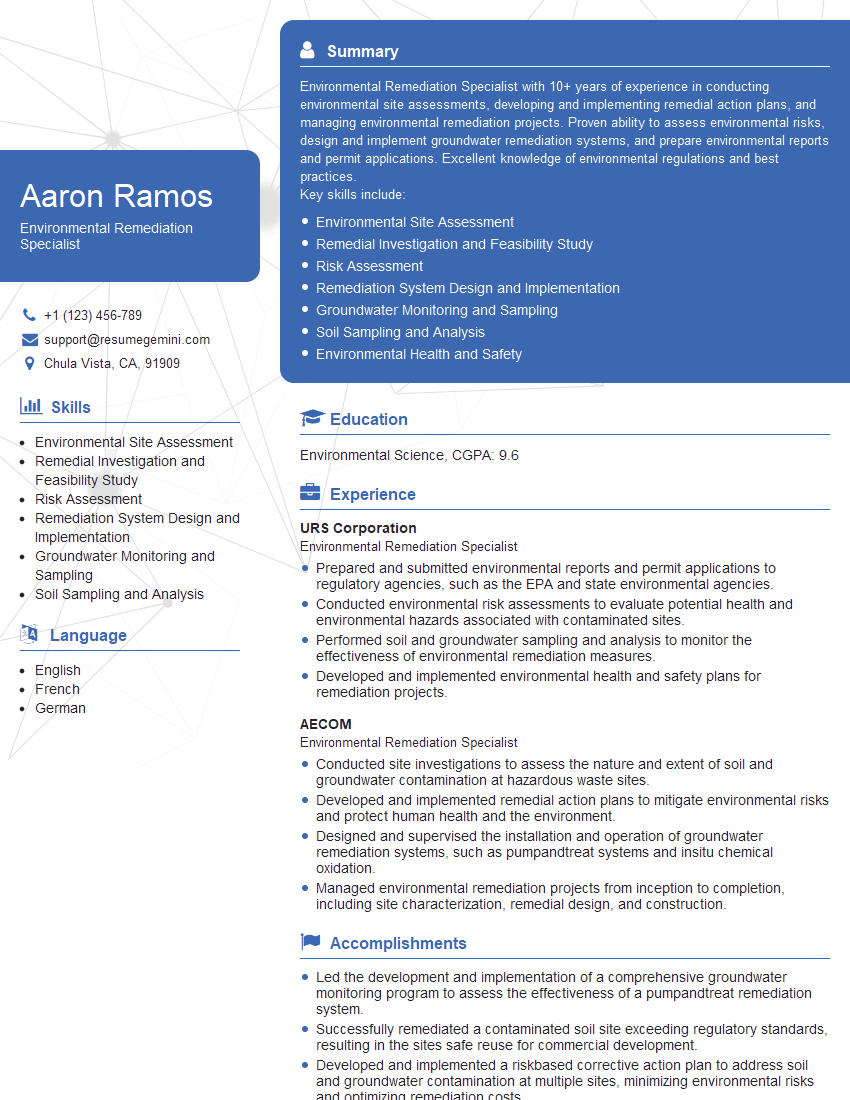
Environmental Remediation Specialist Resume Sample
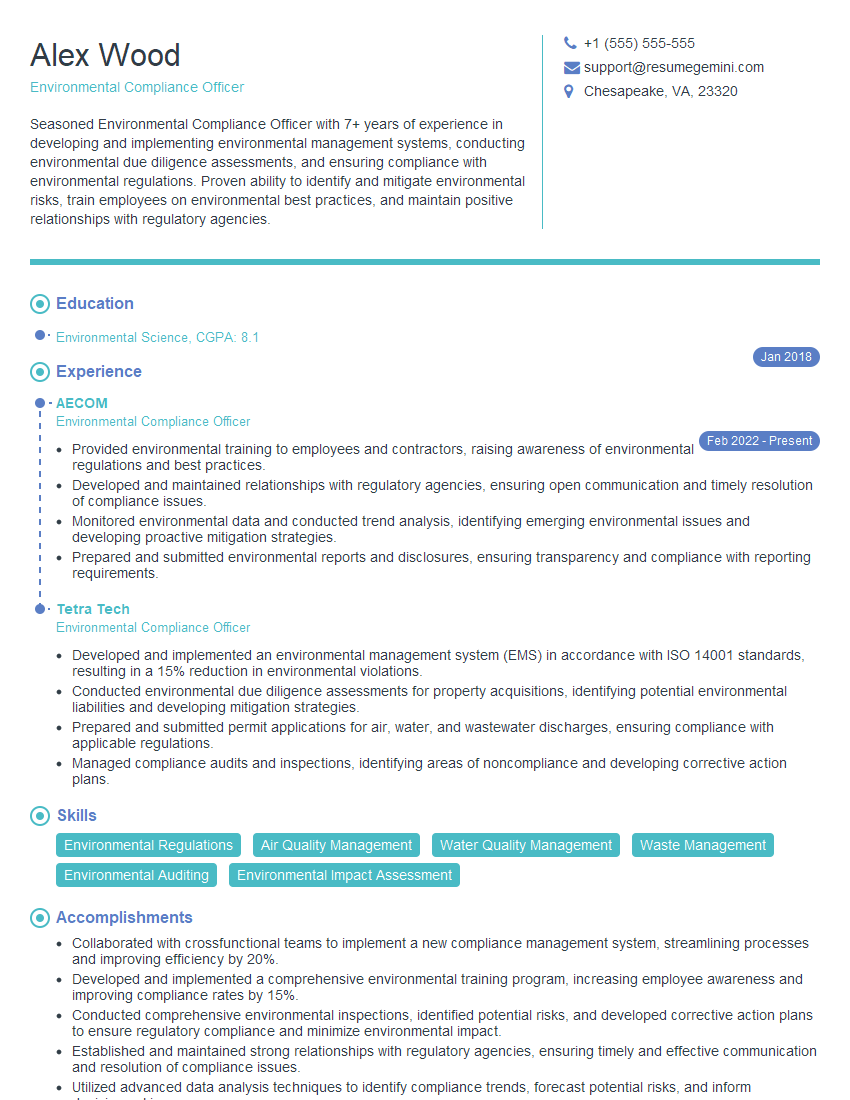
Environmental Compliance Officer Resume Sample
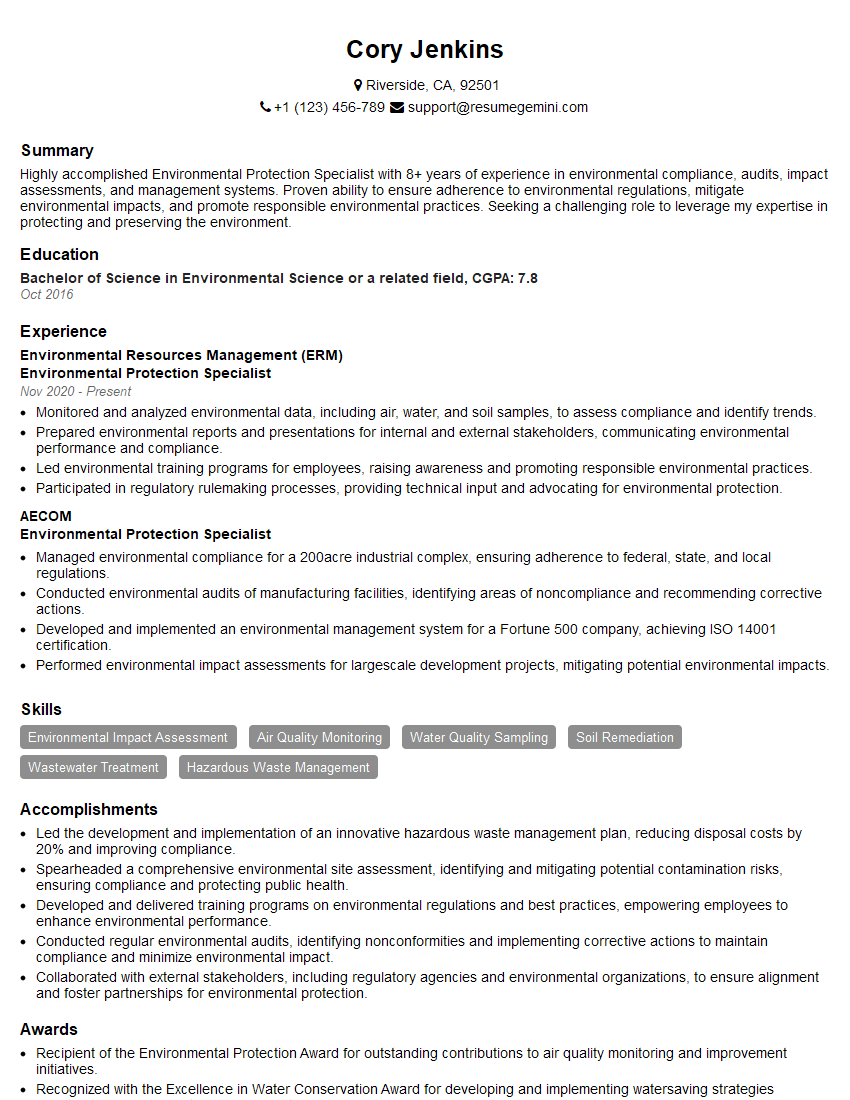
Environmental Protection Specialist Resume Sample
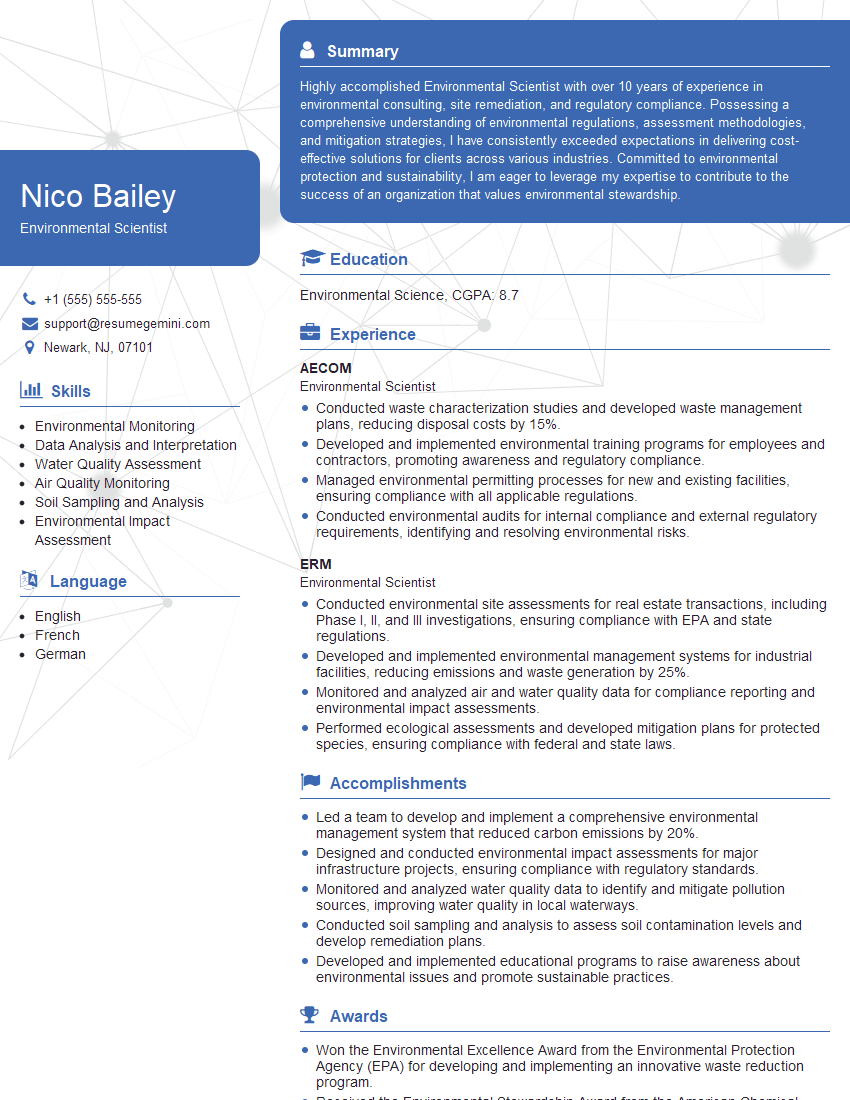
Environmental Scientist Resume Sample
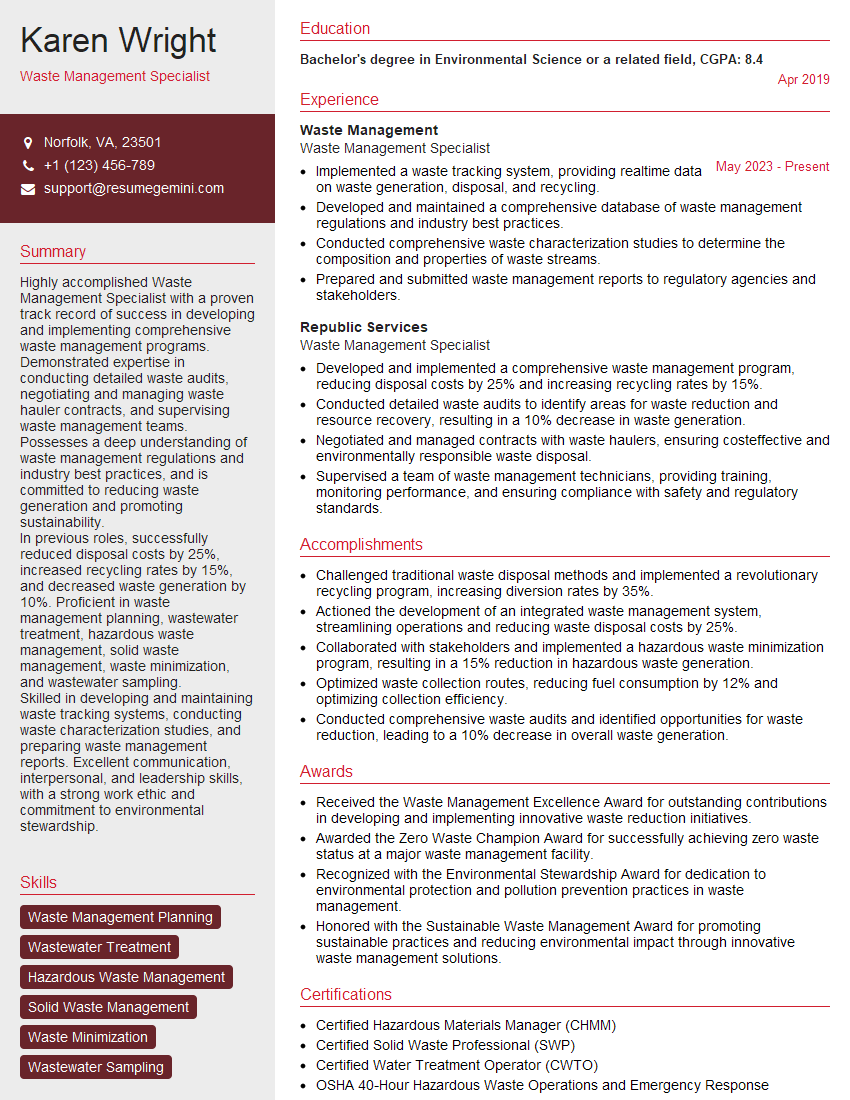
Waste Management Specialist Resume Sample

Sustainability Consultant Resume Sample
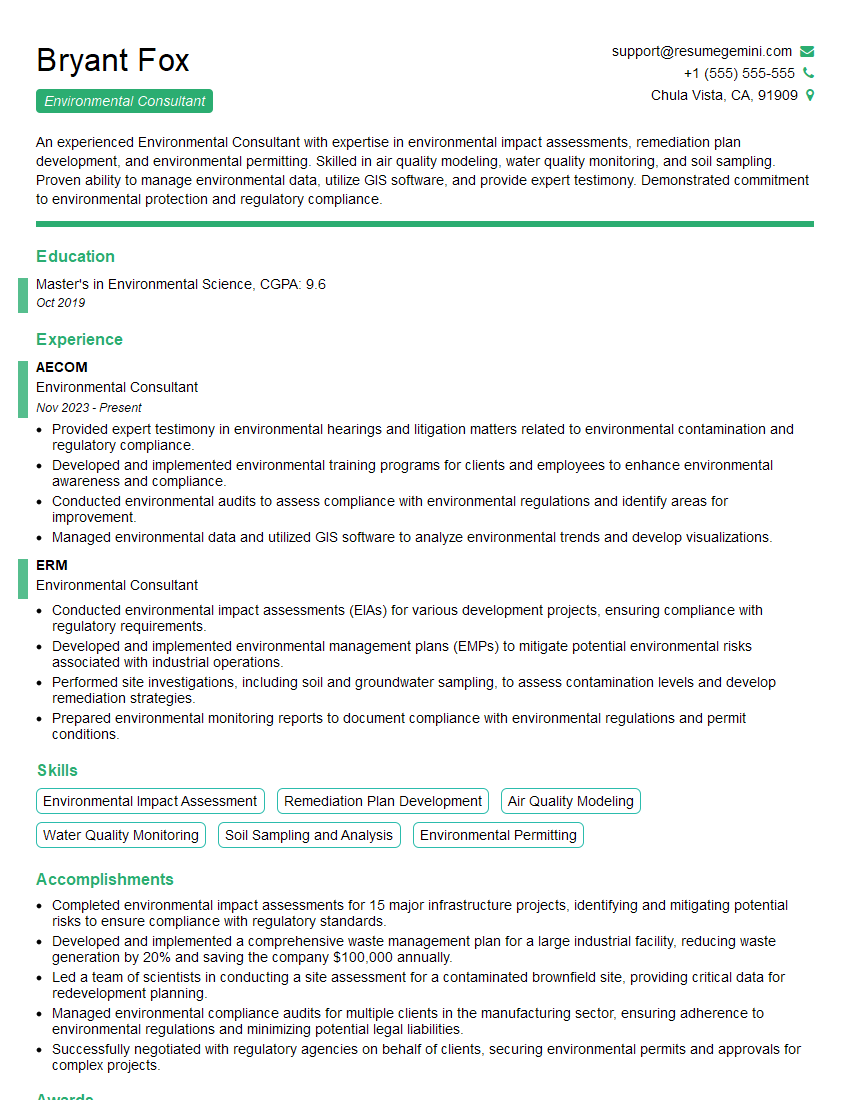
Environmental Consultant Resume Sample
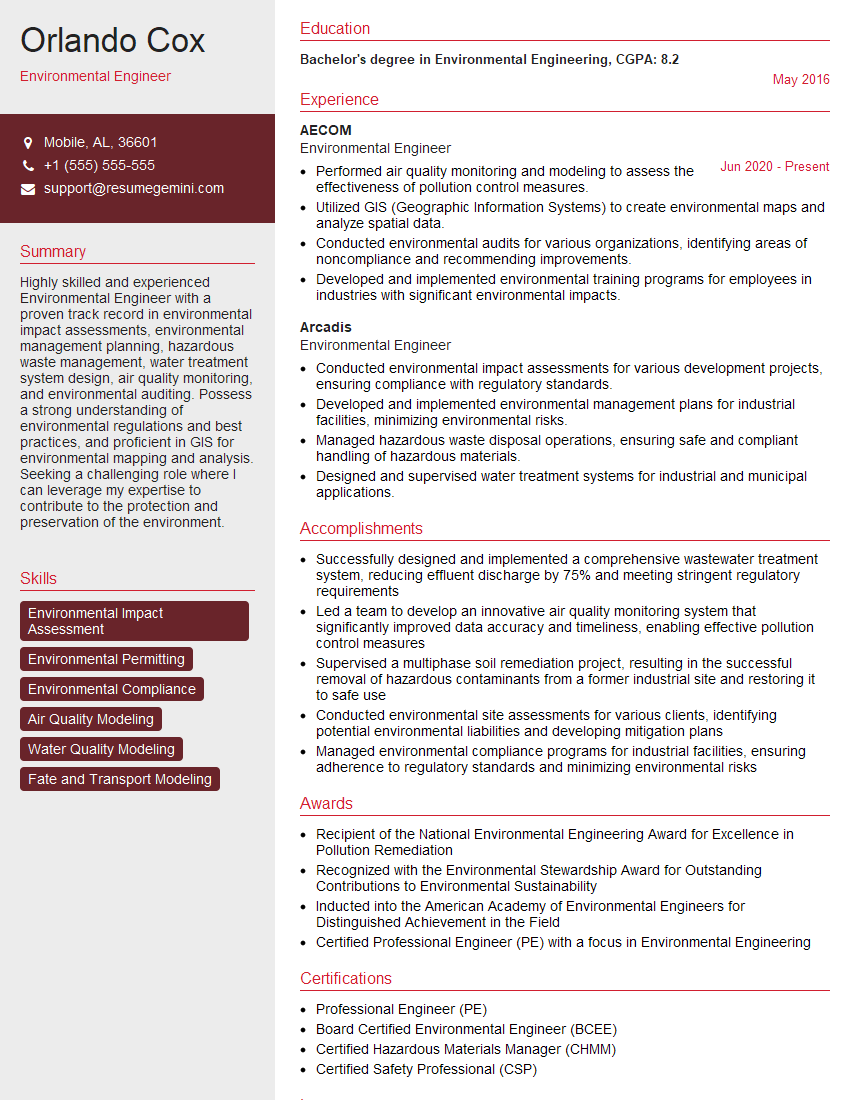
Environmental Engineer Resume Sample
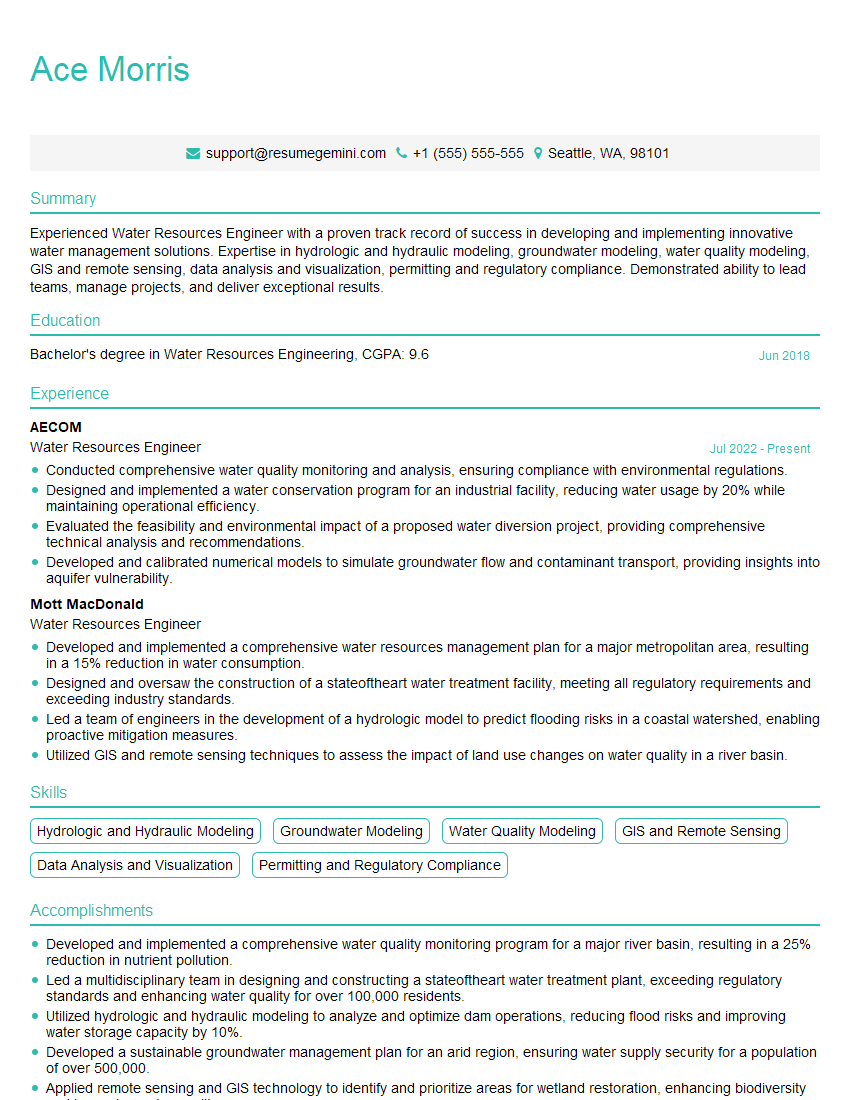
Water Resources Engineer Resume Sample

Wildlife Biologist Resume Sample
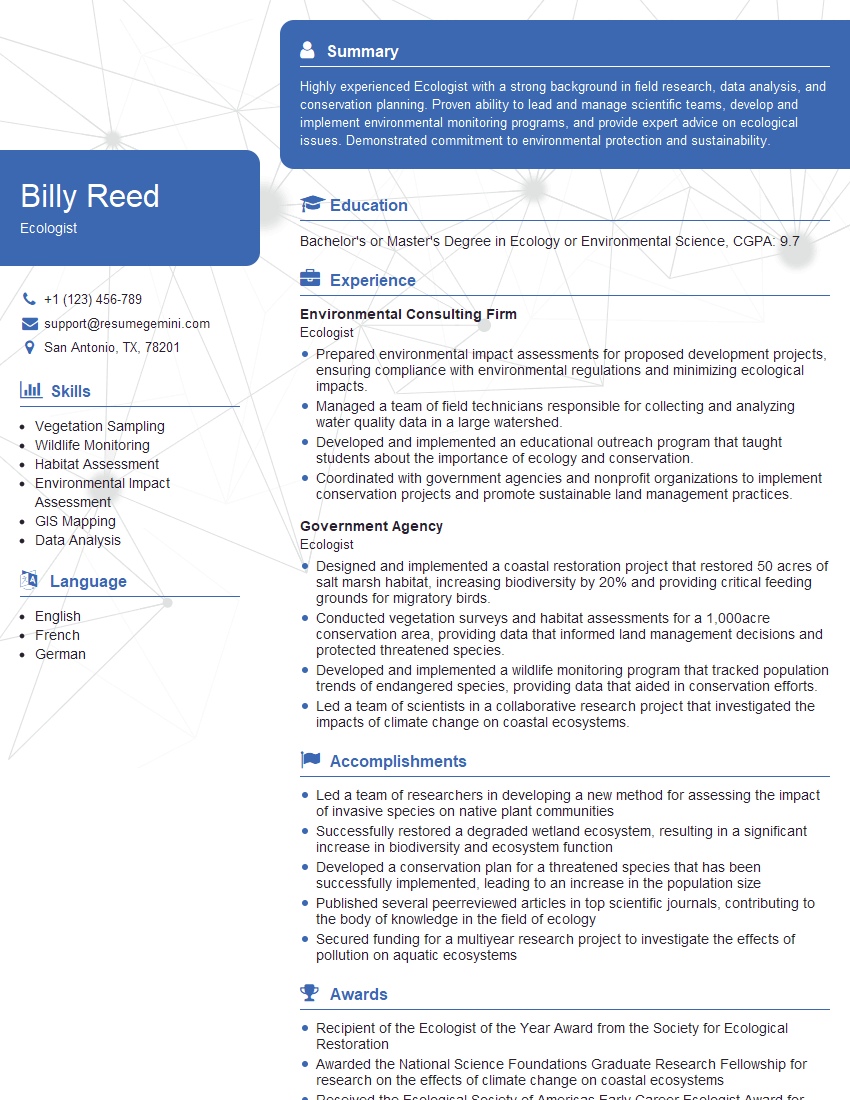
Ecologist Resume Sample
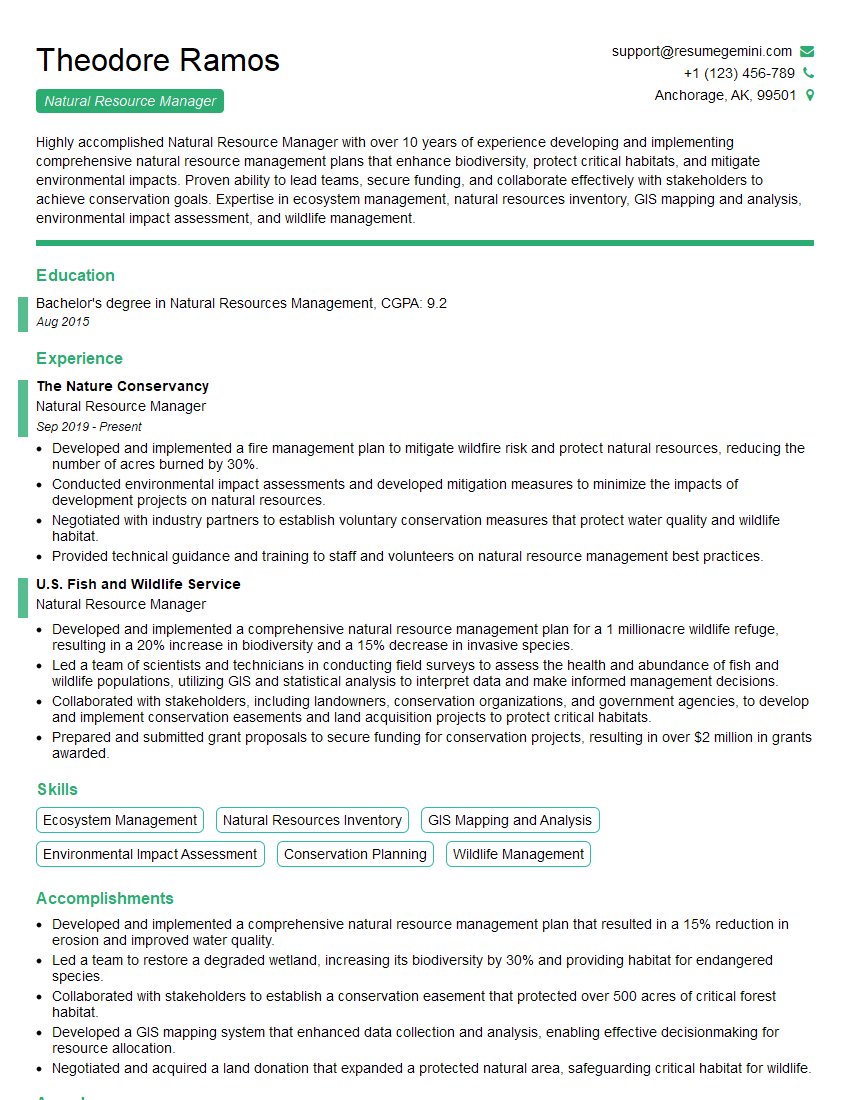
Natural Resource Manager Resume Sample

Environmental Educator Resume Sample
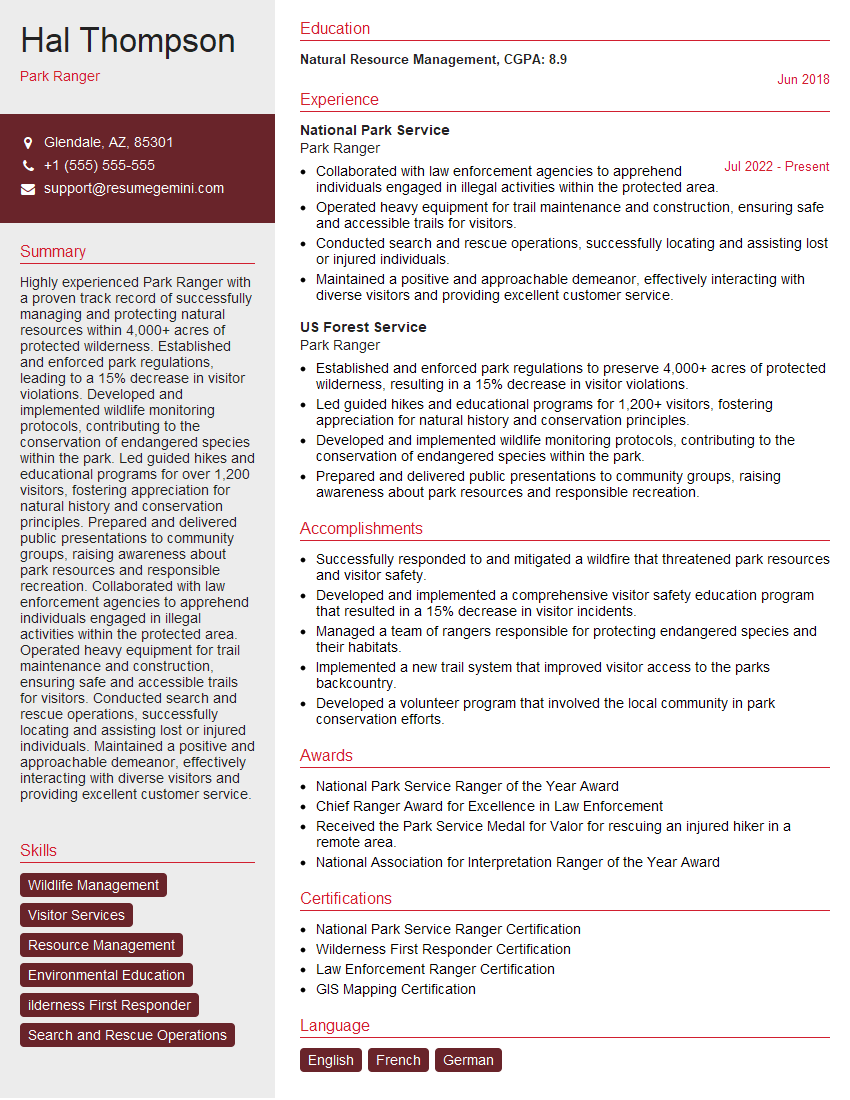
Park Ranger Resume Sample
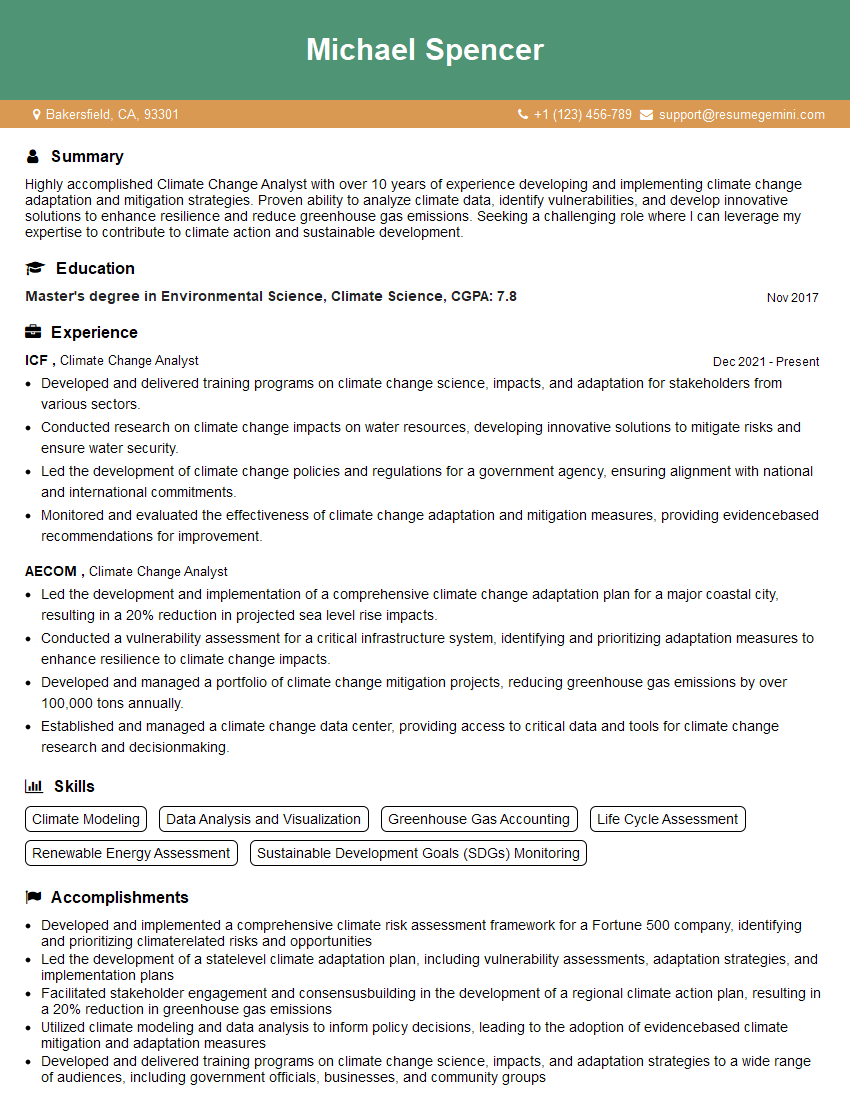
Climate Change Analyst Resume Sample
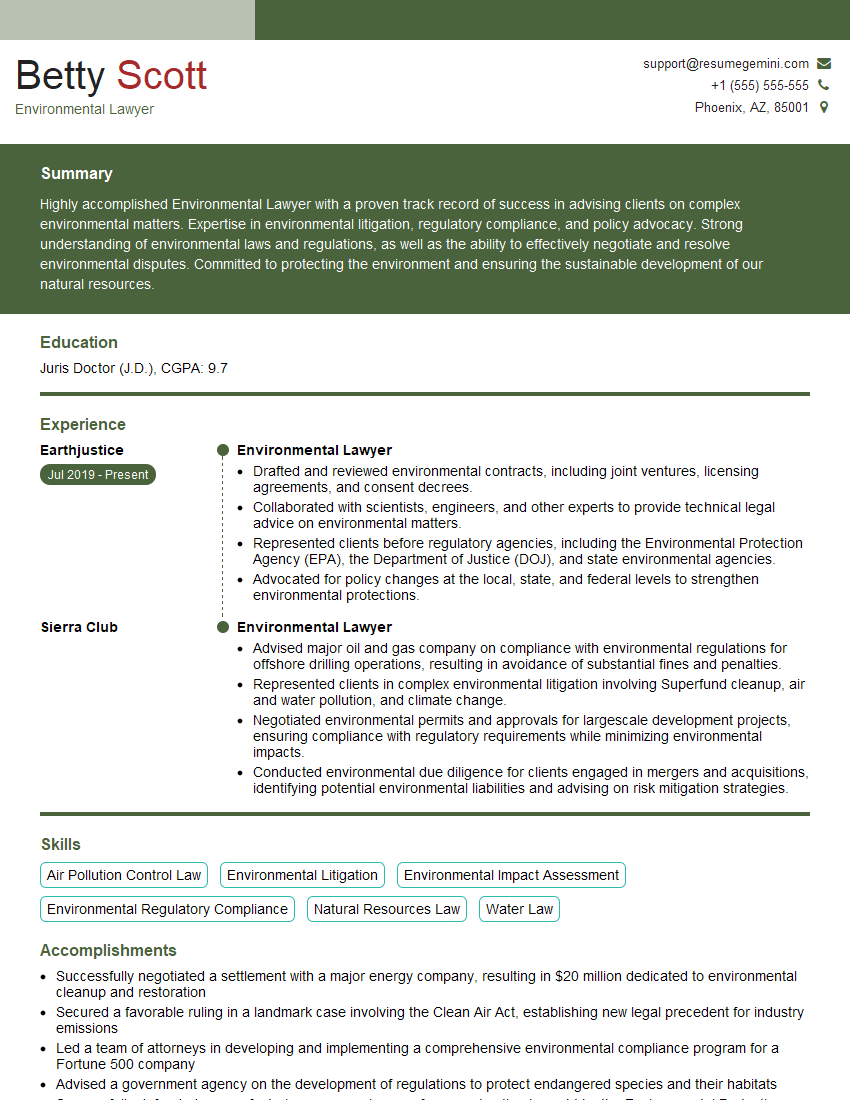
Environmental Lawyer Resume Sample
- Sustainability Manager
- Environmental Remediation Specialist
- Environmental Compliance Officer
- Environmental Protection Specialist
- Environmental Scientist
- Waste Management Specialist
- Sustainability Consultant
- Environmental Consultant
- Environmental Engineer
- Water Resources Engineer
- Wildlife Biologist
- Ecologist
- Natural Resource Manager
- Environmental Educator
- Park Ranger
- Climate Change Analyst
- Environmental Lawyer
Explore more articles
Users Rating of Our Blogs
Share Your Experience
We value your feedback! Please rate our content and share your thoughts (optional).
What Readers Say About Our Blog
Very informative content, great job.
good