Every successful interview starts with knowing what to expect. In this blog, we’ll take you through the top Environmental Safety Testing interview questions, breaking them down with expert tips to help you deliver impactful answers. Step into your next interview fully prepared and ready to succeed.
Questions Asked in Environmental Safety Testing Interview
Q 1. Describe your experience with different environmental testing methods.
My experience encompasses a wide range of environmental testing methods, categorized broadly by the matrix being analyzed (water, soil, air) and the analytes of interest (metals, organic compounds, pathogens).
- Water Quality Analysis: I’m proficient in techniques like spectrophotometry for measuring nutrient levels (nitrates, phosphates), chromatography (GC-MS, HPLC) for detecting pesticides and organic pollutants, and microbiology methods for assessing bacterial contamination. For example, I’ve used the membrane filtration technique to quantify E. coli in a drinking water source, and gas chromatography-mass spectrometry (GC-MS) to identify volatile organic compounds (VOCs) in industrial wastewater.
- Soil Analysis: My expertise includes methods for determining soil pH, texture, nutrient content, and the presence of heavy metals (using techniques like Atomic Absorption Spectroscopy – AAS or Inductively Coupled Plasma Mass Spectrometry – ICP-MS). I’ve worked extensively on projects assessing soil contamination near former industrial sites, utilizing a combination of techniques to build a comprehensive understanding of the contamination profile.
- Air Quality Monitoring: I have experience with air sampling techniques, including using high-volume samplers for particulate matter and specialized pumps for collecting gaseous pollutants. Analysis involves techniques like gravimetric analysis for particulates and gas chromatography for VOCs. A recent project involved analyzing air samples near a highway to assess the impact of vehicular emissions.
The selection of the most appropriate method depends critically on the specific project goals, regulatory requirements, and the nature of the sample matrix.
Q 2. What are the key regulatory requirements for environmental safety testing in your region?
Regulatory requirements for environmental safety testing vary, but in my region (assuming a US context), key legislation includes the Clean Water Act (CWA), the Clean Air Act (CAA), the Comprehensive Environmental Response, Compensation, and Liability Act (CERCLA or Superfund), and the Resource Conservation and Recovery Act (RCRA). These acts dictate specific parameters that must be monitored, sampling frequencies, reporting requirements, and acceptable levels of contaminants in different environmental media. For example, the CWA sets limits on discharge of pollutants into surface waters and requires regular monitoring of water quality parameters. CERCLA dictates procedures for assessing and remediating sites contaminated with hazardous substances. Understanding these regulations is crucial in designing and executing any environmental safety testing program, as non-compliance can lead to significant penalties.
Q 3. How do you ensure the accuracy and reliability of environmental testing results?
Ensuring accurate and reliable results relies on a multi-faceted approach:
- Quality Assurance/Quality Control (QA/QC): We utilize rigorous QA/QC protocols, incorporating blank samples, duplicates, spiked samples, and matrix spikes throughout the testing process. This allows us to assess the accuracy and precision of our measurements and identify potential sources of error.
- Calibration and Maintenance: All instruments are regularly calibrated and maintained according to manufacturer’s specifications, and documented meticulously. This guarantees that instruments are operating within acceptable tolerances.
- Personnel Training and Proficiency: Technicians receive thorough training in proper sampling, handling, and analytical techniques, and undergo regular proficiency testing to ensure consistency and expertise.
- Accreditation: The laboratory is accredited by a recognized accreditation body, such as ISO/IEC 17025, which assures compliance with internationally recognized standards for testing and calibration laboratories. This demonstrates a commitment to quality and reliability.
- Data Validation and Review: All data undergoes rigorous validation and review by experienced scientists before reporting to clients. This process includes checking for outliers, inconsistencies, and potential errors.
By employing these strategies, we build confidence in the reliability and accuracy of our data, and can ensure that our findings provide a trustworthy representation of environmental conditions.
Q 4. Explain the process of sample collection and preservation for environmental analysis.
Sample collection and preservation are crucial steps that directly impact the validity of the results. Improper handling can lead to sample degradation or contamination, rendering the data useless. The process typically involves:
- Planning and Site Selection: Careful planning is crucial, including identifying sample locations, considering accessibility, and understanding potential sources of contamination. GPS coordinates are recorded for precise location identification.
- Sample Collection: Using appropriate techniques for the target matrix (e.g., grab sampling for water, cores for soil, passive samplers for air). Clean equipment and sterile procedures are crucial to avoid contamination. Appropriate safety measures are followed, especially when dealing with potentially hazardous materials.
- Sample Preservation: This involves maintaining the sample’s integrity until analysis. Techniques include refrigeration, freezing, the addition of preservatives (e.g., acids to preserve metals), or filtration to remove particulates. Specific preservation techniques are selected based on the target analytes and the expected storage time. Chain of custody documentation must rigorously track the sample from collection to analysis.
- Sample Labeling and Documentation: Samples are meticulously labeled with unique identifiers, date, time, location, and any relevant information. This comprehensive documentation is key for traceability and maintaining data integrity.
- Transportation and Storage: Samples are transported to the laboratory under appropriate conditions, usually refrigerated or frozen, to maintain their integrity.
The specific steps vary significantly depending on the sample type and the analytes of interest.
Q 5. What are the common challenges faced in environmental sampling and how do you overcome them?
Environmental sampling presents several challenges:
- Accessibility: Reaching remote or difficult-to-access sampling locations can be logistically challenging and expensive.
- Heterogeneity: Environmental samples are often heterogeneous, meaning that the composition varies significantly within the sample. Obtaining a representative sample can be difficult.
- Contamination: Avoiding contamination during sampling, storage, and transportation is paramount. Contamination from equipment, personnel, or the surrounding environment can invalidate results.
- Preservation Issues: Certain analytes are unstable and degrade rapidly unless preserved properly. The selection and implementation of proper preservation methods can be challenging.
- Regulatory Compliance: Meeting the complex regulatory requirements for sampling and data reporting is crucial for compliance.
We overcome these challenges through careful planning, rigorous QA/QC procedures, the use of specialized equipment, employing trained personnel, and maintaining detailed documentation throughout the entire process. For example, when dealing with heterogeneous soil samples, we collect multiple samples at different locations and depths to obtain a more representative sample. Using dedicated, cleaned equipment minimizes the risk of contamination.
Q 6. Describe your experience with various laboratory instruments used in environmental testing.
My experience includes using a wide array of laboratory instruments for environmental testing, including:
- Spectrophotometers: Used for determining the concentration of substances in solution by measuring their absorbance or transmission of light. These are common for analyzing water quality parameters like nitrates and phosphates.
- Chromatography Systems (GC-MS, HPLC): These are used to separate and identify complex mixtures of organic compounds. GC-MS is particularly useful for analyzing volatile organic compounds (VOCs) in air and water, while HPLC is useful for non-volatile organic compounds.
- Atomic Absorption Spectrometers (AAS) and Inductively Coupled Plasma Mass Spectrometers (ICP-MS): These are used to determine the concentration of trace metals in various matrices. ICP-MS provides more sensitivity and can detect a wider range of metals than AAS.
- Microscopy (Light and Electron Microscopy): Useful for identifying and quantifying microorganisms in water or soil samples.
- pH meters and Conductivity meters: Used for measuring fundamental water quality parameters.
Proficiency in utilizing these instruments, coupled with an understanding of their limitations, is crucial for generating reliable results. Regular calibration and maintenance are essential for accurate and precise measurements.
Q 7. How do you interpret and report environmental testing data?
Interpreting and reporting environmental testing data requires a thorough understanding of the analytical methods employed, the limitations of the techniques, and relevant regulatory guidelines. The process involves:
- Data Analysis: The raw data from the instruments is analyzed to determine the concentration or quantity of each analyte.
- QA/QC Review: This step involves reviewing the QA/QC data (blanks, duplicates, spikes) to assess the accuracy and precision of the results and to identify any potential sources of error.
- Statistical Analysis: Statistical methods may be employed to analyze the data and assess the significance of the findings (e.g., t-tests, ANOVA).
- Comparison with Regulatory Limits: The results are compared to relevant regulatory limits or guidelines to assess compliance. Exceedances of these limits are highlighted and investigated.
- Report Preparation: A comprehensive report is prepared, including a description of the study objectives, methodology, results, quality assurance/quality control data, statistical analysis, conclusions, and recommendations. The report should be clear, concise, and readily understandable to the intended audience.
The interpretation of data considers the context of the study and the potential implications of the findings. For example, a high concentration of a specific pollutant in a soil sample may suggest the need for further investigation or remediation. Clear and accurate reporting is critical for informing decision-making and ensuring environmental protection.
Q 8. Explain your understanding of different environmental matrices (soil, water, air).
Environmental matrices refer to the different types of media where contaminants can be found. Understanding their unique properties is crucial for accurate testing. Let’s look at soil, water, and air individually:
- Soil: Soil is a complex mixture of minerals, organic matter, water, and air. Testing soil involves analyzing its composition for the presence of heavy metals (lead, mercury, etc.), pesticides, herbicides, and other organic pollutants. The soil’s texture and pH can significantly influence contaminant mobility and bioavailability. For example, sandy soil allows for easier leaching of contaminants compared to clay soil.
- Water: Water matrices can range from surface water (rivers, lakes) to groundwater and wastewater. Testing focuses on parameters like dissolved oxygen, pH, turbidity, and the presence of various pollutants – bacteria, heavy metals, pesticides, and emerging contaminants like microplastics. The type of water body influences the testing methods; for example, analyzing a pristine mountain stream requires different approaches than testing a heavily industrialized river.
- Air: Air is a gaseous matrix containing various constituents, both naturally occurring and anthropogenic (human-made). Air quality testing measures pollutants like particulate matter (PM2.5, PM10), volatile organic compounds (VOCs), sulfur dioxide, nitrogen oxides, and ozone. These pollutants are often assessed near industrial sites, major roads, or in densely populated areas.
Understanding the characteristics of each matrix is paramount for selecting the appropriate sampling methods and analytical techniques to ensure accurate and reliable results. For instance, soil samples require different preservation and handling procedures compared to water samples to prevent contamination or degradation of analytes.
Q 9. How familiar are you with different types of environmental contaminants?
My familiarity with environmental contaminants is extensive. I’m experienced with a wide range of pollutants, categorized as follows:
- Heavy Metals: Lead, mercury, cadmium, arsenic – these persist in the environment, bioaccumulate in organisms, and pose severe health risks. I’ve worked on numerous projects investigating heavy metal contamination in soil and water around industrial sites.
- Pesticides and Herbicides: Organophosphates, organochlorines, and other agricultural chemicals can contaminate soil and water resources, impacting ecosystems and human health. My experience includes assessing pesticide residues in agricultural runoff and their potential impact on nearby water bodies.
- Volatile Organic Compounds (VOCs): Benzene, toluene, xylene – these are emitted from industrial processes and vehicles, contributing to air pollution and posing respiratory risks. I have expertise in air quality monitoring and VOC analysis using techniques such as gas chromatography-mass spectrometry (GC-MS).
- Petroleum Hydrocarbons: Oil spills and leaks can contaminate soil and water, leading to significant environmental damage. I’ve worked on numerous remediation projects involving oil spill assessment and cleanup.
- Emerging Contaminants: Microplastics, pharmaceuticals, personal care products – these are relatively new pollutants, the long-term effects of which are still being researched. I stay updated on the latest scientific literature and analytical techniques related to these emerging threats.
Understanding the properties and behavior of these contaminants is essential to designing effective monitoring and remediation strategies. For example, the solubility and persistence of a contaminant dictate its potential for transport and its ecological impact.
Q 10. What are the health and safety risks associated with environmental testing?
Environmental testing carries inherent health and safety risks, which must be rigorously managed. These risks can be broadly categorized into:
- Exposure to Hazardous Materials: Handling soil, water, or air samples may involve contact with harmful substances, including pathogens, toxic chemicals, and radioactive materials. For example, collecting samples from a site with known asbestos contamination requires specialized personal protective equipment (PPE).
- Physical Hazards: Fieldwork can involve working in challenging environments – uneven terrain, extreme weather conditions, confined spaces – leading to injuries. Proper safety training and the use of appropriate equipment are crucial.
- Chemical Hazards: Laboratory analyses involve handling various chemicals, solvents, and reagents, posing risks of inhalation, ingestion, skin contact, and fire hazards. Working under a fume hood and adhering to strict safety protocols are essential.
- Biological Hazards: Exposure to pathogens in water or soil samples presents the risk of infection. Proper sample handling, decontamination procedures, and appropriate PPE are crucial to prevent exposure.
Risk assessments are conducted before each project to identify and mitigate potential hazards. This involves detailed safety plans, thorough training, and the implementation of strict safety protocols throughout the entire process, from sample collection to data analysis.
Q 11. How do you ensure compliance with safety protocols during environmental testing?
Ensuring compliance with safety protocols is paramount in environmental testing. My approach is multi-faceted:
- Pre-field work planning: This includes a detailed site-specific risk assessment, identifying potential hazards, and selecting appropriate PPE, sampling equipment, and emergency response procedures. We prepare comprehensive safety plans outlining procedures for every step of the sampling and analytical process.
- Comprehensive Training: All personnel are adequately trained in safe handling procedures for hazardous materials, emergency response techniques, and the proper use of safety equipment.
- Strict Adherence to SOPs: Standard Operating Procedures (SOPs) are strictly followed for all sampling and laboratory procedures, minimizing the risk of errors and accidents. Each step of the analysis is documented and reviewed.
- Regular Safety Audits: Regular internal and external safety audits are conducted to identify areas for improvement and to ensure consistent compliance with safety regulations and best practices.
- Emergency Preparedness: Emergency response plans are developed and regularly tested to ensure prompt and effective responses to accidents or spills.
A strong safety culture is fostered through regular communication, training, and accountability. Safety is not simply a set of rules; it’s an integral part of our operational philosophy. For instance, a recent project involved sampling near a busy highway. We implemented traffic control measures and utilized specialized sampling equipment to ensure the safety of our personnel and the public.
Q 12. Explain your experience with data analysis software used in environmental testing.
I have extensive experience with various data analysis software crucial for environmental testing. My proficiency includes:
- R: A powerful statistical programming language used for data manipulation, statistical analysis, and data visualization. I have utilized R for exploring datasets, creating statistical models to predict contaminant levels, and generating publication-quality graphics for environmental reports.
- Python with relevant libraries (NumPy, Pandas, SciPy, Matplotlib): Python offers versatility for data processing, statistical modeling, and creating customized scripts for automating analysis workflows. I have used Python for tasks such as importing and cleaning large environmental datasets, performing geospatial analysis, and developing custom algorithms.
- Spreadsheet Software (Excel, Google Sheets): While less powerful than dedicated statistical packages, spreadsheets are valuable for initial data entry, cleaning, and basic statistical summaries. My expertise extends to using advanced spreadsheet functions for data manipulation and visualization.
- Environmental Data Management Systems (EDMS): I am proficient in using various EDMS to manage and organize large volumes of environmental data generated from different projects, ensuring data integrity, traceability, and accessibility.
The choice of software depends on the specific project needs and data size. For example, R is ideal for advanced statistical modeling, while Python offers more flexibility in automating complex data processing tasks. I have often integrated several software tools within a single project workflow, leveraging the strengths of each.
Q 13. How do you manage and interpret large datasets from environmental monitoring programs?
Managing and interpreting large datasets from environmental monitoring programs is a key aspect of my work. I employ a structured approach:
- Data Cleaning and Validation: The first step involves thorough data cleaning, including checking for outliers, errors, and inconsistencies. Data validation techniques help ensure data quality and reliability.
- Exploratory Data Analysis (EDA): EDA techniques, such as descriptive statistics, data visualization (histograms, box plots, scatter plots), and correlation analysis, help uncover patterns and relationships within the data.
- Statistical Modeling: Appropriate statistical models, such as regression analysis, time series analysis, or geostatistical methods, are selected to analyze the data and draw inferences. The model choice depends on the research question and the nature of the data.
- Spatial Analysis: For geographically referenced data, spatial analysis techniques (GIS software) are used to map contaminant distributions, identify hotspots, and understand spatial relationships.
- Data Visualization and Reporting: Results are presented clearly and concisely through graphs, maps, and tables in comprehensive reports. Effective visualization aids in communicating complex data to stakeholders.
For instance, in a recent project involving long-term water quality monitoring, I employed time-series analysis to identify trends in contaminant levels and predict future concentrations. This helped stakeholders make informed decisions regarding pollution control measures.
Q 14. Describe your experience with environmental risk assessment and management.
Environmental risk assessment and management are crucial for protecting human health and the environment. My experience involves a systematic approach:
- Hazard Identification: Identifying potential environmental hazards present at a site. This includes identifying the presence of contaminants and assessing their potential pathways to exposure.
- Exposure Assessment: Quantifying the potential exposure of humans and ecological receptors to environmental contaminants. This involves modeling the transport and fate of contaminants in the environment.
- Toxicity Assessment: Evaluating the health effects of contaminants on humans and ecological receptors. This may involve reviewing existing toxicological data or conducting laboratory toxicity tests.
- Risk Characterization: Combining hazard, exposure, and toxicity data to characterize the overall risk. This usually involves calculating risk quotients or other risk metrics.
- Risk Management: Developing and implementing strategies to reduce or mitigate the identified risks. This may involve remediation activities, pollution prevention measures, or changes in land use practices.
For example, I was involved in a project assessing the risk of groundwater contamination near an industrial site. We used a combination of site investigation data, groundwater modeling, and toxicological data to characterize the risk and recommend appropriate remediation actions. The process involved close collaboration with regulatory agencies and stakeholders to ensure effective risk management.
Q 15. How do you communicate complex environmental data to non-technical audiences?
Communicating complex environmental data to non-technical audiences requires translating technical jargon into plain language and utilizing visual aids. I start by identifying the key takeaways – the most important findings and their implications. Then, I use analogies and relatable examples to explain complex concepts. For instance, instead of saying “the soil sample showed elevated levels of polycyclic aromatic hydrocarbons,” I might say, “the soil is contaminated with chemicals similar to those found in soot, posing a potential health risk.” I also rely heavily on visuals like graphs, charts, and infographics to make the data more accessible and engaging. For example, a bar chart showing pollutant levels over time is much easier to understand than a table of raw data. Finally, I tailor my communication style to the specific audience, keeping it concise and focused on their needs and level of understanding. In one project, explaining groundwater contamination risks to a community board, I used a simple map highlighting affected areas and compared the contamination levels to easily understood benchmarks like drinking water standards.
Career Expert Tips:
- Ace those interviews! Prepare effectively by reviewing the Top 50 Most Common Interview Questions on ResumeGemini.
- Navigate your job search with confidence! Explore a wide range of Career Tips on ResumeGemini. Learn about common challenges and recommendations to overcome them.
- Craft the perfect resume! Master the Art of Resume Writing with ResumeGemini’s guide. Showcase your unique qualifications and achievements effectively.
- Don’t miss out on holiday savings! Build your dream resume with ResumeGemini’s ATS optimized templates.
Q 16. What is your experience with different types of environmental permits and licenses?
My experience encompasses a wide range of environmental permits and licenses, including National Pollutant Discharge Elimination System (NPDES) permits for wastewater discharges, air quality permits under the Clean Air Act, and solid waste management permits. I’ve worked with permits related to hazardous waste handling and remediation under the Resource Conservation and Recovery Act (RCRA), as well as permits for projects impacting wetlands and endangered species under the Clean Water Act and the Endangered Species Act. I understand the permitting process from application through compliance monitoring and renewal. I’m familiar with the specific requirements for each permit type, including the necessary data submissions, environmental monitoring plans, and compliance reporting. For example, during a large-scale construction project, I was responsible for obtaining and managing all necessary permits, ensuring compliance throughout the project lifecycle. This involved close coordination with regulatory agencies and proactive risk management to avoid any delays or violations.
Q 17. Explain your understanding of environmental impact assessments.
Environmental Impact Assessments (EIAs) are crucial for evaluating the potential environmental consequences of a proposed project. An EIA systematically identifies, predicts, evaluates, and mitigates the biophysical, social, and other relevant effects of development proposals prior to major decisions being taken and commitments made. This involves a comprehensive assessment of various factors including air and water quality, biodiversity, noise pollution, and socioeconomic impacts. A robust EIA includes baseline data collection, impact prediction using various modeling techniques, and the development of mitigation measures to minimize adverse effects. For instance, in an EIA for a proposed highway project, we might use air quality dispersion models to predict pollution levels near the highway and propose mitigation strategies such as installing noise barriers or planting vegetation to reduce noise and visual impacts. The goal is to ensure environmentally sound and sustainable development. The process typically includes public consultation to incorporate community concerns and perspectives.
Q 18. Describe your experience with environmental remediation projects.
I have extensive experience in environmental remediation projects, focusing on the investigation and cleanup of contaminated sites. My experience includes managing the entire remediation lifecycle, from initial site assessment and characterization, through the design and implementation of remediation technologies, to final site closure and post-remediation monitoring. I’ve worked on projects involving soil and groundwater contamination from various sources, including industrial activities, leaking underground storage tanks (LUST), and historical waste disposal sites. For example, I led a remediation project involving soil contaminated with heavy metals. We used a combination of excavation and soil washing technologies to remove the contamination and restore the site to acceptable levels. Throughout the project, we maintained detailed documentation, ensured regulatory compliance, and communicated transparently with stakeholders. This meticulous approach is vital in ensuring the success and long-term sustainability of remediation efforts. Effective communication and collaboration with regulatory agencies and stakeholders are key to successful remediation projects.
Q 19. How do you stay current with the latest advancements in environmental safety testing?
Staying current in environmental safety testing requires continuous professional development. I actively participate in professional organizations like the American Chemical Society (ACS) and the Society of Environmental Toxicology and Chemistry (SETAC), attending conferences and webinars to learn about the latest advancements in analytical techniques and regulatory changes. I also regularly review peer-reviewed scientific literature and subscribe to relevant journals and industry newsletters. This keeps me abreast of new technologies, such as advanced mass spectrometry techniques for detecting emerging contaminants, and changes in regulatory guidelines and best practices. Further, engaging in online courses and training programs enhances my skills and knowledge of current methodologies. This commitment to continuous learning is essential for maintaining my expertise and ensuring I deliver high-quality, reliable results.
Q 20. Explain your understanding of different environmental regulations (e.g., OSHA, EPA).
My understanding of environmental regulations is comprehensive, encompassing federal and state laws. The Occupational Safety and Health Administration (OSHA) focuses on worker safety in the workplace, setting standards to minimize exposure to hazardous substances and ensuring safe working conditions. The Environmental Protection Agency (EPA) is responsible for setting and enforcing environmental regulations at the national level, addressing issues such as air and water pollution, waste management, and hazardous waste handling. I’m proficient in navigating the specific requirements under these regulations and other relevant laws, including the Clean Water Act, Clean Air Act, and Resource Conservation and Recovery Act (RCRA). Understanding these regulations is crucial for ensuring compliance in any environmental testing or remediation project. This includes knowing which regulations apply to a specific project, correctly interpreting the requirements, and developing and implementing plans to meet those requirements.
Q 21. How do you troubleshoot issues encountered during environmental testing?
Troubleshooting issues in environmental testing involves a systematic approach. First, I carefully review the data to identify inconsistencies or anomalies. Then, I investigate potential sources of error, considering factors such as sample collection and handling, analytical methodology, and instrument calibration. This often involves re-examining the chain of custody to ensure sample integrity. If the issue persists, I might repeat the analysis using alternative methods or consult with colleagues and experts for their insights. For example, if inconsistent results are observed, I may investigate potential contamination of the samples during collection or lab errors in the analysis. Thorough documentation of the troubleshooting process is crucial. Documenting the problem, the steps taken, and the final resolution is essential for quality control and for learning from mistakes. A rigorous and systematic approach to troubleshooting is paramount to ensure the accuracy and reliability of our environmental testing results.
Q 22. Describe your experience with quality control and quality assurance procedures in a testing lab.
Quality control (QC) and quality assurance (QA) are paramount in environmental testing labs, ensuring the reliability and validity of our results. Think of it like baking a cake – QC is checking each ingredient and step of the process to ensure it’s done correctly, while QA is the overarching system to ensure the final cake meets the recipe’s standards.
My experience encompasses all aspects of this, from meticulous sample handling and instrument calibration (QC), to developing and maintaining Standard Operating Procedures (SOPs), participating in proficiency testing programs, and internal audits (QA). For instance, in a previous role, I implemented a new QC procedure for analyzing heavy metals, which involved using certified reference materials to verify the accuracy of our analyses, resulting in a 15% reduction in discrepancies in our results. We also utilized a LIMS (Laboratory Information Management System) to track samples, tests, and results, ensuring traceability and data integrity. This system allowed for efficient data management and reporting, strengthening our QA processes. Regular calibration checks on instruments using traceable standards are crucial. Failure to maintain this would render our data unreliable.
- Sample Management: Chain of custody documentation, proper storage and handling to prevent contamination.
- Method Validation: Verifying the accuracy, precision, and reliability of our testing methods.
- Data Analysis: Rigorous review of data for accuracy, precision, and outliers.
- Reporting: Clear, concise, and accurate reporting of results with appropriate uncertainty statements.
Q 23. How do you handle non-compliance issues during environmental testing projects?
Handling non-compliance is a critical aspect of environmental testing. It demands a structured approach to ensure both corrective and preventive actions are taken. Imagine a doctor finding an anomaly during a patient’s checkup – immediate action is needed.
My approach involves a multi-step process: First, I would thoroughly investigate the cause of the non-compliance, which could be anything from equipment malfunction to procedural error. Then, I’d implement corrective actions to address the immediate issue, such as recalibrating equipment or retraining personnel. After that, I’d focus on preventative actions to prevent similar issues from occurring again, perhaps by revising SOPs or introducing improved quality control checks. Documentation of the entire process is crucial, including root cause analysis and corrective action plans. If the non-compliance involves regulatory reporting, it’s essential to adhere to reporting timelines and regulations to avoid further complications. A detailed investigation report, including corrective and preventative action plans, would be submitted to the relevant authorities and clients.
For example, if a sample failed to meet the required detection limits due to instrument malfunction, I would investigate the instrument’s calibration records, perform necessary repairs or replacement, and re-run the analysis on the affected samples. I’d also update the instrument’s maintenance schedule to prevent similar future failures. Following this systematic approach ensures compliance and maintains the integrity of our testing services.
Q 24. Describe a time you had to make a difficult decision regarding environmental safety.
In a previous project involving soil contamination assessment near a historical industrial site, we found levels of heavy metals exceeding regulatory limits. The client, a large development company, was eager to proceed with the project, potentially jeopardizing public health and the environment. This presented a conflict between the client’s commercial interests and my ethical responsibility to protect environmental safety.
The difficult decision was to inform the client of the findings transparently and advise against proceeding until further remediation was done. It wasn’t an easy conversation, but I presented the data clearly, highlighting the potential legal and environmental repercussions of ignoring the contamination. The client, though initially disappointed, appreciated our honesty and transparency. This led to a more comprehensive remediation plan and a stronger, more collaborative relationship based on trust and responsible environmental practice. In hindsight, prioritizing environmental safety and ethical conduct, despite potential short-term setbacks, was undeniably the right decision.
Q 25. How do you ensure the security and confidentiality of environmental testing data?
Data security and confidentiality are of utmost importance in environmental testing. We’re dealing with sensitive information that can have significant legal, environmental, and health implications. Think of it like protecting patient medical records – only authorized personnel should have access.
We utilize several measures to ensure this. Firstly, access to our LIMS is strictly controlled through unique login credentials and role-based access controls. Only authorized personnel have access to specific data based on their roles and responsibilities. We encrypt all electronic data, both in transit and at rest. Physical security is maintained through controlled access to the laboratory and secure storage of samples and data. Regular data backups are performed and stored securely offsite to protect against data loss. Furthermore, we adhere to all relevant data privacy regulations and maintain a detailed audit trail of all data access and modifications. In the case of external data sharing, we always use secure file transfer protocols and obtain appropriate consent from the data owners.
Q 26. What are your salary expectations for this role?
My salary expectations are in line with the market rate for a senior environmental scientist with my level of experience and expertise. I’m open to discussing a competitive compensation package that reflects my contributions and aligns with the company’s overall compensation structure.
Q 27. Do you have any questions for me?
Yes, I have several questions. I’d be interested in learning more about the specific technologies and methodologies utilized in your lab. Could you elaborate on the lab’s current accreditation status and ongoing professional development opportunities for staff?
Key Topics to Learn for Environmental Safety Testing Interview
- Sampling and Analysis Techniques: Understanding various methods for collecting environmental samples (water, soil, air) and applying appropriate analytical techniques (e.g., chromatography, spectroscopy) for accurate results. Consider the chain of custody and quality assurance/quality control procedures.
- Regulatory Compliance: Familiarity with relevant environmental regulations (e.g., EPA guidelines, local ordinances) and their practical application in testing procedures. Understand permit requirements and reporting protocols.
- Health and Safety Protocols: Demonstrate knowledge of safety procedures in handling hazardous materials, proper use of personal protective equipment (PPE), and emergency response protocols in laboratory and field settings.
- Data Interpretation and Reporting: Ability to analyze test results, interpret data accurately, and communicate findings clearly and concisely in technical reports. Practice presenting complex data in a simple and understandable format.
- Instrumentation and Calibration: Understanding the operation, maintenance, and calibration of common laboratory instruments used in environmental testing. Be prepared to discuss troubleshooting common instrument issues.
- Environmental Impact Assessments: Familiarity with the principles and methodologies involved in conducting environmental impact assessments (EIAs) and understanding their role in decision-making processes.
- Emerging Contaminants and Technologies: Demonstrate awareness of new and emerging contaminants and the latest advancements in environmental testing technologies and methodologies.
Next Steps
Mastering Environmental Safety Testing opens doors to a rewarding career with significant growth potential in a field critical to environmental protection and public health. To maximize your job prospects, creating an ATS-friendly resume is essential. A well-crafted resume highlights your skills and experience effectively, ensuring your application gets noticed by recruiters. We recommend using ResumeGemini to build a professional and impactful resume tailored to the specific requirements of Environmental Safety Testing positions. ResumeGemini provides examples of resumes specifically designed for this field, helping you showcase your qualifications effectively.
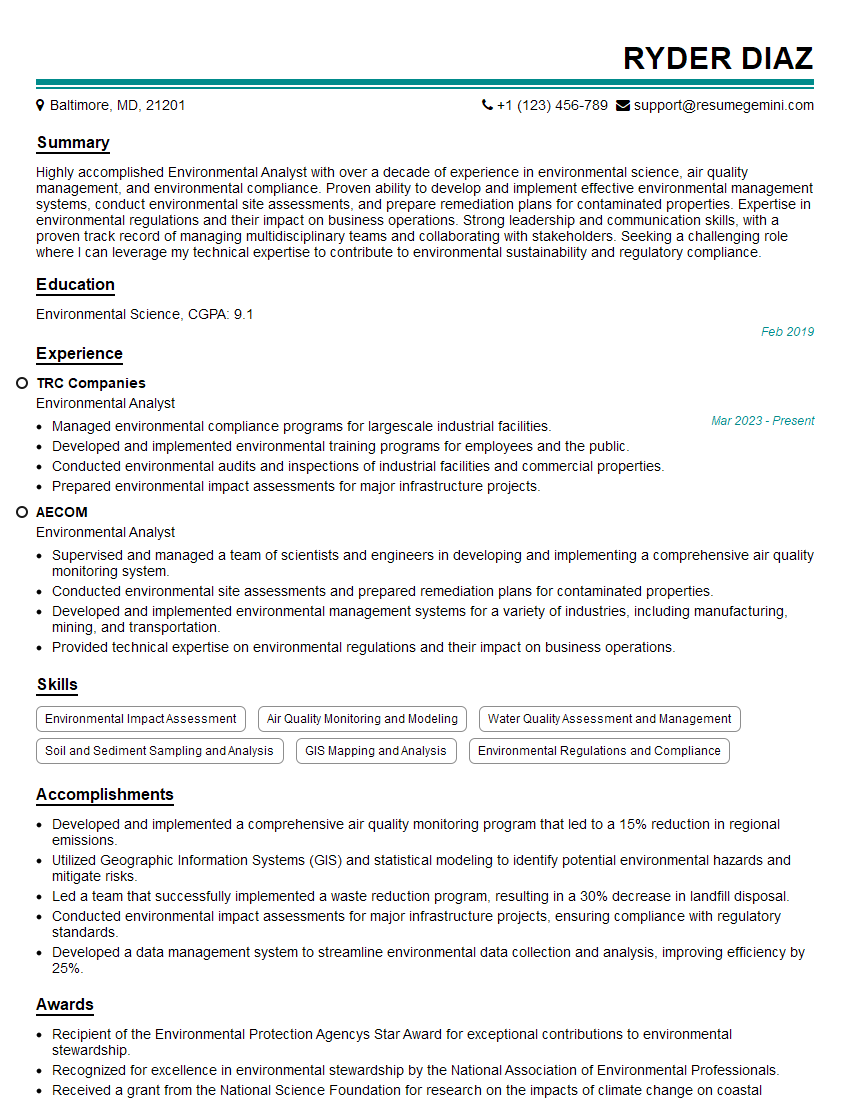
Environmental Analyst Resume Sample
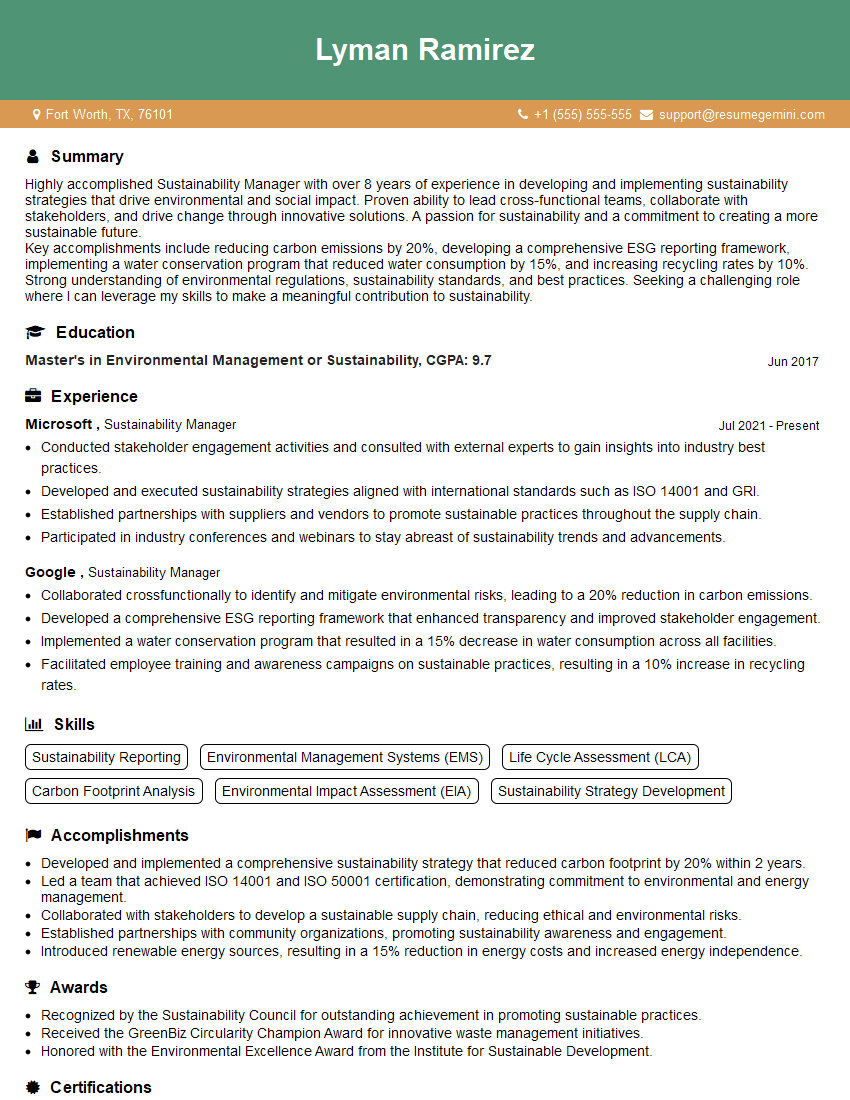
Sustainability Manager Resume Sample
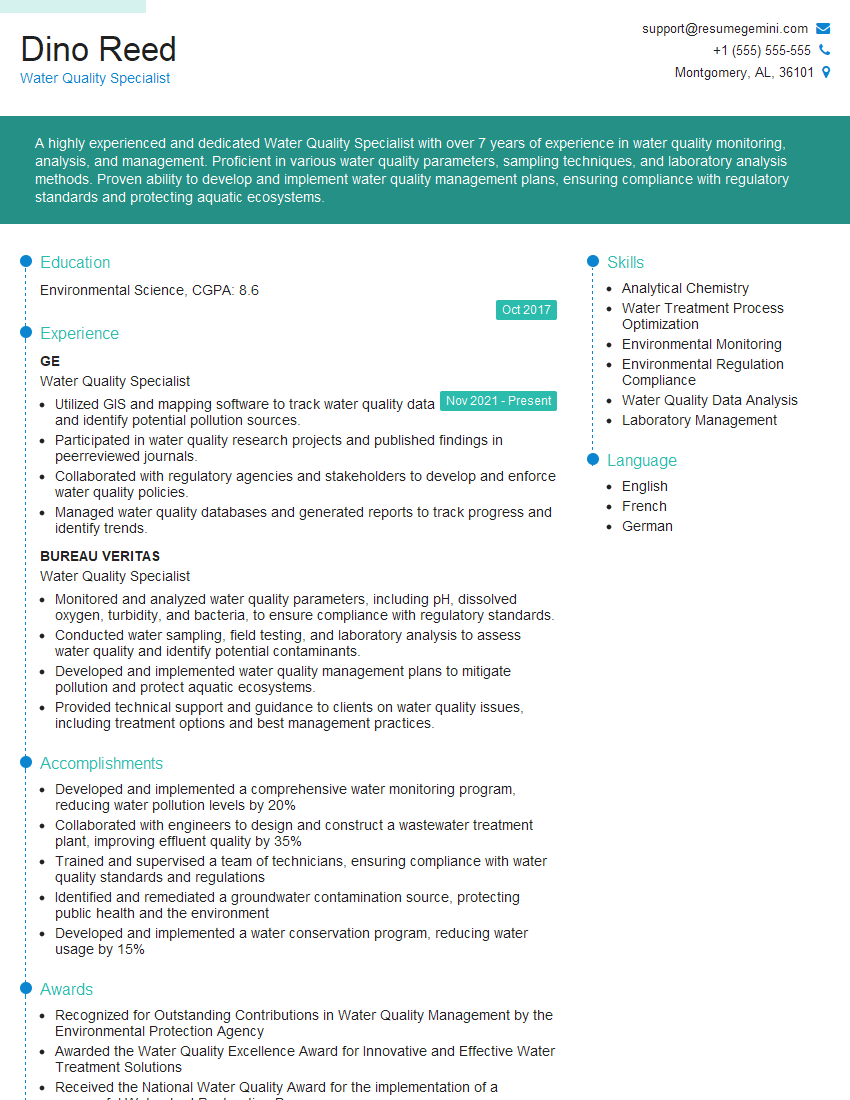
Water Quality Specialist Resume Sample
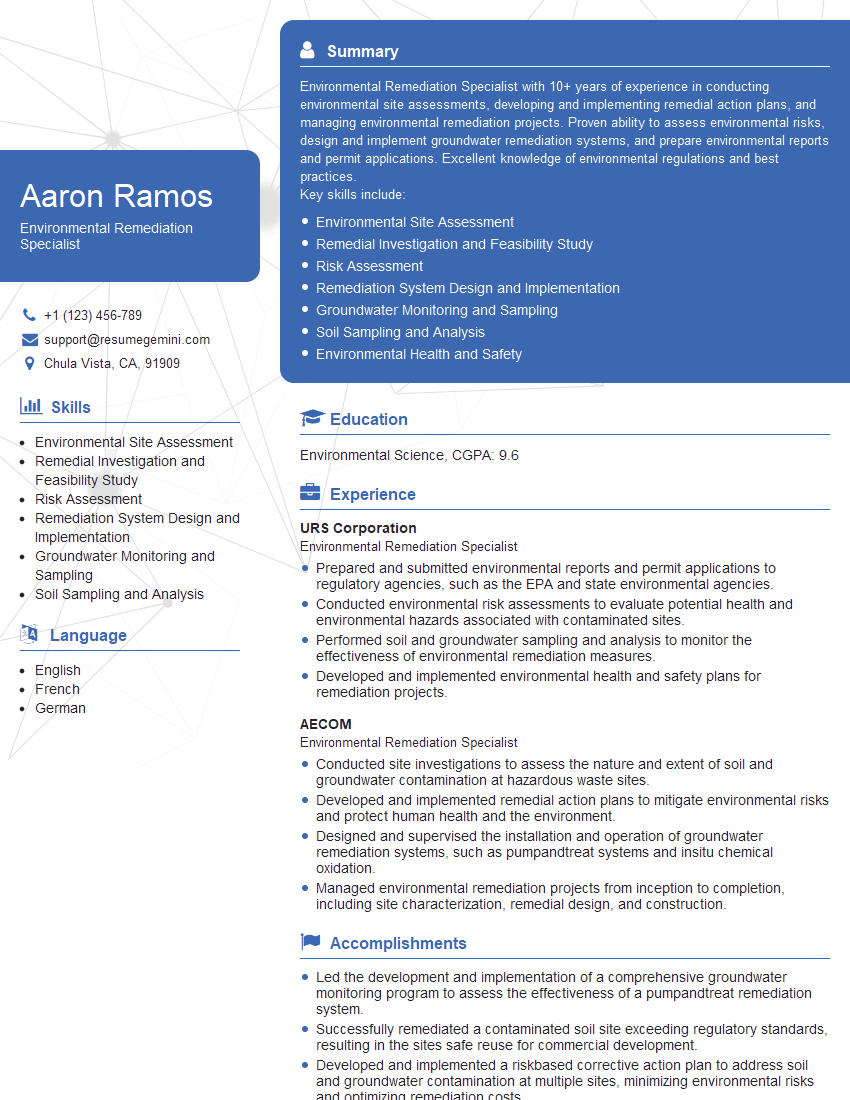
Environmental Remediation Specialist Resume Sample
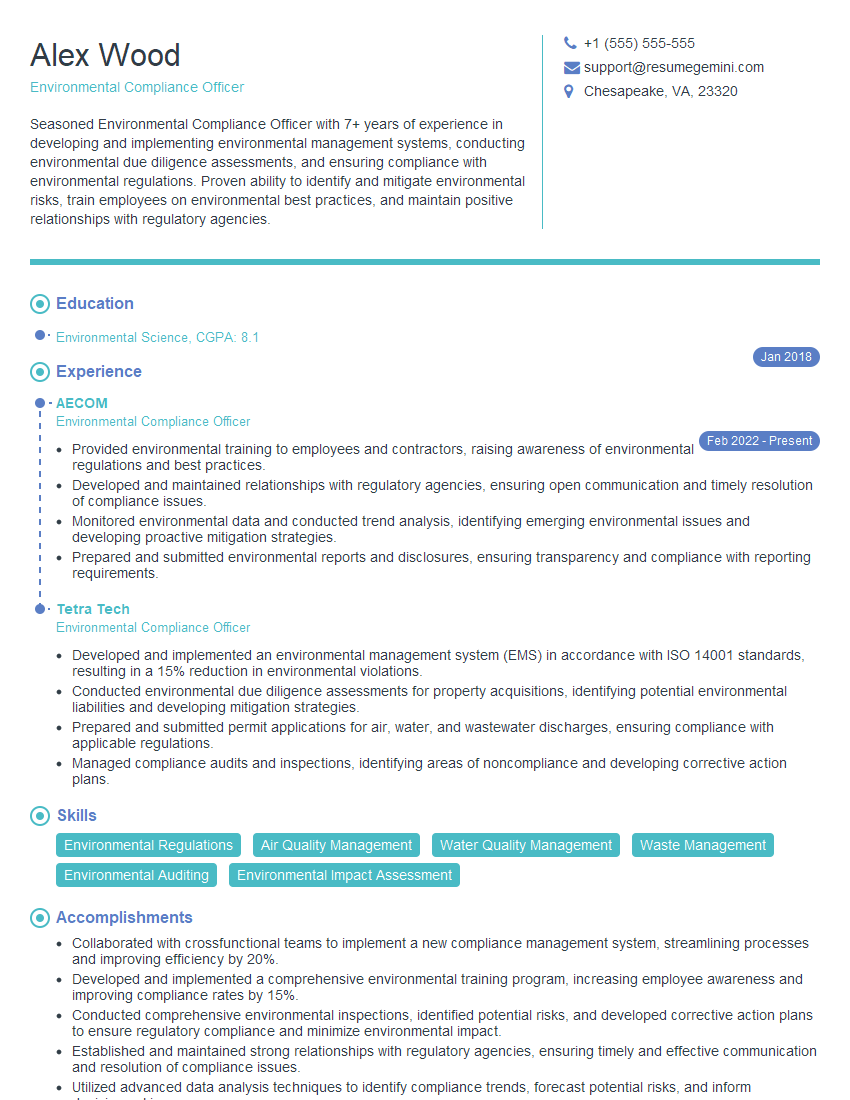
Environmental Compliance Officer Resume Sample
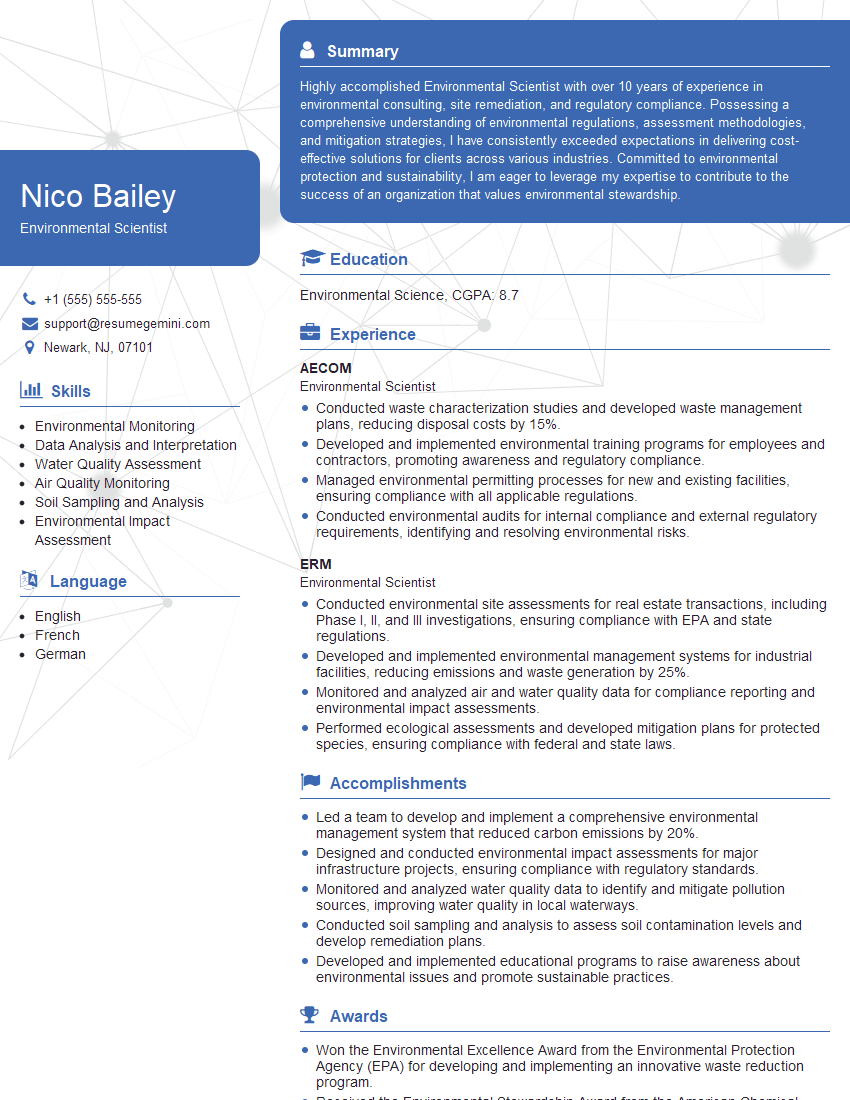
Environmental Scientist Resume Sample
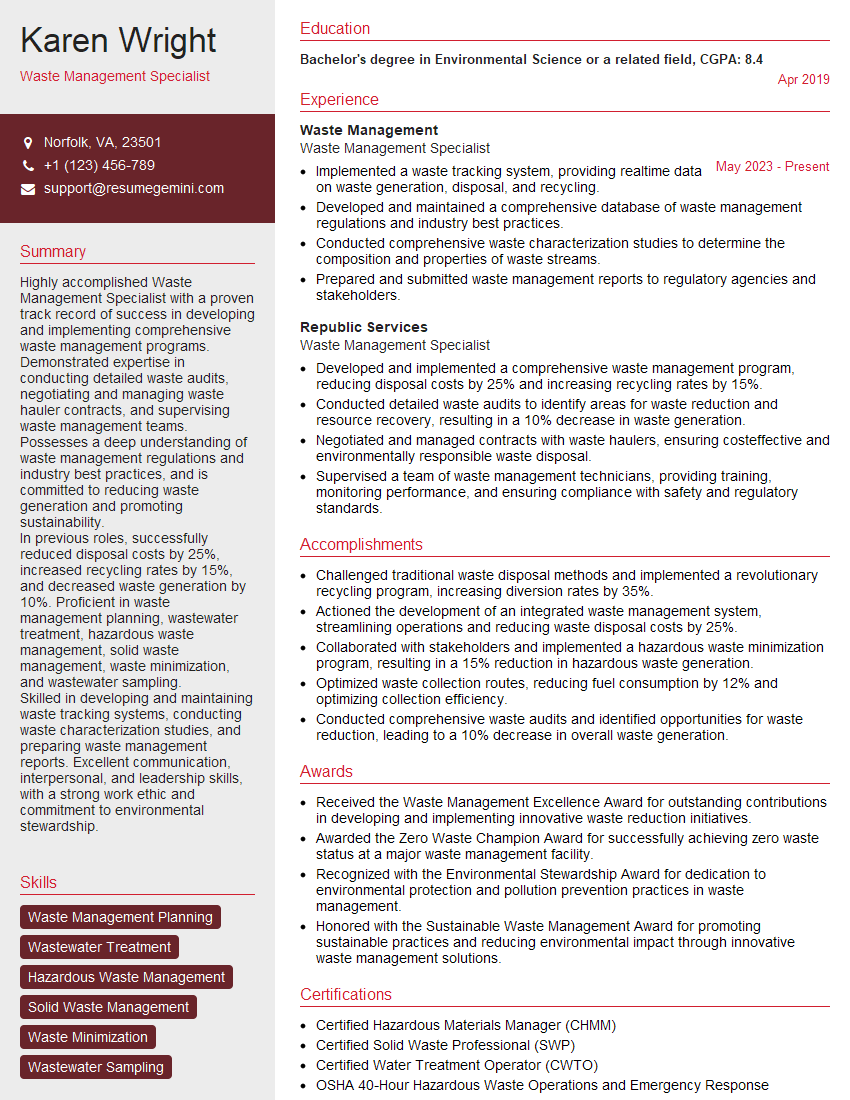
Waste Management Specialist Resume Sample
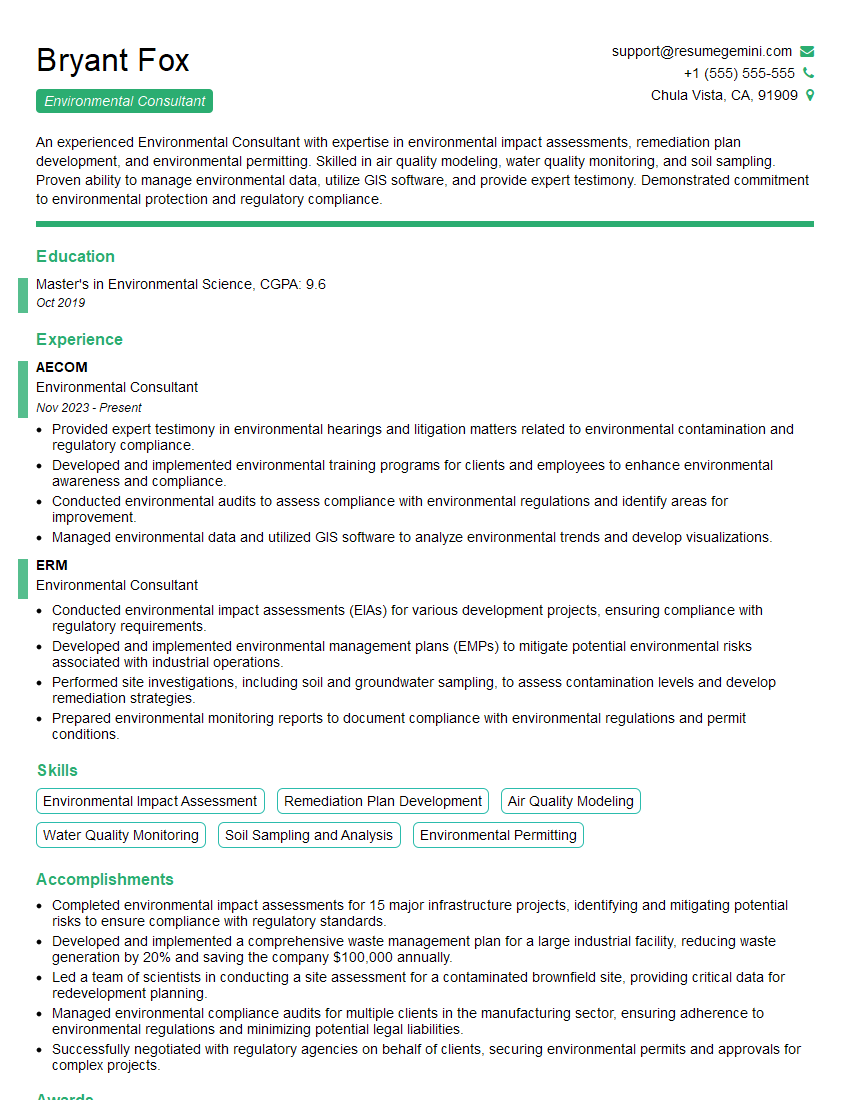
Environmental Consultant Resume Sample
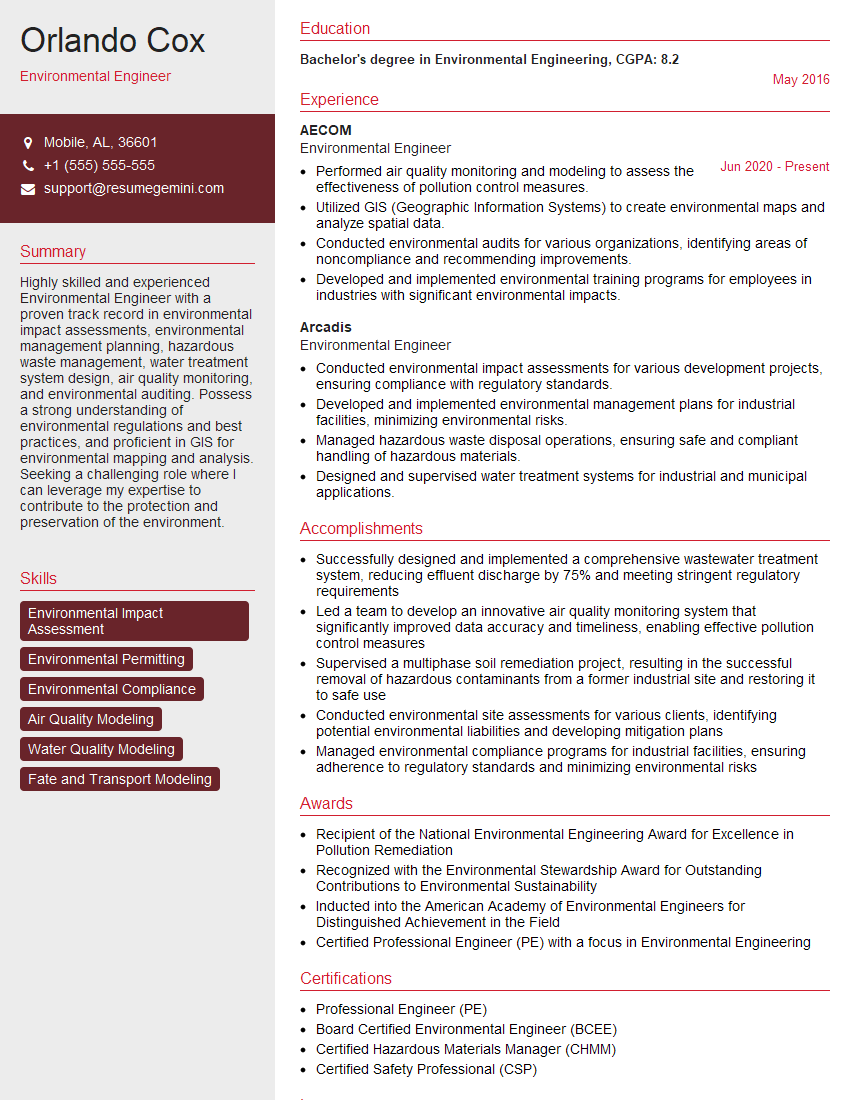
Environmental Engineer Resume Sample
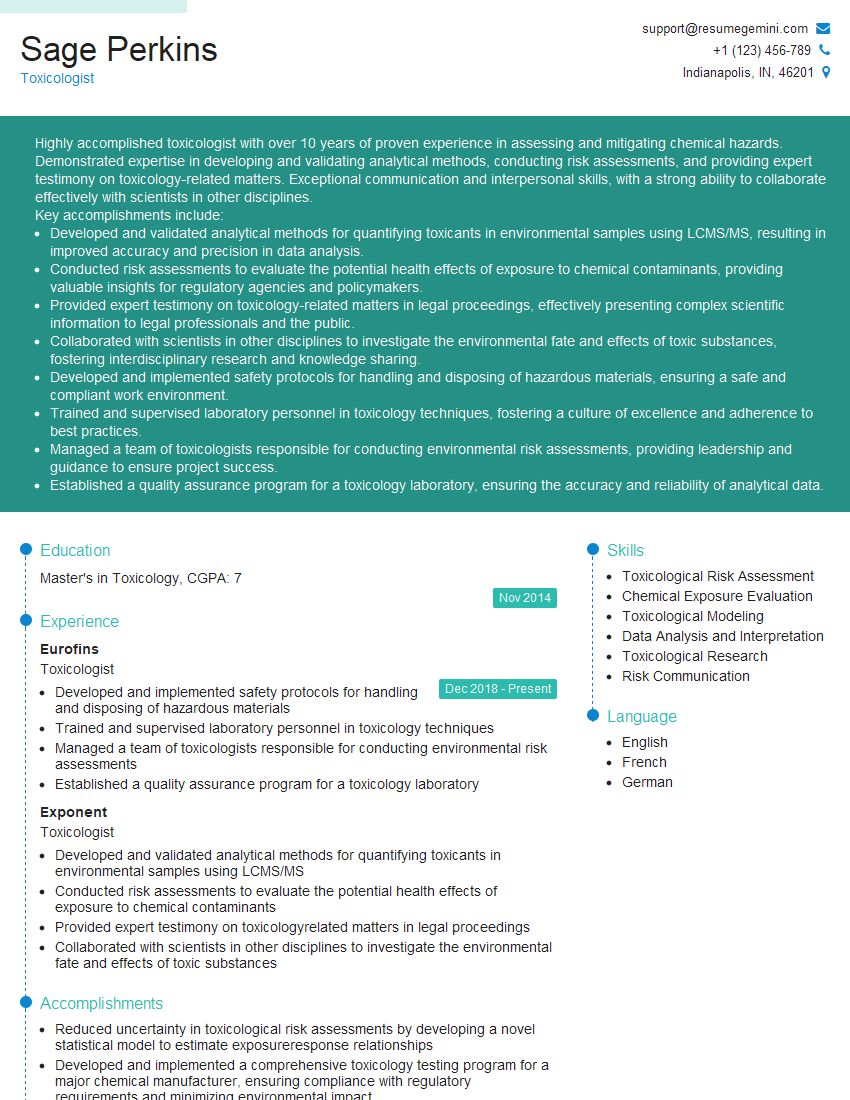
Toxicologist Resume Sample
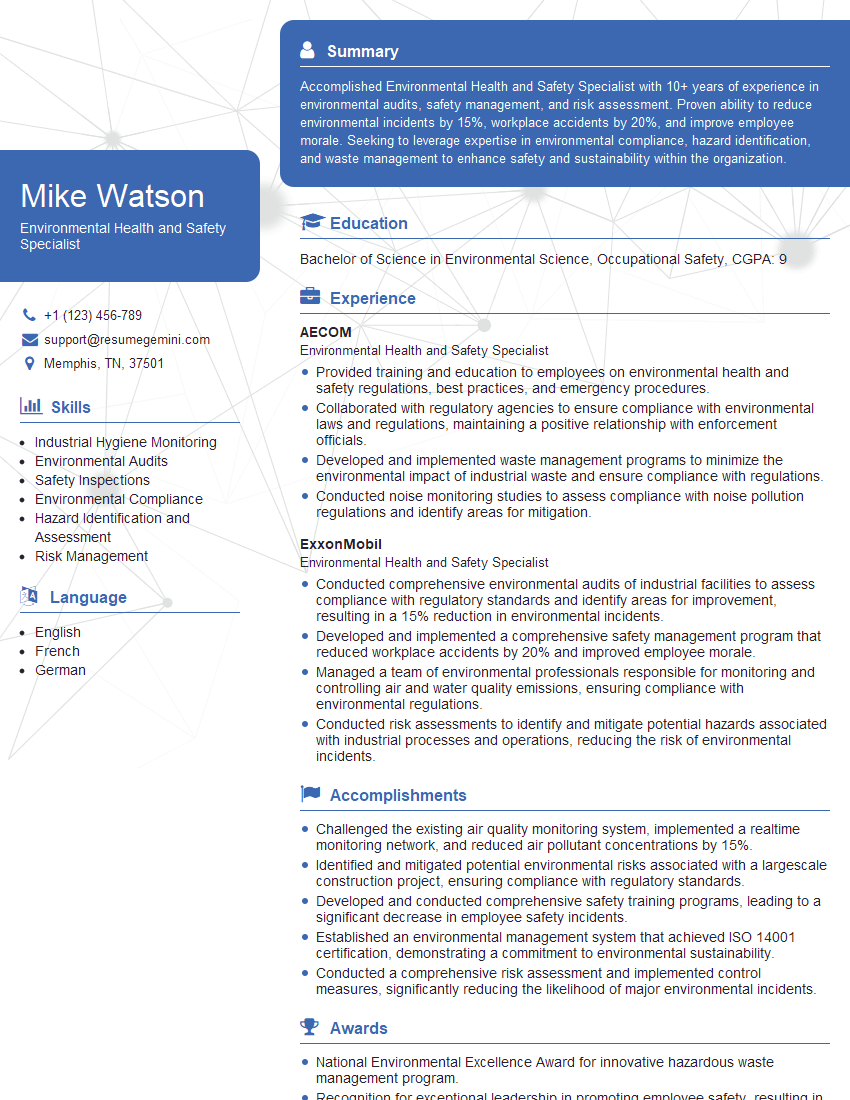
Environmental Health and Safety Specialist Resume Sample
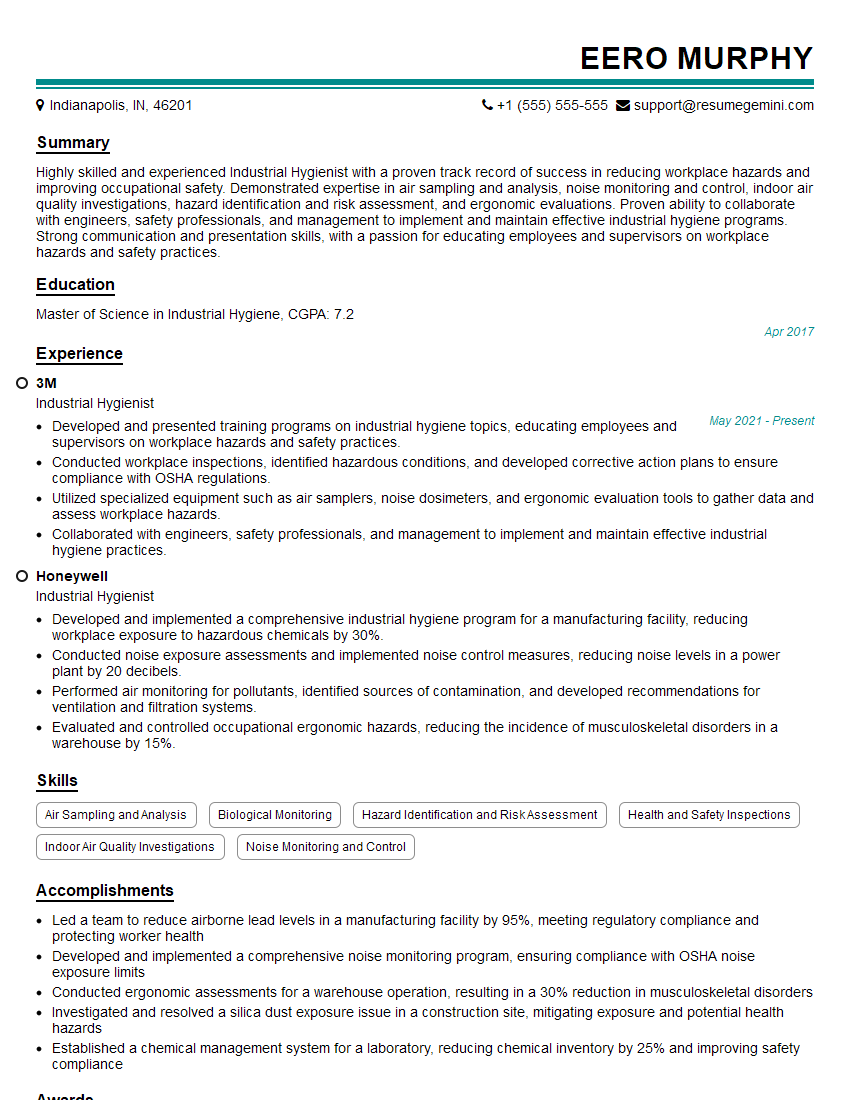
Industrial Hygienist Resume Sample
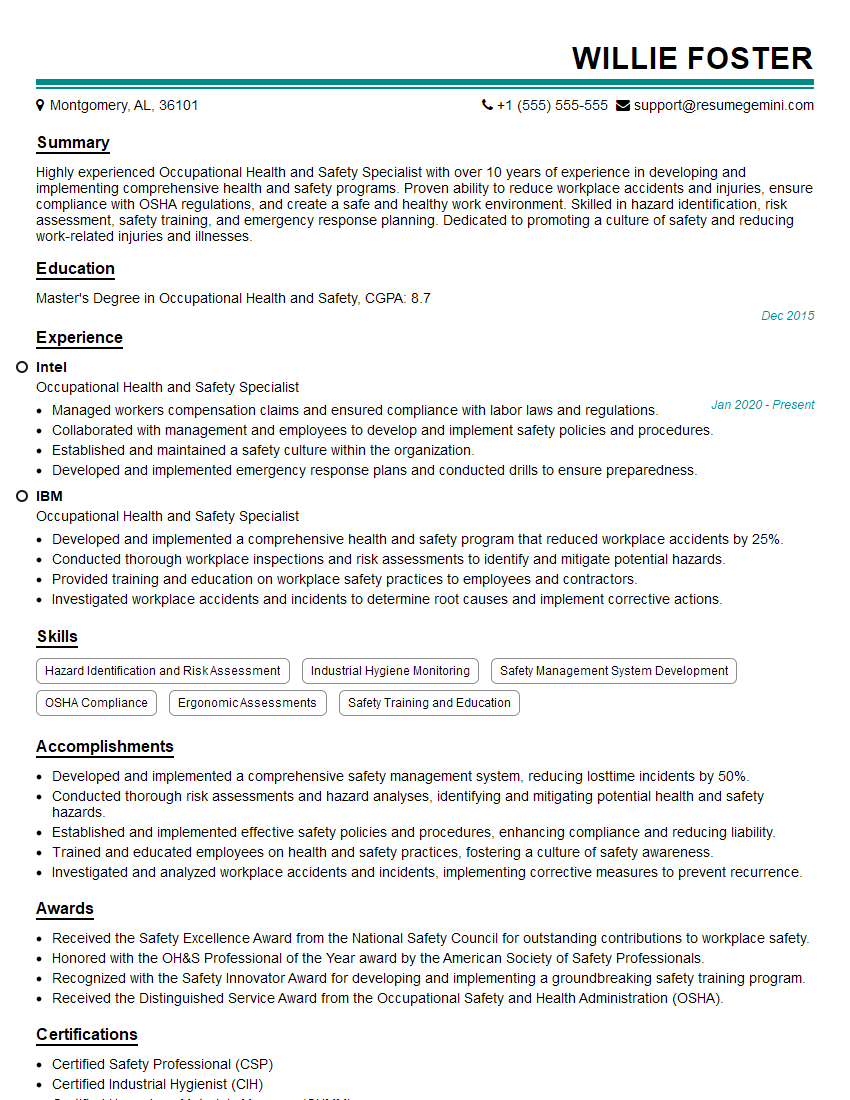
Occupational Health and Safety Specialist Resume Sample

Safety Officer Resume Sample
- Environmental Analyst
- Sustainability Manager
- Water Quality Specialist
- Environmental Remediation Specialist
- Environmental Compliance Officer
- Environmental Scientist
- Waste Management Specialist
- Environmental Consultant
- Environmental Engineer
- Toxicologist
- Environmental Health and Safety Specialist
- Industrial Hygienist
- Occupational Health and Safety Specialist
- Safety Officer
Explore more articles
Users Rating of Our Blogs
Share Your Experience
We value your feedback! Please rate our content and share your thoughts (optional).
What Readers Say About Our Blog
good