Every successful interview starts with knowing what to expect. In this blog, we’ll take you through the top EnvironmentalAwareness interview questions, breaking them down with expert tips to help you deliver impactful answers. Step into your next interview fully prepared and ready to succeed.
Questions Asked in EnvironmentalAwareness Interview
Q 1. Describe your understanding of the greenhouse effect and its impact on the environment.
The greenhouse effect is a natural process that warms the Earth’s surface. When the Sun’s energy reaches the Earth’s atmosphere, some of it is reflected back to space and the rest is absorbed and re-radiated by greenhouse gases. These gases, such as carbon dioxide, methane, and nitrous oxide, trap heat in the atmosphere, similar to how the glass roof of a greenhouse traps heat inside. This trapped heat keeps the Earth warm enough to support life. However, human activities, particularly the burning of fossil fuels and deforestation, have significantly increased the concentration of greenhouse gases in the atmosphere, leading to an enhanced greenhouse effect and global warming. This results in a range of environmental impacts including rising sea levels, more frequent and intense heatwaves, changes in precipitation patterns, ocean acidification, and disruptions to ecosystems.
Imagine Earth without the greenhouse effect – it would be incredibly cold, far too cold to support the life we know. The problem is that we’ve amplified this naturally beneficial process to a degree that is damaging our planet.
Q 2. Explain the concept of carbon footprint and methods for its reduction.
A carbon footprint represents the total amount of greenhouse gases generated by our actions, encompassing everything from energy consumption to transportation and food production. It’s a measure of our environmental impact. Reducing your carbon footprint requires a multifaceted approach.
- Reduce Energy Consumption: Switch to energy-efficient appliances, use public transport or cycle, insulate your home properly, and reduce reliance on air conditioning and heating.
- Sustainable Transportation: Opt for walking, cycling, public transport, or carpooling. Consider electric or hybrid vehicles.
- Sustainable Diet: Reduce meat consumption, especially red meat, as livestock farming is a significant source of greenhouse gas emissions. Choose locally sourced produce to reduce transportation emissions.
- Reduce, Reuse, Recycle: Minimize waste by reducing consumption, reusing items, and recycling materials. This conserves resources and reduces landfill emissions.
- Offsetting: Investing in carbon offsetting projects, such as reforestation initiatives, can help neutralize some of your carbon emissions. However, this should be considered a supplementary measure, not a replacement for reducing emissions at the source.
For example, choosing a vegetarian meal instead of a beef burger significantly reduces your carbon footprint because beef production is particularly emissions-intensive.
Q 3. What are the main sources of air, water, and soil pollution?
Air, water, and soil pollution stem from a variety of sources, often interconnected.
- Air Pollution: Major sources include industrial emissions (factories, power plants), vehicle exhaust, burning fossil fuels, and agricultural activities (fertilizers, pesticides).
- Water Pollution: Sources include industrial discharge (chemicals, heavy metals), agricultural runoff (fertilizers, pesticides), sewage, plastic waste, and oil spills.
- Soil Pollution: This arises from industrial waste, agricultural chemicals (pesticides, herbicides), improper disposal of hazardous materials, and mining activities.
Consider a factory releasing untreated wastewater into a river. This contaminates the water, harming aquatic life, and eventually impacts soil quality if the water is used for irrigation. The factory’s emissions also contribute to air pollution.
Q 4. Discuss the importance of biodiversity and its conservation.
Biodiversity, the variety of life on Earth at all its levels, from genes to ecosystems, is crucial for maintaining the planet’s health and providing essential ecosystem services. Its conservation is vital for several reasons:
- Ecosystem Stability: Biodiversity ensures resilience against environmental changes and disturbances. A diverse ecosystem is better equipped to withstand shocks like droughts or disease outbreaks.
- Food Security: A wide range of plant and animal species provides us with food, medicines, and other resources.
- Economic Benefits: Biodiversity underpins many industries, such as tourism, agriculture, and pharmaceuticals.
- Climate Regulation: Healthy ecosystems play a critical role in carbon sequestration and climate change mitigation.
The decline in bee populations, for example, directly threatens agricultural production as bees are essential for pollination. Conserving biodiversity involves protecting habitats, reducing pollution, promoting sustainable agriculture, and combating climate change.
Q 5. What are the principles of sustainable development?
Sustainable development aims to meet the needs of the present without compromising the ability of future generations to meet their own needs. It rests on three interconnected pillars:
- Environmental Protection: Conserving natural resources, reducing pollution, and mitigating climate change are crucial. This includes responsible resource management and waste reduction.
- Economic Growth: Sustainable development requires economic systems that are efficient, equitable, and environmentally responsible. This involves promoting green technologies and creating green jobs.
- Social Equity: It ensures fairness and inclusivity, guaranteeing everyone has access to basic necessities and opportunities. This involves addressing poverty and inequality, ensuring access to education and healthcare.
Imagine a city developing its public transportation system while also investing in renewable energy sources – it’s addressing both economic growth (job creation) and environmental protection (reduced emissions) simultaneously.
Q 6. Explain the concept of Life Cycle Assessment (LCA).
Life Cycle Assessment (LCA) is a comprehensive methodology used to evaluate the environmental impacts of a product or service throughout its entire life cycle, from raw material extraction to disposal. It considers various stages including resource extraction, manufacturing, transportation, use, and end-of-life management.
An LCA helps identify hotspots of environmental impact within a product’s lifecycle. For example, if a company finds that the transportation of a product accounts for a significant proportion of its carbon footprint, it can explore ways to optimize logistics, use more sustainable transportation methods, or redesign the product to reduce its weight and shipping volume.
Q 7. Describe different renewable energy sources and their advantages/disadvantages.
Renewable energy sources are naturally replenished and sustainable, unlike fossil fuels. Some key examples include:
- Solar Energy: Uses photovoltaic cells or concentrated solar power to convert sunlight into electricity. Advantages: Abundant, clean, widely available. Disadvantages: Intermittency (dependent on sunlight), land use requirements, manufacturing impacts.
- Wind Energy: Harnesses wind power using wind turbines to generate electricity. Advantages: Clean, widely available (in windy areas). Disadvantages: Intermittency (dependent on wind), visual impact, noise pollution.
- Hydropower: Utilizes the energy of flowing water to generate electricity. Advantages: Reliable, efficient. Disadvantages: Environmental impacts on rivers and ecosystems, displacement of communities.
- Geothermal Energy: Exploits heat from the Earth’s interior to generate electricity or provide heating. Advantages: Reliable, consistent energy source. Disadvantages: Geographical limitations, potential for induced seismicity.
- Biomass Energy: Uses organic matter (plants, wood, agricultural residues) to produce energy through combustion or anaerobic digestion. Advantages: Carbon-neutral (in theory), uses waste materials. Disadvantages: Can lead to deforestation if not managed sustainably, air pollution from combustion.
The choice of renewable energy source depends on geographical factors, technological feasibility, and economic considerations.
Q 8. What are the challenges in implementing environmental regulations?
Implementing environmental regulations presents numerous challenges, often stemming from a complex interplay of economic, political, and social factors. One major hurdle is the cost of compliance. Meeting stringent environmental standards can be expensive for businesses, particularly smaller ones, leading to resistance and potentially hindering economic growth. This is especially true for industries with historically high environmental impacts, like manufacturing or energy production.
Another challenge is the lack of enforcement or inconsistent enforcement of existing regulations. This can arise from insufficient resources dedicated to monitoring and penalties that are not substantial enough to deter non-compliance. Corruption can also play a significant role, undermining efforts to ensure adherence.
Further complicating matters is the difficulty in balancing environmental protection with economic development. Strict regulations can stifle economic growth if not implemented carefully, potentially leading to job losses or reduced competitiveness. Finding the right balance requires careful planning, stakeholder engagement, and innovative solutions that promote both environmental sustainability and economic prosperity.
Finally, the complexity of environmental systems themselves makes regulation challenging. Predicting the long-term effects of pollution or other environmental impacts can be difficult, leading to uncertainty in setting effective regulations. This highlights the need for adaptive management strategies that allow for adjustments based on new scientific evidence and monitoring data.
Q 9. How can businesses integrate sustainability into their operations?
Integrating sustainability into business operations is no longer a niche pursuit but a critical component of long-term success. It involves a holistic approach, embedding environmental considerations into every aspect of the business, from supply chain management to product design and waste disposal.
One key strategy is to conduct a thorough materiality assessment, identifying the environmental aspects most relevant to the business and its stakeholders. This process helps prioritize areas for improvement and target resources effectively.
Green procurement plays a crucial role. Businesses can source materials from sustainable suppliers, prioritizing recycled content and minimizing the environmental footprint of their inputs. This requires collaboration with suppliers and potentially investing in supply chain transparency.
Developing eco-friendly products and services is vital. This can involve designing products with a longer lifespan, using recycled materials, minimizing packaging, and ensuring products are easily recyclable or compostable. Life cycle assessments (LCAs) can help evaluate the environmental impact of a product throughout its entire lifecycle, from raw material extraction to disposal.
Finally, reducing energy consumption and emissions is essential. This can involve investing in energy-efficient technologies, improving operational efficiency, and transitioning to renewable energy sources. Carbon offsetting programs can also play a role in mitigating unavoidable emissions.
Consider a company like Patagonia, known for its commitment to sustainable practices. They utilize recycled materials, support fair labor practices, and actively advocate for environmental protection, enhancing their brand reputation and appealing to environmentally conscious consumers.
Q 10. What are your strategies for minimizing waste generation?
Minimizing waste generation requires a multi-pronged approach focusing on prevention, reduction, reuse, and recycling (the 4Rs). The most effective strategies prioritize waste prevention at the source.
Waste audits are crucial to identify waste streams and their sources. This data-driven approach helps pinpoint areas for improvement and measure the success of waste reduction initiatives.
Process optimization can significantly reduce waste generation. Improving manufacturing processes, optimizing packaging, and implementing lean manufacturing principles can all minimize waste at the source. For example, a manufacturing plant might redesign its production line to minimize material scraps.
Implementing a robust recycling and composting program is vital. This requires sorting waste streams, providing appropriate receptacles, and securing contracts with recycling and composting facilities. Employee education and awareness are crucial for program success.
Reuse initiatives, such as reusing packaging materials or repurposing scrap materials, can also drastically reduce waste. Creative solutions can transform what was once considered waste into valuable resources.
Finally, regular monitoring and reporting are essential to track progress, identify challenges, and ensure continuous improvement. A successful waste minimization program requires consistent effort and adaptation based on ongoing assessment.
Q 11. Discuss your experience with environmental impact assessments.
My experience with environmental impact assessments (EIAs) spans several years and various projects. EIAs are crucial for evaluating the potential environmental consequences of proposed projects, ensuring that development is sustainable and environmentally sound.
I’ve been involved in EIAs for infrastructure projects (roads, pipelines), industrial developments, and renewable energy projects. My role typically involves leading multidisciplinary teams, coordinating with stakeholders, and conducting comprehensive assessments, including baseline studies, impact prediction modeling, and mitigation planning.
A key aspect of my work is ensuring that EIAs comply with all relevant regulations and guidelines. This often involves navigating complex regulatory frameworks and communicating effectively with regulatory agencies. For example, I’ve worked extensively on projects requiring compliance with the National Environmental Policy Act (NEPA) in the United States.
I am proficient in using various software and modeling tools for predicting and assessing environmental impacts. This includes GIS mapping for spatial analysis, water quality modeling, and air dispersion modeling. I also possess considerable experience in stakeholder engagement, facilitating workshops, and incorporating public input into EIA reports.
A recent project involved an EIA for a wind farm development. We conducted detailed assessments of avian impacts, noise pollution, and landscape visual impacts. Based on our findings, we developed a comprehensive mitigation plan that included bird deterrent measures, noise barriers, and careful site selection to minimize negative environmental consequences.
Q 12. Explain the importance of environmental monitoring and auditing.
Environmental monitoring and auditing are crucial for ensuring compliance with environmental regulations, tracking progress toward sustainability goals, and identifying areas for improvement. Monitoring involves the systematic collection of data on environmental parameters, while auditing provides an independent assessment of environmental performance.
Environmental monitoring provides real-time data on key indicators such as air and water quality, noise levels, and waste generation. This data is essential for identifying potential environmental problems early and taking corrective actions. For example, continuous monitoring of air quality around a factory can help detect emissions exceeding regulatory limits.
Environmental audits provide a more comprehensive evaluation of an organization’s environmental performance against established standards or regulatory requirements. Audits assess all aspects of environmental management, including waste management, pollution control, and compliance with permits. They typically involve a review of documentation, on-site inspections, and interviews with personnel. The findings of an audit identify areas of strength and weakness and help guide improvements in environmental management practices.
The combined use of monitoring and auditing forms a cyclical process of continuous improvement. Monitoring data informs the audit process, while audit findings guide improvements in environmental management, leading to further refinement of monitoring programs. This iterative approach ensures that organizations are constantly striving to minimize their environmental impact and enhance their environmental performance.
Q 13. Describe your familiarity with ISO 14001 or other environmental management systems.
I am very familiar with ISO 14001, the internationally recognized standard for environmental management systems (EMS). ISO 14001 provides a framework for organizations to establish, implement, maintain, and improve their environmental performance. It’s a structured approach that promotes continuous improvement and helps organizations achieve compliance with environmental regulations.
My experience includes assisting organizations in implementing ISO 14001, conducting internal audits, and preparing for external certification audits. I understand the key elements of the standard, including environmental policy, environmental aspects and impacts, legal and other requirements, environmental objectives and targets, and operational control.
Beyond ISO 14001, I’m also familiar with other environmental management systems and standards, such as EMAS (Eco-Management and Audit Scheme) in Europe. My understanding extends to the principles of life cycle assessment (LCA), carbon footprinting, and other sustainability assessment methodologies.
The benefits of implementing ISO 14001 or similar EMS include improved environmental performance, reduced environmental risks, cost savings through waste reduction and energy efficiency, enhanced stakeholder engagement, and improved reputation. It provides a structured approach to managing environmental responsibilities, making it valuable for organizations of all sizes and across various sectors.
Q 14. How would you address a potential environmental risk or hazard?
Addressing a potential environmental risk or hazard requires a prompt and systematic approach. The first step involves rapid assessment of the situation to determine the nature, severity, and extent of the risk. This may involve conducting on-site inspections, analyzing monitoring data, and consulting with experts.
Next, a containment and control strategy needs to be developed and implemented. This might involve isolating the source of the hazard, preventing further spread, and mitigating immediate impacts. For example, a chemical spill might require immediate containment using absorbent materials to prevent further contamination of soil or water.
Simultaneously, emergency response procedures should be activated, notifying relevant authorities and stakeholders. This may involve contacting emergency services, regulatory agencies, and potentially the public if there is a risk to human health or the environment.
Once the immediate threat is mitigated, a thorough investigation is needed to determine the root cause of the incident and identify contributing factors. This involves analyzing data, interviewing personnel, and reviewing procedures. This information is crucial for developing effective preventative measures.
Finally, corrective actions must be implemented to prevent similar incidents from happening in the future. This might involve upgrading equipment, improving operational procedures, providing additional training to personnel, or implementing more robust monitoring systems. A detailed report documenting the incident, investigation findings, and corrective actions should be prepared and shared with relevant stakeholders.
Q 15. What is your approach to communicating environmental information to different audiences?
Communicating environmental information effectively requires tailoring the message to the specific audience. My approach involves understanding the audience’s background, knowledge level, and interests. For instance, communicating with children requires a different approach than communicating with policymakers or industry professionals.
- Children: I use storytelling, interactive games, and age-appropriate visuals to engage them and make learning fun. For example, I might use puppets to illustrate the importance of recycling.
- Policymakers: I emphasize the economic and social implications of environmental issues, providing data-driven reports and policy recommendations. I would focus on cost-benefit analyses and the long-term economic viability of sustainable solutions.
- Industry Professionals: I utilize technical reports, case studies, and cost-effective solutions to show how environmental sustainability can improve their bottom line and comply with regulations. I would demonstrate the potential for innovation and market advantages through sustainable practices.
- General Public: I employ a balanced approach combining compelling visuals, easily digestible information, and real-world examples to raise awareness and encourage behavioral change. I’d focus on the immediate impact of environmental issues on their lives and communities.
Ultimately, clear, concise messaging, combined with empathy and the ability to answer questions effectively, is key to successful communication across diverse audiences.
Career Expert Tips:
- Ace those interviews! Prepare effectively by reviewing the Top 50 Most Common Interview Questions on ResumeGemini.
- Navigate your job search with confidence! Explore a wide range of Career Tips on ResumeGemini. Learn about common challenges and recommendations to overcome them.
- Craft the perfect resume! Master the Art of Resume Writing with ResumeGemini’s guide. Showcase your unique qualifications and achievements effectively.
- Don’t miss out on holiday savings! Build your dream resume with ResumeGemini’s ATS optimized templates.
Q 16. Explain your understanding of circular economy principles.
The circular economy is a model of production and consumption that aims to minimize waste and maximize resource utilization. Instead of a linear ‘take-make-dispose’ model, it embraces a cyclical approach where materials are kept in use for as long as possible, extracting maximum value before finally being recovered and regenerated.
Key principles include:
- Design out waste and pollution: Products are designed from the outset to minimize their environmental impact and to be easily disassembled and recycled.
- Keep products and materials in use: Extending the lifespan of products through repair, reuse, and refurbishment.
- Regenerate natural systems: Using renewable energy sources and promoting practices that restore and enhance natural ecosystems.
Example: Consider the clothing industry. A circular economy approach would involve using sustainable materials, designing clothes for durability and repairability, creating systems for collecting and recycling used clothing, and potentially using recycled fibers to create new garments. This reduces reliance on virgin materials and minimizes textile waste in landfills.
Q 17. How do you stay updated on current environmental issues and regulations?
Staying updated on environmental issues and regulations requires a multi-pronged approach. I regularly consult a variety of resources, including:
- Peer-reviewed scientific journals: These provide the latest research findings and insights into emerging environmental challenges.
- Government agencies and regulatory bodies (e.g., EPA): These websites offer up-to-date information on regulations, policies, and enforcement actions.
- Industry publications and reports: These provide information on industry best practices and emerging technologies.
- Environmental news outlets and organizations (e.g., The Nature Conservancy, WWF): These sources offer analysis and commentary on current environmental events and trends.
- Conferences and workshops: Attending these events allows me to network with other professionals and learn about cutting-edge research and innovations.
By combining these resources, I maintain a comprehensive understanding of the evolving landscape of environmental issues and regulations.
Q 18. What are your experiences with environmental remediation projects?
I have extensive experience in environmental remediation projects, ranging from small-scale soil contamination cleanups to large-scale industrial site remediation. My involvement has included all phases of a project, from initial site assessment and risk assessment to remediation design, implementation, and monitoring.
For example, I was involved in a project to remediate a former industrial site contaminated with heavy metals. My role involved conducting a thorough site investigation to characterize the extent and nature of the contamination, developing a remediation plan, overseeing the implementation of the plan, and monitoring the effectiveness of the remediation efforts. This involved utilizing various techniques, including soil excavation and off-site disposal, phytoremediation (using plants to remove contaminants), and bioremediation (using microorganisms to break down contaminants). The project was completed successfully, resulting in the safe redevelopment of the site.
Another significant project involved the cleanup of an oil spill in a sensitive wetland area. This demanded a highly sensitive approach, integrating ecological considerations into the remediation strategy to minimize harm to the delicate ecosystem.
Q 19. Describe your skills in data analysis related to environmental data.
My data analysis skills are crucial for environmental work. I am proficient in using statistical software packages such as R and Python to analyze environmental data. This includes:
- Statistical analysis: Performing statistical tests to determine significant trends and relationships in environmental data (e.g., analyzing air quality data to identify pollution sources).
- Spatial analysis: Using Geographic Information Systems (GIS) software to visualize and analyze spatial patterns of environmental data (e.g., mapping pollution levels across a region).
- Data modeling: Developing and applying statistical models to predict future environmental conditions (e.g., forecasting water quality based on historical data).
- Data visualization: Creating clear and informative visualizations to communicate findings effectively to diverse audiences (e.g., creating graphs and maps to illustrate pollution trends).
For example, I recently used R to analyze water quality data from a river system, identifying significant correlations between industrial discharge and water pollution levels. This analysis helped inform the development of stricter regulations for industrial wastewater discharges.
Q 20. How familiar are you with environmental legislation relevant to your field?
I have a strong understanding of environmental legislation relevant to my field, including the Clean Water Act, the Clean Air Act, the Resource Conservation and Recovery Act (RCRA), and the Comprehensive Environmental Response, Compensation, and Liability Act (CERCLA), also known as Superfund. My knowledge extends to both federal and state-level regulations. I regularly consult these regulations to ensure that my work complies with all applicable laws and standards. I also stay abreast of any amendments or new legislation that may impact my projects. Understanding these regulations is not just about compliance, but also about proactively designing projects that prevent environmental harm.
Q 21. Explain the difference between pollution prevention and pollution control.
Pollution prevention and pollution control are distinct but complementary approaches to environmental protection. Pollution prevention focuses on eliminating the creation of pollution at its source, whereas pollution control focuses on reducing or mitigating pollution after it has been generated.
- Pollution Prevention: This proactive approach involves changing processes or materials to eliminate or reduce the generation of pollutants. Examples include substituting hazardous materials with less harmful alternatives, improving industrial processes to reduce waste, and designing products for durability and recyclability.
- Pollution Control: This reactive approach involves treating or removing pollutants after they have been produced. Examples include installing pollution control devices on industrial smokestacks, treating wastewater before discharge, and cleaning up contaminated sites. While essential, control methods are generally more costly and less environmentally sound than prevention.
Think of it like this: prevention is like putting on a seatbelt before driving – avoiding an accident altogether. Control is like having an airbag – mitigating the damage after an accident occurs. While airbags are beneficial, a seatbelt is a far better preventative measure.
Q 22. What are some common environmental certifications (e.g., LEED)?
Several certifications demonstrate a commitment to environmental sustainability. LEED (Leadership in Energy and Environmental Design) is perhaps the most well-known, rating buildings based on their environmental performance across various criteria such as energy efficiency, water conservation, materials selection, and indoor environmental quality.
- LEED: Focuses on building design, construction, operations, and maintenance.
- BREEAM (Building Research Establishment Environmental Assessment Method): A similar building certification system widely used in Europe.
- Green Globes: A comprehensive green building rating system that assesses the overall sustainability of a project.
- ISO 14001: An internationally recognized standard for environmental management systems, focusing on continual improvement and compliance.
- FSC (Forest Stewardship Council): Certifies forests managed responsibly and sustainably, ensuring that wood products come from environmentally sound sources.
These certifications provide a framework for organizations to improve their environmental performance and demonstrate their commitment to sustainability to stakeholders.
Q 23. How do you handle conflicting priorities between environmental concerns and economic factors?
Balancing environmental concerns and economic factors is a critical challenge. It often requires a nuanced approach that considers the long-term implications of choices. Simply prioritizing one over the other is rarely a sustainable solution.
For example, investing in renewable energy sources might seem expensive upfront, but the long-term cost savings from reduced energy bills and avoided environmental damage can outweigh the initial investment. Similarly, implementing stricter environmental regulations might initially increase production costs, but it can also lead to innovation and the development of more efficient and environmentally friendly technologies.
My approach involves:
- Life-cycle costing: Analyzing the total cost of a project or product throughout its entire life cycle, including environmental impacts.
- Environmental impact assessment: Evaluating the potential environmental effects of a project or decision.
- Cost-benefit analysis: Weighing the financial costs against the environmental and social benefits.
- Stakeholder engagement: Involving all relevant parties – including communities, businesses, and government – in decision-making to ensure diverse perspectives are considered.
Ultimately, finding a balance often involves creative problem-solving and a commitment to finding innovative solutions that benefit both the environment and the economy.
Q 24. Describe your experience with stakeholder engagement on environmental issues.
Stakeholder engagement is crucial for effective environmental management. I have extensive experience collaborating with diverse groups, including community members, businesses, government agencies, and non-profit organizations.
In one project, we were implementing a new waste management system. We held public forums, conducted surveys, and organized workshops to understand community concerns and preferences. This collaborative approach not only ensured the system was effective but also fostered a sense of community ownership and increased its chances of success. We also utilized online platforms for broader reach and feedback collection.
Successful stakeholder engagement requires:
- Active listening: Truly understanding the concerns and perspectives of all stakeholders.
- Transparency: Openly sharing information and decision-making processes.
- Inclusivity: Ensuring all stakeholders have a voice and opportunity to participate.
- Collaboration: Working together to find solutions that meet the needs of all parties.
Q 25. Explain your understanding of climate change mitigation and adaptation strategies.
Climate change mitigation refers to actions taken to reduce or prevent greenhouse gas emissions, while adaptation involves adjusting to the effects of climate change that are already happening or are expected in the future.
Mitigation strategies include transitioning to renewable energy sources (solar, wind, hydro), improving energy efficiency, promoting sustainable transportation (electric vehicles, public transit), implementing carbon capture and storage technologies, and protecting and restoring forests.
Adaptation strategies focus on reducing vulnerability to climate change impacts. Examples include developing drought-resistant crops, building seawalls to protect coastal communities, improving water management systems, creating early warning systems for extreme weather events, and relocating vulnerable infrastructure.
A comprehensive approach requires both mitigation and adaptation. We need to reduce emissions to limit the extent of future climate change while also preparing for the changes that are already unavoidable.
Q 26. What are the key indicators for measuring environmental performance?
Measuring environmental performance requires a multifaceted approach, using a combination of quantitative and qualitative indicators.
- Greenhouse gas emissions (GHG): Measuring the total amount of GHGs produced by an organization or activity (e.g., tons of CO2 equivalent).
- Energy consumption: Tracking energy use in kilowatt-hours (kWh) or other relevant units.
- Water consumption: Monitoring water usage in liters or gallons.
- Waste generation: Measuring the amount of waste produced (e.g., tons of waste, recycling rates).
- Air and water quality: Monitoring pollutant levels in the air and water.
- Biodiversity indicators: Tracking changes in species populations, habitat loss, and ecosystem health.
- Material usage: Monitoring the types and quantities of materials used, focusing on sustainable materials.
Choosing the appropriate indicators depends on the specific context and goals of the measurement process. It’s important to establish clear baselines, track progress over time, and use data to inform decision-making and continuous improvement.
Q 27. Describe your experience with environmental risk management.
Environmental risk management involves identifying, assessing, and controlling potential environmental hazards. This includes evaluating the likelihood and severity of potential risks and developing strategies to mitigate those risks.
My experience includes conducting environmental site assessments, developing emergency response plans, managing environmental permits and licenses, and implementing environmental monitoring programs. For example, in one project, we identified the potential for soil contamination at an industrial site. We conducted thorough soil testing, developed a remediation plan, and implemented measures to prevent future contamination.
Effective environmental risk management requires a proactive approach, including:
- Risk identification: Identifying potential environmental hazards through site assessments, literature reviews, and stakeholder consultations.
- Risk assessment: Evaluating the likelihood and severity of potential risks.
- Risk mitigation: Developing and implementing strategies to reduce or eliminate risks.
- Monitoring and review: Regularly monitoring risks and reviewing the effectiveness of mitigation strategies.
Q 28. How would you measure the success of an environmental program?
Measuring the success of an environmental program depends on clearly defined goals and objectives. Key performance indicators (KPIs) should be established upfront to track progress. Success is not solely about meeting targets but also about the effectiveness and efficiency of the program’s implementation.
Examples of success metrics include:
- Reduction in greenhouse gas emissions: A percentage reduction in emissions compared to a baseline.
- Improved energy efficiency: A decrease in energy consumption per unit of production.
- Increased recycling rates: A higher percentage of waste recycled.
- Improved air or water quality: Lower levels of pollutants.
- Enhanced biodiversity: Increases in species populations or habitat restoration.
- Stakeholder satisfaction: Positive feedback from communities and other stakeholders.
- Cost savings: Reductions in environmental management costs.
Regular monitoring, evaluation, and reporting are essential to ensure that the program is effective and achieving its intended outcomes. Adapting strategies based on data and feedback is key to long-term success.
Key Topics to Learn for Environmental Awareness Interview
- Sustainability Principles: Understanding core concepts like the triple bottom line (environmental, social, and economic), circular economy, and sustainable development goals (SDGs).
- Environmental Impact Assessment (EIA): Knowing the process of conducting EIAs, including identifying potential impacts, mitigation strategies, and regulatory compliance.
- Climate Change Mitigation and Adaptation: Familiarity with greenhouse gas emissions, carbon footprint analysis, renewable energy sources, and strategies for adapting to climate change impacts.
- Pollution Control and Remediation: Understanding different types of pollution (air, water, soil), their sources, and methods for prevention and cleanup.
- Waste Management and Recycling: Knowledge of waste reduction strategies, recycling processes, and the principles of a circular economy in waste management.
- Environmental Regulations and Policy: Awareness of relevant environmental laws, regulations, and international agreements, and their practical application.
- Environmental Monitoring and Data Analysis: Understanding techniques for collecting and analyzing environmental data, interpreting results, and using data-driven decision-making.
- Environmental Risk Assessment and Management: Ability to identify, assess, and manage environmental risks, including hazard identification, risk characterization, and risk mitigation strategies.
- Conservation Biology and Biodiversity: Understanding biodiversity loss, habitat conservation, and the role of protected areas in preserving biodiversity.
- Sustainable Resource Management: Knowledge of sustainable practices in managing natural resources like water, forests, and fisheries.
Next Steps
Mastering Environmental Awareness is crucial for career advancement in a rapidly evolving field. A strong understanding of these concepts will significantly enhance your interview performance and demonstrate your commitment to sustainability. To maximize your job prospects, creating an ATS-friendly resume is essential. ResumeGemini is a trusted resource that can help you build a professional and impactful resume, showcasing your skills and experience effectively. Examples of resumes tailored to Environmental Awareness roles are available to guide you. Invest time in crafting a compelling resume – it’s your first impression!
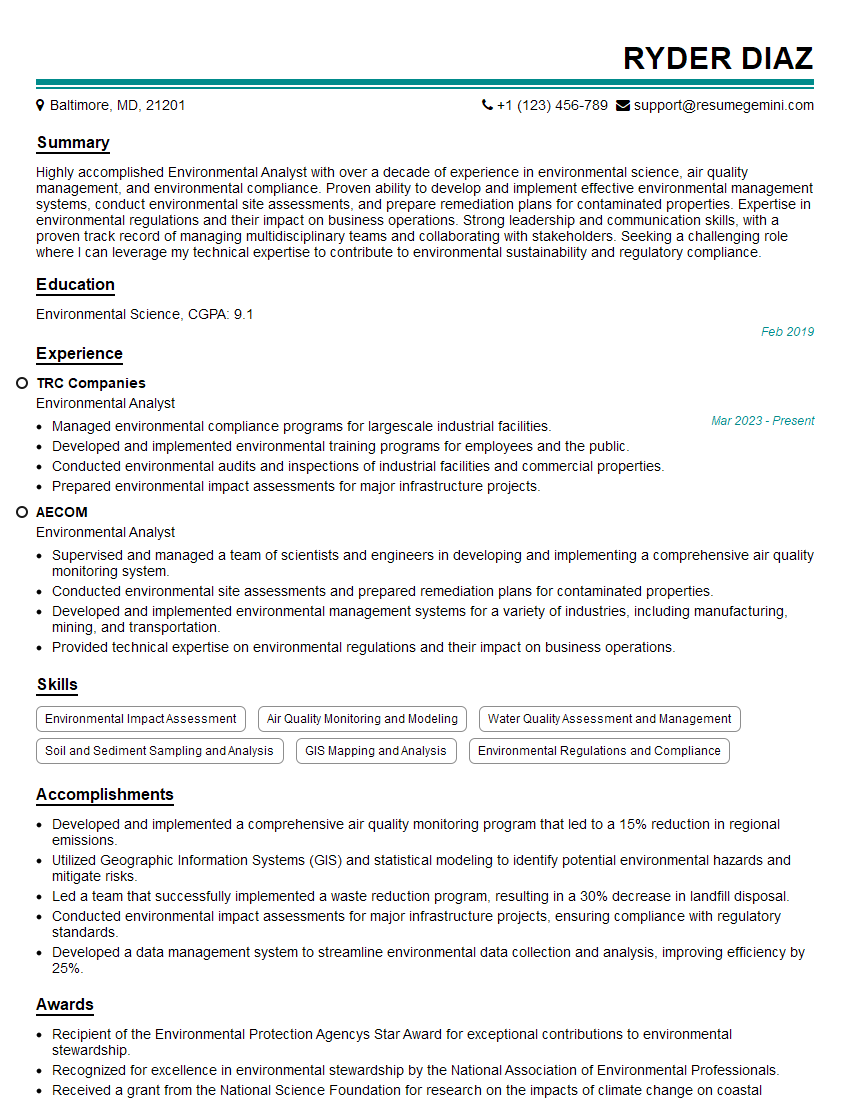
Environmental Analyst Resume Sample
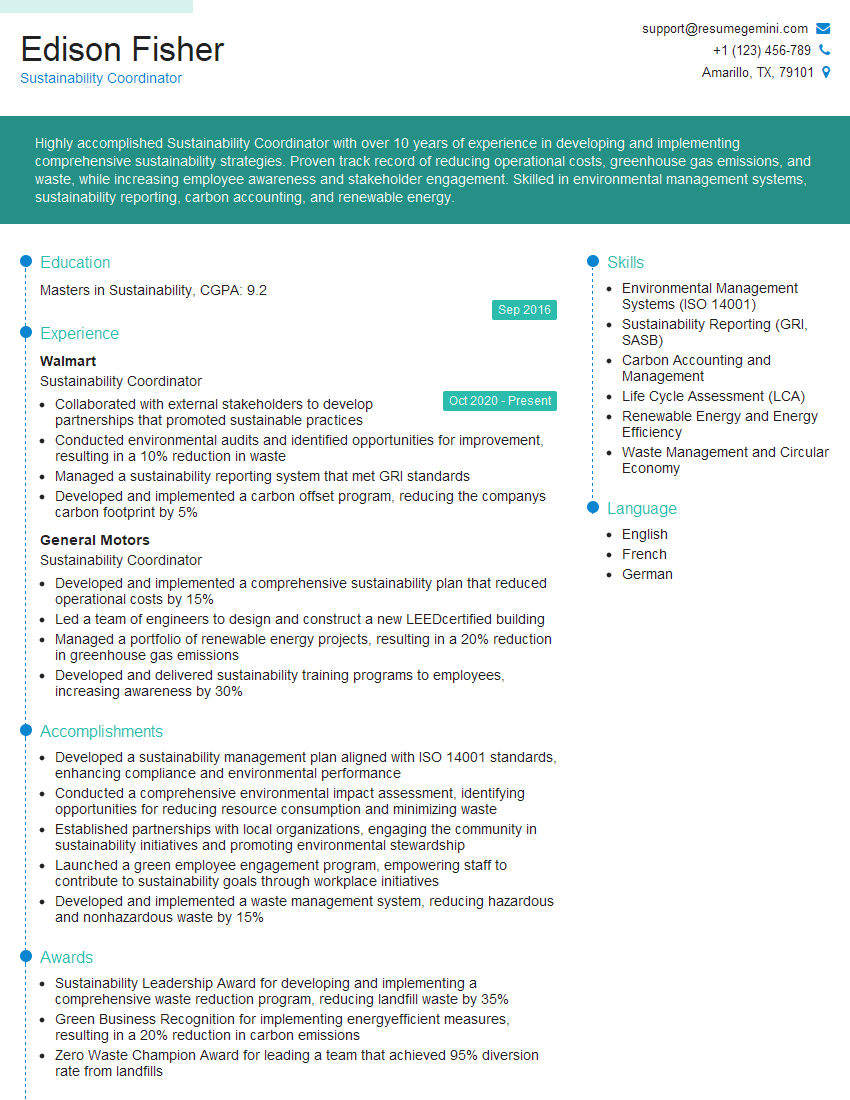
Sustainability Coordinator Resume Sample
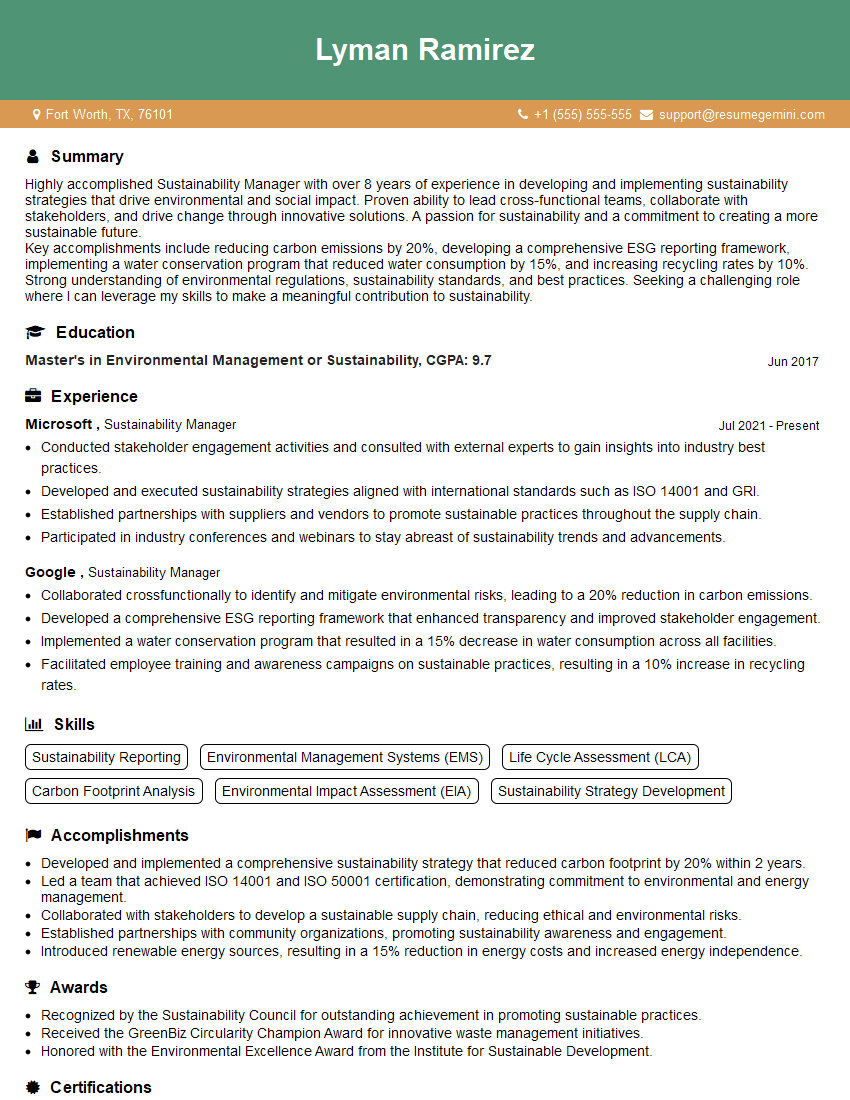
Sustainability Manager Resume Sample
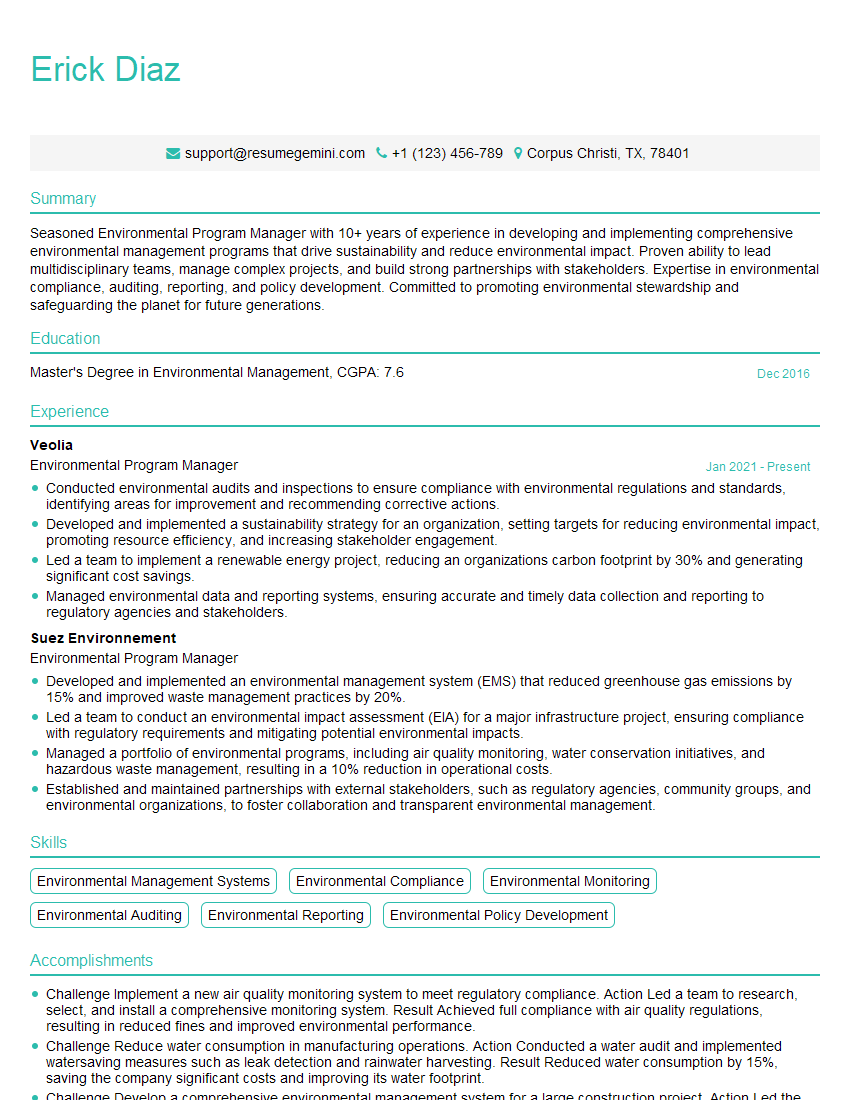
Environmental Program Manager Resume Sample
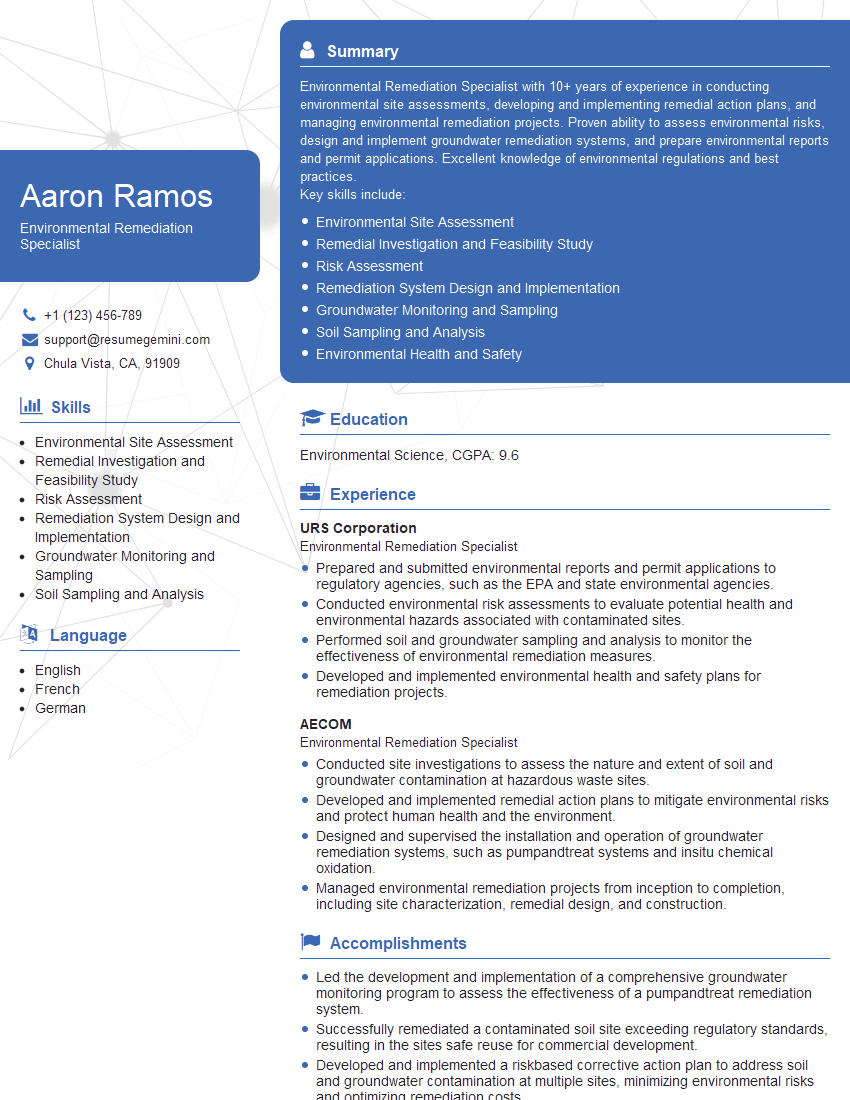
Environmental Remediation Specialist Resume Sample
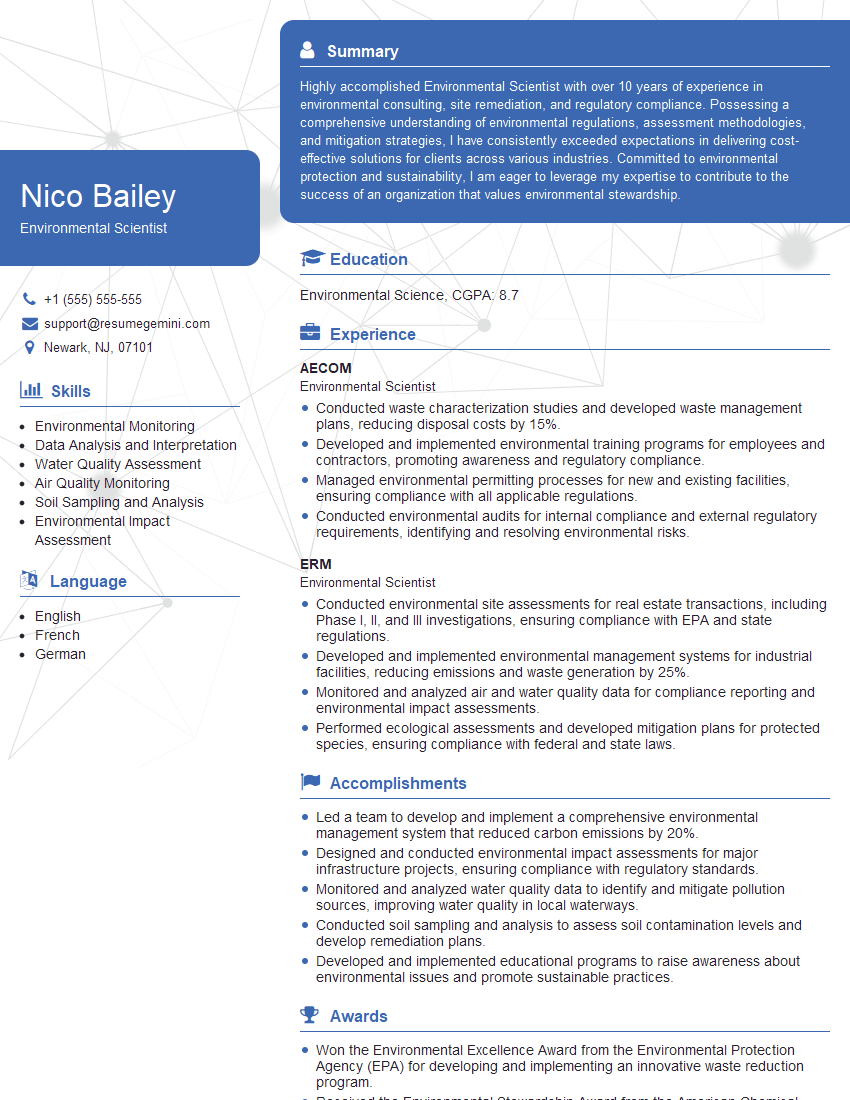
Environmental Scientist Resume Sample
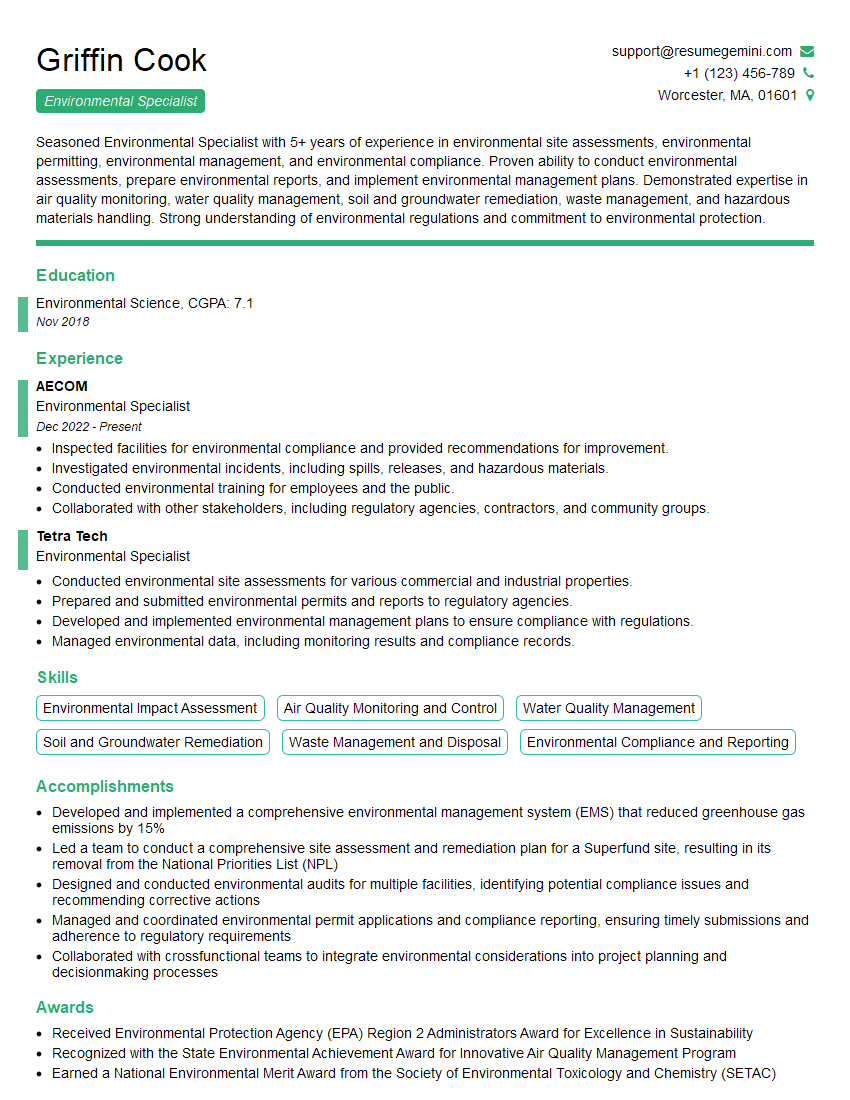
Environmental Specialist Resume Sample
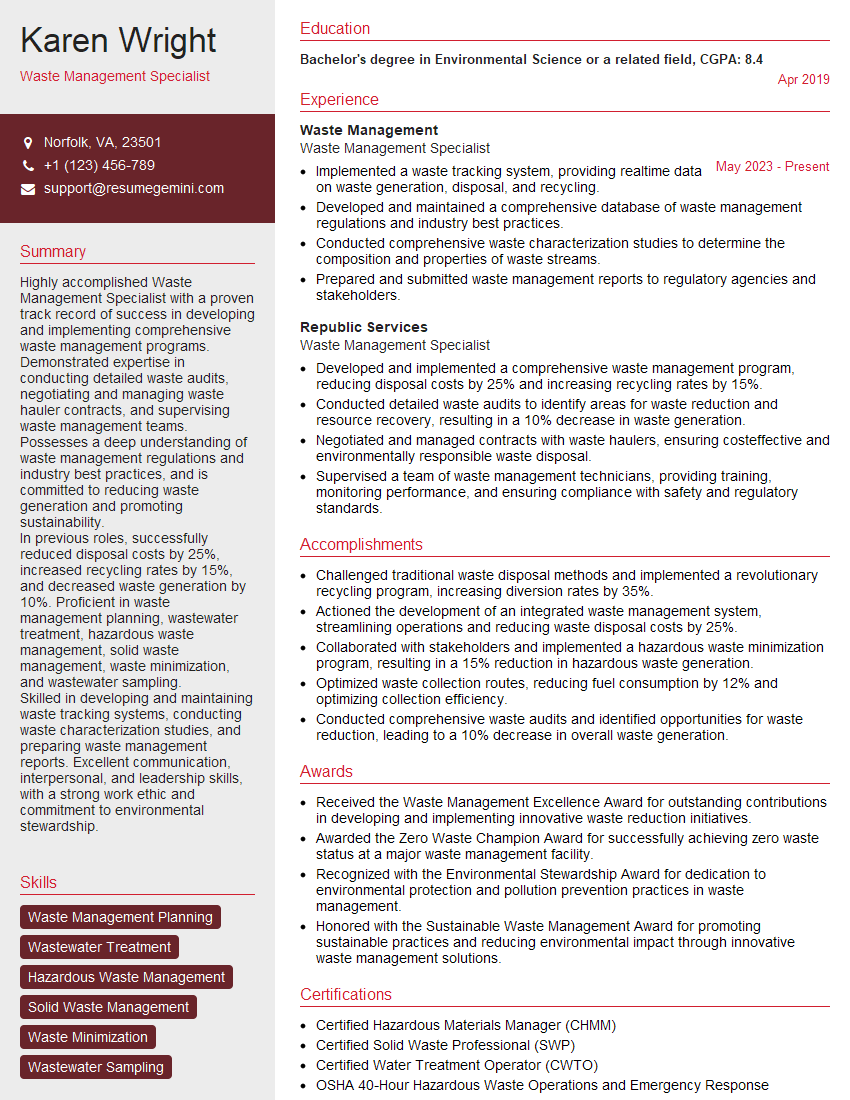
Waste Management Specialist Resume Sample
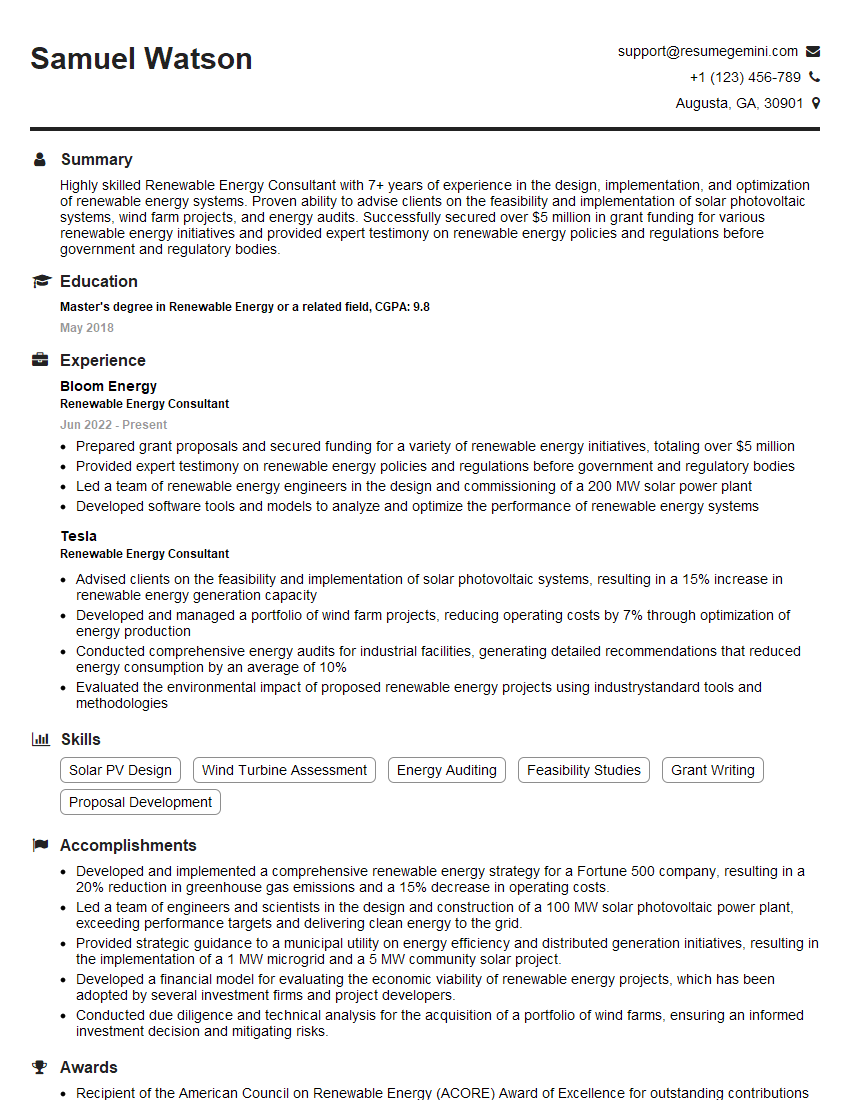
Renewable Energy Consultant Resume Sample

Sustainability Consultant Resume Sample
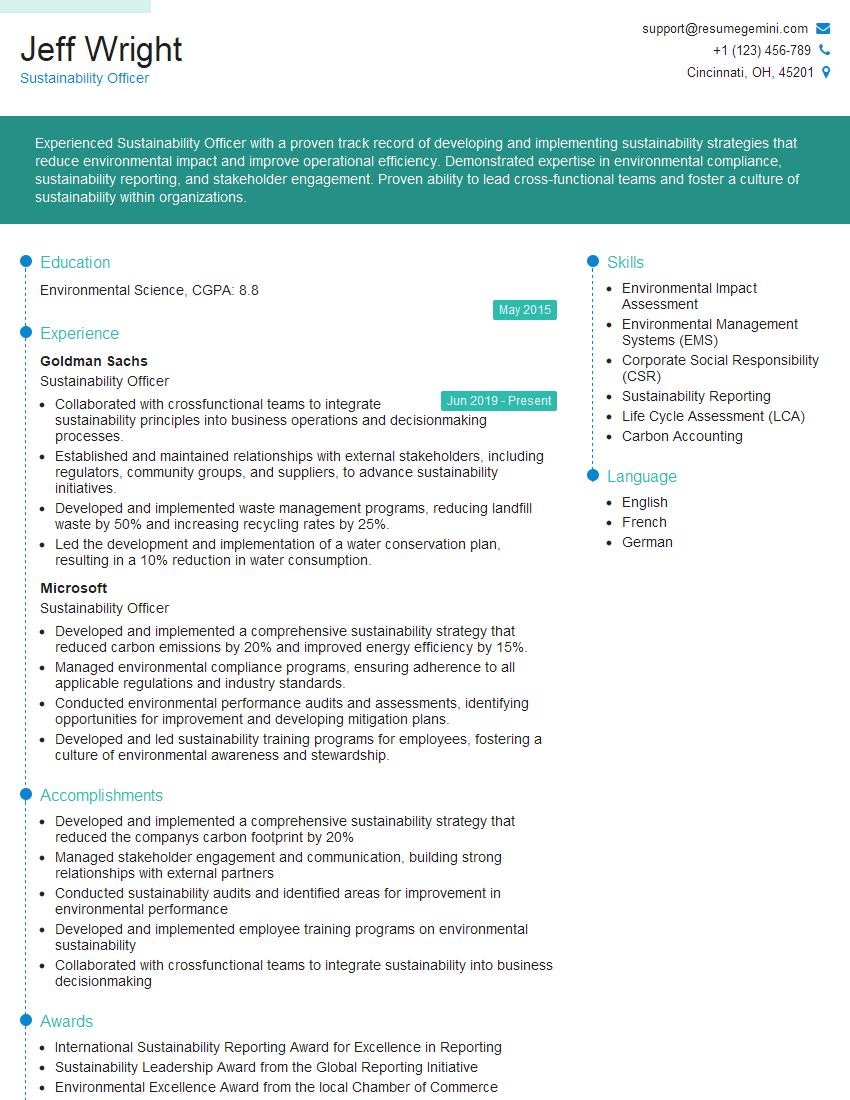
Sustainability Officer Resume Sample
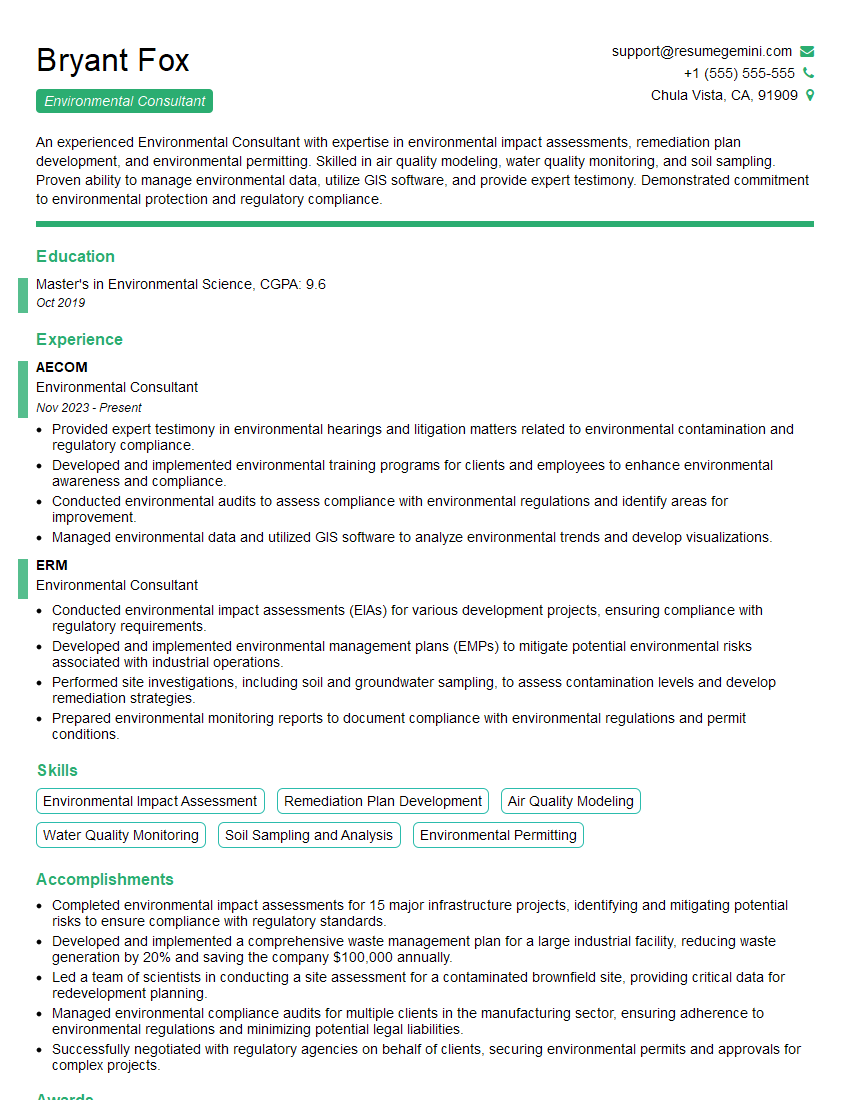
Environmental Consultant Resume Sample
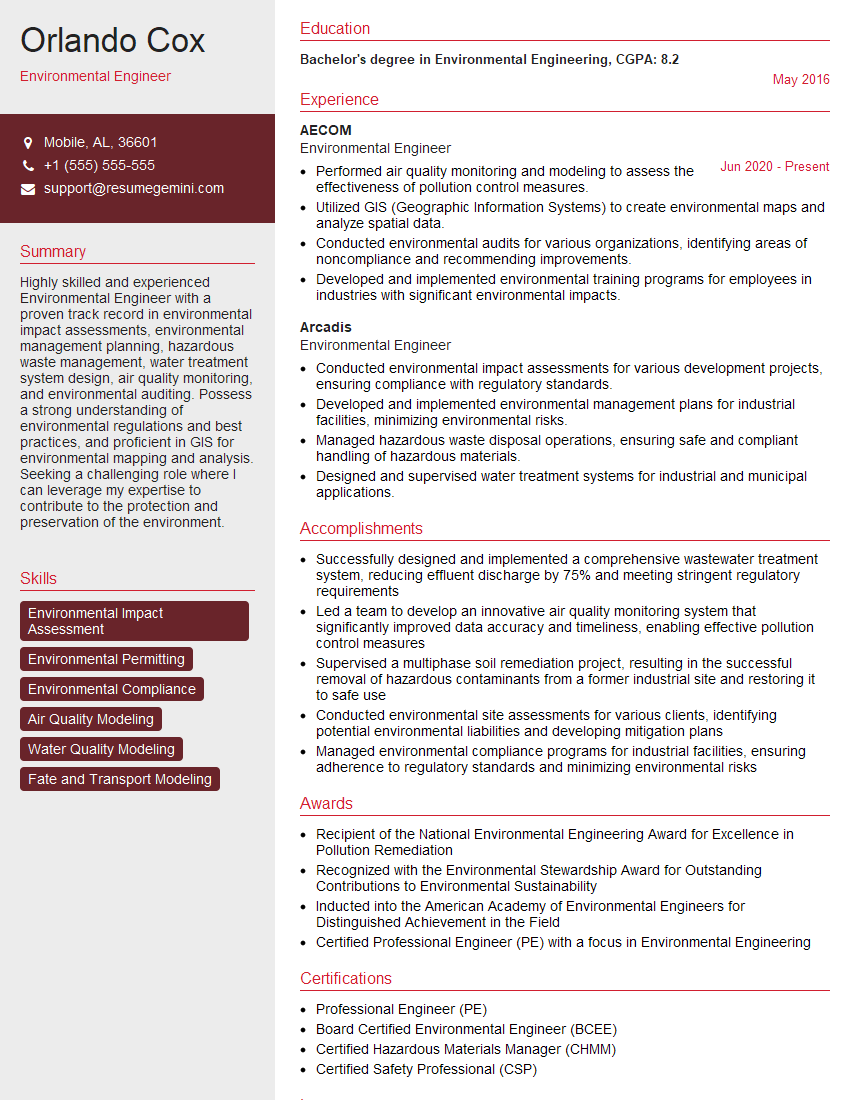
Environmental Engineer Resume Sample
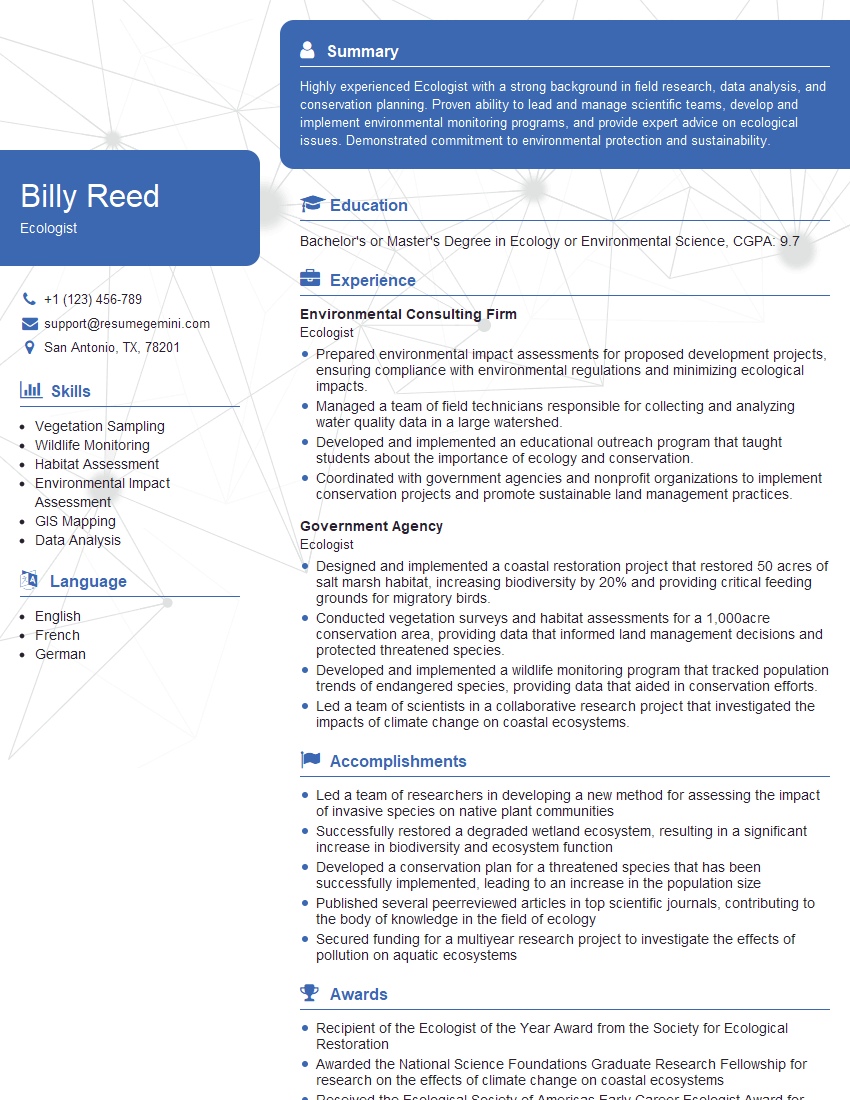
Ecologist Resume Sample
- Environmental Analyst
- Sustainability Coordinator
- Sustainability Manager
- Environmental Program Manager
- Environmental Remediation Specialist
- Environmental Scientist
- Environmental Specialist
- Waste Management Specialist
- Renewable Energy Consultant
- Sustainability Consultant
- Sustainability Officer
- Environmental Consultant
- Environmental Engineer
- Ecologist
Explore more articles
Users Rating of Our Blogs
Share Your Experience
We value your feedback! Please rate our content and share your thoughts (optional).
What Readers Say About Our Blog
Very informative content, great job.
good