Feeling uncertain about what to expect in your upcoming interview? We’ve got you covered! This blog highlights the most important Equine Bandaging interview questions and provides actionable advice to help you stand out as the ideal candidate. Let’s pave the way for your success.
Questions Asked in Equine Bandaging Interview
Q 1. What are the different types of equine bandages and their specific uses?
Equine bandages serve various purposes, and the type used depends heavily on the horse’s needs. Let’s explore some common types:
- Stable Bandages: These are the most common type, used for support, mild compression, and to keep the legs clean. They’re ideal for preventing minor injuries during turnout or for supporting legs after exercise. Think of them as a supportive hug for the horse’s leg.
- Polo Wraps: These are long, stretchy wraps often used for protection during exercise, particularly in disciplines like polo or racing. They offer good support but less compression than stable bandages.
- Veterinary Bandages: These are used under the direction of a veterinarian for specific medical reasons. This can range from supporting an injury like a sprain or strain, to applying medication directly to the leg. They might incorporate materials like cotton wool padding for extra protection and support.
- Support Boots: While not technically bandages, these offer similar support and protection but are pre-fabricated for convenience and often provide more impact absorption.
Choosing the right bandage type is crucial. For example, using a stable bandage on a horse with a significant injury would be insufficient, whereas using a heavily compressive veterinary bandage without proper guidance could restrict blood flow and cause harm.
Q 2. Describe the proper technique for applying a standing bandage.
Applying a standing bandage requires careful technique to ensure proper support and avoid injury. Here’s a step-by-step guide:
- Preparation: Gather your materials (we’ll cover these in detail later). Clean and dry the horse’s leg. A slight amount of hairspray can help keep the bandage from slipping.
- Padding: Apply a layer of soft padding, such as cotton wool, ensuring even distribution to prevent pressure points. The padding should extend slightly above and below the area to be bandaged. Think of this like providing a cushion for the leg.
- Bandage Application: Start at the fetlock (the lower part of the leg just above the hoof) and work your way upwards in a spiral pattern, overlapping each wrap by approximately 50%. Ensure the bandage is snug, but not too tight. A good test is if you can comfortably fit two fingers underneath the bandage.
- Securing the Bandage: Secure the end of the bandage with a bandage clip or safety pins, ensuring the edge is tucked in neatly. Never use tape directly on the horse’s hair, as it can pull and cause discomfort.
- Final Check: Before leaving the horse, ensure that you can comfortably slide your fingers between each layer of the bandage along the leg to check for proper fit and to assure you are not compressing too tightly.
It’s crucial to practice this technique to develop a feel for the right tension. Too loose, and the bandage may not offer adequate support. Too tight, and it can restrict blood flow, leading to serious complications.
Q 3. How do you assess the need for a bandage on a horse’s leg?
Assessing the need for a bandage requires careful observation and consideration of the horse’s condition and the potential for injury. Several factors indicate the need for a bandage:
- Recent injury: Sprains, strains, or wounds often require bandaging for support, protection, and to promote healing.
- Post-surgical care: Bandages are frequently used post-surgery to protect the surgical site and support the leg.
- Preventative measure: Bandages can be used during exercise to protect against minor injuries or in instances where the horse has known leg sensitivity.
- Existing conditions: Horses with conditions like tendonitis might benefit from supportive bandaging, but remember, this should always be done under veterinary guidance.
Remember, always consult with your veterinarian if you’re unsure whether a bandage is necessary. Improper bandaging can exacerbate an injury or create new problems. Think of it like self-treating a human injury – it’s best to have an expert assess the situation.
Q 4. Explain the importance of proper bandage placement to prevent pressure sores.
Proper bandage placement is paramount to avoid pressure sores. Pressure sores, also known as pressure ulcers, occur when blood flow to the skin is restricted, leading to tissue damage. To prevent this:
- Even Padding: Ensure the padding is evenly distributed along the entire length of the bandage area, and that it is thick enough to prevent direct pressure on bony prominences.
- Avoid Overlapping Too Much: While you need some overlap, excessive overlap can create unnecessary pressure in certain areas.
- Proper Tension: A bandage that is too tight restricts blood flow, while one that’s too loose provides inadequate support and can still lead to pressure points due to movement of the bandage.
- Regular Checks: Frequently check the bandage and remove it for short periods if the horse shows any signs of discomfort.
Imagine the bandage like a tight hug. A gentle hug is comforting and supportive, but a too-tight hug is uncomfortable and can restrict movement and breathing, similarly a tight bandage will cut off circulation and cause harm.
Q 5. What are the signs of a poorly applied bandage?
Several signs indicate a poorly applied bandage:
- Uneven Pressure: Areas of the bandage may be too tight or too loose. You may notice bulging or ridges in the bandage.
- Slipping Bandage: The bandage might not stay in place, which not only reduces its effectiveness but can also cause injury.
- Restricted Blood Flow: The leg distal to the bandage might appear swollen, cool to the touch, or pale. The horse may also show signs of discomfort.
- Visible discomfort: The horse may show signs of lameness, pawing at the leg, or general restlessness. This is a clear indication that something isn’t right.
- Sores or abrasions: Look for any areas of rubbed skin or open sores under the bandage.
Addressing these issues promptly is crucial to prevent further harm. If you see any of these signs, remove the bandage immediately and reassess the situation.
Q 6. How do you check for proper circulation after applying a bandage?
Checking circulation after applying a bandage is essential. Here’s how:
- Capillary Refill Time (CRT): Gently press on the gum of the horse’s lower lip. It should quickly return to its normal pink color. A prolonged CRT, meaning it takes a while for color to return, suggests compromised circulation.
- Temperature: Compare the temperature of the bandaged leg to the unbandaged leg. A significant difference indicates potential circulatory issues.
- Color: The leg should be a normal pink color. Pallor (pale appearance) or cyanosis (bluish discoloration) indicates restricted blood flow.
- Swelling: Significant swelling can indicate issues with circulation and lymphatic drainage.
- Pain: If the horse shows signs of pain or discomfort, it’s crucial to check the bandage immediately.
These checks should be done immediately after applying the bandage and regularly thereafter, especially during prolonged use. Any sign of impaired circulation requires immediate removal of the bandage and consultation with a veterinarian.
Q 7. What materials are essential for equine bandaging?
Essential materials for equine bandaging include:
- Padding: Soft, absorbent cotton wool is the most common choice. Synthetic alternatives are also available.
- Bandaging Material: This can be woven cotton, elastic bandages, or cohesive bandages. The choice depends on the application and purpose.
- Bandage Clips or Safety Pins: Used to secure the bandage and prevent it from unraveling.
- Scissors: For cutting the bandage material to the appropriate length.
- Veterinary Wraps: (Optional) For horses needing more support after surgery or injury, specifically vet-wrap or other supportive bandages.
Maintaining cleanliness is crucial to prevent infection. All materials should be clean, and the horse’s leg should be cleaned before applying a bandage. It’s like preparing a surgical wound – cleanliness is of utmost importance.
Q 8. Describe the steps involved in applying a stable bandage.
Applying a stable bandage is a fundamental skill for equine care. It’s crucial for supporting the leg, minimizing swelling, and protecting wounds. The process involves several key steps:
- Preparation: Gather your materials – bandage material (cotton wool, conforming bandage), padding (cotton wool or a commercially available layer), and any necessary wound dressings. Ensure the leg is clean and dry.
- Padding: Apply a layer of padding evenly around the leg, starting just above the fetlock joint and extending up to just below the knee or hock. This padding protects the leg from pressure sores. Ensure it’s smooth and wrinkle-free.
- Bandaging: Begin at the fetlock, applying the bandage with even, overlapping turns. Each turn should cover approximately half of the previous turn. Maintain consistent tension—too loose and it won’t be effective, too tight and it can cut off circulation.
- Finishing: Secure the end of the bandage with a suitable clip or tape. Ensure there are no gaps or loose areas that could catch. The bandage should lie smoothly and snugly against the leg.
- Checking: Check for warmth, swelling, and pulse distal to the bandage. These are indicators of circulation. A cold, swollen leg with a weak or absent pulse is a sign of compromised circulation and warrants immediate attention.
Think of it like wrapping a present – you want a neat, even covering that provides support without being too tight.
Q 9. How would you handle a horse that is resisting bandaging?
Handling a resistant horse during bandaging requires patience, understanding of equine behavior, and a calm approach. Never force a horse into accepting a bandage. Here’s a step-by-step approach:
- Assess the Situation: Determine the reason for resistance – is the horse frightened, in pain, or simply uncooperative? Address any underlying issues, such as pain management.
- Calm and Patient Approach: Speak softly and reassuringly to the horse. Gentle stroking can help build trust.
- Safe Handling Techniques: Enlist help if necessary, to safely secure the horse and prevent injury to both you and the animal. Consider using a halter and lead rope for control.
- Work Slowly and Methodically: Don’t rush the process; allow the horse to become accustomed to the feel of the bandage materials. Pause frequently to assess the horse’s comfort.
- Positive Reinforcement: Reward calm behavior with praise and treats. Positive reinforcement significantly aids in training.
- Seek Veterinary Assistance: If the horse continues to resist or displays significant anxiety, consult a veterinarian. Underlying pain or fear needs to be addressed.
Remember, safety is paramount. If you’re unsure or uncomfortable, seeking assistance from an experienced handler is crucial.
Q 10. What are the common complications associated with equine bandaging?
Complications from equine bandaging, while rare with proper technique, can be serious. Common complications include:
- Circulatory compromise: Too-tight bandaging can restrict blood flow, leading to swelling, coldness, and even tissue death.
- Pressure sores: Inadequate padding can cause sores and wounds under the bandage.
- Infection: Bacteria can easily proliferate in a moist environment under a bandage, especially if it’s improperly applied or a wound is present.
- Skin irritation: The materials used, such as tape, can irritate the horse’s skin if they’re not hypoallergenic.
- Bandage slippage: If the bandage is loose or improperly applied, it may slip, hindering its effectiveness.
Regularly checking the bandage for tightness, warmth, and any signs of swelling or discomfort is crucial to prevent these complications.
Q 11. Explain the difference between a pressure bandage and a support bandage.
Pressure and support bandages serve distinct purposes:
- Pressure Bandages: These are applied to control bleeding or swelling. They require consistent, even pressure throughout the bandage. They’re often used for wounds to promote healing and prevent hematomas.
- Support Bandages: These provide support to the leg, protecting it from injury and aiding in recovery from strain or injury. They don’t require the same level of tension as a pressure bandage.
The difference lies in the degree of tension and the primary goal. Pressure bandages prioritize controlling swelling and bleeding; support bandages focus on providing structural stability.
Q 12. How do you clean and prepare a wound before applying a bandage?
Cleaning and preparing a wound before bandaging is essential to prevent infection. This process usually involves:
- Assess the Wound: Determine the extent and severity of the wound. Deep or severely contaminated wounds require veterinary attention.
- Gentle Cleaning: Use sterile saline solution or a veterinarian-approved cleaning agent to gently remove dirt, debris, and any loose tissue. Avoid harsh scrubbing, as this can further damage the wound.
- Debridement: If necessary, remove dead or damaged tissue. This should be performed by a veterinarian.
- Antiseptic Application: Apply a suitable veterinary antiseptic. The choice of antiseptic depends on the wound and should be guided by a veterinarian.
- Wound Dressing: Apply a sterile wound dressing to absorb exudate and promote a clean environment.
Sterility is paramount, and any doubt about your ability to properly clean and prepare the wound necessitates veterinary involvement. This ensures optimum wound healing.
Q 13. What are the indications for using a poultice bandage?
Poultice bandages are used to draw out fluid and debris from wounds or inflamed areas. They’re commonly used for:
- Abscesses: To promote drainage and healing.
- Inflammation: To reduce swelling and soothe the affected area.
- Minor Wounds: To help clean and debride minor wounds.
The poultice material, often clay or a similar substance, is applied directly to the wound, then covered with a bandage. The poultice draws out fluids and impurities from the affected area, aiding in healing. It’s important to note that poultices should only be used under veterinary guidance.
Q 14. How do you recognize signs of infection in a bandaged leg?
Recognizing signs of infection in a bandaged leg is crucial for prompt treatment and preventing serious complications. Key indicators include:
- Increased Swelling: Significant increase in leg size beyond what’s expected post-injury.
- Heat: The bandaged area feels significantly warmer than the surrounding tissue.
- Pain: The horse shows signs of discomfort when the leg is touched.
- Purulent Discharge: Pus or other foul-smelling discharge from under the bandage.
- Systemic Signs: Increased heart rate, fever, lethargy—these indicate a more widespread infection.
If any of these signs are present, remove the bandage carefully and seek immediate veterinary attention. Do not attempt to treat an infected wound without professional guidance.
Q 15. What is the proper way to remove a bandage?
Removing a bandage incorrectly can cause injury, so a gentle, systematic approach is crucial. Begin by loosening the bandage gradually, starting from the bottom (furthest from the hoof). Never pull sharply, as this can disrupt blood flow or cause skin damage. Unwrap the bandage slowly and methodically, layer by layer, ensuring you don’t stretch or pull the material taut. If you encounter any resistance, stop and examine the area. There might be swelling, a wound, or something caught beneath the bandage. Once the bandage is completely removed, carefully inspect the leg for any signs of irritation, swelling, or injury. If you notice anything unusual, contact your veterinarian immediately. Remember, patience is key, and always prioritize the horse’s comfort and safety.
Career Expert Tips:
- Ace those interviews! Prepare effectively by reviewing the Top 50 Most Common Interview Questions on ResumeGemini.
- Navigate your job search with confidence! Explore a wide range of Career Tips on ResumeGemini. Learn about common challenges and recommendations to overcome them.
- Craft the perfect resume! Master the Art of Resume Writing with ResumeGemini’s guide. Showcase your unique qualifications and achievements effectively.
- Don’t miss out on holiday savings! Build your dream resume with ResumeGemini’s ATS optimized templates.
Q 16. What are the contraindications for applying a bandage?
There are several contraindications to applying a bandage. Never bandage over an open wound or an actively bleeding area; this can impede healing and increase the risk of infection. Pre-existing skin conditions like abrasions, cuts, or rashes also require specific veterinary care before bandaging. Infections or areas of significant inflammation and swelling should also not be bandaged without consulting a vet, as bandaging can restrict circulation and worsen the condition. Lastly, conditions like laminitis (inflammation of the sensitive laminae in the hoof) or severe tendon injuries can make bandaging problematic and might even require specialized support measures. Always prioritize your horse’s well-being and seek professional advice if you’re unsure.
Q 17. How often should a bandage be checked after application?
The frequency of bandage checks depends on the reason for bandaging and the type of bandage applied. For a simple support bandage, checking every 2-4 hours is a good starting point. However, for injuries or more complex bandages, hourly checks, especially during the initial hours after application, might be necessary. Look for any signs of swelling, heat, pain, or any changes in the limb’s appearance. If the bandage is wet or soiled, it needs to be changed immediately. This is crucial to prevent the development of wounds and infection. Remember, proactive monitoring is key to ensure your horse’s comfort and prevent serious complications. Always remove the bandage completely for thorough inspection.
Q 18. Describe the proper method for applying a bandage to a leg injury.
Applying a leg bandage requires careful technique. First, ensure you have the appropriate padding (e.g., cotton wool, rolled bandage pads) and the correct type of bandage material (e.g., elasticated cohesive bandage). Start with a clean, dry leg. Apply padding evenly to the affected area, ensuring it’s comfortable and doesn’t restrict blood flow. The padding acts as a buffer between the bandage and the horse’s leg, preventing pressure sores. Next, begin applying the bandage, starting at the most distal point (fetlock). Use overlapping wraps, maintaining consistent tension throughout. The bandage should fit snugly but not too tight; you should be able to fit two fingers underneath. Avoid bunching or twisting the bandage. Finish by securing the bandage appropriately. Remember, proper bandaging technique minimizes risk and ensures optimal support. If you are unsure about any step, it is best to seek veterinary guidance.
Q 19. Explain the importance of maintaining bandage hygiene.
Maintaining bandage hygiene is paramount in preventing infection. Always use clean materials and ensure your hands are thoroughly washed before applying or removing a bandage. Dirty or soiled bandages need to be replaced immediately. Regularly assess the bandage for any signs of soiling or dampness. Any indication of soiling needs immediate attention. Regular cleaning prevents bacterial or fungal growth that could lead to infection, delaying healing and possibly causing severe complications. In a professional setting, appropriate sterilization procedures may be necessary to maintain sterility and prevent the spread of infection between horses.
Q 20. How do you determine the appropriate bandage tension?
Determining the correct bandage tension is crucial. The bandage should be snug but not constricting. You should be able to easily slip two fingers comfortably under the bandage without much resistance. Too tight a bandage can restrict blood flow, leading to swelling, pain, and potentially serious tissue damage. Too loose a bandage won’t provide adequate support. A good rule of thumb is to imagine you are supporting the leg without actually applying a lot of pressure. Imagine how a supportive hug feels; the bandage should provide a similar feeling of support. Always check for signs of reduced circulation after application. If the leg below the bandage is significantly cooler than the leg above, or if the horse is showing signs of discomfort (like pawing or lameness), loosen the bandage immediately.
Q 21. What are the different types of padding used in equine bandaging?
Several types of padding are used in equine bandaging, each serving a specific purpose. Cotton wool is a common choice, providing a soft, absorbent layer between the leg and the bandage. Rolled bandage pads offer a more structured approach, particularly useful for supporting specific areas. Synthetic padding materials are also available, offering advantages such as better moisture wicking and durability. The choice of padding depends on the specific needs of the horse and the nature of the injury. For example, a horse with a wound might require a more absorbent padding material to manage drainage, while a horse with a simple sprain might only need a thin layer of cotton wool for support. Remember to always use clean, dry padding material and avoid reusing soiled or damp padding.
Q 22. Describe the steps in applying a suspensory bandage.
Applying a suspensory bandage requires precision to support the suspensory apparatus and prevent injury. Think of it like wrapping a delicate support around a crucial part of the horse’s leg. Here’s the step-by-step process:
- Preparation: Gather your materials: bandage material (typically cotton or elastic), padding (vet wrap or cotton sheet wadding), and any necessary cleaning supplies. Ensure the leg is clean and dry.
- Padding: Apply a layer of padding evenly around the leg, starting just below the knee or hock and extending down to the fetlock. This padding protects the leg and prevents pressure sores. Think of this as a cushion for the bandage.
- Bandaging Technique: Begin wrapping the bandage just below the knee or hock. Overlapping each turn by about half the width of the bandage. Maintain even tension—too tight can restrict blood flow, while too loose provides insufficient support. The bandage should follow the natural contours of the leg. Imagine you are spiraling the bandage gently upwards.
- Suspensory Ligament Area: Pay particular attention to the suspensory ligament area; ensure the bandage provides support here without constricting the ligament. This is crucial for preventing injuries.
- Finishing: Secure the end of the bandage with a few close wraps and a clip or safety pin. Avoid leaving loose ends that could snag.
- Inspection: After bandaging, inspect the leg for any signs of constriction or discomfort. The horse should be comfortable and the bandage should lie flat.
Remember, practice makes perfect! Consistent application and regular checks are vital to ensuring the bandage stays effective and doesn’t cause harm.
Q 23. How do you assess for swelling after a trauma before applying a bandage?
Assessing swelling after trauma involves a careful visual and tactile examination. Think of it as a detective’s work – you’re looking for clues about the extent of the damage.
- Visual Inspection: Look for any obvious signs of swelling, heat, or discoloration. Compare the affected leg to the unaffected leg for symmetry. Note any deformities or wounds.
- Palpation: Gently palpate (feel) the area for heat, pain, and the presence of fluid. Compare the temperature and firmness of the injured leg to the sound leg. A warm, swollen area might indicate inflammation. Be very gentle! This is crucial for the horse’s comfort and reducing further damage.
- Measurement: In some cases, measuring the circumference of the affected area and comparing it to the unaffected limb can help quantify the swelling.
If swelling is significant or accompanied by other concerning symptoms (e.g., lameness, pain), veterinary attention is crucial before bandaging.
Q 24. What is the purpose of using cohesive bandages?
Cohesive bandages are self-adherent; they stick to themselves without the need for clips or pins. Think of them as having a built-in Velcro-like quality. Their key purposes are:
- Ease of Application: They’re quick and easy to apply, particularly useful in emergency situations or when dealing with fractious horses.
- Conformable Fit: They mold to the contours of the leg, providing comfortable support without causing pressure points.
- Reduced Risk of Snags: The lack of clips or pins reduces the risk of the bandage snagging on objects and causing injury.
However, cohesive bandages aren’t suitable for all situations and may not provide the same level of compression as other bandage types. They are best suited for light support and protection.
Q 25. Explain the use of different types of bandage material (e.g., cotton, elastic, crepe).
Different bandage materials offer varying levels of support, breathability, and absorbency. The choice depends on the specific injury and purpose.
- Cotton Bandages: These are absorbent and breathable, ideal for stable bandages and light support but don’t offer much compression.
- Elastic Bandages: These provide moderate compression and support, useful for controlling swelling and providing support after exercise. They are important for therapeutic uses.
- Crepe Bandages: These offer good elasticity and compression, helpful for controlling edema but can be less breathable than cotton. They are widely used in sport horse management.
Combining different materials is common. For example, a cotton layer for padding, followed by an elastic bandage for compression, might be used for moderate swelling.
Q 26. How would you handle a situation where a horse has a severe laceration requiring immediate bandaging?
Managing a severe laceration requires immediate action to control bleeding and prevent infection. This is a priority situation requiring veterinary assistance.
- Control Bleeding: Apply direct pressure to the wound using a clean, absorbent material. Do not remove any embedded debris.
- Clean the Area: If possible, gently clean the surrounding area with a mild antiseptic solution; however, focus should be on controlling blood loss first.
- Apply a Sterile Dressing: Cover the wound with a sterile dressing to prevent further contamination. This dressing must be non-adherent to prevent sticking to the wound.
- Secure the Dressing: Apply a supportive bandage to hold the dressing in place. A non-adherent dressing and cohesive bandage can be utilized here.
- Transport to Veterinary Care: Transport the horse to a veterinary clinic immediately for wound debridement, suture placement, and appropriate treatment.
Remember: This is an emergency situation. Veterinary guidance is paramount.
Q 27. What is your experience with different types of equine leg injuries and the appropriate bandaging techniques?
My experience encompasses a wide range of equine leg injuries and appropriate bandaging techniques. I’ve worked with horses suffering from:
- Soft tissue injuries: Such as strains, sprains, and contusions, often managed with elastic or crepe bandages for compression and support. The goal here is to minimize swelling and promote healing.
- Wounds and lacerations: Requiring sterile dressings and bandages to control bleeding and prevent infection, sometimes along with additional measures to manage pain.
- Suspensory ligament injuries: Where specific bandaging techniques, possibly involving support bandages or splints, are crucial to avoid further damage to the limb and provide stability.
- Post-surgical cases: Requiring meticulous bandaging to protect the surgical site, manage swelling and provide support during the healing phase.
The type of injury dictates the choice of bandage material, the level of compression, and the specific technique employed. Each case requires a tailored approach.
Q 28. Describe a time you had to troubleshoot a problematic bandage application and how you solved it.
I once encountered a challenging situation with a horse that had significant swelling in its hind leg after a minor trauma. I applied a crepe bandage, but the horse kept kicking it off. It was causing further agitation.
My initial approach focused on better padding. While adequate, it didn’t solve the persistent issue of the bandage slipping. I realized the bandage wasn’t securing properly due to the uneven distribution of the swelling. I also noticed the horse was very sensitive in the area.
My solution involved: (1) re-assessing the swelling and re-applying padding to even out the pressure; (2) Switching to a cohesive bandage over the existing padding, which conformed to the leg and required no pins or clips; and (3) carefully and regularly checking the bandage and ensuring the horse was comfortable. This approach resolved the issue, and the horse tolerated the bandage without further difficulty. It was a good reminder that flexibility and critical thinking are essential for optimal bandaging success.
Key Topics to Learn for Your Equine Bandaging Interview
- Types of Bandages: Understanding the various types of equine bandages (e.g., stable bandages, polo wraps, support bandages) and their appropriate applications.
- Bandaging Techniques: Mastering the correct techniques for applying each type of bandage, ensuring proper tension and fit to prevent injuries like pressure sores or restricted circulation. This includes knowing how to correctly overlap wraps and secure the ends.
- Indications and Contraindications: Knowing when bandaging is necessary (e.g., after injury, for support, to prevent swelling) and when it’s inappropriate (e.g., presence of open wounds, severe inflammation).
- Materials and Supplies: Familiarity with different bandage materials (cotton, fleece, elastic), padding materials, and appropriate adhesive tapes. Understanding the properties and uses of each material.
- Wound Care in Relation to Bandaging: Understanding how to assess wounds before bandaging, choosing appropriate materials for wound coverage, and recognizing signs of infection or complications requiring veterinary attention.
- Troubleshooting Common Issues: Being able to identify and address problems such as slippage, uneven pressure, or incorrect application techniques. Knowing how to adapt bandaging techniques to suit different equine body shapes and leg conformations.
- Safety and Hygiene: Understanding and adhering to safety protocols when handling horses and applying bandages. Maintaining hygiene standards to prevent infection.
- Leg Anatomy and Physiology: A basic understanding of equine leg anatomy will help you understand the purpose and function of different bandage types and placement.
Next Steps
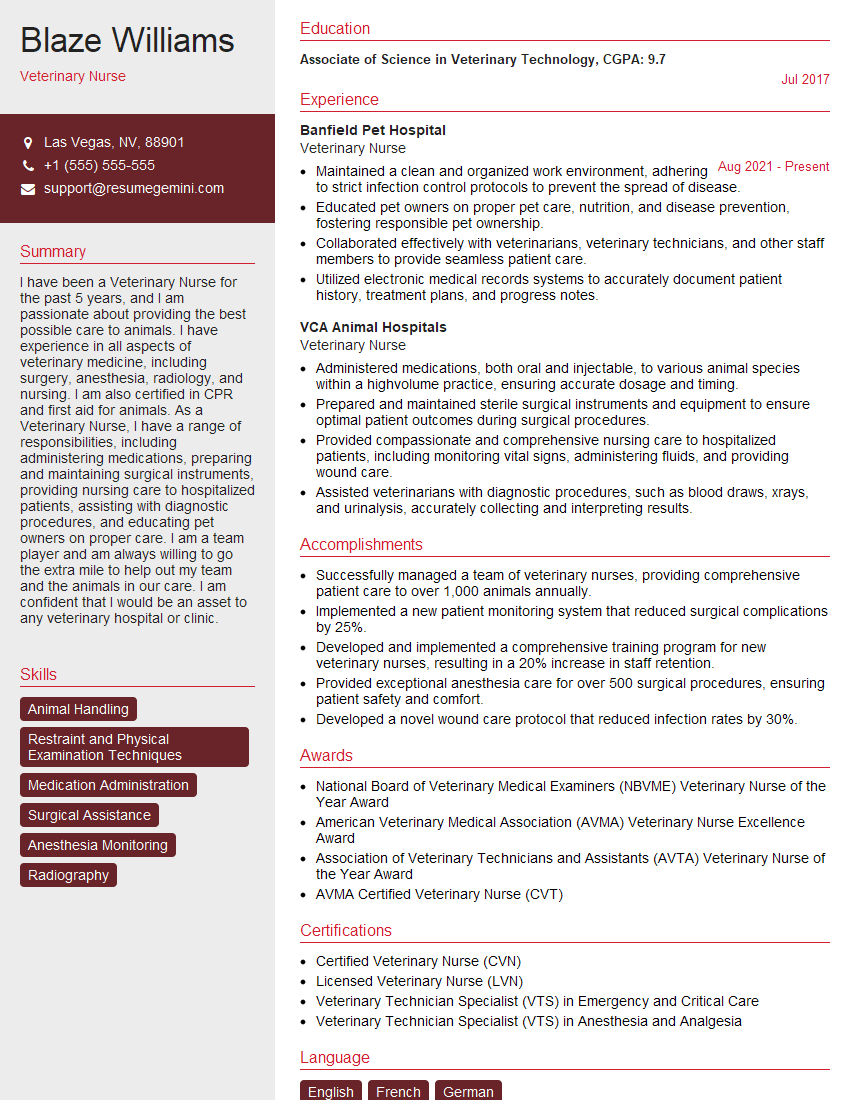
Mastering equine bandaging is crucial for career advancement in the equine industry, opening doors to diverse and rewarding roles. A well-crafted resume is your key to unlocking these opportunities. To make sure your qualifications shine, focus on creating an ATS-friendly resume that highlights your skills and experience effectively. ResumeGemini is a trusted resource for building professional resumes, helping you present your capabilities in the best possible light. We provide examples of resumes tailored specifically to equine bandaging roles to guide you. Take the next step towards your dream job today!





Explore more articles
Users Rating of Our Blogs
Share Your Experience
We value your feedback! Please rate our content and share your thoughts (optional).
What Readers Say About Our Blog
Very informative content, great job.
good