Feeling uncertain about what to expect in your upcoming interview? We’ve got you covered! This blog highlights the most important Equipment Maintenance and Setup interview questions and provides actionable advice to help you stand out as the ideal candidate. Let’s pave the way for your success.
Questions Asked in Equipment Maintenance and Setup Interview
Q 1. Describe your experience with preventative maintenance schedules.
Preventative maintenance schedules are the backbone of any reliable equipment operation. They are pre-planned routines designed to minimize equipment downtime and extend its lifespan by catching potential problems *before* they lead to major failures. I’ve developed and implemented these schedules for various types of equipment, from high-speed packaging machinery in a food processing plant to complex HVAC systems in large commercial buildings.
My approach always involves a thorough analysis of the equipment’s specifications, manufacturer recommendations, and historical maintenance records. This helps identify critical components and predict potential points of failure. For example, with conveyor belts, I’d schedule regular lubrication checks and belt alignment adjustments based on usage patterns and expected wear and tear. For HVAC units, preventative maintenance would involve filter changes, refrigerant level checks, and cleaning of coils – all timed to optimize efficiency and avoid breakdowns during peak seasons.
I typically use a combination of time-based and condition-based maintenance. Time-based maintenance involves performing tasks at specific intervals (e.g., oil changes every 500 hours of operation), while condition-based maintenance involves monitoring the equipment’s performance and scheduling maintenance only when necessary (e.g., replacing a filter when its pressure drop exceeds a certain threshold). The schedule is also adjusted based on data analysis, identifying trends to optimize the intervals for each task.
Q 2. Explain the difference between preventative and corrective maintenance.
The difference between preventative and corrective maintenance is crucial for operational efficiency and cost control. Preventative maintenance, as discussed earlier, is proactive. It involves regularly scheduled inspections, lubrication, cleaning, and minor repairs to prevent major failures. Corrective maintenance, on the other hand, is reactive. It addresses equipment problems *after* they occur, typically involving repairs or replacements following a breakdown.
Think of it like this: preventative maintenance is like getting regular checkups with your doctor – catching potential problems early. Corrective maintenance is like going to the emergency room after a serious injury – costly and disruptive.
An example of preventative maintenance would be regularly lubricating a machine’s moving parts. A corresponding example of corrective maintenance would be repairing the machine after a bearing seizure caused by lack of lubrication. The cost of preventative maintenance is usually significantly less than the cost of corrective maintenance, encompassing both labor, parts, and lost productivity.
Q 3. How do you troubleshoot malfunctioning equipment?
Troubleshooting malfunctioning equipment is a systematic process. My approach starts with a thorough safety assessment, ensuring the area is secured and I have the appropriate personal protective equipment (PPE). Then I follow a structured methodology:
- Gather Information: I start by observing the problem, noting symptoms, error messages, and the equipment’s operational status before the malfunction. I also consult relevant documentation like operation manuals and previous maintenance logs.
- Isolate the Problem: I use diagnostic tools (multimeters, pressure gauges, etc.) to identify the faulty component or system. This might involve checking electrical connections, hydraulic lines, or software settings.
- Develop and Test Solutions: Based on my findings, I develop potential solutions. I then test these solutions systematically, ensuring each step doesn’t introduce new problems. This might include replacing parts, adjusting settings, or cleaning components.
- Document Findings: I meticulously record the troubleshooting steps, the cause of the malfunction, the solution implemented, and any other relevant information. This helps prevent future similar issues and aids in knowledge sharing.
For instance, if a conveyor belt stops working, I’d first check the power supply, then examine the motor, belt tension, and safety sensors before considering more complex mechanical issues. A methodical approach ensures efficient and accurate problem resolution.
Q 4. What are your preferred methods for documenting maintenance procedures?
Accurate documentation is paramount in equipment maintenance. My preferred methods combine digital and physical records for comprehensive tracking and accessibility.
- CMMS Integration: I leverage CMMS (Computerized Maintenance Management Systems) for centralized record-keeping. This includes detailed work orders, preventative maintenance schedules, parts inventories, and repair histories.
- Digital Work Orders: I create detailed digital work orders for each maintenance task, capturing steps, parts used, timestamps, and any special instructions. Photographs and videos are often included for better clarity.
- Physical Logs: For certain equipment or situations, I maintain physical logs, especially if electronic access isn’t readily available. These physical logs are carefully kept and regularly updated.
- Schematic Diagrams: For complex equipment, I utilize schematic diagrams or flow charts to visually illustrate the system and pinpoint problem areas efficiently.
This layered approach ensures that information is readily available, accurate, and easily accessible by myself and other maintenance personnel.
Q 5. Describe your experience with CMMS (Computerized Maintenance Management Systems).
I have extensive experience using CMMS (Computerized Maintenance Management Systems) such as [mention specific CMMS systems you’ve used, e.g., IBM Maximo, SAP PM]. These systems are indispensable for managing maintenance activities effectively. My experience spans data entry, work order generation and tracking, parts inventory management, preventative maintenance scheduling, and generating reports for analysis.
In a previous role, I implemented a new CMMS system, migrating data from the old system and training staff on its usage. This significantly improved our maintenance efficiency, reducing downtime by 15% within the first year. We were able to generate detailed reports on equipment performance, enabling data-driven decisions regarding maintenance strategies and resource allocation.
Specifically, I’m proficient in using CMMS features to track maintenance costs, analyze equipment reliability, and optimize maintenance schedules. This data-driven approach ensures that resources are allocated effectively and preventative maintenance efforts are properly targeted.
Q 6. How do you prioritize maintenance tasks in a high-pressure environment?
Prioritizing maintenance tasks in high-pressure environments requires a structured approach. I use a combination of methods to ensure critical tasks are addressed promptly while managing less urgent ones efficiently.
- Risk Assessment: I assess the potential consequences of delaying each task, considering factors such as safety risks, production downtime, and potential damage to equipment. Critical tasks that pose significant risks are prioritized.
- Urgency and Impact: I use a matrix that considers both the urgency of the task (how quickly it needs to be done) and its impact on operations (how serious the consequences of delay would be). Tasks with high urgency and high impact are tackled first.
- Work Order Management: I manage work orders effectively using a CMMS, setting priorities and deadlines. This ensures visibility and accountability for each task.
- Communication: Clear communication with other team members and stakeholders is vital. This helps coordinate efforts and manage expectations effectively.
For example, if a critical machine malfunctions, that would immediately become the top priority, even if other preventative tasks are scheduled. However, a well-defined maintenance schedule helps to minimize unplanned breakdowns and keeps reactive tasks to a minimum.
Q 7. Explain your experience with safety protocols in equipment maintenance.
Safety is my paramount concern in equipment maintenance. I strictly adhere to all relevant safety protocols and regulations, including OSHA standards and company-specific guidelines. My experience encompasses a wide range of safety procedures, including:
- Lockout/Tagout (LOTO): I am thoroughly trained and experienced in LOTO procedures to prevent accidental energization of equipment during maintenance. I ensure that all energy sources are properly isolated and secured before any work begins.
- Personal Protective Equipment (PPE): I always use appropriate PPE, including safety glasses, gloves, hearing protection, and other specialized equipment as needed to mitigate risks.
- Hazard Identification and Risk Assessment: Before starting any maintenance task, I conduct a thorough risk assessment to identify potential hazards and implement control measures to mitigate them. This includes identifying potential electrical hazards, mechanical hazards, chemical hazards, and confined space hazards.
- Safe Work Practices: I follow established safe work practices, including proper lifting techniques, tool usage, and waste disposal methods.
- Emergency Procedures: I’m familiar with emergency procedures and know how to respond appropriately in case of accidents or injuries. I’m also trained in basic first aid.
Maintaining a safe work environment is not just a procedure; it’s a fundamental aspect of my work ethic. I proactively promote a safety-conscious culture within the team and encourage others to adhere to safety standards.
Q 8. Describe a time you had to quickly diagnose and fix a critical equipment failure.
During my time at Acme Manufacturing, a critical failure occurred on our primary CNC milling machine – it abruptly stopped mid-operation, halting production. The error message was vague, indicating a ‘system error’. This meant significant downtime and potential production delays costing thousands of dollars per hour.
My immediate response involved a systematic approach. First, I performed a visual inspection, checking for obvious issues like loose connections or physical damage. Finding nothing, I moved to the machine’s diagnostic system. Using the integrated troubleshooting interface, I found a log indicating intermittent power surges to the spindle motor. Further investigation pointed to a failing capacitor in the power supply unit. The capacitor’s failure was causing erratic voltage spikes which were causing the system error. This type of capacitor failure is common and causes very vague diagnostic messages.
Replacing the capacitor was relatively straightforward and took approximately 30 minutes. Once replaced, the machine restarted without errors, and production resumed. This rapid diagnosis prevented a major production setback, highlighting the value of a quick diagnostic methodology and the critical need for properly functioning diagnostic systems.
Q 9. What are your skills in using diagnostic tools and equipment?
My diagnostic tool proficiency encompasses a broad range of equipment, both mechanical and electrical. This includes proficiency with:
- Multimeters: I’m skilled in using multimeters for checking voltage, current, resistance, and continuity in electrical circuits, critical for troubleshooting faulty wiring and components.
- Oscilloscope: I can use an oscilloscope to analyze waveforms, identify signal anomalies, and diagnose issues with control systems and sensors. This allows for a very detailed view of the signal patterns, far beyond just voltage and current.
- Infrared (IR) Thermometers: IR thermometers are invaluable for detecting overheating components, allowing for preventative maintenance before more serious damage occurs. This is important in detecting bearing failures, power supply issues, and much more.
- Vibration Analyzers: These are essential for identifying mechanical issues within machinery, such as bearing wear, imbalance, or misalignment. Analyzing vibration patterns helps predict failures.
- Specialized Diagnostic Software: I’m familiar with using manufacturer-specific software for diagnosing issues in various PLC-controlled machines. This allows for detailed diagnostics based on the PLC program
Furthermore, I understand the importance of choosing the right tool for the job and always adhere to safety protocols while using these instruments.
Q 10. How do you ensure the accuracy of maintenance records?
Maintaining accurate maintenance records is crucial for preventative maintenance, minimizing downtime, and ensuring regulatory compliance. To achieve this, I follow a rigorous procedure:
- Real-time data entry: I document all maintenance activities immediately after completion, ensuring accuracy and preventing forgotten details. This is done using electronic maintenance management software, whenever possible.
- Detailed descriptions: Records include comprehensive descriptions of work performed, including parts replaced, problems encountered, and solutions implemented. This goes beyond simple check-marks and uses complete sentences.
- Clear identification: Equipment, parts, and personnel involved are clearly identified using unique codes and identifiers to eliminate ambiguity. This might include serial numbers, part numbers, and employee IDs.
- Digital documentation: When possible, I use digital photos or videos to support written records, providing a visual reference. This visual data is usually far more useful than written words alone.
- Regular audits: Periodic audits of maintenance records ensure accuracy and completeness, identifying any discrepancies or omissions early on.
By implementing these measures, I ensure that the maintenance records are not only accurate and reliable but also provide valuable data for optimizing maintenance strategies.
Q 11. What is your experience with different types of lubrication and their applications?
My experience with lubrication encompasses a wide range of types and their applications. The selection of the right lubricant is crucial for optimizing equipment performance and lifespan. Here are some examples:
- Mineral Oils: These are widely used for general-purpose lubrication, offering a balance of cost-effectiveness and performance. They are suitable for many applications but may have limitations at very high or low temperatures.
- Synthetic Oils: Synthetics offer superior performance in extreme conditions, such as high temperatures or low-temperature operation. They also offer better oxidation resistance.
- Greases: Greases are semi-solid lubricants that provide long-term lubrication and protection against contamination. Different types of greases are suited to different applications, such as high-speed bearings or those operating under heavy loads.
- Specialty Lubricants: These include lithium-based greases for high-temperature applications, molybdenum disulfide greases for extreme pressure conditions, and food-grade lubricants for applications in the food industry.
Understanding the properties of different lubricants and their compatibility with the equipment is essential. Incorrect lubrication can lead to premature wear, equipment failure, and costly repairs.
Q 12. Describe your experience with hydraulic and pneumatic systems.
I have extensive experience with both hydraulic and pneumatic systems, understanding their principles of operation and common maintenance requirements.
Hydraulic Systems: I’m proficient in troubleshooting leaks, identifying pump problems, diagnosing issues with valves and actuators, and maintaining fluid cleanliness. I understand the importance of hydraulic fluid filters and regularly perform fluid level and condition checks. Working knowledge of pressure regulators, relief valves, and accumulators is also essential.
Pneumatic Systems: My experience encompasses diagnosing leaks, repairing air lines, and maintaining air filters and pressure regulators. Understanding the principles of air compressors and their maintenance is crucial, as is understanding air dryers and their role in preventing water contamination.
In both systems, I emphasize preventative maintenance to minimize downtime and maximize the lifespan of the equipment. This includes regular inspections, routine maintenance tasks, and timely replacement of worn components.
Q 13. How familiar are you with electrical schematics and blueprints?
I’m highly proficient in reading and interpreting electrical schematics and blueprints. This skill is essential for understanding the electrical systems of equipment, diagnosing faults, and performing repairs. My understanding extends to:
- Identifying components: I can readily identify various components, including motors, switches, relays, sensors, and control circuits, from their representation on schematics.
- Tracing circuits: I can effectively trace the flow of electricity through a circuit, identifying the path of signals and power.
- Understanding symbols: I’m familiar with standard electrical symbols and their meanings. This allows me to understand the various elements of a circuit diagram quickly and efficiently.
- Interpreting control logic: I understand basic PLC logic and can use this to understand control systems presented in the schematics.
This proficiency allows for efficient troubleshooting and repair of electrical systems, minimizing downtime and ensuring equipment safety.
Q 14. Explain your understanding of root cause analysis in equipment failures.
Root cause analysis (RCA) is a critical problem-solving methodology used to identify the underlying cause of equipment failures, preventing recurrence. It’s more than just fixing the immediate problem; it’s about understanding why the problem occurred in the first place.
I typically use a combination of techniques, including the ‘5 Whys’ method, fault tree analysis, and fishbone diagrams. The ‘5 Whys’ involves repeatedly asking ‘why’ to drill down to the root cause. Fault tree analysis maps out potential causes and their relationships, while fishbone diagrams help brainstorm potential causes categorized by factors like people, methods, machines, materials, and environment.
For example, if a conveyor belt breaks, a simple fix is replacing the belt. However, RCA would delve deeper: Why did it break? (Excessive wear). Why excessive wear? (Improper alignment). Why improper alignment? (Lack of scheduled preventative maintenance). The root cause is therefore a deficiency in the preventative maintenance schedule.
By implementing RCA, we prevent similar failures, improving equipment reliability and reducing maintenance costs. The result is a more efficient and safer operation.
Q 15. What is your experience with equipment calibration and verification?
Equipment calibration and verification are crucial for ensuring accuracy and reliability. Calibration involves adjusting equipment to meet predefined standards, while verification confirms that the equipment performs within those standards. My experience encompasses a wide range of calibration procedures, from simple tools like micrometers and calipers to complex instruments like spectrophotometers and pressure gauges. For instance, in my previous role at a pharmaceutical company, I was responsible for calibrating analytical balances used in quality control, following strict ISO 17025 guidelines. This involved using certified weights, documenting every step, and generating traceable calibration certificates. Verification, often done less frequently than calibration, involves checking if the equipment is still within acceptable tolerances after a period of use. I’ve developed robust verification checklists and procedures to ensure minimal downtime and maximum data integrity.
I’m proficient in using various calibration software packages and maintaining detailed calibration records, which are essential for regulatory compliance (e.g., GMP, GLP). A memorable experience involved troubleshooting a faulty auto-sampler in a high-throughput chromatography lab. After systematically checking various components and cross-referencing the calibration logs, I identified a malfunctioning pump, which, once replaced, restored the instrument’s accuracy and efficiency.
Career Expert Tips:
- Ace those interviews! Prepare effectively by reviewing the Top 50 Most Common Interview Questions on ResumeGemini.
- Navigate your job search with confidence! Explore a wide range of Career Tips on ResumeGemini. Learn about common challenges and recommendations to overcome them.
- Craft the perfect resume! Master the Art of Resume Writing with ResumeGemini’s guide. Showcase your unique qualifications and achievements effectively.
- Don’t miss out on holiday savings! Build your dream resume with ResumeGemini’s ATS optimized templates.
Q 16. Describe your experience with different types of machinery and equipment.
My experience spans a broad spectrum of machinery and equipment, including CNC machines, robotic welding systems, hydraulic presses, packaging lines, and various types of process instrumentation (e.g., temperature sensors, flow meters, level transmitters). I’ve worked with both simple mechanical equipment and complex automated systems involving programmable logic controllers (PLCs) and sophisticated control systems. For instance, I was involved in the maintenance of a large-scale automated assembly line in the automotive industry. This included preventative maintenance tasks, troubleshooting malfunctions, and managing emergency repairs. My experience also includes working with specialized equipment like cleanroom equipment used in semiconductor manufacturing and high-precision instruments used in scientific research.
Working with diverse equipment types has helped me develop a strong understanding of mechanical, electrical, pneumatic, and hydraulic systems. This cross-disciplinary knowledge enables me to efficiently diagnose problems and implement effective solutions, regardless of the equipment’s complexity.
Q 17. How do you stay up-to-date with new technologies and maintenance techniques?
Staying current in the field of equipment maintenance requires continuous learning. I actively participate in professional development opportunities such as industry conferences, webinars, and online courses focused on the latest technologies and best practices. I’m a member of several professional organizations (e.g., ASME, ASQ) that provide access to technical journals, publications, and networking events. Further, I regularly review technical documentation and vendor websites for updates on equipment specifications, maintenance procedures, and new technologies.
For example, I recently completed a course on predictive maintenance techniques using vibration analysis and sensor data, significantly improving my ability to anticipate equipment failures and schedule maintenance proactively. I also subscribe to industry-specific newsletters and online forums to stay abreast of emerging trends and best practices.
Q 18. How do you handle conflicts with other maintenance personnel?
Conflicts among maintenance personnel can arise from various factors, including differing priorities, work styles, or misunderstandings. My approach is to address conflicts directly and professionally, focusing on finding mutually agreeable solutions that prioritize equipment uptime and safety. I believe in open communication and active listening. I start by understanding each person’s perspective and concerns before collaboratively brainstorming solutions.
For example, if a conflict arises over scheduling maintenance activities, I facilitate a discussion to find a mutually agreeable time that minimizes downtime and avoids disruption to production. If personalities clash, I emphasize the importance of teamwork and mutual respect, encouraging colleagues to focus on the shared goal of efficient and effective maintenance.
If the conflict involves safety concerns, I immediately escalate the issue to the supervisor to ensure prompt resolution and mitigate potential risks. My approach prioritizes a collaborative and respectful work environment where everyone feels heard and valued.
Q 19. Describe your experience with inventory management for maintenance parts.
Effective inventory management for maintenance parts is crucial for minimizing downtime and optimizing maintenance costs. My experience includes using various inventory management systems, from simple spreadsheets to sophisticated computerized maintenance management systems (CMMS). I’m proficient in tracking part numbers, quantities, and locations, generating reports on inventory levels, and managing reorder points to ensure timely replenishment of critical parts. I also have experience with implementing just-in-time (JIT) inventory strategies to reduce storage costs and minimize waste.
In a previous role, I implemented a new CMMS that improved inventory visibility and reduced lead times for critical parts significantly. This involved data migration, user training, and the development of standardized procedures for tracking and managing parts. My approach to inventory management emphasizes accuracy, efficiency, and cost-effectiveness, utilizing both quantitative and qualitative data to optimize stock levels and minimize downtime due to parts shortages.
Q 20. What is your experience with the installation and setup of new equipment?
Installing and setting up new equipment involves several key steps. First, I ensure the site is properly prepared, including verifying power, utilities, and environmental conditions. Then, I carefully unpack and inspect the equipment, referring to the manufacturer’s instructions and safety guidelines. Next, I perform the installation, often involving mechanical assembly, electrical connections, and software configuration. This frequently involves working with external contractors or vendors. After installation, I test the equipment, perform calibration if needed, and thoroughly document all steps.
For example, during the installation of a new automated packaging machine, I worked closely with the vendor’s technicians to ensure the system was properly integrated with existing production equipment. I carefully followed the provided installation manuals, paying close attention to the safety protocols. After installation, we conducted comprehensive testing to ensure that the machine was operating at optimal performance, and I provided thorough training to the operators.
Q 21. Explain your understanding of OSHA regulations related to equipment maintenance.
OSHA regulations play a vital role in ensuring workplace safety, especially regarding equipment maintenance. My understanding of OSHA standards is comprehensive. I’m familiar with regulations concerning lockout/tagout procedures for preventing accidental energization of equipment during maintenance, hazard communication standards for handling hazardous materials, and personal protective equipment (PPE) requirements for maintaining safety during maintenance operations. I’m also knowledgeable about regulations concerning confined space entry and machine guarding to prevent injuries.
For example, before starting any maintenance activity on electrical equipment, I strictly adhere to lockout/tagout procedures to prevent accidental electrical shock. I ensure that all workers involved understand and follow these procedures correctly. Furthermore, I conduct regular safety inspections to identify and address any potential hazards promptly. I ensure all necessary PPE is available and utilized correctly. Compliance with OSHA regulations is paramount to me, ensuring a safe work environment for myself and my colleagues.
Q 22. How do you manage your workload and prioritize multiple tasks?
Effective workload management is crucial in equipment maintenance. I employ a multi-pronged approach combining prioritization techniques with efficient time management. Firstly, I utilize a system like Eisenhower Matrix (urgent/important) to categorize tasks. This allows me to focus on critical maintenance tasks that could lead to significant downtime or safety hazards first. For example, a malfunctioning safety system would be prioritized over a minor cosmetic repair. Secondly, I break down large tasks into smaller, manageable chunks, using project management techniques like Gantt charts to visualize timelines and dependencies. This prevents feeling overwhelmed and allows for better tracking of progress. Finally, I leverage scheduling tools to allocate specific time blocks for different types of maintenance, ensuring a balanced workload across preventive, corrective, and predictive maintenance activities. This organized approach minimizes stress and maximizes productivity.
Q 23. What is your experience with risk assessment related to equipment maintenance?
Risk assessment is paramount in equipment maintenance. My experience involves conducting thorough risk assessments, identifying potential hazards, and implementing mitigating controls. This includes using standardized risk assessment methodologies, such as HAZOP (Hazard and Operability Study) or FMEA (Failure Mode and Effects Analysis). For instance, when working on a high-pressure hydraulic system, I’d assess the risks of leaks, explosions, or component failures. This assessment would involve identifying the likelihood and severity of each potential hazard. Based on this evaluation, I’d implement controls, such as implementing lockout/tagout procedures, using appropriate personal protective equipment (PPE), and ensuring proper ventilation. The goal is to minimize the risk to personnel and equipment to an acceptable level, documented through a comprehensive risk assessment report.
Q 24. How do you ensure compliance with safety regulations during equipment setup?
Ensuring compliance with safety regulations during equipment setup is non-negotiable. Before starting any setup, I meticulously review all relevant safety data sheets (SDS), operational manuals, and regulatory guidelines (OSHA, etc.). This includes understanding the specific hazards associated with the equipment and the required safety procedures. I then implement appropriate control measures, such as using proper grounding techniques, implementing lockout/tagout procedures, and utilizing appropriate PPE. I also ensure all personnel involved are adequately trained and understand the safety procedures. Regular safety inspections and audits are conducted to verify adherence to safety regulations throughout the setup process. For example, during the setup of a robotic arm, I would ensure proper guarding is in place to prevent accidental contact and that emergency stop buttons are easily accessible and functional. Thorough documentation of safety checks and any corrective actions taken is vital.
Q 25. Describe a time you had to work with a vendor to repair equipment.
In one instance, a critical piece of milling equipment experienced a major malfunction. Initial troubleshooting indicated a problem with the main spindle motor. I contacted the original equipment manufacturer (OEM) vendor, outlining the problem with detailed diagnostic information, including error codes and video recordings of the malfunction. We collaborated to determine the most likely cause – a failing bearing within the motor. The vendor expedited the delivery of a replacement motor, and we scheduled the repair during a planned downtime period to minimize production disruption. I supervised the installation and performed rigorous testing to ensure proper function before returning the equipment to service. This experience highlighted the importance of clear communication, precise diagnostics, and collaborative problem-solving when working with vendors to repair critical equipment. Effective vendor management is key to reducing downtime and operational costs.
Q 26. What are your experience with different types of welding and fabrication?
My experience encompasses various welding and fabrication techniques. I’m proficient in Shielded Metal Arc Welding (SMAW), Gas Metal Arc Welding (GMAW), and Gas Tungsten Arc Welding (GTAW), commonly known as stick, MIG, and TIG welding, respectively. I’ve worked with different materials, including mild steel, stainless steel, and aluminum. Beyond welding, I possess skills in various fabrication processes such as cutting (plasma, oxy-acetylene), grinding, and machining. I am familiar with blueprint reading and have experience creating functional and structurally sound components. For example, I’ve fabricated custom jigs and fixtures for specific maintenance tasks, optimizing efficiency and safety. My expertise allows me to perform repairs, modify existing equipment, and even create entirely new components, showcasing the versatility of my skills in a maintenance environment.
Q 27. How do you handle stressful situations during urgent maintenance repairs?
Handling stressful situations during urgent maintenance repairs requires a calm, methodical approach. My strategy involves prioritizing immediate safety concerns, then systematically diagnosing the problem. Effective communication with my team is crucial, ensuring everyone understands their roles and responsibilities during the repair. For example, during a sudden power outage affecting critical equipment, I immediately ensured the safety of personnel, implemented emergency shutdown procedures, and coordinated with the electrical team to restore power. Once the immediate threat was mitigated, I focused on troubleshooting the cause of the malfunction and coordinated repairs with the vendor, if needed. Maintaining composure and clear communication throughout the process is vital for a swift, safe resolution. Post-incident analysis helps identify the root cause and prevents similar occurrences in the future.
Q 28. Describe your experience with quality control checks in equipment maintenance.
Quality control checks are fundamental to effective equipment maintenance. My approach involves implementing a multi-step verification process encompassing visual inspections, functional testing, and performance monitoring. Visual inspections involve checking for any signs of damage, wear, or corrosion. Functional testing ensures that the equipment operates as intended, meeting its specified performance parameters. For example, after a repair, I’d perform a thorough test run of a pump, measuring its flow rate and pressure to verify its performance against the manufacturer’s specifications. Performance monitoring involves tracking key parameters over time to detect potential issues before they become major problems. This includes maintaining comprehensive maintenance logs, documenting all repairs, inspections, and performance data. This data-driven approach enables predictive maintenance, improving equipment reliability and reducing unexpected downtime. A commitment to quality control minimizes risks and maximizes operational efficiency.
Key Topics to Learn for Equipment Maintenance and Setup Interview
- Preventive Maintenance: Understanding scheduled maintenance procedures, lubrication techniques, and inspection methods to prevent equipment failure.
- Troubleshooting & Diagnostics: Applying systematic approaches to identify malfunctions, using diagnostic tools effectively, and implementing corrective actions. This includes understanding basic electrical and mechanical principles.
- Safety Procedures & Regulations: Demonstrating knowledge of relevant safety protocols, lockout/tagout procedures, and hazard identification to ensure a safe work environment.
- Equipment Setup & Calibration: Understanding the proper procedures for setting up equipment, performing calibrations to ensure accuracy, and documenting the process.
- Parts Management & Inventory: Knowledge of inventory control, ordering replacement parts, and managing equipment spare parts effectively.
- Record Keeping & Documentation: Maintaining accurate and detailed records of maintenance activities, repairs, and calibration results, adhering to company procedures.
- Technical Problem Solving: Demonstrating a methodical approach to diagnosing and resolving complex equipment problems, including root cause analysis techniques.
- Working with Technical Manuals & Schematics: Proficiency in interpreting technical documentation, schematics, and blueprints to understand equipment functionality and troubleshoot effectively.
- Teamwork & Communication: Highlighting your ability to collaborate with colleagues, communicate technical information clearly, and contribute to a positive work environment.
Next Steps
Mastering Equipment Maintenance and Setup opens doors to exciting career opportunities with increasing responsibility and earning potential. A strong, ATS-friendly resume is crucial to showcasing your skills and experience to potential employers. To help you create a compelling resume that gets noticed, we recommend using ResumeGemini. ResumeGemini provides a user-friendly platform to build professional resumes, and we even offer examples of resumes tailored specifically to Equipment Maintenance and Setup professionals to guide you. Take the next step towards your dream job today!
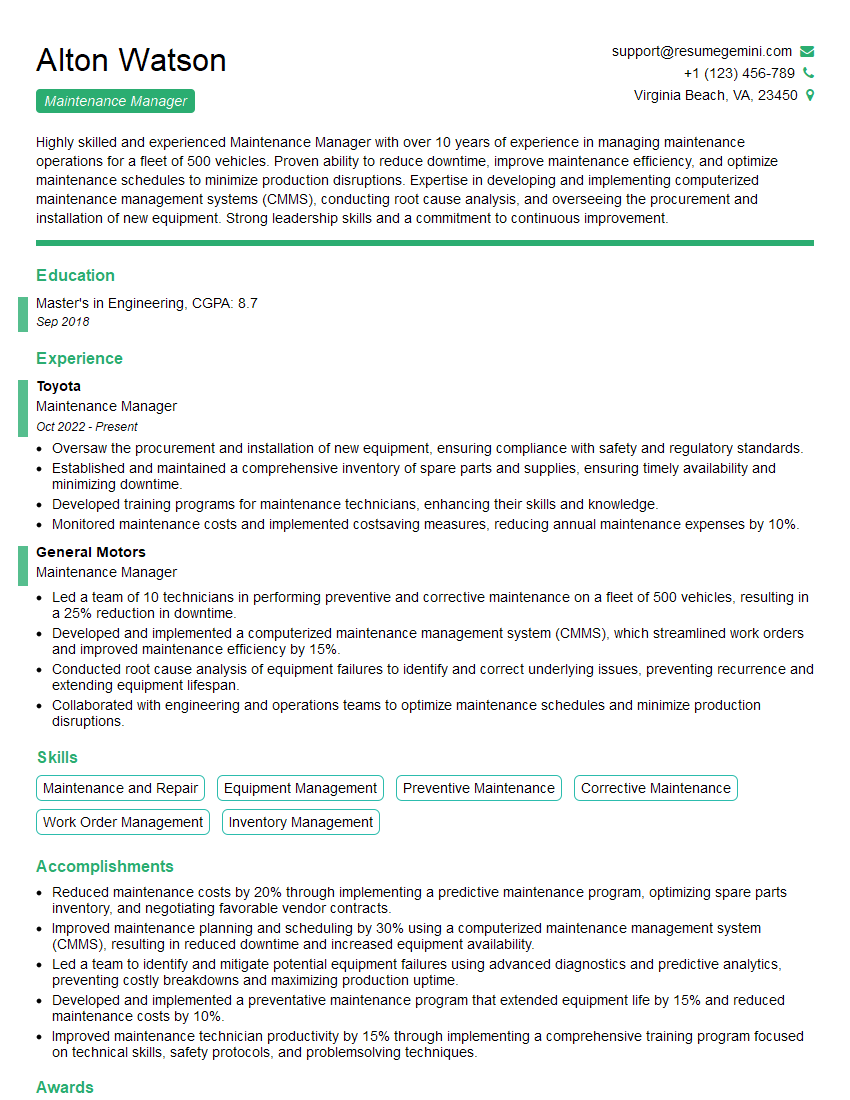
Maintenance Manager Resume Sample
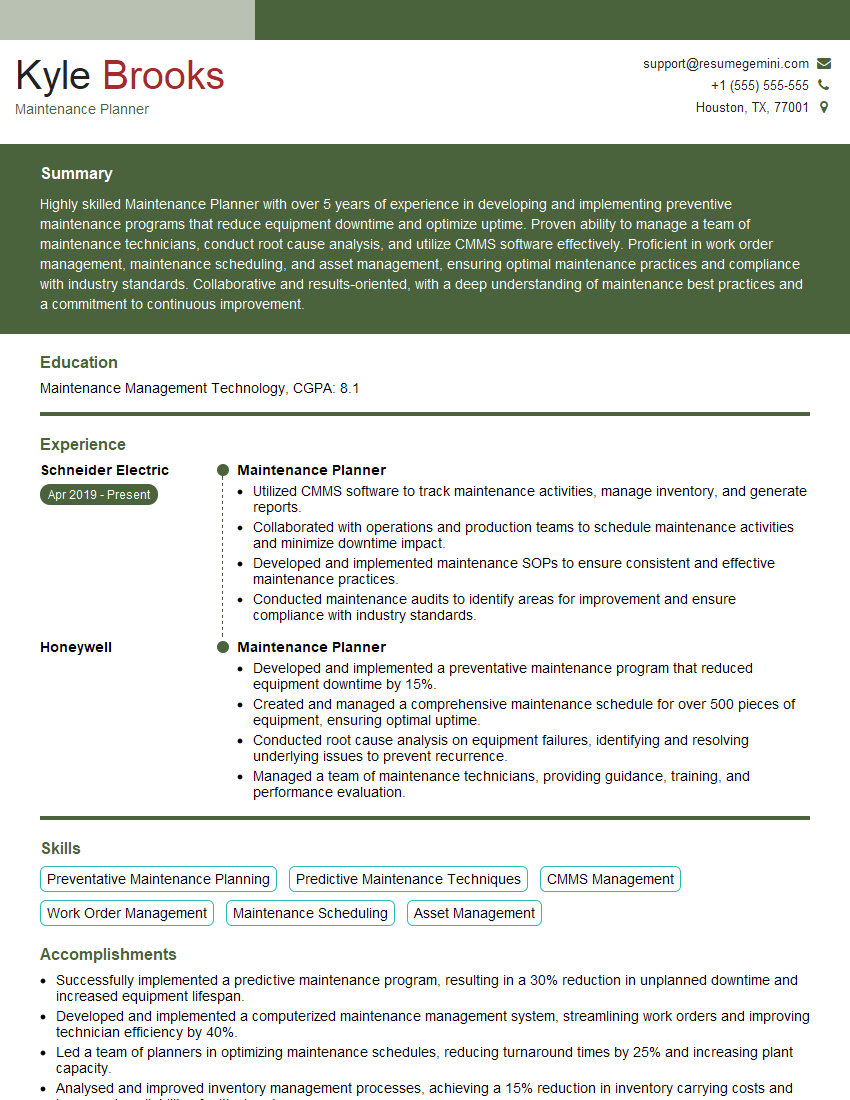
Maintenance Planner Resume Sample
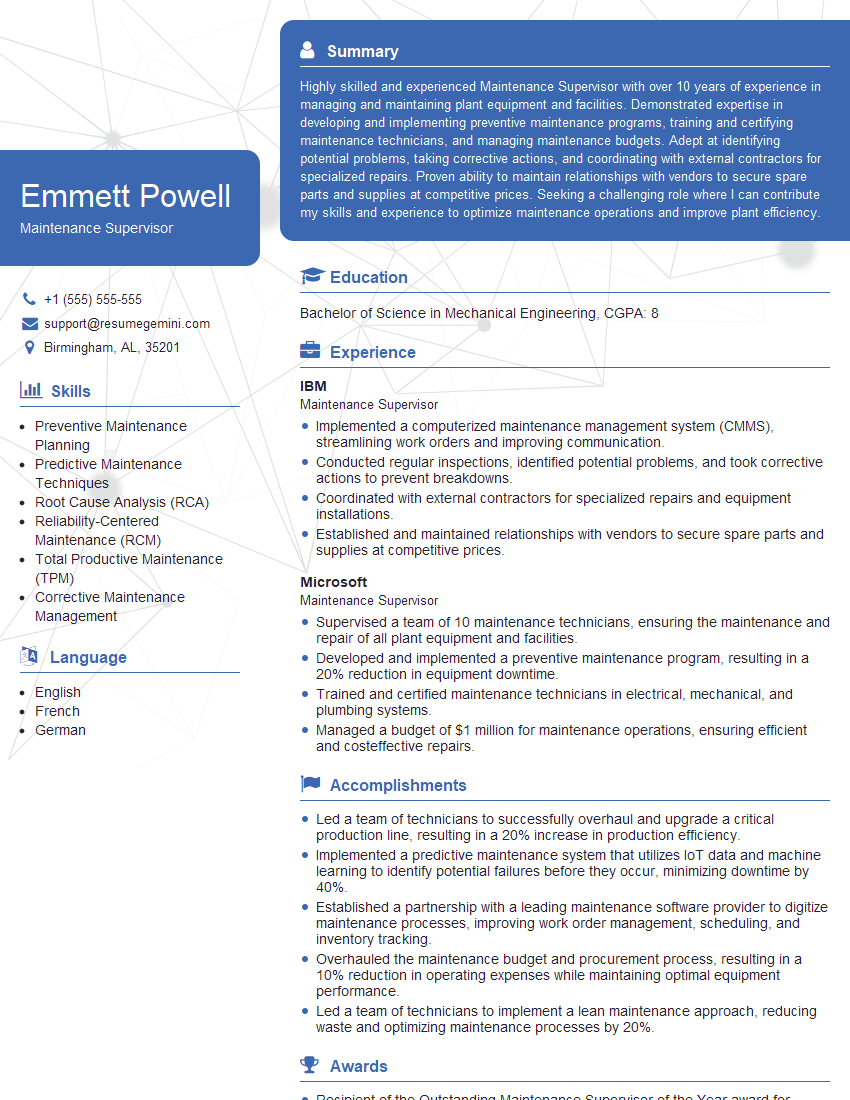
Maintenance Supervisor Resume Sample
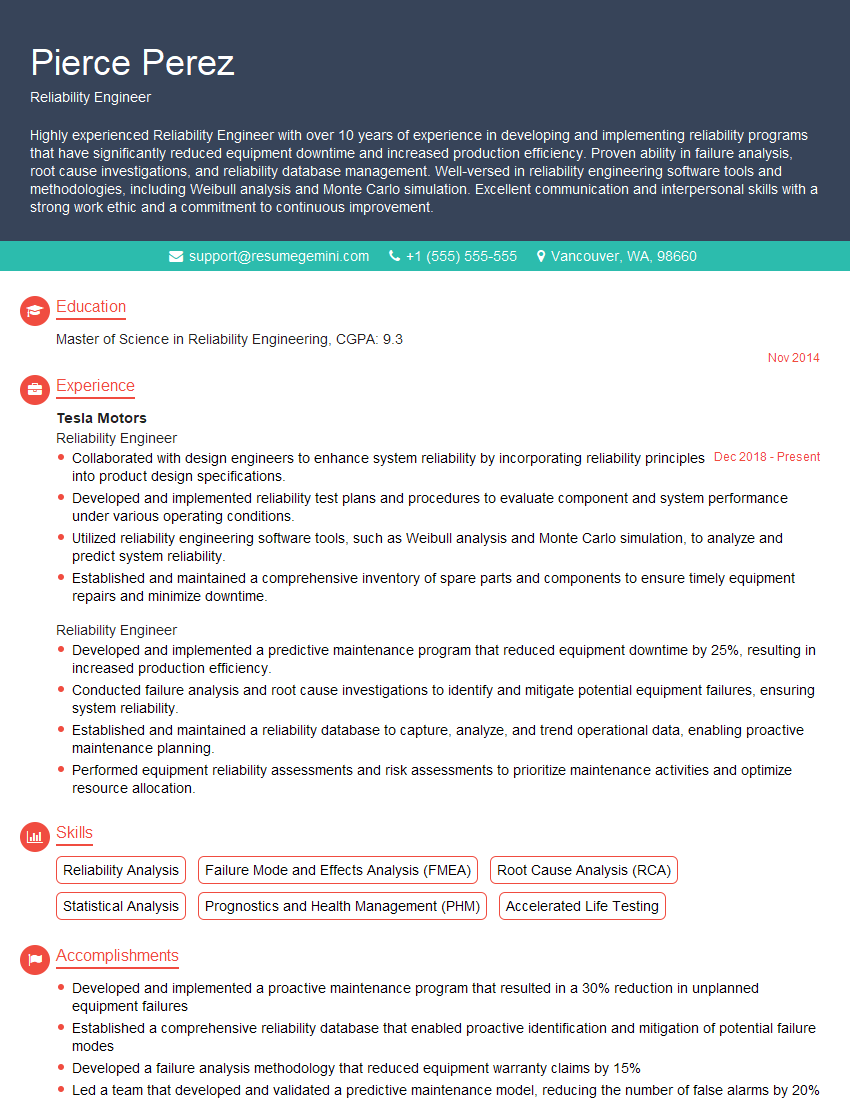
Reliability Engineer Resume Sample
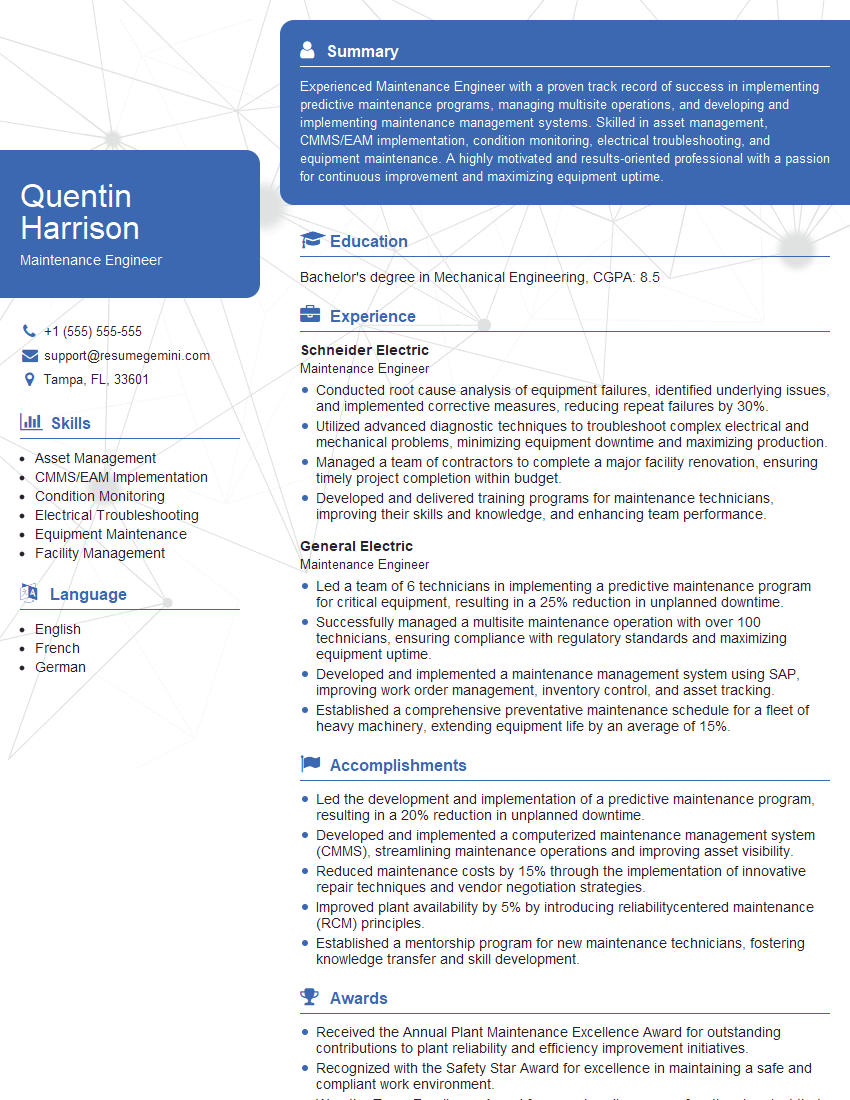
Maintenance Engineer Resume Sample
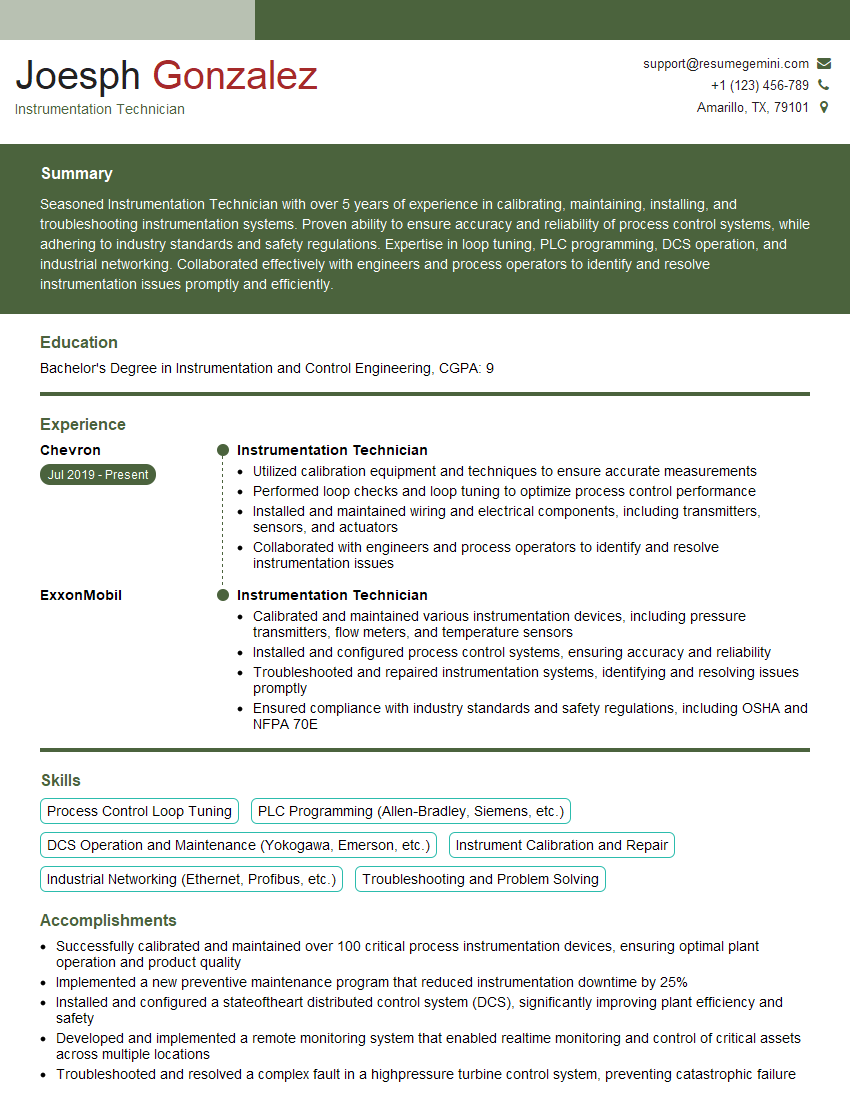
Instrumentation Technician Resume Sample
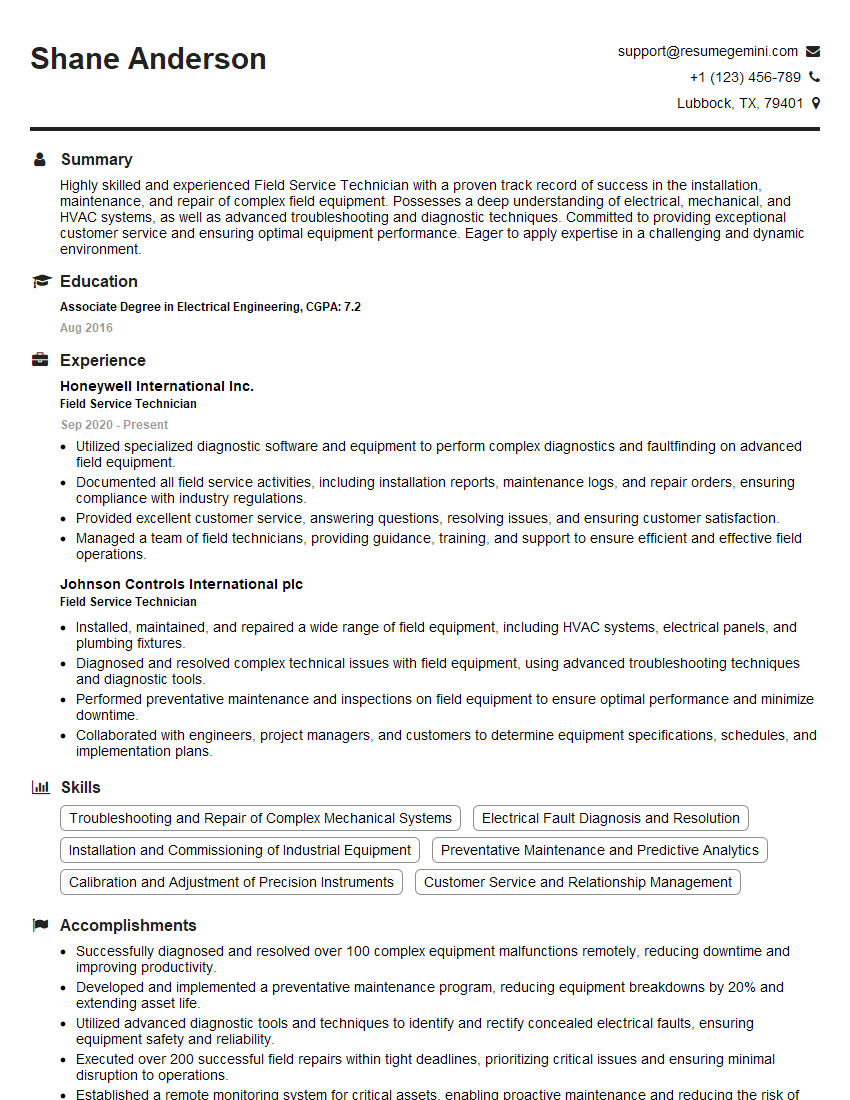
Field Service Technician Resume Sample
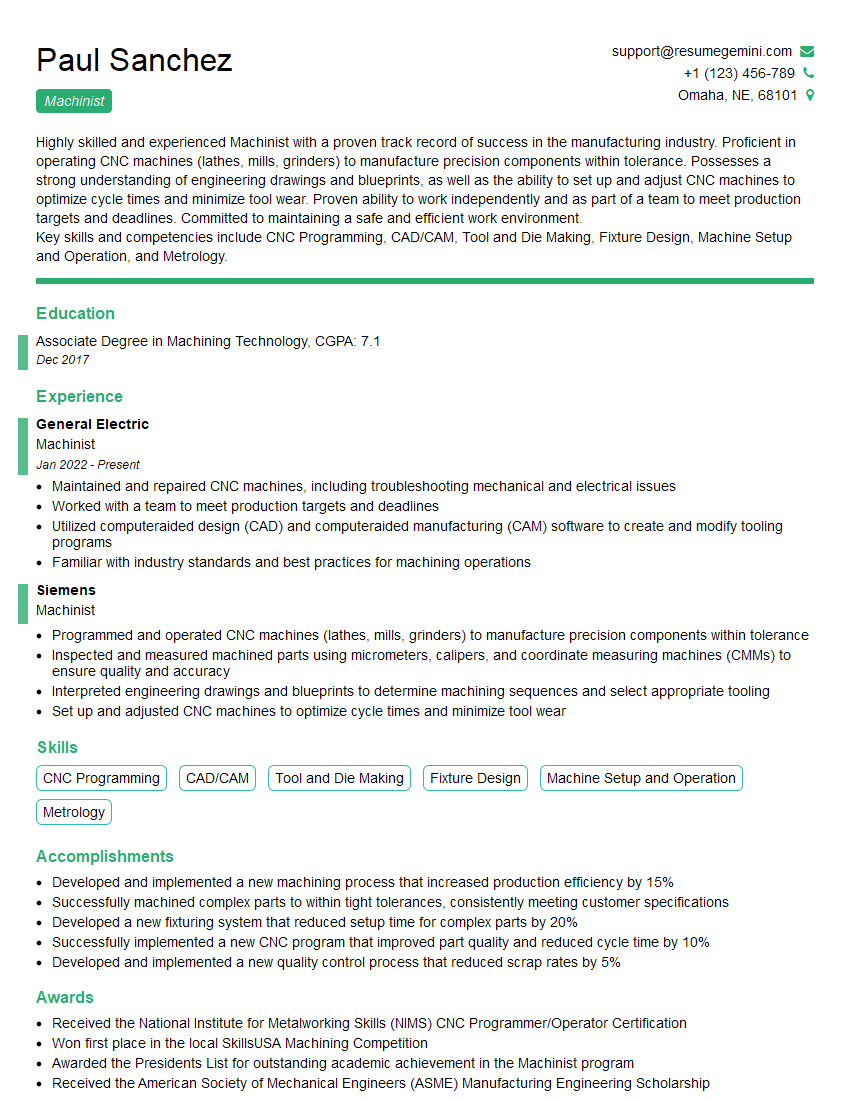
Machinist Resume Sample
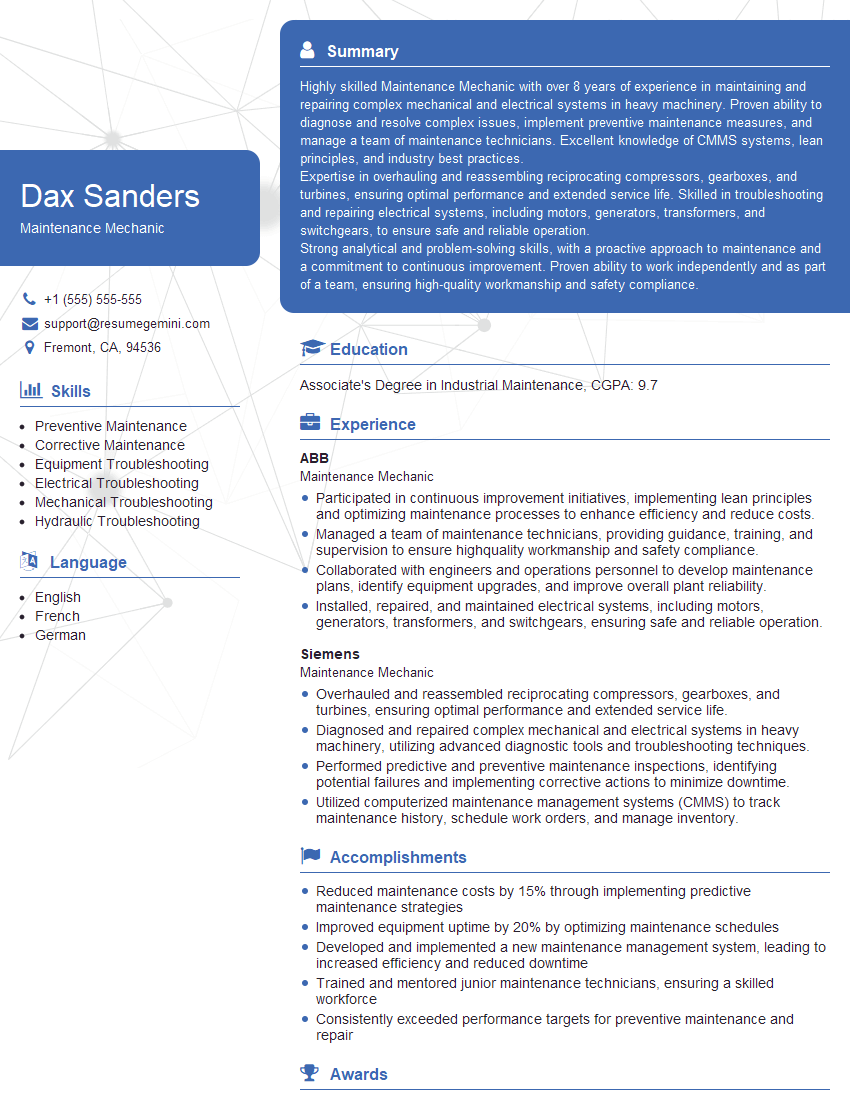
Maintenance Mechanic Resume Sample
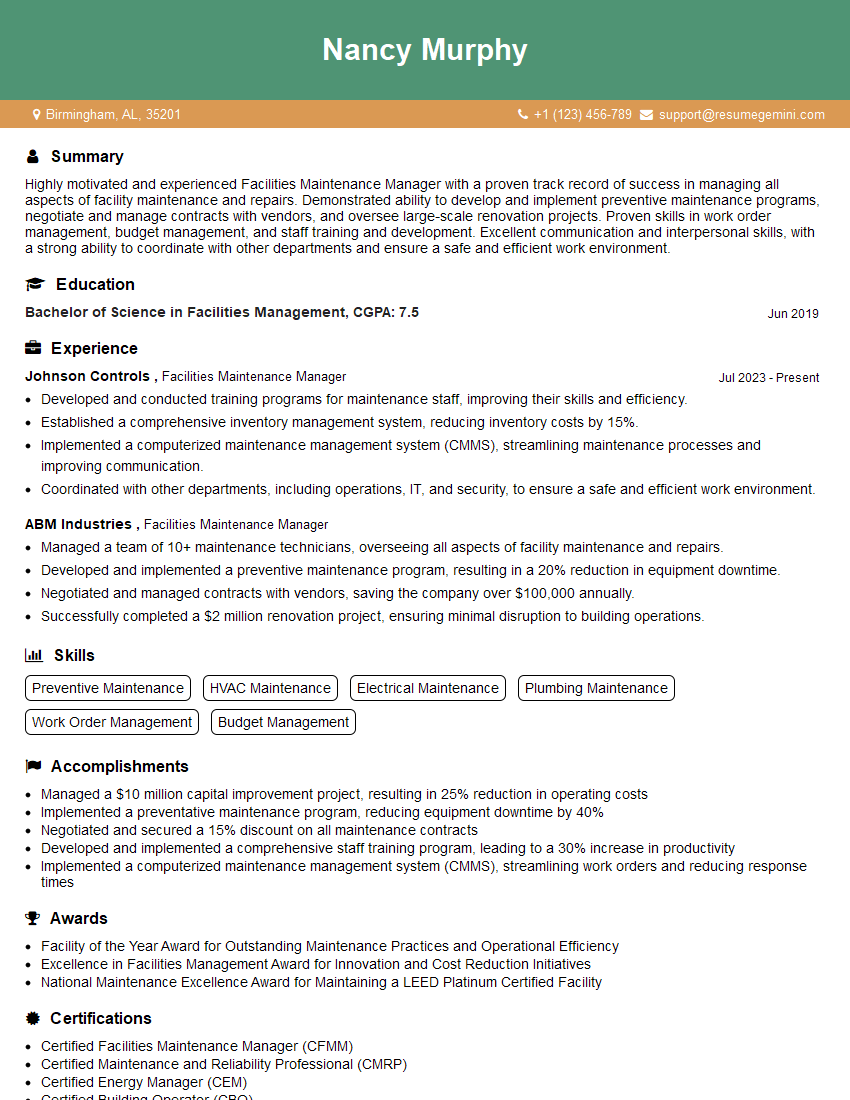
Facilities Maintenance Manager Resume Sample
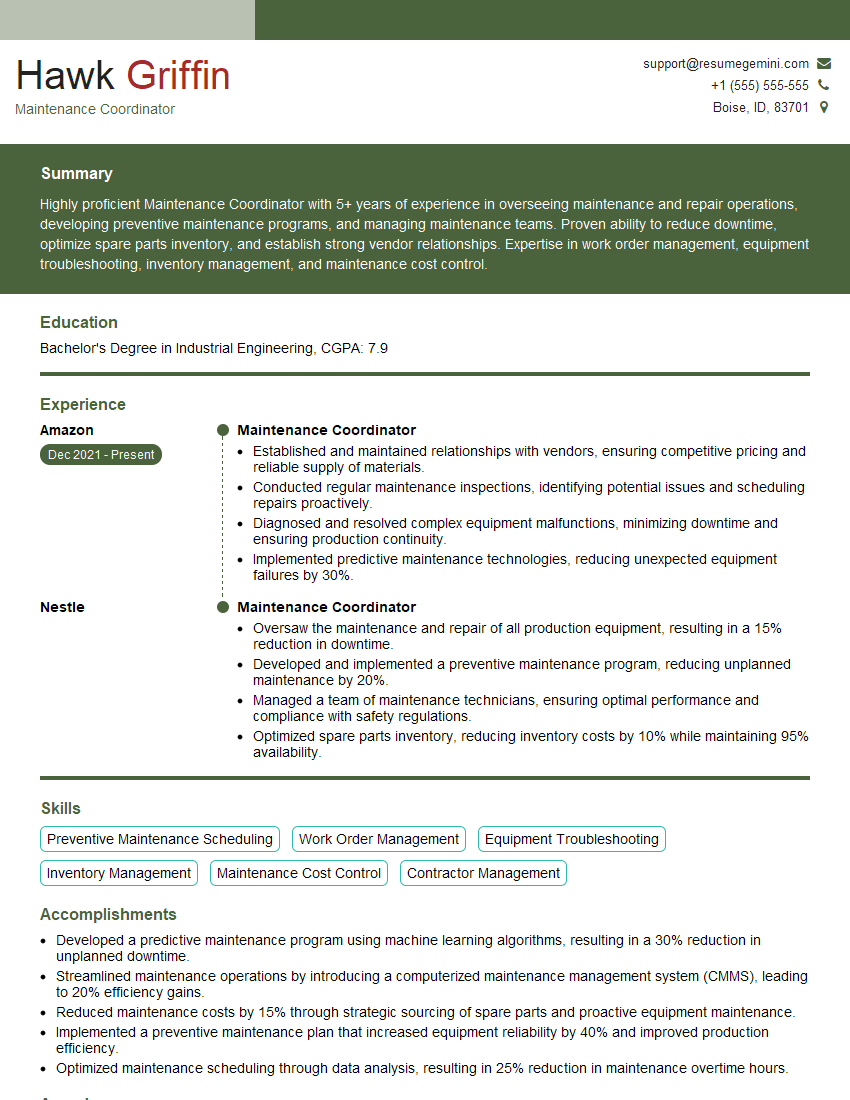
Maintenance Coordinator Resume Sample
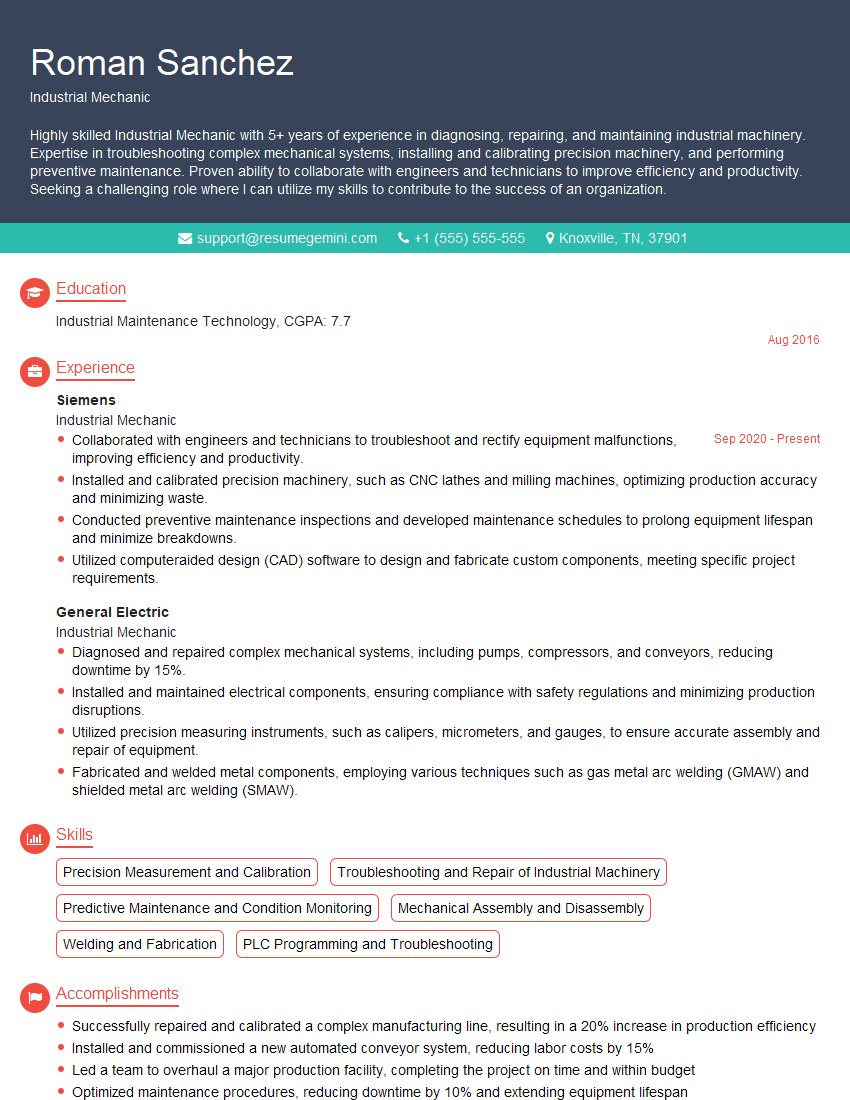
Industrial Mechanic Resume Sample
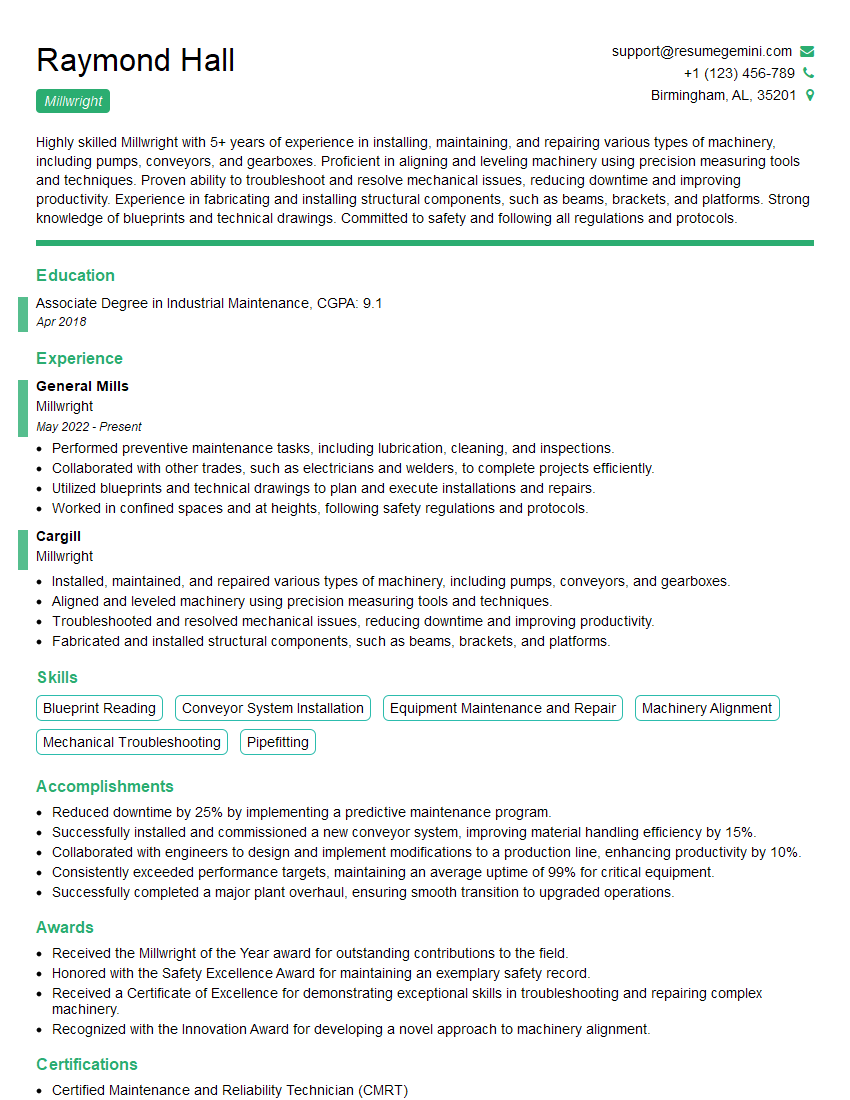
Millwright Resume Sample
Explore more articles
Users Rating of Our Blogs
Share Your Experience
We value your feedback! Please rate our content and share your thoughts (optional).
What Readers Say About Our Blog
Very informative content, great job.
good