Feeling uncertain about what to expect in your upcoming interview? We’ve got you covered! This blog highlights the most important Equipment Utilization and Profitability interview questions and provides actionable advice to help you stand out as the ideal candidate. Let’s pave the way for your success.
Questions Asked in Equipment Utilization and Profitability Interview
Q 1. Define equipment utilization and explain its importance.
Equipment utilization is a crucial metric that measures how effectively your company’s assets are being used. It represents the percentage of available time that a piece of equipment is actually working productively. High utilization signifies efficient resource allocation, leading to increased profitability and a strong return on investment (ROI). Low utilization, conversely, indicates wasted potential, lost revenue, and potentially unnecessary capital expenditure.
Think of it like this: If you own a high-powered delivery truck, high utilization means it’s constantly on the road making deliveries. Low utilization suggests it sits idle in the garage, costing you money while not generating revenue.
Q 2. How do you calculate equipment utilization?
Calculating equipment utilization involves comparing the actual operating time to the total available time. The formula is usually:
Equipment Utilization = (Actual Operating Time / Total Available Time) x 100%Let’s say a machine is scheduled to operate for 168 hours a week (24 hours/day x 7 days). If it actually runs for 140 hours due to maintenance or downtime, then the utilization rate is:
Utilization = (140 hours / 168 hours) x 100% = 83.33%It’s crucial to define ‘actual operating time’ accurately. This isn’t just ‘power-on’ time; it’s the time spent producing goods or services, excluding planned maintenance, breakdowns, and idle periods.
Q 3. What are the key performance indicators (KPIs) for equipment utilization?
Key performance indicators (KPIs) for equipment utilization go beyond a simple percentage. Here are a few critical ones:
- Utilization Rate: The percentage of time the equipment is actively working (as calculated above).
- Downtime Rate: Percentage of time the equipment is non-operational, categorized by reason (maintenance, breakdowns, etc.).
- Mean Time Between Failures (MTBF): Average time between equipment failures. Higher MTBF indicates better equipment reliability.
- Mean Time To Repair (MTTR): Average time taken to repair a failed piece of equipment. Lower MTTR suggests faster response and less downtime.
- Output per unit of time: Measures productivity by considering the output generated relative to the actual operating time.
Monitoring these KPIs together offers a holistic view of equipment performance and efficiency.
Q 4. Describe a situation where you improved equipment utilization.
In a previous role at a manufacturing plant, we faced low utilization of our CNC milling machines. Initial analysis showed that a significant amount of downtime was attributed to tool changes and setup times. We implemented a lean manufacturing principle called Single Minute Exchange of Die (SMED) to reduce setup times. This involved optimizing the tooling arrangements, creating standardized procedures, and providing comprehensive training to operators. We also streamlined the preventive maintenance schedule, ensuring regular maintenance occurred during off-peak hours to minimize disruptions.
The result? We reduced setup time by 40%, increased MTBF by 15%, and boosted the utilization rate from 65% to 82% within six months, leading to a substantial increase in production and a positive impact on the bottom line.
Q 5. How do you identify and address bottlenecks in equipment usage?
Identifying bottlenecks in equipment usage requires a systematic approach. I typically use a combination of methods:
- Data Analysis: Examining historical equipment data (KPIs mentioned above) to pinpoint recurring issues or periods of low utilization.
- On-site Observation: Spending time on the shop floor, observing equipment operation, and identifying potential bottlenecks firsthand. This allows for direct identification of problems that data alone may miss.
- Operator Feedback: Gathering insights from operators, as they often possess valuable firsthand knowledge of challenges and limitations.
- Root Cause Analysis (RCA): Using techniques like the 5 Whys to drill down and determine the root causes of downtime and low utilization. This approach focuses on solving problems at their source instead of just treating symptoms.
Addressing the bottlenecks may involve process improvements, operator training, equipment upgrades, or improved maintenance schedules. The solution always depends on the specific root cause uncovered during the analysis.
Q 6. Explain different methods for tracking equipment usage.
Several methods exist for tracking equipment usage, each with its strengths and weaknesses:
- Manual Data Logging: Operators record equipment usage in logbooks. Simple but prone to errors and inconsistencies.
- Automated Data Acquisition Systems (DAS): Sensors and software collect real-time data on equipment operation, providing precise and continuous tracking. This is more expensive to implement initially but provides a much higher level of accuracy and detail.
- Enterprise Resource Planning (ERP) Systems: Integrated systems manage various aspects of a business, including equipment usage. They offer a centralized view of data but require careful configuration and integration.
- Computerized Maintenance Management Systems (CMMS): Software for tracking maintenance activities and automatically recording equipment downtime. Provides valuable information for both maintenance and utilization analysis.
The optimal method depends on factors like budget, technical capabilities, and the complexity of equipment usage.
Q 7. How do you balance equipment utilization with maintenance requirements?
Balancing equipment utilization with maintenance is a critical aspect of maximizing profitability and extending equipment lifespan. Neglecting maintenance leads to breakdowns, increased downtime, and ultimately, lower utilization. Over-maintaining, on the other hand, can also reduce utilization.
A well-defined preventive maintenance (PM) schedule is key. This should incorporate regular inspections, lubrication, and minor repairs to prevent major failures. Scheduling PM during off-peak hours minimizes disruption to production. Further, implementing predictive maintenance techniques, such as vibration analysis or thermal imaging, allows for proactive maintenance based on actual equipment condition, rather than solely relying on a time-based schedule. This helps to optimize maintenance tasks and prevent unexpected downtime.
The ideal balance lies in strategically scheduling maintenance to minimize its impact on production while ensuring equipment remains in optimal working condition.
Q 8. What strategies do you use to improve equipment uptime?
Improving equipment uptime is crucial for maximizing productivity and profitability. My approach involves a multi-pronged strategy focusing on preventative maintenance, operator training, and proactive problem-solving.
Preventative Maintenance Schedules: I implement rigorous preventative maintenance (PM) schedules based on manufacturer recommendations and historical equipment data. This includes regular inspections, lubrication, and component replacements before they fail. For example, in a previous role, we implemented a predictive maintenance program for our fleet of excavators using sensor data to predict potential failures and schedule maintenance proactively, reducing unplanned downtime by 25%.
Operator Training and Certification: Properly trained operators are key to minimizing equipment wear and tear. I ensure operators receive comprehensive training on safe operating procedures, routine checks, and early identification of potential issues. This often includes hands-on training, simulations, and ongoing competency assessments.
Proactive Issue Identification: I advocate for the use of technologies like telematics and remote monitoring systems. These systems provide real-time data on equipment performance, enabling early detection of anomalies and potential problems before they escalate into major downtime events. For instance, detecting unusual engine temperatures can signal a looming issue, allowing for timely intervention.
Q 9. How do you analyze equipment downtime and identify root causes?
Analyzing equipment downtime requires a systematic approach to pinpoint root causes. I typically utilize a combination of data analysis, root cause analysis techniques (like the 5 Whys), and direct observation.
Data Analysis: I leverage historical maintenance records, production data, and equipment logs to identify trends and patterns. This helps determine the frequency, duration, and contributing factors to downtime. For instance, if we observe frequent breakdowns of a specific component across multiple machines, it suggests a potential design flaw or supply chain issue.
Root Cause Analysis (5 Whys): This iterative questioning technique helps drill down to the underlying causes of downtime. For example, if a machine breaks down due to a hydraulic leak (initial problem), the 5 Whys might reveal that the leak was caused by a worn seal (why 1), which was caused by insufficient lubrication (why 2), due to operator failure to follow the lubrication schedule (why 3), which was due to lack of training (why 4), ultimately pointing to a deficiency in the operator training program (why 5).
Direct Observation: On-site observations are crucial to complement data analysis. Witnessing the event, reviewing work processes, and interviewing operators helps to understand contextual factors that might not be captured in data logs.
Q 10. How do you forecast equipment needs for future projects?
Forecasting equipment needs for future projects requires a careful consideration of project scope, duration, resource availability, and potential risks.
Project Scope and Requirements: A detailed analysis of the project plan is essential. This includes identifying the types of equipment needed, the expected workload, and the duration of the project.
Capacity Planning: This involves assessing the existing equipment fleet and its capacity. Are existing machines sufficient to handle the new workload, or will additional equipment be needed? We would analyze utilization rates of existing equipment to understand any potential capacity gaps.
Risk Assessment: Unexpected delays, equipment failures, and other unforeseen circumstances can impact project timelines and resource requirements. Contingency planning is crucial to ensure sufficient backup equipment or capacity is available.
External Factors: Market conditions, lead times for procuring new equipment, and seasonal fluctuations in demand all need to be considered when forecasting equipment needs.
Using this information, we can develop a detailed equipment schedule that outlines the specific equipment required for each phase of the project, including rental needs or potential purchases.
Q 11. Explain your experience with equipment replacement analysis.
Equipment replacement analysis is a critical aspect of optimizing asset management. I use a comprehensive approach that considers various financial and operational factors to determine the optimal replacement timeline.
Cost Analysis: This involves comparing the costs associated with keeping existing equipment (maintenance, repairs, operating costs) versus replacing it with newer models. This often involves calculating the present value of future costs using discounted cash flow techniques.
Productivity Analysis: Newer equipment often offers improved efficiency, productivity, and reduced downtime compared to older machines. This needs to be quantified in terms of increased output or reduced operating costs.
Technological Advancements: Technological advancements can significantly impact equipment performance and operating costs. Consider whether newer models offer superior features that justify the replacement cost.
Risk Assessment: The risk of equipment failure and subsequent downtime increases with age. The potential cost of unexpected breakdowns should be factored into the replacement decision.
Often, I use software tools to model different replacement scenarios and compare the total cost of ownership over the equipment’s lifespan. This helps make data-driven decisions about when to replace equipment to maximize profitability.
Q 12. How do you measure the profitability of equipment assets?
Measuring the profitability of equipment assets requires a holistic approach that considers various cost and revenue streams. I typically utilize several key metrics:
Return on Investment (ROI): This is a fundamental metric that assesses the profitability of an investment relative to its cost. A high ROI indicates that the equipment is generating substantial returns.
Net Present Value (NPV): NPV considers the time value of money, discounting future cash flows to their present value. A positive NPV indicates a profitable investment.
Internal Rate of Return (IRR): This metric determines the discount rate that makes the NPV of an investment equal to zero. A higher IRR signifies a more attractive investment.
Utilization Rate: This measures the percentage of time the equipment is actively used versus idle. A higher utilization rate generally translates to higher profitability.
Operating Costs: This includes fuel, maintenance, repairs, labor, and other expenses associated with running the equipment.
By tracking these metrics, we can identify profitable and unprofitable equipment, allowing for informed decisions on investment, maintenance, and potential divestment.
Q 13. Describe your experience with cost-benefit analysis related to equipment.
Cost-benefit analysis (CBA) is integral to equipment-related decisions. It involves systematically comparing the costs and benefits of different options to determine the most economically sound choice.
Identify Options: The first step is to define the problem and identify potential solutions, such as purchasing new equipment, upgrading existing equipment, or outsourcing services.
Quantify Costs: This includes all direct and indirect costs associated with each option, including initial investment, operating costs, maintenance, and disposal costs.
Quantify Benefits: This involves identifying all the tangible and intangible benefits of each option, such as increased productivity, reduced downtime, improved quality, and safety improvements. These benefits should be expressed in monetary terms whenever possible.
Compare Costs and Benefits: After quantifying costs and benefits, they are compared to determine the net benefit of each option. Common metrics like NPV, ROI, and payback period are used to evaluate the financial viability of each option.
Sensitivity Analysis: To account for uncertainty, sensitivity analysis is performed to examine how changes in key parameters (e.g., equipment lifespan, maintenance costs) affect the decision outcome.
A well-conducted CBA allows for informed, data-driven decisions, ensuring that investments in equipment align with organizational objectives and budget constraints.
Q 14. How do you identify opportunities for equipment optimization?
Identifying opportunities for equipment optimization requires a combination of data analysis, process improvement techniques, and creative thinking.
Data-Driven Insights: Analyzing equipment utilization data, maintenance records, and production data can pinpoint areas for improvement. For example, identifying periods of low utilization can suggest opportunities to reschedule work or allocate equipment more effectively. Similarly, frequently occurring maintenance issues might indicate a need for process improvements or better maintenance practices.
Process Improvement Techniques: Lean manufacturing principles (like 5S, Kaizen) can be applied to optimize equipment usage. This includes improving workflow processes, reducing waste, and streamlining maintenance procedures. Eliminating bottlenecks and reducing downtime can significantly improve overall equipment effectiveness (OEE).
Technology Adoption: Exploring and implementing new technologies, such as predictive maintenance software, automation systems, and advanced analytics tools, can create substantial opportunities for equipment optimization. For example, using sensor data to predict potential failures allows for proactive maintenance, reducing downtime and improving efficiency.
Operator Feedback: Operators often possess valuable insights into equipment usage and potential improvements. Regular feedback sessions and surveys can help identify hidden inefficiencies and suggest potential solutions.
A systematic approach to identifying and implementing optimization measures is crucial to maximizing the value and productivity of equipment assets.
Q 15. How do you incorporate technology to improve equipment utilization?
Improving equipment utilization hinges on leveraging technology to gain real-time visibility and predictive capabilities. Think of it like having a highly organized and efficient inventory system, but for your equipment.
Real-time tracking systems (GPS, RFID): These technologies pinpoint the location and status of equipment, minimizing idle time and identifying bottlenecks. For instance, imagine tracking delivery trucks – knowing their location lets you optimize routes and reduce delays.
Predictive maintenance software: Analyzing sensor data from equipment allows for proactive maintenance scheduling, preventing costly breakdowns and maximizing uptime. It’s like having a mechanic who predicts when your car needs an oil change before it actually breaks down.
Equipment Management Software (EMS): Software solutions centralize all equipment data – scheduling, maintenance logs, utilization reports – providing a single source of truth for decision-making. This is your central control panel for all equipment activity.
Digital dashboards and reporting: Visualizing key performance indicators (KPIs) like utilization rates and downtime allows quick identification of areas for improvement. This gives you a clear picture of your equipment’s performance at a glance.
By integrating these technologies, we can move from reactive equipment management to proactive optimization, resulting in significant cost savings and increased productivity.
Career Expert Tips:
- Ace those interviews! Prepare effectively by reviewing the Top 50 Most Common Interview Questions on ResumeGemini.
- Navigate your job search with confidence! Explore a wide range of Career Tips on ResumeGemini. Learn about common challenges and recommendations to overcome them.
- Craft the perfect resume! Master the Art of Resume Writing with ResumeGemini’s guide. Showcase your unique qualifications and achievements effectively.
- Don’t miss out on holiday savings! Build your dream resume with ResumeGemini’s ATS optimized templates.
Q 16. Explain your experience with implementing new equipment or processes.
In my previous role, we implemented a new automated packaging line. The project involved a thorough needs assessment, vendor selection, detailed planning for integration with existing systems, and comprehensive staff training. The initial phase focused on meticulously defining project scope and objectives. We mapped out the entire process, from raw materials to finished goods, to pinpoint where the automation would bring the most significant improvements. The next step involved evaluating different vendors and their proposed solutions, weighing factors like cost, efficiency, and reliability. Following vendor selection, we carefully planned the integration process to minimize disruption to existing operations. This included coordinating installation, testing, and employee training to ensure a smooth transition.
Post-implementation, we monitored key metrics like throughput, defect rates, and maintenance costs to evaluate the effectiveness of the new line. We also continuously sought employee feedback to identify areas for improvement. This iterative approach ensured the automated line met our expectations and significantly increased our packaging efficiency by 30%, reducing labor costs and improving product quality. The success of this project highlighted the importance of meticulous planning, robust vendor management, and ongoing monitoring.
Q 17. Describe a time you had to make a difficult decision about equipment allocation.
I once faced a tough decision regarding equipment allocation during a peak season. We had a limited number of high-capacity excavators, crucial for a large-scale construction project, and two competing projects demanding their use. Project A was ahead of schedule and generating significant revenue, while Project B was behind, risking penalties for late completion. The challenge was allocating the excavators to maximize overall profitability considering both immediate revenue and potential penalties.
My approach involved a detailed cost-benefit analysis for each scenario. I calculated the potential revenue gains from Project A’s continued progress versus the penalties for Project B’s delay. This included assessing the impact of the delay on future projects that depended on Project B’s timely completion. The analysis revealed that while prioritizing Project A offered immediate gains, completing Project B on time was crucial for long-term profitability and avoiding substantial penalties. So, I strategically allocated the excavators to expedite Project B, prioritizing long-term benefits over immediate ones. Though this involved a short-term revenue sacrifice, it avoided greater financial losses in the long run and strengthened our relationship with the client for Project B. This decision highlighted the importance of considering the entire value chain and holistic financial outcomes.
Q 18. How do you manage equipment maintenance budgets?
Managing equipment maintenance budgets requires a balanced approach between preventive maintenance to extend equipment lifespan and reactive maintenance to address unexpected breakdowns. This is much like planning for home repairs – preventative maintenance is cheaper in the long run, but urgent repairs will pop up unexpectedly.
Predictive maintenance planning: Using data analysis and predictive models, we can anticipate potential equipment failures and schedule maintenance proactively. This saves money by minimizing unexpected downtime and emergency repairs.
Budget allocation: We allocate funds based on equipment criticality, age, usage patterns, and predicted maintenance needs. More critical or older equipment requiring more frequent maintenance will receive a larger share of the budget.
Cost-benefit analysis for repairs: We meticulously evaluate the cost of repairing versus replacing equipment. Replacing very old or damaged equipment is often more cost effective than incurring regular expensive repairs.
Vendor negotiation: We leverage our buying power to negotiate favorable rates with maintenance service providers. Strong relationships with vendors are often key in getting better rates.
Continuous monitoring and adjustments: We track actual maintenance costs against the budget, making adjustments as needed to prevent overspending or underspending. Regular monitoring helps you identify patterns and potential cost-saving measures.
By combining data-driven insights with strategic planning, we can optimize our maintenance budget, ensuring the equipment remains reliable and functional while minimizing costs.
Q 19. How do you assess the ROI of different equipment types?
Assessing the ROI of different equipment types involves a comprehensive analysis that goes beyond the initial purchase price. It’s important to factor in all the costs and benefits throughout the equipment’s lifecycle. Think of it like comparing different cars – the initial price is only part of the picture; you also have to consider fuel efficiency, maintenance costs, and resale value.
Initial investment costs: This includes the purchase price, installation costs, and any necessary modifications.
Operating costs: These are ongoing costs such as fuel, electricity, maintenance, repairs, and labor.
Productivity gains: This involves quantifying the increase in output or efficiency due to the new equipment. For instance, how many more units can it produce per hour compared to the old equipment?
Reduced labor costs: If the equipment automates tasks, it may lead to decreased labor requirements and associated costs.
Resale or salvage value: This represents the amount you can recover when you eventually dispose of the equipment.
Downtime costs: This includes the cost of lost production due to equipment breakdowns or maintenance.
We use discounted cash flow (DCF) analysis or similar methods to compare the net present value (NPV) of different equipment options over their expected lifespans. This allows us to make informed decisions based on a comprehensive understanding of the total cost of ownership and expected return.
Q 20. What are some common challenges in managing equipment utilization?
Managing equipment utilization presents several common challenges, often intertwined and requiring multifaceted solutions. Think of it as orchestrating a complex symphony – every instrument (equipment) needs to play its part in harmony to achieve the overall goal (optimal utilization).
Lack of real-time visibility: Not knowing the location or status of equipment leads to idle time and inefficient allocation.
Inadequate maintenance: Preventable breakdowns due to poor maintenance significantly reduce utilization and incur unexpected costs.
Poorly defined processes: Inefficient workflows and unclear responsibilities can lead to delays and equipment underutilization.
Skills gaps: Lack of properly trained personnel can lead to equipment misuse, accidents, and reduced efficiency.
Data silos: Information about equipment is scattered across different departments, hindering effective monitoring and decision-making.
Addressing these challenges requires a combination of technological solutions, process improvements, and investing in training and employee development. By improving communication and coordination, providing appropriate training, and leveraging technology for better visibility, you can overcome many of these hurdles.
Q 21. How do you deal with unexpected equipment breakdowns?
Unexpected equipment breakdowns can significantly disrupt operations and impact profitability. A proactive approach is crucial to minimize downtime and its consequences. Imagine a factory production line; even a small breakdown can cause a ripple effect halting the entire operation.
Emergency response plan: Having a well-defined protocol for handling breakdowns, including contact information for repair personnel and spare parts inventory, is essential.
Rapid assessment and diagnosis: Quickly determining the cause of the breakdown is crucial for efficient repair. This may involve using diagnostic tools or consulting with maintenance experts.
Prioritization and allocation of resources: When multiple breakdowns occur, prioritizing repairs based on their impact on production and overall profitability is necessary.
Preventative maintenance scheduling: Regular maintenance significantly reduces the likelihood of unexpected breakdowns. This is similar to regular car servicing which prevents major issues in the future.
Root cause analysis: After each breakdown, conducting a root cause analysis helps to identify underlying issues and prevent similar incidents in the future.
A strong maintenance program combined with a comprehensive response plan minimizes downtime caused by unexpected equipment failure and keeps the production line running smoothly.
Q 22. How do you prioritize equipment maintenance tasks?
Prioritizing equipment maintenance is crucial for maximizing uptime and minimizing costly breakdowns. I employ a risk-based approach, combining preventative and predictive maintenance strategies. This involves:
- Assessing criticality: I categorize equipment based on its importance to production. Critical equipment requiring minimal downtime receives higher priority for maintenance.
- Analyzing historical data: Past maintenance records, including repair frequency and downtime duration, inform the scheduling of preventative maintenance. This data helps predict potential failures.
- Implementing predictive maintenance: Utilizing technologies like vibration analysis, thermal imaging, and oil analysis helps detect potential issues *before* they lead to failures. This allows for proactive maintenance scheduling, reducing unexpected downtime.
- Using a CMMS (Computerized Maintenance Management System): A CMMS is essential for tracking work orders, scheduling maintenance, and managing spare parts inventory. This ensures efficient and organized maintenance operations.
For example, in a previous role managing a bottling plant, we prioritized maintenance of the high-speed bottling line above other equipment due to its direct impact on production output. Using predictive maintenance on the bottling line’s motors, we were able to anticipate and prevent a major breakdown, saving the company thousands of dollars and avoiding significant production delays.
Q 23. How do you ensure compliance with safety regulations for equipment?
Ensuring equipment safety compliance is paramount. My approach involves a multi-faceted strategy focused on proactive measures, training, and documentation. This includes:
- Regular inspections: Implementing a rigorous inspection schedule for all equipment, checking for wear and tear, safety guards, and proper functioning. This often includes lockout/tagout procedures to prevent accidental activation during maintenance.
- Operator training: Providing comprehensive training to all equipment operators on safe operating procedures, emergency shutdowns, and recognizing potential hazards. Regular refresher courses reinforce safe practices.
- Compliance audits: Conducting regular compliance audits to verify adherence to all relevant safety regulations and industry best practices. These audits identify areas for improvement and ensure ongoing compliance.
- Documentation and record-keeping: Maintaining detailed records of inspections, training, and maintenance activities. This documentation is crucial for demonstrating compliance to regulatory bodies and for identifying patterns in safety incidents.
In a past manufacturing environment, we implemented a comprehensive safety program that reduced workplace accidents by 30% within a year. This program included detailed safety training, regular equipment inspections, and clear communication channels for reporting safety concerns.
Q 24. Explain your experience with developing and implementing equipment utilization policies.
I have extensive experience developing and implementing equipment utilization policies. My approach involves a data-driven process focused on optimizing resource allocation and maximizing productivity. This includes:
- Defining Key Performance Indicators (KPIs): Identifying and tracking relevant KPIs like overall equipment effectiveness (OEE), utilization rate, and downtime percentage. This provides a clear picture of equipment performance.
- Analyzing utilization data: Identifying bottlenecks, inefficiencies, and idle time using data analysis techniques. This helps pinpoint areas for improvement.
- Developing standardized procedures: Creating clear guidelines for equipment scheduling, maintenance, and operation. Standardization ensures consistency and minimizes errors.
- Implementing scheduling optimization techniques: Utilizing software or methodologies to optimize equipment scheduling based on production demands and maintenance requirements. This minimizes idle time and maximizes throughput.
- Continuous improvement: Regularly reviewing and updating policies based on performance data and feedback. This ensures the policies remain effective and relevant.
In a previous role, I developed a new equipment utilization policy that increased OEE by 15% within six months by implementing predictive maintenance, streamlining operational procedures, and optimizing the equipment scheduling process. This resulted in significant cost savings and increased production capacity.
Q 25. How do you collaborate with other departments to improve equipment utilization?
Collaboration is vital for improving equipment utilization. I foster strong relationships with other departments, including production, maintenance, and engineering, to achieve common goals. This involves:
- Regular cross-functional meetings: Holding regular meetings to discuss equipment performance, identify issues, and brainstorm solutions collaboratively.
- Open communication channels: Establishing clear communication channels for reporting equipment issues, sharing data, and providing updates on improvement initiatives.
- Joint problem-solving: Working collaboratively with other departments to identify and resolve issues impacting equipment utilization. This may include addressing issues related to material handling, operator training, or process optimization.
- Shared goals and KPIs: Aligning on shared goals and KPIs to ensure everyone is working towards the same objectives. This fosters a sense of shared responsibility for equipment performance.
For example, in one project, I collaborated closely with the production team to identify and eliminate a bottleneck in the manufacturing process that significantly improved the utilization rate of a key piece of equipment.
Q 26. Describe your experience with using data analytics to improve equipment utilization.
Data analytics is a cornerstone of my approach to improving equipment utilization. I leverage various data analysis techniques to identify trends, patterns, and areas for improvement. This involves:
- Collecting and cleaning data: Gathering data from various sources, including CMMS, production systems, and sensor data. Data cleaning ensures accuracy and reliability.
- Using statistical analysis: Applying statistical methods, such as regression analysis and time series analysis, to identify correlations between different factors and equipment performance.
- Visualizing data: Creating dashboards and reports to visually present key metrics and trends. This helps identify areas needing attention quickly.
- Predictive modeling: Using machine learning techniques to predict equipment failures and optimize maintenance schedules. This minimizes downtime and maximizes uptime.
In a previous role, I used data analytics to identify a recurring pattern of equipment failure related to specific operating conditions. By adjusting operating parameters, we reduced equipment downtime by 10% and significantly improved its utilization rate. I often use tools like Power BI and Tableau to create insightful visualizations.
Q 27. How do you present equipment utilization data to senior management?
Presenting equipment utilization data to senior management requires a clear, concise, and visually appealing approach. I focus on presenting key findings and actionable insights, avoiding overwhelming them with technical details. This typically involves:
- Executive summaries: Providing concise summaries highlighting key findings and recommendations.
- Visualizations: Using charts, graphs, and dashboards to visually represent key metrics and trends. This makes complex data easily understandable.
- Focusing on key performance indicators (KPIs): Highlighting only the most important KPIs that directly impact the bottom line, such as OEE, utilization rate, and cost savings.
- Actionable recommendations: Presenting clear and actionable recommendations based on the data analysis. This shows the value of the data and proposes concrete steps for improvement.
For example, when presenting data to senior management, I might focus on a single slide showing the percentage increase in OEE and the resulting cost savings, rather than delving into the specifics of each data point. This keeps the presentation focused and impactful.
Q 28. What are your salary expectations for this role?
My salary expectations are commensurate with my experience and the requirements of this role. Considering my extensive experience in equipment utilization, profitability analysis, and data-driven decision making, I am seeking a salary range of [Insert Salary Range] annually. I am confident that my contributions will significantly benefit your organization, and I am open to discussing this further.
Key Topics to Learn for Equipment Utilization and Profitability Interview
- Defining and Measuring Utilization: Understanding different utilization metrics (e.g., operating hours, production output), identifying data sources, and analyzing trends to pinpoint areas for improvement.
- Cost Analysis & Allocation: Assigning direct and indirect costs to equipment, calculating depreciation, and understanding the impact of maintenance schedules on overall profitability.
- Profitability Metrics & KPIs: Working with key performance indicators (KPIs) such as return on investment (ROI), net present value (NPV), and break-even analysis to assess equipment performance and investment decisions.
- Optimization Strategies: Exploring techniques for maximizing equipment uptime, including preventative maintenance, efficient scheduling, and resource allocation strategies. This includes understanding the trade-off between utilization and maintenance costs.
- Technological Advancements: Familiarizing yourself with technologies impacting equipment utilization and profitability, such as telematics, predictive maintenance software, and data analytics tools.
- Reporting and Data Visualization: Presenting data effectively through charts, graphs, and reports to communicate insights and support decision-making regarding equipment investments and operational efficiency.
- Problem-Solving Case Studies: Preparing to discuss real-world scenarios where you’ve improved equipment utilization or profitability, focusing on your analytical skills and problem-solving approach.
Next Steps
Mastering Equipment Utilization and Profitability is crucial for career advancement in operations, management, and engineering roles. Demonstrating your expertise in this area showcases your analytical abilities, strategic thinking, and commitment to optimizing business performance. To significantly increase your chances of landing your dream job, crafting an ATS-friendly resume is paramount. A well-structured resume highlights your skills and experience in a way that Applicant Tracking Systems (ATS) can easily understand, ensuring your application receives proper consideration. We strongly recommend leveraging ResumeGemini to build a professional and impactful resume. ResumeGemini provides tools and resources to help you create a resume that showcases your qualifications effectively. Examples of resumes tailored to Equipment Utilization and Profitability are available to help guide your process.

Operations Manager Resume Sample
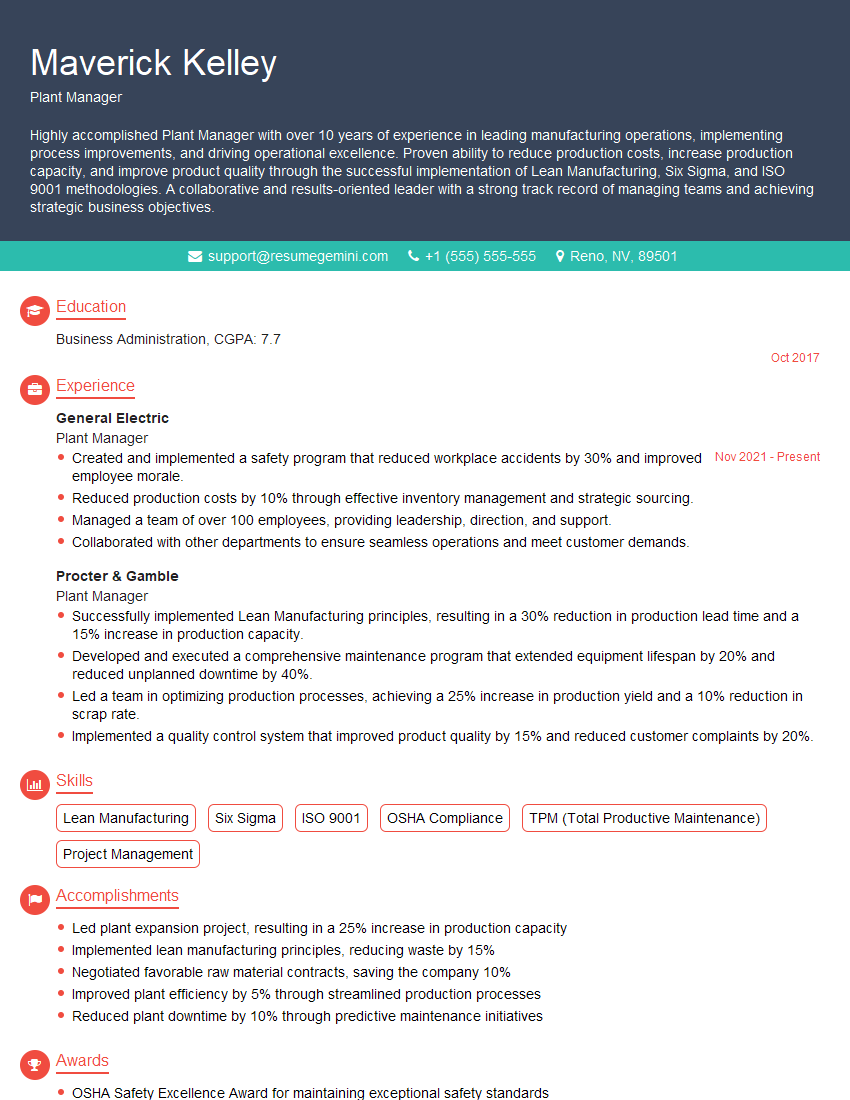
Plant Manager Resume Sample
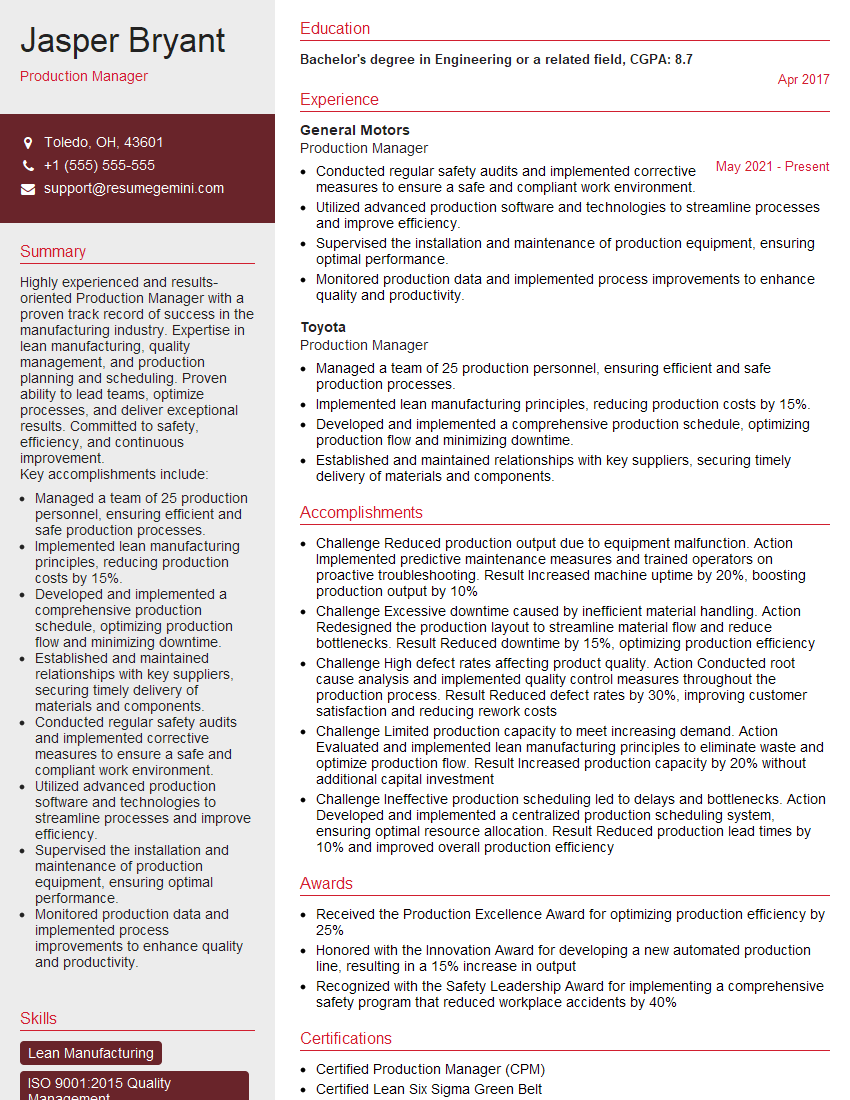
Production Manager Resume Sample
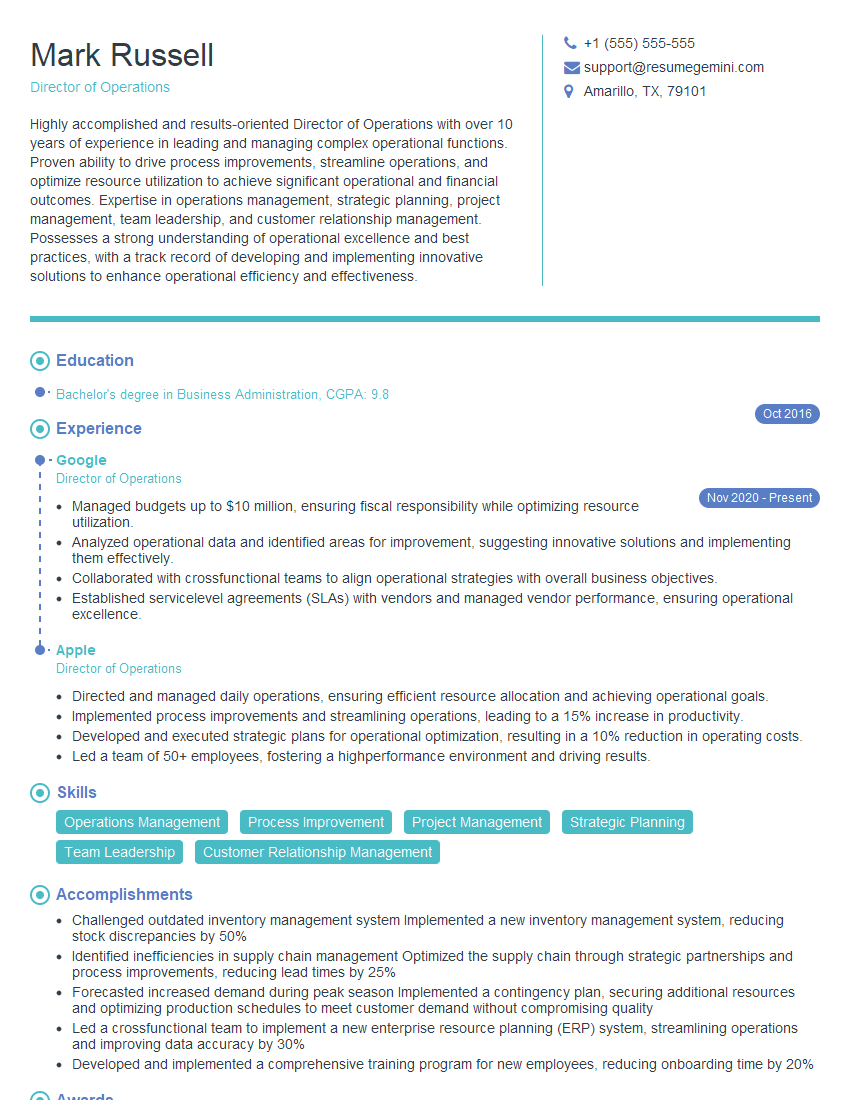
Director of Operations Resume Sample
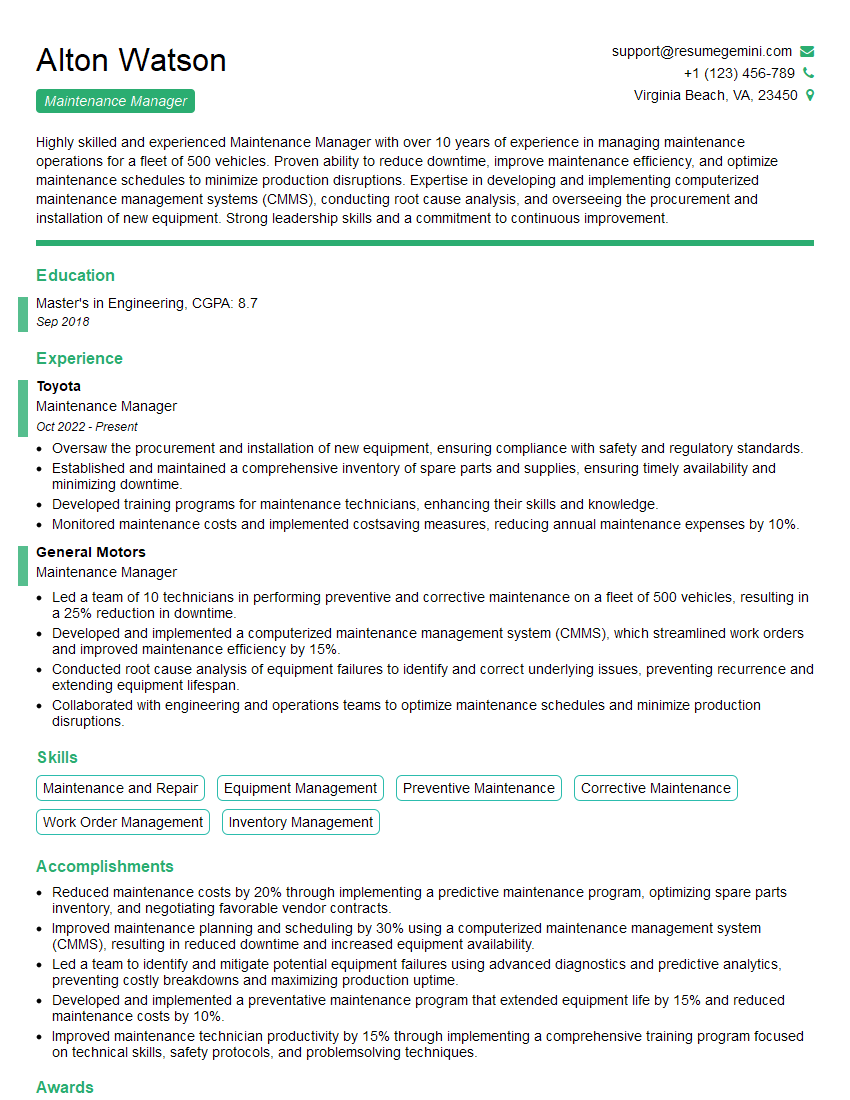
Maintenance Manager Resume Sample

Procurement Manager Resume Sample
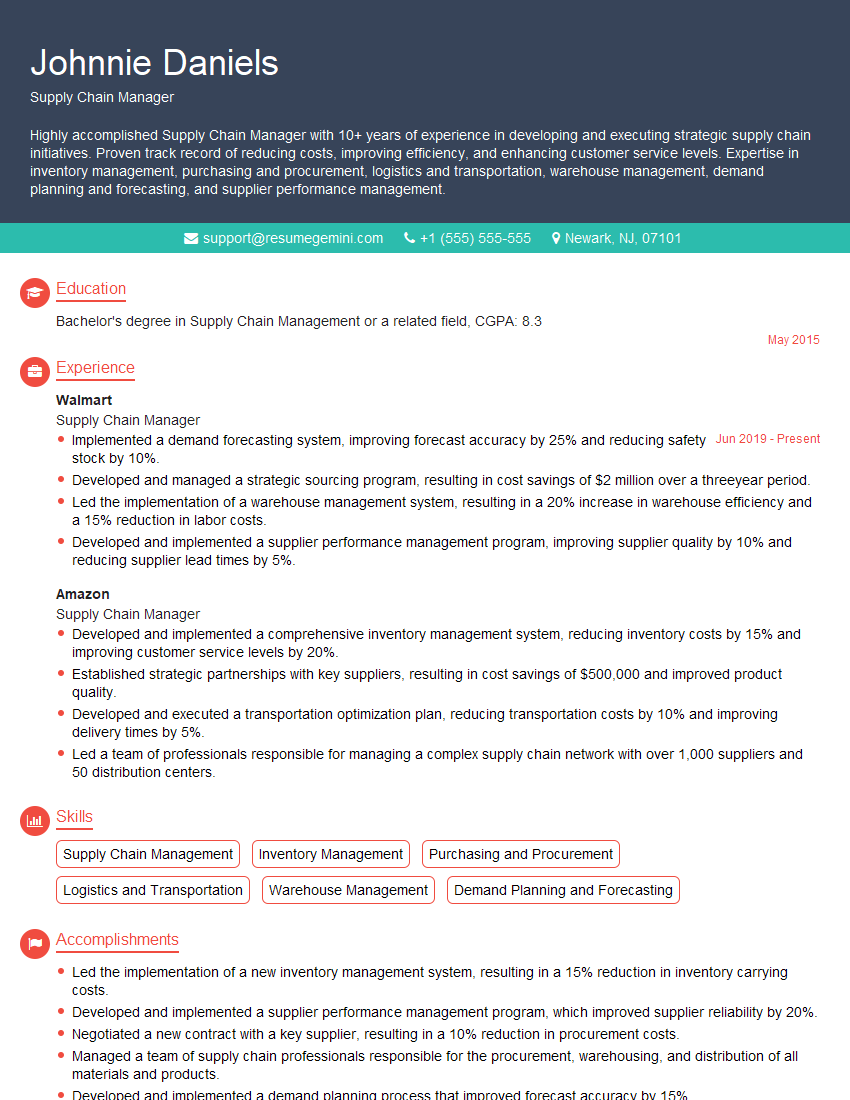
Supply Chain Manager Resume Sample
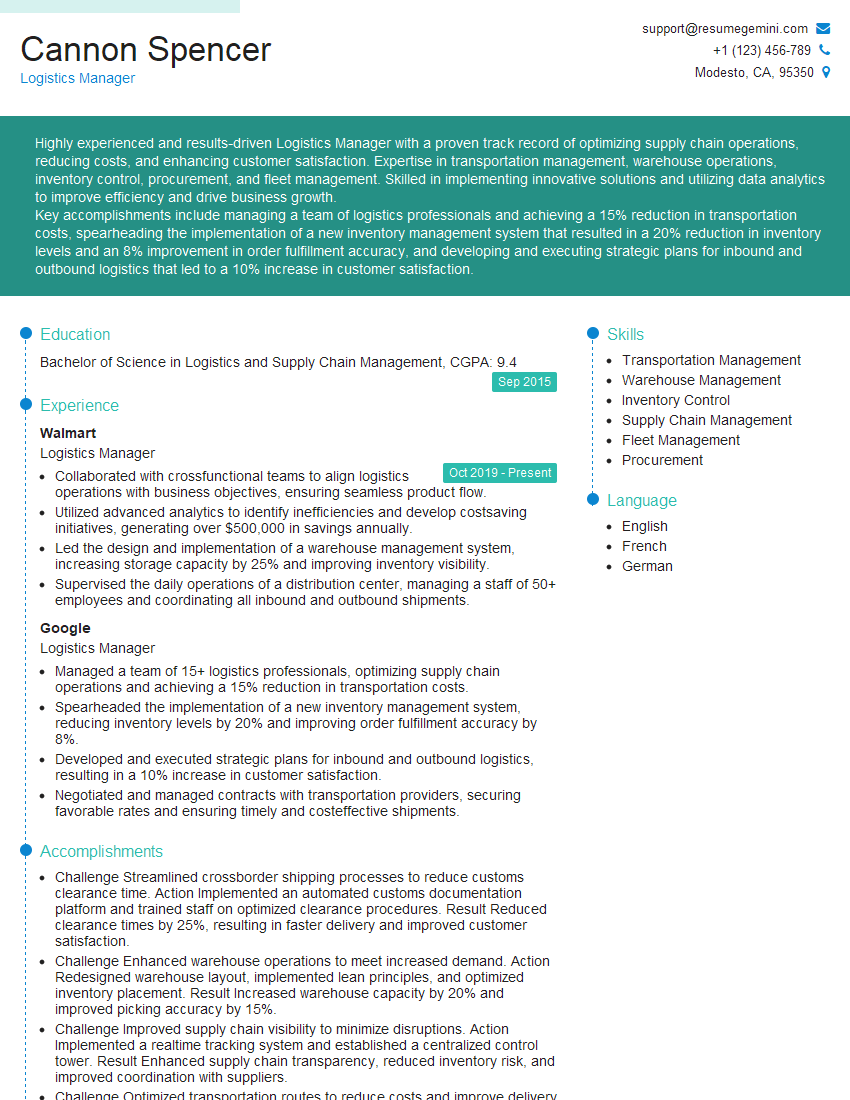
Logistics Manager Resume Sample
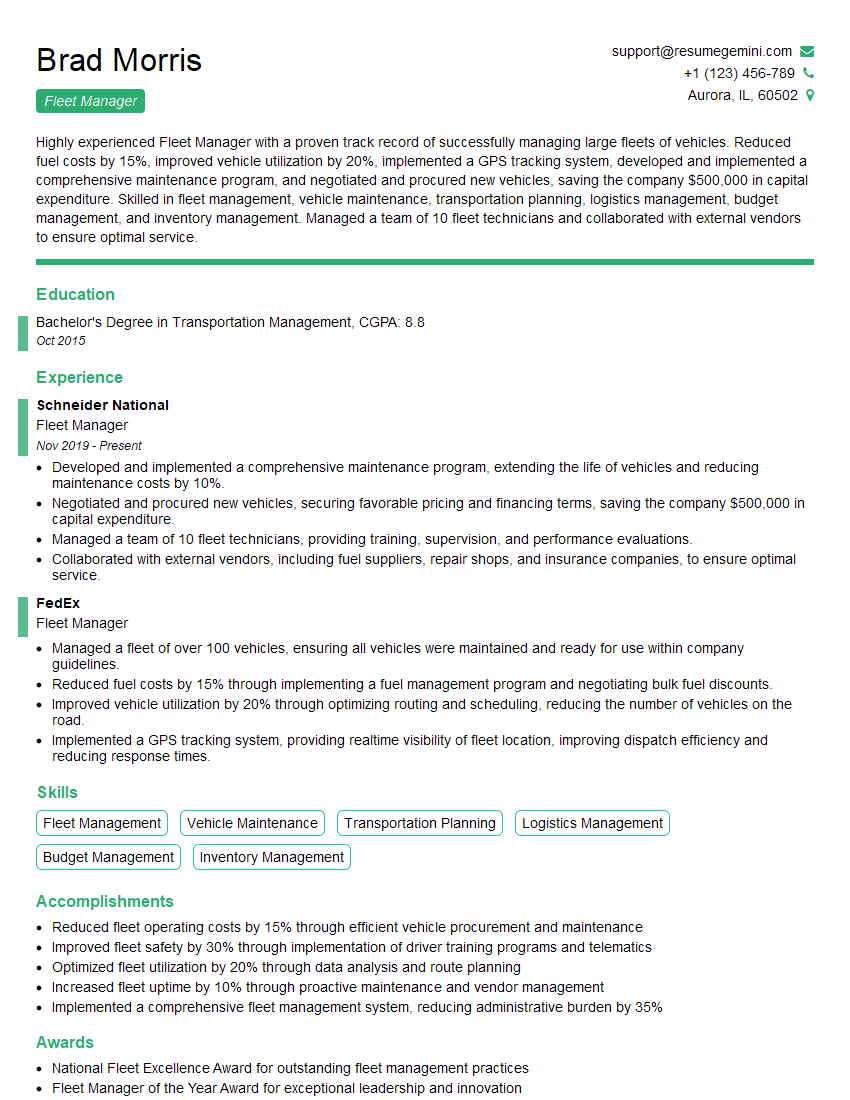
Fleet Manager Resume Sample
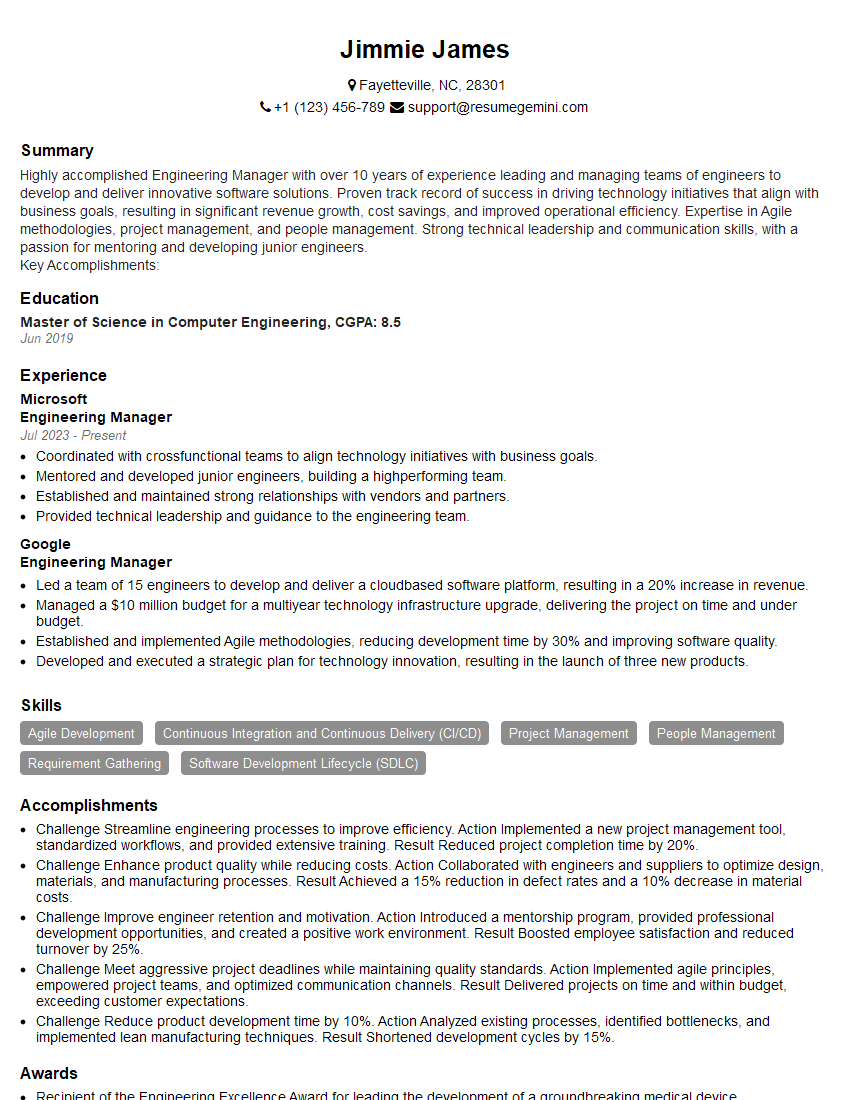
Engineering Manager Resume Sample
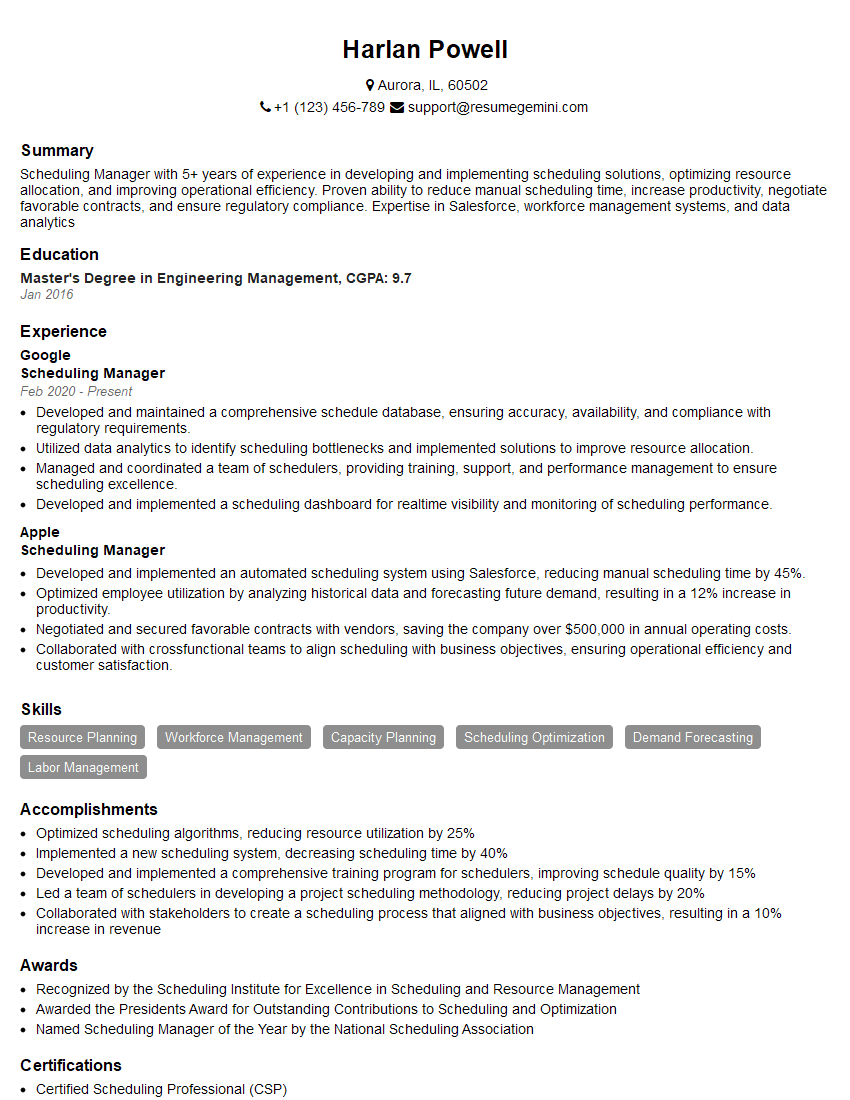
Scheduling Manager Resume Sample

Inventory Manager Resume Sample
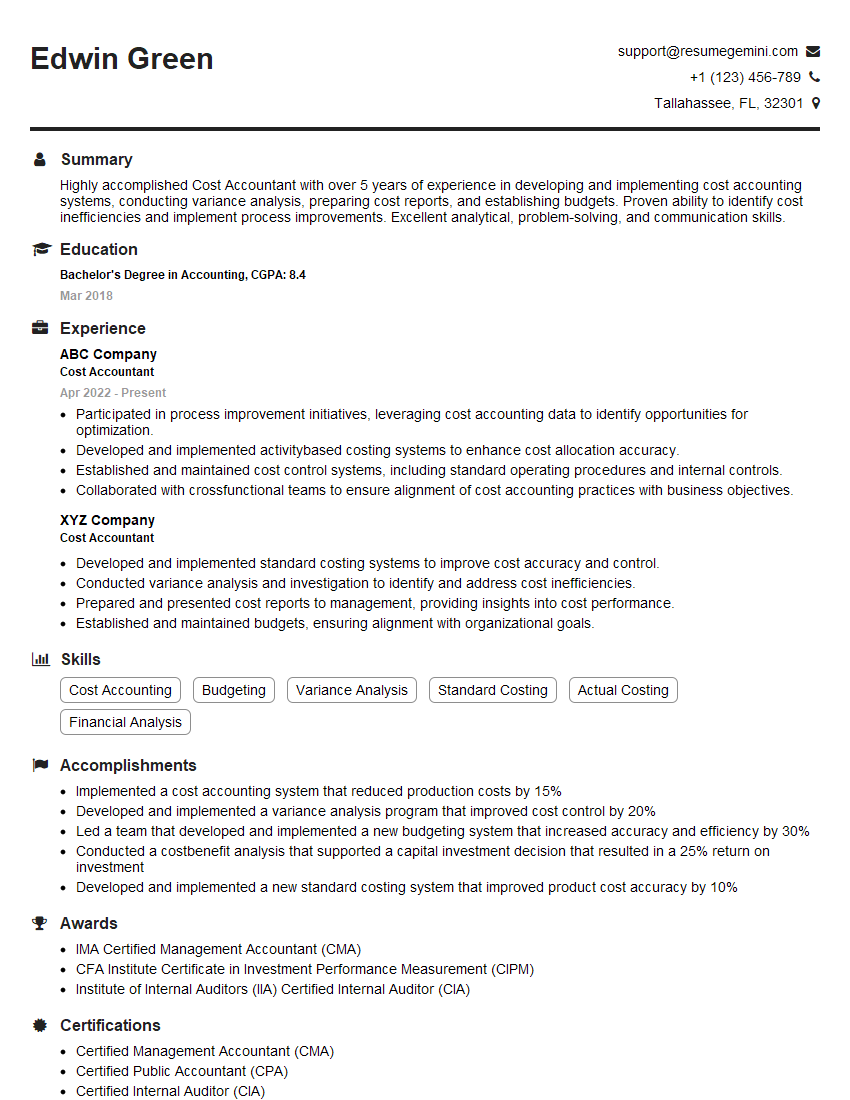
Cost Accountant Resume Sample
Explore more articles
Users Rating of Our Blogs
Share Your Experience
We value your feedback! Please rate our content and share your thoughts (optional).
What Readers Say About Our Blog
Very informative content, great job.
good