Cracking a skill-specific interview, like one for Eradication and Quarantine Protocols, requires understanding the nuances of the role. In this blog, we present the questions you’re most likely to encounter, along with insights into how to answer them effectively. Let’s ensure you’re ready to make a strong impression.
Questions Asked in Eradication and Quarantine Protocols Interview
Q 1. Define ‘eradication’ in the context of disease control.
Eradication, in the context of disease control, refers to the complete and permanent elimination of a disease from a defined geographical area, a population, or even globally. It’s the ultimate goal in disease management, achieved by reducing the prevalence of the disease to zero and preventing its re-emergence. Think of it like completely wiping a computer hard drive – all traces of the data are gone. This contrasts with control, which focuses on managing the disease’s spread and impact, but doesn’t necessarily aim for complete elimination.
Successful eradication requires a multi-pronged approach, including identifying and eliminating all sources of infection, implementing effective prevention strategies, and establishing robust surveillance systems to detect any recurrence. The eradication of smallpox is a prime example of a successful global eradication campaign.
Q 2. Explain the difference between quarantine and isolation.
While both quarantine and isolation are used to prevent the spread of contagious diseases, they differ significantly in their application. Quarantine restricts the movement of people or animals who have been exposed to a contagious disease but are not yet showing symptoms. The goal is to prevent them from spreading the disease if they become symptomatic. Imagine it like a waiting period to see if they develop symptoms. Isolation, on the other hand, separates people or animals who are known to be infected with a contagious disease from those who are not. The goal is to prevent further transmission from those already infected. It’s like separating a patient with a highly contagious illness to protect others.
For example, individuals who have been in contact with someone diagnosed with measles might be quarantined for a period to monitor for symptoms, while a person already showing symptoms of measles would be isolated to limit the spread to others.
Q 3. Describe the steps involved in developing an eradication plan for an invasive species.
Developing an eradication plan for an invasive species requires a systematic and comprehensive approach. Here are the key steps:
- Species Identification and Assessment: Accurately identify the target species and assess its current distribution, population size, and reproductive rate. This sets the baseline for the eradication effort.
- Risk Assessment: Evaluate the potential impacts of the invasive species on the environment and economy. This justifies the cost and effort of eradication.
- Eradication Strategy Development: Choose the most effective method(s) based on the species’ biology and environment. Options include physical removal, biological control (introducing natural predators), or chemical control. A combination is often necessary.
- Resource Mobilization: Secure funding, personnel, and equipment necessary for implementation. Eradication can be costly and require significant resources.
- Implementation and Monitoring: Carefully implement the chosen strategy and continuously monitor the population of the invasive species to assess effectiveness. Regular surveys are essential.
- Post-Eradication Surveillance: Establish a robust surveillance program to detect any resurgence of the species. This is crucial to prevent re-establishment.
For instance, an eradication plan for an invasive plant might involve manual removal in small, localized areas supplemented by herbicide treatment across larger areas, followed by long-term monitoring to detect any re-growth.
Q 4. What are the key components of a robust quarantine protocol?
A robust quarantine protocol must include several key components:
- Clear Definition of the Quarantine Period: Specify the duration based on the incubation period of the disease or the potential for contamination.
- Designated Quarantine Facilities: Secure and appropriate facilities for housing quarantined individuals or animals must be provided.
- Strict Access Control: Restrict access to authorized personnel only to minimize the risk of spreading the disease.
- Hygiene and Sanitation Procedures: Implement strict hygiene and sanitation protocols to prevent the spread of the disease within the quarantine facility.
- Monitoring and Surveillance: Regular health checks and monitoring for symptoms are essential to detect any infection early.
- Communication Strategy: Develop clear communication channels to provide information and updates to quarantined individuals, the public, and relevant authorities.
- Waste Management Plan: Develop a plan for the safe disposal of waste materials to minimize the risk of environmental contamination.
These components ensure that the quarantine effectively prevents the spread of the disease while maintaining the safety and well-being of those under quarantine.
Q 5. How do you assess the risk of a disease outbreak spreading?
Assessing the risk of a disease outbreak spreading involves considering several factors:
- Disease Characteristics: The contagiousness (how easily it spreads), severity (how sick it makes people), and incubation period (time between infection and symptoms). Highly contagious diseases with long incubation periods pose higher risks.
- Host Characteristics: The susceptibility of the population to the disease, population density, and social behaviors that facilitate transmission (e.g., close contact).
- Environmental Factors: Climate, sanitation conditions, and the presence of vectors (e.g., mosquitoes for malaria) influence disease transmission.
- Healthcare Infrastructure: The availability of healthcare resources, surveillance systems, and the effectiveness of public health interventions significantly impact the spread of a disease.
Risk assessment often involves using mathematical models to predict the potential spread of the disease based on these factors. This allows public health officials to prioritize interventions and allocate resources effectively.
Q 6. What are the ethical considerations involved in quarantine procedures?
Ethical considerations in quarantine procedures are complex and must be carefully balanced against the need to protect public health. Key ethical considerations include:
- Proportionality: The restrictions imposed during quarantine should be proportionate to the risk posed by the disease and should not be overly restrictive.
- Transparency: The reasons for quarantine, the procedures involved, and the duration must be transparently communicated to affected individuals.
- Respect for Human Rights: Quarantine procedures should respect the human rights of individuals, including their right to freedom of movement and access to healthcare.
- Equity and Fairness: Quarantine measures should not disproportionately affect vulnerable populations, such as the elderly or those with limited resources.
- Due Process: Clear procedures and mechanisms for appeals should be available for individuals who believe the quarantine measures are unwarranted or excessive.
For example, ensuring access to adequate food, water, and medical care for those under quarantine is crucial, along with providing mental health support to address potential anxiety and isolation. These factors need to be carefully considered in designing and implementing ethical quarantine protocols.
Q 7. Explain different methods for disease surveillance.
Disease surveillance encompasses the systematic collection, analysis, interpretation, and dissemination of data on the occurrence of diseases. Various methods are employed:
- Passive Surveillance: Relies on healthcare providers reporting cases of diseases to public health authorities. It’s relatively inexpensive but might miss cases that aren’t reported.
- Active Surveillance: Involves actively searching for cases of a disease, often through targeted surveys or screening programs. This is more resource-intensive but can detect a higher proportion of cases.
- Sentinel Surveillance: Focuses on a select group of healthcare providers or locations to monitor trends in disease occurrence. This provides early warning signals of outbreaks.
- Syndromic Surveillance: Uses non-specific data, such as school absenteeism or emergency room visits, to detect potential outbreaks before diagnoses are confirmed. This provides quick detection but needs further investigation.
- Laboratory-Based Surveillance: Monitors disease trends through laboratory testing of specimens. Provides accurate confirmation of diagnoses.
The choice of method depends on the disease, available resources, and the goals of the surveillance program. Many surveillance systems utilize a combination of methods for a more comprehensive understanding of disease patterns.
Q 8. Describe the role of contact tracing in disease eradication.
Contact tracing is a crucial cornerstone of disease eradication. It’s like detective work, but instead of solving crimes, we’re tracing the spread of an infectious disease. Essentially, it involves identifying individuals who have come into close contact with a confirmed case and monitoring their health for signs of illness.
Imagine a ripple effect in a pond. The confirmed case is the initial splash. Contact tracing aims to identify all the ripples – the people directly impacted and potentially infected – to prevent further spread. This allows for prompt testing, isolation of potentially infected individuals, and medical intervention, thus limiting the disease’s reach.
- Identifying Contacts: This involves interviewing the confirmed case to determine who they’ve been in close proximity to, including family, friends, colleagues, and anyone they may have interacted with.
- Monitoring Contacts: Regular check-ins with contacts via phone calls, text messages, or in-person visits, monitoring for symptoms and ensuring compliance with any recommended quarantine measures.
- Testing and Isolation: Testing contacts for the disease and, if positive, immediately isolating them to prevent further transmission.
Effective contact tracing significantly reduces transmission rates and accelerates the path towards disease eradication, as exemplified by its success in controlling outbreaks of Ebola and other highly contagious diseases.
Q 9. How do you ensure compliance with quarantine regulations?
Ensuring compliance with quarantine regulations requires a multi-pronged approach that combines education, support, and enforcement.
- Clear Communication: Providing clear and consistent information to individuals about the reasons for quarantine, its duration, and the specific restrictions in place. This involves using simple language, multiple communication channels (phone calls, emails, text messages), and translation services for diverse populations.
- Community Engagement: Working with community leaders and organizations to build trust and promote compliance. This could involve addressing cultural beliefs or concerns and providing support in navigating the challenges of quarantine.
- Resource Provision: Ensuring quarantined individuals have access to necessary resources such as food, medication, and financial assistance to reduce stress and increase their ability to comply. This is crucial, especially for vulnerable populations.
- Monitoring and Enforcement: Regularly monitoring individuals in quarantine using technology such as GPS tracking (with appropriate privacy safeguards), regular check-ins, and potential home visits. Enforcement, including potential penalties for non-compliance, should be a last resort and only used as necessary.
For example, providing regular food deliveries and virtual mental health support to quarantined individuals can significantly improve compliance rates.
Q 10. What are the challenges in enforcing quarantine protocols in diverse populations?
Enforcing quarantine protocols in diverse populations presents unique challenges.
- Language Barriers: Clear communication is crucial, yet language differences can create significant hurdles. Multiple languages are required for all materials and contact with the individuals.
- Cultural Differences: Cultural norms and beliefs can impact understanding and acceptance of quarantine measures. Some cultures might prioritize community over individual health, creating resistance to isolation.
- Socioeconomic Disparities: Individuals with limited resources may struggle to comply due to lack of access to food, healthcare, or housing.
- Trust in Authorities: A lack of trust in government or healthcare authorities can lead to non-compliance. Building trust through transparent communication and community engagement is key.
- Access to Technology: Effective monitoring using technology requires access to smartphones and reliable internet access, which may not be available to all populations.
Successful enforcement requires cultural sensitivity, tailored communication strategies, and collaboration with community leaders to build trust and ensure equitable access to resources.
Q 11. What are the key indicators of successful eradication?
Successful eradication is indicated by a sustained absence of disease transmission for an extended period, typically exceeding the incubation period of the disease.
- Zero Cases: The complete absence of new cases reported over a significant period, often exceeding the maximum incubation period for the specific disease.
- Absence of Reservoir: No evidence that the disease persists in animal or environmental reservoirs.
- Robust Surveillance Systems: Continued surveillance in place to promptly detect any re-emergence of the disease.
- Strong Public Health Infrastructure: The ability to rapidly respond to and contain any future outbreaks.
The eradication of smallpox serves as a prime example, demonstrating the feasibility of eradicating diseases through global collaboration, vaccination campaigns, and effective surveillance.
Q 12. How do you manage the economic impacts of quarantine measures?
Quarantine measures invariably cause economic disruption. Managing these impacts requires proactive planning and mitigation strategies.
- Financial Assistance: Providing financial aid to individuals and businesses affected by quarantine, such as unemployment benefits, business loans, or subsidies.
- Economic Stimulus Packages: Implementing broader economic policies to mitigate the overall impact on the economy.
- Targeted Support for Vulnerable Sectors: Providing assistance to industries and populations disproportionately affected, such as tourism or hospitality.
- Investment in Public Health: Investing in robust public health infrastructure to minimize future economic losses associated with disease outbreaks.
- International Collaboration: Coordinating economic responses at the international level to support affected countries.
For instance, during the COVID-19 pandemic, many governments provided financial aid to businesses and individuals to lessen the impact of lockdowns and business closures.
Q 13. How do you communicate effectively with the public during an outbreak?
Effective communication is paramount during an outbreak. It needs to be timely, transparent, consistent, and tailored to different audiences.
- Transparency and Honesty: Providing accurate, up-to-date information, even if it involves sharing uncertainty or bad news. Trust is built through honesty.
- Multi-Channel Communication: Using a variety of communication channels to reach the broadest possible audience, including social media, traditional media, public service announcements, and community meetings.
- Simple and Clear Messaging: Using straightforward language, avoiding technical jargon, and tailoring messages to the specific needs and understanding of different groups (children, elderly, people with disabilities).
- Risk Communication: Explaining risks clearly and providing actionable advice on how to protect oneself and others.
- Addressing Misinformation: Actively combating misinformation and rumors through factual communication and partnerships with trusted community influencers.
During the Ebola outbreak in West Africa, effective communication strategies played a vital role in changing behaviors and encouraging compliance with public health measures.
Q 14. Describe the role of technology in disease surveillance and control.
Technology plays a transformative role in disease surveillance and control.
- Disease Surveillance Systems: Real-time data collection and analysis from various sources (hospitals, laboratories, etc.) to quickly detect and track outbreaks.
- Contact Tracing Apps: Using smartphone technology to identify and monitor individuals who may have been exposed to an infectious disease. These apps can help accelerate and enhance traditional contact tracing methods.
Example: An app could use Bluetooth technology to log proximity to other app users, anonymously alerting individuals if they were near someone who later tested positive. - Predictive Modeling: Using data analytics and machine learning to predict the spread of diseases and inform public health interventions.
- Remote Monitoring: Using wearable sensors and telemedicine to remotely monitor the health of individuals in quarantine.
- Data Sharing and Collaboration: Facilitating secure data sharing between different health authorities to enhance collaboration and improve outbreak response.
For example, the use of satellite imagery can help map disease vectors like mosquitoes, guiding targeted interventions to control the spread of diseases like malaria.
Q 15. What are the limitations of current eradication strategies?
Current eradication strategies, while effective in many cases, face several limitations. One major hurdle is the sheer complexity of disease transmission. Many diseases, particularly those with zoonotic origins (jumping from animals to humans), have complex pathways involving multiple vectors and reservoirs, making complete eradication exceptionally challenging. For example, eradicating malaria requires addressing not just human infection but also the mosquito vector and its breeding grounds.
Another limitation is the presence of hidden reservoirs. Some pathogens can persist in the environment or in asymptomatic carriers, making it difficult to identify and eliminate all infection sources. This is a significant problem in eradicating polio, where the virus can remain dormant in individuals for long periods before resurfacing.
Finally, resource constraints frequently limit the scope and effectiveness of eradication efforts. Funding limitations, lack of trained personnel, and inadequate infrastructure often hinder the implementation of comprehensive eradication strategies, especially in low-resource settings.
Career Expert Tips:
- Ace those interviews! Prepare effectively by reviewing the Top 50 Most Common Interview Questions on ResumeGemini.
- Navigate your job search with confidence! Explore a wide range of Career Tips on ResumeGemini. Learn about common challenges and recommendations to overcome them.
- Craft the perfect resume! Master the Art of Resume Writing with ResumeGemini’s guide. Showcase your unique qualifications and achievements effectively.
- Don’t miss out on holiday savings! Build your dream resume with ResumeGemini’s ATS optimized templates.
Q 16. How do you handle resistance to quarantine measures?
Resistance to quarantine measures arises from various factors, including individual reluctance to comply with restrictions (due to concerns about economic hardship, personal liberty, or a lack of trust in authorities), and practical difficulties in implementing and enforcing quarantines (e.g., lack of adequate facilities, difficulty tracking individuals, or challenges in managing large-scale quarantines).
Addressing resistance requires a multifaceted approach. This involves clear and consistent communication, emphasizing the importance of quarantine for public health and providing accurate information about the disease and its consequences. We also need to build trust within communities through transparency and collaboration, addressing concerns and anxieties.
Further, we must improve the practical aspects of quarantine, including providing adequate support (financial, logistical, and emotional) to those in quarantine. This may involve establishing suitable quarantine facilities, supplying necessities, and implementing effective monitoring systems. In severe cases, legal frameworks may need to be invoked to enforce compliance, but this should always be a last resort.
Q 17. Explain the importance of international collaboration in disease eradication.
International collaboration is absolutely crucial for successful disease eradication. Diseases don’t respect national borders; their spread is a global concern. Imagine trying to control a wildfire without coordinating efforts across different regions – the fire would easily spread uncontrolled.
Effective international cooperation involves several key aspects: sharing information and data on disease outbreaks, coordinating surveillance efforts, establishing standardized protocols for diagnosis and treatment, and collaboratively developing and deploying vaccines and other interventions.
For instance, the global eradication of smallpox relied heavily on a coordinated effort from multiple countries to track cases, implement vaccination campaigns, and isolate infected individuals. Without such collaboration, it would have been practically impossible to achieve this milestone. Similarly, the ongoing fight against polio requires international cooperation to ensure consistent vaccination efforts across all nations.
Q 18. Describe your experience with risk assessment and mitigation strategies.
Risk assessment and mitigation are cornerstones of my approach to disease control. I’ve been involved in several projects where we used a structured framework to identify potential disease outbreaks, evaluate their likelihood and potential impact, and develop plans to minimize their effects.
This typically involves a three-step process: identification (what are the potential threats?), assessment (how likely are they to occur and what are the potential consequences?), and mitigation (what measures can we put in place to reduce the risk?). For example, during the H1N1 pandemic, my team helped develop a risk assessment model that predicted the pandemic’s trajectory, allowing for proactive resource allocation and public health communication.
Mitigation strategies often include interventions like vaccination programs, early detection systems, improved sanitation, public health education campaigns, contact tracing, and quarantine procedures. The choice of strategy depends on the specific risk assessed.
Q 19. How do you prioritize resources during a disease outbreak?
Prioritizing resources during a disease outbreak is a critical skill. We use a framework based on several factors: the severity of the disease (mortality rate, morbidity rate), its transmissibility (how easily it spreads), its potential impact on the population (economic losses, social disruption), and the availability of effective interventions (vaccines, treatments).
A cost-effectiveness analysis is often conducted to determine the most efficient allocation of resources. For example, during an outbreak, we might prioritize investing in a vaccine with high efficacy over a less effective treatment, even if the treatment is cheaper. This kind of prioritization can be challenging but is crucial for maximizing the positive impact with the limited resources available.
Transparency and ethical considerations are also integral to resource allocation. We should always ensure equitable access to resources and avoid creating disparities in healthcare access.
Q 20. What are the legal frameworks surrounding quarantine procedures?
Legal frameworks governing quarantine procedures vary by country but generally share a common theme: balancing public health needs with individual rights. These frameworks usually outline the conditions under which quarantine can be imposed, the duration of quarantine, the rights and responsibilities of those under quarantine, and mechanisms for appeal or redress.
Typically, quarantine powers are granted to public health authorities based on legislation aimed at preventing the spread of infectious diseases. These powers may be strengthened during public health emergencies, but they must still respect fundamental human rights. The legal framework will often specify procedures for judicial review to ensure that the use of quarantine powers is proportionate and justified.
International health regulations also play a role, guiding countries in their responses to public health emergencies and encouraging cooperation on global health security. The specifics vary by jurisdiction, and it’s essential to be aware of the relevant national and international laws when designing and implementing quarantine protocols.
Q 21. How do you ensure the safety of quarantine personnel?
Ensuring the safety of quarantine personnel is paramount. They are at high risk of exposure to infectious agents and may experience significant stress and emotional strain. We take a multi-pronged approach to their safety and wellbeing.
This includes providing them with personal protective equipment (PPE) appropriate to the disease, rigorous training on infection control procedures, and access to medical surveillance and prompt treatment if needed. Mental health support is also crucial, addressing the emotional and psychological challenges associated with working in high-risk environments. This could include counseling services, stress management programs, and debriefing sessions after high-intensity events.
The safety protocols must be regularly reviewed and updated based on the latest scientific evidence and lessons learned from previous outbreaks. Regular training and drills maintain high levels of preparedness among personnel.
Q 22. Explain your experience with data analysis related to disease outbreaks.
Data analysis is crucial in understanding disease outbreaks. My experience involves using epidemiological data to identify patterns, track transmission routes, and predict the spread of infectious diseases. This includes working with diverse datasets like case reports, laboratory results, demographic information, and geographic data. I’m proficient in using statistical software like R and Python to perform analyses, including spatial analysis to map disease clusters, time series analysis to identify trends, and regression modeling to identify risk factors. For example, during a recent measles outbreak, I analyzed surveillance data to pinpoint the index case, revealing the source of the infection was a returning traveler. This informed targeted interventions and helped contain the outbreak effectively.
I also have experience visualizing data using dashboards and reports, which are critical for communicating findings to public health officials, policymakers, and the public. Clear data visualization is key to effective decision-making during a crisis.
Q 23. Describe your experience with developing and implementing emergency response plans.
Developing and implementing emergency response plans requires a multi-faceted approach. My experience spans all stages, from risk assessment and preparedness to response and recovery. I’ve worked on plans that detail specific actions to be taken during various disease outbreaks, including defining roles and responsibilities, establishing communication protocols, and outlining logistics for resource allocation. For example, I helped develop a plan for a potential influenza pandemic, outlining the tiered response based on the severity of the outbreak.
A crucial component is regular testing and training. We conduct drills to ensure personnel are familiar with their roles and procedures. This includes tabletop exercises where we simulate scenarios and evaluate the effectiveness of our protocols. Furthermore, plans must be flexible, adaptable to unforeseen circumstances and constantly reviewed and updated based on lessons learned from past events or evolving scientific understanding.
Q 24. How do you maintain data integrity during a disease outbreak?
Maintaining data integrity during a disease outbreak is paramount. It ensures the accuracy and reliability of information used for decision-making. My approach involves several key strategies:
- Data Validation and Verification: Implementing robust data entry protocols and using automated checks to identify and correct errors. This might involve double data entry or using software with built-in validation rules.
- Data Security: Employing secure systems to prevent unauthorized access, modification, or deletion of data. This includes access control measures and encryption.
- Data Backup and Recovery: Regularly backing up data to prevent data loss due to system failures or cyberattacks. Having a comprehensive recovery plan in place is also critical.
- Version Control: Tracking changes made to datasets to ensure accountability and allow for auditing. This is especially important when collaborating with multiple teams.
- Data Standardization: Using standardized data formats and terminologies to ensure consistency and interoperability across different systems and data sources. This ensures everyone is using the same definition of key variables, for instance, in describing symptoms or laboratory results.
For example, we use a standardized case reporting form to ensure consistency in data collection across various healthcare facilities, minimizing discrepancies and enhancing the quality of our analysis.
Q 25. Describe a time you had to make a difficult decision regarding quarantine measures.
During a severe outbreak of a highly contagious disease, I faced the difficult decision of whether to implement a strict lockdown in a densely populated area with limited healthcare resources. The situation presented a conflict between protecting the broader public health and the potential economic and social consequences of such a drastic measure. The decision required careful weighing of various factors, including the disease’s transmissibility, mortality rate, and the available resources for providing care to those affected.
I led a team in analyzing the projected spread under various scenarios. This involved mathematical modeling and projecting the potential number of cases and hospitalizations under both strict and less stringent containment measures. After extensive consultation with public health experts and stakeholders, the decision was made to implement a targeted lockdown in specific high-risk zones, coupled with strict social distancing measures elsewhere. This allowed for a more nuanced approach, balancing the need for disease control with the mitigation of wider societal impact.
Q 26. How do you ensure the transparency and accountability of quarantine processes?
Transparency and accountability are vital to building public trust during a crisis. We achieve this through several key measures:
- Public Communication: Regular, clear, and factual updates on the outbreak situation, including the rationale behind the chosen quarantine measures. This can involve press briefings, public service announcements, and website updates.
- Data Sharing: Sharing relevant data with the public and other stakeholders in a timely manner. This includes aggregated data on cases, hospitalizations, and deaths, while protecting individual privacy.
- Independent Oversight: Allowing for independent review and audits of quarantine processes to ensure compliance with ethical guidelines and legal regulations.
- Mechanism for Feedback: Establishing clear channels for feedback and complaints from the public, allowing for addressing concerns and improving processes.
- Clear Documentation: Maintaining meticulous records of all decisions, actions, and communications related to quarantine measures. This can be used for accountability and future learning.
For example, we developed an online portal for the public to access real-time data and updates on the outbreak, ensuring transparency and fostering trust in the measures taken.
Q 27. What are your strategies for maintaining morale among your team during a prolonged outbreak?
Maintaining team morale during a prolonged outbreak is critical for sustained effectiveness. My approach involves:
- Open Communication: Keeping the team informed about the situation, acknowledging the challenges, and recognizing their hard work and dedication.
- Support and Well-being: Providing access to mental health resources and promoting self-care practices. This may include stress management workshops, access to counseling, and encouraging breaks.
- Team Building: Organizing team-building activities to foster camaraderie and boost morale. This can be informal gatherings, online team meetings or other activities that allow for connection during challenging times.
- Recognition and Appreciation: Publicly recognizing and appreciating team members’ efforts and contributions. This can be through awards, certificates, or simple expressions of gratitude.
- Fair workload distribution: Ensuring that the workload is distributed fairly amongst team members to prevent burnout. This is particularly critical during a high-pressure situation.
During a previous Ebola outbreak, I implemented regular team debriefing sessions to allow team members to share their experiences, discuss challenges, and provide mutual support. This helped to maintain morale and improve teamwork.
Q 28. How do you adapt quarantine protocols to different cultural contexts?
Adapting quarantine protocols to different cultural contexts requires a sensitive and nuanced approach. It’s essential to consider cultural beliefs, practices, and social norms. This may involve:
- Cultural Sensitivity Training: Providing training to staff on cultural awareness and sensitivity to avoid misunderstandings and unintended consequences. This includes understanding the local social structures and power dynamics.
- Community Engagement: Involving community leaders and representatives in the design and implementation of quarantine measures to ensure buy-in and acceptance. This can include participatory discussions to understand local beliefs and concerns.
- Language Access: Ensuring that information and instructions are available in the local language and are easily understandable.
- Flexibility: Being flexible and willing to adapt protocols based on community feedback and cultural considerations, recognizing that a ‘one-size-fits-all’ approach is unlikely to be effective in diverse settings.
- Respectful Practices: Showing respect for local customs and traditions while implementing quarantine measures.
For example, when implementing quarantine measures in a community with strong family ties, we may allow for family members to visit under strict precautions, acknowledging the importance of family support during isolation.
Key Topics to Learn for Eradication and Quarantine Protocols Interview
- Disease Surveillance and Risk Assessment: Understanding the methods for identifying outbreaks, assessing the risk of spread, and prioritizing interventions.
- Eradication Strategies: Developing and implementing strategies for eliminating a disease, including vector control, vaccination campaigns, and public health messaging. Practical application: Analyze case studies of successful eradication programs (e.g., smallpox).
- Quarantine Procedures and Protocols: Knowing the legal frameworks, practical implementation, and ethical considerations surrounding quarantine measures for individuals and populations.
- Emergency Response Planning: Developing and practicing contingency plans for managing disease outbreaks, including resource allocation, communication strategies, and community engagement.
- Data Management and Analysis: Collecting, analyzing, and interpreting epidemiological data to inform decision-making and evaluate the effectiveness of interventions. Practical application: Interpreting epidemiological curves and identifying trends.
- International Collaboration and Coordination: Understanding the role of international organizations and the importance of cross-border collaboration in disease eradication and quarantine efforts.
- Ethical Considerations: Addressing the ethical dilemmas related to individual liberties, resource allocation, and public health interventions during outbreaks.
- Technological Advancements: Staying up-to-date on the latest technologies used in disease surveillance, prevention, and control (e.g., genomic sequencing, remote sensing).
Next Steps
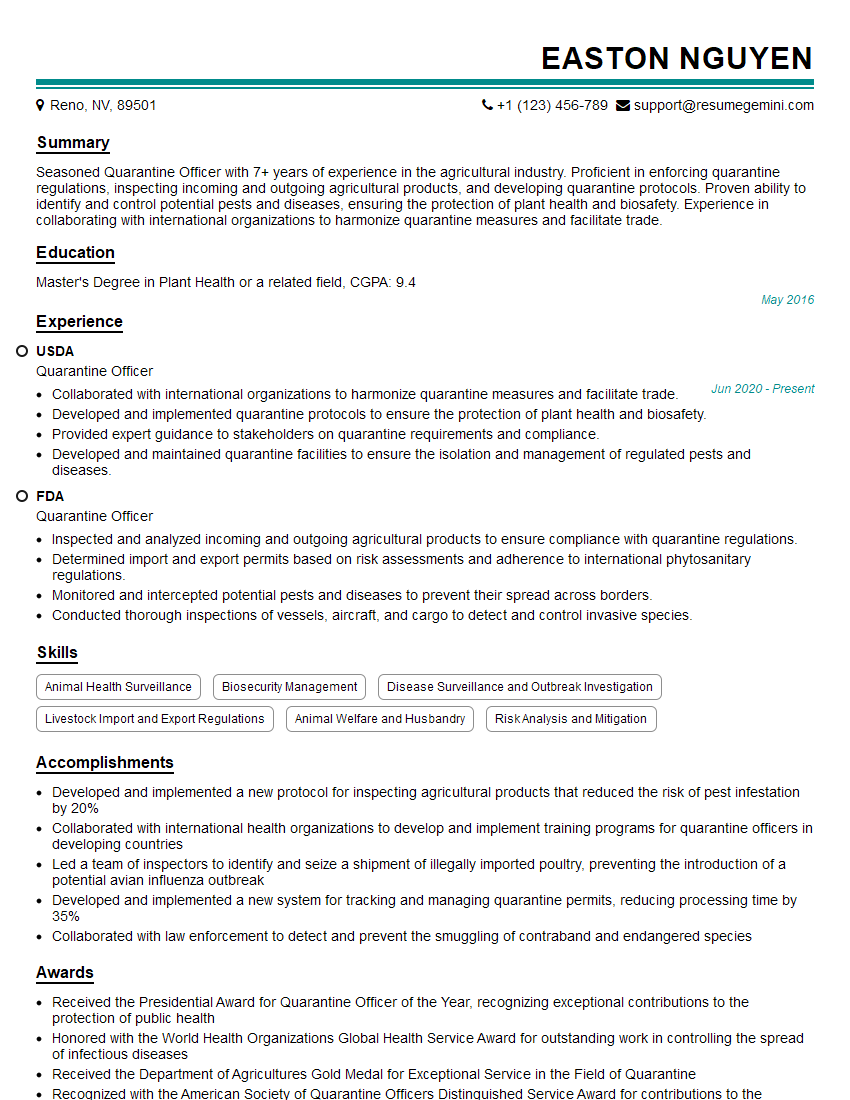
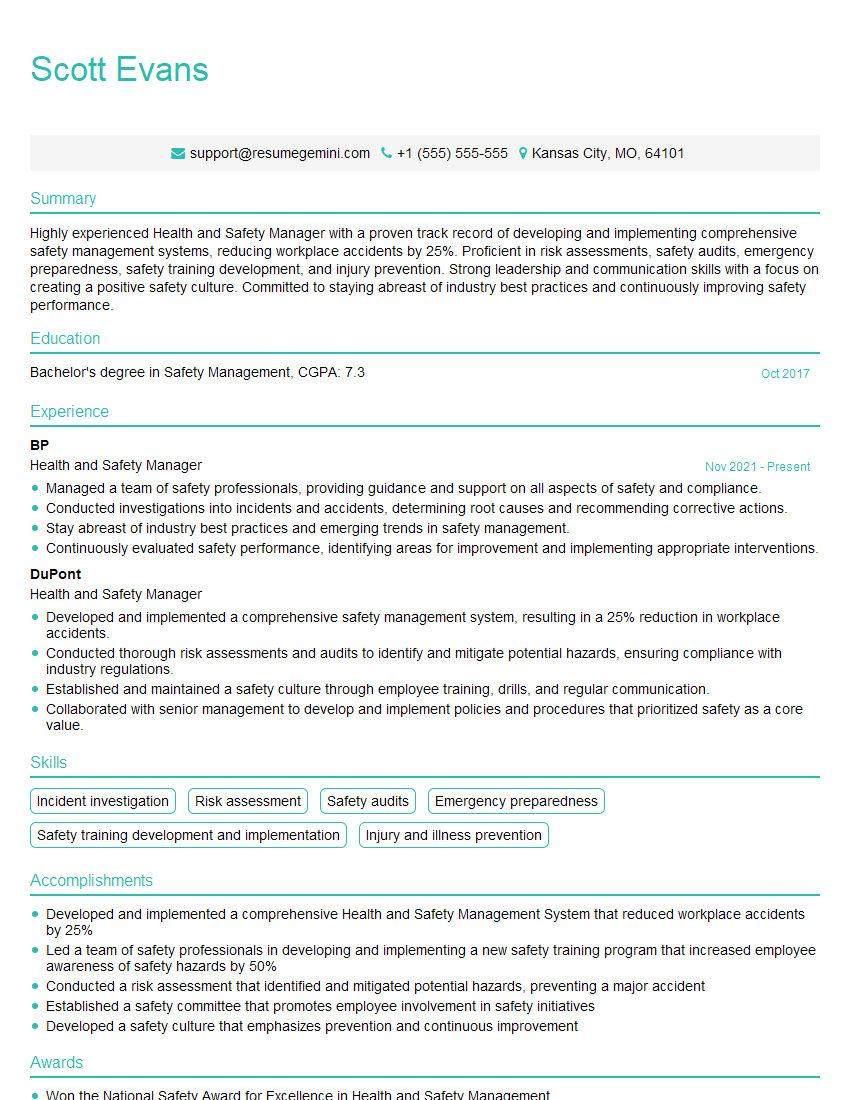
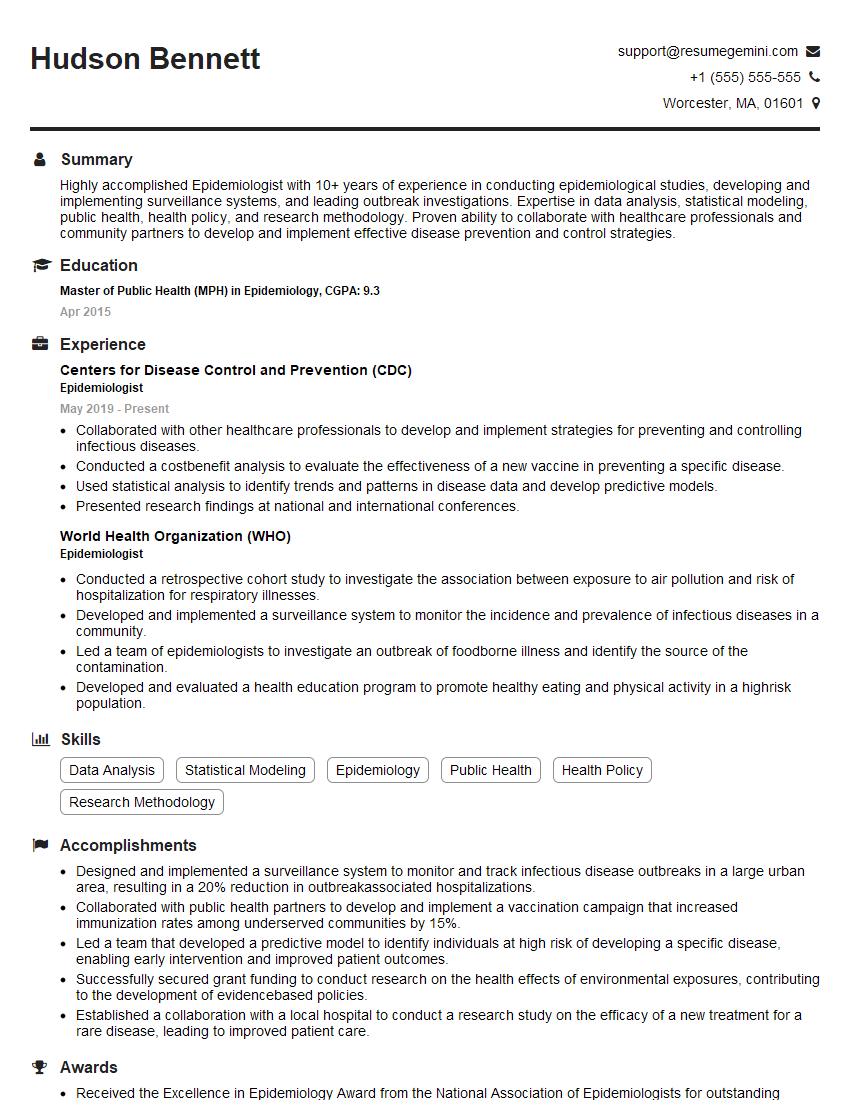
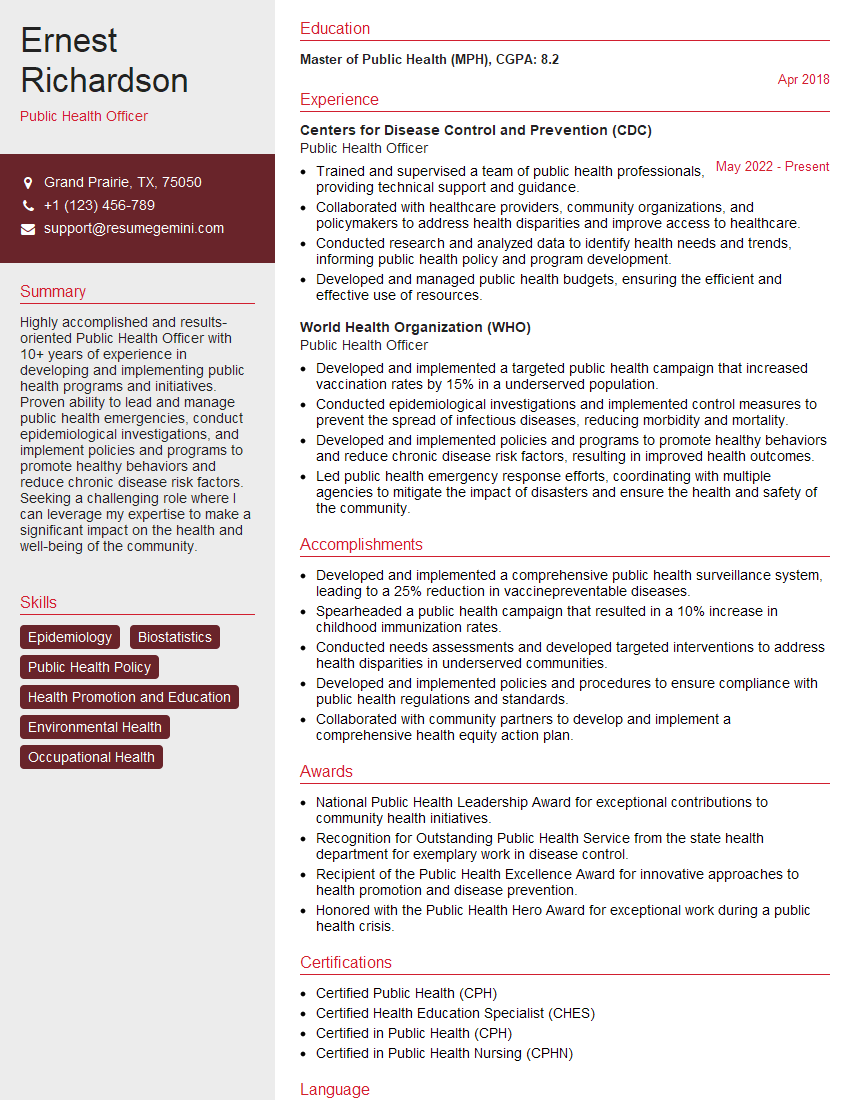
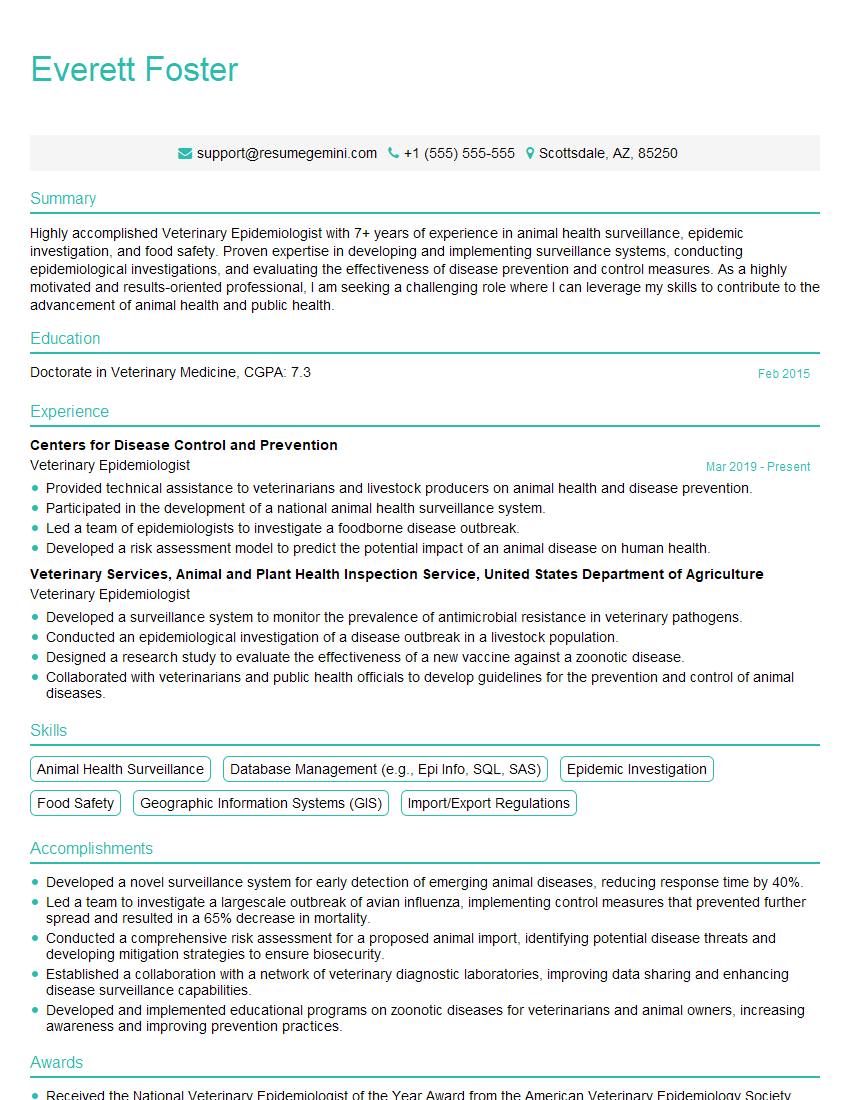
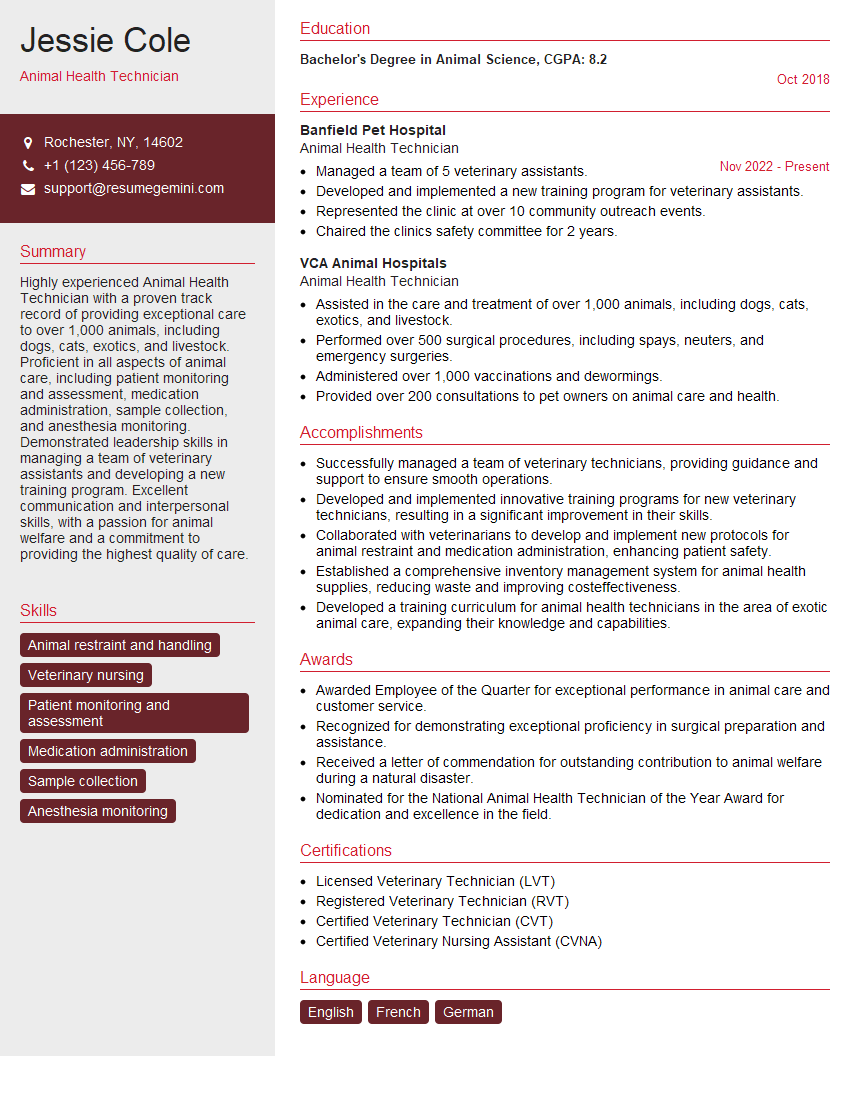
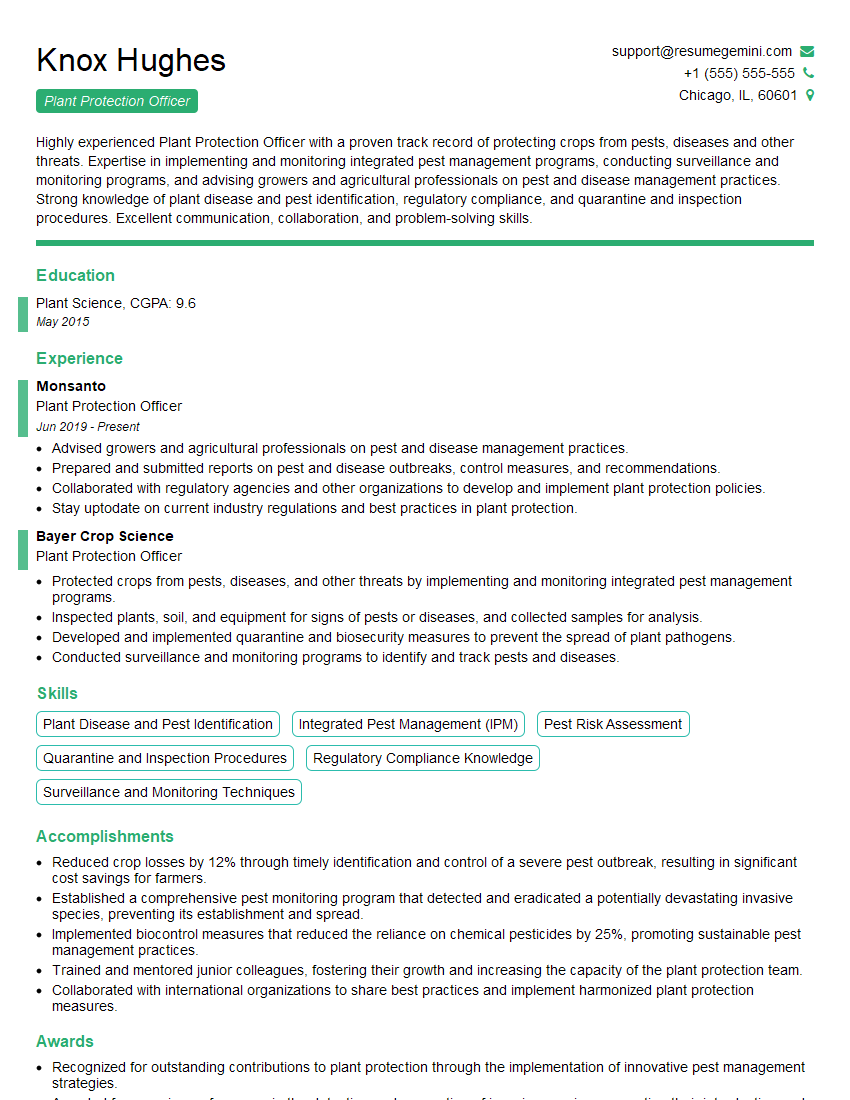
Mastering Eradication and Quarantine Protocols opens doors to impactful careers in public health, international development, and research. A strong understanding of these principles is highly valued by employers seeking skilled professionals to address global health challenges. To maximize your job prospects, creating an ATS-friendly resume is crucial. ResumeGemini is a trusted resource to help you build a professional and effective resume that highlights your skills and experience. Examples of resumes tailored to Eradication and Quarantine Protocols are available through ResumeGemini, showcasing how to effectively present your qualifications for these specialized roles. Take the next step in your career journey and build a resume that stands out.
Explore more articles
Users Rating of Our Blogs
Share Your Experience
We value your feedback! Please rate our content and share your thoughts (optional).
What Readers Say About Our Blog
Very informative content, great job.
good