Unlock your full potential by mastering the most common Ethics and Conservation Mindset interview questions. This blog offers a deep dive into the critical topics, ensuring you’re not only prepared to answer but to excel. With these insights, you’ll approach your interview with clarity and confidence.
Questions Asked in Ethics and Conservation Mindset Interview
Q 1. Define ‘conservation ethics’ and explain its importance in environmental management.
Conservation ethics is a branch of environmental ethics that examines the moral obligations humans have towards the natural world, particularly concerning the preservation of biodiversity and ecological integrity. It’s not just about protecting individual species, but about maintaining the health of entire ecosystems for the benefit of present and future generations. Its importance in environmental management is paramount because it provides a moral framework for decision-making. Without a strong ethical compass, resource management can easily prioritize short-term economic gains over long-term ecological sustainability.
For instance, consider logging practices. A purely economic approach might focus on maximizing timber yield, regardless of the ecological consequences. A conservation ethics approach, however, would weigh the economic benefits against the environmental costs, such as habitat loss, soil erosion, and biodiversity reduction. It might advocate for sustainable forestry practices that balance economic needs with ecological preservation.
In essence, conservation ethics ensures that environmental management decisions aren’t solely driven by profit but also by a sense of responsibility towards the planet and its inhabitants. It encourages us to ask, ‘What is the right thing to do, environmentally speaking?’ rather than simply ‘What is the most profitable thing to do?’
Q 2. Describe the ethical considerations involved in wildlife translocation projects.
Wildlife translocation, the movement of animals from one location to another, presents numerous ethical considerations. The primary concern is the welfare of the animals themselves. Will they successfully adapt to the new environment? Will they find adequate food and shelter? Are they at risk of disease or predation? Careful pre-translocation assessment and post-release monitoring are critical to mitigate these risks.
Another ethical concern involves the impact on the source and recipient populations. Removing animals from a population could negatively affect its genetic diversity or social structure. Similarly, introducing animals into a new environment could disrupt existing ecological balances, leading to competition with native species or the introduction of diseases. It’s crucial to conduct thorough ecological impact assessments before undertaking any translocation project.
Finally, there are ethical questions about the human motivations behind translocation. Is it driven by a genuine conservation goal, or is it being used to address human-wildlife conflict in a way that prioritizes human needs over animal welfare? Transparency and public engagement are essential to ensure that translocation projects are ethically sound and benefit both wildlife and people.
Q 3. Explain the concept of ‘carrying capacity’ and its ethical implications.
Carrying capacity refers to the maximum population size of a species that an environment can sustain indefinitely, given the available resources and environmental conditions. It’s not a fixed number but rather a dynamic concept influenced by factors such as food availability, water, shelter, and the presence of predators or diseases.
The ethical implications of carrying capacity are significant. Exceeding carrying capacity can lead to resource depletion, habitat degradation, and population crashes. This raises ethical questions about our responsibility to manage populations within their environmental limits. Should we intervene to control population growth when it exceeds carrying capacity? If so, what methods are ethically acceptable? Culling, for instance, is a contentious issue, raising questions about animal welfare and the right to life.
Consider the example of overgrazing by livestock. If too many animals graze in a particular area, they can deplete vegetation, leading to soil erosion and desertification, impacting the carrying capacity of the land for both livestock and wildlife. Ethically, we have a responsibility to manage grazing practices sustainably to ensure the long-term health of the ecosystem.
Q 4. How do you balance economic development with environmental protection?
Balancing economic development with environmental protection is one of the greatest challenges of our time. It requires a paradigm shift from viewing these as competing forces to recognizing their interdependence. Sustainable development is the key – achieving economic growth while protecting environmental resources and ensuring social equity.
Several strategies can help achieve this balance. Firstly, internalizing environmental costs into economic decision-making is crucial. This means factoring in the long-term environmental consequences of economic activities, such as pollution and resource depletion, into the cost-benefit analyses. Secondly, investing in green technologies and renewable energy sources can decouple economic growth from environmental degradation. Thirdly, implementing robust environmental regulations and enforcing them effectively is essential.
Finally, fostering public awareness and promoting responsible consumption patterns are crucial. Consumers have a significant role to play in driving demand for sustainable products and services. For example, a community might prioritize eco-tourism over destructive resource extraction, leading to sustainable economic development while preserving their natural heritage.
Q 5. Discuss the ethical dilemmas associated with genetic modification in conservation.
Genetic modification (GM) in conservation raises complex ethical dilemmas. Proponents argue that GM technologies offer powerful tools to enhance the resilience of endangered species to diseases, climate change, and habitat loss. For example, modifying genes to increase resistance to a specific disease could prevent the extinction of a vulnerable population.
However, critics raise concerns about potential unintended consequences. Introducing genetically modified organisms into the wild could have unforeseen impacts on the ecosystem, potentially affecting native species or disrupting established ecological interactions. There are also ethical concerns about ‘playing God’ and altering the natural evolutionary trajectory of species, and the potential for unforeseen genetic consequences.
Furthermore, the long-term effects of GM technologies are often unknown, raising concerns about irreversible changes to the genetic makeup of species. Thorough risk assessments, public engagement, and transparent decision-making processes are crucial to navigate the ethical challenges associated with GM in conservation.
Q 6. What are the key principles of sustainable resource management?
Sustainable resource management rests on several key principles. These include:
- Precautionary principle: Taking preventative action in the face of uncertainty about potential environmental harm.
- Intergenerational equity: Ensuring that future generations have access to the same resources and environmental quality as the present generation.
- Environmental justice: Distributing environmental benefits and burdens equitably among different social groups.
- Ecosystem approach: Managing resources within the context of the entire ecosystem, considering interactions among species and ecological processes.
- Adaptive management: Regularly monitoring and adjusting management strategies based on new information and feedback.
Applying these principles requires collaboration among stakeholders, including scientists, policymakers, local communities, and businesses. It also demands a long-term perspective, recognizing that sustainable resource management is not a one-time fix but an ongoing process of learning and adaptation.
Q 7. How do you address conflicts of interest in conservation projects?
Conflicts of interest in conservation projects are common and can arise from diverse sources, including financial incentives, competing land-use interests, and differing values and priorities among stakeholders. Addressing these conflicts requires a proactive and transparent approach.
First, establishing clear guidelines and protocols for transparency and accountability is vital. All stakeholders should declare any potential conflicts of interest upfront. Secondly, employing independent oversight mechanisms, such as external audits or review panels, can help ensure impartiality and identify potential biases. Thirdly, fostering open communication and dialogue among stakeholders is crucial to building trust and finding common ground. Mediation or negotiation can be effective tools for resolving disagreements.
Finally, prioritizing ethical considerations and adhering to the principles of environmental justice is essential. This involves considering the impacts of conservation projects on all affected parties and ensuring that marginalized communities are not disproportionately burdened.
Q 8. Describe a situation where you had to make a difficult ethical decision related to the environment.
During a biodiversity survey in the Amazon rainforest, we discovered a previously unknown species of frog thriving in a small, isolated patch of forest slated for logging. The ethical dilemma was stark: protecting this newly discovered species meant halting a lucrative logging operation, impacting the livelihoods of local communities dependent on the forest for their income. This wasn’t simply a scientific decision; it involved weighing the intrinsic value of biodiversity against the socioeconomic needs of people.
My approach involved a multi-faceted solution. We initiated a dialogue with the logging company and the local community, presenting scientific evidence of the frog’s unique characteristics and potential for future research and ecotourism. Simultaneously, we explored alternative, sustainable economic opportunities for the community, such as community-based forest management and eco-tourism initiatives. This process required intense negotiation, compromise, and collaboration, ultimately leading to a sustainable solution where a smaller, designated area was logged while the frog’s habitat remained untouched, with the local community directly benefiting from eco-tourism related to the newfound species.
Q 9. Explain the role of stakeholder engagement in conservation planning.
Stakeholder engagement is absolutely crucial in conservation planning. It’s about recognizing that conservation isn’t just about protecting nature; it’s about people and their relationship with nature. Effective conservation plans must consider the needs, interests, and perspectives of all individuals and groups who are affected by or can influence conservation efforts.
- Identifying Stakeholders: The first step involves identifying all relevant stakeholders, including local communities, indigenous groups, government agencies, businesses, NGOs, and scientists.
- Participatory Planning: Meaningful engagement involves actively involving stakeholders in the planning process itself, from identifying conservation goals to designing management strategies. This may involve workshops, focus groups, surveys, and other participatory techniques.
- Conflict Resolution: Inevitably, different stakeholders will have differing interests and priorities. Effective engagement involves facilitating dialogue, negotiation, and conflict resolution to reach mutually acceptable outcomes.
- Building Trust and Capacity: Successful stakeholder engagement builds trust and mutual understanding, leading to greater commitment to the conservation plan’s implementation. It also involves providing opportunities for capacity building and knowledge sharing.
For example, a conservation plan for a marine protected area would need to include input from fishing communities to ensure that their livelihoods are not unduly impacted, while also ensuring the long-term health of the marine ecosystem.
Q 10. How do you incorporate Indigenous knowledge into conservation strategies?
Indigenous knowledge is invaluable to conservation. Indigenous peoples have often lived in close proximity to natural resources for generations, developing detailed understanding of ecosystems, species behavior, and sustainable resource management practices. Ignoring this knowledge is ethically problematic and practically unwise.
- Collaborative Research: Incorporating Indigenous knowledge starts with collaborative research, working alongside Indigenous communities as partners, not simply as data sources. This requires respecting their intellectual property rights and ensuring benefits are shared equitably.
- Traditional Ecological Knowledge (TEK): TEK provides detailed information on species distribution, migration patterns, habitat requirements, and traditional methods of resource management that can significantly improve the effectiveness of conservation strategies.
- Community-Based Conservation: By working closely with Indigenous communities, conservation projects can be tailored to their specific needs and priorities, ensuring that projects are locally relevant, culturally appropriate, and sustainable in the long term. This also empowers them to manage and protect their lands and resources.
An example of this is the inclusion of Indigenous knowledge in managing fire regimes in Australian Aboriginal lands. Aboriginal people’s deep understanding of fire ecology has proved invaluable in designing sustainable land management practices that both protect biodiversity and reduce the risk of catastrophic wildfires.
Q 11. What are the ethical implications of climate change?
Climate change presents profound ethical implications. Its impacts are disproportionately felt by vulnerable populations, raising issues of environmental justice and intergenerational equity.
- Environmental Justice: Climate change exacerbates existing inequalities, disproportionately impacting marginalized communities who often lack the resources to adapt to its impacts. This raises questions of fairness and distributive justice.
- Intergenerational Equity: Our actions today have profound consequences for future generations. The ethical responsibility to future generations dictates that we must act decisively to mitigate climate change and ensure a sustainable future for them. This is a fundamental issue of stewardship.
- Global Cooperation: Climate change is a global problem requiring international cooperation. However, disagreements about responsibility and burden-sharing create ethical dilemmas. How do we ensure that all nations contribute fairly to addressing this global challenge?
For instance, island nations facing sea-level rise are experiencing devastating impacts despite contributing minimally to greenhouse gas emissions. This raises critical questions of responsibility and climate justice.
Q 12. Discuss the ethical challenges of protecting endangered species.
Protecting endangered species presents several ethical challenges. These often involve balancing competing interests and values.
- Prioritization: With limited resources, difficult decisions must be made about which species to prioritize for conservation efforts. How do we make these choices ethically, ensuring that all species have intrinsic value?
- Habitat Loss and Human-Wildlife Conflict: Conservation efforts often involve restricting human activities or displacing communities, raising ethical concerns about human rights and land use. Balancing conservation needs with the rights and needs of local communities is crucial.
- Captive Breeding and Genetic Management: Captive breeding programs raise ethical questions about the welfare of animals and the potential loss of genetic diversity. What are the ethical limits of human intervention in the natural processes of evolution and adaptation?
- Economic Considerations: Conservation efforts often require substantial financial investment. The allocation of these resources often involves difficult ethical choices, such as weighing the costs of conservation against other societal needs.
The debate surrounding the relocation of mountain gorillas to mitigate habitat loss exemplifies the ethical complexity of choosing among various conservation strategies, each having potential ethical trade-offs.
Q 13. Explain the importance of transparency and accountability in conservation efforts.
Transparency and accountability are essential for building trust and ensuring the effectiveness of conservation efforts. Without these, conservation projects risk losing credibility and public support.
- Open Communication: Transparent communication involves openly sharing information about project goals, methods, outcomes, and challenges with all stakeholders. This includes providing clear and accessible information about funding sources, decision-making processes, and any potential conflicts of interest.
- Monitoring and Evaluation: Accountability involves establishing clear mechanisms for monitoring and evaluating project progress and impact. This allows for timely adjustments and ensures that conservation efforts are producing the intended results.
- Independent Audits: Independent audits can provide an objective assessment of project activities and financial management, enhancing transparency and accountability.
- Public Participation: Engaging the public in monitoring and evaluation processes fosters transparency and ensures that conservation efforts remain aligned with community values and priorities.
For instance, a transparent conservation project would publicly report on its financial expenditures, environmental impact assessments, and community engagement activities.
Q 14. How do you measure the success of a conservation project from an ethical perspective?
Measuring the success of a conservation project from an ethical perspective goes beyond simply quantifying ecological outcomes. It requires considering the broader social, economic, and cultural impacts of the project and ensuring that it aligns with ethical principles such as fairness, justice, and respect for human rights.
- Ecological Outcomes: While population size and habitat restoration are important indicators, it’s vital to assess the long-term viability of the ecosystem and the resilience of species to environmental change.
- Social Equity: Assessing social equity involves measuring the distribution of project benefits across different stakeholder groups, ensuring that vulnerable communities are not disproportionately disadvantaged.
- Procedural Justice: Were stakeholders meaningfully involved in decision-making processes? Did the project adhere to principles of transparency and accountability?
- Long-Term Sustainability: Can the project’s gains be sustained over time without ongoing external support? This involves considering the long-term economic, social, and political context.
For example, a successful conservation project might demonstrate improved biodiversity, enhanced community livelihoods, and strengthened community participation in resource management. The success would not be solely defined by ecological parameters but also the fairness and sustainability of the approach taken.
Q 15. What are your views on the use of technology in conservation?
Technology plays a transformative role in conservation, offering powerful tools for monitoring, research, and community engagement. It’s not a silver bullet, however, and ethical considerations are paramount.
Monitoring and Data Collection: Drones, satellite imagery, and sensor networks allow for large-scale monitoring of habitats, wildlife populations, and environmental changes. This data is crucial for adaptive management strategies.
Research and Analysis: Sophisticated modeling techniques and AI can predict species distribution, habitat loss, and the impact of climate change, informing conservation priorities.
Community Engagement: Mobile apps and online platforms can connect local communities with conservation efforts, fostering participation and promoting environmental stewardship. Citizen science initiatives leverage this technology effectively.
Ethical Considerations: We must be mindful of data privacy, the potential for surveillance misuse, and the digital divide, ensuring equitable access to technology and benefits.
For example, camera traps deployed in remote areas provide valuable insights into elusive species behavior without requiring human presence, but the data needs to be carefully managed and analyzed, respecting potential ethical concerns regarding animal welfare and privacy.
Career Expert Tips:
- Ace those interviews! Prepare effectively by reviewing the Top 50 Most Common Interview Questions on ResumeGemini.
- Navigate your job search with confidence! Explore a wide range of Career Tips on ResumeGemini. Learn about common challenges and recommendations to overcome them.
- Craft the perfect resume! Master the Art of Resume Writing with ResumeGemini’s guide. Showcase your unique qualifications and achievements effectively.
- Don’t miss out on holiday savings! Build your dream resume with ResumeGemini’s ATS optimized templates.
Q 16. Describe your approach to conflict resolution in environmental disputes.
My approach to conflict resolution in environmental disputes prioritizes collaboration, communication, and a deep understanding of all stakeholders’ perspectives. It’s often a process of mediation, focusing on finding common ground rather than imposing solutions.
Identify Stakeholders: Begin by clearly defining all parties involved – government agencies, corporations, local communities, NGOs, and potentially affected individuals.
Understand Perspectives: Conduct thorough research to comprehend the concerns, needs, and values of each stakeholder. Active listening is critical.
Facilitate Dialogue: Create a safe space for open and respectful communication. Neutral third-party mediation can be invaluable in these scenarios.
Seek Common Ground: Focus on shared goals and values, highlighting areas of agreement before addressing points of contention.
Develop Collaborative Solutions: Work towards solutions that are acceptable to all involved parties, even if it requires compromise from everyone.
Implement and Monitor: Establish clear timelines, responsibilities, and monitoring mechanisms to ensure the agreed-upon solution is implemented effectively and its impact is evaluated.
For instance, in a dispute over a proposed dam affecting indigenous communities and the local ecosystem, a successful resolution might involve exploring alternative energy sources, designing mitigation measures to protect the environment, and ensuring the community’s free, prior, and informed consent (FPIC).
Q 17. How do you prioritize conservation efforts when resources are limited?
Prioritizing conservation efforts with limited resources requires a strategic approach combining scientific data, ethical considerations, and stakeholder engagement. This often involves employing frameworks such as cost-effectiveness analysis and risk assessment.
Scientific Prioritization: Prioritize species and habitats facing the highest risk of extinction or those with the greatest ecological value. Use species vulnerability assessments and biodiversity hotspots to guide decisions.
Cost-Effectiveness Analysis: Compare the costs and benefits of different conservation actions, selecting projects with the highest return on investment. This necessitates careful monitoring and evaluation.
Ecosystem Services: Consider the benefits that ecosystems provide to humans, such as clean water and carbon sequestration. Protecting these services can offer significant economic and social returns.
Adaptive Management: Employ a flexible, iterative approach, regularly monitoring the effectiveness of interventions and adjusting strategies based on new information and emerging challenges.
Stakeholder Engagement: Involve local communities and indigenous groups in the decision-making process, ensuring their knowledge and concerns are incorporated into conservation planning.
For example, a conservation organization might prioritize protecting a critically endangered species based on scientific data, even if it means forgoing a less costly project with lower immediate impact.
Q 18. Explain the ethical considerations surrounding ecotourism.
Ecotourism, while offering potential benefits for conservation, presents significant ethical considerations. It must be managed responsibly to minimize negative impacts on the environment and local communities.
Environmental Impact: Ensure that tourism activities do not damage sensitive ecosystems through habitat destruction, pollution, or disturbance of wildlife.
Local Community Benefits: Prioritize projects that generate economic benefits for local communities, ensuring that revenue is fairly distributed and that tourism does not displace or marginalize them.
Animal Welfare: Avoid activities that cause stress, harm, or exploitation of animals. Promote wildlife viewing practices that minimize disturbance to natural behaviors.
Cultural Sensitivity: Respect the cultural heritage and traditions of local communities. Avoid commodifying cultural practices for tourism purposes.
Transparency and Accountability: Establish clear guidelines and monitoring mechanisms to ensure that ecotourism operations adhere to ethical standards and environmental regulations.
For instance, community-based ecotourism initiatives where local people directly manage and benefit from tourism can help ensure ethical and sustainable practices.
Q 19. How do you ensure that conservation initiatives are equitable and just?
Ensuring equity and justice in conservation requires a commitment to inclusive participation and benefit-sharing. It demands that we actively address historical injustices and power imbalances.
Participatory Approaches: Involve local communities and indigenous groups in the planning and implementation of conservation projects from the outset.
Free, Prior, and Informed Consent (FPIC): Obtain FPIC before implementing projects that may affect indigenous peoples’ lands, territories, or resources.
Benefit-Sharing Mechanisms: Ensure that local communities receive fair and equitable benefits from conservation initiatives, such as employment opportunities, revenue sharing, and access to resources.
Addressing Historical Injustices: Acknowledge and address past injustices related to land dispossession, resource exploitation, and marginalization of indigenous and local communities.
Capacity Building: Invest in training and education to build the capacity of local communities to participate effectively in conservation efforts.
For example, empowering local communities to manage protected areas, ensuring fair compensation for ecosystem services, or providing scholarships for environmental education in underprivileged areas promotes equitable and just conservation.
Q 20. Describe your understanding of environmental justice.
Environmental justice recognizes that environmental problems disproportionately affect marginalized communities, often based on race, class, or ethnicity. It argues for equitable distribution of environmental benefits and burdens.
Unequal Exposure to Environmental Hazards: Marginalized communities frequently face higher exposure to pollution, toxic waste, and other environmental hazards.
Limited Access to Environmental Resources: These communities often have limited access to clean air, water, green spaces, and other environmental resources essential for health and well-being.
Lack of Political Power: Marginalized groups often lack the political power to advocate for their environmental rights and protections.
Intersectionality: Environmental justice acknowledges the interconnectedness of social and environmental issues, recognizing that various forms of oppression can intersect to exacerbate environmental injustices.
For example, the placement of polluting industries near low-income neighborhoods or the unequal distribution of environmental benefits such as parks and green spaces exemplify environmental injustice.
Q 21. Discuss the role of advocacy in achieving conservation goals.
Advocacy plays a crucial role in achieving conservation goals. It involves raising awareness, influencing policy, and mobilizing support for conservation efforts.
Raising Awareness: Educate the public about the importance of conservation, highlighting the ecological, economic, and social benefits of protecting biodiversity and natural resources.
Influencing Policy: Advocate for the development and implementation of effective environmental policies, regulations, and laws.
Mobilizing Support: Build coalitions of organizations, communities, and individuals to support conservation initiatives. This includes raising funds and recruiting volunteers.
Holding Accountable: Monitor government and corporate actions, holding them accountable for their environmental performance and impacts.
Legal Action: Use legal mechanisms to challenge environmentally harmful activities and protect threatened ecosystems.
For example, advocacy groups can lobby for stronger environmental regulations, participate in public consultations, launch awareness campaigns, or even take legal action against polluters to protect the environment.
Q 22. How do you stay informed about current issues in conservation ethics?
Staying informed about current issues in conservation ethics requires a multi-pronged approach. I regularly read peer-reviewed journals like Conservation Biology and Biological Conservation, which publish cutting-edge research and ethical analyses. I also follow prominent conservation organizations like the IUCN (International Union for Conservation of Nature) and WWF (World Wildlife Fund) for their reports, policy statements, and news updates. Furthermore, attending conferences and workshops, participating in online forums and discussion groups dedicated to conservation ethics, and networking with colleagues in the field are crucial for staying abreast of the latest developments and debates.
Beyond formal channels, I actively seek out diverse perspectives by engaging with indigenous communities and local stakeholders whose traditional ecological knowledge and values often offer unique ethical insights. This holistic approach ensures I’m not just informed, but also critically aware of the nuances and complexities surrounding contemporary conservation challenges.
Q 23. What are the ethical implications of human-wildlife conflict?
Human-wildlife conflict presents a complex web of ethical implications. The core dilemma lies in balancing human safety and livelihoods with the conservation of wildlife populations. For instance, farmers losing crops to elephants face significant economic hardship, potentially leading to retaliatory killings. Ethically, we need to consider the rights and needs of both humans and animals. This involves asking: What level of risk to human life and property is acceptable? What are the most humane and effective methods for mitigating conflict, such as building fences or employing community-based conservation programs?
Another ethical layer involves the distribution of benefits and burdens. Often, communities living near wildlife bear the brunt of the conflict but receive little compensation or support. This raises questions of environmental justice and the equitable sharing of resources and responsibilities. Ignoring these ethical considerations can lead to unsustainable and unjust solutions that exacerbate conflict and harm both people and wildlife.
Q 24. Explain your understanding of the precautionary principle in conservation.
The precautionary principle in conservation dictates that when there is a threat of serious or irreversible environmental damage, lack of full scientific certainty should not be used as a reason for postponing measures to prevent environmental degradation. It’s a proactive approach, prioritizing the protection of ecosystems even when the exact extent of the risk isn’t fully understood. This is particularly vital in scenarios involving endangered species or fragile ecosystems where irreversible harm can occur before scientific consensus is reached.
For example, consider the potential impact of a new mining project on a nearby river system. Even if the exact extent of the pollution isn’t precisely known, the precautionary principle suggests that we should err on the side of caution and implement preventative measures, such as rigorous environmental impact assessments, before allowing the project to proceed. Failing to do so risks causing irreparable harm to the river ecosystem.
Q 25. How do you communicate complex ethical issues to diverse audiences?
Communicating complex ethical issues in conservation requires tailoring the message to the audience. I avoid technical jargon and instead use clear, concise language, employing relatable analogies and real-world examples to illustrate key concepts. For scientific audiences, I use precise terminology and cite relevant research. For policymakers, I focus on the practical implications and policy recommendations. For the general public, I employ storytelling and emotional appeals to connect with their values and concerns.
Visual aids such as maps, charts, and photographs can significantly enhance understanding. Interactive workshops and participatory discussions allow for a two-way exchange of information and foster a sense of ownership and collaboration. Utilizing multiple communication channels, from scientific publications to social media campaigns, ensures wider reach and engagement.
Q 26. What are your strengths and weaknesses in addressing ethical dilemmas in conservation?
Strengths: My strengths lie in my ability to critically analyze ethical dilemmas, considering multiple perspectives and potential consequences. I’m adept at identifying trade-offs and proposing solutions that strive for fairness and sustainability. My strong communication skills allow me to effectively convey complex information and build consensus among diverse stakeholders.
Weaknesses: Like all professionals, I can sometimes struggle to balance competing values and find solutions that satisfy all stakeholders. In cases of deep-seated conflict, achieving a mutually agreeable outcome can be challenging. I’m continuously working on improving my ability to navigate highly charged emotional situations while remaining objective and impartial.
Q 27. Describe a time you had to defend an ethical position related to environmental issues.
During a community consultation on a proposed dam project, I had to defend the ethical position of prioritizing biodiversity conservation over short-term economic benefits. The dam promised jobs and increased hydropower, but its construction threatened a critical habitat for an endangered bird species. Many in the community favored the dam, emphasizing the economic benefits. My role was to present the long-term ecological and ethical consequences of dam construction—the potential extinction of the bird, the loss of biodiversity, and the impact on the community’s long-term well-being, dependent on the health of the ecosystem.
I used data on the bird’s population decline, projected economic losses from habitat degradation, and potential alternative sustainable development options. I engaged in respectful dialogue, acknowledging the community’s needs while highlighting the irreversible damage that the dam posed. Eventually, a compromise was reached to explore alternative energy sources and fund community development initiatives that protected both the economy and the bird’s habitat.
Q 28. How do you balance short-term economic gains with long-term environmental sustainability?
Balancing short-term economic gains with long-term environmental sustainability requires a holistic approach that integrates economic, social, and ecological considerations. This necessitates a shift from a purely extractive economic model to one that values ecosystem services and invests in sustainable practices. One effective framework is cost-benefit analysis, but this needs to be expanded to include the long-term environmental costs, both tangible (e.g., pollution cleanup) and intangible (e.g., loss of biodiversity).
For example, while clear-cutting a forest might offer immediate economic gains from timber, the long-term costs—including soil erosion, loss of carbon sequestration, and reduced biodiversity—significantly outweigh these short-term benefits. Sustainable forestry practices, though involving slower economic returns, preserve the forest ecosystem and ensure its long-term economic value through continuous yield and ecosystem services.
Investing in renewable energy sources, promoting sustainable agriculture, and implementing circular economy principles are all crucial steps in aligning short-term economic interests with long-term environmental sustainability.
Key Topics to Learn for Ethics and Conservation Mindset Interview
- Environmental Ethics Frameworks: Explore different ethical perspectives on environmental issues (e.g., anthropocentrism, biocentrism, ecocentrism) and their implications for conservation practices.
- Conservation Principles and Strategies: Understand core conservation principles like biodiversity, ecosystem services, and sustainable development. Learn about various conservation strategies, including habitat restoration, protected area management, and species recovery programs.
- Stakeholder Engagement and Collaboration: Discuss the importance of engaging diverse stakeholders (local communities, government agencies, NGOs) in conservation efforts and building consensus around conservation goals. Practice conflict resolution techniques relevant to environmental disputes.
- Environmental Justice and Equity: Analyze the social and economic dimensions of environmental issues, focusing on ensuring equitable access to environmental resources and benefits, and addressing environmental injustices.
- Policy and Legislation in Conservation: Familiarize yourself with relevant environmental laws, regulations, and policies at local, national, and international levels. Understand the policy-making process and how to influence it effectively.
- Sustainable Resource Management: Examine strategies for managing natural resources sustainably, including water, forests, fisheries, and minerals. Discuss the principles of carrying capacity and ecological footprint.
- Climate Change Adaptation and Mitigation: Understand the impacts of climate change on biodiversity and ecosystems, and explore strategies for adaptation and mitigation, including carbon sequestration and renewable energy.
- Problem-Solving and Decision-Making in Conservation: Develop your ability to analyze complex environmental problems, assess risks and uncertainties, and formulate effective solutions considering ethical, social, and economic factors. Practice applying the precautionary principle.
Next Steps
Mastering an Ethics and Conservation Mindset is crucial for career advancement in this field. It demonstrates a deep understanding of the complexities of environmental issues and your commitment to ethical and sustainable practices. This understanding will significantly enhance your interview performance and job prospects. To further strengthen your application, create an ATS-friendly resume that highlights your relevant skills and experience. ResumeGemini is a trusted resource to help you build a professional and impactful resume. Examples of resumes tailored to an Ethics and Conservation Mindset are available to guide you in creating your own.
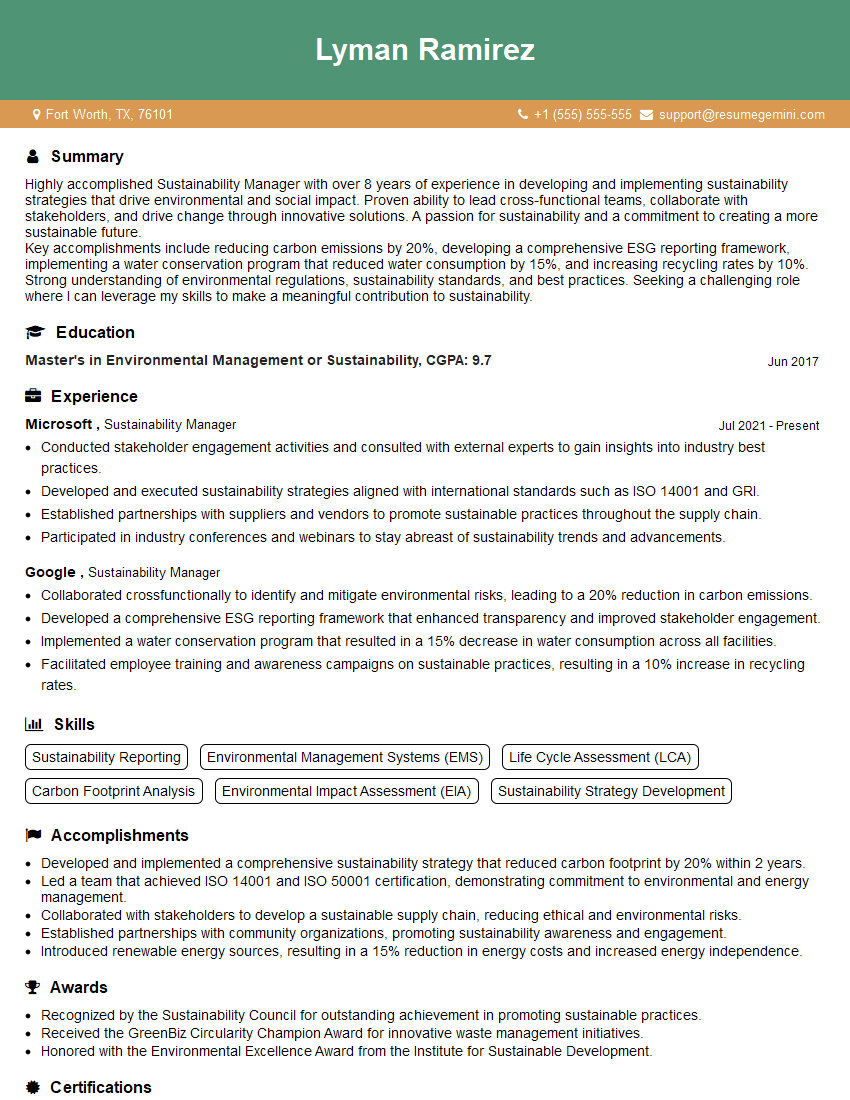
Sustainability Manager Resume Sample
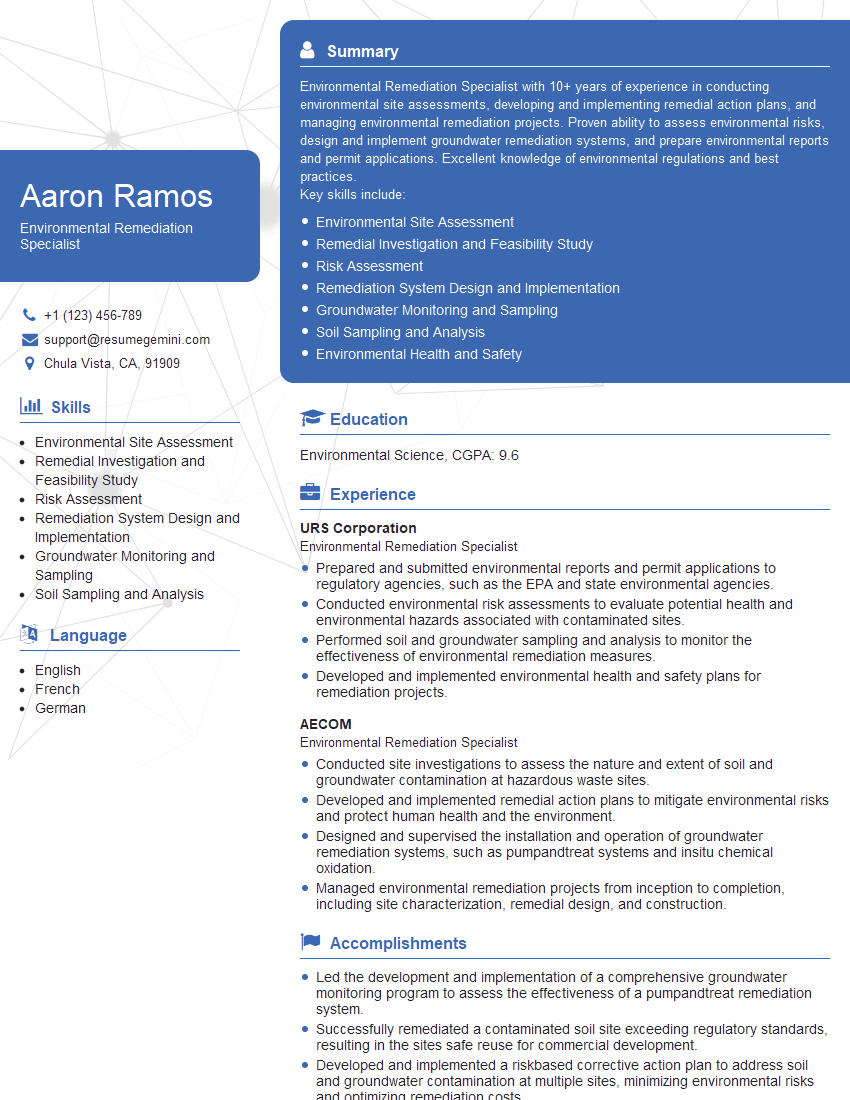
Environmental Remediation Specialist Resume Sample
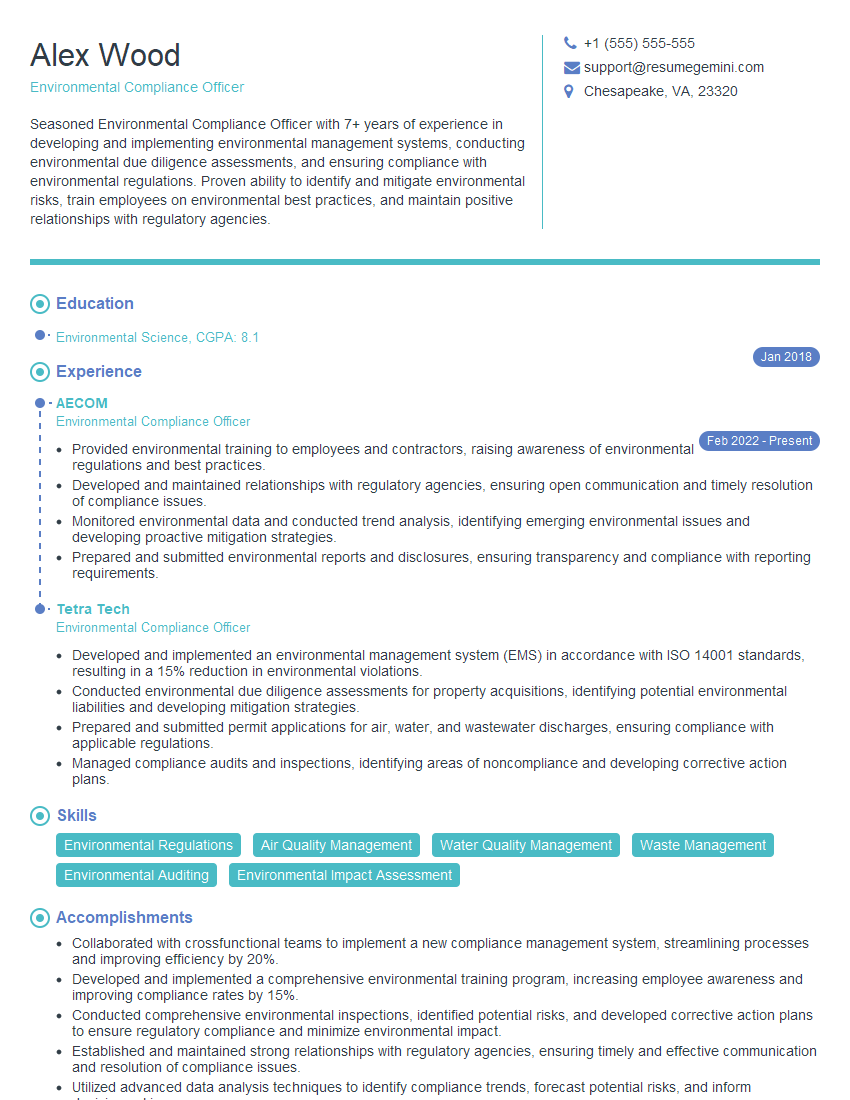
Environmental Compliance Officer Resume Sample
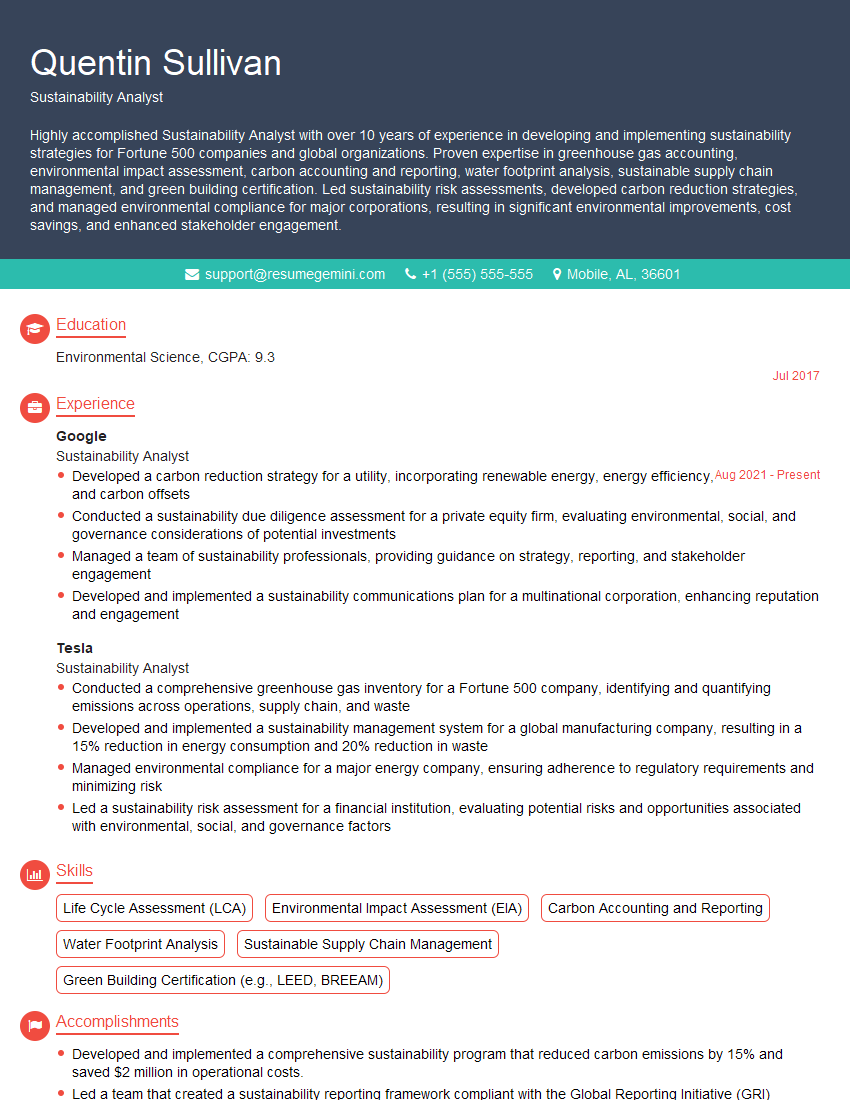
Sustainability Analyst Resume Sample

Sustainability Consultant Resume Sample
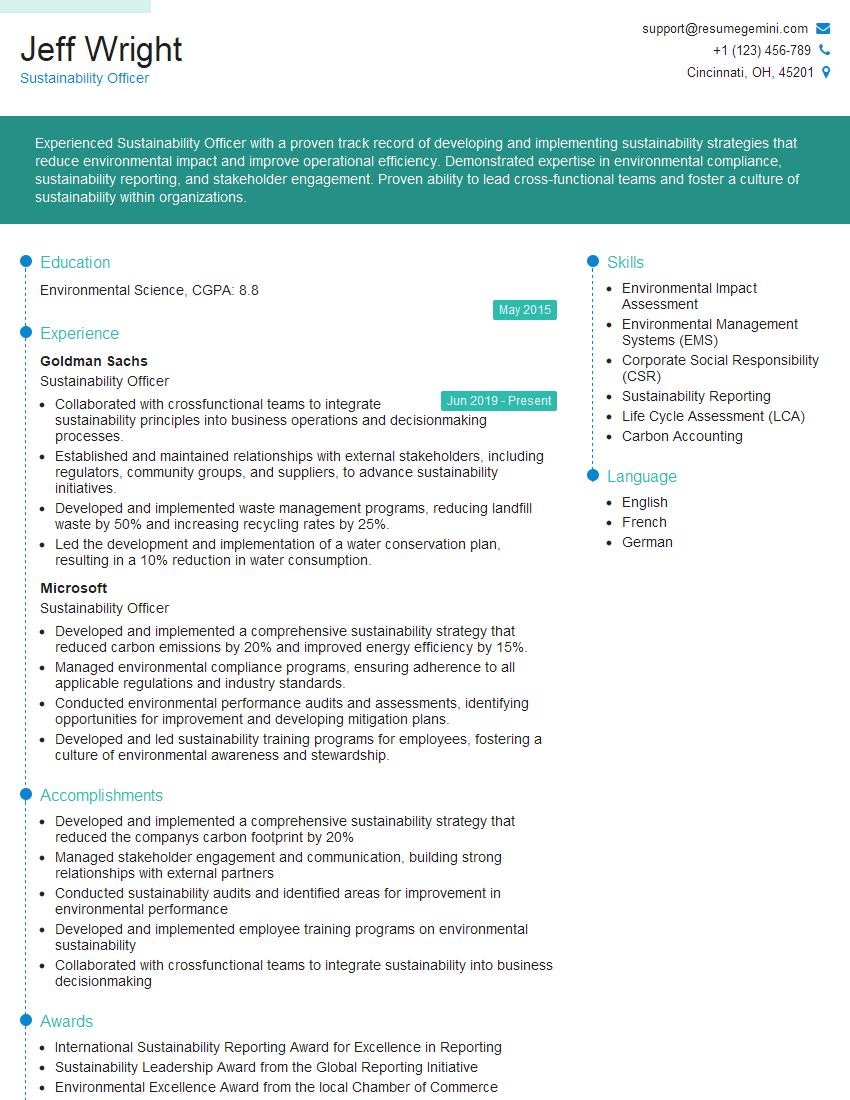
Sustainability Officer Resume Sample
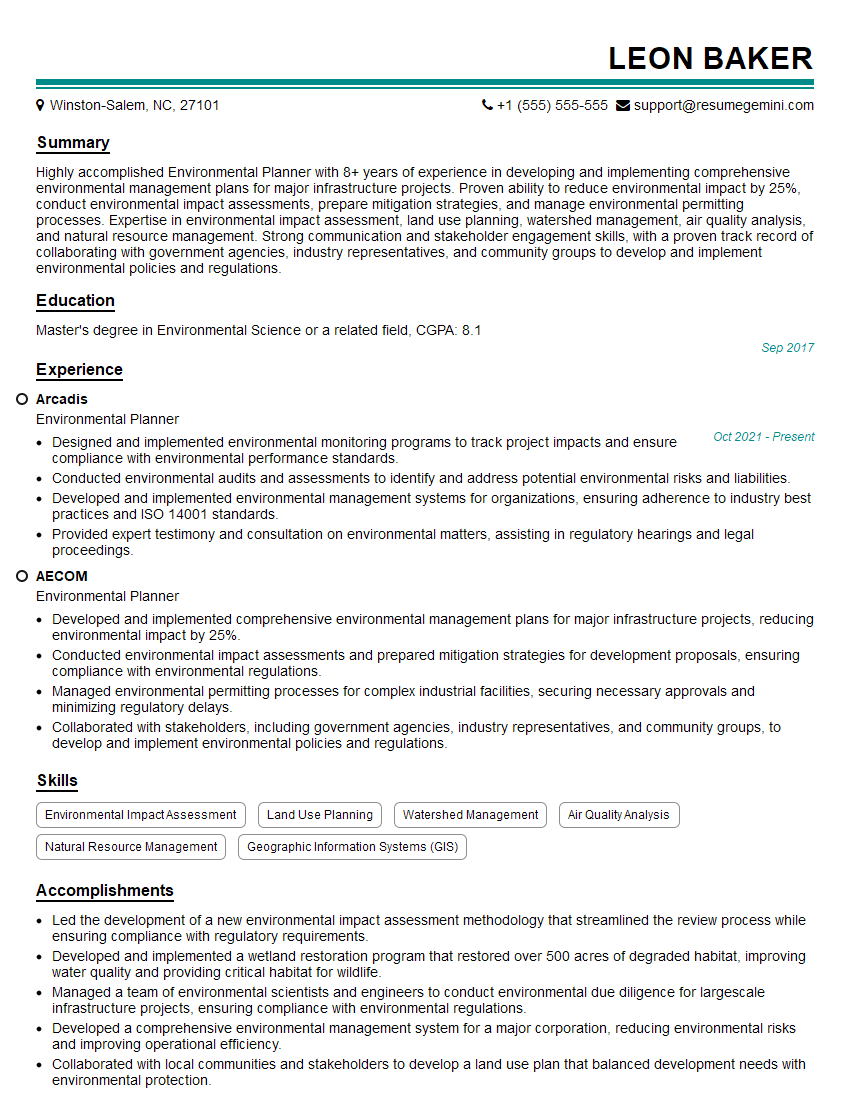
Environmental Planner Resume Sample
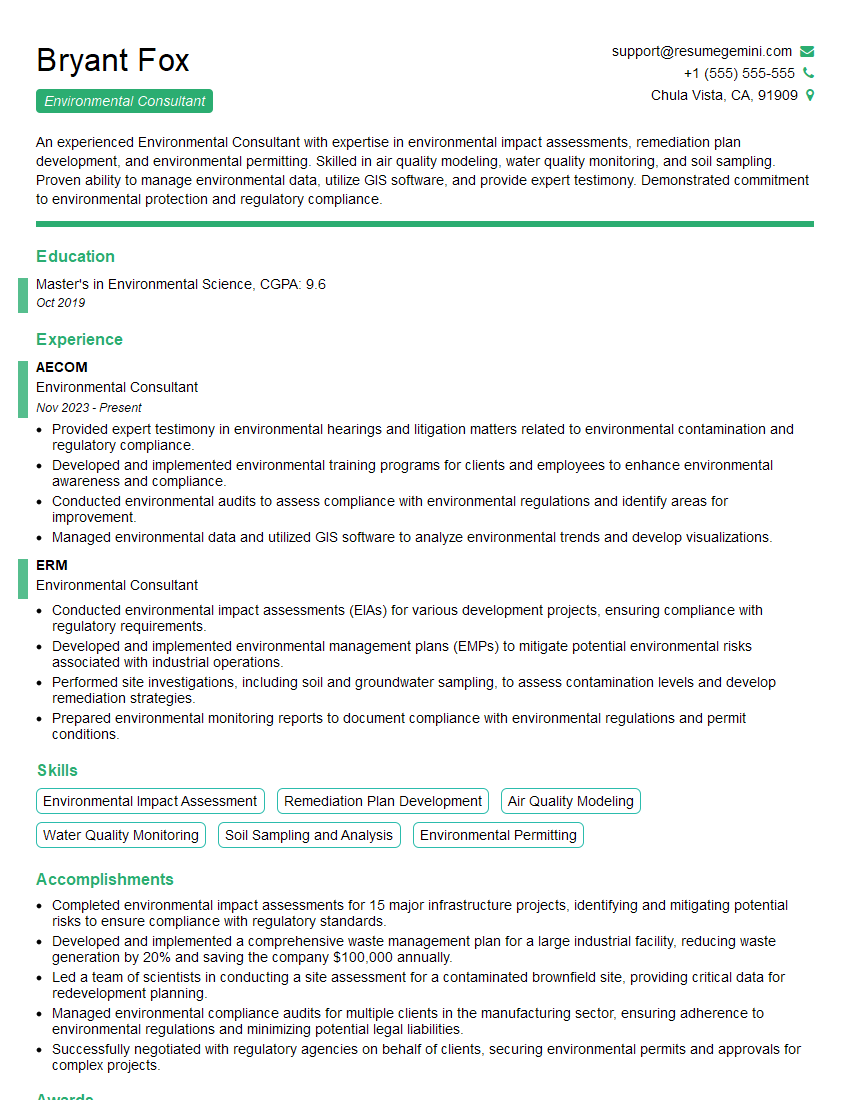
Environmental Consultant Resume Sample
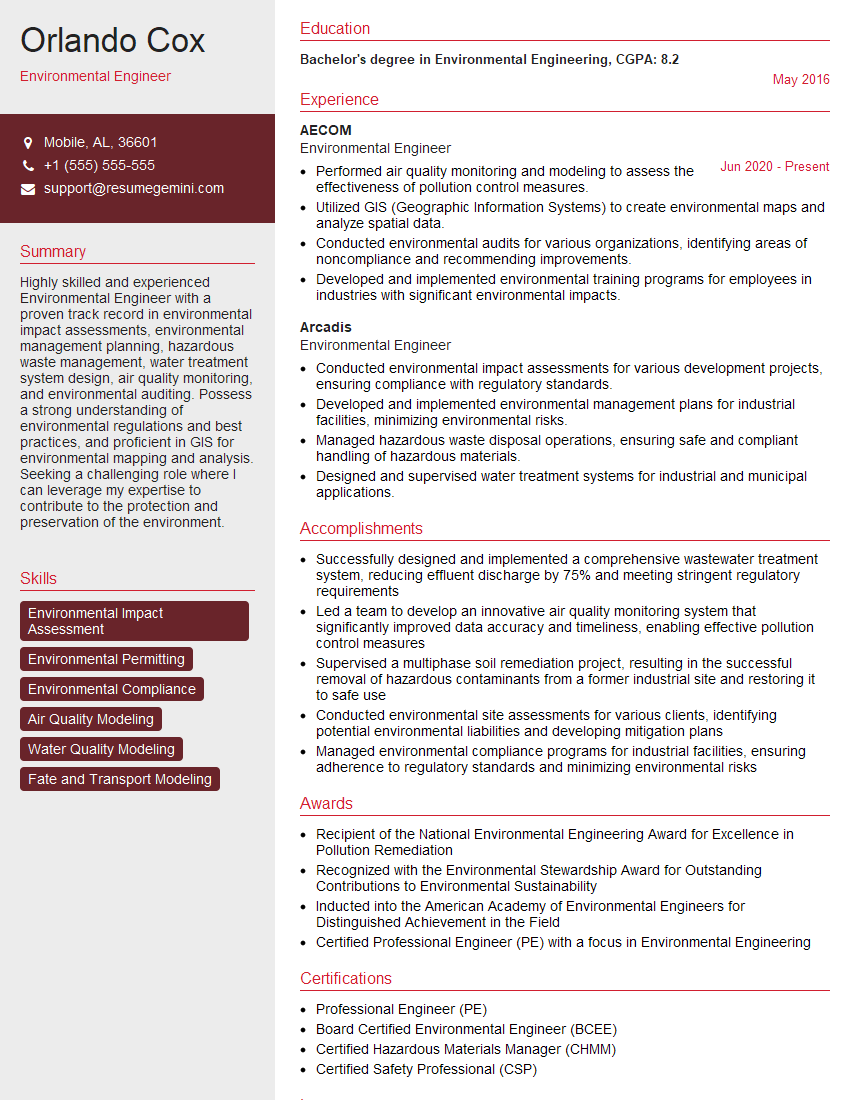
Environmental Engineer Resume Sample

Wildlife Biologist Resume Sample
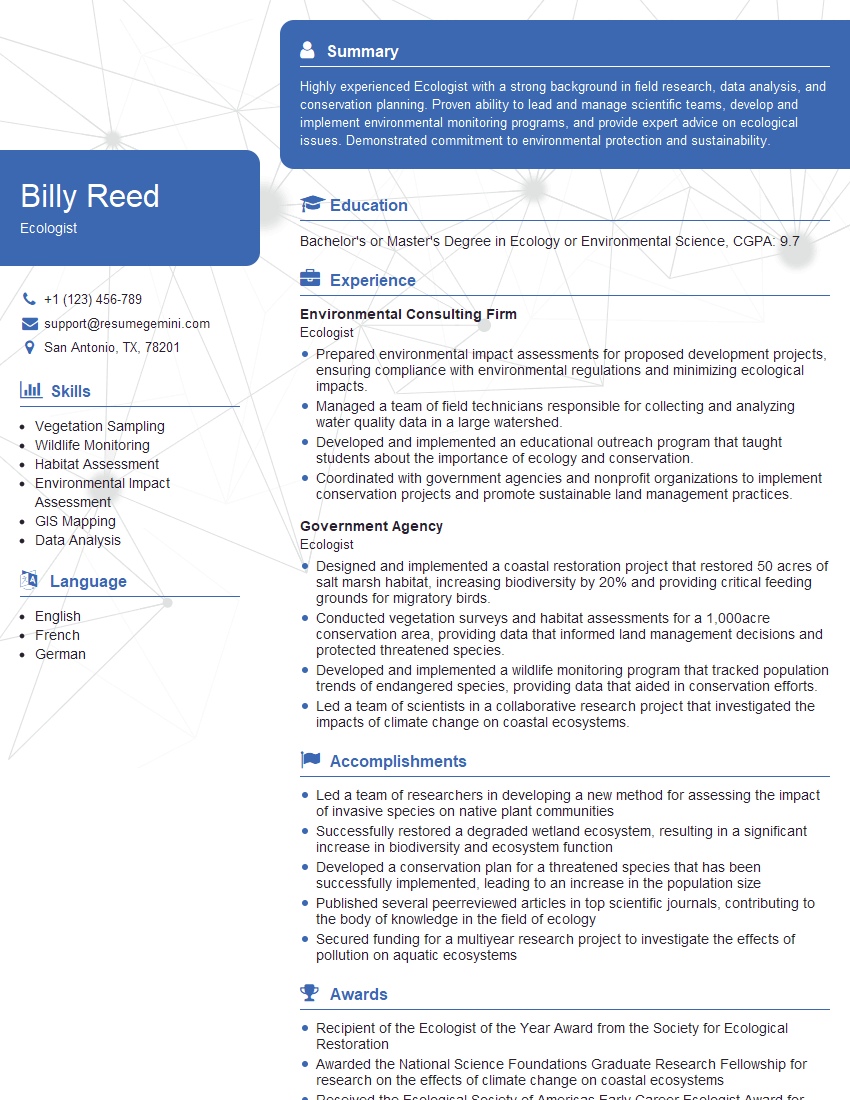
Ecologist Resume Sample
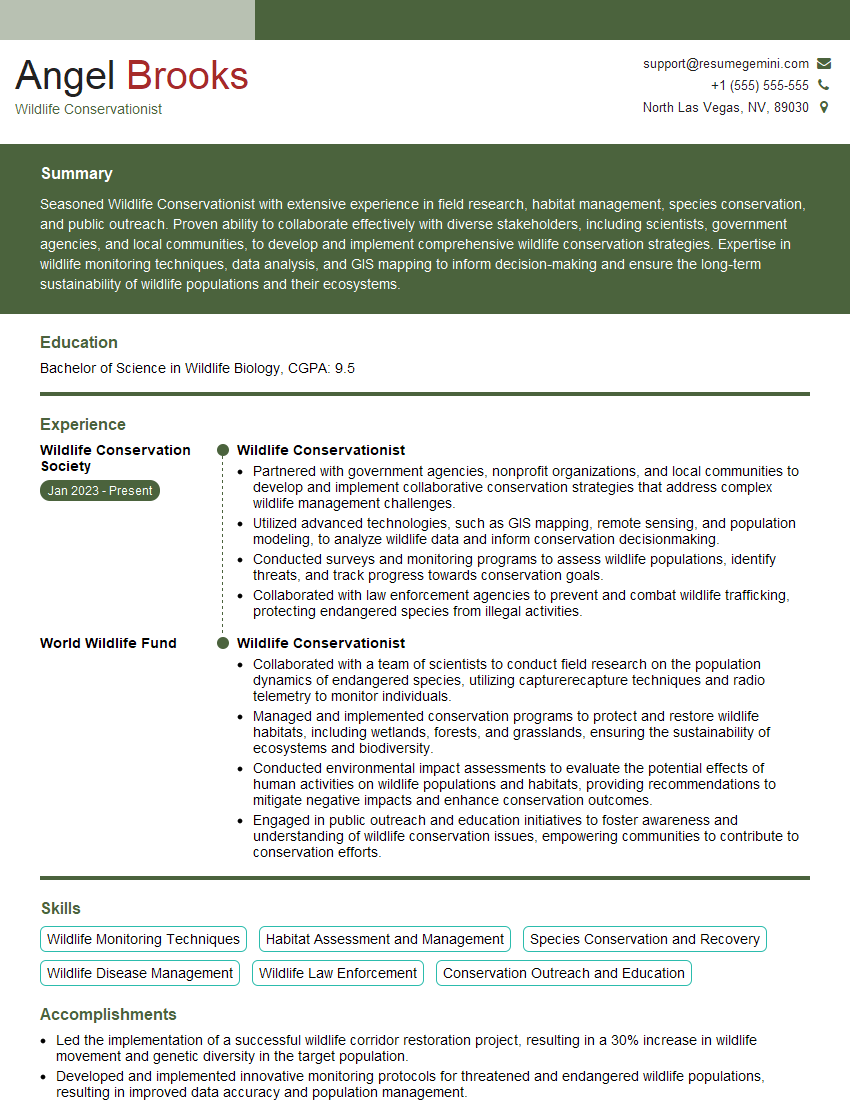
Wildlife Conservationist Resume Sample
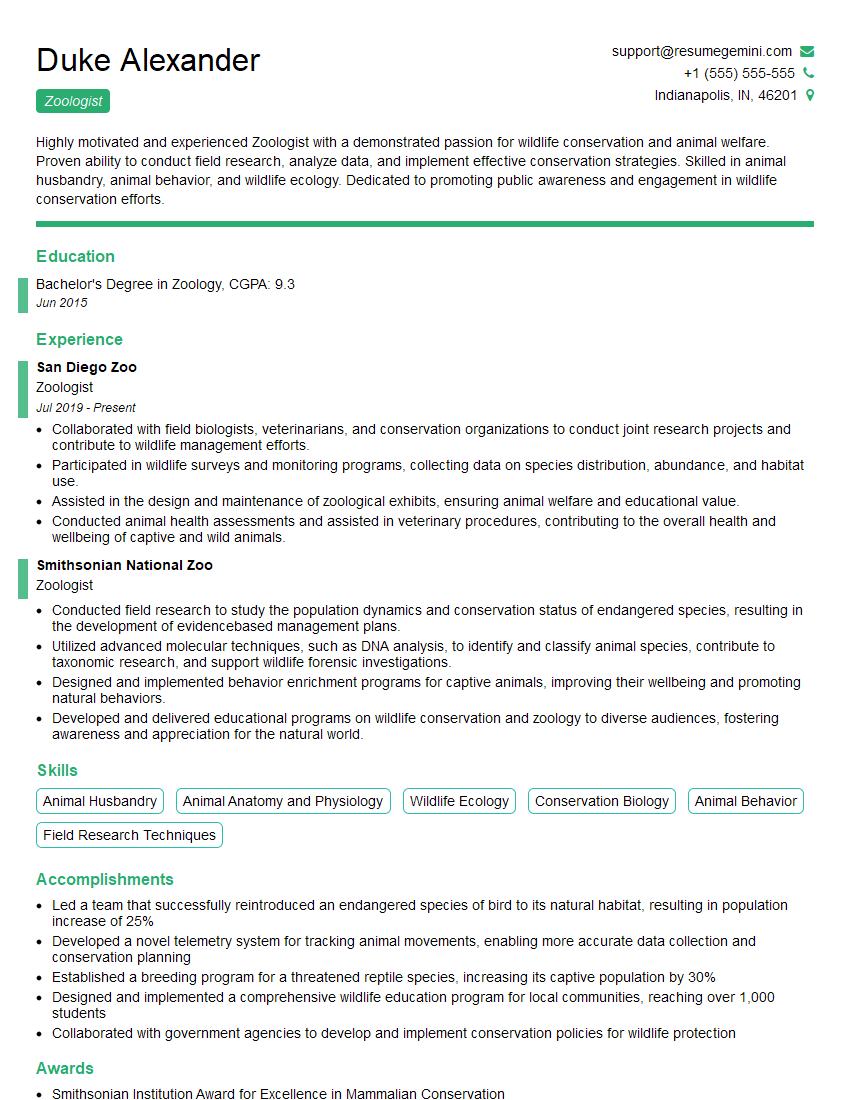
Zoologist Resume Sample
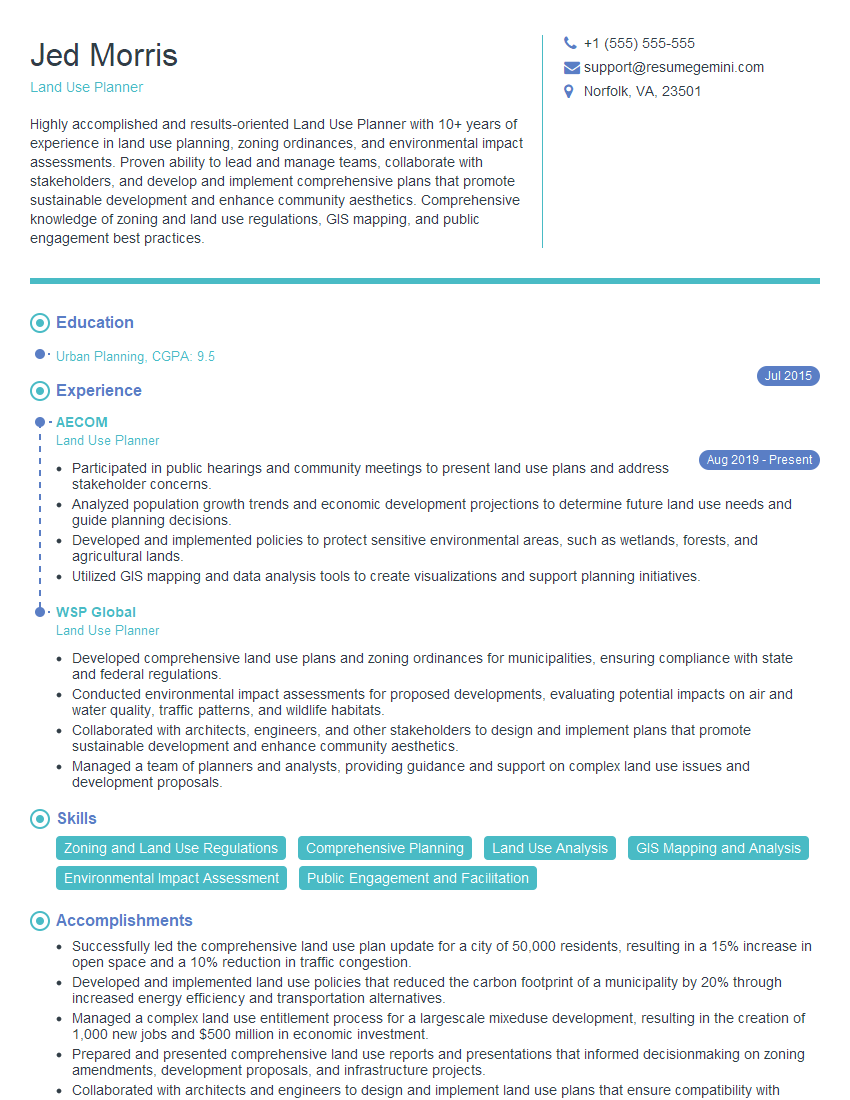
Land Use Planner Resume Sample
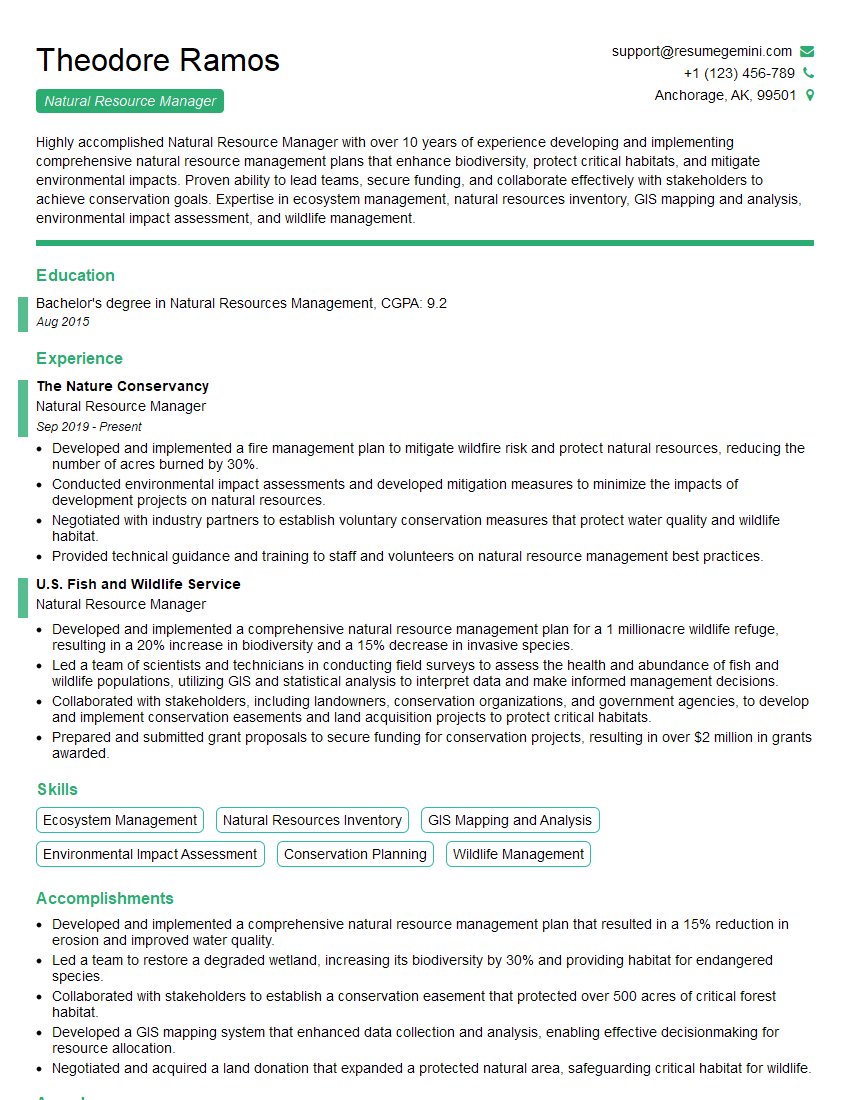
Natural Resource Manager Resume Sample
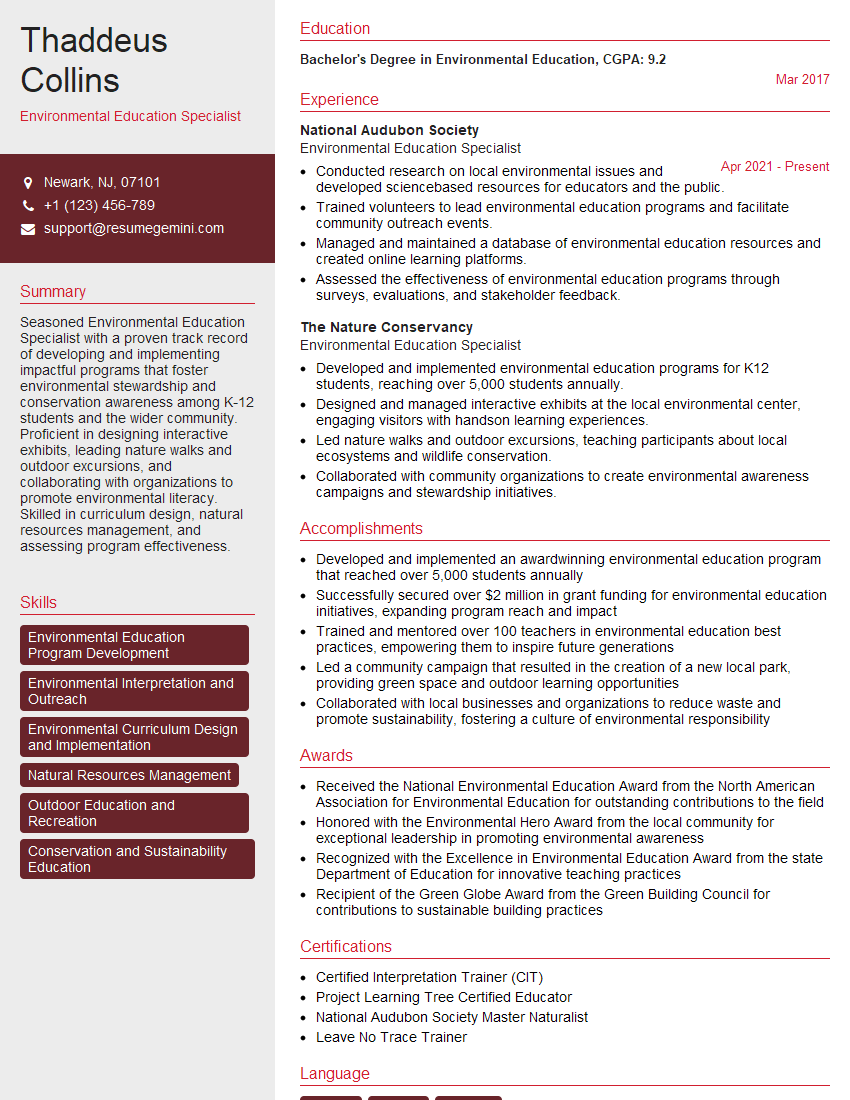
Environmental Education Specialist Resume Sample
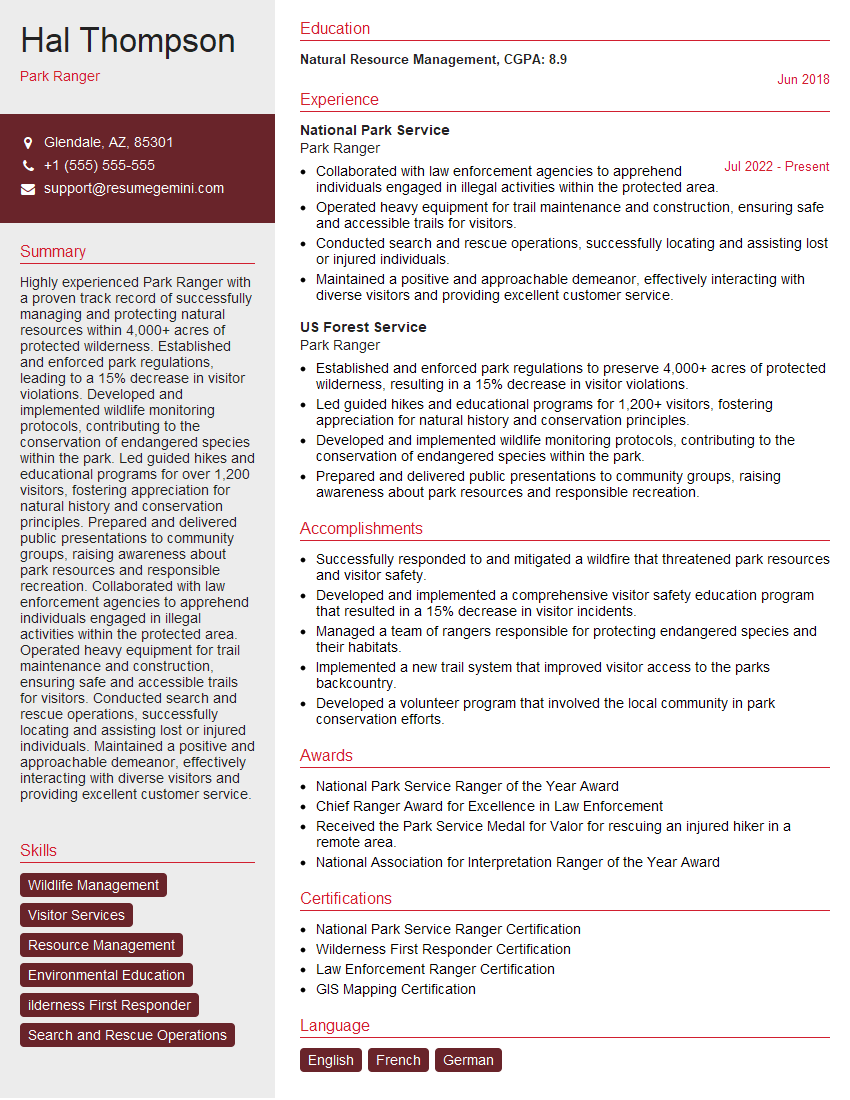
Park Ranger Resume Sample
- Sustainability Manager
- Environmental Remediation Specialist
- Environmental Compliance Officer
- Sustainability Analyst
- Sustainability Consultant
- Sustainability Officer
- Environmental Planner
- Environmental Consultant
- Environmental Engineer
- Wildlife Biologist
- Ecologist
- Wildlife Conservationist
- Zoologist
- Land Use Planner
- Natural Resource Manager
- Environmental Education Specialist
- Park Ranger
Explore more articles
Users Rating of Our Blogs
Share Your Experience
We value your feedback! Please rate our content and share your thoughts (optional).
What Readers Say About Our Blog
Very informative content, great job.
good