Interviews are more than just a Q&A session—they’re a chance to prove your worth. This blog dives into essential EU 2015/863/EU RoHS 3 Directive interview questions and expert tips to help you align your answers with what hiring managers are looking for. Start preparing to shine!
Questions Asked in EU 2015/863/EU RoHS 3 Directive Interview
Q 1. What are the key substances restricted under RoHS 3 (EU 2015/863)?
RoHS 3, formally known as EU Directive 2015/863, restricts the use of several hazardous substances in electrical and electronic equipment (EEE). Think of it as a list of ingredients you can’t use in your electronics to protect the environment and human health. The key restricted substances are:
- Lead (Pb): Found in solder, certain plastics, and coatings.
- Mercury (Hg): Used in switches and lighting.
- Cadmium (Cd): Often found in batteries and certain coatings.
- Hexavalent chromium (CrVI): Used in plating and corrosion protection.
- Polybrominated biphenyls (PBBs): Flame retardants used in plastics.
- Polybrominated diphenyl ethers (PBDEs): Another type of flame retardant used in plastics.
- Bis(2-ethylhexyl) phthalate (DEHP): A plasticizer used to soften plastics.
- Butyl benzyl phthalate (BBP): Another plasticizer.
- Dibutyl phthalate (DBP): Yet another plasticizer.
- Diisobutyl phthalate (DIBP): A final plasticizer on the list.
These substances, even in small amounts, can pose serious environmental and health risks if released into the environment through improper disposal or during manufacturing processes.
Q 2. Explain the exemptions available under RoHS 3.
RoHS 3 offers exemptions for certain applications where the restricted substances are unavoidable with current technology and where the benefits outweigh the environmental risks. These exemptions are granted for a specific period and are subject to review. Think of them as temporary permissions. For example, an exemption might exist for a specific type of cathode ray tube because a suitable alternative hasn’t been developed yet. These exemptions are listed in the Official Journal of the European Union and are carefully scrutinized to ensure they remain necessary.
Obtaining an exemption often involves demonstrating that the substance is essential for functionality, that no suitable alternative exists, and that the risk is adequately controlled. This process usually involves extensive testing and documentation.
Q 3. What is the role of the conformity assessment procedure in RoHS 3 compliance?
Conformity assessment is the process by which a manufacturer demonstrates that their EEE complies with RoHS 3 requirements. This involves several steps, including testing to verify that the concentration of restricted substances is below the maximum permitted levels. The specific procedure depends on the complexity of the product and the manufacturer’s internal capabilities. Smaller companies might rely on self-declaration, while larger companies might use notified bodies for third-party verification.
Imagine it like getting a quality certificate for your product. This proves to customers and authorities that you’ve met all the necessary standards, boosting trust and market access.
Q 4. Describe the requirements for CE marking under RoHS 3.
The CE marking is a mandatory declaration that the EEE conforms to all relevant EU Directives, including RoHS 3. It’s not a certificate itself, but a symbol that indicates compliance. Applying the CE marking incorrectly is a serious offense. It doesn’t mean the product has been tested by an external body, unless a notified body was involved in the conformity assessment. It’s the manufacturer’s responsibility to ensure compliance before placing the CE mark on their product.
Think of the CE mark as a stamp of approval – a promise to the consumer that the product meets basic safety and environmental requirements.
Q 5. How does RoHS 3 affect the supply chain?
RoHS 3 significantly impacts the entire supply chain. Manufacturers must ensure their components and materials comply with the directive. This requires careful selection of suppliers, thorough material declarations, and robust testing procedures. Suppliers, in turn, need to provide detailed information about the composition of their products, often through compliance certificates and declarations of conformity.
Imagine a chain reaction: If one part of the product is non-compliant, the entire product becomes non-compliant. This necessitates close collaboration and information exchange throughout the supply chain.
Q 6. What are the penalties for non-compliance with RoHS 3?
Penalties for non-compliance with RoHS 3 vary depending on the member state but can be substantial. They can include fines, product recalls, and even legal action. The severity of the penalty depends on factors such as the level of non-compliance, the number of affected products, and the manufacturer’s deliberate actions or negligence. In some cases, companies face significant financial losses due to recalls and reputational damage.
Non-compliance not only results in penalties but can also negatively impact a company’s reputation and its ability to trade within the EU.
Q 7. Explain the difference between RoHS 2 and RoHS 3.
RoHS 3 (2015/863) builds upon RoHS 2 (2011/65/EU), expanding the list of restricted substances and strengthening enforcement. While RoHS 2 focused on six substances, RoHS 3 adds four phthalates to the list. Furthermore, RoHS 3 clarifies certain aspects of the directive and improves its implementation. It also includes provisions for a more robust system of monitoring and enforcement.
Think of it as an update: RoHS 3 offers improved clarity, broader scope, and stricter enforcement compared to its predecessor.
Q 8. What are the requirements for documentation and record-keeping under RoHS 3?
RoHS 3, formally Directive 2015/863/EU, mandates comprehensive documentation and record-keeping to demonstrate compliance. This isn’t just about ticking boxes; it’s about providing a clear audit trail showing your commitment to environmental responsibility. Think of it like a detailed recipe – if someone inspects your product, they need to be able to trace every ingredient (material) back to its source and verify it meets the requirements.
- Declaration of Conformity (DoC): This crucial document declares that your product meets RoHS 3 requirements. It’s like a certificate of compliance, providing legal evidence.
- Technical Documentation: This encompasses all the information justifying your DoC, including material composition analyses, supplier declarations, and testing reports. It’s your ‘behind-the-scenes’ proof. For example, you might need certificates of analysis (CoA) for each component, verifying the concentrations of restricted substances.
- Supplier Declarations: You need declarations from your suppliers confirming the RoHS compliance of the materials they provide. This ensures that compliance starts at the source. If a supplier fails to provide this, you’ll need to conduct independent verification testing.
- Internal Records: These include records of your internal processes: purchasing, manufacturing, testing, and quality control procedures. These records track materials, and processes, proving you’ve implemented systems to manage restricted substances effectively.
- Retention Period: Remember that all this documentation needs to be retained for a specified period, usually 10 years after the last product was manufactured or put on the market. This allows for traceability should issues arise later.
Failing to maintain adequate records can lead to significant penalties, delays, and reputational damage. A robust documentation system is not merely a legal requirement; it’s a cornerstone of responsible manufacturing and a vital asset for risk management.
Q 9. How do you conduct a RoHS 3 compliance audit?
A RoHS 3 compliance audit involves a systematic examination of your processes and documentation to verify conformity. It’s a thorough investigation, not just a superficial check. I approach these audits in a structured manner:
- Documentation Review: I begin by thoroughly reviewing all the relevant documentation: DoCs, supplier declarations, technical files, testing reports, and internal records. This stage helps identify potential gaps in compliance.
- Sampling and Testing: I’ll select representative samples of your product for laboratory testing. The chosen substances and testing methods are based on the product’s composition and potential risks. We’ll conduct XRF (X-ray fluorescence) testing for initial screening, followed by more precise methods (e.g., ICP-MS) if necessary to meet the required limits for the substances of concern.
- On-site Inspection: Depending on the audit scope, an on-site visit might be needed to observe your manufacturing processes and verify the traceability of materials. I’ll examine your quality control procedures and check how you manage RoHS compliance within your organization.
- Gap Analysis and Reporting: I then analyze all the collected information, identify any gaps in compliance, and produce a comprehensive report summarizing the audit findings and recommending corrective actions. This report details the observed strengths and weaknesses, pointing out any non-conformances.
The audit should be approached with a holistic view, covering every stage of the product lifecycle, from design and sourcing to manufacturing and disposal. My experience has shown that even a seemingly minor oversight can lead to significant compliance issues.
Q 10. How do you identify and manage RoHS 3 risks in a product’s lifecycle?
Identifying and managing RoHS 3 risks requires a proactive, multi-stage approach that spans the entire product lifecycle. It’s like building a house: you wouldn’t skip foundation checks or ignore safety regulations during construction.
- Design Stage: This is where the most significant risks can be mitigated. By selecting RoHS-compliant materials from the outset, you minimize the potential for non-compliance later on. This involves careful material selection, taking into account the specific requirements of each component and the potential presence of restricted substances in alternative materials.
- Sourcing Stage: Collaborate closely with suppliers to ensure they understand and meet your RoHS 3 requirements. Request supplier declarations of conformity, and consider regularly auditing their facilities. This reduces the risk of receiving non-compliant materials.
- Manufacturing Stage: Implement strict quality control measures throughout your production process to prevent accidental introduction of non-compliant materials. This might involve regular material testing and process monitoring. It’s crucial to ensure that your manufacturing processes do not introduce contaminants that compromise compliance.
- End-of-Life Stage: Plan for the responsible disposal or recycling of your product to minimize environmental impact. This includes providing clear information to consumers about proper recycling procedures and ensuring compliance with relevant waste management regulations.
Regular risk assessments, updates to your RoHS compliance program, and ongoing supplier monitoring are vital for maintaining a resilient system.
Q 11. Describe your experience with RoHS 3 testing and analysis.
My experience with RoHS 3 testing and analysis is extensive. I have been involved in numerous projects, ranging from small consumer electronics to large industrial equipment. I’m familiar with all the relevant analytical techniques.
My typical workflow involves:
- Sample Preparation: Ensuring representative samples are correctly prepared according to internationally recognized standards (e.g., IEC 62321) to obtain accurate and reliable results.
- Analytical Techniques: Utilizing various techniques such as XRF (X-ray fluorescence) spectrometry for rapid screening, ICP-OES (Inductively Coupled Plasma Optical Emission Spectrometry), and ICP-MS (Inductively Coupled Plasma Mass Spectrometry) for precise elemental quantification of restricted substances at very low concentration levels.
- Data Analysis and Interpretation: Analyzing the results meticulously, comparing them against the regulatory limits to determine compliance. This involves understanding the limitations of different analytical techniques and selecting appropriate methods depending on the substance concentration.
- Reporting: Producing detailed reports with all the relevant data, including limits of detection, uncertainties, and conclusions regarding compliance. This requires a thorough understanding of reporting requirements to ensure clarity and avoid ambiguity.
I’ve personally overseen the testing of numerous products across diverse sectors, ensuring accuracy and compliance with the strictest standards. A precise and reliable result is crucial, as an inaccurate assessment can lead to serious legal and reputational consequences.
Q 12. What are the key challenges in achieving RoHS 3 compliance?
Achieving RoHS 3 compliance presents several key challenges:
- Complex Supply Chains: Tracing materials throughout lengthy supply chains can be incredibly challenging, making it difficult to guarantee compliance at every stage. It requires meticulous collaboration and careful verification.
- Constantly Evolving Regulations: The regulatory landscape is dynamic, with updates and interpretations regularly issued. Staying abreast of these changes is crucial to avoid falling out of compliance.
- Analytical Challenges: Accurately measuring trace amounts of restricted substances requires specialized equipment and expertise. The limits are very low and false positives or negatives can occur.
- Cost and Time Constraints: RoHS 3 compliance requires significant investment in testing, documentation, and quality control procedures. This can be a considerable cost for businesses, particularly smaller ones.
- Lack of Awareness: Insufficient knowledge and understanding of RoHS 3 requirements remain a challenge for some businesses. Proper training and guidance are crucial to address this.
Overcoming these challenges requires a dedicated approach, a strong commitment to compliance, and investment in appropriate resources and expertise. Continuous improvement and proactive risk management are also key.
Q 13. How do you ensure RoHS 3 compliance in imported products?
Ensuring RoHS 3 compliance in imported products requires a robust and proactive approach, starting long before the product arrives on EU soil. It’s not enough to simply hope for compliance; you need verifiable proof.
- Due Diligence: Thoroughly investigate your suppliers and request comprehensive documentation, including supplier declarations of conformity, certificates of analysis, and evidence of their own RoHS 3 compliance systems.
- Independent Testing: Consider having a percentage of incoming shipments independently tested by a reputable laboratory to verify supplier declarations. This adds an extra layer of security.
- Contractual Obligations: Clearly state your RoHS 3 requirements in your contracts with suppliers, holding them accountable for ensuring their products meet the necessary standards.
- Customs Declarations: Ensure your import declarations accurately reflect the contents and compliance status of your products. Providing false or misleading information can lead to severe penalties.
- Ongoing Monitoring: Continuously monitor your suppliers for any changes in materials or processes that could affect RoHS 3 compliance.
Proactive measures such as these are essential for managing the risks associated with imported products and ensuring compliance with EU regulations.
Q 14. Explain your understanding of the RoHS 3 Annex III.
RoHS 3 Annex III specifies the exemptions from the restrictions on the use of certain hazardous substances. Think of it as a list of exceptions to the rule. It’s a crucial part of the Directive, allowing for the use of certain materials despite containing restricted substances under specific conditions.
These exemptions are not granted lightly; they usually involve detailed justification and are granted for specific applications where suitable alternatives aren’t readily available. Each exemption is carefully defined, with specific criteria that must be met. These criteria may include:
- Specific Material Composition: The precise composition of the material containing the restricted substance must meet specific requirements.
- Specific Applications: The exemption is usually valid only for a particular application, such as a specific type of electronic equipment.
- Time Limits: Many exemptions have sunset clauses, meaning they expire after a certain period. This encourages the development of alternative, safer materials.
It’s crucial to understand Annex III thoroughly to determine if any exemptions apply to your specific product and to ensure that all conditions of the exemption are met. Failure to comply with the terms of an exemption can lead to non-compliance. Regular monitoring of updates to Annex III is critical, as exemptions can be added, amended or revoked.
Q 15. How do you communicate RoHS 3 compliance to stakeholders?
Communicating RoHS 3 compliance effectively involves a multi-pronged approach, ensuring transparency and trust with all stakeholders. This includes internal teams, suppliers, customers, and potentially regulatory bodies.
- Internal Communication: Regular updates and training sessions for employees involved in procurement, manufacturing, and quality control are crucial. This ensures everyone understands their roles in maintaining compliance.
- Supplier Engagement: Clear communication with suppliers is paramount. We require them to provide RoHS 3 declarations of conformity (DoCs) for all relevant components and materials. We also conduct regular audits to verify compliance claims.
- Customer Assurance: Providing customers with readily accessible compliance documentation, such as our own DoC and supplier declarations, demonstrates our commitment to meeting regulatory requirements. This builds trust and strengthens our business relationships. We might include a clear statement of RoHS compliance in our product documentation and marketing materials.
- Regulatory Reporting: If requested, we are prepared to provide all necessary documentation to regulatory authorities to demonstrate our compliance with RoHS 3 directives.
For example, we recently implemented a new software system to track all incoming components’ RoHS compliance statuses, simplifying reporting and ensuring transparency across the supply chain.
Career Expert Tips:
- Ace those interviews! Prepare effectively by reviewing the Top 50 Most Common Interview Questions on ResumeGemini.
- Navigate your job search with confidence! Explore a wide range of Career Tips on ResumeGemini. Learn about common challenges and recommendations to overcome them.
- Craft the perfect resume! Master the Art of Resume Writing with ResumeGemini’s guide. Showcase your unique qualifications and achievements effectively.
- Don’t miss out on holiday savings! Build your dream resume with ResumeGemini’s ATS optimized templates.
Q 16. What is your experience with RoHS 3 related legislation changes?
My experience with RoHS 3 legislative changes has been extensive, encompassing several revisions and updates since its inception. I’ve been directly involved in interpreting these changes and adapting our company’s processes to remain compliant.
The most significant challenge has been keeping abreast of the evolving list of restricted substances and their concentration thresholds. For example, the addition of DEHP, BBP, DBP, and DIBP to the restricted substances list required a significant overhaul of our material selection processes. We had to identify alternative materials, re-qualify existing suppliers, and update our internal documentation accordingly. This involved meticulous data analysis, supplier communication, and internal testing to ensure the replacement materials met both performance and regulatory standards.
Q 17. How do you stay updated on RoHS 3 regulations and developments?
Staying updated on RoHS 3 regulations is a continuous process requiring a multi-faceted approach.
- Subscription to Regulatory Updates: I subscribe to newsletters and updates from reputable sources such as the European Commission and relevant industry bodies. This ensures I receive timely information on any changes or interpretations.
- Industry Events and Conferences: Attending industry events and conferences provides valuable insights into current challenges and best practices in RoHS 3 compliance. Networking with other experts offers additional perspectives and potential solutions.
- Collaboration with Regulatory Experts: Maintaining open communication with regulatory consultants and legal professionals specializing in environmental compliance is essential for navigating complex interpretations and ensuring that our understanding of the legislation is accurate and up-to-date.
- Internal Monitoring: We have established an internal system for tracking changes and updates, ensuring that all relevant teams are informed and that our processes adapt accordingly.
Q 18. Explain your familiarity with the RoHS 3 Declaration of Conformity (DoC).
The RoHS 3 Declaration of Conformity (DoC) is a crucial document that self-declares a product’s compliance with the directive. It’s a legally binding statement confirming that the product meets all relevant requirements.
My familiarity extends to all aspects of the DoC, including its correct format, required information, and legal implications. I understand the importance of including accurate details such as the manufacturer’s information, product description, applicable exemptions, and a list of restricted substances and their concentrations. Any inaccuracies in the DoC can lead to serious legal consequences.
For instance, we recently had to revise a DoC due to a change in a supplier’s material composition. This highlighted the importance of continuous monitoring and updates of our supplier information and material specifications.
Q 19. What is your approach to managing RoHS 3 compliance within a budget?
Managing RoHS 3 compliance within a budget requires a strategic approach that prioritizes efficiency and cost-effectiveness.
- Prioritization: We focus our resources on the areas posing the highest risk of non-compliance. This might involve targeted testing of critical components or prioritization of training for key personnel.
- Supplier Collaboration: Open communication with suppliers encourages them to share the cost of compliance. For example, we might negotiate contracts that incentivize the use of RoHS-compliant materials.
- Technology Investment: Investing in software solutions for tracking materials and managing compliance documentation can improve efficiency and reduce manual labor costs in the long run.
- Continuous Improvement: Regular internal audits and process reviews identify areas for improvement and help prevent costly non-compliance issues.
For example, we successfully implemented a system for automated DoC generation, reducing the administrative burden and associated costs significantly.
Q 20. How do you handle conflicts between RoHS 3 requirements and other regulations?
Conflicts between RoHS 3 requirements and other regulations are not uncommon. Handling these requires a careful assessment of all applicable regulations and prioritizing compliance with the most stringent requirements.
Our approach involves a thorough review of all relevant documentation, internal discussions with legal and compliance experts, and potentially, consultation with external regulatory bodies. Prioritization depends on several factors including the severity of potential penalties for non-compliance and the impact on product functionality and safety. We might need to seek exemptions or waivers where justified and possible.
For instance, we once faced a conflict between RoHS restrictions and specific safety standards for a particular product. We worked closely with regulatory authorities to demonstrate that complying with both was feasible and then implemented modifications to address the conflict.
Q 21. What are the different types of RoHS 3 compliance certifications?
There aren’t specific ‘types’ of RoHS 3 certifications in the sense of formal certification bodies issuing RoHS-specific certificates like ISO certifications. Instead, compliance is demonstrated through self-declaration via the Declaration of Conformity (DoC).
However, indirect certification might be relevant. This involves certifications for underlying standards that impact RoHS compliance. For instance, a product might have a safety certification (like CE marking), and satisfying the requirements for that safety standard would implicitly address certain aspects of RoHS compliance (e.g., material safety aspects). Furthermore, some companies might choose to have their processes or products audited by third-party organizations to verify their adherence to RoHS requirements, but this is not mandatory under RoHS 3 itself.
The key aspect is the DoC; the manufacturer declares their product’s compliance with RoHS 3, which the authorities can then investigate if necessary.
Q 22. Describe your experience with supplier management in relation to RoHS 3.
My experience with supplier management under RoHS 3 centers around proactive engagement and robust communication. It’s not enough to simply request compliance declarations; I build collaborative relationships with suppliers, ensuring they understand our commitment to compliance and the potential consequences of non-compliance. This includes:
- Regular Audits: Conducting periodic audits of supplier facilities to verify their processes and documentation relating to RoHS compliance.
- Material Declaration (MD) Verification: Thoroughly reviewing and validating the accuracy of supplier-provided Material Declarations. This often involves cross-referencing information and performing independent verification of critical components.
- Traceability: Implementing systems to track materials throughout the supply chain, ensuring complete traceability back to the original source. This allows for rapid identification and remediation in case of non-compliant materials.
- Training and Support: Providing training to suppliers on RoHS 3 requirements and best practices for compliance. This includes sharing relevant documentation and assisting them in implementing effective control measures.
- Relationship Management: Fostering open communication and building strong working relationships with key suppliers to ensure ongoing compliance and collaboration.
For instance, I once worked with a supplier who initially had difficulty meeting the requirements for a specific component. By collaborating closely, providing technical support, and exploring alternative materials, we successfully ensured compliance without compromising product quality or delivery schedules. This proactive approach is crucial for maintaining a robust and reliable supply chain that adheres to RoHS 3 regulations.
Q 23. How do you interpret and apply RoHS 3 exemptions to specific products?
Interpreting and applying RoHS 3 exemptions requires meticulous attention to detail. Each exemption is specific and has very narrow criteria. It’s not sufficient to simply state that an exemption exists; you must demonstrate that the specific product and its use precisely match the exemption’s conditions.
My approach involves a thorough review of both the product’s composition and its intended application against the official list of exemptions published by the European Commission. This involves:
- Precise Identification: Accurately identifying the specific substance and its concentration within the product.
- Exemption Verification: Checking that the exemption’s conditions regarding the substance, concentration, and application are strictly met. Even minor discrepancies can invalidate the exemption.
- Documentation: Maintaining comprehensive documentation of the exemption’s application, including supporting evidence and justifications.
For example, an exemption might exist for lead in a specific type of glass used in a cathode ray tube, but that same exemption would not apply to lead in a solder used in an electronic circuit. Each application needs individual assessment against the specific exemption text.
Using a well-structured checklist and keeping detailed records of each step are essential to ensuring correct application and reducing the risk of non-compliance.
Q 24. What are some common pitfalls to avoid when ensuring RoHS 3 compliance?
Common pitfalls in RoHS 3 compliance often stem from insufficient due diligence, poor record-keeping, and inadequate communication. Here are some key points to avoid:
- Insufficient Supplier Due Diligence: Failing to thoroughly verify supplier declarations and conduct regular audits can lead to the use of non-compliant materials.
- Incomplete Material Declarations (MDs): Relying on incomplete or inaccurate MDs can create vulnerabilities in your compliance program. Ensuring detailed and accurate information is essential.
- Lack of Internal Control: An absence of effective internal processes and controls can increase the risk of errors and inconsistencies in your compliance efforts.
- Poor Record-Keeping: Inadequate record-keeping can hinder traceability and make it difficult to demonstrate compliance during audits.
- Inadequate Training: Failure to provide sufficient training to employees about RoHS 3 requirements increases the likelihood of errors and non-compliance.
- Ignoring Ongoing Updates: RoHS regulations and exemptions can be updated, so staying informed about any changes is crucial to maintaining ongoing compliance.
Imagine a scenario where a company fails to verify a supplier’s MD and inadvertently uses a component with restricted substances. This could lead to hefty fines, reputational damage, and product recalls. Proactive measures are vital to avoid these situations.
Q 25. How do you evaluate the effectiveness of a RoHS 3 compliance program?
Evaluating the effectiveness of a RoHS 3 compliance program requires a multi-faceted approach. It’s not just about meeting the minimum requirements; it’s about building a sustainable and robust system that ensures ongoing compliance.
Key metrics to track include:
- Compliance Rate: The percentage of products that successfully pass RoHS 3 testing.
- Number of Non-Compliant Findings: Tracking the frequency of non-compliant findings helps identify areas for improvement.
- Time to Remediation: Measuring the time taken to address non-compliance issues indicates the efficiency of the program.
- Supplier Compliance Performance: Regularly assessing supplier compliance rates helps to manage risks in the supply chain.
- Audit Frequency and Outcomes: Consistent audits and their results provide an independent assessment of the program’s efficacy.
- Employee Training and Awareness: Evaluating employee understanding of RoHS 3 and related procedures helps measure success.
Regular internal audits, external audits (by accredited bodies), and robust documentation review are all crucial for ensuring a program’s effectiveness. The goal is continuous improvement and proactive risk management.
Q 26. Describe your experience with the use of RoHS 3 compliance software or tools.
I’ve utilized several RoHS 3 compliance software tools, and their benefits are undeniable. These tools can automate various tasks, significantly improving efficiency and accuracy. For example, some software can automatically compare supplier MDs against the RoHS substance list, highlighting potential non-compliant substances. Other tools can help manage documentation, track compliance status across various products and suppliers, and generate reports for audits.
The specific tools vary, but effective software should include features like:
- Material Database: A comprehensive database of materials and their associated RoHS compliance status.
- MD Management: Tools for collecting, reviewing, and managing supplier Material Declarations.
- Reporting and Analysis: Capabilities for generating compliance reports and analyzing data to identify trends and areas for improvement.
- Alerting and Notifications: Features to alert users of potential compliance risks or updates to RoHS regulations.
While software is a valuable asset, it’s important to remember that it’s a tool; it doesn’t replace the need for human expertise and judgment. A human expert is essential for interpreting results, investigating discrepancies, and making informed decisions based on the software output. The software aids in efficiency but doesn’t replace critical thinking.
Q 27. How would you approach an unexpected finding of a restricted substance during RoHS 3 compliance testing?
An unexpected finding of a restricted substance during RoHS 3 compliance testing requires a swift and methodical response. The first step is to verify the finding through repeat testing. If confirmed, then a thorough investigation is necessary to determine the source and extent of the contamination.
My approach would follow these steps:
- Verification: Repeat the testing in a different laboratory to confirm the initial finding. Using a reputable, accredited lab is vital.
- Source Identification: Trace the affected component back through the supply chain to pinpoint the source of the non-compliant material. This might involve reviewing MDs, contacting suppliers, and potentially conducting site visits.
- Containment: Immediately isolate the affected product batch to prevent further distribution or use.
- Corrective Actions: Develop and implement corrective actions to address the root cause of the non-compliance. This might involve working with suppliers to source compliant materials, revising product designs, or implementing stricter quality control measures.
- Notification: Notify relevant stakeholders, including customers and regulatory authorities, as appropriate.
- Documentation: Meticulously document all aspects of the incident, including the investigation, corrective actions, and the verification of their effectiveness.
This approach ensures transparency, responsibility, and prevents similar issues from occurring in the future. Proactive communication is key to mitigating any negative impacts on the company’s reputation and legal standing.
Q 28. What is your understanding of the role of the European Commission in RoHS 3 enforcement?
The European Commission plays a crucial role in enforcing RoHS 3 through a combination of legislation, guidance, and oversight. They are responsible for:
- Setting the Regulations: Defining the restricted substances, establishing concentration thresholds, and outlining compliance requirements.
- Publishing Exemptions: Issuing and regularly updating the list of exemptions to the restrictions.
- Providing Guidance: Publishing guidance documents and interpretations to aid in understanding and implementing the regulations.
- Market Surveillance: Overseeing market surveillance activities to ensure that products placed on the EU market comply with RoHS 3.
- Enforcement Support: Supporting national enforcement authorities in their efforts to investigate non-compliance and take appropriate action.
While enforcement is primarily carried out by national authorities, the European Commission plays a critical role in creating a consistent and effective regulatory framework across the EU. They work to harmonize the interpretation and enforcement of RoHS 3 across member states, fostering a level playing field for businesses and ensuring a high level of consumer protection.
Key Topics to Learn for EU 2015/863/EU RoHS 3 Directive Interview
- Restricted Substances: Understand the 10 restricted substances and their maximum permitted concentrations. Focus on practical identification methods and testing procedures.
- Exemptions: Learn about the various exemptions available under RoHS 3 and how to determine if an exemption applies to a specific product or component. Practice applying these exemptions to hypothetical scenarios.
- Homogeneous Materials: Grasp the concept of homogeneous materials and how this impacts compliance testing and reporting. Be prepared to discuss the challenges of defining homogeneity in complex products.
- Compliance Documentation: Familiarize yourself with the required documentation for demonstrating RoHS 3 compliance, including declarations of conformity and technical files. Understand the importance of accurate record-keeping.
- Supply Chain Management: Explore the role of supply chain management in ensuring RoHS 3 compliance. Discuss strategies for managing compliance throughout the entire product lifecycle, from material sourcing to end-of-life management.
- Enforcement and Penalties: Understand the consequences of non-compliance, including potential fines and market withdrawal. Be prepared to discuss strategies for mitigating risk and ensuring compliance.
- Difference from Previous RoHS Directives: Highlight the key changes introduced by RoHS 3 compared to previous versions, and how these changes affect compliance strategies.
- Practical Application: Case Studies: Research and understand case studies illustrating successful and unsuccessful approaches to RoHS 3 compliance. This will allow you to demonstrate practical application of the Directive.
Next Steps
Mastering the EU 2015/863/EU RoHS 3 Directive is crucial for career advancement in the electronics and manufacturing industries. Demonstrating this expertise significantly increases your value to prospective employers. To maximize your job prospects, create an ATS-friendly resume that clearly highlights your knowledge and experience. ResumeGemini is a trusted resource to help you build a professional and effective resume that showcases your skills and qualifications. Examples of resumes tailored to the EU 2015/863/EU RoHS 3 Directive are available to help you get started.

Sustainability Manager Resume Sample

Quality Control Manager Resume Sample

Compliance Analyst Resume Sample

Legal Compliance Officer Resume Sample

Environmental Compliance Officer Resume Sample
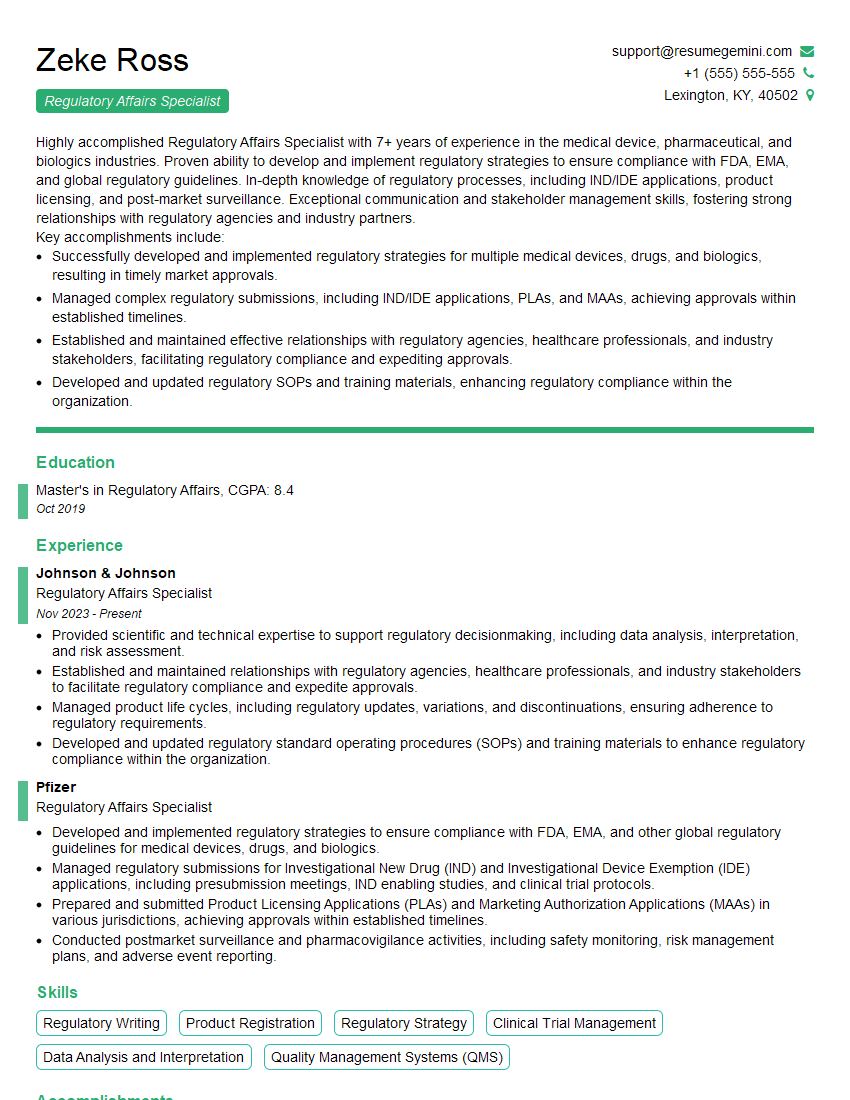
Regulatory Affairs Specialist Resume Sample

Sustainability Consultant Resume Sample

Compliance Auditor Resume Sample

Environmental Consultant Resume Sample

Product Safety Engineer Resume Sample

Industrial Hygienist Resume Sample
Explore more articles
Users Rating of Our Blogs
Share Your Experience
We value your feedback! Please rate our content and share your thoughts (optional).
What Readers Say About Our Blog
Very informative content, great job.
good