Unlock your full potential by mastering the most common Event Risk Management and Mitigation interview questions. This blog offers a deep dive into the critical topics, ensuring you’re not only prepared to answer but to excel. With these insights, you’ll approach your interview with clarity and confidence.
Questions Asked in Event Risk Management and Mitigation Interview
Q 1. Describe your experience conducting risk assessments for large-scale events.
Conducting risk assessments for large-scale events involves a systematic approach to identifying, analyzing, and evaluating potential hazards. My process typically starts with a thorough understanding of the event itself: its scope, location, attendance numbers, activities, and duration. I then leverage various techniques, including brainstorming sessions with event organizers, reviewing past event reports (for similar events), and conducting site inspections to identify potential hazards. For example, a music festival might require assessing risks associated with overcrowding, weather conditions, crowd surges, and security breaches. I use tools like risk matrices to quantify the likelihood and impact of each identified hazard, allowing for prioritization of those requiring immediate attention. Finally, the findings are documented in a comprehensive risk assessment report, which serves as the foundation for the event risk management plan.
I’ve had extensive experience conducting risk assessments for events ranging from international conferences with thousands of attendees to smaller, more intimate gatherings. One particular instance involved a large outdoor concert where careful consideration of potential weather-related disruptions, including evacuation procedures, was paramount. The risk assessment clearly highlighted the need for robust contingency planning to ensure attendee safety and a smooth event execution.
Q 2. Explain your process for developing an event risk management plan.
Developing an event risk management plan is an iterative process that begins with the risk assessment. It’s not just a document; it’s a living roadmap. First, I clearly define the event’s objectives and scope. Next, the prioritized risks identified in the assessment are addressed with specific mitigation strategies. For instance, if overcrowding is a high-risk factor, the plan might incorporate crowd control measures, improved signage, and sufficient security personnel. Each mitigation strategy should have assigned responsibilities and clear procedures. The plan also establishes communication protocols – who communicates what, when, and to whom – and outlines emergency response procedures, including evacuation plans and contact lists for relevant stakeholders like emergency services. Regular reviews and updates are crucial, adapting the plan as the event progresses and new information emerges. This ensures the plan remains relevant and effective throughout the event lifecycle.
A crucial aspect is involving all key stakeholders in the development of the plan. This fosters ownership and ensures everyone understands their roles and responsibilities. Imagine a large sporting event – involving the venue management, security personnel, medical staff, and even local authorities is vital for comprehensive risk mitigation.
Q 3. What are the key elements of a comprehensive emergency response plan?
A comprehensive emergency response plan is a critical component of any event risk management strategy. Key elements include clear procedures for various emergencies (fire, medical emergencies, security threats, severe weather), pre-designated assembly points, well-defined communication channels, and a designated emergency response team with clear roles and responsibilities. The plan should also include detailed evacuation procedures, outlining escape routes, emergency exits, and procedures for assisting vulnerable individuals. Regular drills and training are essential to ensure the plan’s effectiveness. It’s not enough to simply have a document; the team needs to be familiar with it and capable of executing it under pressure.
For example, a plan for a marathon should detail procedures for handling medical emergencies along the course, communicating with runners and spectators, and coordinating with local emergency services. The plan should include maps, contact details, and designated roles for volunteers and staff.
Q 4. How do you identify and prioritize potential risks at an event?
Identifying and prioritizing potential risks involves a combination of qualitative and quantitative methods. We use brainstorming sessions, checklists, and hazard identification techniques (like HAZOP – Hazard and Operability Study) to identify potential risks. Once identified, risks are assessed based on their likelihood and potential impact, often using a risk matrix. This matrix usually plots likelihood (low, medium, high) against impact (low, medium, high), resulting in a categorization of risks (low, medium, high). High-risk events are prioritized for immediate mitigation efforts.
For instance, at a conference, the risk of a speaker canceling might be high in likelihood but low in impact (easily replaced); however, a fire would be high in both likelihood and impact, demanding immediate attention. This systematic approach ensures that resources are focused on the most critical risks.
Q 5. What mitigation strategies do you employ to reduce identified risks?
Mitigation strategies aim to reduce the likelihood or impact of identified risks. These strategies can be preventative (reducing the likelihood) or protective (reducing the impact). Preventative measures could include improved security measures to reduce the risk of theft, thorough inspections to prevent equipment failures, and pre-event weather monitoring to prepare for potential weather disruptions. Protective measures might involve having backup generators to mitigate power outages, providing first aid facilities to handle medical emergencies, and implementing crowd control strategies to prevent overcrowding.
For a large-scale sporting event, preventative measures might involve thorough security screenings, while protective measures could include having multiple medical stations throughout the venue and a detailed emergency evacuation plan. The choice of mitigation strategy depends heavily on the specific risk and available resources.
Q 6. How do you communicate risk information to stakeholders?
Communicating risk information to stakeholders is crucial for effective risk management. This involves tailoring the message to the specific audience, using clear and concise language, avoiding technical jargon, and utilizing appropriate communication channels. Stakeholders include event organizers, attendees, staff, security personnel, emergency services, and sponsors. Different communication methods might be used, such as email newsletters, website updates, social media announcements, and on-site signage. Regular updates are essential, especially during the event itself, to keep stakeholders informed of any changes or evolving risks.
Imagine a sudden thunderstorm during an outdoor festival. Clear and timely communication to attendees, outlining evacuation procedures and providing updates on the situation, is crucial for their safety and minimizing panic.
Q 7. Describe your experience with crisis communication during an event.
Crisis communication during an event requires a swift, decisive, and coordinated response. It involves establishing a clear communication chain, identifying key spokespeople, utilizing multiple communication channels, and delivering consistent and accurate information. Transparency is paramount; it’s better to over-communicate than under-communicate, even if the information is not entirely complete. The message should address the situation directly, acknowledging the issue and providing clear instructions on what to do. Listening to and responding to stakeholder concerns is equally crucial. Post-event reviews are necessary to analyze what went well and identify areas for improvement in future crisis communication.
I’ve been involved in several instances where quick, effective crisis communication proved invaluable. For example, during a power outage at a large trade show, the established communication plan enabled immediate information dissemination to exhibitors and attendees, minimizing disruption and ensuring their safety.
Q 8. How do you measure the effectiveness of your risk management strategies?
Measuring the effectiveness of risk management strategies isn’t a one-size-fits-all process. It requires a multi-faceted approach focusing on both leading and lagging indicators. Leading indicators assess the effectiveness of our proactive measures, while lagging indicators evaluate the outcomes of those measures.
- Leading Indicators: These measure the quality of our risk management processes. Examples include: the percentage of identified risks that have mitigation plans, the number of completed risk assessments, staff training completion rates, and the timeliness of risk reporting. We might track these using spreadsheets, project management software, or dedicated risk management platforms.
- Lagging Indicators: These reflect the impact of risks despite mitigation efforts. Examples include the number of incidents, the severity of incidents (measured in cost, time lost, reputational damage etc.), and the number of near misses. Analysis of these indicators helps us understand which risks are still posing a threat and where our mitigation strategies need improvement.
To illustrate, imagine a music festival. A leading indicator might be the completion of our emergency evacuation plan rehearsals. A lagging indicator would be the actual number of medical emergencies requiring assistance during the event. By comparing the planned evacuation time with the actual evacuation time during an emergency drill, we can fine-tune our plan for greater effectiveness.
Regular review and analysis of these indicators, alongside periodic audits of our processes, are crucial for ensuring our risk management strategies remain robust and effective.
Q 9. Explain your understanding of ISO 31000 or a similar risk management standard.
ISO 31000 is an internationally recognized standard that provides principles and guidelines for managing risk. It emphasizes a risk-based approach, focusing on creating value and protecting organizational objectives. It’s not prescriptive; it doesn’t mandate specific controls, but instead encourages organizations to tailor their approach based on their context.
Key aspects of ISO 31000 include:
- Risk Governance: Establishing leadership commitment and accountability for risk management within the organization.
- Risk Assessment: Systematically identifying, analyzing, and evaluating potential risks, considering their likelihood and potential impacts.
- Risk Treatment: Developing and implementing strategies to address identified risks. These strategies could include avoidance, mitigation, transfer, or acceptance.
- Risk Monitoring and Review: Continuously monitoring the effectiveness of risk treatments and updating the risk management plan as needed.
- Communication and Consultation: Effective communication about risks and the risk management process across the organization and, where relevant, with stakeholders.
In practical terms, ISO 31000 provides a framework that helps us ensure we’re systematically considering risks, making informed decisions, and continuously improving our risk management capabilities. It allows for a flexible approach, adapting the specific methods and tools to the complexity of the event.
Q 10. Describe a situation where you had to adapt your risk management plan due to unforeseen circumstances.
During a large-scale outdoor concert, we faced an unexpected severe thunderstorm warning just hours before the event. Our initial risk assessment included rain contingencies, but not a severe thunderstorm of that magnitude.
Our adaptation involved several key steps:
- Immediate Communication: We immediately contacted all stakeholders – the venue, emergency services, vendors, and artists – to update them on the situation and outline contingency plans.
- Venue Safety Checks: A team inspected the entire venue to identify potential hazards, such as downed power lines or unstable structures.
- Plan Revision: We adjusted the event timeline, delaying the start to allow the storm to pass and considering potential venue relocation or cancellation as a last resort.
- Enhanced Communication with Attendees: We used social media, email, and on-site announcements to inform attendees about the delay and safety precautions.
- Emergency Protocols: We reviewed and reinforced our emergency procedures, ensuring that all personnel were prepared to handle potential incidents related to the storm, including lightning strikes and flooding.
Though the event was delayed, we avoided any serious incidents due to our proactive adaptation of the risk management plan. This incident emphasized the importance of flexibility and clear communication in handling unforeseen circumstances.
Q 11. How do you ensure the safety and security of event attendees?
Ensuring attendee safety and security is paramount. This involves a multi-layered approach:
- Pre-Event Planning: This includes thorough venue assessments, security planning, emergency response planning (including emergency exits, first aid stations, and medical personnel), and thorough staff training. We conduct security risk assessments that identify potential vulnerabilities (e.g., crowd surges, potential for terrorism, etc).
- On-site Security: We deploy visible security personnel, utilizing both uniformed guards and plainclothes officers depending on the event scale and risk profile. Crowd management strategies are critical, including adequate staffing for crowd control and clear signage directing attendees to safety areas. We use technology like CCTV cameras and access control systems to monitor access and security.
- Emergency Preparedness: This includes having a detailed emergency plan, clearly communicated to all staff, with regular drills and training exercises. We establish strong communication channels between security personnel and emergency services.
- Post-Event Review: We debrief after the event to review what went well, what could be improved, and make changes to our procedures for future events based on actual experiences and feedback.
Think of it like building a castle – multiple layers of defense and security measures all working together to minimize risks and maximize safety.
Q 12. What are your methods for identifying and managing potential security threats?
Identifying and managing potential security threats requires a proactive and intelligence-led approach. We utilize several methods:
- Threat Assessment: This involves analyzing potential threats based on various factors like event location, past incidents, potential terrorist threats, and current geopolitical events. We might utilize open-source intelligence, threat databases and consult with law enforcement.
- Vulnerability Analysis: We identify weaknesses in our security posture, such as inadequate lighting, lack of crowd control measures, or insufficient emergency exits. We perform walkthroughs and simulations to identify vulnerabilities.
- Risk Mitigation Strategies: Based on the assessed threats and vulnerabilities, we develop and implement mitigation strategies such as increased security personnel, enhanced surveillance, access control measures, and emergency response protocols.
- Collaboration: We work closely with local law enforcement agencies, security consultants, and emergency services to share information, coordinate responses, and leverage their expertise.
- Technology: We might utilize technology such as metal detectors, bag checks, and CCTV systems to enhance security.
For example, for a large-scale outdoor festival, a threat assessment might reveal potential concerns about large crowds and alcohol consumption. Mitigation strategies might include providing ample space for crowd movement, deploying additional security, providing adequate first aid, and employing designated alcohol-free zones.
Q 13. How do you handle unexpected incidents or emergencies at an event?
Handling unexpected incidents or emergencies requires a swift, organized response. Our approach is based on a well-defined emergency plan:
- Incident Command System (ICS): We utilize ICS, a standardized management system for coordinating emergency response. This system establishes clear roles and responsibilities, ensuring efficient communication and resource allocation.
- Emergency Response Teams: Dedicated teams are trained to handle specific types of emergencies, including medical emergencies, fire, evacuations, and security breaches.
- Communication Protocols: Clear communication protocols, both internal and external, are established to ensure that information flows efficiently to all stakeholders, including attendees, staff, and emergency services.
- Post-Incident Review: After every incident, a thorough review is conducted to identify areas for improvement in our emergency response capabilities. This includes reviewing communication effectiveness, resource allocation, and the effectiveness of the emergency plan itself.
For instance, if a medical emergency arises, our trained first responders will provide immediate care while simultaneously contacting emergency medical services. Our communication system will keep attendees informed and direct them to safety while maintaining order and preventing panic.
Q 14. Describe your experience in developing and delivering safety training programs.
I have extensive experience in developing and delivering safety training programs tailored to the specific needs of each event. These programs focus on both theoretical knowledge and practical skills.
Our training programs typically include:
- Emergency Response Training: This covers procedures for handling various emergencies, such as medical emergencies, fires, evacuations, and security breaches. It typically involves hands-on simulations and drills.
- Crowd Management Training: This trains staff on crowd control techniques, recognizing potential hazards, and implementing effective strategies for managing large groups of people.
- Risk Awareness Training: This educates staff on identifying and reporting potential safety hazards, understanding risk assessment principles, and understanding their roles in mitigating risks.
- Communication Training: This focuses on clear and effective communication techniques during both normal operations and emergencies.
- First Aid and CPR Training: Depending on the event and the roles of the personnel, we may integrate certified first aid and CPR training.
We utilize a variety of training methods, including classroom instruction, online modules, practical exercises, and simulations. The effectiveness of the training is regularly evaluated through assessments, feedback mechanisms, and observations of staff performance during the event. This iterative process ensures continuous improvement and makes sure our training remains relevant and effective.
Q 15. What are the legal and regulatory requirements related to event safety in your area?
Legal and regulatory requirements for event safety vary significantly depending on location, event type, and size. In my area, key legislation often covers aspects like fire safety (building codes, occupancy limits, fire drills), public health (food handling regulations, sanitation, disease control), accessibility for people with disabilities (ADA compliance), and crowd management (security protocols, emergency exits, evacuation plans). Specific regulations may be outlined by local authorities, state/provincial governments, and even at the national level. For example, we might need permits and licenses related to alcohol service, amplified sound, and temporary structures. Non-compliance can lead to hefty fines, event cancellation, and even legal action. I always begin any event planning by thoroughly researching and complying with all applicable legal and regulatory frameworks, often working with legal counsel to ensure full compliance.
For instance, a large music festival would require comprehensive permits addressing noise levels, traffic management, waste disposal, and potentially even environmental impact assessments. These regulations are not just hurdles; they’re essential for ensuring attendee safety and avoiding potentially catastrophic consequences.
Career Expert Tips:
- Ace those interviews! Prepare effectively by reviewing the Top 50 Most Common Interview Questions on ResumeGemini.
- Navigate your job search with confidence! Explore a wide range of Career Tips on ResumeGemini. Learn about common challenges and recommendations to overcome them.
- Craft the perfect resume! Master the Art of Resume Writing with ResumeGemini’s guide. Showcase your unique qualifications and achievements effectively.
- Don’t miss out on holiday savings! Build your dream resume with ResumeGemini’s ATS optimized templates.
Q 16. How do you utilize technology to enhance event risk management?
Technology plays a crucial role in enhancing event risk management. We utilize several tools and systems:
- Crowd analytics software: This helps us monitor crowd density in real-time, identifying potential bottlenecks or overcrowding before they become safety hazards. This allows for proactive interventions like rerouting crowds or temporarily halting entry.
- Incident reporting systems: Mobile applications allow attendees or staff to easily report incidents, emergencies, or safety concerns. This ensures rapid response and accurate data collection for future analysis.
- Communication platforms: We use integrated communication systems (SMS, email, push notifications) for disseminating emergency alerts, important announcements, and updates to both staff and attendees, ensuring clear and efficient communication during critical moments.
- Predictive analytics: By analyzing historical data and weather patterns, we can predict potential risks such as high winds, extreme temperatures, or expected crowd sizes. This proactive approach enables preemptive mitigation strategies.
- Security camera systems: Live video monitoring aids in detecting suspicious behavior, managing crowd flow, and ensuring overall security. Recorded footage provides vital evidence in case of incidents.
For example, during a large sporting event, crowd analytics can predict potential choke points near concessions or exits, allowing us to deploy more staff or adjust entry/exit strategies.
Q 17. What are the key performance indicators (KPIs) you use to monitor risk?
Key Performance Indicators (KPIs) for monitoring risk include:
- Incident rate: Number of incidents per attendee or per event hour. A lower rate suggests effective risk mitigation.
- Response time: Time taken to respond to reported incidents. Faster response indicates efficient emergency preparedness.
- Emergency preparedness score: A metric evaluating the readiness of our emergency response plans. This includes drills, staff training, and equipment availability.
- Crowd control effectiveness: Measured by crowd density, flow, and any reported crowd-related incidents. This helps evaluate the efficacy of crowd management plans.
- Attendee satisfaction: Feedback surveys provide insights into attendee perception of safety and security measures. High satisfaction suggests effective risk management.
- Insurance claim frequency and severity: A high frequency or severity points to potential areas for improvement in risk management.
These KPIs are continuously monitored and analyzed to identify trends, areas for improvement, and measure the overall effectiveness of our risk management strategies.
Q 18. Explain your experience with insurance and risk transfer strategies.
Insurance plays a vital role in our risk transfer strategy. We work closely with insurance brokers to secure comprehensive coverage for various potential risks, including public liability, cancellation, property damage, and medical emergencies. The specific policies depend on the event’s size, location, and inherent risks. For example, a high-risk event like a large-scale concert might require additional coverage for terrorism or severe weather events.
Beyond insurance, we also utilize other risk transfer strategies such as waivers and contracts with vendors and contractors. Waivers acknowledge inherent risks associated with participation and limit liability, while contracts with vendors transfer certain responsibilities and risks related to their services (e.g., food safety, equipment malfunction). A multi-layered approach, combining insurance with contractual risk transfer, provides a comprehensive risk management plan.
Q 19. How do you balance risk mitigation with budget constraints?
Balancing risk mitigation with budget constraints requires a prioritized approach. We conduct a thorough risk assessment, identifying and categorizing risks based on their likelihood and potential impact. This allows us to focus our resources on the most critical risks first. For example, ensuring adequate security measures for a large event is paramount, regardless of budget limitations, as it directly impacts public safety.
Cost-effective mitigation strategies are explored, such as leveraging volunteer resources for certain tasks, negotiating favorable terms with vendors, or exploring alternative, less expensive security technologies. We may also prioritize investments in areas where the cost of mitigation is far less than the potential financial or reputational cost of an incident. It’s a process of carefully weighing potential consequences against available resources.
Q 20. What are your methods for ensuring the continuity of operations during a crisis?
Ensuring business continuity during a crisis relies on a robust crisis management plan. This plan includes:
- Pre-defined communication protocols: Clear communication channels and procedures for disseminating information during emergencies.
- Designated emergency response team: A team with defined roles and responsibilities for handling various crisis scenarios.
- Alternative operational sites: Identifying backup locations or systems to continue operations if the primary site becomes unavailable.
- Data backup and recovery plans: Regular backups of critical data to ensure business continuity in case of data loss.
- Supplier continuity plans: Working with key suppliers to ensure they also have contingency plans for disruptions.
- Regular drills and exercises: Conducting regular simulations to test the effectiveness of the crisis management plan and enhance team coordination.
During a crisis, we would activate the plan, utilizing pre-defined protocols to manage communication, resource allocation, and incident response. The goal is to minimize disruption, protect attendees and staff, and ensure a swift recovery.
Q 21. Describe your experience with post-event analysis and improvement.
Post-event analysis is crucial for continuous improvement. We conduct a thorough review of all aspects of the event, including:
- Incident reports: Analyzing reported incidents to identify patterns, root causes, and areas for improvement in risk mitigation.
- Feedback surveys: Gathering attendee and staff feedback to gauge satisfaction and identify potential issues related to safety and security.
- Financial review: Analyzing event costs and revenue to assess the financial impact of incidents and inform future budgeting decisions.
- Operational review: Evaluating the efficiency and effectiveness of various operational processes, identifying bottlenecks and areas for optimization.
This analysis leads to the development of updated risk assessments, revised safety protocols, and improved emergency response plans. For instance, if a post-event analysis reveals a bottleneck at a particular exit, we might redesign the layout for future events or implement improved crowd control measures. The continuous learning cycle allows us to constantly enhance event safety and security.
Q 22. How do you integrate risk management into the event planning process?
Integrating risk management into event planning isn’t an afterthought; it’s a foundational element. It begins from the very inception of the event, interwoven throughout every stage. Think of it like building a house – you wouldn’t start constructing walls before laying a solid foundation. Similarly, a robust risk management plan needs to be established before detailed planning commences.
- Conception Phase: Identify potential risks early on. For example, if planning a large outdoor concert, we immediately consider weather-related risks, and the potential for low ticket sales, requiring a detailed analysis of the target market and competitor events.
- Planning Phase: Develop detailed risk assessments using methodologies like SWOT analysis or a probability and impact matrix (explained further in the next answer). This phase involves creating contingency plans for identified risks – what will be done if it rains, if ticket sales are low, or if a key speaker cancels.
- Execution Phase: Implement the mitigation strategies outlined in your risk assessment and contingency plans. This includes regular monitoring, communication, and adaptability. During the concert, having a backup generator for power failure, alternative event locations in case of bad weather, and even pre-recorded speeches from prominent speakers are all part of active risk mitigation.
- Post-Event Phase: Conduct a thorough post-incident review. What went well? What could have been better? This feedback loop informs future event planning and risk management strategies. Analyzing ticket sales data, gathering audience feedback and reviewing incident reports will lead to better planning for future events.
Q 23. What is your understanding of different risk assessment methodologies?
Several risk assessment methodologies exist, each with its strengths and weaknesses. The choice depends on the event’s complexity and resources. Some of the most common are:
- SWOT Analysis: This classic method identifies Strengths, Weaknesses, Opportunities, and Threats. For a corporate conference, strengths might be the speaker lineup, while weaknesses could be the venue’s limited capacity. Opportunities might be sponsorships, while threats include competitor events or speaker cancellations.
- Probability and Impact Matrix: This method rates each risk by its likelihood of occurrence (low, medium, high) and its potential impact (low, medium, high). The combination creates a priority ranking. For instance, a low probability but high impact risk (e.g., a major security breach) would necessitate careful planning even though it is unlikely.
- Failure Mode and Effects Analysis (FMEA): This detailed method analyzes potential failures in each event process, assessing their severity, occurrence, and detectability. It’s particularly useful for complex events with many interdependent components. This can be crucial in preventing a cascade of failures. If one system fails, what are the potential knock-on effects? We use FMEA to predict these and mitigate their effects.
- Checklist Approach: A simple but effective method using pre-defined checklists to identify common risks. This is particularly useful for recurring events.
I find it’s often beneficial to use a combination of these methods, tailoring the approach to the specific event’s context.
Q 24. How do you collaborate with different teams and stakeholders in managing event risks?
Collaboration is paramount in effective risk management. I believe in a proactive, transparent, and inclusive approach. For example, when planning a large festival, my collaboration strategy would involve:
- Venue Management: Discuss security protocols, emergency exits, and capacity limits.
- Security Personnel: Collaborate on crowd control plans, emergency response procedures, and potential security threats.
- Catering and Logistics Teams: Coordinate on food safety, vendor management, and supply chain risks.
- Marketing and Sales Teams: Discuss ticket sales projections, advertising strategies, and potential marketing-related risks.
- Emergency Services: Develop communication protocols and response plans with local emergency services, ensuring they have all necessary information and access to the event location.
- Stakeholders (Sponsors, attendees): Communicate risk mitigation strategies clearly and solicit feedback. For sponsors, we assure them of the robustness of our plans and our preparedness for potential issues. To attendees, we offer assurance through clear safety guidelines and communication channels.
Regular meetings, clear communication channels (email, project management software), and documented agreements are essential tools for maintaining effective collaboration throughout the process. Building trust and open communication is key to ensuring everyone is informed and works towards a common goal – the success of the event.
Q 25. Describe your experience with developing contingency plans for different scenarios.
Developing comprehensive contingency plans is a cornerstone of effective event risk management. I approach this systematically:
- Risk Identification: Start by identifying all potential risks, using the methods mentioned previously.
- Scenario Development: For each risk, develop plausible scenarios. For example, for a corporate conference, scenarios might include a speaker cancellation, a power outage, or a medical emergency.
- Mitigation Strategies: Determine specific actions to mitigate the impact of each scenario. For a speaker cancellation, having a backup speaker or alternative program ready would be crucial.
- Communication Plan: Outline how information will be communicated to attendees, staff, and stakeholders during and after the event.
- Resource Allocation: Identify the necessary resources (personnel, equipment, budget) required to implement the contingency plan.
- Testing and Review: Conduct regular rehearsals or simulations to test the effectiveness of the plan and make improvements where necessary.
For instance, during a large-scale sporting event, we created a comprehensive plan to address potential disruptions from severe weather. This included specific procedures for evacuation, relocation of spectators to safe zones, and communication protocols to keep everyone informed. The plan was regularly reviewed and refined based on weather forecasts and previous event data.
Q 26. What are your skills in using risk management software or tools?
I’m proficient in several risk management software tools, including:
- Smartsheet: For collaborative risk assessment, tracking, and communication.
- Microsoft Project: To schedule tasks and track progress of risk mitigation actions.
- Trello or Asana: For managing tasks and assigning responsibilities related to contingency planning.
Beyond these specific tools, my expertise lies in leveraging technology to enhance risk assessment and communication. This includes using online surveys to gather attendee feedback, real-time monitoring tools to track critical event parameters (e.g., power usage, security alerts), and data analytics to identify trends and improve future planning.
Q 27. How do you stay up-to-date with current best practices in event risk management?
Staying current in event risk management is crucial. I actively pursue this through several avenues:
- Professional Organizations: Membership in organizations like the International Association for Venue Management (IAVM) provides access to best practices, research, and networking opportunities.
- Industry Publications and Conferences: Attending industry conferences (e.g., industry-specific expos or conferences) and reading trade journals keeps me updated on emerging risks and mitigation strategies.
- Online Courses and Webinars: I regularly participate in online courses and webinars offered by reputable organizations to further my knowledge.
- Case Studies and Incident Reports: Studying case studies of past events, including both successes and failures, provides valuable insights into real-world risk scenarios and their handling.
This ongoing learning allows me to adapt my strategies, methodologies, and tools to the constantly evolving landscape of event management and risk.
Q 28. Explain your experience with conducting post-incident investigations.
Post-incident investigations are critical for learning and improvement. My approach follows a structured methodology:
- Data Collection: Gather all relevant information – incident reports, security footage, witness statements, social media posts, and relevant documentation.
- Timeline Reconstruction: Create a detailed timeline of events leading up to, during, and after the incident.
- Root Cause Analysis: Use techniques such as the “5 Whys” to identify the underlying causes of the incident. This delves deeper than simply identifying immediate causes to uncover the root factors that allowed the incident to occur.
- Recommendations: Develop specific, actionable recommendations to prevent similar incidents in the future. These should be tailored to the identified root causes.
- Reporting and Communication: Prepare a concise report summarizing the findings, root causes, and recommendations, sharing this with relevant stakeholders.
For example, after a minor security breach at a recent conference, our investigation identified inadequate staffing levels as a contributing factor. This resulted in a revised staffing model for future events, improving security and preventing similar incidents. The process also improved our communication protocols during security situations.
Key Topics to Learn for Event Risk Management and Mitigation Interview
- Risk Identification & Assessment: Learn to identify potential risks (e.g., security threats, natural disasters, logistical failures) and assess their likelihood and impact using various methods (e.g., SWOT analysis, risk matrices).
- Risk Analysis & Evaluation: Develop proficiency in analyzing identified risks, determining their severity, and prioritizing them based on their potential consequences. Understand qualitative and quantitative risk analysis techniques.
- Risk Response Planning & Mitigation Strategies: Master the development of comprehensive risk response plans, encompassing avoidance, mitigation, transfer, and acceptance strategies. Be prepared to discuss practical applications of these strategies in real-world event scenarios.
- Emergency Planning & Response: Showcase your understanding of crisis communication, emergency response procedures, and the importance of having well-defined protocols for various scenarios (e.g., evacuation plans, incident management).
- Insurance & Liability: Discuss the role of insurance in mitigating financial risks associated with events, and demonstrate awareness of relevant legal and liability considerations.
- Post-Event Review & Improvement: Understand the importance of conducting thorough post-event reviews to identify areas for improvement in future risk management processes. Be ready to discuss lessons learned and best practices.
- Technology in Risk Management: Explore the use of software and technology in risk assessment, monitoring, and response (e.g., predictive analytics, real-time data monitoring).
Next Steps
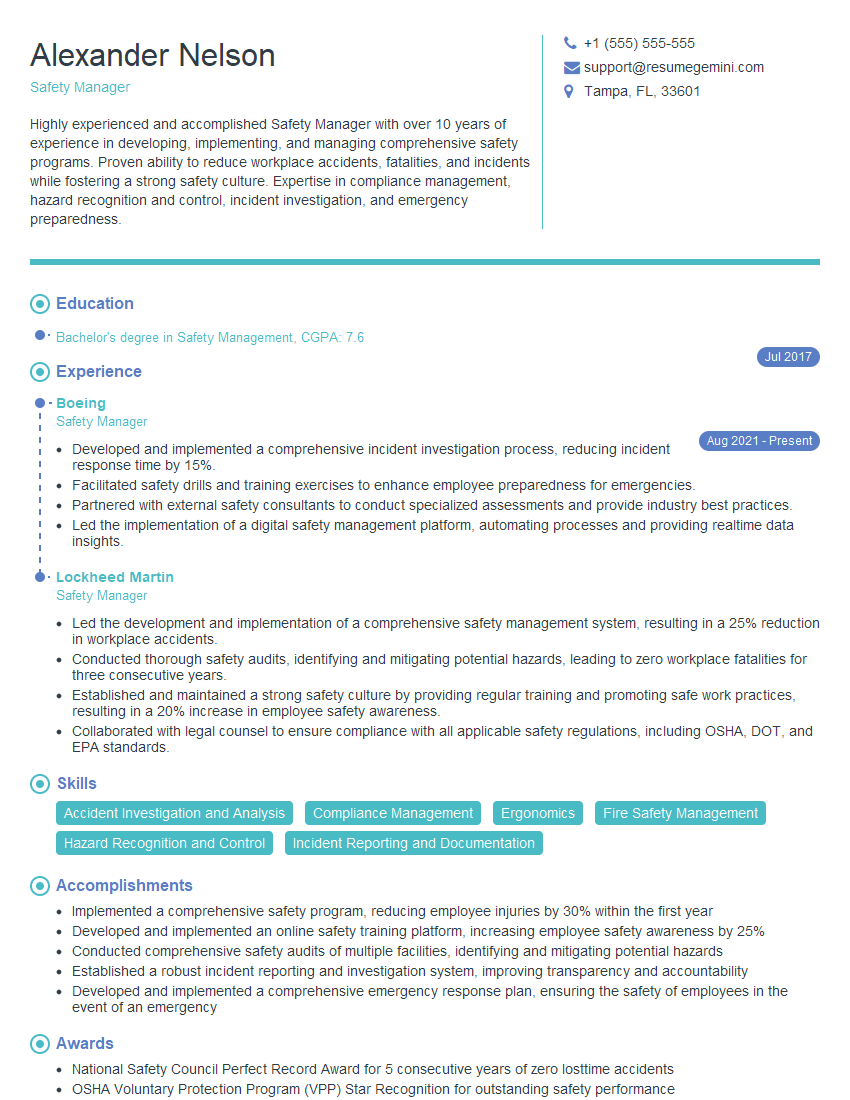
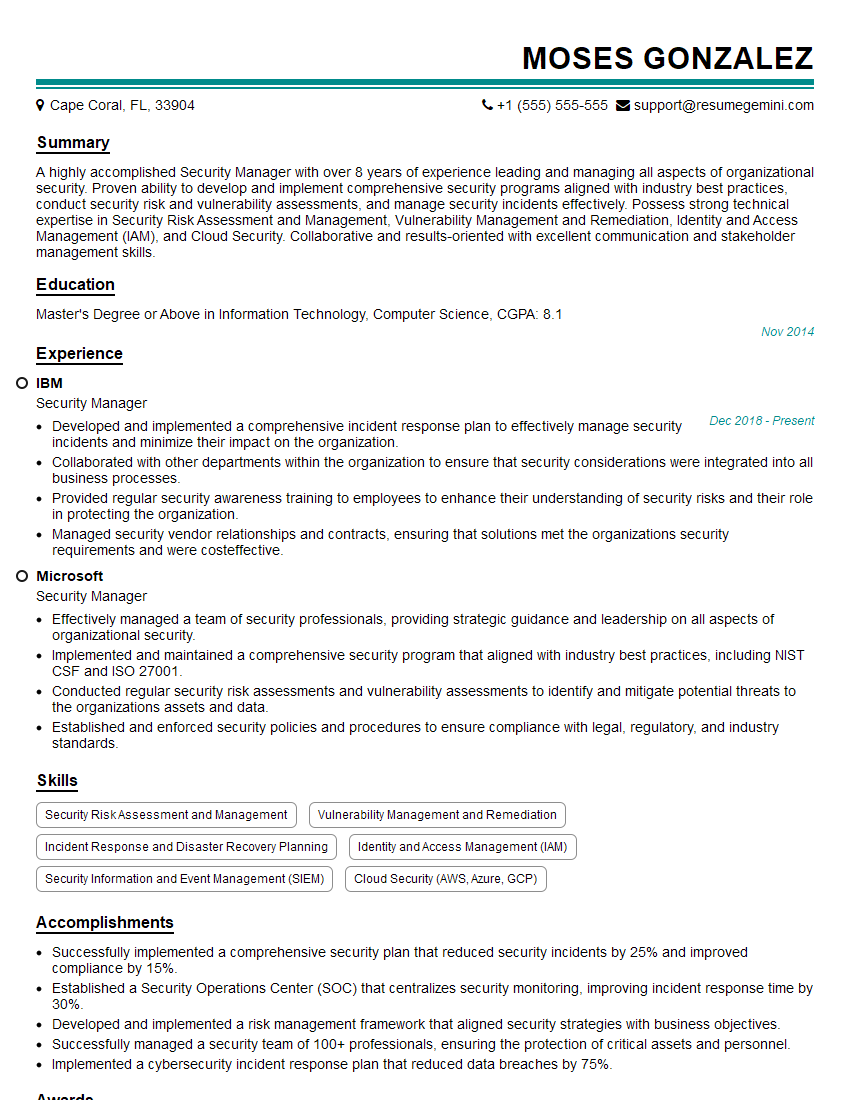
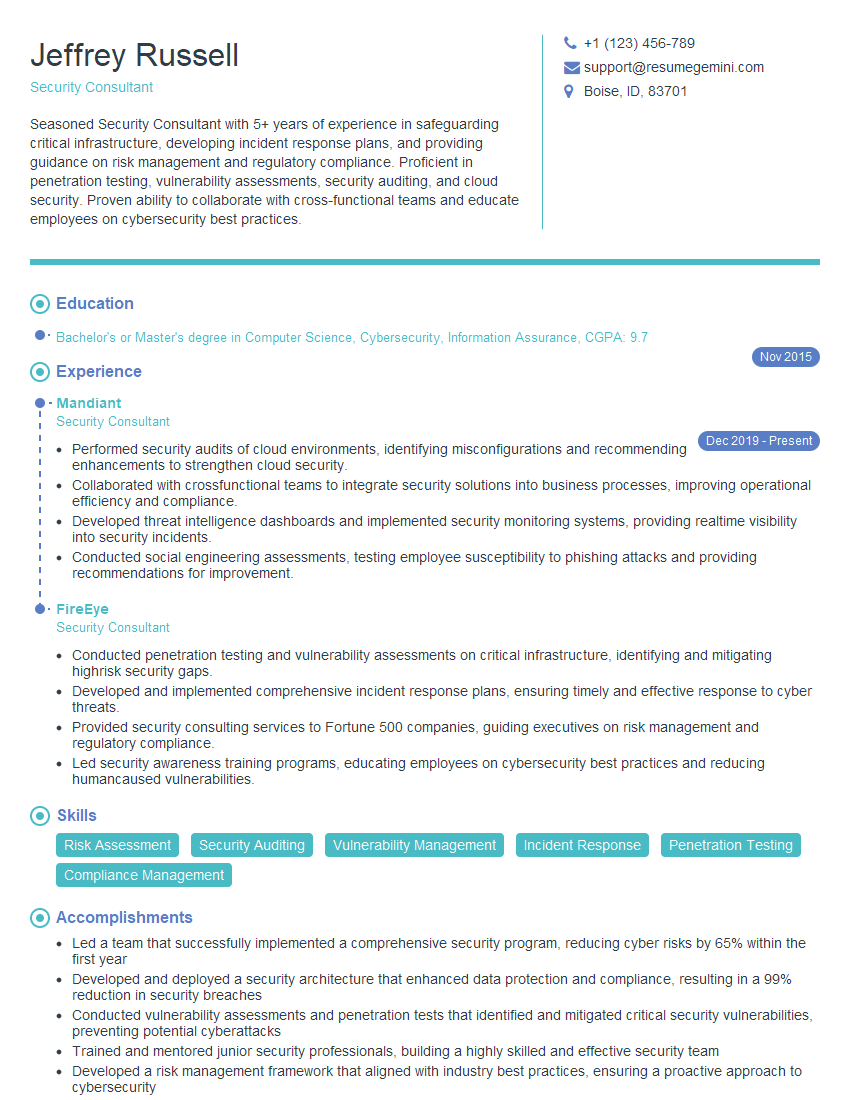
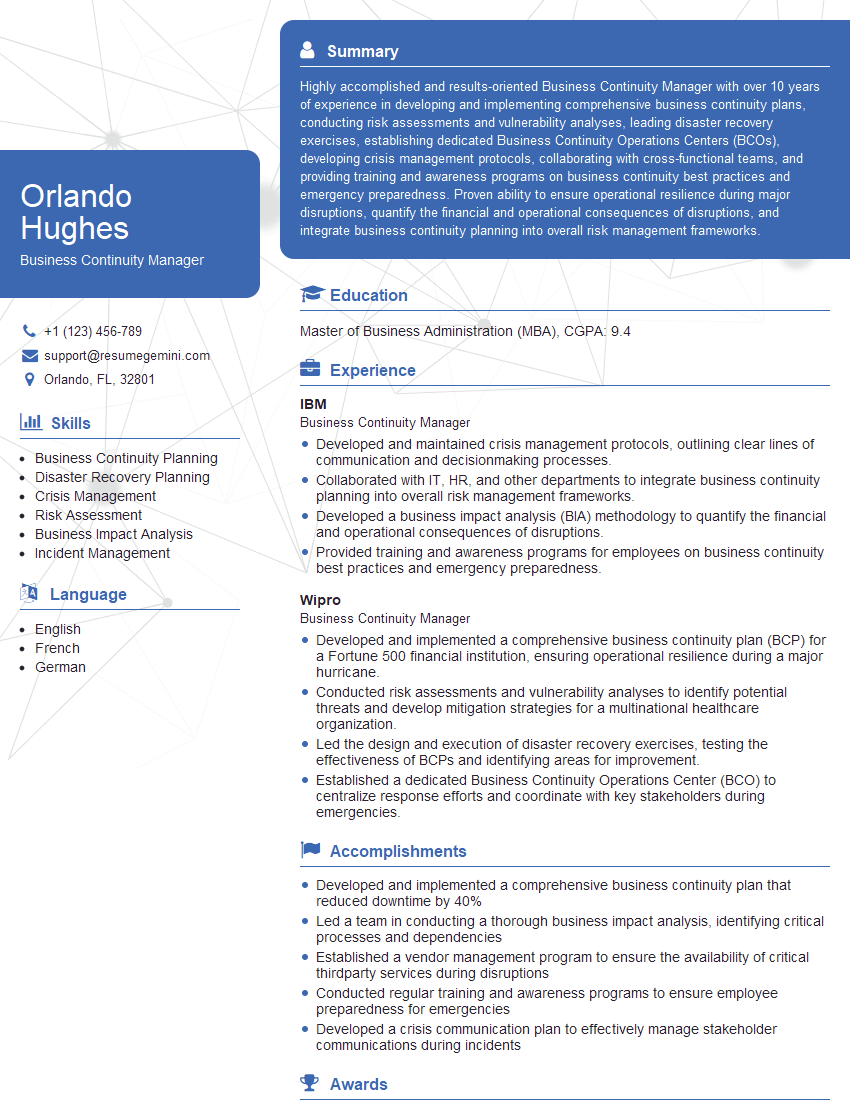
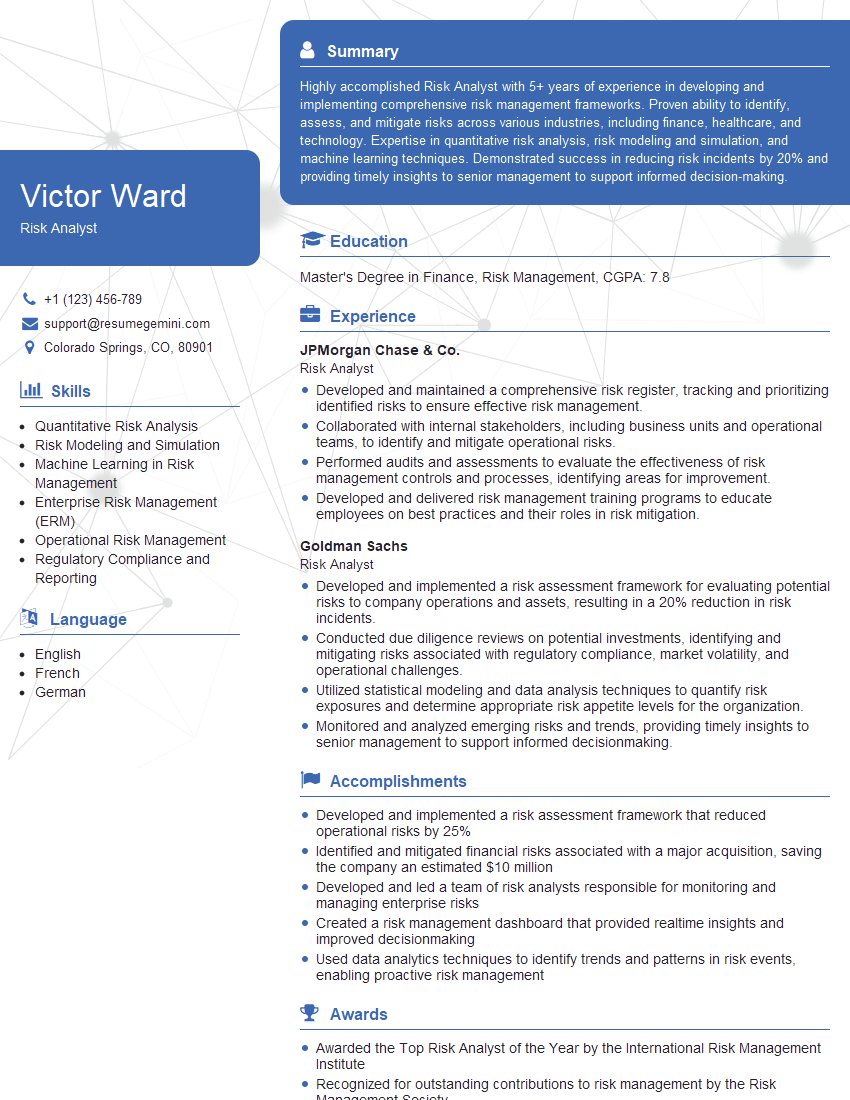
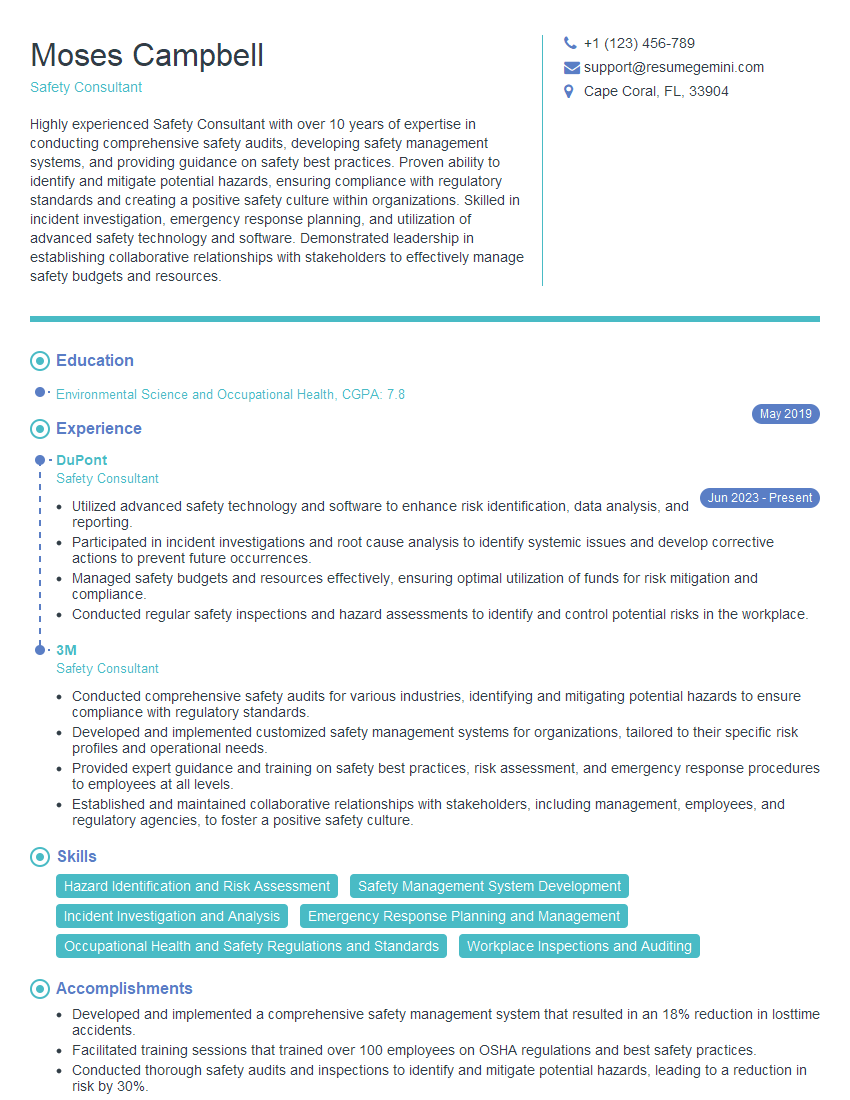
Mastering Event Risk Management and Mitigation is crucial for career advancement in the events industry. It demonstrates a proactive and responsible approach to event planning, increasing your value to potential employers. To significantly boost your job prospects, creating a strong, ATS-friendly resume is paramount. ResumeGemini is a trusted resource for building professional resumes that highlight your skills and experience effectively. We offer examples of resumes tailored specifically to Event Risk Management and Mitigation roles to help you showcase your expertise and land your dream job. Take the next step and build a resume that makes a powerful impact!

Explore more articles
Users Rating of Our Blogs
Share Your Experience
We value your feedback! Please rate our content and share your thoughts (optional).
What Readers Say About Our Blog
Very informative content, great job.
good