Interviews are more than just a Q&A session—they’re a chance to prove your worth. This blog dives into essential Excellent attention to detail and quality control interview questions and expert tips to help you align your answers with what hiring managers are looking for. Start preparing to shine!
Questions Asked in Excellent attention to detail and quality control Interview
Q 1. Describe your process for identifying errors in complex data sets.
Identifying errors in complex datasets is a multi-step process that requires a combination of automated checks and meticulous manual review. My approach begins with understanding the data’s structure and potential sources of error. This involves examining data dictionaries, understanding data transformations, and identifying any known limitations or inconsistencies.
- Automated Checks: I leverage scripting languages like Python with libraries such as Pandas and NumPy to perform automated checks. This includes verifying data types, identifying missing values (NaN), checking for outliers using statistical methods (e.g., Z-score), and validating data against expected ranges or patterns. For example, I might write a script to flag any entries with ages over 120 or negative values for quantities.
- Visual Inspection: I use data visualization tools like Tableau or Power BI to create charts and graphs that quickly reveal patterns and anomalies. Histograms, scatter plots, and box plots are particularly useful for spotting outliers and unusual distributions. A visually obvious cluster of data points far from the main group could indicate a data entry error.
- Manual Review: Finally, a thorough manual review is crucial, particularly for complex or nuanced errors. This involves carefully examining a sample of the data, paying close attention to inconsistencies or illogical values. Random sampling combined with targeted checks on high-risk areas (based on the automated checks and visualizations) ensures a comprehensive review.
This layered approach – automated checks, visual inspection, and manual review – ensures a high level of accuracy in error detection and reduces the risk of overlooking critical issues.
Q 2. How do you ensure accuracy in your work when under pressure?
Maintaining accuracy under pressure requires a disciplined approach and a focus on process. I avoid shortcuts and instead rely on established workflows. This includes breaking down tasks into smaller, manageable steps, meticulously documenting each stage, and utilizing checklists to ensure nothing is overlooked.
For instance, if I’m working against a tight deadline, I’ll prioritize tasks based on their criticality and potential impact. I might create a risk assessment matrix, weighing the consequences of errors versus the time required for each task. This helps me focus my energy on the most important aspects, while still maintaining attention to detail. Regularly taking short breaks also helps maintain focus and prevent errors caused by fatigue.
Furthermore, I always double-check my work, especially in areas prone to error. This involves cross-referencing data from multiple sources, reviewing calculations, and ensuring consistency throughout. I also use version control systems (e.g., Git) to track changes and revert to previous versions if necessary.
Q 3. Explain a time you caught a critical error before it impacted the final product.
During a recent project involving the migration of customer data to a new CRM system, I noticed an inconsistency in the data mapping process. The original system used a three-letter abbreviation for states, while the new system used the full state name. A simple automated script was designed to handle the conversion, but it failed to account for variations in capitalization and abbreviations (e.g., ‘Cal’ vs. ‘Calif’ vs. ‘CA’).
My automated checks flagged a disproportionately high number of ‘unknown’ states. Instead of simply ignoring the issue or making assumptions, I delved into the root cause. I found that the conversion script lacked robustness. I immediately corrected the script to handle these variations using regular expressions and wildcard characters. This prevented a large number of customer records from having incorrect state information, potentially leading to errors in marketing campaigns, shipping, and other crucial aspects of the business.
This experience highlighted the importance of thorough testing and anticipating edge cases. It also reinforced the value of having a keen eye for detail and a willingness to investigate anomalies rather than simply accepting them.
Q 4. How do you prioritize tasks to ensure all details are addressed?
Prioritizing tasks to ensure all details are addressed involves a combination of planning and execution. I use a combination of methods depending on the complexity and urgency of the project.
- Task Breakdown: I begin by breaking down large projects into smaller, more manageable tasks. This makes the overall project less daunting and helps pinpoint potential detail-oriented areas.
- Prioritization Matrix: A matrix based on urgency and importance helps in ranking tasks. Tasks with high urgency and high importance are tackled first, followed by high importance, low urgency tasks, etc. This approach ensures critical details are addressed promptly.
- Timeboxing: Allocating specific time slots for each task ensures focused work and prevents time slippage.
- Regular Check-ins: Short, regular check-ins throughout the process help maintain focus and catch any missed details or changes in priorities.
This structured approach helps manage the workload effectively while maintaining focus on all details, avoiding the common pitfall of rushing through tasks and overlooking crucial aspects.
Q 5. What tools or techniques do you use to maintain accuracy in your work?
Maintaining accuracy relies on a blend of software tools and methodical techniques. Here are some key examples:
- Spreadsheet Software (Excel, Google Sheets): For data cleaning, validation, and analysis. I use features like data validation rules, conditional formatting, and formulas to ensure data consistency and identify errors.
- Scripting Languages (Python, R): For automated data checks, transformation, and analysis. Scripts can flag inconsistencies, outliers, and missing data much faster and more reliably than manual checks.
- Database Management Systems (SQL): For managing and querying large datasets. SQL provides powerful tools for data validation and integrity checks.
- Version Control (Git): Tracks changes to documents and code, allowing for easy rollback in case of errors. This is especially crucial when working collaboratively.
- Checklists and Templates: Provides a structured approach to repetitive tasks, reducing the likelihood of errors.
The choice of tools depends on the specific task, but the underlying principle is to leverage automation and systematic approaches to minimize the risk of human error.
Q 6. Describe your experience with quality control methodologies.
My experience with quality control methodologies encompasses a range of techniques, from basic checklists to more sophisticated statistical process control (SPC) methods. I am proficient in implementing Six Sigma principles for process improvement and error reduction.
- Six Sigma: I use DMAIC (Define, Measure, Analyze, Improve, Control) methodology to systematically identify and eliminate errors in processes. This includes using statistical tools to measure process capability and identify sources of variation. For instance, a control chart could show if a process is consistently producing results within acceptable limits.
- Checklists and Standard Operating Procedures (SOPs): These are fundamental for ensuring consistency and preventing errors in routine tasks. Detailed checklists help maintain focus and avoid omissions.
- Peer Reviews and Code Reviews: Having another person review my work helps identify blind spots and ensures a higher level of accuracy. This is particularly valuable for complex tasks involving coding or data analysis.
- Testing and Validation: Thorough testing is essential to ensure the accuracy and reliability of any product or process. This involves unit testing, integration testing, and user acceptance testing (UAT).
My approach to quality control is proactive and preventative, aiming to prevent errors from occurring in the first place rather than just fixing them after they’ve been discovered.
Q 7. How do you handle conflicting priorities when maintaining attention to detail is crucial?
Handling conflicting priorities while maintaining attention to detail requires effective communication and prioritization skills. When faced with such situations, I employ the following strategies:
- Clarify Priorities: I actively engage with stakeholders to clarify the relative importance of each task. Understanding the potential impact of not meeting a deadline or failing to maintain quality helps in making informed decisions.
- Negotiate and Re-prioritize: If necessary, I negotiate with stakeholders to adjust deadlines or re-prioritize tasks. This might involve explaining the potential consequences of rushing certain tasks and compromising quality.
- Delegate or Seek Support: If workload is overwhelming, I don’t hesitate to delegate tasks where possible or seek support from colleagues. This ensures that everything is completed to the required standard.
- Time Management Techniques: Techniques like the Eisenhower Matrix (urgent/important) help to categorize tasks and allocate time efficiently.
Open communication and a proactive approach are crucial to managing conflicting priorities while ensuring that attention to detail remains a top priority. By clearly articulating potential risks and working collaboratively, I can find solutions that balance all competing demands.
Q 8. How do you stay organized when managing multiple tasks with high attention to detail requirements?
Staying organized when managing multiple detail-oriented tasks is crucial. I employ a multi-pronged approach combining strategic planning with flexible adaptation. Think of it like orchestrating a symphony – each instrument (task) needs its own part, but they all need to harmonize perfectly.
- Prioritization & Task Breakdown: I use a project management system (like Trello or Asana) to break down large projects into smaller, manageable tasks. This allows for clearer focus and facilitates tracking progress. I prioritize tasks based on urgency and importance, utilizing methods like the Eisenhower Matrix (urgent/important).
- Time Blocking: I allocate specific time blocks for each task, ensuring sufficient time for thorough execution. This prevents rushing and promotes mindful attention to detail. I also build in buffer time to account for unexpected delays.
- Regular Review & Adjustment: Throughout the day, I conduct short reviews to assess progress and adjust my schedule as needed. Flexibility is key; unexpected issues arise, and being able to adapt without losing sight of the overall goals is essential.
- Tools & Technology: I leverage tools like checklists, calendar reminders, and note-taking apps to ensure nothing slips through the cracks. These tools aid in maintaining a clear and organized workflow.
For example, when managing the launch of a new product, I would first break down the project into phases (design, development, testing, marketing). Each phase would then be further divided into individual tasks with assigned deadlines and owners. Regular check-ins and progress reports ensure everyone remains on track and that quality is consistently maintained.
Q 9. How do you approach tasks that require meticulous attention to detail and are time sensitive?
Handling time-sensitive, detail-oriented tasks requires a structured approach focused on efficiency and precision. It’s like navigating a tightrope – maintaining balance, speed, and accuracy simultaneously.
- Rapid Assessment: First, I quickly assess the task’s scope and identify critical details. This helps prioritize what needs immediate attention.
- Strategic Planning: I create a detailed plan outlining the steps needed, allocating realistic timeframes for each step. This plan serves as a roadmap to ensure I stay on track.
- Focused Execution: I dedicate focused, uninterrupted time blocks to the task. Minimizing distractions is crucial for maintaining concentration and accuracy.
- Cross-checking & Verification: I employ rigorous cross-checking mechanisms at each stage, ensuring accuracy and minimizing errors. This might involve using multiple methods or seeking input from a colleague.
- Seeking Support When Needed: I am not afraid to seek assistance if I find myself overwhelmed or facing significant challenges. Effective teamwork can often help accelerate completion and ensure quality.
For instance, if I’m reviewing a legal document with a looming deadline, I’d start by outlining the key clauses requiring attention. I’d then allocate specific time slots for reviewing each section, using checklists to ensure thoroughness. If I encounter any ambiguities, I’d immediately consult with a legal expert to avoid potential errors.
Q 10. Explain your process for reviewing and verifying the work of others.
My review process is thorough and objective, aiming to identify both strengths and areas for improvement. I view it as a collaborative process, not just a critique.
- Understanding the Context: I start by understanding the task’s objectives and the standards against which the work should be judged.
- Structured Review: I employ a systematic approach, using checklists or templates to ensure consistency and thoroughness in my review. This ensures no aspect is overlooked.
- Objective Assessment: I focus on the facts, providing specific, constructive feedback rather than subjective opinions. I use clear, precise language to describe any issues or concerns.
- Collaboration & Feedback: I encourage open communication and collaboration. I discuss my findings with the individual, aiming for a mutual understanding and a collaborative path forward.
- Documentation: I meticulously document all findings, including areas of excellence and areas needing improvement. This provides a clear record of the review process.
For example, when reviewing a colleague’s report, I would first read it through completely, noting any immediate observations. Then, I’d use a checklist to systematically verify data accuracy, consistency of style, and adherence to company standards. Finally, I’d schedule a meeting to discuss my findings, focusing on improving future work.
Q 11. How do you identify and escalate quality issues effectively?
Identifying and escalating quality issues promptly and effectively is crucial. I approach this systematically, prioritizing transparency and collaboration.
- Clear Identification: I meticulously document any deviation from established standards or expectations. I use clear, concise language and provide specific examples.
- Root Cause Analysis: I investigate the root cause of the issue, not just the symptoms. This helps prevent similar problems from recurring. Tools like the 5 Whys can be helpful.
- Risk Assessment: I assess the potential impact of the quality issue on the project or product. This helps determine the urgency of the escalation.
- Appropriate Escalation: I escalate the issue to the appropriate individual or team, providing a clear, concise report of the problem, root cause, and potential impact. This might involve immediate notification of a manager or team lead.
- Follow-up: I follow up on the escalated issue to ensure it is addressed promptly and effectively. This demonstrates accountability and ensures the problem is resolved.
For instance, if I detected a significant error in a software program during testing, I’d document the error, pinpoint its source, and assess its potential effect on users. Then I’d immediately inform the development team lead, providing detailed information to facilitate a quick resolution.
Q 12. How do you use data to inform quality control decisions?
Data plays a vital role in informing quality control decisions, providing objective insights into performance and areas needing improvement. It’s like having a detailed map guiding you towards optimal quality.
- Data Collection: I identify relevant data points to track and monitor quality metrics. This could include defect rates, customer feedback scores, or production yields.
- Data Analysis: I analyze the collected data to identify trends, patterns, and anomalies. Tools like statistical process control (SPC) charts can help visualize data and identify areas for improvement.
- Data-Driven Decisions: I use the data insights to inform decisions related to process improvements, resource allocation, and preventative measures. This ensures resources are focused on areas with the highest impact.
- Continuous Improvement: Data analysis helps in ongoing monitoring of quality and promotes continuous improvement. Trends can help highlight recurring issues and potential systemic problems.
For example, by tracking defect rates in a manufacturing process, we identified a correlation between specific machine settings and a spike in defects. Using this data, we adjusted the machine settings, resulting in a significant reduction in defects and improved overall product quality.
Q 13. Describe a time you had to make a difficult decision regarding quality control standards.
In a previous role, we faced a situation where a product nearing launch had a minor but potentially disruptive flaw. The decision was whether to delay the launch to fix the issue (causing financial losses) or to proceed with the launch and risk negative customer feedback. It was a difficult balancing act.
We carefully weighed the pros and cons, using data on the severity of the flaw, the potential impact on customer experience, and the associated costs and risks of both options. After analyzing all the data and considering various scenarios, we decided to proceed with the launch, but with a proactive communication plan to address the issue and offer immediate remediation. This involved transparency with our customers and providing prompt software patches. While initially risky, this approach ultimately minimized long-term damage to our reputation.
The situation taught me the importance of using data-driven analysis in making critical decisions, and the value of transparency and proactive communication in navigating complex situations.
Q 14. How familiar are you with ISO 9001 or other quality management systems?
I am familiar with ISO 9001 and other quality management systems. ISO 9001, for instance, provides a framework for establishing, implementing, maintaining, and continually improving a quality management system. It’s a widely recognized standard that emphasizes customer focus, leadership engagement, and continuous improvement.
My understanding extends beyond theoretical knowledge. I have practical experience working within organizations that adhere to ISO 9001 principles, including documentation control, internal audits, and management reviews. This hands-on experience allows me to effectively integrate these principles into daily workflows and contribute to creating a culture of quality.
Beyond ISO 9001, I also have familiarity with other quality management methodologies, such as Six Sigma and Lean manufacturing. I understand the core principles of each and can adapt my approach based on the specific needs of the project or organization.
Q 15. How do you balance speed and accuracy in your work?
Balancing speed and accuracy is a crucial skill, especially in quality control. It’s not about choosing one over the other; it’s about finding the optimal workflow that maximizes both. Think of it like a tightrope walk – you need speed to cover ground, but accuracy keeps you from falling.
My approach involves prioritizing tasks. I identify critical elements demanding meticulous attention first, then move to areas that allow for slightly faster processing while still maintaining acceptable quality. For instance, if I’m reviewing code, I’ll prioritize the core logic and security aspects before examining formatting or minor stylistic choices. I also leverage automation where possible – tools like linters in coding or automated test suites free up time for more in-depth analysis of complex sections. Finally, regular breaks and mindful work habits help maintain focus and accuracy over extended periods, preventing errors due to fatigue.
In one project, I streamlined the testing process by creating automated checks for common errors, reducing our review time by 40% without sacrificing accuracy. This allowed our team to focus on more complex issues and deliver the project ahead of schedule.
Career Expert Tips:
- Ace those interviews! Prepare effectively by reviewing the Top 50 Most Common Interview Questions on ResumeGemini.
- Navigate your job search with confidence! Explore a wide range of Career Tips on ResumeGemini. Learn about common challenges and recommendations to overcome them.
- Craft the perfect resume! Master the Art of Resume Writing with ResumeGemini’s guide. Showcase your unique qualifications and achievements effectively.
- Don’t miss out on holiday savings! Build your dream resume with ResumeGemini’s ATS optimized templates.
Q 16. Describe your experience with root cause analysis for quality issues.
Root cause analysis (RCA) is critical for preventing future quality issues. It’s about digging deeper than the surface symptoms to identify the underlying problem. I typically use a structured approach, like the 5 Whys technique, or a fishbone diagram (Ishikawa diagram).
For example, if a software feature consistently crashes, I wouldn’t just fix the crash; I’d ask ‘Why did it crash?’ repeatedly. This might uncover underlying issues with memory management, improper error handling, or even a design flaw.
In one instance, repeated database errors led us to discover a flaw in the database schema, something that wasn’t evident from just looking at the error logs. By applying RCA, we not only fixed the immediate problem but also prevented similar errors in future releases by redesigning the database structure. Documenting the RCA process thoroughly is key; this ensures that lessons learned are shared with the team and future projects benefit from the analysis.
Q 17. How do you communicate quality concerns to your team and management?
Communicating quality concerns is crucial for proactive problem-solving. My approach focuses on clarity, objectivity, and constructive feedback. I use a combination of formal and informal methods.
For minor issues, a quick chat with the team member responsible might suffice. For more critical problems, I’d prepare a concise report outlining the issue, its impact, and proposed solutions. I always present my findings in a non-accusatory manner, focusing on the problem and how to address it collaboratively. For management, I prefer data-driven reports that showcase the severity and potential consequences of the quality concerns, accompanied by cost-benefit analyses of potential solutions. Clear, visual aids, like charts or graphs, can significantly improve understanding. The goal is to initiate a constructive discussion rather than just point out flaws.
For instance, rather than saying ‘Your code is buggy,’ I might say ‘I’ve identified a potential issue in the X module that could cause Y under Z circumstances. Let’s discuss possible solutions.’
Q 18. How do you ensure consistent application of quality standards across different projects?
Consistent application of quality standards across projects is achieved through well-defined processes and clear communication. This often involves creating and implementing a standardized quality control plan that’s adaptable to various projects.
I advocate for creating comprehensive checklists and templates for different phases of a project (requirements gathering, design, development, testing). These should include specific criteria and acceptance levels for each stage. Regular training sessions and workshops for the team ensure everyone understands and adheres to the standards. Utilizing version control for documents and templates allows for easy tracking and updates.
Furthermore, establishing clear metrics for quality helps track progress and identify areas for improvement. This could involve tracking defect rates, customer satisfaction scores, or test coverage percentages. Regular audits and reviews ensure the standards are maintained throughout the project lifecycle.
Q 19. What are some common pitfalls you see in quality control processes?
Common pitfalls in quality control processes often stem from a lack of proactive planning or insufficient resources. One common issue is inadequate testing; this is often due to unrealistic deadlines or a lack of comprehensive test cases. Another is a failure to document processes and findings thoroughly. This makes it difficult to reproduce results or learn from past mistakes.
Another pitfall is neglecting continuous improvement. Quality control isn’t a one-time activity; it’s an ongoing process. Failing to analyze metrics and adjust processes accordingly can lead to persistent quality issues. Finally, insufficient communication among team members can create a ‘silo effect’ where quality problems are discovered too late to be effectively addressed.
Q 20. How do you document your quality control processes and findings?
Documentation is paramount in quality control. I use a multi-layered approach. At the project level, I create detailed reports that include: test plans and results, bug reports, RCA reports, and metrics. These are stored in a centralized, version-controlled system. At the process level, I maintain documentation on our standard operating procedures, checklists, and templates. This information is regularly reviewed and updated. This ensures that everyone understands the quality processes involved and is always working from the same information.
I find using a wiki or a shared document repository very effective for easy access and collaboration. Using tools that allow for version control ensures that we can track changes and revert to previous versions if necessary. For instance, using a system that integrates with bug tracking software allows for seamless linking of test results to reported defects.
Q 21. How do you stay updated on industry best practices for quality control?
Staying updated on industry best practices is an ongoing commitment. I regularly attend conferences and webinars related to quality control and my specific industry. I actively engage with professional organizations, like the American Society for Quality (ASQ), and follow relevant publications and journals. Online resources, such as blogs and professional forums, also provide valuable insights into emerging trends and best practices. I also participate in online communities of practice to share experiences and learn from other professionals. Continuous learning is essential for staying ahead of the curve and maintaining the highest standards of quality control.
Q 22. Describe a time you implemented a new quality control process or improved an existing one.
In my previous role at a pharmaceutical company, we used a manual system for verifying batch numbers against manufacturing logs. This process was time-consuming, prone to human error, and lacked traceability. I proposed and implemented a new system using a barcode scanner integrated with a custom database. This automated the entire verification process, reducing errors by over 80% within the first quarter. The new system also logged every scan, providing a complete audit trail for regulatory compliance.
The implementation involved several steps:
- Needs Assessment: I analyzed the existing process, identifying bottlenecks and areas for improvement. This included interviewing staff to understand their challenges and perspectives.
- Solution Design: I collaborated with IT to design a database schema and user interface optimized for barcode scanning and data logging. We considered factors like data security and regulatory requirements (e.g., 21 CFR Part 11).
- Testing and Validation: We conducted rigorous testing, including user acceptance testing (UAT) to ensure the system functioned as intended and met the needs of the users.
- Training and Rollout: I developed and delivered comprehensive training to staff on the new system. We phased in the rollout, providing ongoing support to minimize disruption.
The improved quality control process significantly reduced errors, saved time, and enhanced regulatory compliance, demonstrating the value of a proactive approach to quality improvement.
Q 23. How do you handle feedback on your attention to detail and quality control work?
I view feedback as an invaluable opportunity for growth and improvement. I actively solicit feedback at various stages of a project, not just at the end. I welcome both positive and constructive criticism, recognizing that both contribute to refining my attention to detail.
If the feedback points to an area where I could be more thorough, I analyze the situation carefully, seeking to understand the root cause of the issue. This might involve reviewing my work processes, using different tools, or seeking advice from colleagues. For example, if feedback indicated inconsistencies in my report formatting, I’d review style guides, create a template, and practice consistently applying it. I document my learnings and implement changes to prevent similar issues in future projects.
Positive feedback reinforces best practices. When I receive positive feedback, I identify what aspects of my approach contributed to the success and look for ways to replicate them in future tasks.
Q 24. How do you measure the effectiveness of your quality control efforts?
Measuring the effectiveness of quality control efforts is critical. I employ a multi-faceted approach:
- Error Rate Tracking: I systematically track the number and types of errors identified at different stages of a process. A decreasing error rate signifies improved quality control. For instance, tracking the number of defects per million units (DPMO) provides a quantifiable measure of improvement.
- Customer Feedback Analysis: Customer satisfaction surveys and feedback directly assess the impact of quality control on the end product or service. This helps identify areas where improvements are needed even if internal checks were successful.
- Process Efficiency Metrics: Measuring metrics such as cycle time and throughput can indirectly reflect quality control effectiveness. Reduced cycle time, without a corresponding increase in errors, suggests improvements in efficiency and quality.
- Compliance Audits: Successful compliance audits (e.g., ISO 9001, FDA audits) demonstrate adherence to standards and effective quality management systems.
By combining these approaches, I gain a comprehensive understanding of my quality control efforts’ effectiveness and can identify areas needing improvement.
Q 25. What are your strengths and weaknesses regarding attention to detail?
My strength is my methodical and systematic approach to tasks. I’m comfortable breaking down complex problems into smaller, manageable components, ensuring thoroughness and accuracy at each step. I’m also adept at using various tools and techniques (checklists, templates, process maps) to support this approach.
A potential weakness, which I actively address, is occasionally getting bogged down in minute details. While meticulousness is essential, there’s a balance to strike. I actively work on prioritizing tasks based on risk and impact. For instance, I utilize techniques like the Pareto principle (80/20 rule) to focus on the most critical aspects first, ensuring timely delivery without compromising quality. I’m also learning to delegate effectively when appropriate.
Q 26. How do you proactively prevent errors and quality issues?
Proactive error prevention is key to effective quality control. My approach includes:
- Root Cause Analysis (RCA): When an error occurs, I conduct a thorough RCA to understand the underlying cause, not just the symptoms. This prevents recurrence. I use tools like the 5 Whys to drill down to the root cause.
- Process Mapping and Standardization: Developing detailed process maps and standardizing procedures reduce variations and potential for errors. Clear instructions and guidelines minimize ambiguity.
- Preventive Maintenance: Regularly reviewing and updating tools, systems, and processes ensures they function optimally and remain error-free. This could involve reviewing templates, software updates, or equipment calibration schedules.
- Cross-Checking and Peer Reviews: Implementing peer reviews and cross-checking mechanisms helps catch errors before they impact the final product or service.
By emphasizing prevention rather than solely addressing errors after they occur, I significantly reduce the frequency and impact of quality issues.
Q 27. How do you use checklists or other tools to ensure comprehensive quality control?
Checklists and other tools are indispensable for comprehensive quality control. They ensure consistency and completeness. I tailor my approach to the specific task, choosing from various tools depending on the complexity and nature of the work.
- Task-Specific Checklists: For routine tasks, detailed checklists help ensure every step is completed correctly. For example, in software testing, I’d use checklists for unit testing, integration testing, and user acceptance testing.
- Templates: Using templates for reports, presentations, and other documents ensures consistency in format and style, reducing the chance of errors.
- Software Tools: Software tools, such as project management software (e.g., Jira, Asana) with built-in quality control features, can help track progress, assign tasks, and monitor deadlines. These tools also help with traceability and documentation.
- Process Maps: Visual representations of processes help identify potential bottlenecks and areas prone to errors, allowing for proactive improvements.
The key is to select the tools that best support the specific needs of the task and ensure that they are consistently used and updated as necessary.
Q 28. Describe a situation where you had to explain a complex quality issue to a non-technical audience.
In a previous project, we experienced a significant software bug affecting user accounts. While I understood the technical details of the issue (a race condition in a database query), explaining it to non-technical stakeholders required a different approach.
Instead of using technical jargon, I used analogies. I explained the race condition as a scenario where two users try to update their account information simultaneously – like two people trying to write on the same whiteboard at the same time. The result would be scrambled and inaccurate information. I then explained the consequences of the bug in simple, business-relevant terms: loss of user data, potential security vulnerabilities, and reputational damage.
I supported my explanation with visual aids – a simplified flowchart illustrating the flawed process and a table showing the impact of the bug on key performance indicators (KPIs). This ensured a clear understanding of the issue’s severity and the urgency of addressing it, leading to swift and effective action.
Key Topics to Learn for Excellent Attention to Detail and Quality Control Interviews
- Understanding Quality Standards: Define and differentiate various quality standards (e.g., ISO 9001 principles) and their practical implications in different work environments.
- Practical Application of Quality Control Methods: Discuss your experience with quality control techniques like checklists, inspections, statistical process control (SPC), or Six Sigma methodologies. Provide examples of how you’ve implemented these in past roles.
- Root Cause Analysis: Explain your approach to identifying and resolving problems. Showcase your ability to utilize tools like the 5 Whys or fishbone diagrams to pinpoint the root cause of defects or errors.
- Error Prevention Strategies: Describe proactive measures you’ve taken to prevent errors before they occur. This could include implementing process improvements, suggesting better workflows, or improving communication.
- Documentation and Record Keeping: Discuss the importance of meticulously documenting processes, findings, and corrective actions. Highlight your proficiency in maintaining accurate and organized records.
- Attention to Detail in Different Contexts: Demonstrate your ability to maintain focus on detail in various tasks, from data entry and report writing to complex project management. Provide specific examples.
- Continuous Improvement Mindset: Explain how you contribute to a culture of continuous improvement, whether through suggesting process changes, actively seeking feedback, or participating in improvement initiatives.
Next Steps
Mastering excellent attention to detail and quality control is paramount for career advancement in virtually any field. It demonstrates reliability, competence, and a commitment to excellence – highly valued attributes by employers. To significantly boost your job prospects, invest time in crafting an ATS-friendly resume that highlights these crucial skills. ResumeGemini is a trusted resource to help you build a professional resume that showcases your abilities effectively. We provide examples of resumes tailored to emphasize excellent attention to detail and quality control to help you get started.

Operations Manager Resume Sample
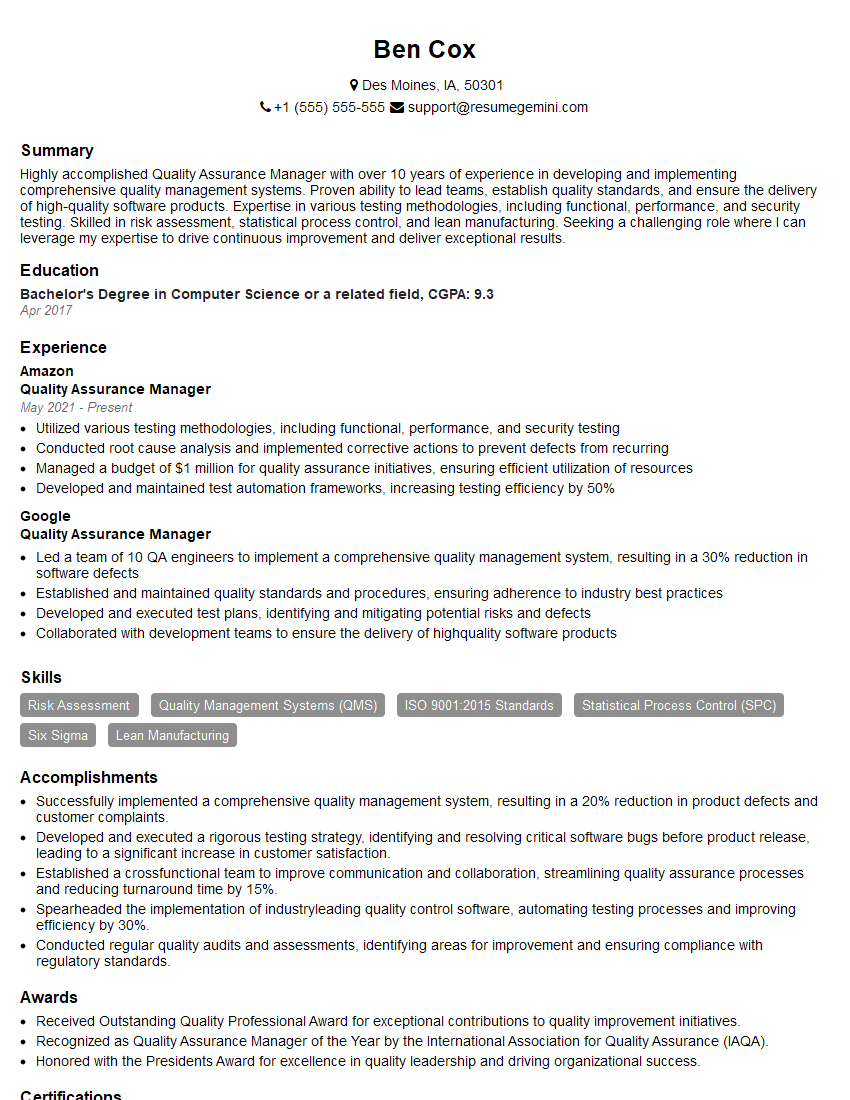
Quality Assurance Manager Resume Sample
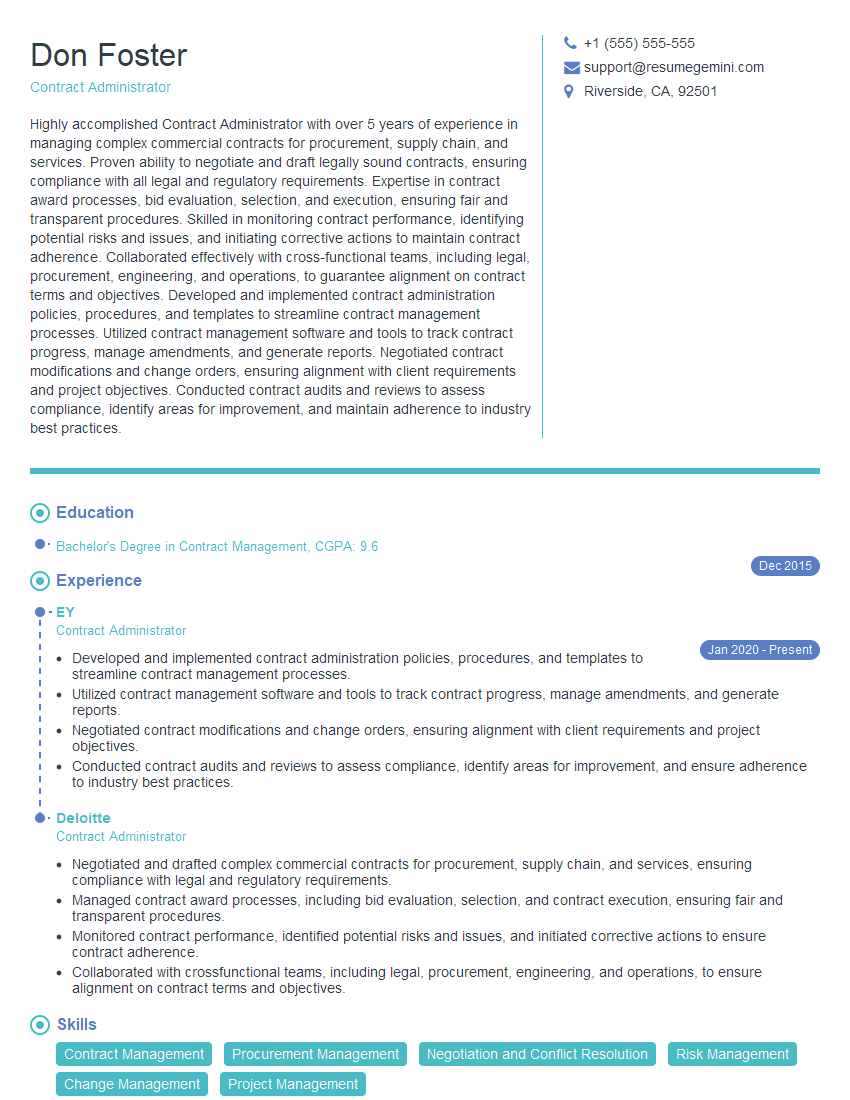
Contract Administrator Resume Sample
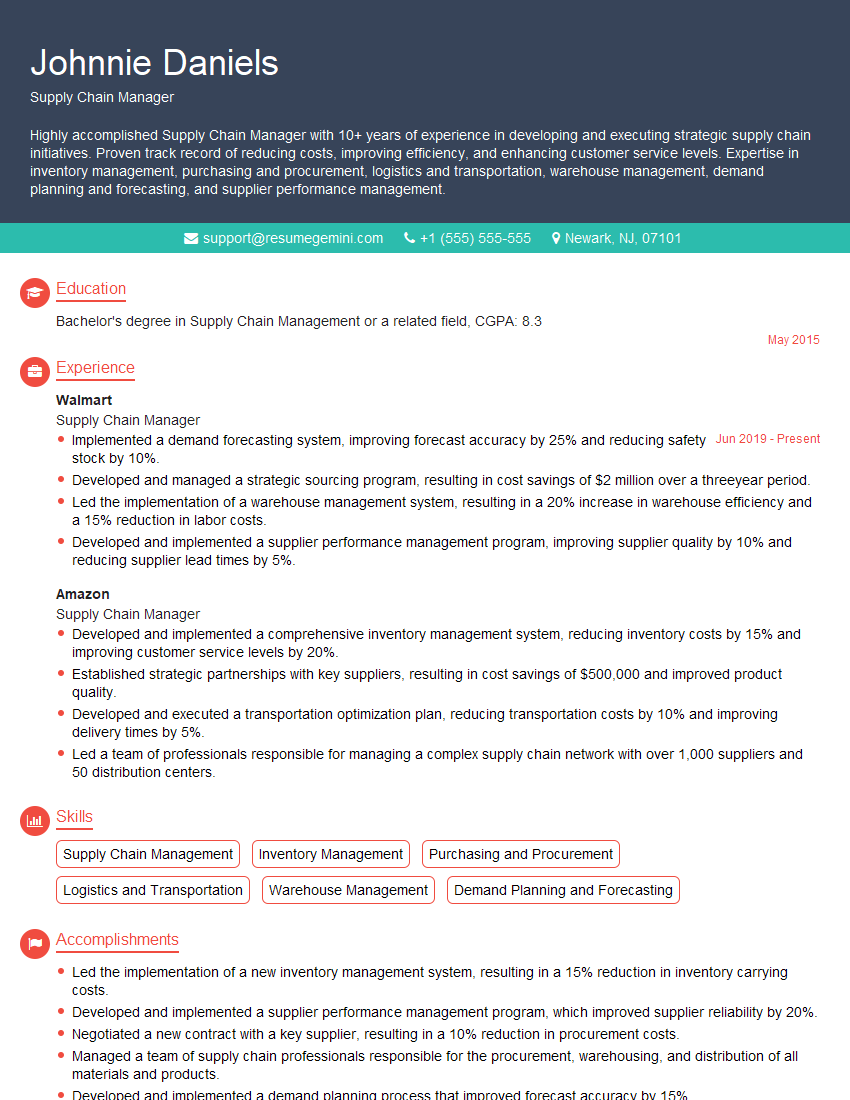
Supply Chain Manager Resume Sample
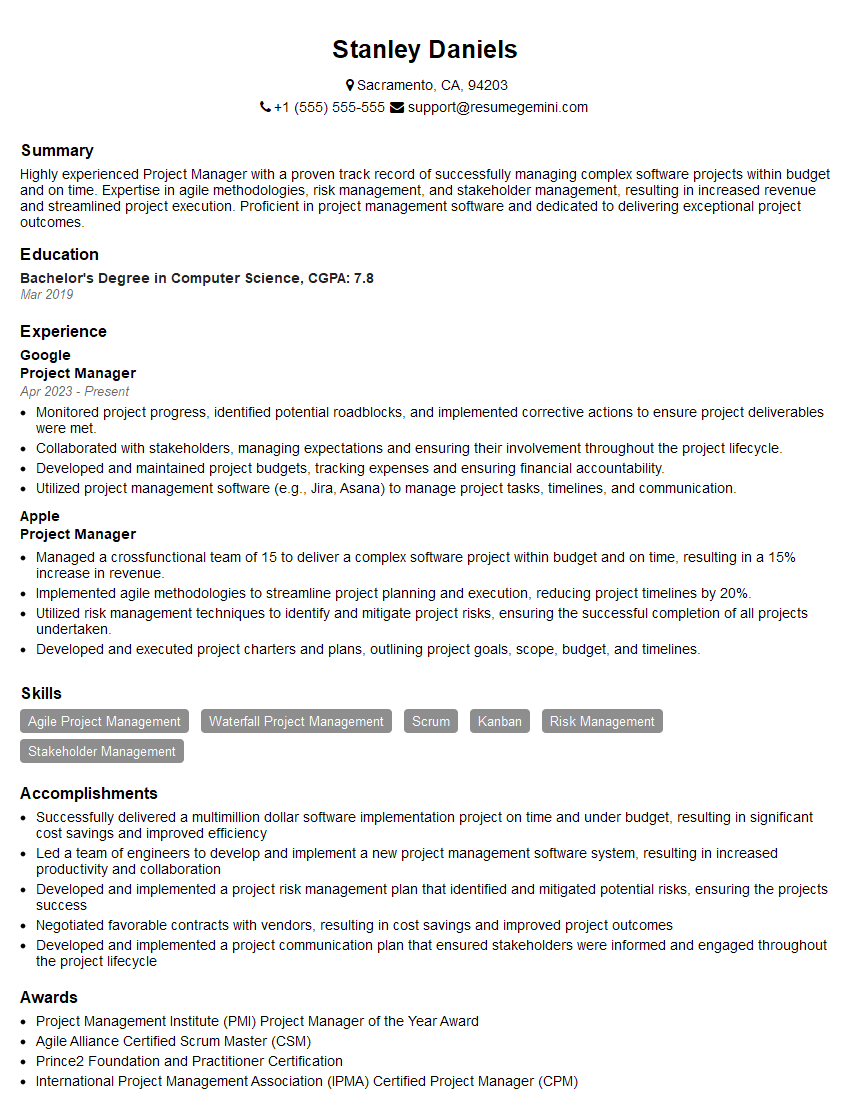
Project Manager Resume Sample
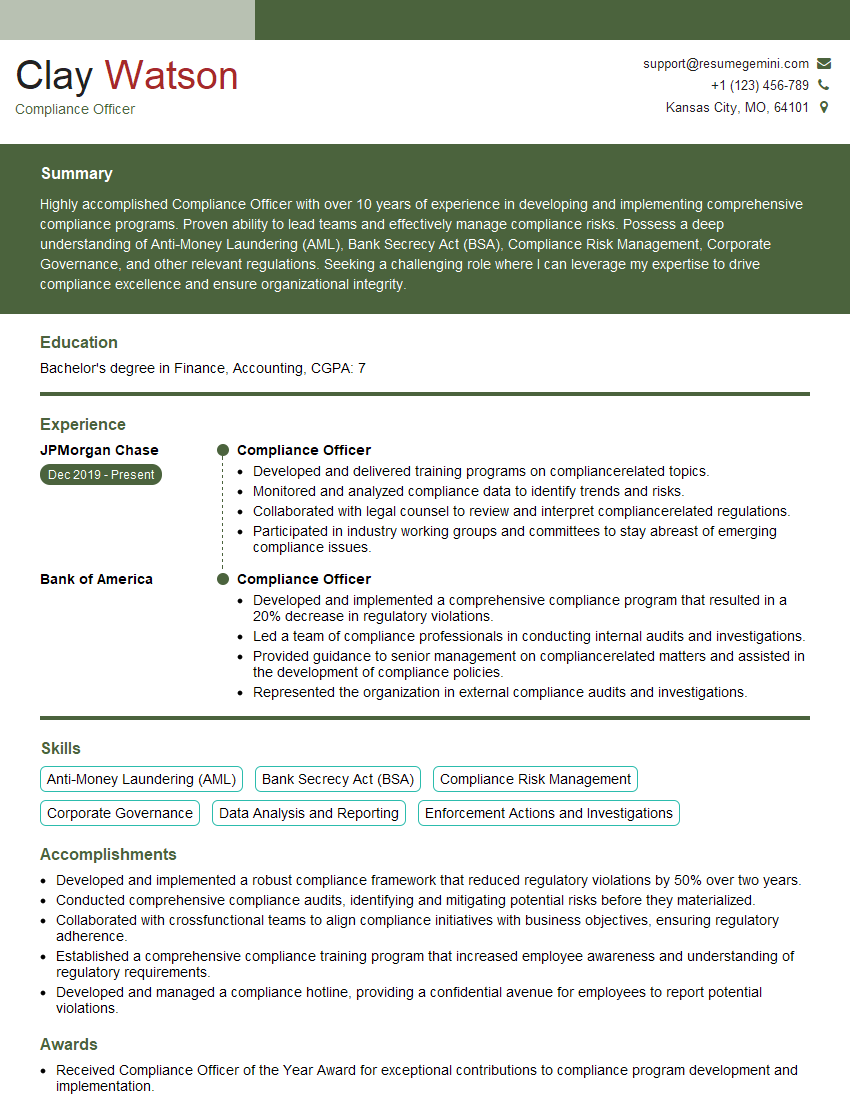
Compliance Officer Resume Sample
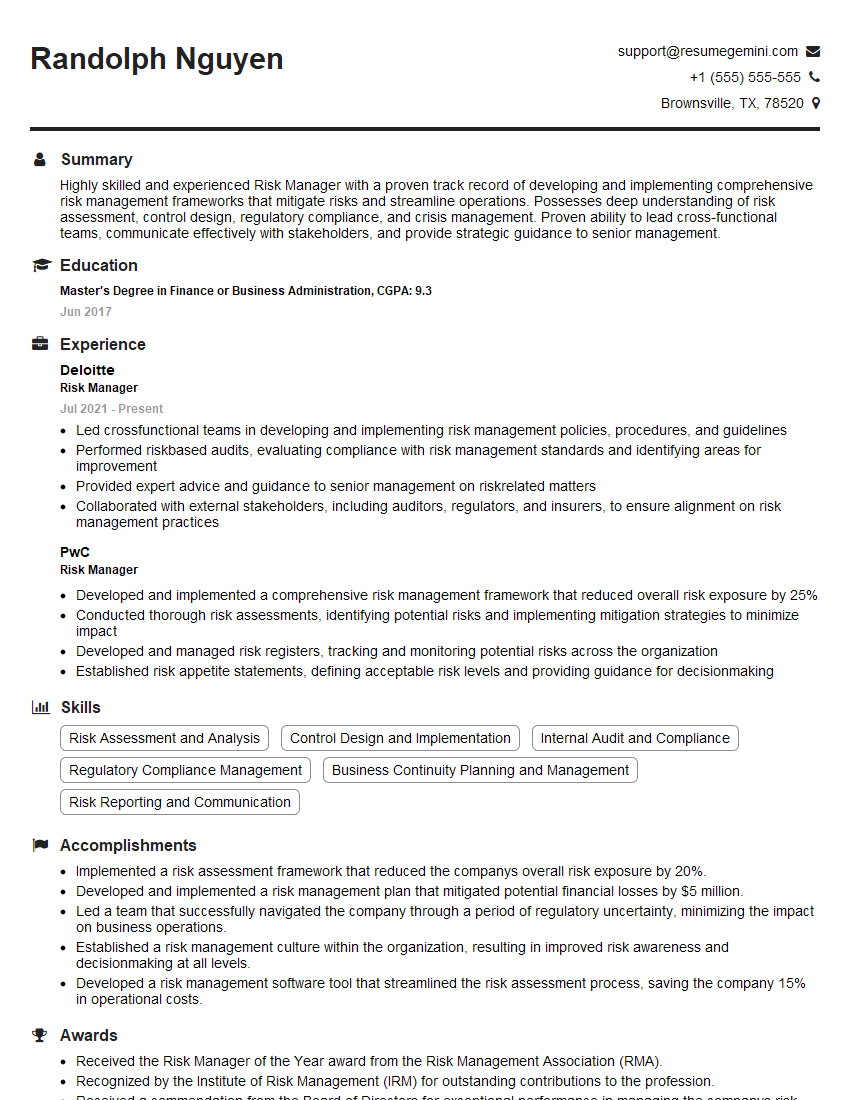
Risk Manager Resume Sample
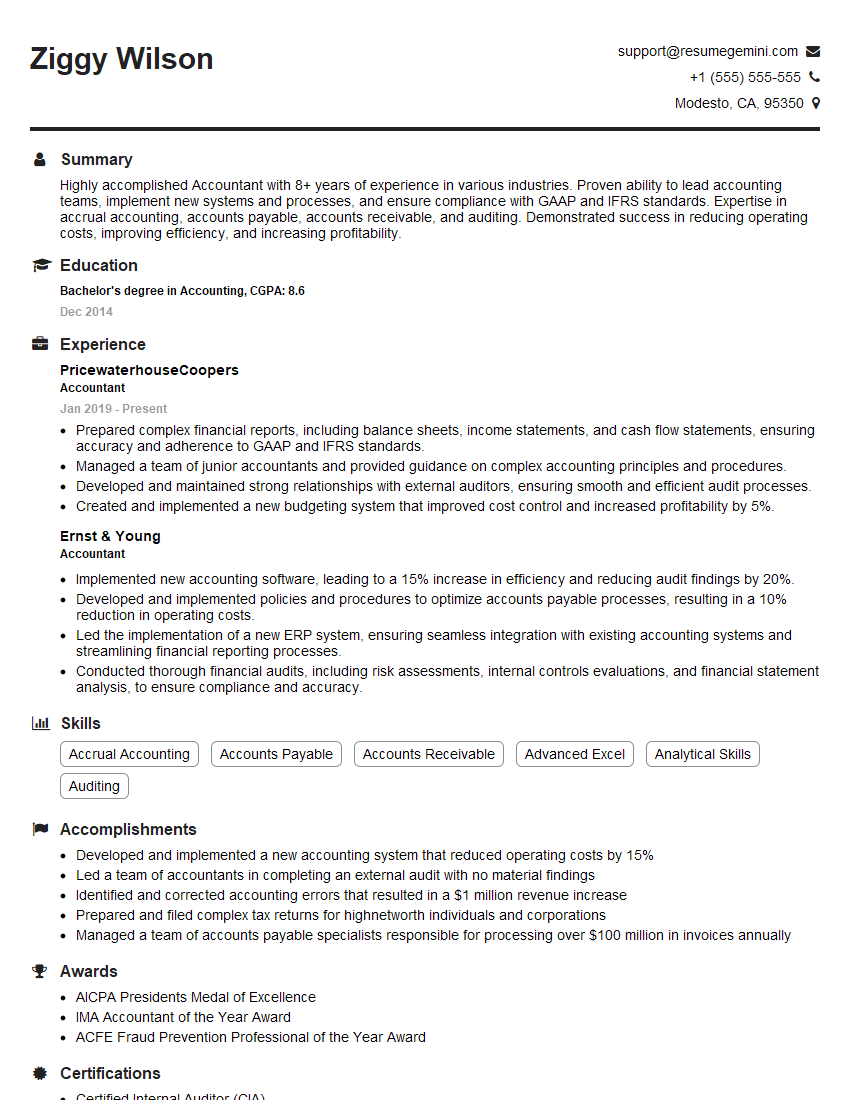
Accountant Resume Sample
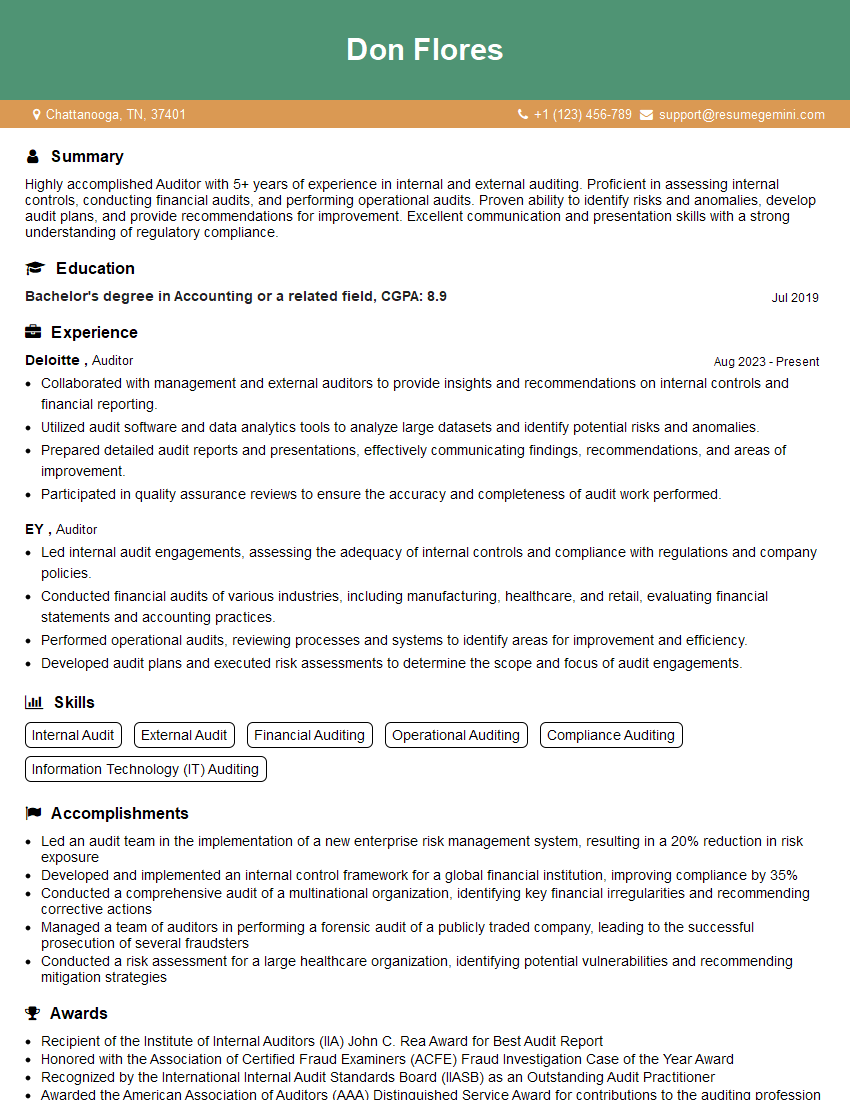
Auditor Resume Sample
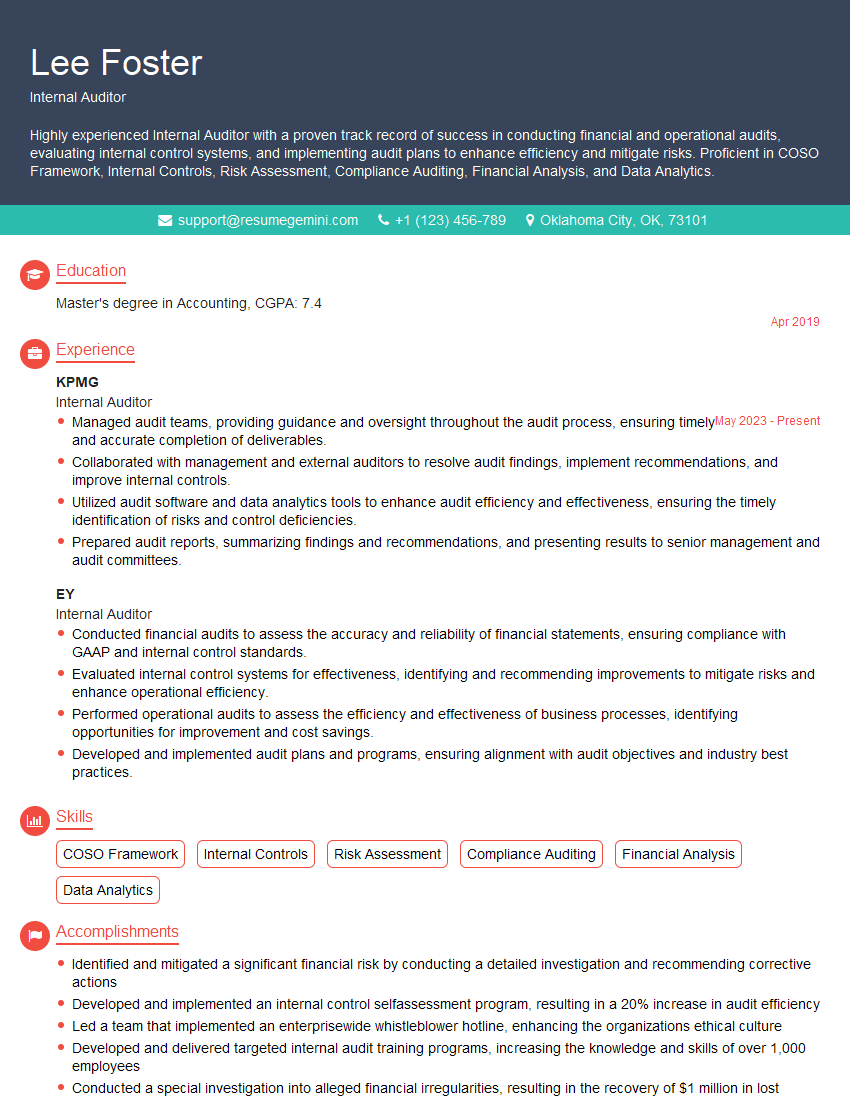
Internal Auditor Resume Sample
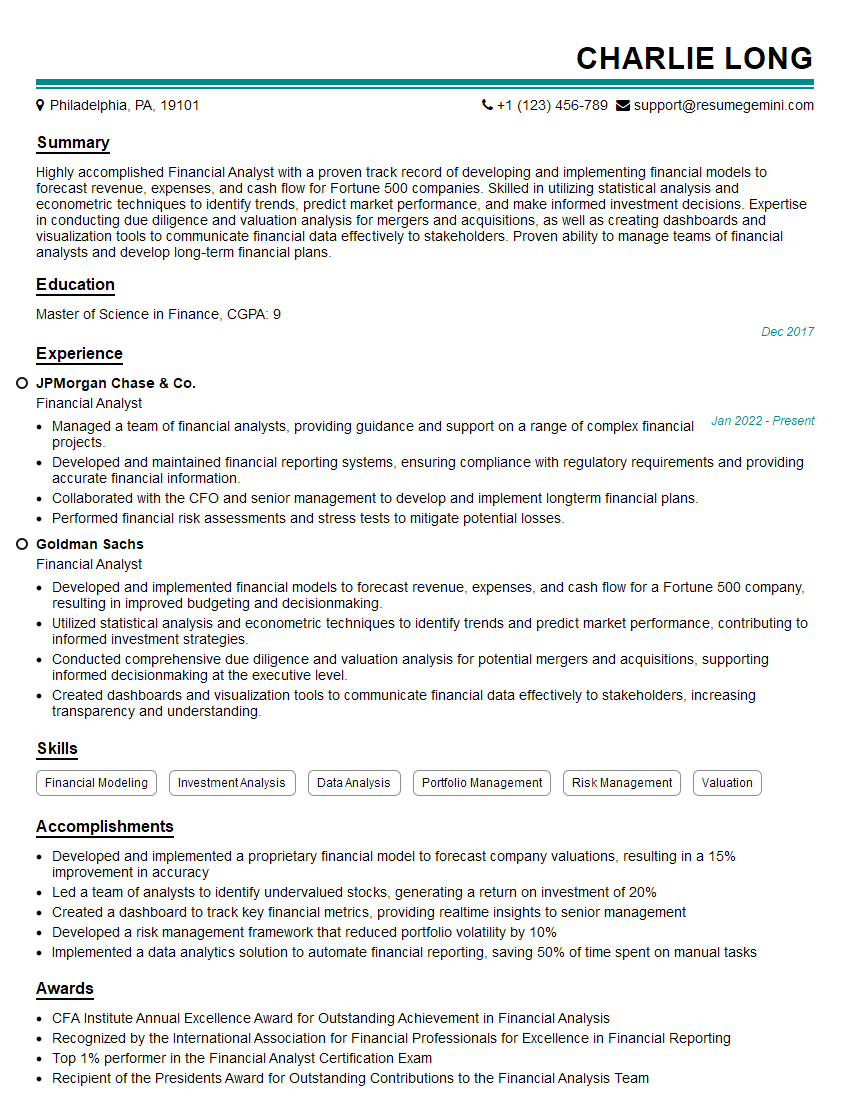
Financial Analyst Resume Sample
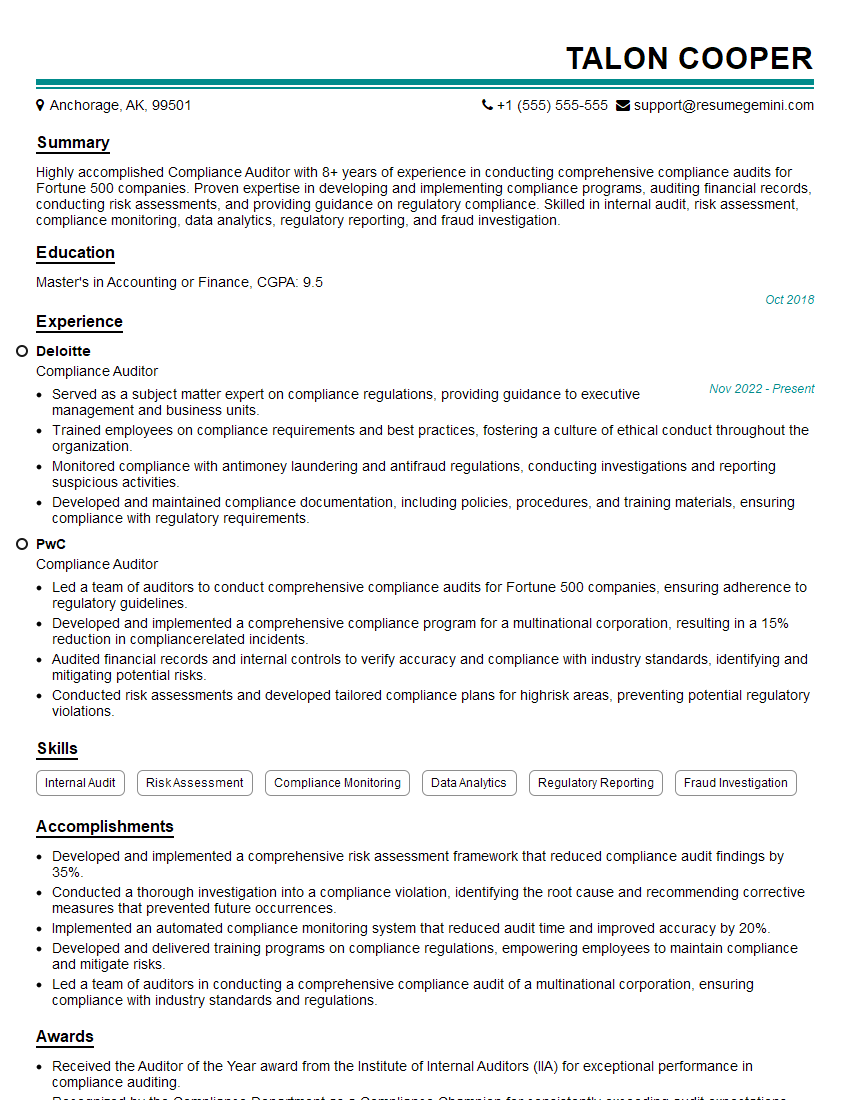
Compliance Auditor Resume Sample
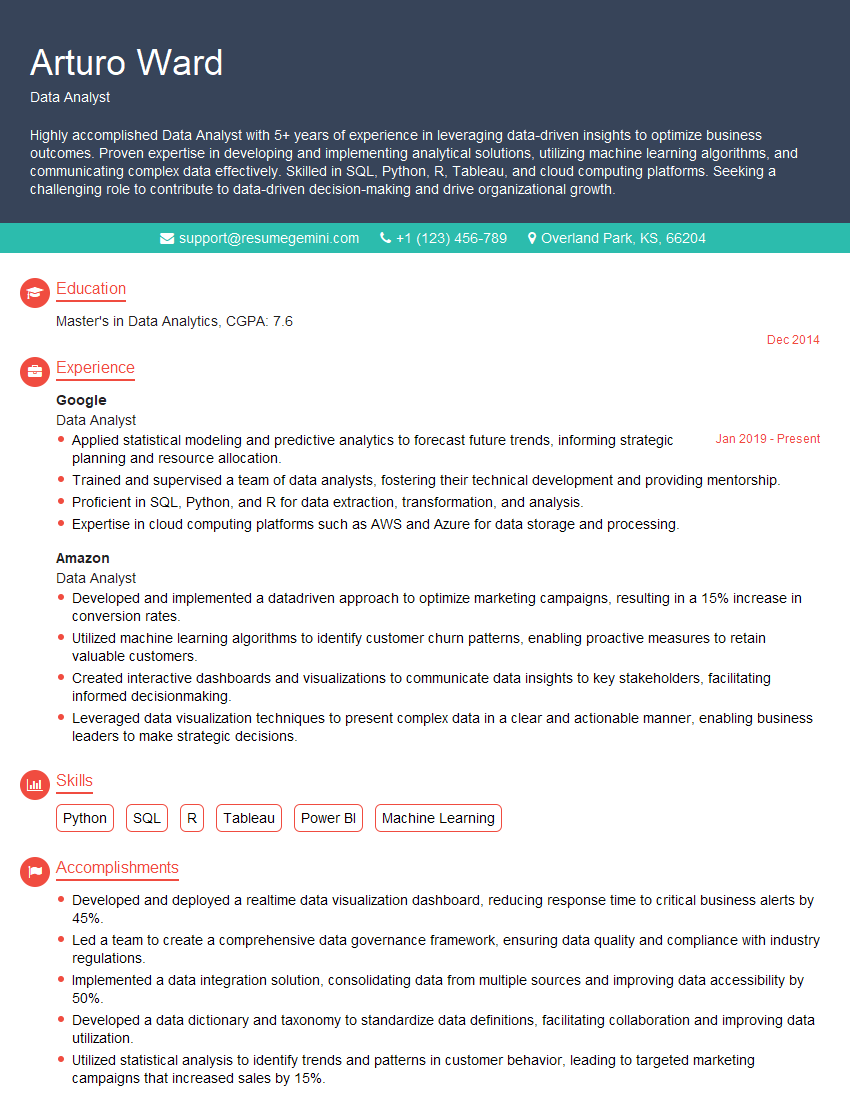
Data Analyst Resume Sample
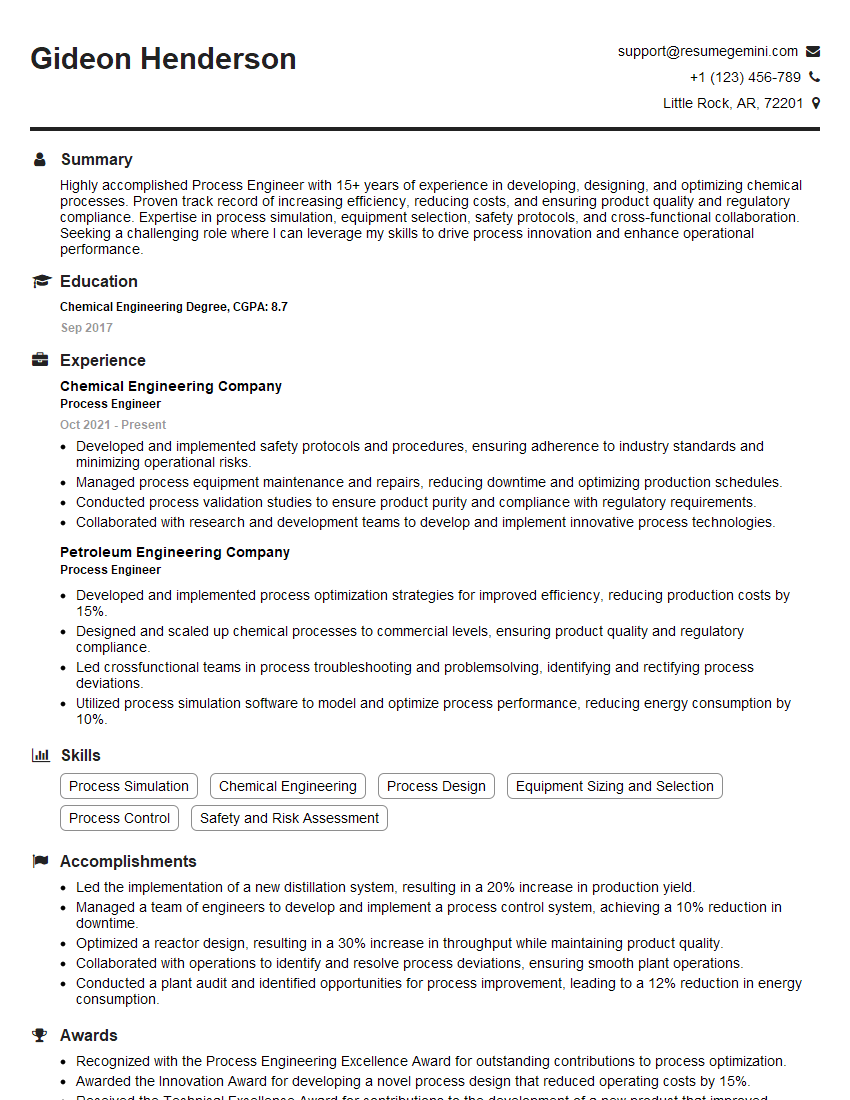
Process Engineer Resume Sample
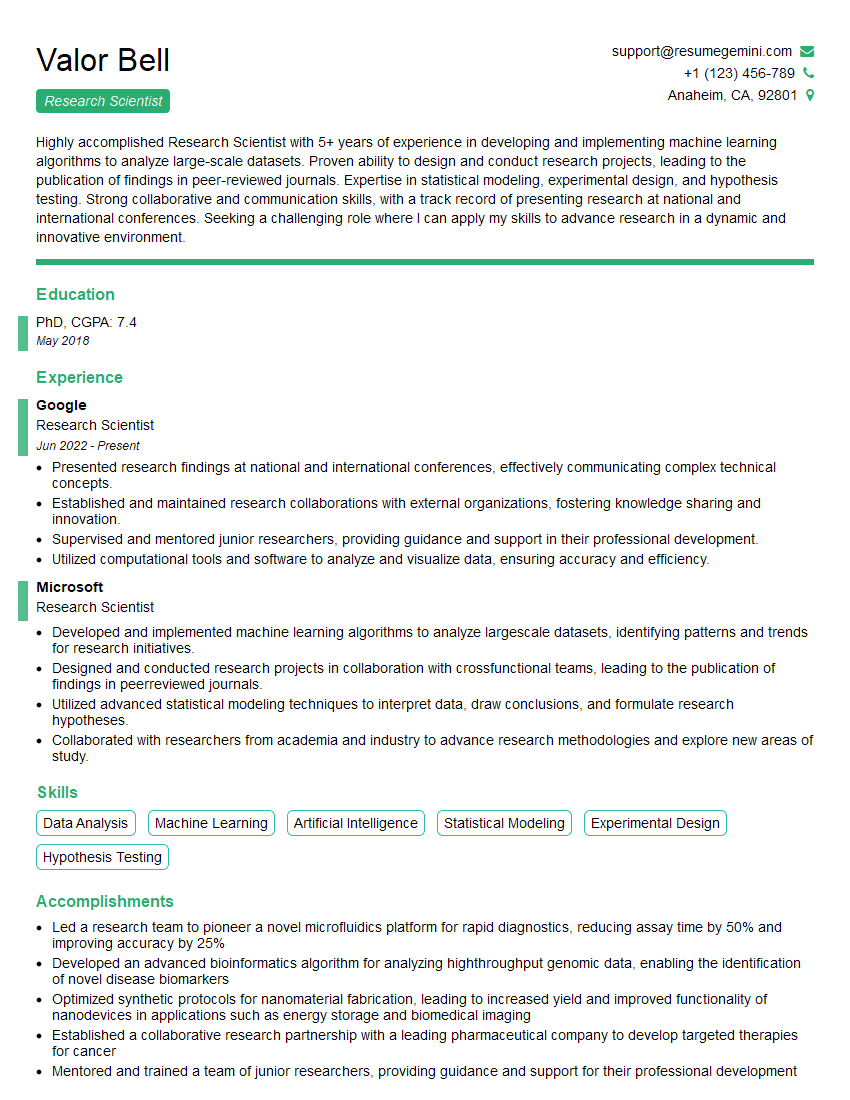
Research Scientist Resume Sample

Software Tester Resume Sample
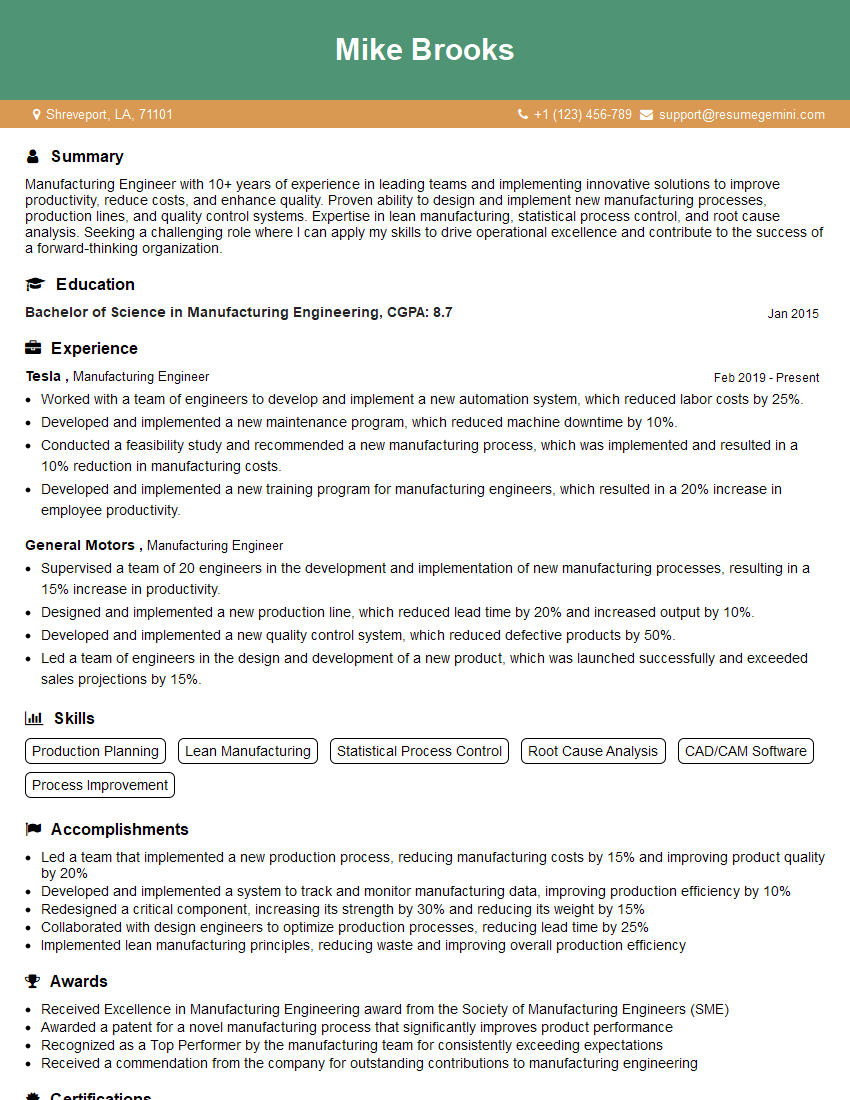
Manufacturing Engineer Resume Sample
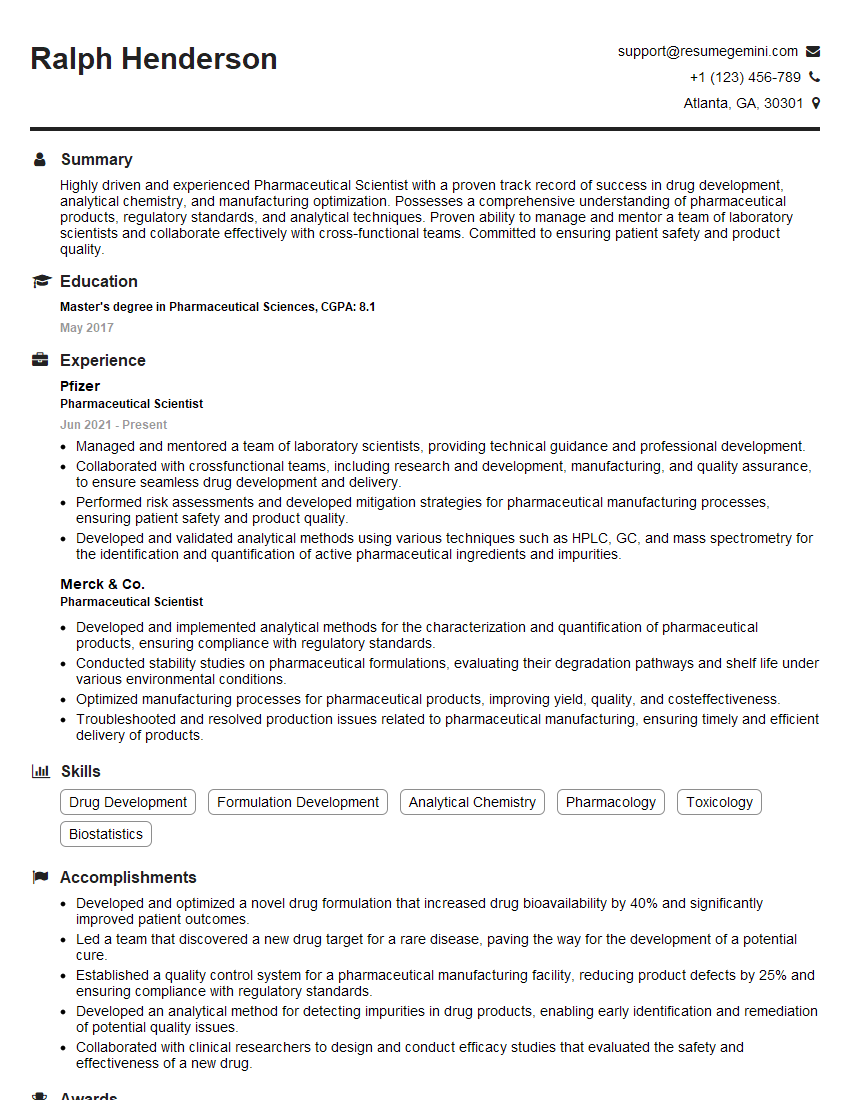
Pharmaceutical Scientist Resume Sample
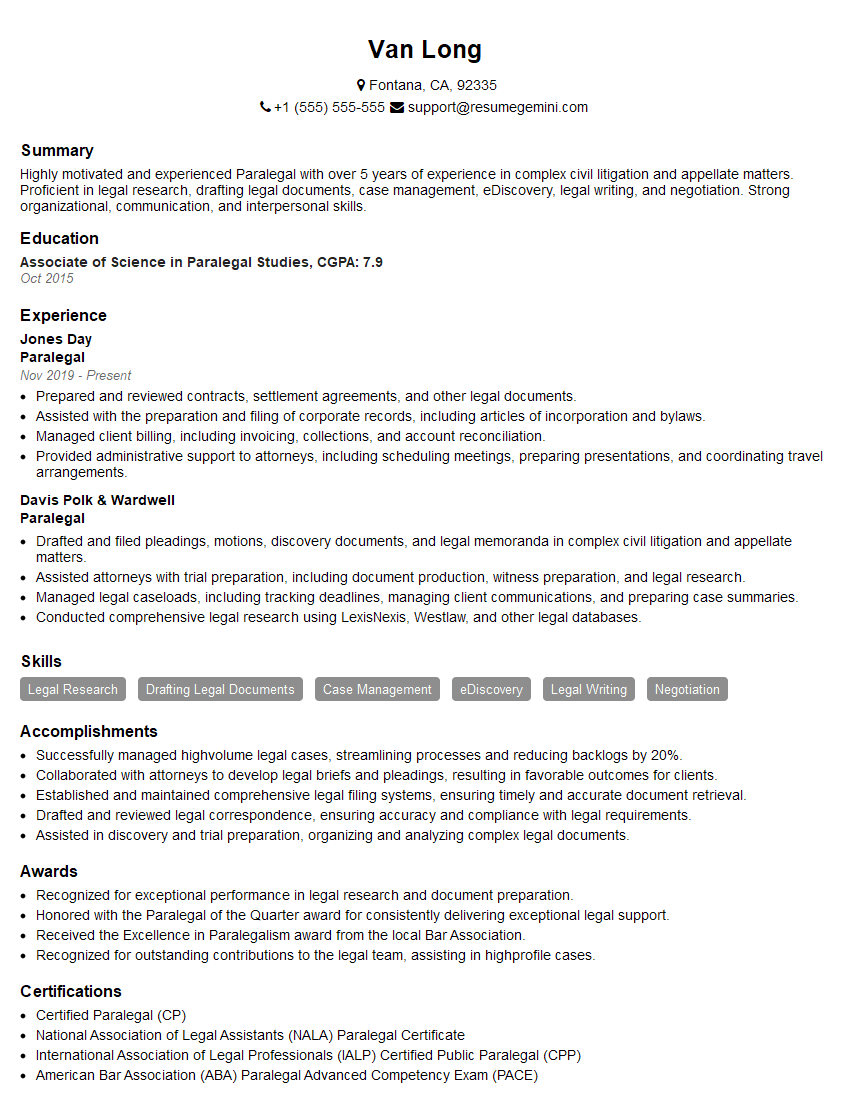
Paralegal Resume Sample
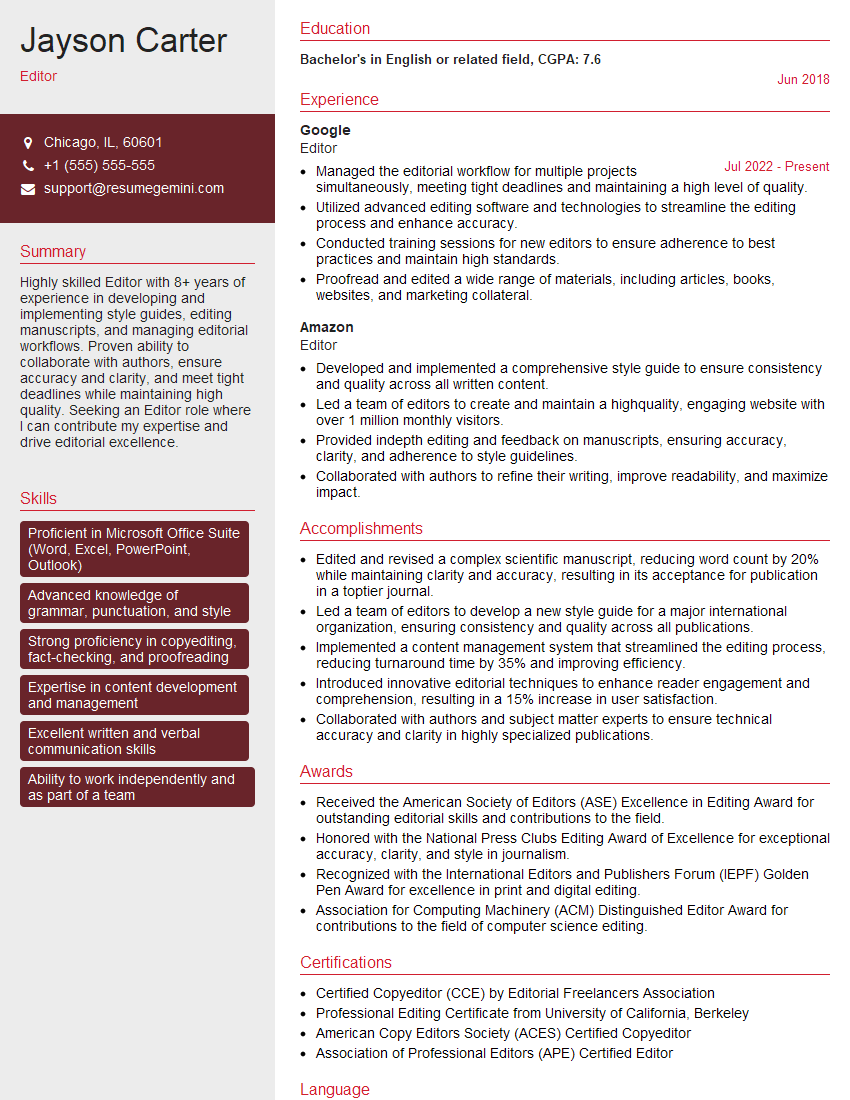
Editor Resume Sample
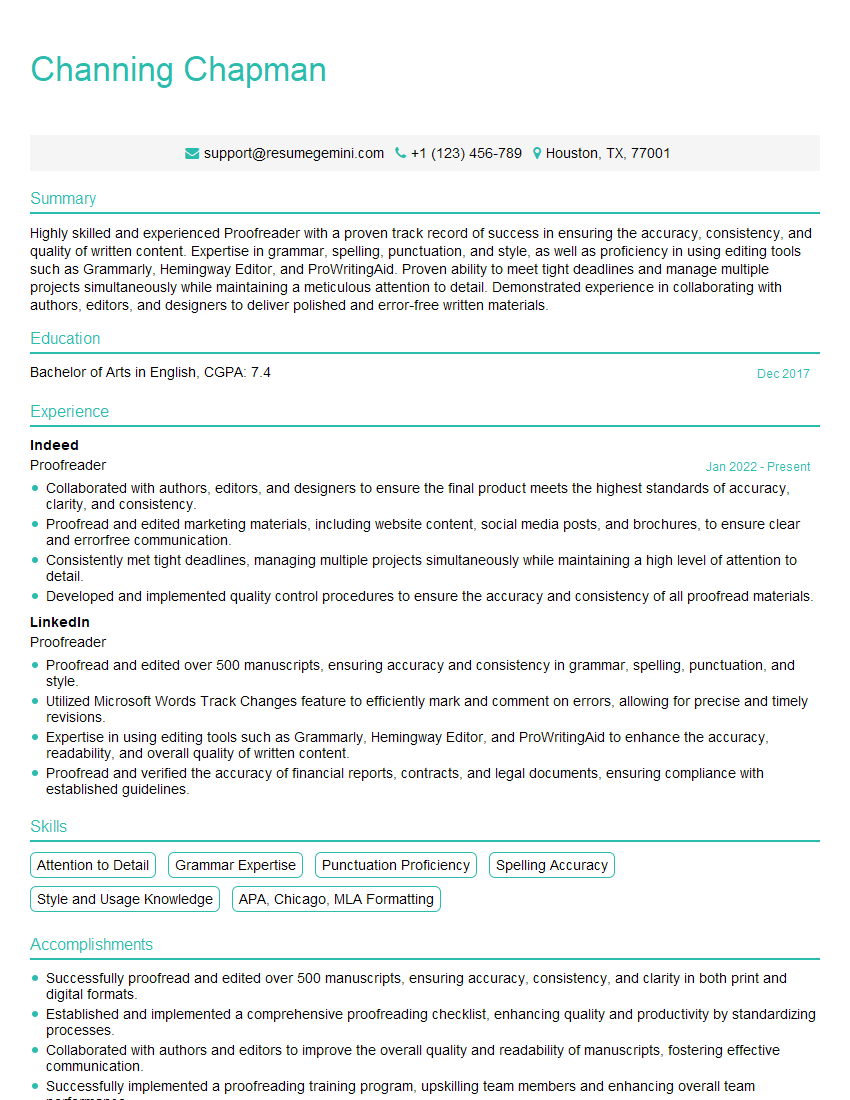
Proofreader Resume Sample

Technical Writer Resume Sample
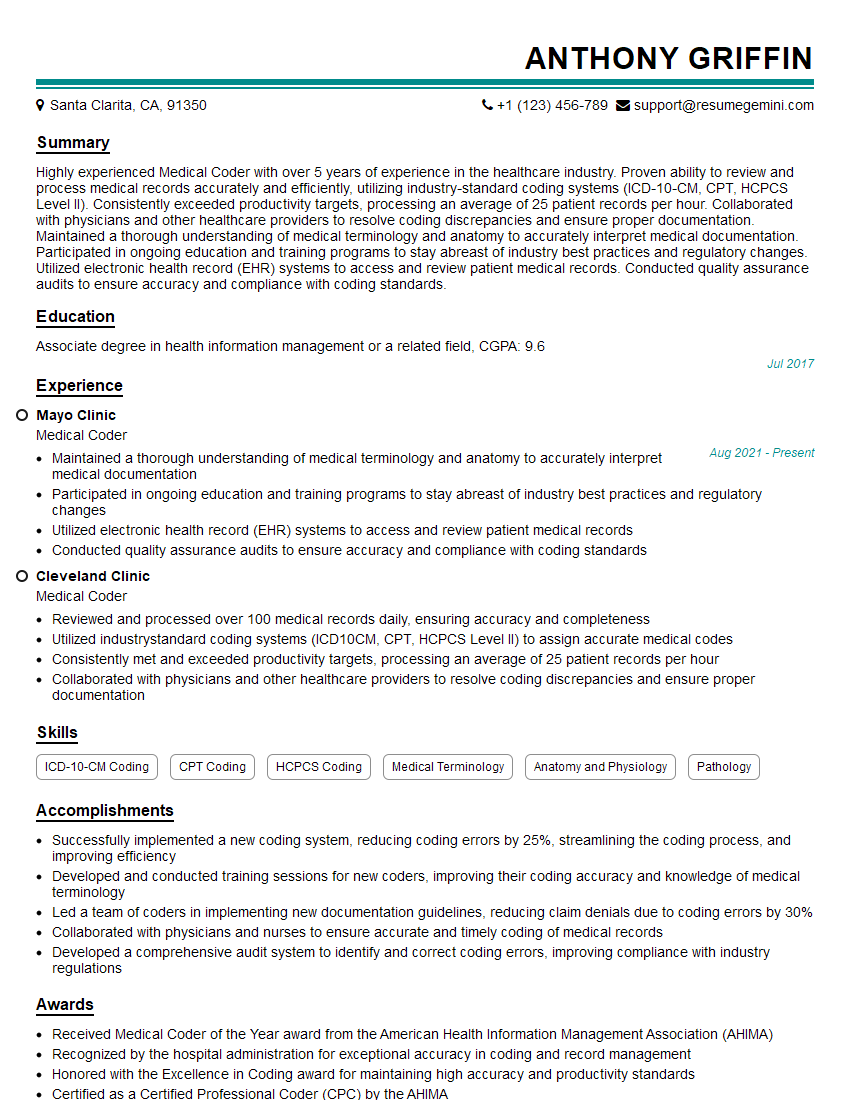
Medical Coder Resume Sample
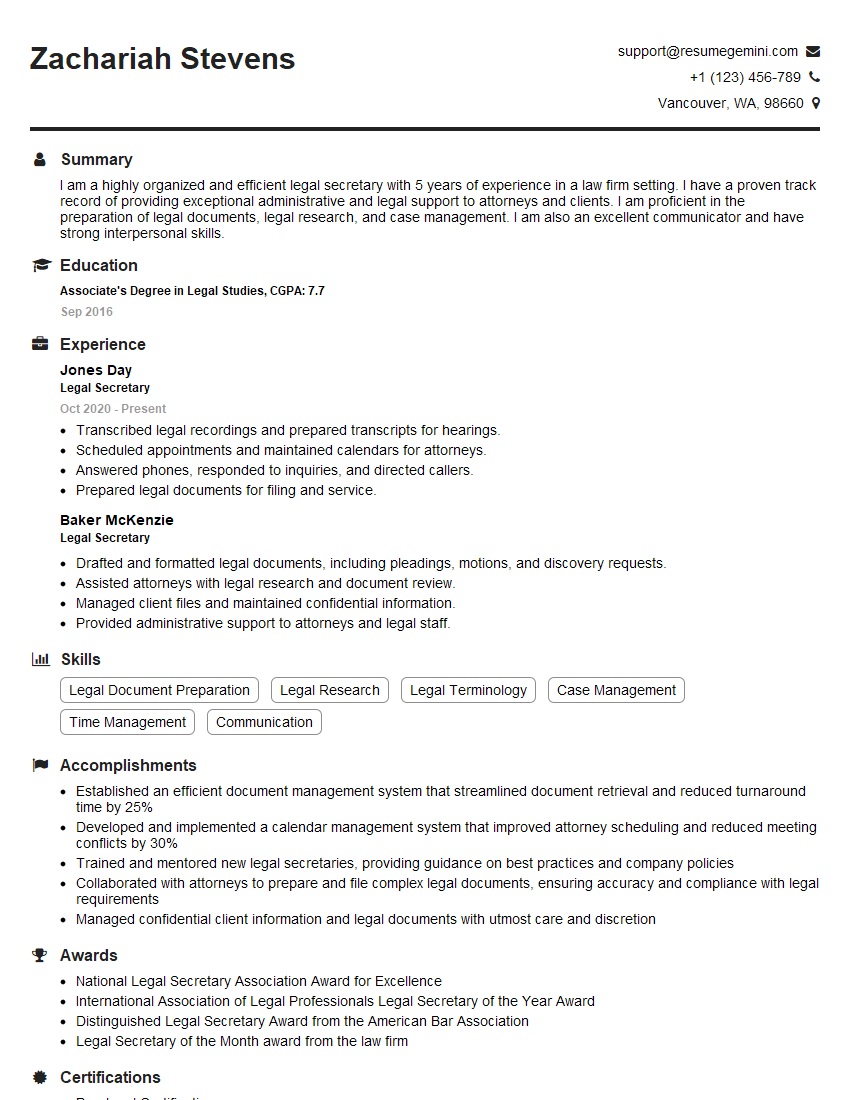
Legal Secretary Resume Sample
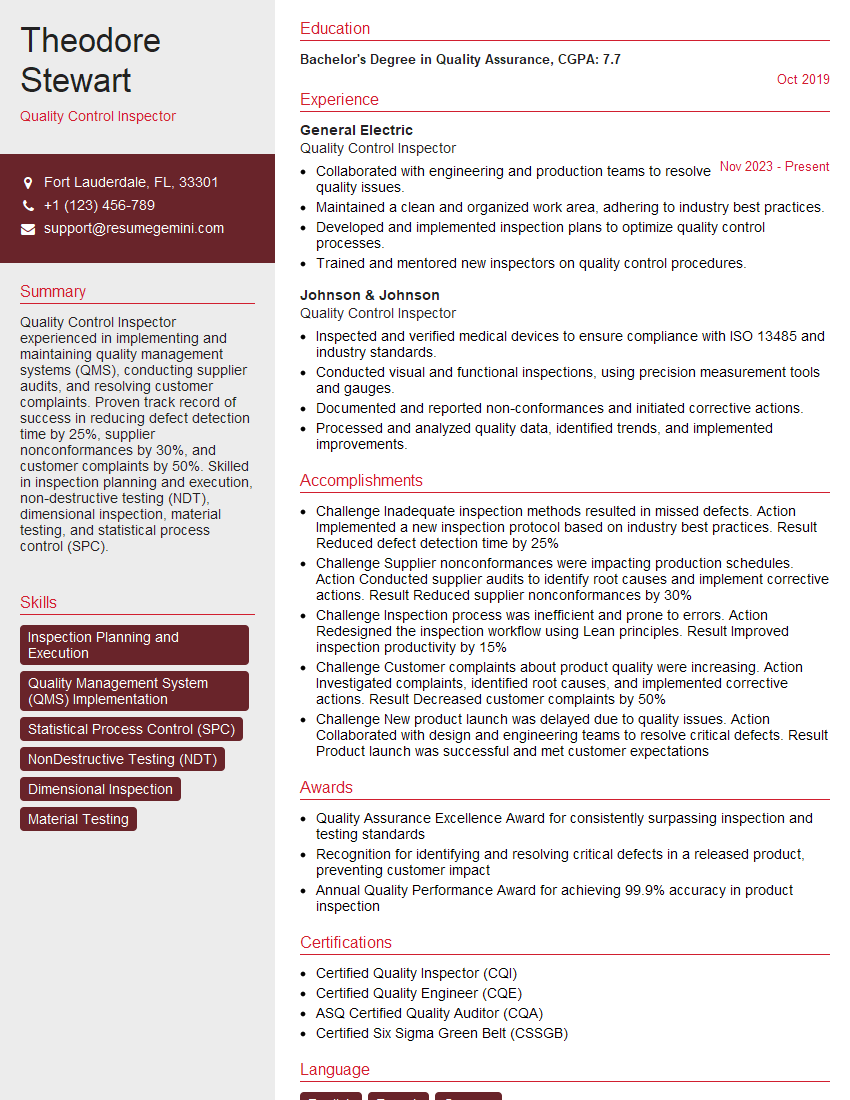
Quality Control Inspector Resume Sample
- Operations Manager
- Quality Assurance Manager
- Contract Administrator
- Supply Chain Manager
- Project Manager
- Compliance Officer
- Risk Manager
- Accountant
- Auditor
- Internal Auditor
- Financial Analyst
- Compliance Auditor
- Data Analyst
- Process Engineer
- Research Scientist
- Software Tester
- Manufacturing Engineer
- Pharmaceutical Scientist
- Paralegal
- Editor
- Proofreader
- Technical Writer
- Medical Coder
- Legal Secretary
- Quality Control Inspector
Explore more articles
Users Rating of Our Blogs
Share Your Experience
We value your feedback! Please rate our content and share your thoughts (optional).
What Readers Say About Our Blog
Very informative content, great job.
good