Feeling uncertain about what to expect in your upcoming interview? We’ve got you covered! This blog highlights the most important Excellent Vision and Hearing interview questions and provides actionable advice to help you stand out as the ideal candidate. Let’s pave the way for your success.
Questions Asked in Excellent Vision and Hearing Interview
Q 1. Explain the difference between myopia and hyperopia.
Myopia and hyperopia are two common refractive errors affecting the eye’s ability to focus light onto the retina. Myopia, or nearsightedness, occurs when the eyeball is too long or the cornea (the eye’s front surface) is too curved. This causes light to focus in front of the retina, resulting in blurry distance vision. Think of it like a camera lens focusing too close to the film. Hyperopia, or farsightedness, is the opposite. The eyeball is too short, or the cornea is too flat, causing light to focus behind the retina. This leads to blurry near vision. Imagine the camera lens focusing too far behind the film. Both conditions can be corrected with eyeglasses, contact lenses, or in some cases, refractive surgery.
Q 2. Describe the process of conducting a visual acuity test.
A visual acuity test measures the sharpness of your vision. The most common test uses a Snellen chart, which displays letters of decreasing size. The patient sits 20 feet away from the chart and reads the smallest line they can see clearly. The result is expressed as a fraction (e.g., 20/20). The numerator (20) represents the viewing distance, and the denominator represents the distance at which a person with normal vision could read the same line. 20/20 vision means you can see at 20 feet what a person with normal vision can see at 20 feet. 20/40 vision means you can see at 20 feet what a person with normal vision can see at 40 feet. The test is typically performed for each eye individually, with and without corrective lenses if applicable. Other tests like pinhole acuity or near vision testing may also be used to further assess visual clarity.
Q 3. What are the common causes of hearing loss?
Hearing loss can stem from various causes, broadly categorized as conductive, sensorineural, or mixed. Conductive hearing loss involves problems with the outer or middle ear that prevent sound waves from reaching the inner ear. This can be due to earwax buildup, middle ear infections (otitis media), or damage to the ossicles (tiny bones in the middle ear). Sensorineural hearing loss affects the inner ear (cochlea) or the auditory nerve, usually due to damage to the hair cells in the cochlea. Common causes include aging (presbycusis), noise exposure, certain medications, genetic factors, and head injuries. Mixed hearing loss combines both conductive and sensorineural components.
- Age-related hearing loss: Gradual loss of hearing sensitivity with age.
- Noise-induced hearing loss: Exposure to loud noises like concerts or machinery.
- Ototoxic medications: Certain drugs that can damage the inner ear.
- Infections: such as meningitis or measles can affect the inner ear.
- Genetic factors: inherited conditions affecting hearing.
Q 4. How do you perform a hearing test using pure-tone audiometry?
Pure-tone audiometry is a hearing test that uses different frequencies and intensities of pure tones to determine the threshold of hearing. A trained audiologist uses headphones to present pure tones to each ear separately. The patient indicates when they hear a tone by pressing a button or raising their hand. The audiologist gradually lowers the intensity of the tone until the patient can no longer hear it. This threshold is recorded for a range of frequencies, typically from 250 Hz to 8000 Hz. The results are plotted on an audiogram, showing the hearing threshold for each ear at different frequencies. This helps pinpoint the type and degree of hearing loss. For example, a sloping audiogram might indicate age-related hearing loss, while a notch in specific frequencies may indicate noise-induced hearing loss.
Q 5. Explain the different types of hearing aids and their suitability.
Hearing aids amplify sounds to compensate for hearing loss. Several types exist, each suited to different needs and hearing loss patterns:
- Behind-the-ear (BTE): The aid sits behind the ear and is connected to an earmold that fits inside the ear canal. Suitable for most types of hearing loss.
- In-the-ear (ITE): The entire aid fits inside the outer ear. Good for mild to moderate hearing loss.
- In-the-canal (ITC): Smaller than ITE, fitting partially inside the ear canal. Suitable for mild to moderate hearing loss.
- Completely-in-canal (CIC): The smallest type, completely invisible inside the ear canal. Suitable for mild to moderate hearing loss.
- Invisible-in-canal (IIC): Even smaller and less visible than CIC.
Suitability depends on factors like the degree and type of hearing loss, ear canal anatomy, dexterity, lifestyle, and budget. An audiologist will assess these factors to recommend the most appropriate type of hearing aid.
Q 6. What are the signs and symptoms of glaucoma?
Glaucoma is a group of eye conditions that damage the optic nerve, often due to increased pressure inside the eye (intraocular pressure). Early glaucoma often has no symptoms. As it progresses, symptoms can include:
- Gradual loss of peripheral (side) vision.
- Blurred vision.
- Halos around lights.
- Difficulty adjusting to low light conditions.
- Eye pain.
- Redness of the eye.
Because early glaucoma is often asymptomatic, regular comprehensive eye exams are crucial for early detection and prevention of vision loss.
Q 7. How do you diagnose and manage cataracts?
Cataracts are a clouding of the eye’s lens that can lead to blurry vision. Diagnosis typically involves a comprehensive eye exam, including a visual acuity test and an examination of the lens using a slit lamp (a special microscope). The doctor may also check for other eye conditions. Management depends on the severity of the cataract and its impact on vision. If the cataract is causing significant vision impairment, surgery is usually recommended. Cataract surgery is a relatively safe and common procedure involving the removal of the cloudy lens and its replacement with an artificial intraocular lens (IOL). Post-operative care typically includes eye drops to prevent infection and reduce inflammation.
Q 8. Describe the different types of refractive errors.
Refractive errors are conditions where the eye doesn’t focus light correctly onto the retina, resulting in blurry vision. This is often due to the shape of the eye or the focusing power of the cornea and lens. There are several main types:
- Myopia (Nearsightedness): The eyeball is longer than normal, or the cornea is too curved, causing light to focus in front of the retina. This results in clear near vision but blurry distance vision. Imagine a camera lens focused too close – distant objects appear out of focus.
- Hyperopia (Farsightedness): The eyeball is shorter than normal, or the cornea is too flat, causing light to focus behind the retina. This leads to blurry near vision, but distance vision may be relatively clear. Think of a camera lens focused too far – close objects are blurry.
- Astigmatism: The cornea is irregularly shaped, causing light to focus on multiple points on the retina, resulting in blurred vision at all distances. It’s like having a warped mirror distorting your reflection.
- Presbyopia: This isn’t a refractive error in the same way as the others, but rather a loss of focusing ability with age due to the lens losing elasticity. It typically affects near vision and is experienced by almost everyone over 40.
Understanding these different types allows optometrists and ophthalmologists to correctly prescribe glasses, contact lenses, or refractive surgery to correct the vision.
Q 9. Explain the function of the ossicles in the middle ear.
The ossicles are three tiny bones in the middle ear – the malleus (hammer), incus (anvil), and stapes (stirrup) – that act as a mechanical amplifier for sound waves. They transmit vibrations from the eardrum (tympanic membrane) to the inner ear.
Sound waves entering the ear cause the eardrum to vibrate. These vibrations are then amplified by the ossicles. The malleus receives the vibrations from the eardrum and transmits them to the incus, which then passes them on to the stapes. The stapes, the smallest bone in the body, transmits the vibrations to the oval window, a membrane covering the entrance to the inner ear. This amplification is crucial because the fluid in the inner ear is much denser than air, and the ossicles help overcome this impedance mismatch to efficiently transmit sound energy.
Think of it like a lever system. A small force applied to the eardrum is magnified by the ossicles before reaching the inner ear, allowing for efficient sound transmission.
Q 10. What is the difference between conductive and sensorineural hearing loss?
Both conductive and sensorineural hearing loss affect the ability to hear, but they have different underlying causes.
- Conductive hearing loss occurs when sound waves have trouble reaching the inner ear. This is often due to problems in the outer or middle ear, such as earwax buildup, middle ear infection (otitis media), or damage to the ossicles. Imagine a blockage in a pipe preventing water flow; sound is blocked from reaching its destination.
- Sensorineural hearing loss results from damage to the inner ear (cochlea) or the auditory nerve. This is often caused by aging (presbycusis), exposure to loud noise, certain medications, or genetic factors. In this case, the ‘receiver’ in the inner ear is damaged and can’t properly process sound.
Conductive hearing loss can often be treated or corrected, while sensorineural hearing loss is typically permanent and may require hearing aids or cochlear implants. Determining the type of hearing loss is crucial for appropriate management.
Q 11. How do you interpret an audiogram?
An audiogram is a graph that shows the results of a hearing test. It plots hearing thresholds (the softest sounds a person can hear) at different frequencies (pitches). The horizontal axis represents frequency (usually in Hertz, Hz), and the vertical axis represents hearing level (usually in decibels, dB).
Interpreting an audiogram involves looking for patterns. A flat line across the graph indicates normal hearing at all frequencies. A downward sloping line, especially at higher frequencies, suggests age-related hearing loss (presbycusis). A significant dip at specific frequencies might point to specific types of hearing loss. The audiogram also shows the difference between air conduction (how well a person hears through the air) and bone conduction (how well a person hears through the bones of the skull). The difference between these two measurements can help differentiate between conductive and sensorineural hearing loss.
Audiograms are vital in diagnosing hearing problems, determining the type and severity of hearing loss, and guiding treatment decisions. A trained audiologist is essential in correctly interpreting these results.
Q 12. Describe the various types of visual field defects.
Visual field defects refer to areas of vision loss. They can occur due to various reasons, including damage to the optic nerve, retina, or brain. Some common types include:
- Scotoma: A blind spot in the visual field. It can be small or large, and its location and shape provide clues to the underlying cause.
- Hemianopia: Loss of half of the visual field. This often results from damage to the optic tract or brain.
- Quadrantanopia: Loss of a quarter of the visual field.
- Tunnel vision: Loss of peripheral vision, with only central vision remaining.
- Bitemporal hemianopia: Loss of the temporal (outer) visual fields in both eyes, often due to a tumor pressing on the optic chiasm.
The pattern and location of the visual field defect are important for localizing the lesion (the affected area) in the visual pathway and planning appropriate treatment. Specialized tests like perimetry are used to map the visual field.
Q 13. What are the common side effects of eye drops?
Eye drops, while effective for various eye conditions, can have side effects, which vary depending on the specific medication. Common side effects include:
- Burning or stinging sensation: This is often temporary and lessens with continued use.
- Itching: An allergic reaction may be responsible.
- Redness or eye irritation: This can be minimized by proper application technique.
- Blurred vision: This may be temporary and should subside shortly after administration.
- Headache: Less common but can occur with some medications.
- Changes in pupil size: Some eye drops can affect pupil dilation or constriction.
It’s essential to inform your ophthalmologist or optometrist about any side effects experienced. They can assess if the benefits outweigh the risks and potentially adjust the treatment plan.
Q 14. What are the different types of contact lenses?
Contact lenses offer a convenient alternative to eyeglasses for vision correction. Several types are available:
- Soft contact lenses: Made from soft, flexible materials, these are generally more comfortable and easier to adapt to. They come in various types, including daily disposables, extended wear lenses, and conventional replacement schedules.
- Rigid gas permeable (RGP) lenses: Made from hard, oxygen-permeable materials, these lenses provide sharper vision and are often prescribed for astigmatism or keratoconus. They require a slightly longer adaptation period.
- Orthokeratology (Ortho-k) lenses: These special RGP lenses are worn overnight to reshape the cornea and temporarily correct refractive errors. This allows for clear vision during the day without the need for glasses or daytime lenses.
- Multifocal contact lenses: Designed to correct both near and far vision, these are helpful for individuals with presbyopia.
- Toric contact lenses: These lenses are specifically designed to correct astigmatism.
The choice of contact lens depends on individual needs, lifestyle, and eye health. A comprehensive eye examination is necessary to determine the best type of lens.
Q 15. How do you counsel patients about hearing loss management?
Counseling patients about hearing loss management involves a multifaceted approach focusing on education, emotional support, and practical strategies. It begins with a thorough explanation of their specific type and degree of hearing loss, using clear, non-technical language. I explain how the loss impacts daily life, addressing their concerns and misconceptions. For example, I might use analogies like comparing hearing to seeing: just as blurry vision can make reading difficult, hearing loss can make understanding speech challenging.
Next, I discuss available management options, including hearing aids, assistive listening devices (ALDs), and strategies for communication. This involves explaining the benefits and limitations of each option, considering the patient’s lifestyle, budget, and hearing loss characteristics. If hearing aids are recommended, I explain the different types available, their features, and the process of fitting and adjusting them. I emphasize the importance of regular follow-up appointments to monitor performance and make necessary adjustments.
Crucially, I also address the emotional impact of hearing loss. Many patients experience frustration, isolation, or even depression. I provide resources and support to help them cope with these feelings, connecting them with support groups or mental health professionals if needed. The goal is to empower them to take control of their hearing health and improve their quality of life.
Career Expert Tips:
- Ace those interviews! Prepare effectively by reviewing the Top 50 Most Common Interview Questions on ResumeGemini.
- Navigate your job search with confidence! Explore a wide range of Career Tips on ResumeGemini. Learn about common challenges and recommendations to overcome them.
- Craft the perfect resume! Master the Art of Resume Writing with ResumeGemini’s guide. Showcase your unique qualifications and achievements effectively.
- Don’t miss out on holiday savings! Build your dream resume with ResumeGemini’s ATS optimized templates.
Q 16. Explain the principles of low vision rehabilitation.
Low vision rehabilitation aims to maximize a patient’s remaining vision to enhance their independence and quality of life. It’s a holistic approach that addresses both the functional limitations of their vision and their psychological well-being. The principles are based on assessing the individual’s specific visual needs and limitations, then developing a personalized plan to optimize their functional vision. This includes a combination of:
- Optical aids: Magnifiers, telescopes, and specialized lenses are used to enhance visual acuity and clarity for near and far vision.
- Non-optical aids: These include large-print materials, contrasting color schemes, and assistive technology such as screen readers or talking books. This helps to improve access to information and daily tasks.
- Adaptive techniques: Patients are taught strategies to adapt their daily routines to their visual limitations. This could involve organizing their environment to minimize clutter, using visual cues strategically, and employing efficient reading techniques.
- Orientation and mobility training: For those with severe vision impairment, this is crucial for safe navigation and independence.
- Psychological support: Addressing the emotional impact of vision loss is vital. Counseling and support groups help patients cope with their changed circumstances.
For example, a patient with macular degeneration might benefit from a combination of a large-print book, a magnifier for closer tasks, and training in efficient reading strategies using a remaining peripheral vision.
Q 17. What are the ethical considerations in providing vision care?
Ethical considerations in vision care are paramount. They center around patient autonomy, beneficence, non-maleficence, and justice.
- Informed consent: Patients must fully understand their condition, treatment options, and potential risks before making any decisions about their care. This involves clear communication and addressing any questions or concerns.
- Confidentiality: Protecting patient information is crucial. All communication and records must be handled in a confidential manner, adhering to relevant privacy regulations.
- Competence: Practitioners must only provide services within their scope of competence. This involves ongoing professional development and seeking appropriate consultation when needed.
- Truthfulness and honesty: Providing accurate information to patients is essential, avoiding misleading claims or withholding information.
- Justice and equity: Ensuring equal access to quality vision care, regardless of a patient’s socioeconomic status, race, or other factors, is a vital ethical responsibility.
A real-world example would be obtaining informed consent before performing a surgical procedure, ensuring the patient understands the potential benefits, risks, and alternatives.
Q 18. How do you manage a patient with a suspected detached retina?
Suspected retinal detachment is a medical emergency requiring immediate attention. Management involves a prompt and thorough ophthalmological examination to confirm the diagnosis and determine the extent of the detachment. This typically involves dilated retinal examination using an ophthalmoscope.
Immediate steps:
- Minimize eye movement: The patient should avoid rubbing their eyes or performing any activities that might strain their eyes. They should be advised to restrict their movements as much as possible.
- Positional changes: The patient might be positioned to support the detached retina, although the specifics would depend on the location of the detachment.
- Referral to ophthalmologist: Urgent referral to an ophthalmologist is critical. The ophthalmologist will conduct a comprehensive examination to assess the severity of the detachment and determine the appropriate treatment.
Treatment: Treatment options may include pneumatic retinopexy (injecting gas into the eye), scleral buckling (placing a silicone band around the eye), or vitrectomy (surgical removal of vitreous gel). The choice of treatment will depend on factors such as the extent of the detachment and the patient’s overall health. Delay in treatment can lead to permanent vision loss.
Q 19. What are the safety precautions when using ophthalmic instruments?
Safety precautions when using ophthalmic instruments are paramount to prevent injury to both the patient and the practitioner. These precautions include:
- Sterilization and disinfection: All instruments must be properly sterilized or disinfected before and after each use to prevent the transmission of infections. This often involves autoclaving or using appropriate disinfectants.
- Proper handling: Instruments should be handled carefully to avoid damage or injury. Sharps should be handled with extra care, and appropriate disposal protocols should be followed.
- Protective eyewear: Protective eyewear should be worn by both the practitioner and the patient during procedures to prevent potential eye injuries from flying debris or splashes.
- Appropriate training: Practitioners must receive adequate training in the proper use and handling of ophthalmic instruments. This includes understanding the function of each instrument and appropriate safety procedures.
- Regular maintenance: Instruments should be regularly inspected and maintained to ensure they are functioning correctly and safely.
For example, when using a tonometer to measure intraocular pressure, applying the correct amount of pressure is crucial to prevent injury to the cornea. Ensuring the instrument is clean and properly calibrated are additional essential safety measures.
Q 20. Explain your experience with different types of audiological equipment.
My experience encompasses a wide range of audiological equipment, including:
- Audiometers: I’m proficient in using both pure-tone audiometers and speech audiometers to conduct comprehensive hearing tests, identifying the type, degree, and configuration of hearing loss.
- Tympanometers: I use tympanometers to assess the middle ear function, identifying problems such as fluid buildup or middle ear infections.
- Otoacoustic emission (OAE) devices: These devices measure the tiny sounds produced by the inner ear, helping to screen for hearing loss, particularly in infants and young children.
- Auditory brainstem response (ABR) equipment: ABR testing is used to evaluate the function of the auditory pathways, often utilized in diagnosing hearing loss in newborns or those who cannot cooperate with traditional hearing tests.
- Real-ear measurement (REM) systems: These systems measure the actual sound delivered to the eardrum when a hearing aid is in place, ensuring optimal fitting and amplification.
I’m comfortable interpreting the data generated by these instruments and using it to create appropriate treatment plans for my patients.
Q 21. Describe your experience in fitting and adjusting hearing aids.
My experience in fitting and adjusting hearing aids involves a systematic approach. It begins with a thorough hearing evaluation to determine the patient’s hearing needs and preferences. This includes discussing their lifestyle, communication demands, and aesthetic preferences. I then select appropriate hearing aids based on this assessment, considering factors such as the type and severity of hearing loss, ear canal anatomy, and patient budget. I use real-ear measurement (REM) systems to verify the hearing aid’s performance, ensuring that the sound levels are appropriate and comfortable for the patient. This involves fine-tuning the hearing aid’s settings until optimal clarity and comfort are achieved.
The fitting process doesn’t end there. Regular follow-up appointments are crucial to monitor the patient’s adaptation to the hearing aids and to make any necessary adjustments to ensure they’re maximizing the benefits. I educate patients on how to properly care for their hearing aids, troubleshooting common problems and ensuring they’re comfortable using the devices in different listening environments. For example, I might guide a patient on adjusting the volume settings in various situations or demonstrate effective cleaning techniques. I also provide ongoing counseling and support, addressing any concerns and ensuring their ongoing satisfaction and success with their hearing aids.
Q 22. How do you manage patient expectations regarding vision correction?
Managing patient expectations regarding vision correction is crucial for a positive patient experience. It involves a clear and honest conversation about realistic outcomes, potential limitations, and the entire treatment process. I begin by thoroughly explaining the patient’s specific condition and the various treatment options available, including their benefits and drawbacks. For example, if a patient has high myopia, I’ll discuss the possibilities of glasses, contact lenses, refractive surgery (like LASIK or PRK), and implantable lenses. I’ll also explain that even with the best correction, some residual refractive error might remain. I use visual aids like diagrams and charts to illustrate the concepts and address any questions the patient might have. Transparency about costs and potential complications is also paramount. I always emphasize that the goal is to improve their vision to the best extent possible, given their individual circumstances, while setting realistic expectations from the beginning.
I also highlight the importance of post-operative care and adherence to instructions. Regular follow-up appointments are crucial for monitoring progress and addressing any concerns. For example, if a patient undergoes LASIK surgery, I explain the importance of using prescribed eye drops and avoiding rubbing their eyes for a specified period. This proactive approach minimizes disappointment and ensures a smoother recovery process. Finally, I encourage patients to express any concerns or anxieties they might have throughout the process, ensuring open and ongoing communication.
Q 23. Explain your approach to communicating with patients with hearing impairments.
Communicating with patients who have hearing impairments requires sensitivity, patience, and adaptability. My approach prioritizes clear, concise communication, taking into account the patient’s specific needs and preferences. First, I observe their communication style and identify any assistive devices they use (hearing aids, cochlear implants). I then adapt my communication accordingly. For example, if a patient uses a hearing aid, I make sure to speak clearly and directly to them, avoiding background noise and ensuring that my face is visible. If they prefer written communication, I offer printed materials or use a whiteboard to convey information.
I always use simple language, avoiding jargon and complex sentence structures. I speak slowly and clearly, ensuring that my message is easily understood. I also actively seek confirmation that they understand what I am saying. I regularly pause to let them process the information and ask for clarification or confirmation. Using visual cues, such as pointing to objects or diagrams, can also be extremely helpful. For individuals with profound hearing loss, I rely on sign language interpreters or written communication, ensuring I have the appropriate resources readily available. Most importantly, I create a comfortable and supportive environment where they feel empowered to ask questions and express their needs without feeling rushed or embarrassed.
Q 24. Describe your experience working with children with vision or hearing problems.
Working with children with vision or hearing problems requires a different approach than with adults. Patience, creativity, and building rapport are key. I use age-appropriate language and techniques to explain procedures and diagnoses. For example, when examining a young child with a suspected visual impairment, I might use interactive games or toys to assess their vision. I might use colourful charts or engaging stories to explain the purpose of an eye exam or hearing test. Collaboration with parents or guardians is essential. I take time to explain the child’s condition and treatment options in a way they can understand, answering their questions thoroughly and addressing their concerns.
With children, early intervention is crucial. Early diagnosis and treatment can significantly improve outcomes. I’m experienced in performing comprehensive assessments for children, utilizing specialized equipment and age-appropriate tests. Managing the emotional aspects is critical; I create a positive and comfortable environment to reduce anxiety. For children with significant hearing loss, I work closely with audiologists and speech therapists to develop a comprehensive treatment plan that addresses both their audiological and developmental needs. My aim is always to empower both the child and their family, ensuring they have the necessary knowledge and support to navigate the challenges associated with vision or hearing problems.
Q 25. How do you stay up-to-date with the latest advancements in vision and hearing technology?
Staying current with advancements in vision and hearing technology is an ongoing commitment. I regularly attend professional conferences and workshops, participating actively in continuing medical education (CME) programs. I subscribe to relevant professional journals and regularly review the latest research publications in ophthalmology and audiology. This helps me stay informed about new diagnostic techniques, treatment modalities, and technological innovations.
I actively engage with online professional networks and communities, participating in discussions and sharing information with colleagues. I also actively follow the websites and publications of leading manufacturers of ophthalmic and audiological equipment and technology to be aware of new product releases and updates. Regularly attending industry-specific conferences and workshops allows me to network with other professionals and learn about the latest breakthroughs firsthand. Maintaining professional certifications and licenses also involves staying abreast of the latest standards and best practices. This commitment to continuous learning enables me to provide my patients with the most advanced and effective care.
Q 26. Describe a challenging case you encountered and how you resolved it.
One challenging case involved a young adult patient presenting with sudden, severe vision loss in one eye. Initial tests were inconclusive. The patient was understandably distressed and anxious. The usual diagnostic tests yielded no clear cause. This prompted a thorough review of his medical history and lifestyle, which revealed a recent bout of severe flu. This pointed to a potential underlying vasculitis (inflammation of blood vessels) affecting the retina. Further specialized testing, including retinal angiography and blood tests, confirmed this diagnosis. We immediately initiated treatment with corticosteroids to manage the inflammation.
The challenge was the rapid progression of the condition and the patient’s anxiety. Regular communication with the patient and his family was vital, providing constant updates on his progress and addressing their concerns. Thankfully, the treatment was successful, and his vision improved significantly over several weeks. This experience highlighted the importance of thorough investigation and interdisciplinary collaboration in managing complex cases. It underscored the need for considering rare diagnoses and adapting my approach based on the individual patient’s history and presentation. Careful monitoring and open communication were essential in providing reassurance and ensuring the best possible outcome for the patient.
Q 27. How do you maintain accurate patient records and documentation?
Maintaining accurate patient records and documentation is paramount for delivering high-quality care and ensuring patient safety. I utilize a sophisticated electronic health record (EHR) system that allows for secure storage and efficient retrieval of all patient information. This includes comprehensive details of the patient’s medical history, examination findings, diagnoses, treatment plans, progress notes, and imaging results (like optical coherence tomography or audiograms).
The EHR system facilitates easy access to information by authorized personnel, facilitating seamless communication and collaboration among healthcare professionals involved in the patient’s care. All entries are meticulously documented, adhering to strict standards and guidelines. This includes documenting every step of the assessment, diagnosis, and treatment process in a clear, concise, and accurate manner. The system has built-in features to help ensure the accuracy and completeness of the information, including automated alerts and reminders. Regular audits are conducted to verify the integrity of the data and ensure compliance with relevant regulations and best practices. This comprehensive system ensures that all patient information is readily available, easily accessible, secure, and up-to-date, supporting high-quality care and regulatory compliance.
Q 28. Describe your experience in collaborating with other healthcare professionals.
Collaboration with other healthcare professionals is essential in providing comprehensive care for patients with vision and hearing problems. I regularly collaborate with ophthalmologists, audiologists, optometrists, primary care physicians, neurologists, and sometimes even specialists like pediatric ophthalmologists and ENT surgeons depending on the patient’s needs. This interdisciplinary approach allows for a holistic view of the patient’s overall health.
For example, in cases of suspected neurological conditions affecting vision, I collaborate closely with neurologists to ensure thorough evaluation and appropriate management. For patients with both vision and hearing impairments, I work closely with audiologists to coordinate treatment plans. This collaborative approach involves sharing patient information, discussing diagnostic findings, and developing coordinated treatment strategies. Effective communication, including the use of electronic health records and regular consultations, is crucial for seamless care. This collaborative model ensures that patients receive the best possible care by leveraging the expertise of multiple professionals and integrating their contributions into a comprehensive treatment plan.
Key Topics to Learn for Excellent Vision and Hearing Interview
- Patient Care and Communication: Understanding diverse patient needs, effective communication techniques (verbal and non-verbal), and building rapport with patients of varying ages and backgrounds.
- Audiology and Optometry Fundamentals: Basic knowledge of hearing and vision science, common conditions affecting vision and hearing, and different types of diagnostic testing.
- Hearing Aid Technology and Fitting: Familiarity with various hearing aid styles, features, and fitting procedures; understanding patient counseling related to hearing aid use and maintenance.
- Optical Dispensing and Frame Selection: Knowledge of different types of lenses, frame materials, and the process of selecting appropriate eyewear based on patient needs and prescription.
- Refractive Errors and Correction: Understanding common refractive errors (myopia, hyperopia, astigmatism), and various corrective options (glasses, contact lenses, refractive surgery).
- Medical Terminology and Documentation: Accurate use of medical terminology, proper documentation of patient interactions, test results, and treatment plans.
- Health Insurance and Billing Procedures: Understanding the basics of health insurance claims processing, billing codes, and patient financial responsibility.
- Problem-Solving and Troubleshooting: Demonstrating the ability to identify and resolve technical issues related to hearing aids, eyewear, or diagnostic equipment; effectively managing challenging patient situations.
- Professionalism and Ethics: Adhering to professional standards, maintaining patient confidentiality, and demonstrating ethical conduct in all interactions.
- Teamwork and Collaboration: Understanding the importance of teamwork within a healthcare setting and effectively collaborating with other healthcare professionals (e.g., ophthalmologists, audiologists, physicians).
Next Steps
Mastering the key aspects of Excellent Vision and Hearing demonstrates a commitment to patient care and professional expertise, significantly boosting your career prospects in this rewarding field. An ATS-friendly resume is crucial for getting your application noticed. To create a compelling and effective resume that highlights your skills and experience, we highly recommend using ResumeGemini. ResumeGemini provides a user-friendly platform and valuable resources for building a professional resume. Examples of resumes tailored to the Excellent Vision and Hearing industry are available to guide you.
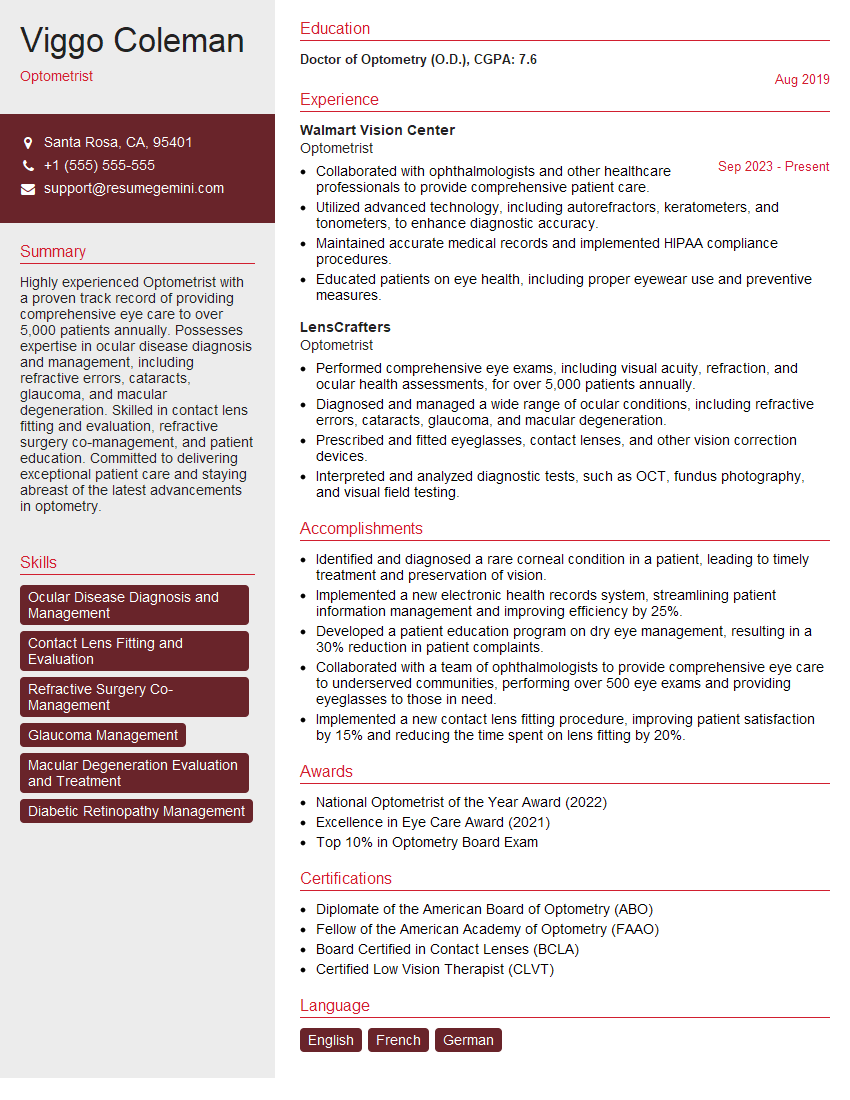
Optometrist Resume Sample
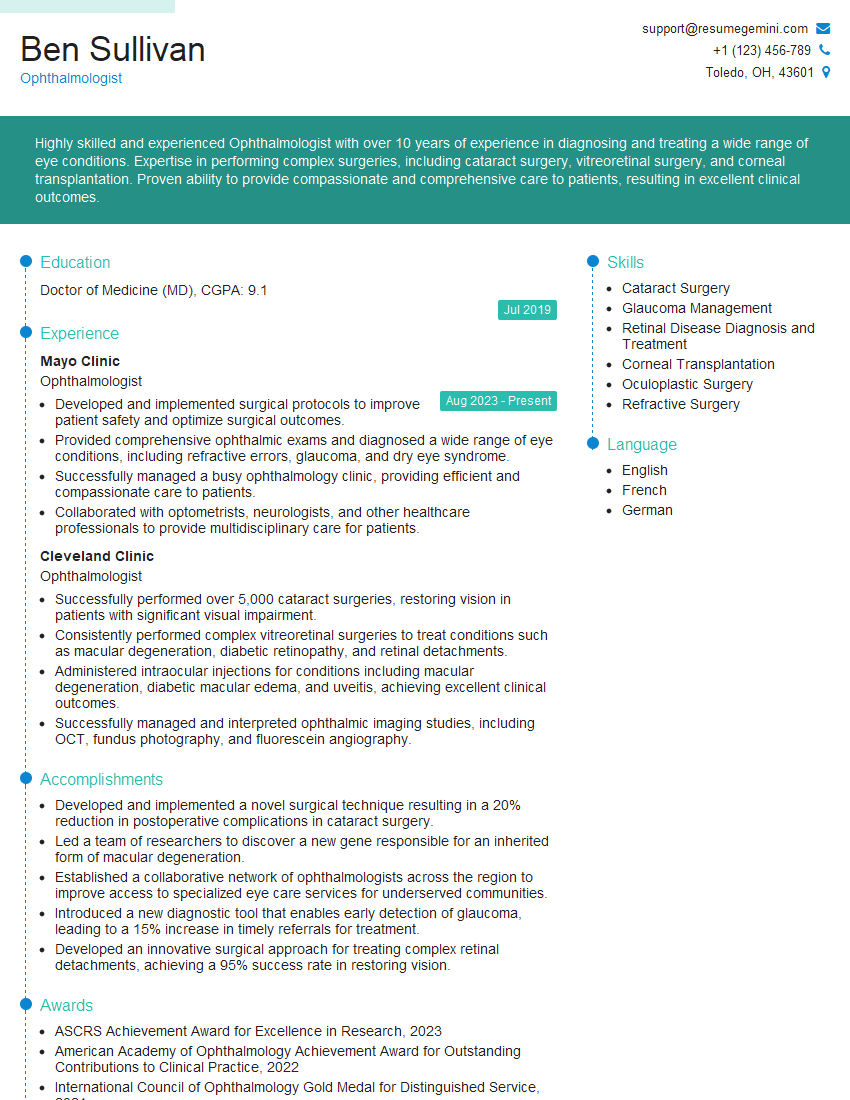
Ophthalmologist Resume Sample
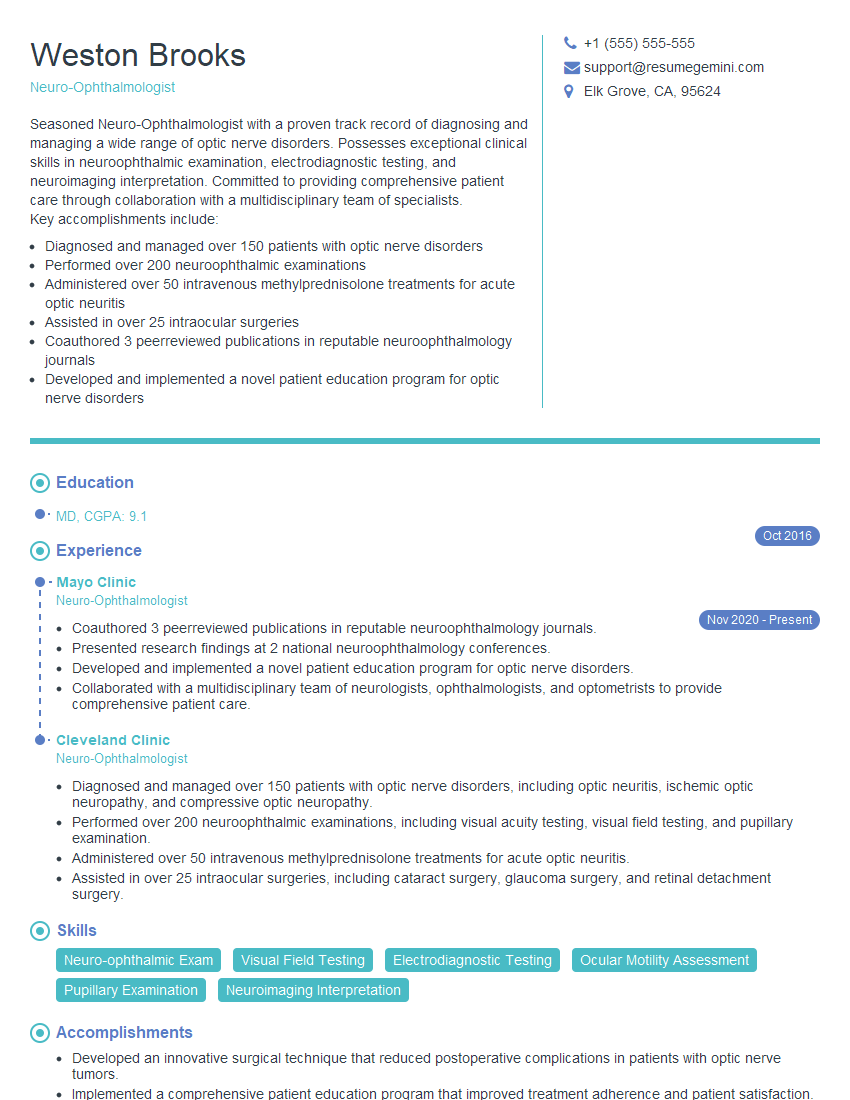
Neuro-Ophthalmologist Resume Sample
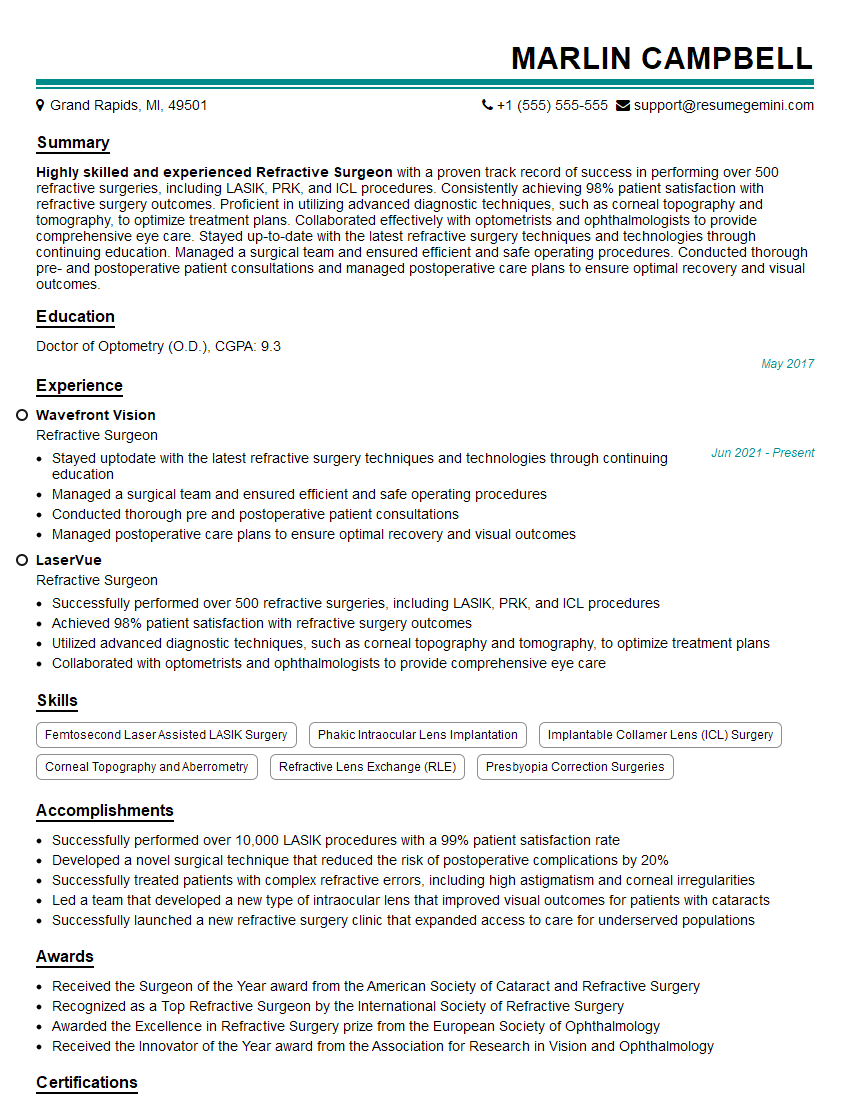
Refractive Surgeon Resume Sample
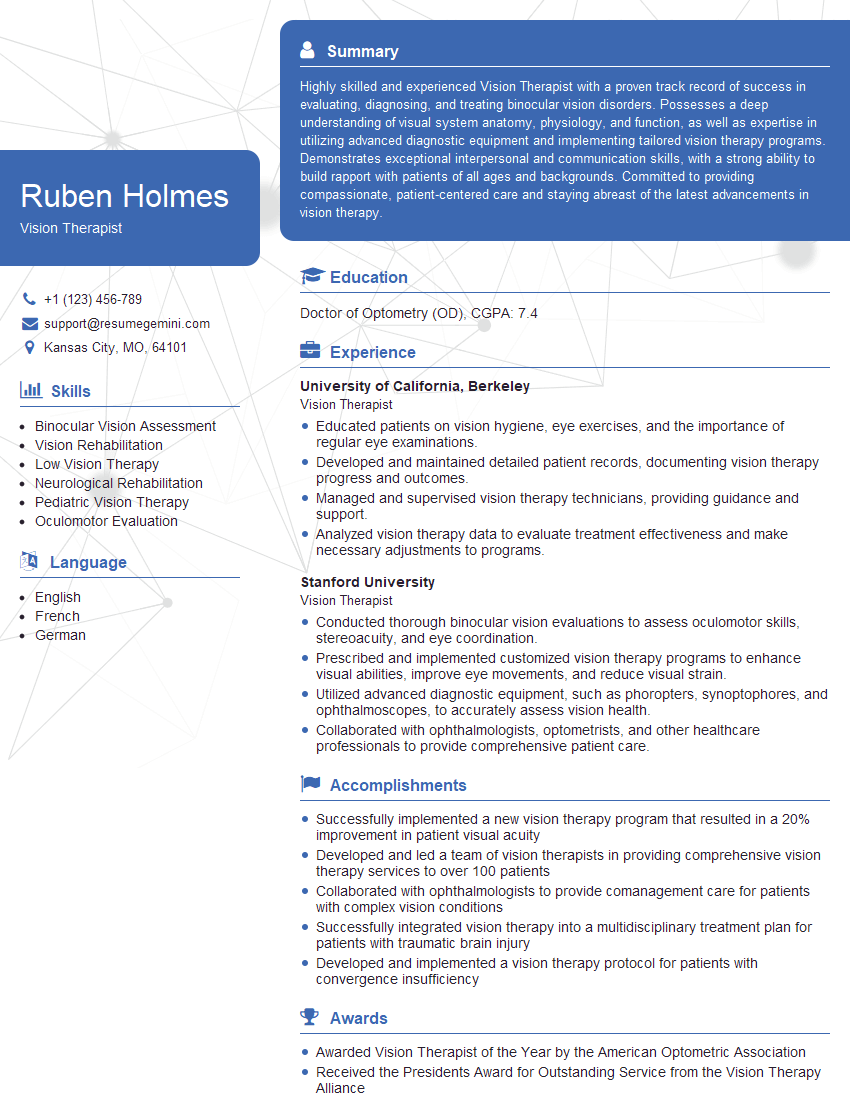
Vision Therapist Resume Sample

Audiologist Resume Sample

Orthoptist Resume Sample
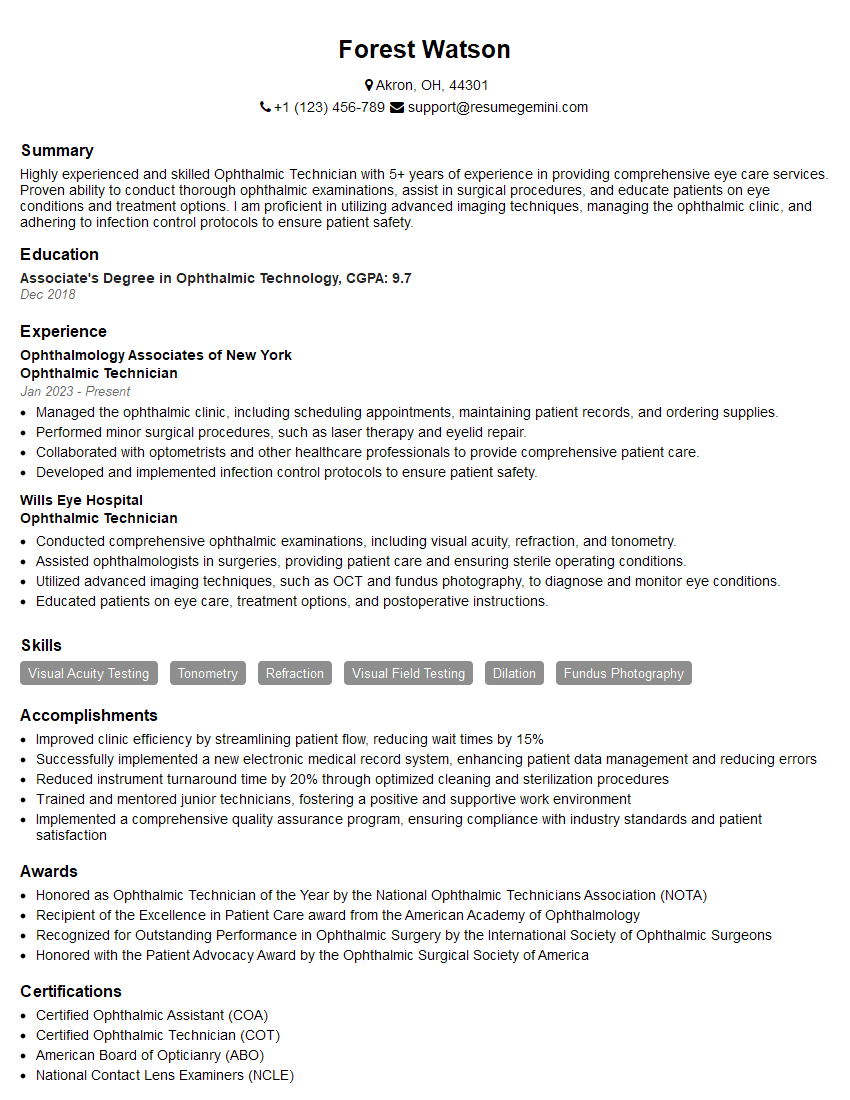
Ophthalmic Technician Resume Sample
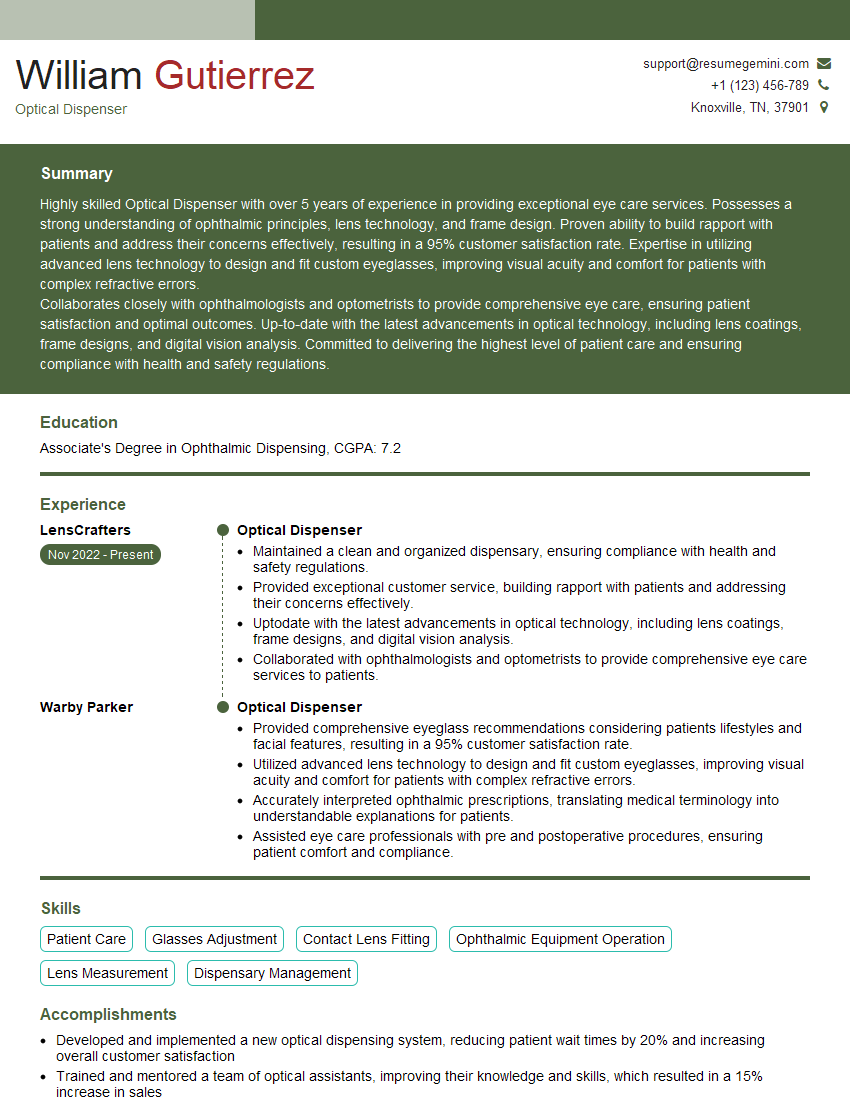
Optical Dispenser Resume Sample
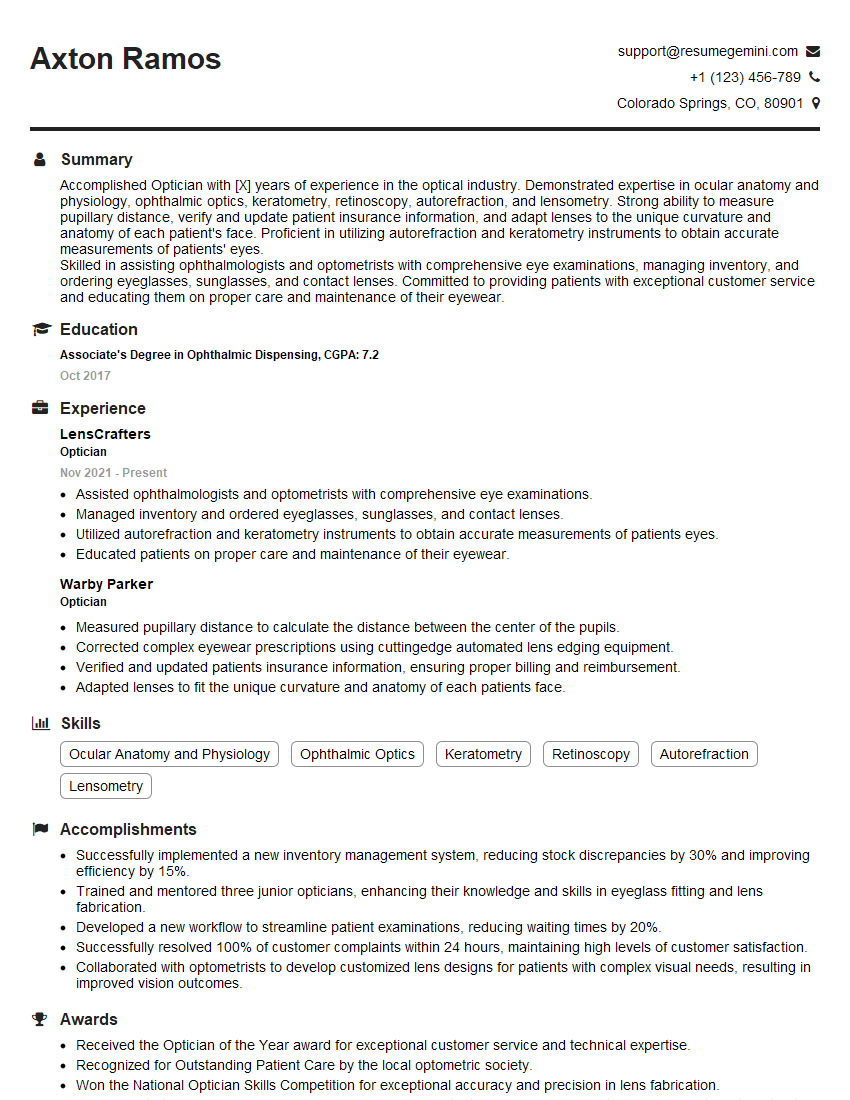
Optician Resume Sample
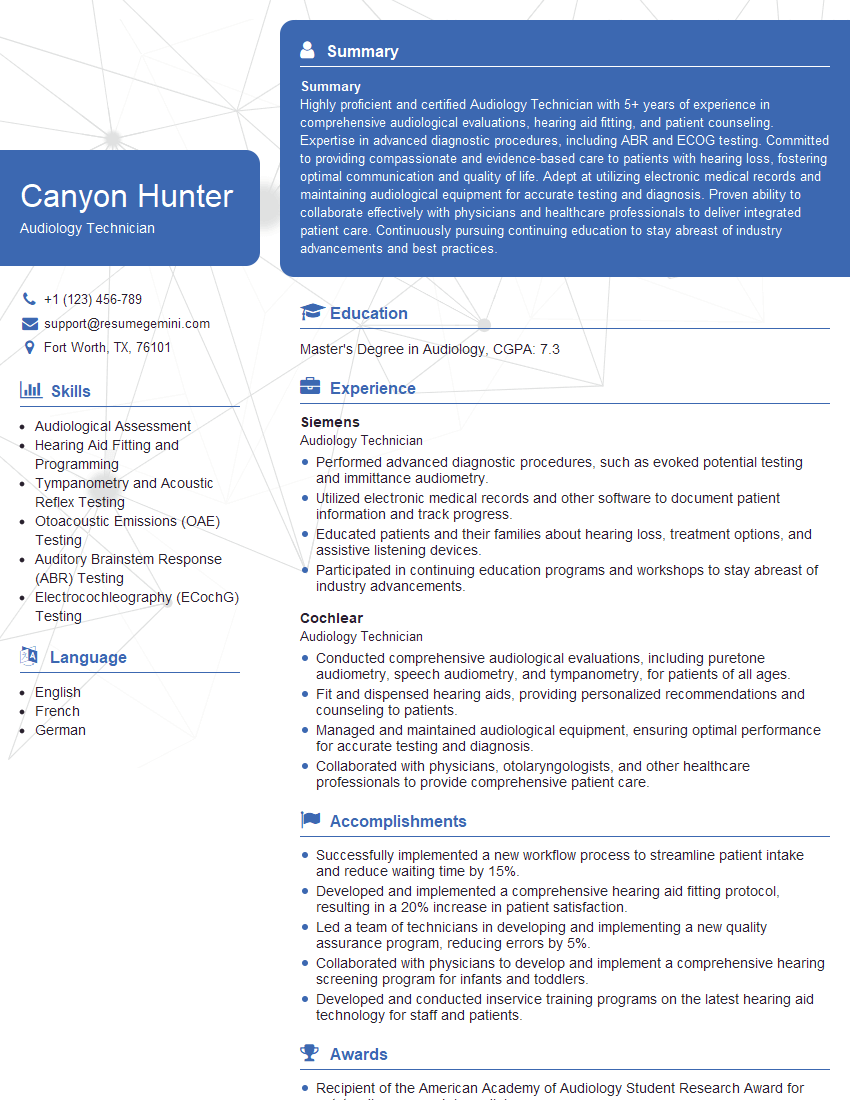
Audiology Technician Resume Sample
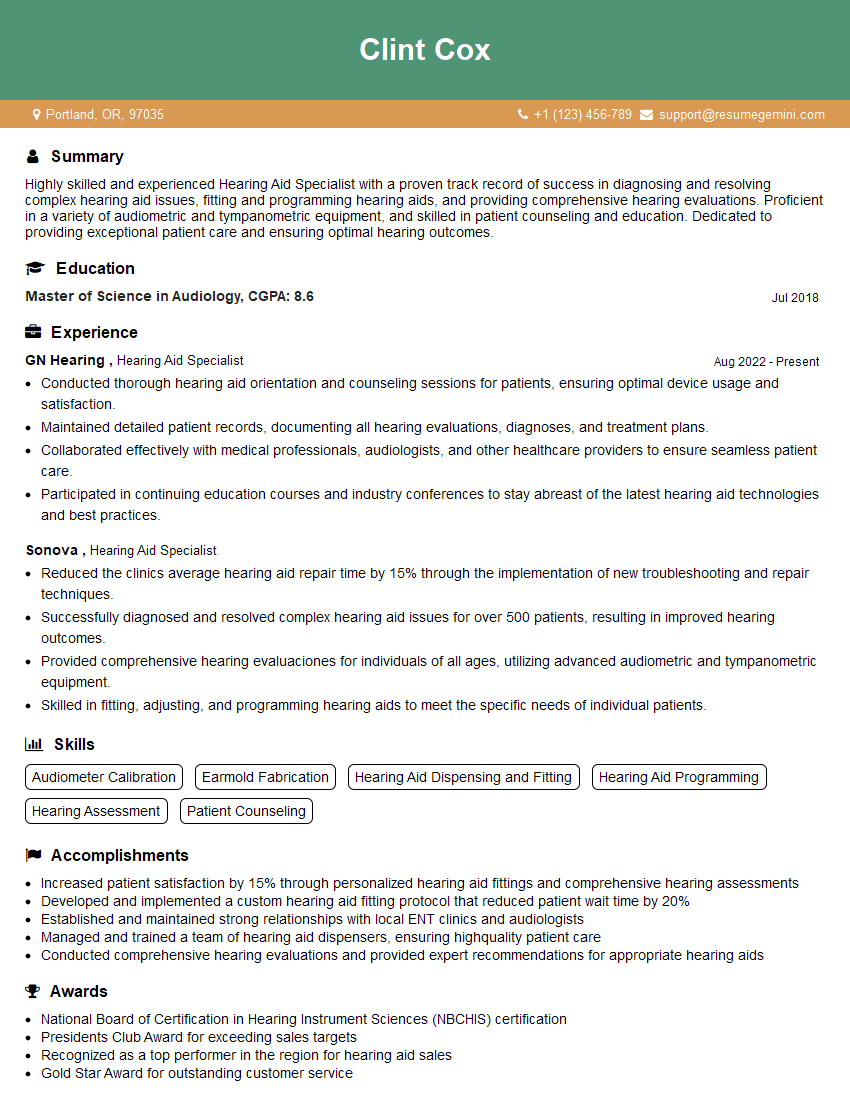
Hearing Aid Specialist Resume Sample
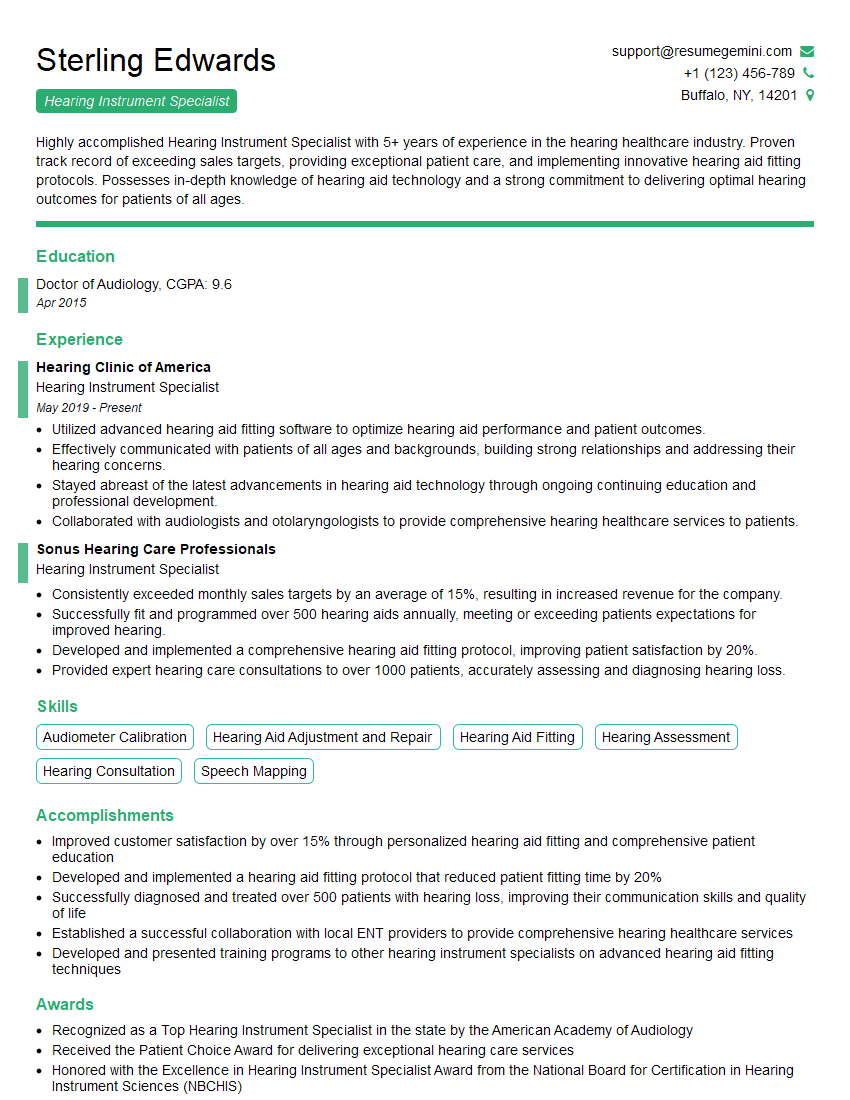
Hearing Instrument Specialist Resume Sample
Explore more articles
Users Rating of Our Blogs
Share Your Experience
We value your feedback! Please rate our content and share your thoughts (optional).
What Readers Say About Our Blog
Very informative content, great job.
good