Are you ready to stand out in your next interview? Understanding and preparing for Exceptional Agility and Flexibility interview questions is a game-changer. In this blog, we’ve compiled key questions and expert advice to help you showcase your skills with confidence and precision. Let’s get started on your journey to acing the interview.
Questions Asked in Exceptional Agility and Flexibility Interview
Q 1. Describe a situation where you had to adapt quickly to a significant change in priorities.
Adapting to shifting priorities is crucial in today’s dynamic work environment. It requires a proactive approach and the ability to swiftly reassess, re-plan, and refocus efforts.
In a recent project involving the development of a new mobile application, we were nearing the final stages of testing when a critical market shift necessitated a complete overhaul of the app’s core functionality. Instead of resisting the change, my team and I immediately convened a meeting to assess the impact of this shift on our existing timeline and resources. We prioritized the most critical new features based on their market relevance, re-evaluated our sprint backlog, and adjusted our task assignments to reflect these new priorities. This involved open communication with stakeholders, transparently explaining the changes and obtaining their buy-in. We successfully pivoted, delivering a revised app that met the changing market demands, albeit with a slightly adjusted launch date.
Q 2. How do you prioritize tasks when faced with multiple competing deadlines?
Prioritizing tasks with multiple competing deadlines involves a structured approach. I utilize a combination of methods like the Eisenhower Matrix (urgent/important), MoSCoW method (Must have, Should have, Could have, Won’t have), and a simple risk-assessment matrix, weighing potential impact and likelihood of failure for each task.
For example, if I have three deadlines: a critical client presentation (high impact, urgent), a less critical internal report (moderate impact, less urgent), and a feature development milestone (high impact, not immediately urgent), I would prioritize the presentation first, then the feature development (mitigating potential future risks), and finally the internal report. This process is iterative, requiring constant monitoring and readjustment as new information emerges or priorities shift. Clear communication with stakeholders about these prioritizations is essential to manage expectations.
Q 3. Explain your approach to managing unexpected challenges in a project.
My approach to unexpected challenges relies on a structured problem-solving methodology, which I’ve found very effective. It starts with acknowledging and defining the challenge clearly. Next, I brainstorm potential solutions with my team, considering their feasibility and potential impact. This often involves risk assessment to determine the potential negative consequences of each approach and mitigation strategies.
For instance, during a website launch, we encountered an unexpected server outage. My immediate response was to activate our disaster recovery plan, involving engaging our hosting provider, setting up a temporary server, and keeping stakeholders informed with regular updates. Once the issue was resolved, we conducted a post-mortem analysis to identify the root cause and implement preventive measures, enhancing our resilience to future outages. This approach ensures a systematic and proactive response to unforeseen circumstances.
Q 4. How do you handle conflicting requirements from different stakeholders?
Conflicting stakeholder requirements are common in project management. My strategy involves fostering open communication and collaboration. I facilitate meetings where all stakeholders can express their needs and priorities. Then, I use techniques like negotiation and compromise to find mutually acceptable solutions. Documenting these agreements is crucial, to ensure clarity and avoid future misunderstandings.
When necessary, I create a prioritization matrix that weighs the value and feasibility of each requirement. This helps visualize the trade-offs and guides discussions towards a balanced solution. Finally, presenting a transparent and well-reasoned approach to managing these conflicts helps build trust and collaboration between stakeholders.
Q 5. Describe a time you had to quickly learn a new skill or technology.
Learning new skills quickly is vital in this fast-paced industry. I’ve developed a structured learning approach that focuses on understanding the ‘why’ and building upon existing knowledge. I start with online courses or tutorials, focusing on hands-on practical application, followed by experimentation and project-based learning. I also actively seek mentorship from experienced individuals in the field.
Recently, I needed to quickly learn Python for data analysis within a project. I began by taking online courses, concentrating on practical exercises. Then, I integrated this knowledge by applying Python to real-world data sets from our project. This combination of structured learning and practical application allowed me to achieve proficiency relatively quickly.
Q 6. How do you maintain productivity and focus under pressure?
Maintaining productivity and focus under pressure involves a multi-pronged strategy. Prioritization is key. I use techniques like time blocking, breaking down large tasks into smaller, manageable chunks, and focusing on one task at a time.
Furthermore, I prioritize self-care: ensuring sufficient sleep, regular breaks, and physical activity. These elements are crucial in maintaining mental clarity and preventing burnout. Finally, mindfulness and meditation techniques help manage stress and enhance focus. I’ve found that regular exercise and mindful breathing exercises significantly improve my ability to concentrate during high-pressure situations.
Q 7. What strategies do you use to stay organized and manage your workload efficiently?
Effective workload and organization management are critical. I rely on a combination of digital tools and established methodologies. I use project management software such as Jira or Asana to track tasks, deadlines, and progress. This also facilitates collaboration with my team.
I also use time management techniques like the Pomodoro Technique to improve focus and prevent task switching. Regular review of my to-do list, coupled with flexible adjustments as needed, keeps me organized and ensures that I am effectively managing my workload and adapting to changing demands. Clear communication with my team keeps everyone aligned and fosters a collaborative working environment.
Q 8. How do you balance multiple projects or tasks simultaneously?
Balancing multiple projects effectively requires a structured approach. It’s not about juggling, but about orchestrating. I utilize a combination of prioritization techniques, time management strategies, and communication protocols.
- Prioritization: I employ the Eisenhower Matrix (urgent/important) to categorize tasks. This helps me focus on high-impact activities first, delegating or postponing less critical ones. For example, if I have a critical deadline for a client presentation and a less urgent internal report, I prioritize the presentation.
- Time Management: I leverage time blocking, allocating specific time slots for each project. This prevents task-switching overhead and enhances focus. For instance, I might dedicate two hours in the morning to coding and the afternoon to client meetings.
- Communication: Regular check-ins with stakeholders are vital. This helps manage expectations and avoid conflicts arising from shifting priorities. Transparent communication keeps everyone informed about progress and potential roadblocks.
This structured approach ensures I don’t get overwhelmed and can deliver consistently across all projects.
Q 9. Describe your experience working in a fast-paced, dynamic environment.
Fast-paced, dynamic environments are where I thrive. My experience working on agile development teams has honed my ability to adapt rapidly to changing requirements and priorities. I’ve worked on projects with rapidly shifting deadlines and frequently evolving specifications, often involving multiple stakeholders with diverse viewpoints.
For instance, during a recent product launch, we faced a critical bug just days before the release. We immediately switched to a crisis-mode workflow, prioritizing bug fixing above all else. Effective communication, collaboration, and a willingness to adjust our plans on the fly were essential to successfully launching the product on time.
In these environments, adaptability, clear communication, and a proactive problem-solving mindset are paramount, and these are all strengths I’ve consistently demonstrated.
Q 10. How do you handle ambiguity and uncertainty in your work?
Ambiguity and uncertainty are inherent in many projects. Rather than viewing them as obstacles, I see them as opportunities for creative problem-solving and innovation. My approach involves:
- Seeking Clarity: I actively engage stakeholders to understand the underlying goals and objectives, even when the details are unclear. Asking clarifying questions and actively listening are crucial.
- Scenario Planning: I develop multiple potential scenarios based on different assumptions, assessing the potential risks and opportunities associated with each. This helps prepare for various outcomes.
- Iterative Approach: I favor an iterative approach, where we learn and adapt as we go. We begin with a minimum viable product (MVP) and progressively refine it based on feedback and new information.
Essentially, I embrace the unknown, building resilience and flexibility into the project’s design and execution.
Q 11. How do you proactively identify potential risks and challenges in a project?
Proactive risk identification is crucial for project success. I employ a combination of techniques, including:
- Risk Assessment Workshops: I facilitate workshops with the team to brainstorm potential risks and challenges, categorizing them by likelihood and impact.
- SWOT Analysis: Conducting SWOT (Strengths, Weaknesses, Opportunities, Threats) analysis helps identify internal and external factors that could influence the project.
- Regular Monitoring: Continuous monitoring of progress against the plan, paying close attention to potential deviations or warning signs.
By proactively identifying and mitigating risks, we reduce the likelihood of major setbacks and increase the chances of successful project completion.
Q 12. Describe a time you had to make a quick decision with limited information.
In a previous project, we encountered a critical server failure just hours before a major product demo. With limited information about the root cause and under immense pressure, I had to make a quick decision. Instead of panicking, I calmly assessed the situation, consulting with the engineering team to identify the most likely cause and the quickest possible fix.
Based on their assessment, I made the decision to switch to a backup server, even though it meant some minor feature limitations for the demo. This mitigated the risk of a complete failure and allowed us to proceed with the demonstration, minimizing the overall impact.
While the decision was made under pressure, it was informed by careful consideration of the available data and a focus on minimizing the negative consequences.
Q 13. How do you communicate effectively during times of significant change?
Effective communication during significant change is paramount. I ensure transparency and proactive communication to keep everyone informed and engaged. My strategies include:
- Regular Updates: Frequent, clear, and concise updates to keep everyone informed about the changes and their impact.
- Open Forums: Creating open forums for questions and concerns, allowing for two-way communication and feedback.
- Empathy and Support: Acknowledging the emotional impact of change on individuals and offering support and guidance throughout the transition.
By fostering open communication, I build trust and collaboration during times of uncertainty.
Q 14. How do you ensure team members are informed and aligned during periods of change?
Keeping team members informed and aligned during change is achieved through a multi-faceted approach:
- Transparent Communication Channels: Utilizing multiple channels, like team meetings, email updates, and project management software, to disseminate information effectively.
- Training and Skill Development: Providing training and resources to equip team members with the necessary skills to adapt to the changes.
- Feedback Mechanisms: Establishing regular feedback loops to address concerns, solicit input, and ensure everyone feels heard.
This ensures everyone is not only informed but actively participates in the change process, leading to smoother transitions and improved team cohesion.
Q 15. How do you contribute to a positive and adaptable team culture?
Contributing to a positive and adaptable team culture hinges on fostering open communication, mutual respect, and a shared commitment to continuous improvement. It’s not just about individual skills; it’s about creating a synergistic environment where everyone feels empowered to contribute and adapt.
- Open Communication: I actively encourage open dialogue, ensuring that everyone feels comfortable sharing ideas, concerns, and feedback. Regular team retrospectives and brainstorming sessions are crucial for this.
- Mutual Respect: I treat everyone’s contributions with respect, valuing diverse perspectives and experiences. This includes actively listening to others, acknowledging their efforts, and celebrating successes collaboratively.
- Shared Commitment to Improvement: I promote a growth mindset, emphasizing the importance of learning from failures and embracing change. This involves actively participating in continuous improvement initiatives and encouraging team members to do the same. We regularly assess our processes and identify areas for improvement, adapting as needed.
- Leading by Example: I demonstrate adaptability and flexibility in my own work, showing others that it’s not just an expectation but a practiced behavior.
For example, in a previous project, our team faced a significant change in requirements mid-sprint. Instead of panicking, we held a collaborative session to re-prioritize tasks, re-allocate resources, and adjust our sprint goals. This proactive approach, built on a foundation of mutual respect and open communication, allowed us to successfully navigate the change and deliver a high-quality product.
Career Expert Tips:
- Ace those interviews! Prepare effectively by reviewing the Top 50 Most Common Interview Questions on ResumeGemini.
- Navigate your job search with confidence! Explore a wide range of Career Tips on ResumeGemini. Learn about common challenges and recommendations to overcome them.
- Craft the perfect resume! Master the Art of Resume Writing with ResumeGemini’s guide. Showcase your unique qualifications and achievements effectively.
- Don’t miss out on holiday savings! Build your dream resume with ResumeGemini’s ATS optimized templates.
Q 16. Describe your experience with Agile methodologies (e.g., Scrum, Kanban).
I have extensive experience with Agile methodologies, primarily Scrum and Kanban. My experience spans from small, cross-functional teams to larger, enterprise-level projects. I understand the nuances of each framework and their respective applications.
- Scrum: I’ve participated in numerous Scrum projects, acting as both a Scrum Master and a Development Team member. I’m proficient in sprint planning, daily stand-ups, sprint reviews, and retrospectives. I understand the importance of well-defined user stories, sprint goals, and backlog management. I’ve used tools like Jira and Trello to effectively manage Scrum projects.
- Kanban: I’ve leveraged Kanban’s visual workflow management in situations requiring greater flexibility and adaptability. The focus on visualizing work-in-progress, limiting work-in-progress (WIP), and continuous flow has proven particularly effective in managing dynamic projects with shifting priorities. I’ve implemented Kanban boards (physical and digital) to optimize workflow efficiency.
In one project, we initially started with Scrum but found it too rigid for the highly dynamic nature of the client’s needs. We transitioned to a hybrid approach, incorporating Kanban principles to manage the continuous flow of incoming requests and changes, while retaining the structure and accountability of Scrum for key features.
Q 17. What are your strengths and weaknesses when it comes to adapting to change?
My strengths in adapting to change lie in my proactive approach, problem-solving skills, and a willingness to learn. I thrive in dynamic environments and actively seek opportunities to improve my skills and knowledge. My weakness is sometimes a tendency to over-analyze situations when under pressure; however, I’m consciously working to improve my ability to make quick, informed decisions in high-pressure scenarios.
- Proactive Approach: I anticipate potential challenges and actively seek information to prepare myself for change. This includes participating in planning sessions, proactively identifying potential risks, and developing contingency plans.
- Problem-Solving Skills: I approach challenges methodically, breaking them down into smaller, manageable parts and implementing solutions iteratively.
- Continuous Learning: I actively seek out opportunities to enhance my skills and knowledge, adapting my approaches based on new information and experiences.
For example, during a project with rapidly changing requirements, I proactively researched new technologies and methodologies, implemented them within the project, and trained the team, enabling us to efficiently adapt to the shifting demands.
Q 18. How do you measure your own agility and flexibility?
Measuring my own agility and flexibility involves self-reflection and feedback. I use a combination of self-assessment, peer feedback, and performance reviews to gauge my effectiveness.
- Self-Assessment: I regularly reflect on my ability to adapt to changing situations, evaluating my response times, problem-solving effectiveness, and the overall impact of my actions.
- Peer Feedback: I actively solicit feedback from my colleagues, seeking their perspectives on my adaptability and flexibility in team settings.
- Performance Reviews: I use formal performance reviews as an opportunity to discuss my agility and flexibility with my manager, setting goals for continued improvement.
I also track metrics like the number of successfully navigated changes in a project, the speed of adapting to new tools or processes, and the positive feedback received from team members regarding my responsiveness to unexpected challenges. These quantitative measures, combined with qualitative feedback, provide a comprehensive assessment of my agility and flexibility.
Q 19. How do you ensure that you’re making effective use of your time?
Effective time management is crucial for maintaining agility and flexibility. My approach combines prioritization, planning, and continuous monitoring.
- Prioritization: I use techniques like the Eisenhower Matrix (urgent/important) to prioritize tasks based on their impact and urgency. This ensures that I focus on the most critical activities first.
- Planning: I utilize daily and weekly planning sessions to outline tasks and allocate time effectively. This includes scheduling buffer time to accommodate unexpected tasks or disruptions.
- Timeboxing: I allocate specific time blocks for tasks to avoid getting bogged down in less important activities. This also improves focus and productivity.
- Continuous Monitoring: I regularly review my progress against my plans and adjust my schedule as needed. This ensures that I remain on track and adapt to changing priorities.
For instance, I utilize tools like time-tracking software to monitor my time allocation and identify potential areas for improvement. This data-driven approach allows me to refine my time management strategies over time.
Q 20. How do you delegate tasks effectively, and how do you know when to do it?
Effective delegation is about entrusting tasks to the right people and providing them with the necessary support and resources. I determine when to delegate based on the task’s complexity, the individual’s skills, and the overall team capacity.
- Task Assessment: Before delegating, I assess the task’s complexity, required skills, and time constraints. I ensure that the task is suitable for delegation, and that the chosen individual possesses the necessary skills and experience.
- Individual Capabilities: I consider the individual’s skills, experience, and workload when delegating tasks. I choose individuals who are best suited to the task and have the capacity to handle it effectively.
- Clear Communication: I provide clear instructions, expected outcomes, and deadlines. I also ensure that the individual understands their responsibilities and has access to the necessary resources.
- Support and Feedback: I offer ongoing support and regular feedback to help the individual complete the task successfully. I am available to answer questions and provide guidance as needed.
For instance, I wouldn’t delegate a highly complex, critical task to a junior team member without adequate supervision and training. However, routine tasks that align with a team member’s skillset are readily delegated to free up my time for higher-level responsibilities.
Q 21. What’s your approach to problem-solving in dynamic situations?
My approach to problem-solving in dynamic situations prioritizes speed, collaboration, and iterative solutions. I employ a structured, yet adaptable methodology.
- Rapid Assessment: I quickly assess the situation, identifying the core problem and its impact.
- Collaborative Brainstorming: I involve the relevant stakeholders in a brainstorming session to generate a wide range of potential solutions.
- Prioritization: We prioritize the solutions based on their feasibility, potential impact, and time constraints.
- Iterative Implementation: We implement the chosen solution iteratively, testing and refining it along the way. This allows for quick adaptation to unexpected challenges.
- Continuous Monitoring: We continuously monitor the implemented solution’s effectiveness and make adjustments as needed.
In a recent project, we experienced an unexpected system outage. Instead of panicking, I immediately initiated a collaborative troubleshooting session with the relevant team members. We quickly identified the root cause, implemented a temporary workaround, and developed a long-term solution, minimizing downtime and ensuring service continuity. This rapid response, fueled by collaboration and iterative problem-solving, prevented a major disruption.
Q 22. How do you handle setbacks and learn from mistakes?
Setbacks are inevitable, but how we react defines our agility and flexibility. My approach is multifaceted. First, I conduct a thorough post-mortem analysis, objectively examining what went wrong without assigning blame. This involves identifying root causes, not just symptoms. For example, if a project missed its deadline, I wouldn’t just focus on the late delivery but delve into the reasons – were there unforeseen technical challenges, inadequate resource allocation, or unclear communication?
Secondly, I document lessons learned. This isn’t about dwelling on mistakes but using them to improve future performance. I utilize a structured format like a failure report, noting the issue, its impact, the root cause(s), and implemented or planned corrective actions. This documentation becomes a valuable resource for continuous improvement.
Finally, I actively seek feedback from team members and stakeholders. Their perspectives often reveal blind spots in my own analysis. This collaborative approach enhances learning and fosters a culture of continuous improvement, converting setbacks into valuable learning opportunities.
Q 23. How do you utilize feedback to improve your agility and flexibility?
Feedback is the lifeblood of agility and flexibility. I actively solicit it through regular check-ins, 360-degree reviews, and post-project retrospectives. I ensure feedback channels are open and safe for honest communication.
Once received, I meticulously analyze feedback, identifying recurring themes and actionable insights. I don’t just passively absorb the feedback; I actively seek to understand the underlying concerns and motivations. For instance, if I receive feedback about being overly directive, I’ll reflect on how my communication style impacts the team and consciously strive to adopt a more collaborative approach, perhaps by facilitating more brainstorming sessions or implementing a more democratic decision-making process.
Finally, I implement changes and track the outcomes. This cyclical process – solicit, analyze, implement, and track – allows for continuous adaptation and improvement, enhancing both personal and team agility and flexibility.
Q 24. What tools and techniques do you use to improve personal productivity?
My productivity hinges on a combination of tools and techniques tailored to my workflow. I leverage time-blocking to allocate specific time slots for focused work on prioritized tasks, minimizing context switching. I use project management tools like Jira or Asana to track progress, manage deadlines, and collaborate effectively with my team.
Furthermore, I employ techniques like the Pomodoro Technique – working in focused bursts with short breaks – to maintain concentration and prevent burnout. Regularly reviewing my to-do list and prioritizing tasks based on urgency and importance are crucial. I also actively practice mindfulness and stress-reduction techniques to enhance focus and prevent mental fatigue, recognizing that maintaining physical and mental well-being is essential for long-term productivity. Finally, I regularly evaluate my processes and toolset, adjusting them as needed based on their effectiveness.
Q 25. Describe a situation where your flexibility and adaptability led to a positive outcome.
During a critical product launch, a major unforeseen bug emerged just days before the release date. The original plan was meticulously crafted, but this unexpected challenge threatened to derail everything. Instead of panicking, I leveraged my flexibility. We immediately convened an emergency team meeting and brainstormed alternative solutions. We decided to prioritize fixing the most impactful bug, delaying less critical features for a future release.
This involved rapidly re-prioritizing tasks, re-allocating resources, and adopting an agile, iterative approach to development and testing. The team worked tirelessly, fueled by collaborative problem-solving and a sense of shared urgency. The launch was slightly delayed, but the most important aspect – releasing a stable and functional product – was achieved successfully. The situation underscored the crucial role of adaptability in navigating unexpected crises and achieving positive outcomes.
Q 26. How do you maintain work-life balance while managing a high workload?
Maintaining work-life balance while managing a heavy workload requires conscious effort and strategic planning. I prioritize setting clear boundaries between work and personal life. This means diligently adhering to scheduled working hours and actively disconnecting after work, minimizing work-related activities during personal time.
I prioritize self-care through regular exercise, sufficient sleep, and mindful breaks during the workday. These activities are not luxuries but essential for maintaining my energy levels and preventing burnout. I also regularly delegate tasks whenever feasible, empowering team members and ensuring a more equitable distribution of workload. Open communication with my manager about workload and potential bottlenecks helps prevent undue stress and ensures realistic expectations.
Q 27. Explain how you prioritize tasks based on urgency and importance.
I employ the Eisenhower Matrix (urgent/important) to prioritize tasks. Tasks are categorized into four quadrants:
- Urgent and Important: These require immediate attention (e.g., resolving a critical bug, addressing a client emergency). I tackle these first.
- Important but Not Urgent: These are crucial for long-term goals (e.g., strategic planning, professional development). I schedule dedicated time for these.
- Urgent but Not Important: These are often distractions (e.g., some meetings, emails). I delegate or eliminate these whenever possible.
- Neither Urgent nor Important: These are time-wasters. I eliminate these to free up time for more critical tasks.
This framework allows me to focus on high-impact activities while proactively managing time and preventing crises. Regularly reviewing and adjusting this prioritization ensures I remain focused on the most critical aspects of my work.
Q 28. How do you foster a collaborative environment to ensure team agility?
Fostering a collaborative environment is paramount for team agility. I actively promote open communication through regular team meetings, brainstorming sessions, and informal check-ins. I ensure everyone feels comfortable sharing ideas, concerns, and feedback without fear of judgment.
I encourage cross-functional collaboration, breaking down silos and fostering a sense of shared ownership and responsibility. This means that team members from different areas work together on projects, resulting in better communication, reduced errors, and faster problem-solving. Empowerment is key; I delegate authority and responsibility, providing team members with the autonomy to make decisions and solve problems independently. This cultivates ownership and encourages initiative, further boosting team agility. Finally, I celebrate successes and acknowledge contributions to reinforce the importance of collaboration and teamwork, ensuring team cohesion and morale.
Key Topics to Learn for Exceptional Agility and Flexibility Interview
- Adaptability to Change: Understanding how you react and adjust to shifting priorities, new technologies, or unexpected challenges. Consider examples from past experiences showcasing your proactive approach to change management.
- Problem-Solving under Pressure: Demonstrating your ability to think critically and find effective solutions in time-sensitive situations. Prepare to discuss your methodical approach to problem identification and resolution.
- Prioritization and Time Management: Articulating your skills in managing multiple tasks, deadlines, and competing demands. Be ready to explain your strategies for efficient task delegation and resource allocation.
- Learning Agility: Highlighting your capacity to quickly acquire new skills and knowledge, and your willingness to embrace continuous learning. Provide concrete examples of times you mastered a new skill or technology rapidly.
- Communication & Collaboration: Emphasizing your ability to communicate effectively in diverse teams, convey complex information concisely, and actively collaborate to achieve shared goals. Prepare to share examples of successful teamwork.
- Resilience and Stress Management: Demonstrating your ability to remain calm and productive under pressure, bounce back from setbacks, and maintain a positive attitude in challenging situations. Showcase your coping mechanisms and ability to learn from mistakes.
Next Steps
Mastering exceptional agility and flexibility is crucial for career advancement in today’s dynamic workplace. Employers highly value candidates who can adapt, learn, and thrive in ever-changing environments. To significantly boost your job prospects, it’s essential to create a resume that’s both ATS-friendly and showcases your unique skills. We strongly recommend using ResumeGemini, a trusted resource, to build a professional and impactful resume that highlights your agility and flexibility. Examples of resumes tailored to emphasize these key attributes are available below, to help you get started.
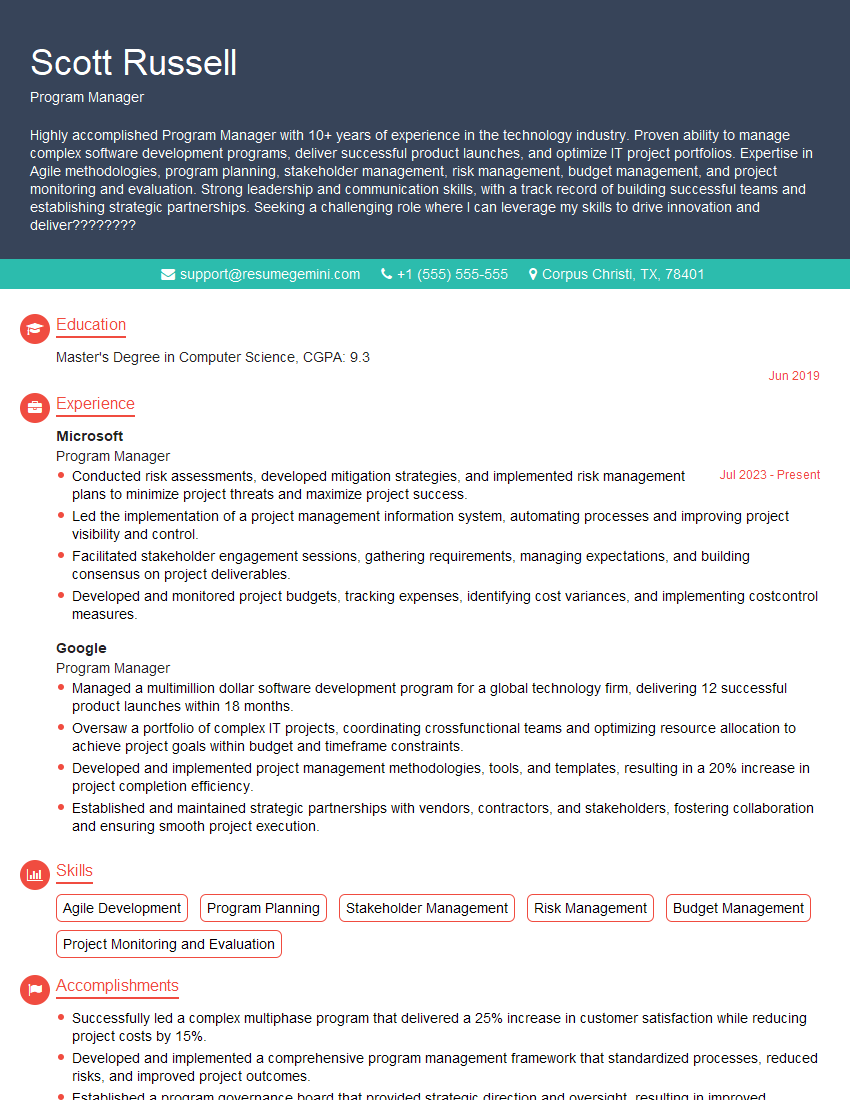
Program Manager Resume Sample

Operations Manager Resume Sample
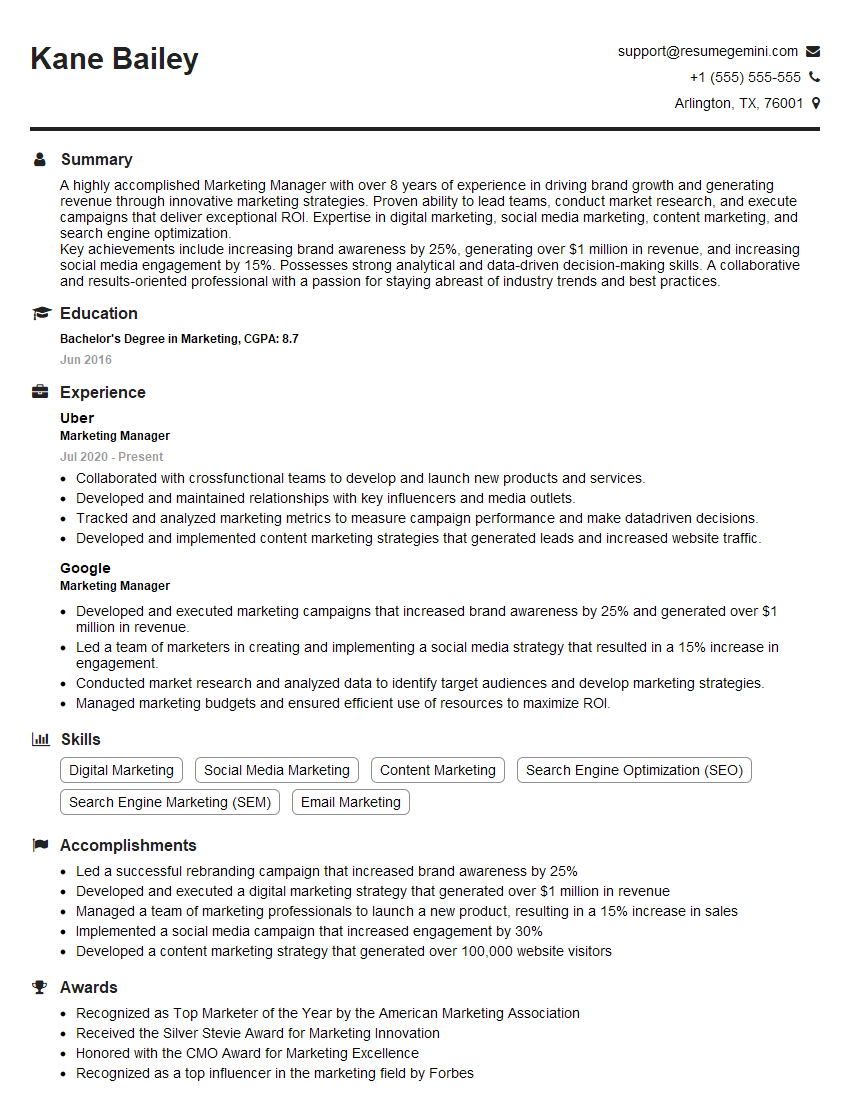
Marketing Manager Resume Sample
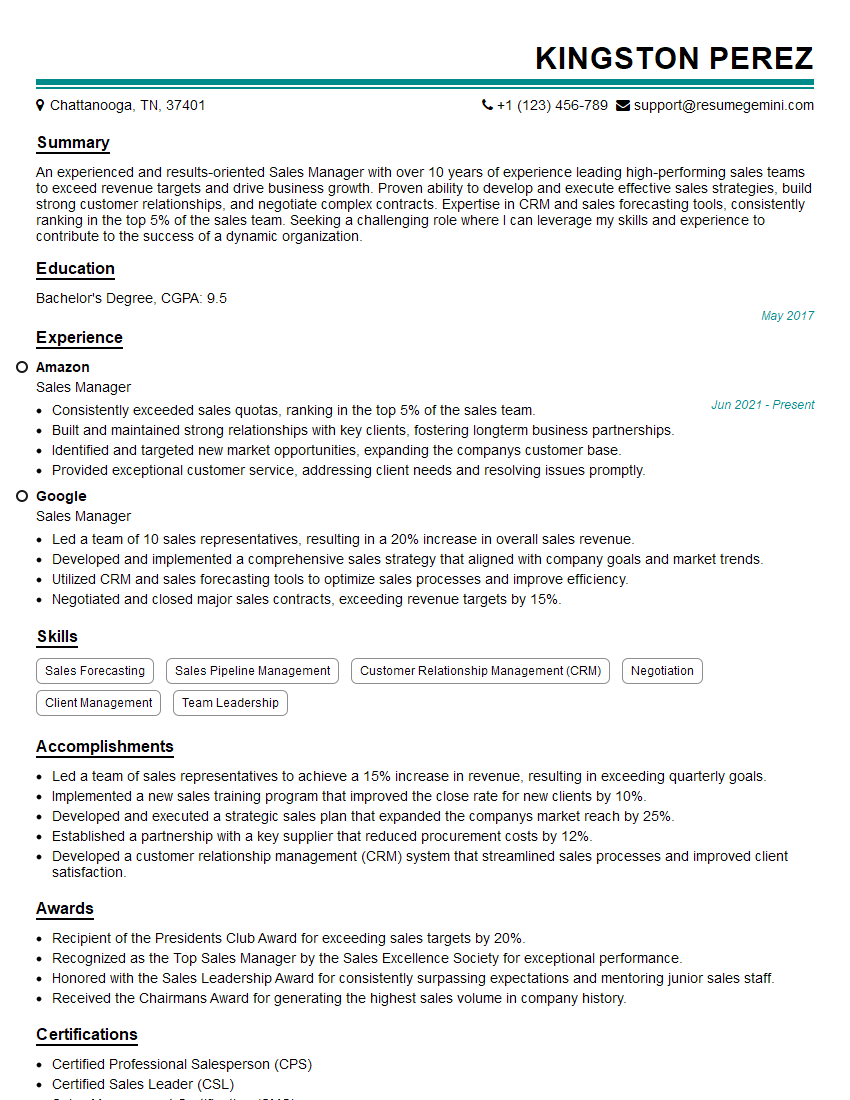
Sales Manager Resume Sample
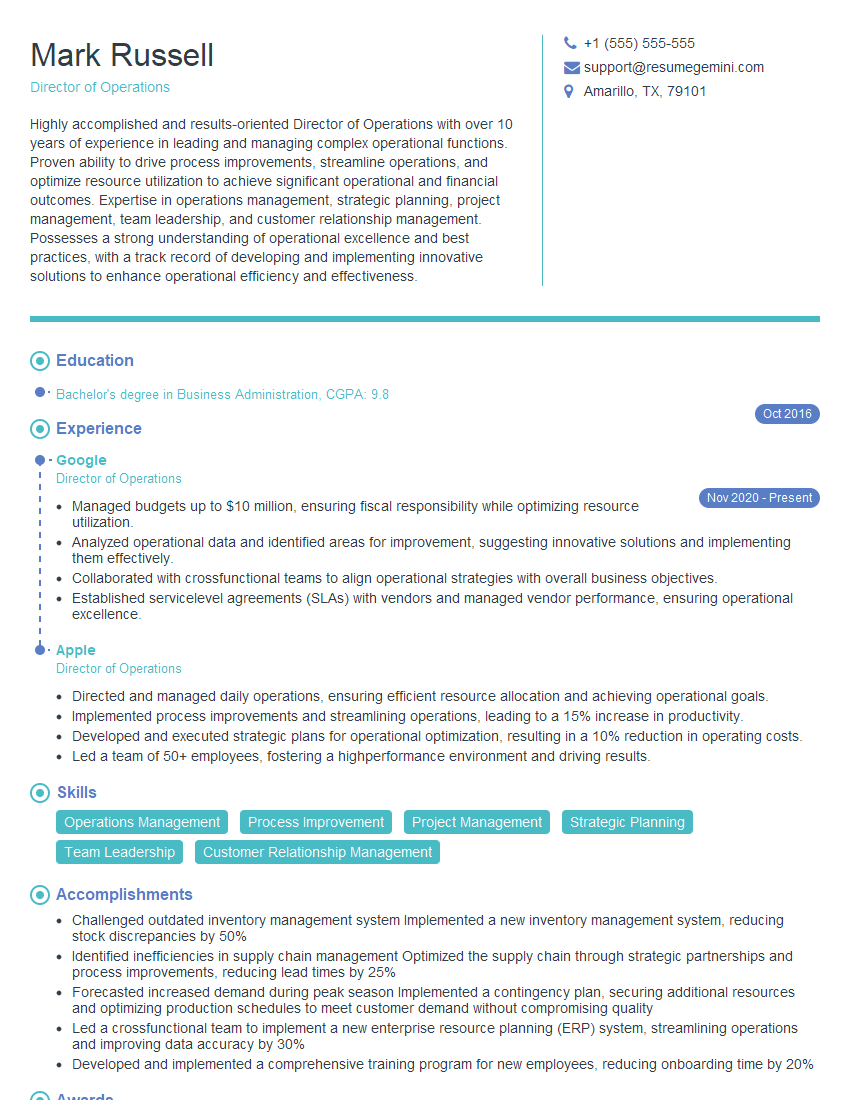
Director of Operations Resume Sample

Supply Chain Manager Resume Sample
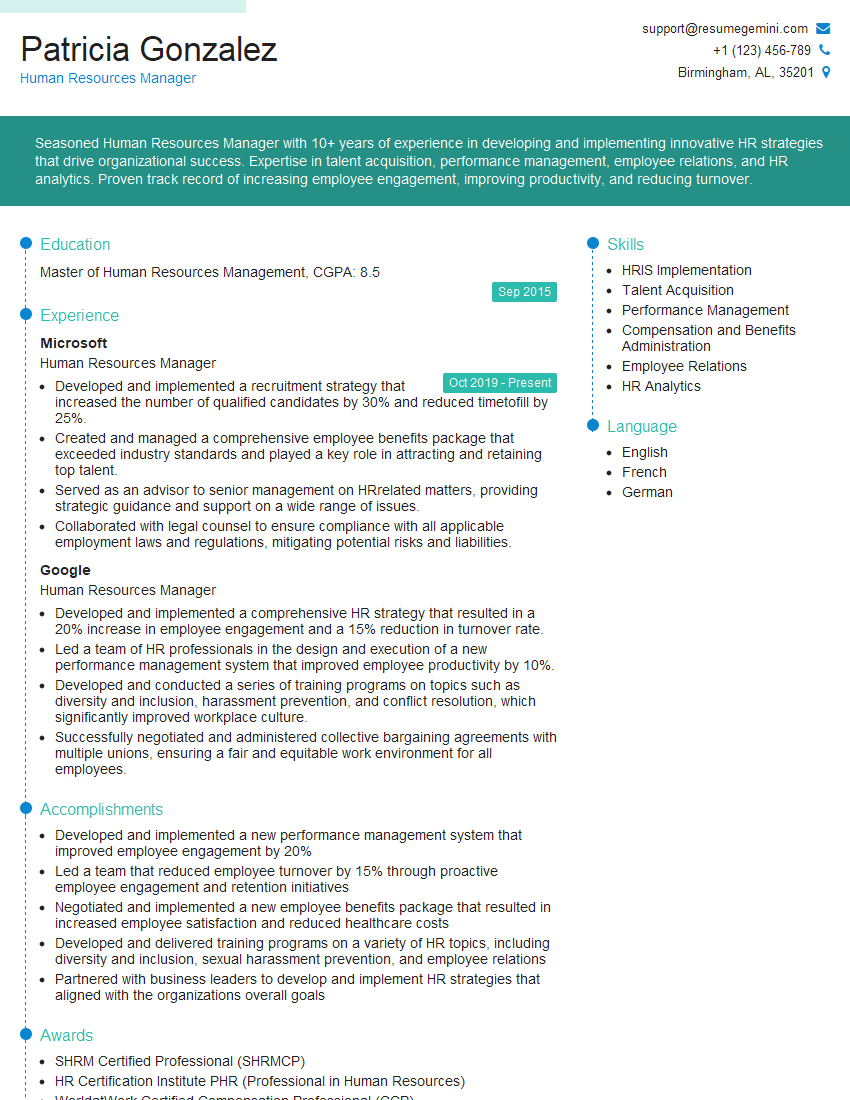
Human Resources Manager Resume Sample
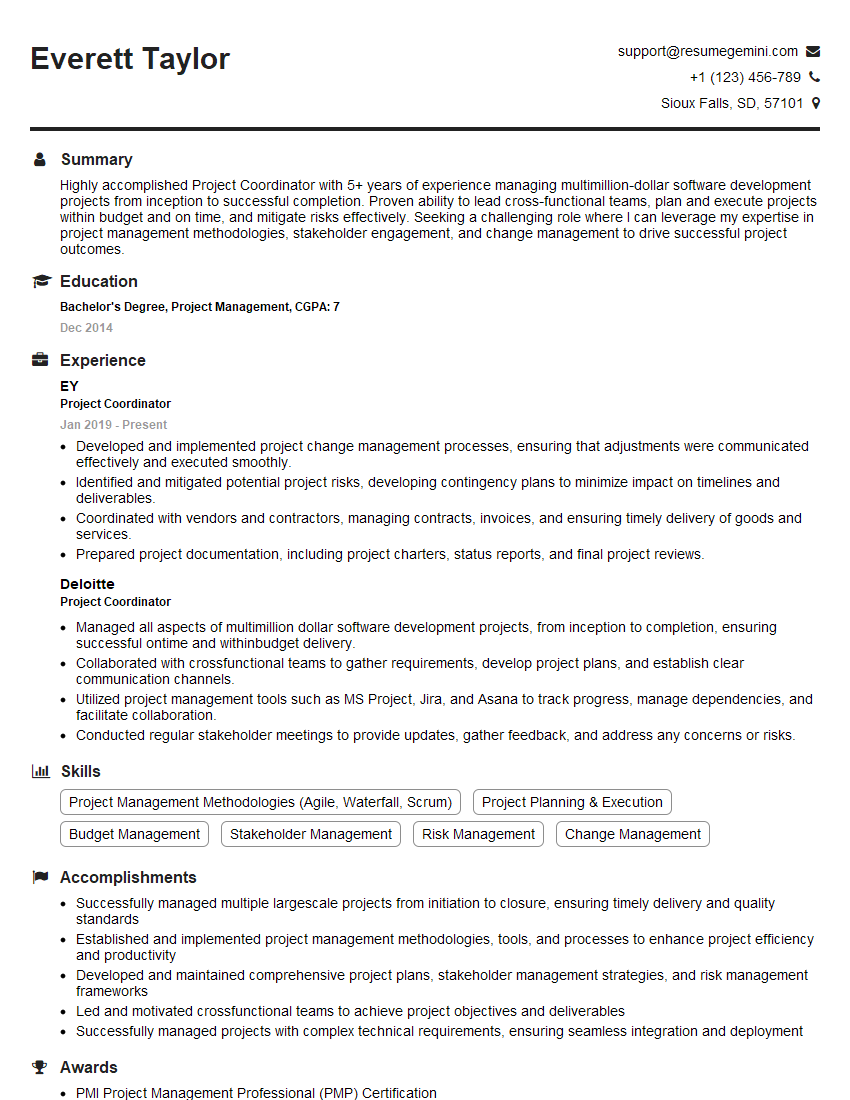
Project Coordinator Resume Sample
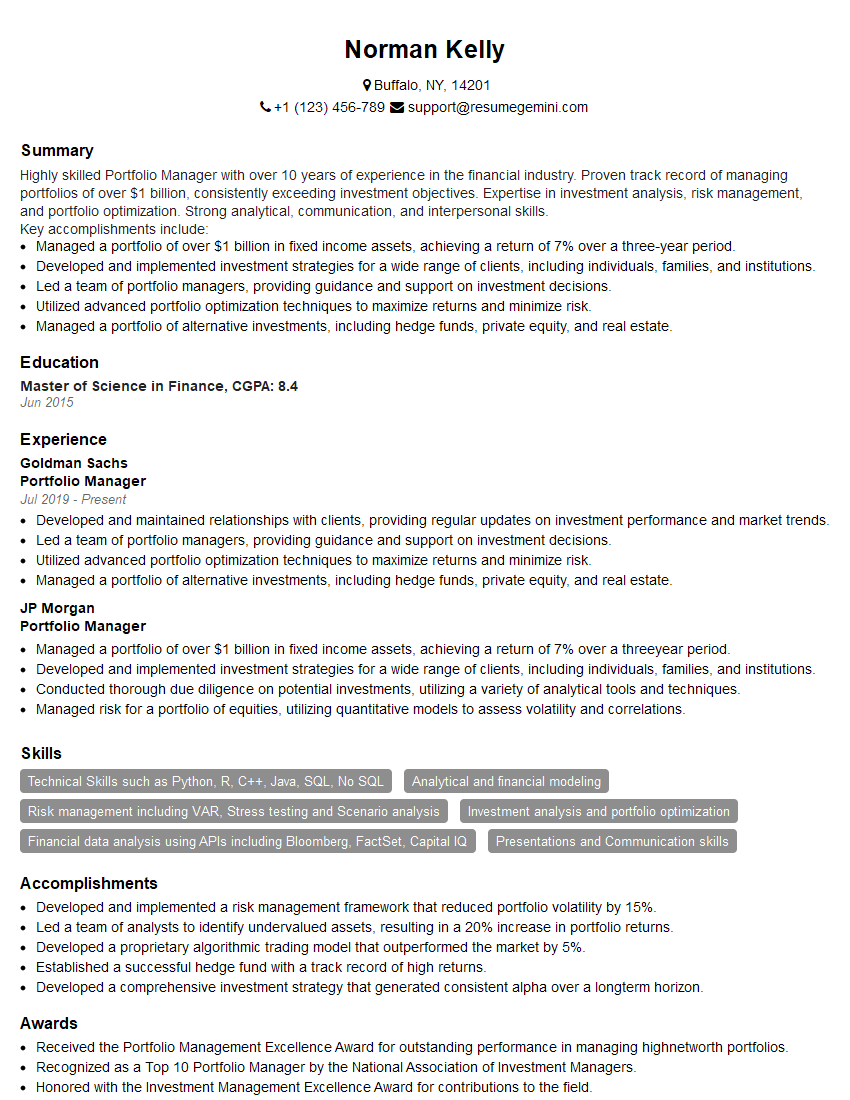
Portfolio Manager Resume Sample
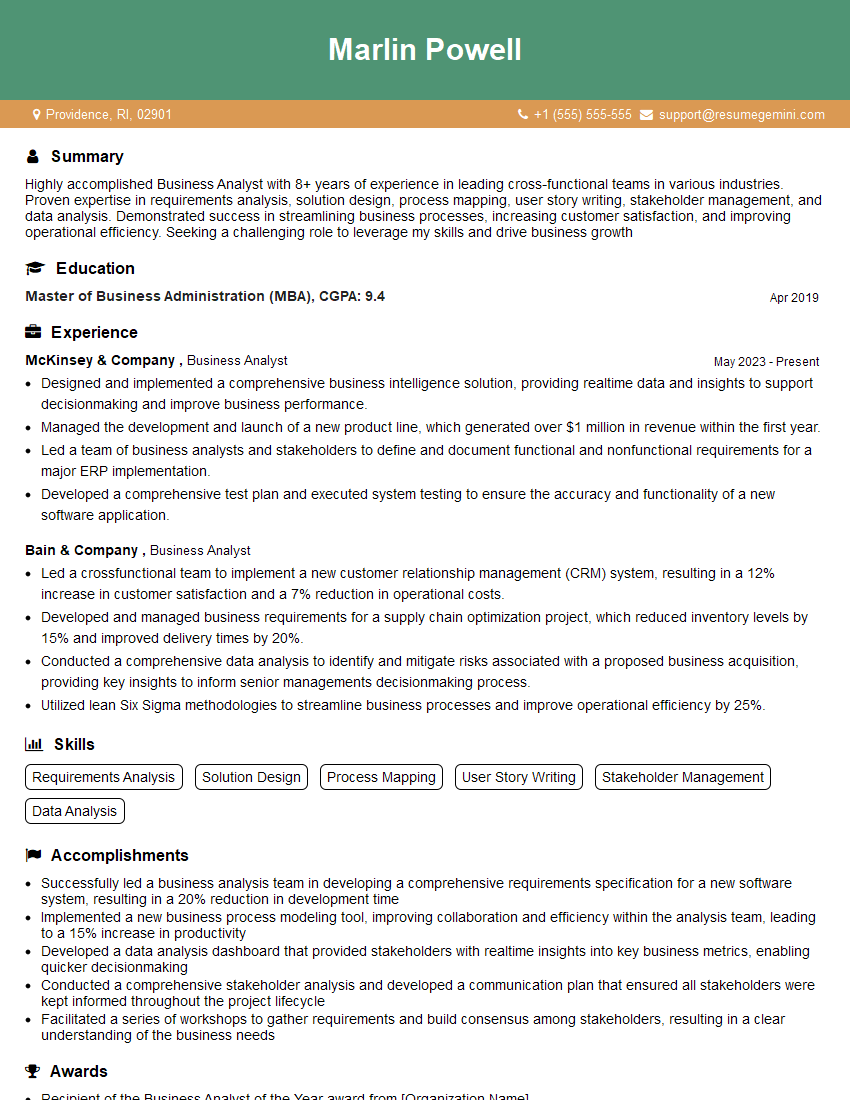
Business Analyst Resume Sample
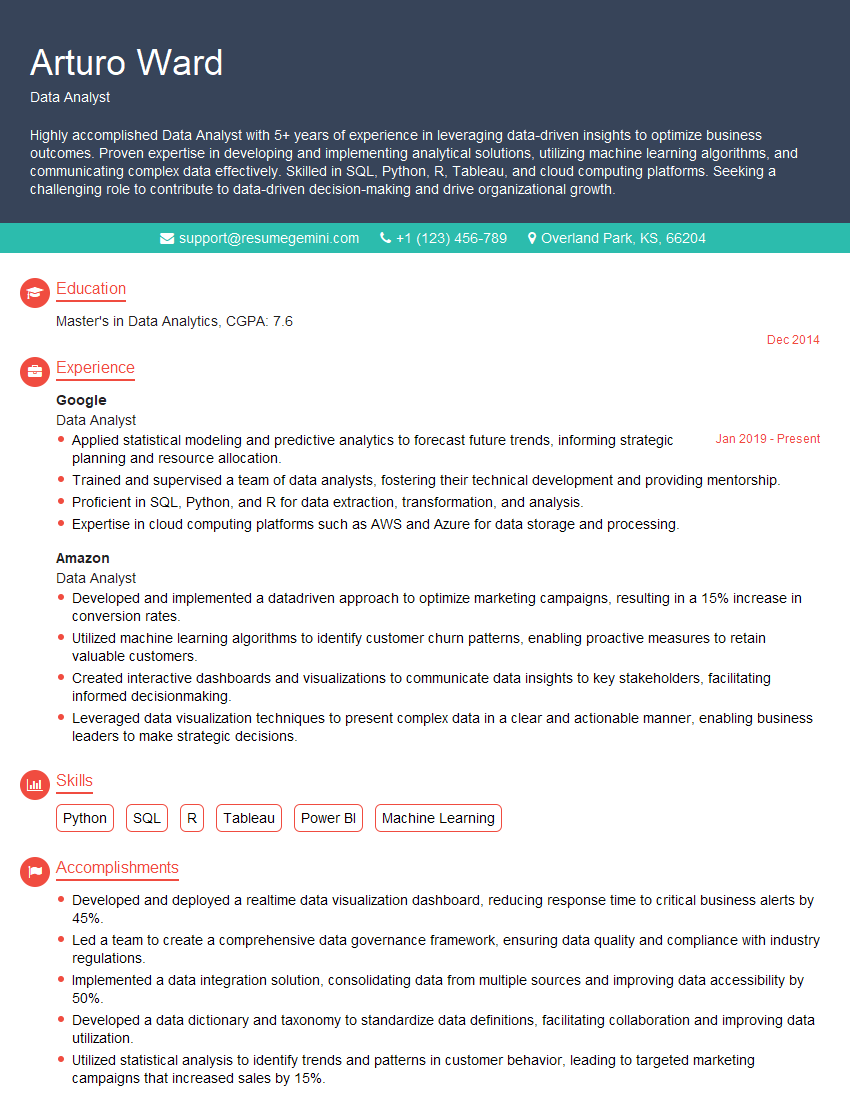
Data Analyst Resume Sample
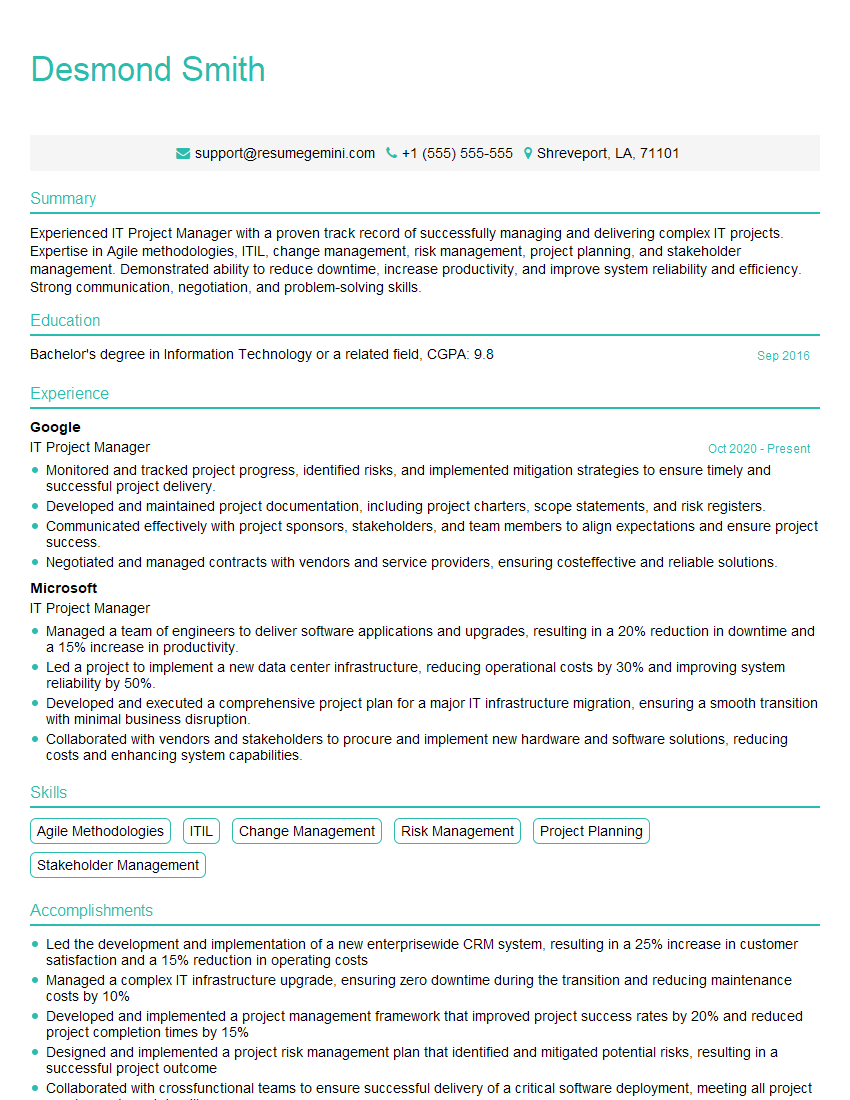
IT Project Manager Resume Sample
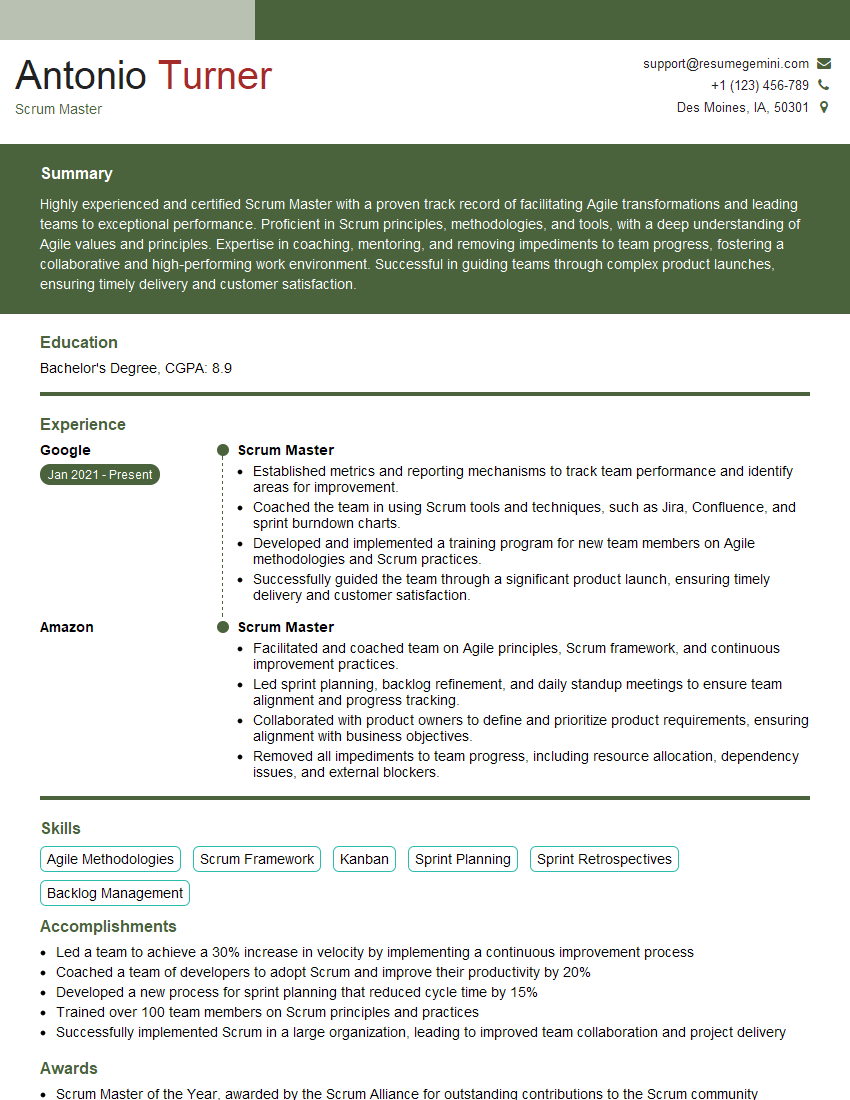
Scrum Master Resume Sample
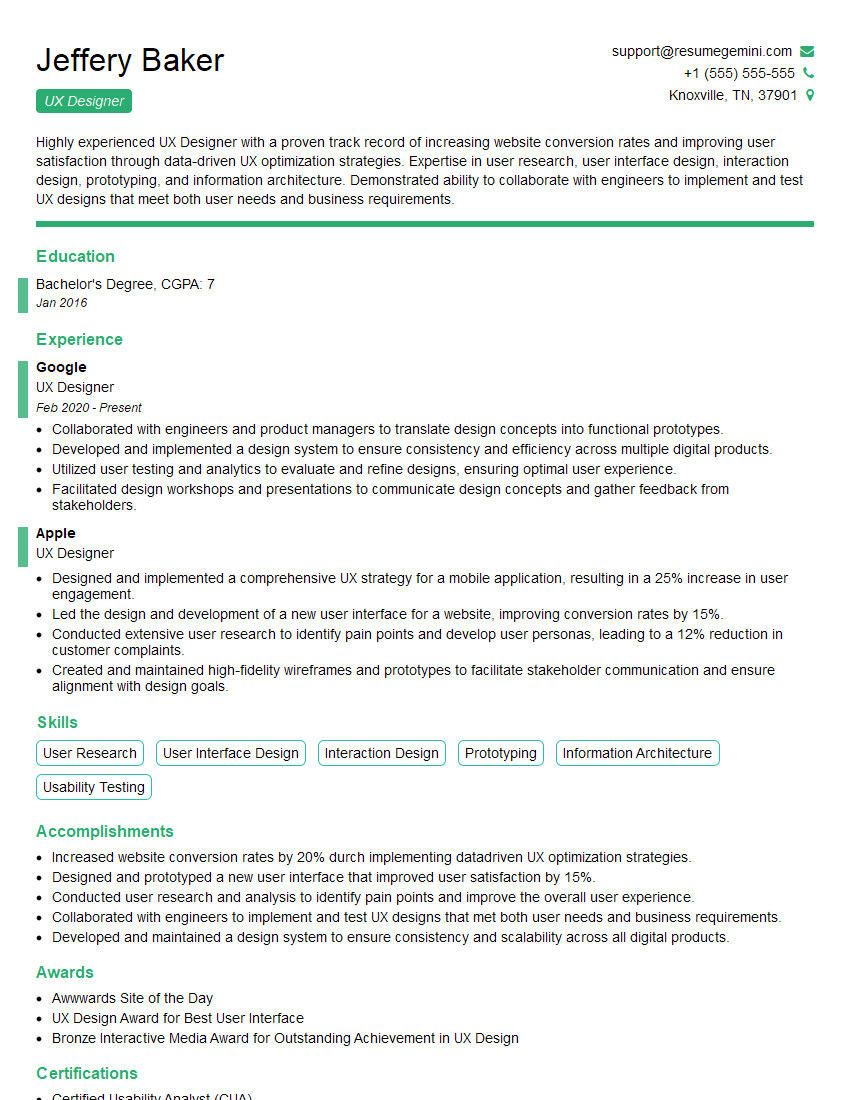
UX Designer Resume Sample
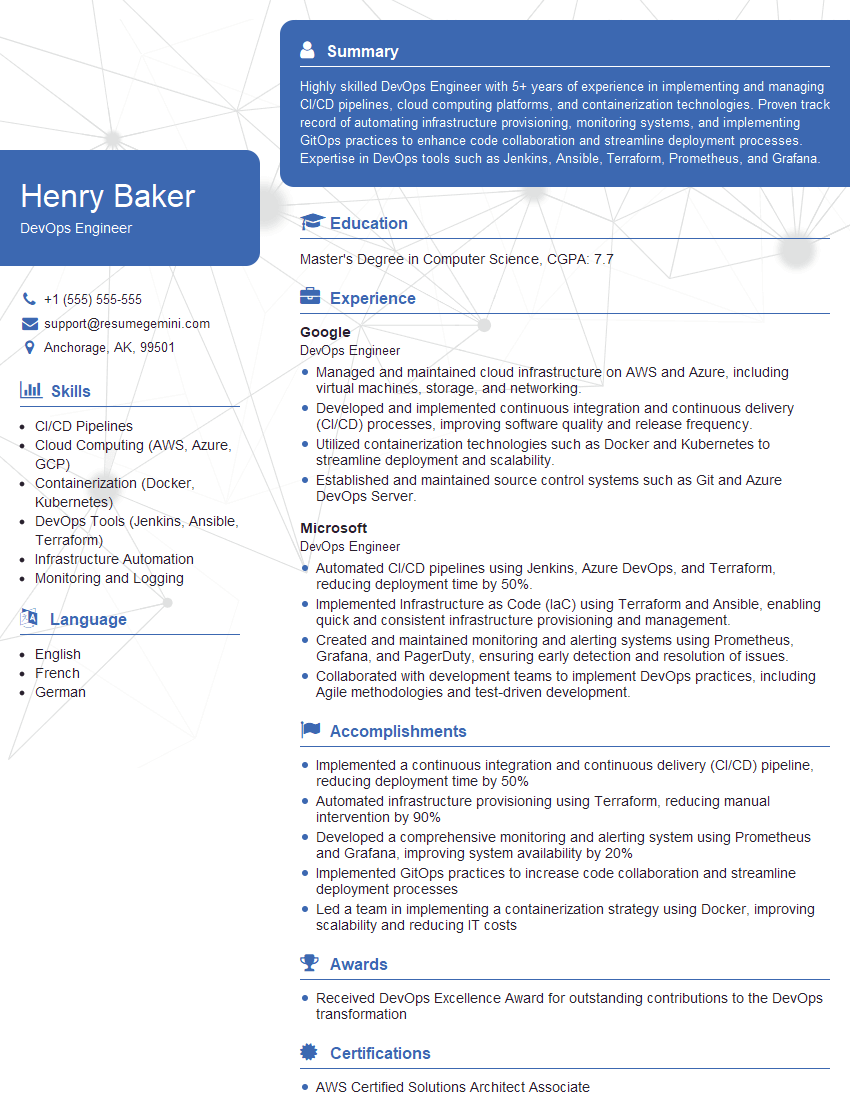
DevOps Engineer Resume Sample
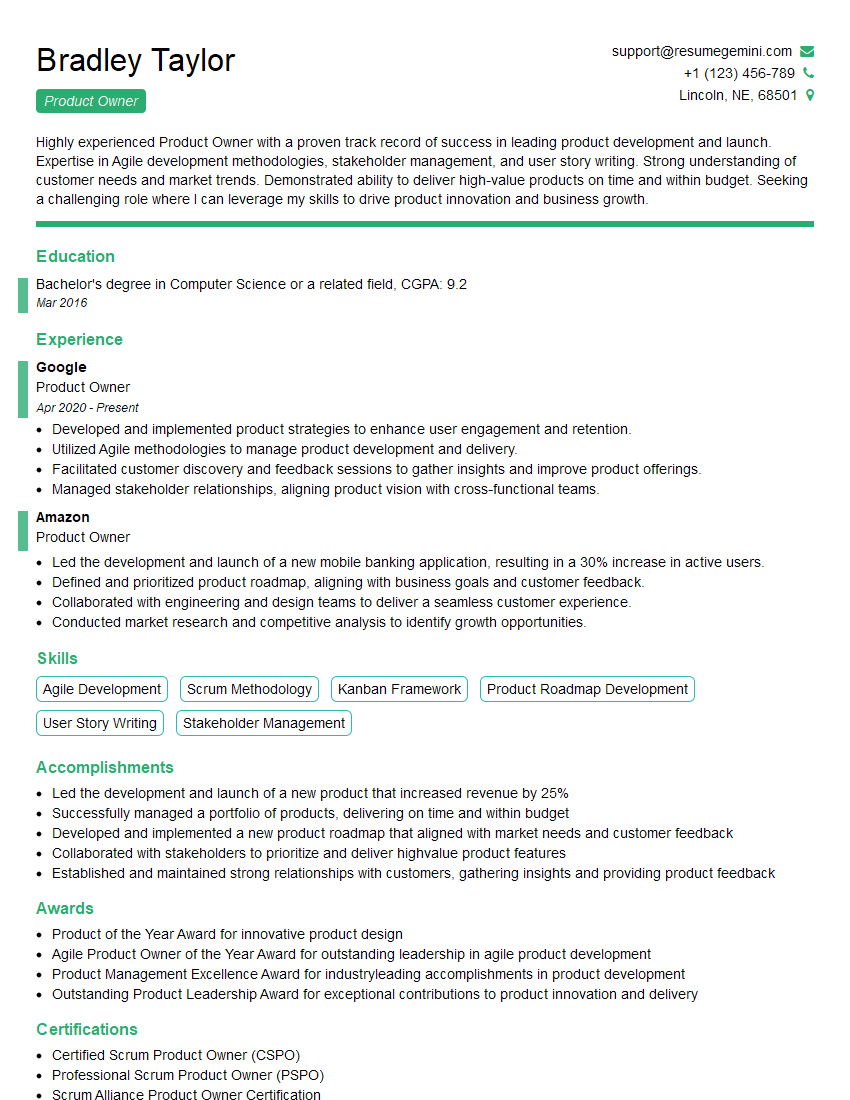
Product Owner Resume Sample
Explore more articles
Users Rating of Our Blogs
Share Your Experience
We value your feedback! Please rate our content and share your thoughts (optional).
What Readers Say About Our Blog
Very informative content, great job.
good