Interviews are opportunities to demonstrate your expertise, and this guide is here to help you shine. Explore the essential Exclusion Methods interview questions that employers frequently ask, paired with strategies for crafting responses that set you apart from the competition.
Questions Asked in Exclusion Methods Interview
Q 1. Explain the concept of exclusion methods in data analysis.
Exclusion methods in data analysis are techniques used to remove data points from a dataset that are considered unreliable, irrelevant, or problematic for the analysis. Think of it like editing a photograph – you remove distracting elements to highlight the main subject and improve the overall image quality. Similarly, excluding data points helps to improve the validity, reliability, and accuracy of the results of your analysis.
These methods are crucial for maintaining data integrity and ensuring that the conclusions drawn from the analysis are not skewed by outliers or errors. The goal is to create a cleaner, more focused dataset that accurately represents the underlying phenomenon being studied.
Q 2. What are the different types of exclusion criteria used in data analysis?
Exclusion criteria vary depending on the nature of the data and the research question. Common types include:
- Outliers: Data points that significantly deviate from the rest of the data. These can be identified using techniques like box plots, z-scores, or interquartile range (IQR).
- Missing data: Data points with missing values. Handling this requires careful consideration, with methods ranging from complete case analysis to imputation.
- Errors: Data points that are clearly erroneous due to data entry mistakes, equipment malfunction, or other factors. These require careful investigation and often manual correction or removal.
- Implausible values: Data points that fall outside the possible range of values given the context of the study (e.g., a negative age).
- Duplicate data: Identical or near-identical data points that can inflate the sample size and lead to biased results.
The choice of exclusion criteria depends on the specific context of the analysis and should always be clearly documented and justified.
Q 3. Describe a situation where you had to apply exclusion methods to a dataset.
In a recent project analyzing patient response to a new medication, we encountered a significant number of outliers in the blood pressure readings. A few patients showed extremely high readings compared to the rest of the cohort. These outliers were likely due to measurement errors or pre-existing conditions not adequately captured in the initial patient screening. After careful investigation, we decided to exclude these outliers using a combination of visual inspection of box plots and the IQR method. Removing these data points improved the clarity of the analysis and prevented those outliers from disproportionately influencing the results and masking the true effect of the medication.
Q 4. How do you determine which data points to exclude from an analysis?
Determining which data points to exclude is a crucial step that requires careful consideration. It’s not a purely automated process and often involves a combination of techniques:
- Visual inspection: Histograms, box plots, and scatter plots can visually highlight outliers or unusual patterns.
- Statistical methods: Z-scores, IQR, and other statistical tests can help identify data points that deviate significantly from the norm.
- Subject matter expertise: Understanding the context of the data and the research question is essential in judging whether a data point is genuinely anomalous or simply represents legitimate variability.
- Data cleaning procedures: Identifying and correcting errors, inconsistencies, or missing values prior to analysis will minimize the need for exclusion.
It’s important to document the rationale behind any exclusions to ensure transparency and reproducibility of the analysis. Ideally, sensitivity analysis should be conducted to assess the impact of different exclusion criteria on the results.
Q 5. What are the potential consequences of improperly applying exclusion methods?
Improper application of exclusion methods can lead to several serious consequences:
- Bias: Arbitrarily excluding data points can introduce bias, leading to inaccurate or misleading results. For instance, systematically removing data points that don’t support a pre-conceived hypothesis.
- Loss of information: Removing valid data points can reduce statistical power and limit the generalizability of the findings. Sometimes, those outliers are the most interesting parts of the data!
- Reduced sample size: Overly aggressive exclusion can drastically reduce the sample size, impacting the reliability of statistical inferences.
- Unrepresentative sample: The remaining dataset might no longer accurately represent the population of interest.
- Lack of transparency and reproducibility: Failure to clearly document exclusion criteria makes it difficult for others to verify the analysis.
Therefore, a cautious and well-justified approach to data exclusion is essential for maintaining the integrity of the analysis.
Q 6. How do you handle missing data when applying exclusion methods?
Handling missing data when applying exclusion methods requires a thoughtful strategy. Several options exist:
- Complete case analysis (listwise deletion): This involves removing all observations with any missing data. This is simple but can lead to substantial loss of information, especially with many variables.
- Pairwise deletion: This uses all available data for each analysis. However, this can result in different sample sizes across analyses and may violate assumptions of certain statistical tests.
- Imputation: This involves replacing missing values with estimated values. Methods include mean imputation, regression imputation, multiple imputation, among others. Imputation retains more data but can introduce bias if not done carefully.
The best approach depends on the amount of missing data, the pattern of missingness, and the nature of the analysis. A thorough examination of the missing data mechanism (missing completely at random, missing at random, missing not at random) is crucial for choosing the most appropriate strategy.
Q 7. Explain the difference between listwise and pairwise deletion.
Listwise deletion and pairwise deletion are two approaches to handle missing data when performing statistical analyses. The core difference lies in how they deal with incomplete cases:
- Listwise deletion (complete case analysis): This method removes any observation (row) with even a single missing value. Imagine a spreadsheet – if one cell in a row is empty, the entire row is deleted.
- Pairwise deletion: This method utilizes all available data for each pair of variables. If you’re calculating the correlation between variables A and B, you only exclude cases missing data for either A or B, using the complete cases for that specific calculation. This allows use of all available data but can result in different sample sizes for different analyses, potentially violating assumptions of some statistical tests.
Listwise deletion is simpler to implement, but it can lead to significant loss of data, especially if missing data is frequent. Pairwise deletion uses more data but can be more complex to manage and requires caution regarding statistical assumptions.
Q 8. What are the advantages and disadvantages of listwise deletion?
Listwise deletion is a simple exclusion method where entire rows (cases or participants) of data are removed if any single value is missing. Think of it like discarding an entire puzzle piece if just one small part is damaged.
- Advantages: Simple to implement, preserves the original correlation structure of the data (if missing data is MCAR – Missing Completely At Random). It’s easy to understand and explain.
- Disadvantages: Can lead to significant loss of data, especially with large datasets or many variables with missing values. This can reduce statistical power and lead to biased results if the missing data is not MCAR (Missing At Random or Missing Not At Random).
Example: Imagine a survey with questions about age, income, and education. If one respondent leaves the income question blank, their entire row would be removed using listwise deletion. If many people skip the income question, a substantial amount of data could be lost, potentially skewing the findings.
Q 9. What are the advantages and disadvantages of pairwise deletion?
Pairwise deletion, also known as available-case analysis, uses all available data for each analysis. Instead of removing an entire row, only the incomplete cases are excluded for specific analyses involving those variables. It’s like using only the complete parts of each puzzle piece to construct a picture, even if each piece is incomplete.
- Advantages: Retains more data compared to listwise deletion, leading to potentially higher statistical power. It can be less biased than listwise deletion, especially if the missing data mechanism is not MCAR.
- Disadvantages: Can lead to inconsistent estimates across analyses (different variables will have different sample sizes). It can cause problems in statistical modeling, especially those relying on covariance matrices because different analyses will have different matrices.
Example: In the survey example, if a respondent leaves the income question blank, their income data would be excluded from analyses involving income but their age and education would still be used in their respective analyses. If there are many missing values across several variables, the resulting covariance matrices can be unstable.
Q 10. How do you decide which deletion method is appropriate for a given dataset?
Choosing between listwise and pairwise deletion depends critically on the nature of the missing data and the research question. There isn’t a one-size-fits-all answer. The first step is to assess the mechanism of missing data. Is it MCAR, MAR, or MNAR?
- MCAR (Missing Completely at Random): If the missing data is MCAR, listwise deletion is a reasonable approach, though it still leads to data loss.
- MAR (Missing at Random): If the missing data is MAR, listwise deletion is likely to introduce bias. Pairwise deletion might be slightly better, but still not ideal.
- MNAR (Missing Not at Random): If the data is MNAR, neither method is appropriate. More sophisticated imputation techniques are required.
Additionally, consider the percentage of missing data. If the percentage is very high, imputation techniques are generally preferred. If the percentage is low and data is MCAR, listwise deletion might be acceptable. Always consider the impact of data loss on statistical power. If power is significantly reduced, alternative strategies like imputation should be investigated.
Q 11. Describe the process of identifying outliers and deciding whether to exclude them.
Identifying outliers involves exploring the data distribution. Common methods include box plots, scatter plots, and z-scores. Outliers are data points that significantly deviate from the rest of the data. A z-score exceeding a threshold (e.g., 3) is a common way to quantify this deviation.
Deciding whether to exclude outliers depends on the context. Are these outliers due to data entry errors? Are they genuinely extreme values, or do they represent a specific subpopulation? If they result from errors, they should be corrected or removed. If they are extreme but genuine data points, removal can lead to biased results, masking the true population variability. Instead, consider robust statistical methods that are less sensitive to outliers (e.g., median instead of mean).
Documenting the rationale for outlier exclusion is crucial for reproducibility and transparency. If you exclude them, explain why – was it a data entry error or a conscious decision based on their impact on the analysis?
Q 12. How do you document your exclusion criteria and decisions?
Thorough documentation is paramount. Clearly state your exclusion criteria before starting your analysis. This includes:
- Specific rules for handling missing data: Did you use listwise or pairwise deletion? What was the threshold for missing data before a case was excluded?
- Justification for outlier exclusion: Explain your method for identifying outliers and the criteria used for exclusion. Include visualizations (e.g., box plots showing outliers).
- Number of excluded cases: Report the number of cases excluded at each step.
- Impact of exclusion: Discuss the potential effects of your decisions on the results. How much data was lost, and how might this influence the conclusions?
Maintain a detailed audit trail of all data manipulation steps. This can be done using version control systems or detailed logs within your data analysis scripts.
Q 13. How do you ensure the reproducibility of your data analysis after applying exclusion methods?
Reproducibility is ensured through careful documentation (as described above) and the use of reproducible research practices. This includes:
- Version control for code and data: Use a version control system (like Git) to track changes to your analysis scripts and datasets.
- Detailed comments in code: Explain all steps involved in data cleaning and analysis. Make the code self-documenting.
- Data dictionaries: Create a data dictionary that describes all variables, their type, and the meaning of missing values.
- Replicable analysis pipeline: The entire analysis pipeline – from data loading to result generation – should be documented and readily replicable by others.
By following these practices, anyone can reproduce your findings by using your code and data, even after applying exclusion methods.
Q 14. What are some common biases associated with data exclusion?
Data exclusion can introduce several biases:
- Selection bias: If the missing data or outliers are not random, excluding them can lead to a sample that is not representative of the true population.
- Bias towards the null hypothesis: Removing outliers can lead to an underestimation of the variability in the data, making it easier to fail to reject the null hypothesis.
- Publication bias: Researchers might be tempted to exclude data to obtain statistically significant results, which can distort the overall body of evidence.
Minimizing these biases requires careful consideration of the missing data mechanism, using appropriate statistical techniques, and being transparent about all data exclusion decisions. It’s crucial to justify any data exclusion, particularly when it leads to significant changes in the results.
Q 15. How can you mitigate bias when applying exclusion methods?
Mitigating bias in data exclusion is crucial for ensuring the reliability and validity of your analysis. Bias can creep in when exclusion criteria are vaguely defined or applied inconsistently. To combat this, we need a transparent and well-documented process.
- Clearly Defined Criteria: Start with explicit, objective criteria for exclusion. Instead of saying ‘remove outliers,’ specify a precise method, like removing data points beyond three standard deviations from the mean.
- Pre-defined Rules: Decide on exclusion rules *before* analyzing the data. This prevents cherry-picking data points that support a pre-conceived notion.
- Sensitivity Analysis: Conduct sensitivity analysis (explained further in the next question) to see how different exclusion methods impact the results. If the conclusions vary drastically based on exclusion choices, it suggests a potential bias or vulnerability in your analysis.
- Documentation: Meticulously document all exclusion decisions, justifying each choice with clear reasoning. This makes the process auditable and transparent.
- Multiple Methods: Consider employing multiple exclusion methods and compare results. Significant discrepancies might reveal underlying bias or problematic data points.
For example, if studying income, simply excluding individuals with incomes above a certain threshold might bias the results toward lower-income individuals, neglecting a significant portion of the population. A more robust approach could involve identifying and analyzing potential outliers using statistical methods rather than arbitrary cutoffs.
Career Expert Tips:
- Ace those interviews! Prepare effectively by reviewing the Top 50 Most Common Interview Questions on ResumeGemini.
- Navigate your job search with confidence! Explore a wide range of Career Tips on ResumeGemini. Learn about common challenges and recommendations to overcome them.
- Craft the perfect resume! Master the Art of Resume Writing with ResumeGemini’s guide. Showcase your unique qualifications and achievements effectively.
- Don’t miss out on holiday savings! Build your dream resume with ResumeGemini’s ATS optimized templates.
Q 16. Explain the concept of sensitivity analysis in relation to data exclusion.
Sensitivity analysis in data exclusion is a crucial step to assess the robustness of your findings. It involves systematically varying your exclusion criteria and observing how these variations affect your results. Imagine it as a stress test for your conclusions. Are your findings sensitive to small changes in how you handle outliers or missing data?
For instance, let’s say we’re analyzing the effectiveness of a new drug. We initially exclude patients with certain pre-existing conditions. A sensitivity analysis would involve re-running the analysis with different exclusion criteria—perhaps including patients with those conditions or using a different threshold for defining ‘severe’ conditions. If the conclusion about drug effectiveness remains consistent across various exclusion scenarios, we have stronger evidence for the reliability of our findings. If the results vary wildly, it signals that our conclusions are sensitive to the choices made during data exclusion, raising concerns about their robustness.
The goal is to identify if the key findings are stable and reliable or if they’re heavily dependent on specific data exclusion techniques. This enhances transparency and builds confidence in the overall analysis.
Q 17. How do you handle extreme values in a dataset?
Handling extreme values (outliers) requires a careful and context-aware approach. Simply deleting them isn’t always the best solution, as they can sometimes hold valuable insights. The approach depends on the nature of the outlier and the type of analysis.
- Investigation: First, investigate why the extreme value exists. Is it due to a measurement error, data entry mistake, or a genuine but rare event?
- Transformation: If a systematic error is not found, consider transforming the data (e.g., logarithmic transformation) to reduce the influence of outliers. This method often works well for skewed data.
- Winsorization/Trimming: Replace extreme values with less extreme ones (Winsorization), or remove the top and bottom percentage of data points (Trimming). This reduces the impact of outliers without completely discarding them.
- Robust Statistical Methods: Use statistical methods that are less sensitive to outliers. For instance, the median is more robust than the mean. Robust regression methods are less susceptible to the influence of outliers.
- Separate Analysis: Perform separate analyses with and without outliers. Compare the results to gauge the influence of the extreme values.
Imagine analyzing house prices. A mansion worth $10 million among houses averaging $500,000 is an outlier. Investigate: was the price accurately recorded? If so, consider transforming the data (e.g., using log transformation of prices) or using robust statistical methods. It might be insightful to analyze the data with and without this outlier to see how it influences the average price.
Q 18. What are some statistical tests used to identify outliers?
Several statistical tests can help identify outliers. The choice depends on your data distribution and the number of variables.
- Box Plot: A visual method showing data quartiles and identifying points beyond the whiskers (typically 1.5 times the interquartile range from the box edges). Simple and intuitive.
- Z-score: Measures how many standard deviations a data point is from the mean. Points with absolute Z-scores above a threshold (e.g., 3) are often considered outliers. Assumes a normal distribution.
- Modified Z-score: A more robust version of the Z-score, less sensitive to outliers within the calculation itself.
- Mahalanobis Distance: Useful for multivariate data, measuring the distance of a point from the center of the data cloud, considering the correlation between variables.
- Cook’s Distance (Regression): In regression analysis, it measures the influence of each data point on the regression coefficients. High Cook’s distance suggests influential points.
# Example using Z-score in Python import numpy as np data = np.array([1, 2, 3, 4, 5, 100]) #100 is a potential outlier mean = np.mean(data) std = np.std(data) z_scores = [(x - mean) / std for x in data] print(z_scores) #Outliers will have high absolute z-scores.
Q 19. Explain the concept of influential data points.
Influential data points are observations that significantly impact the results of a statistical analysis, particularly in regression modeling. They’re not necessarily outliers in terms of their individual values, but their presence or absence substantially alters the model’s parameters (slopes, intercepts) or conclusions. These points exert disproportionate leverage on the model’s fit.
Imagine a dataset analyzing the relationship between study hours and exam scores. A single student who studied very little but scored exceptionally high could be an influential point. This point, even if not an extreme outlier in terms of its individual values, would significantly impact the regression line, potentially making the model less accurate in predicting the exam scores for other students.
Q 20. How do you handle influential data points?
Handling influential points requires careful consideration. Simply deleting them can be misleading, as they might reflect genuine, albeit unusual, phenomena. The best approach is a combination of investigation and sensitivity analysis.
- Investigation: Examine the data point’s characteristics. Are there any underlying reasons for its influence (e.g., measurement error, misclassification, unique circumstances)?
- Robust Methods: Use robust regression techniques (like least absolute deviation regression) less sensitive to influential points. These methods downweight the impact of such points.
- Sensitivity Analysis: Re-run the analysis with and without the influential point(s). Compare the results to gauge their impact on the conclusions.
- Diagnostics Plots: Utilize diagnostic plots like leverage plots and Cook’s distance plots to visually identify influential data points.
- Transformation: In some cases, data transformation might reduce the influence of particular points.
If investigation reveals no errors and the influential point significantly alters conclusions, a full discussion in the analysis about this point and the implications of its inclusion/exclusion is important. The goal is not to hide influential points but to acknowledge and address their impact on the interpretation of the results.
Q 21. How do you communicate your exclusion decisions to stakeholders?
Communicating exclusion decisions transparently and effectively is crucial for maintaining credibility and trust. Stakeholders need to understand the rationale behind data exclusion to accept the results.
- Clear and Concise Explanation: Describe the exclusion criteria in simple, non-technical language, avoiding jargon. Explain the reasons for choosing specific methods.
- Justification: Provide clear justifications for each exclusion decision. Document the process completely.
- Visual Aids: Use visuals like box plots, scatter plots, and histograms to illustrate outliers and influential points. This makes the information easily accessible and understandable.
- Sensitivity Analysis Results: Share the results of sensitivity analyses. Demonstrate that the findings are robust even with variations in data exclusion methods.
- Transparency: Be open and honest about any limitations of the data or the analysis. Acknowledge uncertainties.
- Interactive Communication: Allow stakeholders to ask questions and discuss the methodology. Be prepared to defend your decisions.
For example, instead of simply saying ‘we removed outliers,’ state: ‘We removed data points beyond three standard deviations from the mean for variable X because these values were identified as measurement errors. We also conducted a sensitivity analysis and found our conclusions to remain consistent despite the exclusion of these points.’ This transparent approach promotes trust and understanding.
Q 22. Explain the ethical considerations related to data exclusion.
Ethical considerations in data exclusion are paramount. We must ensure fairness, transparency, and avoid bias. Excluding data points can inadvertently skew results, leading to inaccurate or misleading conclusions. For example, excluding participants from a clinical trial based on factors unrelated to the treatment’s efficacy (like socioeconomic status) could create a biased sample and misrepresent the drug’s true effectiveness. Transparency is key; we need to clearly document our exclusion criteria, justifying each decision and making our methodology auditable. This allows others to scrutinize our process and assess the potential impact of our choices. Failure to address ethical considerations can lead to misinterpretations, damage to credibility, and even unethical outcomes.
A crucial ethical consideration is the potential for confirmation bias. If we consciously or unconsciously exclude data points that don’t support our pre-existing hypothesis, we are committing a serious ethical breach. We should establish our exclusion criteria *before* analyzing the data to mitigate this risk.
Q 23. How do exclusion methods differ across various statistical techniques?
Exclusion methods vary considerably across statistical techniques. In regression analysis, for example, we might exclude data points that are outliers (significantly deviate from the general trend) or those with missing values. Outliers can unduly influence regression coefficients, while missing values might lead to biased or unreliable estimates. Outlier exclusion often involves visual inspection of scatter plots or using statistical methods like Cook’s distance. Missing values can be handled through imputation (filling in missing data) or listwise deletion (removing rows with missing values).
In contrast, in survival analysis, we might apply exclusion criteria based on censoring (loss of follow-up). Patients who drop out of a study before the event of interest occurs (e.g., death in a mortality study) are censored; their data contributes to the analysis, but differently than complete data. Different censoring mechanisms require different statistical handling.
For hypothesis testing, we might exclude data points failing to meet certain pre-defined inclusion criteria, like age range, disease severity, or response to specific treatments. This ensures that the analysis focuses on a specific and well-defined population.
Q 24. How does the choice of exclusion method affect the results of your analysis?
The choice of exclusion method significantly influences the results of the analysis. Improper exclusion can lead to biased estimates, reduced statistical power, and potentially erroneous conclusions. For instance, if we exclude outliers in a dataset showing a strong linear relationship between two variables, our regression analysis might yield a seemingly perfect fit, masking the underlying heterogeneity and variability in the relationship. Conversely, excluding too much data due to missing values might drastically reduce sample size, leading to low statistical power and rendering our findings unreliable.
Imagine a study on the effectiveness of a new drug. If we exclude patients who experienced adverse effects, the study will appear to show the drug is highly effective, even if it causes adverse reactions in a substantial portion of the population. This would be a misleading conclusion, masking a critical aspect of the drug’s safety profile. The choice of exclusion method should be carefully considered and justified in the context of the specific research question and statistical methodology.
Q 25. Describe a situation where you had to defend your exclusion criteria to a stakeholder.
In a recent project analyzing customer satisfaction data for a new software, I had to defend my exclusion of certain customer feedback. The feedback included data from users who had not completed the software’s tutorial, had installed an outdated version, or reported technical problems unrelated to the software’s core functionality. My rationale was that these users’ experiences were not representative of the actual product performance. I presented this justification using a series of visualisations: histograms showing a disproportionate number of negative ratings from the excluded group compared to the rest; and tables demonstrating the significant difference in average usage time between included and excluded users. I also explained the statistical methods I used to assess the impact of including these data points, highlighting the potential for skewed results. The stakeholder understood the concerns and agreed with my approach after seeing the data and my explanation.
Q 26. What are some common pitfalls to avoid when using exclusion methods?
Common pitfalls to avoid include:
- Overly restrictive criteria: Excluding too much data leads to decreased power and potentially unrepresentative results.
- Data dredging: Excluding data points that don’t fit a hypothesis leads to biased results and invalid conclusions. Establish your criteria beforehand!
- Lack of transparency: Failing to document and justify exclusion criteria undermines the credibility and reproducibility of the research.
- Ignoring potential biases: Not considering how exclusion criteria might disproportionately affect specific subgroups within the data can result in unfair or misleading conclusions.
- Failing to assess the impact: Not evaluating how the exclusion affects the statistical properties (e.g., normality, variance) of the data or your confidence intervals can compromise your results.
Q 27. How do you assess the impact of exclusion methods on the validity of your conclusions?
Assessing the impact of exclusion methods on the validity of conclusions requires a multifaceted approach. First, we should explicitly state the exclusion criteria and their rationale in our methodology. Then, we need to quantify the amount of data excluded and compare the characteristics of the excluded data with the included data. Significant differences might indicate potential biases. We should then conduct sensitivity analyses to investigate how different exclusion strategies impact the results. For example, we might perform analyses with various thresholds for outliers or missing values to determine how robust the conclusions are to these changes. Comparing the results from different exclusion methods helps assess the robustness of the findings. This is also where providing the number of observations excluded is crucial; it helps others assess the impact on the generalizability of the findings.
Q 28. How do you ensure the integrity of your data after applying exclusion methods?
Maintaining data integrity after applying exclusion methods involves meticulous record-keeping and transparent documentation. All exclusion decisions should be clearly documented, including the reasons for exclusion and the specific criteria used. This is often done through a detailed log file, which is created during the data cleaning phase. A well-maintained log allows for reproducibility and independent verification of the process. It allows others to understand your process and replicate the analysis, ensuring the integrity of the results. Furthermore, a version control system for the dataset (e.g., Git) is useful for managing different versions of the data and tracking the changes made through exclusion methods. The original dataset should be archived, so that the full context remains available. It’s like keeping a detailed audit trail for the data, similar to how accountants maintain a detailed record of financial transactions.
Key Topics to Learn for Exclusion Methods Interview
- Defining Exclusion Methods: Understanding the core principles and various types of exclusion methods used in different fields (e.g., data analysis, research, software development).
- Practical Application in Data Analysis: Applying exclusion methods to clean and prepare datasets, handling missing values, and identifying outliers. Understanding the impact of different exclusion strategies on analysis results.
- Exclusion Criteria Selection: Developing robust and justifiable criteria for excluding data points or observations. Considering bias and the potential for unintended consequences.
- Algorithmic Considerations: Exploring how exclusion methods are integrated into algorithms and automated processes. Understanding the computational implications of different approaches.
- Case Studies and Examples: Analyzing real-world case studies to understand the successful application (and potential pitfalls) of exclusion methods in diverse contexts.
- Ethical Implications: Discussing the ethical considerations involved in data exclusion, particularly regarding potential biases and fairness.
- Comparison of Methods: Evaluating the strengths and weaknesses of different exclusion methods and choosing the most appropriate approach based on specific project requirements.
Next Steps
Mastering Exclusion Methods is crucial for career advancement in many analytical and technical fields. A strong understanding of these techniques demonstrates valuable problem-solving skills and attention to detail, highly sought after by employers. To maximize your job prospects, crafting an ATS-friendly resume is essential. ResumeGemini can help you build a professional and effective resume that highlights your expertise in Exclusion Methods and other relevant skills. Examples of resumes tailored to Exclusion Methods are available to guide your creation process, ensuring your application stands out.

Compliance Manager Resume Sample

Compliance Officer Resume Sample
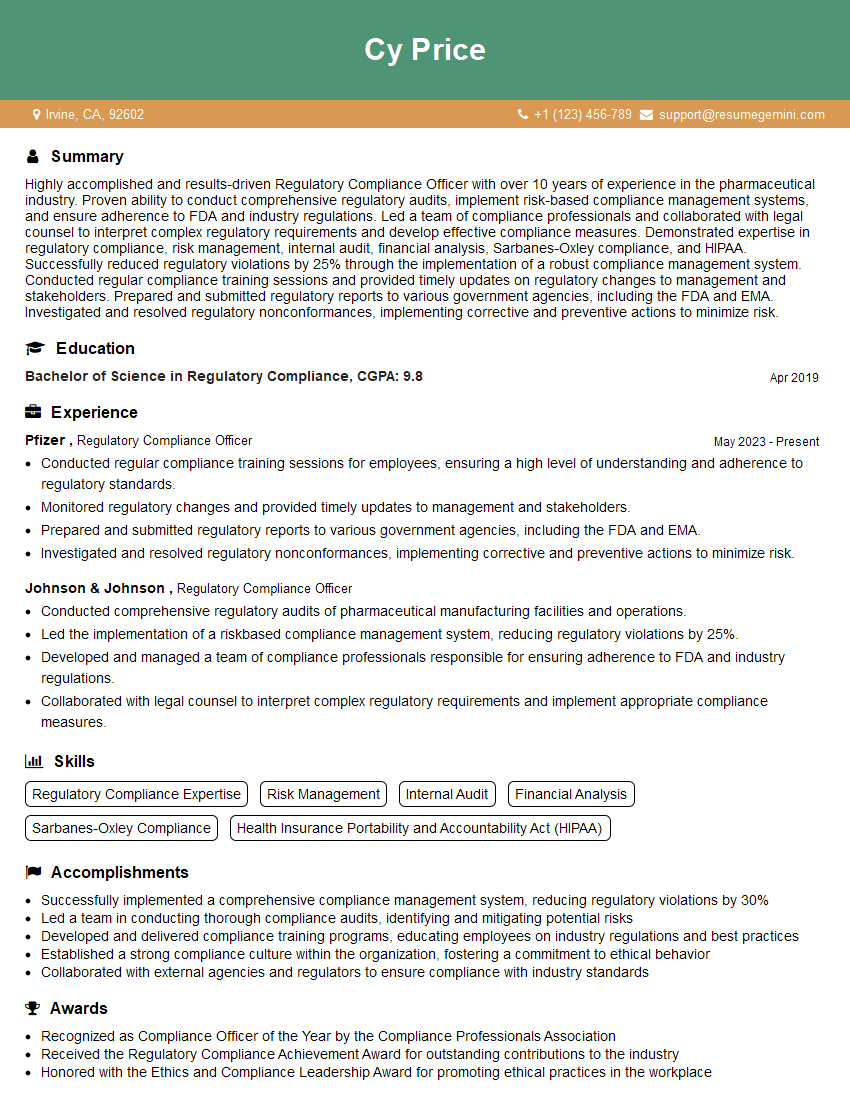
Regulatory Compliance Officer Resume Sample
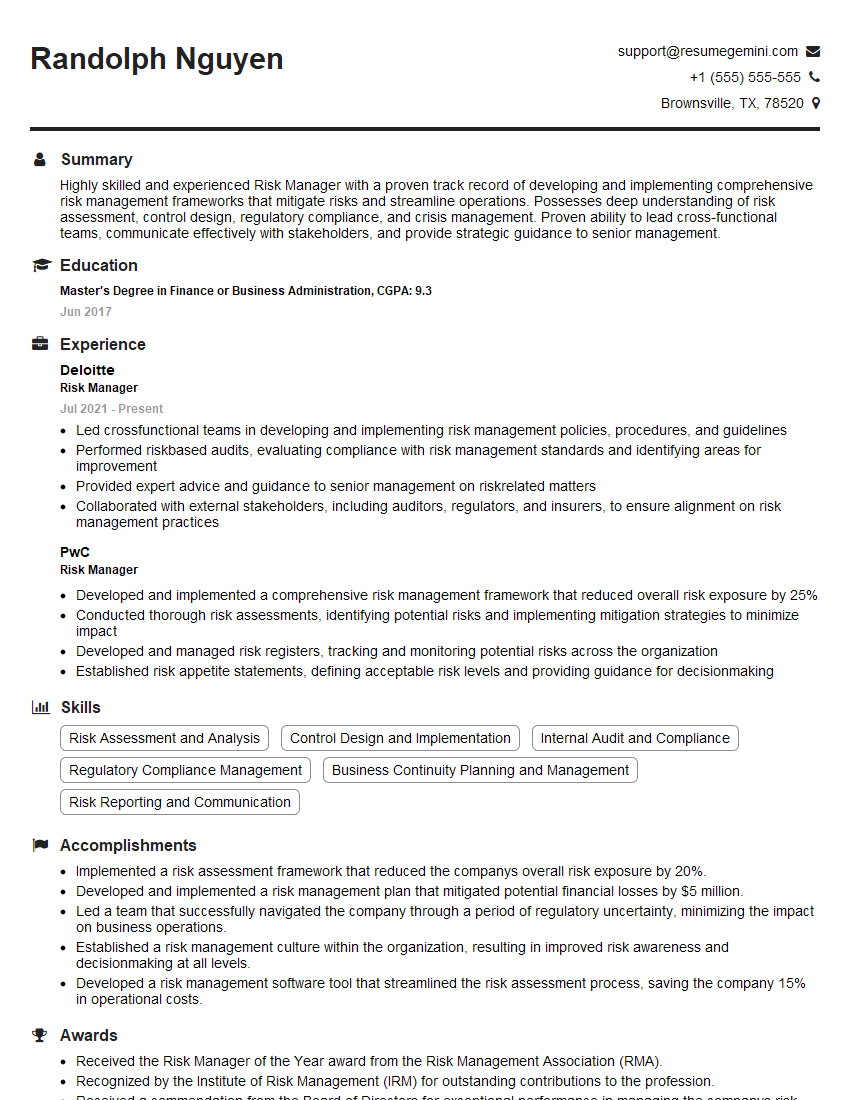
Risk Manager Resume Sample

Security Analyst Resume Sample
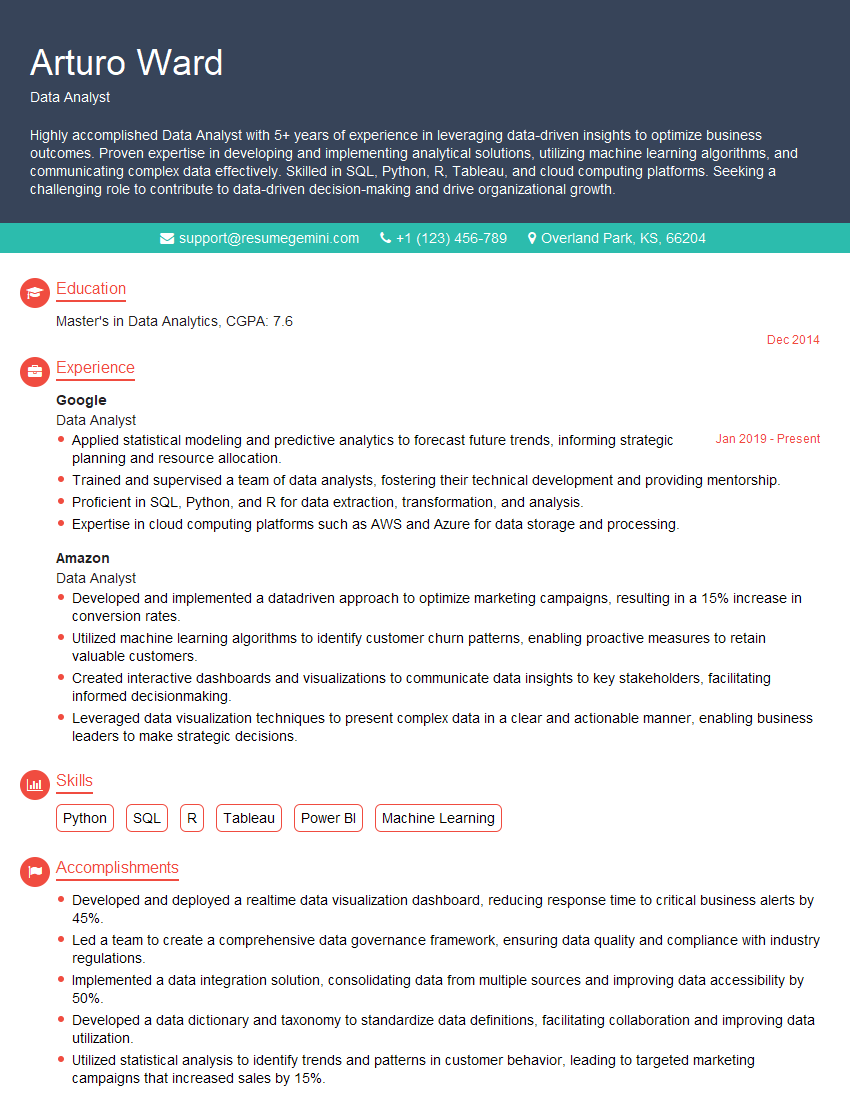
Data Analyst Resume Sample

Fraud Investigator Resume Sample

Data Scientist Resume Sample

Software Engineer Resume Sample

Information Security Analyst Resume Sample

Network Engineer Resume Sample

Systems Administrator Resume Sample
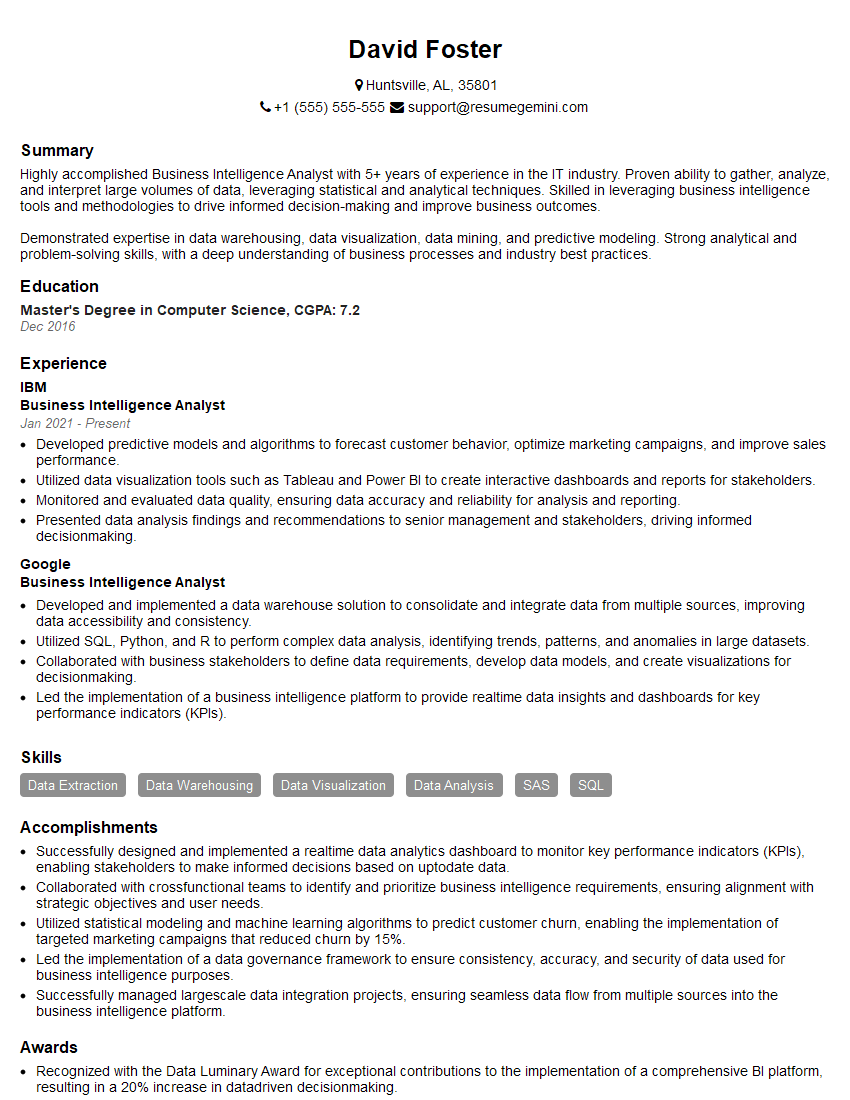
Business Intelligence Analyst Resume Sample
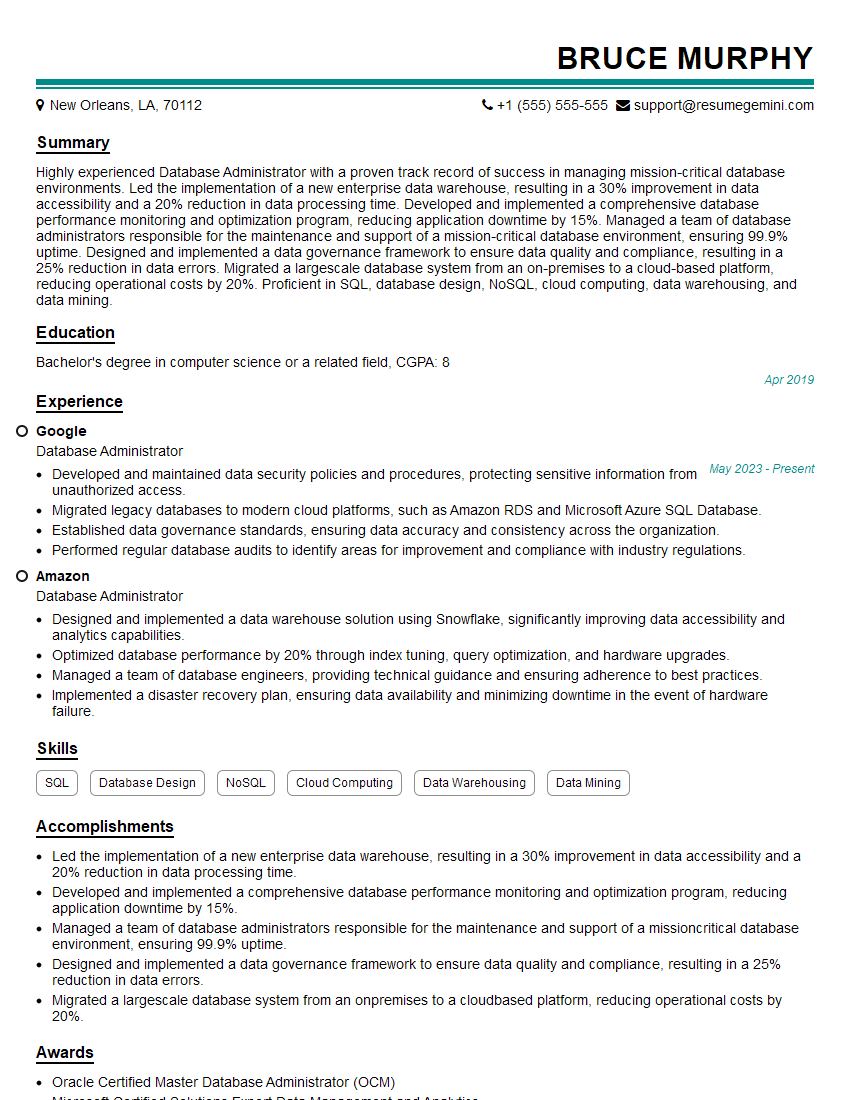
Database Administrator Resume Sample

DevOps Engineer Resume Sample

Machine Learning Engineer Resume Sample

Cybersecurity Analyst Resume Sample
- Compliance Manager
- Compliance Officer
- Regulatory Compliance Officer
- Risk Manager
- Security Analyst
- Data Analyst
- Fraud Investigator
- Data Scientist
- Software Engineer
- Information Security Analyst
- Network Engineer
- Systems Administrator
- Business Intelligence Analyst
- Database Administrator
- DevOps Engineer
- Machine Learning Engineer
- Cybersecurity Analyst
Explore more articles
Users Rating of Our Blogs
Share Your Experience
We value your feedback! Please rate our content and share your thoughts (optional).
What Readers Say About Our Blog
Very informative content, great job.
good