Feeling uncertain about what to expect in your upcoming interview? We’ve got you covered! This blog highlights the most important Exhibition and Museum Design interview questions and provides actionable advice to help you stand out as the ideal candidate. Let’s pave the way for your success.
Questions Asked in Exhibition and Museum Design Interview
Q 1. Describe your experience designing interactive exhibits.
Designing interactive exhibits is about creating engaging experiences that go beyond passive observation. It’s about fostering active participation and deeper understanding. My approach involves a multi-stage process beginning with defining clear learning objectives. What key concepts or messages do we want visitors to take away? Then, I brainstorm interactive elements – touchscreens, augmented reality experiences, hands-on simulations, or even physical challenges – that directly address those objectives.
For example, in a recent exhibit on the history of flight, I incorporated a flight simulator that allowed visitors to experience the challenges and triumphs of early aviation. This wasn’t just a fun activity; it reinforced the concepts of lift, drag, and control systems in a memorable and visceral way. Another project involved creating a collaborative digital wall where visitors could add their own interpretations of a piece of art, creating a dynamic and evolving narrative. Crucially, usability testing is integrated throughout the design process to ensure the interactive elements are intuitive and accessible to all visitors.
Q 2. Explain your process for creating an exhibition budget.
Creating an exhibition budget requires a meticulous and phased approach. It begins with a comprehensive scope of work that details every aspect of the exhibition, from design and fabrication to installation and marketing. This allows me to accurately estimate the costs associated with each component. I use a spreadsheet to meticulously track anticipated expenditures categorized by line items: design fees, fabrication materials, installation labor, transportation, marketing & promotion, insurance, permits and contingency funds (a crucial element!).
For example, design fees are broken down into conceptual design, detailed design, and production drawings. Fabrication costs might include materials like wood, metal, glass, and digital media. I always factor in a contingency budget (typically 10-15%) to account for unforeseen expenses or changes to the project scope during the construction process. Client meetings and presentations are key in clarifying budget expectations and securing agreement on the financial parameters.
Q 3. How do you ensure accessibility in your exhibition designs?
Accessibility is paramount in exhibition design. It’s about ensuring that everyone, regardless of their physical, cognitive, or sensory abilities, can engage with the exhibit. This involves proactively considering ADA (Americans with Disabilities Act) guidelines and creating a welcoming and inclusive environment.
My process includes:
- Providing alternative text for all visual elements: This allows screen readers to describe images and graphics to visually impaired visitors.
- Ensuring sufficient space for wheelchair users and other mobility devices: This includes wide walkways, ramps where necessary, and appropriate furniture height.
- Using clear and concise language in exhibition text: This avoids jargon and ensures accessibility for visitors with cognitive differences.
- Incorporating tactile elements for the visually impaired: Braille signage, raised text, and tactile models provide an additional layer of engagement.
- Providing audio descriptions for multimedia components: Audio descriptions provide a narrative of the visual content for the visually impaired.
Q 4. What software and tools are you proficient in for exhibition design?
Proficiency in design software is essential. I’m highly skilled in a range of programs including:
- SketchUp: For 3D modeling and visualization of exhibition spaces and installations.
- AutoCAD: For precise technical drawings and detailing.
- Adobe Creative Suite (Photoshop, Illustrator, InDesign): For graphic design, image editing, and layout of exhibition materials.
- Vectorworks: For 2D and 3D design specifically geared towards exhibition spaces and architectural planning.
- Unity and Unreal Engine: For creating immersive and interactive digital experiences.
Beyond software, I’m adept at using project management tools such as Asana and Trello to manage timelines, track progress, and collaborate effectively with team members and clients.
Q 5. Describe your experience with project management in exhibition development.
Project management is integral to successful exhibition development. My experience involves orchestrating all aspects of a project, from initial concept to final installation. I utilize Agile project management methodologies which allow for iterative design and flexibility in response to client feedback or unforeseen challenges. This involves:
- Defining clear project goals and deliverables: This establishes a shared understanding of expectations among the project team and stakeholders.
- Developing a detailed project schedule: This outlines key milestones and tasks, and ensures timely completion of the project.
- Managing the project budget: This involves meticulous tracking of expenses and ensuring the project stays within budget.
- Coordinating with multiple stakeholders: This includes clients, designers, fabricators, installers, and other professionals.
- Utilizing project management software: This facilitates efficient communication, task assignment, and progress tracking.
For instance, on a recent large-scale historical exhibition, I successfully managed a team of 20+ individuals, consistently delivering updates to stakeholders and adapting our plans to accommodate last-minute changes without compromising quality or exceeding the budget.
Q 6. How do you incorporate storytelling into your exhibition designs?
Storytelling is the heart of any engaging exhibition. It transforms information into a compelling narrative that connects with visitors on an emotional level. I start by identifying the core narrative—what is the central message or theme we want to convey? Then, I structure the exhibition space to guide visitors through a carefully crafted sequence of events, objects, and interactive elements that build upon one another.
For instance, in an exhibit on the life of a renowned artist, I might begin with their early influences, then progress through their stylistic evolutions, culminating in their most significant works. Each section would have accompanying text, imagery, and interactive elements that contribute to the overall narrative flow. This is not simply chronological; I aim to craft an arc with a beginning, rising action, climax, and resolution—all to leave a lasting impression.
Q 7. Explain your understanding of museum best practices and standards.
My understanding of museum best practices and standards encompasses a holistic view, encompassing aspects of visitor experience, preservation, accessibility, and ethical considerations. Key aspects include:
- Preservation and conservation: Understanding environmental controls, proper handling of artifacts, and methods of conservation to ensure the longevity of exhibited items.
- Visitor experience: Designing clear wayfinding, appropriate lighting, and comfortable seating arrangements to facilitate a positive visitor experience.
- Accessibility standards: Adhering to ADA guidelines and best practices to ensure inclusivity for all visitors.
- Interpretation and education: Crafting clear, concise, and engaging labels and interpretive materials that support the narrative.
- Ethical considerations: Approaching exhibitions with sensitivity to cultural heritage and responsible representation of historical events and cultural groups. This involves appropriate contextualization and acknowledgment of diverse perspectives.
These best practices are not merely guidelines; they are integral to the success and credibility of any museum exhibit. My commitment to these standards reflects a dedication to creating impactful and meaningful experiences for all visitors.
Q 8. How do you handle design challenges or unexpected issues during an exhibition project?
Unexpected issues are inevitable in exhibition design. My approach is proactive, focusing on risk assessment and contingency planning from the project’s inception. This involves detailed scoping documents outlining potential problems and preemptive solutions. For example, during a recent exhibit on ancient artifacts, we anticipated potential damage during transport. We mitigated this by creating custom-fit crates with shock absorbers and temperature controls, and documented every step of the process.
Should an unexpected issue arise (e.g., a crucial piece of technology failing), my strategy is to remain calm and assemble the relevant team members – fabricators, technicians, and curators – to brainstorm solutions quickly. Prioritizing solutions based on impact and feasibility is key. We might use a backup display method, or adjust the narrative slightly to work around the problem, documenting changes transparently for all stakeholders. The key is clear communication and a problem-solving mindset, always prioritizing the visitor experience.
Q 9. Describe your experience working with diverse teams (e.g., curators, fabricators, etc.)
Collaboration is paramount in exhibition design. I thrive in diverse teams. My experience spans working with curators (defining narratives and content), fabricators (translating designs into reality), lighting designers (emphasizing key features), and marketing teams (promoting the exhibit). I facilitate communication through regular meetings, shared digital platforms (e.g., project management software), and transparent documentation.
For instance, in a project showcasing contemporary art, effective communication between the artist, the curator, and the fabricators was essential to ensure the artwork’s integrity and the accurate representation of the artist’s vision. I acted as a bridge, clarifying the artist’s intentions and translating their creative vision into practical construction plans for the fabricators. Successful collaboration hinges on active listening, empathy, and a mutual understanding of everyone’s roles and goals.
Q 10. How do you evaluate the success of an exhibition after its completion?
Evaluating exhibition success involves a multifaceted approach going beyond simple visitor numbers. We use a combination of quantitative and qualitative data. Quantitative data includes visitor attendance, surveys, and social media engagement. This gives us a clear picture of audience reach and appeal.
Qualitative data is equally crucial. This includes feedback from focus groups, curatorial reviews, post-exhibition analysis, and even observations of visitor behavior within the space itself. We might analyse visitor dwell time near specific exhibits to understand engagement levels. This holistic approach helps us understand not only how many people attended but also how effectively the exhibition achieved its goals, whether it be promoting awareness, education, or emotional impact. This feedback informs future projects and improves our design strategies.
Q 11. Explain your understanding of user experience (UX) design within a museum context.
UX design in a museum context centers on creating a seamless and engaging experience for visitors. It’s about guiding them effortlessly through the exhibition, making the information accessible and enjoyable. This extends beyond aesthetics; it includes wayfinding, readability of text, the flow of the narrative, and the interactive elements.
For example, clear signage and intuitive layouts are essential to prevent visitor disorientation. Thoughtful placement of interactive elements, such as touchscreens or augmented reality features, should enhance understanding without disrupting the flow. Accessibility for visitors with disabilities is a core UX principle, involving elements like wheelchair access, tactile exhibits, and audio descriptions. The goal is to create a memorable and enriching experience for every visitor, regardless of their background or abilities.
Q 12. Describe your experience with different display techniques and technologies.
My experience encompasses a wide range of display techniques and technologies. Traditional methods like vitrines, wall-mounted displays, and dioramas remain relevant, especially for preserving delicate artifacts. However, I also integrate modern technologies, such as interactive touchscreens, holographic projections, 3D modeling, and augmented reality applications.
For instance, in a historical exhibition, we used interactive timelines on touchscreens to let visitors explore key events dynamically. In a science museum, augmented reality overlays on physical models enabled visitors to explore the inner workings of complex machinery. The choice of technology always depends on the exhibition’s theme, target audience, and budget, with the ultimate goal of making the experience both informative and captivating.
Q 13. How do you balance creative design with logistical constraints (e.g., space, budget, time)?
Balancing creative design with logistical constraints is a crucial skill in this profession. I approach this through iterative design processes. Starting with a comprehensive brief defining the scope, budget, and timeline, I create conceptual designs. These are then refined, considering the practical limitations of space, materials, and cost.
For example, a large-scale exhibit might require modular design to adapt to different venues. If the budget is limited, I might explore cost-effective materials without compromising the aesthetic or functional aspects of the design. The key is prioritization. We might focus on a few key elements where a high-impact design is most effective while using more economical solutions for other aspects. Regular communication with clients and stakeholders keeps everyone aligned with the evolving design, mitigating potential issues early in the process.
Q 14. How do you research and select appropriate materials for an exhibition?
Material selection is critical for both aesthetic and practical reasons. I begin by considering the exhibit’s theme and the nature of the artifacts or exhibits. Durable, archival-quality materials are essential for preserving sensitive items.
Factors such as environmental conditions (temperature, humidity), lighting sensitivity, and the need for security are key considerations. For example, archival-quality acid-free materials are necessary for preserving documents, while durable, weather-resistant materials might be better suited for outdoor installations. Sustainability is also a growing concern, so I prioritize environmentally friendly materials and responsible sourcing whenever possible. Cost is also a factor, requiring a balance between quality, durability, and budget limitations.
Q 15. How familiar are you with lighting design techniques for museums?
Lighting design in museums is crucial; it’s not just about illuminating objects but about creating an atmosphere and enhancing the visitor experience. It requires a deep understanding of color temperature, intensity, and direction to highlight artifacts without causing damage.
For instance, we avoid harsh, direct lighting on delicate textiles or paintings, opting instead for diffused light sources or carefully positioned spotlights to minimize UV exposure and heat buildup. Different lighting schemes are needed for different exhibit types. A temporary exhibit showcasing vibrant contemporary art might benefit from more saturated, dynamic lighting, while a permanent exhibit of ancient artifacts may call for a more subdued, historically appropriate ambiance. We often use a combination of techniques: track lighting for flexibility, fiber optics for delicate pieces, and LED technology for energy efficiency and precise control. Careful consideration is given to the balance between showcasing the object and creating a comfortable viewing environment for visitors.
In one project, we used a combination of LED spotlights and fiber optic lighting to illuminate a collection of ancient Egyptian artifacts. The spotlights provided general illumination while fiber optics offered focused, low-heat illumination of specific details, effectively protecting the delicate painted surfaces from damage.
Career Expert Tips:
- Ace those interviews! Prepare effectively by reviewing the Top 50 Most Common Interview Questions on ResumeGemini.
- Navigate your job search with confidence! Explore a wide range of Career Tips on ResumeGemini. Learn about common challenges and recommendations to overcome them.
- Craft the perfect resume! Master the Art of Resume Writing with ResumeGemini’s guide. Showcase your unique qualifications and achievements effectively.
- Don’t miss out on holiday savings! Build your dream resume with ResumeGemini’s ATS optimized templates.
Q 16. How do you manage multiple projects simultaneously?
Managing multiple projects simultaneously requires a robust organizational system and strong communication skills. I use project management software to track deadlines, budgets, and team progress. This allows me to visualize the workflow for each project, identify potential conflicts, and allocate resources effectively. Prioritization is key – I focus on the most critical tasks first, breaking down larger projects into smaller, manageable milestones. Regular client communication keeps everyone informed and ensures alignment on project goals.
Think of it like conducting an orchestra: each project is a different piece of music, requiring a unique approach and instrumentation. My role is to coordinate all the instruments (team members, resources, materials) and ensure a harmonious outcome. Effective delegation and proactive problem-solving are essential to maintain control and prevent delays.
Q 17. How do you incorporate sustainability considerations into your designs?
Sustainability is increasingly important in museum design. We incorporate sustainable practices throughout the entire design process, from material selection to energy efficiency measures. This includes using recycled and sustainably sourced materials whenever possible, specifying energy-efficient lighting and HVAC systems, and minimizing waste during construction and installation. We also consider the long-term environmental impact of the exhibit, such as the lifespan of materials and their potential for reuse or recycling.
For example, in a recent project, we opted for reclaimed wood for display cases and used low-VOC (volatile organic compound) paints to reduce indoor air pollution. We also incorporated smart lighting systems that adjust brightness and usage based on occupancy, further reducing energy consumption. The goal is to create exhibits that are both visually stunning and environmentally responsible.
Q 18. Describe your experience with creating educational components for exhibits.
Creating engaging and educational components is central to successful exhibition design. We incorporate interactive elements like touchscreen displays, augmented reality experiences, and hands-on activities to cater to diverse learning styles. These interactive components are designed not just to entertain but also to deepen understanding of the exhibited material. Clear and concise labeling, along with well-designed graphics and explanatory texts, are crucial for conveying information effectively. Accessibility for visitors with disabilities is also a key consideration, employing strategies like audio descriptions, tactile displays, and appropriate font sizes.
In a children’s museum project, we incorporated a large interactive sand table where kids could excavate simulated archaeological sites, learning about excavation techniques while having fun. This hands-on approach made learning engaging and memorable.
Q 19. How do you ensure the historical accuracy and integrity of exhibition content?
Ensuring historical accuracy and integrity requires meticulous research and collaboration with subject matter experts. We work closely with historians, archivists, and curators to verify the accuracy of information presented in the exhibition. Source materials are carefully examined, and any interpretations are clearly stated, differentiating between fact and speculation. This collaborative approach guarantees the exhibition’s credibility and avoids misrepresentations.
For a historical exhibit, we consulted with leading historians to ensure the narrative accurately reflected the latest research findings and avoided any perpetuation of outdated or biased interpretations. Transparency regarding sources and interpretations helps maintain credibility and trust among visitors.
Q 20. Explain your understanding of different exhibition types (e.g., temporary, permanent).
Exhibition types vary significantly in their design and purpose. Permanent exhibitions are designed for long-term display and often require more robust construction and materials. They focus on a particular subject or theme and may be organized thematically or chronologically. Temporary exhibitions, on the other hand, are designed for a specific period, are typically more flexible in their design, and often emphasize a current event, a specific artist’s work, or a traveling collection.
Traveling exhibitions present unique logistical challenges, requiring careful consideration of transportation, installation, and adaptation to different venues. Each type needs a unique design approach tailored to its purpose and duration.
Q 21. How do you address potential security concerns related to exhibition artifacts?
Security is paramount in museum design, particularly concerning valuable artifacts. We collaborate with security professionals to integrate security measures into the design process from the outset. This includes incorporating robust display cases, alarm systems, surveillance cameras, and environmental controls to mitigate risks such as theft, damage, or environmental degradation. The design itself can play a role in deterring theft, using strategic placement of exhibits and careful consideration of visitor flow to minimize blind spots and improve visibility.
In one project, we incorporated hidden security cameras disguised within the architectural elements of the exhibit, maintaining visual appeal while providing effective surveillance. A layered security approach, involving physical barriers, electronic monitoring, and trained personnel, creates a comprehensive defense strategy.
Q 22. How do you collaborate with curators to translate scholarly content into engaging exhibits?
Collaborating with curators is crucial for translating scholarly content into engaging exhibits. It’s about finding the sweet spot between academic rigor and visitor experience. I approach this through a series of iterative workshops and discussions. We begin by thoroughly reviewing the research and identifying key themes and narratives. Then, we brainstorm ways to visually communicate these complex ideas through various mediums – interactive displays, compelling visuals, engaging storytelling techniques, and carefully curated artifacts. For example, when working on an exhibit about ancient civilizations, instead of simply displaying lengthy text panels, we might use a combination of 3D models, augmented reality experiences, and short, impactful videos to bring the past to life. This collaborative process ensures that the exhibit’s accuracy reflects the curator’s expertise while its presentation keeps the visitor deeply engaged.
We use storyboarding as a powerful tool to visualize the flow of information and visitor experience. This lets us visually test different approaches to presenting the content, ensuring clarity and preventing information overload. The iterative nature of the process allows for adjustments based on feedback from both the curator and the design team, resulting in a well-balanced and impactful exhibition.
Q 23. Describe your experience with developing and presenting design proposals.
Developing and presenting design proposals is a critical stage, requiring a blend of creativity, strategic thinking, and effective communication. My process starts with in-depth research into the subject matter, target audience, and the exhibition space. I then develop several design concepts, each with detailed sketches, mood boards, and preliminary budgets. I use high-quality visuals and 3D models to showcase the proposed design and its functionality. For instance, for a children’s museum exhibit, I might include interactive elements like touchscreens or physical manipulatives in my proposal, illustrating how they align with educational goals.
When presenting the proposals, I tailor my approach to the specific audience, whether it’s a museum board, a funding agency, or a client. I clearly articulate the design’s concept, highlight its unique features, and address potential challenges proactively. A successful presentation includes not just aesthetics but also a robust understanding of the logistics, timelines, and costs involved. I always aim for a two-way conversation, ensuring my design truly meets the client’s vision.
Q 24. What is your process for ensuring a successful installation and de-installation of an exhibition?
Successful installation and de-installation hinge on meticulous planning and execution. It begins long before the actual work begins – during the design phase itself. I create detailed installation drawings and specifications, including precise measurements, material lists, and lighting plans. This serves as the roadmap for the installation team. We schedule the installation process strategically, considering the availability of staff, equipment, and potential conflicts with other events at the venue. For example, we might prioritize installing large structural elements first and then moving to smaller details.
During the installation, I ensure regular site visits to supervise the process, address any unforeseen issues, and maintain quality control. A crucial aspect is creating detailed de-installation instructions that are clear, thorough, and easy to follow. Proper labeling, careful packing, and meticulous documentation are essential for preserving the exhibits and ensuring a smooth removal, minimizing the risk of damage and maximizing the reusability of materials for future exhibitions.
Q 25. How do you manage stakeholder expectations throughout the exhibition development process?
Managing stakeholder expectations requires transparent communication and proactive engagement throughout the project. I initiate this by clearly defining project goals, timelines, and budgets in the initial stages. Regular updates, both written and visual, are crucial to keep stakeholders informed about progress. I use progress reports, presentations, and site visits to maintain transparency and address concerns promptly.
For example, if unforeseen challenges arise, like budget constraints or material delays, I proactively communicate these to stakeholders, offer alternative solutions, and seek their input before making decisions. This collaborative approach builds trust and ensures alignment among all parties involved, leading to a smoother and more successful outcome. Open dialogue is paramount – fostering a culture of feedback and collaboration allows me to navigate complex situations effectively and ultimately meet or exceed expectations.
Q 26. Describe your experience with integrating digital media into physical exhibits.
Integrating digital media into physical exhibits enhances visitor engagement and provides interactive learning opportunities. My experience involves selecting appropriate technologies based on the exhibit’s content and target audience. This may involve incorporating interactive touchscreens, augmented reality applications, virtual reality experiences, or large-format video projections. For example, in a natural history museum, I might use augmented reality to overlay 3D models of dinosaurs onto physical fossil replicas, allowing visitors to explore these ancient creatures in a dynamic way.
However, successful integration requires careful consideration of user experience. The digital components must be intuitive, easy to navigate, and visually appealing. Technical reliability and accessibility for users with varying levels of digital literacy are also paramount. I work closely with technology specialists to ensure seamless integration of digital elements, achieving a balance between innovation and user-friendliness within the physical exhibit space.
Q 27. How do you incorporate visitor feedback to improve future exhibitions?
Incorporating visitor feedback is crucial for iterative improvement in exhibition design. I use a multifaceted approach to collect feedback, including surveys, comment cards, observation studies, and focus groups. This allows me to capture both quantitative data (e.g., visitor satisfaction ratings) and qualitative insights (e.g., visitor comments and suggestions). For example, observation studies can reveal how visitors interact with the exhibits, highlighting areas that are confusing or ineffective.
This data is analyzed thoroughly to identify patterns and trends. We then use this information to improve future exhibitions, modifying exhibit design, content, and interactive elements to enhance visitor experience. This continuous improvement cycle ensures that our exhibitions remain engaging, informative, and relevant to the evolving needs and expectations of the audience.
Key Topics to Learn for Exhibition and Museum Design Interview
- Visitor Experience Design: Understanding user flows, accessibility considerations, and creating engaging narratives to enhance the visitor journey. Practical application: Designing an interactive exhibit that caters to diverse audiences, including children and individuals with disabilities.
- Exhibition Planning & Development: Mastering project management, budgeting, timelines, and collaborating with diverse teams (curators, designers, fabricators). Practical application: Developing a detailed project plan for a temporary exhibition, including risk assessment and mitigation strategies.
- Space Planning & Layout: Optimizing exhibit space, considering circulation, sightlines, and the effective use of architectural features. Practical application: Creating a functional and aesthetically pleasing layout for a large-scale museum exhibit.
- Exhibit Design & Fabrication: Understanding materials, construction methods, and the technical aspects of building exhibits. Practical application: Specifying appropriate materials and techniques for creating durable and engaging exhibit components.
- Museum Pedagogy & Interpretation: Developing compelling narratives, selecting appropriate interpretive techniques (labels, interactives, multimedia), and ensuring accuracy and accessibility of information. Practical application: Designing an exhibit that clearly communicates complex scientific concepts to a lay audience.
- Sustainability and Accessibility: Incorporating sustainable practices in material selection and exhibit design, and ensuring accessibility for visitors with disabilities. Practical application: Designing an exhibit that minimizes environmental impact and is fully accessible to all visitors.
- Lighting & Graphics: Understanding the role of lighting in creating mood and highlighting key elements, and designing effective and visually appealing graphics and signage. Practical application: Designing a lighting scheme to enhance the visual impact of artifacts and create a welcoming atmosphere.
Next Steps
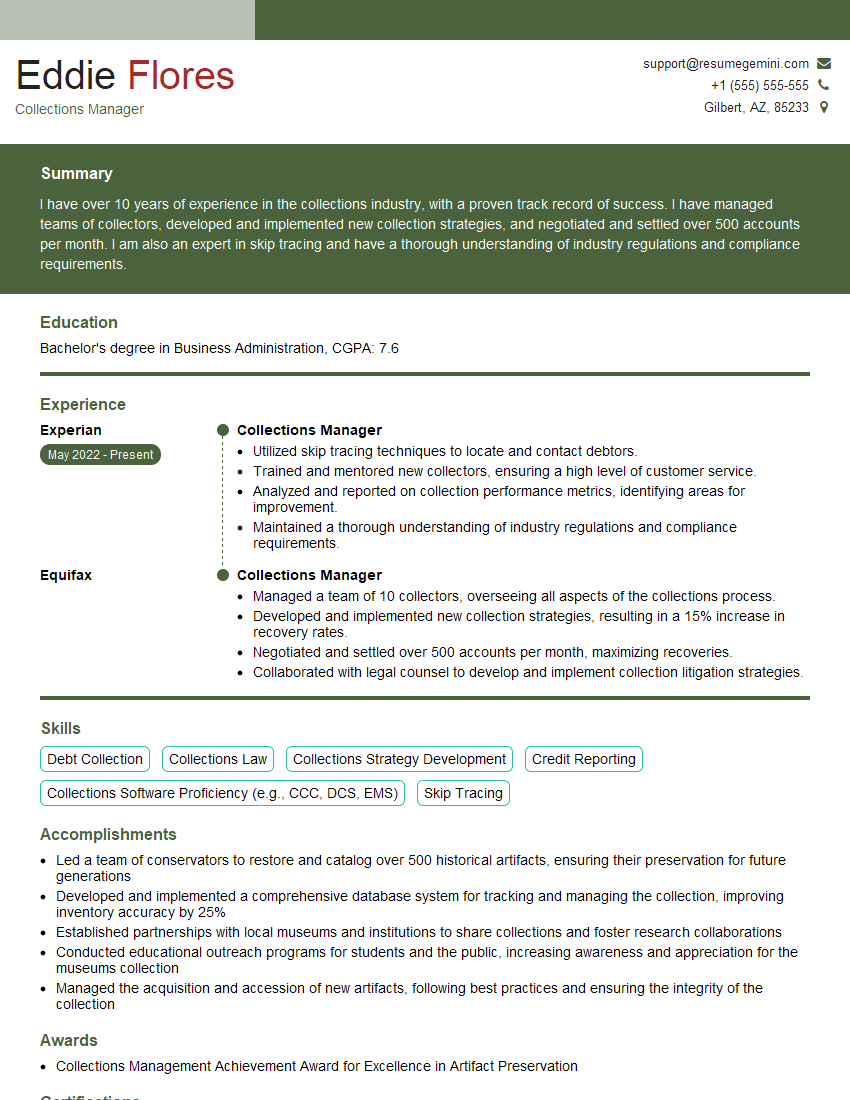
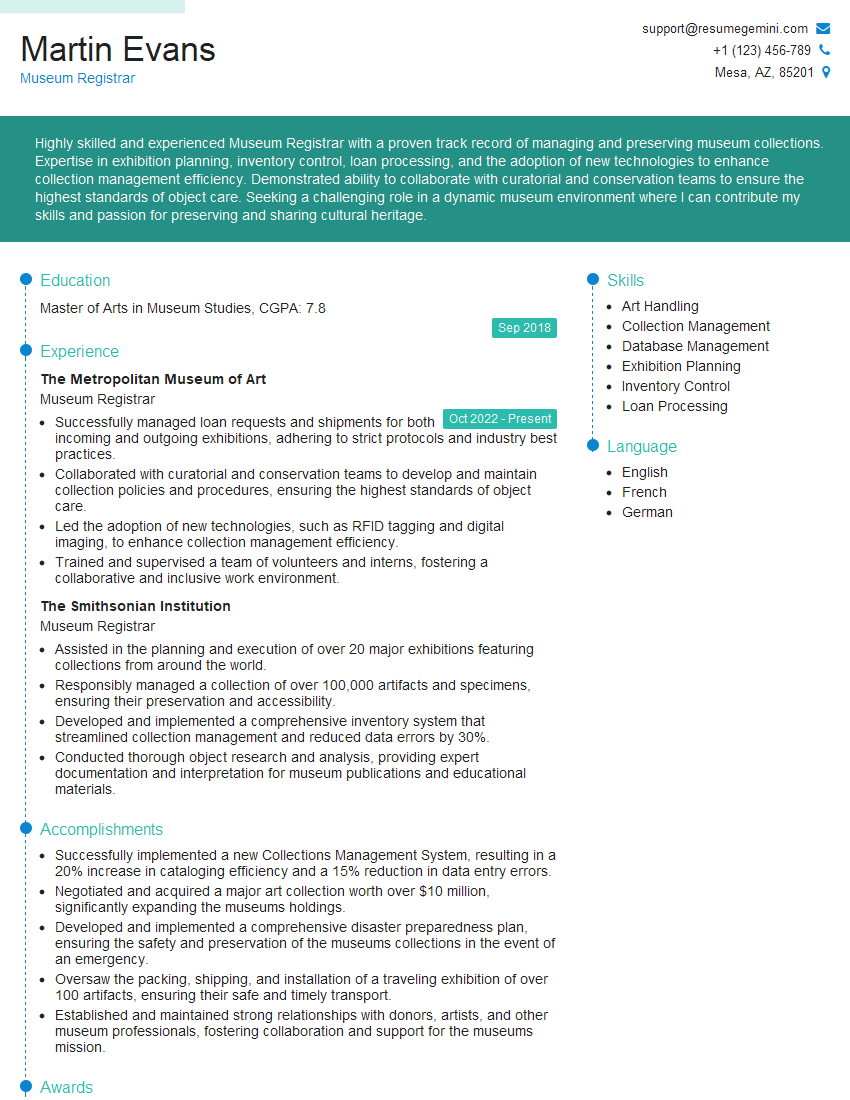
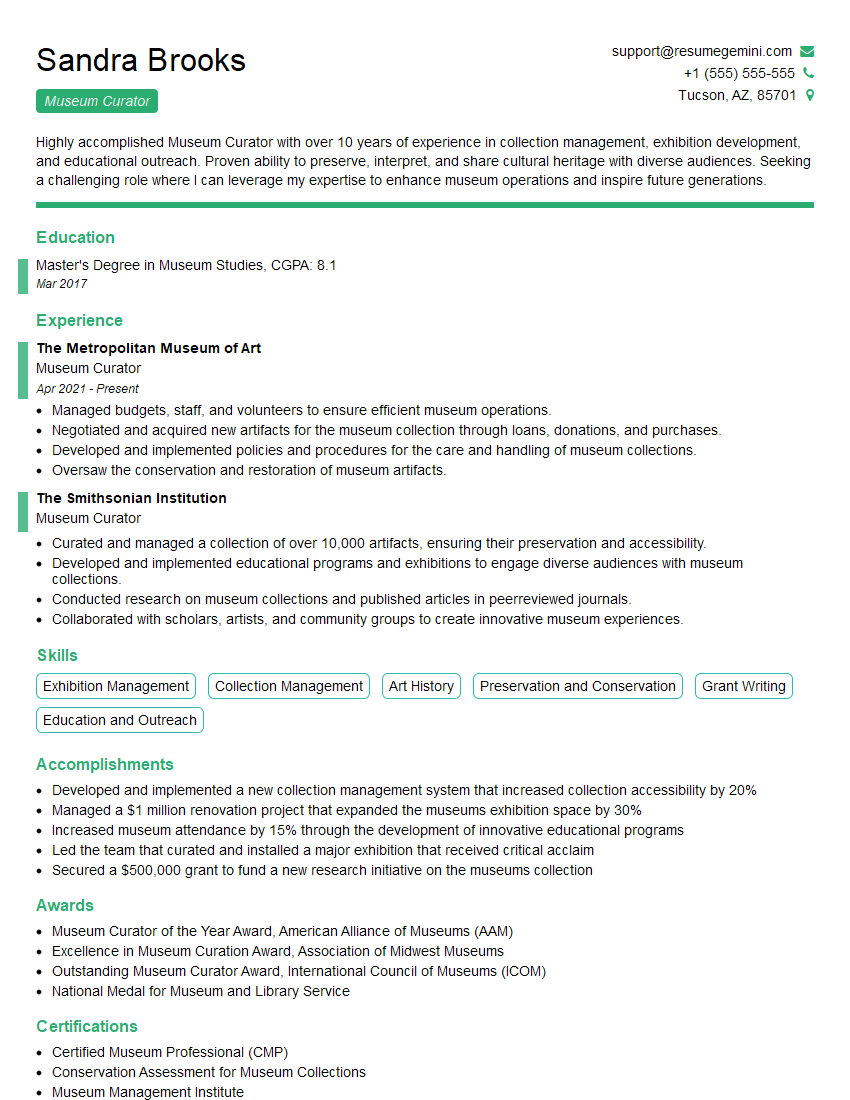
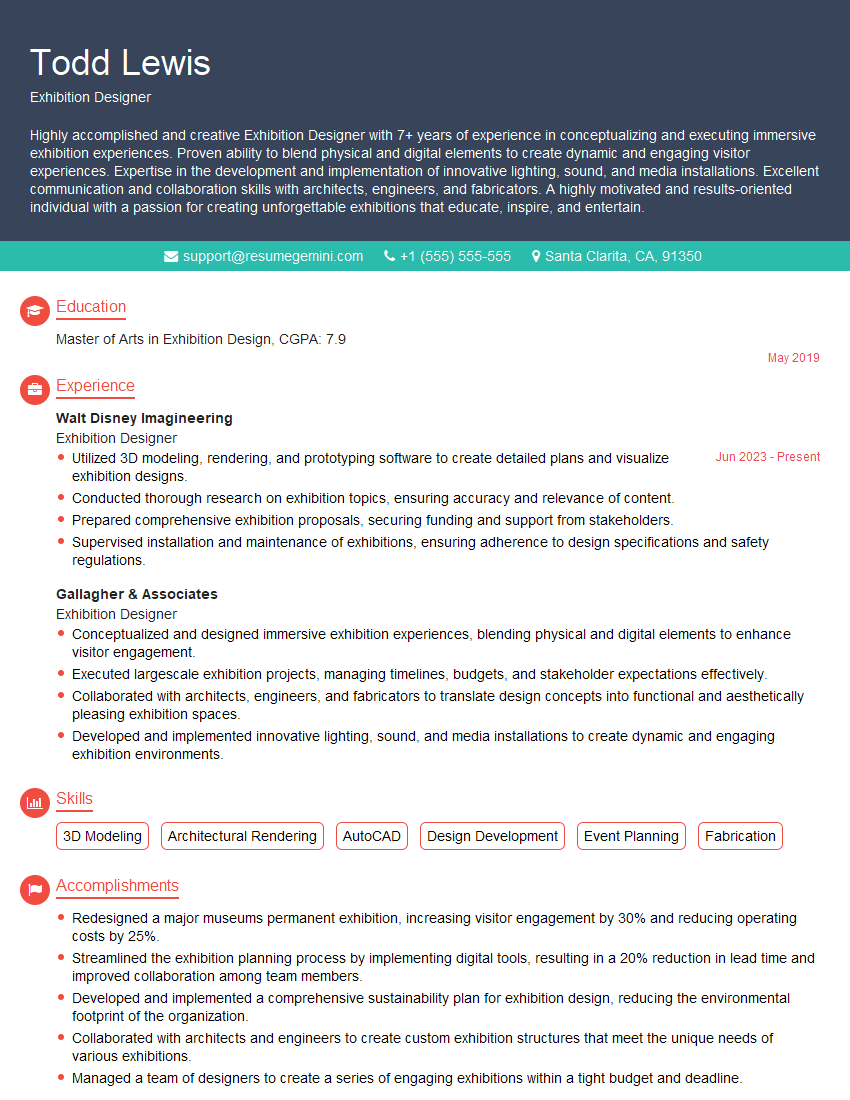
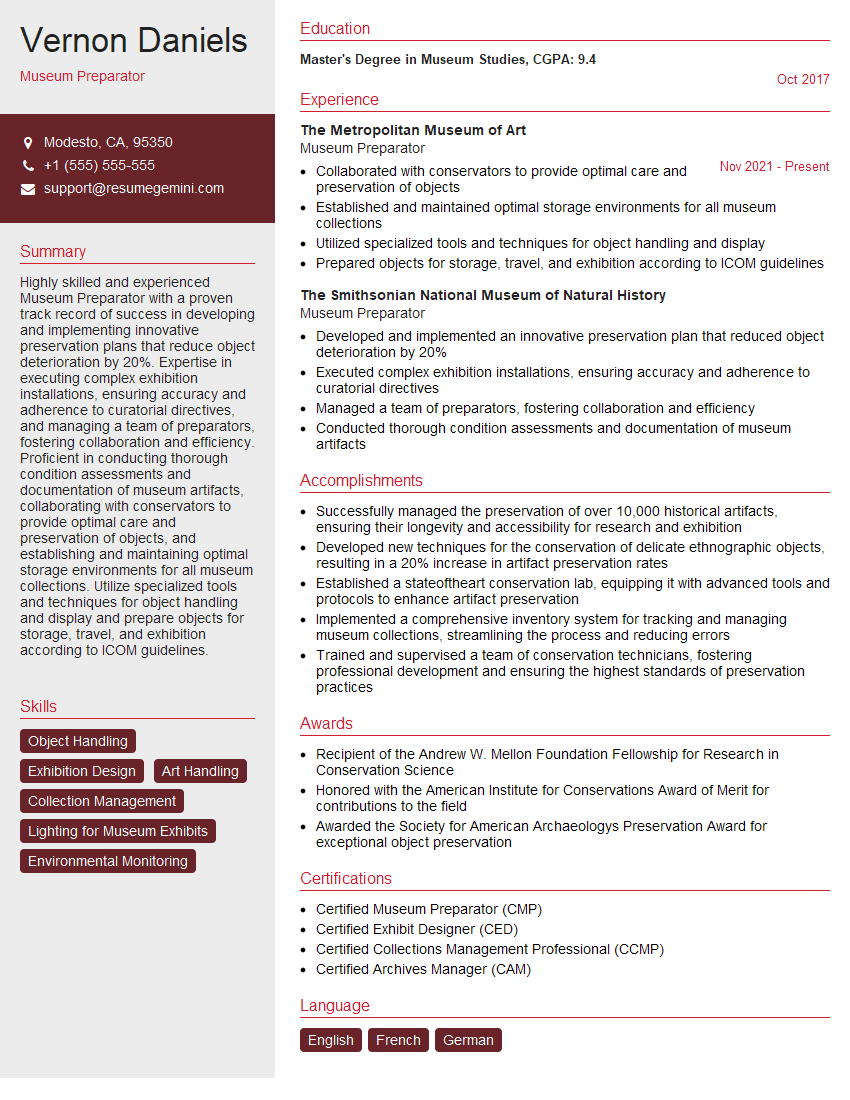
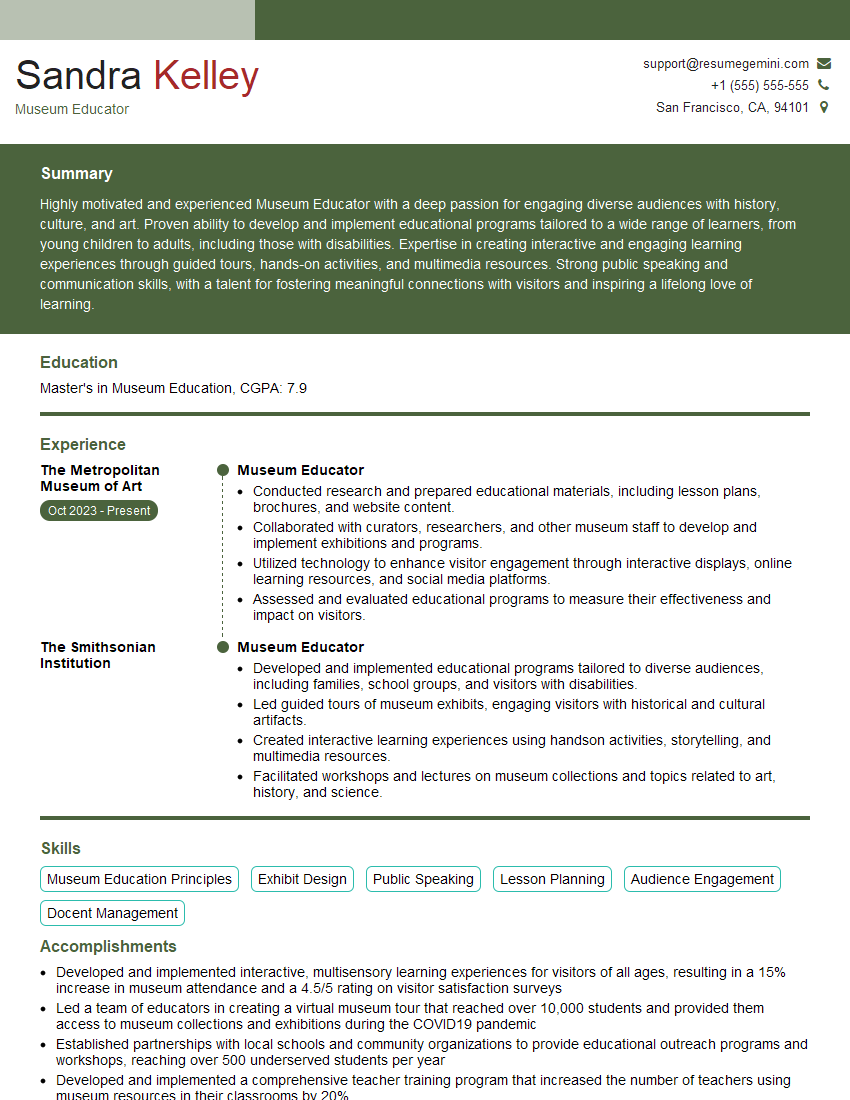
Mastering Exhibition and Museum Design opens doors to a rewarding career, offering opportunities for creativity, problem-solving, and collaboration. To maximize your job prospects, it’s crucial to present your skills and experience effectively. Building an ATS-friendly resume is key to getting noticed by recruiters. ResumeGemini is a trusted resource to help you craft a professional and impactful resume that highlights your unique qualifications. Examples of resumes tailored to Exhibition and Museum Design are available to guide you.
Explore more articles
Users Rating of Our Blogs
Share Your Experience
We value your feedback! Please rate our content and share your thoughts (optional).
What Readers Say About Our Blog
Very informative content, great job.
good