Are you ready to stand out in your next interview? Understanding and preparing for Experience in a Warehouse or Manufacturing Setting interview questions is a game-changer. In this blog, we’ve compiled key questions and expert advice to help you showcase your skills with confidence and precision. Let’s get started on your journey to acing the interview.
Questions Asked in Experience in a Warehouse or Manufacturing Setting Interview
Q 1. Describe your experience with warehouse management systems (WMS).
Warehouse Management Systems (WMS) are the backbone of efficient warehouse operations. They’re software applications that manage and optimize all aspects of warehouse processes, from receiving and putaway to order fulfillment and shipping. My experience encompasses working with several WMS platforms, including Oracle WMS and Blue Yonder. I’ve used these systems to track inventory in real-time, manage order fulfillment workflows, optimize picking routes for increased efficiency, and generate crucial reports for inventory analysis and performance monitoring. For instance, in my previous role at Acme Distribution, we implemented Oracle WMS, which reduced our order fulfillment time by 15% by optimizing picking routes and automating tasks like label generation and shipping document creation. I’m proficient in configuring WMS settings, managing user access, troubleshooting system errors, and conducting regular data backups to ensure data integrity and system stability.
Q 2. How familiar are you with various inventory control methods (FIFO, LIFO, etc.)?
Inventory control methods are crucial for maintaining accurate stock levels and minimizing waste. I’m thoroughly familiar with FIFO (First-In, First-Out) and LIFO (Last-In, First-Out), as well as other methods like FEFO (First-Expired, First-Out), which is particularly relevant for perishable goods. FIFO prioritizes the oldest inventory items for use, reducing the risk of spoilage and ensuring that products are moved quickly. LIFO, conversely, prioritizes the newest items. My experience shows that the choice of method depends heavily on the nature of the inventory. For example, in a grocery warehouse, FEFO is essential to avoid expiring products. With electronics, FIFO is often preferred to avoid obsolescence. I’ve successfully implemented and managed both FIFO and LIFO in different warehouse settings, always adapting the method to the specific product and business needs. I also have experience with ABC analysis which categorizes inventory based on value and usage to prioritize management efforts.
Q 3. Explain your experience with order fulfillment processes.
Order fulfillment is a core part of my warehouse experience. This involves receiving orders, picking the required items from designated locations, packing them securely, and preparing them for shipment. I’ve worked with various order fulfillment methods, including batch picking (picking multiple orders simultaneously), zone picking (dividing the warehouse into zones and assigning pickers to specific zones), and wave picking (releasing orders in batches or waves). In my previous role, I streamlined the order fulfillment process by implementing a zone picking strategy, resulting in a 10% increase in picking efficiency. This involved analyzing order data, optimizing zone assignments based on product location and frequency of orders, and training staff on the new procedures. Furthermore, I have experience with using scanners to ensure accurate order picking and reducing errors and implementing quality control checks at various stages of the fulfillment process. I’m also familiar with various shipping methods and carrier integrations to ensure timely delivery.
Q 4. What safety procedures are you familiar with in a warehouse environment?
Safety is paramount in a warehouse setting. I’m familiar with and have consistently adhered to a wide range of safety procedures, including the proper use of personal protective equipment (PPE), such as safety shoes, gloves, and high-visibility vests. I’m trained in safe forklift operation, including pre-operational checks, load stability procedures, and awareness of potential hazards. I’m also knowledgeable about fire safety procedures, including the location of fire extinguishers and emergency exits. Furthermore, my experience includes maintaining a clean and organized workspace to prevent tripping hazards and participating in regular safety training sessions to stay updated on best practices. I understand and enforce regulations regarding hazardous materials handling and storage. We implemented a system of regular safety audits to identify and address potential hazards proactively.
Q 5. How do you handle discrepancies in inventory counts?
Inventory discrepancies are inevitable, but handling them effectively is crucial. When discrepancies arise, my first step is to investigate the root cause. This often involves reviewing picking lists, shipping documents, and the WMS data to identify any errors in order picking, receiving, or data entry. I might conduct a physical inventory count of the affected items to verify the actual stock levels. If the discrepancy is minor, it might be adjusted within the system after thorough investigation. For larger discrepancies, a more comprehensive investigation is conducted, involving a team effort to determine the source of the error. This process might involve interviewing staff, checking security footage, and potentially reviewing the inventory management procedures to identify weaknesses. The goal is not only to correct the discrepancy but also to prevent similar issues from occurring in the future. Implementing proper inventory control measures and regular cycle counts significantly minimize these discrepancies.
Q 6. Describe your experience with operating a forklift or other material handling equipment.
I’m a certified forklift operator with extensive experience operating various types of forklifts, including sit-down, stand-up, and reach trucks. My certification includes training on safe operation, maintenance, and pre-operational checks. I’m proficient in maneuvering forklifts in confined spaces and loading and unloading goods safely and efficiently. I always prioritize safety by performing thorough pre-operational checks, ensuring the load is secured properly, and maintaining awareness of my surroundings to prevent accidents. Beyond forklifts, I have experience operating other material handling equipment such as pallet jacks, order pickers, and conveyor systems. I understand the importance of regular equipment maintenance and reporting any malfunctions promptly. My experience ensures efficient and safe material handling practices, contributing significantly to warehouse productivity and safety.
Q 7. How do you prioritize tasks in a fast-paced warehouse setting?
Prioritizing tasks in a fast-paced warehouse setting requires a structured approach. I typically use a combination of methods to effectively manage my workload. First, I assess the urgency and importance of each task. Urgent and important tasks, like fulfilling rush orders, take priority. I then use techniques such as Kanban or a simple to-do list to organize tasks by priority, keeping in mind deadlines and resource availability. Communication is key; I regularly check with my supervisor or team members for updates on priorities and any changes to the workflow. I adapt to changing priorities flexibly, understanding that unexpected situations might require adjustments to the task list. Maintaining a clear understanding of the overall warehouse goals helps in making informed decisions about task prioritization. Efficient time management, effective delegation when possible, and a proactive approach to problem-solving are crucial for effectively prioritizing tasks in a dynamic warehouse environment.
Q 8. What is your experience with RF scanning devices?
RF scanning devices are integral to efficient warehouse operations. My experience spans several years using various models, from handheld scanners to ring scanners and even integrated voice-directed systems. I’m proficient in using these devices for tasks such as receiving inventory, locating items, picking orders, and tracking shipments. For example, in my previous role at Acme Manufacturing, we used Zebra TC75x scanners to verify incoming shipments against purchase orders. The scanner’s barcode reading capabilities significantly reduced data entry errors and sped up the entire receiving process. I’m also familiar with troubleshooting common issues like connectivity problems, battery life, and scanner malfunctions. I can quickly identify the source of a problem and either resolve it or escalate it to the appropriate technical support team.
Q 9. How do you ensure the accuracy of shipping and receiving documentation?
Accuracy in shipping and receiving documentation is paramount to avoid costly errors and maintain customer satisfaction. My approach involves a multi-step verification process. Firstly, I meticulously check the paperwork against the physical items. This includes comparing quantities, part numbers, and descriptions. Secondly, I utilize RF scanners to scan each item and cross-reference it with the digital inventory management system. This double-checking ensures that there are no discrepancies between the physical inventory and the recorded data. Thirdly, I always perform a final review before the paperwork is signed off. For instance, during a particularly busy period at Global Logistics, we implemented a system of blind checks where a second team member would independently verify a percentage of the shipping documents. This added layer of quality control significantly reduced errors. Any discrepancies are immediately flagged and rectified, following established procedures.
Q 10. Explain your experience with quality control procedures.
Quality control is a crucial aspect of warehouse and manufacturing environments. My experience encompasses a variety of procedures, depending on the product and the stage of production or shipping. This includes visual inspections for defects, dimensional checks using measuring tools, and functional testing for electronic components. At Beta Technologies, I was responsible for performing initial quality checks on manufactured products before they moved to the packaging stage. We used a checklist to identify any imperfections, and a defect tracking system to document and address issues. This proactive approach prevented defective products from reaching customers. I’m also experienced in implementing and following standardized quality protocols, such as ISO 9001 guidelines, which ensures consistency and high standards across all processes.
Q 11. Describe your problem-solving approach in a warehouse setting.
My problem-solving approach in a warehouse setting is methodical and data-driven. I typically follow a five-step process: 1. Identify the problem: Clearly define what needs solving. 2. Gather information: Collect relevant data and examine all aspects of the issue. 3. Analyze the data: Determine the root cause of the problem. 4. Develop solutions: Brainstorm potential solutions and evaluate their feasibility. 5. Implement and monitor: Choose the best solution, implement it, and track its effectiveness. For instance, when we experienced recurring delays in order fulfillment at Gamma Distributors, I systematically analyzed the process, identifying bottlenecks in the picking and packing stages. I proposed and implemented changes to the workflow, resulting in a 15% improvement in efficiency.
Q 12. How do you maintain organization and efficiency in a warehouse environment?
Maintaining organization and efficiency in a warehouse relies heavily on implementing well-structured systems and adhering to best practices. This involves using appropriate storage methods such as FIFO (First-In, First-Out) and maximizing space utilization. Clear labeling of storage locations and inventory is also crucial. At Delta Supply Chain, I played a key role in implementing a 5S methodology (Sort, Set in Order, Shine, Standardize, Sustain), dramatically improving warehouse organization. Regular inventory cycle counts (as discussed in the next question) help us maintain accurate inventory levels and prevent stockouts. We also utilized visual management tools such as Kanban boards to track workflow and identify potential issues proactively. Furthermore, continuous training for staff on proper procedures and equipment usage helps enhance efficiency and maintain a safe working environment.
Q 13. What is your experience with inventory cycle counting?
Inventory cycle counting is a crucial aspect of maintaining accurate inventory records. Instead of performing a full inventory count annually, we perform smaller, more frequent counts of specific sections or items. This method reduces disruption to warehouse operations compared to a full inventory count. At Epsilon Logistics, we implemented a system where specific items or sections were counted daily, ensuring that discrepancies were identified and addressed promptly. This also enabled us to identify trends or potential issues with inventory accuracy over time. We used specialized software to schedule the counts, track progress, and analyze the results. The data gathered from these counts helps us refine our inventory management processes, improve accuracy, and reduce waste.
Q 14. How do you handle damaged or defective products?
Handling damaged or defective products involves a clear procedure designed to minimize losses and maintain quality control. The first step is to identify and isolate the damaged or defective items. A thorough investigation is carried out to determine the cause of the damage. This information is critical for addressing the root cause and preventing future issues. Next, depending on the severity of the damage, the product may be repaired, salvaged, or discarded. If the product is irreparable, it will be disposed of according to company policy and environmental regulations. For example, at Zeta Corp, we used a documented process to categorize and track damaged goods. This involved photographing the damage, documenting its cause, and then following the company’s procedure to either repair, return to the supplier, or dispose of them safely. Accurate record-keeping is vital in this process, as it can be essential for insurance claims or supplier reimbursements.
Q 15. What is your experience with different types of warehouse layouts?
My experience encompasses several warehouse layout types, each with its own strengths and weaknesses. I’ve worked in environments using U-shaped layouts, ideal for smaller operations with a streamlined workflow; I-shaped layouts, efficient for high-volume, linear processes; and L-shaped layouts, offering flexibility and scalability. I’ve also been involved in warehouses utilizing mixed layouts, combining elements of several approaches to optimize specific areas for different tasks. For example, a high-volume picking area might be I-shaped, while a receiving area might be U-shaped for easier unloading and initial sorting. My understanding of these different layouts allows me to assess efficiency, identify bottlenecks, and suggest improvements for optimal material flow and worker productivity.
In one role, we transitioned from a less-efficient L-shaped layout to a more optimized U-shaped layout for our packaging process. This simple change significantly reduced travel time for workers and improved overall throughput by approximately 15%.
Career Expert Tips:
- Ace those interviews! Prepare effectively by reviewing the Top 50 Most Common Interview Questions on ResumeGemini.
- Navigate your job search with confidence! Explore a wide range of Career Tips on ResumeGemini. Learn about common challenges and recommendations to overcome them.
- Craft the perfect resume! Master the Art of Resume Writing with ResumeGemini’s guide. Showcase your unique qualifications and achievements effectively.
- Don’t miss out on holiday savings! Build your dream resume with ResumeGemini’s ATS optimized templates.
Q 16. How do you manage your time effectively in a warehouse environment?
Effective time management in a warehouse is crucial. My approach involves a combination of prioritization, planning, and efficient execution. I begin my day by reviewing the tasks scheduled, prioritizing those with the tightest deadlines or highest impact. I utilize tools like warehouse management systems (WMS) to understand the location of items and optimize my routes, minimizing unnecessary travel time. Furthermore, I proactively identify potential bottlenecks or delays and communicate these to my team or supervisor, enabling collaborative problem-solving. I also break down large tasks into smaller, more manageable chunks, ensuring a steady progression throughout the day. This prevents feeling overwhelmed and maintains focus.
For instance, during peak season, we faced a backlog in order fulfillment. By prioritizing urgent orders and coordinating with the shipping team, we managed to clear the backlog within two days, exceeding expectations.
Q 17. How do you work effectively as part of a team in a warehouse setting?
Teamwork is essential in a warehouse setting. I’m adept at collaborating effectively with colleagues, leveraging individual strengths to achieve shared goals. I actively communicate updates on my progress, promptly addressing any roadblocks or challenges that could impact the team. I believe in open communication, offering assistance to teammates when needed and seeking help when I’m facing difficulties. This fosters a supportive and collaborative work environment. My experience working on diverse teams has taught me to value different perspectives and appreciate the contributions of each individual.
In one project involving a large inventory transfer, we successfully collaborated by assigning specific roles based on individual skills—some focused on picking, others on packing and labeling, and others on loading and transporting. This division of labor improved efficiency and boosted overall team morale.
Q 18. What is your experience with picking and packing procedures?
My experience with picking and packing procedures is extensive. I’m proficient in various picking methods, including zone picking, batch picking, and wave picking. I understand the importance of accuracy and speed and strive to minimize errors in order fulfillment. My skills encompass using handheld scanners to verify order information, accurately selecting items from designated locations, and carefully packing items to prevent damage during transit. I’m also experienced with various packaging materials and methods, ensuring each item is appropriately protected and labeled according to company standards and customer requirements.
I’ve consistently maintained a high accuracy rate in order picking, exceeding 99.5% accuracy in my previous role. This was achieved through meticulous attention to detail and regular quality checks.
Q 19. Describe your experience with shipping and receiving processes.
My shipping and receiving experience involves managing the inbound and outbound flow of goods. This includes verifying incoming shipments against purchase orders, ensuring accurate counts and inspecting for damage. I’m familiar with various shipping carriers and their associated documentation requirements. For outbound shipments, I’m proficient in creating shipping labels, packaging items securely, and preparing documentation for carriers. I’m also experienced with managing returns and exchanges, ensuring proper processing and tracking.
I’ve successfully implemented a new tracking system that improved the accuracy of our shipping records by 20%, reducing discrepancies and resolving shipping issues more efficiently.
Q 20. How do you ensure the safety of yourself and your coworkers in a warehouse environment?
Safety is paramount in a warehouse environment. I consistently adhere to all safety protocols, including wearing appropriate safety gear such as safety shoes and high-visibility vests. I’m trained in the safe operation of warehouse equipment, and I prioritize safe work practices, such as maintaining a clean and organized workspace, properly securing loads, and following procedures for moving heavy objects. I’m also proactive in identifying potential hazards and reporting them to my supervisor to mitigate risks. I actively participate in safety training and encourage my colleagues to prioritize safety.
In one instance, I noticed a damaged pallet that could have caused an accident. I immediately reported it and ensured the area was secured until it was removed, preventing a potential injury.
Q 21. What is your experience with using warehouse equipment such as pallet jacks or conveyor belts?
I’m experienced in operating various warehouse equipment, including pallet jacks, forklifts (with appropriate certification), and conveyor belts. I understand the safe operation procedures for each piece of equipment and always prioritize safety. I can efficiently utilize these tools to move materials, streamline workflows, and improve overall warehouse productivity. My experience extends to troubleshooting minor equipment malfunctions and performing basic maintenance, which minimizes downtime and ensures efficient operations.
In my previous role, I was responsible for training new employees on the safe operation of pallet jacks. My training program resulted in a significant reduction in equipment-related incidents.
Q 22. How do you adapt to changes in workflow or priorities?
Adapting to change is crucial in a dynamic warehouse environment. My approach is multifaceted. First, I actively listen to instructions and announcements regarding workflow alterations. Second, I prioritize tasks based on urgency and impact, using techniques like prioritization matrices to visually organize my workload. For instance, when a new priority task emerged during a particularly busy inventory cycle, I quickly assessed its impact. It needed immediate action because it involved a high-value, time-sensitive order. I re-allocated my time and delegated less critical tasks to colleagues, ensuring smooth operation. Finally, I embrace continuous learning. I actively seek training opportunities to update my skills and knowledge, making me adaptable to new technologies or procedures. For example, when our warehouse implemented a new WMS (Warehouse Management System), I attended all training sessions and actively sought clarification to ensure smooth transition. This proactive approach allows me to contribute effectively regardless of evolving priorities.
Q 23. How do you handle pressure and tight deadlines in a warehouse setting?
Handling pressure and tight deadlines requires a calm and organized approach. My strategy involves effective time management, prioritizing tasks, and seeking help when needed. I break down large tasks into smaller, manageable steps, setting realistic deadlines for each. I regularly check my progress against these deadlines and adjust my approach accordingly. During peak seasons, for example, we had to ship out double the usual number of orders. I used a Kanban system to visualize workflow, which helped identify bottlenecks and prioritize tasks for efficient order fulfillment. Clear communication with my team is crucial. I frequently update supervisors and colleagues on my progress, ensuring transparency and enabling collaborative problem-solving when unexpected issues arise. This proactive approach reduces stress and ensures timely completion of tasks, even under immense pressure.
Q 24. Describe your experience with managing warehouse space and organization.
Efficient warehouse space management is key to productivity. My experience encompasses various strategies. I’ve implemented 5S methodologies (Sort, Set in Order, Shine, Standardize, Sustain) to eliminate waste and optimize space utilization. This involves regularly decluttering, organizing storage areas logically, and ensuring clear pathways for efficient movement of goods. In one instance, I reorganized a storage area by implementing a zone-picking system, resulting in a 15% reduction in picking time. I’ve also utilized data analysis to track inventory turnover and identify slow-moving items, facilitating better space allocation. For example, by analyzing data on product demand, we were able to relocate high-demand items to more accessible areas, improving overall picking efficiency. Finally, I always consider the use of vertical space through racking systems and mezzanine floors to maximize capacity.
Q 25. What is your experience with different types of warehouse storage systems?
I have extensive experience with various warehouse storage systems, including:
- Racking Systems: Selective pallet racking, drive-in racking, push-back racking, cantilever racking. I understand the strengths and limitations of each, and can recommend the most suitable system based on product characteristics, throughput requirements, and available space.
- Floor Storage: Block stacking and bulk storage methods. I know how to optimize floor space and ensure safety in these scenarios.
- Automated Storage and Retrieval Systems (AS/RS): I’ve worked with AS/RS systems in high-throughput warehouses, managing inventory and optimizing picking strategies in this automated environment.
- Mobile Racking: I am familiar with using this method to make efficient use of space in narrow aisles.
My understanding of these systems allows me to make informed decisions regarding storage optimization and operational efficiency.
Q 26. How do you identify and resolve warehouse operational issues?
Identifying and resolving operational issues requires a systematic approach. I typically follow these steps:
- Identify the Problem: This involves observing operational inefficiencies, analyzing performance metrics (like order fulfillment rates and picking accuracy), and listening to feedback from colleagues.
- Analyze the Root Cause: I use root cause analysis techniques such as the 5 Whys to understand the underlying factors contributing to the issue. For example, if picking errors are high, I’d investigate potential causes such as inadequate training, unclear labeling, or faulty equipment.
- Develop Solutions: Based on the root cause analysis, I brainstorm solutions, considering their feasibility and impact. This might include updating training materials, implementing new processes, investing in new equipment or software.
- Implement and Monitor: I implement the chosen solution, carefully monitoring its effectiveness and making adjustments as needed. Data-driven decision making is critical here. I’ll track key metrics to gauge improvements and make fine-tuning changes as necessary.
This structured approach ensures that issues are addressed effectively and efficiently, preventing recurring problems and enhancing overall warehouse performance.
Q 27. Describe your experience with preventing warehouse theft or loss.
Preventing warehouse theft and loss is a top priority. My experience encompasses multiple layers of security:
- Access Control: Implementing strict access control measures, including security cameras, key card systems, and regular security patrols. This ensures only authorized personnel access restricted areas.
- Inventory Management: Using robust inventory management systems to track inventory levels, identify discrepancies, and detect potential losses early on. Cycle counting and regular stock checks are crucial here.
- Security Procedures: Establishing clear procedures for receiving, storing, and shipping goods, to minimize opportunities for theft. This includes proper documentation and verification of shipments.
- Employee Training: Training all employees on security procedures, emphasizing their role in preventing losses. A culture of vigilance and responsibility is essential.
- Regular Audits: Conducting regular security audits to identify vulnerabilities and implement corrective actions.
A multi-layered approach significantly reduces the risk of theft and loss, safeguarding company assets.
Q 28. What is your experience with warehouse performance metrics?
Warehouse performance metrics are critical for evaluating efficiency and identifying areas for improvement. My experience includes using and analyzing various metrics, including:
- Order Fulfillment Rate: The percentage of orders fulfilled on time and accurately.
- Picking Accuracy: The percentage of orders picked without errors.
- Inventory Turnover: The rate at which inventory is sold and replenished.
- Storage Capacity Utilization: The percentage of available storage space being used effectively.
- Shipping Accuracy: The rate at which shipments are correctly prepared and delivered.
- Labor Productivity: The output per labor hour, measuring efficiency of workforce.
By monitoring these metrics, I can identify trends, pinpoint areas needing improvement, and track the effectiveness of implemented changes. Data visualization tools like dashboards are essential for effectively communicating performance to stakeholders and facilitating data-driven decision-making.
Key Topics to Learn for a Warehouse or Manufacturing Setting Interview
- Safety Procedures and Regulations: Understanding and adhering to OSHA standards, proper equipment usage, and reporting procedures are crucial. Practical application includes describing your experience with safety protocols and how you ensured a safe work environment.
- Inventory Management: This includes receiving, storing, and managing inventory using various systems (e.g., barcodes, scanners, WMS). Discuss your experience with inventory accuracy, stock rotation, and minimizing waste.
- Order Fulfillment and Logistics: Efficiently picking, packing, and shipping orders while meeting deadlines. Showcase your experience with order processing, shipping methods, and tracking systems.
- Quality Control: Inspecting products for defects and ensuring quality standards are met. Detail your experience identifying and addressing quality issues, and your contributions to improving quality processes.
- Teamwork and Collaboration: Highligh your ability to work effectively within a team, communicate clearly, and contribute to a positive work environment. Provide examples of collaborative projects and your role in them.
- Problem-solving and Troubleshooting: Describe your ability to identify and resolve issues quickly and efficiently, whether it’s a mechanical malfunction, a logistical problem, or a process improvement opportunity.
- Production Processes (Manufacturing): If applicable, demonstrate understanding of the manufacturing process, including assembly line procedures, quality checks at each stage, and production targets.
- Equipment Operation (Forklifts, etc.): If applicable, describe your experience with operating various warehouse equipment and maintaining certifications (if any).
Next Steps
Mastering these topics will significantly boost your chances of success in landing your dream warehouse or manufacturing job. A strong understanding of these areas demonstrates your value and potential to any employer. Creating an ATS-friendly resume is paramount to getting your application noticed. ResumeGemini can help you craft a compelling resume that highlights your skills and experience effectively. Use ResumeGemini to build a professional resume that showcases your qualifications. Examples of resumes tailored to warehouse and manufacturing experience are available to help guide you.

Operations Manager Resume Sample
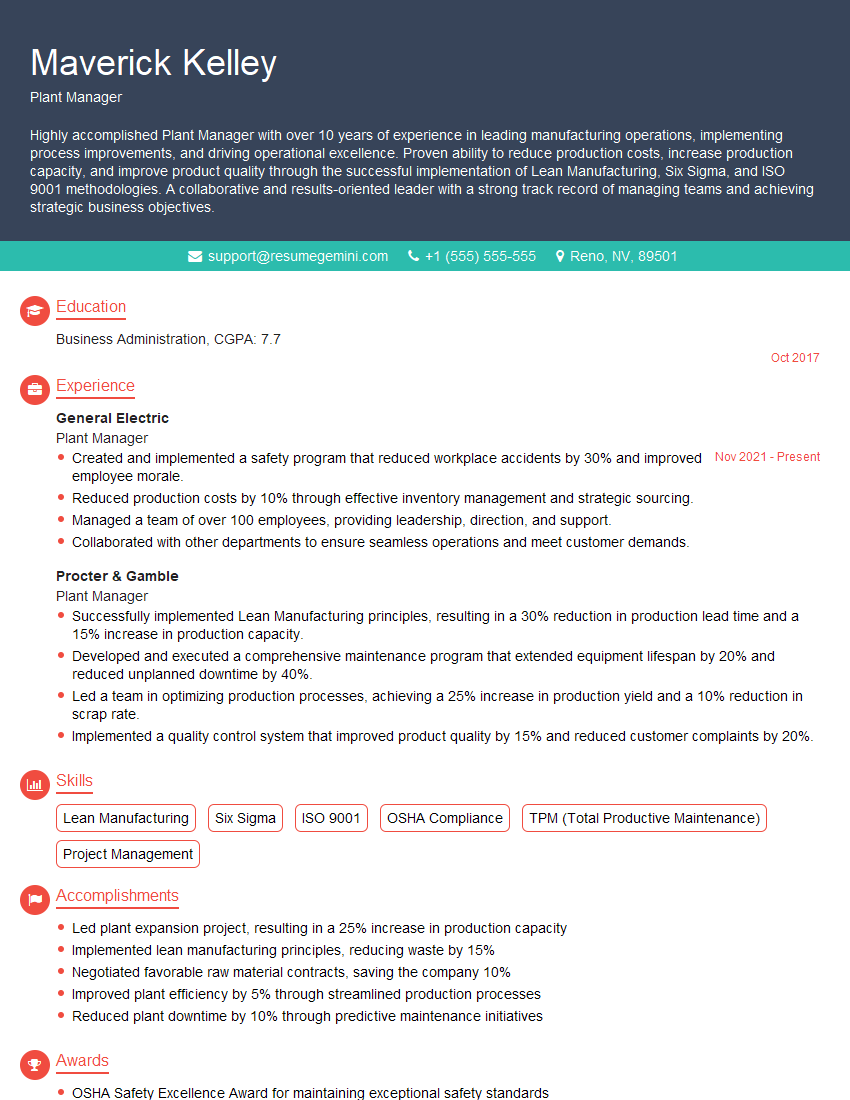
Plant Manager Resume Sample
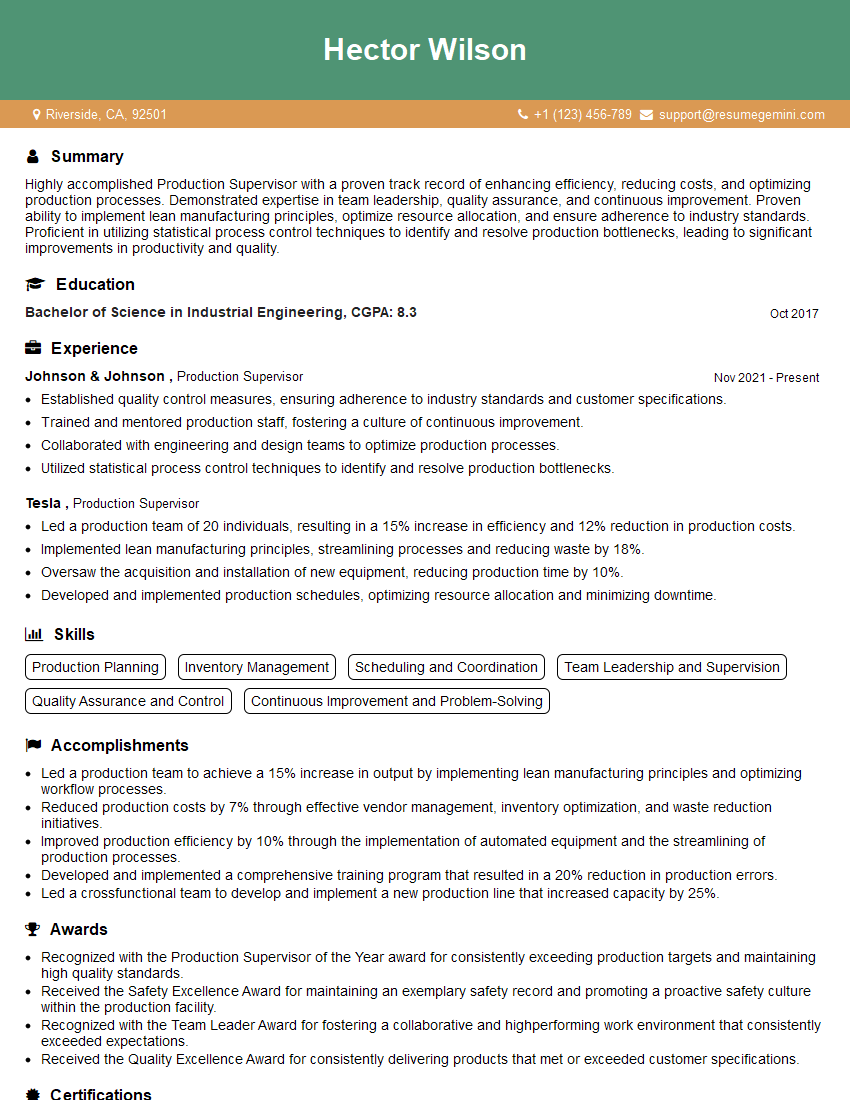
Production Supervisor Resume Sample
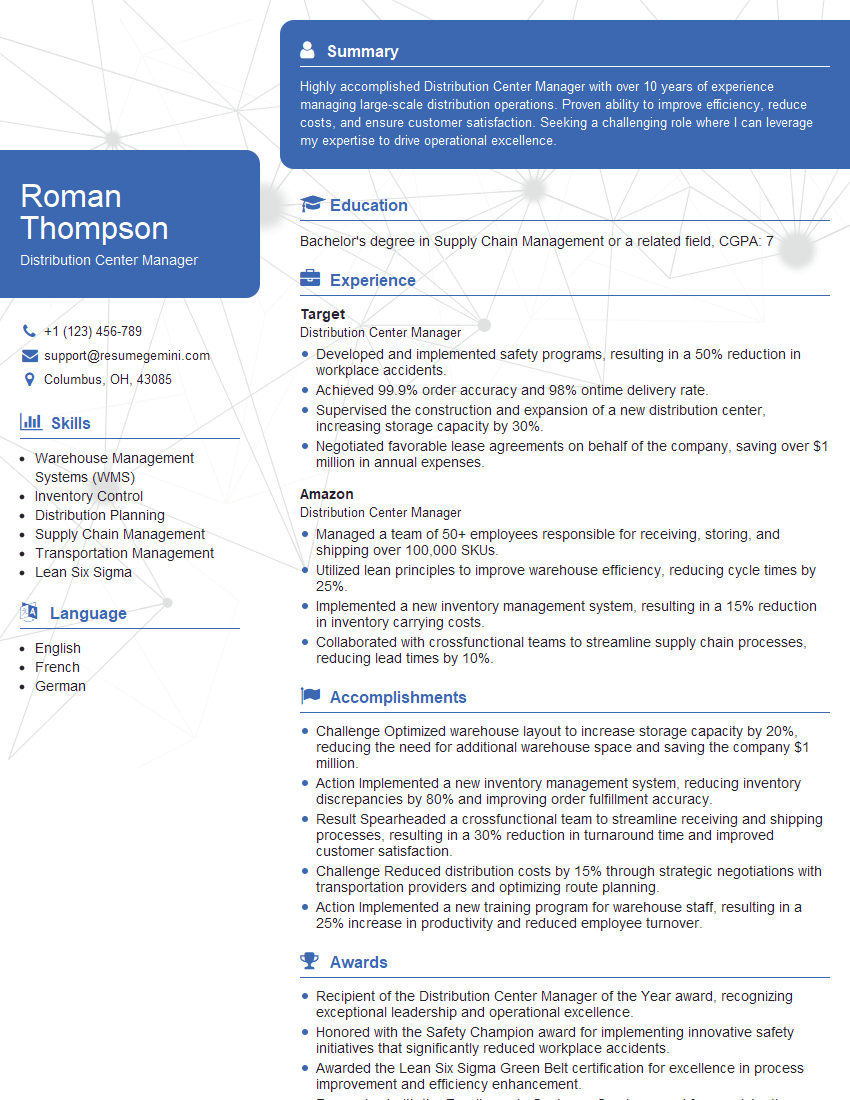
Distribution Center Manager Resume Sample
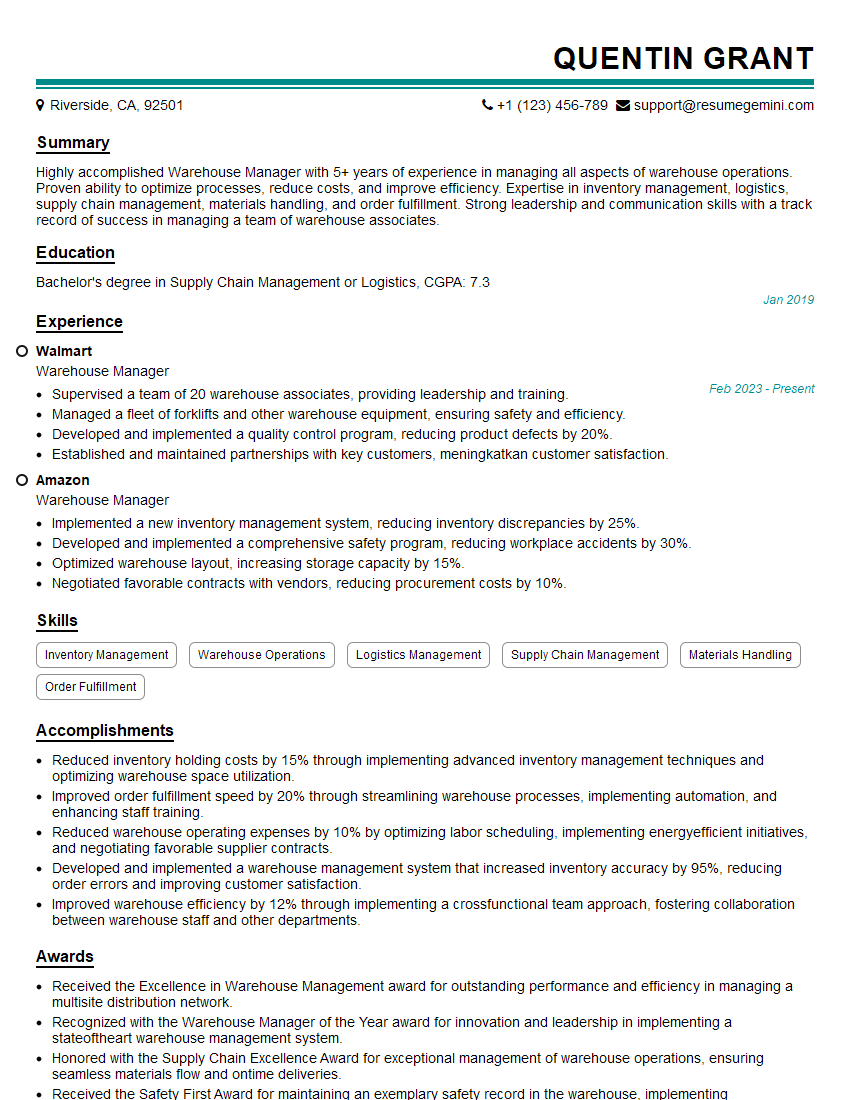
Warehouse Manager Resume Sample
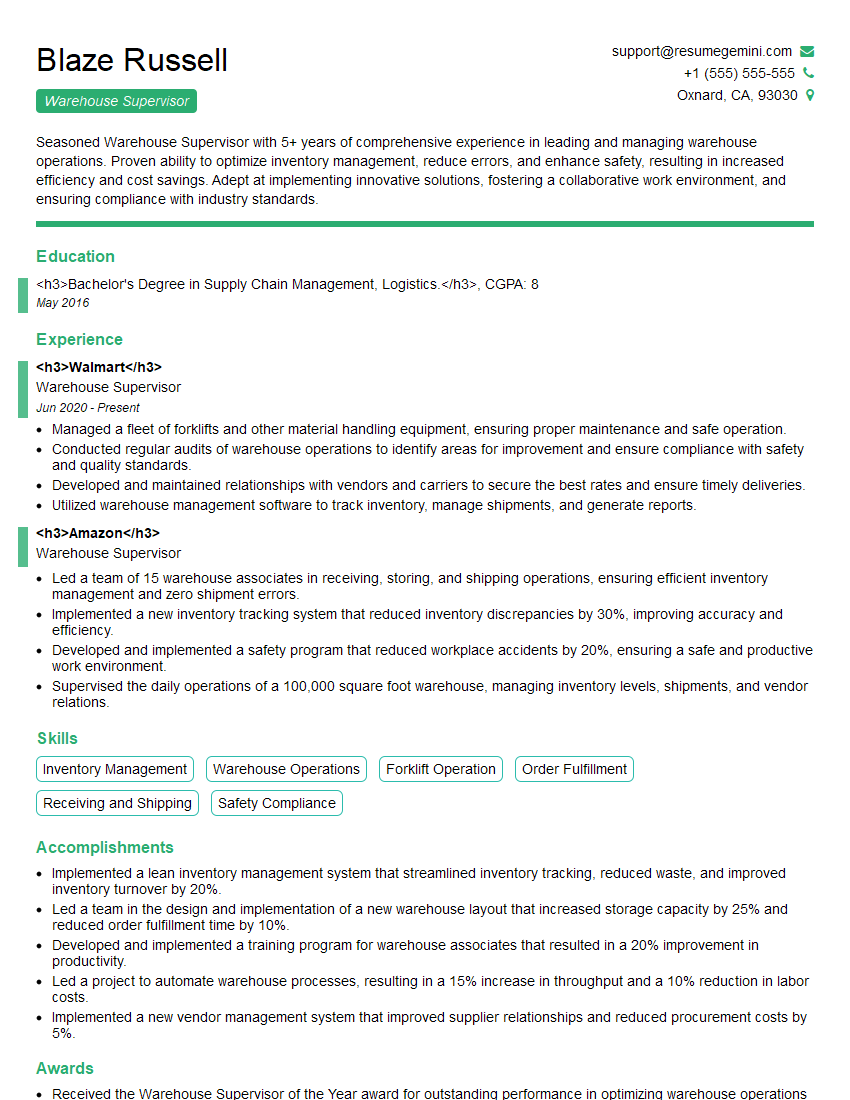
Warehouse Supervisor Resume Sample
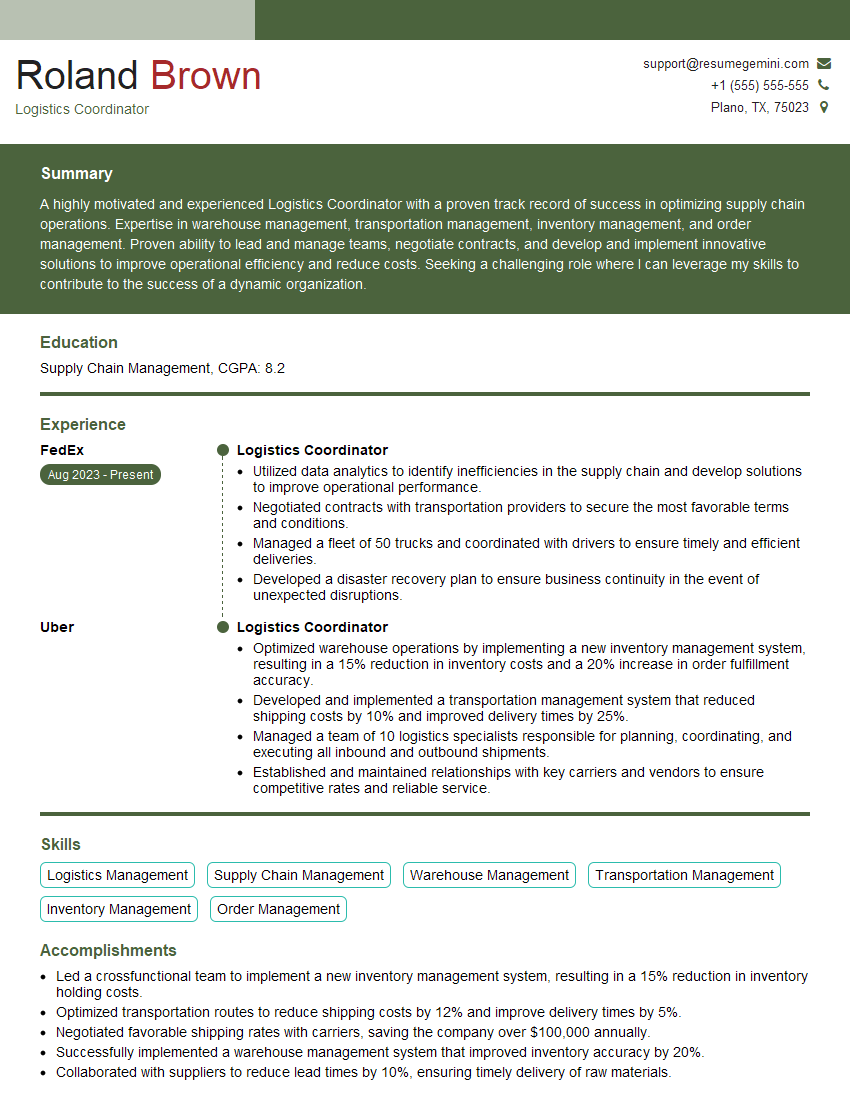
Logistics Coordinator Resume Sample
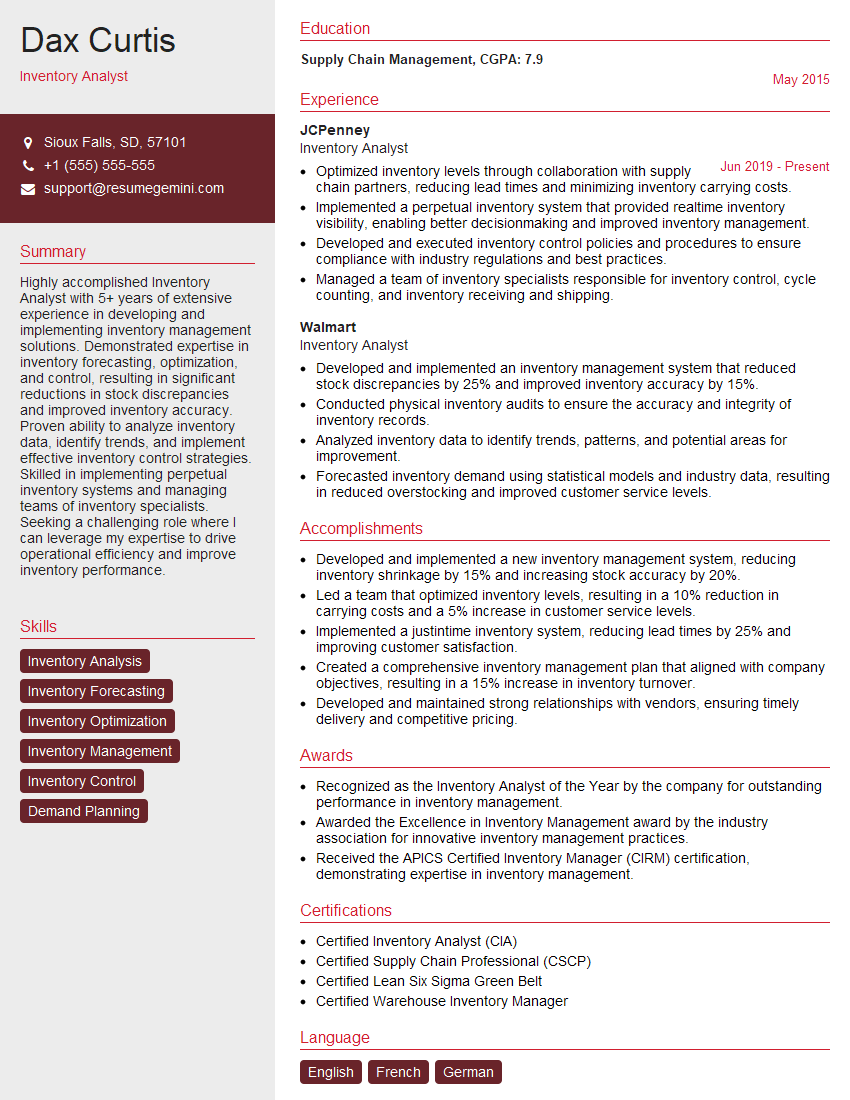
Inventory Analyst Resume Sample
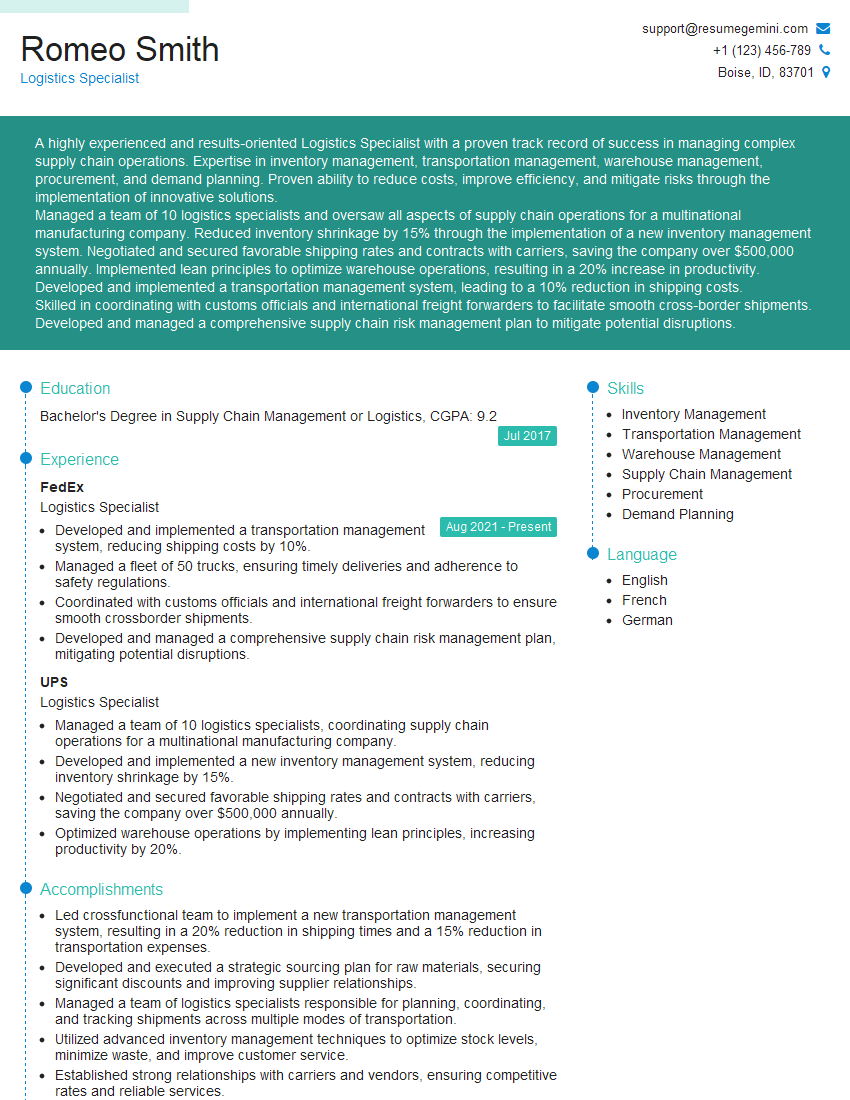
Logistics Specialist Resume Sample
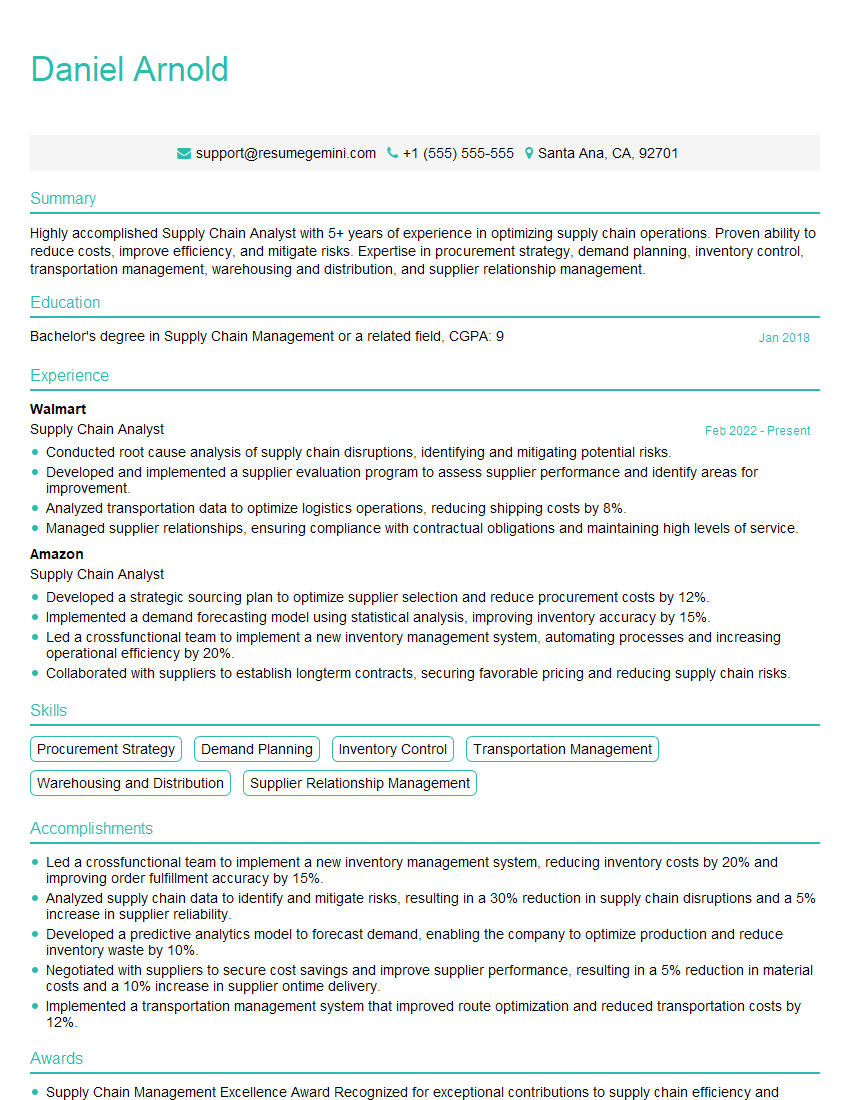
Supply Chain Analyst Resume Sample
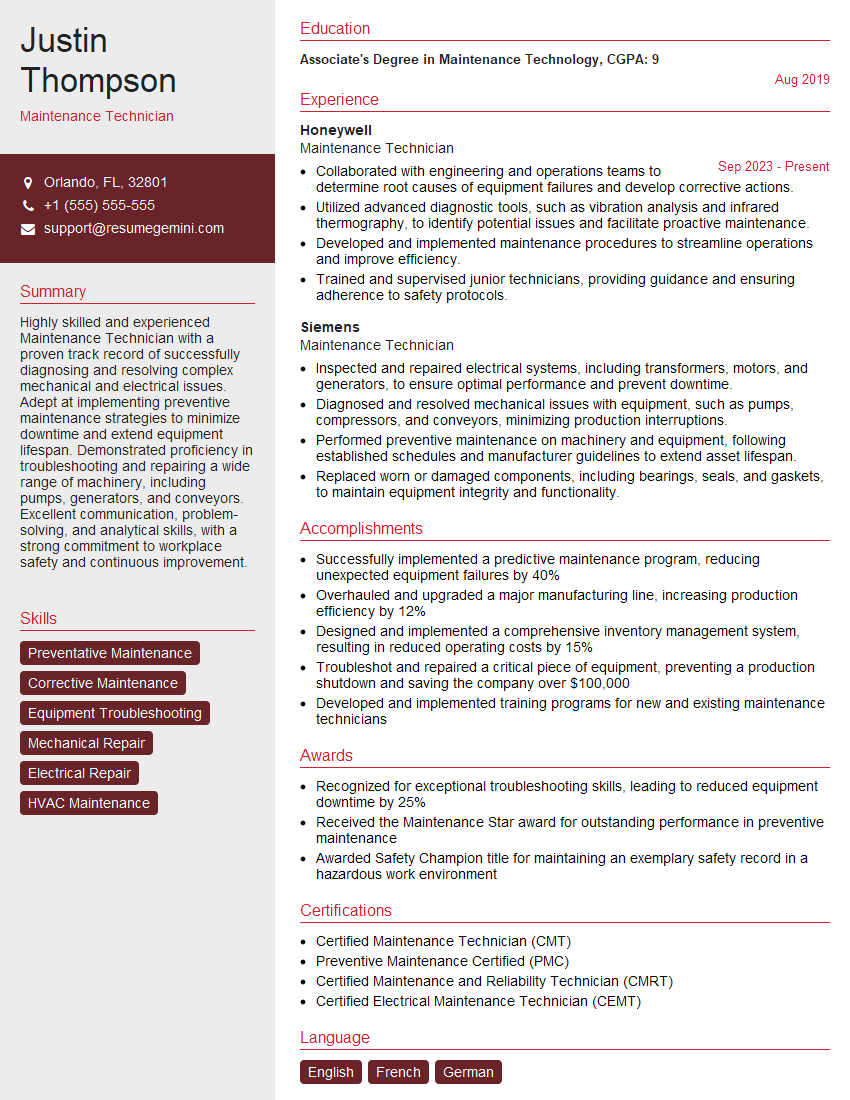
Maintenance Technician Resume Sample
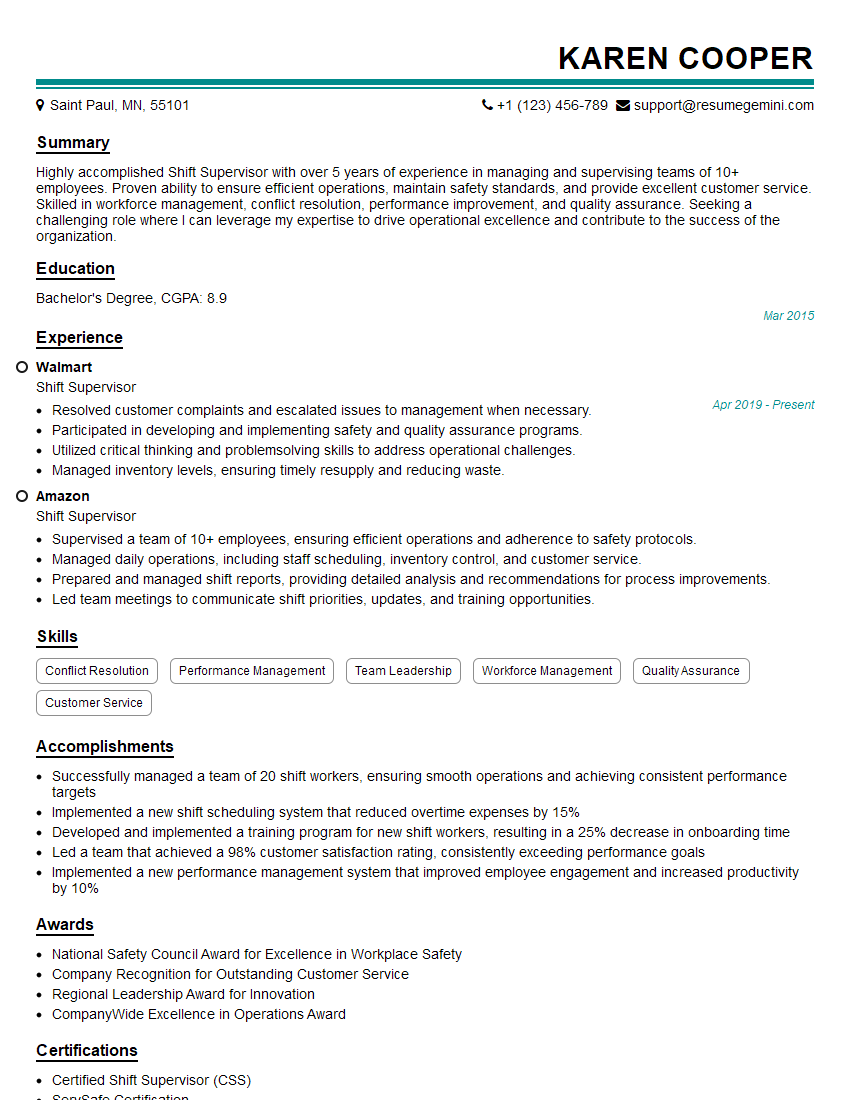
Shift Supervisor Resume Sample
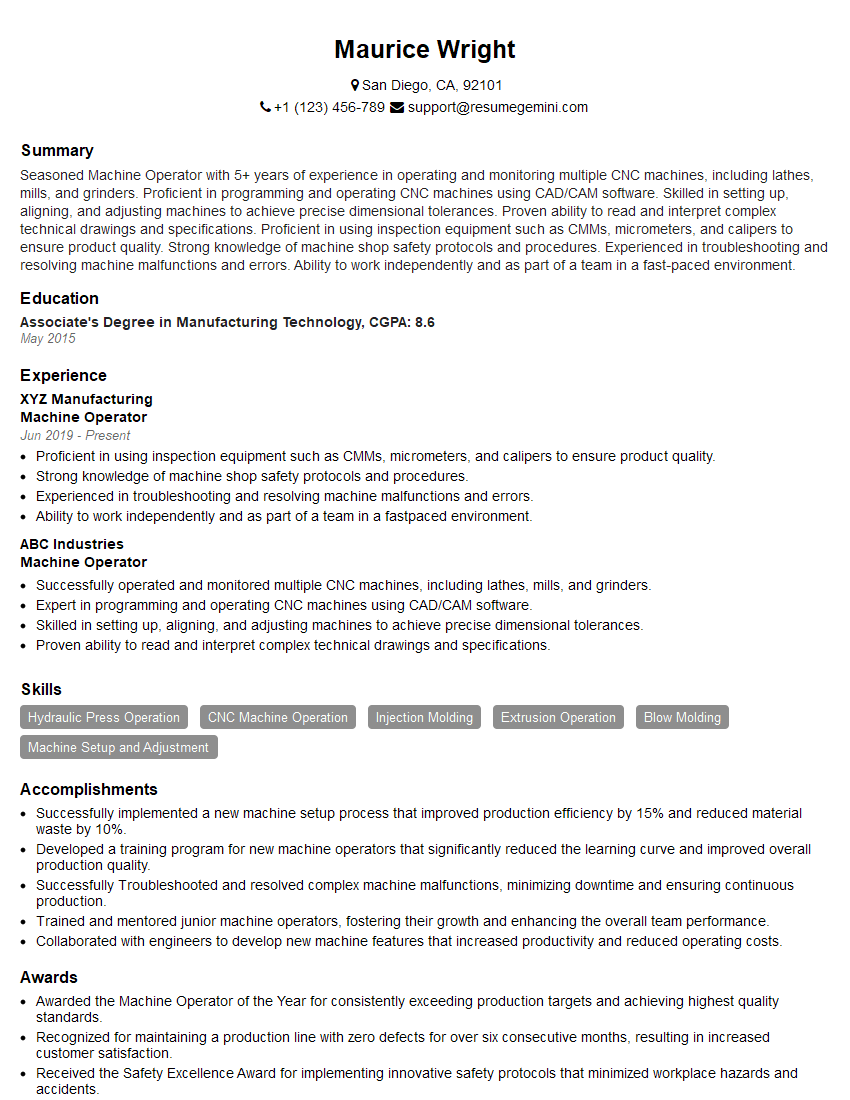
Machine Operator Resume Sample
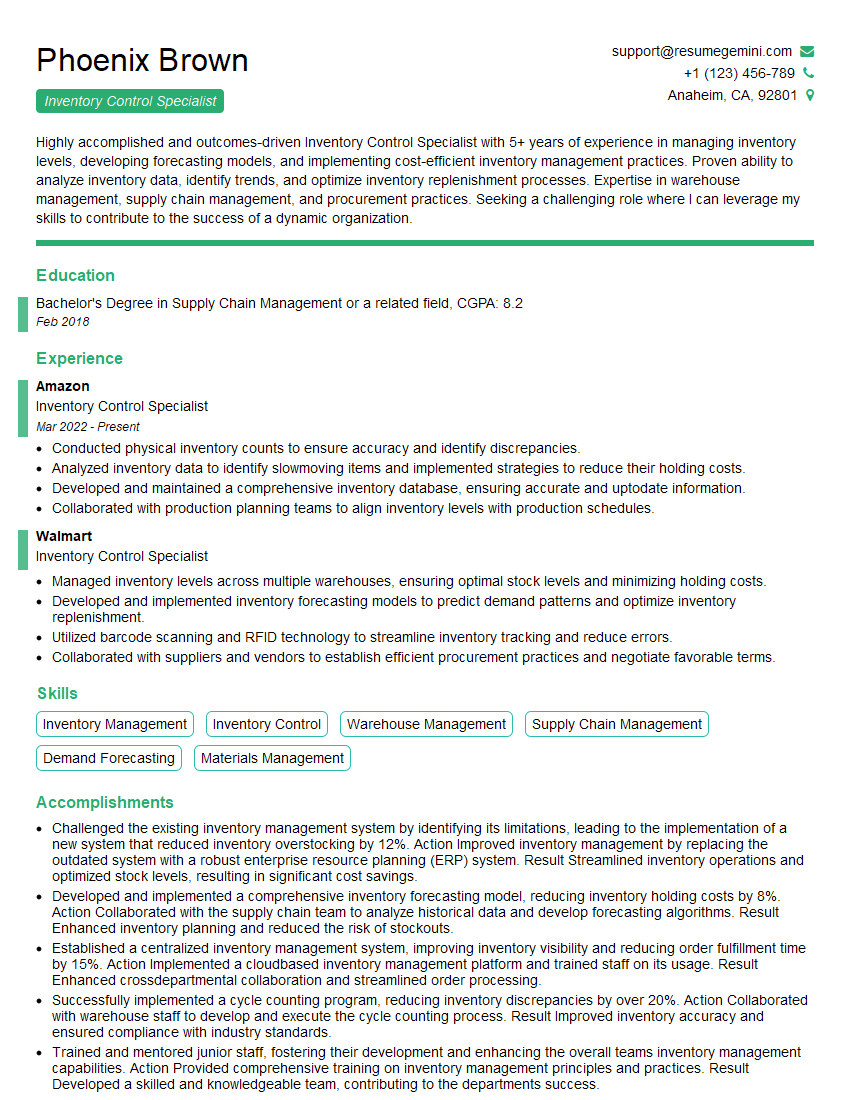
Inventory Control Specialist Resume Sample
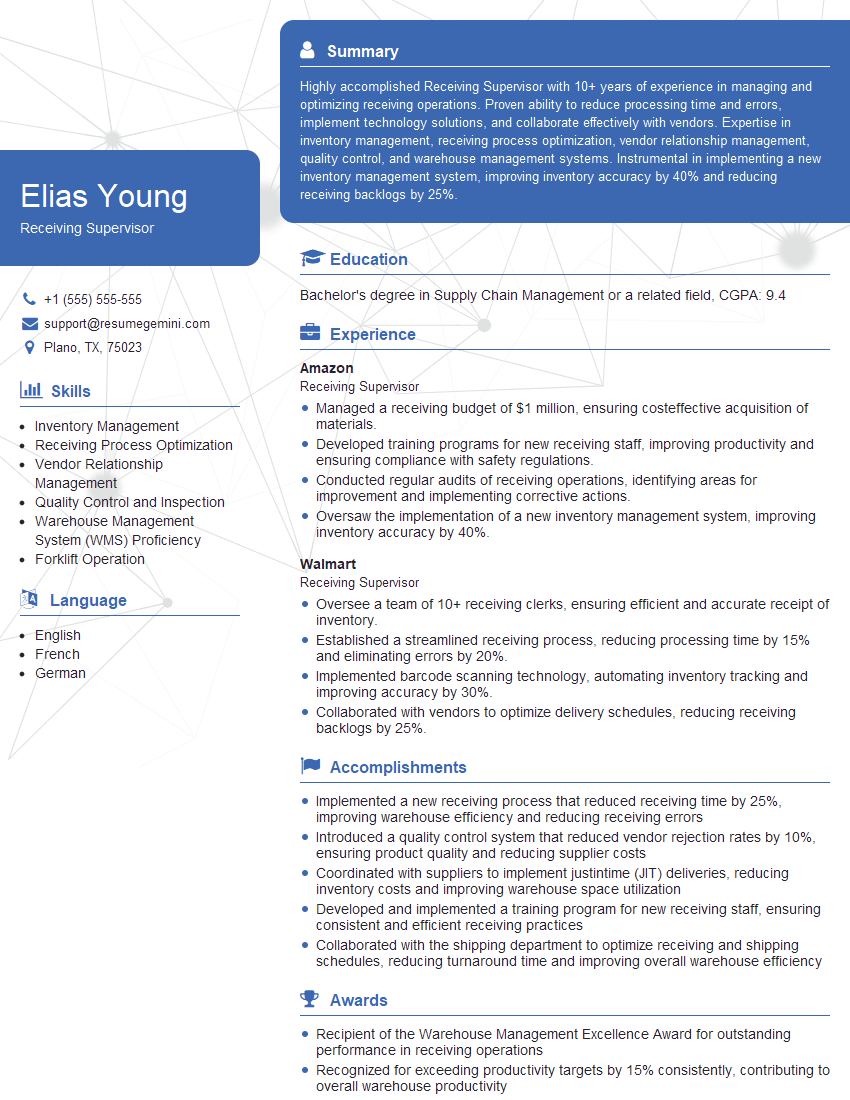
Receiving Supervisor Resume Sample

Shipping and Receiving Clerk Resume Sample
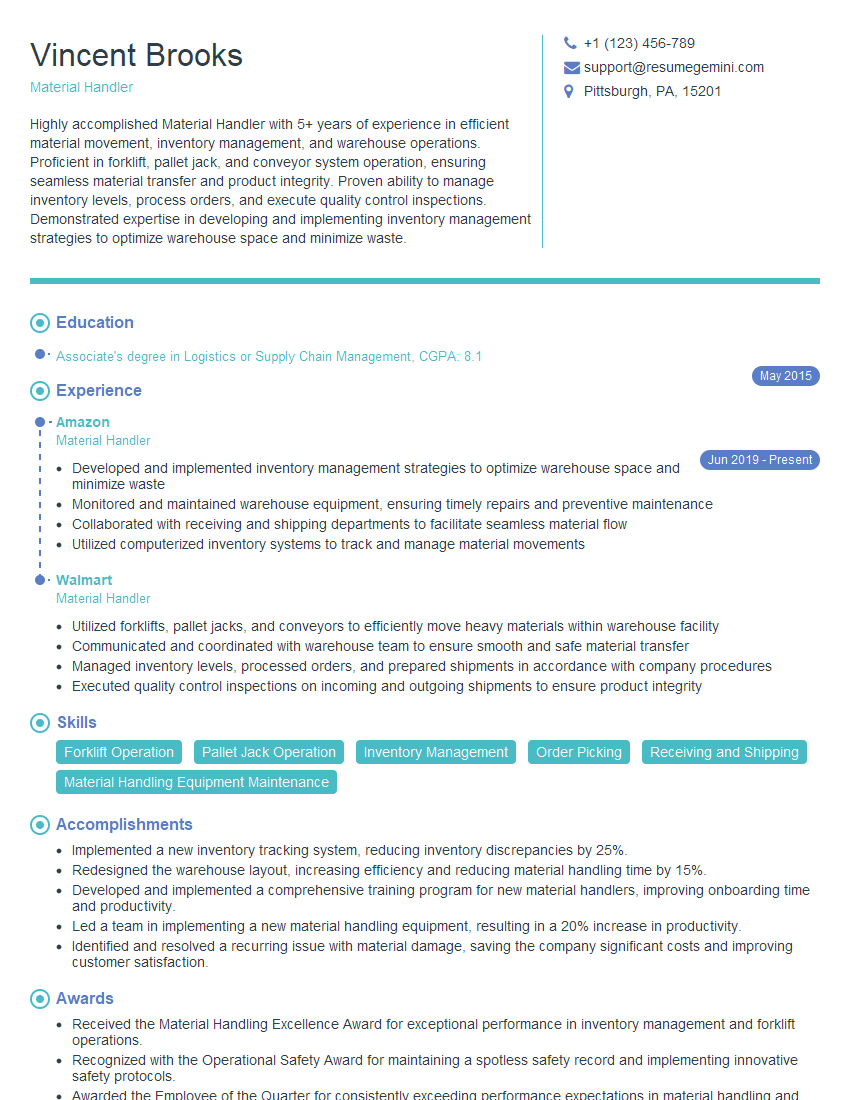
Material Handler Resume Sample
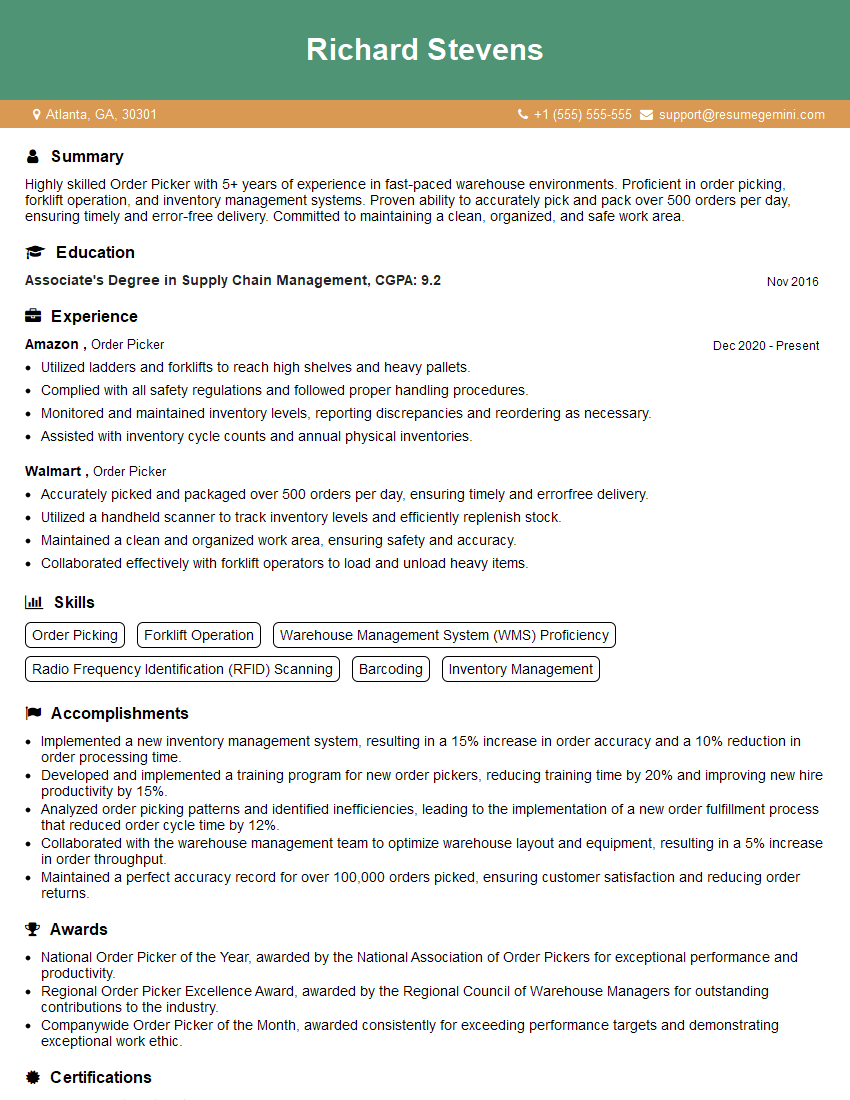
Order Picker Resume Sample
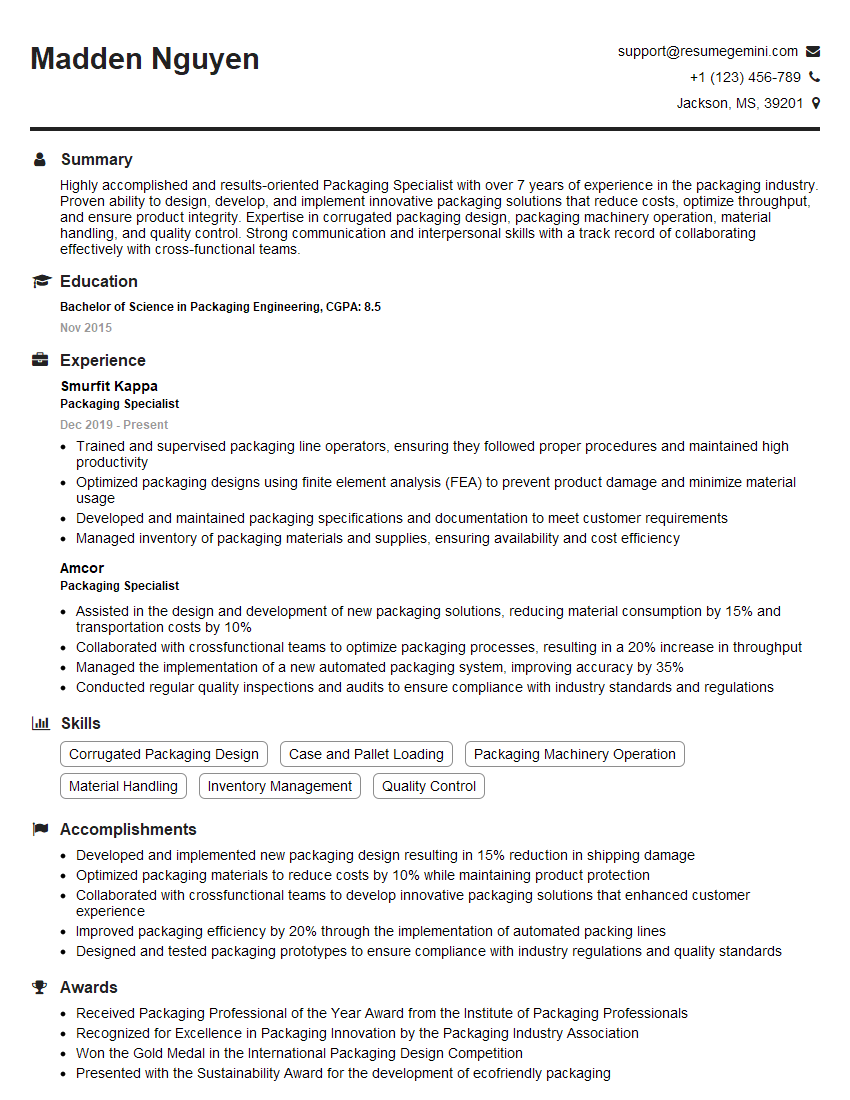
Packaging Specialist Resume Sample
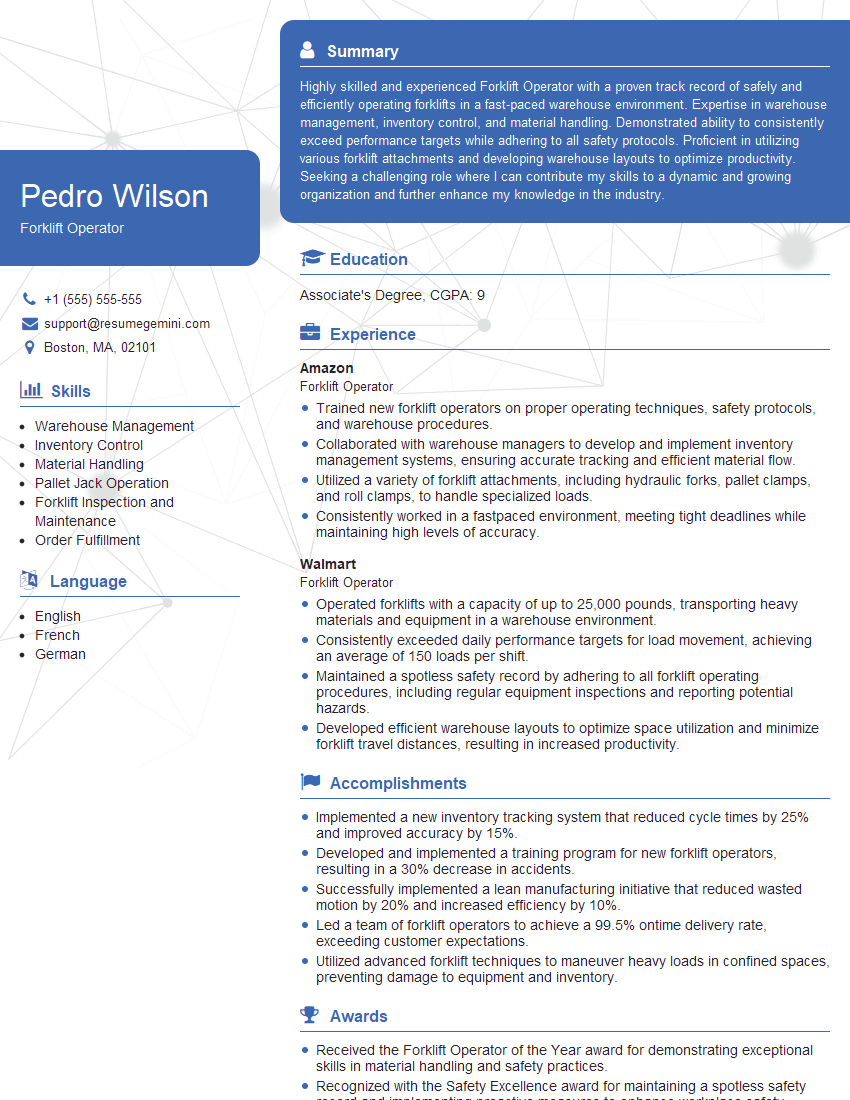
Forklift Operator Resume Sample
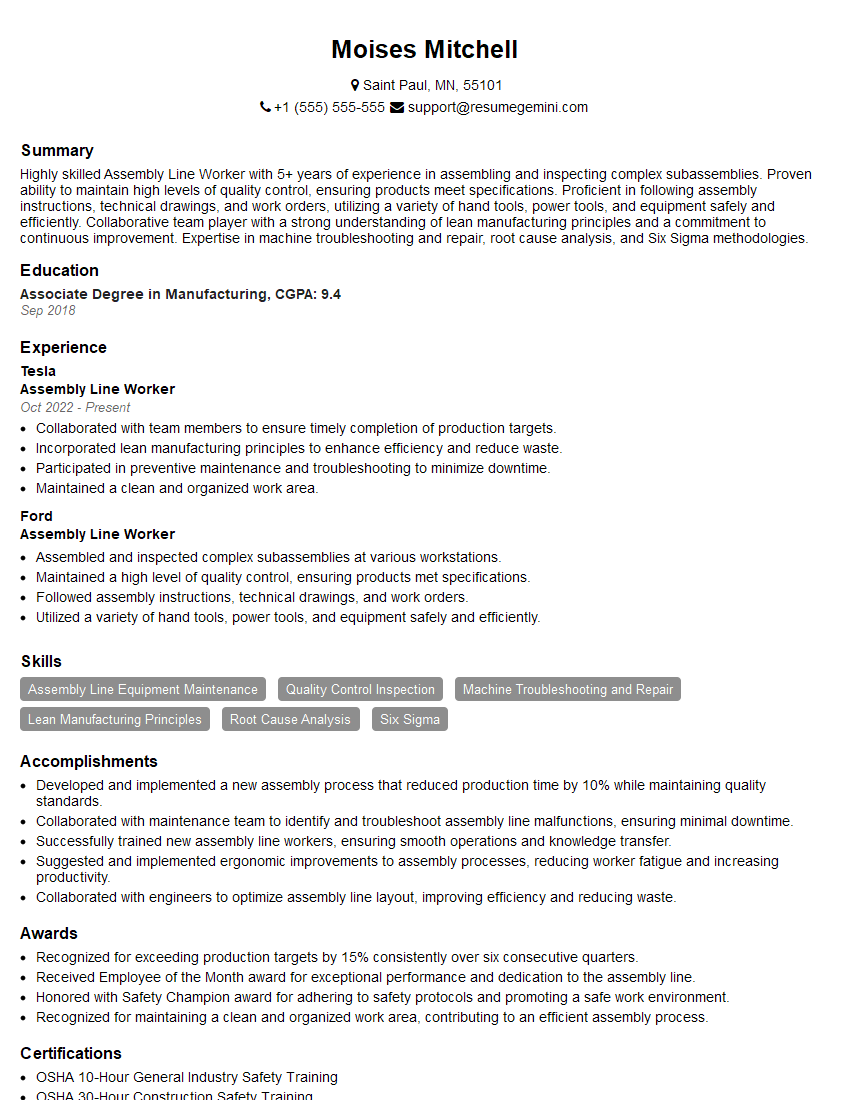
Assembly Line Worker Resume Sample
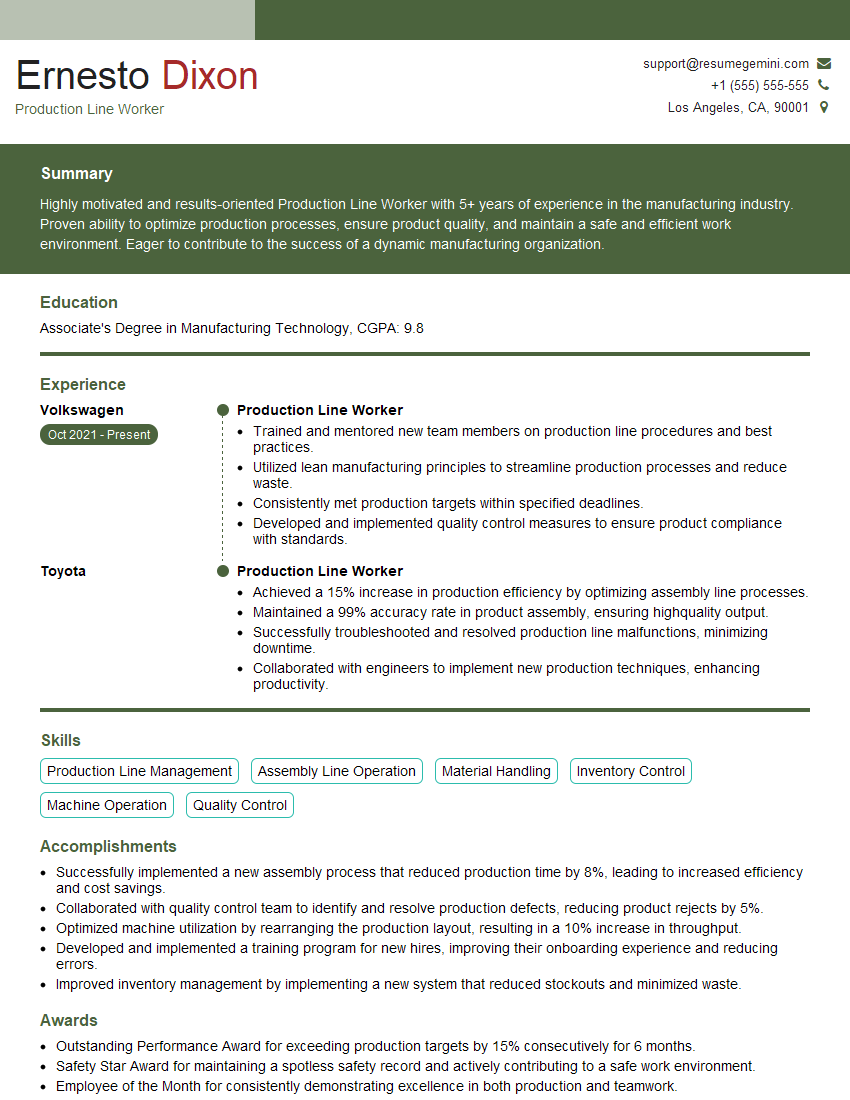
Production Line Worker Resume Sample
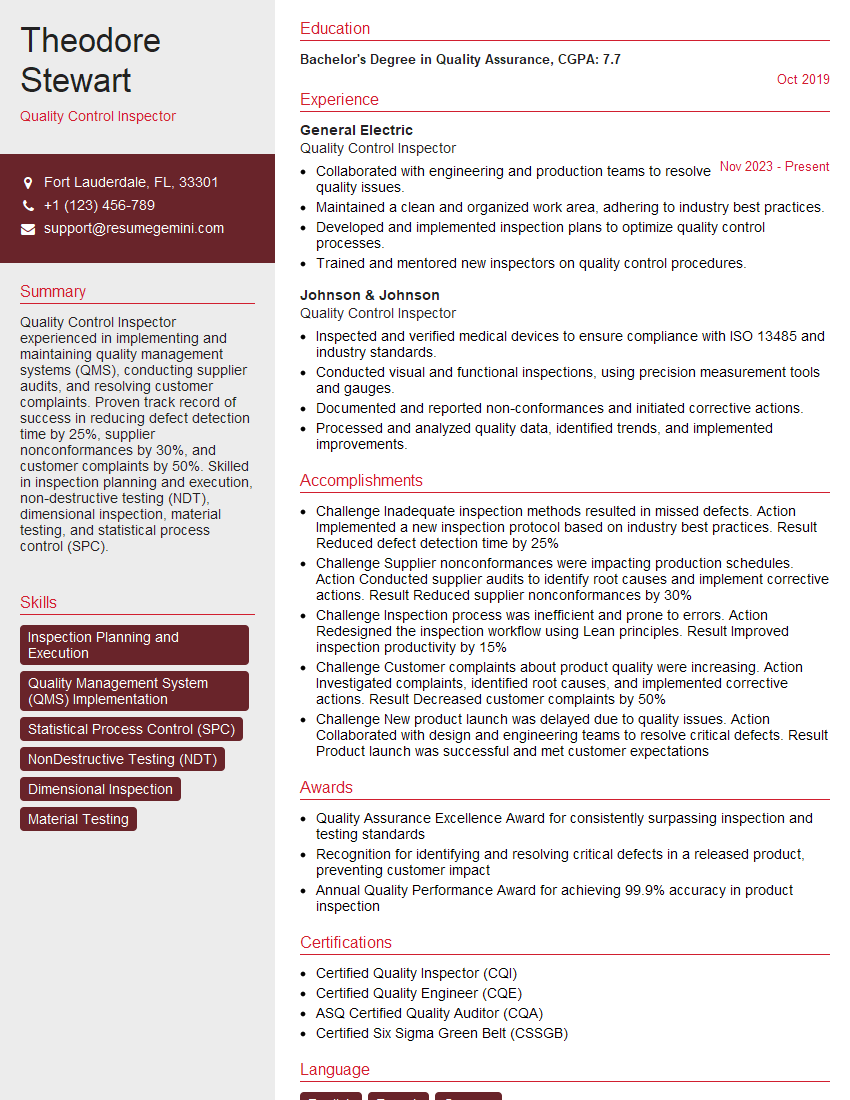
Quality Control Inspector Resume Sample
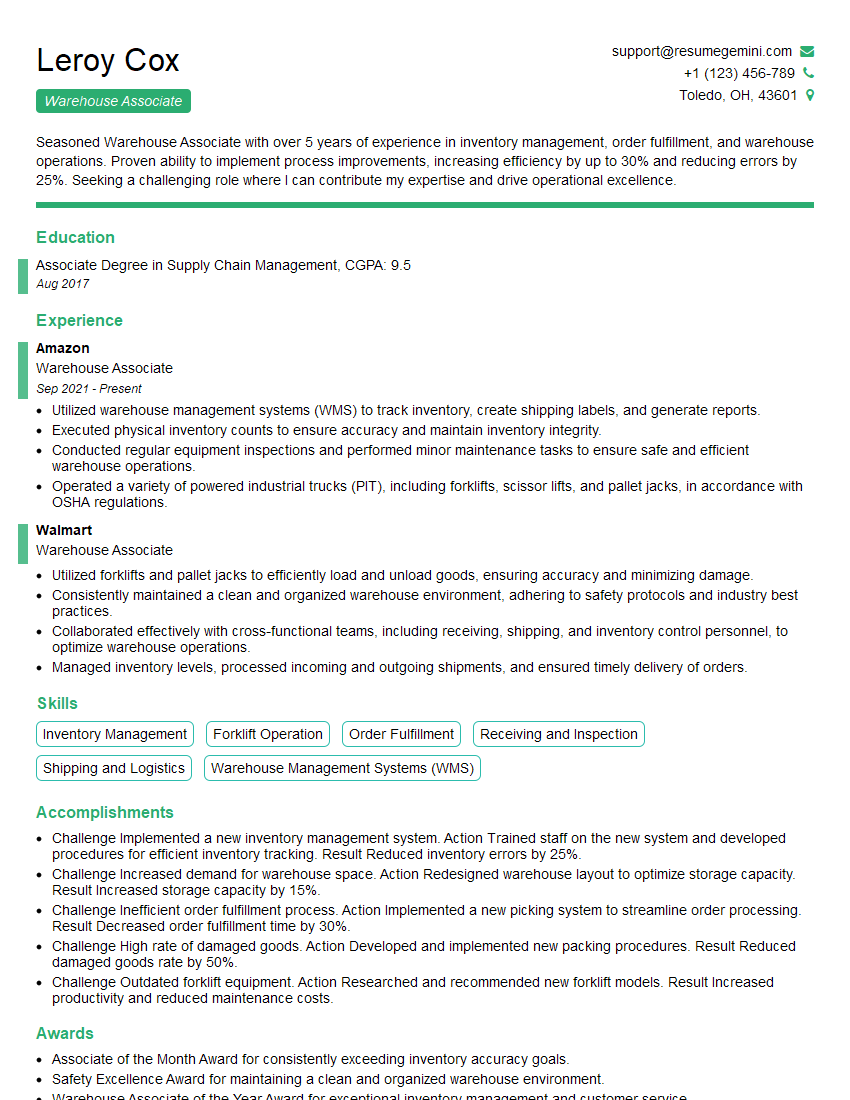
Warehouse Associate Resume Sample
- Operations Manager
- Plant Manager
- Production Supervisor
- Distribution Center Manager
- Warehouse Manager
- Warehouse Supervisor
- Logistics Coordinator
- Inventory Analyst
- Logistics Specialist
- Supply Chain Analyst
- Maintenance Technician
- Shift Supervisor
- Machine Operator
- Inventory Control Specialist
- Receiving Supervisor
- Shipping and Receiving Clerk
- Material Handler
- Order Picker
- Packaging Specialist
- Forklift Operator
- Assembly Line Worker
- Production Line Worker
- Quality Control Inspector
- Warehouse Associate
Explore more articles
Users Rating of Our Blogs
Share Your Experience
We value your feedback! Please rate our content and share your thoughts (optional).
What Readers Say About Our Blog
Very informative content, great job.
good