Every successful interview starts with knowing what to expect. In this blog, we’ll take you through the top Experience in Aircraft Structural Repair interview questions, breaking them down with expert tips to help you deliver impactful answers. Step into your next interview fully prepared and ready to succeed.
Questions Asked in Experience in Aircraft Structural Repair Interview
Q 1. Describe your experience with different types of aircraft structural damage.
My experience encompasses a wide range of aircraft structural damage, from minor dents and scratches to significant impacts and fatigue cracks. I’ve worked on damage to various aircraft materials including aluminum alloys, titanium, composites, and steel. Specific examples include:
- Impact damage: Repairing fuselage sections after bird strikes, runway excursions, and ground handling incidents, involving dent removal, straightening, and potentially composite patch repairs.
- Corrosion damage: Addressing corrosion in various areas, from stringer corrosion in aluminum airframes to corrosion pitting in fastener holes. This involved careful cleaning, surface preparation, and the application of corrosion inhibitors and protective coatings.
- Fatigue damage: Identifying and repairing fatigue cracks, often found in high-stress areas like wing spars or landing gear components. This required detailed inspections, crack propagation analysis, and the implementation of appropriate repair techniques.
- Composite damage: Repairing delaminations, impact damage, and cracks in composite structures, using techniques such as resin infusion, bonding, and stitching. This also involved careful consideration of the composite’s layup and the materials’ properties.
- Foreign Object Damage (FOD): Dealing with damage caused by runway debris or other foreign objects, such as engine ingestion damage or damage to the leading edges of wings.
Each damage type demands a unique approach, combining thorough inspection, accurate damage assessment, and the selection of the most appropriate repair method based on factors such as the aircraft’s airworthiness directives and structural integrity.
Q 2. Explain the process of repairing a delaminated composite structure.
Repairing a delaminated composite structure is a precise process that requires specialized knowledge and tooling. Delamination, the separation of composite layers, weakens the structure and compromises its integrity. The repair process typically involves these steps:
- Inspection and Assessment: A thorough inspection, often using Non-Destructive Testing (NDT) methods like ultrasonic testing (UT) to determine the extent of the delamination. This helps define the repair area and ensures complete removal of the affected layers.
- Preparation: This involves carefully removing the damaged area, creating a clean, sound surface for bonding the repair patch. This often includes mechanical removal using grinding or sanding techniques, with careful consideration to avoid further damage to the surrounding structure.
- Patch Preparation: A repair patch, made of compatible composite material and shape, is meticulously prepared. The patch must be properly sized to account for the damage area and provide sufficient overlap.
- Bonding: The patch is bonded to the prepared surface using a suitable adhesive, ensuring proper curing under controlled environmental conditions. This often involves application of a carefully-measured amount of adhesive, followed by vacuum bagging or autoclave curing (depending on the complexity and size of the repair) to eliminate air pockets and ensure strong adhesion.
- Post-Cure Inspection: After curing, the repair is thoroughly inspected to ensure the bond has fully cured and the repair area is structurally sound. NDT methods such as UT may be employed to confirm the integrity of the repair.
- Finishing: The repair area might require surface finishing to restore the aircraft’s aerodynamic profile and cosmetic appearance. This often involves sanding, filling, and painting to match the surrounding surface.
Throughout the process, strict adherence to manufacturer’s guidelines, repair manuals, and relevant industry standards is paramount to ensuring airworthiness and structural integrity.
Q 3. What are the common causes of corrosion in aircraft structures?
Corrosion in aircraft structures is a significant concern, impacting safety and requiring regular maintenance. Common causes include:
- Environmental Factors: Exposure to moisture, salt spray (near coastal areas), and deicing fluids are primary culprits. These accelerate corrosion, particularly in aluminum alloys.
- Material Compatibility: Dissimilar metal contact, where different metals touch, can lead to galvanic corrosion. This happens when a more active metal (like aluminum) corrodes preferentially in the presence of a less active metal (like steel).
- Manufacturing Defects: Imperfect surface treatments, contamination during manufacturing, or improper fastener installation can create localized areas vulnerable to corrosion.
- Maintenance Issues: Insufficient cleaning, delayed repairs to existing damage, and poor quality repairs can exacerbate corrosion and lead to more extensive damage.
- Stress Corrosion Cracking (SCC): This occurs when a metal is subjected to both tensile stress and a corrosive environment. This is especially a concern for high-strength aluminum alloys.
Understanding these causes is crucial for implementing preventative measures and developing effective corrosion control strategies.
Q 4. How do you perform a visual inspection of an aircraft structure?
A visual inspection is the first and often most critical step in aircraft structural repair. It involves systematically examining the aircraft structure for any signs of damage. The process includes:
- Preparation: Access to the inspection area needs to be ensured, often involving removing interior panels or other components. Good lighting is also essential.
- Systematic Examination: Following a pre-defined inspection plan or checklist, I visually assess the structure for damage such as dents, cracks, corrosion, scratches, or delamination. I pay close attention to areas known to be susceptible to damage.
- Documentation: All findings are thoroughly documented, including the type and location of damage, using sketches, photographs, and written reports. This ensures clear communication and traceability throughout the repair process.
- Tooling and Aids: Specialized mirrors, borescopes, and magnifying glasses may be used to access hard-to-reach areas and enhance visibility.
- Comparison: Often, visual comparison to blueprints, manufacturer’s specifications, or known good areas is employed to highlight deviations and potential damage areas.
A thorough visual inspection acts as the foundation for subsequent NDT methods and repair decisions. It’s crucial to remember that thoroughness and attention to detail are paramount in this stage to catch even subtle issues.
Q 5. What are the different types of non-destructive testing (NDT) methods used in aircraft structural repair?
Several Non-Destructive Testing (NDT) methods are employed in aircraft structural repair to assess the extent and nature of damage without causing further harm. These include:
- Ultrasonic Testing (UT): Uses high-frequency sound waves to detect internal flaws, delaminations, and corrosion. It’s particularly useful for composite materials and thicker sections of metal.
- Radiographic Testing (RT): Uses X-rays or gamma rays to penetrate the material and reveal internal defects such as cracks and corrosion. Useful for locating hidden flaws, but requires special safety precautions.
- Eddy Current Testing (ECT): Employs electromagnetic induction to detect surface and near-surface cracks and other discontinuities, primarily in conductive materials like aluminum.
- Liquid Penetrant Inspection (LPI): A dye penetrant is applied to the surface, revealing cracks by capillary action. Suitable for detecting surface-breaking flaws.
- Magnetic Particle Inspection (MPI): Uses magnetic fields to detect surface and near-surface cracks in ferromagnetic materials like steel. Iron particles are used to visualize the cracks.
The choice of NDT method depends on the suspected damage type, the material being inspected, and the accessibility of the area. Often, multiple methods are used in combination for a comprehensive assessment.
Q 6. Describe your experience with repairing aluminum structures.
Repairing aluminum structures constitutes a significant portion of my work. Aluminum, while lightweight and strong, is susceptible to corrosion and fatigue. Repair techniques vary depending on the type and extent of damage:
- Dent Repair: Minor dents are often repaired using techniques like hammering, doling, and filling, followed by smoothing and painting to restore the original surface.
- Crack Repair: Cracks require more extensive repair, often involving drilling stop holes to prevent propagation, then filling the crack with a suitable filler material. This might be followed by smoothing and painting, potentially reinforcing the repaired area with a patch.
- Corrosion Repair: Corrosion repair can range from simple cleaning and application of protective coatings to extensive repairs involving section removal and replacement, especially in the case of severe corrosion pitting or intergranular corrosion.
- Patching: Larger damage may necessitate the use of patches, which are bonded or riveted to the damaged area using specialized adhesives and fasteners. Careful surface preparation is crucial for strong and reliable patching.
Each repair method for aluminum requires meticulous attention to detail, precise execution, and strict adherence to the relevant repair manuals to ensure the structural integrity of the repaired component and continued airworthiness of the aircraft.
Q 7. How do you determine the repairability of a damaged structure?
Determining the repairability of a damaged structure involves a thorough assessment considering several factors:
- Extent of Damage: The size, location, and depth of the damage significantly influence repairability. Small, localized damage is typically more easily repaired than large, complex damage.
- Type of Damage: Different damage types (impact, corrosion, fatigue) require different repair techniques. Some damage types may be more readily repaired than others.
- Material Type: The material of the affected structure plays a crucial role. Composite materials require specialized repair techniques, whereas aluminum repairs might involve different processes.
- Structural Integrity: The structural integrity of the remaining undamaged structure is evaluated to ensure the repair can restore the necessary strength and stiffness. Finite element analysis (FEA) or other engineering calculations may be necessary for complex repairs.
- Airworthiness Directives (ADs): Manufacturer’s repair manuals and relevant airworthiness directives dictate acceptable repair methods and limitations. A repair must conform to these regulations for the aircraft to remain airworthy.
- Cost-Benefit Analysis: In some cases, repair might be economically unfeasible compared to component replacement. Repair costs, downtime, and potential risks are all factored into this decision.
Ultimately, the decision of repairability rests on a careful evaluation of all these factors and ensuring the repair meets the required safety and regulatory standards.
Q 8. What safety precautions do you take when performing aircraft structural repair?
Safety is paramount in aircraft structural repair. My approach is built on a layered safety system, starting with a thorough pre-repair assessment. This includes carefully inspecting the damaged area, identifying potential hazards (like loose parts or compromised structures), and planning the repair accordingly. We always use appropriate Personal Protective Equipment (PPE), including safety glasses, gloves, hearing protection, and respirators depending on the materials used. The work area is meticulously prepared to minimize trip hazards and ensure good lighting and ventilation. Lockout/Tagout procedures are rigorously followed when working near any energized systems. Throughout the repair process, we adhere to strict protocols, regularly checking our work and using calibrated tools to ensure accuracy. For example, if working with composites, we meticulously manage dust and use appropriate respiratory protection to prevent inhaling harmful fibers. Finally, a post-repair inspection is conducted to ensure the structural integrity of the repair and the safety of the aircraft.
Q 9. Explain the importance of maintaining accurate repair records.
Maintaining accurate repair records is absolutely crucial for several reasons. Firstly, it ensures the airworthiness of the aircraft. These records provide a detailed history of all repairs, modifications, and inspections, which is essential for regulatory compliance and for tracking the aircraft’s overall structural health. Secondly, accurate records are vital for future maintenance and repairs. If a problem arises in the future, the repair history provides invaluable context for troubleshooting and helps prevent recurrence. For instance, if a similar damage occurs, previous repair methods and their effectiveness can be easily reviewed. Thirdly, proper documentation protects both the maintenance organization and the aircraft operator from liability. If a maintenance error is suspected, accurate records can help clarify the sequence of events and establish responsibility. We use a meticulously documented system adhering to industry standards, including detailed photographs, sketches, material specifications, and the names of the technicians involved. This system facilitates audits and ensures traceability in every step of the repair process.
Q 10. Describe your experience with using specialized tooling and equipment in aircraft structural repair.
My experience with specialized tooling and equipment is extensive. I’m proficient in using a wide range of tools, from basic hand tools like rivet sets and bucking bars to advanced equipment such as automated fiber placement (AFP) machines for composite repairs. I’ve worked with specialized measuring devices like strain gauges and ultrasonic testing equipment to assess the structural integrity of components. For example, during the repair of a fatigue crack in an aluminum aircraft skin, we used a precision drill to create access holes for cleaning and filling the crack. Then we employed a specialized bonding agent along with a clamping system to ensure a strong and durable repair. Experience with AFP machines allowed me to execute complex composite repairs with precision, minimizing material waste and ensuring optimal structural integrity. Proper calibration and maintenance of all equipment is paramount, ensuring accuracy and reliability in all repairs.
Q 11. How do you ensure compliance with regulatory requirements during repairs?
Compliance with regulatory requirements is not just a matter of following rules; it’s about ensuring aviation safety. We strictly adhere to regulations set by governing bodies such as the FAA (in the US) or EASA (in Europe). This includes referencing the aircraft’s maintenance manual, the applicable airworthiness directives (ADs), and relevant service bulletins. Before starting any repair, we ensure we have all the necessary documentation and approvals. We meticulously document every step of the repair process, conforming to the required formats and standards for maintenance logs and records. This documentation not only ensures compliance but also creates a clear audit trail, allowing us to easily trace the repair work performed. Non-compliance can lead to serious consequences; adhering to regulatory requirements directly translates to safe and airworthy aircraft. For instance, we never deviate from the specified repair procedures without obtaining necessary approvals and documenting the reasons for the deviations.
Q 12. What are your troubleshooting skills when encountering unexpected problems during a repair?
Troubleshooting is an essential skill in aircraft structural repair. When unexpected problems arise, I follow a systematic approach. First, I thoroughly assess the situation, documenting all observations and measurements. This initial assessment often involves visual inspection, followed by non-destructive testing (NDT) methods such as ultrasonic inspection or X-ray to pinpoint the exact nature of the problem. Then, I consult relevant manuals, service bulletins, and my own experience to identify possible causes. This involves checking the original repair documentation to see if there were any noted irregularities or potential failure points. I may also consult with senior engineers or other specialists if necessary. Once the problem is identified, I develop a solution, ensuring it aligns with regulatory requirements and maintains the structural integrity of the aircraft. This solution is then meticulously documented and reviewed before implementation. For instance, if a repair shows signs of premature failure, I would investigate the root cause by examining material properties, bonding techniques, and environmental factors. This approach has always helped ensure a reliable solution.
Q 13. Explain your understanding of structural stress and fatigue.
Understanding structural stress and fatigue is fundamental to aircraft maintenance. Stress refers to the internal forces within a structure caused by external loads. Fatigue is the progressive and localized structural damage that occurs when a material is subjected to repeated cycles of stress. Fatigue cracks initiate at stress concentration points and propagate over time, eventually leading to catastrophic failure if left unchecked. The design of aircraft structures takes fatigue into account, using specific materials, construction methods, and inspection procedures to mitigate this risk. During repair, we carefully consider the residual strength of the structure after damage and ensure the repair adequately restores the component’s fatigue resistance. For instance, we might use special techniques like shot peening (applying small projectiles to a metal surface to introduce compressive stresses) to reduce the likelihood of fatigue cracks forming near the repair area. Proper inspection schedules, including ultrasonic testing, can detect cracks before they reach critical sizes, preventing catastrophic failures.
Q 14. Describe your experience with different types of adhesives and bonding agents.
My experience encompasses a wide variety of adhesives and bonding agents, each suited for specific materials and applications. I’m familiar with epoxy resins, structural adhesives, and specialized formulations used in composite repairs. The selection of adhesive depends on several factors such as the materials being bonded (aluminum, composites, etc.), the service temperature, the required strength, and the environmental conditions the aircraft will face. For example, when repairing a composite part, we might use a high-strength epoxy with excellent shear properties. When bonding dissimilar materials, we must carefully choose an adhesive with good adhesion to both substrates. Proper surface preparation, including cleaning and priming, is crucial for ensuring optimal bond strength and durability. Each adhesive has specific application procedures and cure times that must be strictly followed. I am also familiar with the properties and limitations of various adhesive systems and how to choose the right one for a given repair, ensuring the integrity and longevity of the repair. I always refer to the manufacturer’s data sheets and follow safety regulations when handling and applying adhesives.
Q 15. How do you handle discrepancies found during an inspection?
Handling discrepancies during an aircraft structural inspection is crucial for safety. My approach involves a systematic process starting with careful documentation. I meticulously record the discrepancy’s location, type, and severity using standardized forms and digital imaging. Next, I consult the aircraft’s maintenance manual and relevant airworthiness directives to determine the appropriate action. This could range from minor repairs that fall under routine maintenance to more serious issues requiring engineering consultation and potentially grounding the aircraft. For example, a small dent might only require smoothing and repainting, while a crack in a critical structural component necessitates a detailed damage assessment, potentially involving non-destructive testing (NDT) methods like ultrasonic inspection or radiography to determine its extent. After assessment, I determine the repair method, ensuring it meets all regulatory requirements and adheres to the manufacturer’s specifications. Finally, the repaired area undergoes a thorough inspection to verify the fix and prevent recurrence.
In one instance, I discovered a small corrosion spot on an aluminum wing spar during a routine inspection. After carefully documenting it, I consulted the maintenance manual and found that the damage was within acceptable limits and could be addressed through localized chemical treatment and protective coating. Following the manufacturer’s procedure, I successfully treated and repaired the affected area, then documented the process and the post-repair inspection. This ensured the structural integrity of the wing was maintained.
Career Expert Tips:
- Ace those interviews! Prepare effectively by reviewing the Top 50 Most Common Interview Questions on ResumeGemini.
- Navigate your job search with confidence! Explore a wide range of Career Tips on ResumeGemini. Learn about common challenges and recommendations to overcome them.
- Craft the perfect resume! Master the Art of Resume Writing with ResumeGemini’s guide. Showcase your unique qualifications and achievements effectively.
- Don’t miss out on holiday savings! Build your dream resume with ResumeGemini’s ATS optimized templates.
Q 16. What is your experience with repairing damage caused by bird strikes?
Bird strikes can cause significant damage, ranging from superficial scratches to substantial structural damage. My experience includes assessing the extent of damage caused by bird strikes, which often involves visual inspection, sometimes aided by NDT methods like X-rays or ultrasound, to detect hidden damage. The repair process depends greatly on the type of damage and the affected aircraft component. Minor damage might only require cleaning, patching and repainting. More severe damage might involve more complex repairs such as composite repair, metal repair using techniques like riveting or welding, or even replacement of the damaged section depending on the severity and location of the damage. Safety is paramount, so any repairs must meet the stringent standards set forth by the regulatory authorities and manufacturer.
I recall an incident involving a bird strike on a composite section of a helicopter’s tail boom. The impact created a significant dent and some delamination. We used ultrasonic inspection to determine the extent of the internal damage. The repair involved carefully removing the damaged composite material, cleaning and preparing the substrate, applying a suitable bonding agent and then rebuilding the area with new composite layers, using the correct layering and curing process to match the existing structure. This required specialized tools and curing ovens. A subsequent thorough NDT inspection verified the structural integrity post-repair.
Q 17. Describe your proficiency in using specialized repair manuals and documentation.
Proficiency in using specialized repair manuals and documentation is fundamental to my work. I’m adept at navigating complex technical manuals, interpreting engineering drawings, and understanding the various procedures, specifications, and regulatory requirements. My expertise extends to both paper and digital documentation. I regularly use these manuals to confirm appropriate repair techniques, identify necessary parts, and verify the process complies with airworthiness regulations. I am also familiar with various NDT documentation procedures and reporting formats, ensuring complete and accurate record keeping.
For example, recently we had to repair a damaged flap actuator on a commercial aircraft. The specific repair procedure wasn’t a simple fix, requiring detailed steps including precise measurements, component tolerances and specialized tools. Consulting the manufacturer’s maintenance manual—both print and digital versions—guided me step-by-step through disassembling the unit, troubleshooting its functionality, and finally replacing the faulty component, while adhering to every detail mentioned within the documents. This resulted in a safe and successful repair.
Q 18. How do you manage your workload and prioritize tasks effectively?
Effective workload management involves prioritizing tasks based on urgency and importance. I use various tools including task management software and prioritization matrices to organize my workflow. I assess the complexity of each task, its impact on the aircraft’s airworthiness, and any associated deadlines. Tasks that directly affect safety and have tight deadlines are always prioritized. I regularly communicate with my team and supervisors to ensure alignment and adjust my schedule as needed. I also break down large tasks into smaller, manageable sub-tasks to improve efficiency and track progress effectively.
A useful analogy is treating the hangar like an air traffic control system. Each repair is like an inbound flight that requires careful scheduling and prioritization to ensure safe and efficient completion. Some repairs may require more immediate attention than others, similar to emergency landings that take precedence over routine flights.
Q 19. How do you work effectively as part of a team?
Teamwork is essential in aircraft structural repair. I believe in open communication, active listening, and collaboration. I contribute my expertise, readily share knowledge with colleagues, and actively participate in team discussions. I am respectful of differing perspectives and actively seek consensus on the best repair strategies. I believe in delegating tasks effectively based on individual skills and experience. This promotes efficiency and fosters a positive team environment. I also ensure everyone understands safety regulations and best practices, promoting a culture of safety and quality.
For instance, in a recent project involving the repair of a significant wing section, I collaborated with several specialists, including composite technicians, NDT inspectors, and quality control personnel. By fostering open communication and sharing responsibility, we successfully completed the repair ahead of schedule and within budget, exceeding expectations.
Q 20. Explain your understanding of different types of composite materials.
Composite materials are increasingly common in modern aircraft structures due to their high strength-to-weight ratio. I’m familiar with various types including fiberglass reinforced polymers (FRP), carbon fiber reinforced polymers (CFRP), and aramid fiber reinforced polymers (AFRP). Each material has unique properties and requires specific repair techniques. Fiberglass is relatively easy to work with, requiring less specialized equipment and techniques compared to CFRP, which is much stronger but also more demanding to work with in terms of specialized equipment and expertise. AFRP is known for its high impact resistance. Understanding the properties of each material—strength, stiffness, durability, and repair characteristics—is critical for selecting the correct repair method and materials.
For example, CFRP’s high strength makes it suitable for critical structural components. However, its repair requires a higher level of skill and precision. It’s important to understand the various layup techniques and curing processes specific to this type of material to ensure that the repaired section matches the original component’s strength and stiffness.
Q 21. Describe your experience with repairing fiberglass components.
Fiberglass repair involves several steps, starting with assessing the damage and determining its extent. This often involves cleaning the area, removing damaged material, and then preparing the surface for repair. Depending on the severity, repairs may involve patching, layering additional fiberglass cloth and resin, or even replacing a whole section. Proper curing of the resin is crucial for a strong and durable repair. After the repair, the area is often sanded, primed, and painted to match the surrounding area. Careful attention must be paid to the correct mixing ratios of the resin and hardener, proper curing times and temperatures, and using appropriate safety measures, including proper ventilation and personal protective equipment.
In one instance, I repaired a damaged fiberglass nose cone on a small aircraft. The damage involved a significant crack. After removing the cracked section, I cleaned the area, applied bonding agent, and layered several pieces of fiberglass cloth and resin to rebuild the damaged section. I carefully ensured proper overlap between layers to provide maximum strength. After curing, I shaped and sanded the repaired area to restore its original shape and then repainted it to match the rest of the aircraft. The repair was successful, and the nose cone was restored to its original structural integrity.
Q 22. What are the different types of rivets used in aircraft construction?
Aircraft construction utilizes a variety of rivets, each chosen based on the specific application and material properties. The choice depends on factors like shear strength requirements, material compatibility, and the accessibility of the rivet location.
- Solid Rivets: These are the most common type, made from a single piece of metal. They offer good strength and are relatively inexpensive. Common materials include aluminum alloys (2017, 2024, 5056), steel, and titanium, each chosen for specific strength and corrosion resistance requirements. For instance, 2017 aluminum rivets are frequently used in general aviation aircraft due to their balance of strength and corrosion resistance.
- Tubular Rivets (or Semi-Tubular Rivets): These rivets have a hollow shaft. They are often used where a larger head is needed for improved bearing strength or where blind riveting is required – i.e., riveting where access is only available from one side.
- Blind Rivets: These require access only from one side of the joint, making them essential for inaccessible areas. They come in various forms including pull-through rivets, self-plugging rivets, and expansion rivets, each with its unique installation mechanism. For example, a pull-through rivet uses a mandrel that is pulled through, expanding the rivet shank to form a tight joint.
- Countersunk Rivets: Designed to create a flush surface after installation, they are used for aerodynamic smoothness or where a flat finish is required. This is crucial in areas like aircraft skins where any protrusion can impact air flow and potentially damage the paintwork.
Selecting the correct rivet type is critical for maintaining the structural integrity of the aircraft. Incorrect rivet selection can lead to premature failure and compromise safety.
Q 23. How do you ensure proper surface preparation before applying paint or sealant?
Proper surface preparation is paramount before applying paint or sealant to an aircraft structure. It’s not just about aesthetics; it’s about ensuring the longevity and integrity of the protective coating. Any imperfections in the surface can create stress points and lead to premature corrosion or paint delamination.
The process usually involves several steps:
- Cleaning: This removes dirt, grease, oil, and other contaminants using solvents, abrasive cleaning, and sometimes specialized chemical treatments depending on the type of contaminant. Thorough cleaning is vital to ensure good adhesion of subsequent layers.
- Surface Preparation: This involves smoothing out imperfections and creating a suitable surface profile for adhesion. Techniques include sanding, grinding, and sometimes chemical etching or mechanical abrasion. This often involves specific grit levels of sandpaper to ensure a uniform surface finish without damage to the underlying substrate. Failure to properly prepare the surface can lead to poor paint adhesion and peeling.
- Priming: A primer coat is usually applied to provide a suitable base for the topcoat and enhances adhesion. It also often provides corrosion protection. The primer chosen must be compatible with both the substrate material and the topcoat. A common issue is using an incompatible primer which can prevent proper adhesion of the final coat
- Inspection: Careful visual inspection after each step ensures that the preparation is adequate before proceeding. Often a magnifying glass or specialized inspection tools are employed.
Skipping or inadequately performing these steps can result in costly rework, potential corrosion, and structural damage in the long term.
Q 24. What is your experience with repairing damage to control surfaces?
Repairing damage to control surfaces (ailerons, elevators, rudders) requires meticulous attention to detail and adherence to strict airworthiness standards. The safety of the aircraft and its occupants depends on these surfaces functioning correctly.
My experience includes repairing various types of damage, from minor dents and scratches to more significant structural damage caused by impacts or fatigue. This involves:
- Damage Assessment: Thorough inspection to determine the extent of the damage, including any hidden damage such as delamination or cracking. This often involves the use of non-destructive testing methods like ultrasonic testing or dye penetrant inspection.
- Repair Methodology: Selecting the appropriate repair technique based on the damage type and location, such as patching, bonding, or composite repair, using appropriate materials that match the original specification. In some cases, replacement of damaged components might be necessary. This often involves carefully measuring and fitting the new section to ensure precise alignment and a smooth surface finish.
- Re-Balancing: After the repair, control surface balance must be checked and re-adjusted to maintain aircraft handling characteristics. This involves precise measurements and weight adjustments to ensure proper flight control.
- Documentation: Meticulous record-keeping of the repair process, including materials used, techniques applied, and inspection results, is essential to maintain a complete and accurate repair history of the aircraft and to meet airworthiness standards.
I’ve worked on various aircraft types, and my experience has given me a deep understanding of the structural implications of damage to control surfaces and the importance of precision in the repair process.
Q 25. Explain your understanding of aircraft structural limitations.
Aircraft structural limitations are defined by the aircraft’s design and certification. These limitations dictate the maximum stresses and loads the aircraft can withstand during normal operations, including maneuvers and extreme weather conditions. Understanding these limitations is crucial for safe operation and maintenance.
These limitations are defined in several ways:
- Stress Limits: These define the maximum allowable stress on any structural member under various loading conditions. Exceeding these limits can lead to permanent deformation or even structural failure.
- Load Factors: These are multipliers applied to the aircraft’s weight to determine the maximum load the structure must withstand during various maneuvers (e.g., positive and negative G-forces). Load factors are crucial in determining the design strength requirements and subsequent repairs.
- Damage Tolerance: Modern aircraft designs often incorporate damage tolerance principles, meaning that the structure is designed to withstand some level of damage without catastrophic failure. This necessitates regular inspections to detect and address any damage before it progresses to a critical level.
Ignoring these limitations can have serious consequences, ranging from reduced structural lifespan to catastrophic failure, ultimately compromising the safety of flight. It is imperative to understand and adhere to the structural limitations of an aircraft throughout its operational lifespan.
Q 26. Describe your experience with repairing honeycomb structures.
Honeycomb structures are lightweight yet incredibly strong, making them ideal for aircraft components such as wings, control surfaces, and fuselages. Repairing them demands specialized knowledge and techniques due to their complex nature.
My experience involves:
- Damage Assessment: Careful inspection to identify the extent of the damage, which might involve delamination, core crush, or face sheet damage. This often requires visual and non-destructive testing (NDT) methods to fully understand the extent of the internal damage.
- Repair Techniques: Several techniques exist depending on the damage, including patch repairs (using adhesive bonding), core replacement (removing and replacing damaged honeycomb sections), or face sheet repair (repairing or replacing the damaged outer layers). Repair selection depends on the severity and location of the damage. The choice of materials is crucial to maintain structural integrity.
- Material Selection: The repair materials must closely match the original honeycomb structure’s properties in terms of strength, weight, and compatibility. For example, epoxy resins are often used as adhesives due to their high strength and bond durability. The correct cure time must be followed to ensure the strongest possible bond.
- Curing: Proper curing procedures are critical. The repair must be cured under controlled temperature and pressure to achieve the desired bond strength and structural integrity. Incorrect curing can lead to poor adhesion and compromise the repair.
Repairing honeycomb structures requires a high level of precision and attention to detail to maintain the integrity of the original design and ensure continued airworthiness.
Q 27. How do you ensure the repaired structure meets airworthiness standards?
Ensuring a repaired structure meets airworthiness standards is paramount. This is done through meticulous documentation, adherence to approved repair manuals, and thorough inspections. Airworthiness standards are defined by regulatory bodies like the FAA (Federal Aviation Administration) in the US or EASA (European Union Aviation Safety Agency) in Europe.
This involves:
- Following Approved Data: All repairs must adhere to the manufacturer’s approved repair manuals or published repair schemes that have been validated and approved. These manuals provide step-by-step instructions for repairing specific types of damage and typically provide drawings or diagrams for complex repairs.
- Material Certification: All materials used in the repair must be certified for use in aircraft structures, meaning they meet the required strength, durability, and other specified properties. This often includes traceability documentation confirming that the materials used meet the required specifications.
- Non-Destructive Testing (NDT): NDT methods such as visual inspection, ultrasonic testing, and radiography are used to verify the integrity of the repair. This is to ensure that the repair has been successfully completed without hidden defects which could compromise the structural integrity. NDT is important to detect any delamination, cracking, or voids within the repaired structure.
- Documentation: Comprehensive documentation of the repair process is crucial. This includes detailed records of the damage assessment, the repair methods employed, materials used, and the NDT results. This is important for traceability and airworthiness compliance, allowing other maintainers to understand how the structure was repaired.
- Airworthiness Release: Once all inspections are completed and the repair is deemed satisfactory, an airworthiness release is issued, certifying that the aircraft is safe for flight.
Failing to meet airworthiness standards can result in serious safety implications and significant regulatory consequences.
Q 28. What is your experience with repairing damage to landing gear components?
Repairing landing gear components is a complex task demanding a thorough understanding of structural mechanics and material properties. Landing gear components experience high loads during takeoff, landing, and ground operations, making repairs critical for safety.
My experience encompasses:
- Damage Assessment: This includes visual inspection, dimensional checks, and often the use of NDT to identify cracks, fatigue, or other hidden damage. The assessment must determine if the component can be repaired or if it requires replacement.
- Repair Techniques: This can range from welding, brazing, or metal bonding for metallic components to composite repairs for more advanced materials. Repair selection depends on the type of damage, material of the component, and the associated airworthiness limitations section (AWS).
- Specialized Equipment: Often, specialized equipment such as jigs and fixtures is needed to ensure that the repaired component is properly aligned and meets its original specifications. This can involve using specialized presses or welding equipment and ensures the components are properly aligned and structurally sound.
- Testing: After the repair, rigorous testing is required to ensure that the repaired component meets its original strength and performance requirements. This often involves load testing, ultrasonic testing, or other specialized tests.
- Compliance: All repairs must meet strict airworthiness standards and be properly documented to ensure compliance with regulatory requirements.
Given the critical role of landing gear in flight safety, the repair process is extremely rigorous and critical for safe operation.
Key Topics to Learn for Aircraft Structural Repair Interviews
- Materials Science and Metallurgy: Understanding the properties of aircraft materials (aluminum alloys, composites, etc.) and their behavior under stress, fatigue, and corrosion is crucial. This includes knowledge of material selection criteria for specific repair applications.
- Damage Tolerance and Repair Techniques: This covers various types of structural damage (fatigue cracks, corrosion, impact damage), approved repair methods (e.g., patching, bonding, riveting), and the associated documentation and certification processes. Practical experience with specific repair techniques will be highly valued.
- Non-Destructive Inspection (NDI): Proficiency in various NDI methods (e.g., visual inspection, dye penetrant testing, ultrasonic testing, radiography) is essential for identifying damage and verifying the effectiveness of repairs. Understanding the limitations and interpretation of NDI results is critical.
- Repair Manuals and Regulations: Familiarity with aircraft maintenance manuals (AMMs), structural repair manuals (SRMs), and relevant regulatory requirements (e.g., FAA regulations) is paramount. Demonstrating a meticulous approach to following procedures is key.
- Structural Analysis and Calculations: While deep theoretical knowledge might not always be required, understanding basic structural principles and the ability to perform simple calculations related to stress, strain, and load distribution can be advantageous.
- Quality Control and Documentation: Maintaining accurate and detailed records of all inspections and repairs is essential. Understanding quality control procedures and their importance in ensuring airworthiness is critical.
- Safety Procedures and Regulations: A strong understanding of safety protocols, hazard identification, and risk mitigation strategies within an aircraft maintenance environment is crucial.
Next Steps
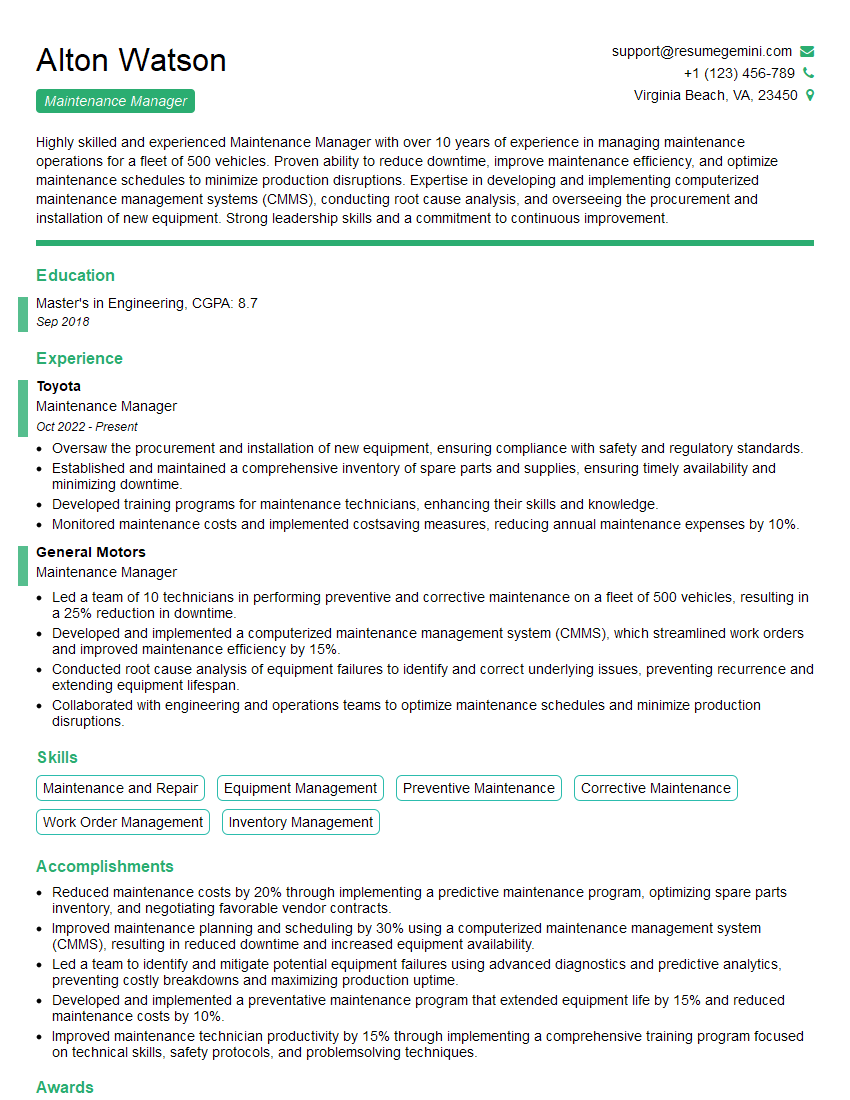
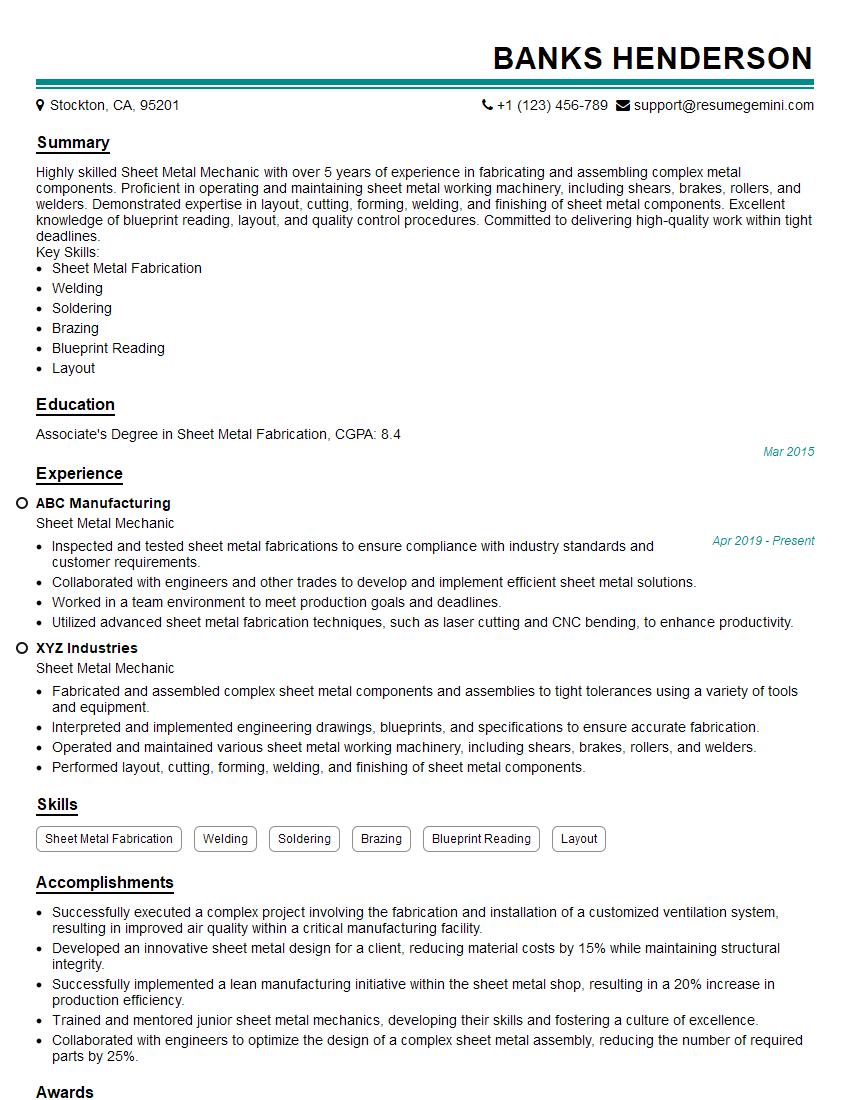
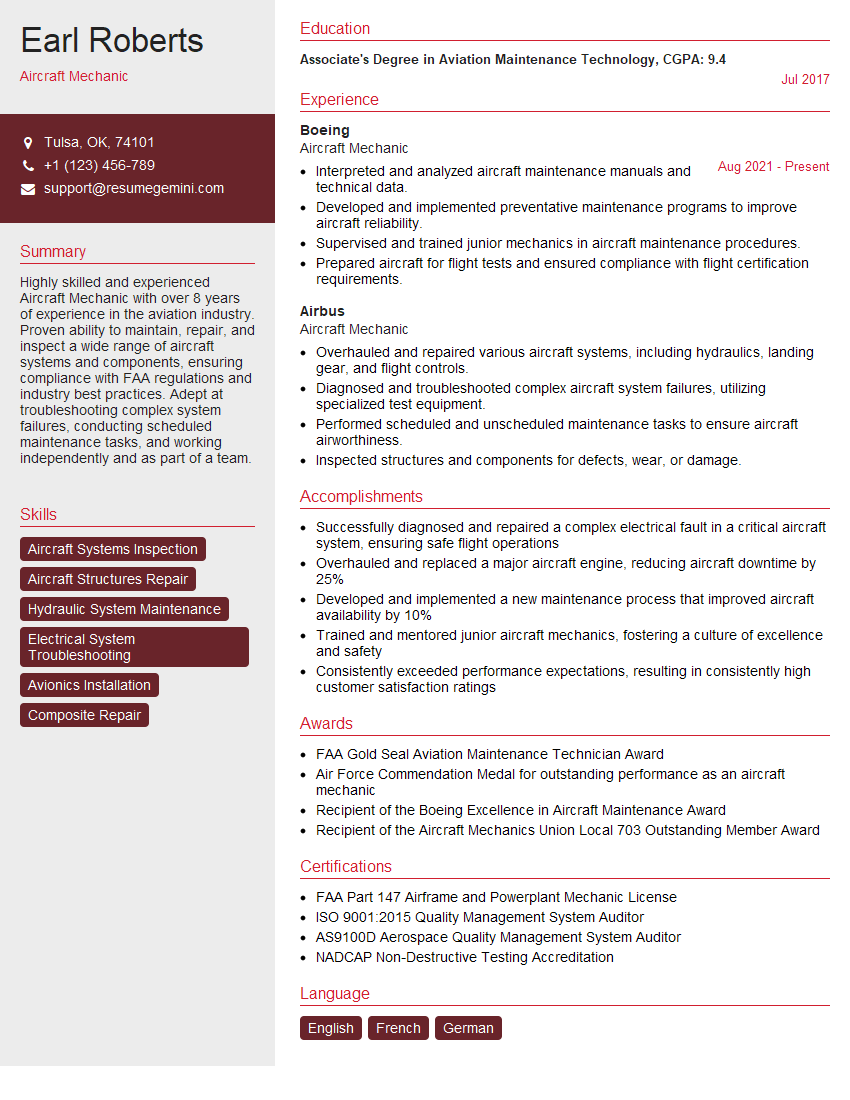
Mastering aircraft structural repair techniques significantly enhances your career prospects in the aerospace industry, opening doors to advanced roles and higher earning potential. A well-crafted, ATS-friendly resume is vital for showcasing your skills and experience effectively to potential employers. To maximize your job search success, we highly recommend using ResumeGemini to build a professional and impactful resume. ResumeGemini provides examples of resumes tailored to aircraft structural repair experience, helping you present your qualifications compellingly.
Explore more articles
Users Rating of Our Blogs
Share Your Experience
We value your feedback! Please rate our content and share your thoughts (optional).
What Readers Say About Our Blog
Attention music lovers!
Wow, All the best Sax Summer music !!!
Spotify: https://open.spotify.com/artist/6ShcdIT7rPVVaFEpgZQbUk
Apple Music: https://music.apple.com/fr/artist/jimmy-sax-black/1530501936
YouTube: https://music.youtube.com/browse/VLOLAK5uy_noClmC7abM6YpZsnySxRqt3LoalPf88No
Other Platforms and Free Downloads : https://fanlink.tv/jimmysaxblack
on google : https://www.google.com/search?q=22+AND+22+AND+22
on ChatGPT : https://chat.openai.com?q=who20jlJimmy20Black20Sax20Producer
Get back into the groove with Jimmy sax Black
Best regards,
Jimmy sax Black
www.jimmysaxblack.com
Hi I am a troller at The aquatic interview center and I suddenly went so fast in Roblox and it was gone when I reset.
Hi,
Business owners spend hours every week worrying about their website—or avoiding it because it feels overwhelming.
We’d like to take that off your plate:
$69/month. Everything handled.
Our team will:
Design a custom website—or completely overhaul your current one
Take care of hosting as an option
Handle edits and improvements—up to 60 minutes of work included every month
No setup fees, no annual commitments. Just a site that makes a strong first impression.
Find out if it’s right for you:
https://websolutionsgenius.com/awardwinningwebsites
Hello,
we currently offer a complimentary backlink and URL indexing test for search engine optimization professionals.
You can get complimentary indexing credits to test how link discovery works in practice.
No credit card is required and there is no recurring fee.
You can find details here:
https://wikipedia-backlinks.com/indexing/
Regards
NICE RESPONSE TO Q & A
hi
The aim of this message is regarding an unclaimed deposit of a deceased nationale that bears the same name as you. You are not relate to him as there are millions of people answering the names across around the world. But i will use my position to influence the release of the deposit to you for our mutual benefit.
Respond for full details and how to claim the deposit. This is 100% risk free. Send hello to my email id: [email protected]
Luka Chachibaialuka
Hey interviewgemini.com, just wanted to follow up on my last email.
We just launched Call the Monster, an parenting app that lets you summon friendly ‘monsters’ kids actually listen to.
We’re also running a giveaway for everyone who downloads the app. Since it’s brand new, there aren’t many users yet, which means you’ve got a much better chance of winning some great prizes.
You can check it out here: https://bit.ly/callamonsterapp
Or follow us on Instagram: https://www.instagram.com/callamonsterapp
Thanks,
Ryan
CEO – Call the Monster App
Hey interviewgemini.com, I saw your website and love your approach.
I just want this to look like spam email, but want to share something important to you. We just launched Call the Monster, a parenting app that lets you summon friendly ‘monsters’ kids actually listen to.
Parents are loving it for calming chaos before bedtime. Thought you might want to try it: https://bit.ly/callamonsterapp or just follow our fun monster lore on Instagram: https://www.instagram.com/callamonsterapp
Thanks,
Ryan
CEO – Call A Monster APP
To the interviewgemini.com Owner.
Dear interviewgemini.com Webmaster!
Hi interviewgemini.com Webmaster!
Dear interviewgemini.com Webmaster!
excellent
Hello,
We found issues with your domain’s email setup that may be sending your messages to spam or blocking them completely. InboxShield Mini shows you how to fix it in minutes — no tech skills required.
Scan your domain now for details: https://inboxshield-mini.com/
— Adam @ InboxShield Mini
Reply STOP to unsubscribe
Hi, are you owner of interviewgemini.com? What if I told you I could help you find extra time in your schedule, reconnect with leads you didn’t even realize you missed, and bring in more “I want to work with you” conversations, without increasing your ad spend or hiring a full-time employee?
All with a flexible, budget-friendly service that could easily pay for itself. Sounds good?
Would it be nice to jump on a quick 10-minute call so I can show you exactly how we make this work?
Best,
Hapei
Marketing Director
Hey, I know you’re the owner of interviewgemini.com. I’ll be quick.
Fundraising for your business is tough and time-consuming. We make it easier by guaranteeing two private investor meetings each month, for six months. No demos, no pitch events – just direct introductions to active investors matched to your startup.
If youR17;re raising, this could help you build real momentum. Want me to send more info?
Hi, I represent an SEO company that specialises in getting you AI citations and higher rankings on Google. I’d like to offer you a 100% free SEO audit for your website. Would you be interested?
Hi, I represent an SEO company that specialises in getting you AI citations and higher rankings on Google. I’d like to offer you a 100% free SEO audit for your website. Would you be interested?