Are you ready to stand out in your next interview? Understanding and preparing for Experience in Commercial and Residential Projects interview questions is a game-changer. In this blog, we’ve compiled key questions and expert advice to help you showcase your skills with confidence and precision. Let’s get started on your journey to acing the interview.
Questions Asked in Experience in Commercial and Residential Projects Interview
Q 1. Describe your experience managing budgets on commercial projects.
Managing budgets on commercial projects requires meticulous planning and proactive monitoring. It’s like being a financial conductor for a complex orchestra, ensuring every instrument (cost element) plays its part in harmony. My approach begins with a thorough pre-construction budget, developed using detailed quantity take-offs and accurate cost estimations based on historical data and current market pricing for materials and labor. I utilize various software tools like Procore and Microsoft Project to meticulously track every expense, comparing actual costs against the budget regularly. For example, on a recent office building project, we employed a phased budgeting approach, breaking down the total budget into distinct phases like site preparation, foundation, superstructure, and finishing. This allowed for better control and identification of potential cost overruns at an early stage. We held regular budget review meetings with the client and the project team to address any discrepancies and implement corrective actions. This proactive approach helped us maintain the project within the allocated budget and avoid significant financial surprises.
Q 2. Explain your approach to scheduling residential projects.
Scheduling residential projects is different from commercial ones. It’s more intimate and often requires greater flexibility. My approach involves close collaboration with the homeowner. We start by clearly defining the scope of work, and then I create a detailed schedule using Gantt charts, breaking down the project into manageable tasks. I always allow buffer time to accommodate unexpected delays. This is like adding a safety net – accounting for potential problems like material delays or unforeseen site conditions. For instance, on a recent home renovation project, we included a contingency buffer of 10% to the overall timeline. This proved invaluable when unforeseen plumbing issues arose, preventing delays to the critical path. Open communication with the homeowner throughout the project is key, ensuring that they are informed of any changes to the schedule and remain happy with the progress. Clear communication, coupled with a detailed plan and built-in flexibility, provides a smooth and timely project delivery.
Q 3. How do you handle cost overruns on a construction project?
Cost overruns are a common challenge in construction. My strategy is to prevent them before they become a problem, but when they do occur, my approach is systematic and transparent. First, I identify the root cause through a thorough analysis. This often involves reviewing the initial budget, comparing it to the actual costs, and identifying variances. For example, on a recent project, a significant cost overrun resulted from unforeseen site conditions requiring additional excavation work. Once the cause is identified, I develop a comprehensive mitigation plan involving the following steps: a revised budget, a revised schedule (if necessary), and communication with the client to discuss the options, including potential change orders. Open communication is key to maintain trust and manage expectations. This collaborative approach is essential to navigating challenges and ensuring a successful project completion, even if it involves a modified budget.
Q 4. What software programs are you proficient in for project management?
I’m proficient in several project management software programs, each with its own strengths. Procore is my go-to for comprehensive project management; it helps with document control, communication, and cost tracking. Microsoft Project is crucial for scheduling and critical path analysis. I also utilize BIM software such as Revit for complex projects. Finally, I am adept at using various spreadsheet software like Excel for detailed budget management and cost analysis. Each software complements the others and assists in managing all aspects of a construction project effectively. For example, utilizing Procore for document management allows for efficient collaboration between the client, contractors, and the project team.
Q 5. Describe your experience with different types of contracts (e.g., lump sum, cost plus).
I have extensive experience with various contract types. Lump-sum contracts, where a fixed price is agreed upon upfront, are suitable for projects with well-defined scopes. This provides cost certainty for the client but requires careful upfront planning and risk assessment from the contractor. Cost-plus contracts, on the other hand, involve reimbursing the contractor for actual costs incurred, plus a predetermined markup for profit. This approach is often preferred for projects with uncertain scopes or significant design changes. For example, I’ve successfully managed both types of contracts on several projects. For a large-scale commercial renovation, a lump-sum contract proved ideal due to a clearly defined scope. However, a cost-plus contract was better suited for a complex research facility project where design changes were anticipated and often needed during construction.
Q 6. How do you ensure quality control throughout a construction project?
Quality control is paramount. My approach involves implementing a multi-layered system, beginning with clear quality standards defined in the project documents. Regular inspections are conducted at various stages of construction, utilizing checklists and documented findings. This ensures that each phase meets the predefined quality standards. For example, on a recent residential project, we implemented a detailed inspection protocol for plumbing, electrical, and drywall installations. Any deviations from standards were immediately flagged and addressed through corrective actions. Furthermore, subcontractor pre-qualification helps to ensure that only qualified and reputable companies are involved in the project. Finally, a robust communication system keeps everyone aligned on quality expectations and allows for immediate resolution of any quality-related issues. The end result is a product that not only looks great but also stands the test of time.
Q 7. Explain your approach to managing subcontractors on a commercial project.
Managing subcontractors on a commercial project is like orchestrating a team. It involves careful selection, clear communication, and consistent monitoring. We begin with a thorough pre-qualification process, evaluating subcontractors based on their experience, reputation, and insurance coverage. Once selected, detailed contracts outlining scope of work, payment schedules, and safety requirements are established. Regular meetings are held to discuss progress, address concerns, and ensure alignment on project goals. I utilize Procore’s tools for daily reporting and communication, enabling transparent project updates and efficient problem-solving. For example, on a recent high-rise project, we used a collaborative platform to track subcontractor progress, share documents, and resolve issues promptly, maintaining efficient workflow and minimizing potential conflicts.
Q 8. How do you handle conflicts between subcontractors?
Conflict resolution between subcontractors is crucial for project success. My approach is proactive and involves clear communication, established contracts, and a fair dispute resolution process. I start by fostering strong relationships from the outset, ensuring each subcontractor understands their responsibilities and the overall project goals. This often involves pre-construction meetings where potential conflicts are identified and addressed proactively.
For example, on a recent residential project, two subcontractors – the electrician and the plumber – had conflicting schedules for accessing the same area. Instead of letting it escalate, I facilitated a meeting between them, outlining their respective deadlines and collaboratively creating a revised schedule that accommodated both parties. This prevented delays and fostered a collaborative atmosphere.
If conflicts arise despite these preventative measures, I use a structured approach: I first attempt mediation, facilitating a discussion where subcontractors can express their concerns and find a mutually agreeable solution. If mediation fails, I refer to the contracts, carefully reviewing specifications and timelines to determine responsibility and appropriate remedies. In extreme cases, I might need to involve legal counsel, but I always prioritize finding a solution that minimizes disruption to the project timeline and maintains professional relationships.
Q 9. How do you manage risks associated with weather delays?
Weather delays are an inherent risk in construction. My strategy involves a multi-pronged approach combining proactive planning, contingency measures, and robust communication. This includes carefully reviewing weather forecasts throughout the project lifecycle and building in buffer time into the schedule to account for potential delays.
For instance, on a large commercial project, we anticipated potential rain delays during the exterior cladding installation. We factored in extra days for this phase in our project plan and secured a covered storage area for materials. This proactive approach significantly mitigated the impact of unexpected rainy days. Furthermore, we incorporated clauses in our contracts with subcontractors that specifically addressed weather delays, outlining procedures for notification and potential adjustments to payment schedules. Open and transparent communication with the client about potential weather-related impacts is crucial, managing expectations and keeping them informed of any adjustments to the project timeline.
Beyond scheduling, we use technology to monitor weather forecasts and make informed decisions in real-time. This allows us to adapt quickly to unexpected weather events, minimizing downtime and financial losses.
Q 10. Describe your experience with safety regulations on construction sites.
Safety is paramount on any construction site. My experience encompasses a thorough understanding and strict adherence to all relevant Occupational Safety and Health Administration (OSHA) regulations, as well as any local or regional safety codes. I believe in a proactive safety culture, where every member of the team is responsible for their own safety and the safety of those around them.
This starts with pre-construction safety planning, including the development of a comprehensive safety plan that details hazard identification, risk assessment, and mitigation strategies. This plan is shared with all subcontractors and workers before work commences, and regular safety meetings are conducted to reinforce safety procedures and address any concerns. We utilize safety checklists, provide appropriate personal protective equipment (PPE), and conduct regular site inspections to identify and rectify potential hazards. Detailed accident reporting and investigation procedures are in place, ensuring any incidents are thoroughly investigated to prevent future occurrences. For instance, on a recent residential renovation, we implemented a strict ‘no-entry’ policy for certain areas until the hazardous materials removal was complete, securing the safety of both workers and the occupants of the house.
Beyond compliance, I encourage a culture of reporting – creating a safe environment where workers feel comfortable reporting near misses or unsafe practices without fear of reprisal. This proactive approach greatly minimizes the risk of accidents and promotes a positive safety culture.
Q 11. Explain your approach to resolving disputes with clients.
Resolving disputes with clients requires a calm, professional, and communicative approach. I prioritize understanding the client’s perspective and working collaboratively to find a mutually acceptable solution. I always begin by actively listening to their concerns, seeking to fully understand their dissatisfaction. Then, I thoroughly review the contract, project specifications, and any relevant documentation to identify the source of the dispute.
For example, if a client is unhappy with the color of a paint finish, I wouldn’t dismiss their concern but would instead explain the process we followed (showing images and documentation), referencing the agreed-upon color selection from the initial contract. If a genuine error occurred on our part, I would take full responsibility, outlining the corrective action we will take and potentially offering compensation for any inconvenience. Open communication is key, ensuring the client feels heard and understood throughout the process. If a resolution isn’t readily apparent, I’m comfortable with mediation or other forms of alternative dispute resolution to help find a fair outcome.
Transparency and proactive communication throughout the project significantly reduces the likelihood of major disputes, so I maintain regular contact with clients, keeping them informed of progress and addressing any questions or concerns immediately.
Q 12. How do you handle changes to the scope of work on a project?
Changes to the scope of work are common in construction projects. My approach emphasizes clear documentation, transparent communication, and a formal change order process. This ensures all parties are aware of any modifications, their associated costs, and the impact on the project timeline.
Whenever a change is requested, I meticulously document the request, specifying the nature of the change, any associated drawings or specifications, and the impact on the overall project. This documentation is then used to create a formal change order, which clearly outlines the revised scope of work, the cost implications, and the adjusted timeline. This change order is then presented to the client for review and approval before any work commences. For instance, if a client decides to upgrade their kitchen countertops mid-project, a detailed change order is created, outlining the difference in cost between the original and upgraded materials, and adjusting the project timeline accordingly.
Transparency with the client throughout this process is critical, ensuring they understand the implications of any scope changes before they are implemented. The change order process protects both the client and the contractor, preventing misunderstandings and disputes over cost and timelines.
Q 13. Describe your experience with building information modeling (BIM).
Building Information Modeling (BIM) is an integral part of my workflow. My experience with BIM spans several projects, both commercial and residential, utilizing its capabilities for improved design coordination, clash detection, and cost estimation.
I’ve used BIM software like Revit to create 3D models of buildings, allowing for better visualization of the design and early detection of potential clashes between different building systems (e.g., MEP – Mechanical, Electrical, and Plumbing). This proactive approach minimizes costly rework during construction. For example, on a large commercial project, the BIM model highlighted a conflict between the ductwork and a structural beam, which we were able to resolve in the design phase, avoiding costly delays and rework during construction. BIM also facilitates better communication and collaboration between architects, engineers, and contractors, contributing to a more efficient and streamlined project delivery.
Beyond design coordination, BIM enables more accurate cost estimations and quantity takeoffs. This leads to more precise bidding, better budget control, and reduced risks of cost overruns. Furthermore, the BIM model serves as a valuable tool for documentation and maintenance of the completed building, providing a digital record that can be easily accessed and updated throughout the building’s lifecycle.
Q 14. How do you manage project documentation?
Effective project documentation is essential for successful project completion and future reference. My approach emphasizes a systematic and organized system for managing all project documentation, ensuring easy accessibility and traceability.
I utilize a combination of both physical and digital document management systems. Physical documents like contracts, permits, and inspection reports are stored in a secure, organized manner. Meanwhile, digital documents – drawings, specifications, schedules, emails, and meeting minutes – are stored in a cloud-based system, accessible to all relevant parties. We use a project management software to centralize and organize all documents, using a clear filing structure that allows for quick retrieval of any specific document. For example, all correspondence related to a specific subcontractor is stored in a designated folder within the project’s file structure. This organized system ensures that all relevant information is easily accessible whenever needed.
Version control is vital, especially for digital documents. We maintain clear version numbering and ensure that only the latest approved versions are used, minimizing confusion and errors. Regular backups are conducted to prevent data loss. This comprehensive approach ensures that we maintain a complete and accurate record of all project activities and decisions, facilitating communication, problem-solving, and potentially providing critical evidence in case of disputes.
Q 15. What is your experience with LEED certification?
LEED (Leadership in Energy and Environmental Design) certification is a globally recognized green building rating system. It provides a framework for designing, constructing, and operating high-performance green buildings. My experience encompasses several projects achieving LEED certification, ranging from Silver to Platinum ratings. In one particular residential high-rise project, we implemented strategies such as maximizing daylight harvesting, using recycled materials, and installing high-efficiency HVAC systems to achieve a LEED Gold certification. This involved close collaboration with architects, engineers, and contractors throughout the design and construction process, ensuring all requirements were met. Another example is a commercial office building where we focused on water conservation measures, reducing energy consumption through building automation systems and achieving LEED Platinum. The entire process requires meticulous documentation, and adherence to rigorous standards, from initial design through post-occupancy monitoring.
Career Expert Tips:
- Ace those interviews! Prepare effectively by reviewing the Top 50 Most Common Interview Questions on ResumeGemini.
- Navigate your job search with confidence! Explore a wide range of Career Tips on ResumeGemini. Learn about common challenges and recommendations to overcome them.
- Craft the perfect resume! Master the Art of Resume Writing with ResumeGemini’s guide. Showcase your unique qualifications and achievements effectively.
- Don’t miss out on holiday savings! Build your dream resume with ResumeGemini’s ATS optimized templates.
Q 16. How do you prioritize tasks in a fast-paced construction environment?
Prioritizing tasks in a fast-paced construction environment is crucial for success. I utilize a combination of methods, including the prioritization matrix (urgent/important), agile project management techniques, and frequent communication with the project team. The prioritization matrix helps categorize tasks based on urgency and importance, allowing me to focus on critical path items first. Agile methodologies, particularly Kanban, allow for flexible task management and quick adaptation to changing priorities. Regular team meetings, coupled with clear communication channels, ensure everyone understands priorities and potential roadblocks are identified early. For example, on a recent commercial project with a tight deadline, we used daily stand-up meetings to track progress, identify any delays and quickly adjust the schedule as needed. This proactive approach ensured we delivered the project on time and within budget.
Q 17. What is your experience with value engineering?
Value engineering is the systematic process of analyzing project designs and specifications to identify opportunities for cost reduction without compromising functionality or quality. My experience includes leading value engineering workshops with project teams, architects, and clients. In one instance, during the construction of a large residential development, we identified an opportunity to substitute a high-cost exterior cladding material with a functionally equivalent, more cost-effective alternative. This resulted in significant savings without impacting the project’s aesthetic appeal. The key to successful value engineering is to maintain open communication, explore multiple options and thoroughly analyze potential risks and impacts. It’s not about cutting corners, but finding smart solutions that maximize value.
Q 18. Describe your experience with different construction methods (e.g., traditional, design-build).
I have extensive experience with various construction methods, including traditional methods and design-build. Traditional methods involve sequential phases, with design completed before construction begins. Design-build integrates design and construction into a single contract, often leading to faster project delivery and better cost control. I’ve managed projects using both. On a large-scale commercial project, using the traditional method allowed for meticulous planning and reduced risk. However, on a smaller residential project, the design-build approach proved to be more efficient, enabling quick decision-making and faster project completion. My experience allows me to select the most appropriate method based on the specific project requirements, budget, and timeline.
Q 19. How do you manage stakeholder expectations?
Managing stakeholder expectations requires proactive and transparent communication. I establish clear communication channels from the outset, providing regular updates on progress, potential challenges, and any necessary adjustments to the project plan. This includes holding regular meetings with key stakeholders, documenting all communications, and responding promptly to any concerns. For example, on a complex commercial renovation, we held weekly meetings with the client, providing detailed reports on progress, budget, and schedule. This ensured the client was always informed, fostering trust and reducing the risk of misunderstandings and conflicts. Active listening and addressing concerns promptly are also vital aspects of effectively managing stakeholder expectations.
Q 20. What is your experience with sustainable building practices?
Sustainable building practices are fundamental to my approach. This encompasses various aspects, including energy efficiency, water conservation, material selection, and waste reduction. In a recent residential project, we incorporated passive solar design, maximizing natural light and minimizing energy consumption for heating and cooling. We also used locally sourced and recycled materials, reducing the project’s carbon footprint. Furthermore, we implemented a rigorous waste management plan, diverting construction waste from landfills. On commercial projects, I’ve championed the use of renewable energy sources, such as solar panels, and implemented smart building technologies to optimize energy usage and reduce operational costs. Embracing sustainable practices is not only environmentally responsible but also often leads to cost savings in the long run.
Q 21. How do you ensure project compliance with building codes?
Ensuring project compliance with building codes is paramount. I work closely with a dedicated team of professionals including architects, engineers, and inspectors throughout the entire project lifecycle. This begins with early design reviews to confirm that the plans meet all applicable codes. Throughout construction, we maintain detailed records of inspections, material certifications, and any necessary modifications. Our compliance process involves rigorous quality control procedures, regular on-site inspections and adherence to established safety protocols. For instance, on a recent commercial project, we proactively addressed a potential code violation during the design phase, preventing costly rework later in the project. Proactive compliance not only avoids legal issues but also ensures a safe and efficient construction process.
Q 22. Describe a challenging project and how you overcame the challenges.
One of the most challenging projects I undertook involved the renovation of a historic residential building in the heart of a bustling city. The challenge wasn’t just the age and delicate nature of the structure, but also the incredibly tight deadline imposed by the client and the constant need to navigate strict historical preservation regulations.
To overcome these hurdles, we employed a phased approach, meticulously planning each stage of the renovation. We started by conducting a thorough structural assessment to identify any potential problems before demolition even began. This allowed us to proactively address issues and avoid costly delays. We also collaborated closely with historical preservation experts throughout the project, ensuring every decision aligned with regulations. Furthermore, we implemented daily stand-up meetings to monitor progress, identify potential bottlenecks, and adjust our schedule as needed. Open communication with the client was key to managing their expectations and ensuring everyone remained on the same page. This multi-pronged approach enabled us to successfully complete the project on time and within budget, delivering a beautifully restored building that honored its history while meeting modern standards.
Q 23. How do you use technology to improve efficiency on construction projects?
Technology plays a crucial role in enhancing efficiency across all aspects of construction projects. We leverage Building Information Modeling (BIM) software extensively for collaborative design, clash detection, and quantity take-offs. BIM allows different disciplines (architects, engineers, contractors) to work simultaneously on a shared 3D model, minimizing errors and facilitating early problem-solving. We also utilize project management software to track progress, manage resources, and communicate effectively with the team. This could include tools like Microsoft Project or specialized construction management software that provides real-time dashboards for task completion, budget tracking, and potential schedule risks. For example, using a GPS-enabled system for equipment tracking can streamline logistics and reduce downtime. Finally, drones are increasingly used for site surveying and progress monitoring, significantly improving the speed and accuracy of these tasks compared to traditional methods.
Q 24. How do you motivate and manage your team?
Motivating and managing a construction team requires a blend of strong leadership, clear communication, and a fair and supportive environment. I believe in fostering a culture of collaboration and trust. This begins with clearly defining roles and responsibilities, ensuring every team member understands their contribution to the overall project goals. Regular feedback sessions, both positive and constructive, are crucial for keeping morale high and identifying areas for improvement. I also strive to empower team members by giving them ownership and autonomy within their assigned tasks. Recognizing and rewarding achievements, both big and small, significantly boosts motivation and fosters a sense of accomplishment. In addition to formal methods, informal team-building activities can strengthen bonds and improve communication, which ultimately leads to greater efficiency and project success.
Q 25. What is your experience with project closeout procedures?
Project closeout procedures are critical for ensuring a smooth and successful project completion. My experience encompasses several key aspects: First, thorough documentation is essential; this includes compiling all project plans, drawings, specifications, change orders, and inspection reports. Second, we conduct a final walk-through with the client to identify and rectify any outstanding issues. Third, we ensure all payments are processed accurately and on time, confirming that all invoices are reconciled and signed-off. Finally, we handle all necessary legal and administrative tasks, such as obtaining occupancy permits and ensuring compliance with all relevant regulations. Proper closeout procedures minimize disputes and ensure that the project is formally concluded, leaving both the client and contractor satisfied.
Q 26. How do you handle change orders effectively?
Change orders are an inevitable part of construction projects, so handling them effectively is vital. My approach involves a structured process that starts with thorough documentation. Every change request is documented, including a clear description of the changes, their impact on the schedule and budget, and any necessary approvals. We then assess the impact of the change order, analyzing its implications on cost, schedule, and resources. If the change order is approved, a revised schedule and budget are created and communicated to all stakeholders. This transparency ensures that everyone is aware of the implications and avoids any misunderstandings or disputes. Throughout the process, we maintain open communication to prevent unexpected issues or delays. If any disagreement arises, it is discussed and resolved before proceeding further.
Q 27. What is your experience with estimating the cost of construction projects?
Accurate cost estimation is the cornerstone of successful construction projects. My approach utilizes a combination of methods, starting with detailed quantity take-offs from drawings and specifications. We then apply unit costs based on historical data, current market prices, and supplier quotes. Contingency factors are built into the estimate to account for unforeseen circumstances or fluctuations in material costs. For large or complex projects, we may employ specialized estimating software which can automate many tasks, improve accuracy, and assist in identifying potential cost overruns. Regular review and refinement of the estimate throughout the design phase helps to maintain accuracy and identify potential cost-saving opportunities. Transparency with the client regarding the cost breakdown is essential for mutual understanding and successful project delivery.
Q 28. How do you ensure the timely completion of projects?
Ensuring timely project completion involves proactive planning and meticulous execution. This begins with developing a realistic project schedule, using critical path analysis to identify tasks that are crucial to meeting the deadline. We then monitor progress closely, using project management software and regular progress meetings to identify and address potential delays. This includes proactive communication with subcontractors and suppliers to ensure materials and resources are delivered on time. If delays occur, contingency plans are implemented to mitigate their impact. This might involve re-sequencing tasks, optimizing resource allocation, or seeking approval for schedule extensions. A strong emphasis on risk management is vital to identify and address potential problems early on, preventing costly delays down the line. Lastly, open communication with the client ensures that they are kept informed of progress and any potential challenges, fostering a collaborative and successful project completion.
Key Topics to Learn for Experience in Commercial and Residential Projects Interview
- Project Lifecycle Management: Understanding the phases from initiation to completion in both commercial and residential settings, including planning, design, construction, and closeout.
- Budgeting and Cost Control: Practical application of budgeting techniques, cost estimation, and variance analysis in diverse project types. Understanding how cost management differs between commercial and residential projects.
- Contract Negotiation and Administration: Knowledge of different contract types (e.g., lump sum, cost-plus) and the ability to navigate contractual obligations and disputes.
- Risk Management: Identifying, assessing, and mitigating potential risks specific to commercial and residential construction, including schedule delays, material shortages, and unforeseen site conditions.
- Team Management and Communication: Effective leadership and communication strategies for collaborating with architects, engineers, subcontractors, and clients in complex projects. Highlighting differences in team dynamics between commercial and residential projects.
- Quality Control and Assurance: Implementing quality control measures to ensure projects meet specifications, codes, and client expectations. Understanding the varied regulatory requirements for commercial versus residential building.
- Safety Regulations and Compliance: Demonstrating knowledge of relevant safety regulations (OSHA, etc.) and experience in maintaining a safe work environment. Highlighting specific safety challenges in high-rise commercial projects versus single-family homes.
- Sustainability and Green Building Practices: Understanding and implementing sustainable construction methods and materials to meet environmental standards and reduce project impact.
- Problem-Solving and Decision-Making: Illustrating your ability to effectively address challenges and make informed decisions under pressure, using real-life examples from past projects.
- Technology and Software Proficiency: Demonstrate familiarity with relevant software tools used in project management and design (e.g., scheduling software, BIM software).
Next Steps
Mastering experience in commercial and residential projects significantly enhances your career prospects, opening doors to diverse opportunities and higher earning potential. A well-crafted, ATS-friendly resume is crucial for showcasing your skills and experience to potential employers. ResumeGemini can help you build a powerful, professional resume that highlights your achievements and gets noticed. ResumeGemini provides examples of resumes tailored to experience in commercial and residential projects, allowing you to create a document that perfectly represents your capabilities. Take the next step towards your dream job – build a winning resume with ResumeGemini today!
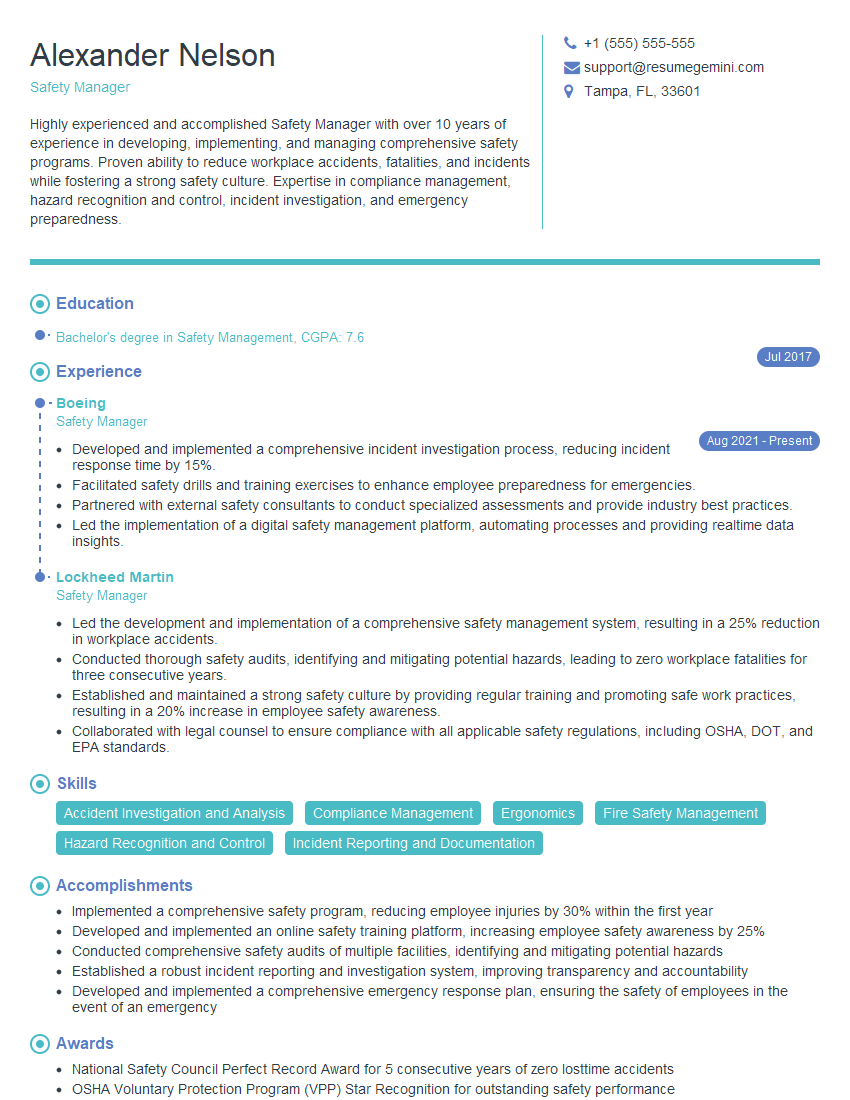
Safety Manager Resume Sample
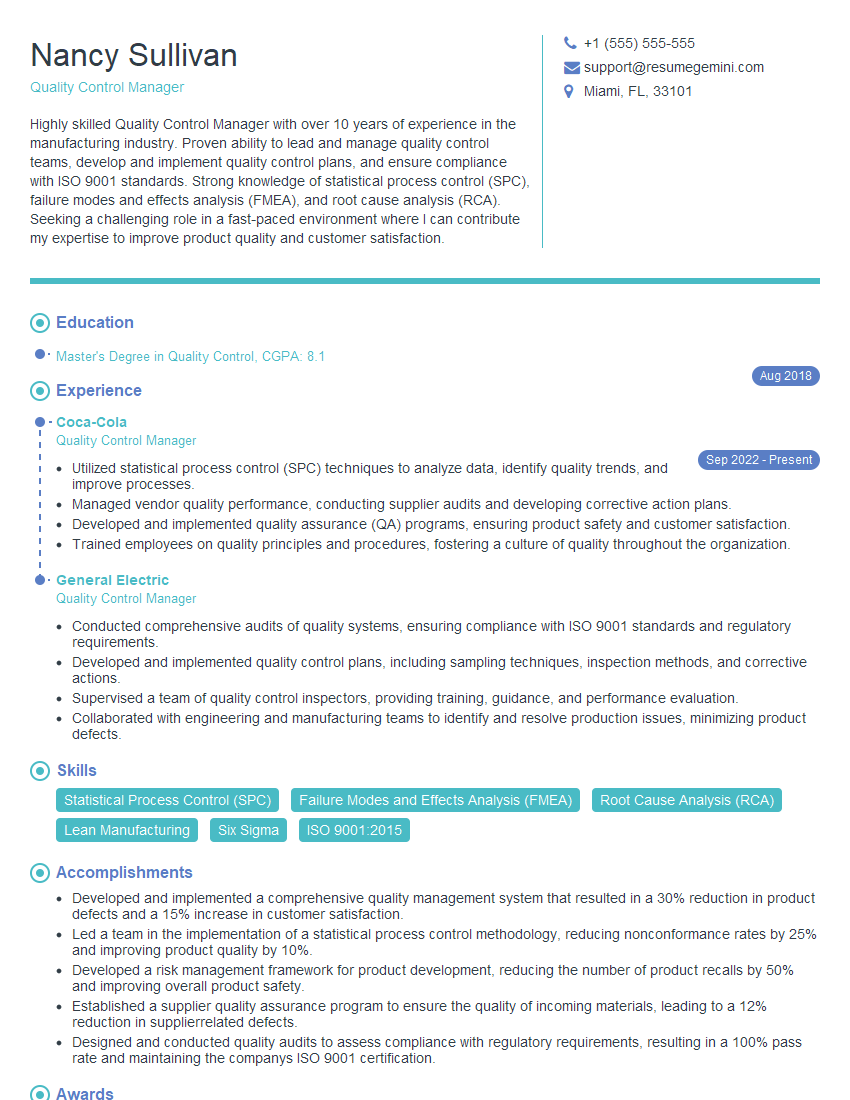
Quality Control Manager Resume Sample
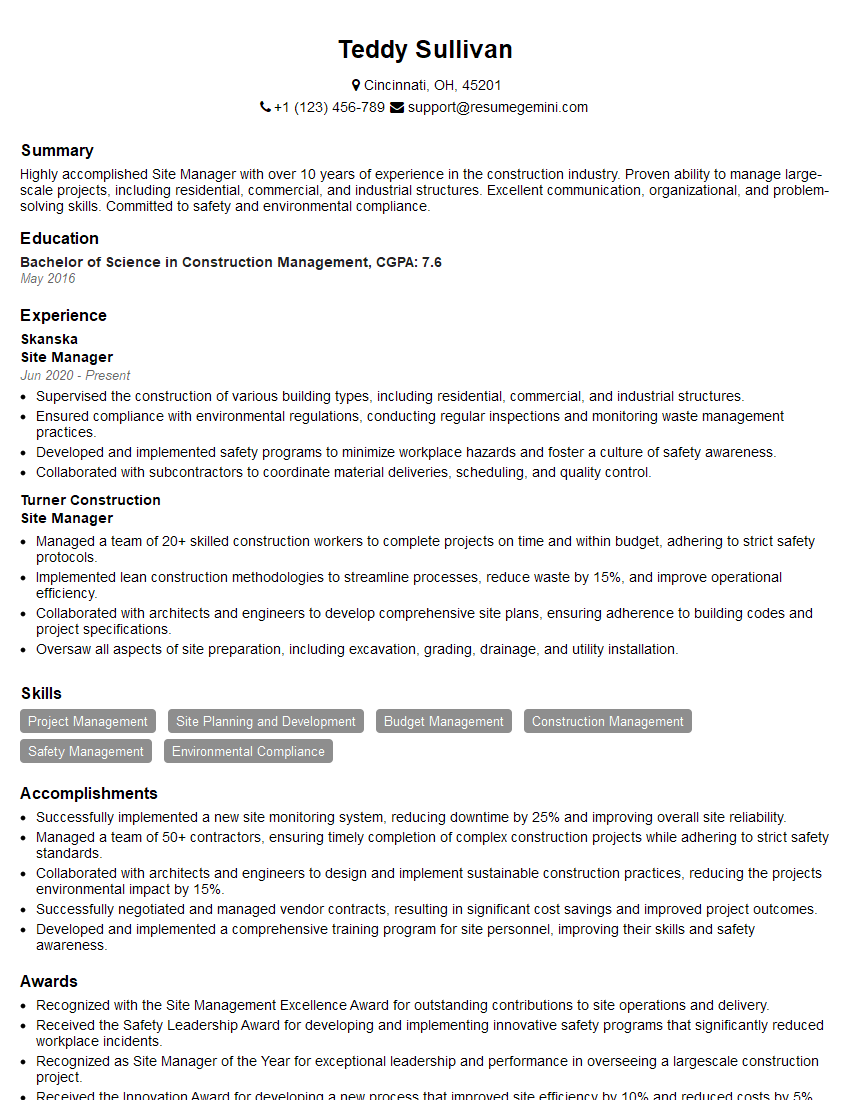
Site Manager Resume Sample
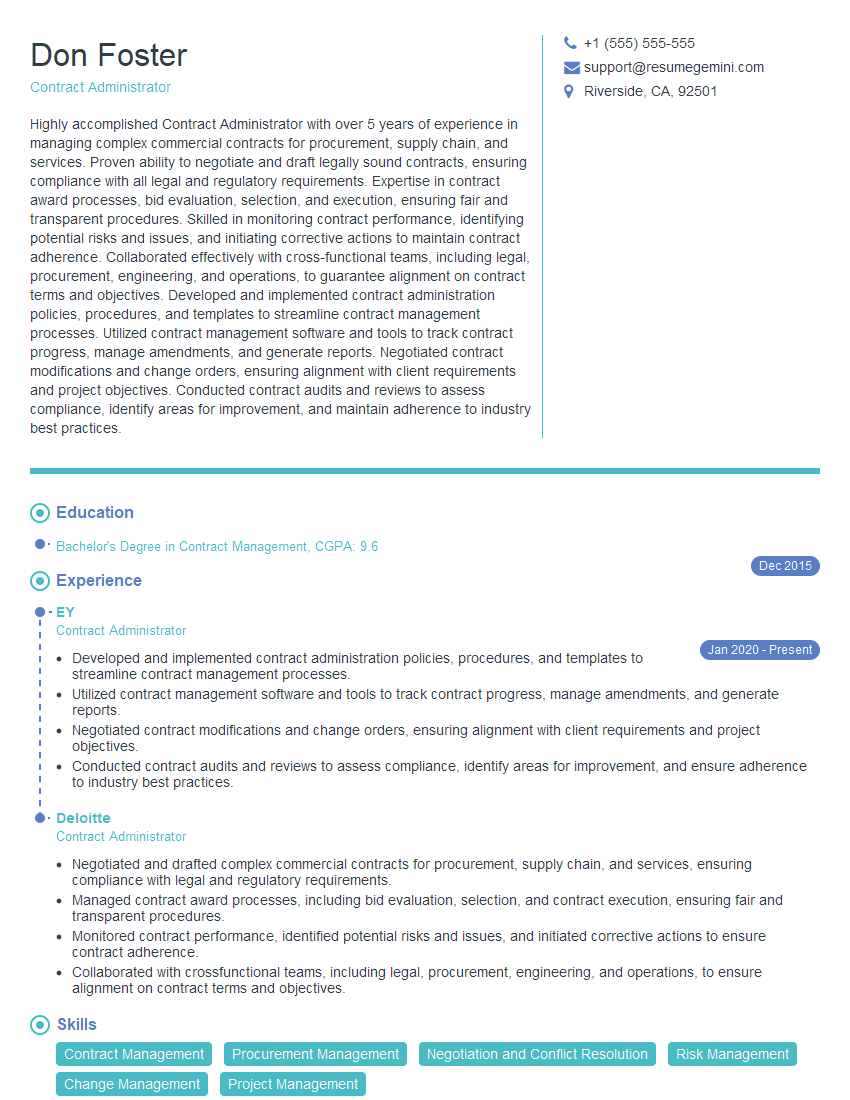
Contract Administrator Resume Sample

Procurement Manager Resume Sample
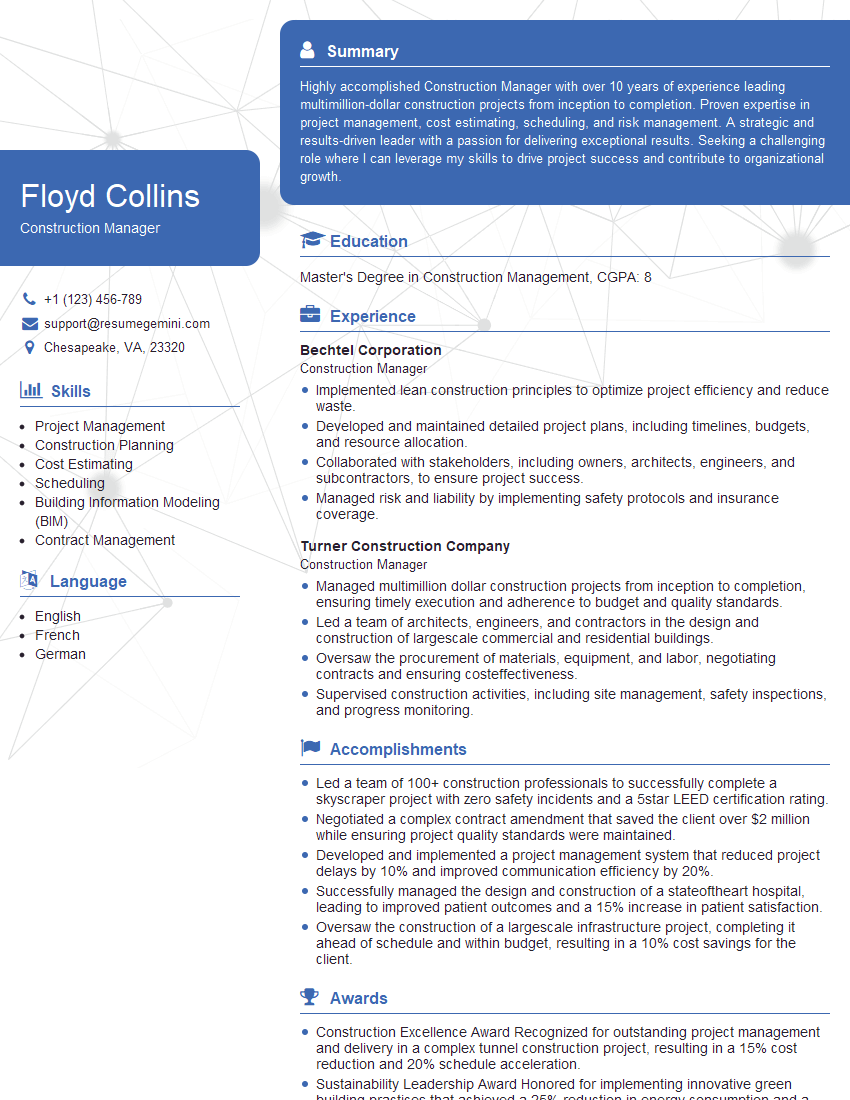
Construction Manager Resume Sample
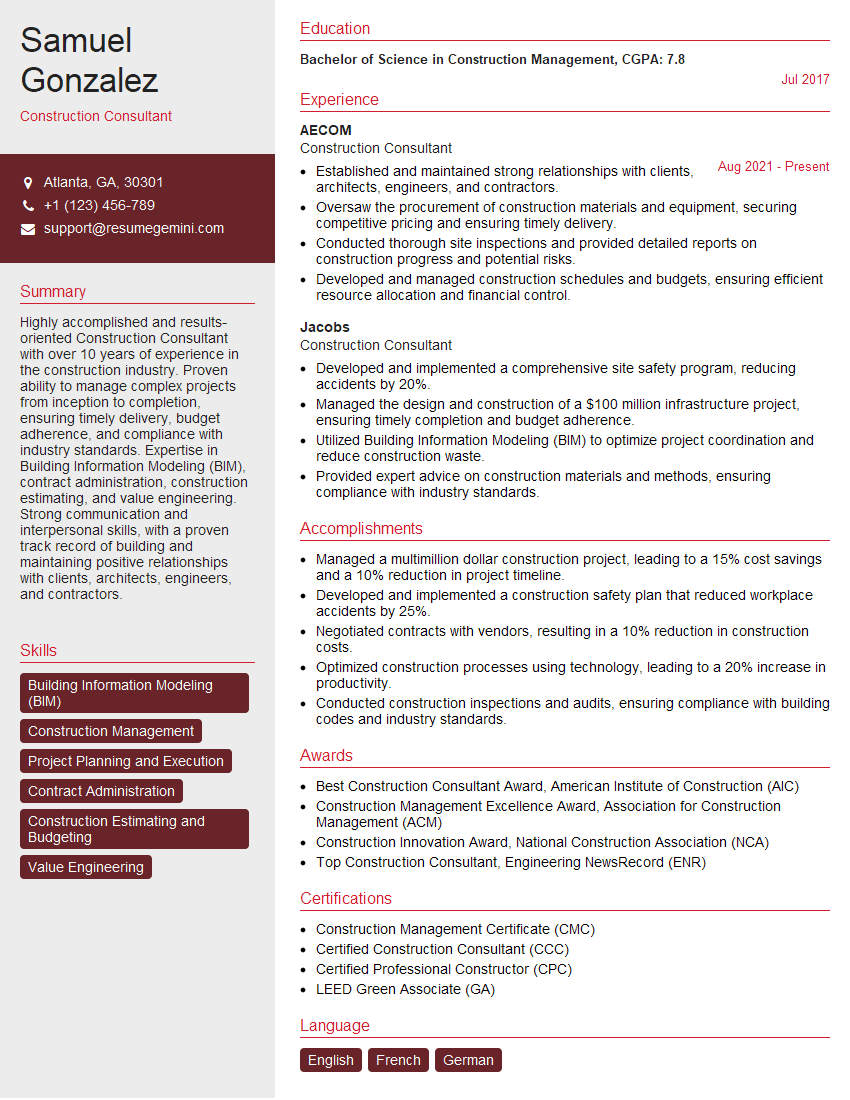
Construction Consultant Resume Sample
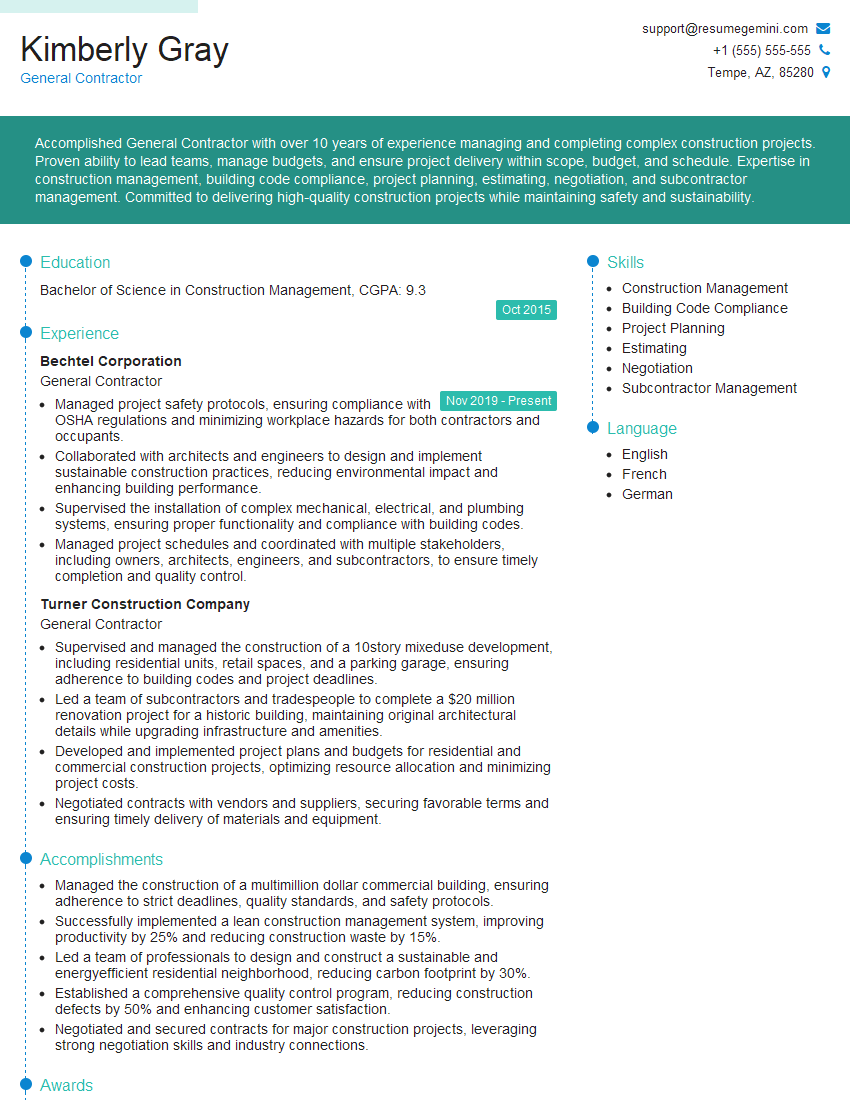
General Contractor Resume Sample
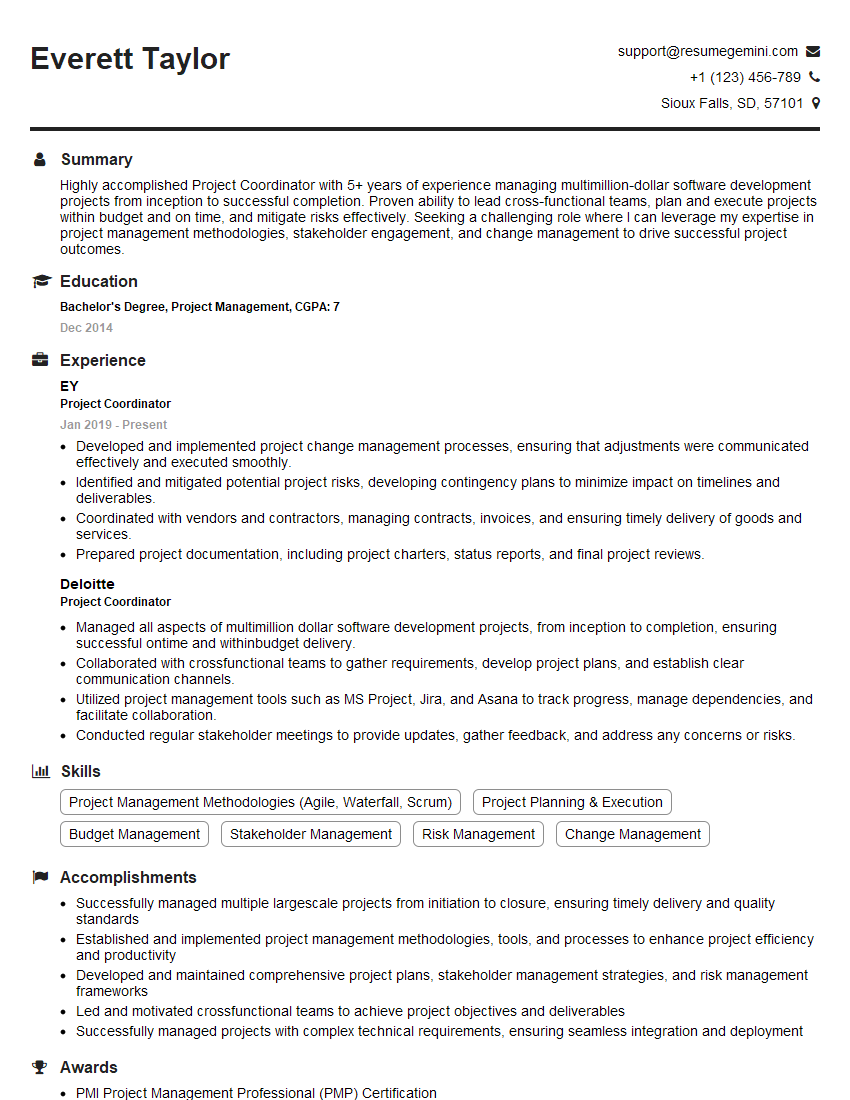
Project Coordinator Resume Sample

Project Engineer Resume Sample
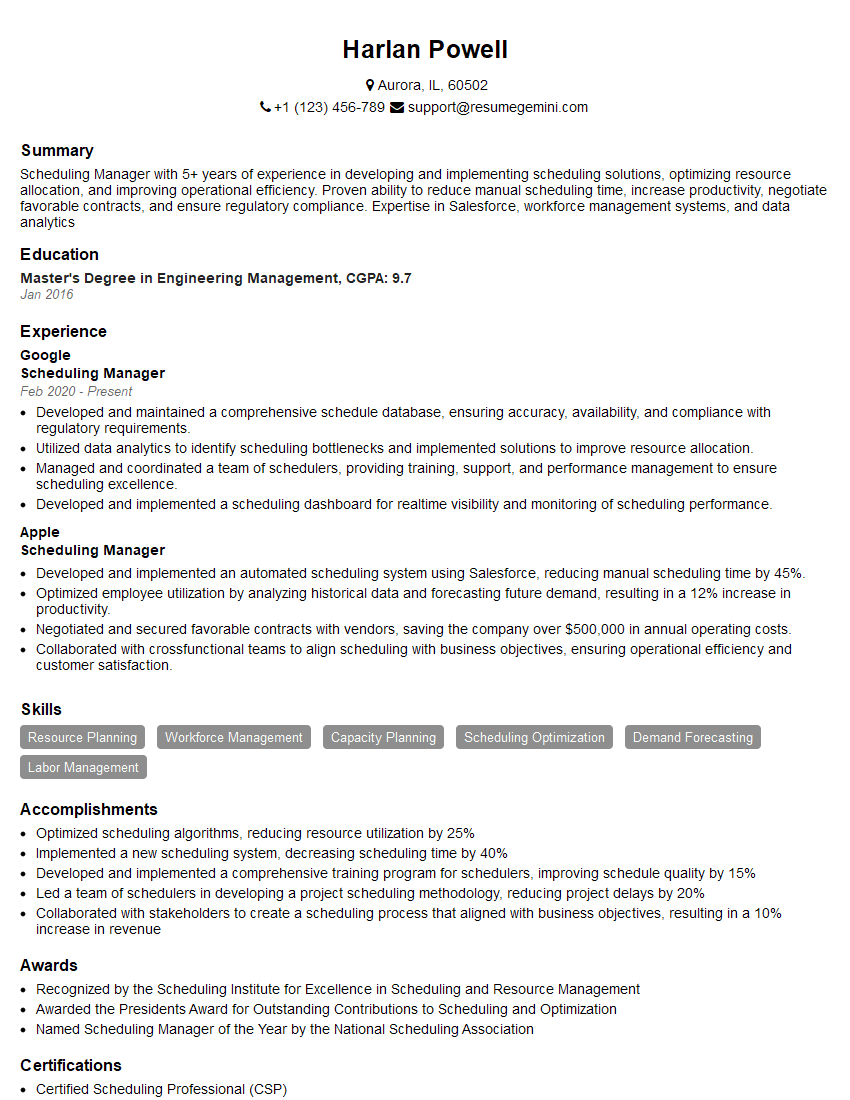
Scheduling Manager Resume Sample
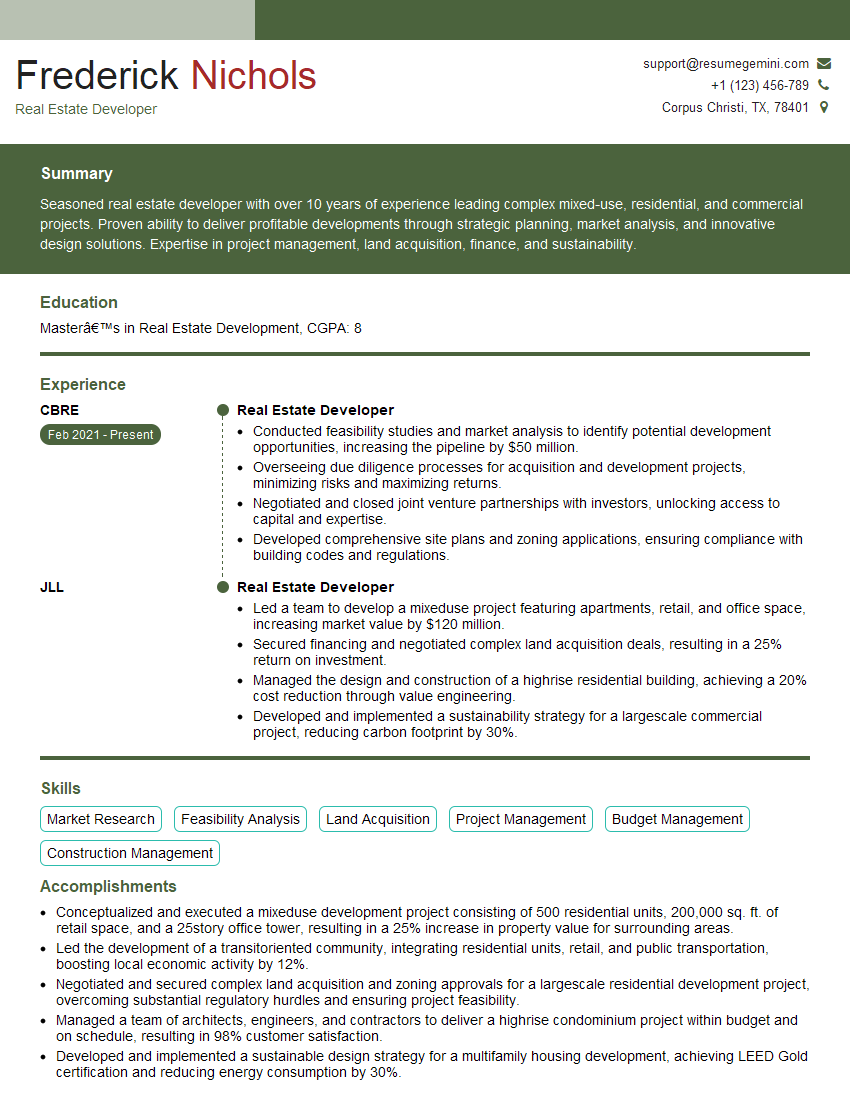
Real Estate Developer Resume Sample
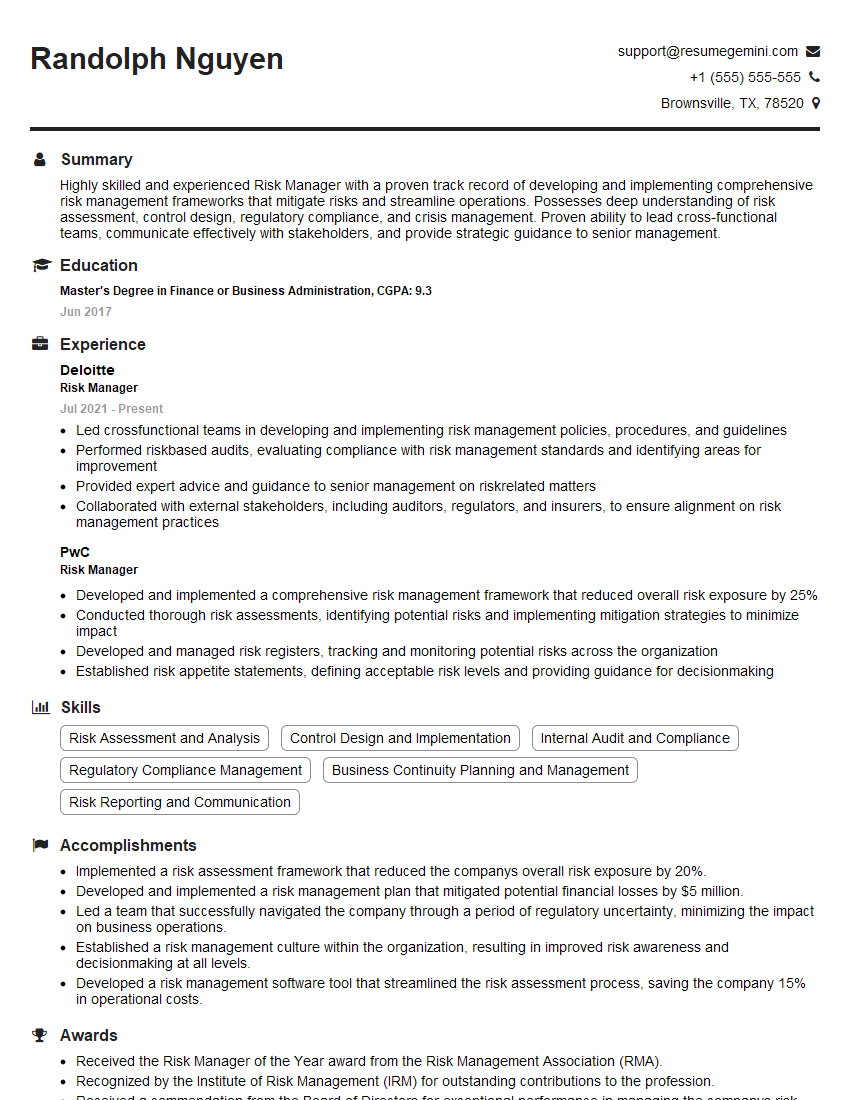
Risk Manager Resume Sample
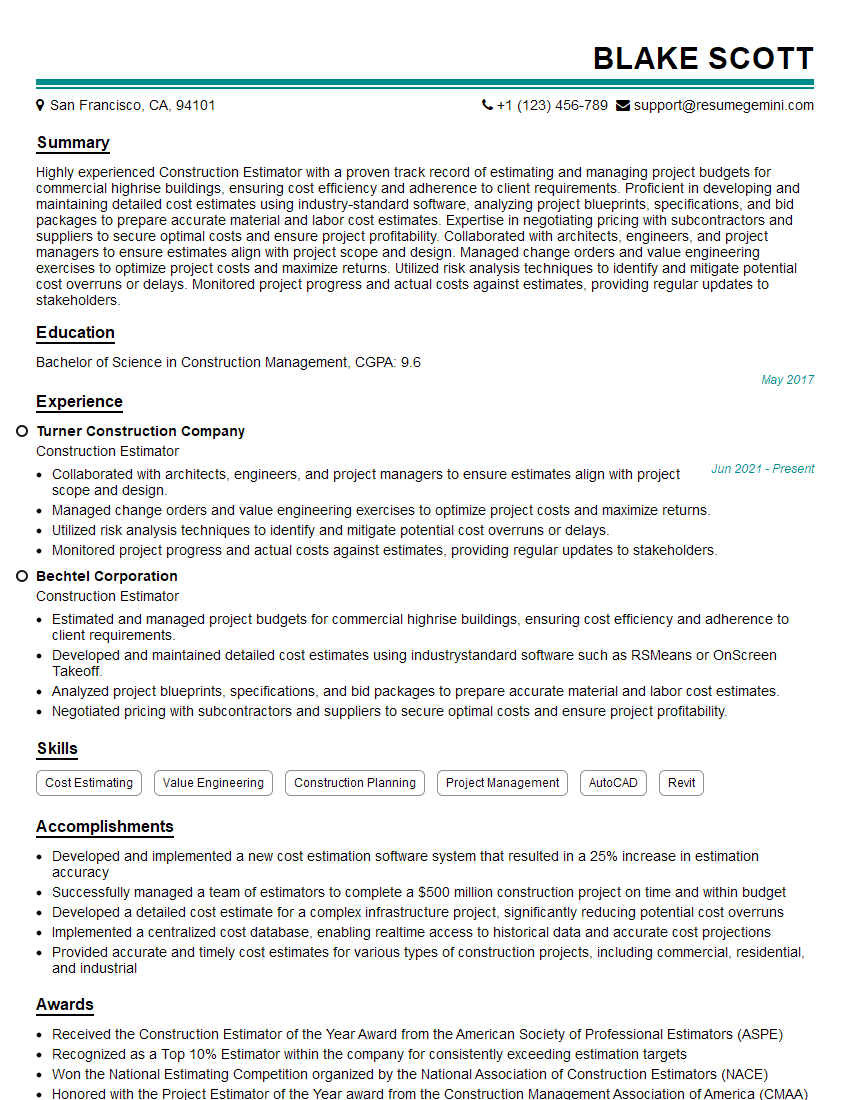
Construction Estimator Resume Sample
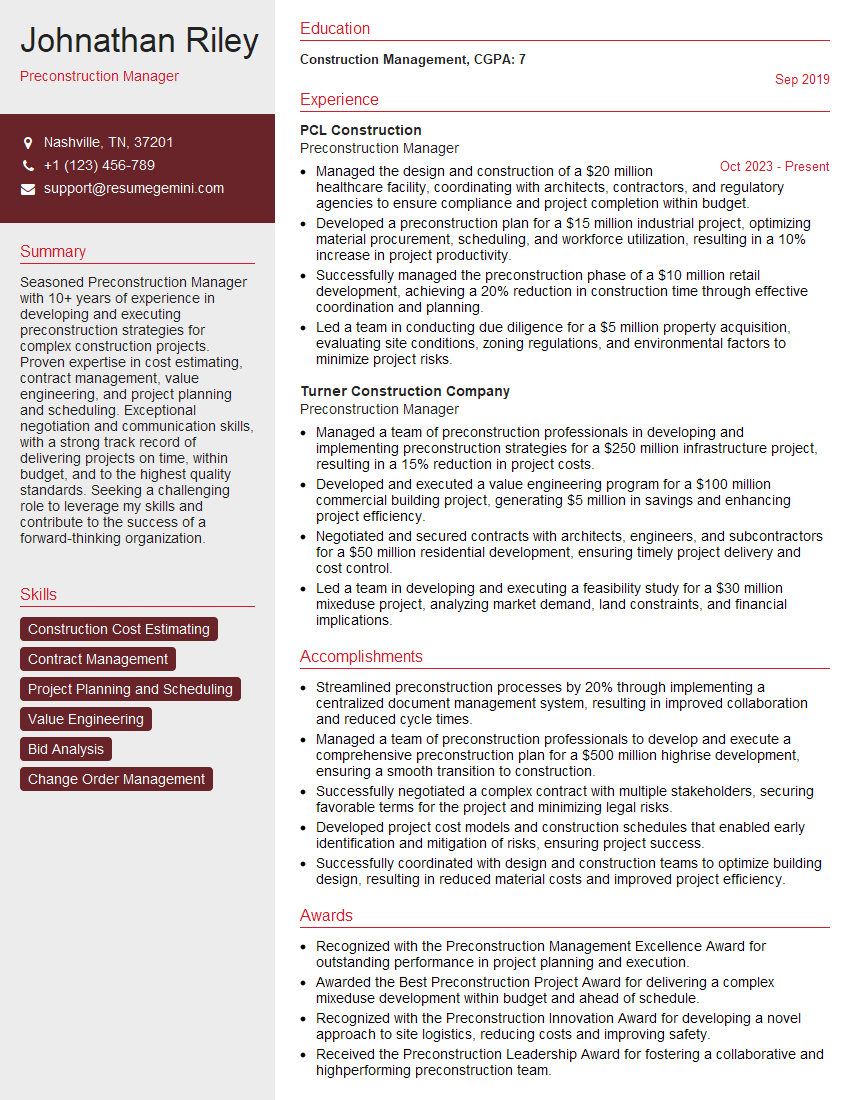
Preconstruction Manager Resume Sample
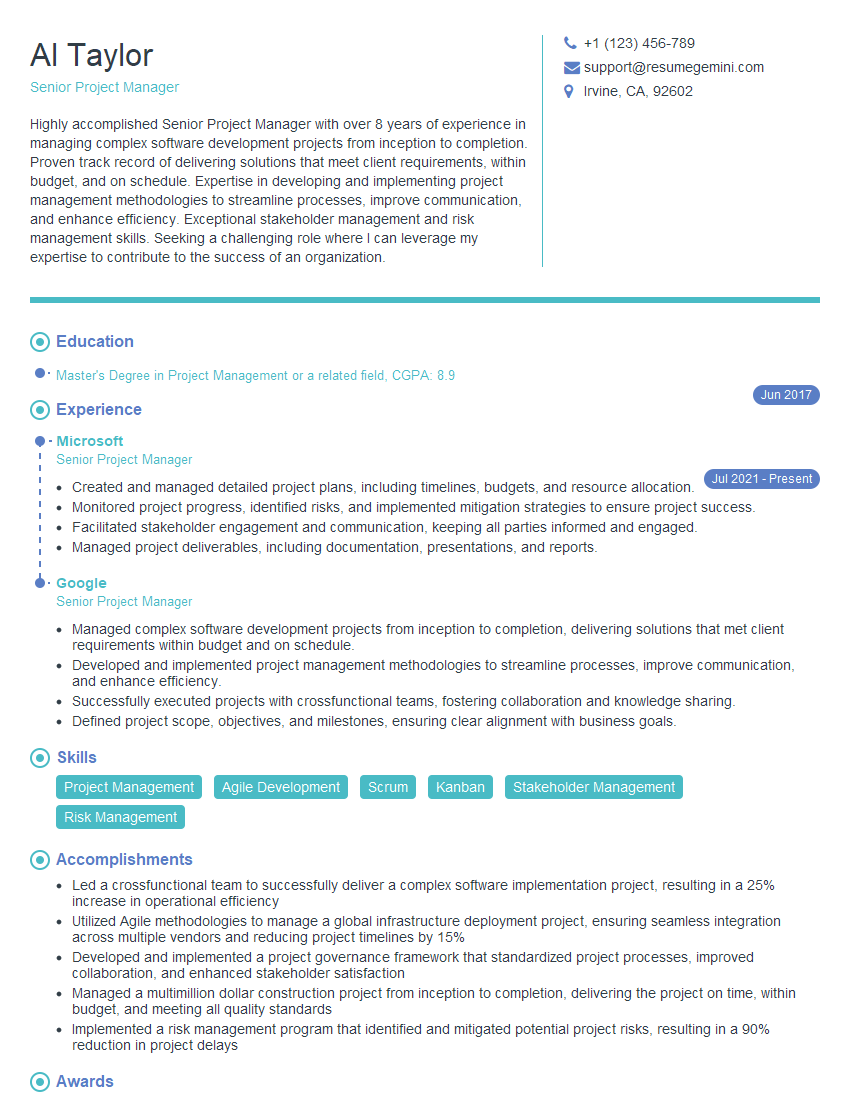
Senior Project Manager Resume Sample
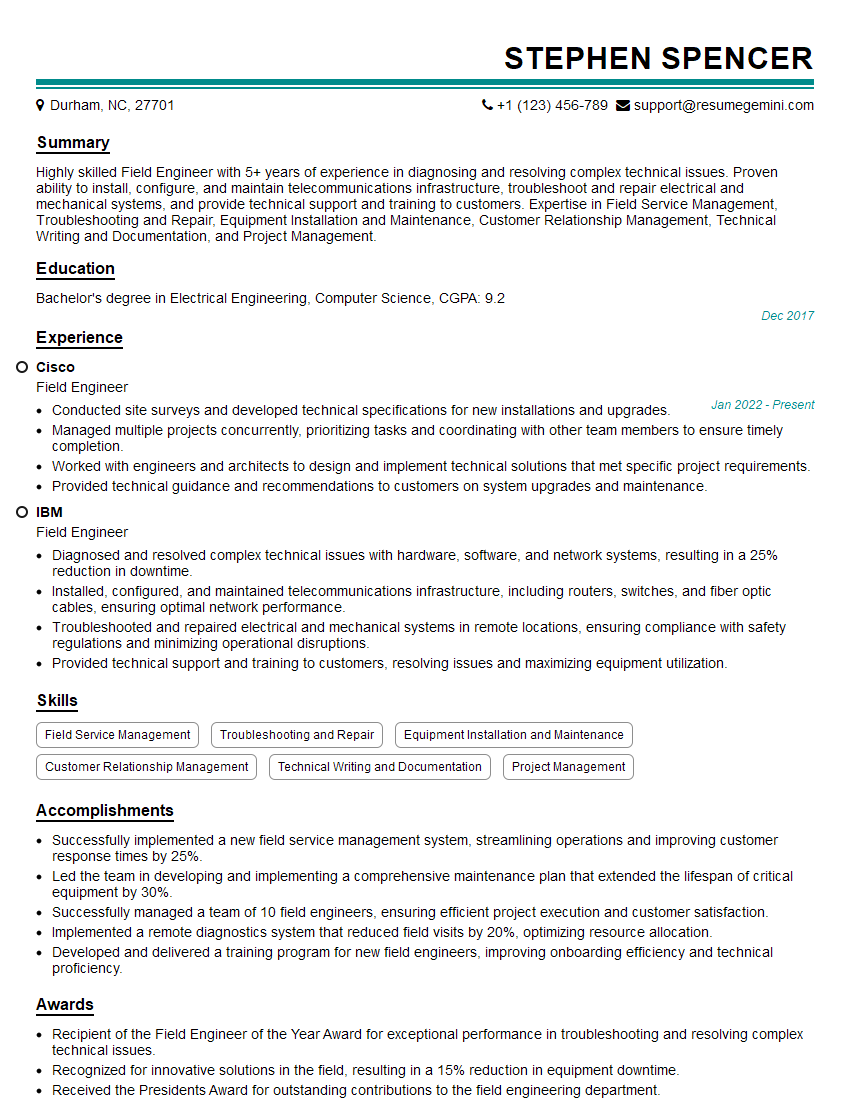
Field Engineer Resume Sample
- Safety Manager
- Quality Control Manager
- Site Manager
- Contract Administrator
- Procurement Manager
- Construction Manager
- Construction Consultant
- General Contractor
- Project Coordinator
- Project Engineer
- Scheduling Manager
- Real Estate Developer
- Risk Manager
- Construction Estimator
- Preconstruction Manager
- Senior Project Manager
- Field Engineer
Explore more articles
Users Rating of Our Blogs
Share Your Experience
We value your feedback! Please rate our content and share your thoughts (optional).
What Readers Say About Our Blog
Very informative content, great job.
good