Cracking a skill-specific interview, like one for Experience in creating content for social media, websites, and print, requires understanding the nuances of the role. In this blog, we present the questions you’re most likely to encounter, along with insights into how to answer them effectively. Let’s ensure you’re ready to make a strong impression.
Questions Asked in Experience in creating content for social media, websites, and print Interview
Q 1. Describe your experience creating content for various platforms (social media, websites, print).
My experience spans a wide range of content creation for diverse platforms. For social media, I’ve crafted engaging posts, stories, and reels for platforms like Instagram, Facebook, Twitter, and LinkedIn, tailoring content to each platform’s specific audience and style. For example, I developed a successful Instagram campaign for a local bakery using high-quality food photography and short, catchy captions, resulting in a 30% increase in followers and website traffic. For websites, I’ve written blog posts, articles, website copy, and landing pages, focusing on SEO optimization and clear, concise messaging. I recently revamped the website for a non-profit, improving its navigation and readability, resulting in a 15% increase in donations. Finally, my print experience includes creating brochures, marketing materials, newsletters, and even short-form articles for magazines. For instance, I designed a visually appealing brochure for a tech company highlighting their new product, which led to a significant increase in sales leads. Each platform demands a different approach, and I’ve consistently adapted my strategies to achieve optimal results.
Q 2. How do you adapt your writing style to different target audiences?
Adapting my writing style is crucial. I begin by understanding the target audience’s demographics, psychographics, and online behavior. For instance, a young adult audience on TikTok might respond well to short, informal videos with trending audio, while a professional audience on LinkedIn prefers concise, authoritative articles using formal language. I consider factors like their level of knowledge, their interests, and their preferred communication style. For a tech startup targeting early adopters, my language would be more technical and feature-rich, while for a general consumer audience, I’d use simpler terms and focus on benefits. I also analyze the platform itself—the tone and style used by other successful accounts on that platform help me gauge the expectations. Think of it like choosing the right outfit for different occasions—you wouldn’t wear a tuxedo to the beach!
Q 3. Explain your process for developing a content calendar.
Developing a content calendar is a strategic process. I start by defining clear goals—what do we want to achieve with our content? Increased brand awareness? Higher sales conversions? Lead generation? Once the goals are set, I brainstorm content ideas aligned with those goals. Next, I research relevant keywords and topics using tools like Google Keyword Planner and Ahrefs. Then, I create a calendar, scheduling content based on optimal posting times and days, taking into account platform-specific best practices. This calendar isn’t set in stone; it’s a living document, constantly updated and refined based on performance analytics. I use a spreadsheet to track scheduled posts, assigned writers, and deadlines. Finally, I regularly review and adjust the calendar based on performance data and emerging trends. Think of it as a roadmap for your content journey, constantly adapting to changing conditions.
Q 4. What metrics do you use to measure the success of your content?
Measuring content success involves a range of metrics, depending on the specific goals. For social media, I track metrics like engagement (likes, comments, shares), reach (impressions, unique viewers), and website traffic. For website content, I analyze metrics such as page views, bounce rate, time on page, and conversion rates. I also look at keyword rankings, backlinks, and social shares. Ultimately, I want to see if the content is achieving its intended purpose. Are we driving more traffic? Are users engaging with our content? Are we converting leads into customers? I use tools like Google Analytics, social media analytics dashboards, and SEO tools to track and analyze these metrics. By analyzing this data, I can understand what’s working and what isn’t, allowing me to optimize my content strategy for better results. It’s not just about vanity metrics; it’s about understanding the impact on the bottom line.
Q 5. How do you stay up-to-date with the latest content marketing trends?
Staying current in content marketing is essential. I regularly follow industry blogs, podcasts, and influencers. I attend webinars and conferences, and actively participate in online communities. I subscribe to newsletters from reputable sources like Content Marketing Institute and Hubspot. I also analyze competitor strategies to see what’s working for them and how I can innovate. It’s like being a detective, constantly investigating to uncover the latest clues and insights. Tools like BuzzSumo help me identify trending topics and popular content formats. This continuous learning ensures I stay ahead of the curve and adapt my strategies as the landscape evolves. This proactive approach ensures my content remains relevant, effective, and engaging.
Q 6. Describe your experience with SEO best practices for content creation.
SEO best practices are integral to my content creation process. I begin by conducting thorough keyword research to identify relevant terms and phrases that my target audience is searching for. I then incorporate those keywords naturally into my content, focusing on both on-page and off-page optimization. On-page optimization involves optimizing elements like title tags, meta descriptions, headings, and image alt text. Off-page optimization focuses on building high-quality backlinks from reputable websites. I also ensure my content is well-structured, readable, and provides value to the user. I use tools like SEMrush and Google Search Console to monitor my website’s performance and identify areas for improvement. My aim is to create content that ranks highly in search results, driving organic traffic to my clients’ websites. Think of SEO as a way to make your content discoverable to those who need it most.
Q 7. How do you handle content revisions and feedback?
Handling revisions and feedback is a collaborative process. I actively solicit feedback at various stages of the content creation process, starting with brainstorming sessions and continuing throughout the writing and editing phases. I encourage open communication and value constructive criticism. When receiving feedback, I carefully consider each point, understanding the rationale behind the suggestions. I use version control systems like Google Docs to track revisions and collaborate with team members. I aim to incorporate feedback effectively, improving the content’s quality and effectiveness. Even if I don’t agree with a suggestion, I understand its context and consider it thoughtfully. My goal is to deliver content that meets or exceeds the client’s expectations and performs well. Remember, feedback is a gift, an opportunity to improve and create even better content.
Q 8. What tools and technologies are you proficient in for content creation?
My content creation toolkit is quite extensive, encompassing both software and strategic approaches. On the software side, I’m highly proficient in tools like Adobe Creative Suite (Photoshop, Illustrator, InDesign), Canva, and various video editing suites such as Adobe Premiere Pro and DaVinci Resolve. For writing, I utilize Grammarly and Hemingway Editor to ensure clarity and consistency. Beyond software, my technological proficiency includes a strong understanding of HTML, CSS, and basic JavaScript, allowing me to optimize content for web display and potentially make minor adjustments to website code as needed. I also leverage social media scheduling tools like Hootsuite and Buffer to efficiently manage content distribution across platforms. Finally, SEO tools like SEMrush and Google Analytics are integral to understanding content performance and making data-driven improvements.
Q 9. How do you ensure your content is consistent with brand guidelines?
Maintaining brand consistency is paramount. My approach involves a multi-step process: First, I thoroughly review the brand style guide, paying close attention to logo usage, color palettes, typography, voice and tone, and messaging guidelines. Second, I create templates in design software to ensure consistent formatting across all content. For example, I’ll create a template in Canva for social media posts, with the correct brand colors, fonts, and logo placement. Third, I maintain a central repository for brand assets—images, logos, and approved templates—making it easy for everyone on the team to access and use them correctly. Finally, I always have a second pair of eyes review my work before publishing, ensuring everything aligns perfectly with the brand guidelines. This collaborative review helps catch any inconsistencies early on.
Q 10. Describe your experience with content repurposing.
Content repurposing is a crucial strategy for maximizing reach and efficiency. I’ve successfully repurposed blog posts into shorter social media posts, infographics, and even short videos using clips and text overlays. For example, a long-form blog post about the benefits of a product might be condensed into a series of tweets highlighting key benefits, an Instagram carousel post showcasing visuals and short descriptions, or a short, engaging video for YouTube or TikTok. I also often turn webinars into blog posts, podcasts, or short video snippets for different platforms. This strategy not only saves time but also exposes the content to a broader audience, increasing overall impact.
Q 11. How do you collaborate with designers and other team members?
Collaboration is essential in content creation. I leverage project management tools like Asana or Trello to track progress, assign tasks, and maintain clear communication. For example, I’ll create a Trello board with different stages for a campaign, including ideation, design, writing, review, and publishing. I maintain open and consistent communication with designers through regular check-ins and feedback sessions, ensuring that the visual elements of the content perfectly complement the written messaging. I also proactively provide designers with clear briefs outlining the content’s objectives, target audience, and style guidelines.
Q 12. Explain your process for creating engaging social media posts.
Creating engaging social media posts involves understanding the nuances of each platform. My process starts with identifying the target audience and the platform’s specific characteristics. I then brainstorm creative ideas that resonate with that audience, considering the platform’s optimal content formats (e.g., short videos for TikTok, high-quality images for Instagram). The content itself needs to be concise, visually appealing, and include a clear call to action. I always utilize relevant hashtags to increase discoverability. Finally, I schedule posts strategically to maximize reach and engagement, often leveraging analytics to understand what times and days work best for each platform.
Q 13. How do you optimize content for different devices and screen sizes?
Optimizing content for various devices and screen sizes requires a responsive design approach. For websites, this means using HTML and CSS to create a fluid layout that adapts to different screen resolutions. I ensure that images are optimized for web use, using appropriate compression techniques to reduce file sizes without sacrificing quality. For social media, I tailor content to each platform’s specifications, understanding that what works on a desktop might not work well on a mobile phone. For example, I might use shorter text and more vertical imagery for mobile-first platforms. I also ensure that videos are formatted correctly for different screen sizes and resolutions to ensure smooth playback on all devices.
Q 14. Describe your experience with A/B testing content.
A/B testing is crucial for optimizing content performance. I frequently conduct A/B tests to compare different versions of headlines, visuals, or calls to action. For example, I might test two different headlines for a blog post to see which one generates more clicks. Or, I might test two different calls to action on a landing page to see which one leads to more conversions. I use analytics platforms to track key metrics such as click-through rates, engagement rates, and conversion rates. The results of these tests provide valuable insights that inform future content creation, helping to refine strategies and improve overall performance. It’s an iterative process where the best-performing version guides future content production.
Q 15. How do you identify and address content gaps?
Identifying content gaps is crucial for effective content strategy. It’s essentially finding the holes in your existing content that prevent you from fully engaging your target audience and achieving your goals. I approach this systematically. First, I conduct a thorough content audit, reviewing existing materials across all platforms – website, social media, print collateral – to pinpoint areas needing improvement or expansion. This audit includes analyzing website traffic data (e.g., bounce rates, time on page), identifying low-performing content, and examining keyword rankings.
Next, I perform a competitive analysis, studying what my competitors are doing well and identifying areas where I can offer unique value. This includes looking at their content topics, formats, and overall messaging. Finally, I engage in audience research through surveys, social media listening, and analyzing comments on existing content. This provides invaluable insight into audience needs, pain points, and interests – uncovering areas where my content can provide solutions. For example, if my audience frequently asks questions about a particular product feature in comments, that suggests a content gap – an explainer video or blog post could address this. Addressing these gaps through targeted content creation ensures that I’m providing value to my audience and optimizing for search engines.
Career Expert Tips:
- Ace those interviews! Prepare effectively by reviewing the Top 50 Most Common Interview Questions on ResumeGemini.
- Navigate your job search with confidence! Explore a wide range of Career Tips on ResumeGemini. Learn about common challenges and recommendations to overcome them.
- Craft the perfect resume! Master the Art of Resume Writing with ResumeGemini’s guide. Showcase your unique qualifications and achievements effectively.
- Don’t miss out on holiday savings! Build your dream resume with ResumeGemini’s ATS optimized templates.
Q 16. What is your experience with content analytics tools (e.g., Google Analytics)?
I have extensive experience leveraging content analytics tools, primarily Google Analytics, to measure the effectiveness of my content. I go beyond simple page views and delve into key metrics like bounce rate, average session duration, conversion rates, and user engagement metrics. For example, I’ve used Google Analytics to identify which blog posts have the highest engagement rates and which keywords are driving the most traffic. This informs future content strategy, allowing me to create more content that resonates with my audience and drives results. Beyond Google Analytics, I also utilize other tools like Google Search Console for SEO performance data and social media analytics dashboards to understand the reach and impact of my social media content. Analyzing this data helps me refine my content strategy and optimize for better performance over time. I can then report on this data and propose adjustments to the overall strategy if required.
Q 17. How do you ensure your content is accessible to all users?
Creating accessible content is paramount for reaching a broad audience. I prioritize accessibility in all my work by following established guidelines such as WCAG (Web Content Accessibility Guidelines). This includes using alt text for all images (describing the image content for screen readers), ensuring sufficient color contrast between text and background, using clear and concise language, providing transcripts for videos, and structuring content logically with headings and subheadings. For example, I ensure that all images have descriptive alt text, making the content understandable for visually impaired users. I also use captions and transcripts for all videos, making them accessible to the deaf and hard of hearing. I carefully choose font sizes and styles to optimize readability for all users. Furthermore, I test my content on various devices and browsers to make sure it’s consistent and functions well for all users. Accessibility is not just a matter of compliance but a core principle to ensure inclusivity.
Q 18. Describe your experience with different content formats (e.g., blog posts, infographics, videos).
My experience spans a wide range of content formats, each tailored to the specific audience and objective. I’m proficient in creating engaging blog posts that offer valuable information and drive traffic. I also create visually appealing and informative infographics that summarize complex data effectively. For example, I recently created an infographic explaining a complex financial product, making it easy to understand for a non-technical audience. I’ve also produced compelling videos – from short explainer videos to longer-form interviews – using video editing software. My experience also includes writing engaging scripts for video productions. I understand the strengths of each format and strategically select the best option to effectively communicate the intended message. For instance, a complex subject might benefit from a video tutorial, while a quick statistic might be best presented as an infographic. The key is understanding the target audience and selecting the right format for optimal impact.
Q 19. How do you handle negative comments or feedback on your content?
Handling negative feedback is a crucial aspect of content creation. I believe that every comment, even negative ones, offers valuable insights. My approach is professional, empathetic, and constructive. I start by reading the comment carefully to understand the user’s perspective. I respond promptly and acknowledge their concerns. If the criticism is valid, I apologize and explain the steps I’ll take to address the issue. For instance, if someone points out a factual inaccuracy, I correct it and thank them for bringing it to my attention. If the criticism is unwarranted or abusive, I respond with a calm and professional tone, focusing on addressing the core issue rather than engaging in conflict. I believe in transparency and accountability, and addressing negative comments openly and honestly builds trust with the audience. This fosters a positive online community and shows my commitment to quality and responsiveness.
Q 20. How do you prioritize content creation tasks?
Prioritizing content creation tasks requires a strategic approach. I typically use a combination of methods to prioritize my work, based on the overall marketing and business goals. I begin by creating a content calendar, outlining the topics, formats, and publication dates of all content. Then I use a prioritization matrix that considers factors such as business impact, audience interest, ease of creation, and SEO potential. High-impact, high-interest projects, such as lead-generating content, are prioritized first. For example, I prioritize content that supports key marketing campaigns. Projects with low impact or high complexity might be scheduled for later, and projects with high impact and low complexity are given high priority. This system ensures that my time and resources are used effectively, maximizing the impact of my content creation efforts. Regular review and adaptation of the calendar is also crucial to accommodate changes in priorities or new opportunities.
Q 21. Describe your experience with creating content for lead generation.
Creating content for lead generation is a key skill. My approach focuses on creating valuable and engaging content that attracts potential customers and encourages them to provide their contact information. This includes developing gated content such as ebooks, white papers, webinars, and templates, which require users to fill out a form in exchange for access. I also create valuable blog posts, case studies and infographics that position my client’s business as a thought leader and solve customer problems, driving organic traffic and lead generation. For example, I recently created a series of blog posts addressing common customer pain points, guiding readers to a landing page with a free consultation offer. I also use strong calls to action (CTAs) within my content to clearly guide users toward desired actions, such as downloading a resource or signing up for a newsletter. Analyzing the conversion rates from different pieces of content allows me to optimize the content and CTA strategies continuously to enhance lead generation.
Q 22. How do you manage multiple content projects simultaneously?
Managing multiple content projects effectively requires a robust organizational system and a clear understanding of priorities. Think of it like conducting an orchestra – each instrument (project) needs attention, but the conductor (me) ensures harmony and timely execution. I utilize project management tools like Trello or Asana to visually track tasks, deadlines, and assigned team members. This allows for a bird’s-eye view of all projects, enabling me to identify potential bottlenecks and re-allocate resources as needed. For example, if one project requires urgent attention, I can temporarily shift resources from a less time-sensitive project without compromising overall quality. Prioritization is key; I employ a system like the Eisenhower Matrix (urgent/important) to focus on high-impact tasks first. Regular check-ins with stakeholders ensure everyone is aligned and informed about progress.
Q 23. What is your process for creating high-quality print materials?
Creating high-quality print materials involves a meticulous process, from initial concept to final printing. It begins with a thorough understanding of the client’s goals and target audience. This informs design choices, ensuring the material is both aesthetically pleasing and effective in conveying the intended message. My process typically includes:
- Concept & Design: Brainstorming, sketching, and developing mockups. This often involves exploring different layout options, typography, and imagery.
- Content Development: Crafting clear, concise, and engaging text, carefully considering the desired tone and style. I ensure the content is accurate and free of grammatical errors.
- Proofreading & Editing: Multiple rounds of review are crucial to catch any mistakes before printing. This includes a thorough check of spelling, grammar, and factual accuracy.
- Pre-press Preparation: Preparing files for printing, ensuring the correct file format, color profiles, and resolution. This step is vital to ensure high-quality output.
- Printing & Quality Control: Overseeing the printing process and conducting a final quality check of the printed materials to ensure they meet specifications.
For example, when creating a brochure for a luxury hotel, I would focus on high-quality imagery, elegant typography, and sophisticated language to reflect the brand’s image. Conversely, a flyer for a local event might require a more vibrant and informal design.
Q 24. How do you use data to inform your content strategy?
Data is the compass guiding my content strategy. I leverage analytics to understand what resonates with the audience and refine my approach accordingly. This isn’t simply about vanity metrics like likes and shares; it’s about understanding deeper engagement metrics. For social media, I analyze platform-specific analytics (e.g., Instagram Insights, Facebook Analytics) to see which content performs best in terms of reach, engagement, and conversions. For websites, I use Google Analytics to track website traffic, bounce rate, time on page, and conversion rates. This data helps me identify top-performing content, understand audience behavior, and identify areas for improvement. For example, if data reveals that short-form video content is significantly outperforming long-form blog posts, I will adjust my content calendar to create more videos. Regular reporting and analysis are crucial to ensuring the content strategy stays aligned with business goals.
Q 25. How familiar are you with different content management systems (CMS)?
I’m proficient in several Content Management Systems (CMS), including WordPress, Drupal, and Joomla. My experience encompasses everything from basic content creation and editing to advanced customization and plugin integration. I understand the importance of choosing the right CMS based on project requirements and technical expertise. WordPress, for instance, is known for its user-friendliness and extensive plugin library, making it ideal for a wide range of projects. Drupal, on the other hand, is more robust and scalable, suitable for complex websites with extensive functionalities. My experience allows me to adapt quickly to different platforms and leverage their unique strengths to create optimal user experiences.
Q 26. Describe your experience with content marketing automation tools.
I have extensive experience with content marketing automation tools like HubSpot, Marketo, and Mailchimp. These tools streamline the content creation and distribution process, boosting efficiency and improving ROI. For example, I’ve utilized HubSpot to schedule social media posts, automate email marketing campaigns, and track lead nurturing activities. This automation allows me to focus on higher-level strategic tasks while ensuring consistent content delivery. I understand the importance of integrating these tools with other marketing platforms for a holistic approach. My experience includes setting up workflows, designing email templates, and analyzing campaign performance to refine future strategies. The ability to personalize automated content based on user behavior is a key aspect of my approach, leading to more targeted and effective marketing.
Q 27. How do you ensure the legal and ethical compliance of your content?
Legal and ethical compliance is paramount in my content creation process. I adhere to copyright laws, ensuring proper attribution and obtaining necessary permissions for using copyrighted materials. I carefully review content for potential defamation or libel, ensuring factual accuracy and avoiding misleading or deceptive statements. I also uphold principles of data privacy and adhere to regulations like GDPR and CCPA. For example, I always obtain consent before collecting personal data and ensure transparency in how this data is used. I also work closely with legal counsel when dealing with sensitive topics or potentially controversial subjects to minimize risks and ensure full compliance.
Q 28. What are your salary expectations?
My salary expectations are commensurate with my experience and the specific requirements of the role. Considering my extensive background in content creation across multiple platforms and my proficiency with various tools and technologies, I am seeking a competitive salary in the range of [Insert Salary Range Here]. I am open to discussing this further based on the details of the position and the overall compensation package.
Key Topics to Learn for Experience in creating content for social media, websites, and print Interview
- Content Strategy & Planning: Understanding target audience, defining content goals, and developing a content calendar across platforms.
- Social Media Content Creation: Writing engaging captions, creating visually appealing posts, utilizing relevant hashtags, and understanding different platform algorithms (e.g., Instagram vs. LinkedIn).
- Website Content Creation: Writing SEO-optimized website copy, blog posts, and landing page content that converts leads.
- Print Content Creation: Designing and writing content for brochures, flyers, newsletters, and other print materials, considering design and layout.
- Content Optimization & Analytics: Tracking key performance indicators (KPIs) to measure content success, A/B testing different approaches, and adapting strategies based on data.
- Brand Voice & Messaging: Maintaining a consistent brand voice and message across all platforms and content types.
- Visual Communication: Understanding the role of images, videos, and other visuals in content creation and their impact on engagement.
- Content Management Systems (CMS): Familiarity with popular CMS platforms like WordPress and their functionalities in content publishing and management.
- SEO Best Practices: Optimizing content for search engines to improve visibility and organic reach.
- Legal and Ethical Considerations: Understanding copyright, fair use, and responsible content creation.
- Collaboration & Teamwork: Working effectively with designers, developers, and other stakeholders in the content creation process.
- Problem-solving approaches for content-related challenges: Dealing with low engagement, negative feedback, and adapting content strategy based on unforeseen circumstances.
Next Steps
Mastering experience in creating content for social media, websites, and print is crucial for career advancement in marketing, communications, and digital media. A strong portfolio showcasing your skills is essential. To significantly boost your job prospects, focus on building an ATS-friendly resume that highlights your accomplishments and keywords relevant to the roles you’re targeting. ResumeGemini is a trusted resource to help you craft a professional and impactful resume. Examples of resumes tailored to this specific experience are available to help you get started.

Marketing Communications Manager Resume Sample
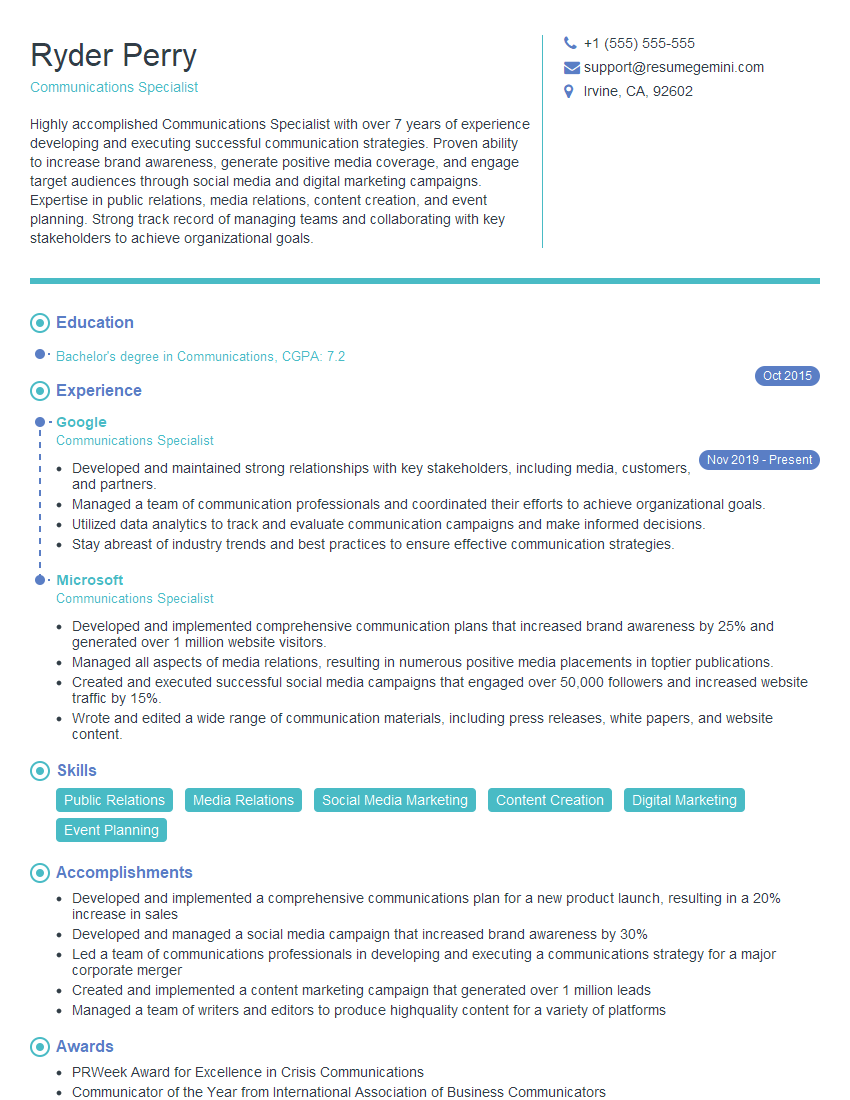
Communications Specialist Resume Sample
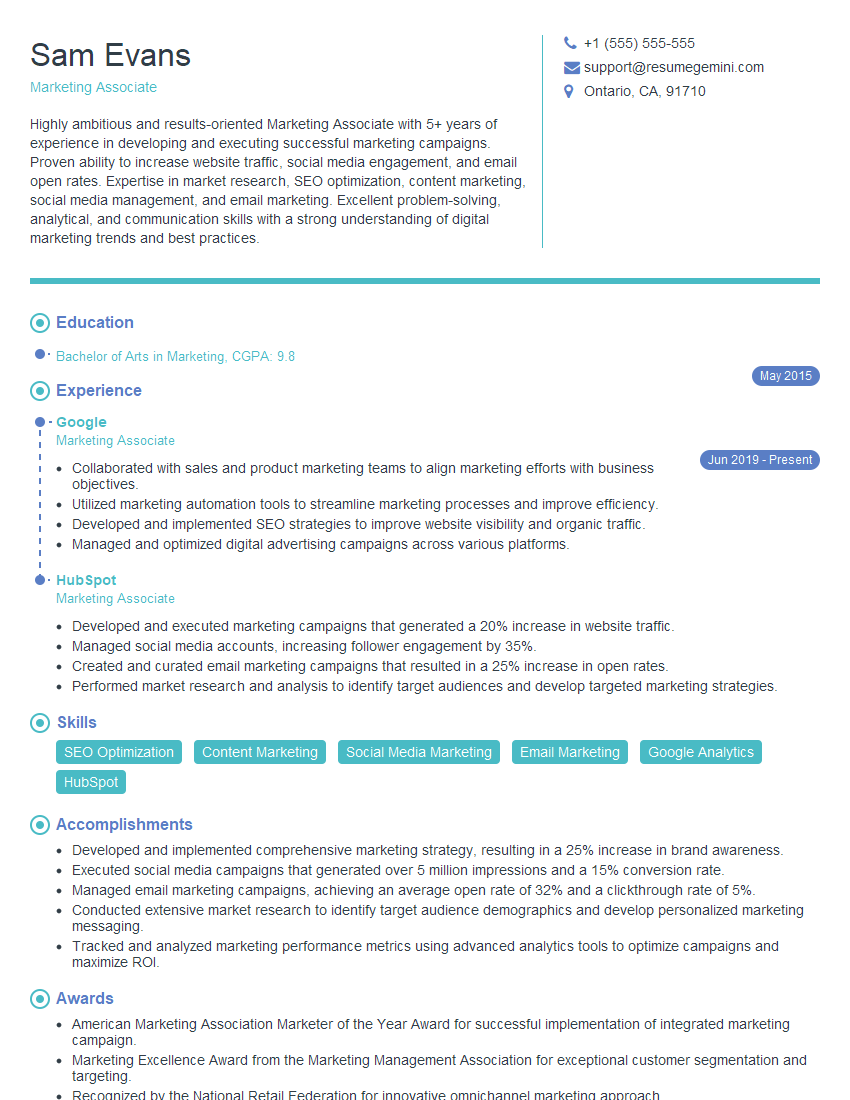
Marketing Associate Resume Sample

Social Media Manager Resume Sample
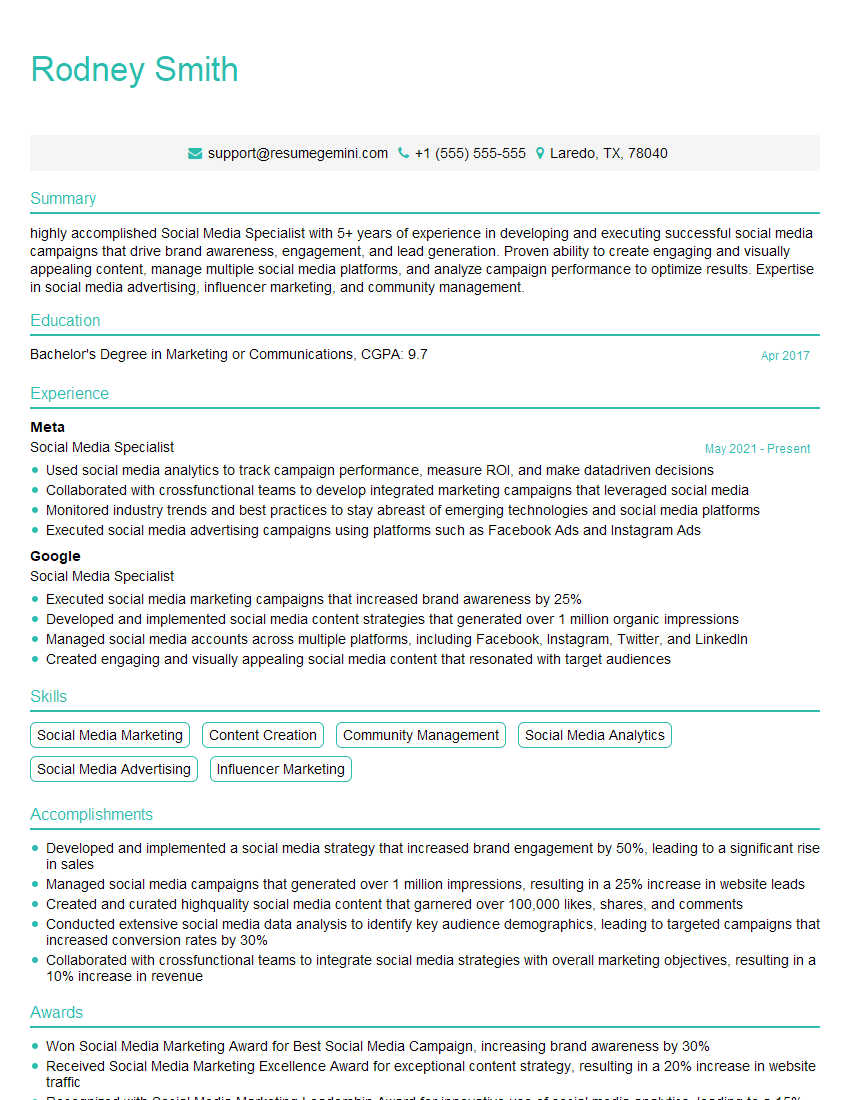
Social Media Specialist Resume Sample

Content Strategist Resume Sample
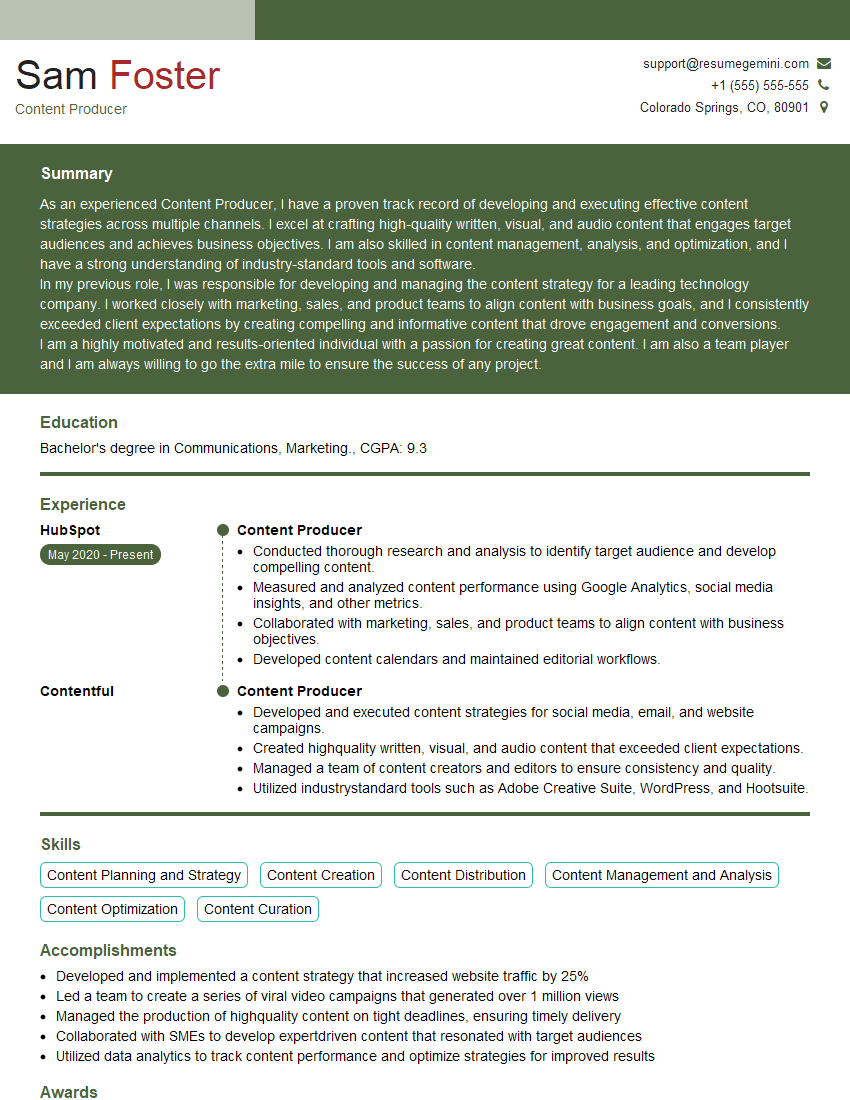
Content Producer Resume Sample
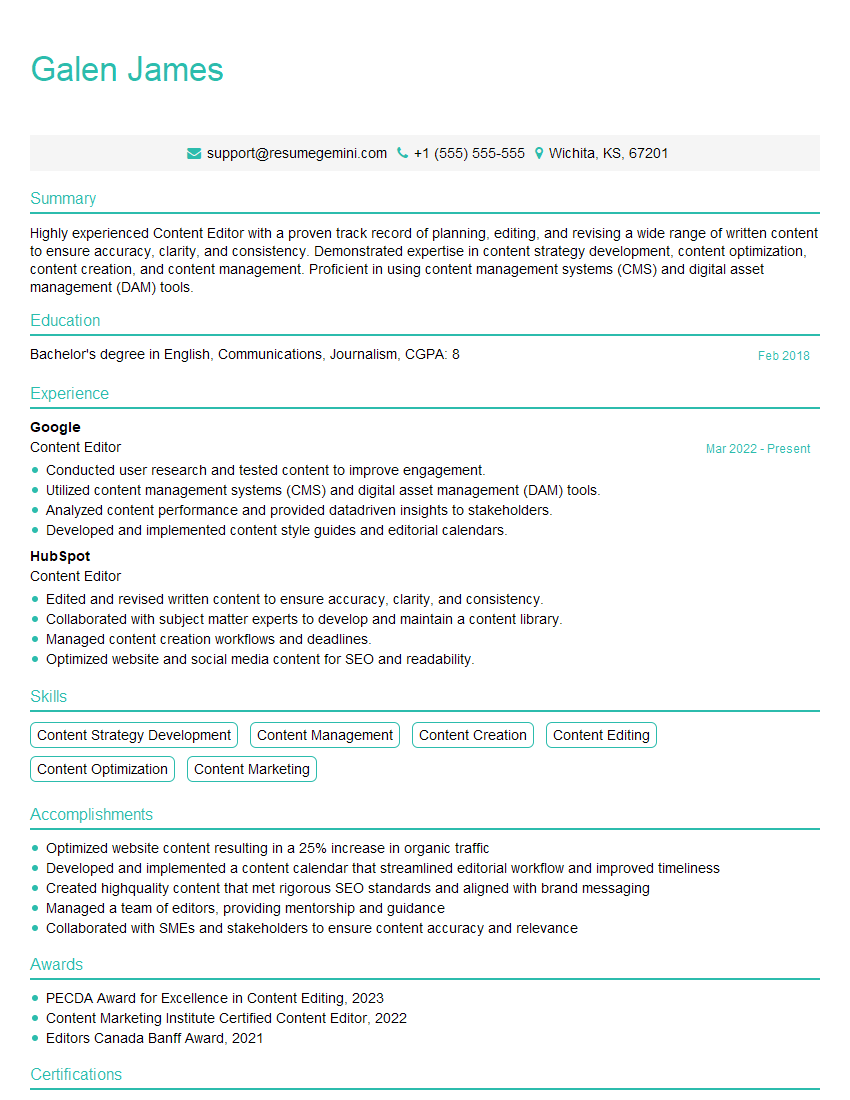
Content Editor Resume Sample
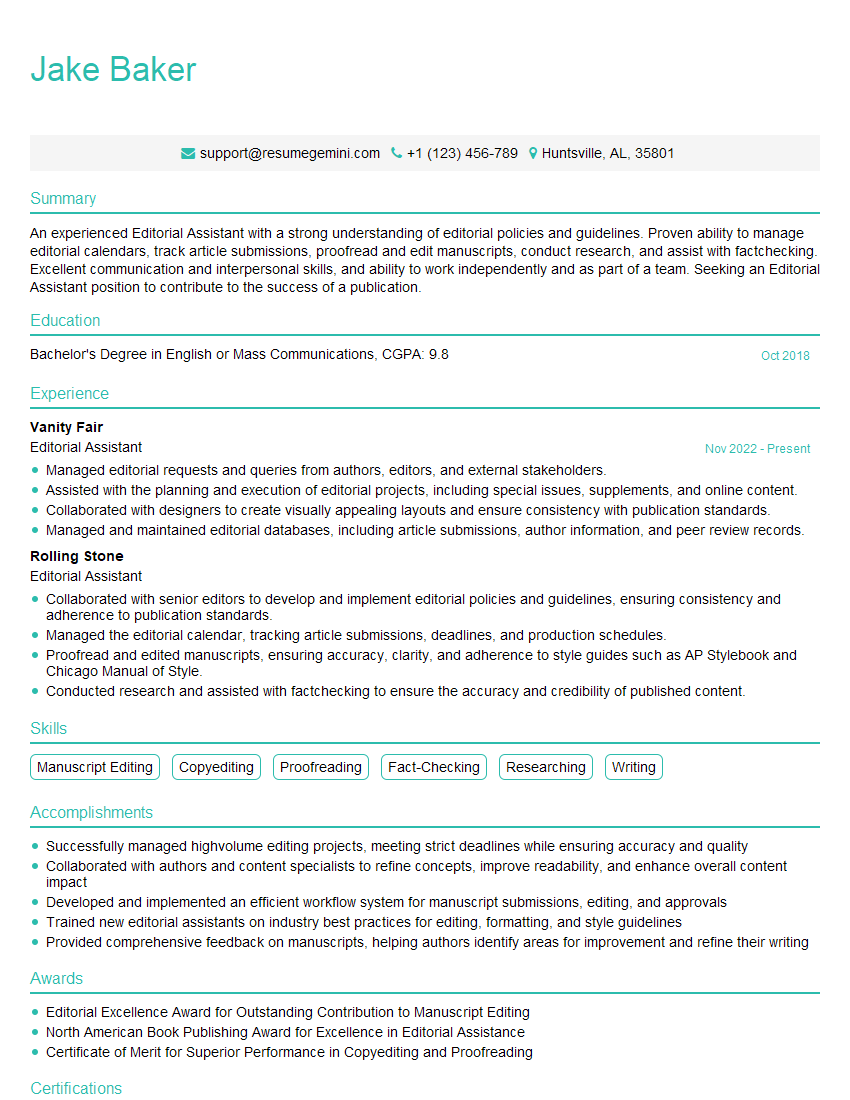
Editorial Assistant Resume Sample

Technical Writer Resume Sample

Copywriter Resume Sample
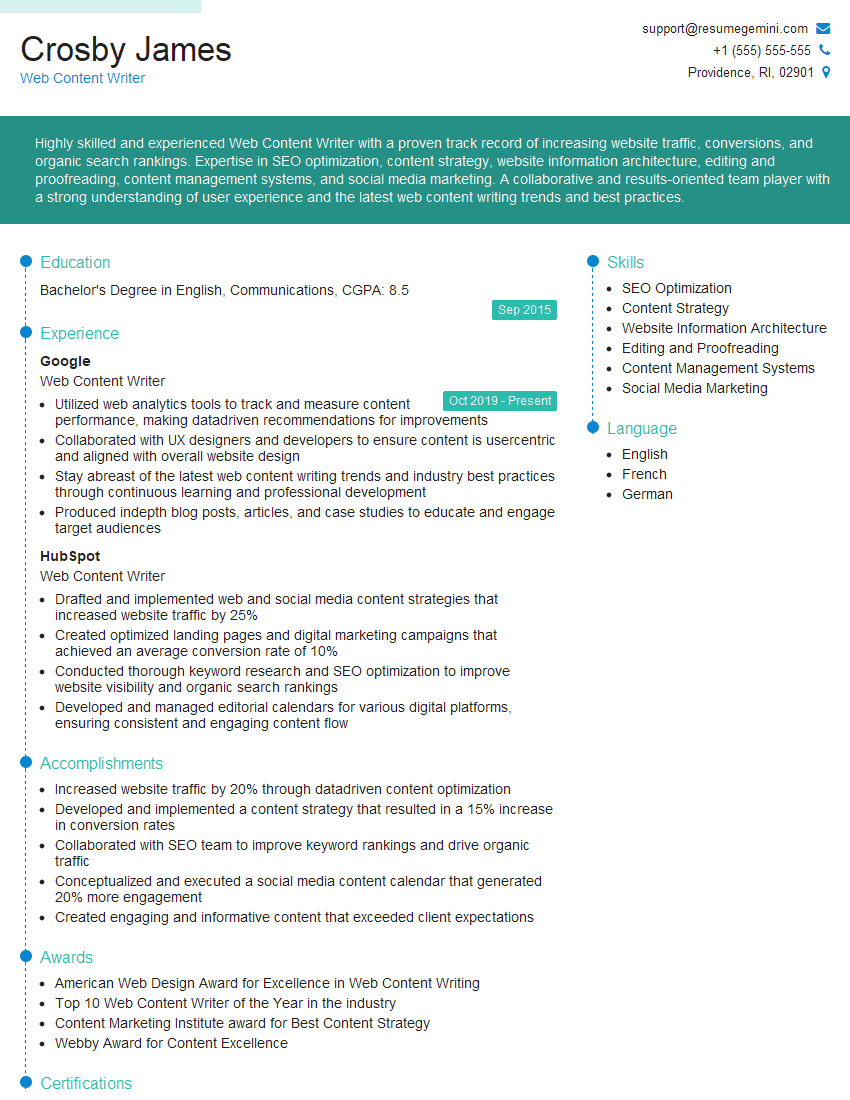
Web Content Writer Resume Sample
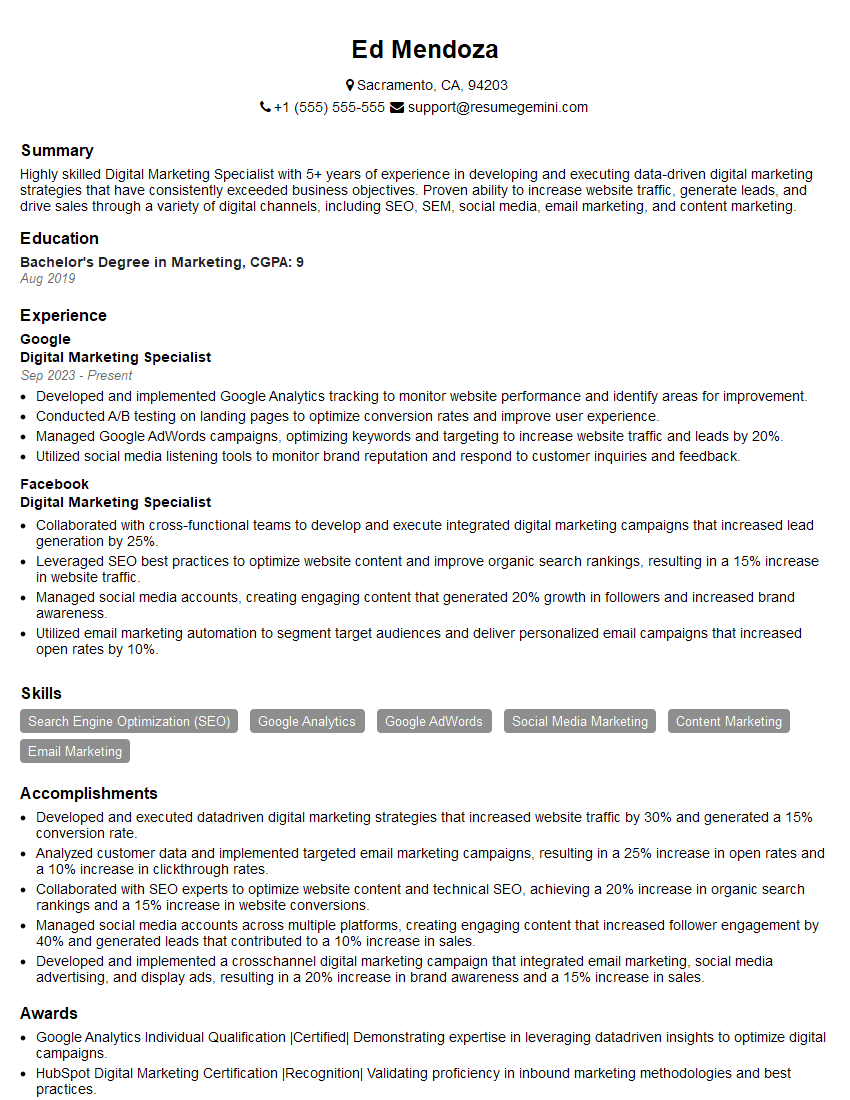
Digital Marketing Specialist Resume Sample
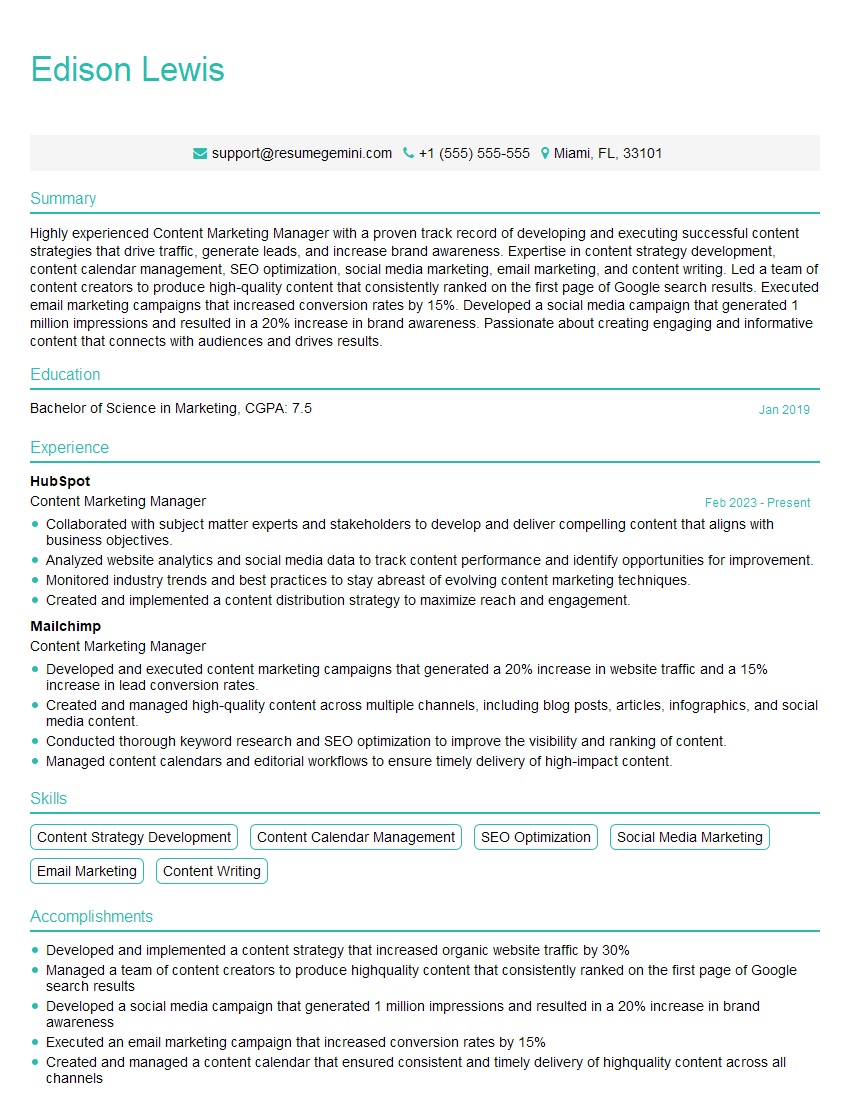
Content Marketing Manager Resume Sample
Explore more articles
Users Rating of Our Blogs
Share Your Experience
We value your feedback! Please rate our content and share your thoughts (optional).
What Readers Say About Our Blog
Very informative content, great job.
good