Interviews are more than just a Q&A session—they’re a chance to prove your worth. This blog dives into essential Experience in Crisis Management Planning interview questions and expert tips to help you align your answers with what hiring managers are looking for. Start preparing to shine!
Questions Asked in Experience in Crisis Management Planning Interview
Q 1. Describe your experience developing a crisis management plan.
Developing a crisis management plan is a systematic process that involves identifying potential crises, assessing their likelihood and impact, and creating a detailed response strategy. I approach this by first conducting a thorough risk assessment (which I’ll detail further in the next answer). Then, I work collaboratively with stakeholders across the organization to define roles, responsibilities, and communication protocols. The plan itself should include clear steps for activating the plan, procedures for handling specific crisis types, protocols for communication and information dissemination, and a process for post-crisis review and improvement. For example, in my previous role at a large manufacturing company, we developed a plan addressing potential scenarios like equipment malfunction causing product contamination, supply chain disruptions, and natural disasters. This involved creating detailed checklists, pre-approved communication templates, and designating specific teams to handle each aspect of the response. We also conducted regular drills to ensure the plan’s effectiveness and team familiarity.
Q 2. What methodologies do you use for risk assessment?
I utilize a combination of methodologies for risk assessment, tailored to the specific organization and context. This typically involves a qualitative and quantitative approach. Qualitative methods include brainstorming sessions, interviews with subject matter experts, and reviewing past incidents or near misses. Quantitative methods leverage data analysis to assess the likelihood and impact of potential crises. I often use a risk matrix, plotting the likelihood of an event against its potential impact to prioritize risks. For instance, a high-likelihood, high-impact event like a major power outage would receive immediate attention and resources, while a low-likelihood, low-impact event like a minor IT glitch may only require a standard operating procedure. SWOT analysis (Strengths, Weaknesses, Opportunities, Threats) is also a useful tool in identifying vulnerabilities and potential risks. Finally, scenario planning allows us to anticipate unexpected events and tailor responses accordingly.
Q 3. How do you prioritize competing demands during a crisis?
Prioritizing competing demands during a crisis is crucial. I use a structured approach, applying principles of urgency and importance. This often involves using a decision matrix to rank tasks based on their impact on the overall crisis response and the time sensitivity. The Eisenhower Matrix (Urgent/Important) is a helpful tool here. For example, securing the safety of personnel will always be the top priority, followed by containing the crisis and minimizing its impact. Communication with stakeholders also holds significant importance, ensuring transparency and minimizing misinformation. Less urgent tasks might be delegated or deferred until the immediate crisis has been resolved. Clear communication and collaboration are key, keeping the team focused on the most pressing issues and ensuring effective resource allocation. Regular updates and reassessment of priorities throughout the crisis are vital.
Q 4. Explain your experience in crisis communication strategies.
Crisis communication is critical for managing public perception, maintaining stakeholder confidence, and ensuring a coordinated response. My experience includes developing communication plans that define key messages, target audiences, and communication channels. This includes establishing a central communication hub to manage information flow and avoid conflicting messaging. We ensure our communications are accurate, timely, consistent, and empathetic. For example, during a product recall, we employed a multi-channel approach using press releases, social media, and a dedicated website to provide updates and instructions. Transparency is paramount; we acknowledge mistakes openly and communicate the steps being taken to remedy the situation. Active listening and engagement with stakeholders through feedback mechanisms help address concerns and build trust. Pre-approved communication templates and spokespeople help maintain consistency and reduce confusion during a crisis.
Q 5. What metrics do you use to evaluate the effectiveness of a crisis management plan?
Evaluating the effectiveness of a crisis management plan requires a multi-faceted approach. Key metrics include the speed and efficiency of the response, the extent of damage mitigation, the impact on reputation and stakeholder relationships, and the financial cost of the crisis. Post-crisis reviews are invaluable. These involve gathering feedback from those involved, analyzing data, and conducting surveys. We look at metrics such as time to containment, recovery time, and the number of affected individuals or assets. Analyzing social media sentiment and media coverage can provide insight into public perception. Qualitative feedback from stakeholders and staff also provides valuable insights to identify areas for improvement in future plans. Ultimately, the goal is to learn from every crisis and strengthen the plan for future events.
Q 6. Describe your experience with stakeholder management during a crisis.
Stakeholder management during a crisis requires proactive and strategic communication. I focus on identifying key stakeholders – employees, customers, investors, the media, government agencies, etc. – and tailoring communication to their specific needs and concerns. Transparency and empathy are crucial. A multi-channel communication strategy ensures that information reaches everyone effectively and efficiently. For example, during a major IT outage, I would prioritize communication with customers to ensure they are aware of the situation and the steps being taken to resolve the issue. I’d also engage with employees to keep them informed and involved. Proactive communication reduces speculation and misinformation, building trust and confidence. Regular updates and feedback loops ensure that stakeholder concerns are addressed. Post-crisis follow-up is critical for rebuilding relationships and learning from the experience.
Q 7. How do you ensure the timely dissemination of information during a crisis?
Timely information dissemination is crucial during a crisis. This is best achieved by establishing a central communication hub and using a multi-channel approach. This includes using established communication channels, such as email, phone, and intranet, as well as utilizing social media and mass notification systems if necessary. Pre-designated spokespeople ensure consistent messaging. We create communication templates to streamline the process and ensure accuracy. Regularly scheduled briefings and updates keep stakeholders informed and minimize confusion. During a crisis, it’s important to prioritize the most critical information first, focusing on facts and avoiding speculation. Regular communication channels should be kept open for updates and questions. Having a designated team responsible for updating and disseminating information streamlines the process and reduces errors. Utilizing technology like mass notification systems ensures timely reach to a wide audience.
Q 8. What is your experience with crisis simulations and exercises?
Crisis simulations and exercises are crucial for honing our response capabilities. I’ve been involved in numerous tabletop exercises, functional exercises, and full-scale simulations, ranging from natural disasters to cybersecurity breaches and public health emergencies. These exercises aren’t just about running through procedures; they’re about identifying weaknesses, testing communication systems, and building team cohesion under pressure. For example, in a recent simulation involving a major chemical spill, we identified a critical gap in our inter-agency communication protocol, which we subsequently addressed by implementing a dedicated communication platform. Another exercise focused on a large-scale cyberattack allowed us to test incident response plans and refine our data recovery strategies. The value lies not just in successfully completing the exercise, but in the iterative process of improvement and refinement that follows.
Q 9. How do you manage information flow during a crisis?
Managing information flow during a crisis is paramount. It’s akin to being the air traffic controller of a chaotic airspace. We use a multi-layered approach: First, establishing a central communication hub, often a dedicated command center, with clear communication channels. This might involve utilizing various technologies like secure messaging platforms, dedicated phone lines, and even social media (for public information dissemination) when appropriate. Second, we create a structured information dissemination plan, assigning roles and responsibilities for information gathering, verification, and distribution. We prioritize accurate, timely, and consistent information, avoiding rumors and misinformation. Third, we use a tiered system, ensuring that the right information reaches the right people at the right time, avoiding information overload. Think of it as a funnel: raw data comes in, gets filtered, verified, and then disseminated to relevant stakeholders. This prevents confusion and ensures everyone is on the same page. Regular briefings are crucial to keep everyone informed and aligned.
Q 10. Describe a time you had to make a difficult decision during a crisis.
During a major power outage affecting a critical infrastructure facility, I had to decide whether to prioritize restoring power to the facility immediately, potentially risking further damage from overloaded systems, or to proceed cautiously, prioritizing safety assessments before attempting to restore power. This decision involved weighing immediate needs against potential long-term risks. After consulting with engineers and safety experts, I opted for a phased approach, prioritizing safety checks and system stabilization before proceeding with power restoration. This decision, while delaying the full restoration, significantly reduced the risk of further damage and ensured the safety of personnel. While challenging, this experience underscored the importance of evidence-based decision-making, collaboration with experts, and a focus on both immediate needs and long-term consequences.
Q 11. How do you handle conflicting priorities in a high-pressure situation?
Conflicting priorities in a crisis are inevitable. My approach involves a structured prioritization framework using a combination of urgency and impact. We use a matrix to visually represent various tasks and initiatives. We identify tasks with high urgency and high impact first, and then allocate resources accordingly. Transparency is critical; team members need to understand the rationale behind the prioritization choices. Open communication and collaborative decision-making help navigate these challenges effectively. For example, during a wildfire, we had to prioritize evacuations, protecting critical infrastructure, and managing resource allocation. The matrix helped us allocate personnel and equipment strategically, ensuring the most crucial tasks were addressed first.
Q 12. What are your strategies for maintaining team morale during a crisis?
Maintaining team morale during a crisis is essential for effective response. I emphasize open communication, ensuring everyone feels informed and valued. This includes regular briefings, providing opportunities for feedback, and recognizing individual contributions. Recognizing stress and burnout is key, so we promote self-care and provide access to support resources. Celebrating small victories along the way helps to maintain positivity. Finally, fostering a sense of shared purpose and team cohesion through mutual support significantly impacts morale. Building trust and rapport beforehand is crucial in mitigating the stress of crisis management.
Q 13. How do you ensure the accuracy and consistency of information during a crisis?
Ensuring accuracy and consistency is achieved through a combination of methods. First, we establish a rigorous verification process for all incoming information, using multiple sources to corroborate facts. Second, we assign roles for information verification and validation, ensuring someone is responsible for the accuracy of every piece of information disseminated. Third, we utilize a centralized database or information management system, updating it regularly and ensuring everyone accesses information from the same source. This prevents inconsistencies and the spread of inaccurate information. Regular audits of information and communication flows help maintain the quality and consistency of information throughout the crisis.
Q 14. What is your experience with technology used in crisis management?
Technology plays a vital role in modern crisis management. I have extensive experience utilizing various technologies, including Geographic Information Systems (GIS) for mapping and resource allocation, real-time communication platforms for rapid information dissemination, social media monitoring tools to track public sentiment and identify emerging issues, and specialized software for incident tracking and resource management. Secure communication platforms like dedicated chat applications and encrypted email ensure confidential communication and data security. In addition, data analytics helps us identify trends and patterns in the crisis, facilitating better decision-making and resource allocation. My experience also includes utilizing cloud-based solutions for increased scalability and data backup, which are particularly critical during a large-scale event.
Q 15. Describe your process for post-crisis review and improvement.
Post-crisis review is critical for learning and improvement. My process is a structured approach encompassing several key phases. It begins with a thorough fact-finding stage, collecting data from various sources – incident reports, communication logs, employee feedback, and even social media monitoring. This helps build a comprehensive understanding of what transpired. Next, I conduct a detailed analysis, identifying both successes and failures in our response. This involves comparing our actions against our established crisis management plan and identifying areas for improvement. For instance, analyzing communication delays during a product recall might reveal the need for a more streamlined notification system. This analysis is followed by the development of concrete recommendations. These recommendations are not just generic improvements but are specific and actionable, such as revising our communication protocols, updating our training materials, or investing in new technologies to improve response times. Finally, the entire process is documented, including lessons learned and the implementation of the recommended changes. This documentation allows for ongoing monitoring and improvement of our crisis management capabilities, ensuring we’re better prepared for future events. We often use a SWOT (Strengths, Weaknesses, Opportunities, Threats) analysis at this stage to thoroughly assess the entire situation and map out potential actions for future incidents. This ensures ongoing refinement of our crisis management capabilities.
Career Expert Tips:
- Ace those interviews! Prepare effectively by reviewing the Top 50 Most Common Interview Questions on ResumeGemini.
- Navigate your job search with confidence! Explore a wide range of Career Tips on ResumeGemini. Learn about common challenges and recommendations to overcome them.
- Craft the perfect resume! Master the Art of Resume Writing with ResumeGemini’s guide. Showcase your unique qualifications and achievements effectively.
- Don’t miss out on holiday savings! Build your dream resume with ResumeGemini’s ATS optimized templates.
Q 16. What are some common pitfalls to avoid in crisis management?
Several common pitfalls can severely hinder effective crisis management. One major pitfall is a lack of preparedness. Many organizations fail to develop a comprehensive crisis management plan or conduct regular training exercises. This can lead to confusion and inefficient responses during an actual crisis. Another is poor communication. Failing to communicate effectively with stakeholders – employees, customers, the media, and government agencies – can lead to misinformation, panic, and damage to reputation. Imagine a data breach where the company waits days to inform customers – this will severely erode trust. A third common mistake is neglecting to designate a clear crisis leadership team. A lack of clear authority and responsibility can cause delays and conflicting instructions. Finally, failing to learn from past crises and neglecting to conduct post-crisis reviews creates a cycle of recurring mistakes. We always emphasize proactive planning, regular drills, clear communication strategies, and designated leadership structures to prevent these pitfalls.
Q 17. How do you integrate crisis management into day-to-day operations?
Integrating crisis management into day-to-day operations is crucial for building resilience. This isn’t a separate function but a fundamental part of how we operate. We achieve this through several strategies. First, we embed crisis management principles into our standard operating procedures. For example, our IT security protocols incorporate incident response plans that are regularly tested. We conduct regular tabletop exercises and simulations, using real-world scenarios to test the effectiveness of our plan and refine our team’s response capabilities. These simulations aren’t just about reacting; they’re about anticipating and preparing for potential challenges. Furthermore, crisis communication training is integrated into employee onboarding and ongoing professional development programs. This ensures that every employee understands their role in a crisis and knows how to communicate effectively during stressful situations. Finally, regular reviews of our crisis management plan and procedures keep them up-to-date and relevant to the ever-changing operational landscape.
Q 18. Explain your understanding of legal and regulatory compliance in crisis management.
Legal and regulatory compliance is paramount in crisis management. Understanding and adhering to relevant laws and regulations is essential to mitigating legal risks and maintaining public trust. This includes complying with data privacy laws (like GDPR or CCPA) in the event of a data breach, adhering to financial reporting regulations in case of a financial crisis, and following all relevant health and safety regulations in a workplace accident. My experience includes working closely with legal counsel to ensure all our actions during a crisis are legally sound and transparent. We maintain detailed documentation of all our actions, decisions, and communications, ensuring complete transparency and accountability. We also conduct regular reviews to ensure our crisis management plan remains compliant with all applicable laws and regulations. For example, in the healthcare industry, HIPAA compliance during a patient data breach is critical and necessitates specific protocols and reporting procedures. Failure to comply can lead to substantial fines and irreparable damage to reputation.
Q 19. Describe your experience with developing and delivering crisis communication training.
I have extensive experience in developing and delivering crisis communication training. My approach is highly interactive and scenario-based. Instead of just lectures, we utilize case studies, simulations, and role-playing exercises to immerse participants in realistic crisis scenarios. This allows them to practice their communication skills in a safe and controlled environment. For example, we might simulate a media interview or a town hall meeting following a significant incident. This approach allows for immediate feedback and coaching, enhancing participants’ ability to handle high-pressure situations with confidence. I also tailor the training to the specific needs and context of the organization, considering the industry, the nature of potential crises, and the specific roles and responsibilities of each participant. The training also covers best practices in social media management during a crisis, emphasizing the importance of swift and accurate information dissemination to mitigate misinformation and control the narrative.
Q 20. How do you adapt your crisis management approach to different types of crises?
My approach to crisis management is adaptable to different types of crises. While the fundamental principles remain consistent – preparedness, communication, and decisive leadership – the specific tactics and strategies vary significantly. For example, a natural disaster requires a very different response than a product recall or a cybersecurity breach. In a natural disaster, the priority is often ensuring the safety of employees and the community, coordinating with emergency responders, and providing logistical support. A product recall, on the other hand, focuses on identifying and addressing the product defect, communicating with customers, and managing the financial and reputational impact. A cybersecurity breach necessitates a rapid response to contain the breach, investigate its cause, notify affected parties, and take steps to prevent future incidents. I tailor our crisis management plan and response strategies to the specific context of the crisis, drawing on my experience and expertise to develop effective and targeted interventions.
Q 21. What is your experience with crisis management in a specific industry (e.g., healthcare, finance)?
My experience in crisis management significantly involves the healthcare industry. I have worked with several hospitals and healthcare systems to develop and implement crisis management plans tailored to the unique challenges of the healthcare sector. These challenges include patient safety, regulatory compliance (HIPAA), managing infectious disease outbreaks, and responding to medical errors or adverse events. One specific project involved developing a crisis communication plan for a hospital system during a major influenza outbreak. This required coordinating communication with patients, staff, the media, and public health agencies, ensuring consistent messaging and proactive updates. It also involved addressing public concerns, providing accurate information, and maintaining confidence in the hospital’s ability to manage the situation effectively. The successful implementation of this plan minimized the negative impact of the outbreak and showcased the importance of a comprehensive crisis management approach in a high-stakes environment like healthcare.
Q 22. How do you collaborate with external stakeholders during a crisis?
Collaborating with external stakeholders during a crisis is paramount. It involves building and leveraging pre-existing relationships and establishing clear communication channels. This isn’t a one-size-fits-all approach; it depends heavily on the nature of the crisis and who the key stakeholders are – government agencies, media, community leaders, suppliers, customers, etc.
- Pre-Crisis Engagement: Before a crisis hits, we identify key external stakeholders and develop communication protocols. This might include establishing contact lists, agreeing on communication methods (e.g., dedicated phone lines, secure messaging platforms), and defining roles and responsibilities.
- Crisis Communication: During a crisis, regular, transparent, and consistent communication is vital. We utilize press releases, social media updates, and direct communication to keep stakeholders informed. Honesty and empathy are critical; acknowledging uncertainty while outlining actions being taken builds trust.
- Post-Crisis Evaluation: After the crisis, we conduct a thorough review of our external stakeholder communication, analyzing what worked well and what could be improved. This feedback loop informs our future crisis management plans.
For example, during a product recall, proactively notifying regulatory bodies, retailers, and customers is crucial. Building those relationships ahead of time ensures swift action and minimizes negative impact.
Q 23. Describe your experience with resource allocation during a crisis.
Resource allocation during a crisis requires swift, decisive action guided by a clear understanding of priorities. It’s not just about money; it’s about human resources, technology, and other critical assets. The process typically involves:
- Needs Assessment: First, we identify the critical needs arising from the crisis. This might involve damage assessments, determining the number of affected individuals, and gauging the resources needed for recovery.
- Prioritization: Once needs are identified, we prioritize them based on urgency and impact. Life-saving measures always take precedence. We use frameworks like SWOT analysis to understand potential strengths, weaknesses, opportunities, and threats in resource allocation.
- Resource Deployment: We deploy resources strategically, ensuring efficient distribution and allocation. This may involve coordinating with internal teams, external partners, and potentially government agencies.
- Monitoring and Adjustment: We continuously monitor resource allocation to ensure effectiveness and adapt the strategy as the situation evolves. Flexibility and responsiveness are key.
In a scenario where a natural disaster disrupts operations, we might prioritize securing employee safety, ensuring the continuity of essential services, and allocating resources for recovery efforts.
Q 24. What is your experience with crisis management in a multicultural environment?
Crisis management in a multicultural environment demands cultural sensitivity and awareness. Communication styles, values, and beliefs can significantly impact how a crisis is perceived and managed. My experience highlights the importance of:
- Language and Translation: Ensuring clear and accurate communication across different languages is crucial. This involves using professional translators and interpreting services, and considering diverse literacy levels.
- Cultural Nuances: Understanding cultural sensitivities is paramount. For instance, communication styles vary widely across cultures; what may be considered direct and efficient in one culture might be offensive in another. We adapt our communication strategies to resonate with diverse audiences.
- Community Engagement: Actively engaging with diverse community leaders and representatives is key to building trust and ensuring effective communication and response to the crisis.
- Diversity in the Crisis Team: A diverse crisis management team can bring valuable perspectives and ensure a more inclusive and effective response.
For example, during a public health crisis, providing information in multiple languages and working with community leaders to address specific cultural concerns is vital to ensure equitable access to information and resources.
Q 25. How do you ensure the security of sensitive information during a crisis?
Protecting sensitive information during a crisis is crucial. We employ a multi-layered approach combining technical and procedural safeguards:
- Access Control: Restricting access to sensitive information to authorized personnel only. This involves strong password policies, multi-factor authentication, and regular security audits.
- Data Encryption: Encrypting sensitive data both in transit and at rest to prevent unauthorized access even if a breach occurs. We utilize robust encryption algorithms and key management systems.
- Incident Response Plan: Having a well-defined incident response plan in place to quickly contain and mitigate data breaches. This plan should outline steps for identifying, containing, and recovering from security incidents.
- Employee Training: Providing regular training to employees on cybersecurity best practices, including phishing awareness, password security, and data handling protocols.
- Secure Communication Channels: Utilizing secure communication channels for sensitive information exchange. This might include encrypted email, secure messaging platforms, or virtual private networks (VPNs).
Imagine a data breach involving customer financial information. Robust security measures would limit the damage, protect our reputation, and minimize legal and financial consequences.
Q 26. What is your understanding of business impact analysis (BIA)?
A Business Impact Analysis (BIA) is a critical process to identify potential threats and vulnerabilities to an organization and assess their potential impact. It helps prioritize resources and plan for business continuity in the event of a disruption. The process typically involves:
- Identifying Critical Business Functions: Determining the essential functions that must continue operating to maintain business viability. This might include customer support, production, or financial transactions.
- Identifying Potential Threats: Assessing potential threats that could disrupt these critical functions. This could range from natural disasters and cyberattacks to equipment failures and pandemics.
- Assessing Potential Impacts: Evaluating the potential impact of each threat on critical business functions. This involves considering financial losses, reputational damage, legal liabilities, and service disruptions.
- Developing Mitigation Strategies: Identifying and developing mitigation strategies to reduce the likelihood and impact of potential threats. This might include developing backup systems, establishing disaster recovery plans, or implementing security measures.
A BIA is like a health check for your business; it allows us to understand weaknesses and proactively build resilience.
Q 27. How do you measure the effectiveness of your crisis communication strategies?
Measuring the effectiveness of crisis communication strategies is crucial for continuous improvement. We use a combination of quantitative and qualitative methods:
- Quantitative Measures: Analyzing metrics such as website traffic, social media engagement, media coverage, and call volume to understand the reach and impact of our messages. We also monitor sentiment analysis to gauge public perception.
- Qualitative Measures: Conducting surveys, focus groups, and interviews with stakeholders to gather feedback on the clarity, accuracy, and effectiveness of our communication. This provides valuable insights into what worked well and areas for improvement.
- Key Performance Indicators (KPIs): Defining specific KPIs related to crisis communication, such as the speed of information dissemination, the accuracy of information provided, and public trust levels.
- Post-Crisis Evaluation: Conducting a comprehensive post-crisis review to analyze the effectiveness of our communication strategies and identify areas for improvement in future plans.
For example, tracking media mentions alongside public sentiment helps assess the narrative control and overall effectiveness of our crisis communication efforts.
Q 28. Describe your experience with developing a crisis communication plan.
Developing a crisis communication plan is a meticulous process that ensures a coordinated and effective response to various crises. The process typically involves:
- Risk Assessment: Identifying potential crises that could affect the organization, considering various scenarios including natural disasters, security breaches, product recalls, and reputational crises.
- Stakeholder Identification: Identifying key stakeholders who need to be informed and involved during a crisis, including employees, customers, media, investors, and government agencies.
- Communication Channels: Determining the appropriate communication channels to reach each stakeholder group, considering factors such as urgency, message complexity, and reach.
- Message Development: Creating consistent, accurate, and empathetic messages tailored to each stakeholder group. This involves pre-writing key messages and developing templates for various crisis scenarios.
- Training and Drills: Conducting regular training and drills with the crisis communication team to ensure everyone understands their roles and responsibilities and the plan’s execution.
- Plan Review and Updates: Regularly reviewing and updating the crisis communication plan to reflect changes in the organization, its environment, and best practices.
A well-defined plan acts as a roadmap, guiding our actions during a crisis and minimizing chaos and ensuring a swift, well-coordinated response.
Key Topics to Learn for Experience in Crisis Management Planning Interview
- Crisis Assessment & Risk Identification: Understanding methodologies for identifying potential crises, assessing vulnerabilities, and prioritizing risks. This includes analyzing historical data and conducting proactive threat assessments.
- Crisis Communication Strategies: Developing and implementing effective communication plans for internal and external stakeholders during a crisis. This encompasses messaging, media relations, and maintaining transparency.
- Crisis Response & Mitigation: Formulating and practicing response plans, including incident command systems, resource allocation, and damage control procedures. This also includes understanding legal and ethical considerations.
- Recovery & Post-Crisis Analysis: Implementing strategies for recovery, including damage assessment, restoration of services, and long-term recovery planning. Critically analyzing the crisis response to identify areas for improvement.
- Business Continuity Planning (BCP): Understanding the principles of BCP and its integration with crisis management. This includes developing and testing recovery strategies to minimize disruption.
- Stakeholder Management: Building and maintaining relationships with key stakeholders (employees, customers, government agencies) before, during, and after a crisis. This requires effective communication and collaboration.
- Technological Tools & Resources: Familiarity with relevant software and technologies used in crisis management, such as communication platforms, incident management systems, and data analysis tools.
Next Steps
Mastering crisis management planning is crucial for career advancement in virtually any industry. Demonstrating proficiency in this area showcases your ability to handle high-pressure situations, make sound decisions under uncertainty, and protect organizational interests. To significantly boost your job prospects, crafting an ATS-friendly resume is essential. A well-structured resume highlights your skills and experience effectively to Applicant Tracking Systems (ATS), increasing your chances of landing interviews. We encourage you to leverage ResumeGemini, a trusted resource, to build a professional and impactful resume. Examples of resumes tailored to highlighting experience in Crisis Management Planning are available to help you get started.
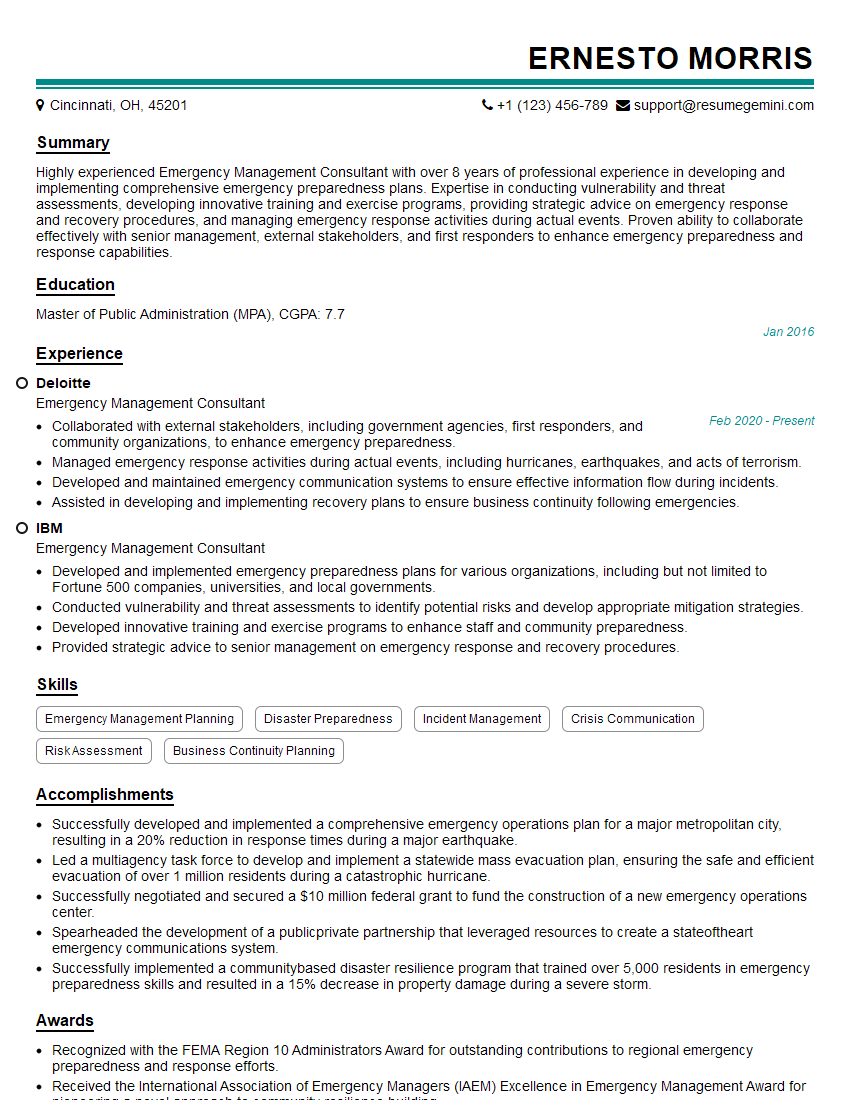
Emergency Management Consultant Resume Sample
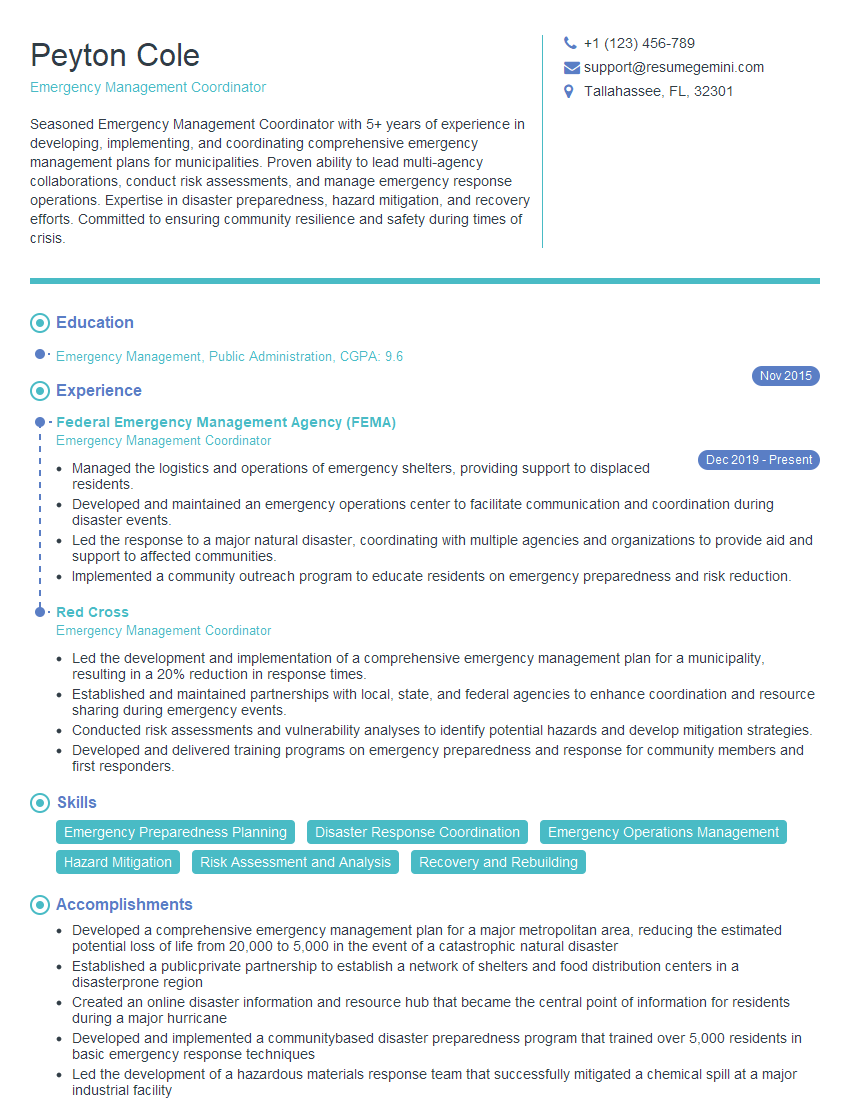
Emergency Management Coordinator Resume Sample

Compliance Officer Resume Sample
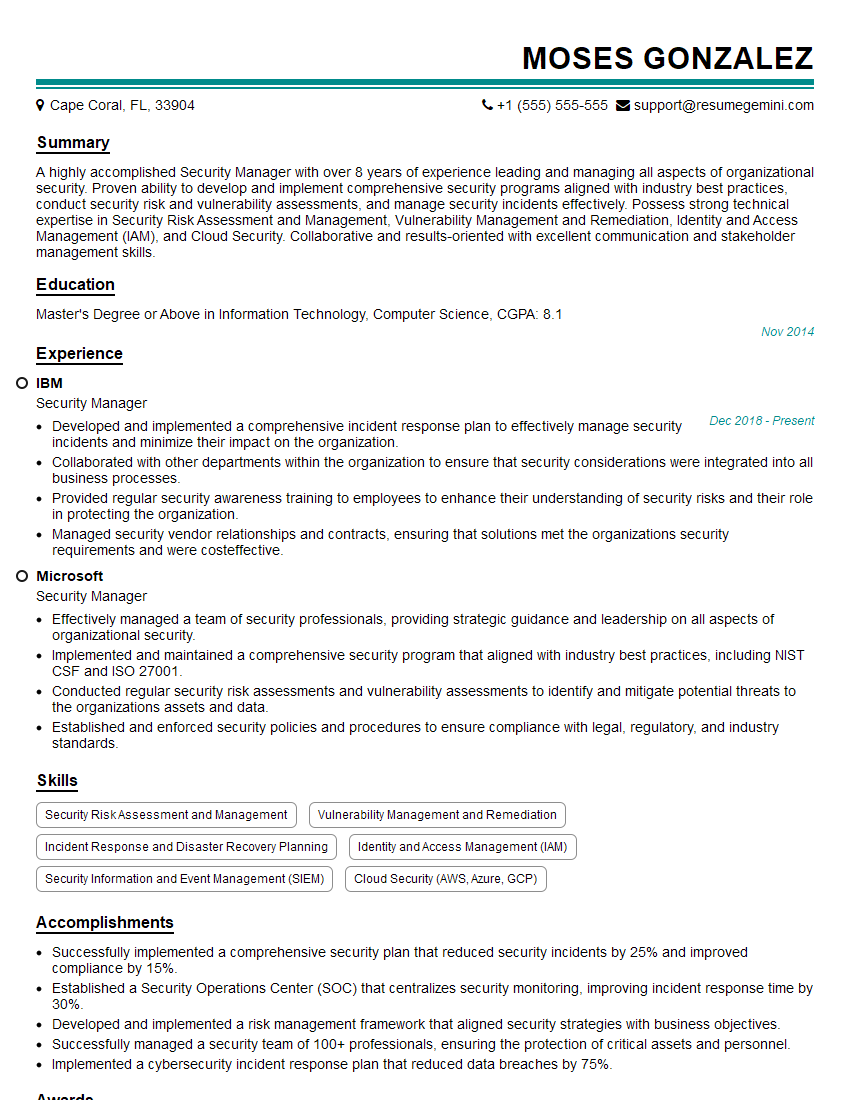
Security Manager Resume Sample
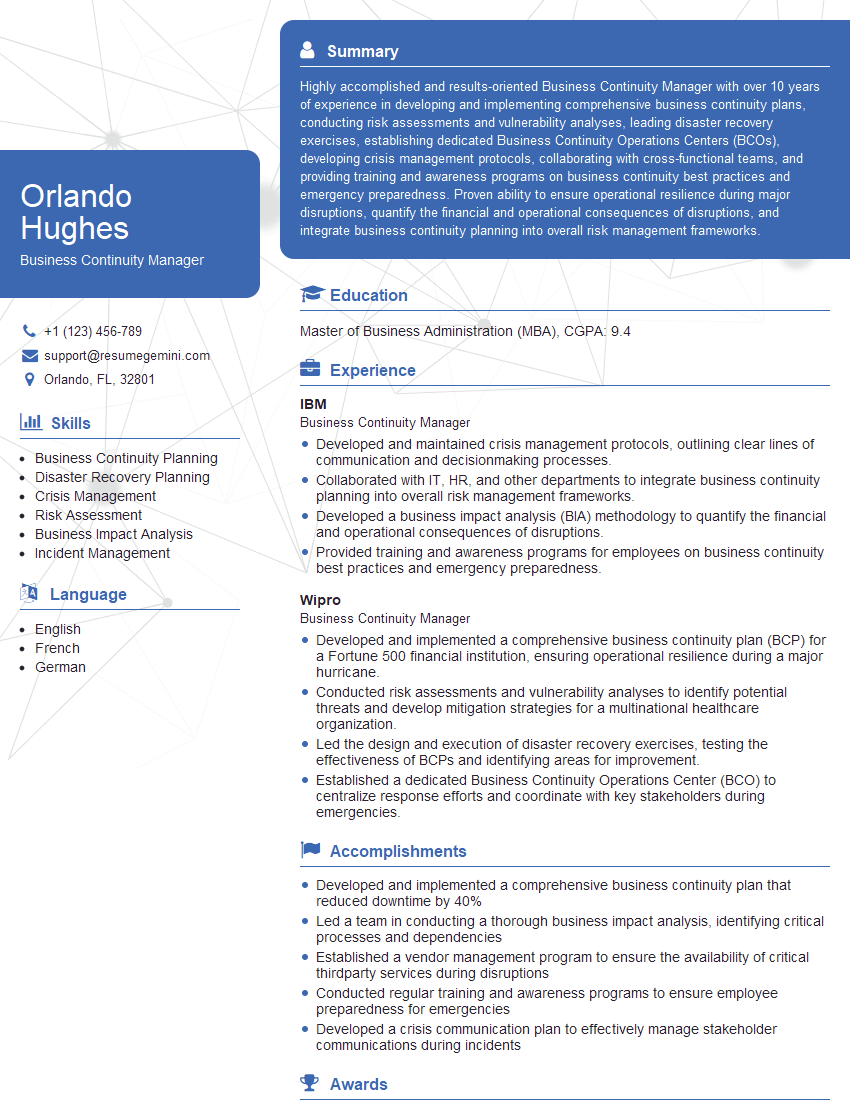
Business Continuity Manager Resume Sample

Risk Management Specialist Resume Sample
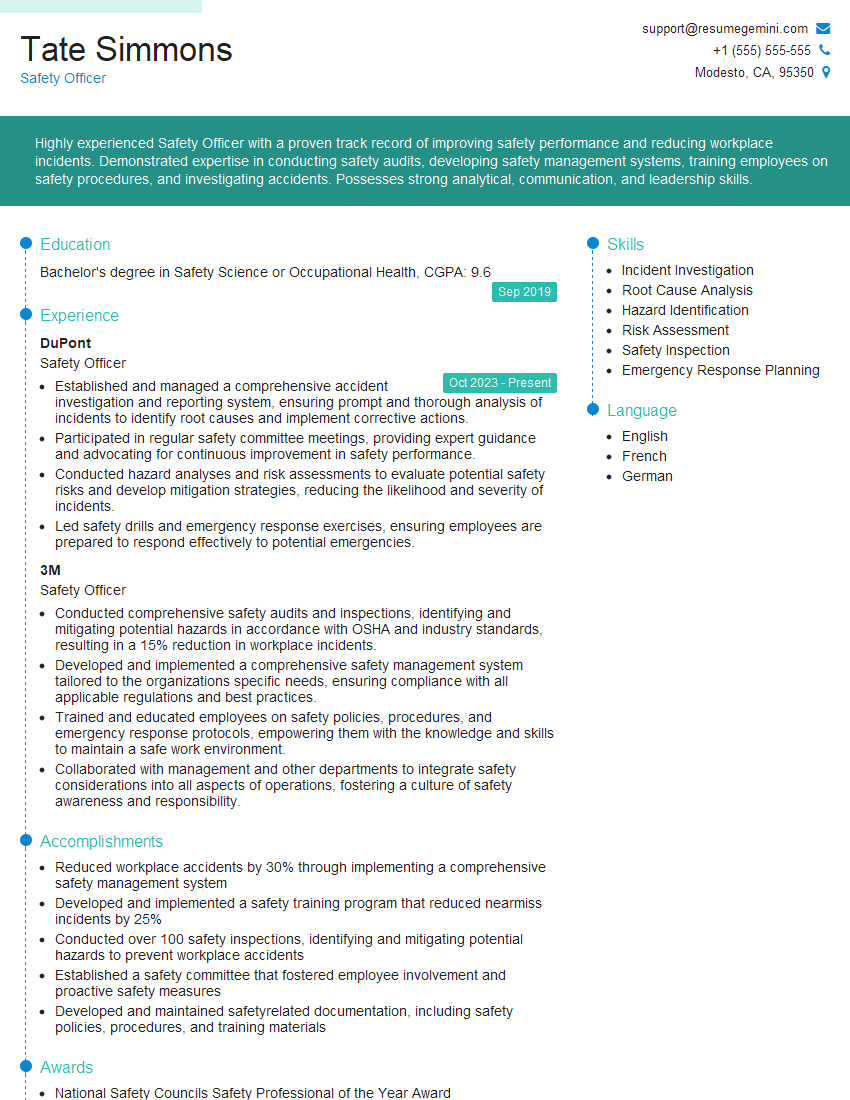
Safety Officer Resume Sample
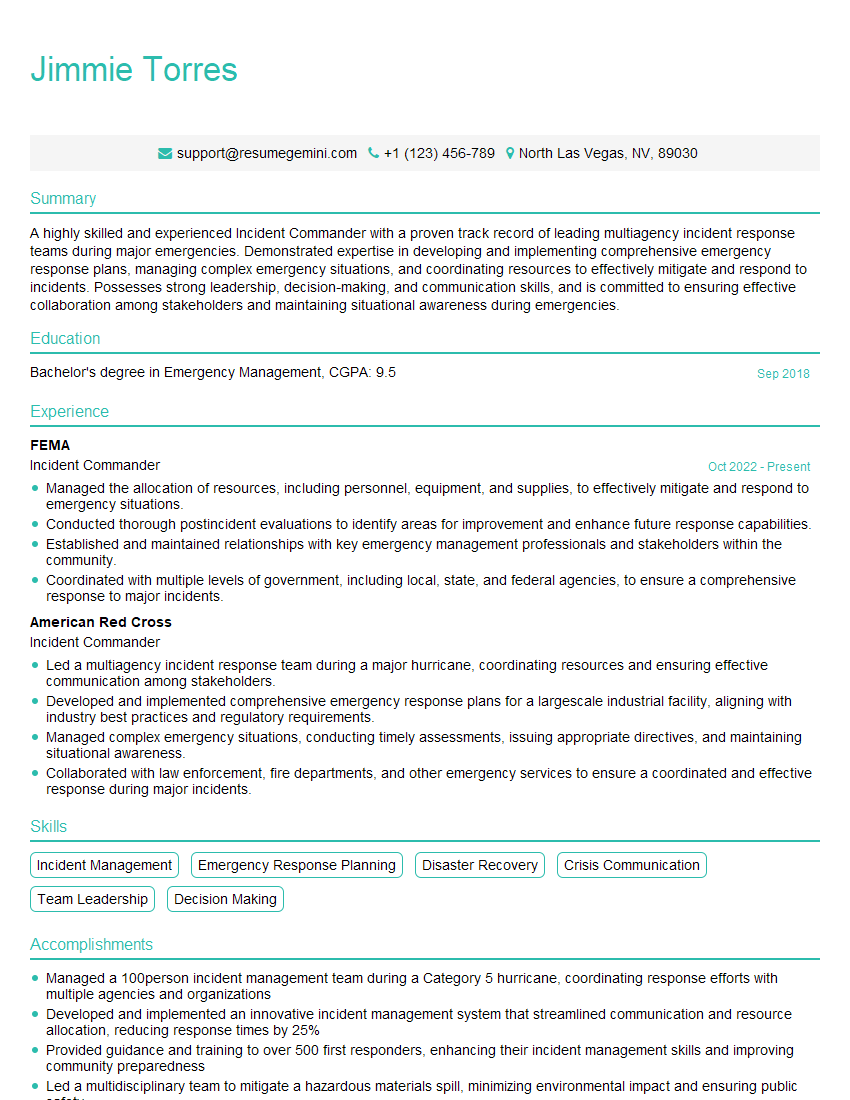
Incident Commander Resume Sample
Explore more articles
Users Rating of Our Blogs
Share Your Experience
We value your feedback! Please rate our content and share your thoughts (optional).
What Readers Say About Our Blog
Very informative content, great job.
good