Feeling uncertain about what to expect in your upcoming interview? We’ve got you covered! This blog highlights the most important Experience in managing budgets and controlling costs interview questions and provides actionable advice to help you stand out as the ideal candidate. Let’s pave the way for your success.
Questions Asked in Experience in managing budgets and controlling costs Interview
Q 1. Describe your experience with developing and managing annual budgets.
Developing and managing annual budgets is a crucial aspect of financial stewardship. It involves a multi-stage process, starting with forecasting revenue and projecting expenses based on historical data, market trends, and strategic goals. I begin by collaborating with department heads to gather their individual budget requests, ensuring alignment with overall organizational objectives. This collaborative process is key to securing buy-in and realistic projections. Then, I consolidate these requests into a comprehensive budget, meticulously analyzing each line item for potential inefficiencies or areas requiring further justification. Finally, once the budget is finalized and approved, I regularly monitor spending, compare it against projections, and make necessary adjustments. For example, in my previous role, I successfully managed a $10 million annual budget for a marketing department, consistently delivering positive results while remaining within allocated funds.
The entire process relies heavily on accurate data analysis and strong communication across all departments. Through clear reporting and regular meetings, I ensure transparency and facilitate proactive management of budgetary resources.
Q 2. How do you identify and prioritize cost-saving opportunities?
Identifying cost-saving opportunities requires a systematic approach. I start by analyzing historical spending patterns, identifying areas where expenditures consistently exceed expectations or industry benchmarks. This might involve comparing our costs for specific services (e.g., office supplies, software subscriptions) with competitors or industry averages. Next, I evaluate operational efficiencies. Can tasks be streamlined? Are there opportunities to automate processes to reduce labor costs? Finally, I explore strategic sourcing – can we negotiate better rates with vendors or explore alternative suppliers? I prioritize opportunities based on their potential impact and feasibility. High-impact, easily implemented changes get tackled first. For example, in a previous project, I identified a 15% reduction in software licensing costs by consolidating redundant subscriptions and negotiating a bulk discount.
It’s also important to consider the potential impact on quality or productivity when exploring cost-saving measures. We must ensure any savings don’t compromise the overall quality of services or negatively affect employee morale.
Q 3. Explain your process for forecasting future expenses.
Forecasting future expenses involves a blend of quantitative and qualitative analysis. I begin by examining historical data, identifying trends and seasonal variations in spending. I then incorporate market research, industry analyses, and anticipated changes in operational strategies to refine these predictions. For example, if we plan to launch a new product, I would factor in the marketing and production costs associated with that launch into the forecast. Qualitative factors, such as anticipated economic conditions or potential regulatory changes, are also considered. This comprehensive approach allows for a more accurate and robust forecast. I use a combination of statistical modelling and scenario planning to account for uncertainties and potential risks. For instance, I might develop optimistic, pessimistic, and most likely scenarios to provide a range of potential outcomes, helping to prepare for both positive and negative surprises.
Regularly reviewing and updating the forecast is crucial, adapting it as new information becomes available or as market conditions shift. This iterative process helps maintain the accuracy of the forecast and provides better decision-making support.
Q 4. What tools or software do you use for budget management?
I am proficient in utilizing several tools and software for budget management. My preferred tools include budgeting and forecasting software such as Anaplan or Adaptive Insights, which allow for real-time monitoring of spending, collaborative budgeting, and sophisticated scenario planning. Spreadsheet software like Excel is also crucial for detailed analysis and reporting. These tools help me create accurate reports, track variances against the budget, and produce insightful dashboards to visualize spending trends and identify potential problems early on. Additionally, I leverage project management software to track expenses associated with specific projects, linking them directly to the overall budget for better control and accountability. For example, using Anaplan allowed me to create a dynamic budget that automatically adjusted based on changes in sales forecasts, improving the accuracy of our financial planning.
The choice of tools depends on the complexity of the budget and the specific needs of the organization. The key is to select tools that enhance collaboration, improve accuracy, and provide insightful data for informed decision-making.
Q 5. How do you handle budget variances?
Handling budget variances requires a proactive and analytical approach. When a variance occurs – either positive or negative – I immediately investigate the underlying causes. This involves analyzing the data to determine if the variance is due to unforeseen circumstances, inaccurate forecasting, or inefficient spending. For example, if marketing expenses exceed the budget, I will scrutinize campaign performance data to assess whether the overspending is justified by increased ROI, or if there are areas for improvement in campaign management. Once the root cause is identified, I develop corrective actions to mitigate future variances. These actions could involve adjusting spending, renegotiating contracts, or implementing new cost-control measures. Regular reporting and transparent communication are essential to keep stakeholders informed and ensure timely action.
For significant variances, a detailed report is prepared and presented to relevant stakeholders, outlining the causes, proposed solutions, and potential impact on future budget cycles. This ensures transparency and informed decision-making.
Q 6. Describe a situation where you had to make difficult budget cuts.
In my previous role, we faced an unexpected economic downturn that required significant budget cuts. The initial budget was based on optimistic sales projections, but actual sales fell short by a considerable margin. We had to make a 10% across-the-board reduction in departmental budgets. This was a challenging process, requiring careful consideration of the impact on each department’s core functions. To minimize disruption, I employed a structured approach. I first evaluated the necessity of each expenditure, prioritizing essential services and eliminating non-critical ones. I also involved department heads in the decision-making process, fostering collaboration and ensuring that the cuts were implemented fairly and efficiently. We explored options such as temporarily suspending non-essential projects, negotiating lower rates with vendors, and implementing operational efficiencies to minimize the impact of budget reductions. We successfully navigated this difficult situation, maintaining core services while adapting to the changed economic climate. Open communication with the staff was vital during this time to maintain morale and transparency.
This experience reinforced the importance of flexible budgeting, proactive scenario planning, and open communication during times of financial uncertainty.
Q 7. How do you ensure budget adherence across different departments?
Ensuring budget adherence across different departments requires a combination of strategies. First, a clear and consistent budgeting framework is essential. All departments must follow the same guidelines, use the same reporting standards, and be held accountable for their spending. Second, regular monitoring and reporting are crucial. I establish regular meetings with department heads to review progress against budget targets, identify potential issues, and address variances promptly. This fosters collaboration and proactive management of resources. Third, I empower department heads with the necessary information and resources to effectively manage their budgets. This includes providing training on budget management principles, setting clear expectations, and providing access to relevant financial data. Finally, a system of incentives and accountability is essential. Departments exceeding their targets or achieving cost savings should be recognized, while those consistently exceeding their budgets may require additional support or corrective actions. Clear communication and a culture of transparency are critical throughout this process.
This multi-faceted approach fosters a sense of shared responsibility and accountability for budget adherence across the entire organization.
Q 8. What are your preferred methods for tracking and reporting budget performance?
My preferred methods for tracking and reporting budget performance revolve around a combination of robust software and meticulous manual oversight. I typically utilize budgeting and financial management software, such as Adaptive Insights or Oracle NetSuite, to input and track budget allocations, actual spending, and forecast projections. These systems allow for real-time monitoring and automated report generation. However, technology is only part of the equation. I believe in actively reviewing the data, comparing it to the budget, and identifying any discrepancies or trends. For example, I might perform a weekly review of actual spend against the budget for critical projects and then generate a monthly report summarizing performance across all departments. This dual approach ensures accuracy and allows for prompt identification of potential issues.
Beyond the software, I maintain detailed spreadsheets to further analyze specific cost centers or projects. This allows me to drill down into the data, uncovering granular insights which might be missed in a larger overview. For instance, I might use a spreadsheet to analyze the individual line items within a specific marketing campaign to understand where the budget is being most effectively utilized and where potential savings might be identified.
Q 9. How do you communicate budget updates to stakeholders?
Communicating budget updates to stakeholders requires a multi-faceted approach tailored to the audience and the urgency of the information. For senior management, I favor concise, high-level reports focusing on key metrics like variance from budget, overall financial health, and potential risks. These are often presented in visually compelling dashboards or presentations. For example, a single slide might summarize the overall budget performance with traffic lights (green, yellow, red) to immediately convey the status.
For departmental managers, the communication is more detailed, incorporating explanations of variances and potential corrective actions. I often hold regular meetings to discuss budget performance, allowing for open dialogue and collaborative problem-solving. For example, if a department is over budget, I’d work with the manager to identify the causes, develop a corrective plan, and agree on revised targets. Regular email updates provide ongoing visibility and keep everyone informed.
Finally, transparent and accessible data is key. I often provide access to online budget dashboards or reports so that stakeholders can monitor progress independently.
Q 10. What are some key performance indicators (KPIs) you track for budget management?
The specific KPIs I track for budget management are highly dependent on the context, but some consistently important ones include:
- Budget Variance: This measures the difference between the budgeted amount and actual spending. A positive variance indicates underspending, while a negative variance indicates overspending.
- Cost Per Unit/Project: This helps assess efficiency and identify areas for improvement. For example, tracking the cost per lead generated in a marketing campaign.
- Return on Investment (ROI): This measures the return generated from investments, helping prioritize budget allocation to high-return projects.
- Spending by Category/Department: This provides a granular view of where budget is being allocated and aids in identifying potential inefficiencies or overspending in specific areas.
- Forecast Accuracy: This measures how well the budget forecasts match the actual results, helping improve future planning accuracy.
Tracking these KPIs provides a comprehensive understanding of budget performance and enables proactive decision-making.
Q 11. Explain your understanding of variance analysis.
Variance analysis is a crucial process that involves comparing planned results (budget) with actual results and identifying the reasons behind any discrepancies. It’s a critical tool for understanding where things went right and wrong with the budget. For example, a negative variance in marketing spend might indicate either an unexpected increase in advertising costs or a successful campaign generating higher-than-expected results. A positive variance in sales revenue could indicate better-than-expected market demand or improved sales strategies.
A thorough variance analysis involves breaking down variances into different categories to find root causes. This can include:
- Price Variances: Differences due to changes in the cost of goods or services.
- Quantity Variances: Differences due to changes in the volume of goods or services used or sold.
- Efficiency Variances: Differences due to changes in productivity or resource utilization.
By identifying the root cause, we can take corrective actions to improve budget management in the future. For example, if a price variance is identified, we can explore alternative vendors or renegotiate contracts. If a quantity variance is identified, we can review sales projections and adjust our purchasing plans accordingly.
Q 12. How do you incorporate risk management into your budget planning?
Incorporating risk management into budget planning is essential for mitigating potential disruptions and ensuring financial stability. I use a combination of approaches:
- Scenario Planning: Developing multiple budget scenarios based on different potential outcomes (e.g., best-case, most-likely, worst-case) to prepare for various contingencies. For example, having a contingency plan if a major supplier increases prices.
- Contingency Reserves: Allocating a portion of the budget as a reserve to cover unexpected expenses or revenue shortfalls. This buffer is crucial for handling unforeseen issues without derailing the entire budget.
- Risk Assessment: Identifying potential risks that could impact the budget (e.g., economic downturns, supply chain disruptions, regulatory changes) and assessing their likelihood and potential impact. This allows for proactive mitigation strategies.
- Regular Monitoring and Adjustments: Continuously monitoring the budget and making adjustments as needed based on identified risks and changing circumstances.
This proactive approach ensures that the budget is robust enough to withstand unexpected challenges and helps maintain financial control.
Q 13. Describe your experience with zero-based budgeting.
Zero-based budgeting (ZBB) is a method that requires each budget item to be justified from scratch each year, rather than simply adjusting the previous year’s budget. It’s a more rigorous approach that challenges existing spending habits and helps identify potential areas for savings. I have experience implementing ZBB in several projects by first defining clear objectives and then allocating resources based on the value they bring to those objectives. Each department or project is evaluated independently and must demonstrate the necessity and value of each expenditure.
Implementing ZBB can be time-consuming and require significant effort, especially during the initial phases. However, it can be highly effective in identifying and eliminating unnecessary expenses. It fosters a culture of efficiency and accountability by encouraging a careful consideration of each budget item. It does, however, require robust support from leadership and thorough documentation.
Q 14. How do you handle unexpected expenses or revenue shortfalls?
Handling unexpected expenses or revenue shortfalls requires a swift and decisive response. My approach involves:
- Immediate Investigation: Quickly identify the cause and extent of the issue. Understanding the root cause is crucial for finding effective solutions.
- Prioritization: Determine which expenses are essential and which can be cut or delayed. This might involve prioritizing core business functions over less critical projects.
- Contingency Plan Activation: Draw upon any allocated contingency reserves to cover the shortfall. This demonstrates the foresight built into the initial budget.
- Communication: Inform relevant stakeholders about the issue and the proposed solutions. Transparency is crucial in managing expectations.
- Negotiation: Explore options with vendors or suppliers to renegotiate contracts or find alternative solutions. This could involve stretching payment terms or seeking discounts.
- Cost-Cutting Measures: Implement short-term cost-cutting measures, such as reducing non-essential spending or streamlining processes.
- Revised Forecasting: Update financial forecasts to reflect the new reality and adjust future budget planning accordingly.
A calm and methodical approach, coupled with strong communication, is key to navigating these unexpected challenges effectively.
Q 15. What is your experience with different budgeting methods (e.g., incremental, activity-based)?
My experience encompasses a range of budgeting methods, each suited to different organizational needs. Incremental budgeting, the simplest, uses the previous year’s budget as a baseline, adjusting it for anticipated inflation and minor changes. While easy to implement, it can be inflexible and perpetuate inefficiencies. I’ve used this method for smaller projects with stable demands.
Activity-based budgeting (ABB), on the other hand, is more sophisticated. It allocates resources based on specific activities and their costs. This allows for better cost control and visibility into where money is actually being spent. For example, in a marketing campaign, ABB would break down costs by individual campaigns (e.g., social media, email marketing, print advertising), enabling better performance analysis and resource allocation. I’ve successfully implemented ABB in a large-scale marketing project, leading to a 15% reduction in overall marketing costs while maintaining key performance indicators.
I’m also familiar with zero-based budgeting (ZBB), where each budget item is justified from scratch each year. While rigorous, it’s resource-intensive. I’ve utilized elements of ZBB when implementing major organizational restructuring to ensure optimal resource allocation in the new structure. Finally, I have experience with value-based budgeting which allocates resources based on the value they bring to the business. This approach requires careful analysis of the strategic objectives and a clear understanding of the ROI for each initiative.
Career Expert Tips:
- Ace those interviews! Prepare effectively by reviewing the Top 50 Most Common Interview Questions on ResumeGemini.
- Navigate your job search with confidence! Explore a wide range of Career Tips on ResumeGemini. Learn about common challenges and recommendations to overcome them.
- Craft the perfect resume! Master the Art of Resume Writing with ResumeGemini’s guide. Showcase your unique qualifications and achievements effectively.
- Don’t miss out on holiday savings! Build your dream resume with ResumeGemini’s ATS optimized templates.
Q 16. How do you ensure the accuracy and reliability of budget data?
Ensuring budget data accuracy and reliability is paramount. My approach is multi-faceted and begins with establishing clear processes and utilizing appropriate technology. This includes:
- Regular data validation: This involves cross-checking data from multiple sources and using data analytics to identify anomalies or inconsistencies. Think of it like a detective solving a case – you look for clues to confirm or refute data points.
- Robust accounting systems: Employing a robust financial system with strong internal controls and audit trails is crucial. This ensures that all transactions are properly recorded and can be traced.
- Clear responsibilities and accountability: Each team member responsible for budget items should have clear responsibilities and be held accountable for the accuracy of their data. This creates a culture of responsibility and reduces errors.
- Regular budget reviews and updates: Regular reviews allow for timely detection and correction of any errors or discrepancies. Think of it as preventative maintenance for your budget – addressing issues before they escalate.
For example, I once implemented a new data validation process that reduced discrepancies in budget reporting by 20% within the first quarter.
Q 17. How do you collaborate with other departments to achieve budget goals?
Collaboration is key to achieving budget goals. I foster open communication and establish clear lines of responsibility across departments. This involves:
- Regular cross-departmental meetings: These meetings provide a forum for information sharing, discussion, and problem-solving. This ensures everyone is aligned and working towards the same goals.
- Joint budget planning: Involving representatives from different departments in the budget planning process ensures that the budget is realistic and reflects the needs of all stakeholders.
- Transparent communication: Open and honest communication about budget performance, challenges, and opportunities fosters trust and collaboration.
- Performance metrics and dashboards: These provide a shared view of progress towards budget targets and highlight areas needing attention. This facilitates proactive problem-solving and collaborative adjustments.
In a previous role, I facilitated cross-functional collaboration to identify and eliminate budget redundancies across marketing and sales teams, leading to a 10% cost reduction.
Q 18. Describe your experience with developing and implementing cost-reduction strategies.
Developing and implementing cost-reduction strategies requires a systematic approach. I typically begin with a thorough analysis of current spending patterns, identifying areas with the greatest potential for savings. This often involves:
- Process optimization: Streamlining workflows and eliminating redundancies can free up considerable resources. For instance, automating repetitive tasks or consolidating similar processes.
- Negotiation with vendors: Negotiating better prices or terms with suppliers can generate significant savings. This might involve leveraging our buying power or exploring alternative suppliers.
- Technology upgrades: Investing in technology to improve efficiency and productivity can yield long-term cost savings. This might involve cloud-based solutions, automation software, or enhanced reporting tools.
- Resource allocation: Reallocating resources from less productive areas to those with higher ROI can significantly improve efficiency.
In one instance, I led a project to optimize our procurement processes, which resulted in a 12% reduction in procurement costs within a year.
Q 19. How do you measure the effectiveness of cost-cutting initiatives?
Measuring the effectiveness of cost-cutting initiatives is crucial to ensure ROI and inform future strategies. This involves establishing Key Performance Indicators (KPIs) before implementing any changes. Examples include:
- Cost savings: Quantifiable reductions in specific expense categories.
- Efficiency improvements: Metrics such as reduced processing times, improved throughput, or increased output per unit of input.
- Return on investment (ROI): Comparing the cost savings against the investment made in the initiative.
- Impact on key business objectives: Assessing whether the cost-cutting measures have negatively impacted key performance indicators such as sales, customer satisfaction, or employee morale. It’s critical to ensure that cost-cutting doesn’t compromise overall business performance.
Regular monitoring and reporting of these KPIs allow for real-time assessment of the success of cost-cutting measures and provide valuable feedback for future improvements.
Q 20. How do you stay updated on best practices in budget management and cost control?
Staying updated on best practices in budget management and cost control is an ongoing process. I actively pursue continuous learning through various channels:
- Professional development courses and certifications: Formal training keeps me abreast of the latest methodologies and tools.
- Industry publications and journals: Reading relevant literature allows me to stay informed about emerging trends and best practices.
- Networking with peers and attending industry events: Connecting with other professionals provides valuable insights and allows for sharing of best practices.
- Online resources and webinars: Utilizing online resources provides access to a wealth of information and expert insights.
This continuous learning approach ensures I remain at the forefront of the field and apply the most effective strategies in my work.
Q 21. What is your experience with financial modeling and forecasting?
I have extensive experience with financial modeling and forecasting. This involves developing mathematical models to simulate various financial scenarios and predict future outcomes. I’m proficient in using tools like Excel and specialized financial modeling software. My experience includes:
- Budget forecasting: Predicting future revenue and expenses based on historical data, market trends, and anticipated changes. This involves using statistical methods to develop accurate and reliable projections.
- Scenario planning: Developing multiple scenarios to assess the potential impact of various events or changes on the budget. This helps decision-makers understand and prepare for different potential outcomes.
- Sensitivity analysis: Assessing the impact of changes in key assumptions on the overall financial projections. This provides insight into the robustness of the forecast and identifies key risk areas.
- DCF modeling: I’m experienced in discounted cash flow (DCF) modeling which is useful for long-term investment appraisal and determining the net present value of projects and investments.
For example, I recently developed a financial model to forecast revenue for a new product launch, which accurately predicted sales within a 5% margin of error, aiding in effective resource allocation.
Q 22. Explain your understanding of different costing methods (e.g., standard costing, absorption costing).
Different costing methods provide varying perspectives on product or service costs. Understanding these methods is crucial for accurate pricing, profitability analysis, and informed decision-making.
- Standard Costing: This method pre-determines costs based on expected material, labor, and overhead rates. It’s useful for planning and control, allowing for quick identification of variances between actual and planned costs. For example, a bakery might set a standard cost for a loaf of bread, including the cost of flour, sugar, labor time, and oven usage. Any deviation from this standard is then investigated to pinpoint inefficiencies.
- Absorption Costing: This method includes all manufacturing costs (direct materials, direct labor, and variable and fixed overhead) in the cost of a product. It’s required for financial reporting under Generally Accepted Accounting Principles (GAAP). Imagine a furniture manufacturer; absorption costing would include the cost of wood, assembly labor, factory rent, and depreciation of machinery in the cost of each chair produced. This differs from variable costing which only includes variable manufacturing costs.
Choosing the right method depends on the specific needs of the business. Standard costing is great for operational efficiency, while absorption costing is essential for financial reporting compliance.
Q 23. How do you use data analytics to improve budget management?
Data analytics is transformative for budget management, allowing for proactive adjustments and insightful forecasting rather than simply reacting to overspending. I utilize several key techniques:
- Trend Analysis: Analyzing past spending patterns to predict future needs and identify potential risks. For instance, by analyzing historical marketing spend data, we can forecast costs for upcoming campaigns, allowing for early budget allocation.
- Variance Analysis: Comparing actual spending against the budget to pinpoint areas of over or under spending. This involves investigating the root cause of these variances to prevent future issues. A sudden increase in IT expenses, for example, might be due to unexpected software upgrades which can be better accounted for in future budgets.
- Predictive Modeling: Using statistical techniques to forecast future expenses with greater accuracy. This could involve incorporating external factors like inflation or seasonality. Predictive modelling might suggest a higher budget for raw materials due to predicted supply chain disruptions.
- Data Visualization: Creating dashboards and reports to visually represent budget performance and key metrics, facilitating easy communication and timely action. This makes it easier for stakeholders to understand the overall financial health.
By combining these methods, I develop a data-driven approach to budget management, leading to improved accuracy, efficiency, and strategic resource allocation.
Q 24. Describe your experience with using budgeting software or tools (e.g., SAP, Oracle, Excel).
My experience spans several budgeting tools, each offering unique strengths. I’m proficient in:
- Microsoft Excel: A versatile tool for basic budgeting, tracking, and reporting. I’ve used Excel extensively to create detailed budget spreadsheets, incorporating formulas for automated calculations and scenario planning. I’m comfortable with pivot tables and charts for data analysis and visualization.
- SAP: I’ve used SAP’s integrated planning and budgeting tools for large-scale enterprise resource planning (ERP). SAP allows for more complex budgeting processes, with advanced features for consolidation, forecasting, and real-time monitoring of budget performance across various departments.
My preference for a particular tool depends on the complexity and scale of the budget. For smaller projects, Excel suffices, while for larger organizations, the integrated capabilities of SAP are invaluable.
Q 25. How do you identify and mitigate potential budget risks?
Identifying and mitigating budget risks is a proactive process involving continuous monitoring and scenario planning. My approach involves:
- Risk Identification: Regularly reviewing the budget for potential risks, including economic downturns, supply chain disruptions, and unexpected expenses. Brainstorming sessions with stakeholders are invaluable.
- Qualitative Risk Assessment: Assessing the likelihood and impact of each identified risk. This is done by considering various factors and utilizing risk matrixes to categorize threats based on severity and probability.
- Quantitative Risk Assessment: Using statistical models or simulations to quantify the potential financial impact of risks. This adds a numerical aspect, allowing for better prioritization.
- Mitigation Strategies: Developing contingency plans to address potential risks. This could include setting aside reserves, negotiating flexible contracts with suppliers, or establishing early warning systems.
For example, anticipating potential inflation, I would build in a buffer to the budget to account for increased material costs. This proactive approach minimizes the negative impact of unforeseen circumstances.
Q 26. What are your strengths and weaknesses when it comes to budget management?
My strengths in budget management lie in my analytical skills, attention to detail, and proactive approach. I excel at identifying potential problems, developing robust mitigation strategies, and using data to make informed decisions. My ability to clearly communicate financial information to both technical and non-technical audiences is also a significant asset.
A weakness I’ve identified is the tendency to be overly meticulous, sometimes causing slight delays in project timelines. To address this, I’ve been focusing on prioritizing tasks more effectively and delegating when appropriate. This also creates opportunities for others to grow and develop their own skills.
Q 27. How do you handle conflicting priorities in budget allocation?
Handling conflicting priorities in budget allocation requires a structured and objective approach. My strategy involves:
- Prioritization Framework: Utilizing a framework like a weighted scoring system to objectively evaluate the relative importance of different projects or initiatives, considering factors like strategic alignment, ROI, and risk.
- Data-Driven Decision Making: Using financial data and performance metrics to support budget allocation decisions. This ensures that resources are allocated to the most impactful areas.
- Stakeholder Communication: Clearly communicating the rationale behind budget allocation decisions to all stakeholders, ensuring transparency and buy-in. This involves actively listening to concerns and finding compromises when possible.
- Negotiation and Compromise: Negotiating with stakeholders to find mutually acceptable solutions. This might involve adjusting project scopes or timelines to accommodate budget constraints.
For example, if two departments both need funding for essential projects but the budget is limited, I’d present a data-driven comparison outlining the projected ROI of each. This facilitates a fair and transparent decision-making process.
Q 28. Describe a time you had to negotiate with stakeholders to secure budget approval.
In a previous role, we needed approval for a significant budget increase for a new marketing campaign. Initial feedback from upper management was hesitant due to concerns about the potential return on investment (ROI).
To secure approval, I prepared a detailed proposal outlining the campaign strategy, target audience, projected sales increase, and a comprehensive ROI analysis. I presented various scenarios, demonstrating the potential upside and mitigating the risks. Crucially, I included data supporting our projections, including competitor analysis and market research. I also engaged in active listening and addressed their specific concerns regarding cost-effectiveness. By demonstrating the long-term strategic value of the campaign and clearly outlining the potential ROI, I successfully negotiated budget approval.
Key Topics to Learn for Experience in managing budgets and controlling costs Interview
- Budgeting Fundamentals: Understanding different budgeting methods (zero-based, incremental, etc.), creating realistic budgets, and forecasting future expenses.
- Cost Analysis & Control: Identifying cost drivers, implementing cost-saving measures, variance analysis, and tracking key performance indicators (KPIs).
- Financial Reporting & Analysis: Preparing and interpreting financial statements (profit & loss, balance sheet, cash flow), identifying trends, and communicating financial information effectively.
- Resource Allocation: Prioritizing projects and resources based on budget constraints and strategic goals, optimizing resource utilization.
- Risk Management & Contingency Planning: Identifying potential budget risks, developing contingency plans, and mitigating unforeseen expenses.
- Software & Tools: Demonstrating familiarity with relevant budgeting and financial management software (e.g., Excel, budgeting software, ERP systems).
- Stakeholder Communication: Effectively communicating budget updates, challenges, and solutions to management and other stakeholders.
- Negotiation & Procurement: Strategies for negotiating favorable pricing with vendors and suppliers, implementing effective procurement processes.
- Ethical Considerations: Understanding and adhering to ethical guidelines in budget management and financial reporting.
- Problem-solving & Decision-Making: Applying analytical skills to solve budget-related problems, making informed decisions under pressure, and justifying choices.
Next Steps
Mastering the art of budget management and cost control is crucial for career advancement in almost any field. It demonstrates responsibility, analytical skills, and strategic thinking – highly valued attributes in today’s job market. To maximize your job prospects, focus on creating an ATS-friendly resume that effectively highlights your relevant experience and skills. ResumeGemini can be a trusted partner in this process, helping you craft a professional and impactful resume that showcases your abilities. Examples of resumes tailored to “Experience in managing budgets and controlling costs” are available to help you build your own compelling application.
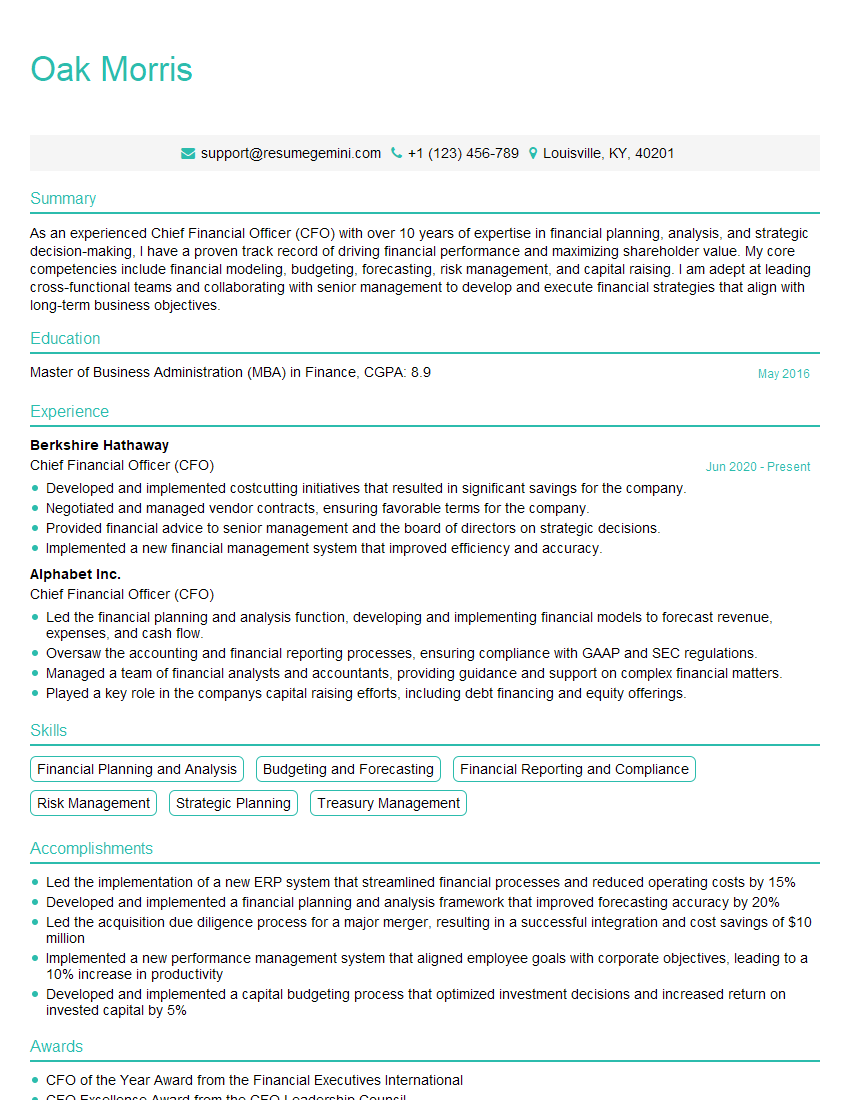
Chief Financial Officer (CFO) Resume Sample
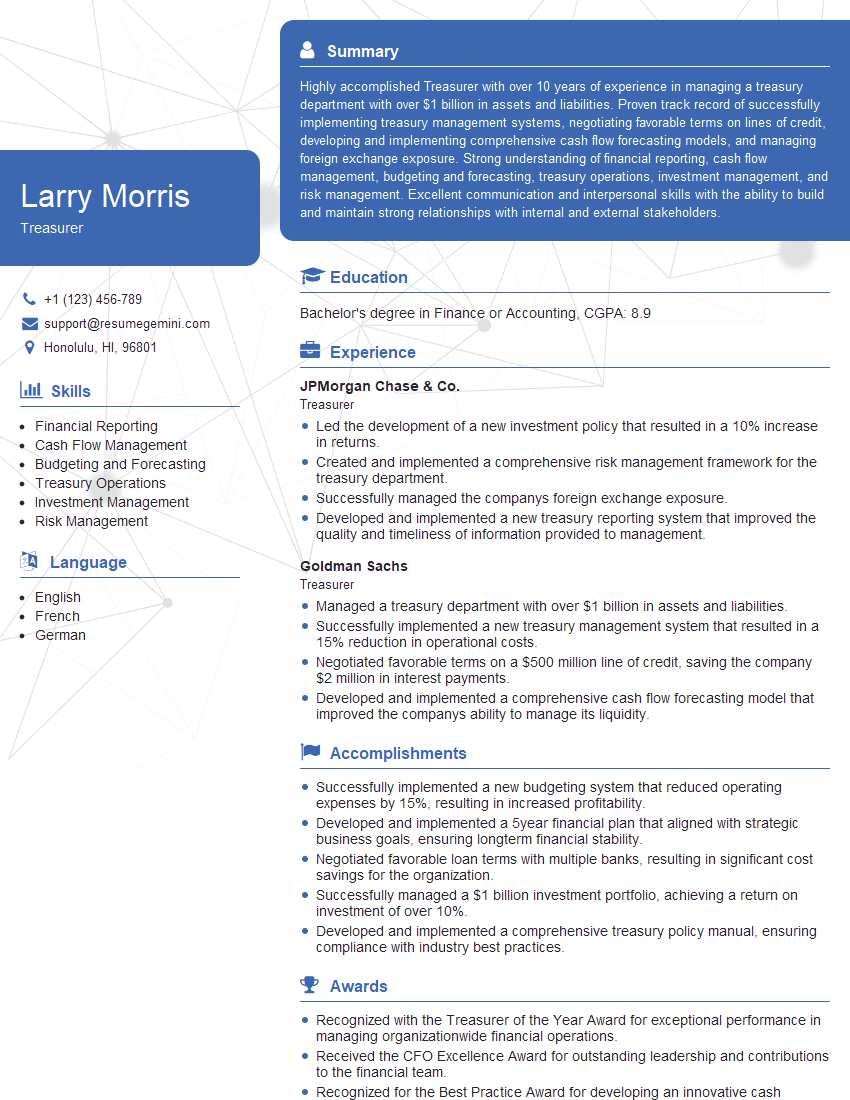
Treasurer Resume Sample
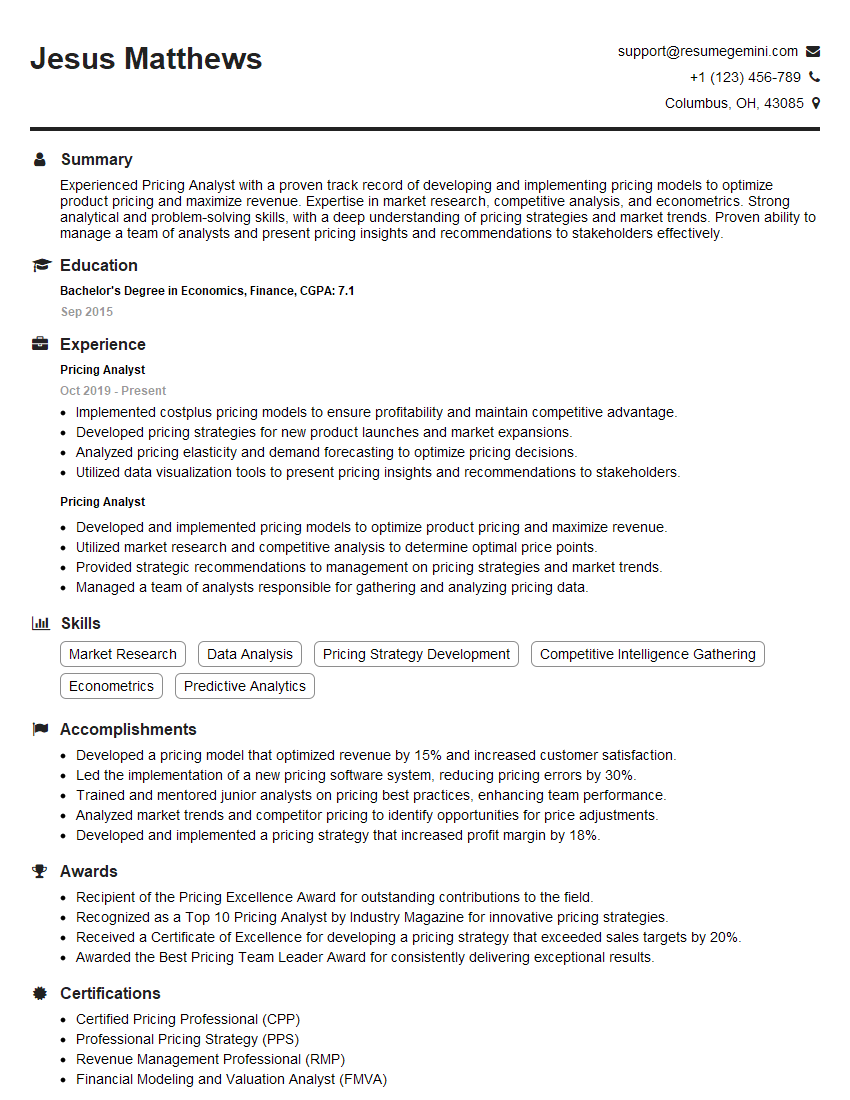
Pricing Analyst Resume Sample
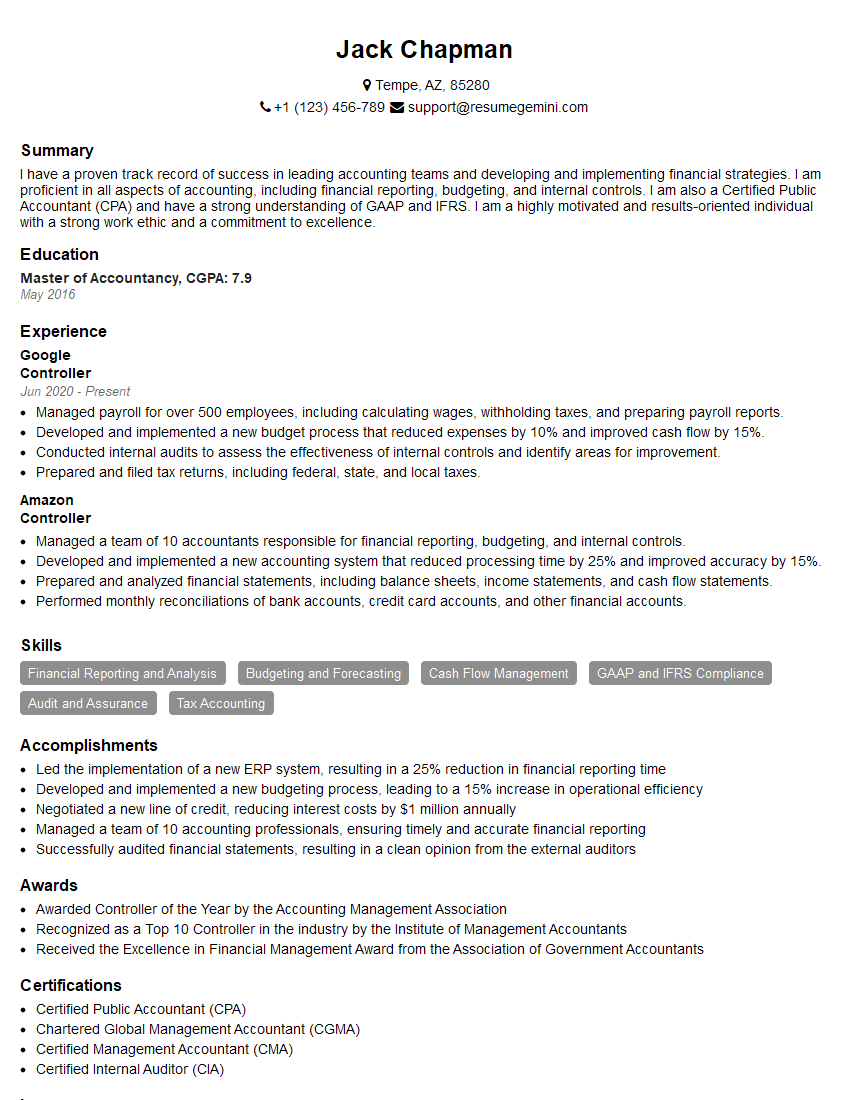
Controller Resume Sample
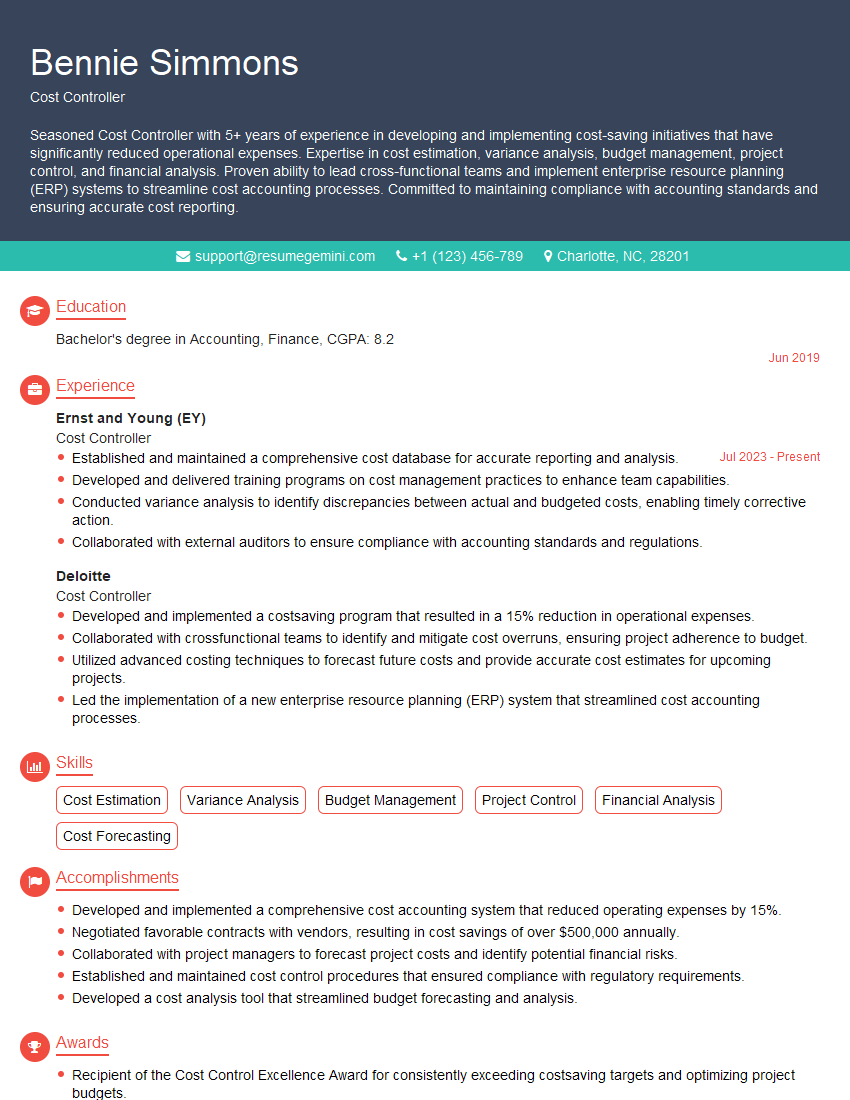
Cost Controller Resume Sample
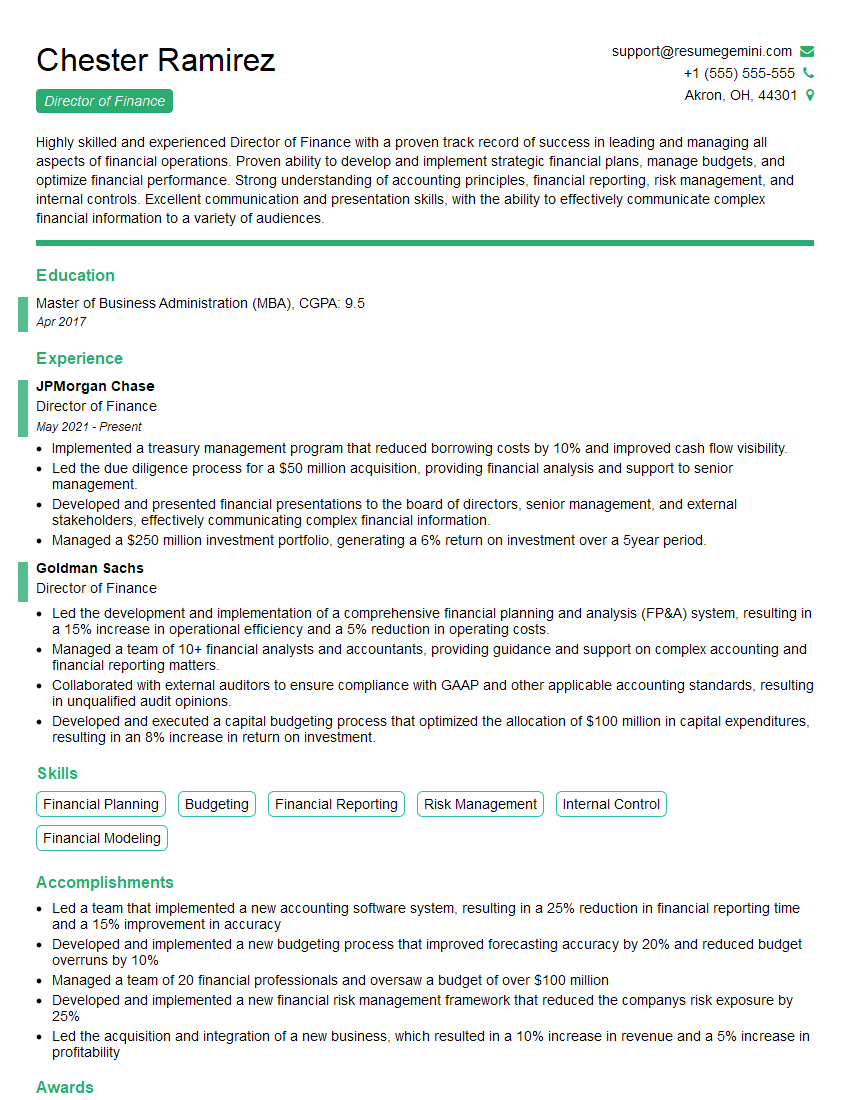
Director of Finance Resume Sample
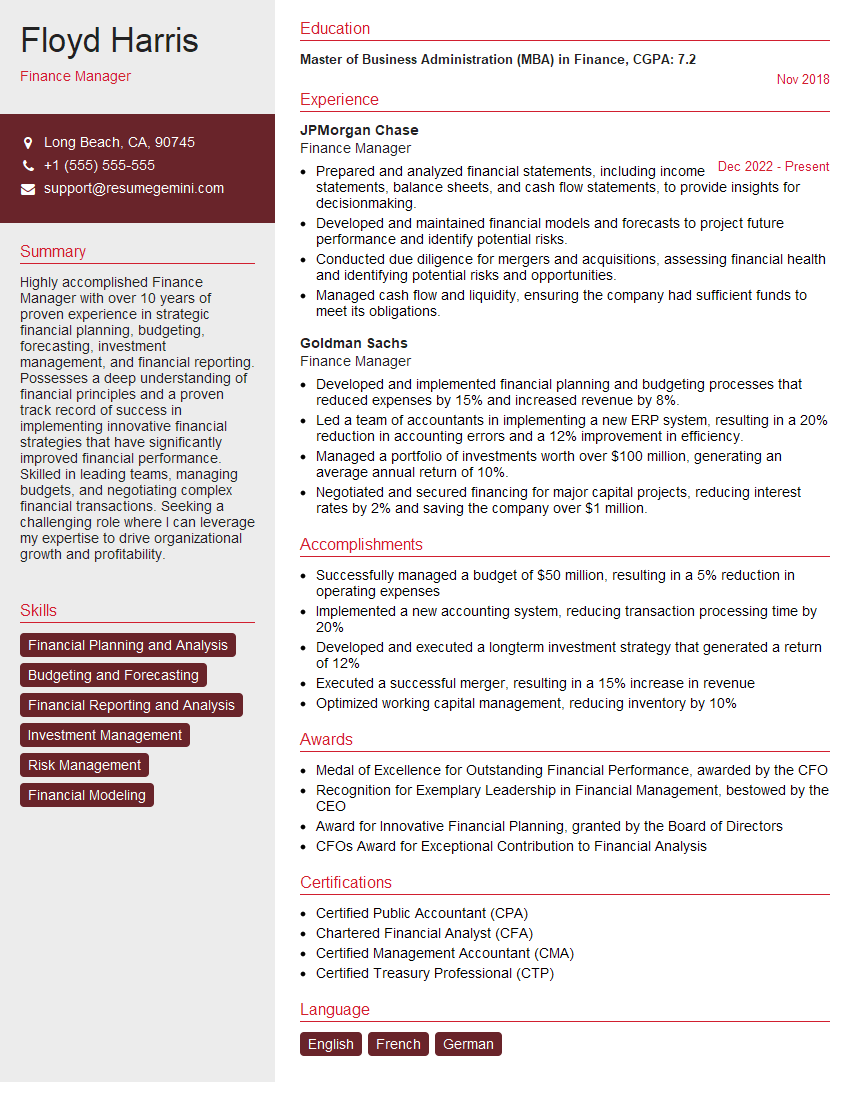
Finance Manager Resume Sample
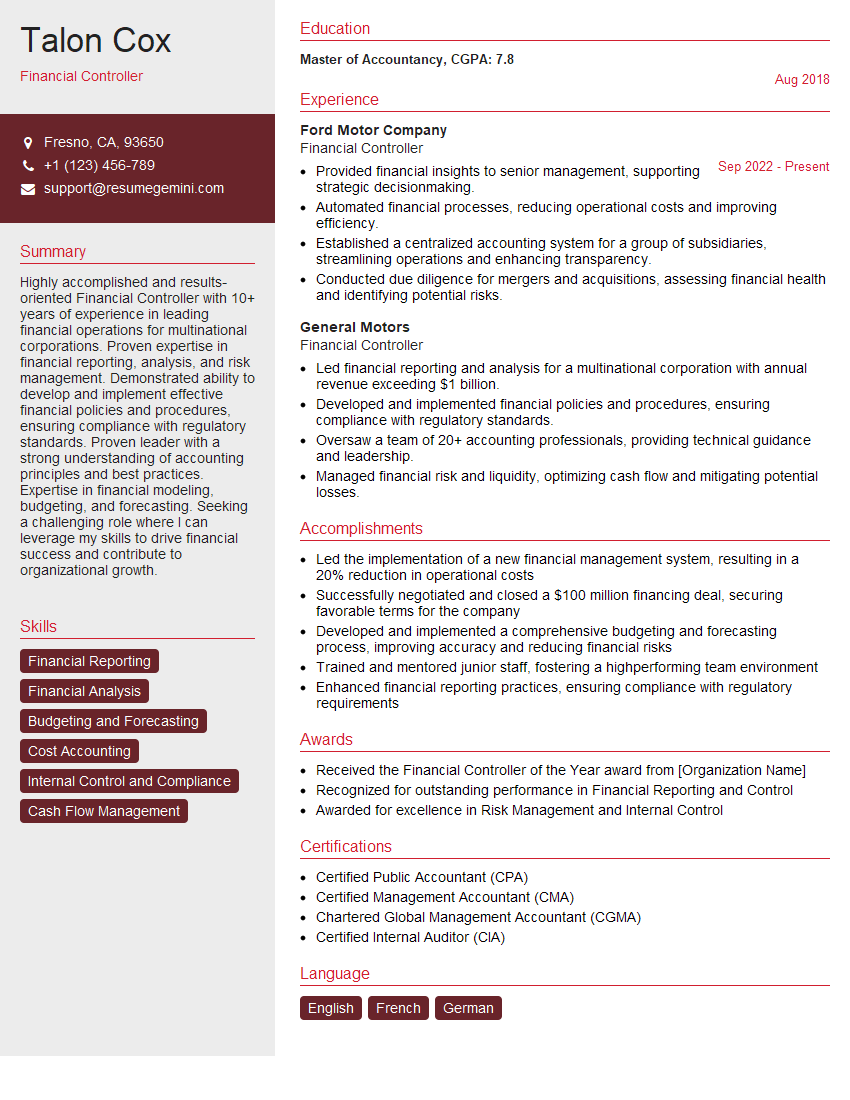
Financial Controller Resume Sample

Budget Manager Resume Sample

Procurement Manager Resume Sample
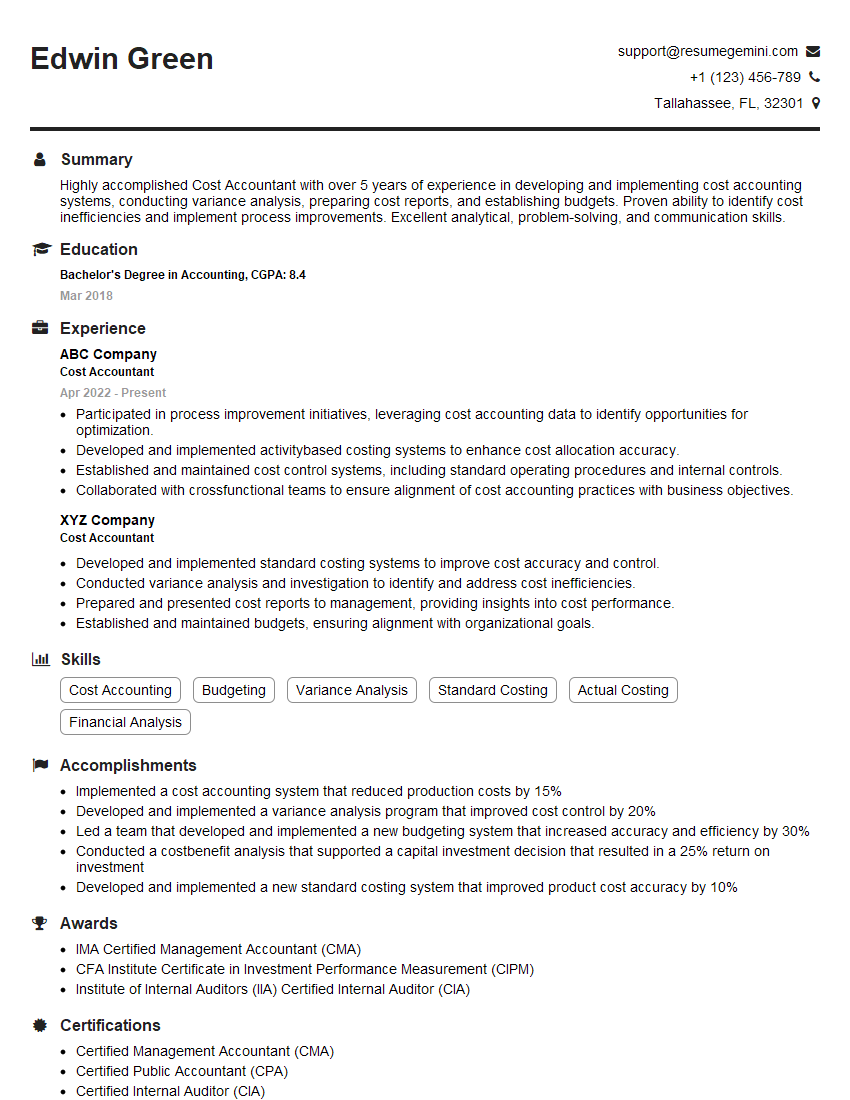
Cost Accountant Resume Sample
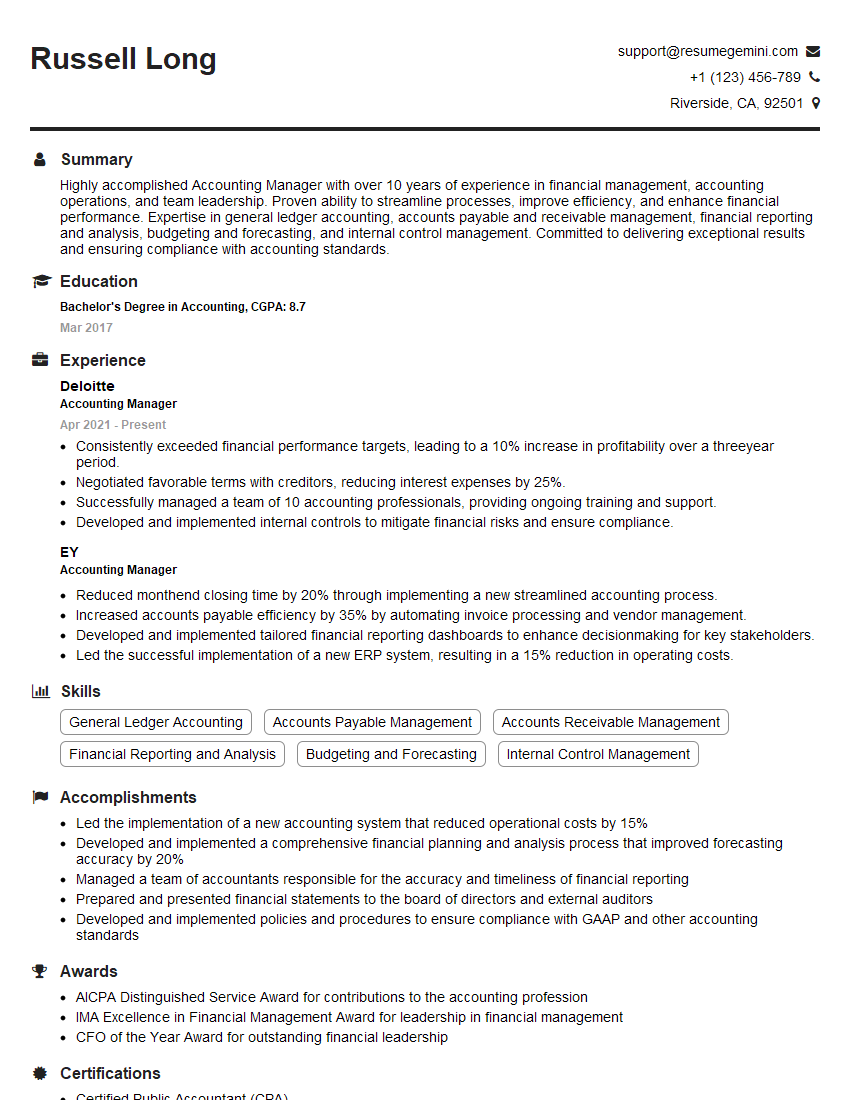
Accounting Manager Resume Sample
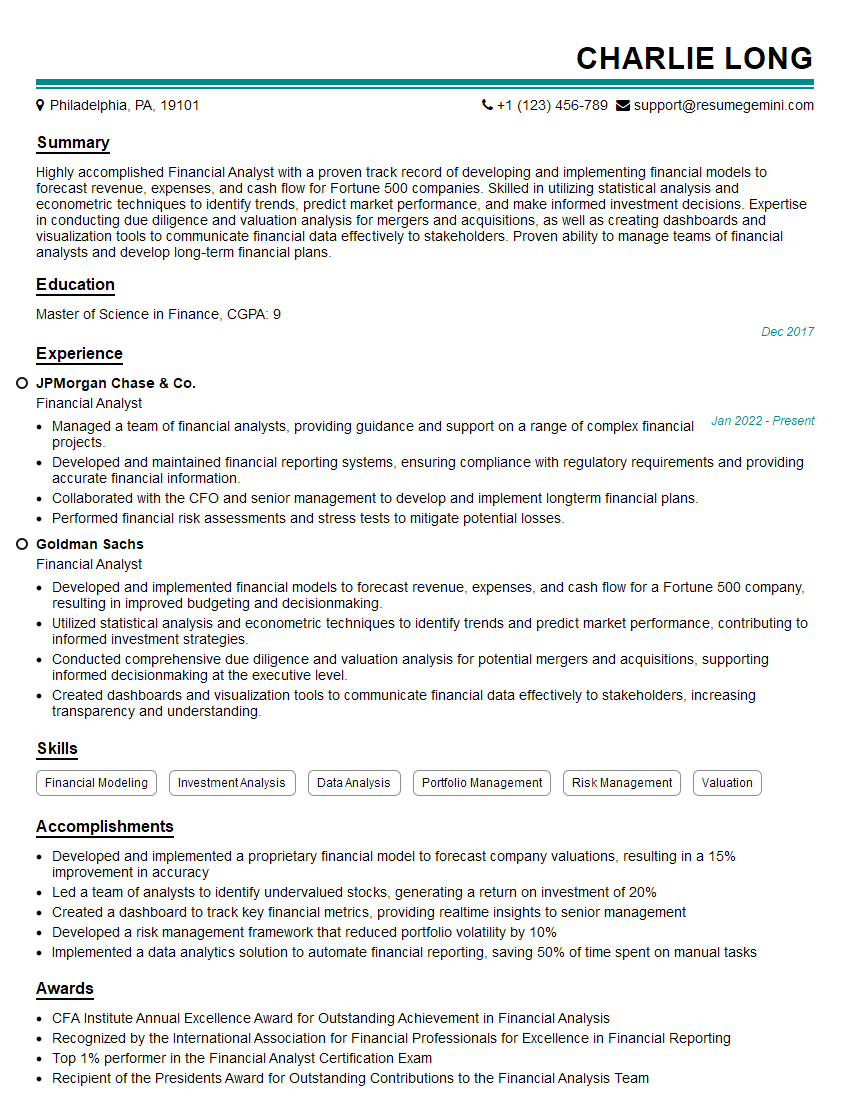
Financial Analyst Resume Sample
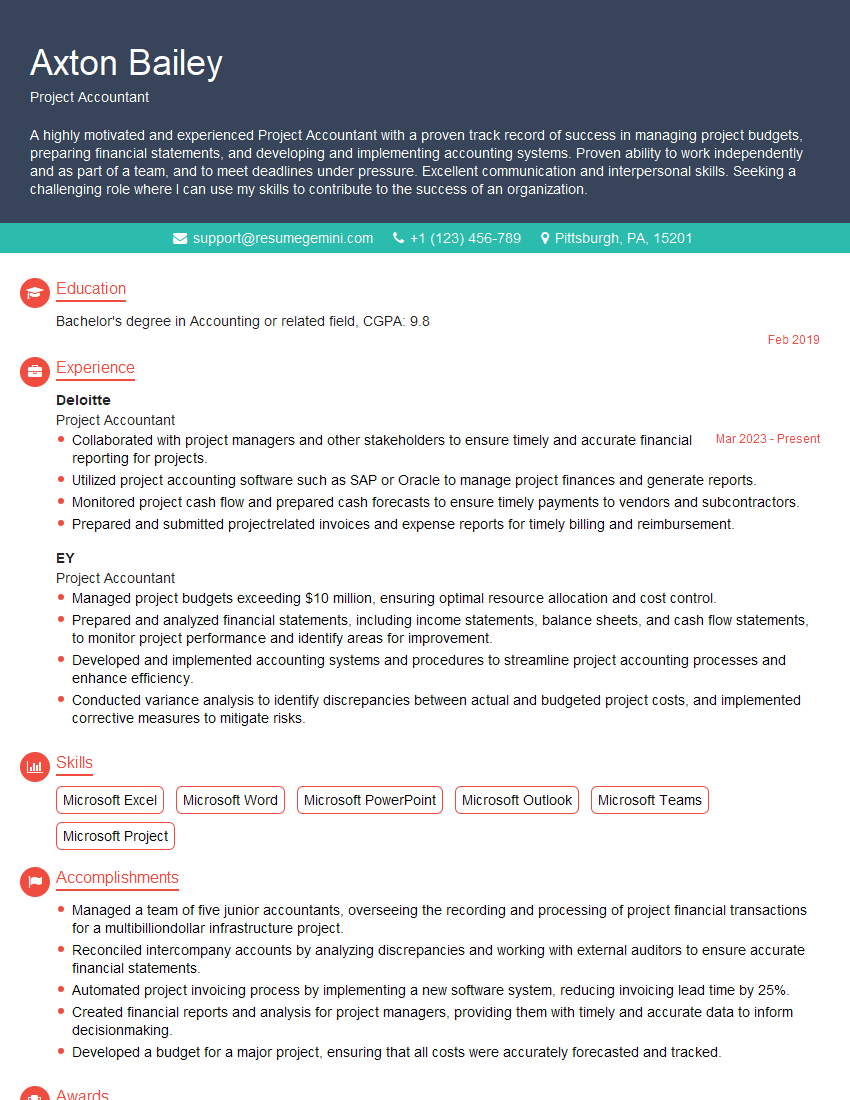
Project Accountant Resume Sample
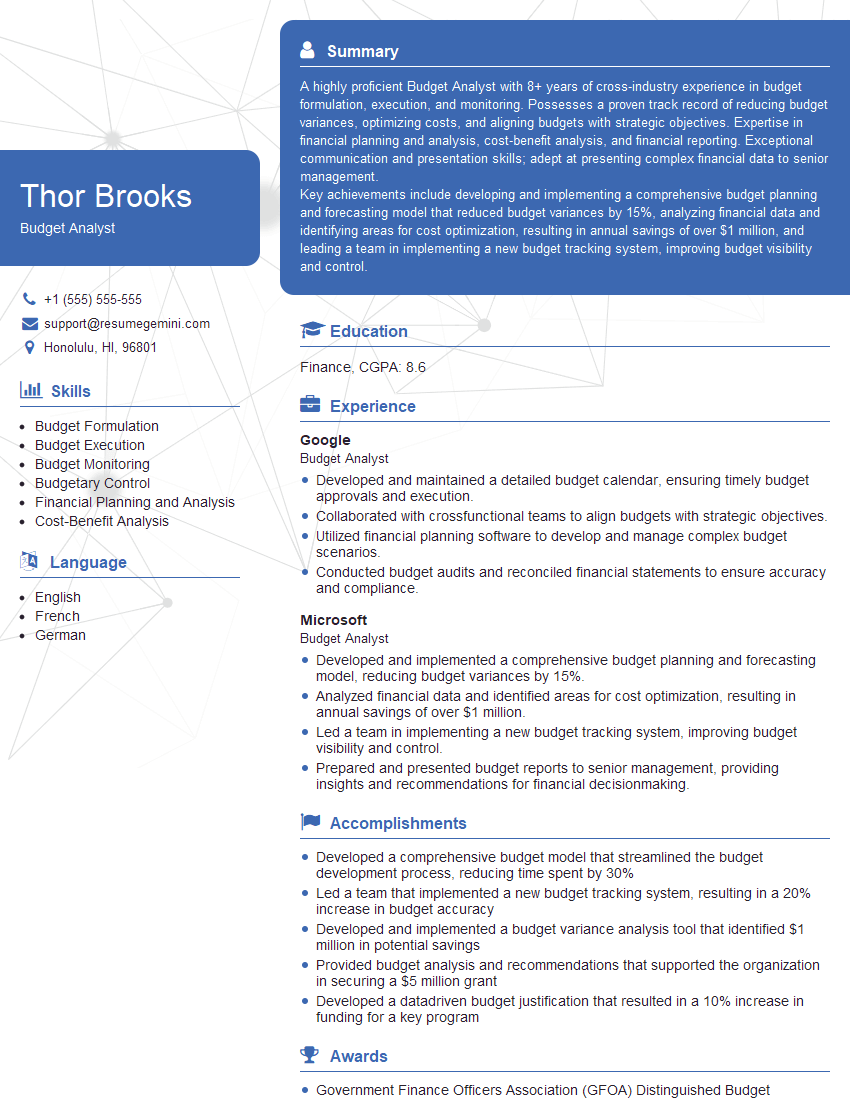
Budget Analyst Resume Sample
Explore more articles
Users Rating of Our Blogs
Share Your Experience
We value your feedback! Please rate our content and share your thoughts (optional).
What Readers Say About Our Blog
Very informative content, great job.
good