Cracking a skill-specific interview, like one for Experience in Pressing Delicate Fabrics, requires understanding the nuances of the role. In this blog, we present the questions you’re most likely to encounter, along with insights into how to answer them effectively. Let’s ensure you’re ready to make a strong impression.
Questions Asked in Experience in Pressing Delicate Fabrics Interview
Q 1. What types of delicate fabrics require specialized pressing techniques?
Many fabrics require specialized pressing techniques due to their delicate nature and susceptibility to damage. These include, but aren’t limited to, silk, wool, linen, lace, chiffon, velvet, and certain blends. Their delicate fibers react differently to heat and pressure than sturdier fabrics like cotton or denim.
- Silk: Its smooth, fine fibers can be easily scorched or damaged by excessive heat.
- Wool: Prone to shrinking and becoming matted if pressed improperly.
- Linen: Can crease easily and may show shine if pressed too vigorously.
- Lace and Chiffon: These require extremely gentle handling due to their open weave and thinness.
- Velvet: Its pile (the soft surface) can be flattened or crushed if pressed incorrectly.
Understanding these vulnerabilities is key to selecting the right pressing methods for optimal results.
Q 2. Describe the proper temperature settings for pressing silk, wool, and linen.
Temperature settings are crucial for preventing damage to delicate fabrics. Always test a hidden area of the garment first to ensure the setting is appropriate.
- Silk: Low heat, ideally using a press cloth and a cool iron. Think of it like gently coaxing wrinkles away, not forcing them out.
- Wool: Low to medium heat, again using a press cloth. Wool is sensitive to steam, so a lightly damp press cloth is sufficient.
- Linen: Medium to high heat, but still consider using a press cloth to avoid shine, especially on lighter colours. Linen can withstand more heat than silk or wool.
Remember, it’s always better to err on the side of caution and use a lower temperature than risk damaging the fabric. If you’re unsure, start with the lowest setting and gradually increase if necessary.
Q 3. How do you prevent fabric shine or damage during pressing?
Preventing shine and damage during pressing involves a combination of techniques and tools.
- Use a Press Cloth: This is the most effective method. A press cloth (a thin, clean cotton fabric) acts as a barrier between the iron and the delicate material, diffusing the heat and preventing direct contact that can cause shine or scorch marks. Think of it as a protective shield for your fabric.
- Low to Medium Heat: Always use a lower temperature than you would for sturdier fabrics.
- Lift, Don’t Glide: Instead of gliding the iron across the fabric, lift and place it repeatedly, applying pressure only for a few seconds in each spot. This helps to avoid excessive heat in one area.
- Press, Don’t Iron: Pressing involves applying pressure using the weight of the iron, while ironing implies gliding the iron back and forth. Pressing is gentler on delicate fabrics.
- Right-Side Up: Whenever possible, press on the wrong side of the fabric (the side without embellishments). This protects the right side while providing adequate smoothing.
By following these steps, you can minimize the risk of damage and maintain the fabric’s original appearance.
Q 4. Explain the difference between pressing and ironing.
While the terms ‘pressing’ and ‘ironing’ are often used interchangeably, there’s a key difference, especially when working with delicate fabrics.
- Pressing: Involves applying pressure using the weight of the iron in a controlled manner, usually on a flat surface like an ironing board. The iron is lifted and repositioned, focusing pressure on specific areas. This method is less likely to damage delicate fabrics as it prevents harsh abrasion.
- Ironing: Typically involves gliding the iron back and forth across the fabric. This method can stretch, distort, or damage delicate materials, particularly those with loose weaves or embellishments.
Think of pressing as a gentle caress, while ironing is more of a vigorous rub. For delicate fabrics, pressing is almost always the preferred method.
Q 5. What tools and equipment are essential for pressing delicate fabrics?
The right tools are essential for successful pressing of delicate fabrics. Here are some key items:
- Iron with Temperature Control: A quality iron with variable temperature settings allows for precise heat regulation. This control allows you to tailor the iron’s temperature to the garment, even for fabrics within the same type.
- Press Cloth(s): Several clean cotton cloths are needed for varying pressing needs. Using a fresh cloth regularly helps to avoid staining or transfer of impurities.
- Ironing Board: A well-padded ironing board provides a stable surface to work on, cushioning the fabric and distributing pressure evenly.
- Tailor’s Ham: A curved, padded form useful for shaping curved garments like sleeves or collars. This is particularly helpful with delicate fabrics requiring careful shaping.
- Seam Roll: Another form used for pressing seams open neatly and evenly without leaving impressions. These forms are ideal for reducing sharp creases.
Investing in these essential tools enables you to press delicates with precision and care.
Q 6. How do you identify the correct pressing method for different fabric types?
Identifying the correct pressing method depends on understanding the fabric’s composition and characteristics. Always consult care labels for specific instructions. When in doubt, a simple test on a hidden area is advisable. You can also identify the best approach based on the following:
- Fabric Composition: Natural fibers (silk, wool, linen) react differently to heat than synthetics (polyester, rayon). Natural fibers are generally more sensitive and require lower temperatures and a press cloth.
- Fabric Weight: Heavier fabrics may tolerate more heat and pressure than lighter ones. Linen is typically a heavier fabric compared to silk and needs a higher temperature.
- Fabric Weave: Loosely woven fabrics like lace or chiffon require extra care and a gentle approach. Tightly woven fabrics can withstand more heat and pressure.
- Embellishments: If the fabric has embellishments, adjust your technique accordingly. Avoid direct heat on beads or sequins. Always use a press cloth and lift instead of glide.
Experience and careful observation become invaluable in learning to identify the best pressing technique for various fabrics. Starting with a lower temperature is recommended, always.
Q 7. How do you handle delicate trims and embellishments during pressing?
Delicate trims and embellishments require special handling during pressing to prevent damage. The goal is to smooth the surrounding fabric without directly contacting the delicate elements.
- Use a Press Cloth: Always use a press cloth to protect trims and embellishments from direct heat. A slightly damp press cloth can help to release wrinkles without damaging sensitive details.
- Press from the Wrong Side: Press the garment from the wrong side to minimize direct contact with the embellishments. This approach will often smooth the area around the trim without affecting the trim itself.
- Protect Embellishments: Use a small, rolled-up towel or a tailor’s ham to support embellished areas while pressing adjacent fabric. The support structure prevents damage and prevents undue pressure on the embellishments.
- Avoid Direct Heat: Never press directly on beads, sequins, or other sensitive embellishments. Even with a press cloth, direct heat can cause irreversible damage.
- Test in an Inconspicuous Area: Always test your technique on a hidden area of the garment before applying it to the main section. This ensures that you don’t inadvertently damage the fabric or trim.
Patience and careful attention to detail are crucial when working with delicate trims and embellishments. A gentle touch is essential to maintain their beauty and integrity.
Q 8. Explain your process for removing wrinkles from lace or chiffon.
Removing wrinkles from delicate fabrics like lace and chiffon requires a gentle approach. Forget harsh ironing! Instead, I prioritize using low heat and ample steam. My process typically begins with assessing the fabric’s condition and identifying any embellishments that might be damaged by heat.
For lace, I often prefer to lightly mist the fabric with water and then carefully drape it over a padded surface. Using a low heat setting on my iron (or even better, a steamer), I gently hover the iron or steamer head several inches above the lace, allowing the steam to release the wrinkles. I never directly touch the iron to the lace. For chiffon, a similar technique applies, but I might use a pressing cloth (more on this later) between the iron and the fabric to create an extra layer of protection. The key is to work slowly and methodically, allowing the steam to do its work without forcing the process. This prevents damage or distortion of the delicate material.
For instance, I once worked with an antique lace tablecloth – imagine the pressure! By using the steaming method, I successfully removed the wrinkles without harming the delicate lace embroidery. The result was pristine, and the client was thrilled.
Q 9. What are the signs of over-pressing delicate fabrics?
Over-pressing delicate fabrics leads to several telltale signs: shiny patches (where the heat has altered the fiber structure), scorch marks (obvious burns), and puckering or distortion of the fabric’s texture. You may also see a loss of definition in delicate embroidery or delicate patterns. These signs often appear as localized areas of damage, and they are almost always irreversible.
For example, if you see a sudden, shiny area on a silk scarf after pressing, it’s a clear indicator of too much heat or pressure. Similarly, a puckered area on a piece of chiffon signifies that the fabric has been compressed excessively, distorting its natural drape. Prevention is key here; always err on the side of caution with low heat and light pressure.
Q 10. How do you prepare delicate fabrics for pressing (pre-treatment)?
Preparing delicate fabrics for pressing involves several important steps. First, I always check the fabric’s care label for specific instructions. Next, I inspect the garment for any stains or loose threads that should be treated before pressing. I prefer to pre-treat stains with a gentle, fabric-appropriate cleaning agent.
Before pressing, I generally steam the garment lightly to loosen wrinkles, taking care to avoid overly wetting the fabric. This helps prepare the fabric for a more effective and gentle pressing. Afterward, I let the garment air dry for a while, before beginning the pressing process. The pre-treatment process is different for every type of fabric, so always consult the care label.
For example, a silk blouse might benefit from a light spray of water, while a wool garment might only need to be steamed gently from a distance. Proper pre-treatment ensures that the final pressing session is effective and doesn’t damage the fabric.
Q 11. Describe your experience using a steam press.
I have extensive experience using steam presses for delicate fabrics. They’re fantastic tools because they deliver even, consistent heat and steam, which minimizes the risk of scorch marks or shiny patches. The even distribution of pressure also prevents puckering and distortion.
When using a steam press, I always select the appropriate temperature and pressure setting based on the fabric type. I use a pressing cloth whenever possible. I typically work in sections, ensuring the garment is smooth and flat on the press before lowering the press head. A slow, steady pressing movement helps to prevent heat damage and delivers better results compared to conventional ironing.
One example where a steam press proved invaluable was working with a large, intricate silk panel for a wedding dress. The steam press allowed me to smooth out the delicate fabric efficiently without any risk of creasing or damaging the silk.
Q 12. How do you address stubborn wrinkles in delicate fabrics?
Stubborn wrinkles in delicate fabrics require a patient and multi-faceted approach. I might start by using a combination of low-heat steam and carefully applying pressure using a pressing cloth. If this doesn’t work, I might try gently stretching the fabric to release the wrinkle. In some cases, carefully dampening the wrinkle area and allowing it to air dry can be effective. As a last resort, I might consider a professional cleaning and pressing service.
For example, I once encountered a stubborn crease on a vintage lace collar. By carefully applying steam through a pressing cloth and then gently stretching the fabric, I successfully removed the crease without harming the lace. Never force a wrinkle out! The more pressure or force, the greater the damage to the fabric.
Q 13. What is the importance of using a pressing cloth?
A pressing cloth acts as a crucial buffer between the iron or steam press and the delicate fabric. It protects the fabric from direct heat and pressure, preventing shine, scorch marks, and damage to the fibers. It also helps to distribute the heat and moisture more evenly across the fabric’s surface for a smoother, wrinkle-free finish.
I always use a pressing cloth with sheer fabrics like silk and chiffon, as well as delicate materials such as lace, embroidery, and embellished fabrics. The pressing cloth is critical in preventing damage that can’t be undone. Think of it as a protective shield for your precious fabrics.
Q 14. How do you handle different types of pleats and gathers during pressing?
Handling pleats and gathers during pressing requires extra care and attention to detail. The key is to maintain the shape and definition of the pleats or gathers without flattening them. I typically use a tailor’s ham or a rolled-up towel to support the fabric and maintain the three-dimensional shape while applying gentle heat and pressure with the pressing cloth.
For example, when pressing a pleated skirt, I would work section by section, carefully pressing each pleat from the top to the bottom while supporting the fabric’s shape with a tailor’s ham. For gathers, I ensure I’m carefully smoothing the fabric to avoid any unwanted creases while maintaining the volume of the gathering. The approach always depends on the specific design and fabric involved.
Q 15. What are the safety precautions when using steam and pressing equipment?
Safety is paramount when working with steam and pressing equipment. Think of it like handling a powerful tool – respect is key. Before even plugging in, always ensure the area is well-ventilated to prevent steam buildup and potential burns. Never leave a hot iron unattended, and always unplug it after use. Keep cords out of reach of children and pets, and be mindful of the iron’s placement to avoid accidental burns. When using a steam generator, make sure the water reservoir is filled correctly, according to the manufacturer’s instructions. Avoid overfilling, as it can lead to spills and damage. Regularly inspect the equipment for any damage, such as frayed cords or leaks, and replace or repair it promptly. Wearing heat-resistant gloves can offer additional protection, especially when handling very hot surfaces or pressing delicate fabrics.
- Always unplug: This prevents electric shocks and accidental burns.
- Proper ventilation: Reduces the risk of steam burns and overheating.
- Regular inspection: Ensures the equipment remains safe and functional.
Career Expert Tips:
- Ace those interviews! Prepare effectively by reviewing the Top 50 Most Common Interview Questions on ResumeGemini.
- Navigate your job search with confidence! Explore a wide range of Career Tips on ResumeGemini. Learn about common challenges and recommendations to overcome them.
- Craft the perfect resume! Master the Art of Resume Writing with ResumeGemini’s guide. Showcase your unique qualifications and achievements effectively.
- Don’t miss out on holiday savings! Build your dream resume with ResumeGemini’s ATS optimized templates.
Q 16. How do you maintain pressing equipment in optimal condition?
Maintaining pressing equipment is crucial for longevity and consistent performance. Think of it like regular car maintenance – prevents bigger problems down the line. After each use, allow the iron to cool completely before cleaning and storing it. For steam irons, regularly flush out any mineral deposits from the steam vents using distilled water to prevent clogging. Wipe down the soleplate with a damp cloth to remove any starch or fabric residue. For ironing boards, check the cover and padding regularly. Replace them when they are worn or damaged. Storing your ironing board in a dry, dust-free area extends its lifespan and prevents rust and mold. Regularly check the power cord for any signs of fraying and replace it immediately if needed.
- Cleaning the soleplate: Prevents residue buildup and improves gliding.
- Descaling: Prevents mineral buildup and maintains steam function.
- Ironing board maintenance: Ensures a stable and even pressing surface.
Q 17. Describe your experience with different types of ironing boards.
I’ve worked with a variety of ironing boards throughout my career, from basic models to professional-grade ones. Basic boards usually offer a simple, flat surface; ideal for casual use but may lack stability or height adjustability. Professional boards, on the other hand, often feature padded covers, sturdy construction, and adjustable heights to accommodate different user heights and pressing techniques. Some even have built-in sleeve boards for easier pressing of sleeves and collars. I’ve found that the most important factor is stability. A wobbly board can cause uneven pressing and even lead to accidents. For example, when pressing delicate silk garments, a sturdy, padded board ensures even heat distribution and prevents creasing.
- Basic boards: Suitable for general use, but may lack stability and adjustability.
- Professional boards: Offer better stability, height adjustability, and often include specialized features.
- Stability: The most crucial factor for consistent results and user safety.
Q 18. How do you troubleshoot common pressing issues?
Troubleshooting pressing issues involves a systematic approach. Let’s say you notice scorch marks – that likely indicates the iron was too hot for the fabric. If the garment is still wrinkled, check the iron’s temperature setting, making sure it’s appropriate for the fabric type. If the problem persists, try using more steam or pressing with a press cloth. Shiny spots, on the other hand, might suggest the wrong temperature or too much pressure. Always refer to the fabric care label before pressing. If your iron isn’t producing steam, check the water level and make sure there are no clogs in the steam vents. A dull finish could indicate the need for soleplate cleaning. Remember, patience and a methodical approach are key to diagnosing and fixing these problems.
- Scorch marks: Check iron temperature and use a press cloth.
- Shiny spots: Adjust temperature and pressure.
- Wrinkles: Increase steam or use a higher temperature (fabric-appropriate).
- No steam: Check water level and clean steam vents.
Q 19. What is your experience with pressing different weights of fabrics?
Pressing different fabric weights requires adjusting the technique and equipment. Lighter fabrics like silk and chiffon require a lower temperature, less pressure, and often a press cloth to prevent shine. These fabrics are very delicate and require a gentle touch. Heavier fabrics like denim or wool tolerate higher temperatures and more pressure; you might need a professional-grade iron or even a steam press to handle them effectively. For example, pressing a heavy wool coat might require multiple passes with an iron and potentially a steam press to achieve a professional finish. Understanding the fabric’s weight and composition is critical for achieving optimal pressing results without causing damage.
- Light fabrics (silk, chiffon): Low temperature, low pressure, press cloth.
- Medium fabrics (cotton, linen): Moderate temperature and pressure.
- Heavy fabrics (denim, wool): High temperature, high pressure, potentially steam press.
Q 20. How do you ensure consistent pressing results across multiple garments?
Consistency is key for professional pressing. To achieve this across multiple garments, establish a standardized workflow. Begin by sorting garments by fabric type and weight, then selecting the appropriate iron temperature and pressure for each. Use a consistent pressing technique – avoid jerky movements and maintain even pressure. Regularly check the iron’s temperature and steam output to ensure consistent heat and moisture. For example, always start with the same sequence of pressing (e.g., body, sleeves, collar) to create a smooth workflow and ensure a consistent outcome for each piece. Having a well-maintained ironing board and clean pressing surface are also crucial elements of consistent pressing.
- Standardized workflow: Sort by fabric type and weight, set iron accordingly.
- Consistent technique: Avoid jerky movements and maintain even pressure.
- Regular checks: Monitor iron temperature and steam.
Q 21. Describe your quality control process for pressed garments.
My quality control process involves a meticulous inspection of each pressed garment. I check for wrinkles, creases, scorch marks, or shiny spots. I pay close attention to details, such as seams, collars, and cuffs. I inspect both the front and back of the garment under good lighting conditions. I visually examine the overall drape and shape of the garment to make sure it aligns with the desired outcome. If any imperfections are found, I address them immediately – this may involve re-pressing the affected area or using a specialized technique. For example, I might use a tailor’s ham for shaping curved areas, or a sleeve board for pressing sleeves. A final check ensures the garment is ready for its intended purpose and meets the highest standards of quality.
- Visual inspection: Checking for wrinkles, creases, scorch marks, or shine.
- Attention to detail: Examining seams, collars, cuffs, and overall drape.
- Re-pressing: Addressing any imperfections to ensure a flawless finish.
Q 22. How do you adapt your pressing techniques for different garment styles?
Adapting pressing techniques to different garment styles hinges on understanding the garment’s structure and the desired finish. For example, a crisp, structured shirt requires a different approach than a flowing silk blouse. Shirt pressing might involve using a clapper to set seams and pleats, achieving a sharp, professional look. In contrast, a silk blouse requires gentler pressing, potentially using a pressing cloth and low heat to avoid shine or damage. The key is to always consider the fabric’s weight, drape, and the style’s intended silhouette. A tailored jacket needs precise pressing to achieve clean lines and well-defined shoulders, while a bohemian-style dress might only need a light steam to refresh and remove wrinkles without altering its natural texture.
- Structured Garments (Shirts, Jackets): Use a clapper for crispness, press seams open for clean lines, and consider using a tailor’s ham to shape curves.
- Flowing Garments (Dresses, Blouses): Use low heat and a pressing cloth, steam lightly, and focus on removing wrinkles without flattening the fabric.
- Knitted Garments: Often require blocking, a technique that shapes the garment using pins and a damp cloth (discussed further in answer 5).
Q 23. What is your understanding of fabric fiber content and how it affects pressing?
Understanding fabric fiber content is paramount in delicate fabric pressing. Different fibers react differently to heat and moisture. Natural fibers like silk, wool, and linen are more sensitive to high temperatures and require lower heat settings and often a pressing cloth. Synthetics like polyester or rayon are usually more heat-resistant but can still be prone to shine or melting if pressed too aggressively. Knowing the blend percentage (e.g., 70% cotton, 30% linen) allows for a more nuanced approach. A higher percentage of linen would require a slightly more cautious pressing than a garment with a higher cotton content.
- Natural Fibers (Silk, Wool, Linen): Require low heat, a pressing cloth, and often light steaming.
- Synthetic Fibers (Polyester, Rayon): Generally tolerate higher heat but are susceptible to shine; a pressing cloth is often recommended.
- Blends: Require a consideration of the dominant fiber and its properties.
Q 24. How do you prevent shrinkage while pressing delicate fabrics?
Preventing shrinkage when pressing delicate fabrics involves several key strategies. The most important is to always use a low heat setting appropriate for the fiber content. Always test the heat setting on an inconspicuous area first. Using a pressing cloth acts as a buffer between the iron and the fabric, preventing direct heat damage and reducing the risk of scorching or shrinkage. Never leave the iron in one place for too long, and avoid pressing directly on seams or embellishments that might be sensitive to heat. Finally, allow the garment to cool completely before handling it to ensure the fabric sets properly and prevent further shrinkage. Steaming, rather than dry heat, is a gentler method for many delicate fabrics. Always follow care instructions given by the manufacturer.
Q 25. How do you handle watermarks or stains after pressing?
Watermarks and stains after pressing are often caused by too much moisture or improper pressing techniques. For watermarks, the first step is to let the garment air dry completely. If the watermark persists, lightly mist the area with water and press gently with a low heat setting and a pressing cloth. Repeating this process may be necessary. For stains, assess the type of stain and if possible, pre-treat before pressing (following stain removal guidelines). If the stain is heat-set, professional cleaning might be necessary. Preventing watermarks involves using the correct amount of steam and ensuring the garment is not overly damp before pressing. Always test on an inconspicuous area first.
Q 26. Explain the process of blocking delicate knitted garments.
Blocking delicate knitted garments is a specialized technique that restores their shape and removes wrinkles. It’s similar to pressing but involves pinning the garment to a pattern or blocking board while it’s damp. First, the garment is carefully laundered according to care instructions. Next, it is gently spread out on a clean, flat surface (a blocking board is ideal, but a large towel can be used). Then, using pins, you carefully stretch and pin the garment to the desired shape, making sure it’s evenly taut. It’s crucial to avoid stretching it excessively. Once pinned, the garment is allowed to air dry completely. Once dry, carefully remove the pins, and the garment will retain its newly blocked shape. This technique is particularly effective for garments like sweaters, shawls, and lace.
Q 27. What is your experience with specialized pressing techniques like ‘tailor’s tacks’?
Tailor’s tacks are tiny, temporary stitches used to mark precise points on fabric for fitting or pressing. My experience with tailor’s tacks is extensive. They are invaluable when working with intricate designs or complex seams, allowing me to press accurately without distorting delicate fabrics or seam details. They’re especially helpful in marking darts, pleats, and other areas that need precise shaping. After pressing, the tailor’s tacks are easily removed, leaving no visible trace.
For example, when pressing a tailored jacket, I’ll often use tailor’s tacks to mark the exact position of the shoulder pads before pressing the shoulder seams, ensuring a precise and symmetrical fit. This level of precision is critical for achieving a truly high-end finish.
Q 28. Describe a time you had to solve a pressing-related problem creatively.
Once, I was tasked with pressing a vintage silk wedding gown heavily embroidered with delicate beads. Traditional pressing risked damaging the beads and fabric. My creative solution involved using a low-heat steam iron and a soft, thick terrycloth pressing cloth. I also placed a layer of tissue paper between the pressing cloth and the gown to further protect the embellishments. Instead of direct pressing, I used a gentle steaming technique, moving the iron slowly and lightly over the fabric. This approach successfully removed wrinkles without causing damage to the intricate details. The bride was overjoyed with the results, and it highlighted the importance of adapting techniques to the unique challenges presented by delicate fabrics.
Key Topics to Learn for Experience in Pressing Delicate Fabrics Interview
- Understanding Fabric Types: Identifying various delicate fabrics (silk, linen, lace, wool, etc.) and their unique properties (fiber content, weave structure, drape).
- Pressing Techniques: Mastering appropriate pressing methods for different fabrics, including using steam, dry heat, pressing cloths, and specialized equipment like tailor’s ham and sleeve board.
- Identifying and Avoiding Damage: Recognizing potential issues like scorching, shrinking, stretching, and shine, and employing preventative measures.
- Seam Pressing: Proper techniques for pressing seams open, to the side, or closed, depending on the garment construction and fabric type.
- Finishing Techniques: Understanding how to achieve a professional finish, including techniques for pressing collars, cuffs, pleats, and other delicate details.
- Equipment Maintenance: Knowing how to maintain and clean pressing equipment (irons, ironing boards, pressing cloths) to ensure optimal performance and longevity.
- Problem-Solving: Developing troubleshooting skills to address common pressing challenges, such as removing wrinkles, creases, and set-in stains from delicate fabrics.
- Safety Procedures: Understanding and adhering to safety protocols when working with hot irons and steam.
- Workflow Optimization: Strategies for efficient and effective pressing in a professional setting, maximizing productivity without compromising quality.
Next Steps
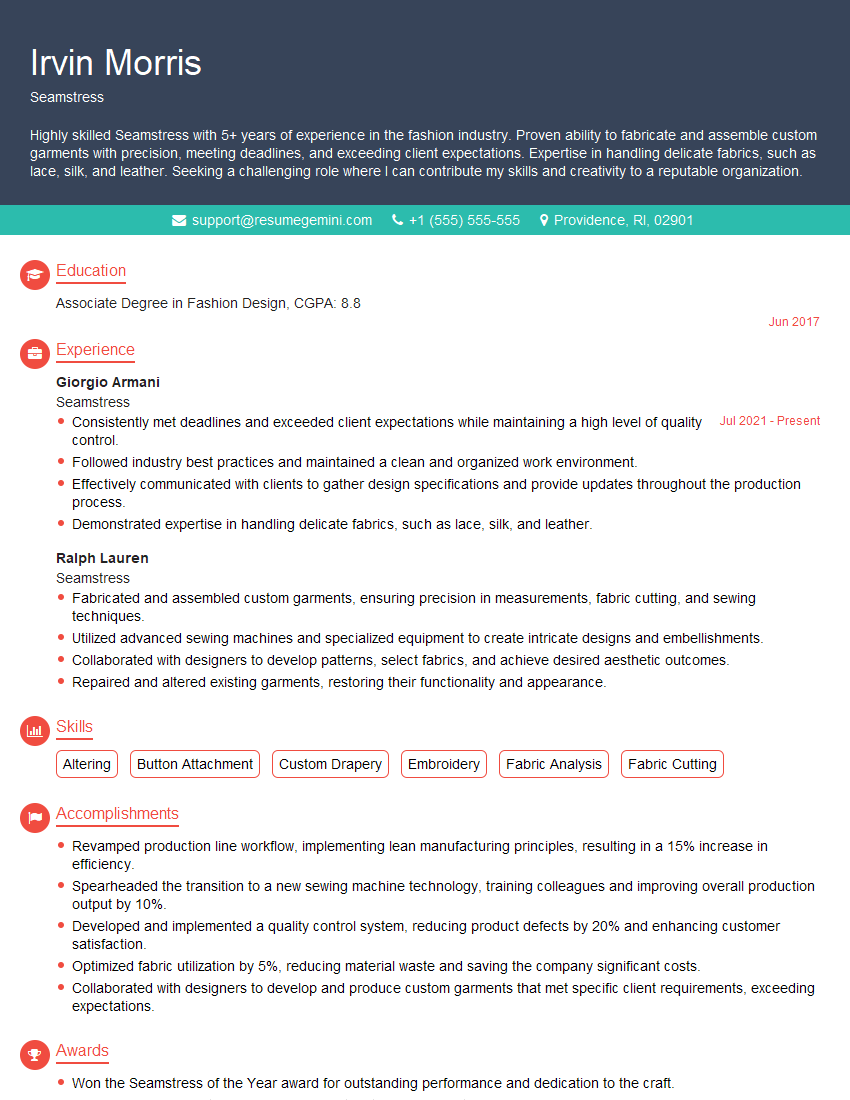
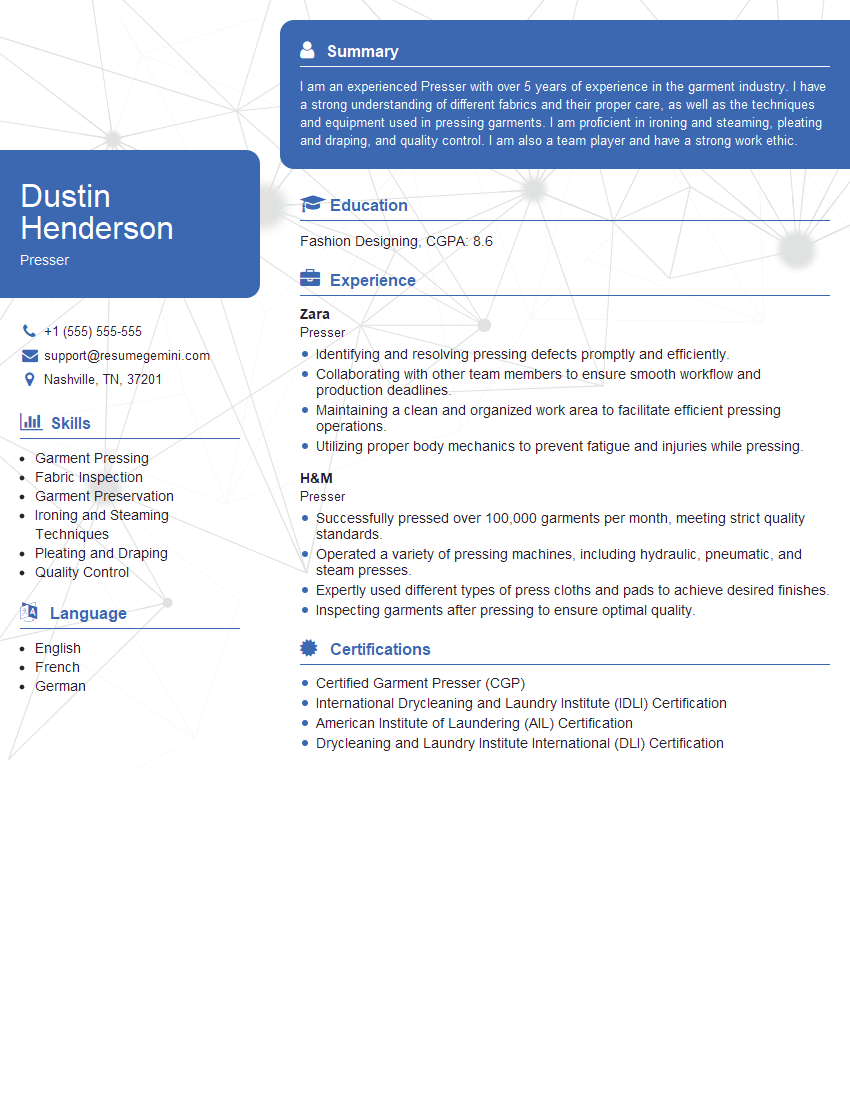
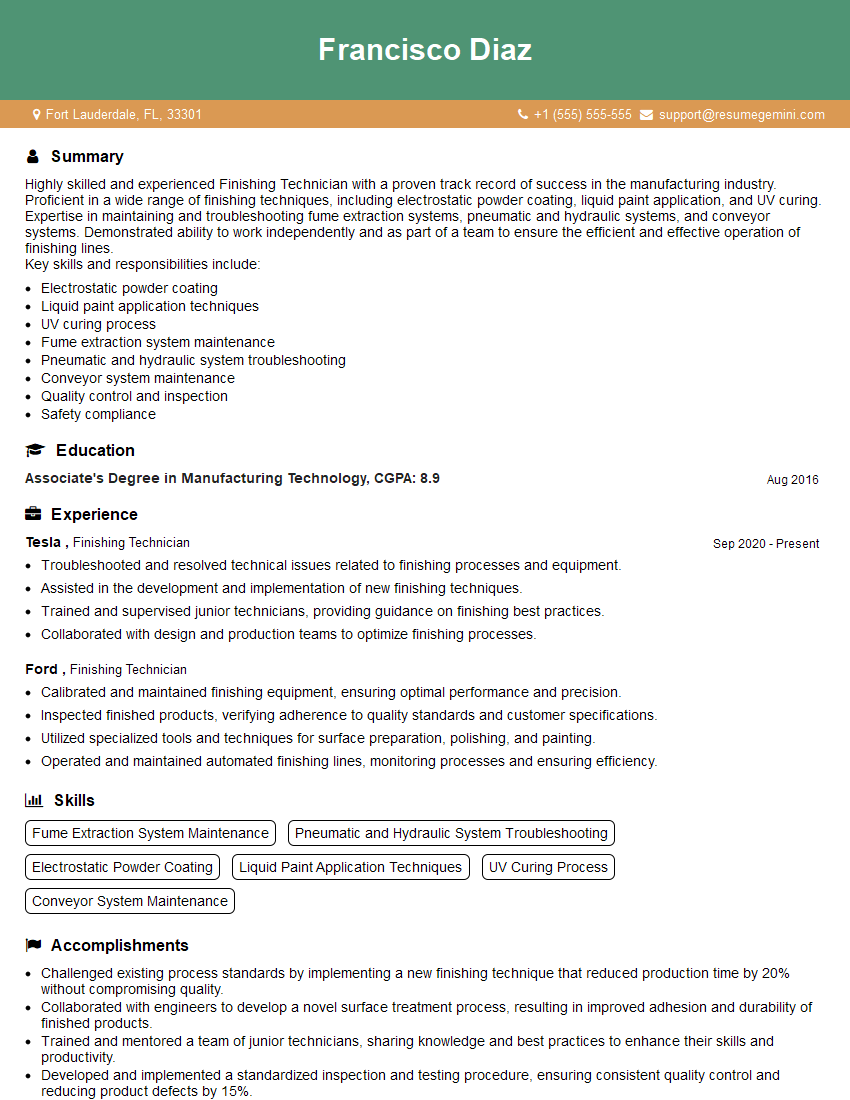
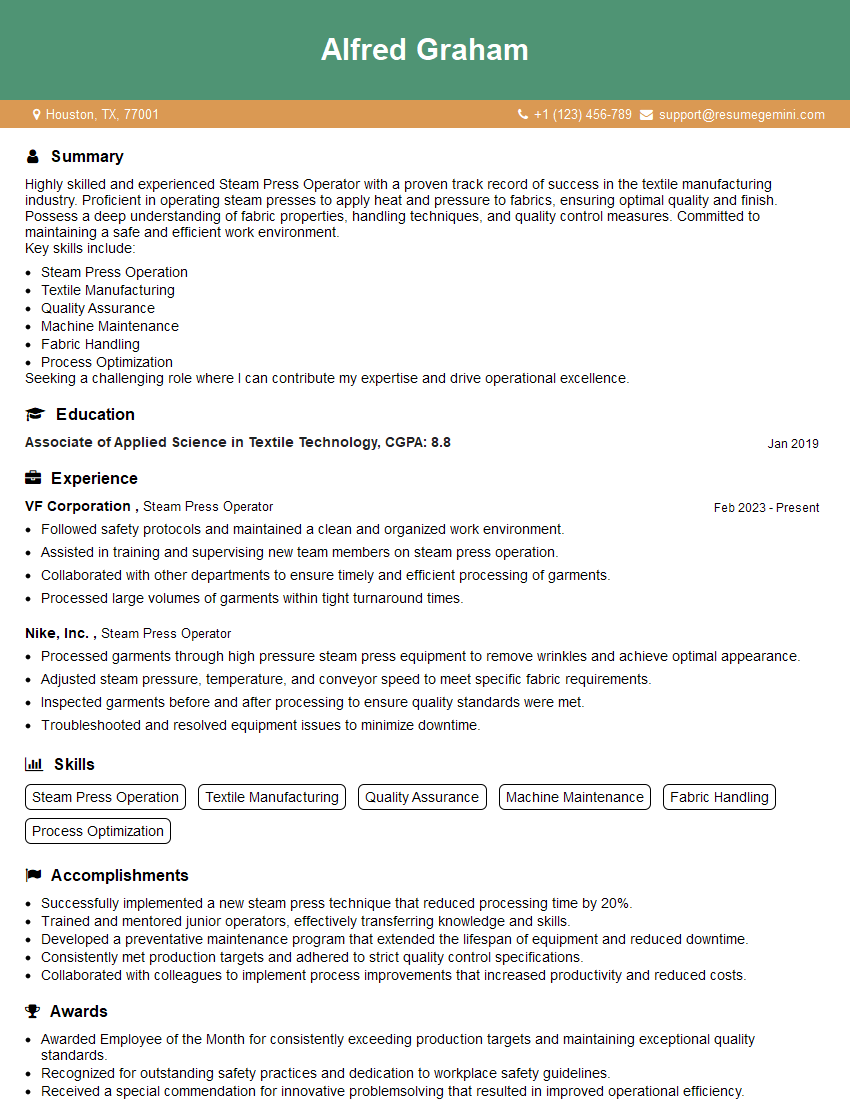
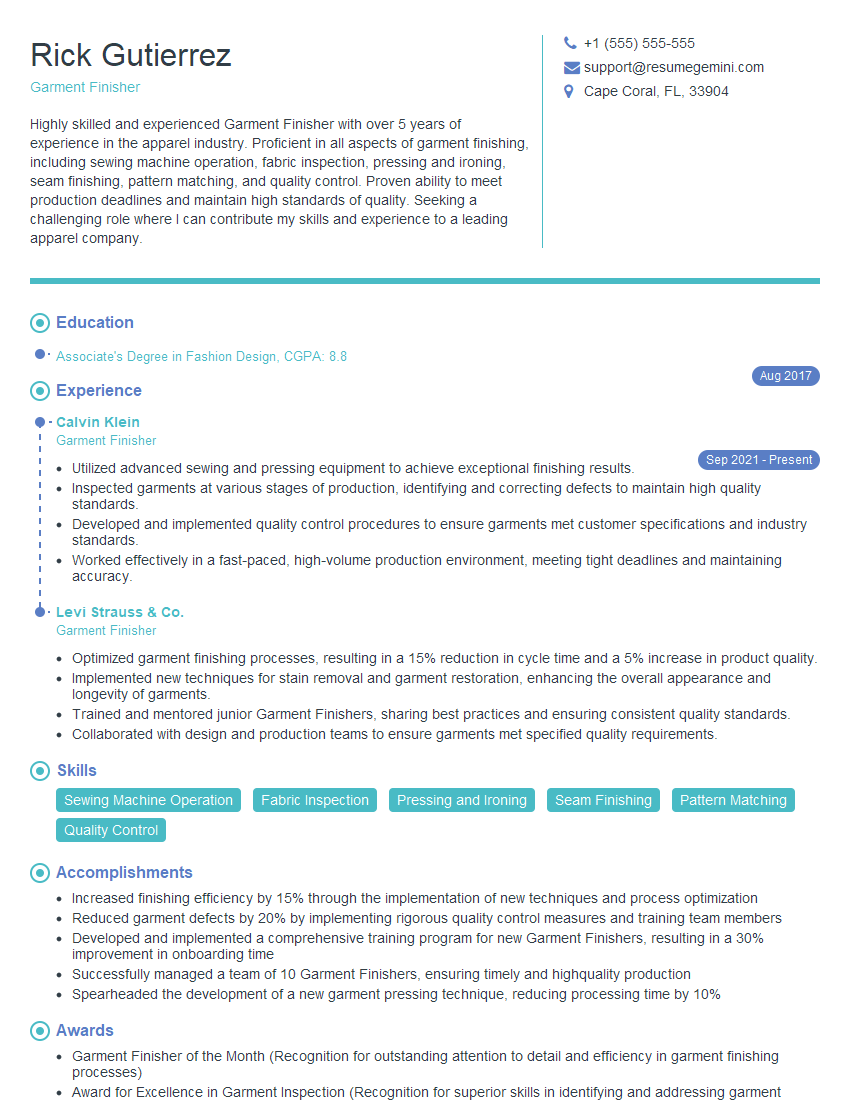
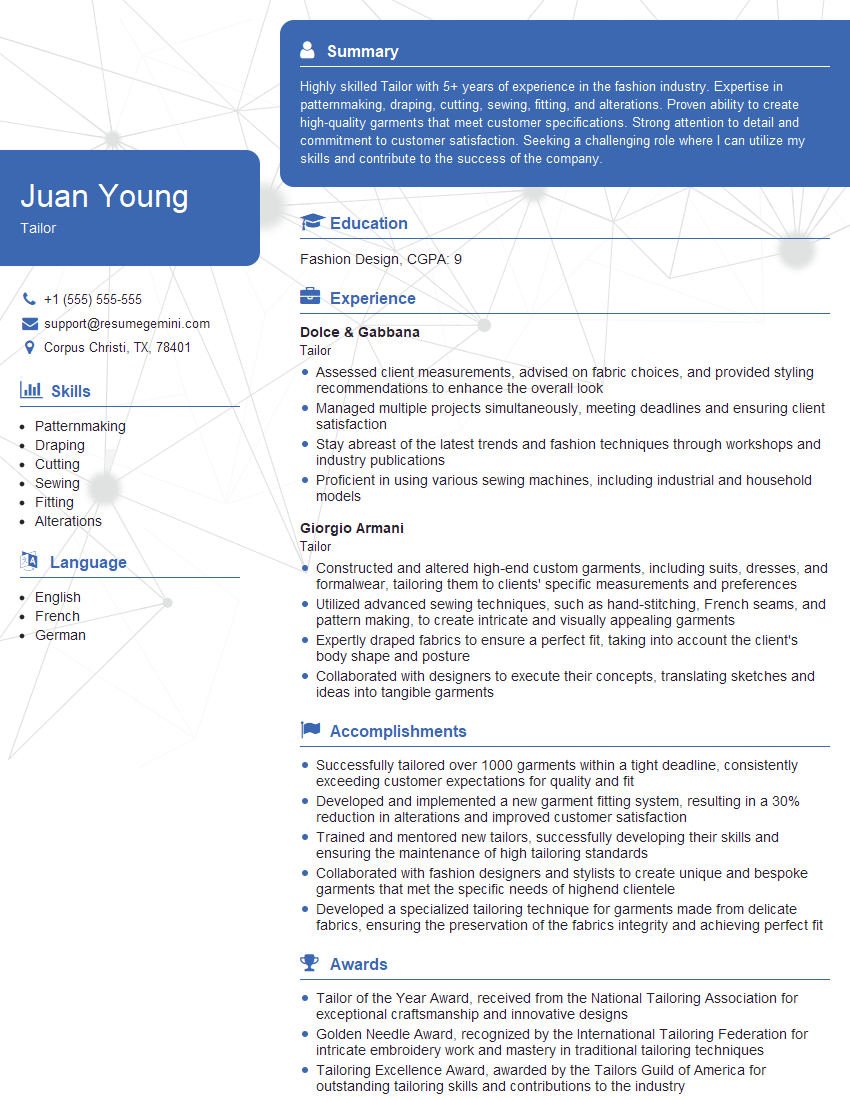
Mastering the art of pressing delicate fabrics is crucial for career advancement in the fashion and textile industries. It demonstrates attention to detail, technical skill, and a commitment to quality craftsmanship. To significantly improve your job prospects, create an ATS-friendly resume that showcases your expertise effectively. ResumeGemini is a trusted resource that can help you build a professional and impactful resume tailored to highlight your skills in this area. Examples of resumes tailored to Experience in Pressing Delicate Fabrics are available to help you get started.

Explore more articles
Users Rating of Our Blogs
Share Your Experience
We value your feedback! Please rate our content and share your thoughts (optional).
What Readers Say About Our Blog
good