The thought of an interview can be nerve-wracking, but the right preparation can make all the difference. Explore this comprehensive guide to Experience in public works construction interview questions and gain the confidence you need to showcase your abilities and secure the role.
Questions Asked in Experience in public works construction Interview
Q 1. Explain your experience with different types of public works projects.
My experience in public works construction spans a wide range of projects. I’ve been involved in everything from large-scale highway overhauls and bridge constructions to smaller-scale projects like municipal park renovations and utility infrastructure upgrades. For instance, I oversaw the complete reconstruction of a major highway interchange, which involved complex coordination of traffic management, utility relocation, and structural work. Another key project involved the construction of a new wastewater treatment plant, requiring intricate understanding of environmental regulations and specialized equipment operation. These diverse experiences have given me a robust understanding of the unique challenges and opportunities inherent in different public works projects.
- Highway and Bridge Construction: This includes managing complex traffic control plans, working with specialized heavy machinery, and adhering to stringent safety regulations.
- Municipal Infrastructure: This involves projects like water and sewer line replacements, road resurfacing, and park improvements, often requiring close collaboration with local communities.
- Utility Infrastructure: This encompasses projects related to gas, electricity, and communication lines, demanding a strong understanding of utility coordination and safety protocols.
Q 2. Describe your experience managing project budgets and schedules.
Managing project budgets and schedules in public works requires meticulous planning and proactive monitoring. I utilize Earned Value Management (EVM) techniques to track progress against planned costs and schedules, ensuring early identification and mitigation of potential issues. For example, on the highway interchange project, we used a detailed work breakdown structure (WBS) and a critical path method (CPM) schedule to identify and prioritize tasks. We also held regular budget reviews to monitor actual costs against the baseline, allowing us to adjust resource allocation as needed. This proactive approach helped us deliver the project on time and within budget, despite unforeseen challenges like material delays and inclement weather. I use software like Primavera P6 to manage complex schedules and track progress visually.
Moreover, risk management is crucial. We identify potential risks early in the project lifecycle, assess their probability and impact, and develop mitigation plans. This includes contingency planning for unforeseen costs and scheduling delays.
Q 3. How do you ensure compliance with safety regulations on public works sites?
Safety is paramount in public works. My approach to ensuring compliance starts with a robust safety program that includes regular safety training for all personnel, comprehensive site inspections, and the implementation of strict safety protocols. We use safety checklists for every task, emphasizing personal protective equipment (PPE) usage and hazard identification. Before starting any project, a thorough site-specific safety plan is created which addresses potential hazards, emergency procedures, and communication protocols. For instance, on the wastewater treatment plant project, confined space entry procedures were rigorously enforced, and all workers received specific training in handling hazardous materials. We maintain meticulous records of safety incidents and near misses to analyze trends and identify areas for improvement, fostering a proactive safety culture on every project site.
Q 4. Explain your experience with public bidding processes.
I have extensive experience navigating the complexities of public bidding processes. This involves understanding the specific requirements of different agencies, preparing detailed and accurate bid proposals, and adhering to strict compliance guidelines. This includes thoroughly reviewing bid documents, developing accurate cost estimates, and assembling comprehensive proposals that meet all technical specifications. For example, when bidding on the municipal park renovation, we meticulously documented our approach, qualifications, and experience in similar projects. We carefully analyzed the bid requirements to ensure our proposal fully addressed all criteria. Transparency and meticulous documentation are key to successfully navigating this process.
Q 5. How do you handle conflicts between project stakeholders?
Conflict resolution is an essential skill in public works, where diverse stakeholders often have competing interests. My approach involves fostering open communication and collaboration. I encourage all stakeholders—from government agencies and community members to contractors and subcontractors—to express their concerns and perspectives. I facilitate discussions to identify the root causes of conflict and work collaboratively to find mutually acceptable solutions. For instance, during the highway interchange project, a disagreement arose between residents and the project team concerning noise levels during night work. Through mediation, we agreed to limit night-time work hours and implement noise mitigation strategies, satisfying both parties’ concerns. Documenting all agreements and decisions ensures everyone is on the same page.
Q 6. Describe your experience with different types of construction materials.
My experience encompasses a wide range of construction materials, including concrete (both reinforced and pre-stressed), asphalt, steel, timber, and various geosynthetics. I’m familiar with the properties, applications, and limitations of each material, including their environmental impact and sustainability considerations. For example, in bridge construction, I’ve worked with high-strength steel for structural components and various types of concrete for decks and abutments. In road construction, I’ve used different asphalt mixtures, carefully considering factors like traffic load and climatic conditions. I understand the importance of material selection in achieving project goals, balancing cost-effectiveness with durability and performance. Knowledge of material testing procedures and quality control is crucial for ensuring material conformance to specifications.
Q 7. Explain your experience with quality control procedures.
Quality control is integral to delivering successful public works projects. My approach involves implementing a comprehensive quality management system that encompasses all phases of construction, from planning and design to execution and completion. This includes regular inspections, testing, and documentation of all materials and workmanship. We use quality control checklists at every stage, meticulously documenting results. I emphasize the importance of proactive quality control, identifying and addressing potential issues early in the process to avoid costly rework. For example, on the wastewater treatment plant, we implemented rigorous quality control procedures for all critical components, including regular testing of welds, concrete strength, and equipment functionality. Maintaining thorough records is essential for demonstrating compliance with contract specifications and ensuring project longevity.
Q 8. How do you manage project risks and uncertainties?
Managing risks and uncertainties in public works construction requires a proactive and multifaceted approach. It’s not about avoiding risk entirely – that’s impossible – but about identifying, assessing, and mitigating potential problems before they derail a project. I employ a risk management framework that typically involves these steps:
- Risk Identification: We brainstorm potential problems using techniques like SWOT analysis (Strengths, Weaknesses, Opportunities, Threats), checklists, and historical data from similar projects. For example, on a bridge construction project, we’d consider risks like weather delays, material shortages, and unexpected geological conditions.
- Risk Assessment: Once identified, risks are evaluated based on their likelihood and potential impact. A high-likelihood, high-impact risk (like a major flood during construction) requires immediate attention, while a low-likelihood, low-impact risk (minor equipment malfunction) might require only basic contingency planning.
- Risk Response Planning: This involves developing strategies to address each risk. Strategies include risk avoidance (e.g., choosing a different construction site to avoid floodplains), risk mitigation (e.g., procuring extra materials to buffer against shortages), risk transfer (e.g., purchasing insurance), and risk acceptance (e.g., accepting a small risk of minor delays).
- Risk Monitoring and Control: Throughout the project, we constantly monitor identified risks and track their progress. Regular progress meetings and risk reviews allow for adjustments to our response plans as needed.
For instance, during a recent highway expansion project, we identified a risk of encountering unforeseen underground utilities. We mitigated this risk by hiring a specialized utility locating company and incorporating buffer zones in our design to accommodate any unexpected discoveries. This proactive approach saved us considerable time and cost compared to reacting to the problem after it arose.
Q 9. Describe your experience with environmental regulations and permits.
Navigating environmental regulations and permits is crucial in public works. My experience includes working closely with environmental agencies at both the state and federal levels. This involves a detailed understanding of the relevant legislation, including the Clean Water Act, the Endangered Species Act, and the National Environmental Policy Act (NEPA).
The process typically starts with an environmental assessment to identify potential impacts of the project. This often requires conducting environmental surveys, obtaining baseline data on water quality, noise levels, and other relevant factors. Based on the assessment, we prepare the necessary permits and applications, which include detailed plans, mitigation strategies, and compliance monitoring plans. We also engage with stakeholders, including local communities and environmental groups, to ensure transparency and address any concerns.
For example, on a recent project involving the construction of a new wastewater treatment plant, we had to obtain permits under the Clean Water Act and ensure our design minimized the impact on a nearby wetland. This required conducting extensive ecological surveys, developing a mitigation plan to offset habitat loss, and working closely with the Environmental Protection Agency (EPA) throughout the permitting process.
Q 10. How do you use technology to improve project efficiency?
Technology significantly enhances project efficiency in public works. We utilize Building Information Modeling (BIM) software extensively. BIM creates a digital representation of the project, allowing for better coordination among different teams, improved clash detection (identifying conflicts between different elements of the design), and more accurate cost estimations. We also use GPS-enabled surveying equipment for precise site measurements, reducing errors and saving time.
Furthermore, project management software helps track progress, manage resources, and facilitate communication among team members. Drone technology assists in site inspections and progress monitoring, providing valuable visual data. Finally, data analytics helps in identifying trends and potential issues early on, facilitating proactive problem-solving.
In a recent dam rehabilitation project, the use of BIM allowed us to identify and resolve a potential structural conflict between the new reinforcement and existing components before construction even started, avoiding costly rework later on. This highlights how technology improves efficiency and reduces project risks.
Q 11. Explain your understanding of different contract types in public works.
Public works projects utilize various contract types, each with its own advantages and disadvantages. Understanding these is essential for effective project management.
- Lump Sum Contracts: The contractor agrees to complete the work for a fixed price. This is simple but may lead to disputes if unforeseen conditions arise.
- Unit Price Contracts: The contractor is paid per unit of work completed (e.g., cubic yards of excavation). This offers more flexibility but requires accurate quantity estimations.
- Cost-Plus Contracts: The contractor is reimbursed for actual costs plus a fee. This provides more certainty for the contractor but requires robust cost tracking and control.
- Design-Build Contracts: A single entity is responsible for both design and construction. This can streamline the process but requires careful selection of the contractor.
The choice of contract type depends on the project’s complexity, the level of risk, and the owner’s risk tolerance. For example, a simple road repair project might utilize a lump sum contract, while a complex bridge construction project might be more suited to a design-build or cost-plus contract to accommodate potential uncertainties.
Q 12. How do you ensure timely completion of projects within budget?
Ensuring timely and on-budget project completion hinges on several key factors:
- Detailed Planning and Scheduling: We use critical path method (CPM) scheduling to identify the most critical activities and sequence tasks effectively. This allows us to prioritize work and prevent delays.
- Resource Management: Efficient allocation of labor, equipment, and materials is crucial. We leverage technology and predictive analytics to forecast resource needs and prevent bottlenecks.
- Cost Control: Regular cost monitoring and reporting help identify variances early on, allowing for corrective action. We use Earned Value Management (EVM) to track progress and budget performance.
- Effective Communication: Open communication among the project team, subcontractors, and stakeholders is vital for proactive problem-solving and preventing misunderstandings.
- Change Management: A robust process for managing changes to the scope of work minimizes disruptions and cost overruns. Any change request is rigorously evaluated before approval.
For example, during a recent park renovation, we implemented a strict change management process that ensured all modifications were documented, costed, and approved before implementation. This kept the project on schedule and within the allocated budget.
Q 13. Describe your experience with different construction methods.
My experience encompasses a wide range of construction methods, including:
- Traditional Methods: These involve sequential construction phases, with each completed before the next begins. This is straightforward but can be time-consuming.
- Lean Construction: This emphasizes continuous improvement, waste reduction, and collaboration to optimize the construction process.
- Design-Build: As mentioned earlier, this integrates design and construction under a single entity.
- Prefabrication: Constructing components off-site and assembling them on-site can accelerate the construction process and improve quality.
- Heavy Civil Construction: This involves large-scale projects like bridges, dams, and highways, requiring specialized equipment and expertise.
The choice of method depends on project requirements, site conditions, and budget constraints. For instance, prefabrication was particularly beneficial on a recent school construction project, allowing us to complete the project ahead of schedule and with minimal disruption to the surrounding area.
Q 14. How do you manage and motivate construction crews?
Managing and motivating construction crews requires a combination of strong leadership, clear communication, and fair treatment. I focus on creating a positive and safe work environment where everyone feels valued and respected.
- Clear Expectations: I clearly communicate project goals, individual responsibilities, and safety procedures. Regular toolbox talks ensure everyone is informed and engaged.
- Fair Compensation and Benefits: Providing competitive wages and benefits is essential for attracting and retaining skilled workers.
- Recognition and Appreciation: Acknowledging good work and celebrating achievements boosts morale and fosters a sense of teamwork.
- Open Communication: Creating channels for feedback and addressing concerns promptly fosters trust and prevents misunderstandings.
- Safety First: Maintaining a safe work environment is paramount. This includes providing proper training, enforcing safety regulations, and promoting a safety-conscious culture.
On a recent project, I implemented a weekly safety award system that recognized individuals and teams for exceptional safety performance. This simple initiative significantly improved safety records and fostered a stronger sense of community among the crew.
Q 15. Describe your experience with problem-solving on a construction site.
Problem-solving on a construction site is a daily occurrence. It requires a systematic approach, blending technical expertise with effective communication and resource management. My experience involves identifying the problem’s root cause, evaluating potential solutions, and implementing the most efficient and cost-effective one, while adhering to safety regulations.
For example, on a recent highway project, we encountered unexpected bedrock during excavation. This deviated from the geological survey, creating a delay. Instead of simply halting work, we convened a meeting with the engineering team, the subcontractor handling excavation, and the project manager. We evaluated several solutions: blasting, which was risky and expensive; modifying the design to bypass the bedrock; and employing specialized equipment for rock excavation. After analyzing cost, time constraints, and safety, we opted for the specialized equipment, minimizing delays and cost overruns. We meticulously documented the process, including risk assessments and mitigation strategies, for future reference.
Career Expert Tips:
- Ace those interviews! Prepare effectively by reviewing the Top 50 Most Common Interview Questions on ResumeGemini.
- Navigate your job search with confidence! Explore a wide range of Career Tips on ResumeGemini. Learn about common challenges and recommendations to overcome them.
- Craft the perfect resume! Master the Art of Resume Writing with ResumeGemini’s guide. Showcase your unique qualifications and achievements effectively.
- Don’t miss out on holiday savings! Build your dream resume with ResumeGemini’s ATS optimized templates.
Q 16. How do you handle unexpected delays or changes in project scope?
Unexpected delays and scope changes are inevitable in construction. My approach emphasizes proactive planning, open communication, and adaptability. First, I analyze the impact of the delay or change on the project schedule and budget. Then, I collaborate with stakeholders – the client, the design team, and subcontractors – to identify solutions. This often involves prioritizing tasks, adjusting the schedule, renegotiating contracts, and implementing change orders if necessary.
On a bridge construction project, a supplier’s delay impacted the delivery of critical materials. I immediately contacted the supplier, investigated the cause of the delay, and explored alternative suppliers. Simultaneously, I worked with the project team to identify tasks that could be performed using available materials, minimizing the overall project impact. Regular updates were provided to the client, maintaining transparency and managing expectations throughout the process.
Q 17. Explain your experience with submitting project reports and documentation.
Comprehensive project reporting is crucial for transparency, accountability, and informed decision-making. My experience encompasses creating various reports, including daily progress reports, weekly status reports, and monthly cost reports. These reports adhere to pre-defined formats, including relevant data like progress updates, resource allocation, cost breakdowns, and risk assessments. I utilize both digital and hard-copy documentation to maintain a complete and auditable record of the project.
I leverage project management software to track progress, costs, and resources. The software generates reports automatically, which are then reviewed, updated and distributed to relevant parties. For instance, using a software like Primavera P6 allows efficient reporting, visualization of progress against the baseline schedule, and facilitates better forecasting. We also maintain a detailed document control system ensuring that all documents are version-controlled and easily accessible.
Q 18. How do you ensure that projects meet the required specifications?
Ensuring projects meet specifications requires a rigorous quality control process throughout all project phases. This involves careful review of contract documents, regular site inspections, and adherence to quality standards. We employ a multi-layered approach, including pre-construction planning, quality control checklists, regular inspections, and testing at various stages of the project.
For instance, on a building project, we implemented stringent quality checks at each stage of construction, from foundation laying to final finishes. Regular inspections were conducted by qualified personnel who ensured compliance with building codes, and the project specifications. Any deviations were immediately addressed, ensuring timely rectification before moving to the next stage. This proactive approach helped in delivering a high-quality project that met all specifications and client expectations.
Q 19. Describe your experience with working with subcontractors.
Working effectively with subcontractors necessitates clear communication, well-defined contracts, and robust oversight. This involves selecting reputable subcontractors based on their experience, qualifications, and financial stability. Contracts must clearly define roles, responsibilities, payment terms, and performance expectations. Regular communication and on-site monitoring ensure that subcontractors adhere to the project schedule and maintain the required quality standards.
I’ve had extensive experience managing multiple subcontractors on large-scale projects. For example, on a large-scale infrastructure project, we had subcontractors handling different aspects of the project – excavation, concrete work, steel fabrication, and electrical work. Regular meetings, performance evaluations, and clear communication channels were crucial in coordinating their activities, resolving conflicts, and ensuring that all subcontractors delivered on time and within budget. We utilized a collaborative project management platform to manage communications and facilitate efficient information flow.
Q 20. How do you manage communication within a project team?
Effective communication is the backbone of successful project management. Within a project team, I establish clear communication channels and utilize various methods to ensure that information flows smoothly and consistently. This includes regular team meetings, email updates, daily progress reports, and the use of project management software for real-time updates and task assignments.
I foster an open and collaborative communication environment, encouraging team members to share information, express concerns, and participate in decision-making. This promotes teamwork, enhances problem-solving, and ensures everyone is aligned towards project goals. Regularly scheduled stand-up meetings, for example, provided opportunities for quick updates and addressing any immediate issues before they escalate.
Q 21. Explain your experience with project closeout procedures.
Project closeout involves a systematic process of finalizing all aspects of the project, including documentation, payment processing, and project handover. This involves ensuring that all work is completed according to specifications, obtaining necessary approvals and inspections, settling final accounts with subcontractors and suppliers, and preparing a final project report.
A crucial aspect is the completion of all necessary documentation, including ‘as-built’ drawings, operation manuals, and warranty information. This ensures that the project is properly documented for future maintenance and operation. We conduct a final inspection with the client to ensure their satisfaction and address any remaining issues. Once all aspects of the project are complete and approved, the project is officially closed, and the final payment is processed.
Q 22. Describe your understanding of public procurement regulations.
Public procurement regulations are the rules and procedures governing how government entities acquire goods, services, and construction works. These regulations aim to ensure fairness, transparency, value for money, and accountability in the spending of public funds. They typically involve competitive bidding processes, detailed contract specifications, and rigorous oversight to prevent corruption and ensure compliance with legal and ethical standards.
My understanding encompasses various aspects, including:
- Competitive Bidding: This involves open tenders, selective tenders, and negotiated procedures, each with specific criteria for eligibility and evaluation.
- Contract Law: A deep understanding of contract formation, interpretation, and dispute resolution is crucial. This includes familiarity with standard contract formats used in public works.
- Compliance and Auditing: Adherence to regulations and internal controls is paramount. This includes maintaining accurate records and undergoing regular audits.
- Environmental and Social Considerations: Many regulations now incorporate environmental impact assessments and social responsibility requirements into the procurement process, promoting sustainable practices.
For example, I’ve worked on projects where adherence to specific state or federal regulations, such as those related to prevailing wage laws or minority business enterprise participation, was critical to the successful execution of the contract.
Q 23. How do you balance project cost, schedule, and quality?
Balancing project cost, schedule, and quality is a fundamental challenge in construction management, often described as the ‘iron triangle’. Each element influences the others; a change in one will invariably affect the others. Effective management requires a proactive and iterative approach.
My strategy involves:
- Detailed Planning: Thorough planning, including comprehensive cost estimates, realistic schedules, and detailed quality specifications, is the foundation. We use techniques like earned value management to track progress and identify deviations early.
- Risk Management: Identifying potential risks (e.g., material delays, adverse weather, design changes) and developing mitigation strategies are crucial. Contingency planning for cost and schedule overruns is also essential.
- Communication and Collaboration: Open communication among the project team, stakeholders, and subcontractors is vital for early problem detection and collaborative problem-solving. Regular meetings and progress reports are key.
- Value Engineering: This involves exploring cost-effective alternatives without compromising quality or functionality. It requires a creative approach to find innovative solutions to meet the project goals.
- Change Management: A robust process for managing change requests, including impact assessments on cost and schedule, is essential. Changes are rarely free and should be thoroughly evaluated before implementation.
For instance, on a recent highway project, we anticipated potential delays due to inclement weather. By proactively securing additional resources and adjusting the schedule accordingly, we were able to complete the project on time and within budget, despite the unforeseen weather challenges.
Q 24. Explain your experience with different types of soil conditions.
My experience encompasses a wide range of soil conditions, from well-drained granular soils to expansive clays and highly organic soils. Understanding soil characteristics is critical for foundation design, earthwork operations, and overall project success.
I have worked with:
- Granular Soils (sands and gravels): These are generally well-drained and provide stable foundations. However, they can be susceptible to erosion and liquefaction during seismic events. Appropriate compaction techniques are crucial.
- Cohesive Soils (clays and silts): These soils retain water and can experience significant volume changes due to moisture content variations. Careful consideration of drainage and foundation design is necessary to prevent settlement and instability. Expansive clays, in particular, require specialized foundation solutions.
- Organic Soils (peat and muck): These soils are highly compressible and have low bearing capacity. They often require significant ground improvement techniques, such as preloading or deep foundations, before construction can proceed.
In one project involving expansive clay, we utilized soil stabilization techniques and designed deep foundations to mitigate the risk of settlement and ensure the structural integrity of the building. Understanding the specific soil properties, through geotechnical investigations, is always the first and most crucial step.
Q 25. How do you use project management software to track progress?
I utilize project management software extensively to track project progress, manage resources, and facilitate communication. My experience includes using various platforms, including Primavera P6, Microsoft Project, and various cloud-based solutions.
These tools allow me to:
- Create and Manage Schedules: Develop detailed project schedules, assign tasks to team members, and monitor progress against the baseline schedule.
- Track Costs: Monitor actual costs against the budget, identify variances, and analyze cost drivers.
- Manage Resources: Allocate and track the utilization of personnel, equipment, and materials.
- Facilitate Communication: Share project information, updates, and documents with the team and stakeholders.
- Generate Reports: Produce regular progress reports, cost reports, and other performance indicators for management review.
For example, using Primavera P6, I can create a critical path analysis to identify tasks that are critical to the project schedule and focus resources on keeping them on track. The software also allows for ‘what-if’ scenarios to evaluate the impact of potential delays or changes.
Q 26. Describe your experience with change management in construction projects.
Change management in construction projects is crucial due to the inherent complexities and uncertainties. A robust process is essential to minimize disruptions and ensure successful project completion.
My approach includes:
- Formal Change Request Process: All changes, regardless of size, must go through a formal process that includes a detailed description, impact assessment, cost estimate, and schedule adjustment.
- Change Control Board: A dedicated team reviews change requests, evaluates their impact, and approves or rejects them. This ensures that changes align with project goals and are cost-effective.
- Communication and Documentation: Clear communication with all stakeholders is essential to keep everyone informed of changes and their potential impact. Comprehensive documentation of all changes is crucial for audit trails and future reference.
- Negotiation and Conflict Resolution: Changes often involve negotiations with stakeholders to resolve conflicts and reach mutually acceptable solutions.
In one instance, a significant design change was requested mid-project. By following our established change management process, we thoroughly assessed the impact, negotiated a revised contract, and implemented the change with minimal disruption to the schedule or budget.
Q 27. How do you ensure the sustainability of public works projects?
Ensuring the sustainability of public works projects is vital for environmental protection, resource conservation, and long-term economic viability. My approach integrates sustainability principles throughout the project lifecycle.
This includes:
- Sustainable Design: Incorporating sustainable design elements, such as energy-efficient materials, renewable energy sources, and water conservation measures.
- Material Selection: Prioritizing the use of recycled and locally sourced materials to reduce transportation costs and environmental impact.
- Waste Management: Implementing effective waste management strategies, including recycling and waste reduction, to minimize environmental impact.
- Environmental Impact Assessment: Conducting thorough environmental impact assessments to identify potential environmental risks and develop mitigation strategies.
- Community Engagement: Engaging with the local community to incorporate their input and concerns into the project design and implementation.
For example, on a recent park development project, we used recycled materials for paving, incorporated native plants to reduce water consumption, and implemented a rainwater harvesting system. These measures not only reduced the environmental footprint but also contributed to the long-term economic sustainability of the project.
Q 28. What are your salary expectations for this role?
My salary expectations are commensurate with my experience, skills, and the responsibilities of this role. Based on my research and understanding of the market rate for similar positions with my qualifications, I am seeking a salary in the range of [Insert Salary Range Here]. I am open to discussing this further based on the specifics of the compensation package, including benefits and bonus structure.
Key Topics to Learn for Public Works Construction Interviews
- Project Management in Public Works: Understanding project lifecycles, from planning and budgeting to execution and closeout, including adherence to public procurement regulations.
- Public Works Regulations and Compliance: Familiarity with relevant local, state, and federal regulations, including environmental impact assessments, permitting processes, and safety standards. Practical application: Discuss experiences navigating complex permitting procedures or addressing unexpected regulatory changes.
- Contract Administration and Negotiation: Experience with various contract types (e.g., lump sum, unit price, cost-plus), change order management, and dispute resolution. Practical application: Describe successful negotiation of a contract modification or resolution of a contractual dispute.
- Cost Estimation and Budgeting: Proficiency in developing accurate cost estimates, managing budgets, and tracking project expenditures. Practical application: Explain how you’ve used cost-control measures to stay within budget on a past project.
- Construction Safety and Risk Management: Demonstrate knowledge of OSHA regulations and best practices for ensuring worker safety and mitigating construction risks. Practical application: Describe a safety incident you prevented or mitigated, highlighting your problem-solving skills.
- Material Procurement and Supply Chain Management: Understanding the process of sourcing materials, managing supplier relationships, and ensuring timely delivery. Practical application: Discuss strategies employed to manage material costs or address supply chain disruptions.
- Team Leadership and Collaboration: Experience leading and motivating teams, collaborating with stakeholders (engineers, inspectors, contractors), and fostering positive working relationships. Practical application: Give an example of successful team collaboration leading to project success.
- Sustainability and Green Building Practices: Understanding and applying principles of sustainable construction, including LEED certification and environmentally responsible practices. Practical application: Describe projects where sustainable building methods were incorporated.
- Problem-Solving and Conflict Resolution: Demonstrate your ability to effectively identify, analyze, and resolve problems and conflicts that arise during construction projects. Practical application: Describe a challenging situation on a public works project and how you effectively resolved it.
Next Steps
Mastering the intricacies of public works construction is crucial for a rewarding and successful career. It demonstrates a strong understanding of complex projects and a commitment to public service. To significantly boost your job prospects, create an ATS-friendly resume that highlights your key skills and experience. ResumeGemini is a trusted resource to help you build a professional and impactful resume, ensuring your application stands out. Examples of resumes tailored to public works construction experience are available to guide you.
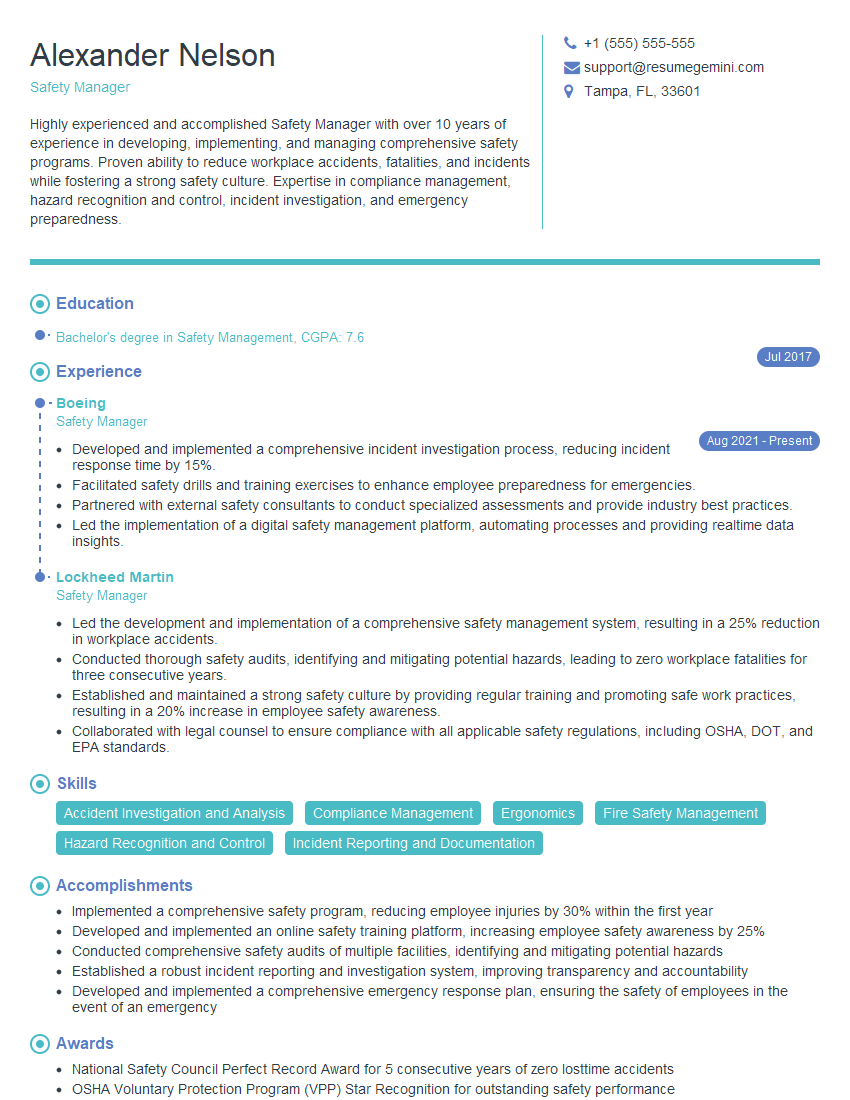
Safety Manager Resume Sample
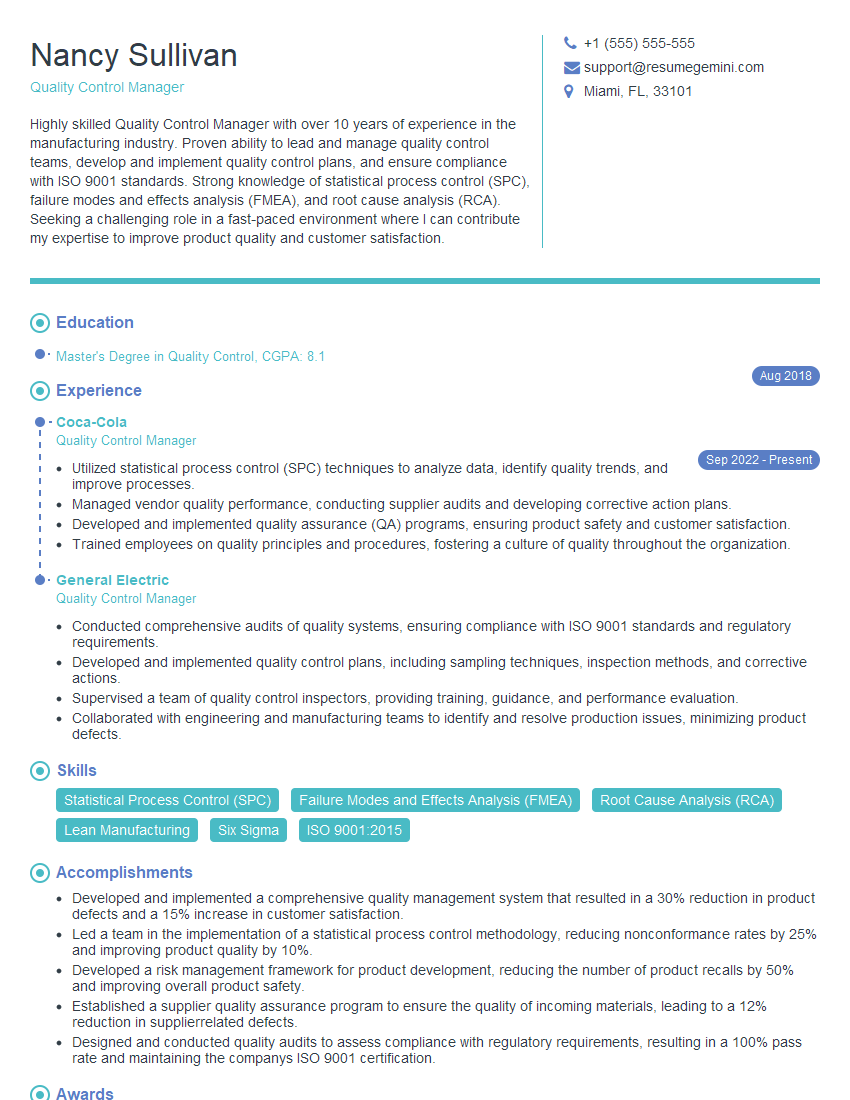
Quality Control Manager Resume Sample
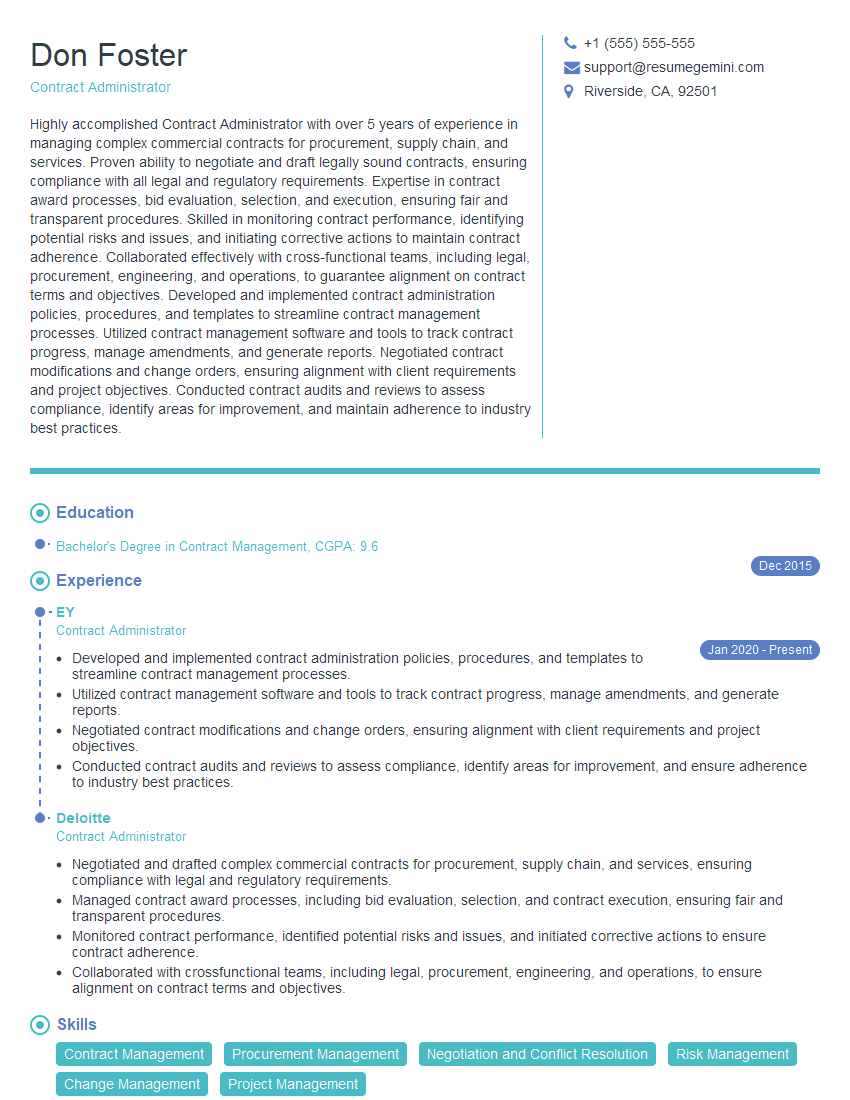
Contract Administrator Resume Sample
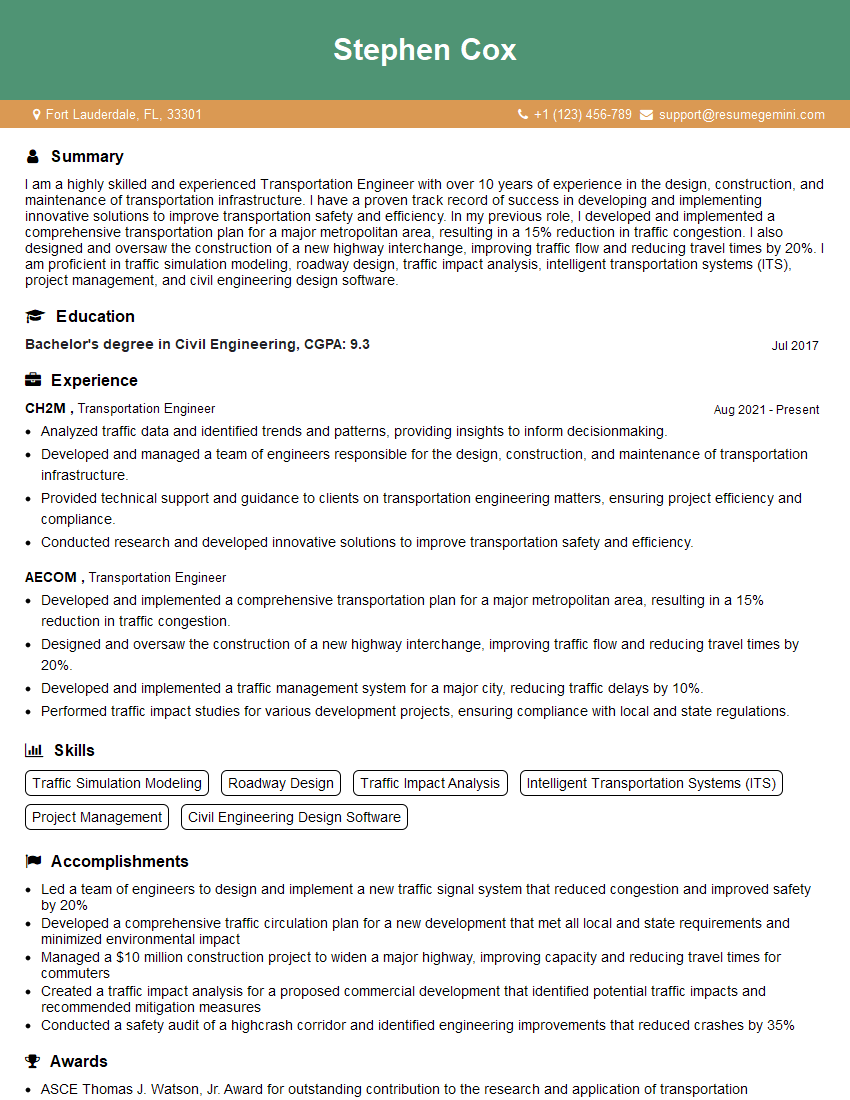
Transportation Engineer Resume Sample
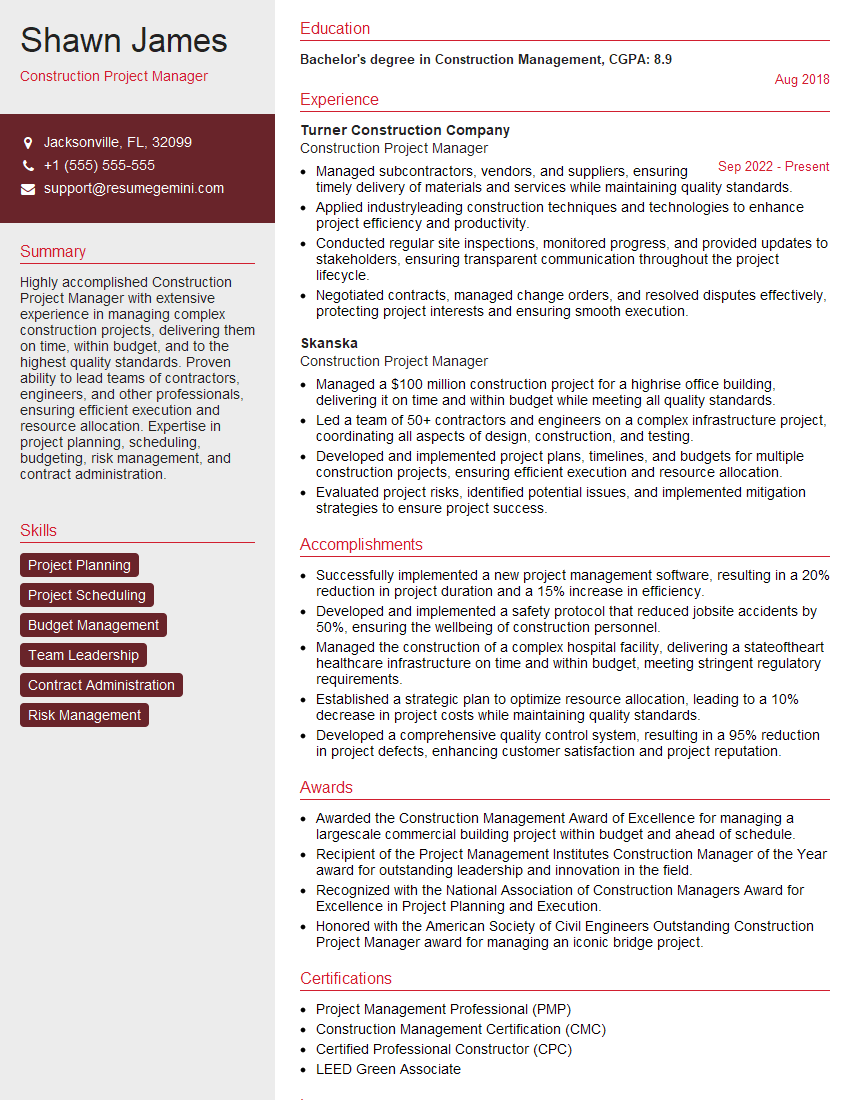
Construction Project Manager Resume Sample

Construction Superintendent Resume Sample

Project Engineer Resume Sample
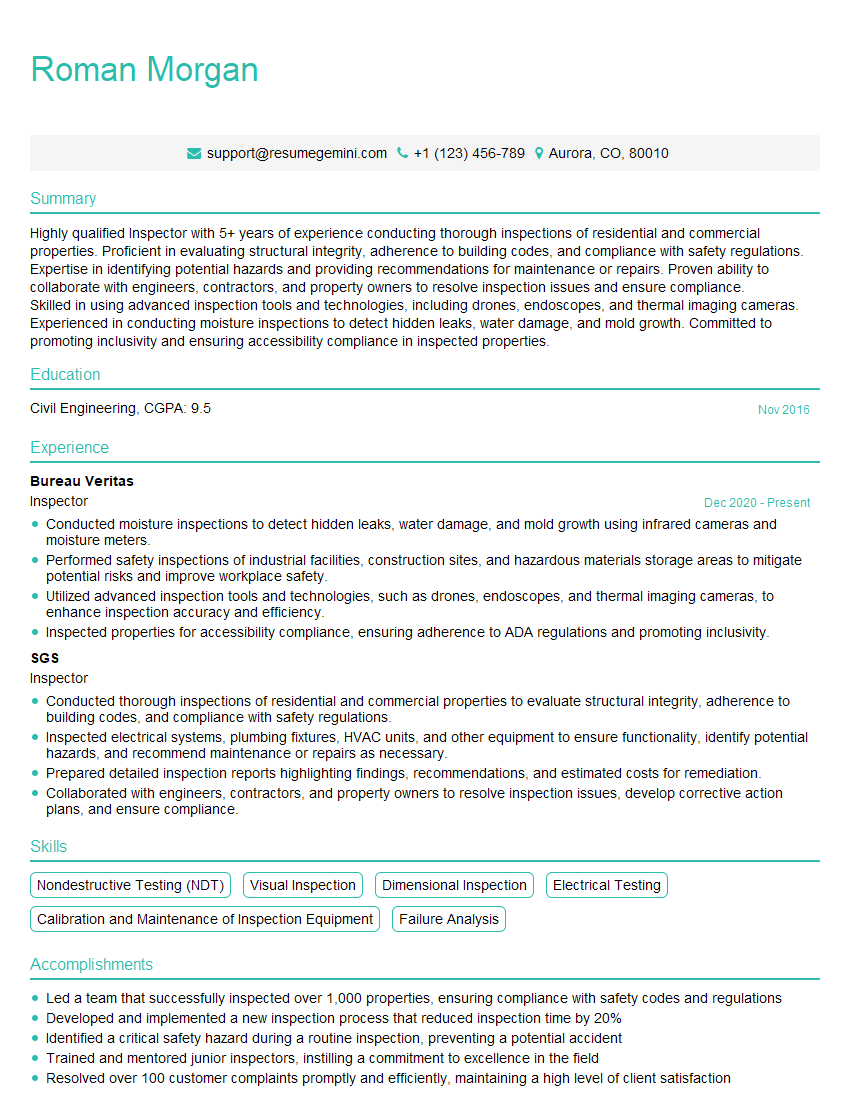
Inspector Resume Sample
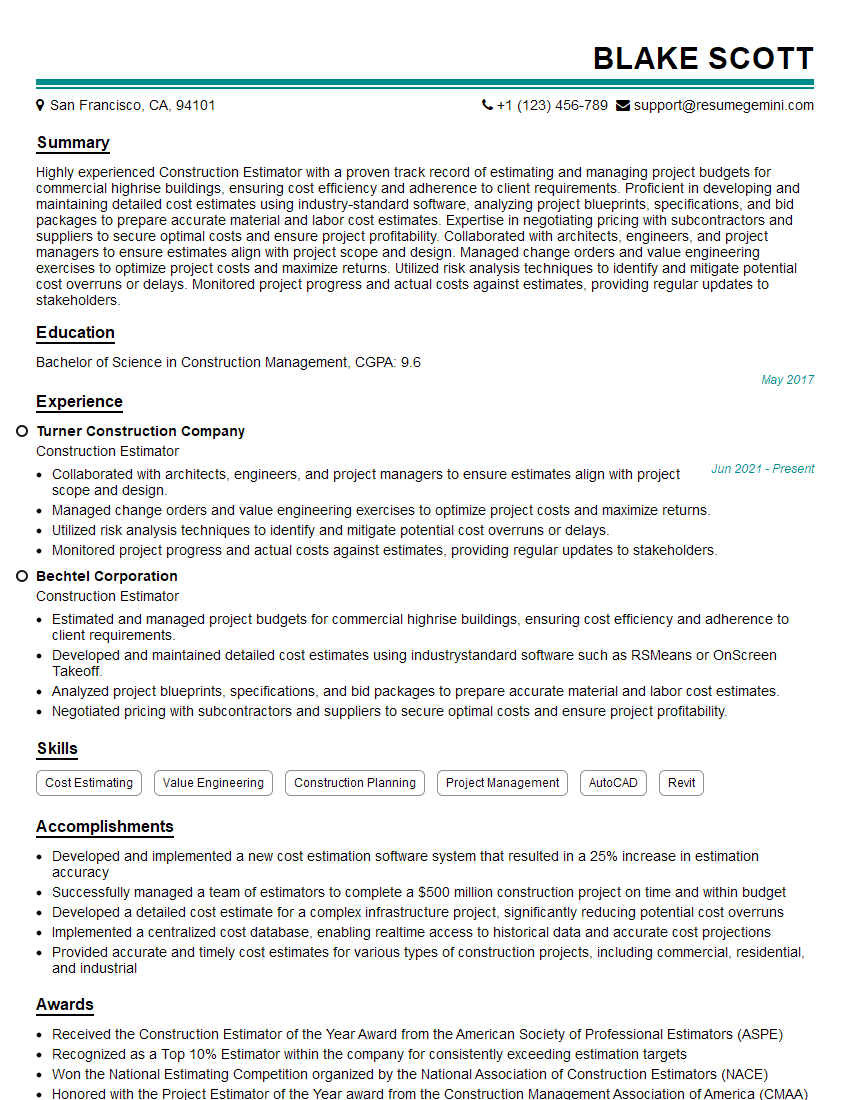
Construction Estimator Resume Sample
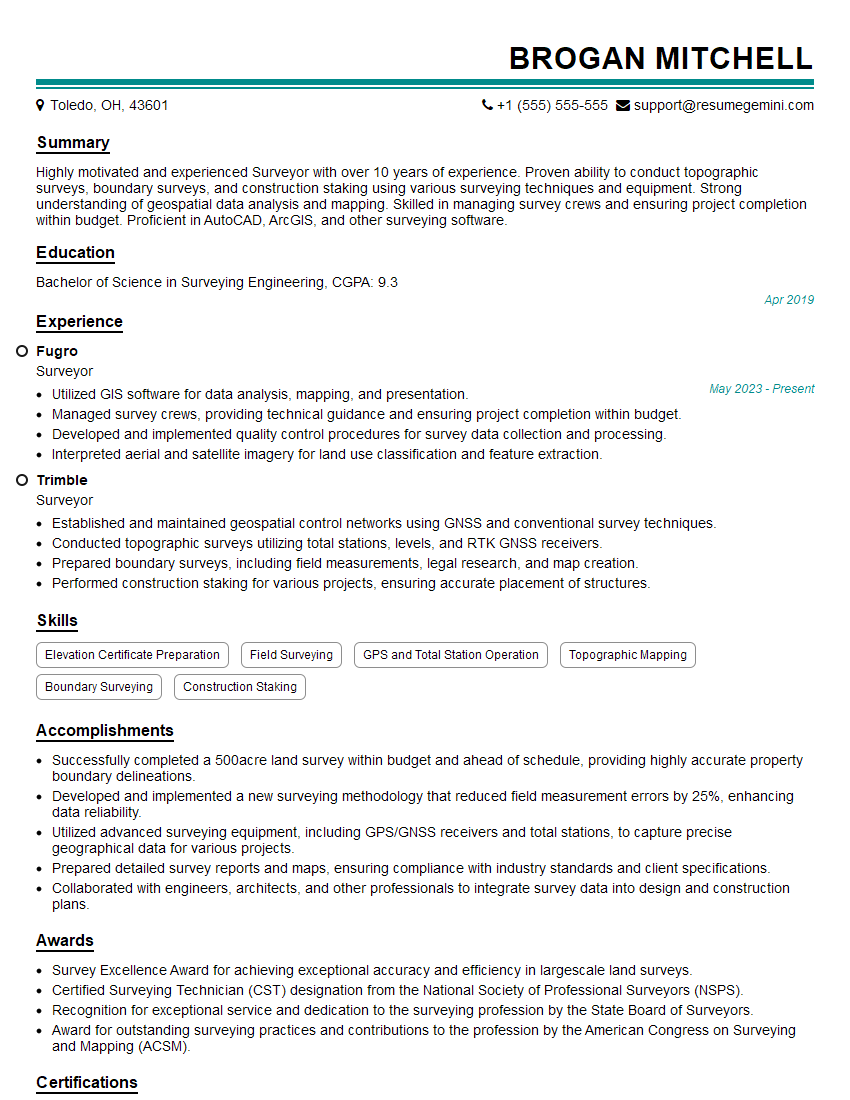
Surveyor Resume Sample
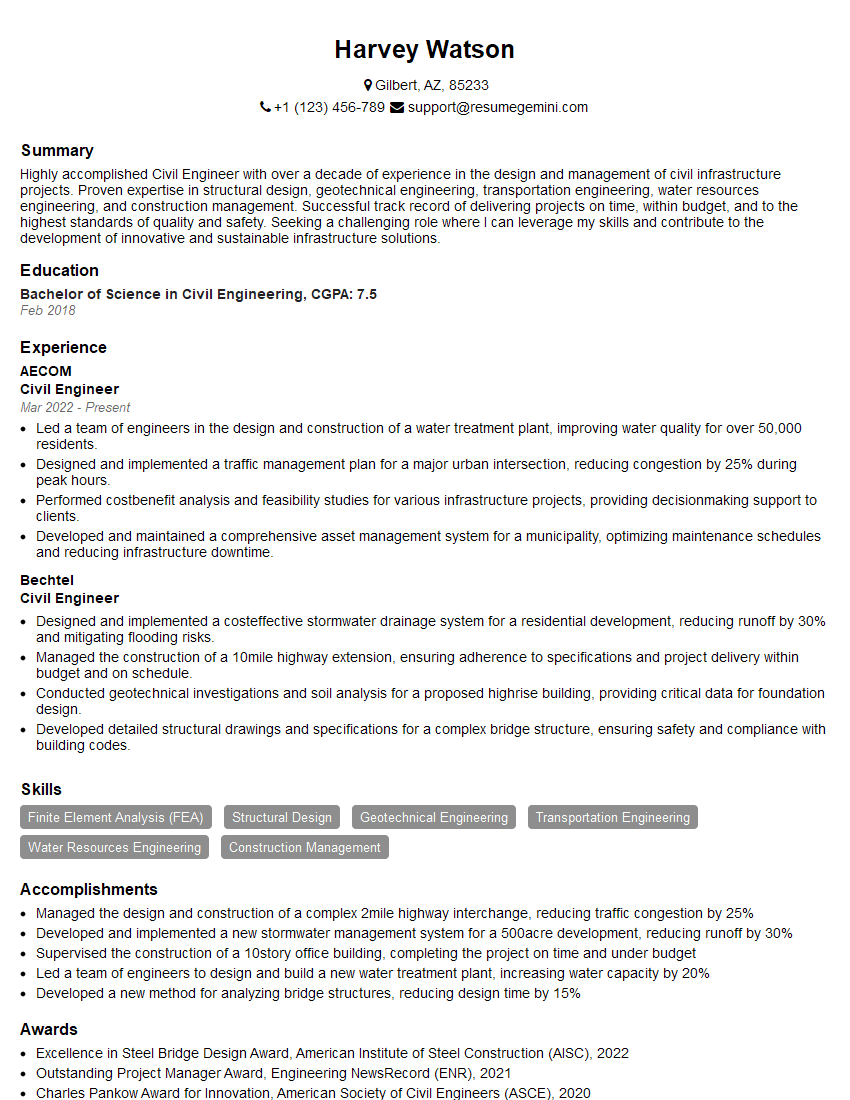
Civil Engineer Resume Sample
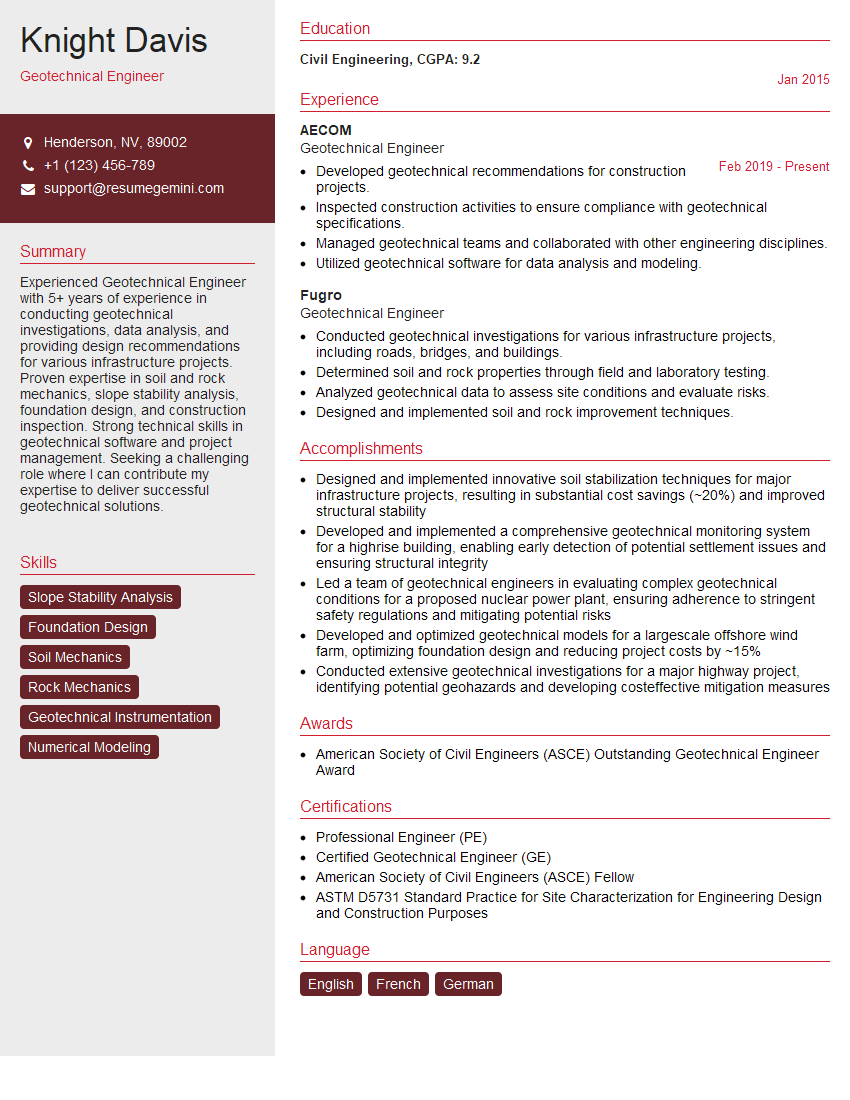
Geotechnical Engineer Resume Sample
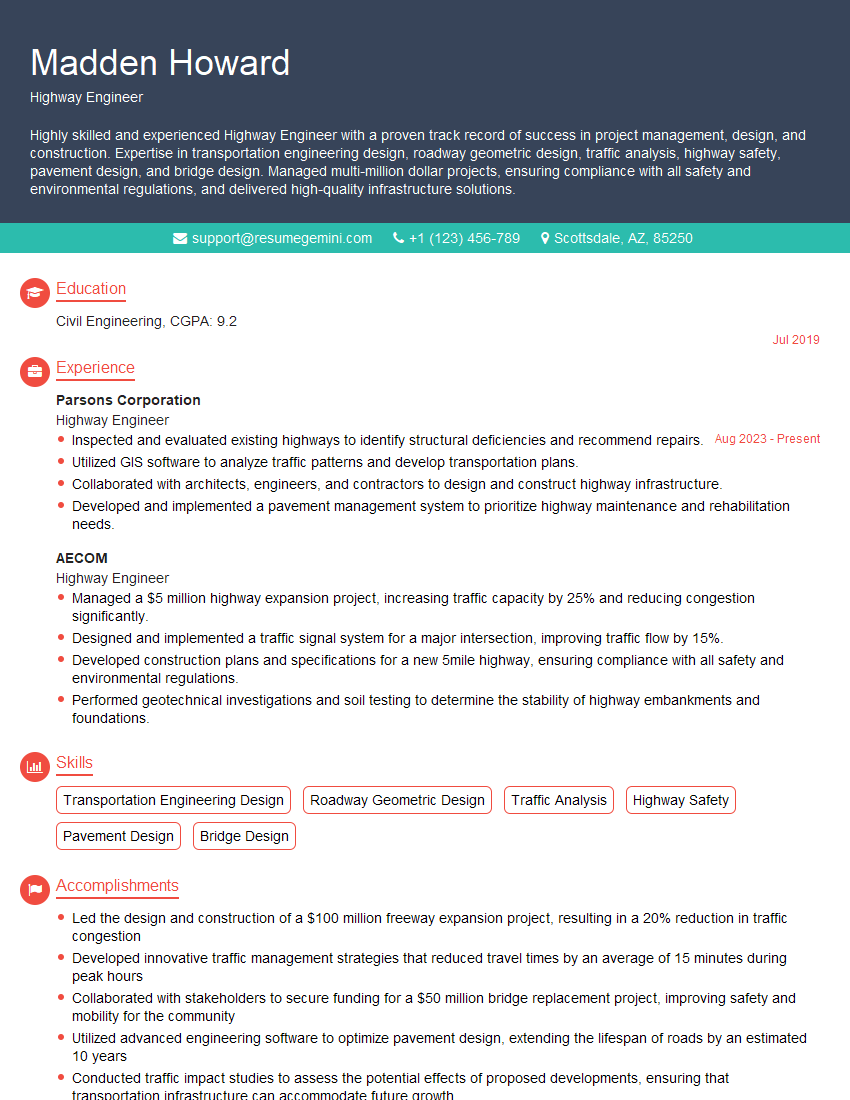
Highway Engineer Resume Sample
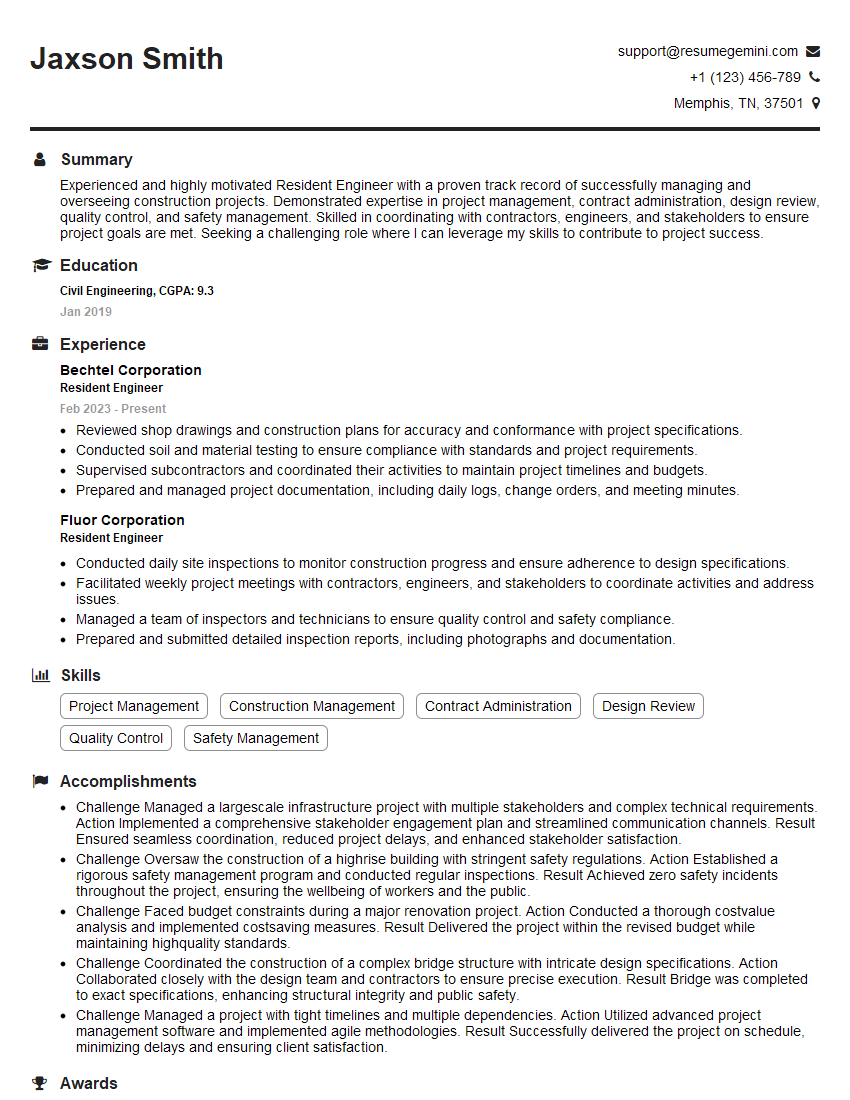
Resident Engineer Resume Sample
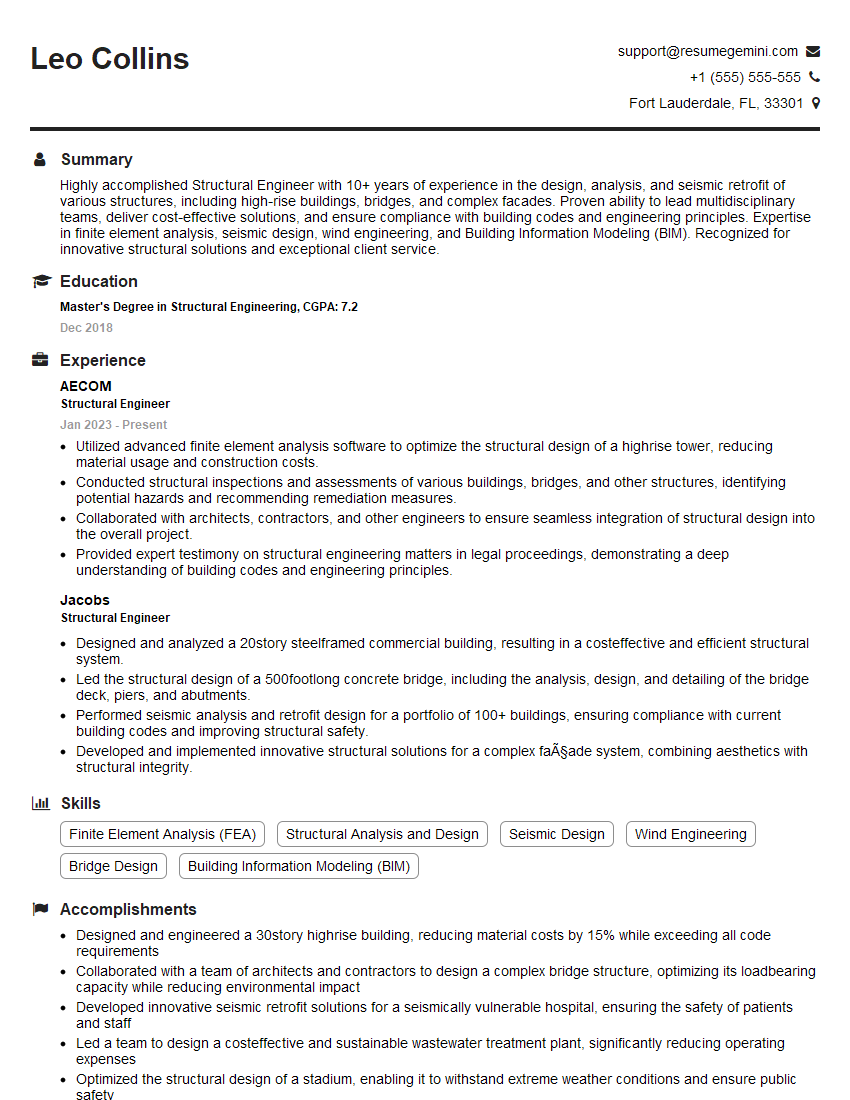
Structural Engineer Resume Sample
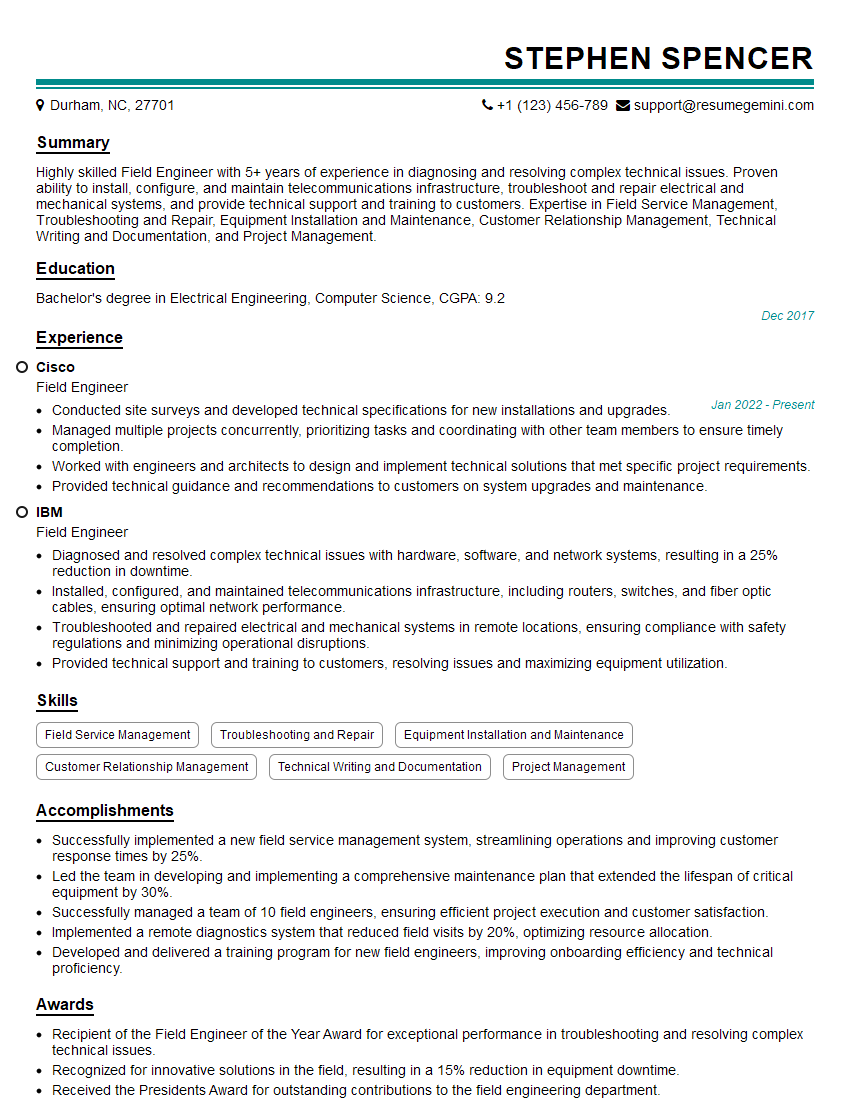
Field Engineer Resume Sample
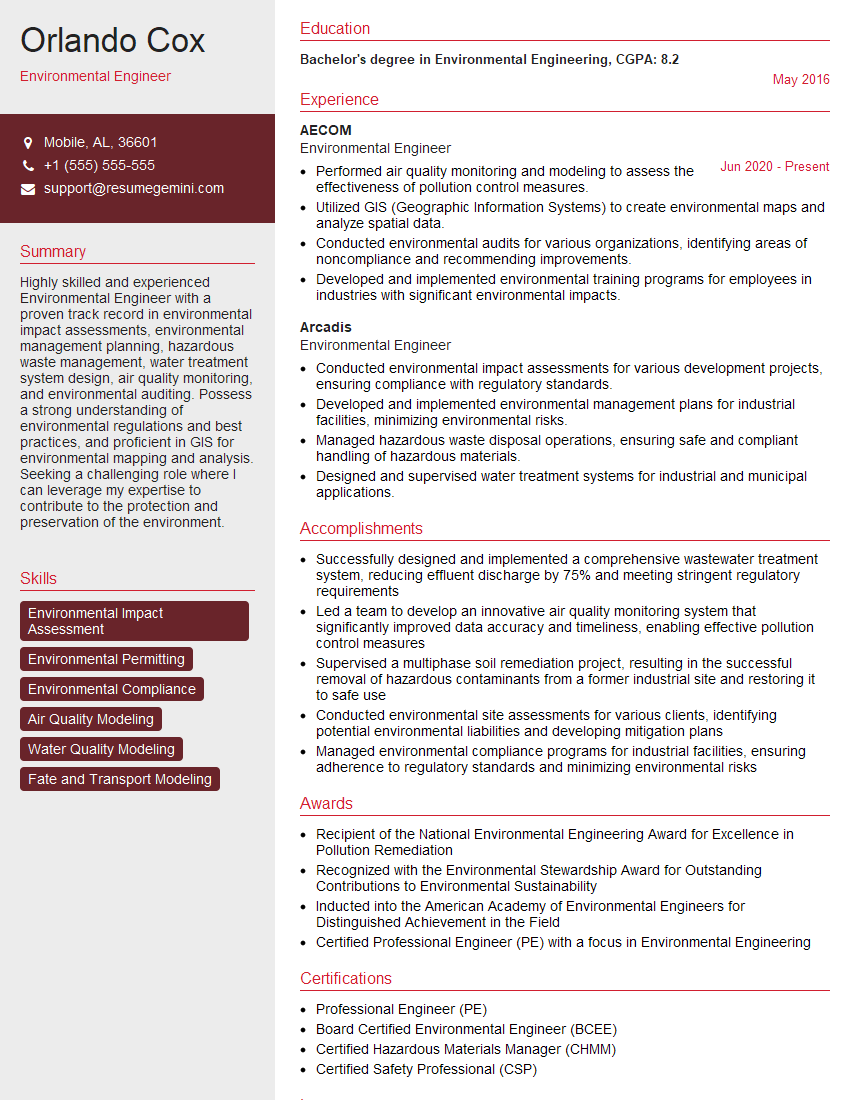
Environmental Engineer Resume Sample
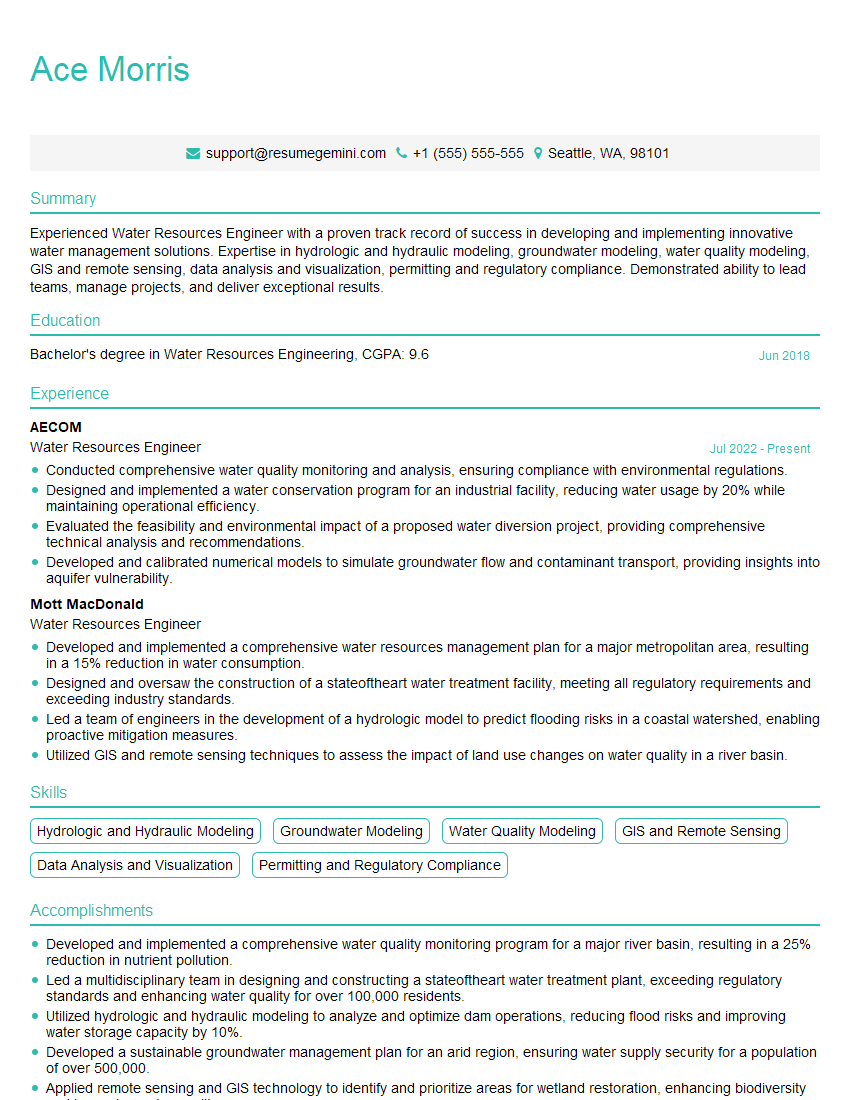
Water Resources Engineer Resume Sample
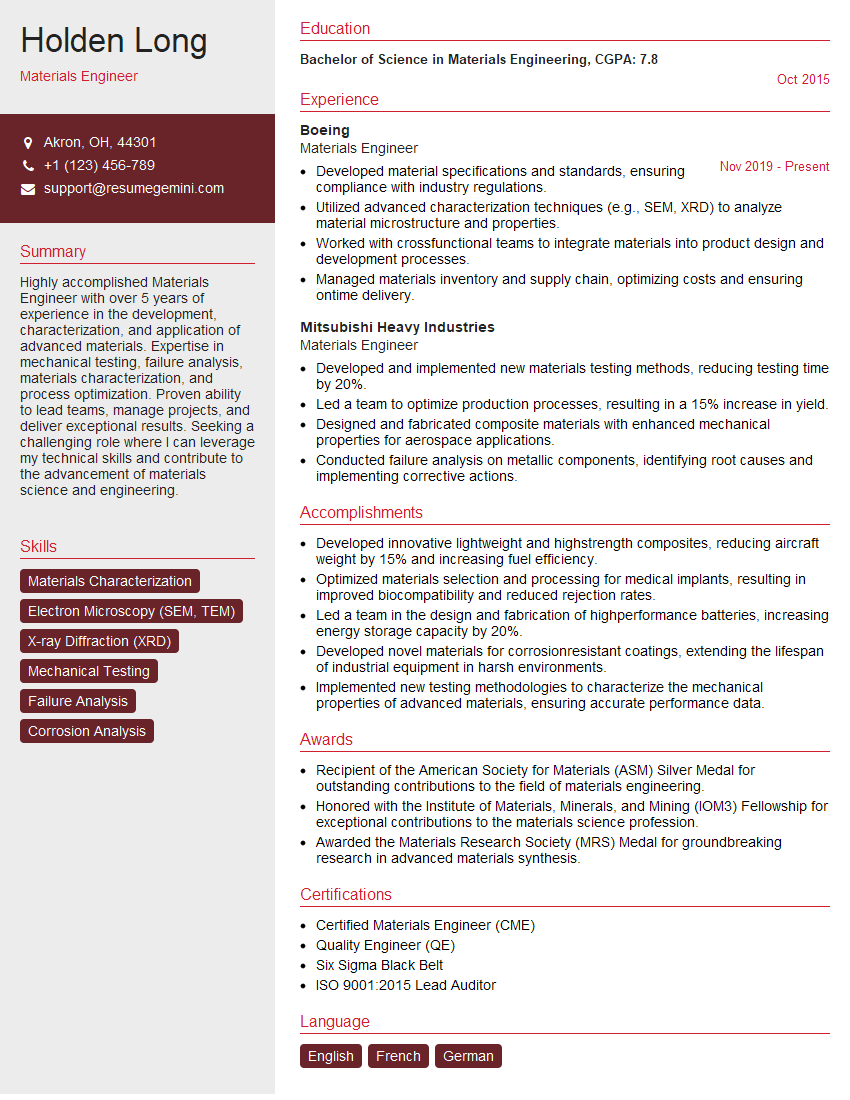
Materials Engineer Resume Sample
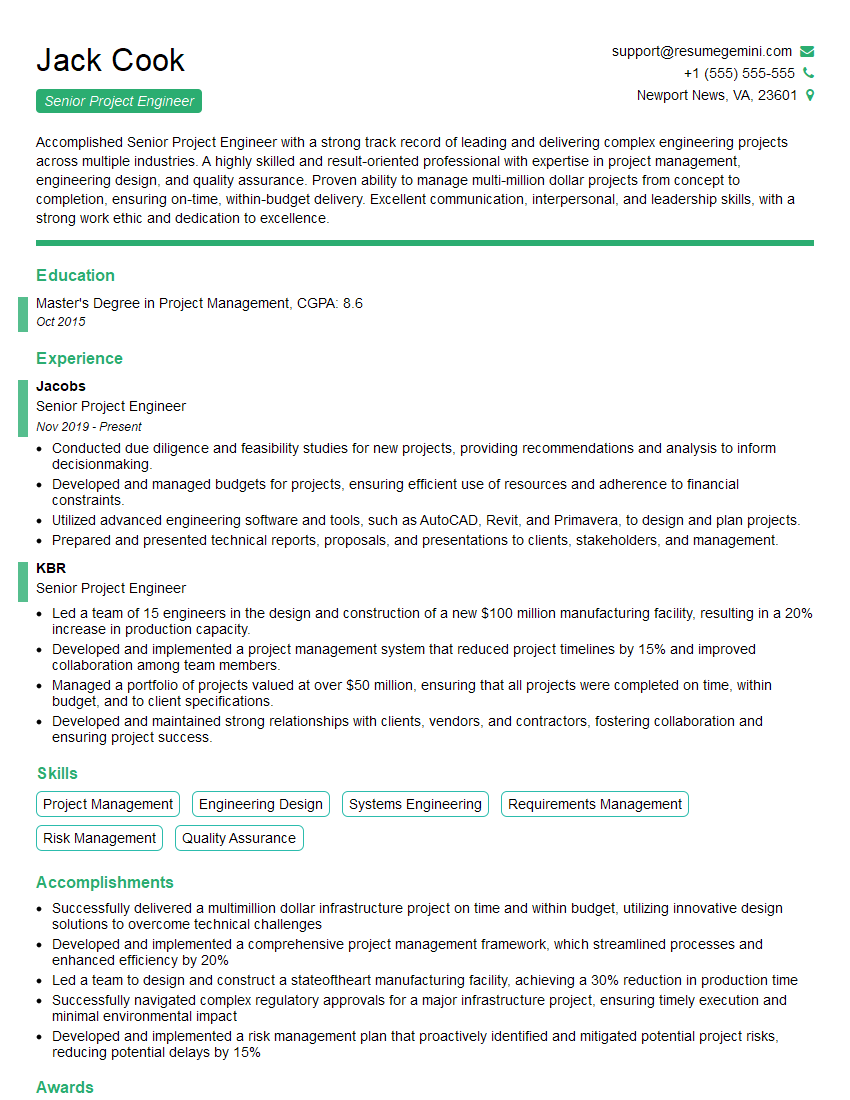
Senior Project Engineer Resume Sample
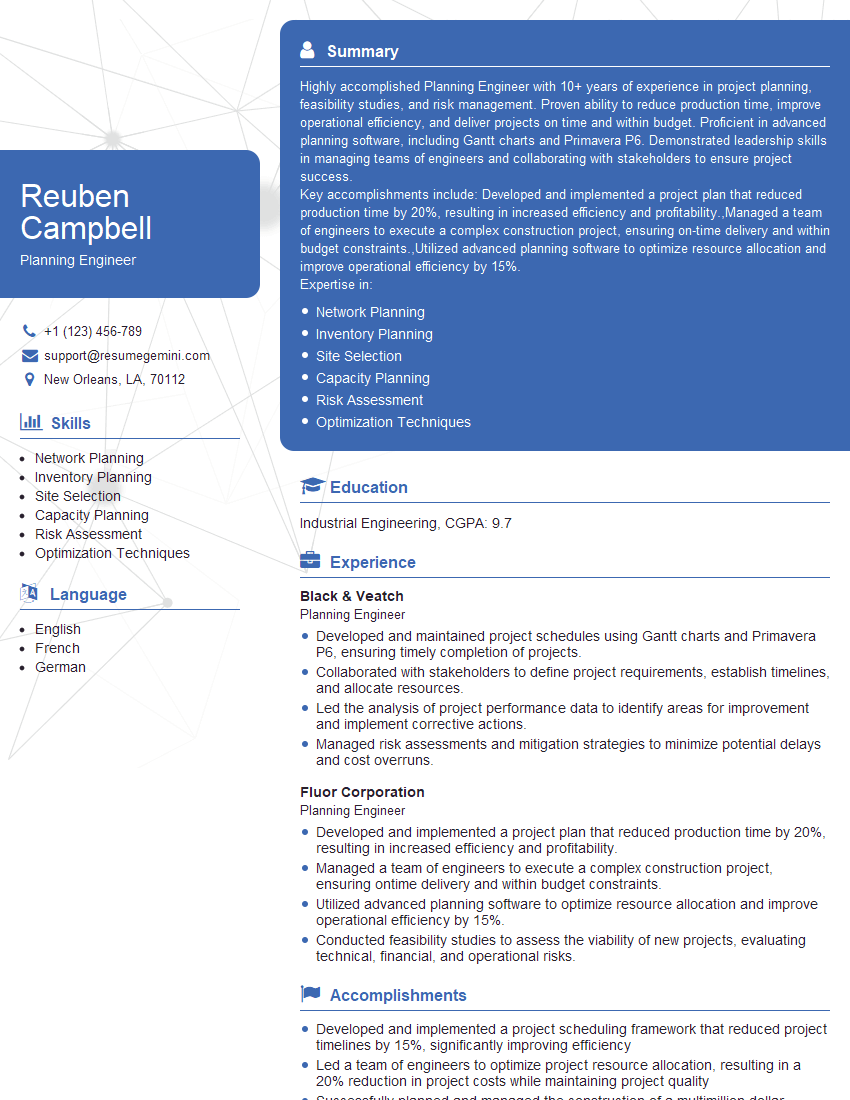
Planning Engineer Resume Sample
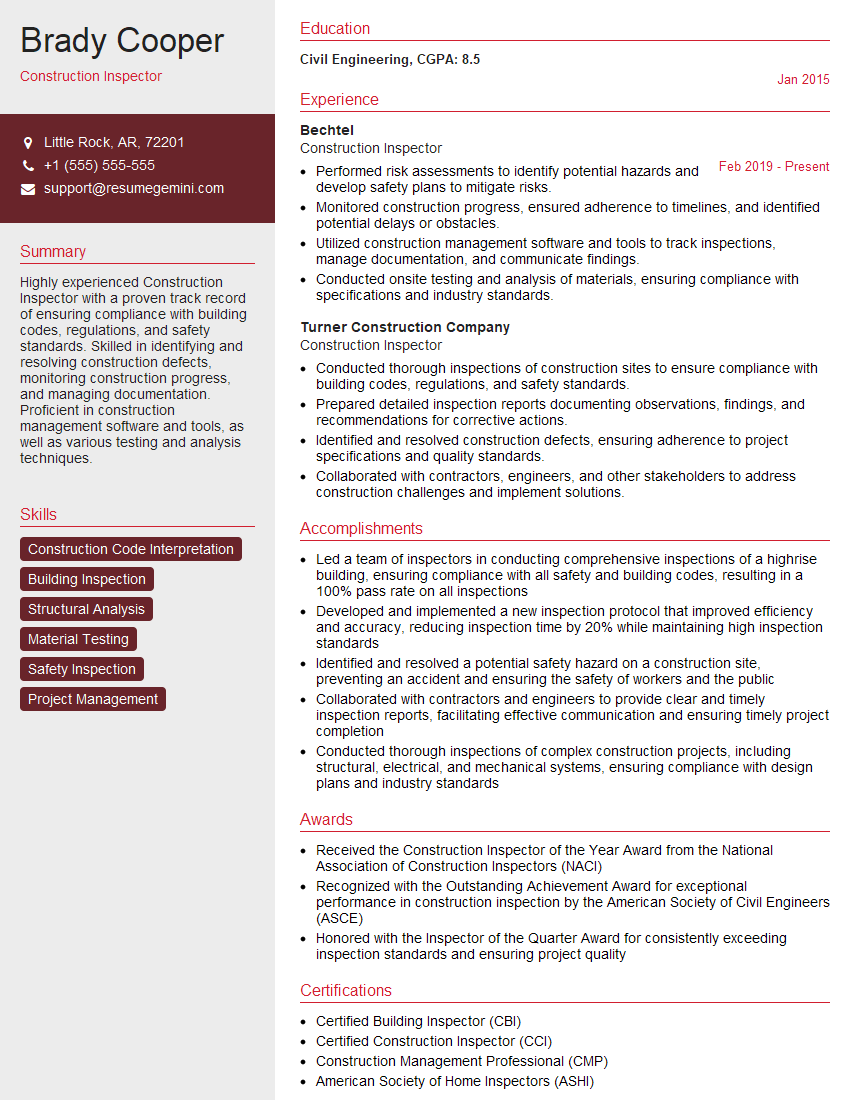
Construction Inspector Resume Sample
- Safety Manager
- Quality Control Manager
- Contract Administrator
- Transportation Engineer
- Construction Project Manager
- Construction Superintendent
- Project Engineer
- Inspector
- Construction Estimator
- Surveyor
- Civil Engineer
- Geotechnical Engineer
- Highway Engineer
- Resident Engineer
- Structural Engineer
- Field Engineer
- Environmental Engineer
- Water Resources Engineer
- Materials Engineer
- Senior Project Engineer
- Planning Engineer
- Construction Inspector
Explore more articles
Users Rating of Our Blogs
Share Your Experience
We value your feedback! Please rate our content and share your thoughts (optional).
What Readers Say About Our Blog
Very informative content, great job.
good