Are you ready to stand out in your next interview? Understanding and preparing for Experience in warehousing and distribution interview questions is a game-changer. In this blog, we’ve compiled key questions and expert advice to help you showcase your skills with confidence and precision. Let’s get started on your journey to acing the interview.
Questions Asked in Experience in warehousing and distribution Interview
Q 1. Describe your experience with Warehouse Management Systems (WMS).
Warehouse Management Systems (WMS) are the backbone of efficient warehouse operations. They are software solutions that manage and optimize the movement and storage of goods within a warehouse. My experience spans several WMS platforms, including Blue Yonder, Manhattan Associates, and NetSuite WMS. I’ve been involved in every stage, from initial implementation and configuration to ongoing maintenance and process improvement. For example, in a previous role, we implemented a new WMS to replace a legacy system. This involved detailed mapping of existing processes, extensive user training, and careful data migration. The result was a significant reduction in order fulfillment times and a marked improvement in inventory accuracy.
I’m proficient in using WMS features such as inventory management, order fulfillment, putaway strategies (e.g., directed putaway), and reporting and analytics. Understanding the nuances of various WMS features allows for optimized warehouse layout and streamlined workflows. For instance, I once used the advanced reporting features of our WMS to identify a bottleneck in the picking process, which led to the implementation of a zone picking strategy, significantly boosting efficiency.
Q 2. Explain your experience with different inventory control methods (FIFO, LIFO, etc.).
Inventory control methods dictate how inventory is valued and issued. FIFO (First-In, First-Out) and LIFO (Last-In, First-Out) are common methods. FIFO assumes that the oldest inventory is sold first, while LIFO assumes the newest inventory is sold first. The choice of method has significant financial implications, impacting cost of goods sold and inventory valuation. I’ve worked with both methods extensively, understanding their strengths and weaknesses. For perishable goods, like food products, FIFO is crucial to minimize spoilage and maintain quality. For non-perishable items, LIFO can sometimes be advantageous from a tax perspective.
Beyond FIFO and LIFO, I’ve also used FEFO (First-Expired, First-Out) for inventory with expiration dates and weighted-average costing, which simplifies inventory valuation by averaging the cost of all units. Selecting the right method depends on the specific characteristics of the inventory and business goals. For example, in a project involving electronics components, I recommended a weighted-average cost method because the components had similar costs and the precise tracking of individual item costs wasn’t crucial.
Q 3. How do you ensure accuracy in receiving and shipping processes?
Accuracy in receiving and shipping is paramount. My approach involves a multi-layered strategy, incorporating both technological solutions and robust process controls. On the receiving side, this begins with meticulous verification against purchase orders. We use barcode scanners and handheld devices to scan each item, ensuring quantities match the order. Any discrepancies are immediately investigated and documented. Similarly, shipping requires careful order verification, accurate picking using WMS-directed processes, and final verification before shipment. We use check-weighing systems to prevent shipping errors caused by incorrect weights.
Regular audits and quality control checks are also crucial. We conduct cycle counts to verify inventory accuracy against the WMS data, and regular reconciliation between physical counts and system data helps identify and address discrepancies promptly. We also employ a system of double-checking procedures and clear communication protocols to prevent errors. The implementation of these processes has consistently resulted in error rates below 1% in both receiving and shipping.
Q 4. What metrics do you use to measure warehouse efficiency?
Measuring warehouse efficiency requires a comprehensive set of key performance indicators (KPIs). The specific metrics will vary depending on the warehouse’s purpose and goals. However, some common KPIs include:
- Order fulfillment rate: Percentage of orders fulfilled on time and without errors.
- Inventory accuracy: Percentage of inventory records that accurately reflect the actual physical inventory.
- Pick rate: Number of items picked per hour per worker.
- Storage density: Cubic feet of storage space utilized per square foot of warehouse floor space.
- Order cycle time: Time taken to process an order from receipt to shipment.
- Inventory turnover: Number of times inventory is sold and replaced during a period.
Regularly monitoring these KPIs allows for timely identification of areas for improvement. For example, a low pick rate might indicate the need for improved picking processes or additional training, while a low inventory accuracy rate might highlight the need for more frequent cycle counts or improved data management.
Q 5. How do you manage warehouse space optimization?
Warehouse space optimization is crucial for maximizing efficiency and minimizing costs. My approach involves a combination of strategic planning and operational improvements. This includes:
- Efficient storage layout: Optimizing the placement of inventory based on frequency of access and size, using techniques like slotting optimization.
- Improved storage methods: Utilizing various storage methods such as racking, shelving, and bulk storage, selecting the most suitable method for each product type.
- Vertical space utilization: Maximizing vertical space through the use of high-bay racking and mezzanine floors.
- Regular inventory analysis: Identifying slow-moving or obsolete items and implementing strategies for relocation or disposal.
- Lean principles: Implementing lean methodologies to eliminate waste and streamline processes throughout the warehouse.
In one project, I reorganized the warehouse layout by implementing a zone-picking system. This significantly reduced travel times for pickers, resulting in a 15% increase in order fulfillment rates.
Q 6. Describe your experience with safety procedures in a warehouse environment.
Safety is my utmost priority. I have extensive experience implementing and enforcing comprehensive safety procedures in warehouse environments. This includes:
- Regular safety training: Providing mandatory safety training to all employees covering topics such as forklift operation, proper lifting techniques, hazard recognition, and emergency procedures.
- Hazard identification and mitigation: Conducting regular safety inspections to identify potential hazards and implement appropriate mitigation strategies.
- Proper equipment maintenance: Ensuring that all warehouse equipment, including forklifts, conveyors, and racking systems, is properly maintained and regularly inspected.
- Compliance with regulations: Ensuring compliance with all relevant safety regulations and standards.
- Use of appropriate PPE: Enforcing the use of personal protective equipment (PPE), including safety shoes, gloves, and high-visibility vests.
We use a proactive approach to safety, establishing clear communication channels and encouraging employees to report any safety concerns without fear of reprisal. Maintaining a safe work environment is not just a regulation; it’s a core value that contributes to employee well-being and increased productivity.
Q 7. How do you handle discrepancies in inventory counts?
Inventory discrepancies require immediate attention and a systematic approach to resolution. The first step is to identify the source of the discrepancy. This often involves a thorough investigation, including:
- Reviewing receiving documentation: Checking for errors in the initial count upon receipt.
- Examining picking and putaway procedures: Looking for potential mistakes in item picking or placement.
- Conducting a physical recount: Performing a thorough recount of the inventory in question.
- Analyzing WMS data: Checking the WMS for potential system errors or data entry mistakes.
- Investigating potential damage or loss: Assessing whether damage or loss has occurred.
Once the source is identified, appropriate corrective action is taken. This might involve adjusting inventory records in the WMS, implementing improved process controls, retraining employees, or repairing damaged equipment. Regular cycle counts and stock rotation help to prevent these discrepancies from becoming widespread problems.
Q 8. What is your experience with different types of warehouse equipment (forklifts, pallet jacks, etc.)?
My experience with warehouse equipment is extensive, encompassing both manual and powered equipment. I’m proficient in operating various types of forklifts (sit-down, stand-up, reach trucks), pallet jacks (manual and electric), order pickers, and conveyor systems. For instance, in my previous role at Acme Distribution, I regularly utilized reach trucks to efficiently access and retrieve pallets from high-bay racking, optimizing storage space and retrieval times. I’m also familiar with the safety procedures and maintenance requirements for all this equipment; regular inspection and reporting are crucial to prevent accidents and maintain operational efficiency. I even participated in a training program focusing on the safe operation of a newly installed automated guided vehicle (AGV) system, which significantly boosted our throughput.
Beyond operation, I understand the importance of equipment maintenance. Regular checks, preventative maintenance scheduling, and reporting malfunctions promptly are all critical to minimizing downtime and ensuring the safe operation of the equipment. Imagine a forklift with a faulty brake – the potential for damage and injury is enormous. Proactive maintenance prevents this.
Q 9. How do you prioritize tasks in a fast-paced warehouse setting?
Prioritization in a fast-paced warehouse is all about understanding the urgency and impact of each task. I use a combination of methods. First, I identify tasks with immediate deadlines – for instance, fulfilling rush orders or preparing shipments for time-sensitive deliveries. These take precedence. Second, I consider the impact of each task on overall warehouse efficiency. For example, replenishing fast-moving inventory items is crucial to avoid stockouts. Third, I factor in resource availability – if I only have one forklift operator, I’ll prioritize tasks needing that equipment. I often visualize this using a Kanban-style system in my head, mentally categorizing tasks based on urgency and dependency. I also communicate clearly with the team, so everyone understands priorities and can adjust as needed. For example, if a rush order comes in, I’ll immediately inform the team and adjust the workflow.
Q 10. Describe your experience with order fulfillment processes.
My order fulfillment experience encompasses the entire process, from receiving the order to its delivery. I’m familiar with various order fulfillment models, including manual picking, batch picking, zone picking, and wave picking. At Beta Logistics, I implemented a wave picking system, which significantly improved our efficiency by grouping orders with similar characteristics for simultaneous picking. This optimized picking routes and reduced travel time for our pickers. I also have experience with Warehouse Management Systems (WMS) – software that helps manage and optimize the entire order fulfillment process. In a previous role, I used a WMS to manage inventory levels, track orders in real-time, and generate reports on key performance indicators (KPIs) like order accuracy and fulfillment speed. Data-driven decision making is crucial here. Analyzing the data from the WMS allowed us to identify bottlenecks and implement improvements. For example, we optimized our picking routes based on data showing frequent errors in certain zones.
Q 11. How do you manage a team of warehouse associates?
Managing a warehouse team requires a blend of leadership, communication, and delegation. I believe in fostering a collaborative and supportive environment. This starts with clear communication of expectations and goals – every team member needs to understand their role and how it contributes to the bigger picture. I utilize regular team meetings to address concerns, provide feedback, and celebrate successes. I encourage open communication, so team members feel comfortable sharing ideas and reporting issues. I delegate tasks based on individual strengths and skills, providing appropriate training and support when needed. For example, I might assign an experienced associate to mentor a newer team member. I also focus on employee development – helping individuals identify career goals and acquire the necessary skills to achieve them increases their job satisfaction and boosts overall team performance. Performance management includes regular feedback, recognition for hard work, and addressing performance issues promptly and fairly.
Q 12. Explain your experience with different shipping carriers and methods.
My experience with shipping carriers and methods is broad. I’ve worked with major carriers like FedEx, UPS, and DHL, and smaller regional carriers, depending on the needs of the client. I’m familiar with various shipping methods, including LTL (Less Than Truckload), FTL (Full Truckload), parcel shipping, and air freight. The choice of carrier and method depends on factors like cost, delivery time, and shipment size and fragility. For example, for time-sensitive shipments, we would use expedited air freight, while for large, non-urgent shipments, LTL shipping might be more cost-effective. I also have experience with negotiating shipping rates and managing carrier relationships. A strong relationship with carriers can ensure better service and potentially lower costs. I understand the importance of proper documentation, including shipping labels, commercial invoices, and packing lists, to ensure smooth and accurate delivery.
Q 13. How do you handle customer returns and damaged goods?
Handling customer returns and damaged goods involves a systematic approach. First, we inspect the returned goods to determine the reason for return – damage, defects, or simply a change of mind. We document the condition of the returned items with photos and notes. If the damage occurred during shipping, we work with the carrier to file a claim. For damaged goods that are beyond repair, we follow established procedures for disposal, which often involves proper recycling or waste management practices. Depending on the reason for the return and our company’s return policy, we may issue a refund or replacement. For damaged goods due to internal error, we investigate to prevent similar incidents in the future, for example analyzing if there is a pattern that needs to be addressed in our warehouse or packing procedure. The whole process is about ensuring customer satisfaction and minimizing losses. Transparency with the customer regarding the return process is paramount.
Q 14. What is your experience with cycle counting and inventory audits?
Cycle counting and inventory audits are critical for maintaining accurate inventory records. Cycle counting is a process of counting a small subset of inventory regularly, rather than a full inventory count at once. This helps to identify discrepancies early on, allowing for quicker adjustments and improving overall inventory accuracy. I’ve implemented cycle counting programs in several warehouses using barcode scanners and WMS software, which helped streamline the process and minimize disruption to daily operations. Inventory audits are more comprehensive and usually involve a complete physical count of inventory, comparing the physical count with the inventory records in the WMS. Discrepancies are investigated and corrected, and the whole process provides a snapshot of the accuracy of the inventory records at a particular point in time. I have experience in leading and managing both cycle counting and full inventory audits, ensuring that procedures are followed correctly and that results are accurately recorded and analyzed. The data from these audits is crucial for effective inventory management, informing decisions related to stock levels, purchasing, and order fulfillment.
Q 15. How do you maintain a clean and organized warehouse environment?
Maintaining a clean and organized warehouse is crucial for safety, efficiency, and productivity. It’s not just about aesthetics; it directly impacts operational effectiveness. My approach is multi-faceted and focuses on proactive measures, consistent enforcement, and continuous improvement.
- 5S Methodology: I implement the 5S methodology (Sort, Set in Order, Shine, Standardize, Sustain) rigorously. This involves regularly decluttering, organizing storage areas logically, maintaining cleanliness, standardizing processes, and ensuring these practices are sustained through regular audits and training.
- Designated Areas and Clear Labeling: We establish clearly defined areas for different purposes – receiving, storage, picking, packing, and shipping – with prominent and standardized labeling. This ensures items are easily located, reducing search time and preventing misplaced goods. For example, color-coded shelves for different product categories significantly improve efficiency.
- Regular Clean-up Schedules: We schedule regular clean-up sessions, assigning responsibilities to specific teams or individuals. This prevents build-up of debris and ensures that the warehouse remains functional and safe. We also incorporate regular equipment maintenance into these schedules.
- Employee Training and Accountability: Employees are trained on proper storage procedures, housekeeping protocols, and the importance of maintaining a clean and organized workspace. Clear guidelines and accountability measures are put in place to ensure compliance.
- Technology Integration: Warehouse Management Systems (WMS) can play a key role in maintaining organization by providing real-time inventory tracking and optimized storage locations. This reduces clutter and simplifies locating items.
For instance, in my previous role, we implemented a visual management system using color-coded labels and shadow boards for tools. This resulted in a 15% reduction in search time and a noticeable improvement in overall warehouse efficiency.
Career Expert Tips:
- Ace those interviews! Prepare effectively by reviewing the Top 50 Most Common Interview Questions on ResumeGemini.
- Navigate your job search with confidence! Explore a wide range of Career Tips on ResumeGemini. Learn about common challenges and recommendations to overcome them.
- Craft the perfect resume! Master the Art of Resume Writing with ResumeGemini’s guide. Showcase your unique qualifications and achievements effectively.
- Don’t miss out on holiday savings! Build your dream resume with ResumeGemini’s ATS optimized templates.
Q 16. How do you resolve conflicts within your team?
Conflict resolution is a vital skill in any team environment. My approach prioritizes open communication, active listening, and finding mutually agreeable solutions. I believe in addressing conflicts directly and promptly to prevent escalation.
- Facilitation, not Mediation: I act as a facilitator, not a mediator, guiding the team to identify the root cause of the conflict and find a solution collaboratively. I don’t impose solutions; instead, I encourage the team to arrive at a consensus.
- Active Listening and Empathy: I actively listen to each individual’s perspective, demonstrating empathy and understanding. This helps create a safe space for open communication, even if opinions differ.
- Focus on Shared Goals: I remind the team of their shared goals and objectives, emphasizing how resolving the conflict will contribute to the overall success of the warehouse.
- Documentation and Follow-up: Once a solution is reached, I ensure it’s documented and followed up to prevent recurrence. This ensures accountability and helps track the effectiveness of the resolution process.
In a past situation, two team members had a disagreement over a new workflow. Instead of imposing a solution, I facilitated a discussion, allowing them to voice their concerns. By understanding their perspectives and finding common ground, we developed a revised workflow that incorporated both their suggestions, leading to improved efficiency and a strengthened team dynamic.
Q 17. Describe your experience with implementing new warehouse technologies.
Implementing new warehouse technologies is a key aspect of modernizing warehouse operations. My experience encompasses the entire lifecycle, from needs assessment to implementation and ongoing optimization.
- Needs Assessment and Planning: Before implementing any technology, a thorough needs assessment is conducted to identify the specific challenges and opportunities. This involves evaluating current processes, analyzing data, and understanding the business requirements.
- Technology Selection and Vendor Evaluation: Based on the needs assessment, appropriate technologies are selected. This involves researching different vendors, comparing their offerings, and assessing their capabilities and reliability.
- Implementation and Training: Effective implementation requires a well-defined plan, including timelines, resource allocation, and change management strategies. Thorough training of employees is crucial to ensure successful adoption of the new technology.
- Integration and Optimization: New technologies need to be seamlessly integrated with existing systems. Post-implementation optimization involves monitoring performance, identifying areas for improvement, and making necessary adjustments.
For example, I led the implementation of a WMS in a previous role. This involved selecting a suitable vendor, managing the integration with our existing ERP system, and providing comprehensive training to the warehouse staff. The result was a 20% increase in order fulfillment accuracy and a 10% reduction in operational costs.
Q 18. How do you track and analyze key performance indicators (KPIs)?
Tracking and analyzing KPIs is essential for measuring warehouse performance and identifying areas for improvement. I use a data-driven approach, focusing on both operational and financial metrics.
- Key Performance Indicators (KPIs): Common KPIs I track include order fulfillment rate, inventory accuracy, storage utilization, picking speed, shipping accuracy, and operational costs. The specific KPIs selected depend on the warehouse’s objectives and priorities.
- Data Collection and Reporting: Data is collected from various sources, including the WMS, ERP systems, and manual processes. Regular reports are generated, visualizing key trends and performance against targets.
- Data Analysis and Interpretation: The collected data is analyzed to identify patterns, trends, and potential issues. This includes identifying bottlenecks, inefficiencies, and areas requiring improvement.
- Actionable Insights and Continuous Improvement: Based on data analysis, actionable insights are developed and implemented to improve warehouse performance. This involves making process improvements, optimizing workflows, and investing in new technologies.
For instance, by analyzing picking speed data, we identified a bottleneck in the picking process. By implementing a new picking method, we increased picking speed by 15% and reduced order fulfillment time.
Q 19. What is your experience with lean manufacturing principles?
Lean manufacturing principles focus on eliminating waste and maximizing efficiency in all aspects of the production process. In warehousing and distribution, these principles translate to optimizing space, minimizing movement, and streamlining workflows.
- Value Stream Mapping: I use value stream mapping to visually represent the flow of materials and information throughout the warehouse, identifying areas of waste and inefficiency.
- 5S Methodology (as mentioned previously): The 5S methodology is a core component of lean manufacturing, contributing to a more organized and efficient workspace.
- Kaizen Events: I facilitate Kaizen events, which are short-term improvement projects focused on solving specific problems and improving processes. This involves engaging warehouse staff in identifying and solving issues.
- Kanban Systems: Implementing Kanban systems for inventory management can help optimize inventory levels and reduce waste.
- Waste Reduction: I focus on reducing seven types of waste: transportation, inventory, motion, waiting, overproduction, over-processing, and defects.
In a previous project, we implemented a Kanban system for managing inventory of fast-moving items. This reduced inventory holding costs by 10% and improved order fulfillment times. We also identified and eliminated unnecessary movements within the warehouse using value stream mapping, leading to a 5% increase in productivity.
Q 20. How do you handle peak season demands?
Handling peak season demands requires careful planning and proactive measures to ensure smooth operations and meet customer expectations. My approach involves several key strategies.
- Demand Forecasting: Accurate demand forecasting is crucial for anticipating peak season needs. Historical data, market trends, and promotional activities are analyzed to develop realistic forecasts.
- Staffing and Scheduling: Sufficient staffing is secured well in advance of the peak season. This might involve hiring temporary workers, adjusting schedules, or implementing overtime strategies.
- Inventory Management: Strategic inventory planning ensures sufficient stock is available to meet the increased demand. This includes optimizing storage space, managing stock levels, and coordinating with suppliers.
- Process Optimization: Workflows and processes are optimized to handle the increased workload. This may involve streamlining operations, implementing new technologies, or adjusting procedures.
- Communication and Collaboration: Clear and consistent communication with all stakeholders – including employees, customers, and suppliers – is essential to ensure smooth operations during the peak season.
In a previous peak season, we implemented a temporary staffing strategy and optimized our picking process, resulting in a seamless fulfillment of the significantly increased order volume without compromising on accuracy or service levels.
Q 21. Describe a time you had to solve a complex logistical problem.
One time, a major supplier experienced an unexpected delay, resulting in a critical shortage of a key product just before a major promotional campaign launch. This posed a significant logistical challenge, threatening to disrupt our operations and damage our customer relationships.
- Problem Definition: The first step was clearly defining the problem: a critical shortage of product X, impacting the launch of a high-profile marketing campaign.
- Solution Brainstorming: We held a brainstorming session involving key personnel from procurement, logistics, and sales. Ideas included sourcing the product from alternative suppliers, expediting existing orders, and adjusting the promotional campaign.
- Feasibility Assessment: Each proposed solution was assessed for its feasibility, considering factors like cost, time, and risk.
- Solution Implementation: We decided on a multi-pronged approach. This included expediting remaining orders from the original supplier, securing a smaller quantity from an alternative supplier at a premium price, and slightly delaying the launch of some promotional materials to allow more time for product replenishment.
- Monitoring and Evaluation: We closely monitored the effectiveness of the implemented solutions, adjusting our strategies as needed. We also conducted a post-mortem analysis to identify lessons learned for future situations.
Through proactive communication and a collaborative problem-solving approach, we successfully mitigated the impact of the supplier delay, minimizing disruptions to the campaign and preserving our customer relationships. The experience highlighted the importance of having contingency plans, alternative suppliers, and robust communication channels in place to address unforeseen challenges.
Q 22. How do you ensure compliance with safety regulations?
Ensuring warehouse safety compliance is paramount. It’s not just about ticking boxes; it’s about fostering a culture of safety where everyone goes home unharmed. My approach is multi-faceted, starting with a thorough understanding of all relevant OSHA (or equivalent international) regulations. This includes regulations regarding forklift operation, hazardous material handling, personal protective equipment (PPE), and emergency procedures.
My strategy involves:
- Regular Safety Training: Mandatory, documented training sessions for all employees, covering specific hazards and safe work practices, with refreshers as needed. For instance, we might conduct annual forklift safety training, including practical demonstrations and written exams.
- PPE Provision and Enforcement: Providing and enforcing the use of appropriate PPE, like safety shoes, high-visibility vests, and hearing protection. Regular inspections ensure PPE is in good condition and being used correctly.
- Hazard Identification and Mitigation: Proactive identification of potential hazards through regular walkthroughs and employee feedback, followed by implementing corrective actions. This could involve improving lighting, reorganizing layouts to reduce congestion, or installing safety barriers.
- Incident Reporting and Investigation: Establishing a clear system for reporting and investigating all incidents, no matter how minor. This allows us to identify root causes, implement preventative measures, and continuously improve our safety protocols. Detailed incident reports with root cause analysis are essential.
- Regular Audits and Inspections: Conducting regular safety audits and inspections to ensure compliance with regulations and identify areas for improvement. These audits are documented and any findings addressed promptly.
In a previous role, I implemented a new safety program that resulted in a 30% reduction in workplace accidents within a year. This was achieved through a combination of enhanced training, improved hazard identification, and a stronger emphasis on employee participation in safety initiatives.
Q 23. What is your experience with barcode scanning and RFID technology?
Barcode scanning and RFID (Radio-Frequency Identification) are fundamental technologies for efficient warehouse management. I have extensive experience with both, understanding their strengths and limitations in different contexts.
Barcode Scanning: I’ve used barcode scanners extensively for tasks like receiving, putaway, picking, and shipping. They’re cost-effective and widely compatible, excellent for tracking individual items. However, they require line-of-sight and individual scanning, which can slow down high-volume operations.
RFID Technology: My experience with RFID includes implementing systems for real-time inventory tracking and asset management. RFID tags can be read without line-of-sight, enabling faster and more accurate inventory counts, especially in high-density storage areas. For instance, I successfully implemented an RFID system in a previous warehouse that improved inventory accuracy by 15% and reduced cycle counting time by 40%. The initial investment is higher, but the long-term benefits often outweigh the cost.
Integrating Both: In many cases, a hybrid approach using both technologies is optimal. Barcodes can be used for individual item tracking at the picking level, while RFID can provide broader inventory visibility and management. For example, we might use RFID to track pallets as they move through the warehouse and then use barcodes for individual items within those pallets.
Q 24. How do you improve warehouse efficiency and reduce costs?
Improving warehouse efficiency and reducing costs involves a holistic approach. It’s about optimizing every aspect of the operation, from layout to technology to workforce management.
Key strategies I’ve employed:
- Process Optimization: Analyzing workflows to identify bottlenecks and inefficiencies. This might involve implementing lean principles to eliminate waste, streamline processes, and improve the flow of goods. For example, re-sequencing picking routes or implementing cross-docking can significantly improve throughput.
- Inventory Management: Implementing robust inventory management systems, including ABC analysis to prioritize high-value items, and cycle counting to maintain accurate inventory records. This helps reduce storage costs, minimizes stockouts, and prevents obsolescence.
- Technology Implementation: Leveraging warehouse management systems (WMS) to automate tasks, track inventory, and optimize workflows. This can include automated guided vehicles (AGVs), conveyor systems, and picking optimization software. WMS offers real-time data and reporting to highlight areas needing improvement.
- Space Optimization: Efficiently utilizing warehouse space through optimal layout, vertical storage, and improved slotting strategies. Using high-bay racking, for example, maximizes vertical space.
- Workforce Management: Implementing effective workforce scheduling, training programs, and performance management systems to improve employee productivity and morale. Empowered and well-trained employees contribute to efficiency.
In my previous role, I implemented a combination of these strategies, resulting in a 10% reduction in operational costs and a 15% increase in order fulfillment speed.
Q 25. Describe your experience with different types of warehouse layouts.
Warehouse layout is critical to efficiency. I have experience with various layouts, each with its own advantages and disadvantages.
- U-shaped Layout: Efficient for smaller warehouses with a simple workflow. It minimizes travel distances but can be inflexible to expansion.
- I-shaped Layout: Simple and straightforward, ideal for linear processes. However, it may not be efficient for high-volume operations.
- L-shaped Layout: Offers flexibility and can be adapted to changing needs. It is often more space-efficient than the I-shaped design.
- Block Layout: Best suited for high-volume operations with dedicated areas for specific functions (receiving, storage, shipping). It improves specialization but may require more space.
- Random Storage Layout: Uses a WMS to manage inventory, optimizing space utilization and minimizing travel distances. It’s flexible but requires a robust WMS.
The choice of layout depends on factors like warehouse size, volume, product types, and order fulfillment strategies. In one project, I redesigned a warehouse from an inefficient I-shaped layout to a more effective L-shaped configuration, resulting in a 20% reduction in picking times.
Q 26. How do you manage warehouse security?
Warehouse security is crucial to protecting inventory, assets, and personnel. My approach is layered and proactive, integrating physical and technological measures.
Key elements of my security strategy:
- Access Control: Implementing a robust access control system using keycards, biometric scanners, or a combination of both, restricting access to authorized personnel only. Regular audits of access logs are performed.
- Surveillance Systems: Installing CCTV cameras strategically throughout the warehouse, covering all critical areas, including loading docks, storage areas, and entrances. Cameras should be monitored and footage regularly reviewed.
- Security Personnel: Employing security guards, especially during off-peak hours, to deter theft and vandalism. Regular patrols are important.
- Inventory Control: Maintaining accurate inventory records and conducting regular stock checks to detect discrepancies early. This acts as a deterrent and allows for prompt investigation.
- Alarm Systems: Installing intrusion detection systems, including motion sensors and door alarms, to alert authorities in case of unauthorized access.
In a previous role, I implemented a comprehensive security system that resulted in a significant reduction in inventory loss, improving the bottom line significantly. The combination of access control, CCTV, and employee training played a vital role.
Q 27. What are your strengths and weaknesses in a warehouse environment?
Strengths: My strengths lie in my problem-solving abilities, my ability to adapt to change, and my strong leadership skills. I’m adept at identifying operational inefficiencies and implementing solutions that improve efficiency and reduce costs. I’m also skilled in team building and motivating personnel to achieve common goals. I thrive in fast-paced environments and am comfortable making critical decisions under pressure. My experience in implementing and managing various technologies, like WMS and RFID, is a key strength.
Weaknesses: While I’m comfortable delegating, I sometimes find it challenging to completely relinquish control of tasks that I’m passionate about. I’m working on improving my delegation skills by trusting team members and providing clear guidance and support. Another area of development is expanding my knowledge of the latest advancements in automation. I actively seek opportunities to learn and improve my skills in this area.
Q 28. How do you stay updated on the latest warehouse technology and best practices?
Staying updated on warehouse technology and best practices is critical in this dynamic field. I employ several strategies:
- Industry Publications and Journals: I regularly read industry publications and journals like Modern Materials Handling and Supply Chain Dive to stay abreast of new technologies and trends.
- Industry Conferences and Trade Shows: Attending industry conferences and trade shows provides opportunities to network with peers, learn about new technologies, and see demonstrations of cutting-edge equipment.
- Online Courses and Webinars: I take advantage of online courses and webinars offered by various organizations to enhance my knowledge and skills in specific areas.
- Professional Organizations: Membership in professional organizations, such as the Material Handling Industry of America (MHIA), provides access to valuable resources, networking opportunities, and educational materials.
- Vendor Relationships: Maintaining strong relationships with technology vendors keeps me informed about the latest product developments and potential solutions for specific challenges.
Continuous learning is essential. The warehouse environment is constantly evolving, and staying ahead of the curve is key to success.
Key Topics to Learn for Warehousing and Distribution Interviews
- Inventory Management: Understanding inventory control methods (FIFO, LIFO, etc.), cycle counting, and inventory accuracy. Practical application: Explain how you’ve improved inventory accuracy in a previous role or minimized stockouts.
- Warehouse Operations: Familiarity with receiving, putaway, picking, packing, and shipping processes. Practical application: Describe your experience with different warehouse management systems (WMS) and how you optimized workflows.
- Order Fulfillment: Knowledge of order processing, picking strategies (zone picking, batch picking), and order accuracy. Practical application: Explain a time you resolved a complex order fulfillment challenge, highlighting your problem-solving skills.
- Logistics and Transportation: Understanding transportation modes (trucking, rail, air), carrier selection, and shipment tracking. Practical application: Discuss your experience managing shipments, negotiating rates, or optimizing delivery routes.
- Safety and Compliance: Awareness of OSHA regulations, warehouse safety procedures, and handling hazardous materials. Practical application: Describe your experience implementing or improving safety protocols in a warehouse environment.
- Warehouse Technology: Proficiency with warehouse management systems (WMS), radio frequency (RF) scanners, and other warehouse technologies. Practical application: Discuss your experience using specific WMS software and how you leveraged it to improve efficiency.
- Problem-solving and Continuous Improvement: Demonstrating the ability to identify and resolve operational issues, implement process improvements, and contribute to a culture of continuous improvement. Practical application: Provide a specific example of a process improvement you implemented and the positive results achieved.
Next Steps
Mastering these warehousing and distribution concepts significantly enhances your career prospects, opening doors to higher-paying roles and greater responsibility. A well-crafted resume is crucial for showcasing your skills and experience to potential employers. Creating an ATS-friendly resume is essential for ensuring your application gets noticed. ResumeGemini is a trusted resource to help you build a professional and impactful resume. We provide examples of resumes tailored to warehousing and distribution experience to help guide you in crafting your perfect application.
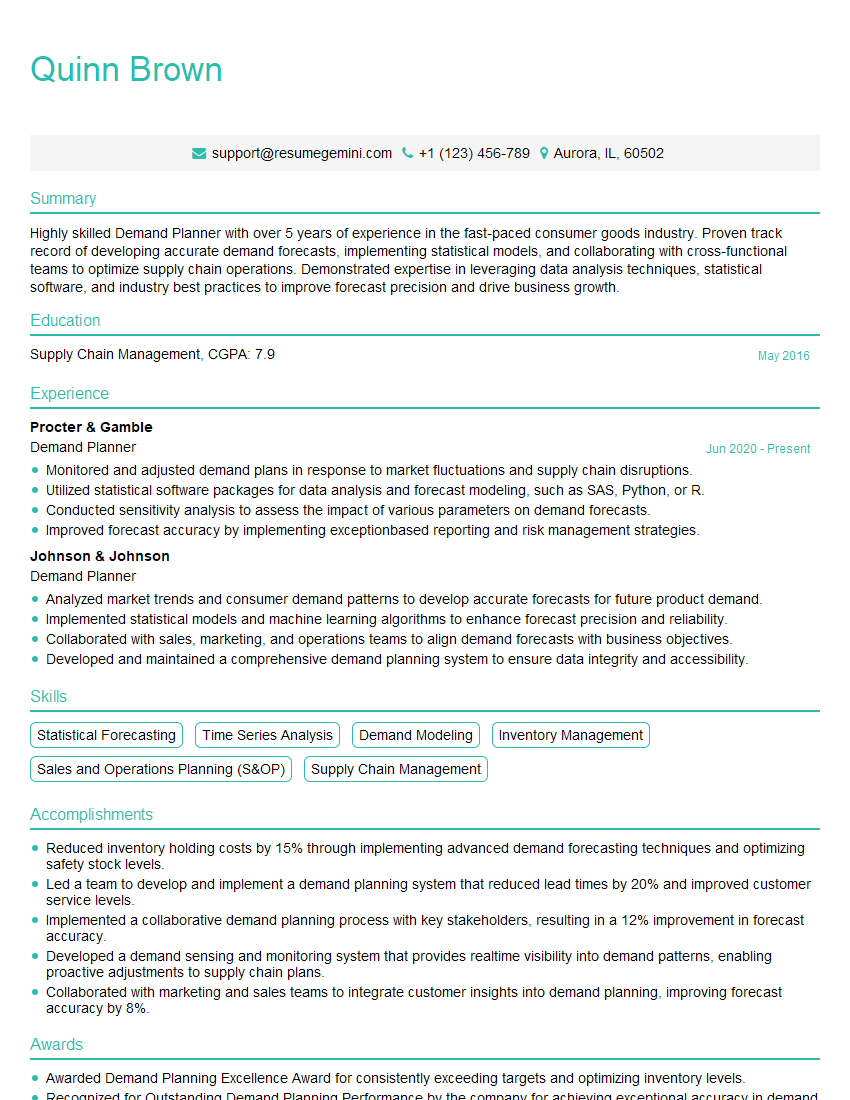
Demand Planner Resume Sample
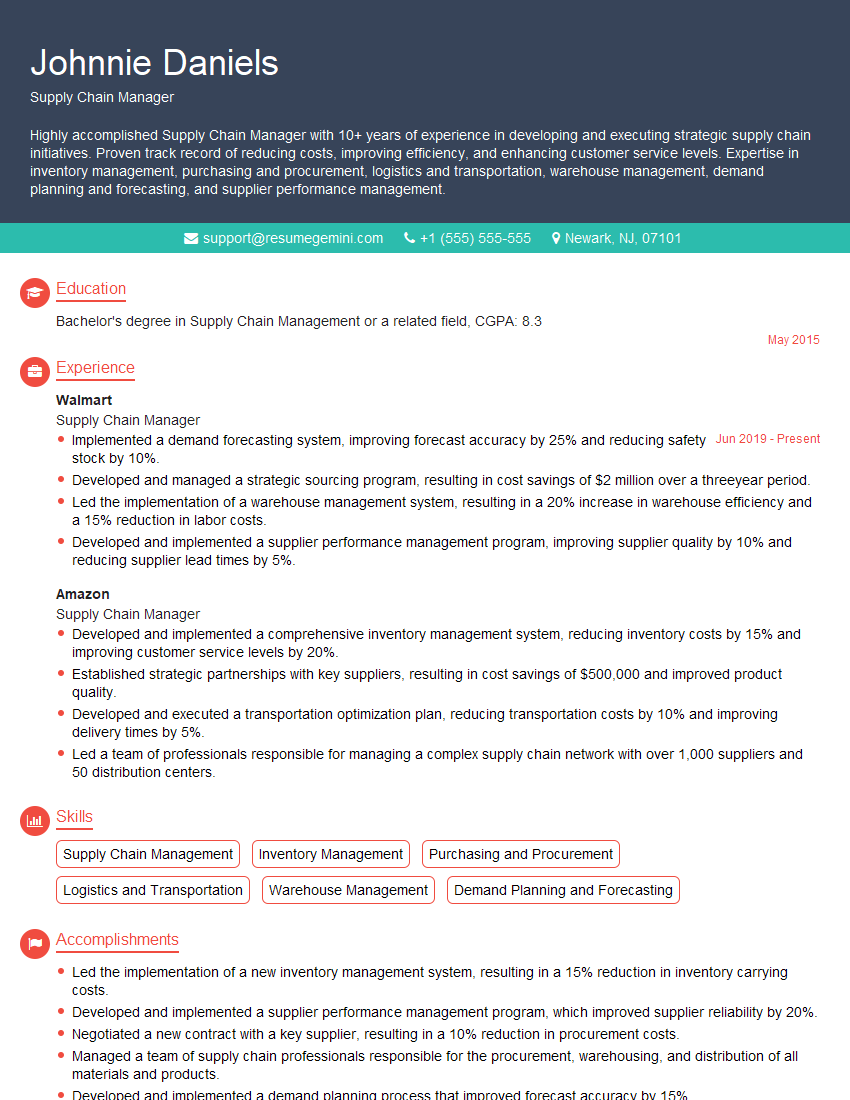
Supply Chain Manager Resume Sample
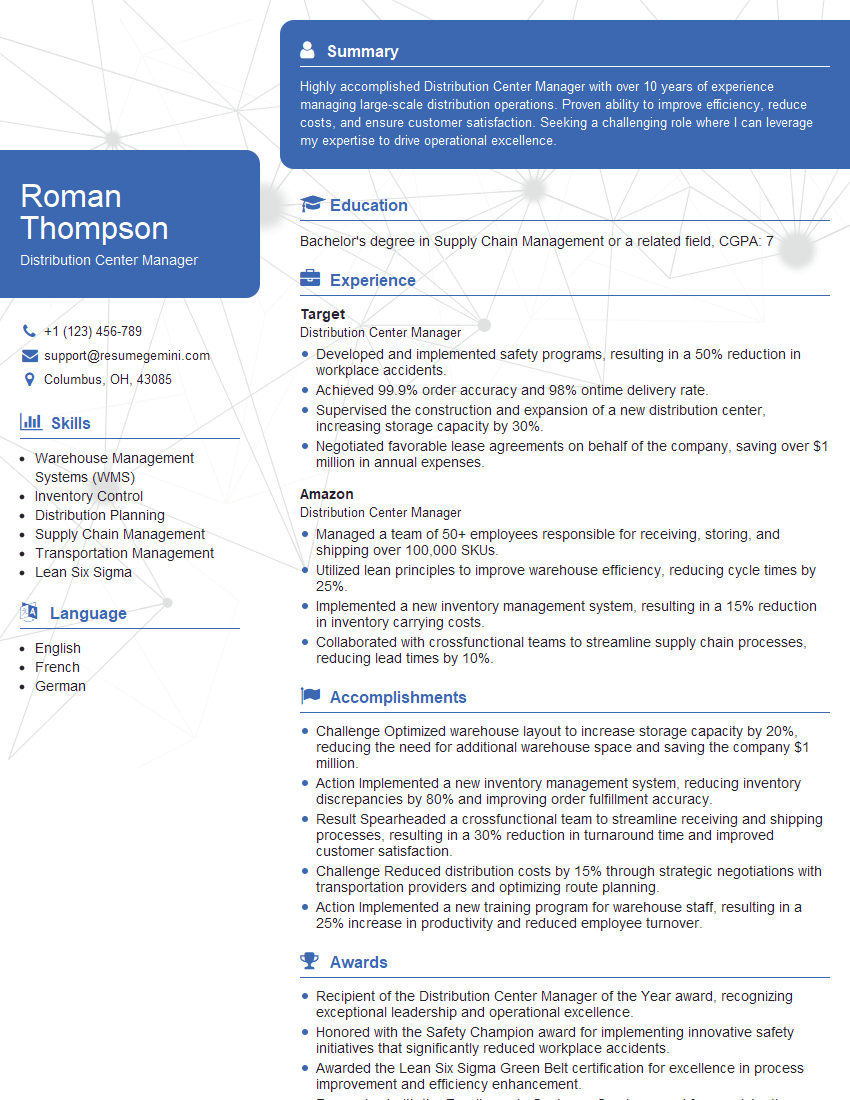
Distribution Center Manager Resume Sample
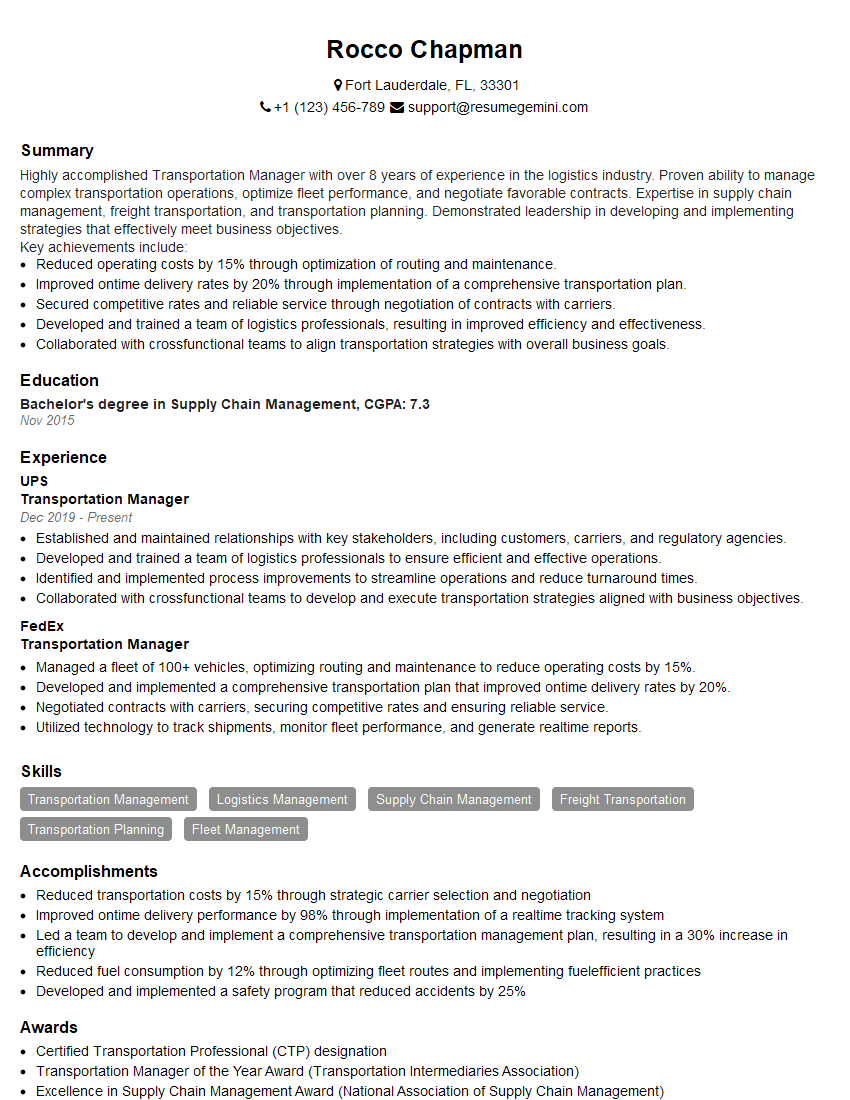
Transportation Manager Resume Sample
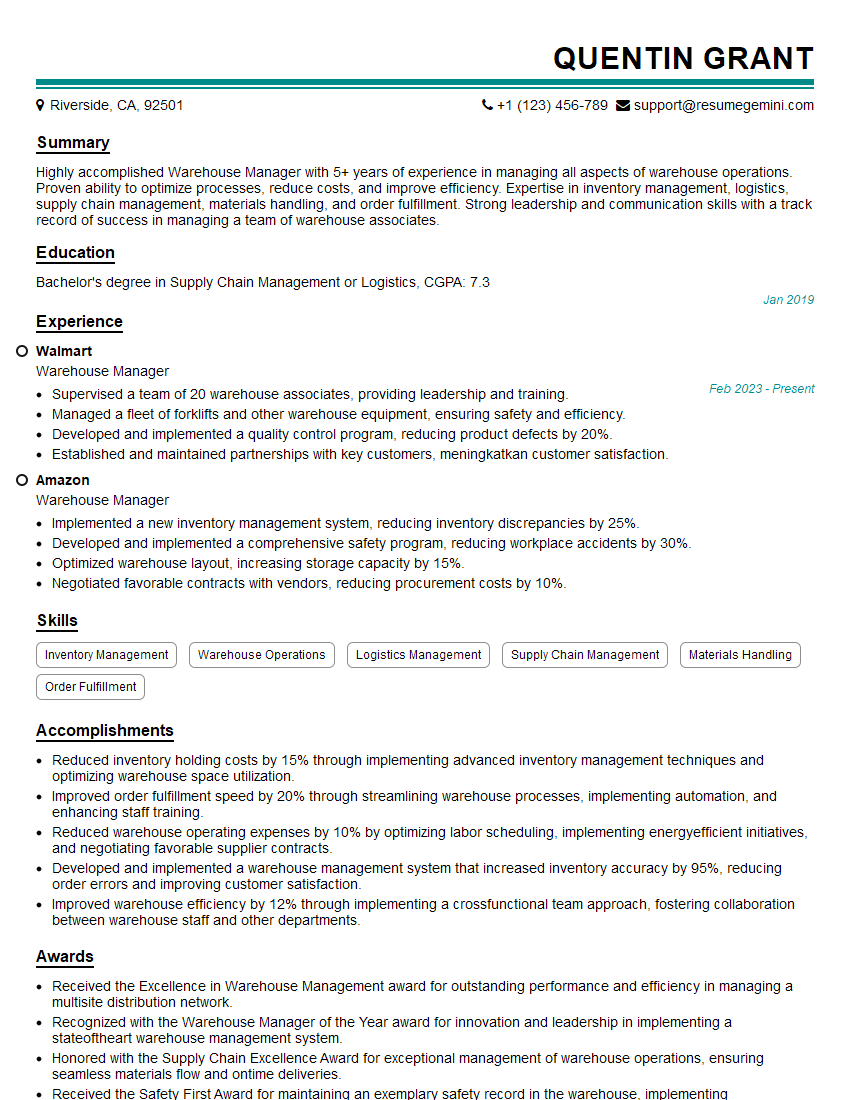
Warehouse Manager Resume Sample
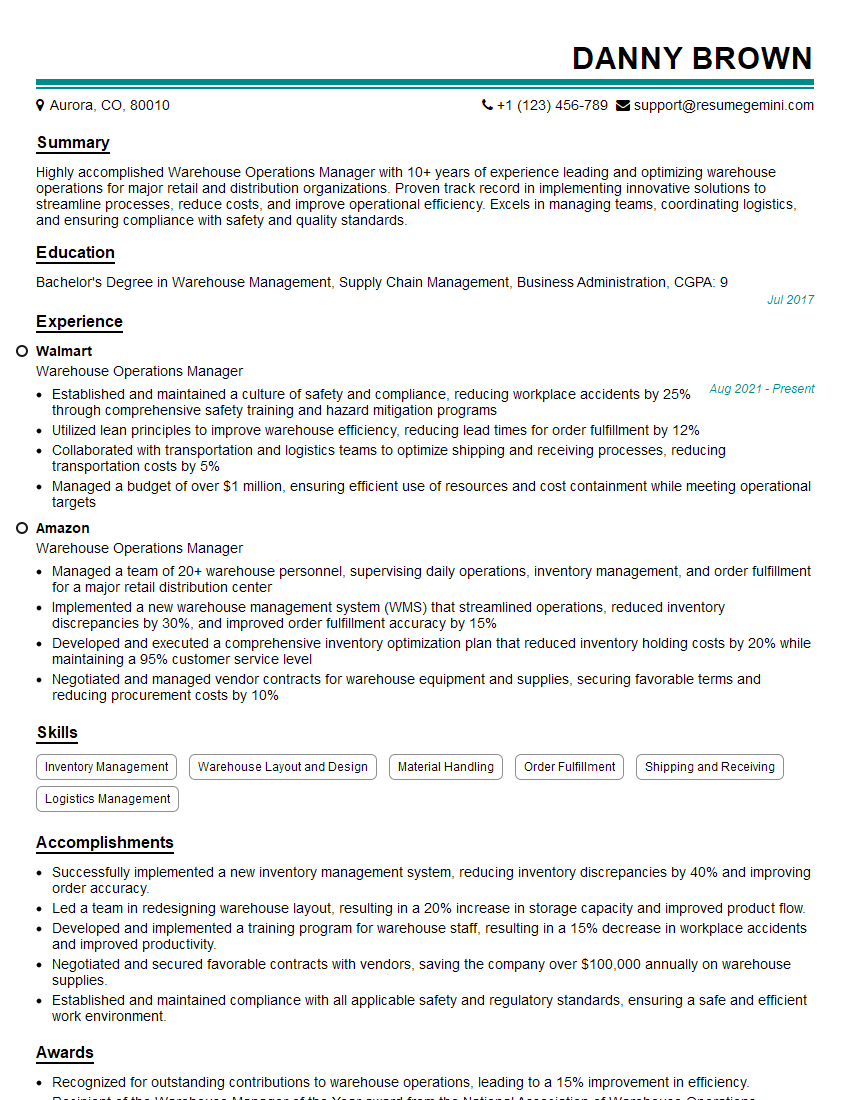
Warehouse Operations Manager Resume Sample
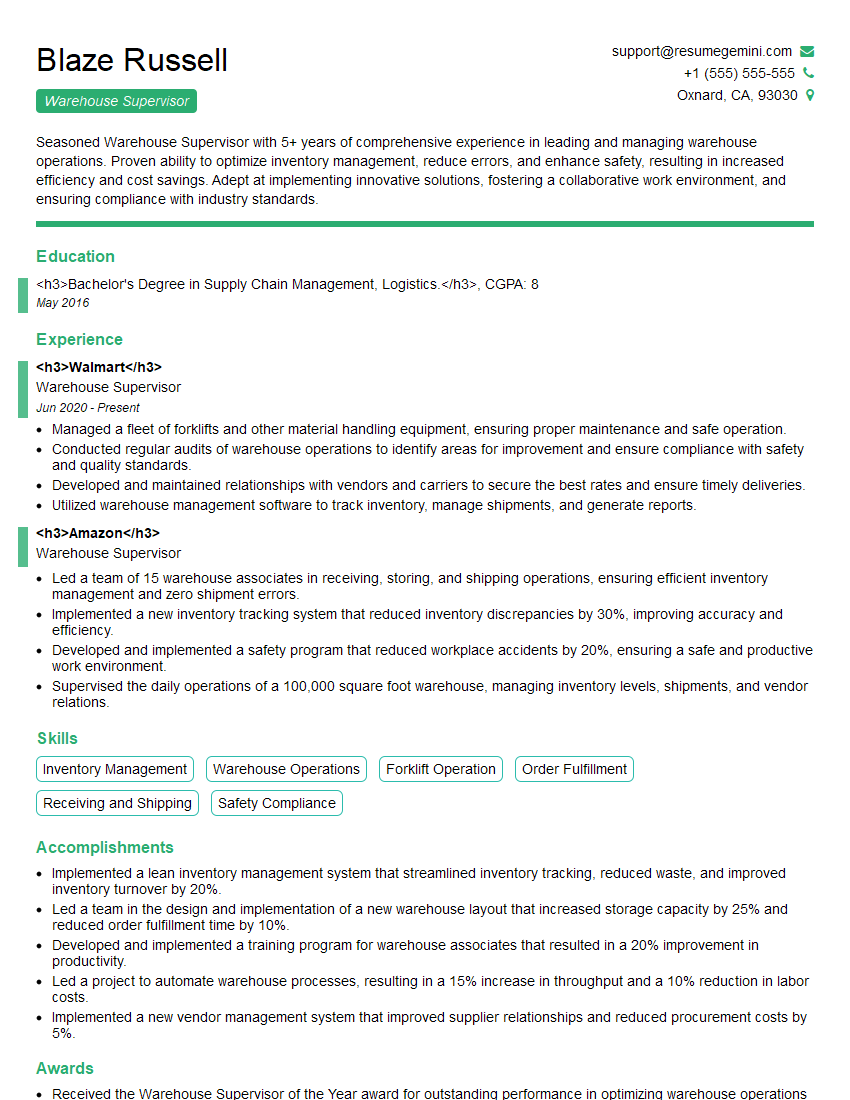
Warehouse Supervisor Resume Sample
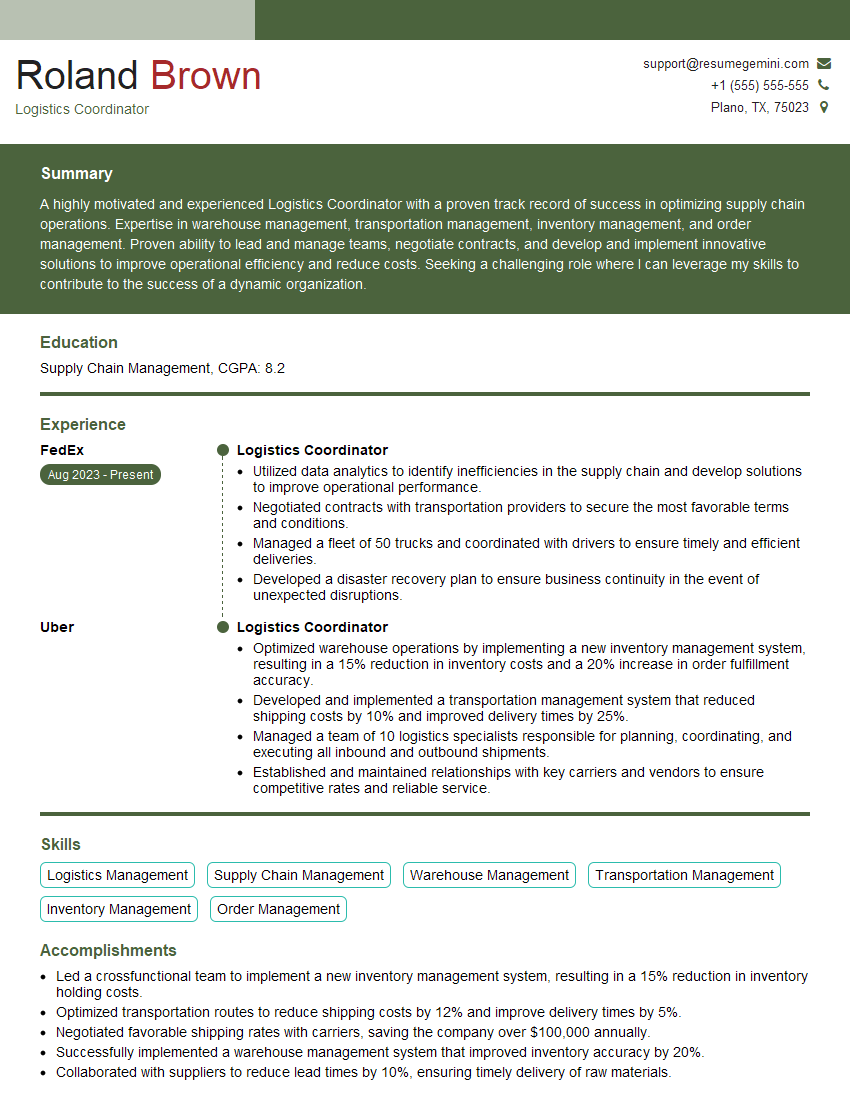
Logistics Coordinator Resume Sample
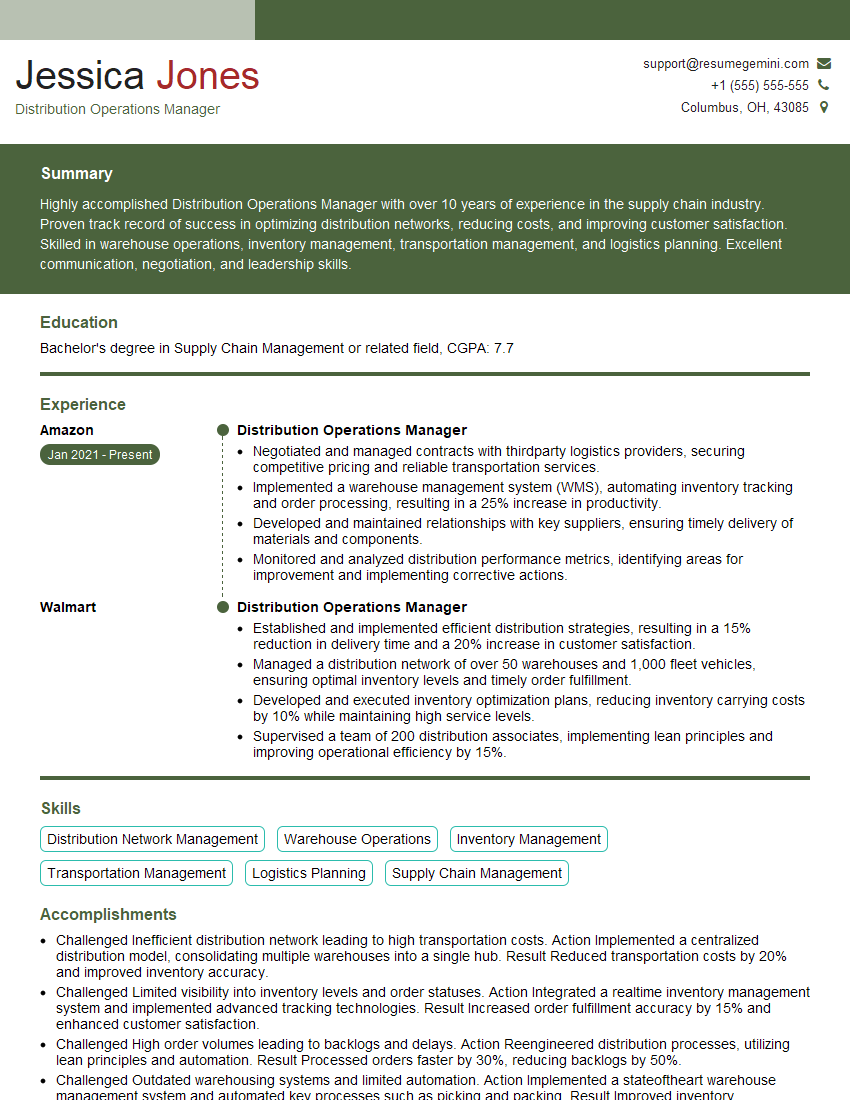
Distribution Operations Manager Resume Sample
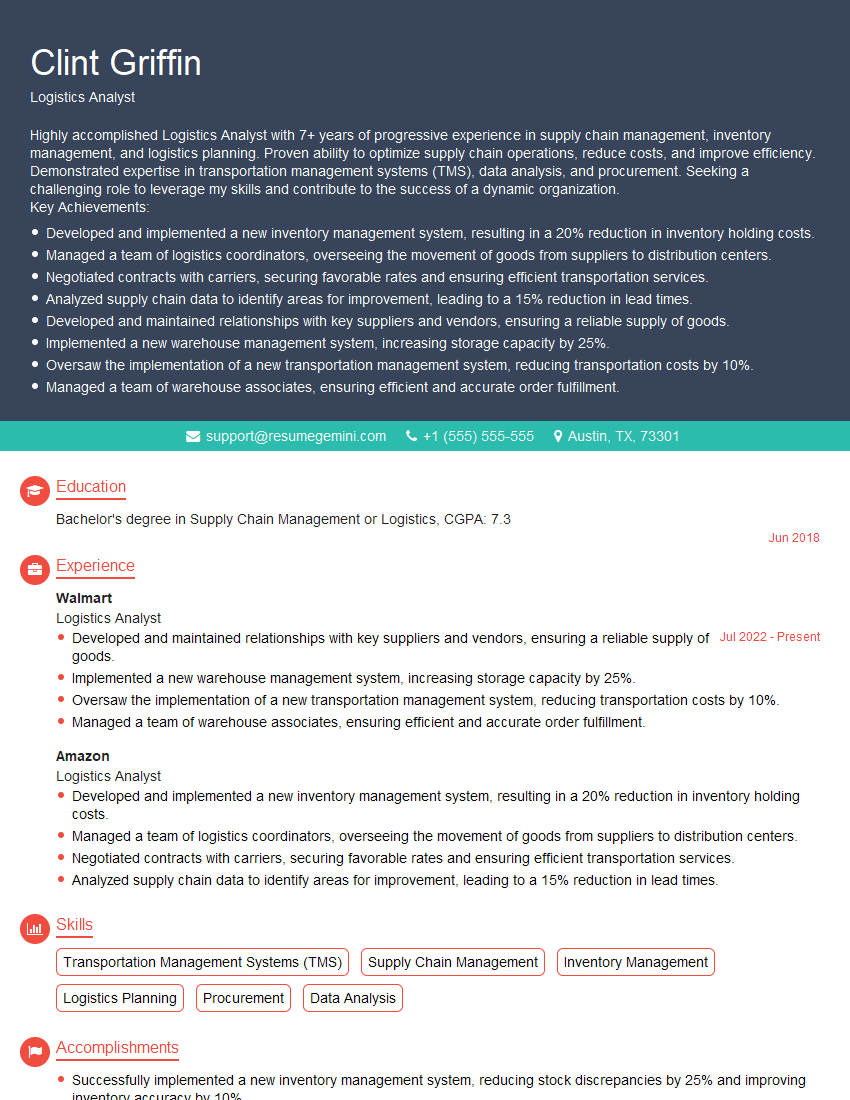
Logistics Analyst Resume Sample
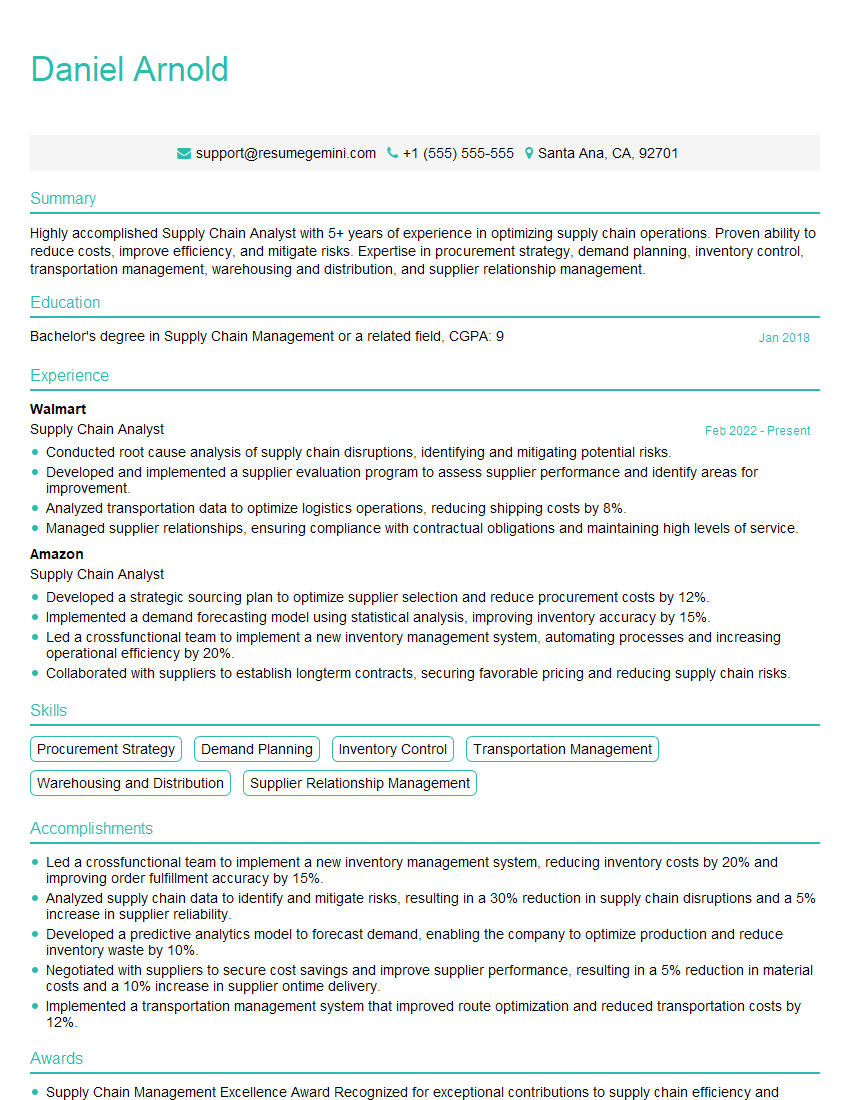
Supply Chain Analyst Resume Sample
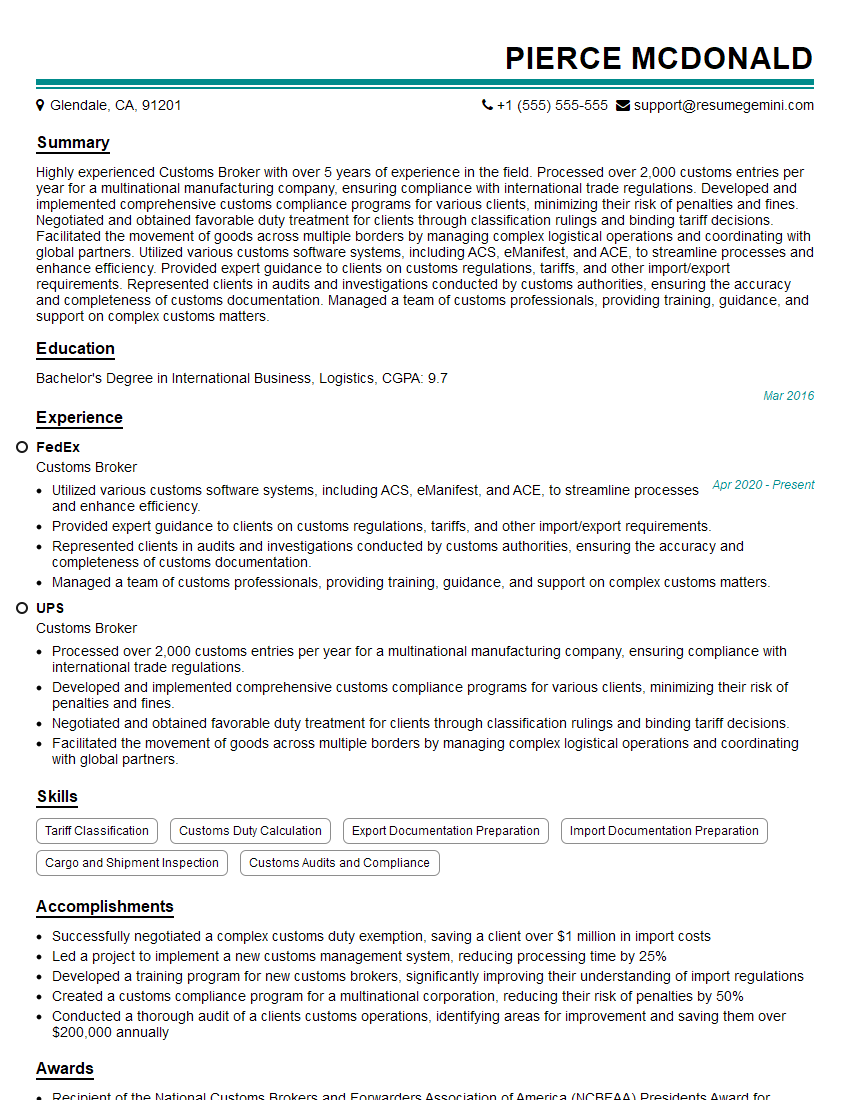
Customs Broker Resume Sample
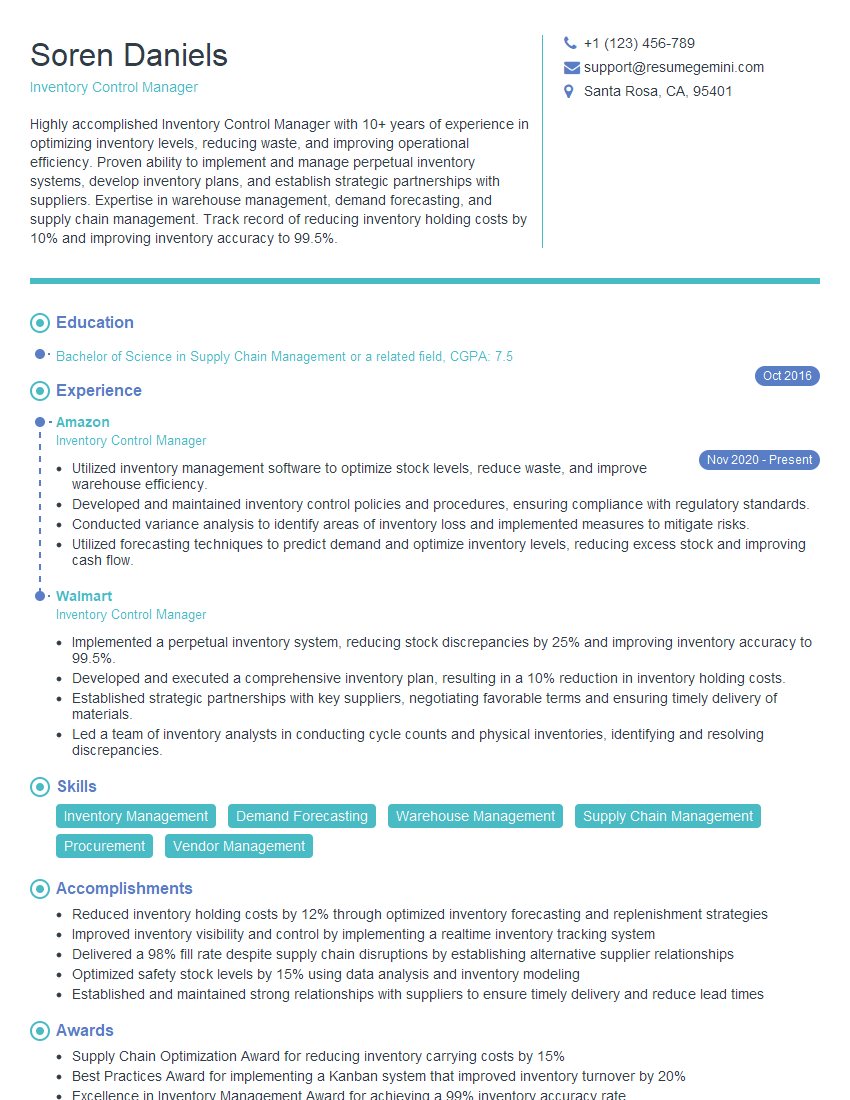
Inventory Control Manager Resume Sample
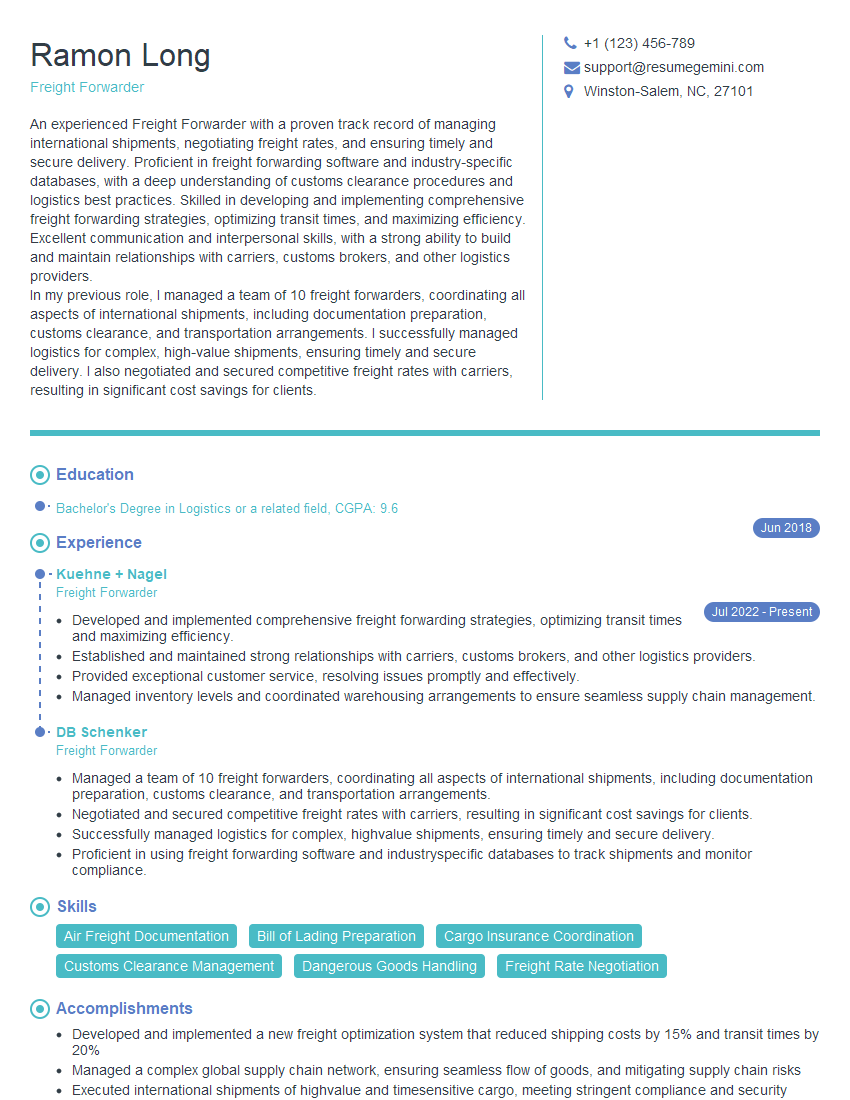
Freight Forwarder Resume Sample
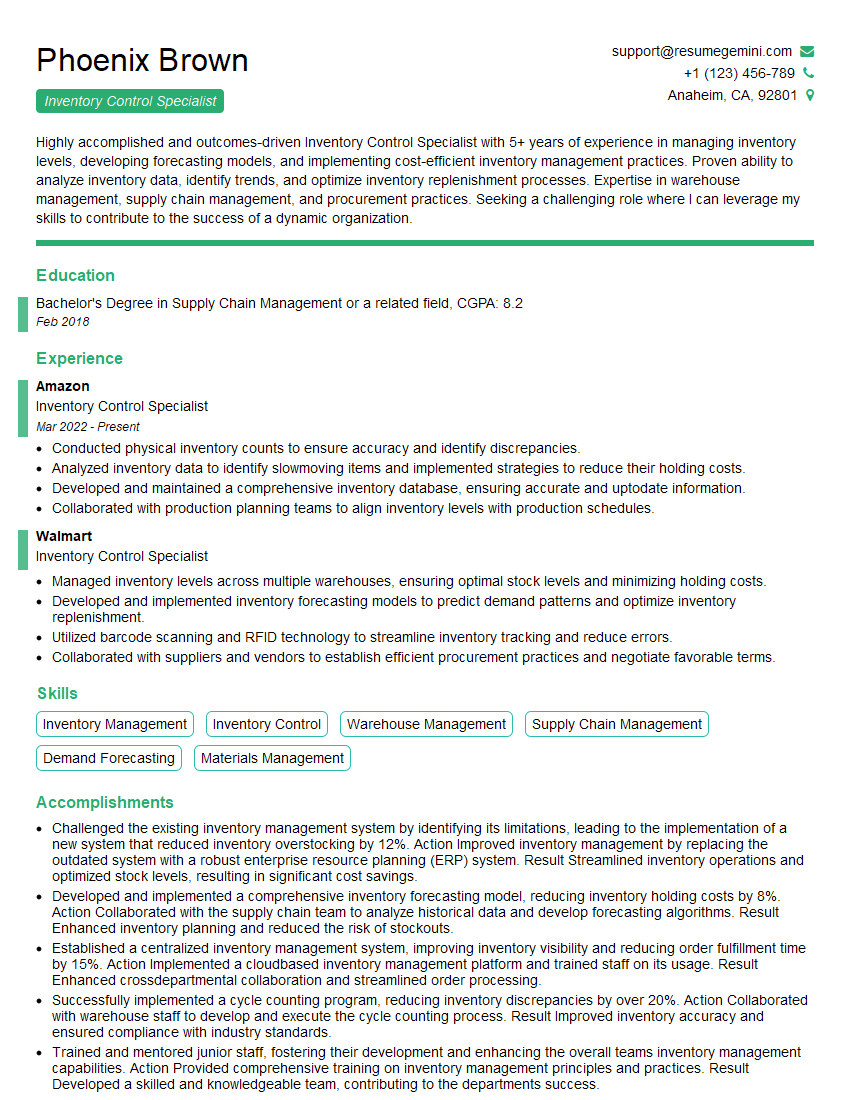
Inventory Control Specialist Resume Sample

Shipping and Receiving Clerk Resume Sample
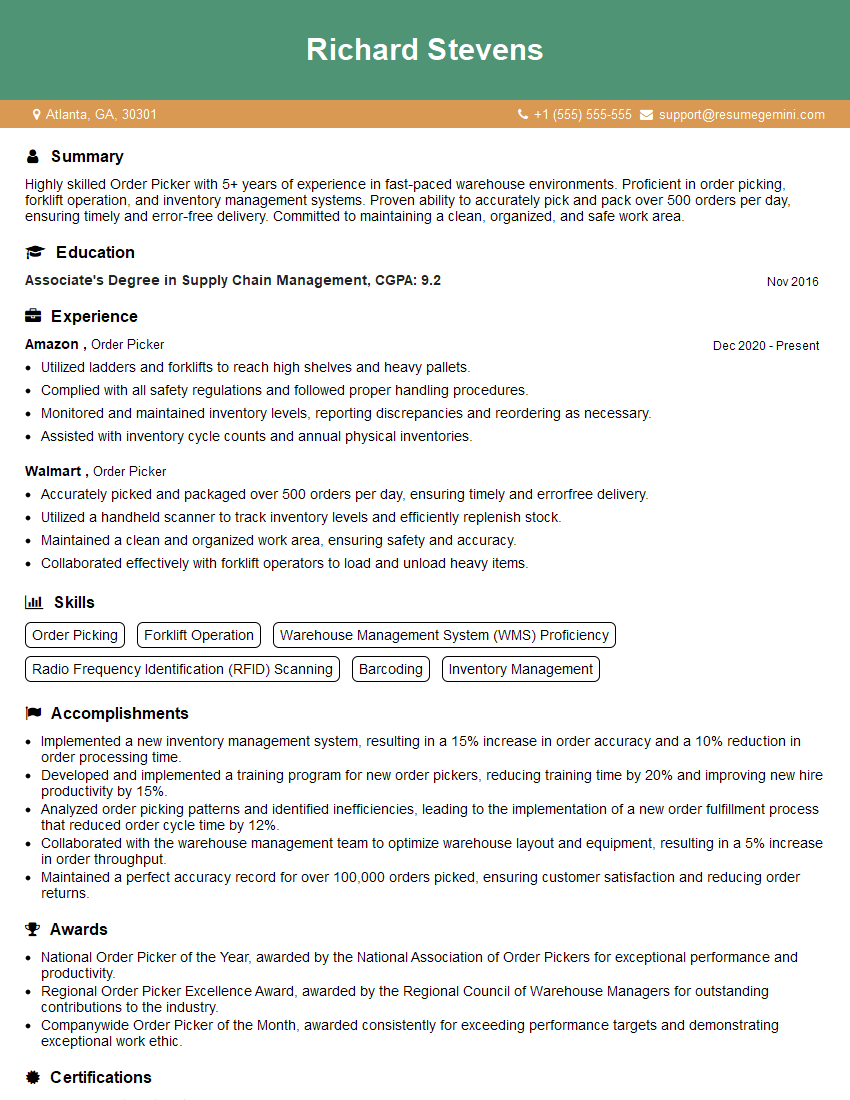
Order Picker Resume Sample
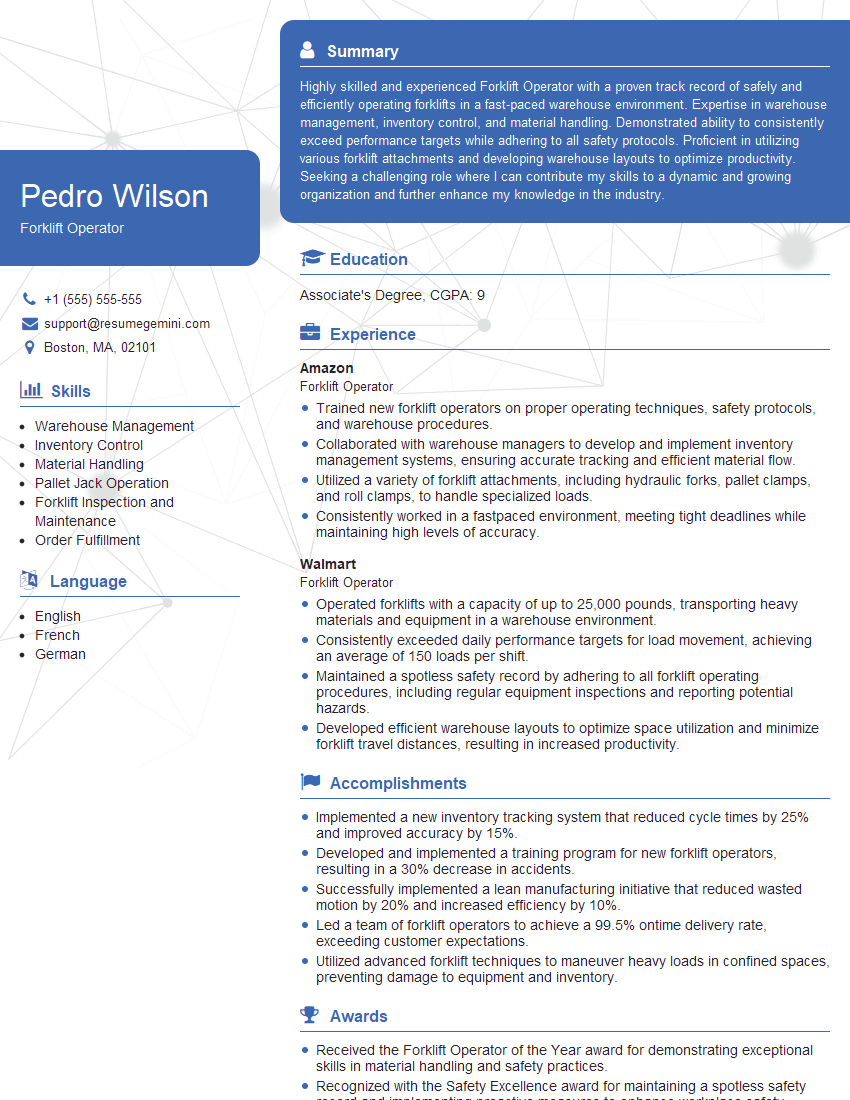
Forklift Operator Resume Sample
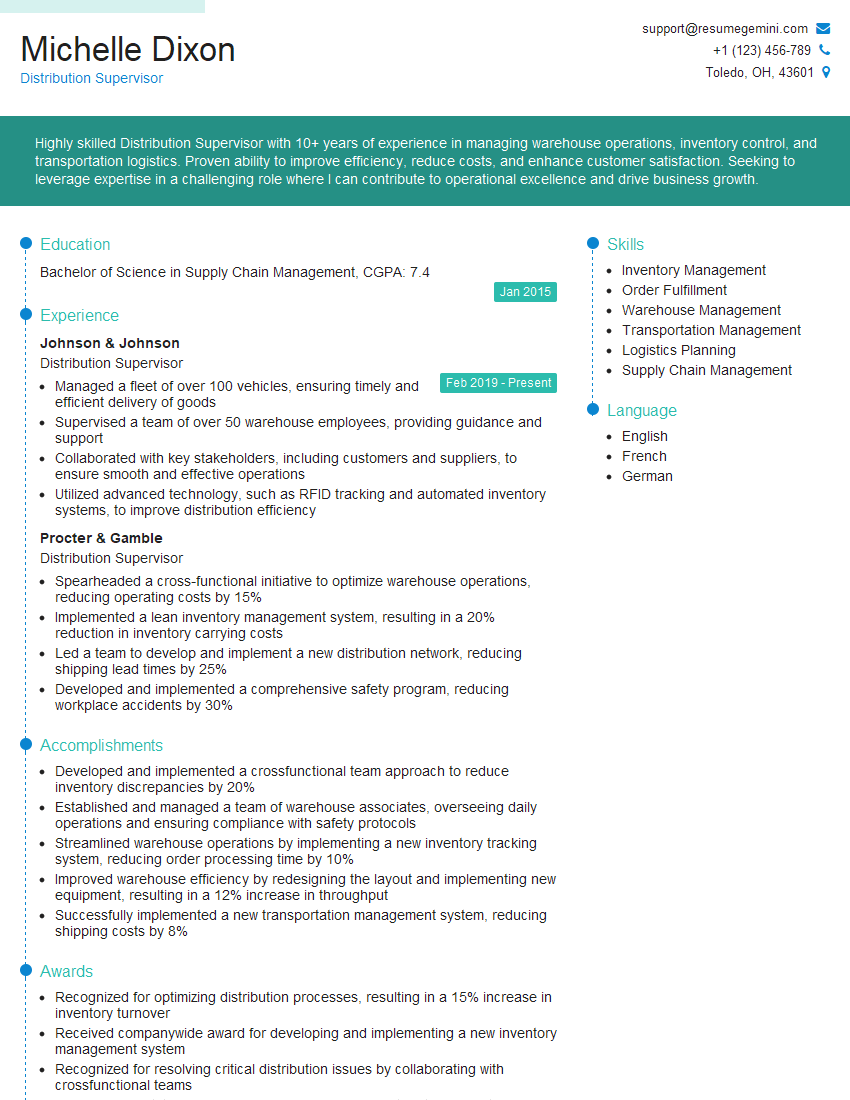
Distribution Supervisor Resume Sample
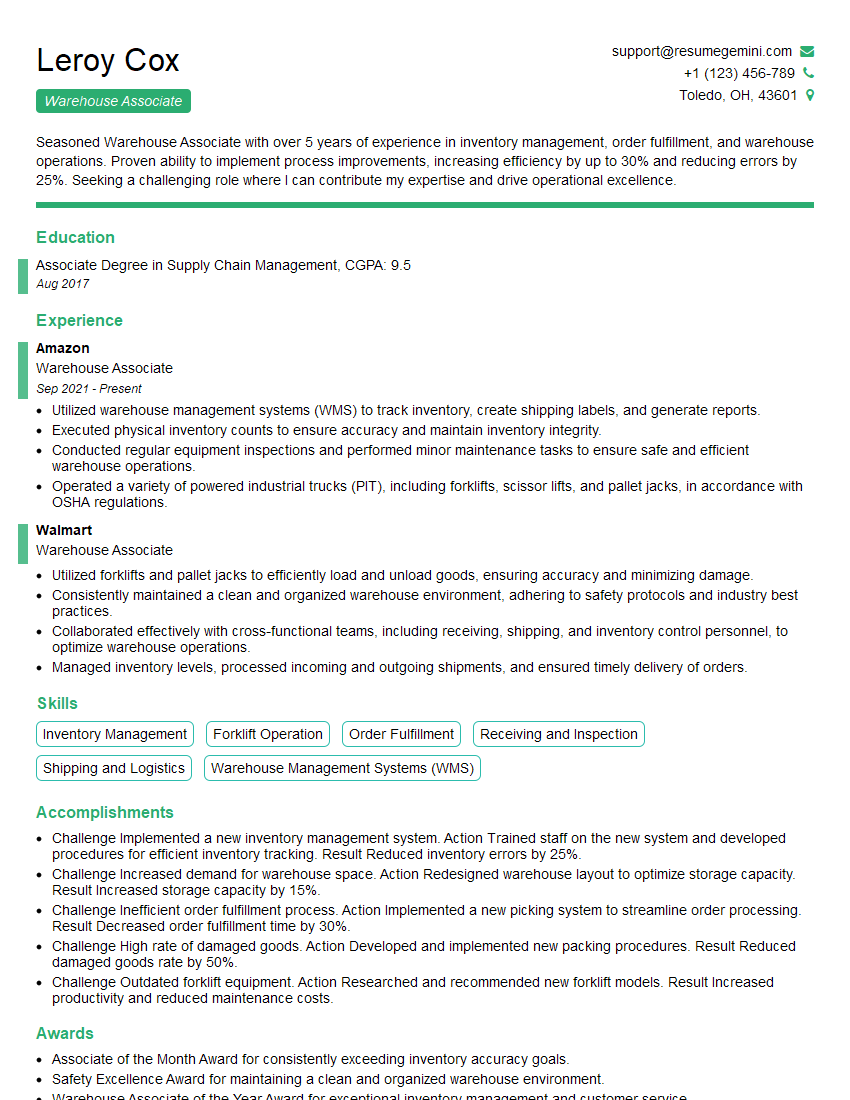
Warehouse Associate Resume Sample
- Demand Planner
- Supply Chain Manager
- Distribution Center Manager
- Transportation Manager
- Warehouse Manager
- Warehouse Operations Manager
- Warehouse Supervisor
- Logistics Coordinator
- Distribution Operations Manager
- Logistics Analyst
- Supply Chain Analyst
- Customs Broker
- Inventory Control Manager
- Freight Forwarder
- Inventory Control Specialist
- Shipping and Receiving Clerk
- Order Picker
- Forklift Operator
- Distribution Supervisor
- Warehouse Associate
Explore more articles
Users Rating of Our Blogs
Share Your Experience
We value your feedback! Please rate our content and share your thoughts (optional).
What Readers Say About Our Blog
Very informative content, great job.
good