Are you ready to stand out in your next interview? Understanding and preparing for Experience in working with clients from various industries interview questions is a game-changer. In this blog, we’ve compiled key questions and expert advice to help you showcase your skills with confidence and precision. Let’s get started on your journey to acing the interview.
Questions Asked in Experience in working with clients from various industries Interview
Q 1. Describe your experience managing clients across different industries.
My experience spans diverse sectors, including technology, healthcare, finance, and non-profit organizations. This broad exposure has taught me the importance of adapting my communication and project management styles to suit each industry’s unique culture and priorities. For instance, in the tech sector, projects often involve rapid iteration and a high tolerance for risk, demanding agile methodologies. Conversely, the healthcare industry prioritizes rigorous compliance and risk mitigation, necessitating meticulous documentation and adherence to regulations. I’ve successfully managed projects involving software development for fintech companies, branding campaigns for healthcare providers, and fundraising strategies for charitable organizations, demonstrating my adaptability and consistent ability to deliver exceptional results across varied contexts.
Q 2. How do you identify and prioritize client needs?
Identifying and prioritizing client needs involves a multi-faceted approach. It begins with active listening during initial consultations and ongoing communication. I employ a combination of techniques, including:
- Needs Assessment Surveys/Questionnaires: These provide a structured way to gather comprehensive information about client goals and challenges.
- Stakeholder Interviews: Talking to key decision-makers and end-users helps uncover both explicit and implicit needs.
- Prioritization Matrix: I use a matrix to rank needs based on urgency and impact, ensuring we focus on the most critical aspects first. This often involves weighting factors like budget constraints and project timelines.
- Regular Check-ins: Consistent communication throughout the project lifecycle keeps us aligned and allows for adjustments based on evolving requirements.
For example, when working with a healthcare client, I identified a need for improved patient engagement through a mobile app. Through interviews, we uncovered a secondary, even more crucial need: ensuring HIPAA compliance. Using the prioritization matrix, we allocated resources to address compliance first, laying a strong foundation for the app’s development.
Q 3. Explain your approach to resolving client conflicts.
My approach to resolving client conflicts is built on open communication, empathy, and a commitment to finding mutually beneficial solutions. I believe in addressing issues proactively rather than reactively. My strategy usually involves:
- Active Listening: Understanding the client’s perspective and concerns is paramount.
- Collaborative Problem-Solving: We work together to identify the root cause of the conflict and brainstorm solutions.
- Transparency and Honesty: Openly communicating progress, challenges, and potential setbacks builds trust.
- Documentation: Maintaining clear records of communication and agreements minimizes misunderstandings.
- Mediation (if necessary): In complex situations, involving a neutral third party can facilitate a resolution.
For example, a disagreement arose with a client about project scope. By actively listening to their concerns and explaining the implications of expanding the scope, we collaboratively redefined the project parameters, ensuring both client satisfaction and project feasibility.
Q 4. How do you build rapport with clients from diverse backgrounds?
Building rapport with clients from diverse backgrounds requires cultural sensitivity and adaptability. I focus on:
- Active Listening and Observation: Paying attention to verbal and non-verbal cues helps understand communication styles and preferences.
- Respectful Communication: Using inclusive language and adapting my communication style to match the client’s preference fosters trust.
- Cultural Awareness: Researching cultural norms and customs helps demonstrate respect and avoid unintentional offenses.
- Building Personal Connections: Finding common ground, showing genuine interest, and building personal connections beyond professional interactions are crucial.
For instance, when working with a client from a different culture, I took the time to understand their communication preferences, adapting my meeting style and ensuring all documentation was translated as needed. This proactive approach significantly strengthened our working relationship.
Q 5. Describe a time you had to manage a demanding client. What was your strategy?
I once worked with a client who was extremely demanding and prone to sudden changes in direction. My strategy involved:
- Setting Clear Expectations: We established a comprehensive project plan with clearly defined deliverables, timelines, and communication protocols.
- Regular Communication: Frequent updates and check-ins helped maintain transparency and address concerns promptly.
- Empathy and Patience: Understanding their underlying motivations, even when frustrated, helped to de-escalate tense situations.
- Professional Boundaries: While being responsive, I maintained professional boundaries, ensuring the project remained on track.
While it was challenging, by consistently maintaining open communication and managing expectations, I successfully navigated the situation and delivered a positive outcome. We ultimately built a strong working relationship, demonstrating the power of perseverance and effective communication.
Q 6. How do you handle client expectations that are unrealistic?
Handling unrealistic client expectations requires a delicate balance of empathy and firmness. My approach focuses on:
- Education and Reality Check: Explain the limitations and challenges associated with the expectation, offering alternative solutions.
- Collaboration and Compromise: Work with the client to find a mutually agreeable solution that aligns with project feasibility and resources.
- Transparency and Documentation: Clearly document agreed-upon changes and expectations to prevent future misunderstandings.
- Setting Boundaries: Politely, yet firmly, communicate limitations while offering suitable alternatives.
For instance, if a client expects a project to be completed significantly faster than is realistically possible, I’ll present a revised timeline with clear justifications, outlining the trade-offs and potential impacts of rushing the process. This approach helps manage expectations while preserving the client relationship.
Q 7. How do you measure the success of your client relationships?
I measure the success of client relationships using a combination of quantitative and qualitative metrics:
- Client Satisfaction Surveys: Regularly assessing client satisfaction provides valuable feedback on project outcomes and overall experience.
- Project Deliverables: Meeting project milestones and delivering high-quality results are key indicators of success.
- Client Retention: Repeat business is a strong indicator of positive client relationships and trust.
- Referrals: Clients willing to recommend my services are a testament to the strength of our relationship.
- Qualitative Feedback: Gathering feedback through informal conversations, reviewing project reviews and testimonials allows me to understand clients’ overall satisfaction.
A successful client relationship goes beyond merely completing projects; it’s about building long-term partnerships based on trust, mutual respect, and a shared commitment to achieving common goals. I strive to exceed client expectations, fostering strong relationships that translate into repeated business opportunities and positive referrals.
Q 8. What strategies do you use for client retention?
Client retention is the cornerstone of a successful business. It’s far more cost-effective to retain existing clients than to constantly acquire new ones. My strategy is multifaceted, focusing on building strong relationships, exceeding expectations, and proactively addressing potential issues.
Proactive Communication: I maintain regular contact with clients, not just when there’s a problem. This could be through newsletters, project updates, or simply a check-in call to see how things are going. This keeps them engaged and feeling valued.
Personalized Service: I strive to understand each client’s unique needs and tailor my services accordingly. This goes beyond simply meeting their stated requirements; it’s about anticipating their needs and providing solutions before they even realize they need them. For example, I once noticed a client’s website traffic was declining and proactively suggested an SEO audit, resulting in a significant improvement in their online visibility.
Feedback and Improvement: I actively solicit client feedback and use it to continuously improve my services. This shows clients that their opinions matter and that I’m committed to providing the best possible experience. I also use feedback to identify areas where processes can be streamlined or improved.
Loyalty Programs/Incentives: Depending on the client and the nature of our relationship, I might offer loyalty programs or incentives to reward long-term partnerships. This could be a discounted rate for future projects or access to exclusive resources.
Q 9. How do you stay organized when managing multiple clients?
Managing multiple clients effectively requires a robust organizational system. I utilize a combination of tools and strategies to ensure I stay on top of everything. Think of it like conducting an orchestra – each instrument (client) needs careful attention, but the overall harmony depends on effective coordination.
Project Management Software: I rely heavily on project management software like Asana or Monday.com. These tools allow me to create and assign tasks, track progress, manage deadlines, and centralize communication for each client. This helps maintain transparency and accountability.
Dedicated Client Folders: For each client, I maintain a dedicated folder on my computer and in my cloud storage. This ensures all relevant documents, communications, and project files are easily accessible.
Calendar Management: I meticulously manage my calendar, scheduling dedicated time blocks for each client and ensuring sufficient buffer time for unexpected tasks or meetings. Color-coding helps me visualize my workload at a glance.
Regular Reviews: I conduct weekly or bi-weekly reviews to assess progress on all projects, identify potential roadblocks, and prioritize tasks. This proactive approach helps me prevent issues from escalating and ensures I’m always on track.
Q 10. Describe your experience with client onboarding processes.
Client onboarding is crucial for setting the stage for a successful working relationship. A smooth onboarding process minimizes misunderstandings and ensures everyone is on the same page from the start. My approach is systematic and collaborative.
Kick-off Meeting: I begin with a detailed kick-off meeting to discuss project goals, timelines, deliverables, and communication preferences. This meeting serves as a foundation for the entire project.
Documentation and Training: I provide comprehensive documentation and, where necessary, training on any relevant systems or processes. This empowers clients to be actively involved in the project.
Regular Check-ins: I schedule regular check-ins throughout the onboarding phase to address any questions or concerns. These check-ins also provide opportunities for feedback and course correction.
Clear Expectations: I clearly communicate expectations regarding timelines, deliverables, and communication protocols. This helps prevent misunderstandings and sets realistic expectations.
Q 11. How do you handle client feedback, both positive and negative?
Handling client feedback, both positive and negative, is essential for continuous improvement and maintaining strong relationships. I approach feedback as an opportunity for growth.
Positive Feedback: I acknowledge and appreciate positive feedback. I express my gratitude and use the feedback to reinforce positive behaviors and approaches.
Negative Feedback: I listen actively to negative feedback without getting defensive. I ask clarifying questions to understand the root cause of the dissatisfaction. I then work collaboratively with the client to develop a solution. For instance, if a client expresses concern about a delay, I’ll explain the reason, offer a revised timeline, and outline steps to prevent similar delays in the future.
Follow-up: Regardless of the nature of the feedback, I always follow up with the client to ensure the issue has been resolved to their satisfaction.
Q 12. What software or tools do you use to manage client relationships?
I utilize a variety of software and tools to manage client relationships, depending on the specific needs of the project and client. These tools help me streamline communication, track progress, and maintain a centralized repository of information.
CRM (Customer Relationship Management): I use a CRM like Salesforce or HubSpot to manage contact information, track interactions, and manage client communication history.
Project Management Software: As mentioned earlier, tools like Asana or Monday.com are vital for managing projects and tasks.
Communication Platforms: I leverage email, instant messaging (Slack, Microsoft Teams), and video conferencing (Zoom, Google Meet) for efficient communication.
Cloud Storage: Cloud storage services like Google Drive or Dropbox are used for secure storage and sharing of documents and files.
Q 13. How do you adapt your communication style to different clients?
Adapting my communication style is crucial for building rapport and trust with diverse clients. I believe in being a chameleon, not in the sense of being inauthentic, but in understanding and mirroring effective communication styles.
Active Listening: I pay close attention to how clients communicate – their tone, language, and preferred communication channels. This helps me tailor my communication to their style.
Clarity and Conciseness: Regardless of the client, I prioritize clear and concise communication, avoiding jargon and technical terms that they might not understand.
Formality vs. Informality: I adjust the level of formality based on the client’s preference and our relationship. Some clients prefer a more formal approach, while others prefer a more casual and collaborative tone.
Communication Channels: I use the communication channels that the client prefers, whether it’s email, phone, video conferencing, or instant messaging.
Q 14. Describe a time you exceeded a client’s expectations.
I once worked with a small startup that was struggling to establish their brand identity. They had a great product, but their marketing was inconsistent and ineffective. I exceeded their expectations by not only developing a comprehensive marketing strategy but also taking the initiative to connect them with a talented graphic designer I knew. This resulted in a visually stunning brand identity that perfectly captured their unique essence.
The result? Their brand awareness soared, leading to a significant increase in sales and brand recognition within their niche market. This wasn’t just about completing the project; it was about identifying an unmet need and proactively finding a solution, ultimately going beyond the scope of our initial agreement. It solidified our working relationship and built trust, proving that my commitment extends beyond just fulfilling contractual obligations.
Q 15. How do you identify potential risks or challenges in client relationships?
Identifying potential risks and challenges in client relationships requires a proactive and multi-faceted approach. It’s not just about reacting to problems; it’s about anticipating them. I begin by thoroughly understanding the client’s business, their industry landscape, and their specific project goals. This involves asking probing questions during initial consultations and throughout the project lifecycle.
- Communication Style Mismatches: I assess how well our communication styles align. For example, a client who prefers highly detailed, written reports might clash with a team that prioritizes quick, verbal updates. This potential conflict needs careful management.
- Unrealistic Expectations: I look for signs of unrealistic timelines or budget constraints. Early identification allows for open and honest discussions to set realistic expectations.
- Scope Creep: This is a constant threat. I establish clear project scopes and change management processes from the outset, making it clear how additional requests will be handled (e.g., through change orders).
- Internal Client Conflicts: Sometimes, different stakeholders within a client organization have conflicting priorities. Identifying these potential conflicts early allows for proactive mitigation strategies.
By actively listening, observing, and documenting, I build a risk register – a living document that is constantly updated throughout the project. This register helps prioritize and address potential challenges before they escalate.
Career Expert Tips:
- Ace those interviews! Prepare effectively by reviewing the Top 50 Most Common Interview Questions on ResumeGemini.
- Navigate your job search with confidence! Explore a wide range of Career Tips on ResumeGemini. Learn about common challenges and recommendations to overcome them.
- Craft the perfect resume! Master the Art of Resume Writing with ResumeGemini’s guide. Showcase your unique qualifications and achievements effectively.
- Don’t miss out on holiday savings! Build your dream resume with ResumeGemini’s ATS optimized templates.
Q 16. How do you proactively address client needs before they become problems?
Proactively addressing client needs is crucial for building strong, long-lasting relationships. This involves more than just reacting to requests; it’s about anticipating them and offering solutions before the client even realizes there’s a problem.
- Regular Check-ins: I schedule regular check-in calls or meetings to discuss progress, address any concerns, and proactively seek feedback. This keeps communication open and prevents small issues from becoming major problems.
- Value-Added Services: I frequently look for opportunities to provide additional value beyond the initial project scope. This could include sharing relevant industry insights, offering helpful resources, or proactively suggesting process improvements.
- Data-Driven Insights: Where appropriate, I use data and analytics to identify potential areas of improvement or risk within the client’s operations. Presenting these insights proactively demonstrates my understanding of their business and strengthens their confidence in our partnership.
- Personalized Communication: I tailor my communication style to each client, ensuring that they receive updates and information in a format and frequency that they find most helpful.
For example, one client in the healthcare industry was struggling with patient retention. By analyzing their data, I identified key areas for improvement and proactively offered recommendations, strengthening their retention rate and cementing our partnership.
Q 17. What is your approach to negotiating contracts with clients?
Negotiating contracts requires a collaborative and transparent approach. My goal is to create a win-win scenario for both parties. I start by thoroughly understanding the client’s needs and expectations and aligning them with our capabilities and pricing structure.
- Clear Communication: Open and honest communication is paramount. I clearly explain all aspects of the contract, including terms, conditions, and deliverables.
- Flexibility and Compromise: I approach negotiations with a willingness to compromise and find mutually acceptable solutions. I am prepared to make concessions where appropriate, but also to stand firm on key principles.
- Legal Review: I always ensure that contracts are reviewed by legal counsel to protect both the client’s and our interests.
- Documentation: Everything is meticulously documented, from initial discussions to final agreements. This ensures clarity and minimizes the risk of misunderstandings.
For example, I once negotiated a contract where the client had a tight budget. By offering a phased approach to the project, we were able to deliver value incrementally, addressing their budget concerns while still achieving their project goals.
Q 18. Describe your experience with client presentations and reporting.
Client presentations and reporting are integral to maintaining transparency and demonstrating progress. My approach focuses on clarity, visual appeal, and actionable insights.
- Tailored Presentations: I customize presentations to the specific audience and their level of technical expertise. This ensures that the information is easily understood and relevant.
- Data Visualization: I use charts, graphs, and other visual aids to present data in a clear and engaging way. This makes complex information easier to digest.
- Actionable Insights: My reports go beyond simply presenting data; they offer actionable insights and recommendations based on the findings. This helps clients make informed decisions.
- Interactive Elements: Where appropriate, I incorporate interactive elements into my presentations to encourage engagement and participation.
In a recent project for a retail client, I presented sales data using interactive dashboards, allowing the client to explore different scenarios and identify opportunities for improvement. This interactive approach was much more effective than a static report.
Q 19. How do you manage client expectations regarding project timelines and deliverables?
Managing client expectations is crucial for successful project delivery. I achieve this through clear communication, realistic planning, and proactive problem-solving.
- Realistic Planning: I work collaboratively with clients to develop realistic project timelines and deliverables that account for potential challenges and unforeseen circumstances.
- Regular Updates: I provide regular updates on project progress, highlighting achievements and addressing any delays proactively. This keeps the client informed and prevents misunderstandings.
- Change Management Process: I establish a clear change management process to handle requests for modifications to the project scope. This prevents scope creep and ensures that everyone understands the implications of changes.
- Contingency Planning: I develop contingency plans to address potential risks and delays. This demonstrates preparedness and builds client confidence.
For a software development project, I used Agile methodologies to manage client expectations. By delivering working software in short sprints, I was able to get regular feedback from the client and make adjustments as needed, ensuring the final product met their evolving needs.
Q 20. How do you handle confidential client information?
Confidentiality is paramount. I adhere to strict protocols to protect client information. This includes:
- Non-Disclosure Agreements (NDAs): I ensure that appropriate NDAs are in place before commencing work on any project involving sensitive information.
- Secure Data Storage: Client data is stored securely using encrypted systems and password-protected access controls.
- Data Minimization: I only collect and retain the minimum amount of client data necessary to perform my work.
- Access Control: Access to client data is restricted to authorized personnel only.
- Compliance with Regulations: I comply with all relevant data protection regulations (e.g., GDPR, CCPA).
I take data security extremely seriously, understanding that breaches can have significant consequences for both the client and my organization. Maintaining confidentiality is a core value that underpins all my client interactions.
Q 21. How do you build trust and credibility with your clients?
Building trust and credibility with clients is a continuous process built on competence, integrity, and communication.
- Demonstrate Expertise: I consistently deliver high-quality work that meets or exceeds client expectations. This demonstrates my competence and builds confidence.
- Transparency and Honesty: I am always transparent and honest in my dealings with clients, even when delivering difficult news. This builds trust and fosters open communication.
- Active Listening: I actively listen to clients’ concerns and needs, showing them that their perspectives are valued. This builds rapport and strengthens relationships.
- Consistent Follow-Through: I always follow through on my commitments, demonstrating reliability and accountability. This reinforces trust and builds a reputation for dependability.
- Seek Feedback: I actively solicit feedback from clients to continuously improve my services and demonstrate a commitment to exceeding expectations.
For instance, my consistent proactive communication and problem-solving approach on a challenging project significantly strengthened a client relationship. Going the extra mile in finding creative solutions to overcome unforeseen roadblocks ultimately earned their trust and secured future engagements.
Q 22. Describe your experience with cross-functional collaboration to serve clients.
Cross-functional collaboration is crucial for delivering exceptional client service. It involves bringing together individuals from different departments – marketing, sales, engineering, etc. – to work towards a common goal: client success. My experience spans numerous projects where I’ve acted as a central point of contact, coordinating efforts between teams to ensure seamless execution and alignment with client needs.
For instance, in a recent project with a healthcare client, we needed to integrate a new data analytics platform into their existing system. This required collaboration between our development team, our data science team, and the client’s IT department. I facilitated regular meetings, managed communication, and ensured everyone was aligned on timelines, deliverables, and expectations. This collaborative approach led to a successful project launch and strong client satisfaction. Another example involved a marketing campaign for a fintech company, where I worked closely with designers, copywriters, and digital marketers to create a cohesive and effective strategy that exceeded client expectations.
- Regular meetings: Keeping everyone informed and aligned.
- Clear communication channels: Ensuring timely and effective information sharing.
- Shared project management tools: Facilitating collaboration and tracking progress.
Q 23. How do you leverage technology to improve client experience?
Technology is essential for enhancing the client experience. I leverage various tools and platforms to streamline communication, provide personalized support, and deliver exceptional service.
For example, we utilize CRM software (more on that in a later answer) to centralize client information, track interactions, and manage projects efficiently. This allows me to access crucial data instantly and provide tailored solutions to client needs. We also employ project management software like Asana or Jira to ensure transparency and track progress on client projects. Clients can access dashboards to view updates, milestones, and deadlines, promoting trust and collaboration. Furthermore, incorporating self-service resources like FAQs and online knowledge bases empower clients to quickly find solutions to common issues, improving their overall experience. Finally, automated email campaigns and chatbots provide quick responses to client inquiries and streamline communication, freeing up time for more complex issues.
Q 24. Describe a time you had to make a difficult decision regarding a client.
In one instance, a long-standing client requested a significant change to their project scope halfway through the implementation phase. This change would have delayed other projects and potentially impacted our profitability. The decision was difficult because maintaining the client relationship was paramount, but agreeing to the change without careful consideration could have negative consequences.
My approach was to first understand the client’s rationale behind the change request. Then, I collaborated with my team to assess the impact of the requested changes on timelines, resources, and budget. We presented the client with various options, including a revised timeline, adjusted deliverables, and a transparent breakdown of the additional costs involved. Ultimately, we negotiated a compromise that addressed the client’s needs while mitigating the risks to our other projects and maintaining a positive relationship.
Q 25. How do you ensure consistent communication with clients?
Consistent communication is paramount for strong client relationships. I establish a clear communication plan from the outset, outlining preferred methods, frequency, and points of contact. This clarity prevents misunderstandings and ensures timely updates.
I typically use a multi-channel approach, including regular meetings (both in-person and virtual), email updates, project management software dashboards, and phone calls, as needed. For complex projects, I maintain a detailed communication log to track interactions and ensure accountability. I always prioritize clear, concise, and timely communication, adapting my style to suit each client’s preferences. Proactive communication, anticipating potential roadblocks and offering solutions, further strengthens the relationship and builds trust.
Q 26. How do you balance the needs of multiple clients with competing priorities?
Balancing multiple clients with competing priorities requires a strategic approach. I prioritize tasks based on urgency, deadlines, and the potential impact on each client. I utilize project management tools to effectively schedule and allocate resources across projects, ensuring that no client feels neglected. Transparent communication is crucial; I keep each client informed of my workload and estimated timelines, setting realistic expectations.
Prioritization is key. I use frameworks like Eisenhower Matrix (urgent/important) to categorize tasks and focus on high-impact activities first. Regular review of my workload and client schedules helps me proactively identify and address potential conflicts before they escalate. By proactively managing expectations and keeping open communication, I can successfully juggle multiple clients with varying needs and deadlines.
Q 27. How do you handle situations where client needs conflict with company policy?
When client needs conflict with company policy, I approach the situation diplomatically and transparently. My first step is to fully understand the client’s needs and concerns. Then, I carefully explain the relevant company policy, highlighting its rationale and potential implications. I work collaboratively with the client to find mutually agreeable solutions that respect both their needs and our company’s guidelines.
Sometimes, compromise is required. For instance, if a client’s request violates a security policy, I might propose alternative solutions that meet their needs within the constraints of our security protocols. If a solution cannot be found, I explain the situation clearly, emphasizing the importance of adhering to company policy while still striving to find alternative ways to support the client. Open, honest communication is critical in navigating such challenging situations.
Q 28. Describe your experience with client relationship management (CRM) software.
I have extensive experience with various CRM software, including Salesforce, HubSpot, and Zoho CRM. These systems are invaluable for managing client interactions, tracking progress on projects, and centralizing client information.
I utilize CRM software to track all client communication, from initial contact to project completion and beyond. I input details like meeting notes, project updates, and any important discussions. This centralized system ensures consistent and accessible information for everyone on the team, minimizing the risk of missed information or conflicting details. I leverage CRM features such as reporting and analytics to identify trends in client interactions, understand client needs better, and improve service delivery. The data within the CRM allows me to personalize communications and tailor solutions to individual client preferences. For instance, I can use the data to segment clients and send targeted marketing materials or create customized reports based on their specific requirements.
Key Topics to Learn for Experience in working with clients from various industries Interview
- Understanding Diverse Client Needs: Learn to identify and articulate the unique requirements and expectations of clients across different industries (e.g., technology, healthcare, finance). Consider how industry-specific regulations or priorities influence client interactions.
- Adapting Communication Styles: Practice tailoring your communication approach to resonate with diverse client personalities and professional backgrounds. This includes understanding different communication preferences (e.g., formal vs. informal, direct vs. indirect).
- Managing Client Expectations: Develop strategies for proactively managing client expectations, setting realistic timelines and deliverables, and effectively addressing potential conflicts or challenges. This includes understanding the importance of clear and concise communication.
- Building Rapport and Trust: Explore techniques for building strong relationships with clients based on trust, mutual respect, and a commitment to exceeding expectations. Discuss the value of active listening and empathy.
- Problem-Solving Across Industries: Practice analyzing and resolving client issues by drawing on your experience and adapting your solutions to the specific context of the client’s industry and business goals. Highlight your ability to think critically and creatively.
- Leveraging Industry Knowledge: Demonstrate your understanding of common challenges and best practices in various industries relevant to your experience. This showcases your ability to apply broader knowledge to specific client situations.
- Demonstrating Value and ROI: Prepare examples showcasing how you’ve delivered measurable value and a positive return on investment for your clients across different industries. Quantify your accomplishments whenever possible.
Next Steps
Mastering your ability to articulate your experience working with diverse clients is crucial for career advancement. It demonstrates adaptability, problem-solving skills, and a client-centric approach – highly valued attributes in any professional field. To significantly boost your job prospects, create an ATS-friendly resume that highlights these skills effectively. ResumeGemini is a trusted resource that can help you build a professional and impactful resume. Examples of resumes tailored to showcasing experience with clients from various industries are available through ResumeGemini to help guide your own resume creation.
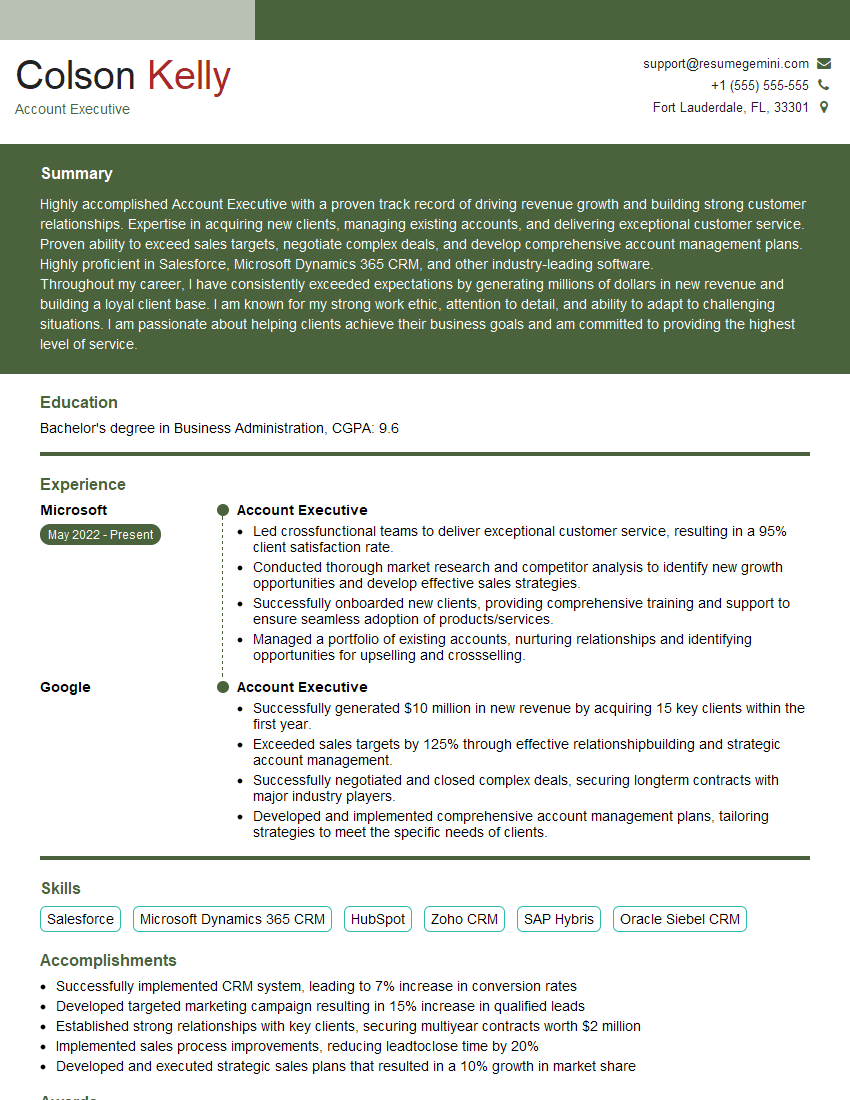
Account Executive Resume Sample
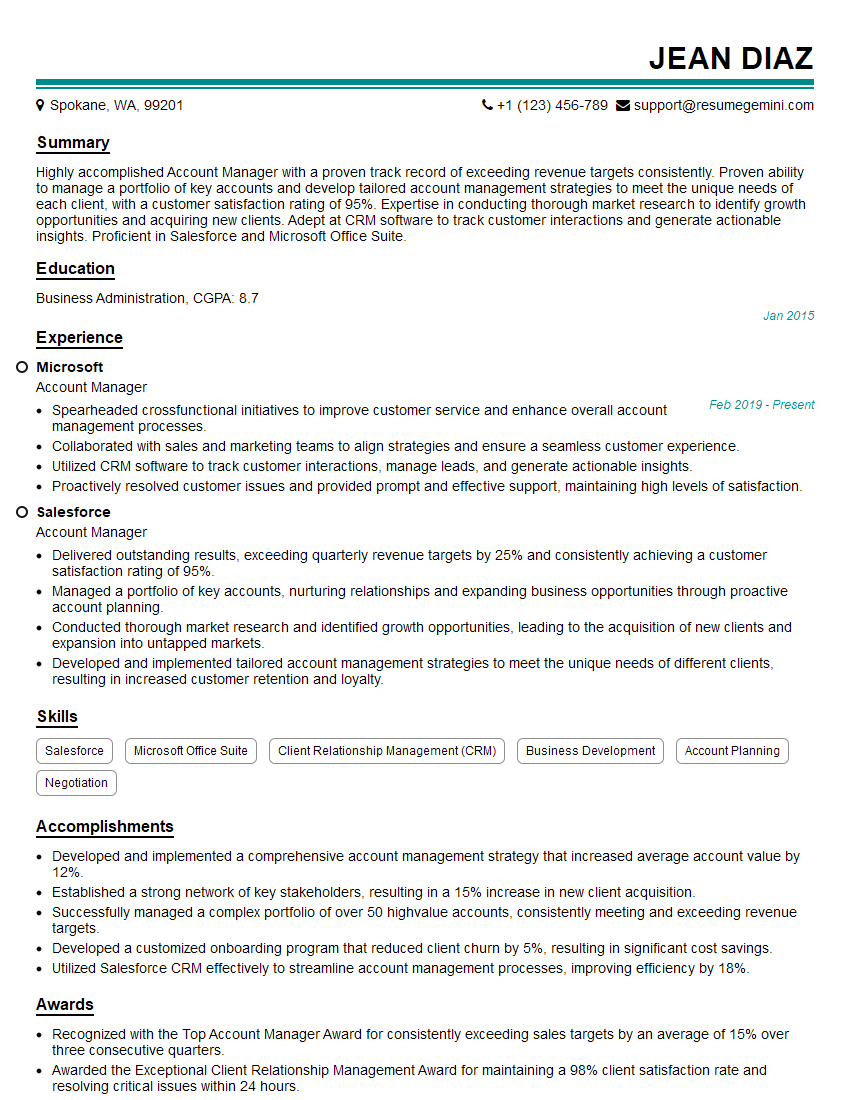
Account Manager Resume Sample
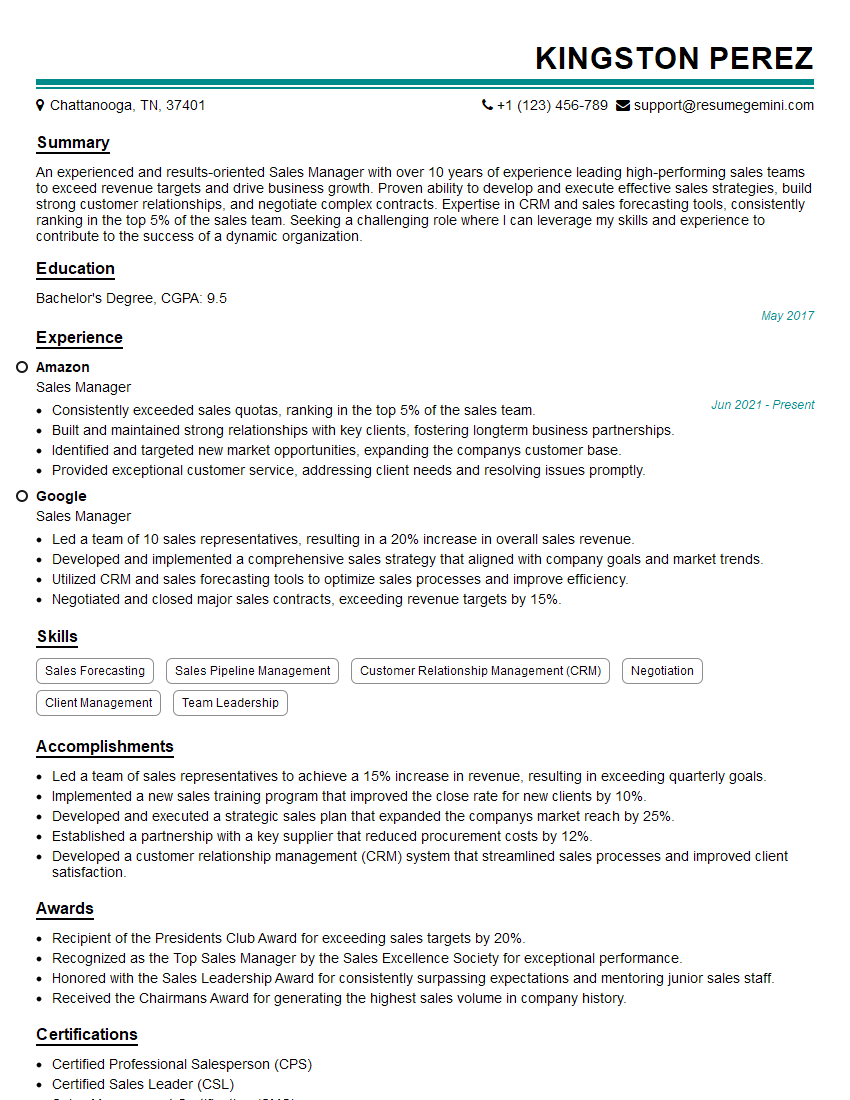
Sales Manager Resume Sample
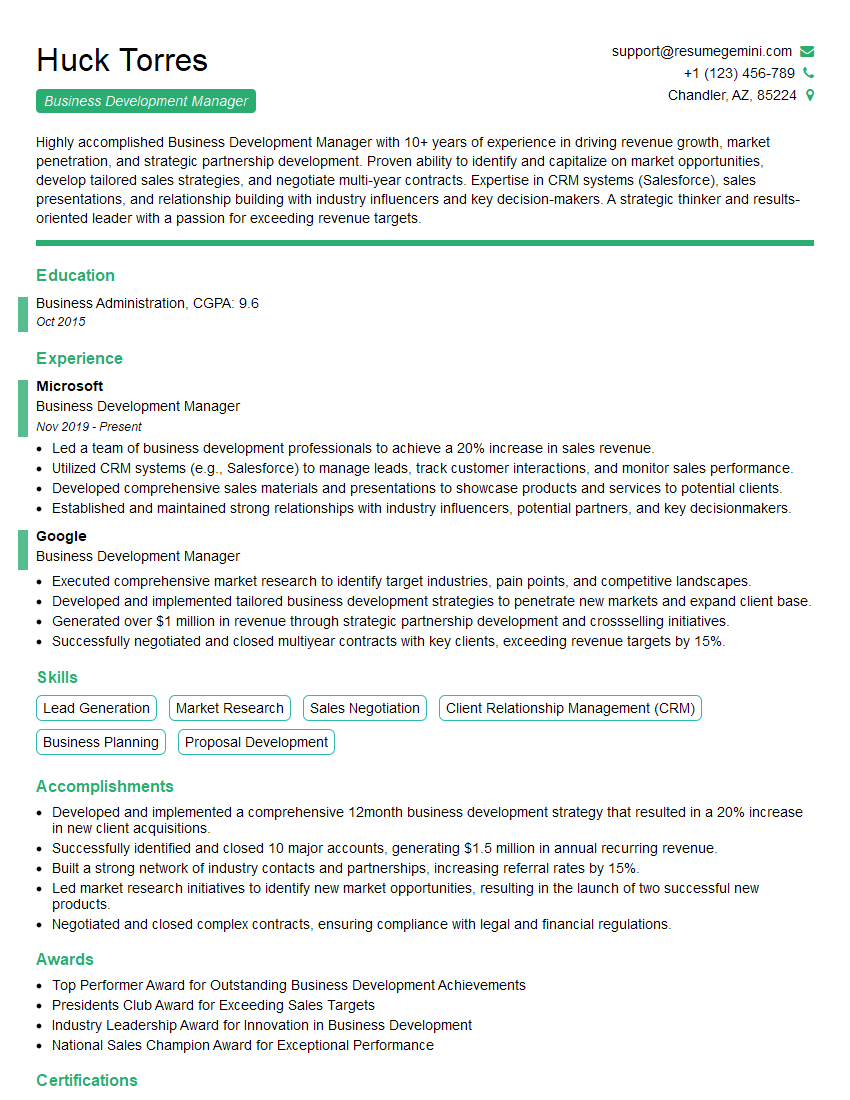
Business Development Manager Resume Sample
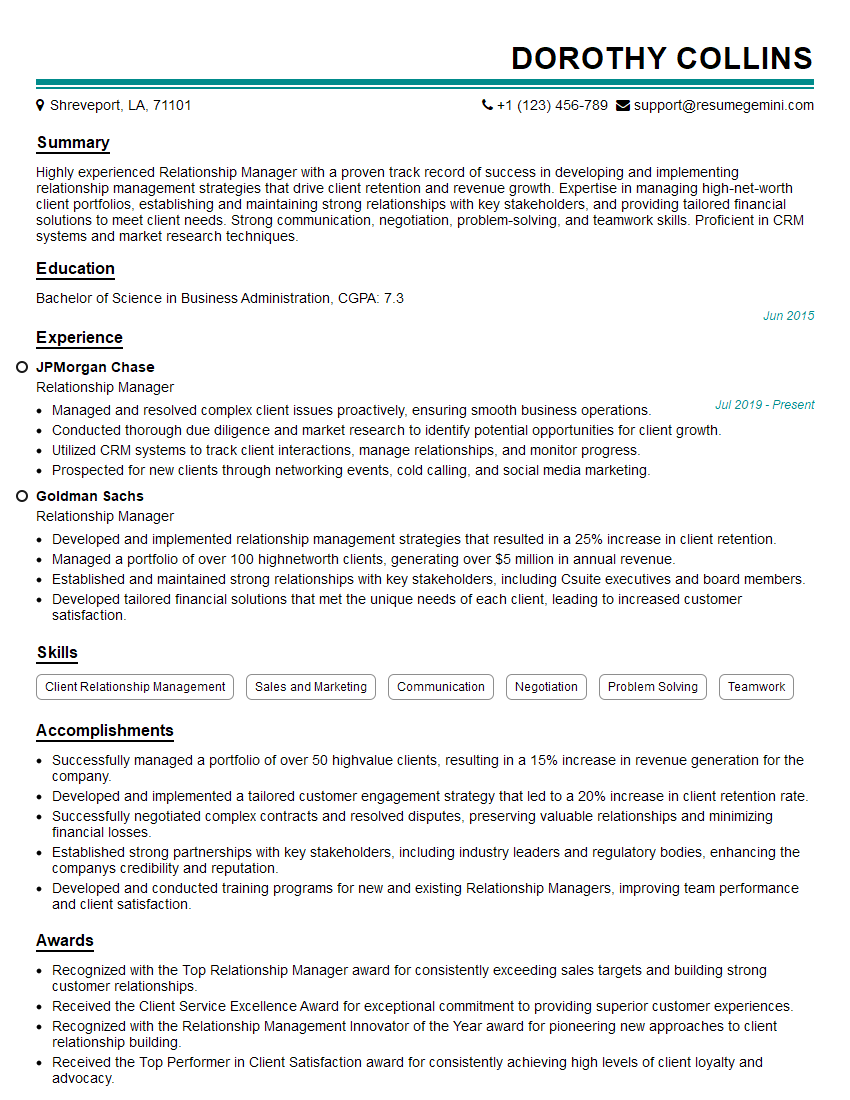
Relationship Manager Resume Sample

Project Manager Resume Sample
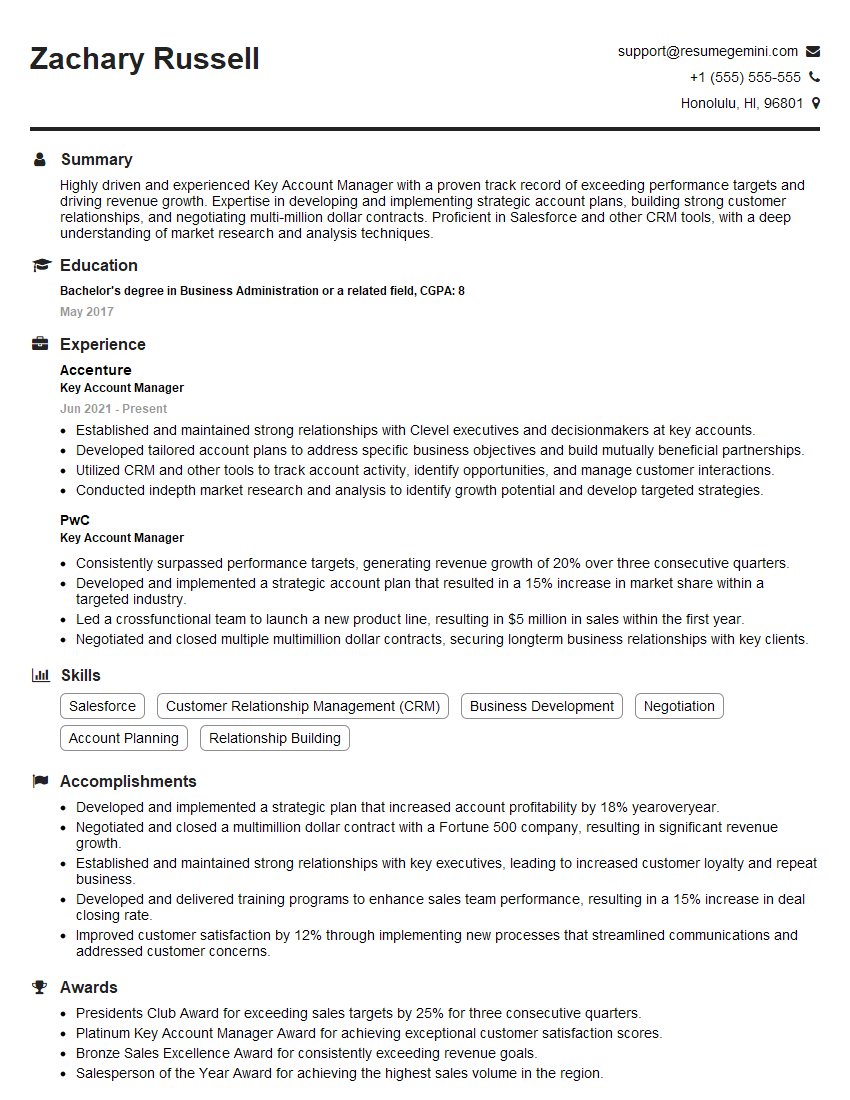
Key Account Manager Resume Sample
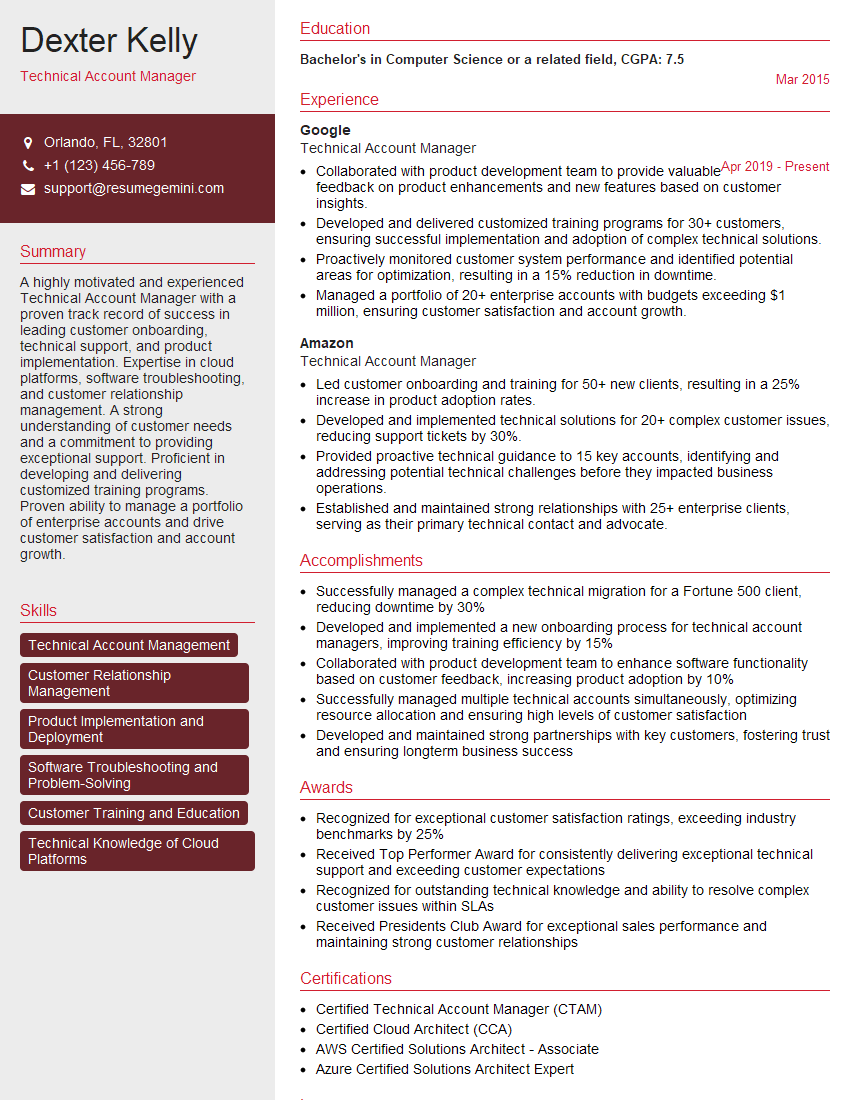
Technical Account Manager Resume Sample
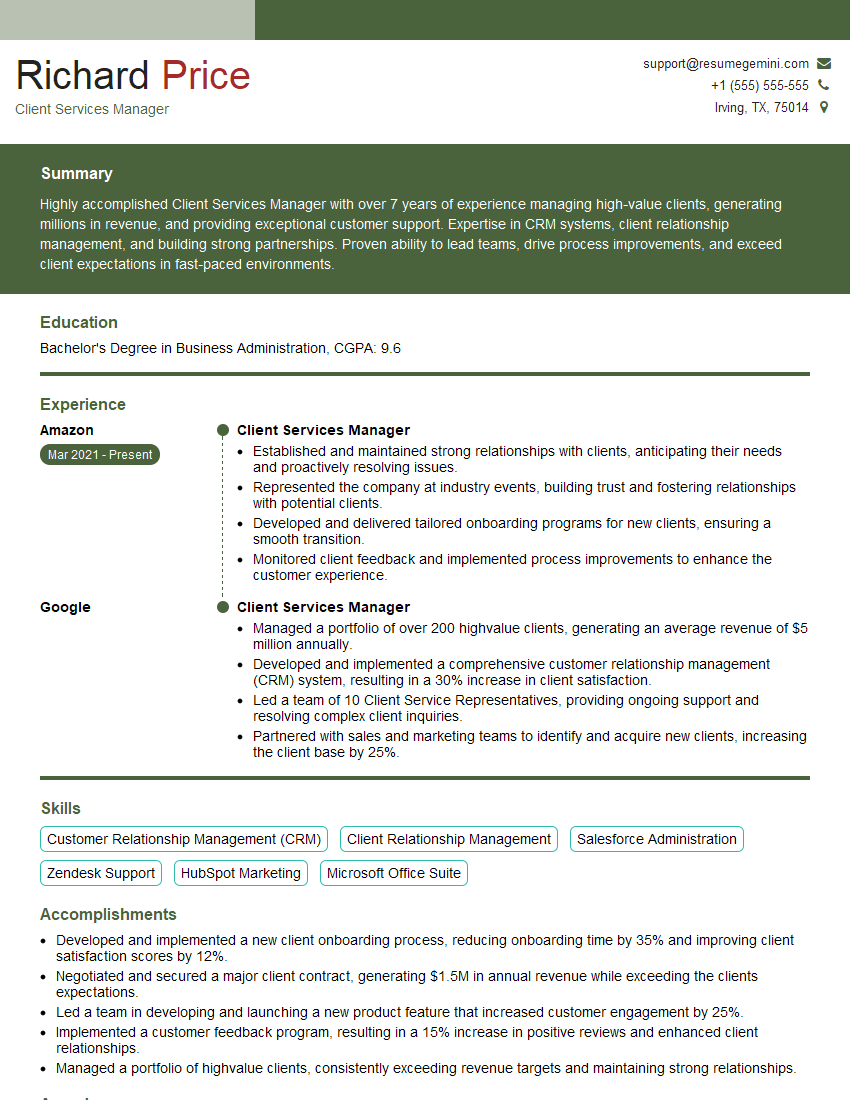
Client Services Manager Resume Sample
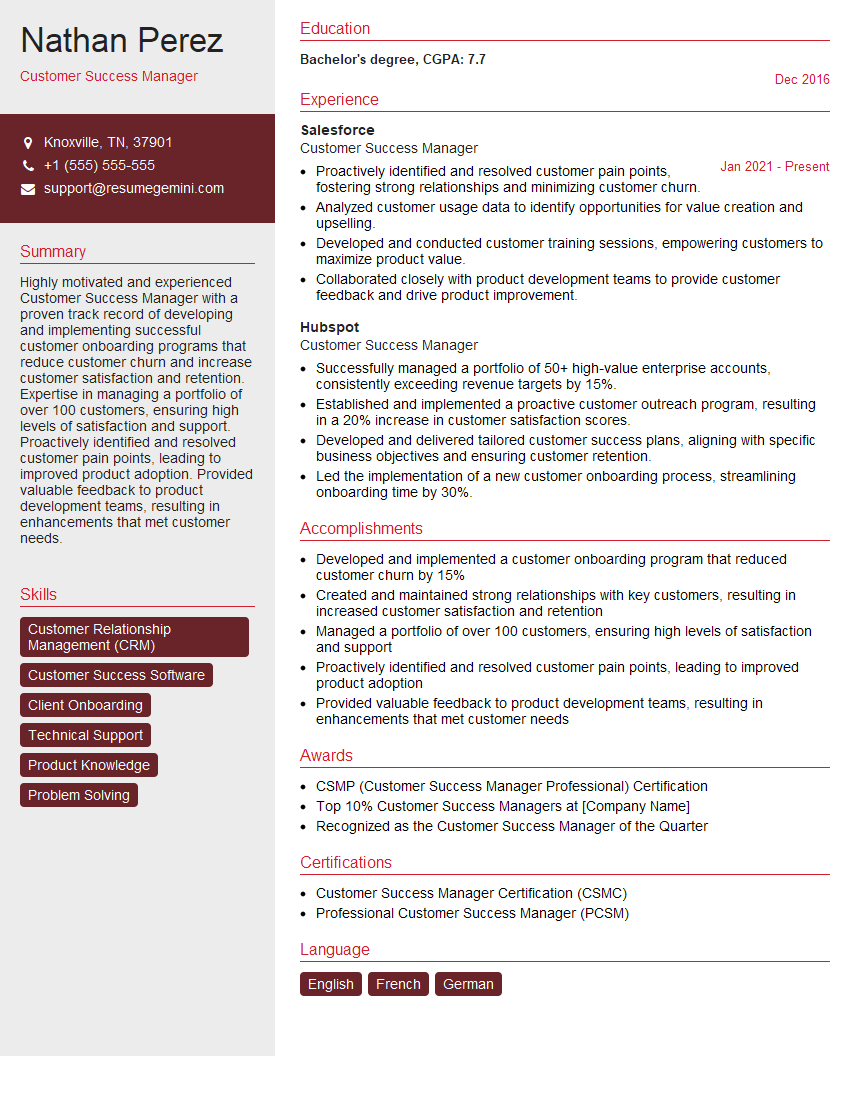
Customer Success Manager Resume Sample
Explore more articles
Users Rating of Our Blogs
Share Your Experience
We value your feedback! Please rate our content and share your thoughts (optional).
What Readers Say About Our Blog
Very informative content, great job.
good